Klaus Biesenbach in an interview with SPK: Why the Neue Nationalgalerie is a place for everyone, why the Kulturforum needs Schatten, and why in Berlin you never know whether it’s the station or the train that’s moving
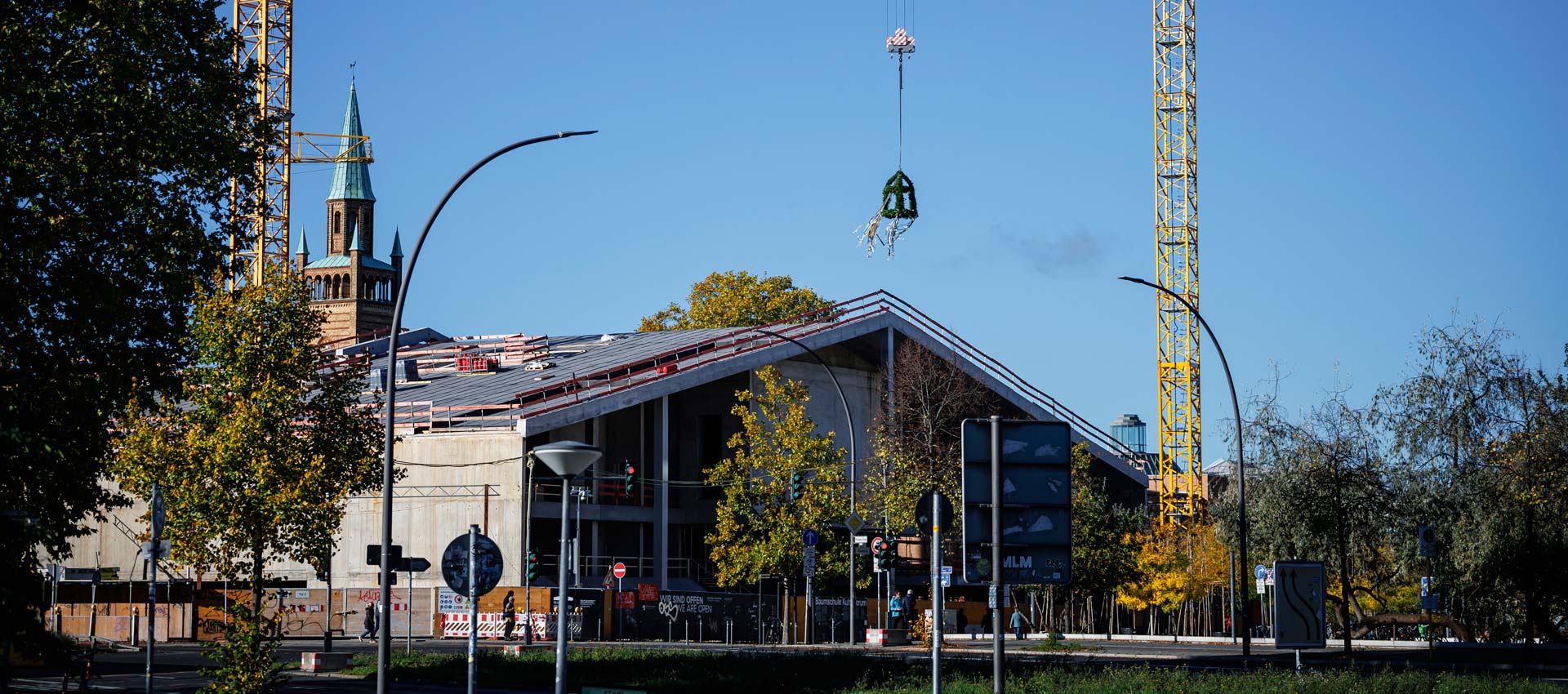
You’ve had a successful day out in the countryside, and an even more successful Yoko Ono exhibition to boot. What’s more, the Neue Nationalgalerie is one of Germany’s most visited art museums. Now the topping-out ceremony for ‘berlin modern’ is due to take place on 17 October. Why do you actually need a second building?
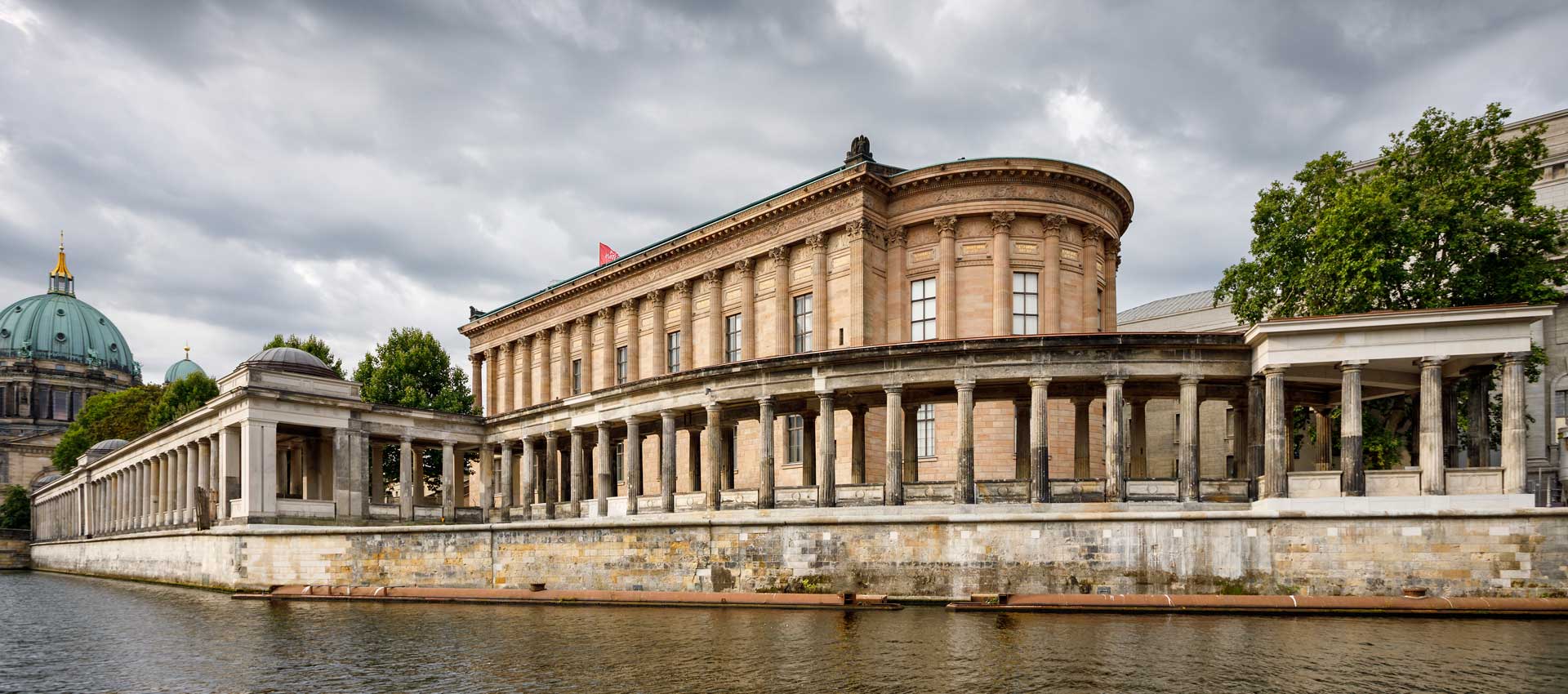
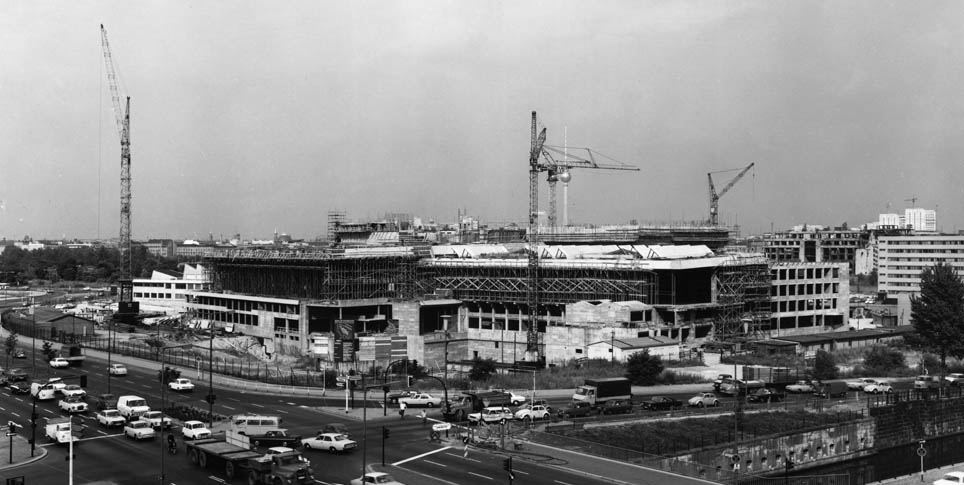
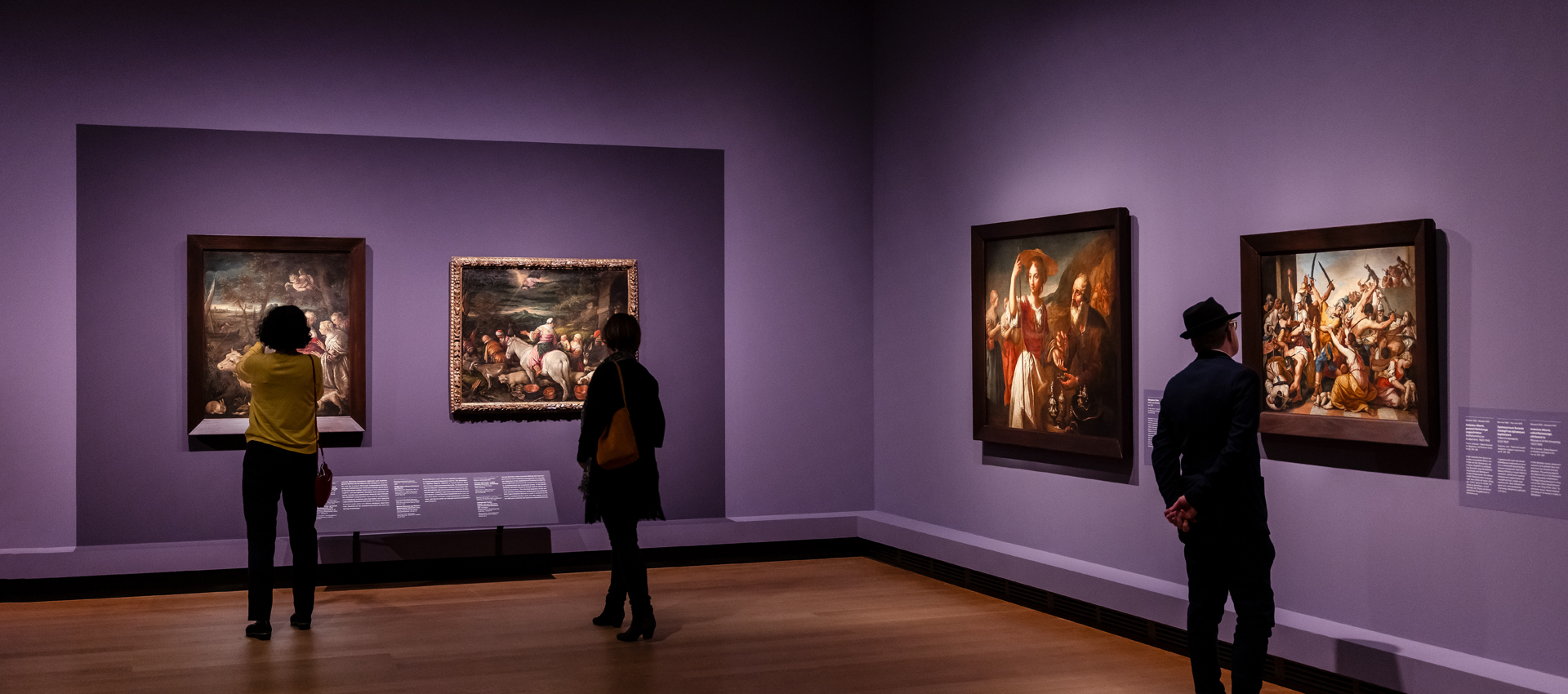
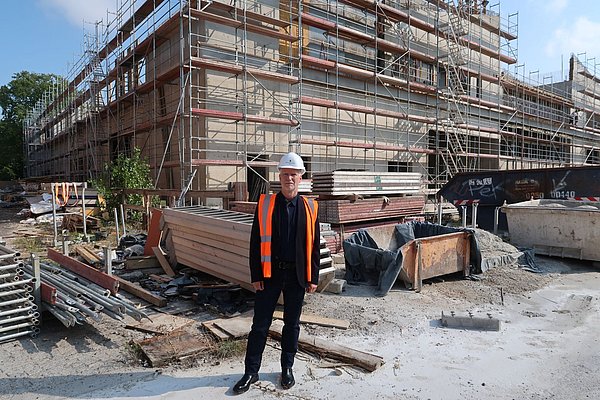
Klaus Biesenbach: Because our collection is not only truly outstanding, but also very large. At the moment, only around three per cent of the collection is on display here in the Mies van der Rohe building. In Berlin in particular, it is important that 20th-century art can be shown more broadly and in greater detail – and, of course, with a significantly larger proportion of the collection.
The collection is more political than elsewhere; it was assembled during the period of German division. That is where its tension lies. At the same time, there is still some time to go before the new building opens. How can we get the public excited about ‘berlin modern’?
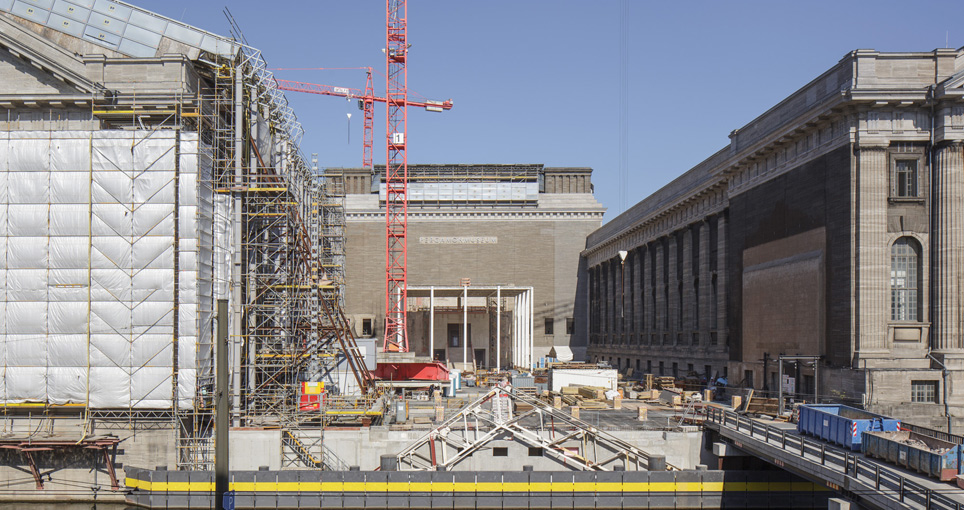
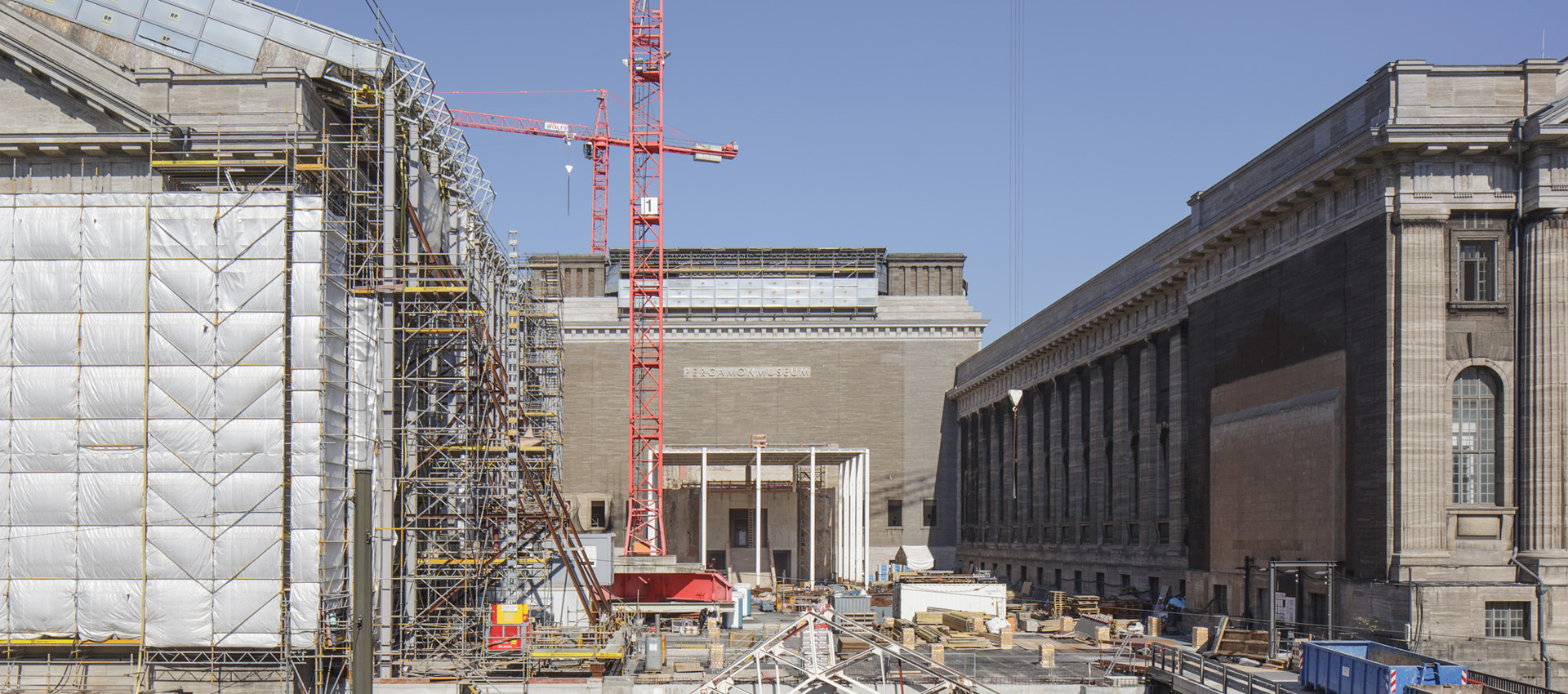
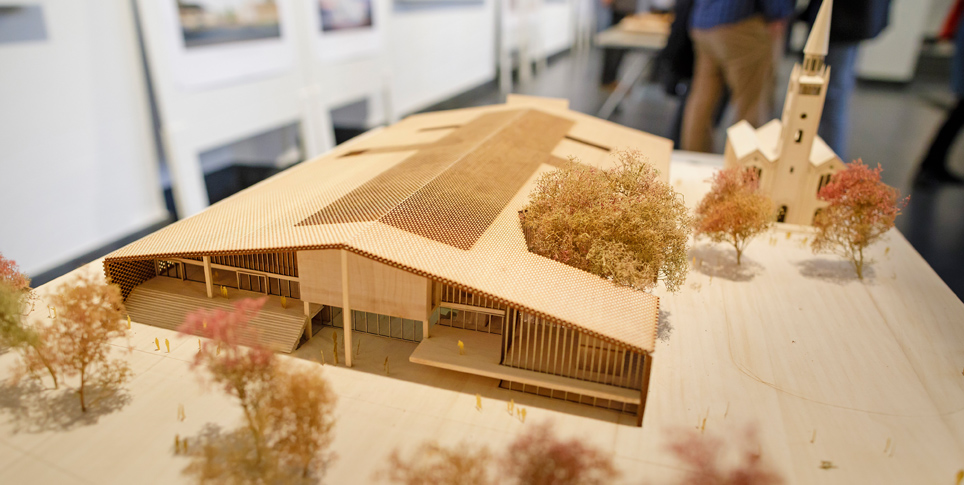
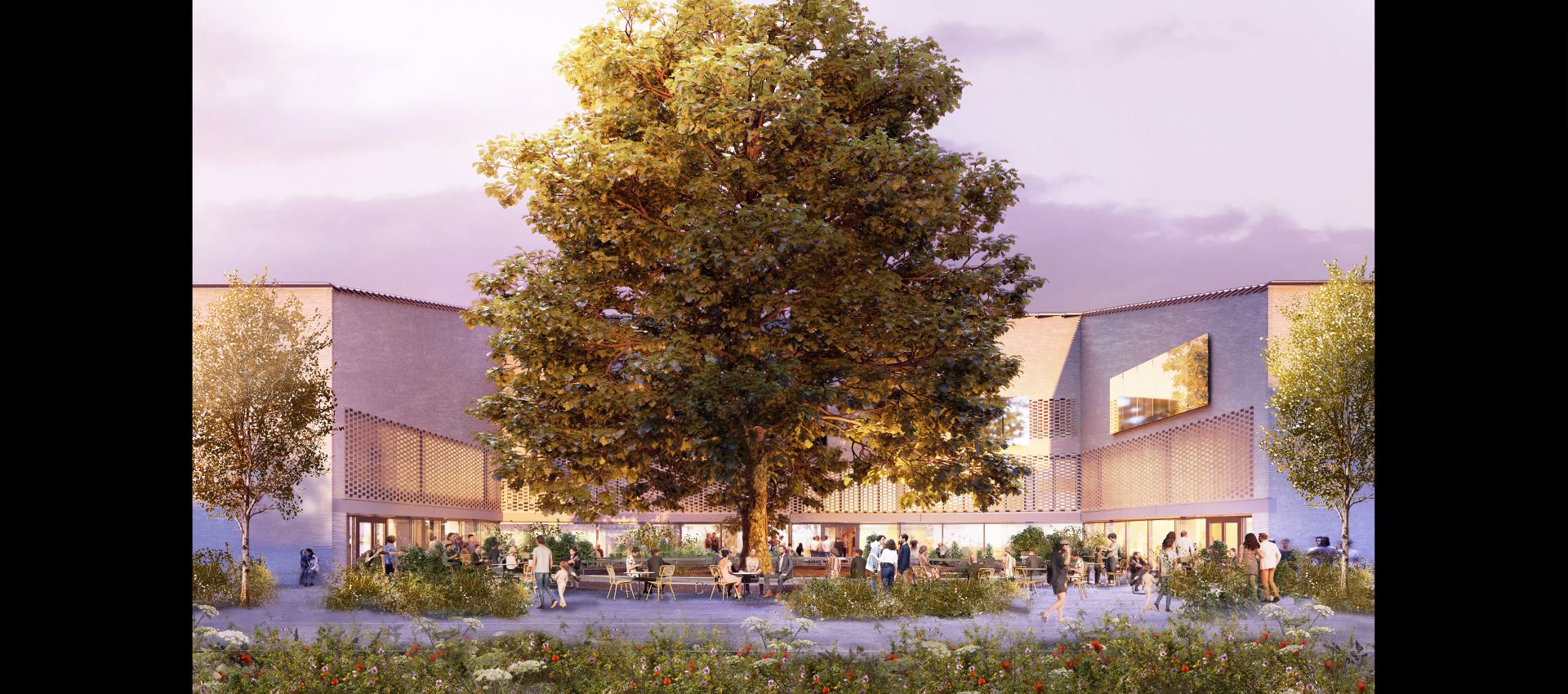
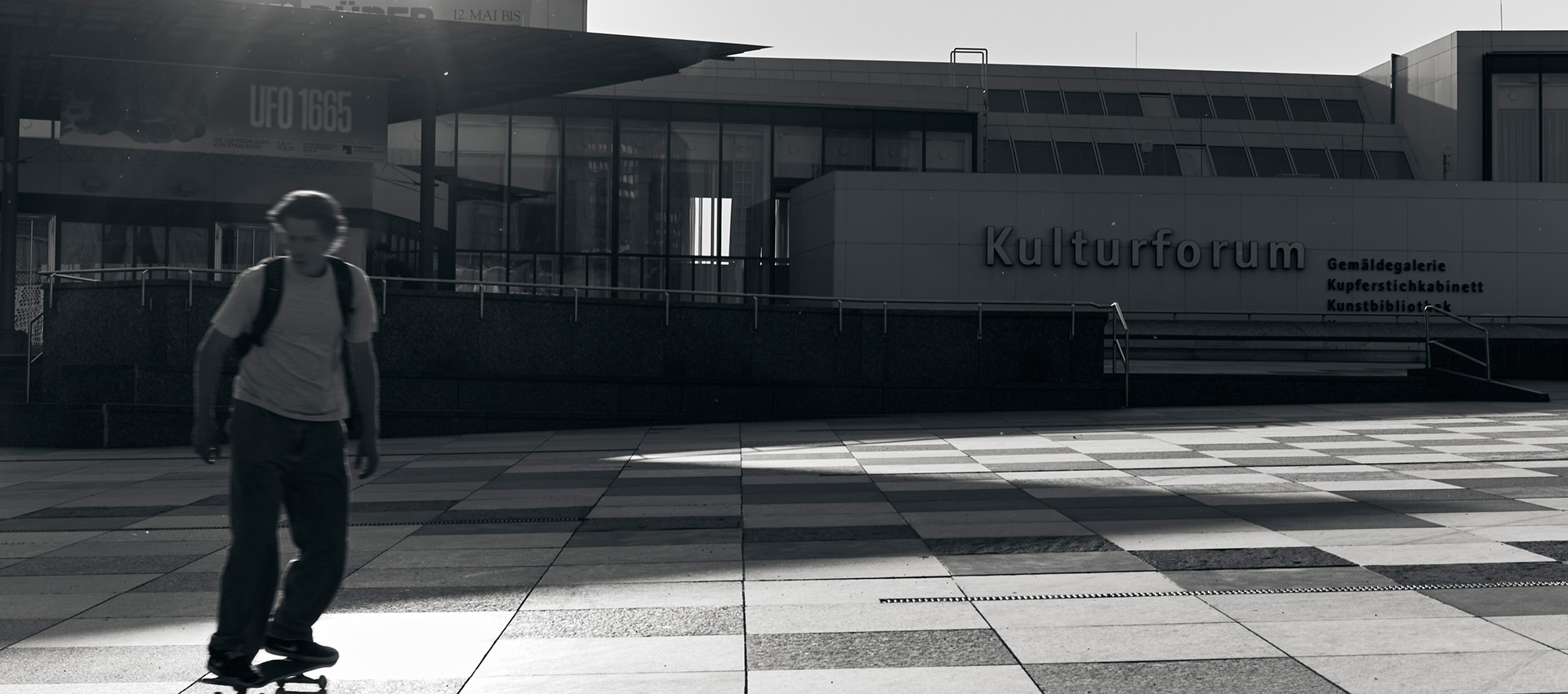
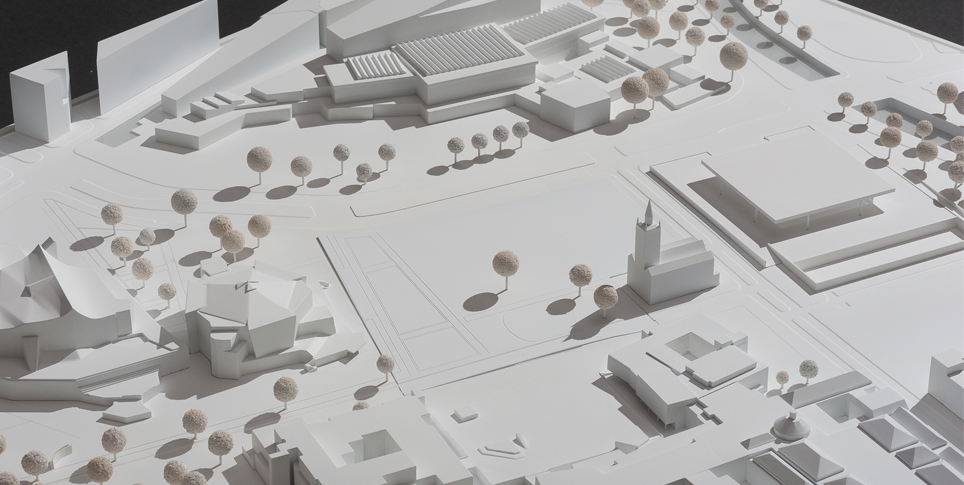
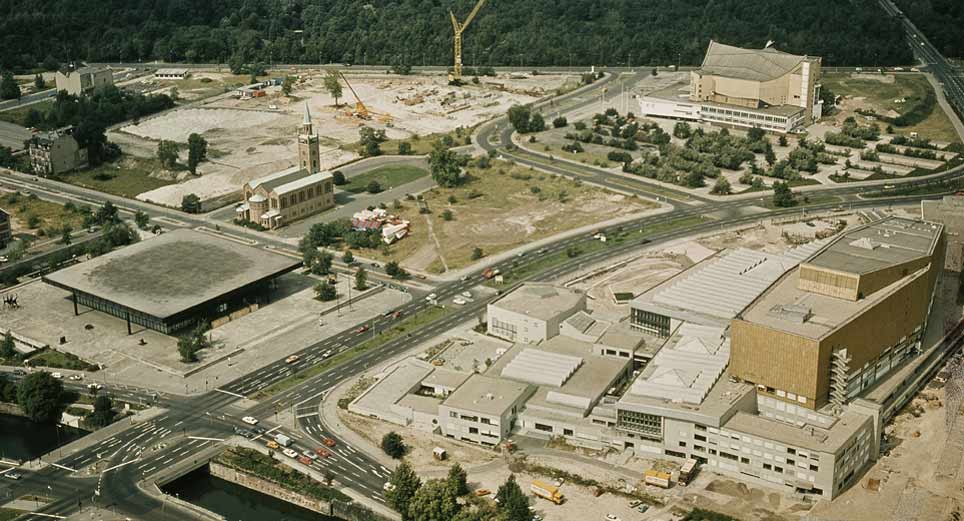
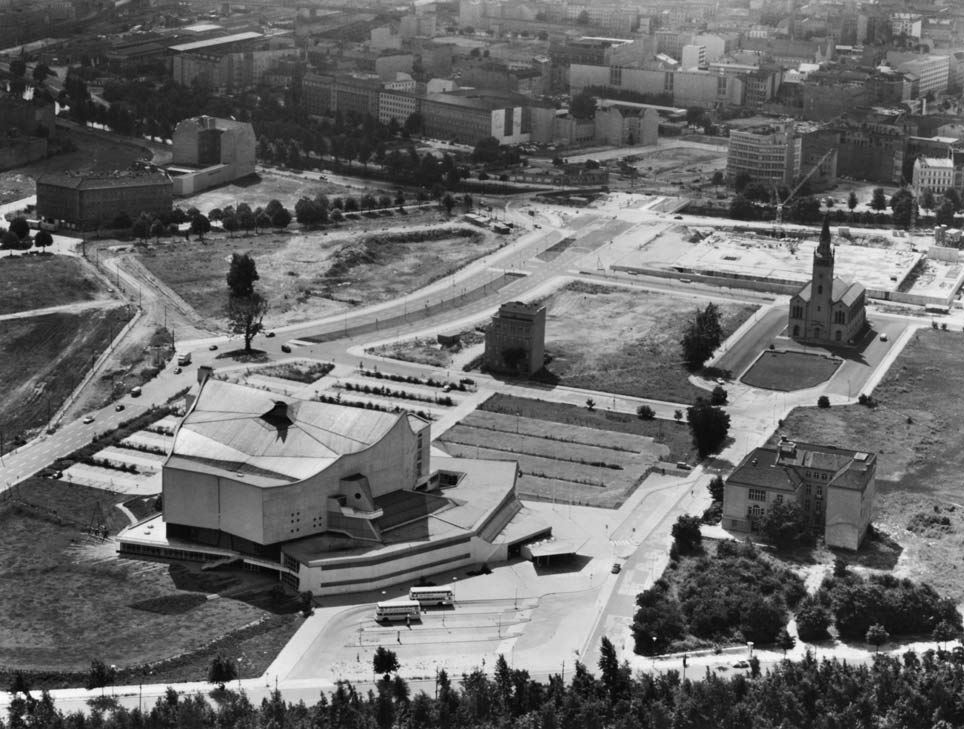
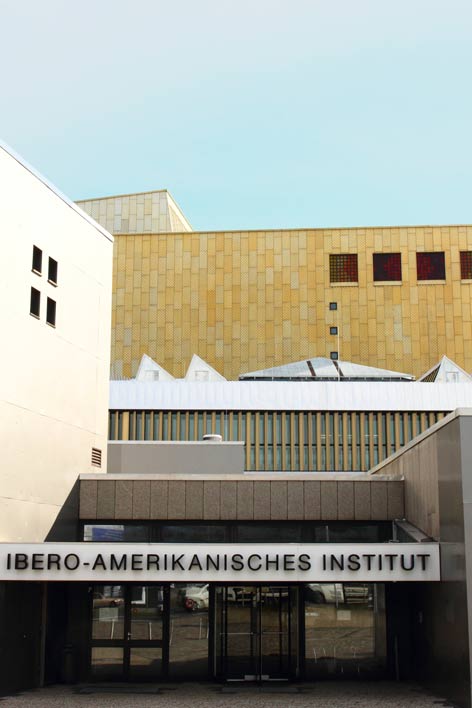
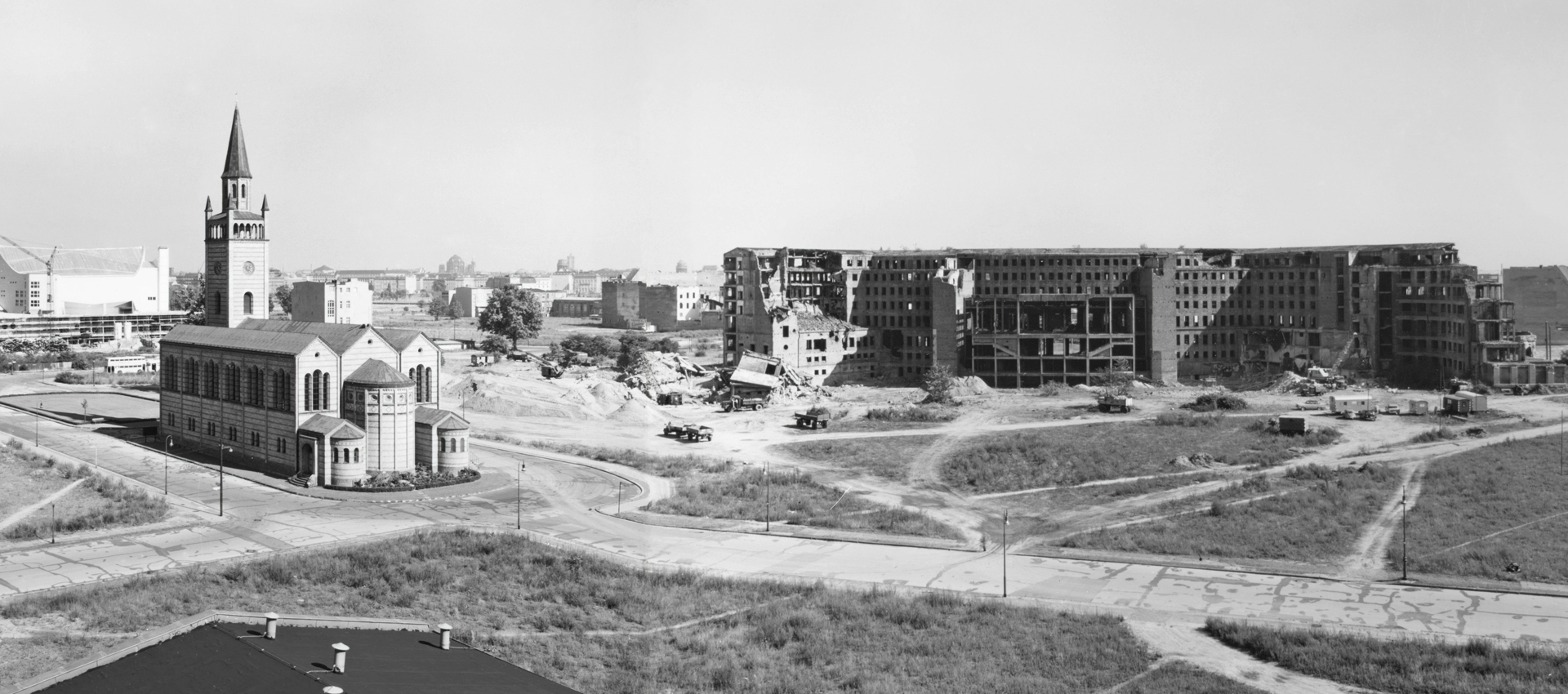
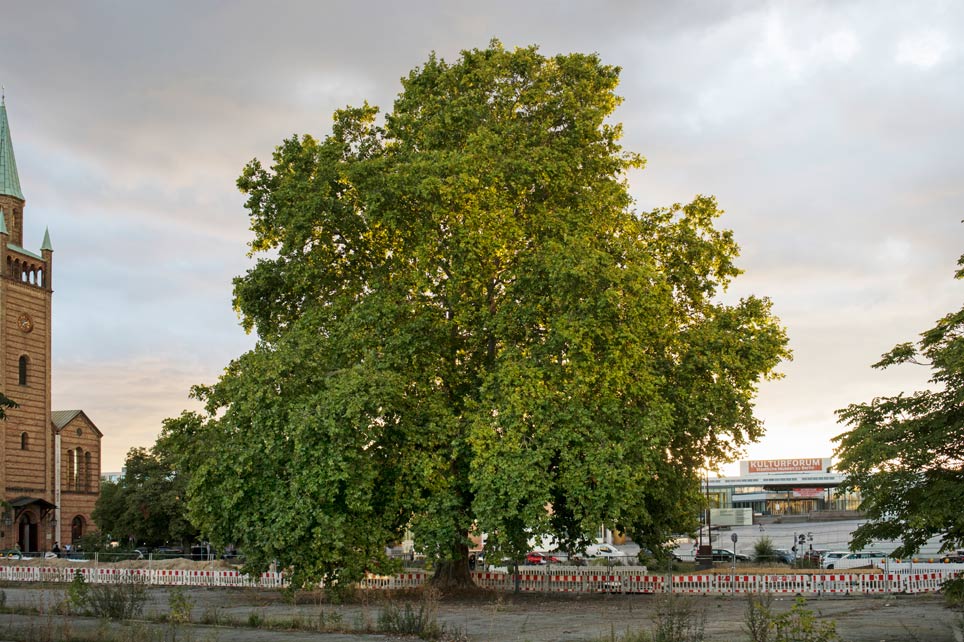
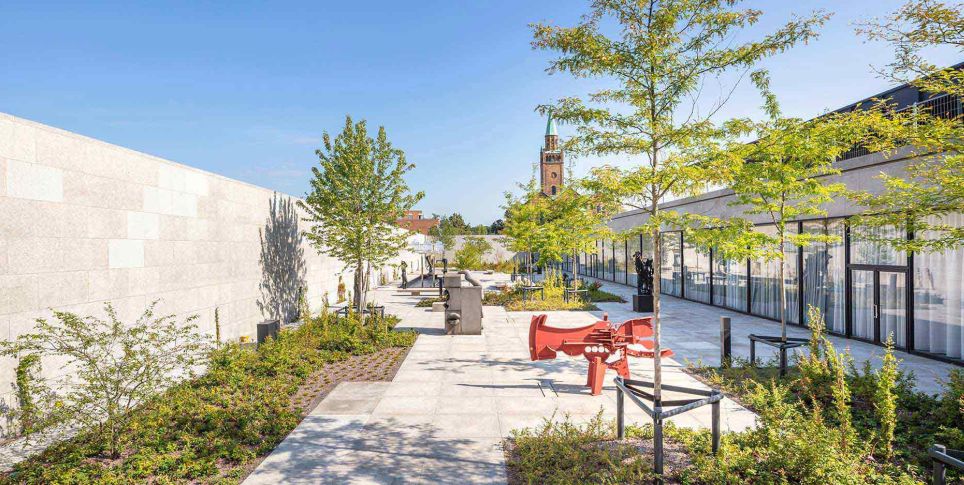
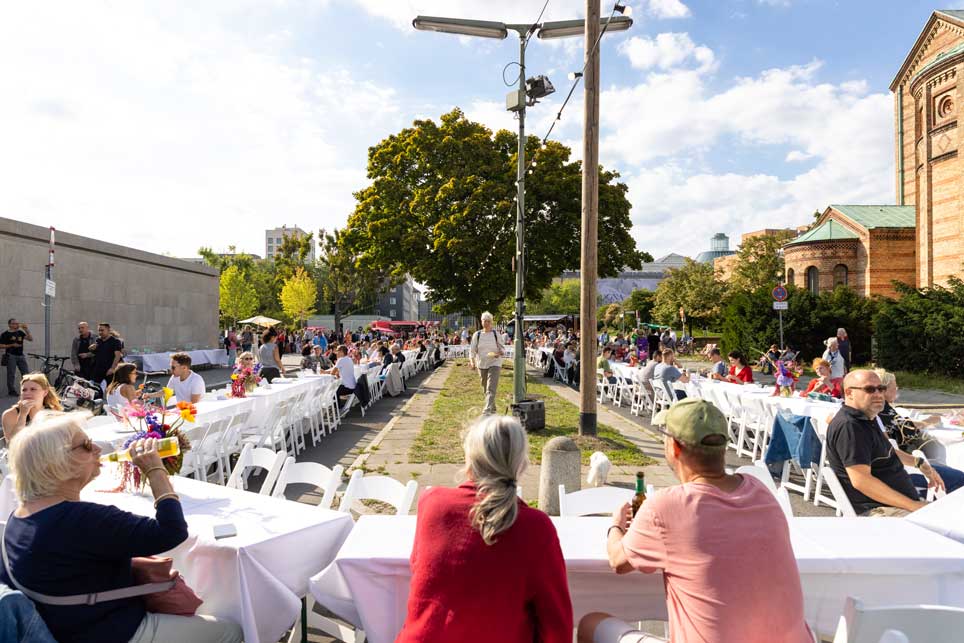
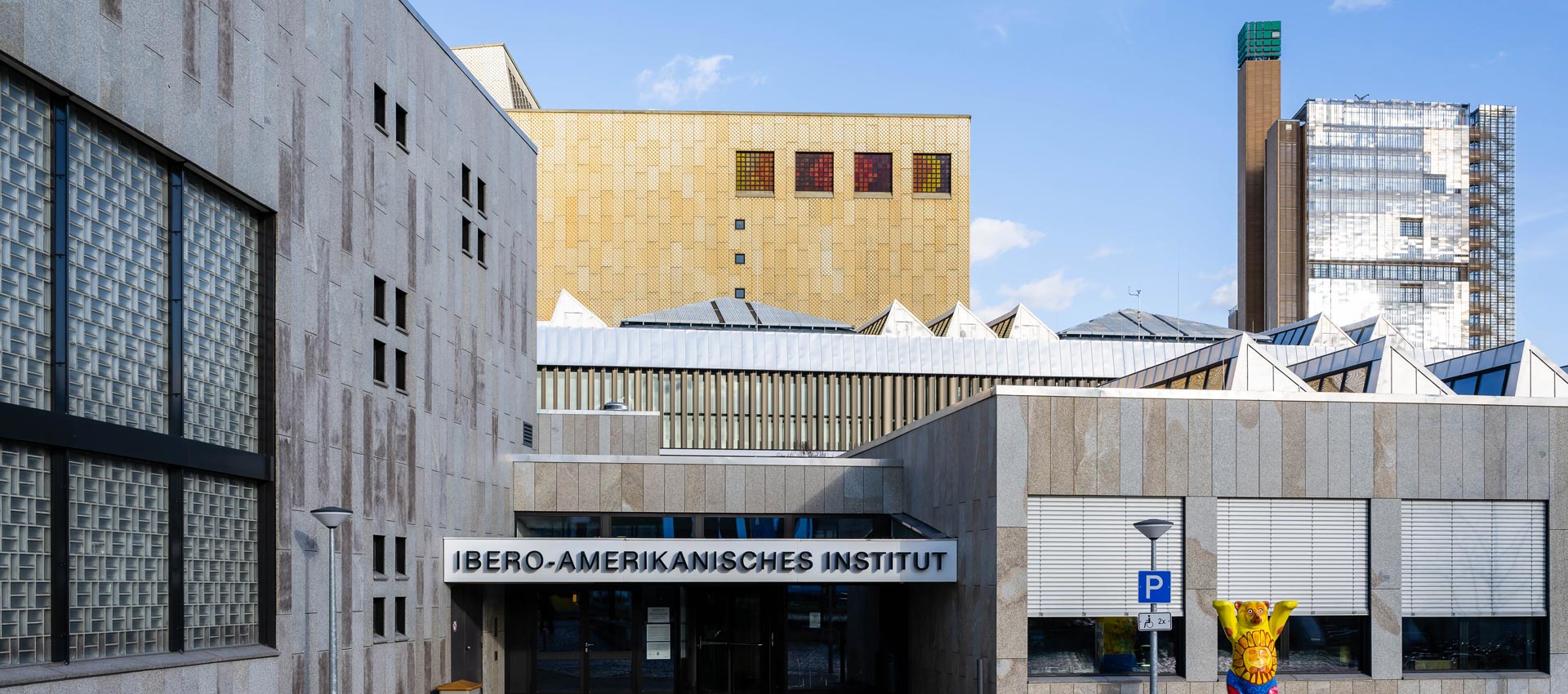
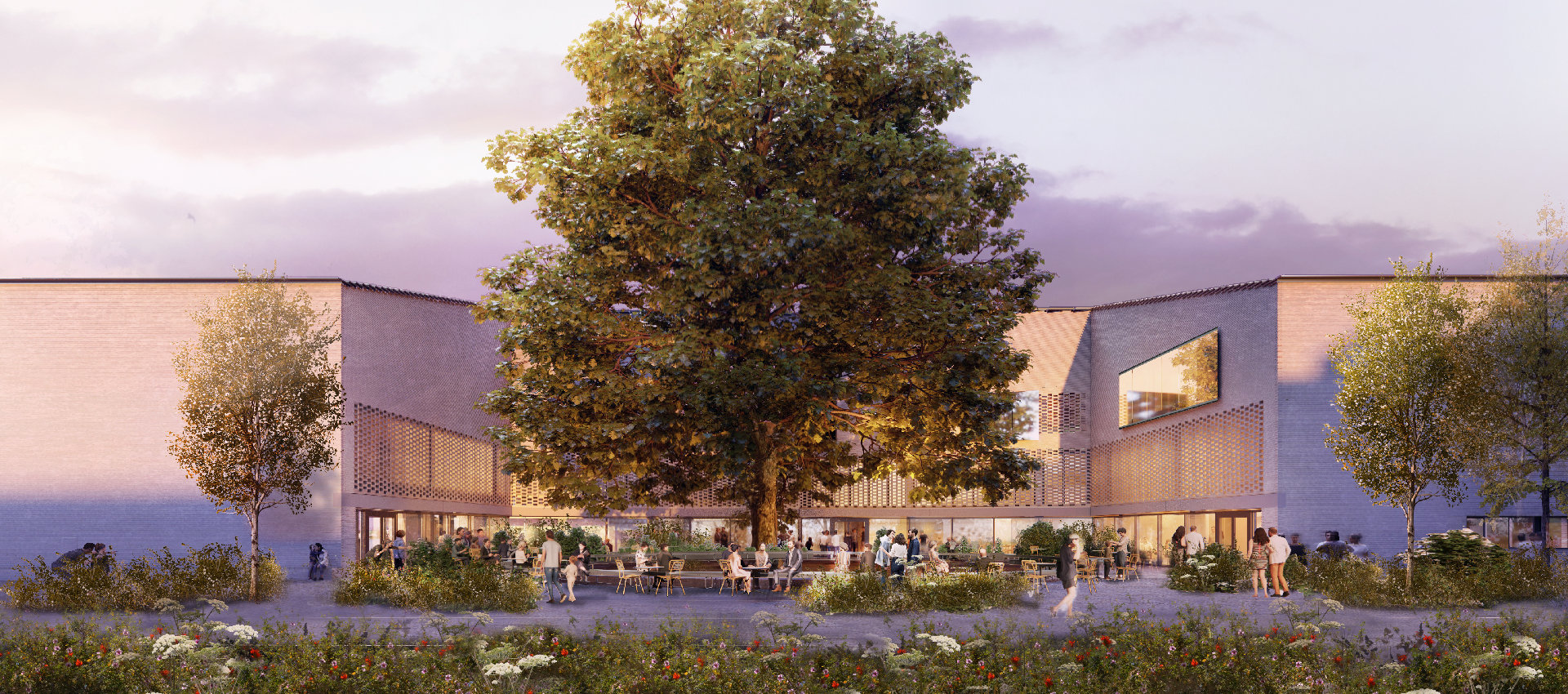
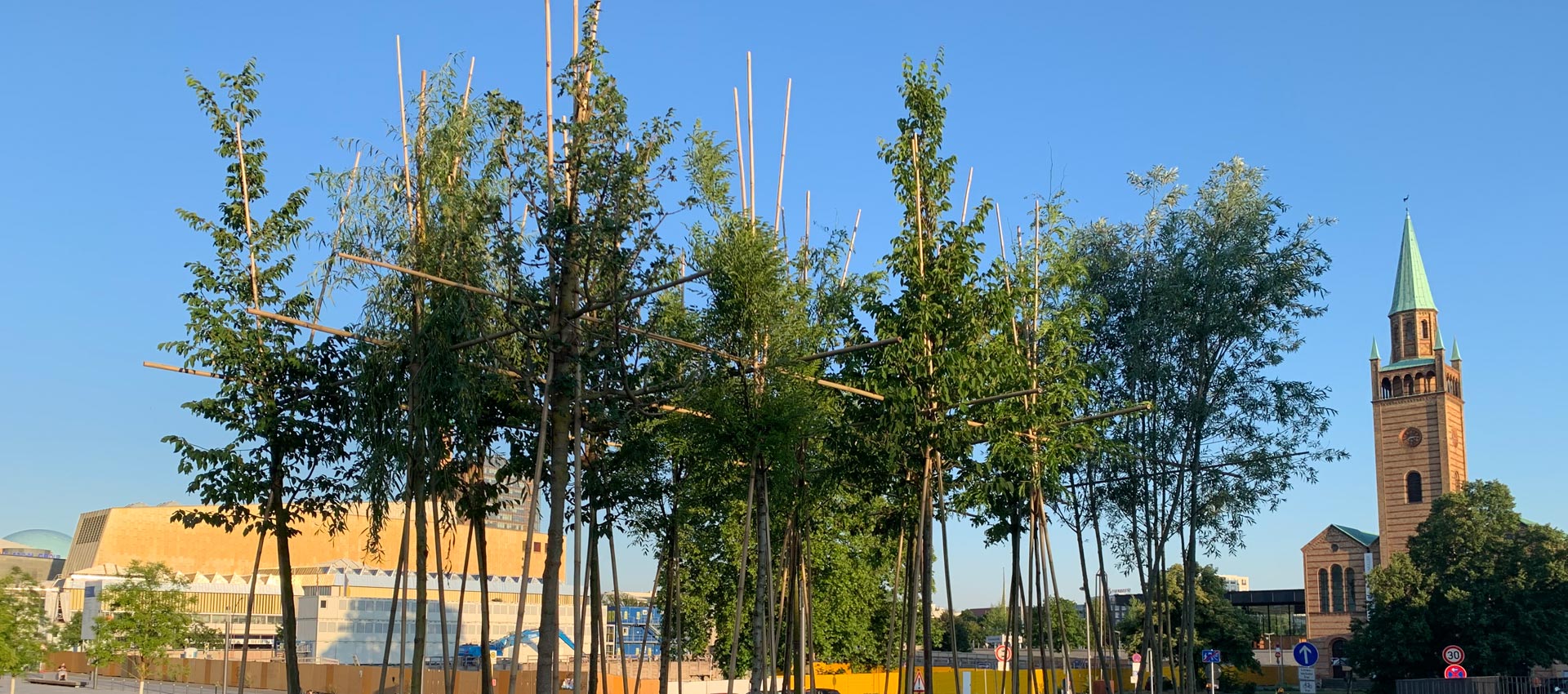
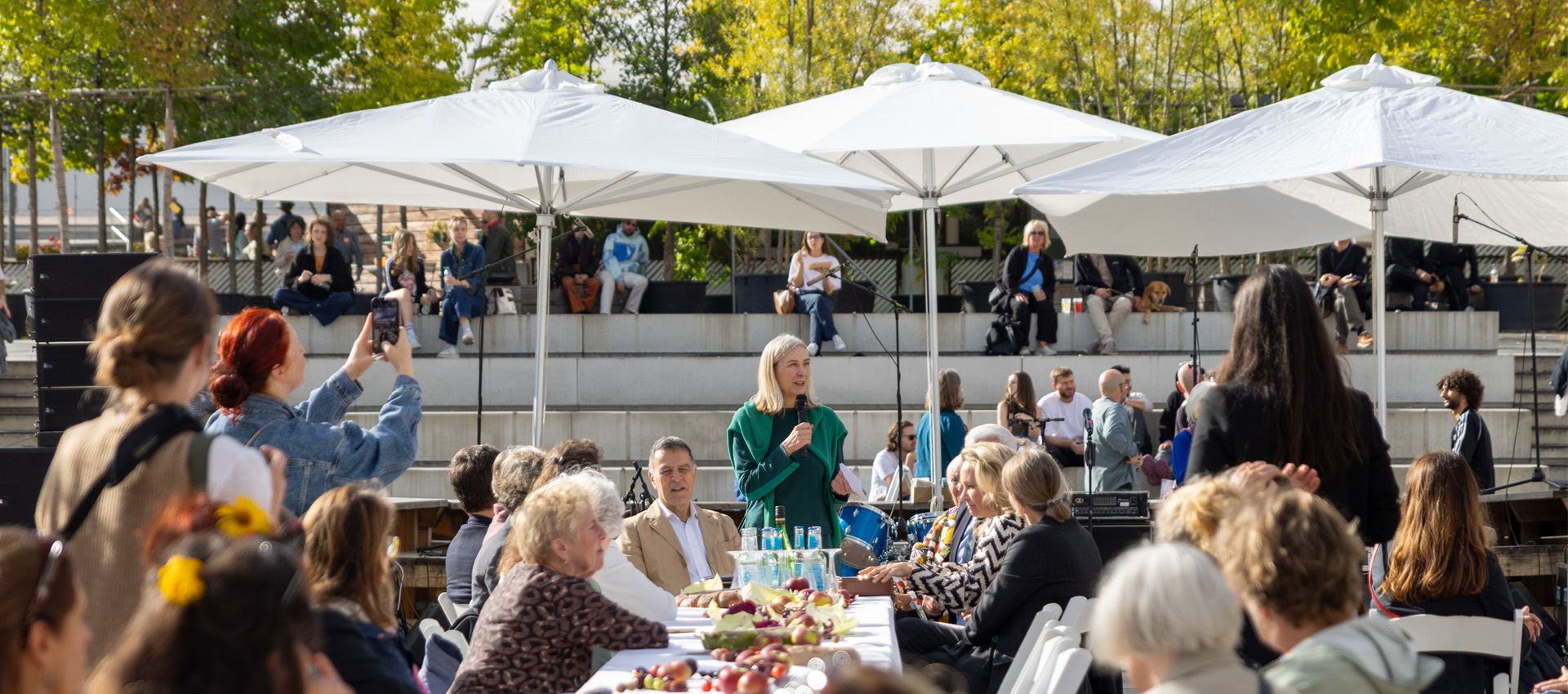
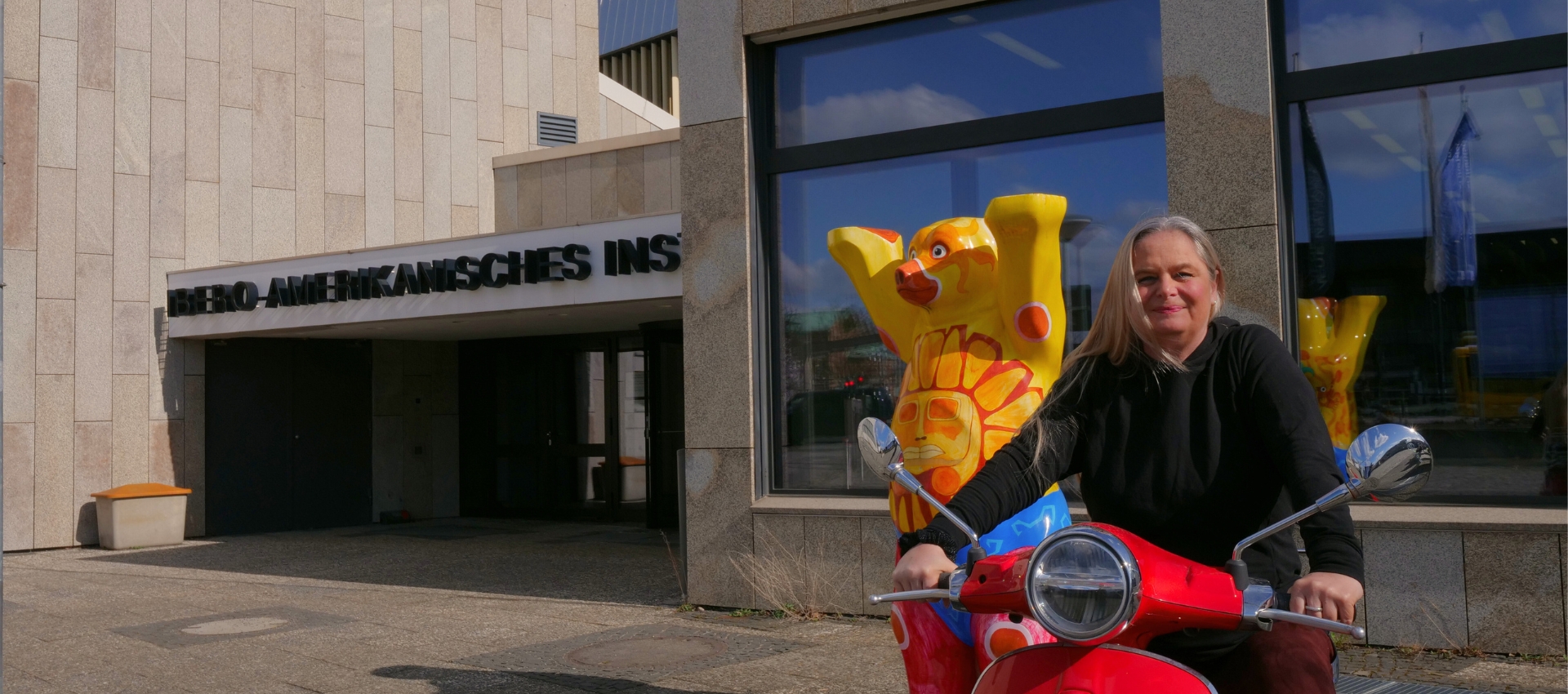
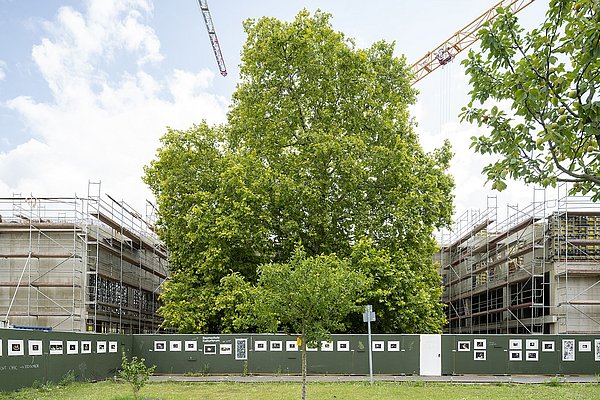
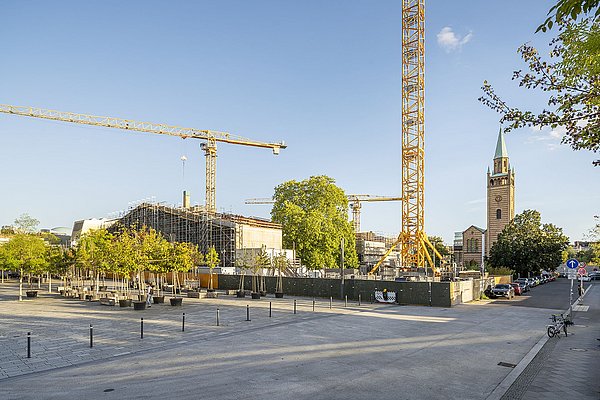
Klaus Biesenbach: For me, the main priority is that the Kulturforum is architecturally completed with the new building and that we improve the quality of the visitor experience here. Three years ago, together with our neighbours – St Matthew’sChurch, the Philharmonie, the Kupferstichkabinett, the Kunstbibliothek, the Kunstgewerbemuseum and the Gemäldegalerie, the Staatsbibliothek, the Ibero-American Institute and the State Institute for Music Research – we began greening the area around the building site, as a neighbourhood initiative, so to speak. We called it the ‘Baumschule Kulturforum’. At the same time, we used the space collectively: in 2022, we held the first ‘Tafel im Grünen’, a harvest festival, and a concert with Till Brönner. The following year, the Berlin band Zweiraumwohnung performed, the Urban Sketchers were there, and the food bank returned. This grew out of a neighbourhood initiative that provided benches and garden furniture so that people could sit in the shade in summer rather than on the hot concrete, and has developed into an effort to create a masterplan. To stick with the metaphor: the greening must continue to grow, with trees gradually being planted in unsealed soil. And I believe that the new ‘berlin modern’ will also play an important role in the future in transforming the Kulturforum into an urban space and a social hub that offers more joie de vivre and interaction, more density and vibrancy.
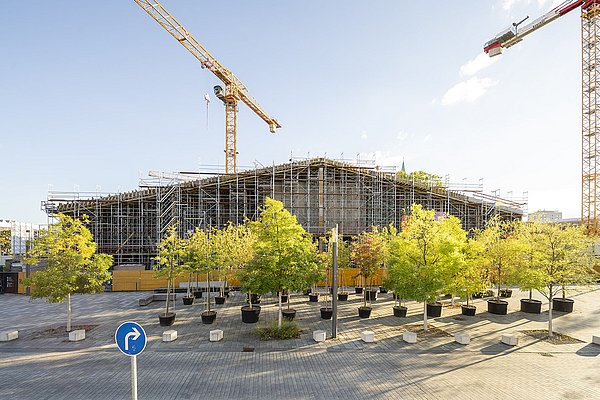
The Neue Nationalgalerie is an open-access museum, and public engagement plays a key role here. How do you view your audience?
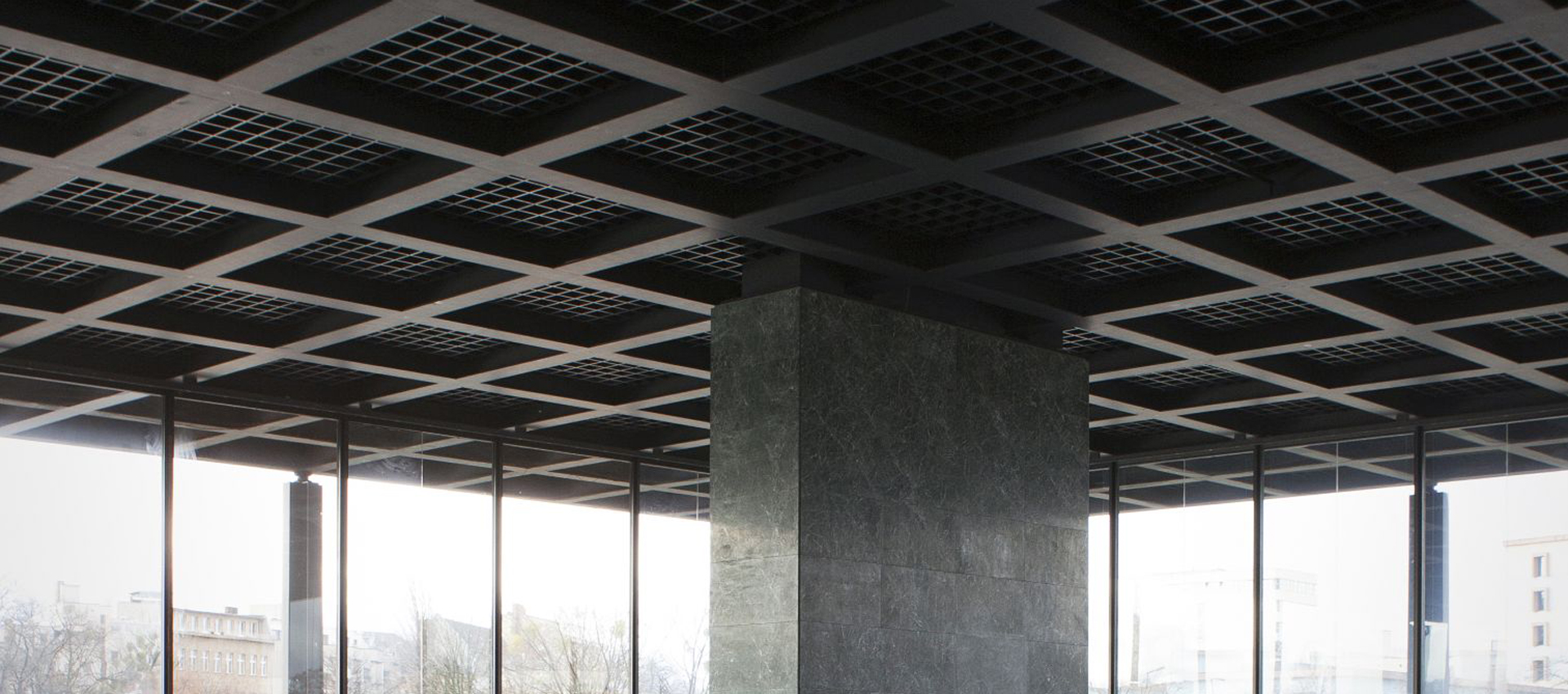
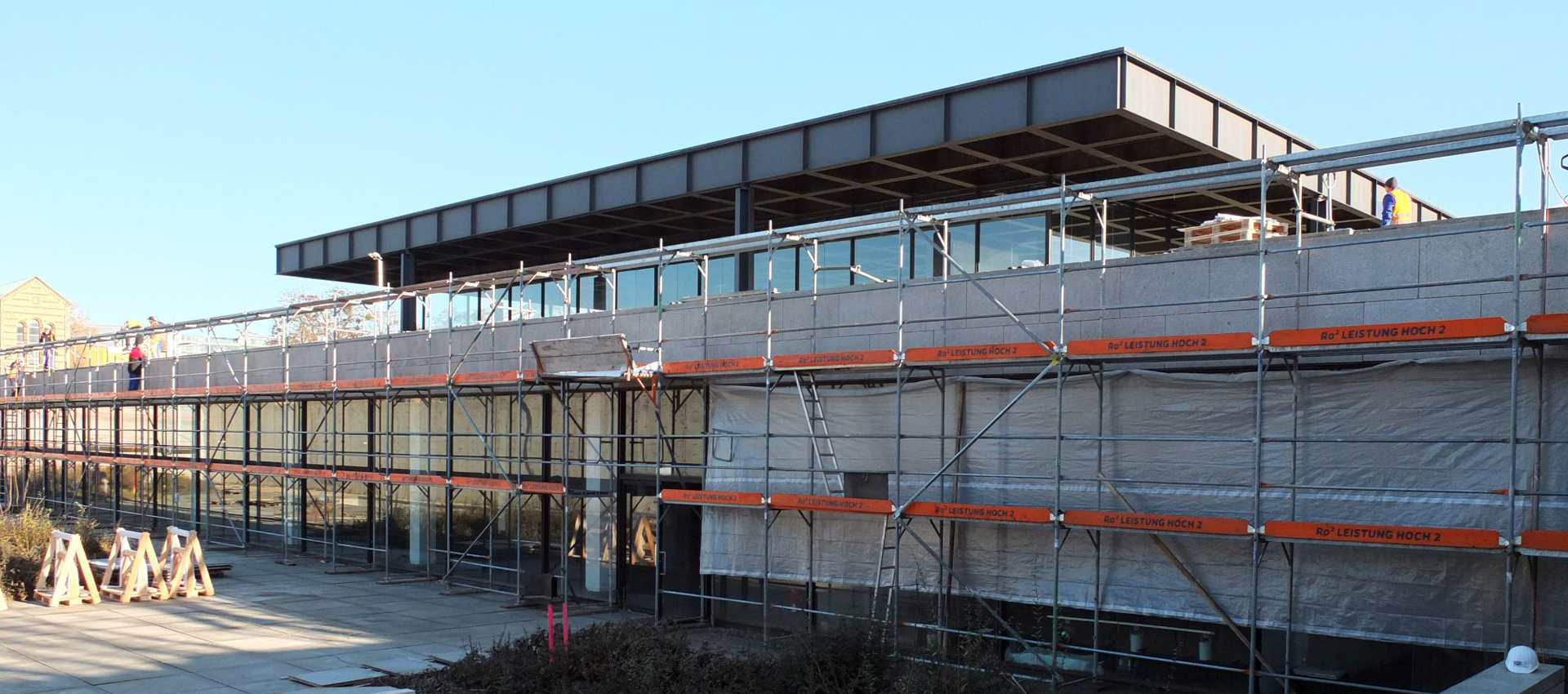
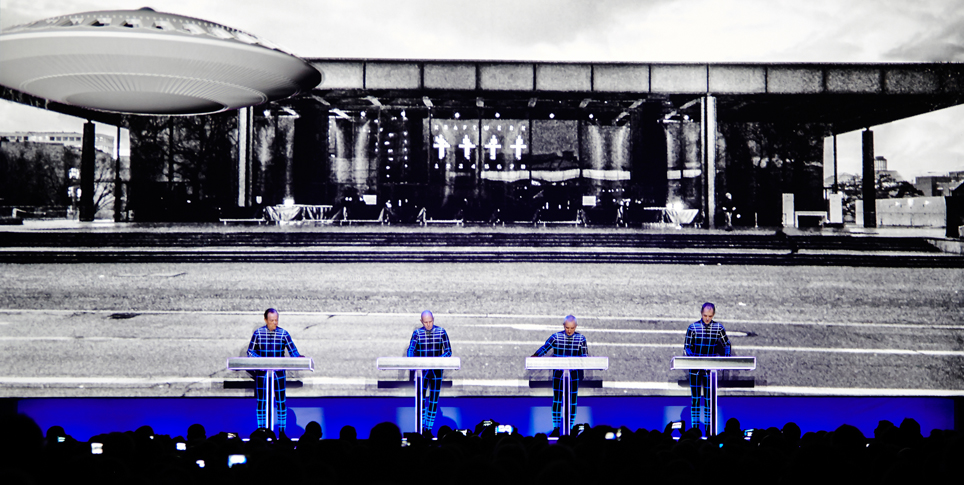
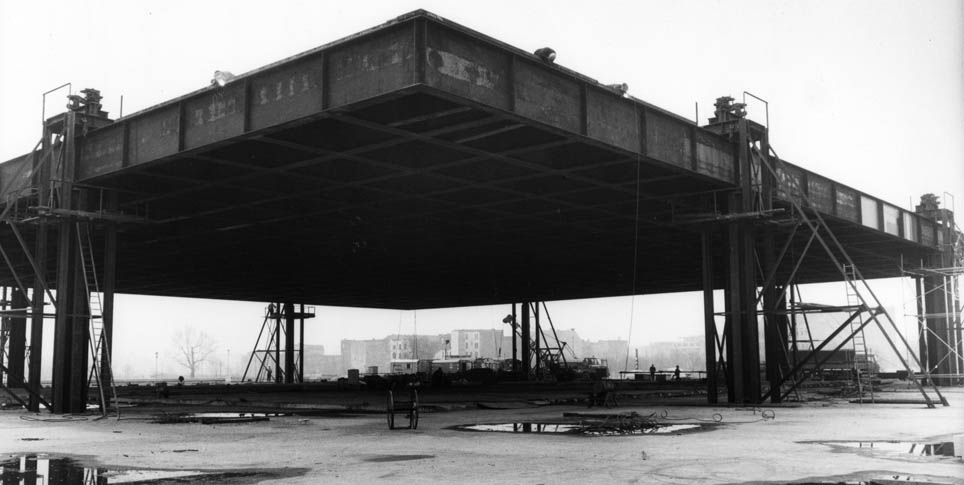
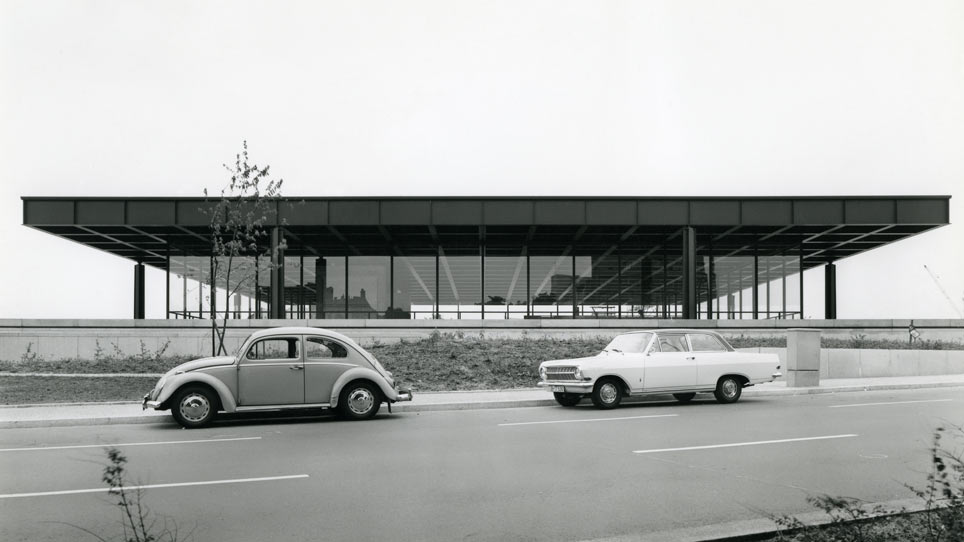
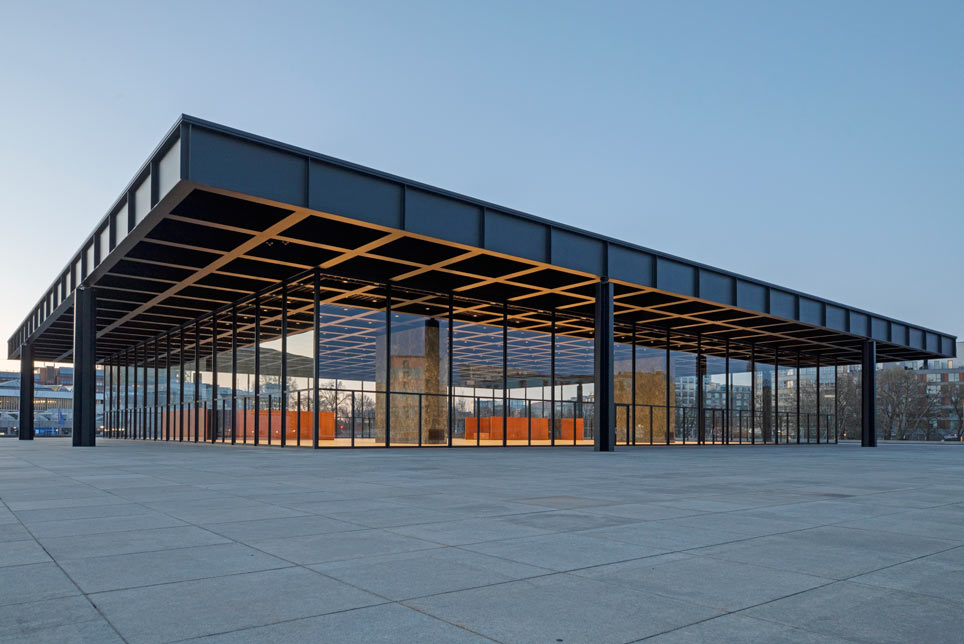
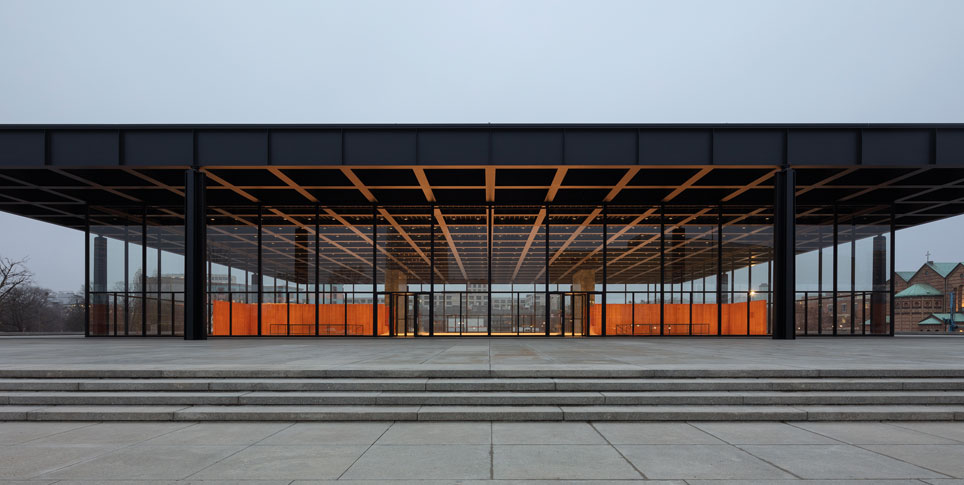
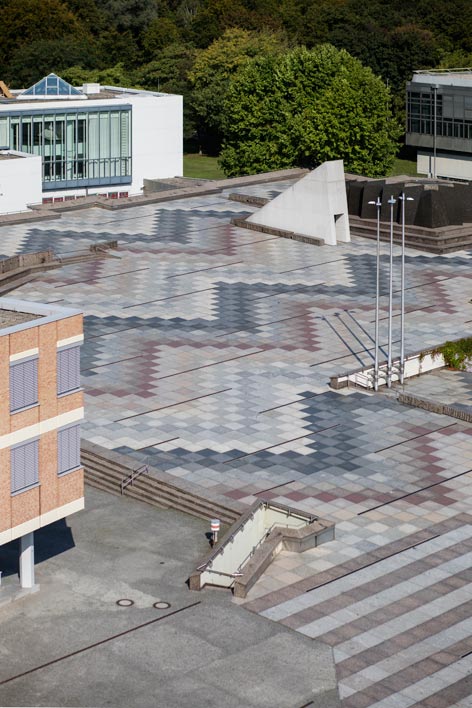
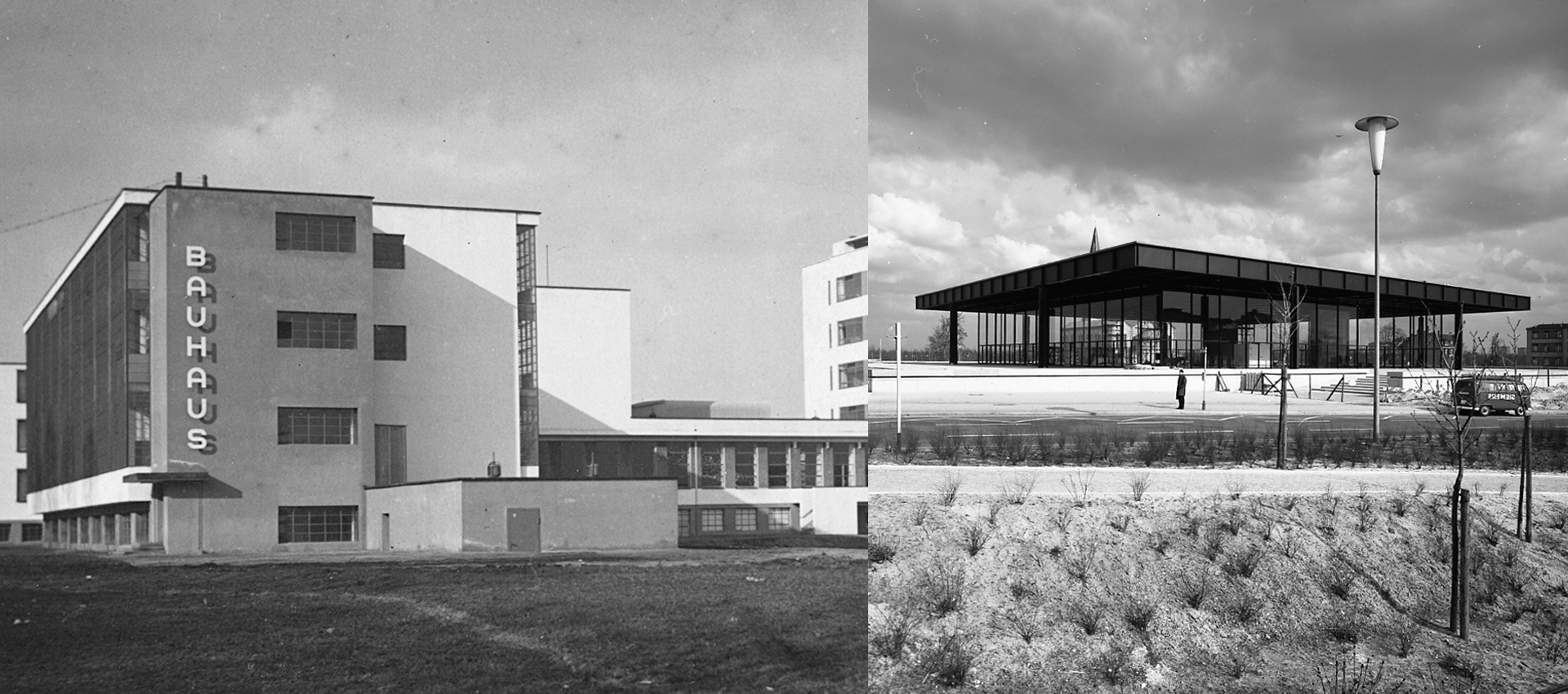
Klaus Biesenbach: I am very grateful that we are now the art museum in Berlin with the highest visitor numbers and also the highest revenue. People come and support us by buying tickets. The Mies building was actually designed for a tropical climate in Havana. That is why it has this overhanging roof, which protects against rain and sun, and this open transition between indoor and outdoor space. When you stand in the hall, it feels both intimate and monumental. The granite slabs extend from the inside to the outside – Mies conceived the entire area as a kind of stage, an agora. That was important to me: the outdoor plateau is not a buffer zone, but part of the museum. That’s why, from the very beginning, we’ve worked with performances that incorporate the outdoor space – from Pussy Riot, Joan Jonas, Monica Bonvicini, or Yoko Ono’s ‘Wish Tree’. This makes the museum more permeable. Anyone who steps onto the square is, in fact, already inside the museum, and the threshold is lowered.
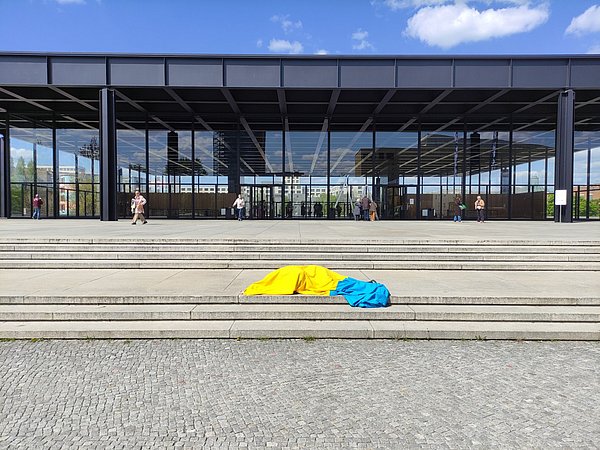
The solidarity campaign for Ukraine in February 2022 served as a blueprint for this open-house initiative.
Klaus Biesenbach: I started here as director in January 2022, and in February the war in Ukraine began. It was immediately clear to me that we had to react. So we opened the museum day and night. At two in the morning, an opera singer from Ukraine performed; Herbert Grönemeyer came; Anne Imhof designed one part of the space; Olafur Eliasson another. Thousands of people took part, despite the pandemic. They saw the museum as their own. That is a privilege for which one must be grateful. But it comes with responsibility: one must share the museum, share the collection and make it accessible to as many people as possible.
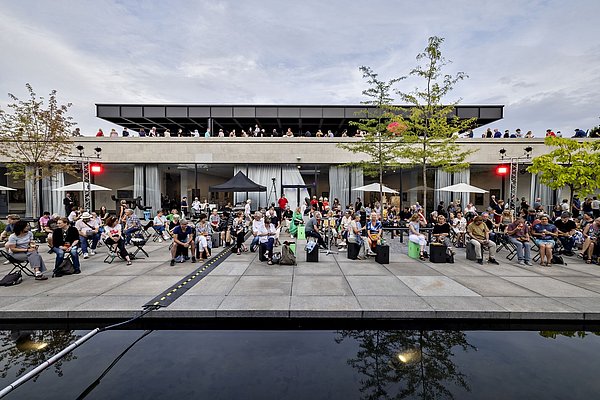
Some venues focus on tailored programmes for specific groups. They take a more inclusive approach – why does that work?
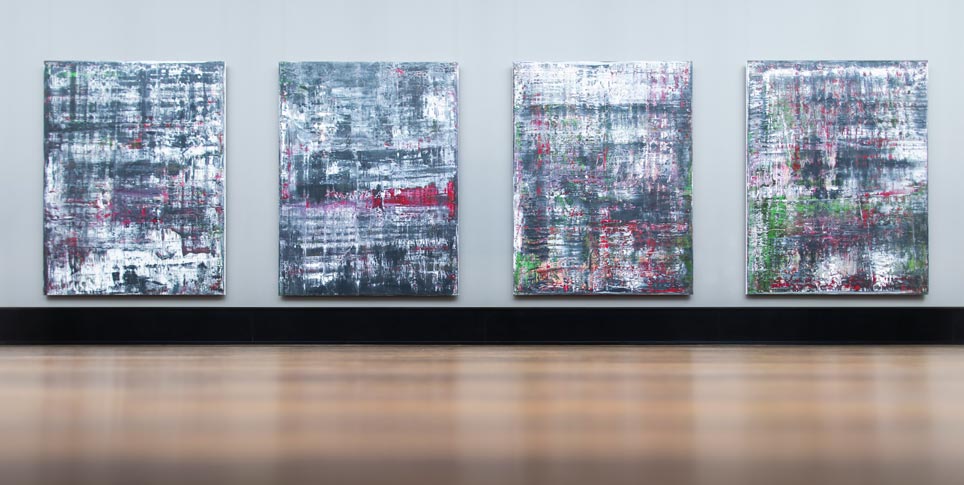
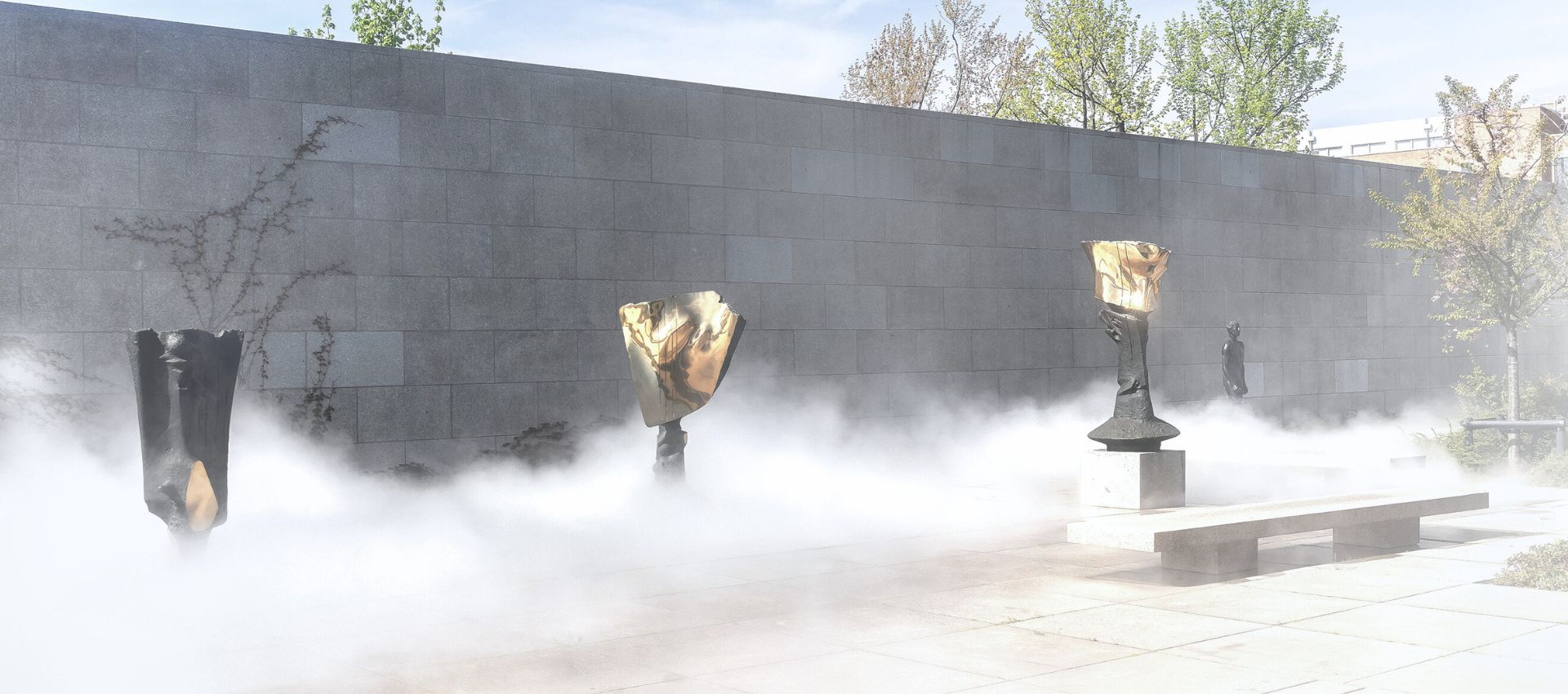
Klaus Bisenbach: There are certainly plenty of offerings for different audiences. We’ve had, for example, ‘Songs for Gastarbeiter’ or projects featuring female artists with an Iranian background. But the crucial thing is that the groups actually meet here: at a performance festival like ‘Perform’, different artists attract different audiences, who then find themselves in the same space together. Some come for Gerhard Richter, others for Fujiko Nakaya’s fog sculpture in the garden or for Yoko Ono. What’s important is that everyone feels welcome and finds something that inspires or engages them.
Berlin doesn’t have an international airport, yet it still manages to attract an international audience and relevant exhibitions. Does that play a role for you too?
Klaus Biesenbach: Yes, the airport is a drawback. In the 1990s, Berlin was the hub between East and West; today it’s more of a terminus. But the city still attracts international attention – because of its history. That’s precisely why the Neue Nationalgalerie is so important: it bears the responsibility of making the 20th century tangible. Art condenses experiences, feelings and insights. During the Ukraine solidarity campaign, many young people came to the museum, and at the same time the exhibition ‘Art of Society’ was running, featuring works from the first half of the 20th century. Many people find it difficult to make sense of history, but through art, the tragedy and gravity that emanated from Berlin can be experienced directly.
You once said that you had long struggled with your German identity. Can you afford to do that as director of the Neue Nationalgalerie?
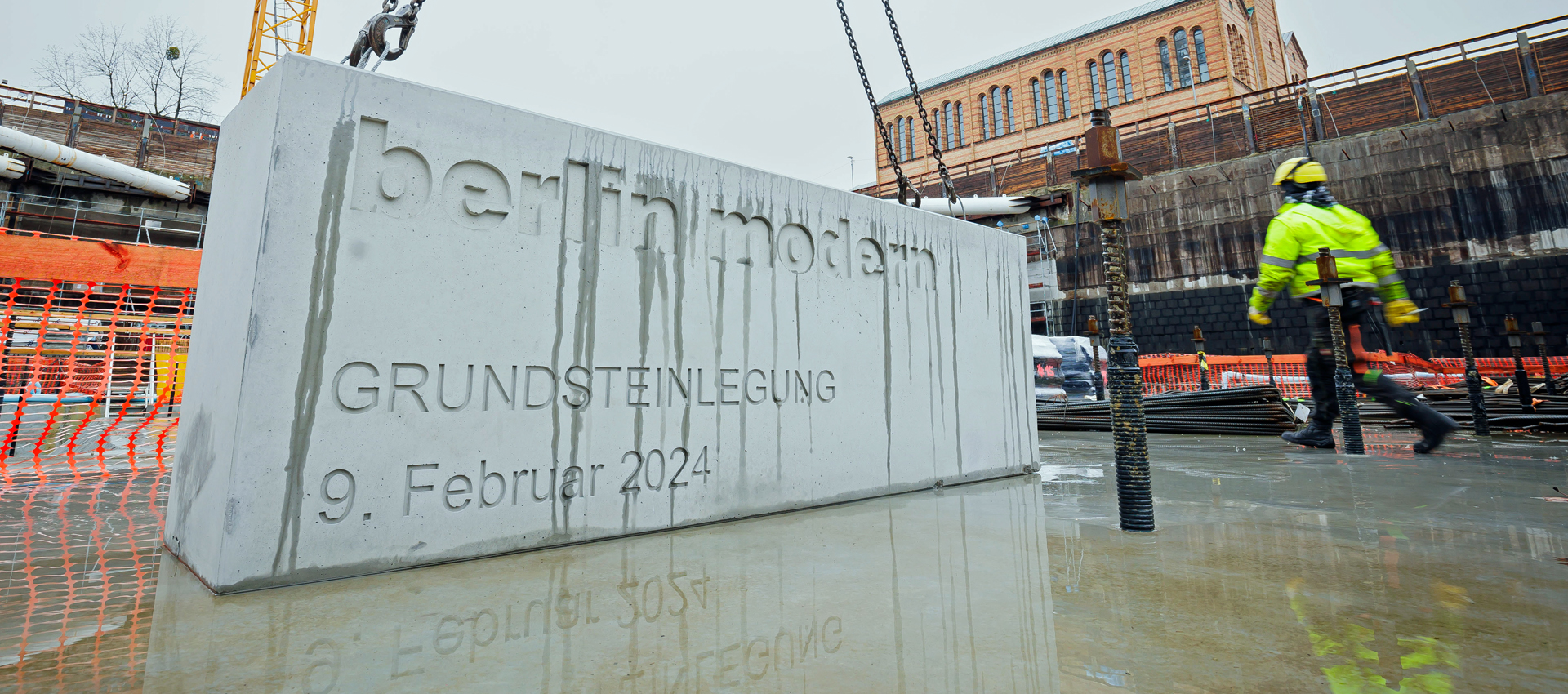
Klaus Biesenbach: At the laying of the foundation stone, Hermann Parzinger called the building the “InterNationalgalerie”. That made an impression. And Marion Ackermann emphasised that one must think of the SPK and its programme in global terms. I’ve always had that perspective too – I’ve organised exhibitions in many cities across Europe, in Brazil, Argentina, Mexico, China, Japan and for over 20 years in the United States. In the 1990s, you could feel the enthusiasm here following the fall of the Wall, the hope that the 20th century would end on a positive note. For me, it ended on 11 September 2001, the end of utopia. That is precisely why we now place such importance on a chronological presentation of the collection, one that brings historical events to life. Art can do that; it changes perception. That is our responsibility.
A circle has also closed in your own life: you left Berlin after the 1990s, and now you’re back. How do you view the city?
Klaus Biesenbach: I have always seen myself as someone who looks at things from the outside – whether in the village where I grew up, in Berlin in the 1990s, in Cuba or in Shanghai. I still have that outside perspective on Berlin today.
And what have you noticed?
Klaus Biesenbach: When I arrived here in January 2022, the Omicron variant of Covid was also here. At first, I tried to understand: what still counts as a lockdown, what as a state of emergency? Does this apply only to Berlin, to Germany, or to the whole of Europe? When so much is changing at once, it’s hard to identify constants. It’s like travelling by train: you don’t know whether the station or the train is moving. That’s how I feel about Berlin – everything is in motion. I hope the city can play a positive role in this dynamic.
In 1995, when the Reichstag was wrapped in fabric, you described a magical moment in which you understood why all this was being done. Do you still have moments like that today?
Klaus Biesenbach: When you work in the arts, you often experience such moments – but you never know how long they will remain with you. With the Reichstag, that is still the case today. Whether the Joan Jonas performance I saw here yesterday will still be as vivid in 20 years’ time is something we will only know in hindsight.
Let’s turn our attention to the SPK. You are a strong voice on the interim executive committee. Has the reform delivered all the desired results?
Klaus Biesenbach: We have all experienced, lived through and worked on this reform together. It was important to strengthen the autonomy of the institutions and provide them with their own budgets. The focus now will be on how the network functions and whether we can collaborate effectively in our work to deliver a strong programme. It is important that we now bring the reform to a successful conclusion together. Many have invested a great deal, including in transforming the working environment and bringing about cultural change. There must be no halt or pause now – we must see this through to the finish line together.