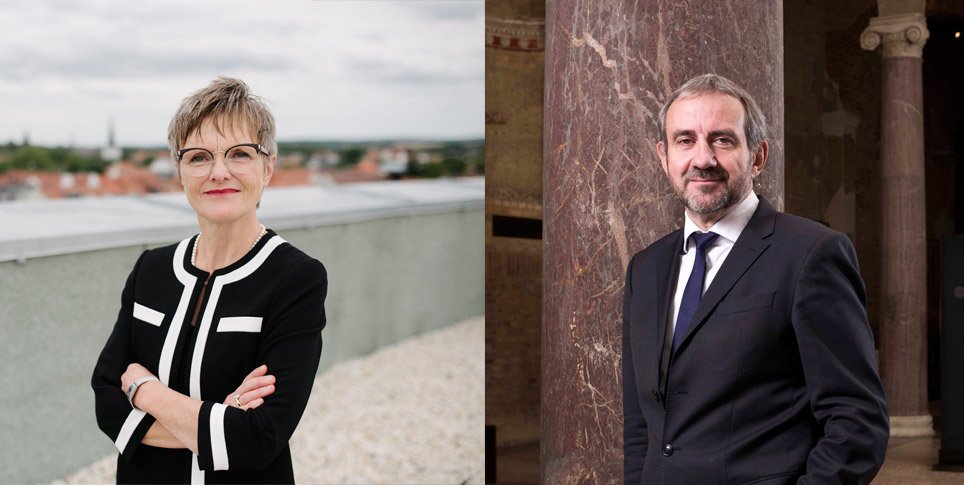
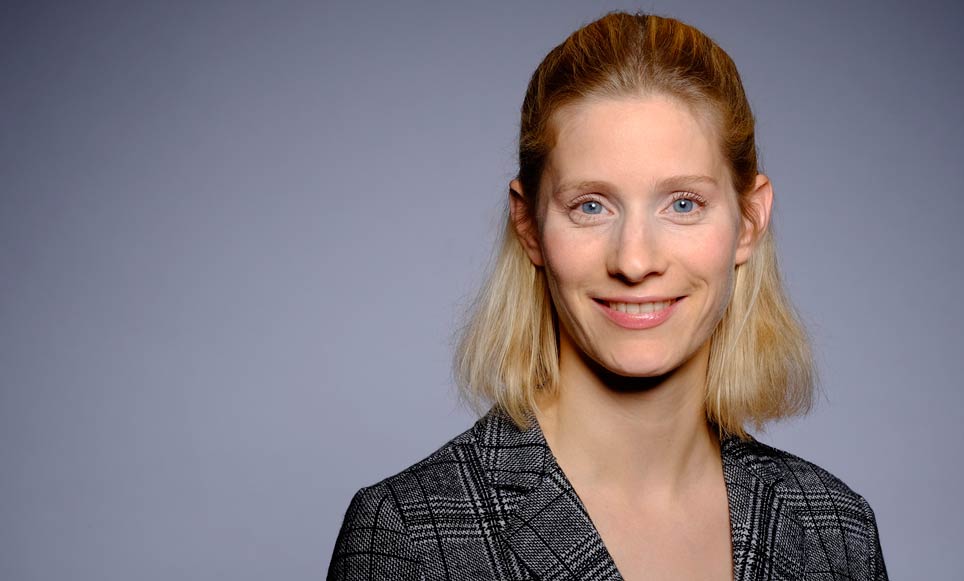
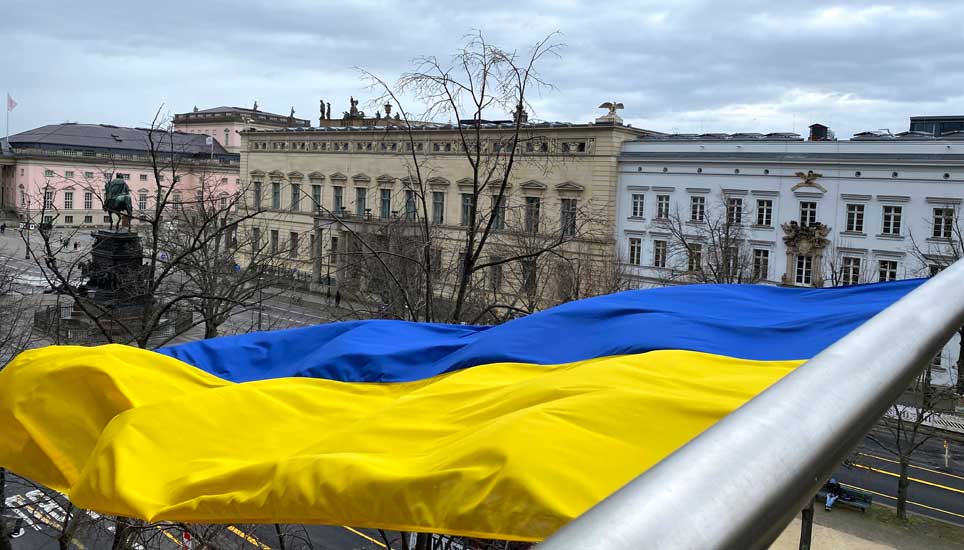
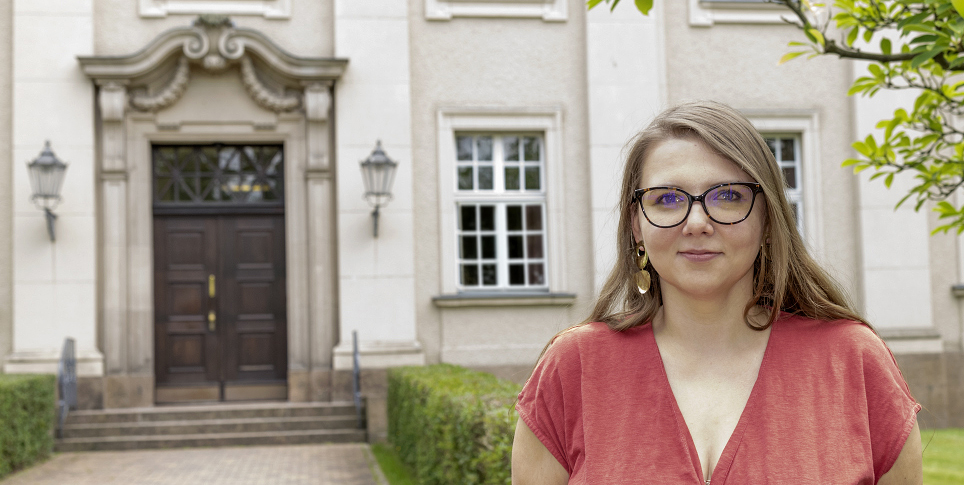
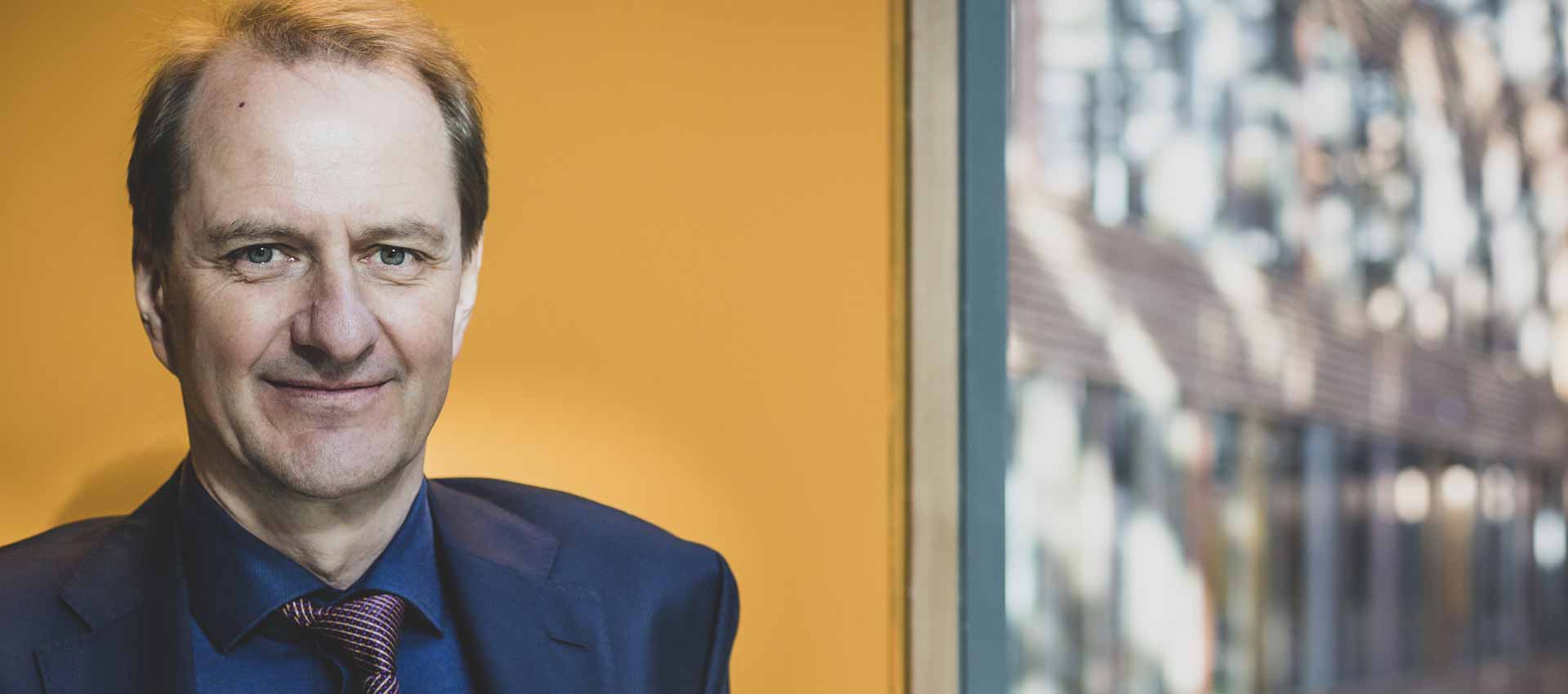
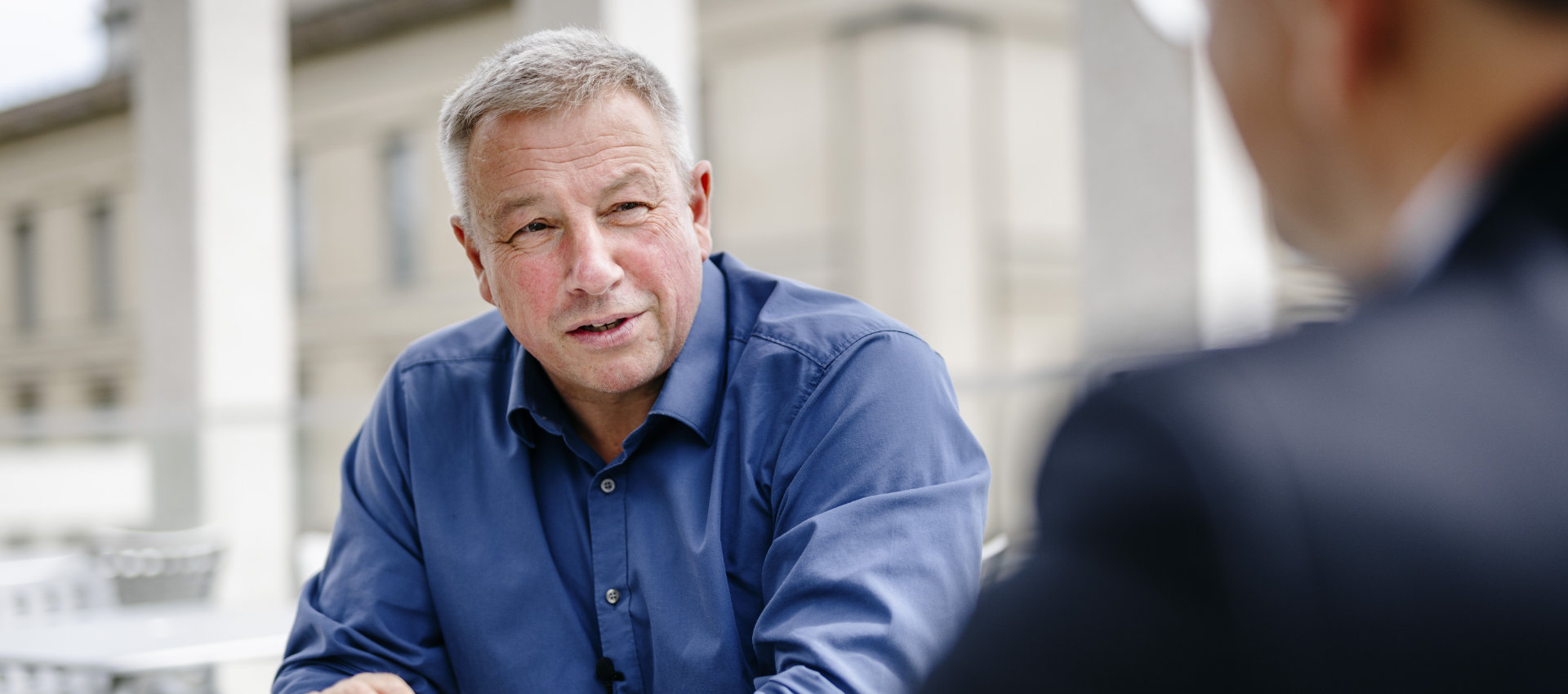
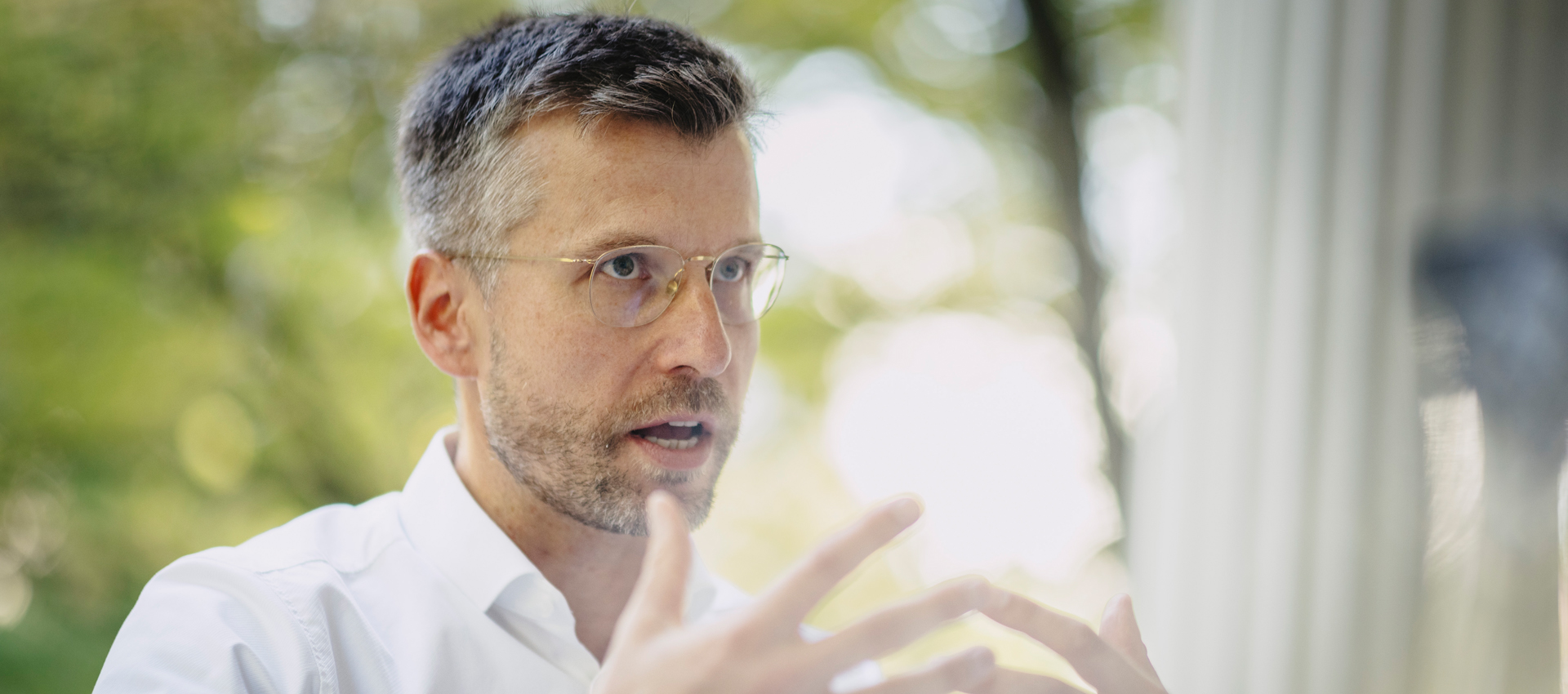
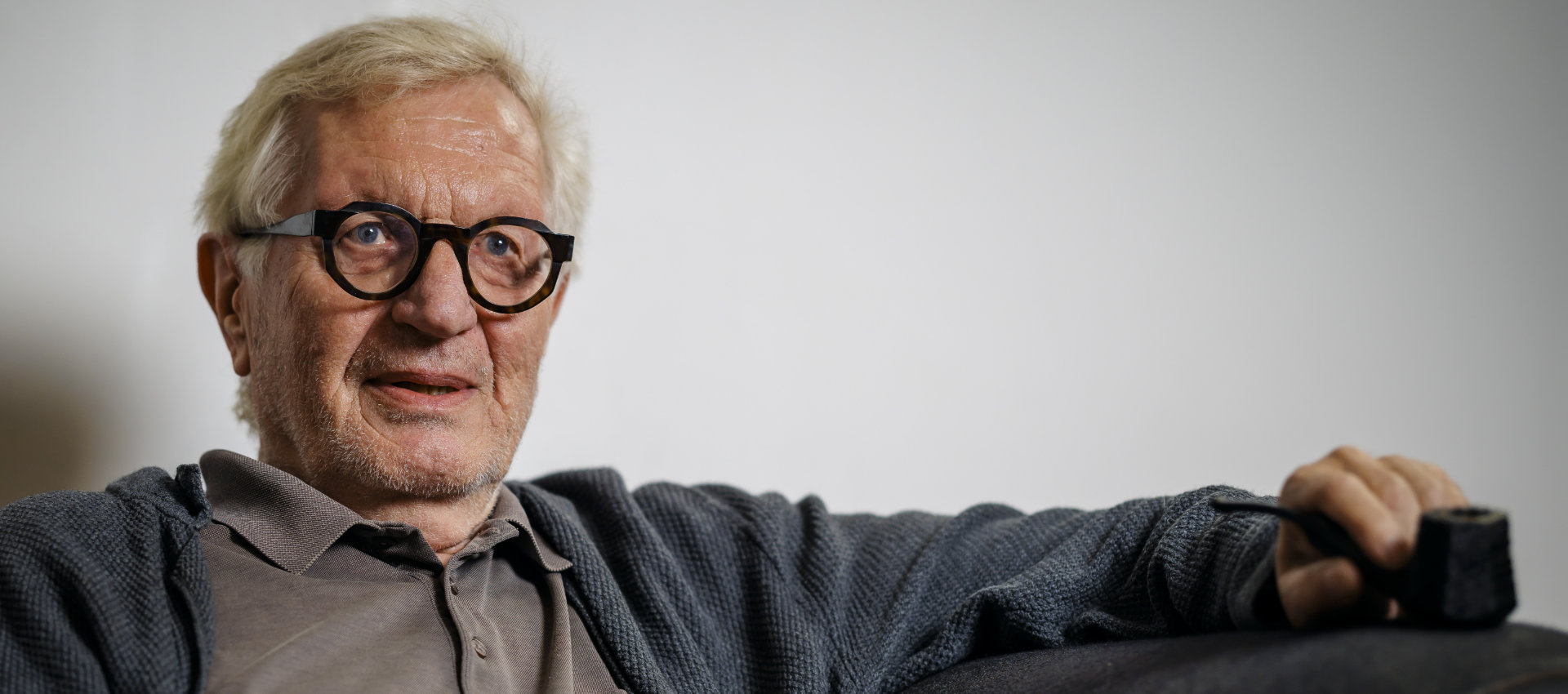
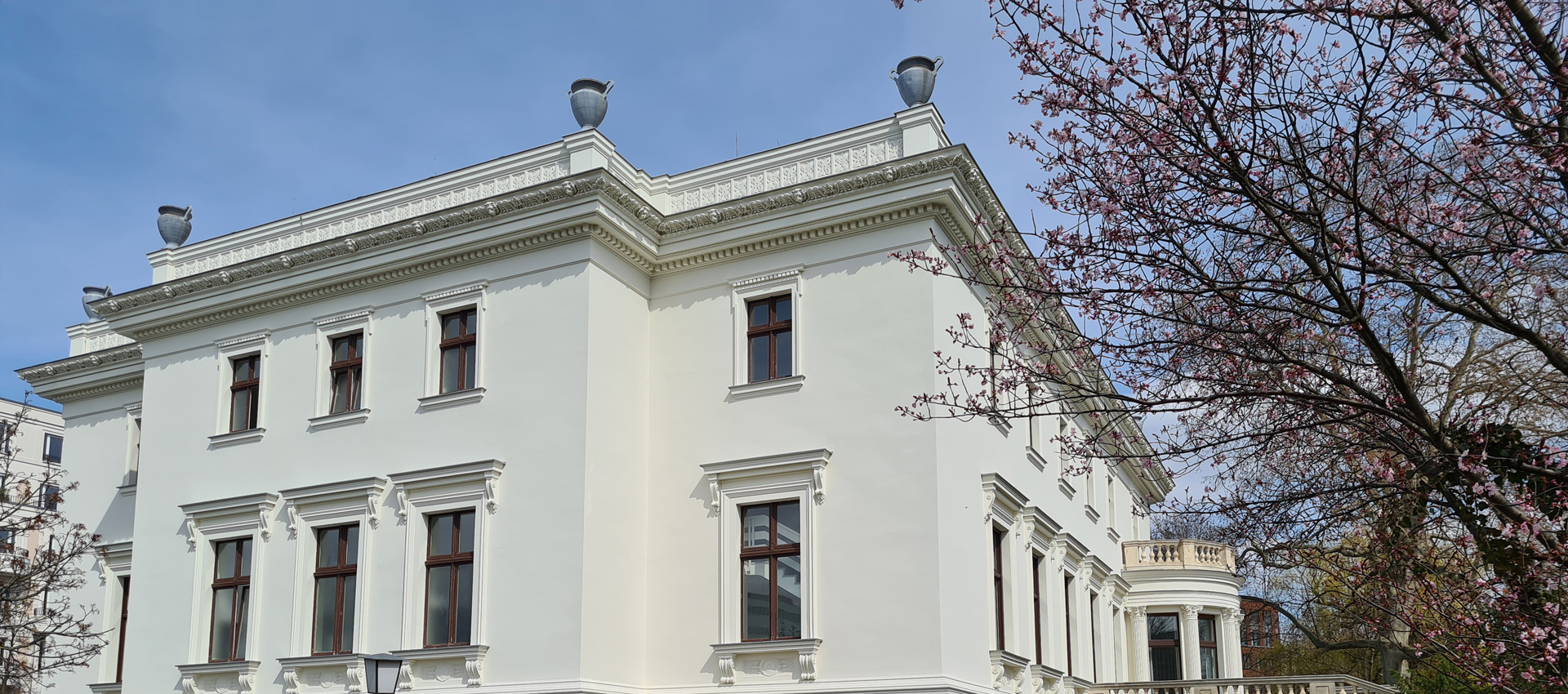
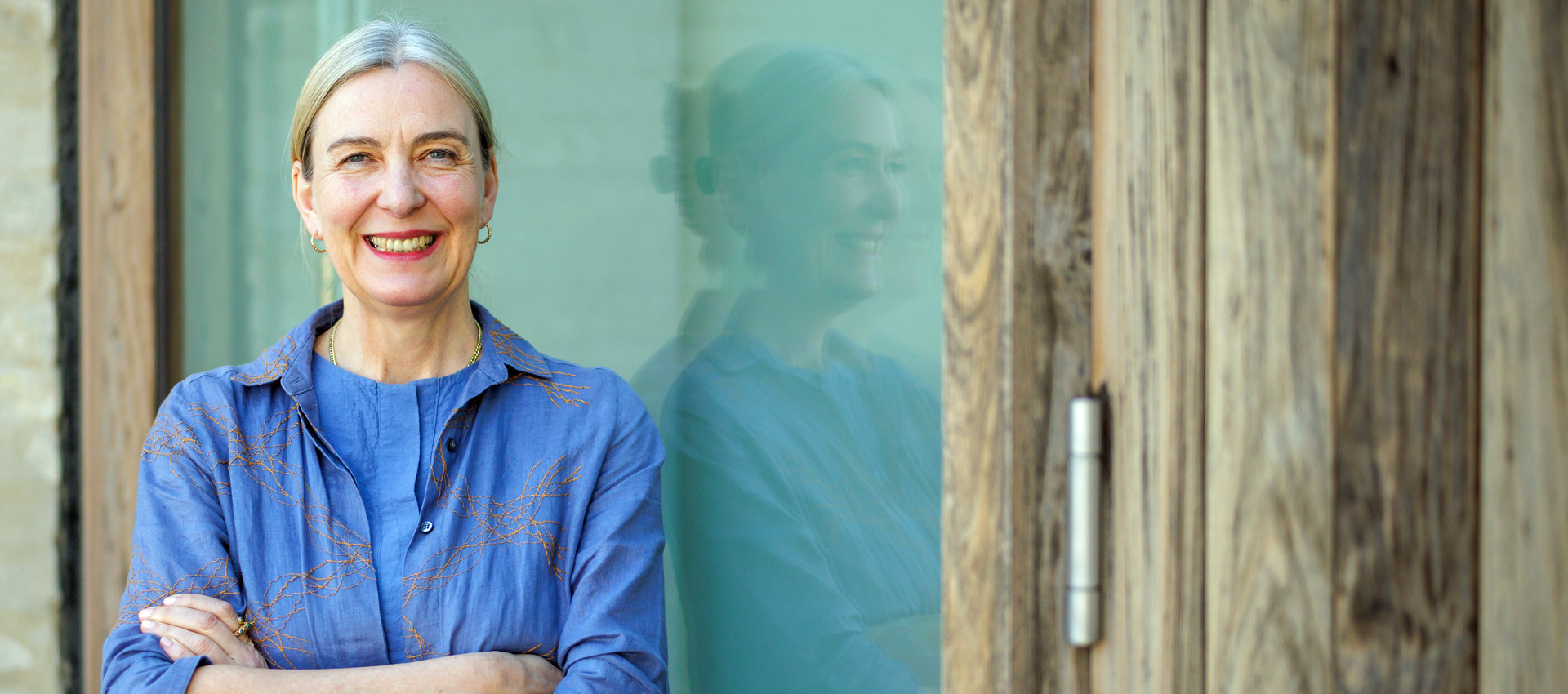
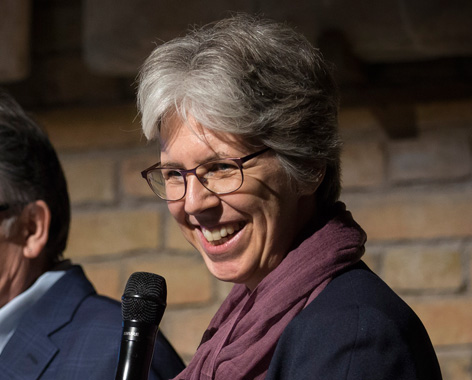
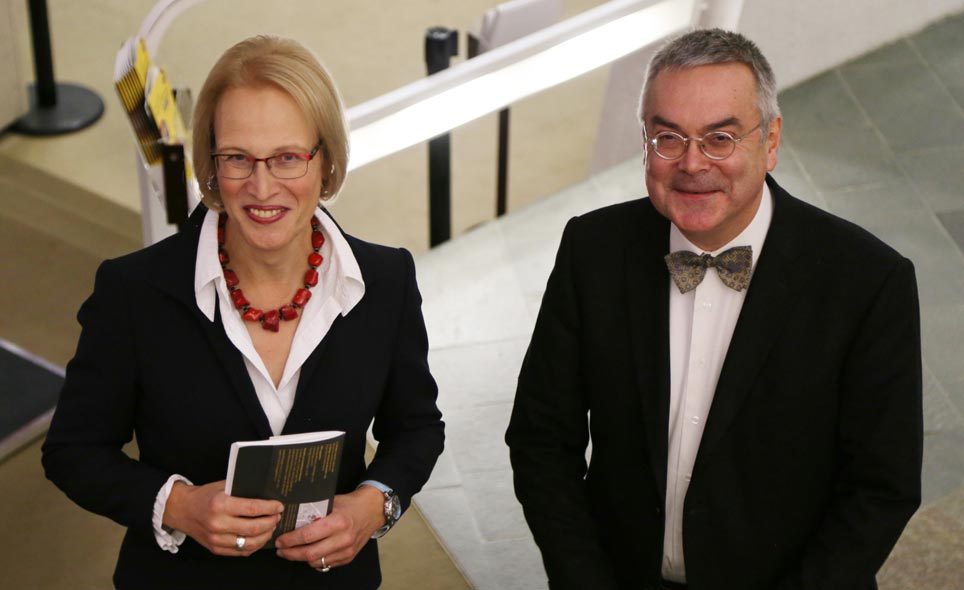
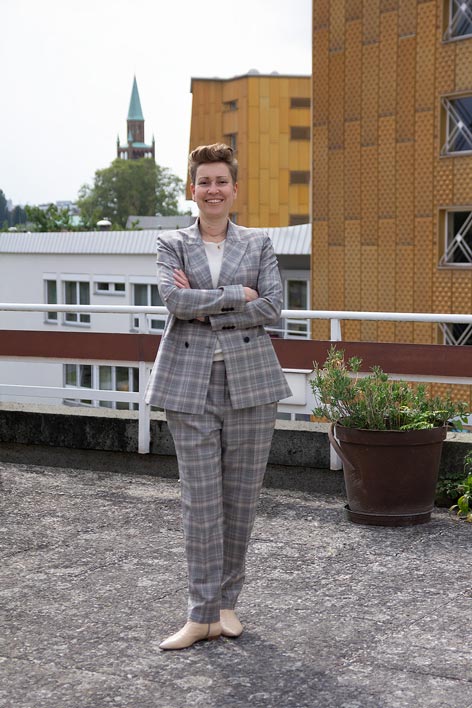
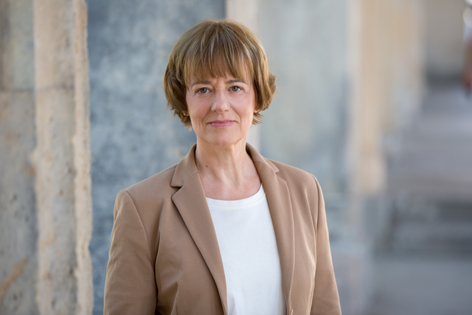
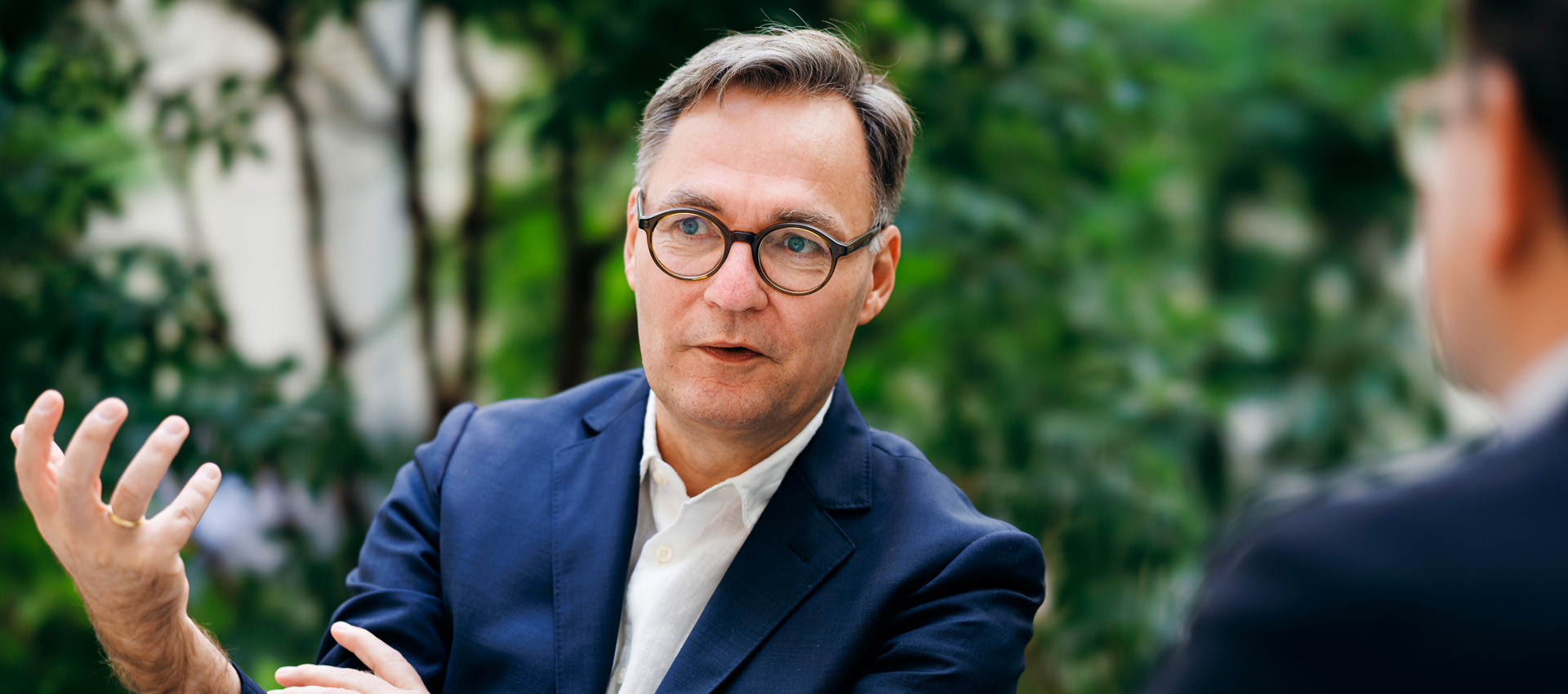
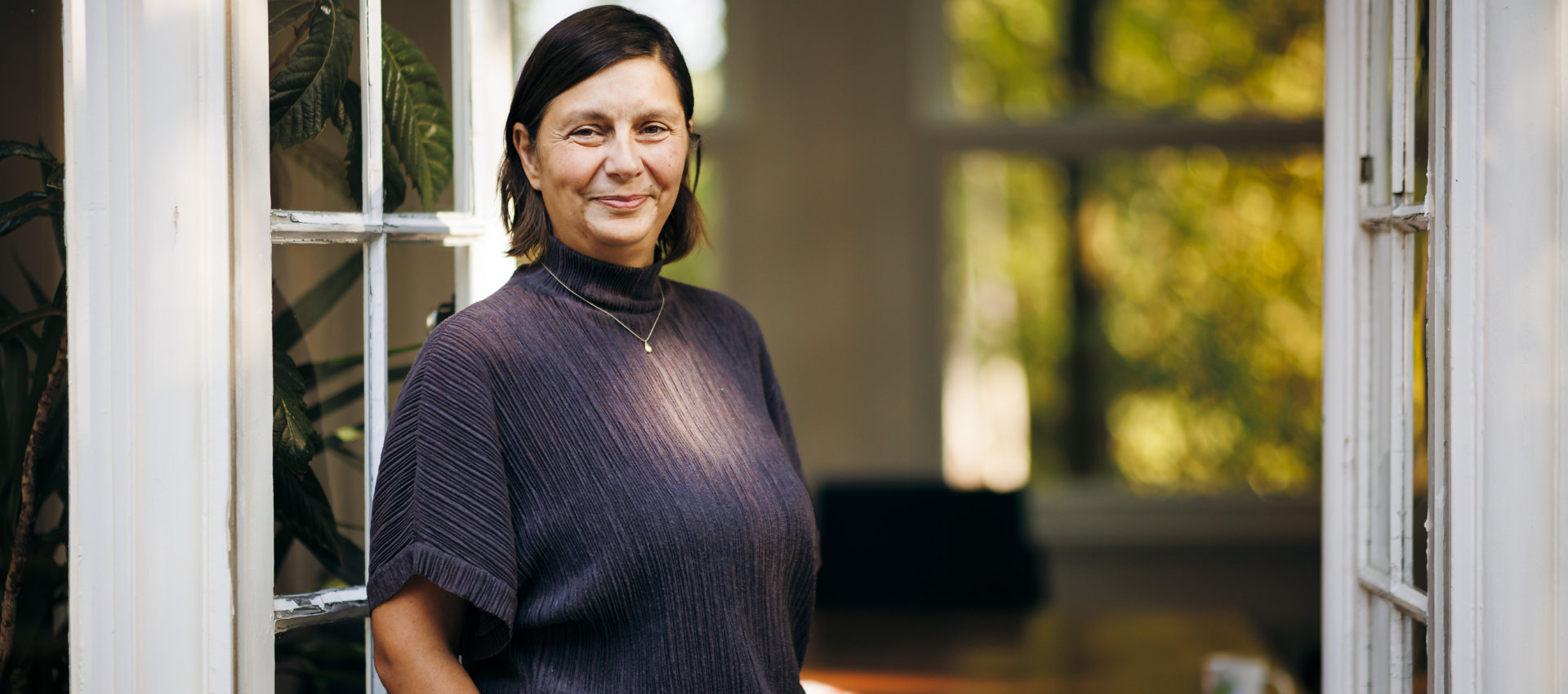
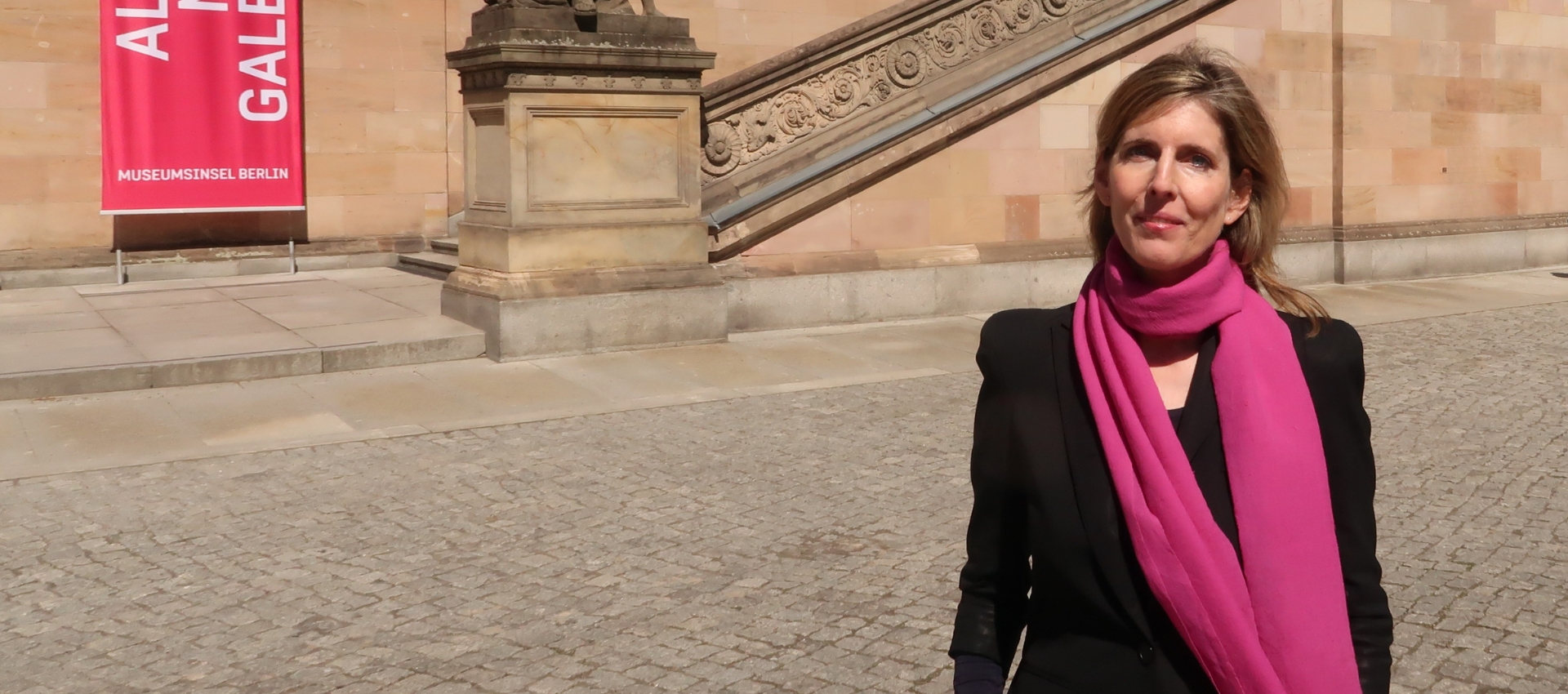
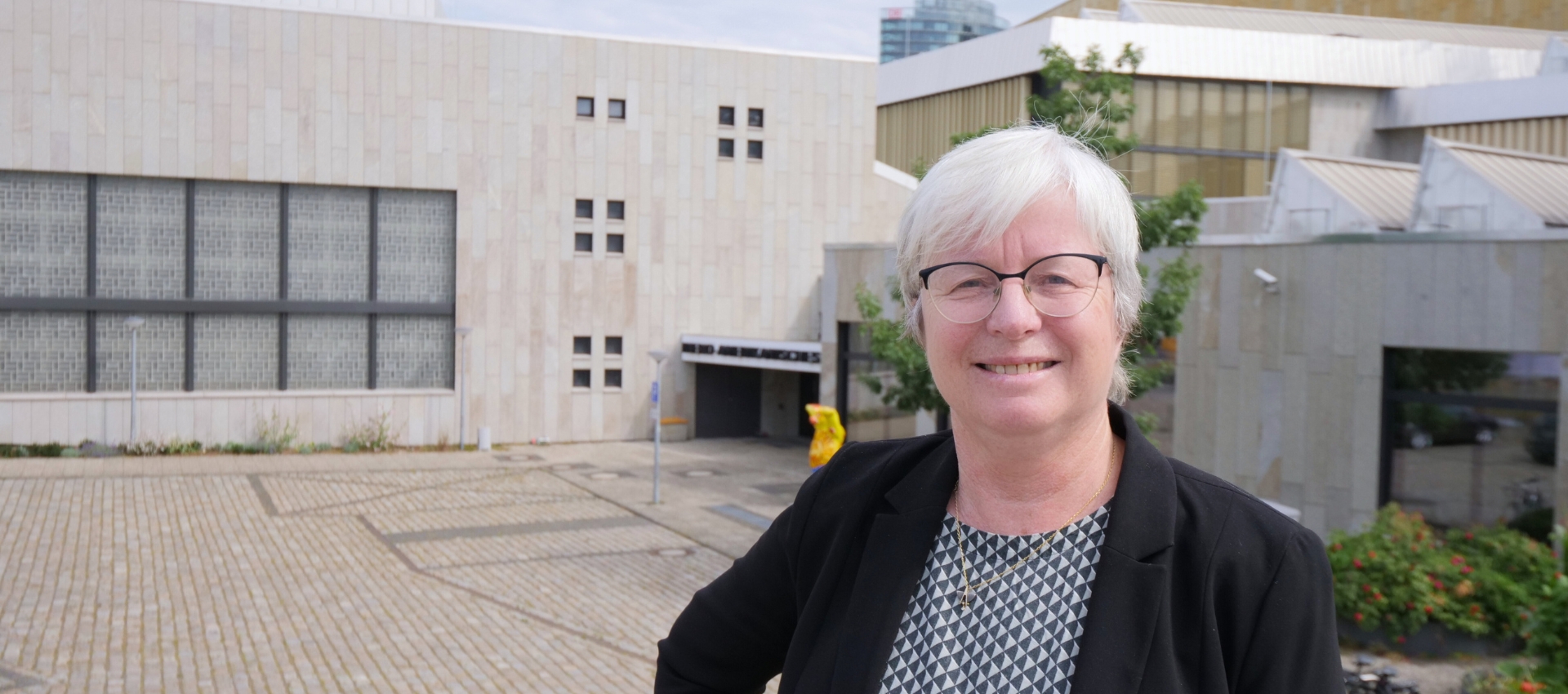
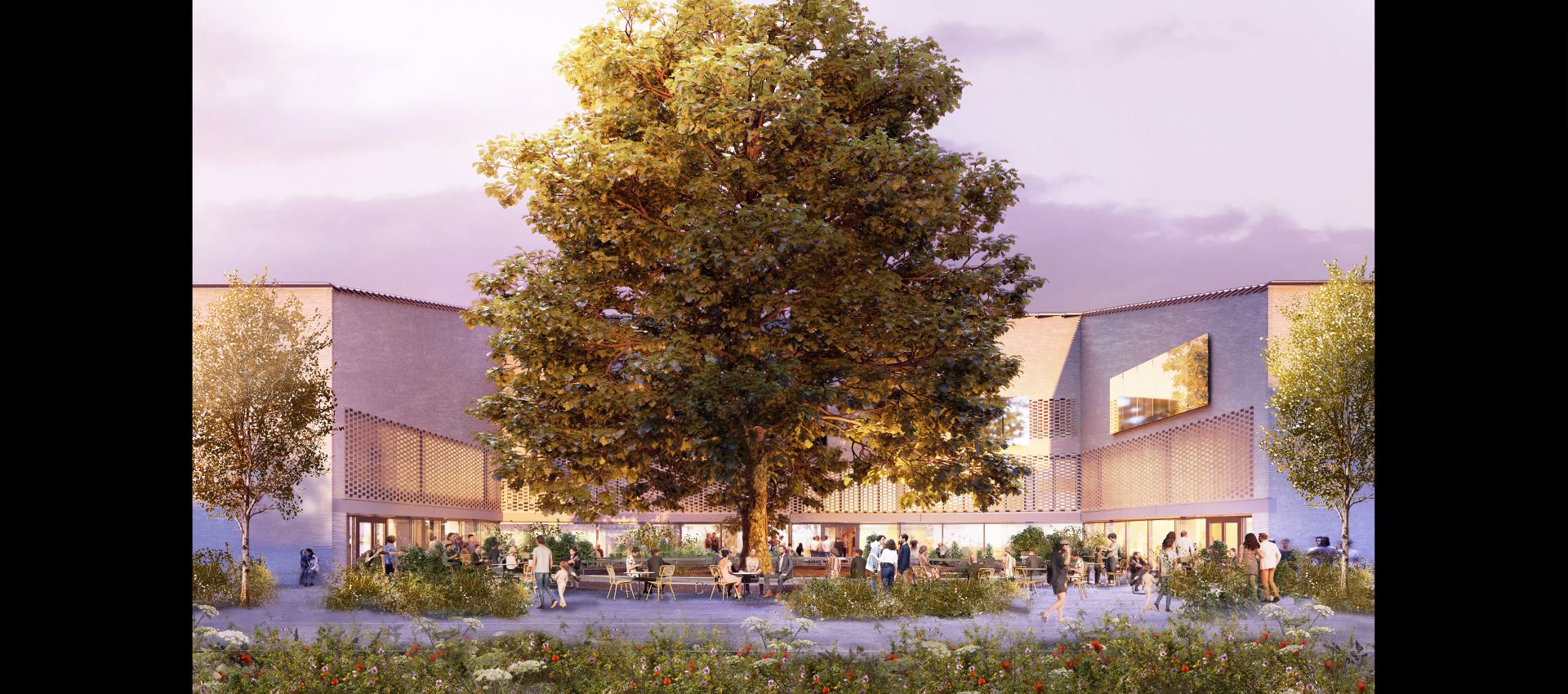
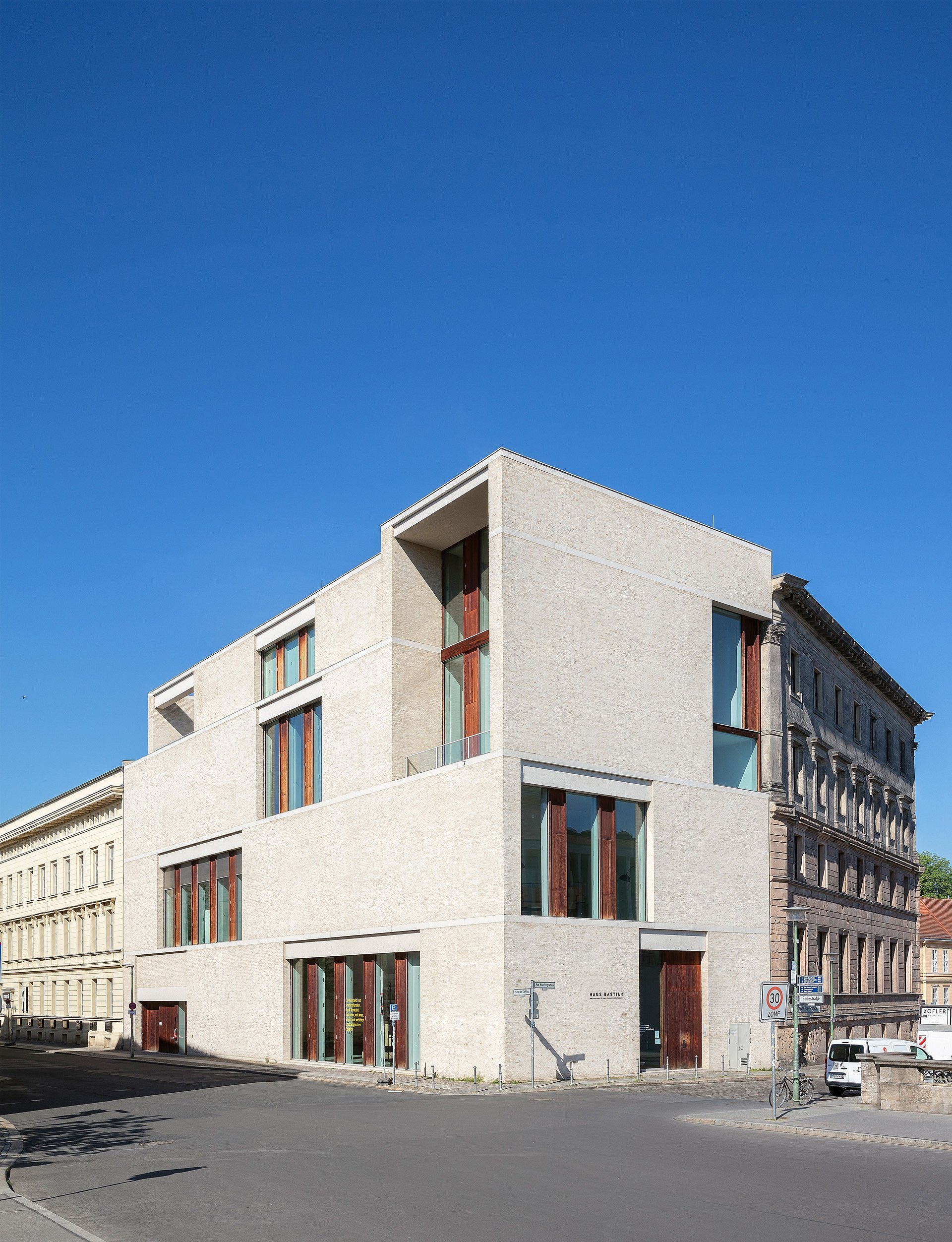
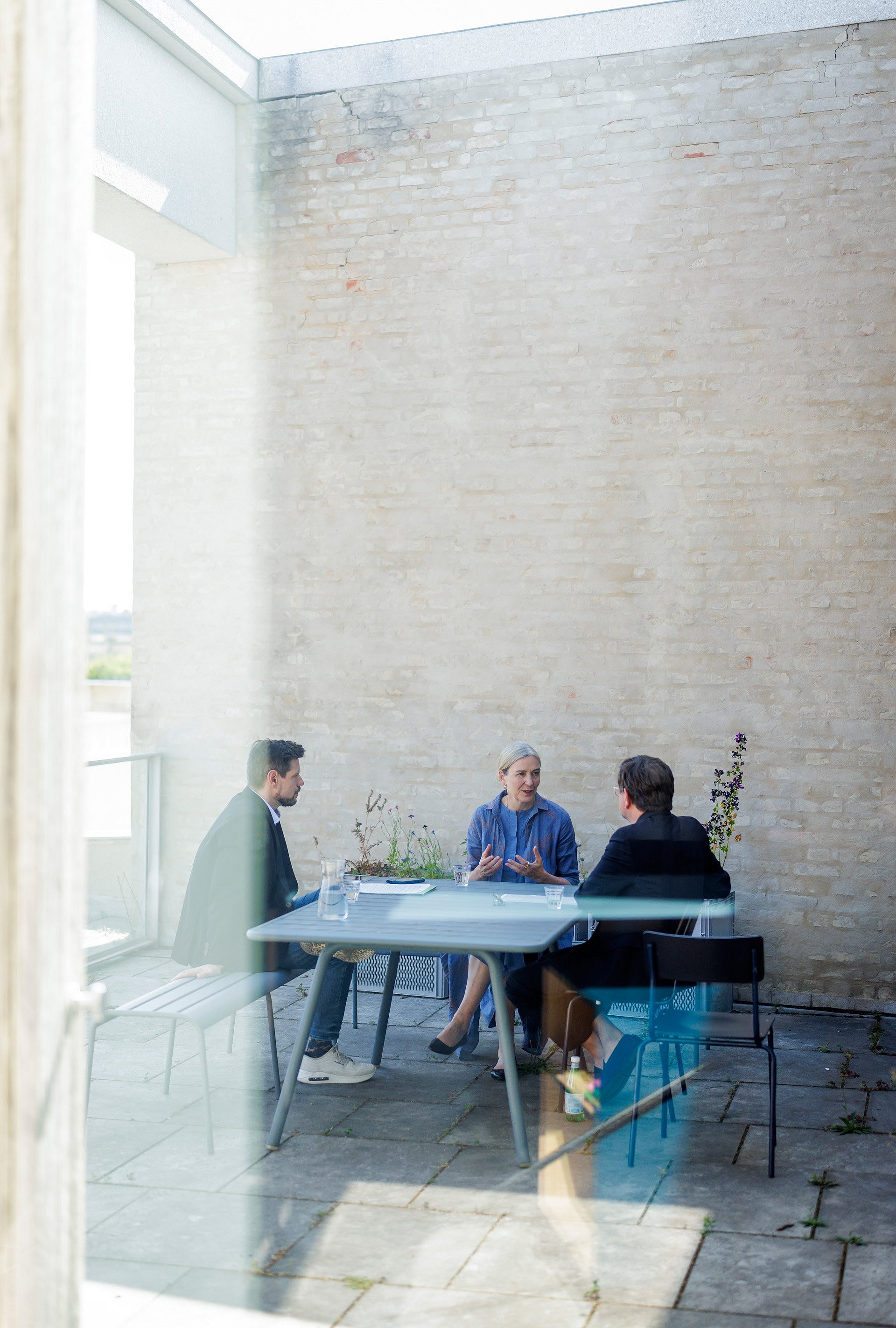
Once again this year, we are conducting SPK summer interviews at the Foundation’s most beautiful locations: we begin with the new President, Marion Ackermann, whom we meet on the balcony of Haus Bastian.
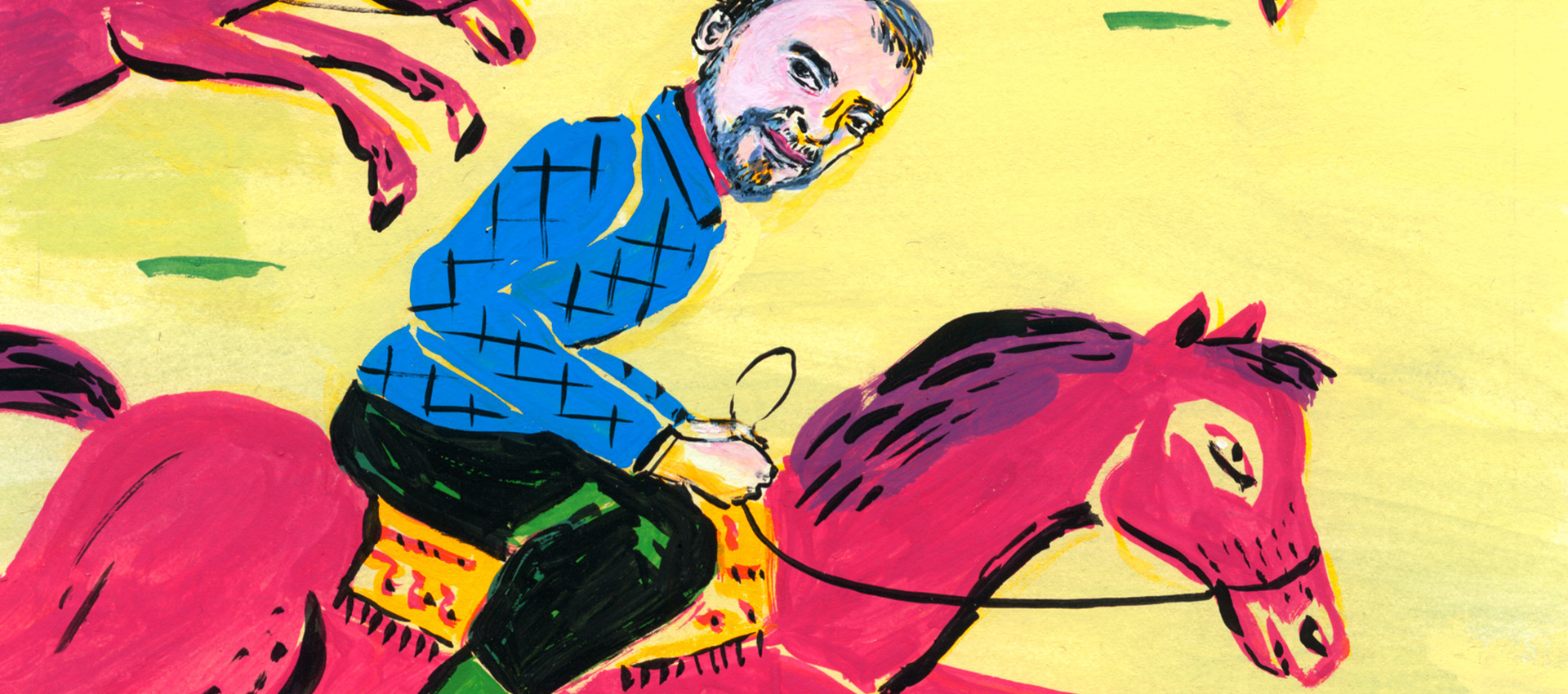
Ms Ackermann, we’re worried about the soles of your shoes. You said in an interview that good directors have to wear their heels out walking the length and breadth of their shops…
Marion Ackermann (laughs): I do need a lot of shoes, that’s true. But I really do make a point of taking as many steps as possible. Especially within the foundation.
Your onboarding at the SPK was well organised. Your ‘travelling desk’ really did visit many of the buildings. What were your experiences?
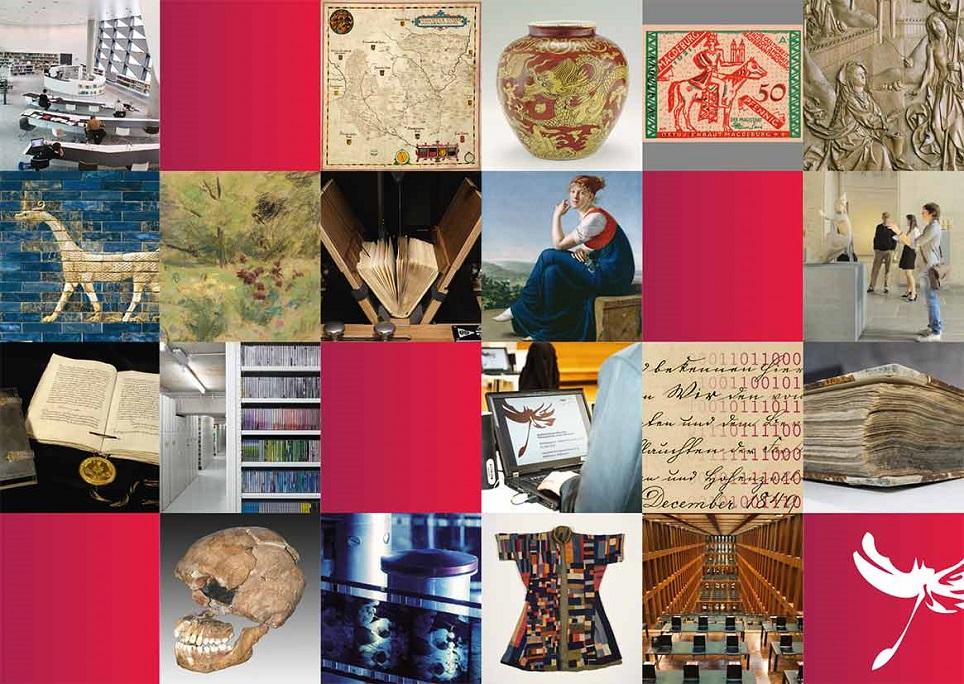
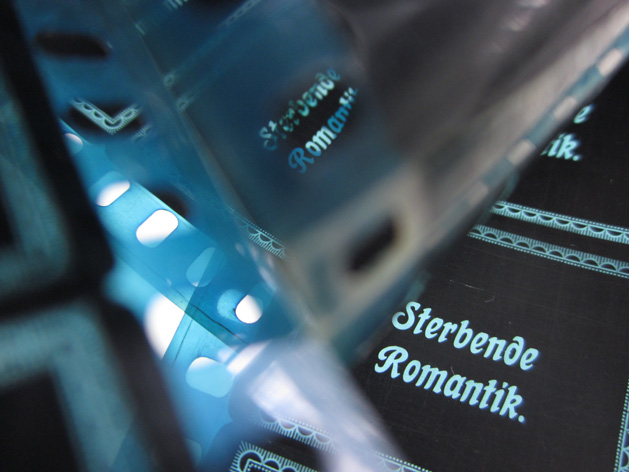
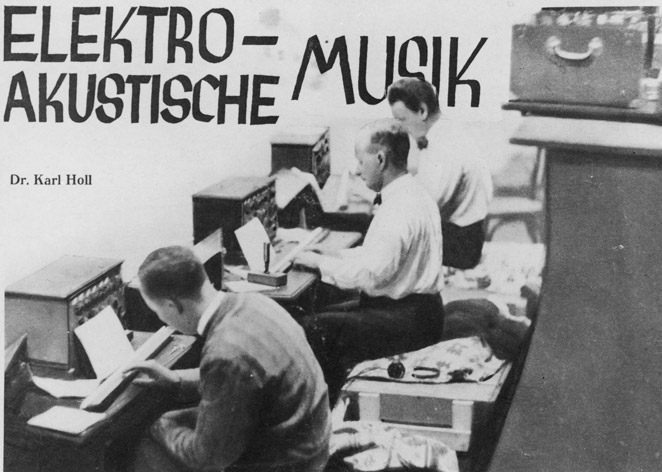
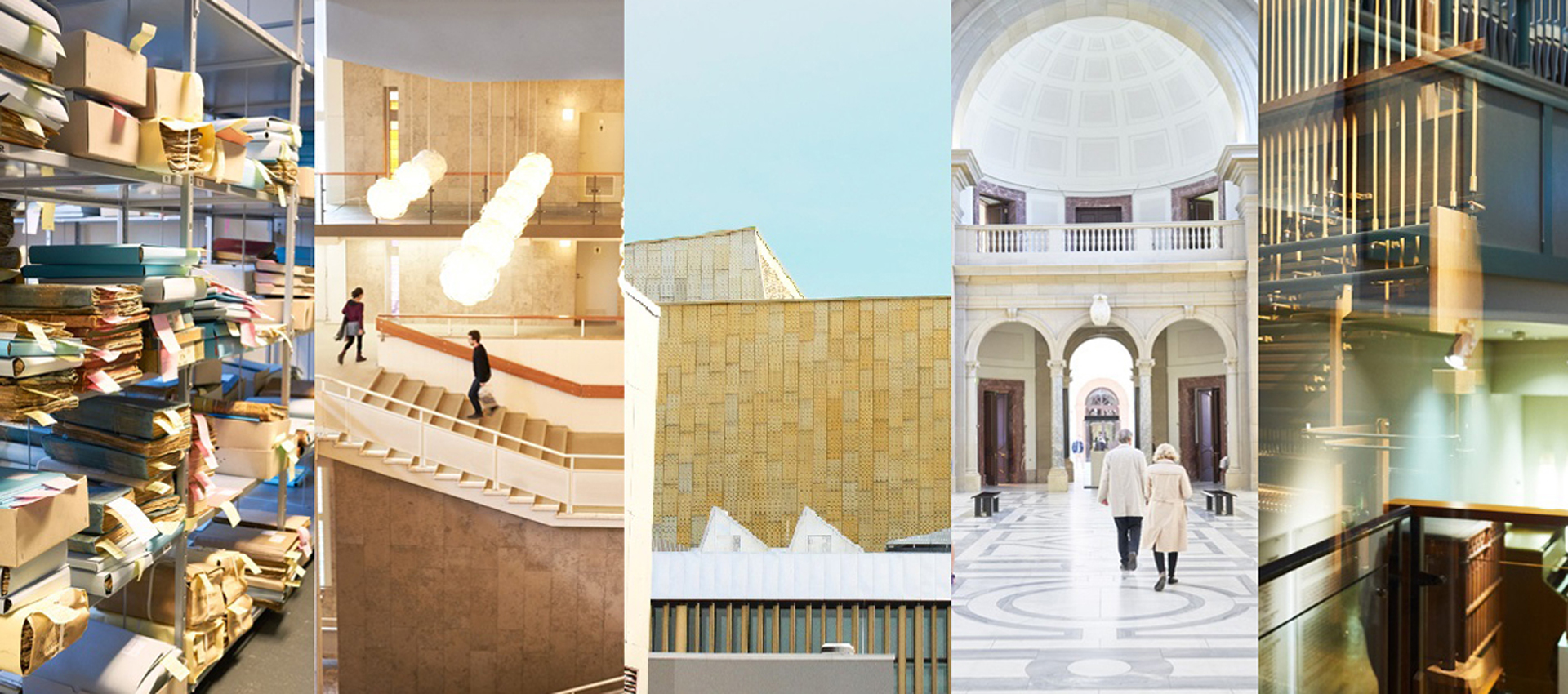
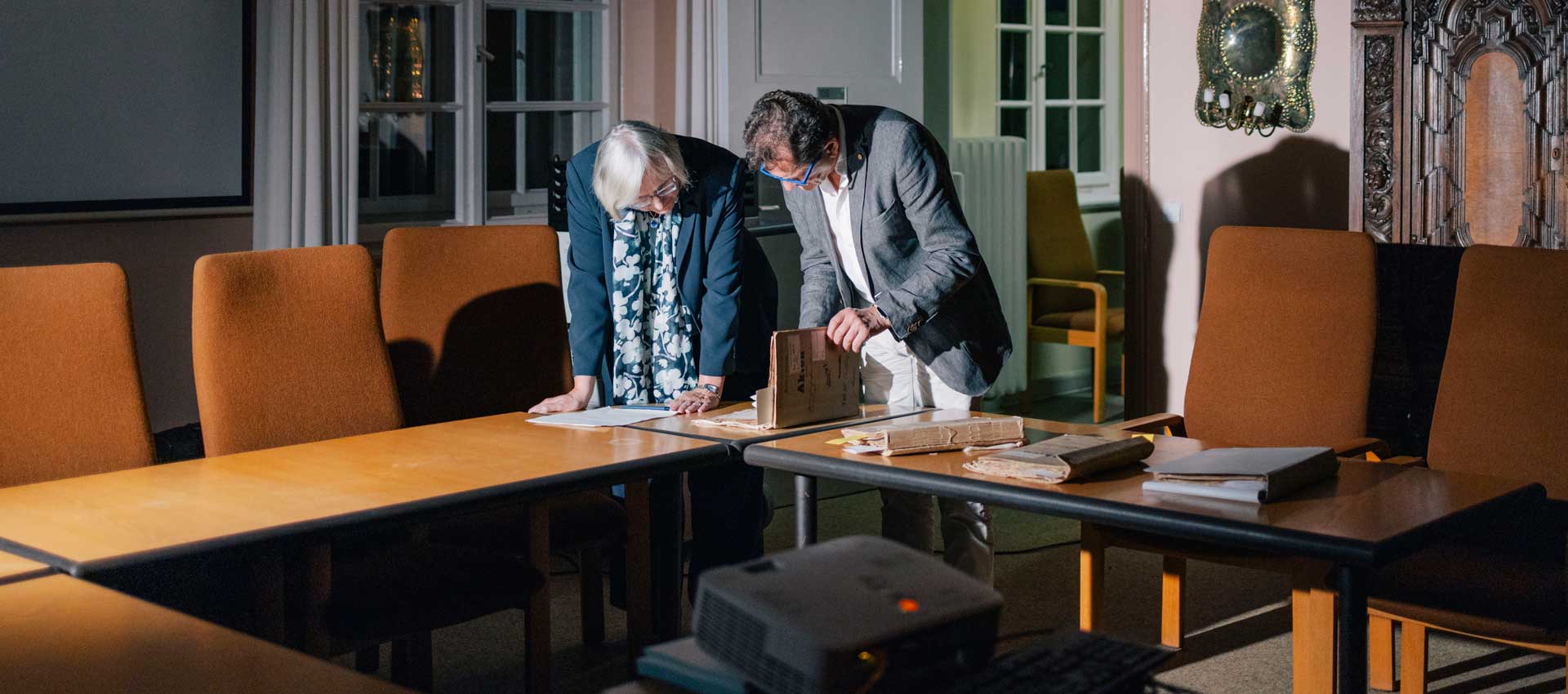
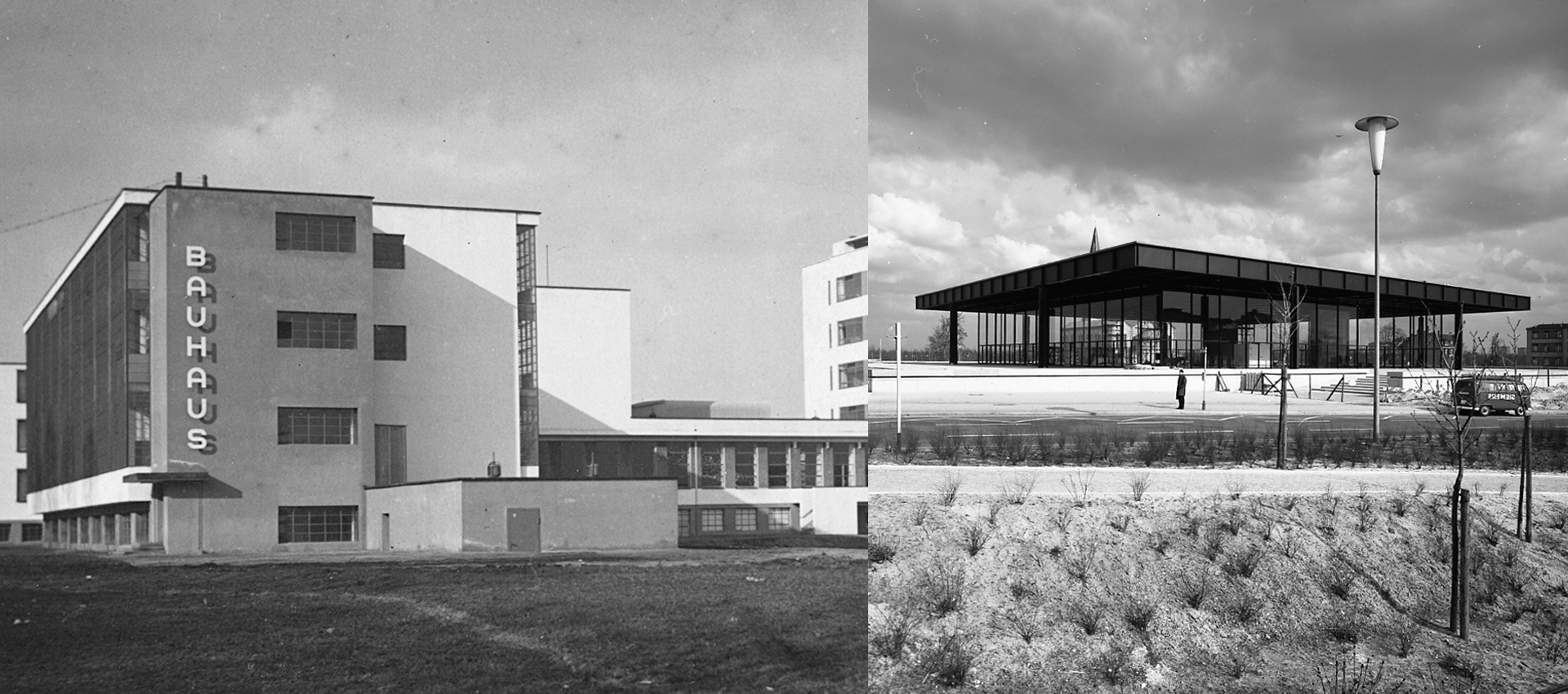
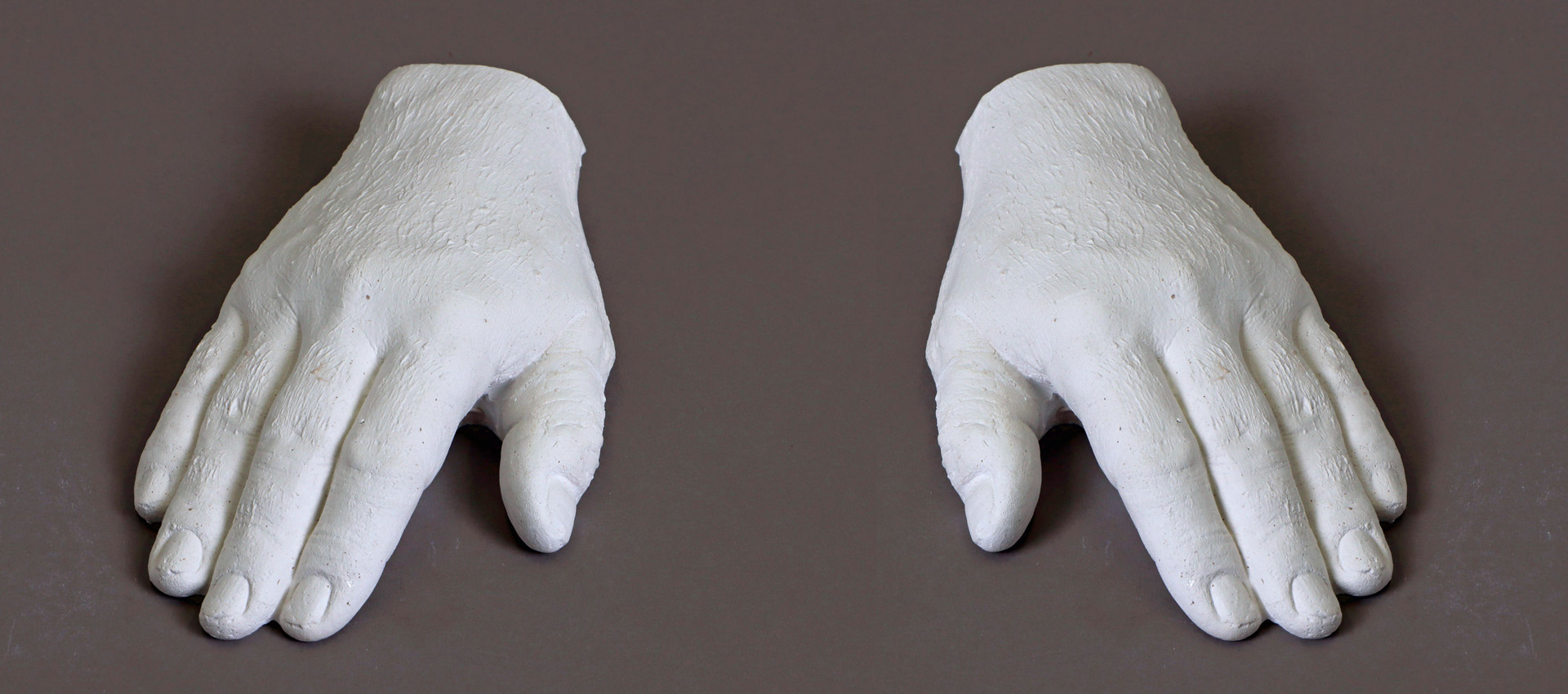
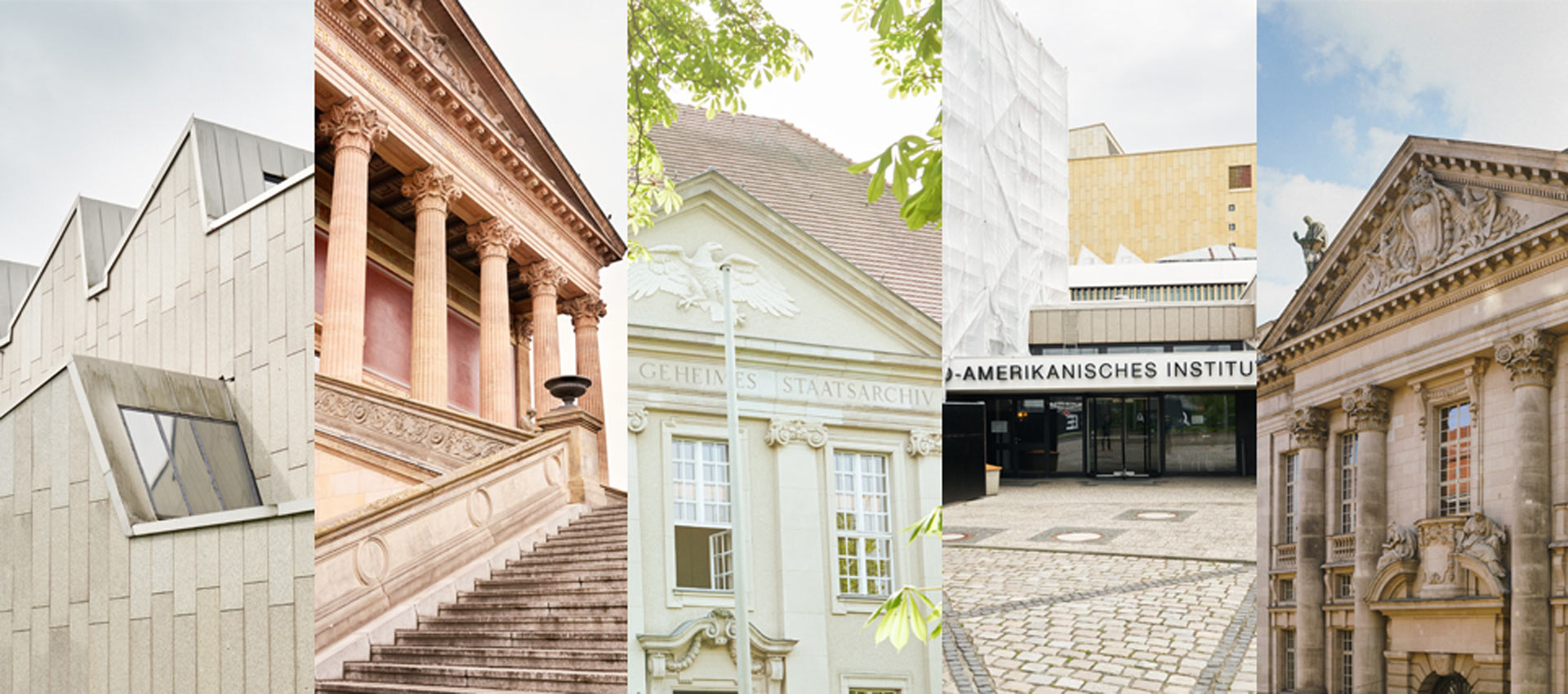
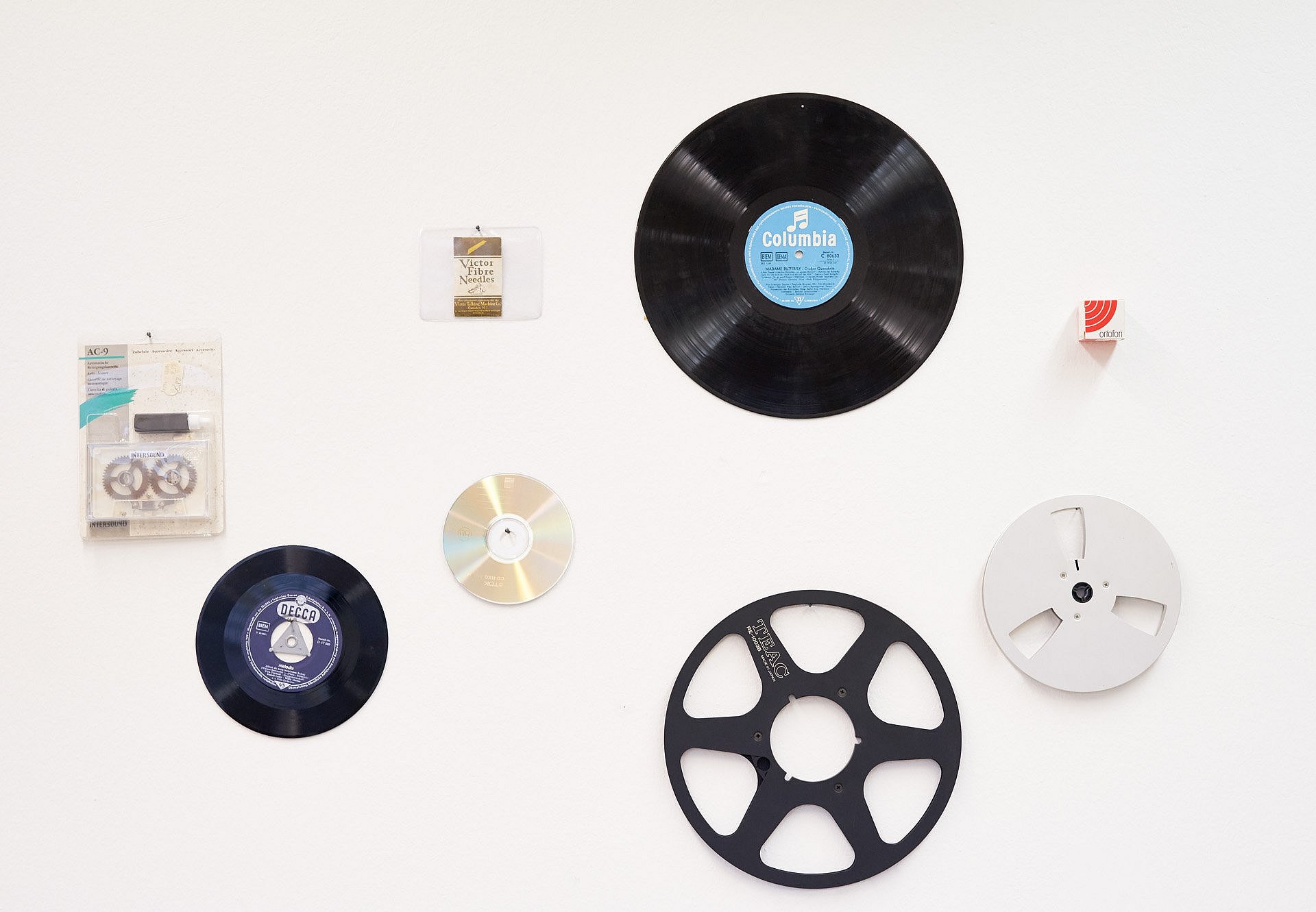
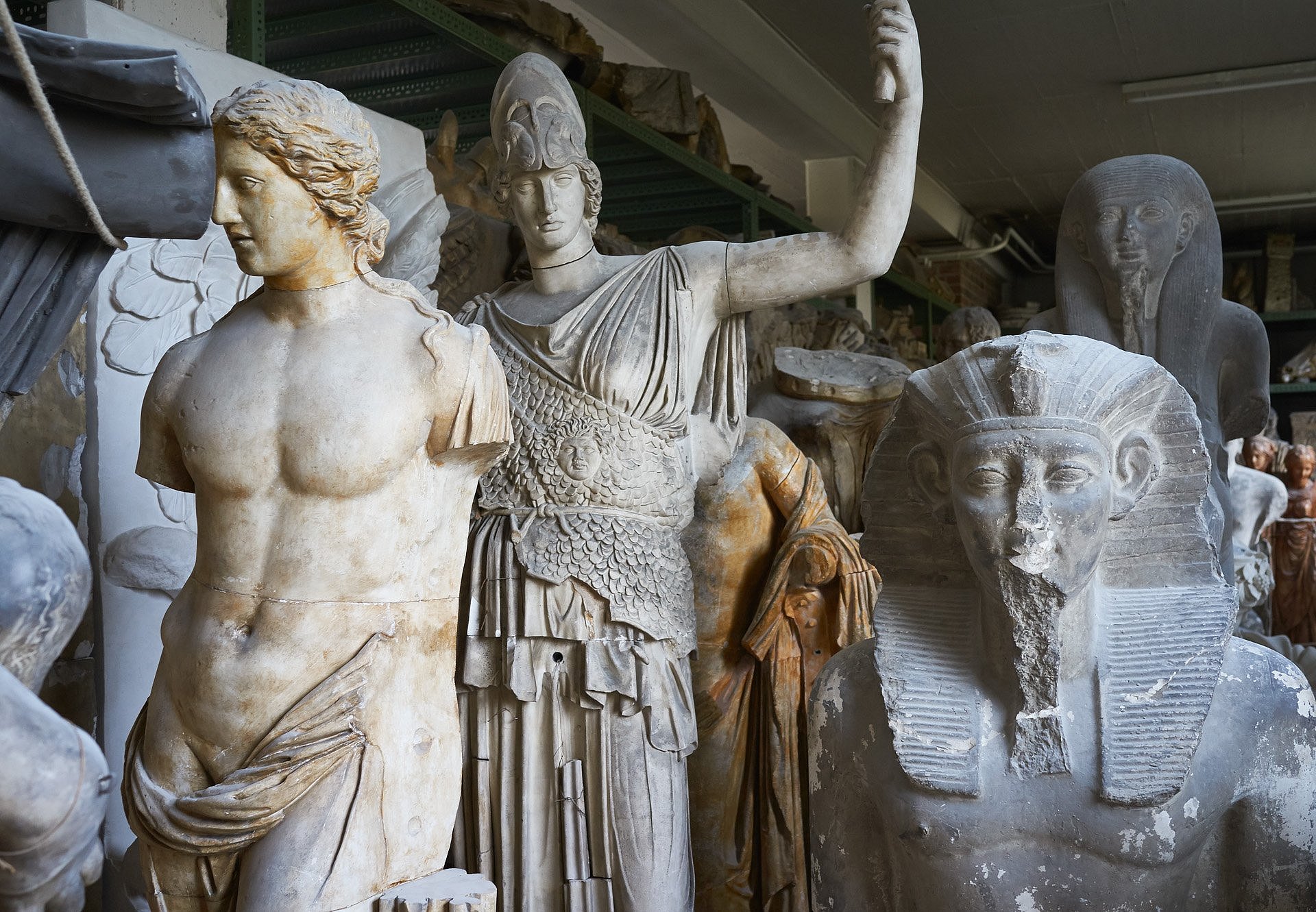
The thematic diversity of the foundation was incredibly impressive – both in terms of content and space. In some buildings, I was treated to veritable mini-exhibitions, and before long we were deep in discussion about current research questions. In other places, my visit had an almost surreal quality. There were situations where you didn’t know which door was about to open. A bit like in Kafka’s “The Castle”. Or the total work of art that is the plaster cast workshop, art workshop and archive for a vast collection of models all in one. I could even take the smells home with me – for example, from old audio tapes at the State Institute for Music Research. Of course, I also saw a vast number of office spaces – some that were positively beaming after renovation, such as in the Neue Nationalgalerie, and others where urgent action is needed, and for which I will also campaign. For example, at the Museum of Decorative Arts.
Above all, however, they met with many staff members. To stick with the metaphor: do you know where the shoe pinches?
I met staff members of all ages, some who have been with the Foundation for over 40 years and others who have only just started. On the one hand, the question arises as to how we can preserve the wealth of knowledge accumulated over decades when someone retires. On the other hand, it is about what could be the driving force behind a working life at the SPK. We are an internationally oriented institution and certainly need to consolidate our expertise. To achieve this, we must learn from one another, and that also means incorporating the individual strengths and unique qualities of each and every person into our collaborative work in a more targeted manner.
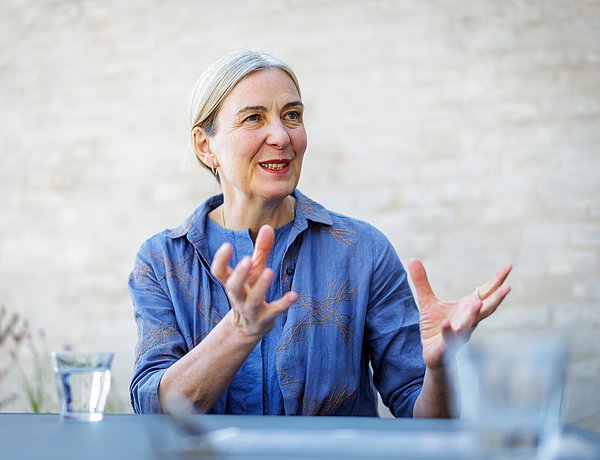
To make more effective use of each individual’s strengths and unique qualities in our collaborative work
Marion Ackermann would like to
One downside of the SPK reform was that the foundation spent years focusing on itself. What do visitors and users actually gain from all these changes?
If you want to make an impact externally, you must be stable and well-organised internally. Only when our processes are working and motivation is high can we offer the public the service they rightly expect.
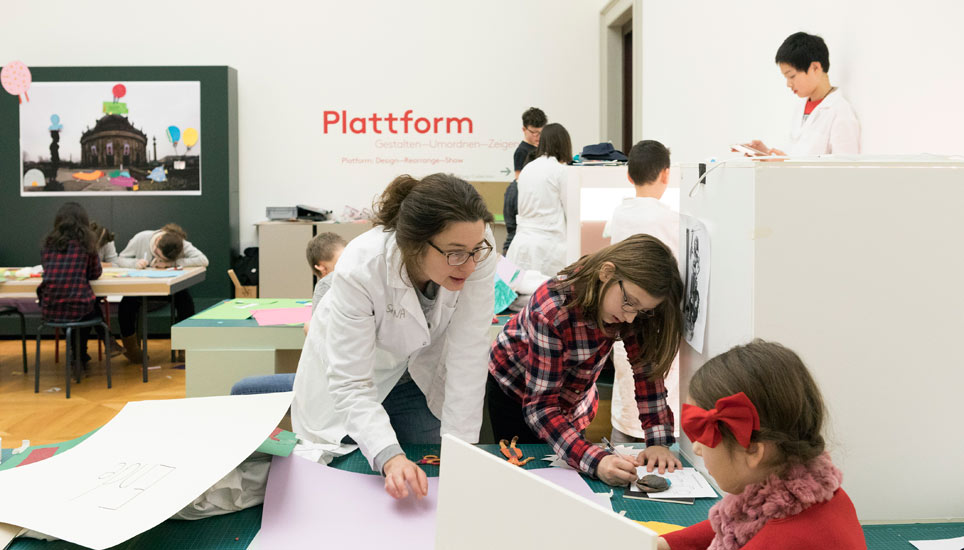
This includes a welcoming culture for our visitors and users, tailored precisely to all sections of society. It starts with programmes for children and young people, as every age group has different needs. We actively ensure that everyone feels included here.
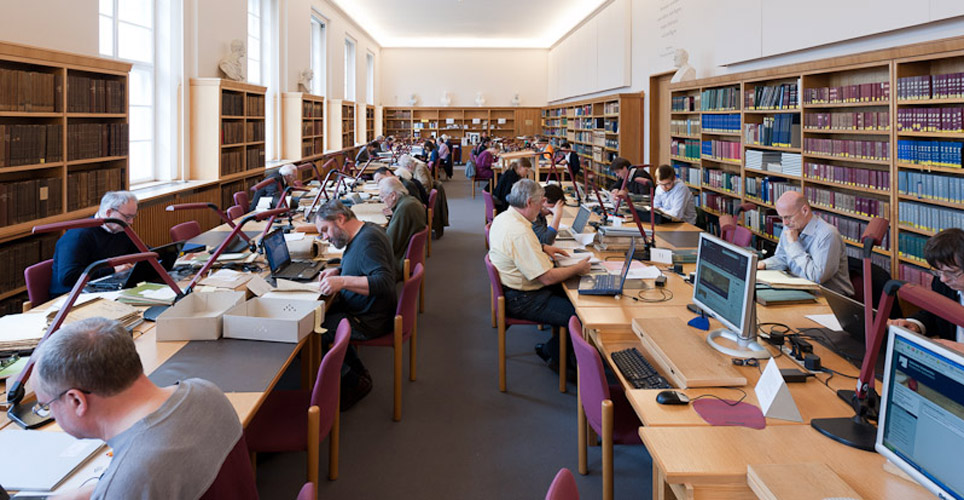
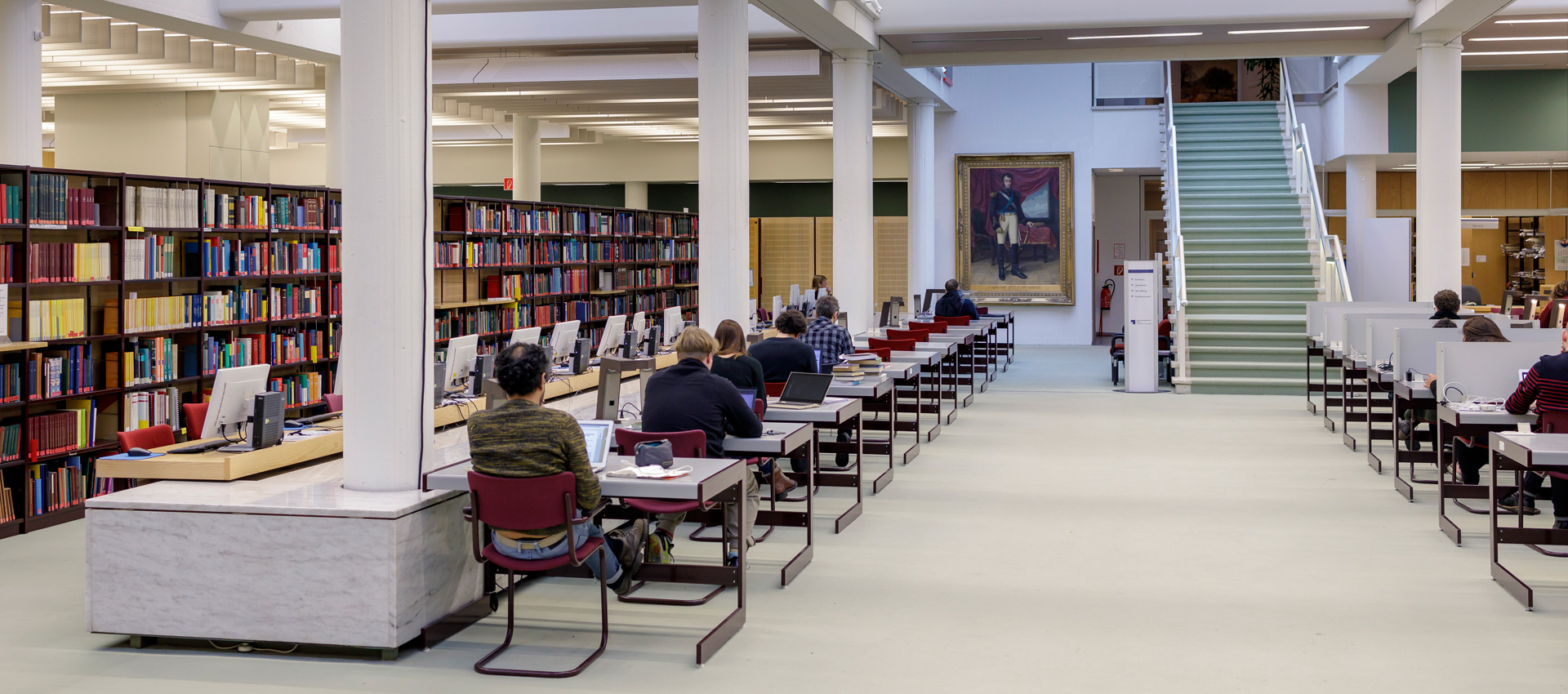
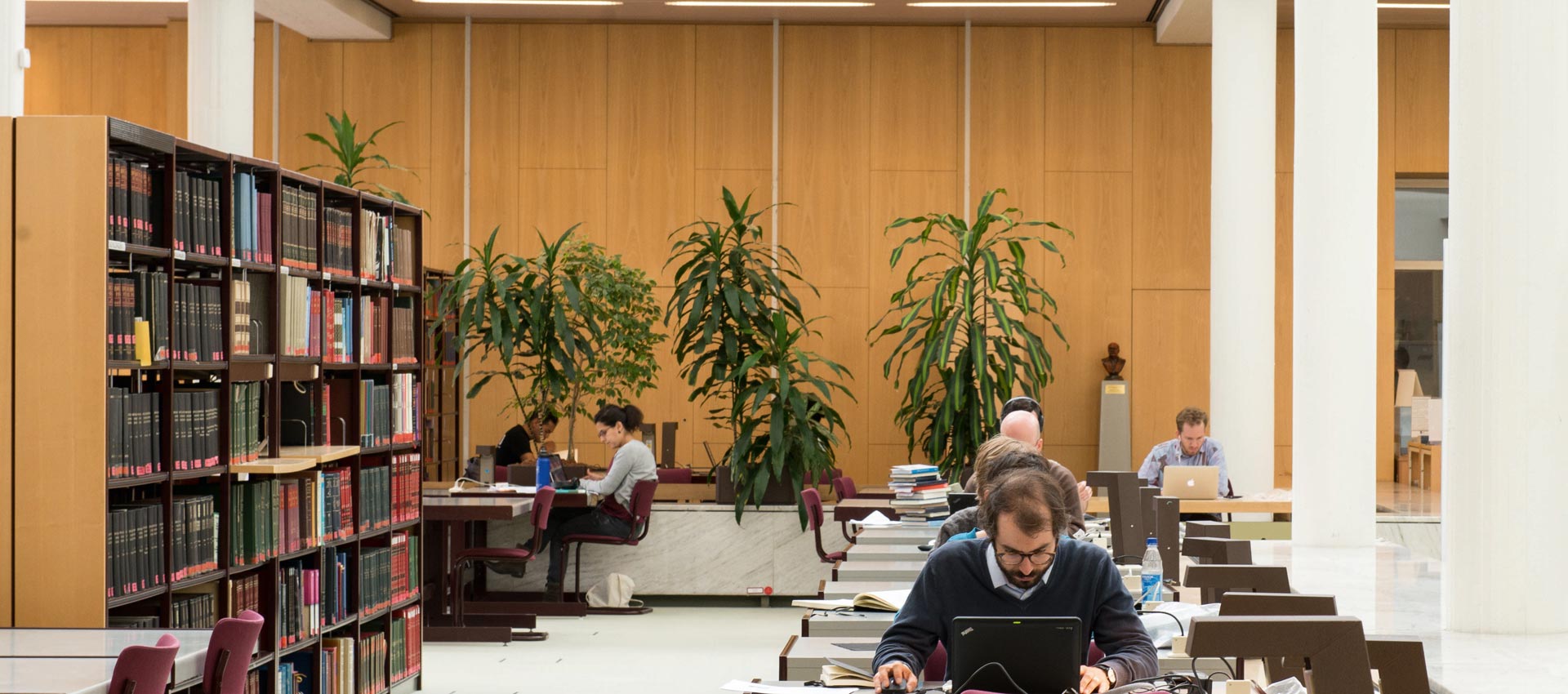
Time and again, I encounter the desire for places where people feel at ease. A library’s reading room offers both concentration and a sense of community. In a museum, one may stand in contemplation before a work of art, yet at the same time feel connected to others. It is important that our institutions and venues provide such spaces, which also serve as sanctuaries for free thought and exchange.
Were there moments during your first encounters at the Foundation when you thought: ‘Oh dear, what have I got myself into here?
No, not at all. I was in a state of euphoria the whole time. And we talked a lot about content. Time and again, the discussion turned to the SPK’s social responsibility, its international positioning, and also the question of the relationship between the individual brand and the overall brand.
What will be key to our collaboration going forward?
We need to move away from this focus on shortcomings. After all, the SPK isn’t just about budget constraints or construction delays. Of course, we also have resource issues – I don’t want to downplay that at all. But we also need a clear view of the longer-term outlook. Nobody likes living from hand to mouth, but anyone looking at the SPK from the outside expects a strong programme, including highlights that draw crowds. We need to scrutinise the programme even more closely, certainly say ‘no’ from time to time, and ask ourselves: are we really doing something that people won’t forget in a hurry?
Is a museum director speaking here?
Over the next six months, a large part of my attention will be focused on the museums, yes. This is simply where the most significant changes resulting from the reform have taken place and continue to take place. The museum teams at the various sites must function effectively; we need to do more in terms of communication.
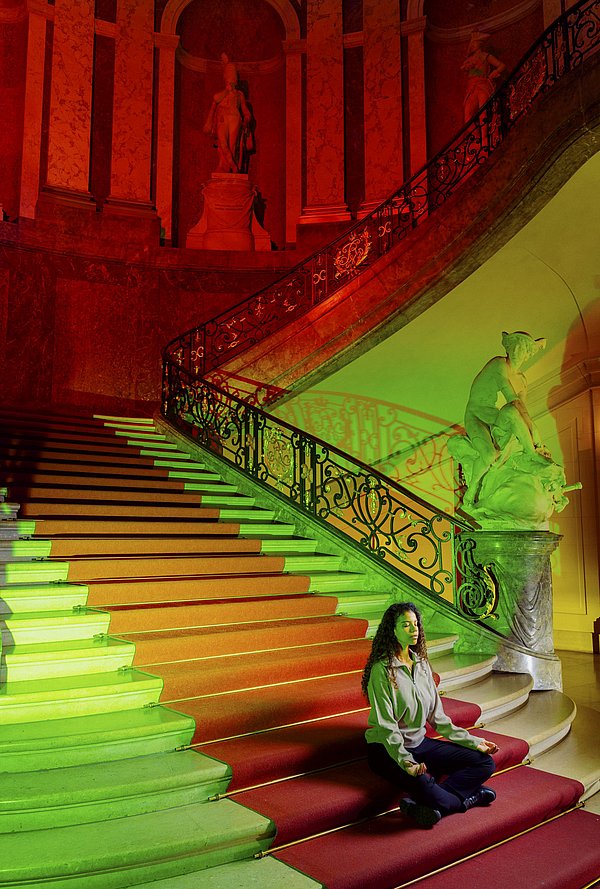
Leave the thick walls behind and head out into Berlin or the countryside
Cultural education is a cause close to Marion Ackermann’s heart
And what can libraries, archives and institutes expect?
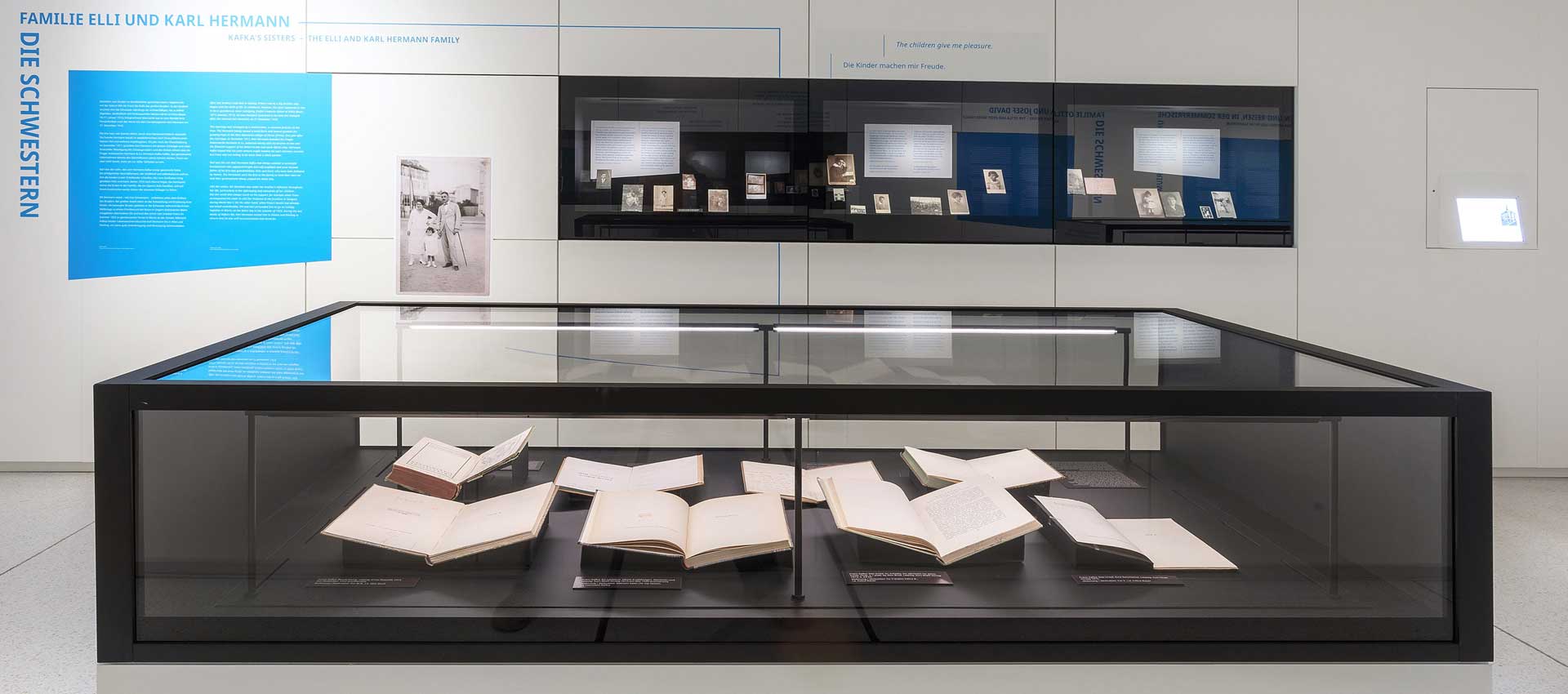
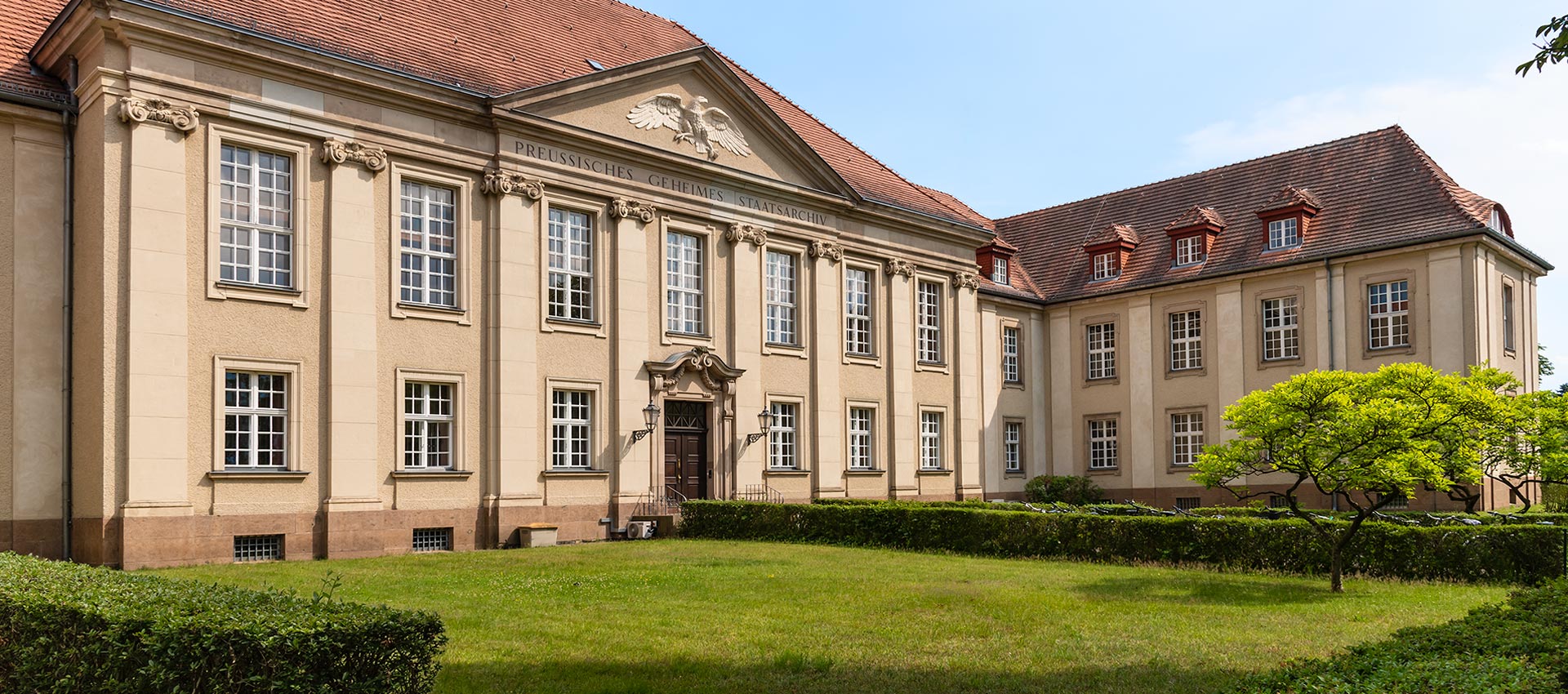
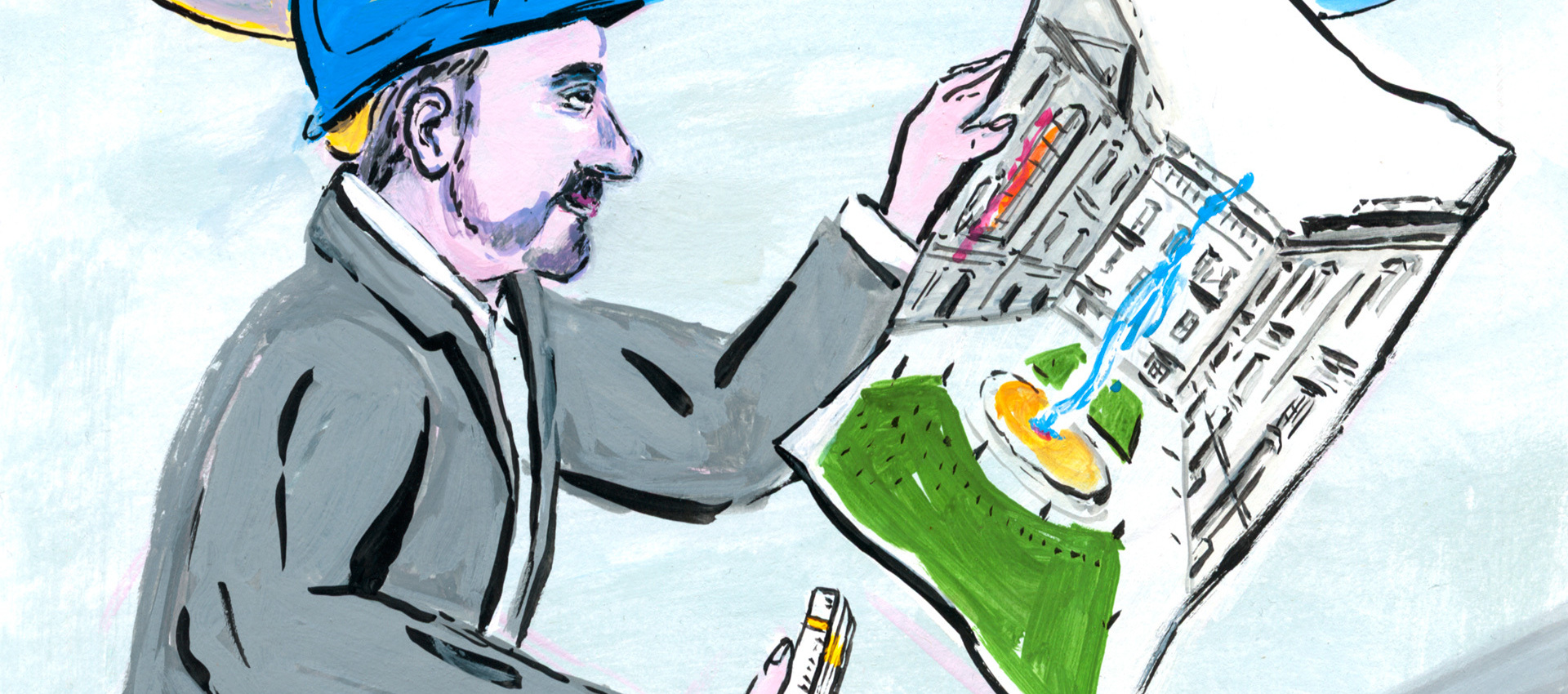
Like others at the time, I was on the advisory board opposing the break-up of the SPK. Quite simply because everyone should benefit from one another and the richness of the collections should also be reflected, including and especially in an interdisciplinary context. If the State Library puts on a Kafka exhibition, there could well be links to the arts. Or the Secret State Archives, in its outreach work, is surely of interest to artists too.
What role can the SPK actually play amidst Berlin’s cultural abundance?
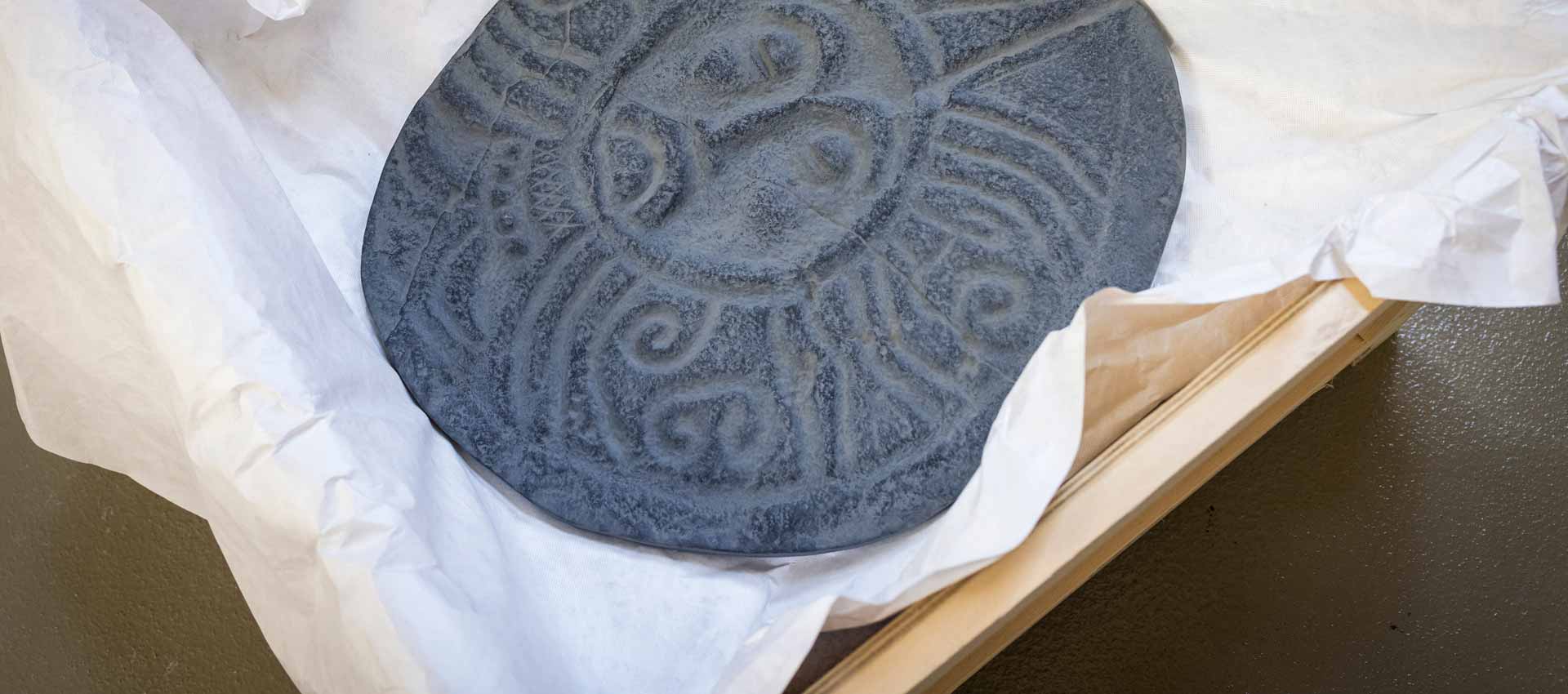
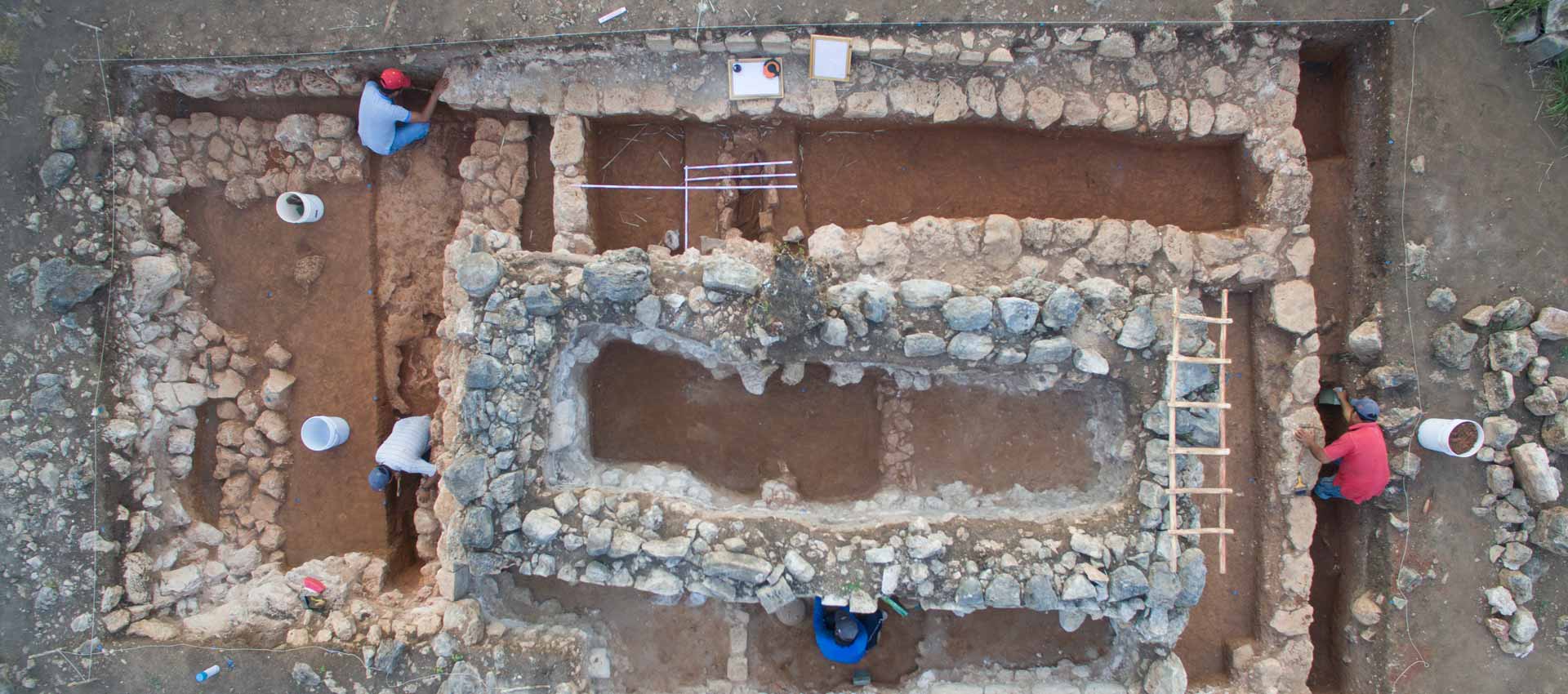
Yes, we must engage with this diverse urban society. The Hamburger Bahnhof is doing this well with its neighbourhood project, and the Bode Museum is collaborating with the Charité on the ‘Healing Museum’. But these are sub-projects. We need to think on a larger scale, reach even more people and increase our influence within Berlin. We receive a great deal of public funding. And we must use this to increase our reach. That is our public mandate. I was impressed, for example, by how the Komische Oper engages with the Turkish community. When we host the major exhibition ‘Myths in Stone’ this autumn on the UNESCO World Heritage Site of Göbeklitepe in south-eastern Turkey, we should be able to achieve the same.
Speaking of urban society. It’s not just peaceful; there’s also hatred and anti-democratic attacks, particularly on cultural institutions. How do you deal with that?
I believe we must provide safe, protected spaces where genuine discourse can take place. Of course, this requires rules – there’s no question about that. In Dresden, I saw just how important it is to have a space where people can speak their minds. We are a learning institution. The freedom of art and science offers incredible opportunities to create spaces and provide guidance.
What do you say to those who claim that the SPK focuses too much on certain sections of the public?
To them I say that I care about everyone! It couldn’t be any other way if you want to inspire millions of visitors. But we must also acknowledge that the audience has become more diverse. We have to respond to that, and that is exactly what we are doing.
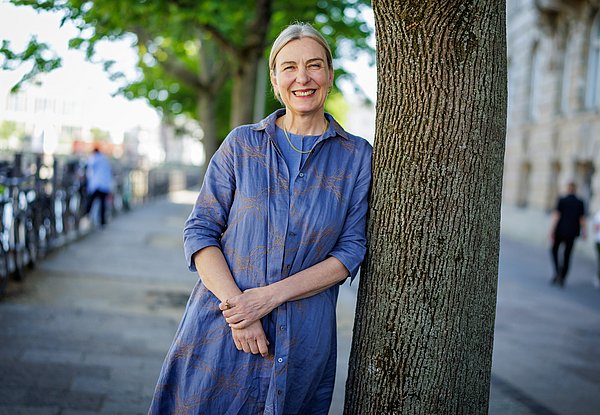
I believe we need to provide safe spaces where meaningful discussions can actually take place
Marion Ackermann on anti-democratic attacks on cultural institutions
We’re sitting here at Haus Bastian, the breeding ground for new ideas about tomorrow’s audiences. Is cultural education a subject close to your heart?
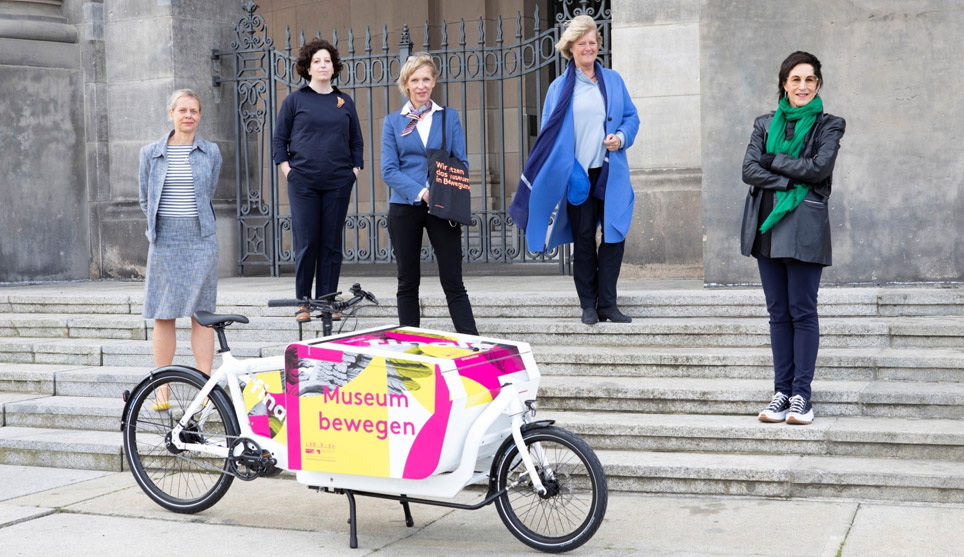
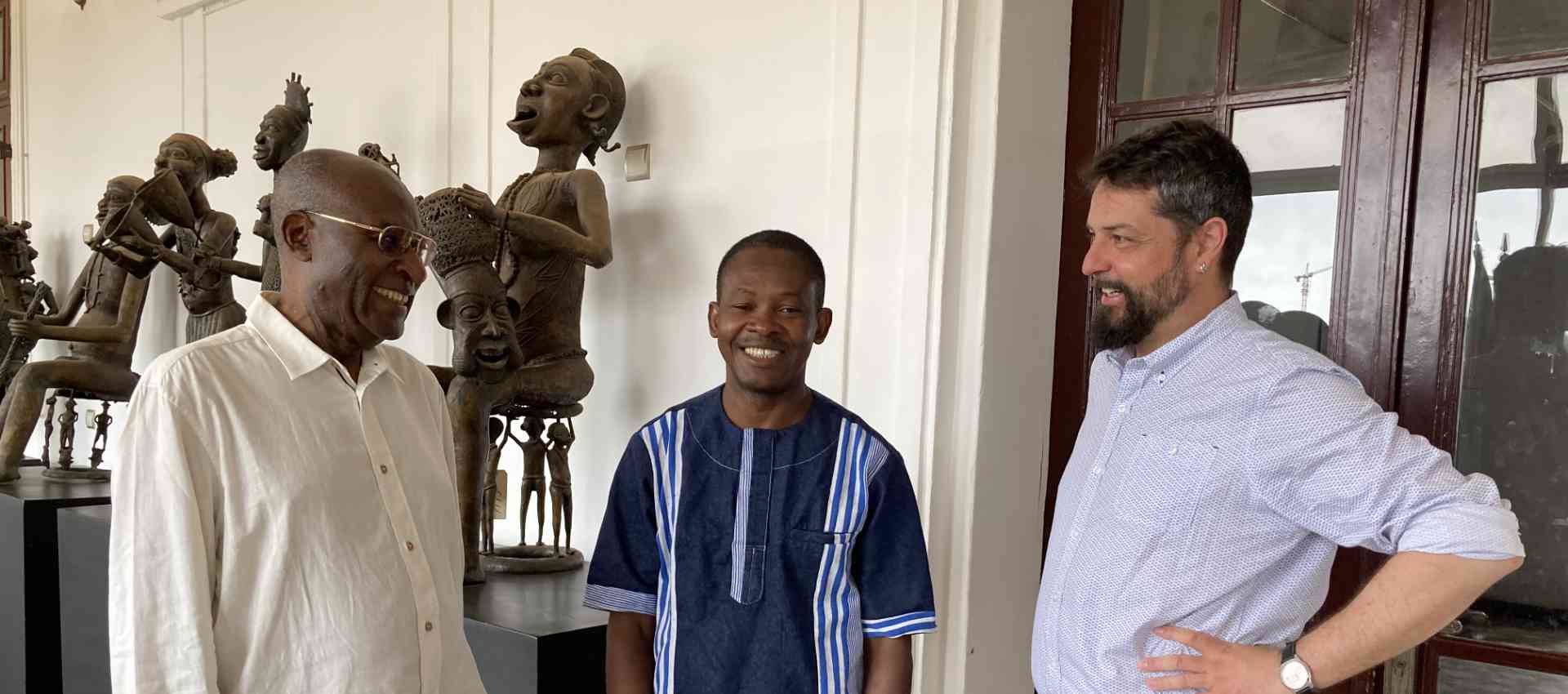
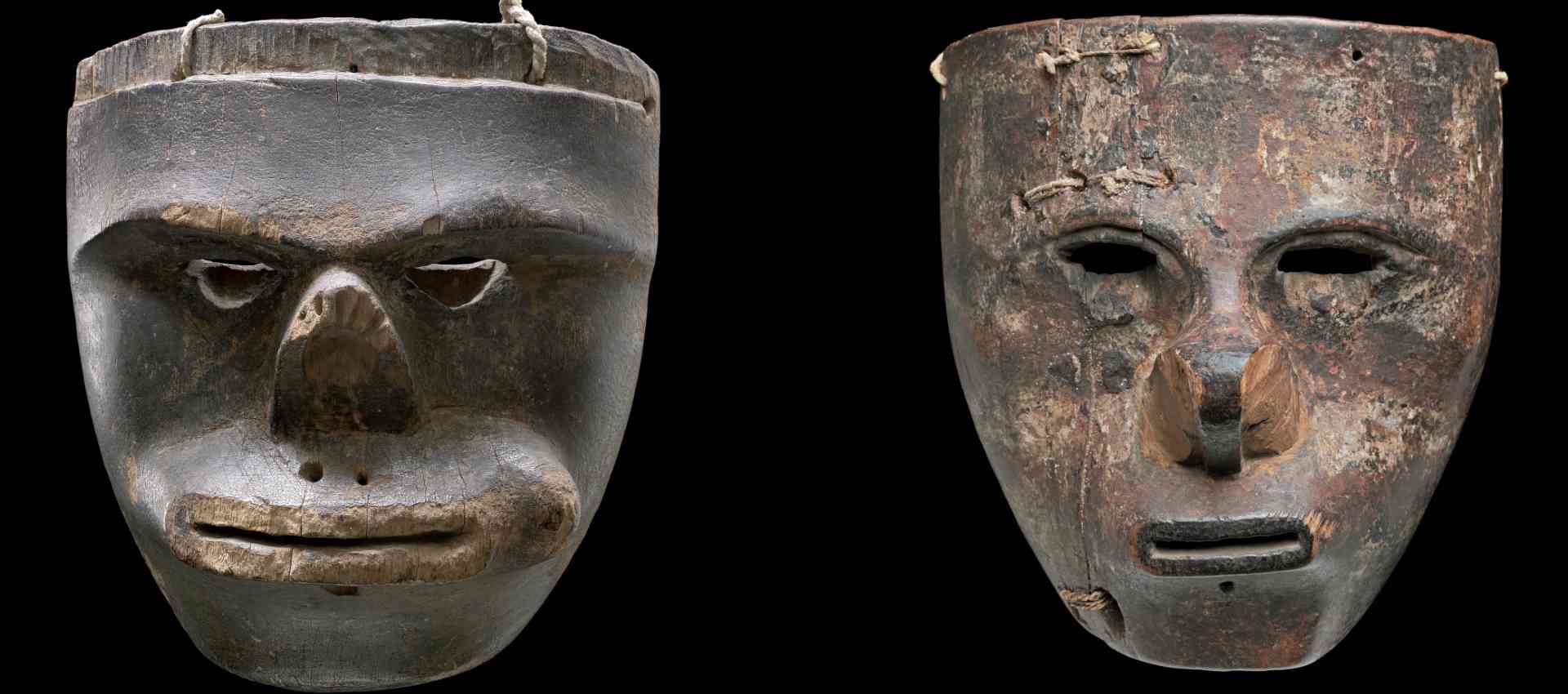
Absolutely! Let me answer with an example from Nigeria. The average age there is 27. When the new museum opens in Benin City, young people don’t just want to see objects behind glass; they want to take ownership of their museum. Through performances, crafts and workshops. I find that exciting and wonder if we couldn’t apply some of that here too? And I’d also like to do more with outreach initiatives, so that we leave these thick walls behind and head out into Berlin or the countryside.
Ms Ackermann, when we meet again for next summer’s interview: what would you like to have achieved by then?
I would like to see some calm restored. I would like us to have a strategy that is completely transparent, makes decisions comprehensible and becomes our shared agenda – a sort of ‘thorough bass’, to borrow from Kandinsky, which provides guidance and stability for our actions. Of course, I also hope that we will massively expand our resources, and I hope that the Minister of State for Culture, as well as MPs at federal and state level, will stand by our side. It is equally important to me that we increase our visibility, particularly on social media, and that we consistently position ourselves in the international discourse. Our expertise is excellence. That is what it is all about.