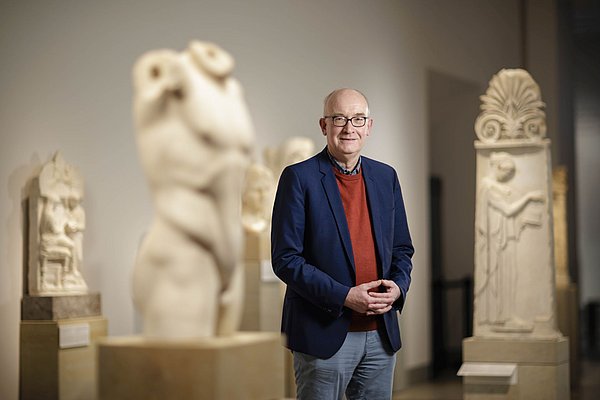
The foundation stone for the Altes Museum was laid 200 years ago: now an exhibition tells the story of its early days – it is the final exhibition by Andreas Scholl, who is bidding farewell to the Collection of Classical Antiquities
Mr Scholl, the whole year has been focused on the foundation stone of the Altes Museum, which was laid 200 years ago. Do you happen to know where it is?
Andreas Scholl (laughs): Unfortunately not. However, we do know that the Royal Porcelain Manufactory produced three plaques for this special occasion, highlighting the King’s initiative to establish Berlin’s first museum and listing the costs in detail. The handwritten document relating to this is preserved in the Secret State Archives, and we are permitted to display the original in our exhibition.
What was the summer of 1825 like?
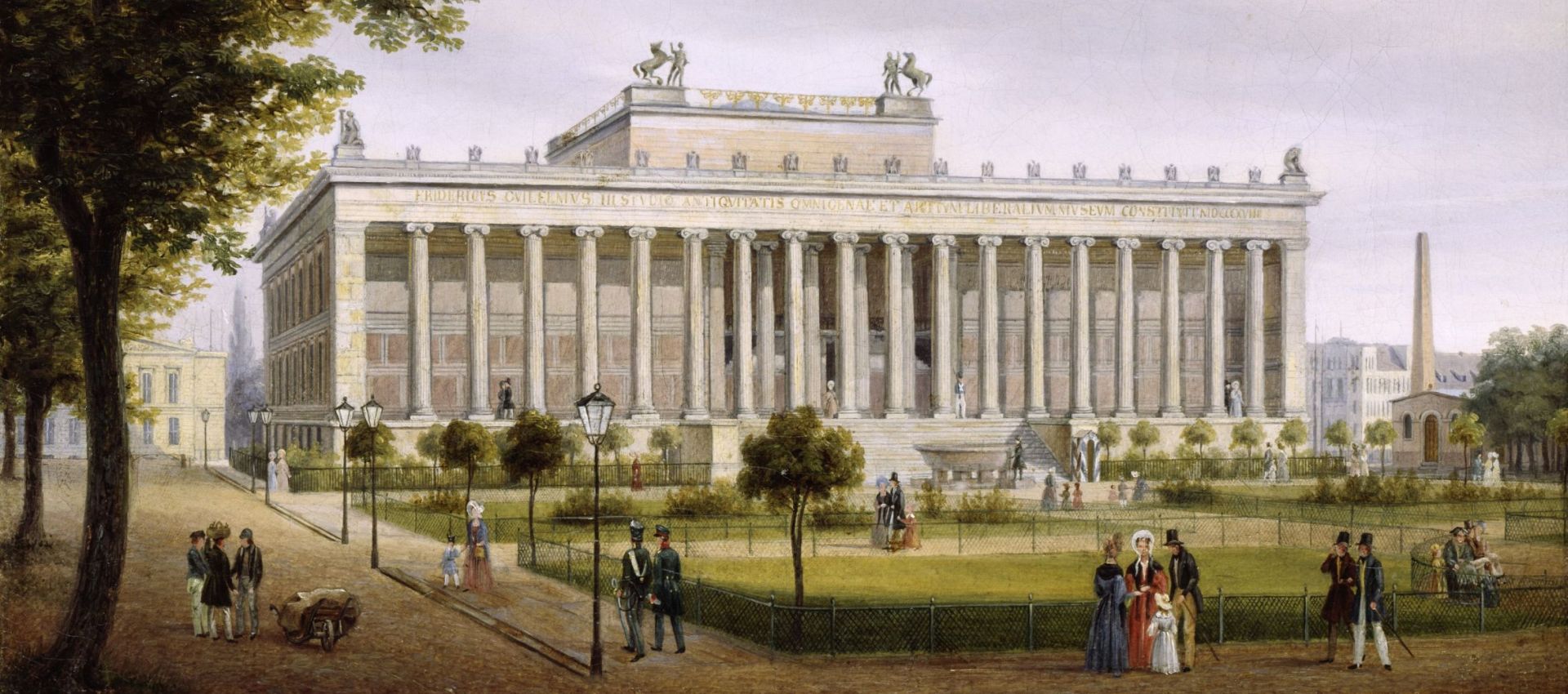
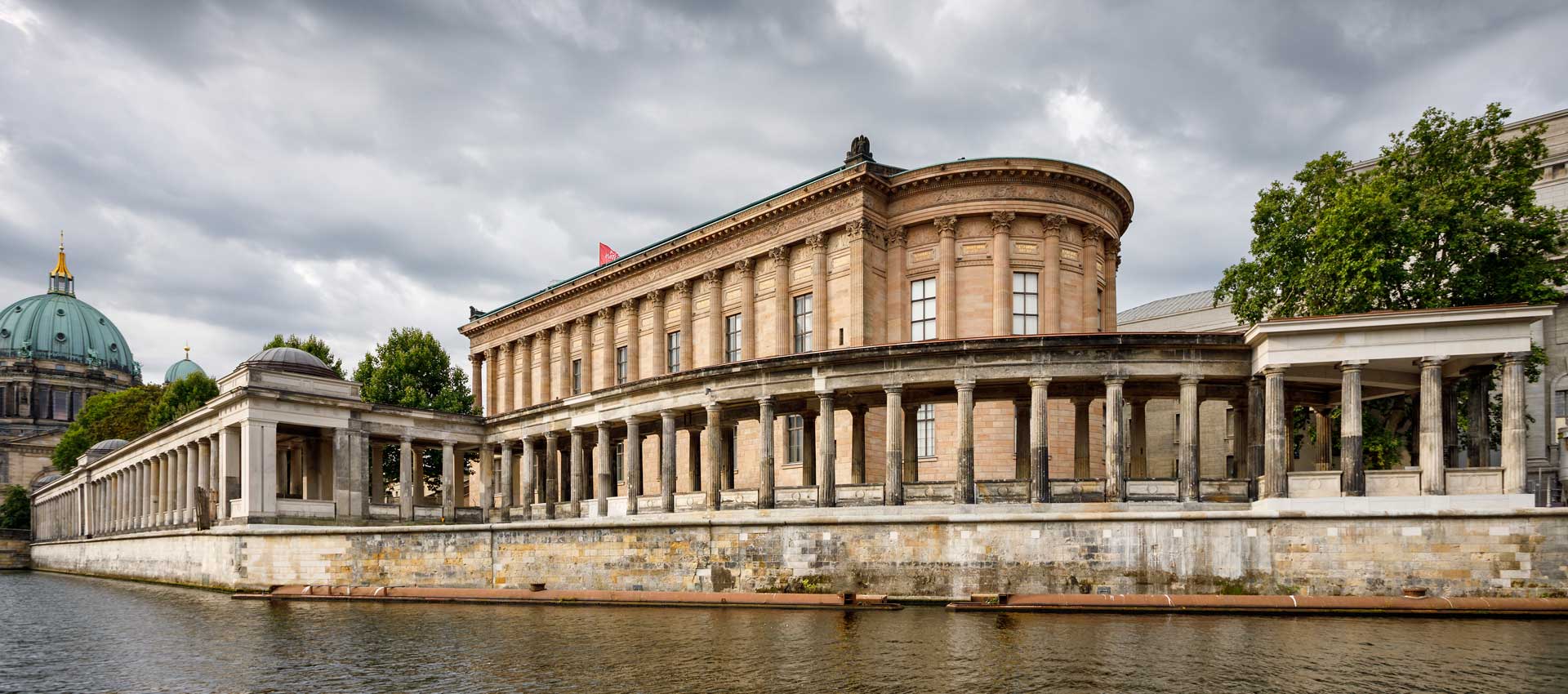
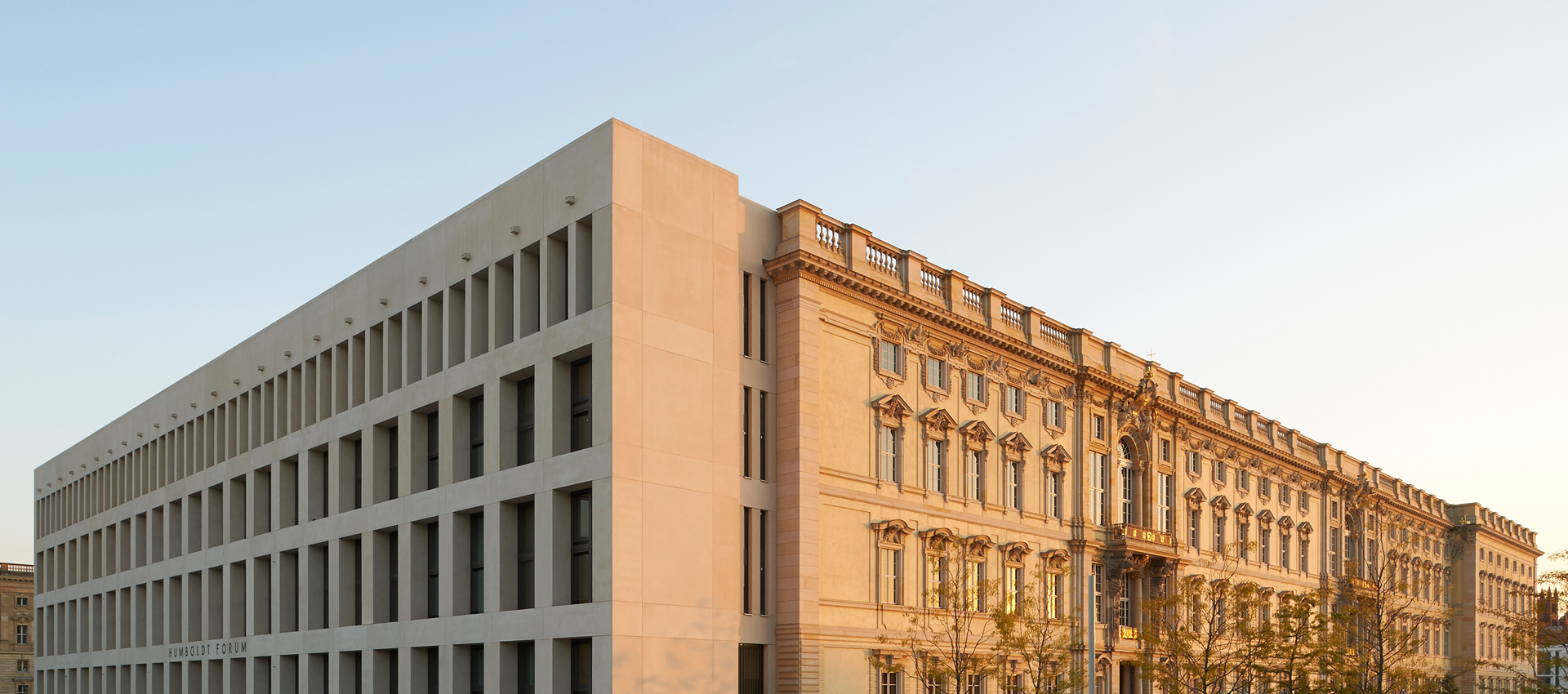
Berlin was by no means at the forefront in Europe with its first public museum. Russia, but above all Great Britain and France, had long since established their own exhibition venues in the wake of the Enlightenment and the demand for cultural participation. The British Museum, after all, was founded in the mid-18th century. The Louvre, meanwhile, was a result of the French Revolution of 1789. In Prussia, too, there had long been ideas for establishing a museum, but Napoleon’s campaign and Prussia’s catastrophic defeat in 1806 put an end to these plans. It was only in peacetime, and after many looted objects had been returned from Paris, that the plans were resumed. Ultimately, the return of the objects was actually the catalyst for the Altes Museum. And it was apparently the first dedicated art museum in Central Europe – it was neither a converted royal palace, like the Louvre in Paris, nor was art displayed in a scientific context, as in London’s British Museum or Kassel’s Fridericianum; rather, this building was designed and constructed exclusively for the presentation of antiquities and paintings.
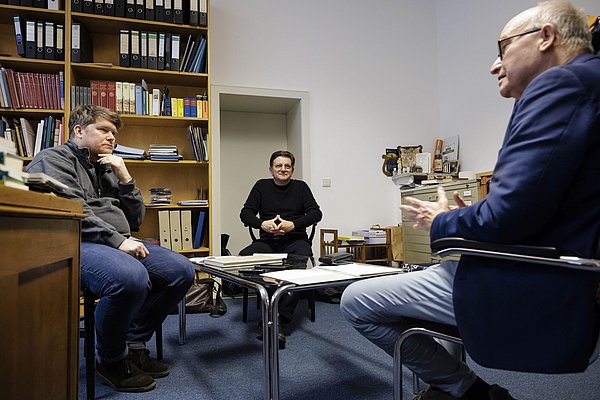
Your special exhibition “The Foundations of Antiquity: Berlin’s First Museum” takes us back to 1825, when the foundation stone was laid, but also to 1830, the year it opened. So did the museum open on schedule?
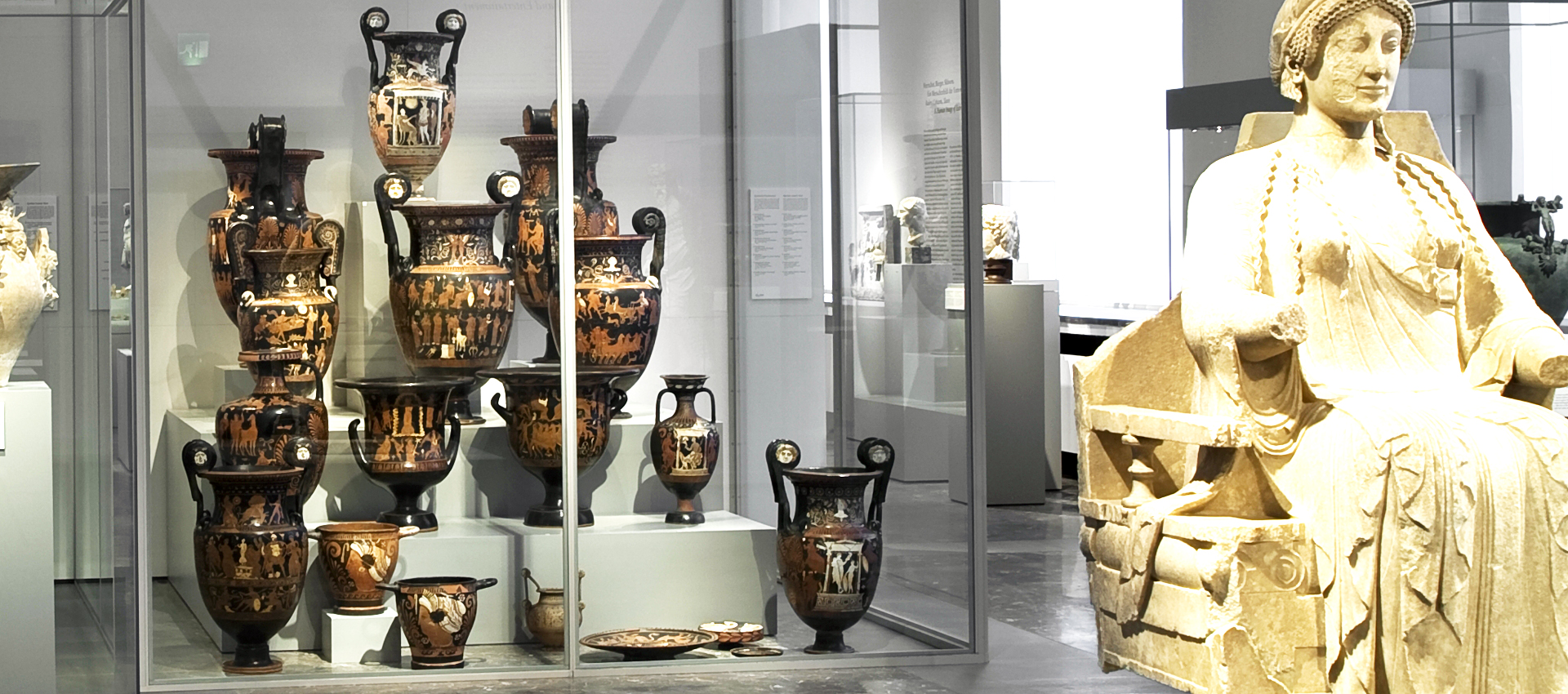
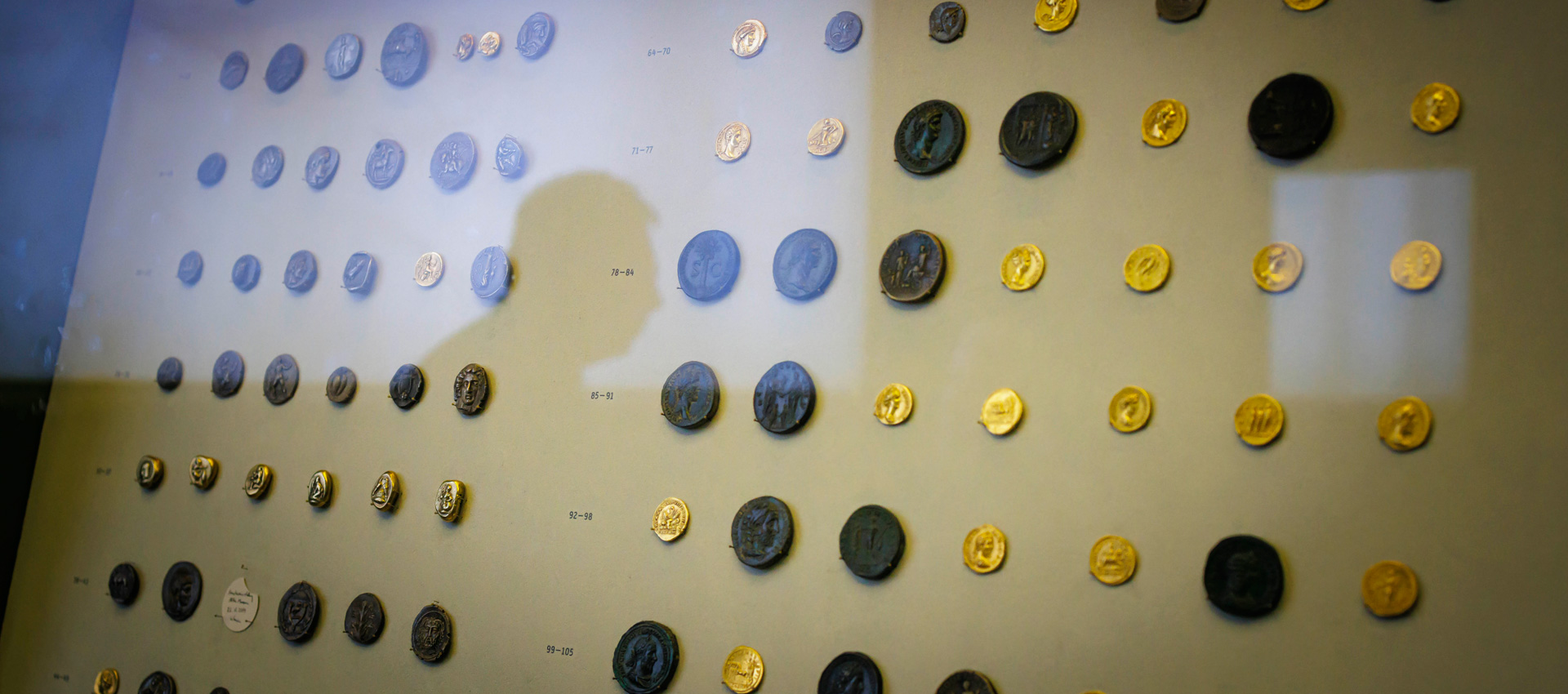
Yes, it was completed after five years! And that was despite the fact that Schinkel had to fight very hard to realise his vision of architectural quality and had to make many compromises. The museum was built using six million plastered Brandenburg bricks, and instead of solid marble columns, it contained only sandstone and coloured stucco. The prestigious main floor, which was arranged around the rotunda, was intended to display the ancient sculptures, whilst the upper floor housed the royal collection of paintings. The basement level accommodated the ‘Antiquarium’, where we are currently having this conversation: here, small-scale objects such as vases, bronzes, terracottas, gems, coins and so on were on display.
Was the museum as open to the public as we know it today?
Not in the modern sense of being able to move freely around the museum. There was a custodian with whom one initially had to register in order to collect free tickets for the visit. From January 1832, at the insistence of the public, this procedure was relaxed and, on the fully open days of Saturday and Monday, anyone ‘neatly and decently dressed’, as it was put at the time, was granted entry ‘without further ado’. On the other weekdays, Tuesday to Friday, the condition of admission was that visitors had to enter their names and addresses in a visitors’ book. This meant that during the week, the wider public could not immediately visit the new building, but rather it was initially the familiar groups of visitors—primarily art students, artists, architects and foreign art enthusiasts and scholars—who came to sketch and study. It was only later that the middle classes took to the building. But then, very soon, visitor numbers reached 250,000 to 300,000 per year.
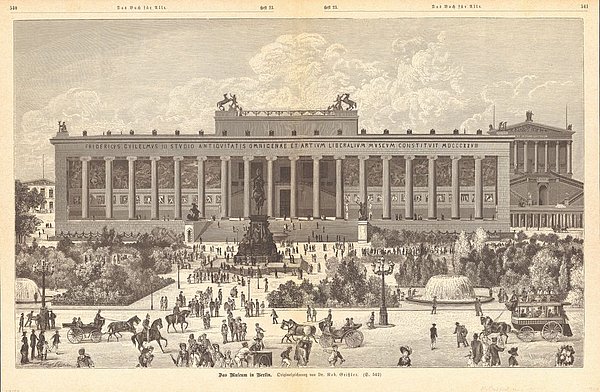
Print based on a drawing by Robert Geissler, 1885
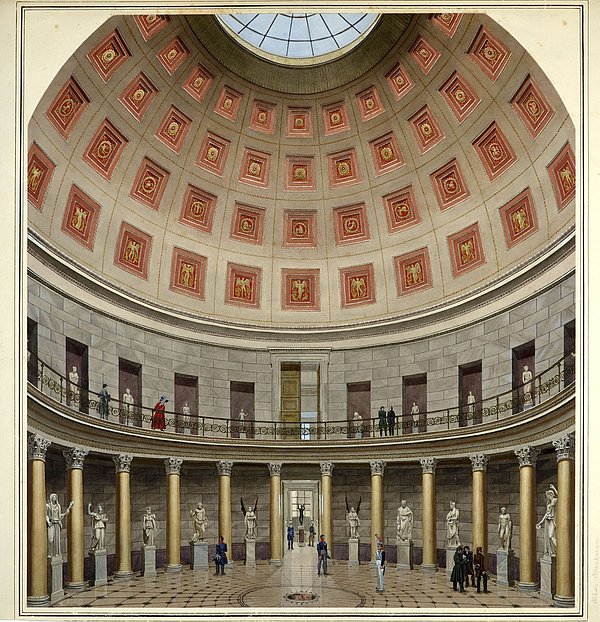
Berlin, Kupferstichkabinett
Who was in charge of the house?
For the first three years, it was the sculptor Christian Friedrich Tieck, brother of the well-known writer Ludwig Tieck. He was succeeded by Eduard Gerhard. A man who had lived in Rome for many years and was a co-founder of the internationally oriented Istituto di Correspondenza Archeologica, which later became the present-day German Archaeological Institute following the founding of the German Empire in 1871. Gerhard systematically expanded the collection. Our highly significant collection of Greek vases is largely attributable to him.
What will you be showing in the exhibition?
We are displaying almost exclusively objects that were already there in 1830. We can trace this clearly from the documentation. As early as 1831, Tieck published the first museum guide – the numbering of the exhibited ancient sculptures corresponded with small plaques specially produced by the Royal Porcelain Manufactory, which were embedded in the bases of the sculptures. This is how we know which sculptures were in which room. Unfortunately, we have very few pictorial representations of the interiors from the early years. These only emerged with the earliest photographs around the mid-19th century.
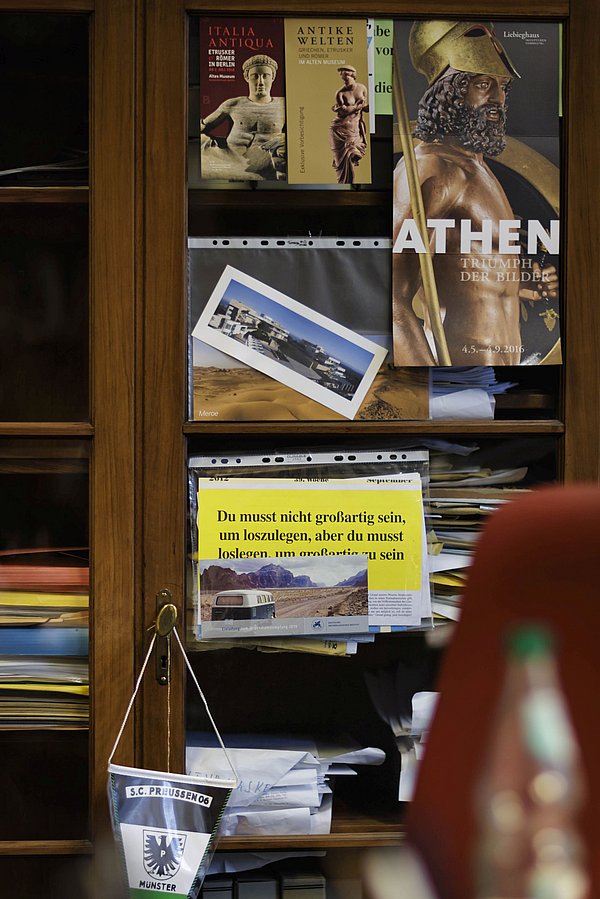
So how did this enthusiasm for antiquity come to Prussia?
In the early 19th century, the study of classical antiquity and the learning of Latin and Ancient Greek were core components of neo-humanist school education. Wilhelm II had even studied Classical Archaeology in Bonn himself. To put it simply: he regularly travelled to Corfu on his yacht ‘Hohenzollern’ and even wrote two archaeological books that are now forgotten. To put it more seriously: antiquity was simply at the heart of the Prussian educational ideal. For a long time, every senior Prussian civil servant was a graduate of a grammar school specialising in classical languages and the humanities. The decision-makers of the time were therefore far more familiar with antiquity than, say, those of today. Genuine enthusiasm for antiquity among the general public probably only emerged with the major excavations at Olympia from 1875 and at Pergamon from 1879.
Listening to you, one might think that the Altes Museum still demands a certain attitude.
That’s exactly right! I’ve worked here for 25 years and have always found my work on the collection to be both a challenge and an enrichment. It was clear to me from the very beginning that a collection of antiquities had been assembled here in the 19th and early 20th centuries by top-class scholars. Some of them were outstanding figures! The most famous among them was undoubtedly Adolf Furtwängler, the father of the great conductor Wilhelm Furtwängler. He wrote seminal works that are still in constant use today. For example, he systematically researched ancient gems and wrote the first scholarly catalogue of the vase collection.
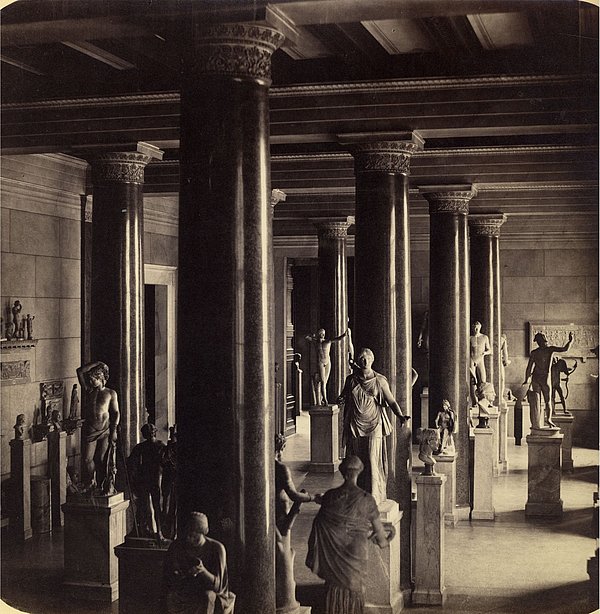
State Museums of Berlin, Central Archive
And what will you be remembered for?
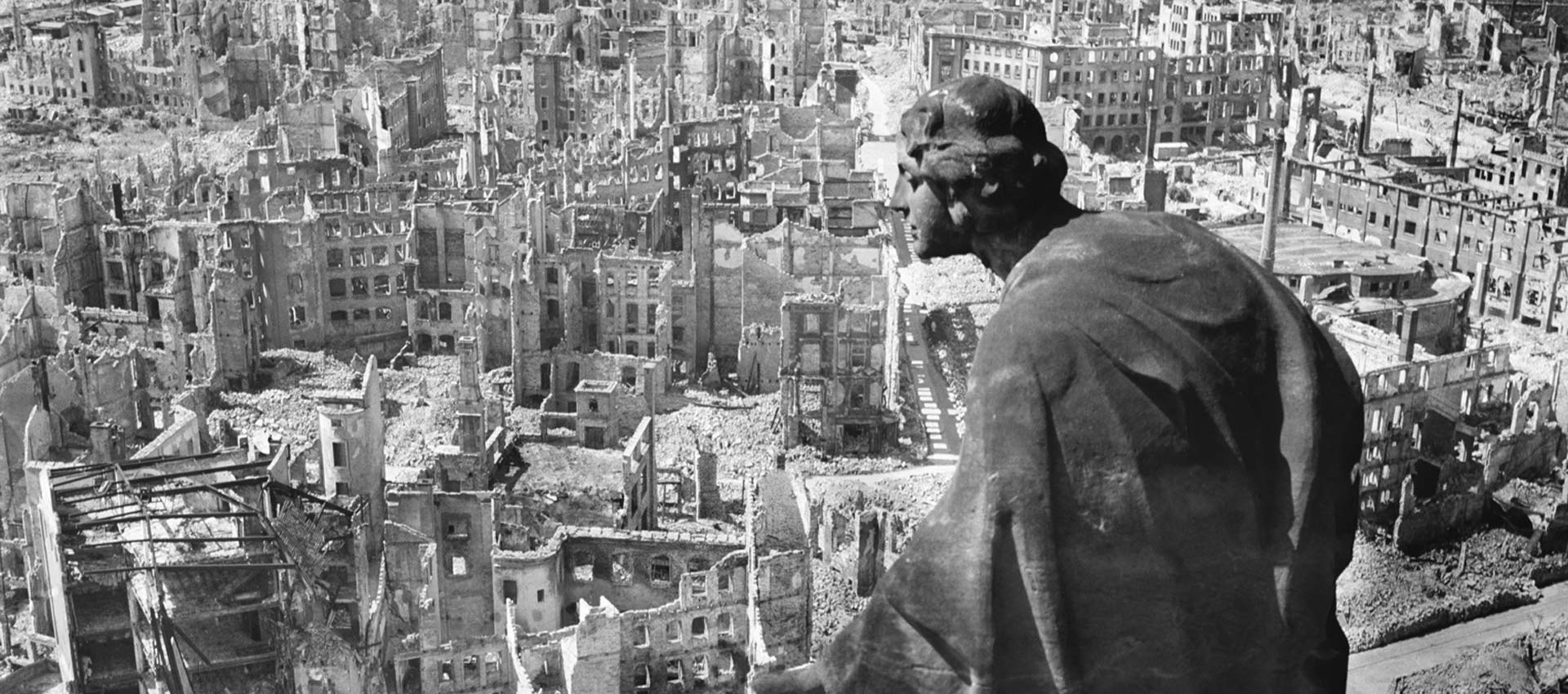
(Laughs.) My great professional stroke of luck was that I arrived on Museum Island at the most opportune moment. Ten years after the fall of the Wall and reunification, the SMB had overcome the worst of its structural teething problems. There was the Museum Island Master Plan, and with it a vision for the Altes Museum and the other institutions. But parts of our collection – such as numerous large sculptures – were still in a disastrous state. This was linked to the haphazard removal of the objects to the Soviet Union immediately after the end of the war. Although the majority of the ancient sculptures had returned to the GDR in 1958/59 – but in what state! The sculptures had suffered enormously during the long rail journey in goods wagons, and quite a few were actually in danger of falling apart. On many of them, one could still see traces of the nets or car tyres that had been wedged between the sculptures as a sort of transport safety measure. Even in the Pergamon Museum’s storage areas, there was still quite a mess. It was clear to me that we were facing a colossal task.
Where do you even start?
We began by ensuring that, in the case of generous loans, the borrower covered the restoration costs, which worked particularly well in the context of major special exhibitions we had conceived. One particularly successful project of this kind was a collaboration with two museums in São Paulo and Niterói near Rio de Janeiro, where in 2006 we presented the first major exhibition on classical antiquity ever held in Latin America. For this project, which was later shown in Germany, Austria and Canada, we were able to restore dozens of sculptures.
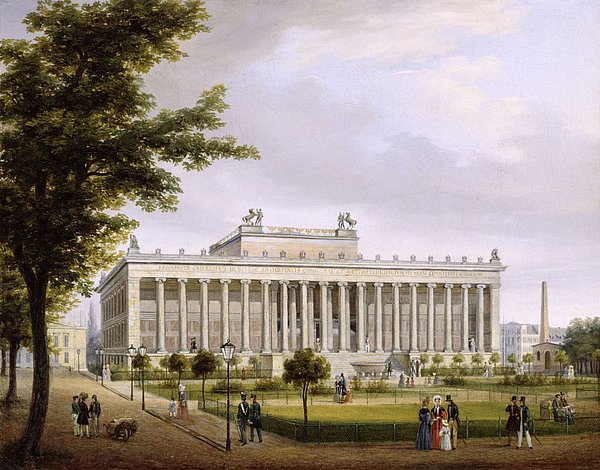
Freydanck, The Old Museum in Berlin, 1836, SPSG
Why Brazil, of all places?
Because of the ancient ideal of beauty! Did you know that São Paulo is the world capital of cosmetic surgery? There, people might give their wife a new nose for her birthday. And the Greek profile is considered the ideal of beauty. But only ancient sculptures have that. Where in real life is there a smooth transition from the hairline to the bridge of the nose? And even the most well-trained bodybuilder cannot develop an abdominal crease like that shown in ancient depictions of men. So, Brazilians love ‘classical’ proportions and physical beauty, and they were able to find these in the ancient sculptures from Berlin.
Mr Scholl, we have spoken about the Prussian ideal of education, but for you there is also a museum ideal. What does that look like?
Our museum is a Janus-faced institution. From the very beginning, the Altes Museum was both an exhibition venue and a research institution. As early as the 19th century, entire categories of monuments were fundamentally researched and catalogued here for the first time. We work in this tradition. That is why we will continue to need highly trained academic staff in the future, for there is no other way to catalogue such a vast and, above all, encyclopaedic collection and make it accessible to the public. Of course, we are also a museum that attracts many visitors every day and certainly count among those museums that are very open and liberal in their approach to an increasingly international archaeology – particularly with regard to loans, the general accessibility of our objects, and photography and publication rights. Anyone with a genuine interest can study the original objects. I do not believe that we need to address every topical issue. It has always been important to me to work with our magnificent collection and to make it more accessible through every special exhibition. If you view our permanent exhibition, you will gain a comprehensive overview of almost all types of monuments, chronological developments, interconnections and topics relevant to cultural history. My ideal museum is not exclusively effortless and accessible to all, for it is a fact that knowledge is required if historical contexts are to be understood. We try to convey this, at least in broad terms, for it is important to understand the conditions that prevailed when the works on display were created. We cannot trivialise everything to the extent that the impression is created that everything has always been as it is today.
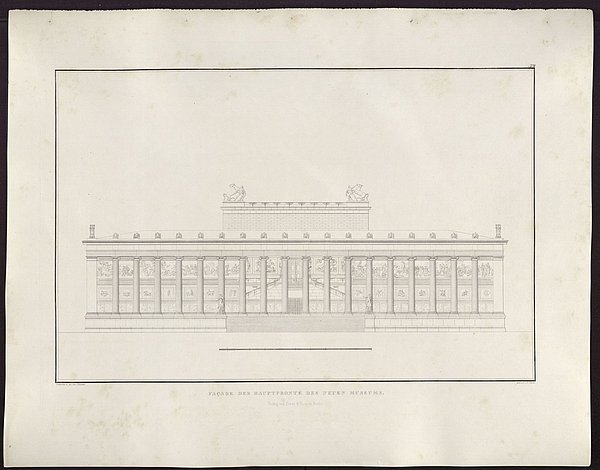
Staatliche Museen zu Berlin, Central Archives
Not every museum director has to jump on every passing bandwagon, of course. But how do you reach younger audiences?
For example, through dialogue with significantly younger people, such as our most recent trainee. She drew my attention to the fact that there is a very successful trend in Anglo-American literature of retelling ancient myths, transposing them into the present day, and often doing so from a decidedly feminist perspective. Penelope, for instance, sits at home for ten years waiting for Odysseus. What might all have happened during that long period? What does that mean, and what does it do to a person? This has resulted in highly successful novels, some of which have been adapted for the screen, and here at our museum, the much-acclaimed special exhibition ‘Goddesses and Wives: Women in Ancient Myth’.
Your first day at work on 2 May 2000 took you to a construction meeting for the Pergamon Museum. Twenty-five years later, the building is still not finished …
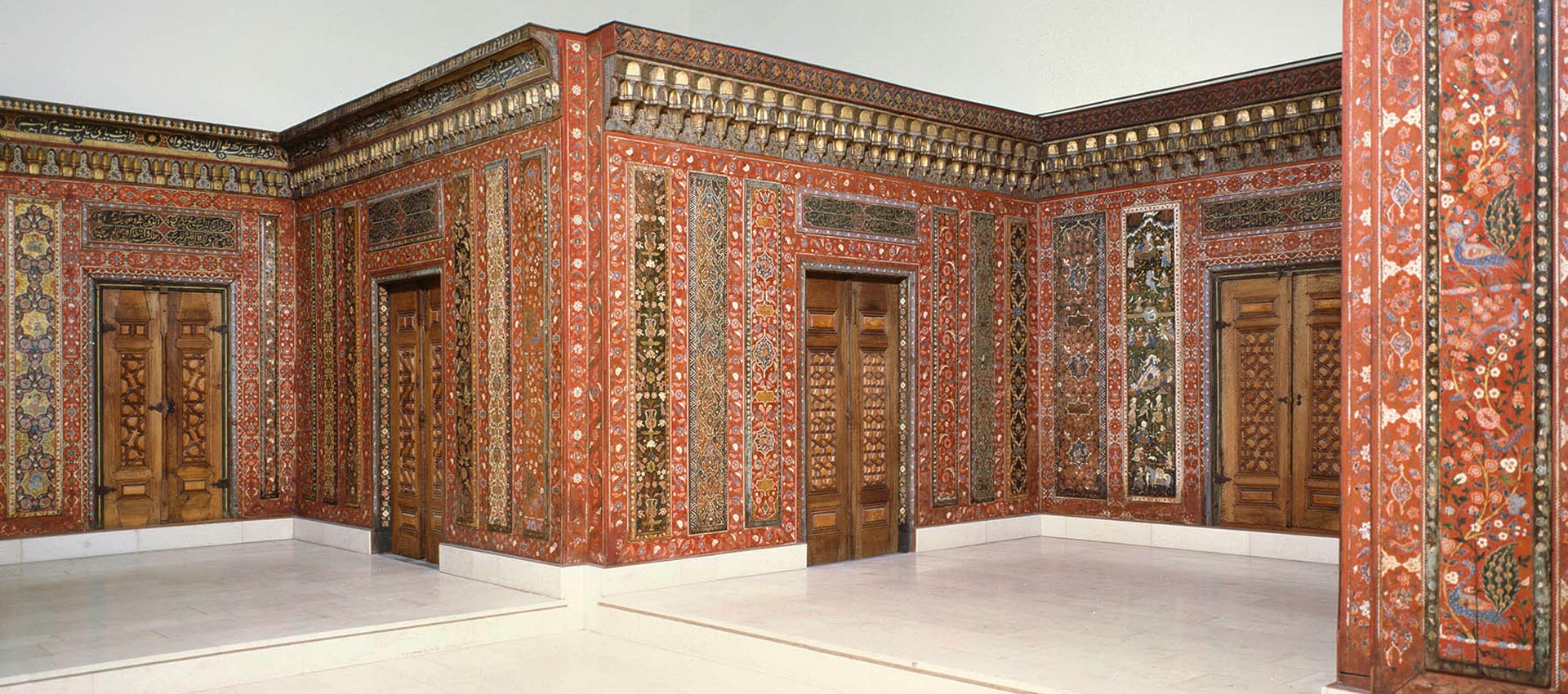
Yes, I really didn’t expect that back then. But now there is actually an end in sight. In early summer 2027, the central building and the north wing will open, along with the Museum of Islamic Art, which has completely reinvented itself. The Altar Hall and the Hall of Hellenistic Architecture have turned out magnificently. The historically accurate colour scheme of the walls has been restored, the lighting has been drastically improved and the rooms are finally air-conditioned. The architectural exhibits have been meticulously cleaned. I am absolutely certain the reopening will be a huge success.
And the Altes Museum?
Well, it’s a race against time. The west side of the Altes Museum is continuing to sink. By the 2040s, the building will be structurally unsafe. That’s why it needs a complete refurbishment now. And urgently!
The interview was conducted by Ingolf Kern and Sven Stienen.