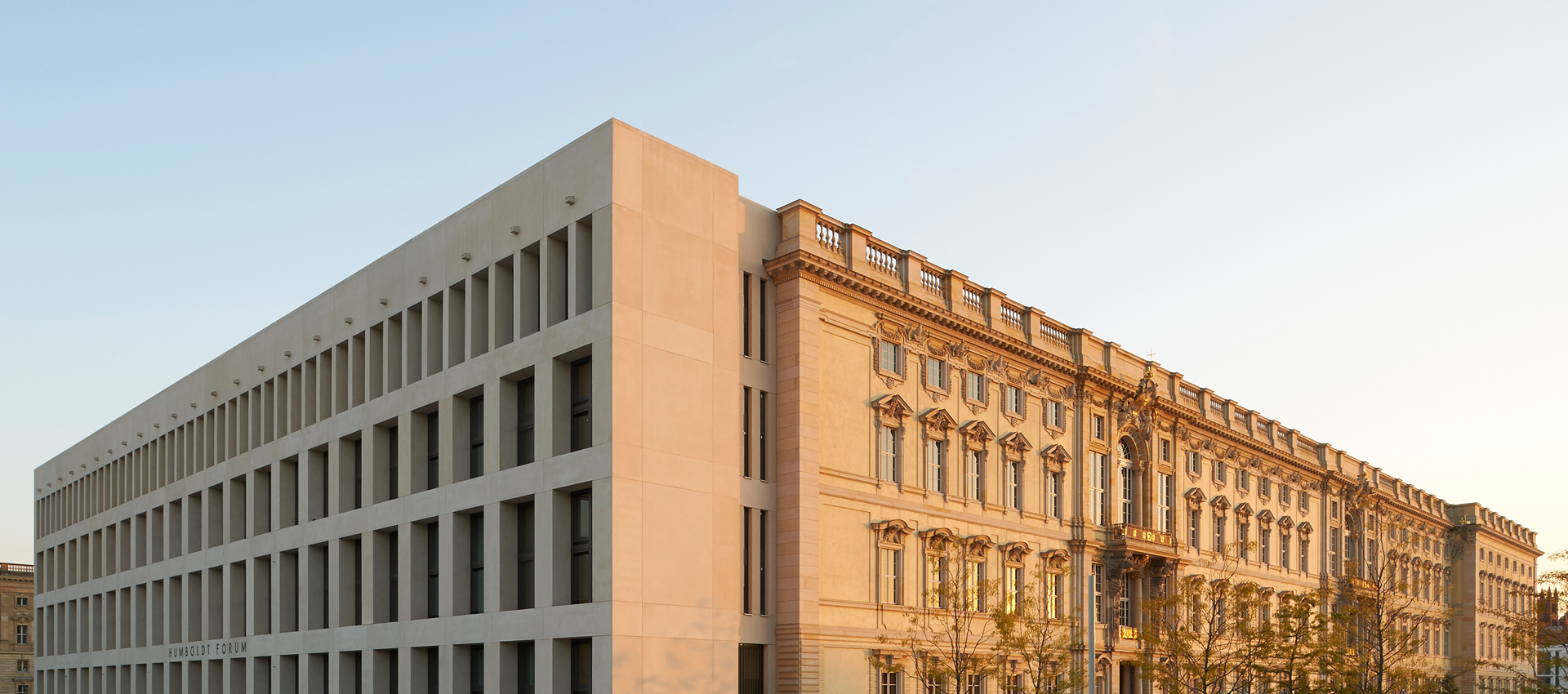
So the time has finally come: the Humboldt Forum is opening in its entirety – a good moment to ask Lars-Christian Koch, Director of the Museum of Ethnology and the Museum of Asian Art, for his thoughts on the matter.
With the opening of the East Wing, the Humboldt Forum is now complete. You have been working towards this event for four years now as Director of the Museum of Ethnology and the Museum of Asian Art. What does this completion mean to you personally?
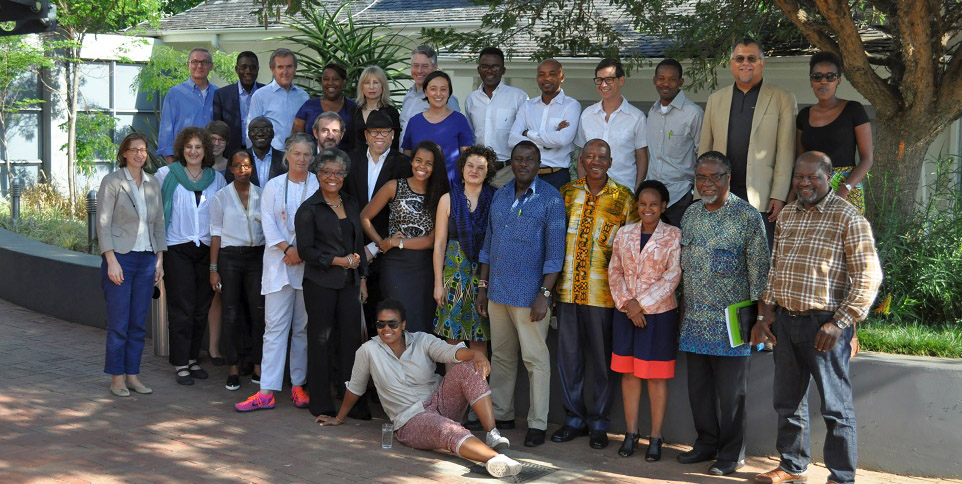
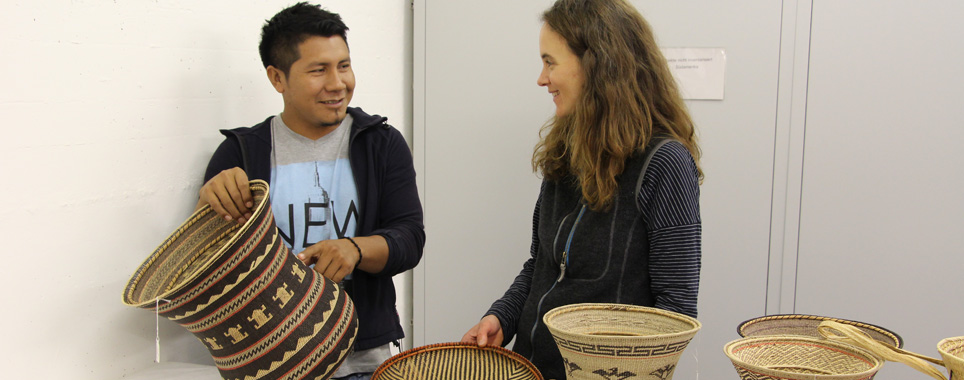
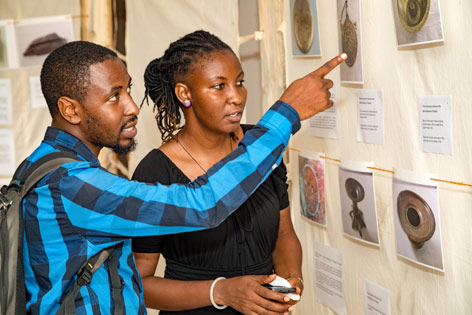
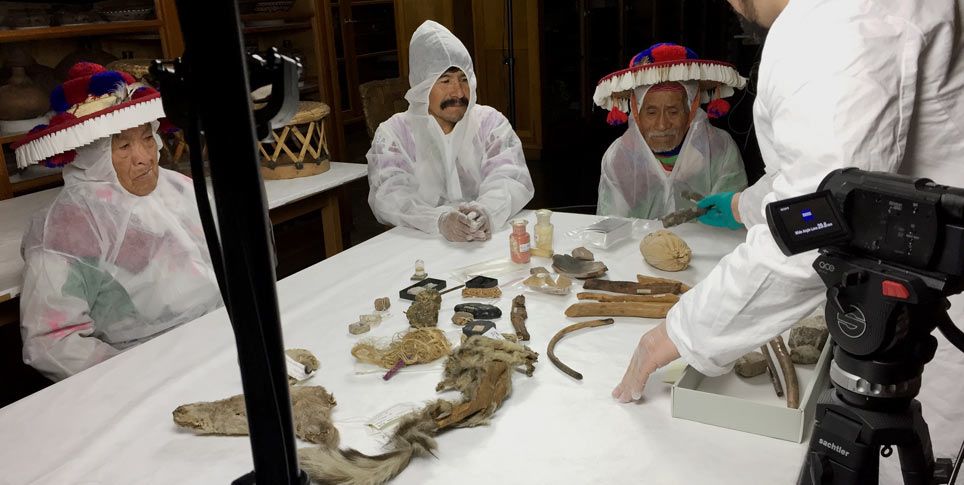
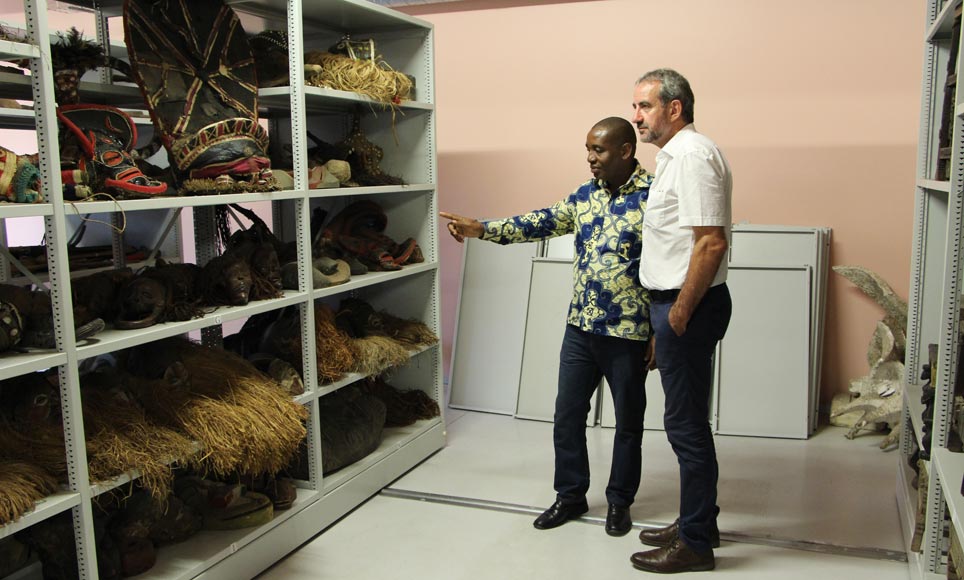
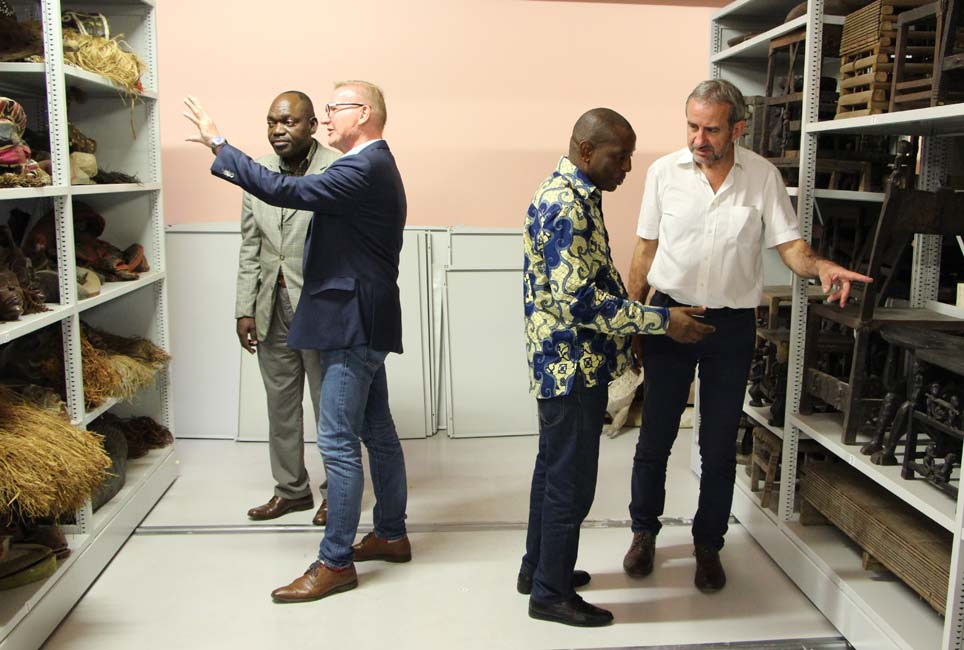
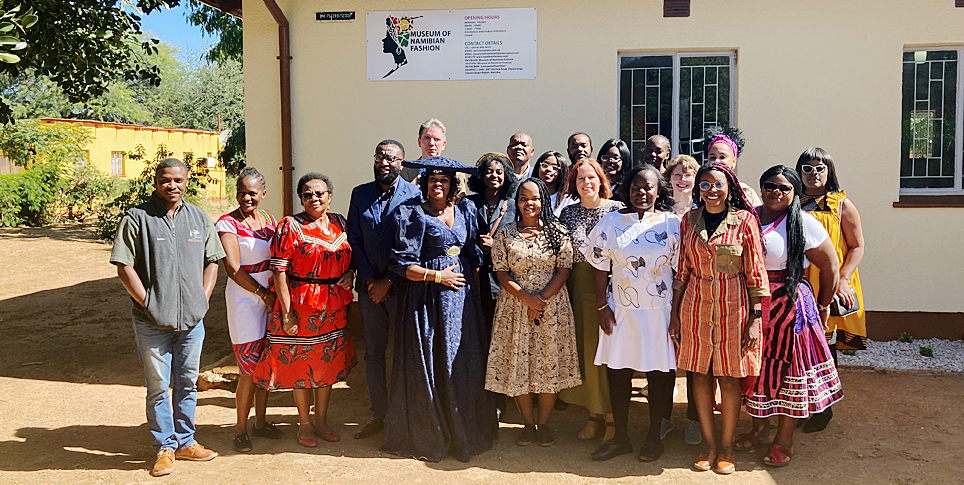
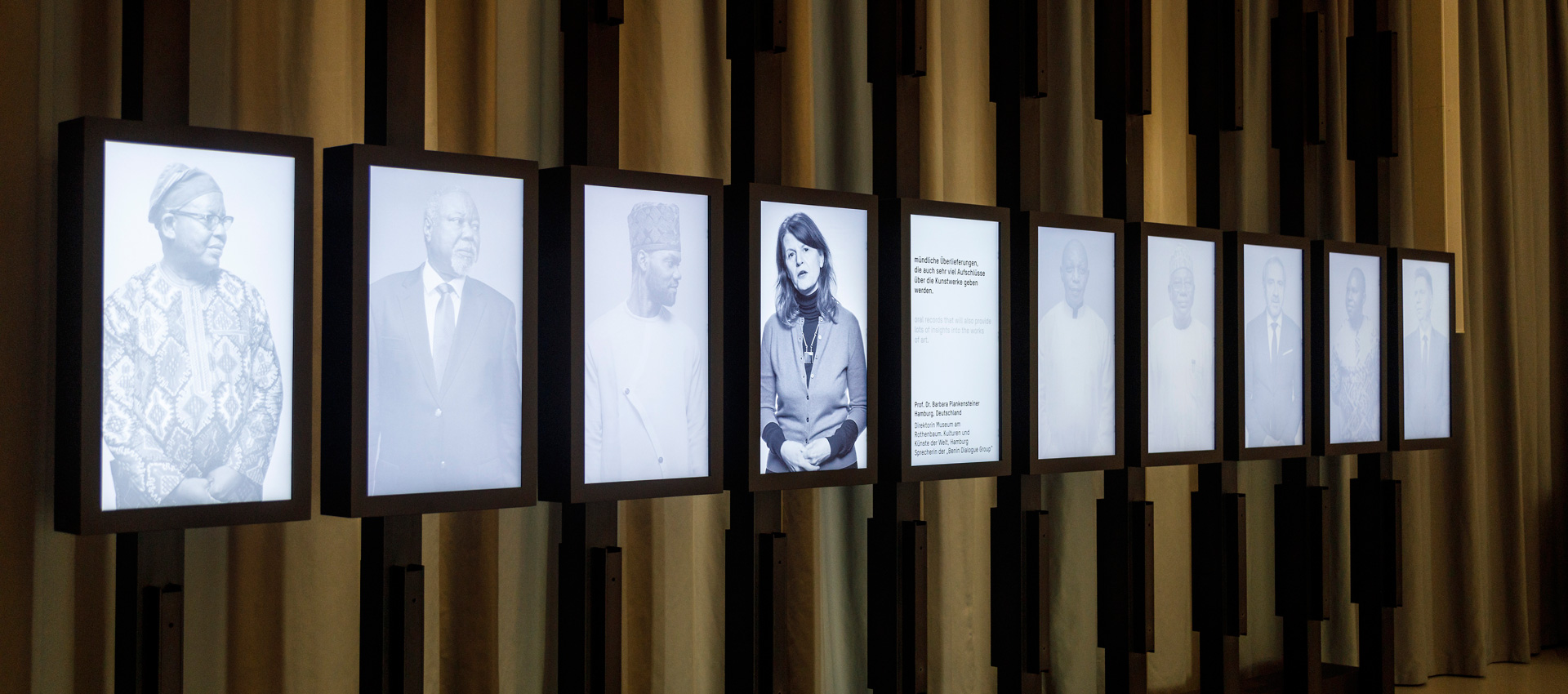
Lars-Christian Koch: The work begins now! In future, we want to continue to demonstrate that the Humboldt Forum can only succeed through dialogue and exchange. That is why it is a wonderful vote of confidence that some 80 international guests, with whom we are working very closely on our collections, have come to Berlin. This will become even more intensive in the coming years. We will be engaging very strongly in new collaborations and using the exhibitions as a starting point to continue this truly intensive collaborative work.
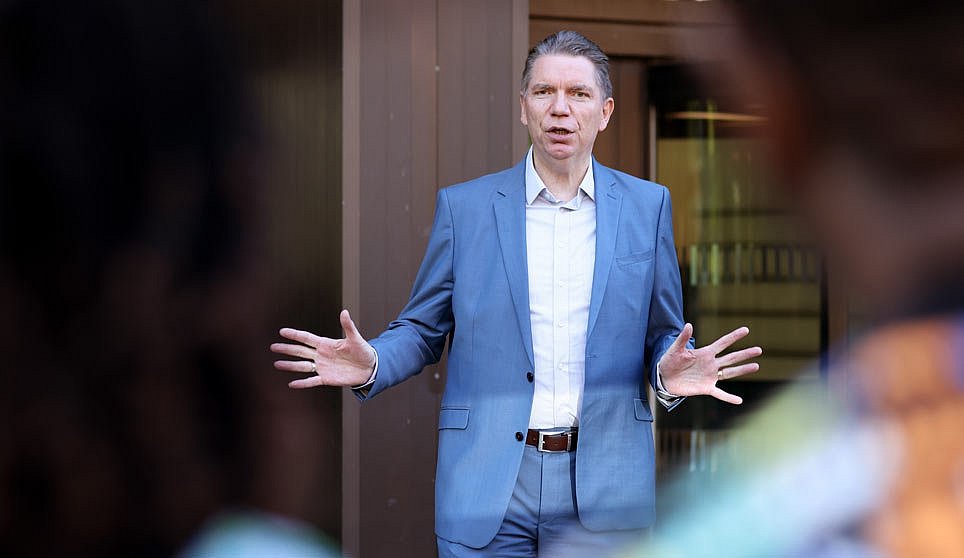
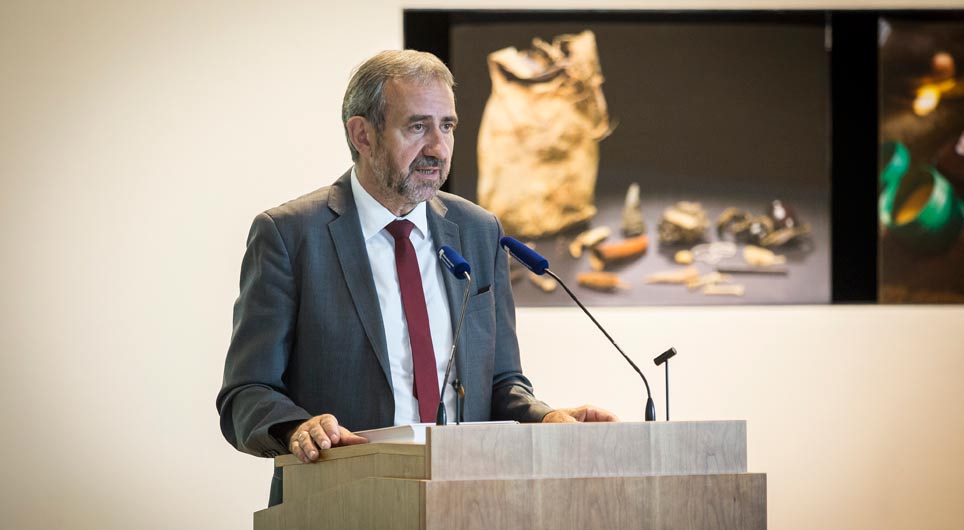
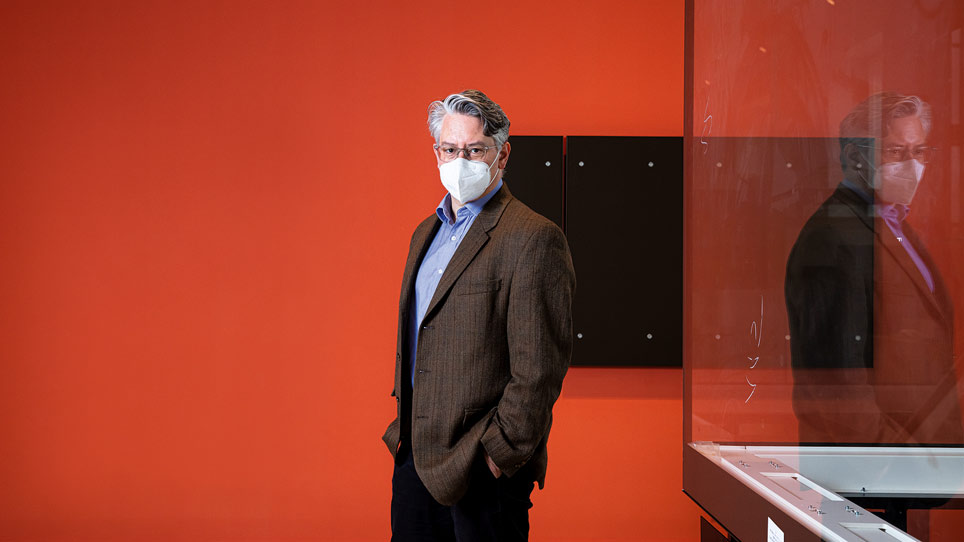
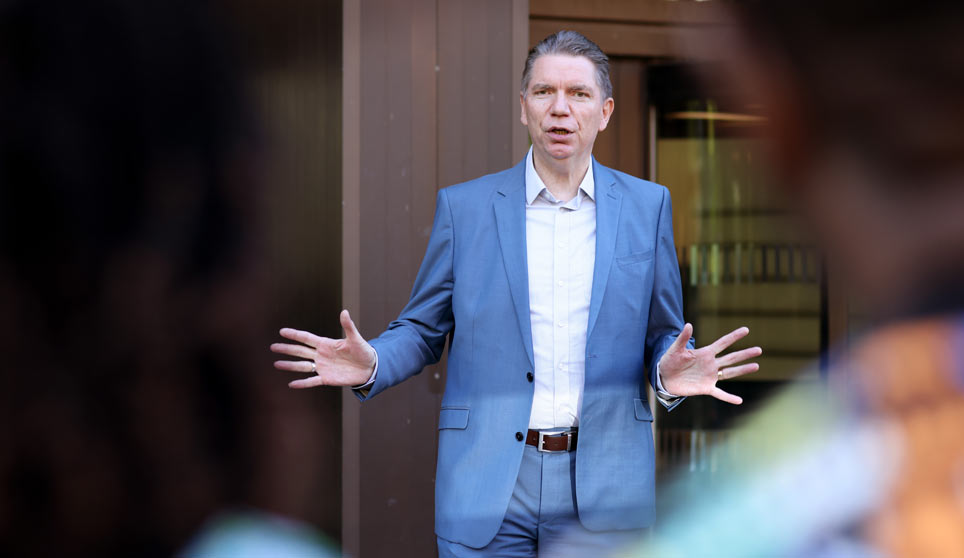
Director Lars-Christian Koch, photo: SPK/photothek.de/Liesa Johannssen
So is the Humboldt Forum a building site, as Minister of State for Culture Roth put it?
Koch: I would rather say that we are a workshop. We want to keep reshaping things and constantly asking new questions of the collections.
During the long period of preparation, did you and the curators ever have any doubts about this project?
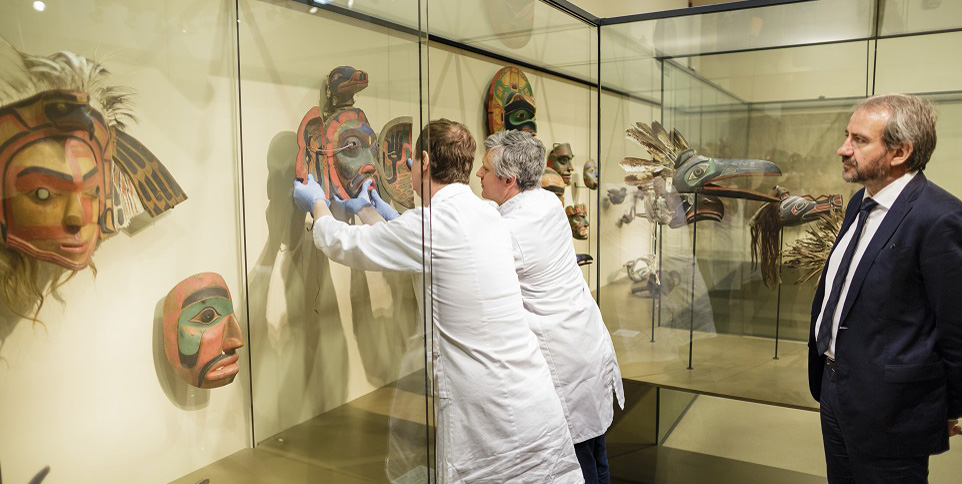
Koch: If you have no doubts, you’re doing something wrong. Doubts are part of the process. Doubts are precisely what drive us to seek new perspectives; they open up new fields of research and presentation. I believe that doubts have sparked a great deal, particularly in our collaboration with our international partners. When it came, for example, to the problematic provenance of our objects, it quickly became clear that restitution cannot be the end of the story. Simply returning the objects is not a solution. We want to work on this together with our partners and, in doing so, ask ourselves: What significance will these objects have in the future? And above all: What impact will this have? What happens in the communities when we return objects?
When you look back at the journey towards the Humboldt Forum – for example, at Martin Heller’s Humboldt Lab, where a multi-perspective approach and collaboration with the societies of origin were emphasised as early as 2011 – do you now feel, given the successes of these intensive international collaborations, that the original idea has borne fruit?
Koch: It’s not about validation for me. But it should be clear that we museum professionals are on the right track. It was always clear that we can only solve all these challenges together. Of course, there are also communities that have no interest in cooperation at the moment. But we offer to listen to them too.
Do you feel that the debate surrounding the Humboldt Forum has become a little more objective as a result of the work you are doing?
Koch: Yes, it has become more objective and it has also opened up. It was very emotional for a while. Emotions are still there, and that’s a good thing. Emotions will always play a major role, but objectivity has also found its place, and that is precisely what we’ve been noticing here over the last few days: the Humboldt Forum is a place of multiple perspectives.
Were there moments when you felt you were being unfairly pilloried?
Koch: Certainly, there were accusations that affected me personally. And that was always the case when an intention was fabricated. But ultimately, I make decisions as a scholar and as director of the museums. Of course, I also have a personal opinion in many areas, which influences this professional stance but must not overshadow it. I have come to appreciate this challenge greatly in recent years: dealing with multi-perspectivity from within.
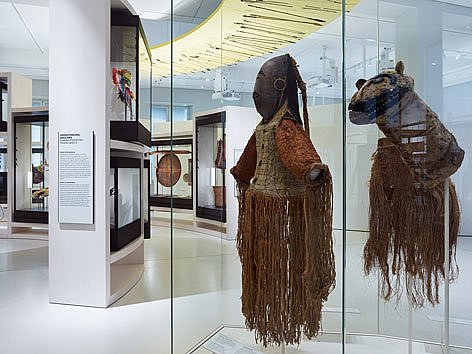
Is there a story being told at the Humboldt Forum that is particularly close to your heart? A part where you think, ‘That’s absolutely brilliant,’ and it gives you particular pleasure?
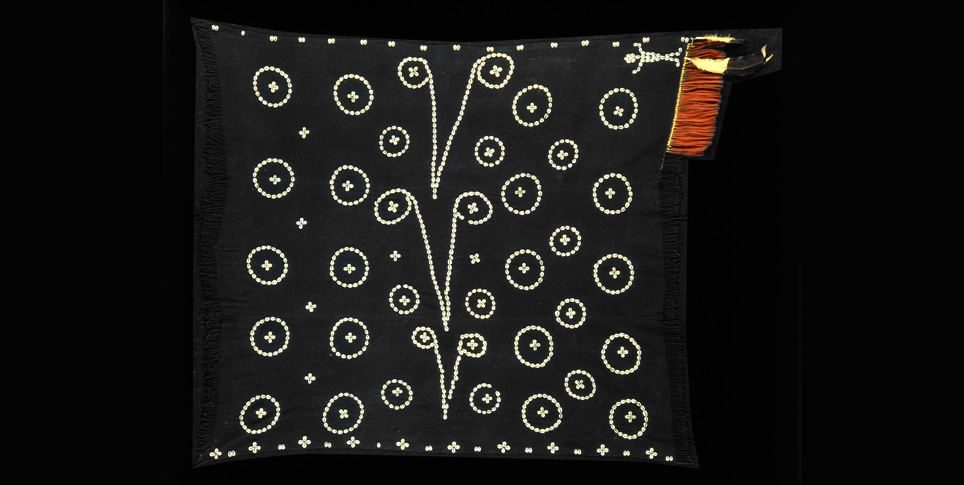
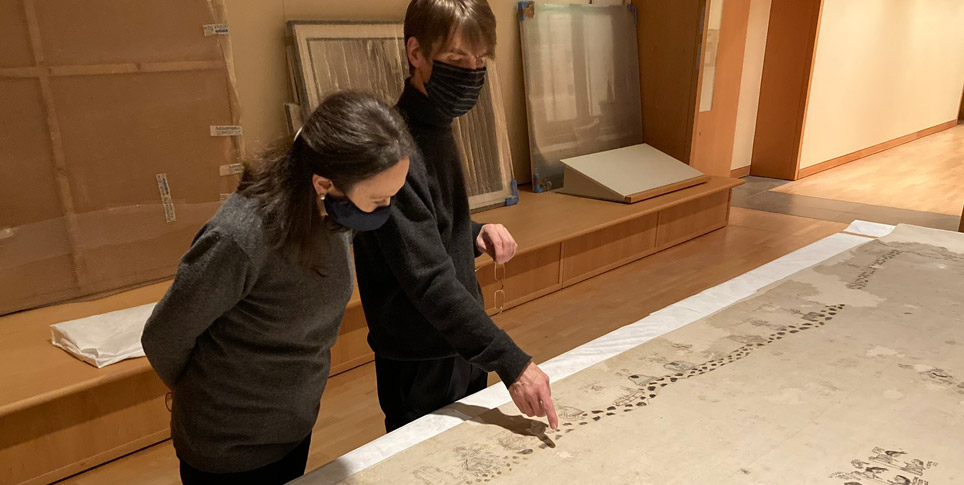
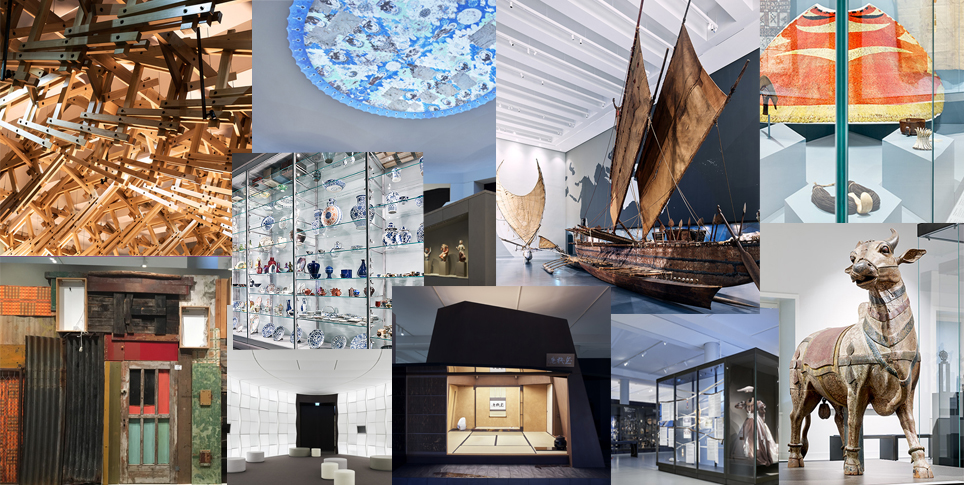
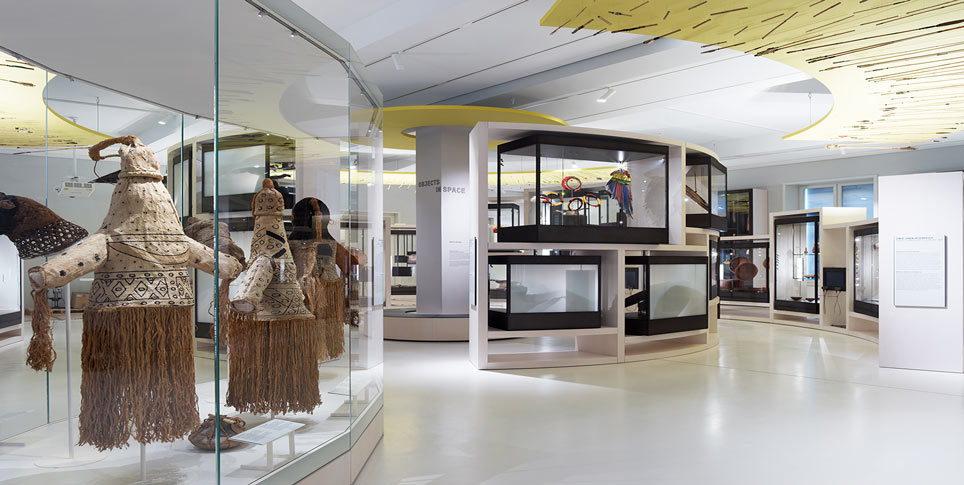
Koch: When I walk through the exhibition and see a section where I think, ‘That’s a highlight!’ and then move on to the next section, I think again, ‘That’s the highlight!’ Just one example: the exhibition curated by Zubeni Lotha together with Roland Platz and the partners from the Humboldt Forum Foundation – wonderful! An absolute highlight where everything comes together: contemporary artist, historical collection, and so on. Then you go down a floor to the Omaha exhibition and think again: ‘That’s exactly how it should be, it’s outstanding!’ And you can go through the whole Humboldt Forum like that. This constant discovery of new highlights is what gives me the most pleasure at the moment.
After all, you’re always curating for the visitors. What sort of visitors would you particularly like to see?
Koch: Visitors who can appreciate the diversity of voices. Admittedly, we do ask a lot of our visitors. Seeing an exhibition and then truly enjoying and understanding it certainly involves some effort. But we cannot do that work for them. I hope that we can engage these visitors at different points, that we can take them along with us, tell them the stories, so that everyone who has been in here leaves the building with at least one new story.
Back to the topic of ‘workshop rather than building site’: how do you envisage developments over the next few years? What would you like to see happen?
Koch: Our roadmap is actually more or less already set: we want to work even more collaboratively, we want to have far more on-site residencies, we want to facilitate interventions in the permanent exhibitions together with our international partners, and we want to develop new networks. If you look at the collections, there are still many areas where we have only minimal contact with the cultures of origin, our partners or our academic communities. For example, in the broad area where we deal with many different communities, such as North America. Or Papua New Guinea. You can see this with Zubeni Lotha: the Naga are treated as a single entity, but are actually 30 different groups. You can’t speak to all of them, as it would become far too multifaceted, but you must aim to be able to speak to many.
So we see a happy Mr Koch ahead of the opening?
Koch: You could say that, yes.