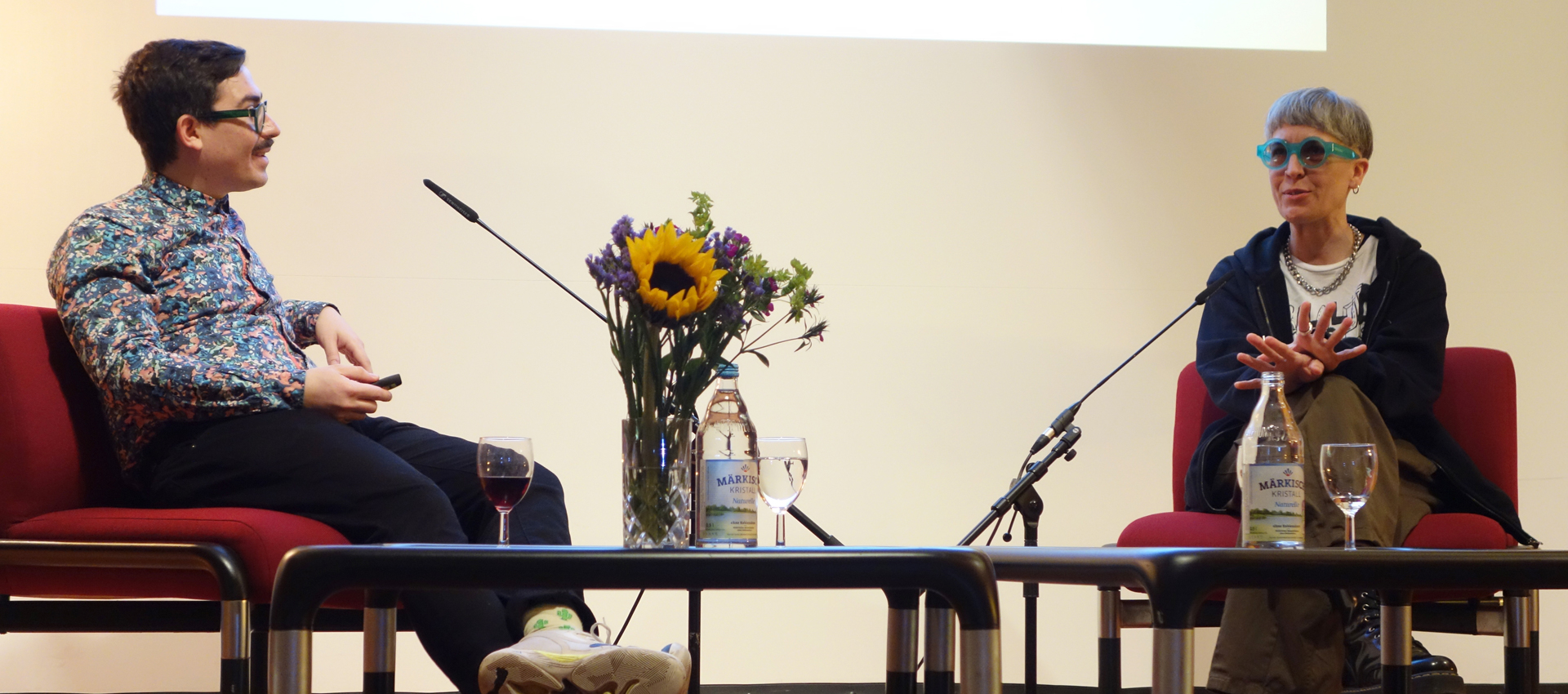
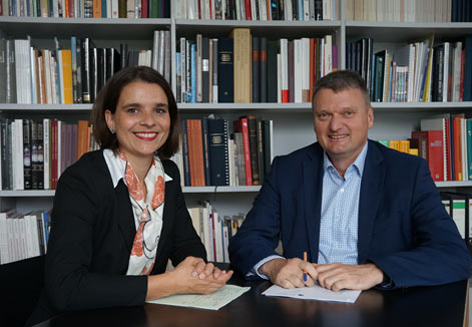
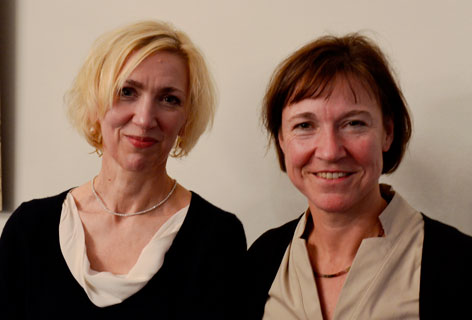
How should we deal with museum objects that were looted or acquired in colonial contexts? What say do communities of origin have in the matter, and how can their perspectives be made visible? Verena Rodatus and Maria Ellendorff discuss their work at the Ethnological Museum.
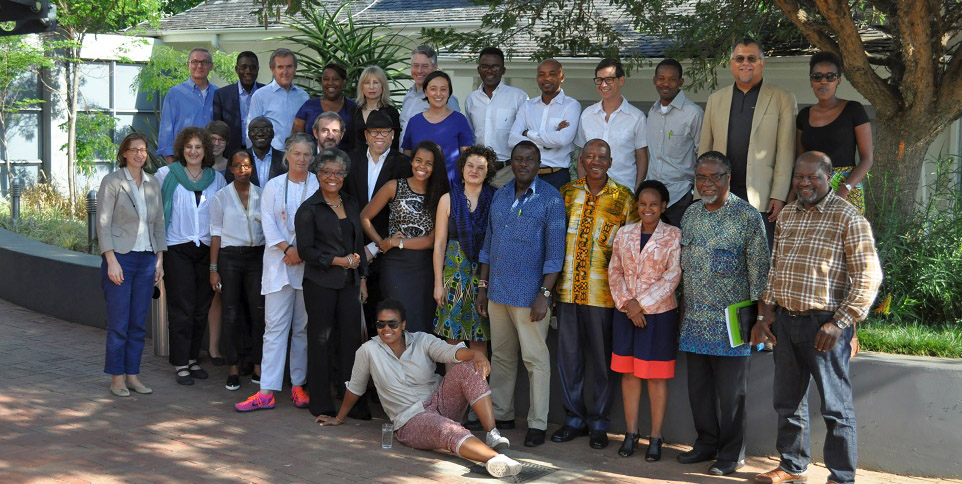
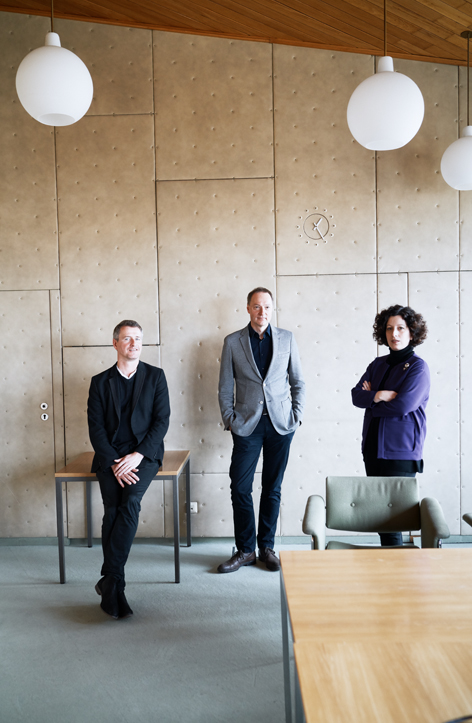
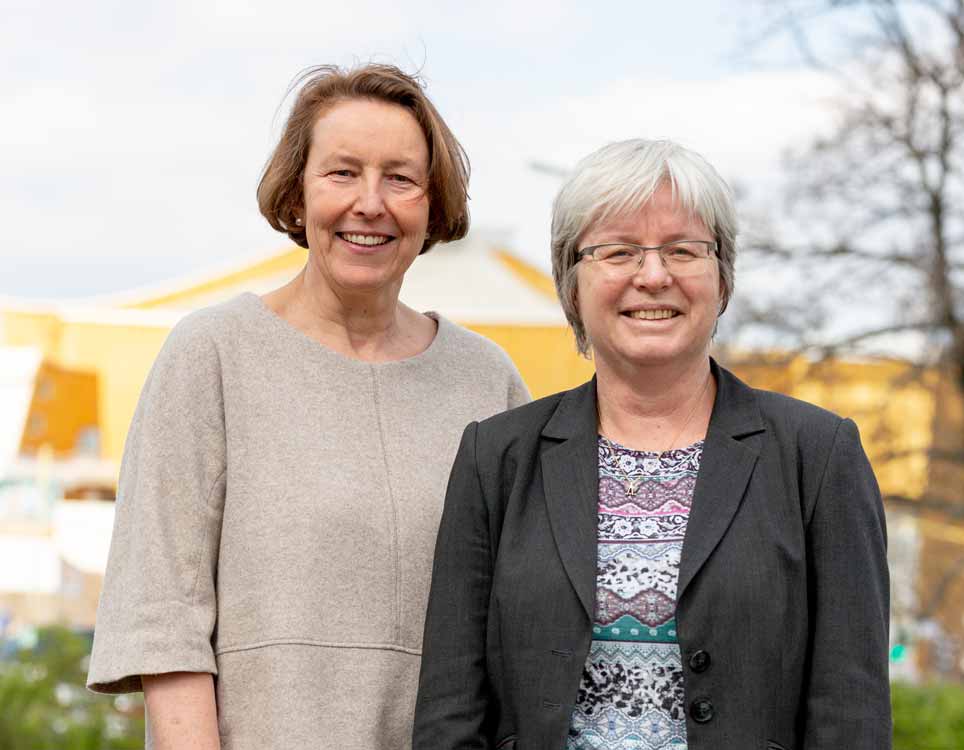
Verena Rodatus is curator of the West African and Southern African collections at the Ethnological Museum Berlin. Together with Kerstin Pinther, curator of modern and contemporary art in a global context at the Museum of Asian Art and the Ethnological Museum, she re-curated the Benin exhibition in 2021/22. Together with Maria Ellendorff, who has been Deputy Curator for Africa since 2023, she curated the two display cases on the global and regional connections of the Kingdom of Benin, which opened in April 2024, and organised the conference ‘Exhibiting Difficult Histories: Benin Objects and their Potential for New Forms of Representation’.
Ms Rodatus, Ms Ellendorff, you both organised the conference ‘Exhibiting Difficult Histories: Benin Objects and their Potential for New Forms of Representation’. What prompted this?
Verena Rodatus: The so-called Benin Bronzes play a special role in the debate on the decolonisation of museums. Ethnological museums and their collections in particular are under criticism due to their objects, which were looted or acquired in colonial contexts – one of the most prominent examples being the Benin Bronzes plundered in 1897.
The first reason for the conference was the expansion of our Benin exhibition at the Humboldt Forum. Secondly, the observation that the transfer of ownership of the Benin objects held in Germany to Nigeria in 2022 has led to the opening of a whole series of new Benin exhibitions, for example in Hamburg, Cologne and Leipzig. And thirdly, that since the opening of the Benin exhibition in Berlin, there has been growing research interest in this topic.
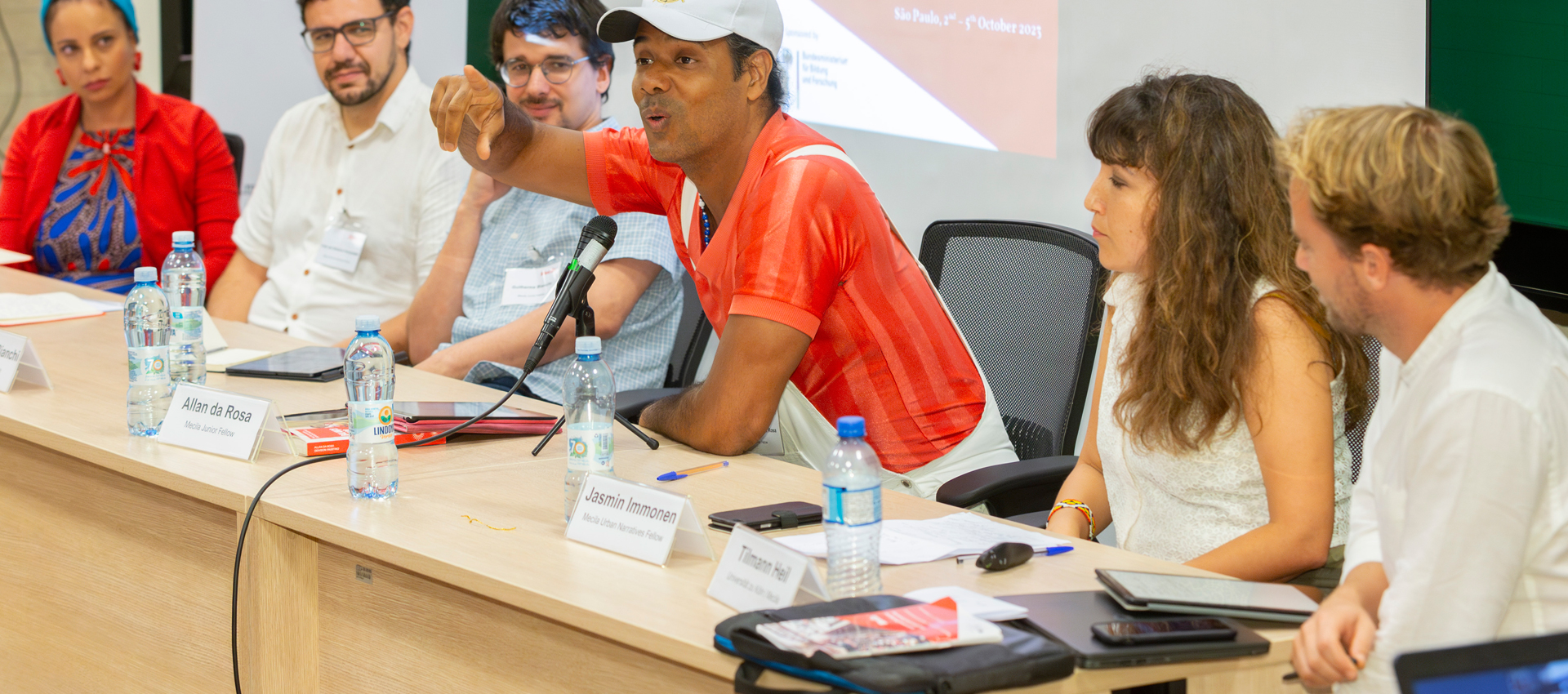
These were all reasons why we decided to discuss and reflect on our curatorial practice together with international scholars and museum professionals – particularly from Nigeria.
The central theme was the question of how Benin artefacts are currently displayed in museums across Europe, Nigeria and the US. What exactly was the focus?
Verena Rodatus: The central question was how we can present the violent histories of colonialism and slavery in exhibitions without reducing the objects solely to witnesses of colonial atrocities, but rather by highlighting their diverse political, religious and social functions and their changing meanings.
In recent years, many museums have incorporated narratives about the darker sides of the past into their exhibitions and have reached out to interest groups, particularly from Nigeria, to hear their voices. In doing so, they aim to relinquish their own interpretative authority and create space for new and diverse forms of knowledge production.
Through the conference, we also sought to broaden our perspective beyond the German museum landscape. International scholars presented case studies from various museums in Germany, the UK, the USA and Nigeria, all of which engage with the objects they house from their own unique contexts. Such a comparative approach gave us insights into the ways in which history and culture are interpreted from different perspectives and opened up new avenues for future museum presentations.
How did the conference participants contribute to the debate(s), and what were the key points?
Maria Ellendorff: We had invited four guests from England, Sweden, Nigeria and the USA: British cultural studies scholar Annie E. Coombes, who has been engaged in colonialism-critical museum analysis since the 1990s, began by providing an overview of curatorial strategies through which museums in Europe and Africa have presented and negotiated ‘difficult histories’ from colonial contexts over the past 30 years. She argued that exhibitions should not opt for overly simplistic ‘narratives of decolonisation’, but rather should complicate the idea of ‘difficult histories’ as suggested by the symposium’s title.
Staffan Lundén from the University of Gothenburg presented a comparative study of the Benin exhibitions at the British Museum and the National Museum of Benin City. In particular, he examined how the museums portray painful and controversial aspects of the past and whose stories are highlighted or concealed in the process. Drawing on several examples, Lundén advocated a theoretical approach that, when examining ‘difficult histories’ from colonial contexts, takes greater account not only of the analytical category of ‘race’ but also of the hitherto rather neglected categories of ‘class’ and ‘gender’.
Kokunre Eghafona, a cultural anthropologist at the University of Benin City, reported on the Nigerian public’s limited interest in the objects from the former Kingdom of Benin on display at the National Museum. To make the exhibition more appealing to local audiences, she advocated for an exhibition practice tailored to African needs, one that does not present objects such as the Benin Bronzes exclusively as works of art, but rather highlights their religious, political and ritual significance.
Tukufu Zuberi, curator at the Penn Museum in Philadelphia, spoke about the process of redesigning the Africa Galleries, which he curated, noting that the perspective of the African-American diaspora was particularly influential. His aim with this curatorial renewal was to decolonise the museum’s narratives. Zuberi also pointed out, however, that decolonisation extends far beyond the museum. It requires a profound transformation of global economic inequalities and Western interpretive hegemony.
Which institutions and museums are already doing things well? Is there any collaboration and/or are there any role models in this regard?
Maria Ellendorff: As each museum has its own unique institutional history and therefore its own specific relationship with the Kingdom of Benin, which is reflected in the exhibitions, it is difficult to apply a ‘best practice model’ for exhibitions to all of them.
However, there are, of course, museum collaborations at both national and international levels. In the context of restitution, the Benin Dialogue Group is important; the Ethnological Museum has been a member since 2010. Members of the Benin Dialogue Group negotiated the return of the objects and made it possible in the first place. The international Digital Benin project is also pioneering in the field of research. Designed as a digital platform, the project documents over 5,000 objects from 130 institutions in 20 countries, including those housed in Berlin.
Since the end of April, two new display cases have been on show in the Benin exhibition at the Ethnological Museum. What has changed and why?
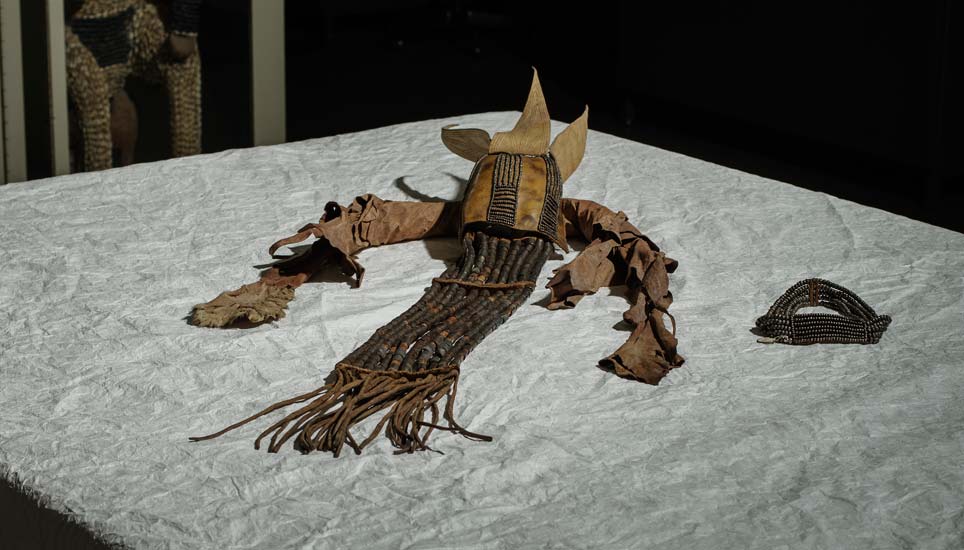
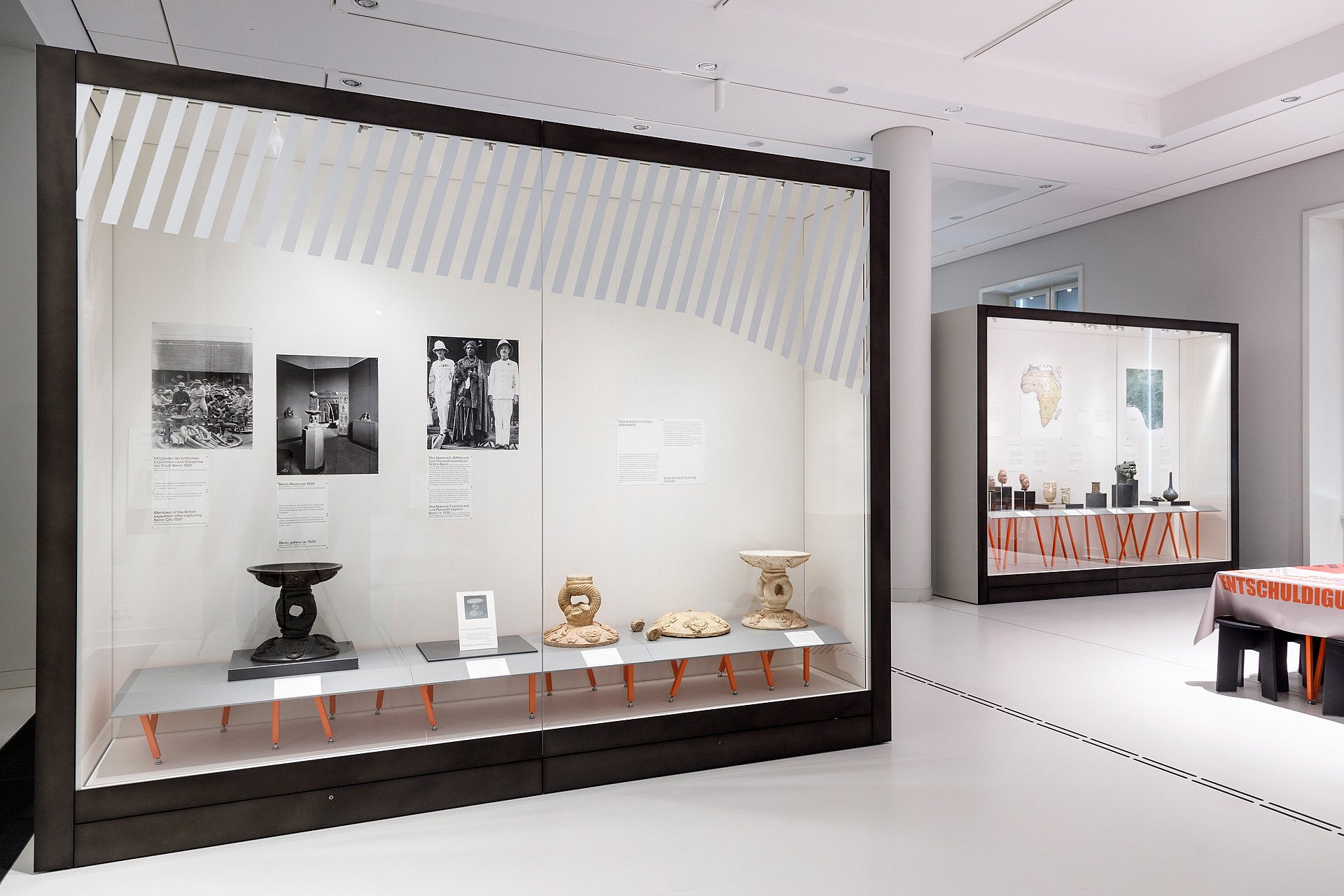
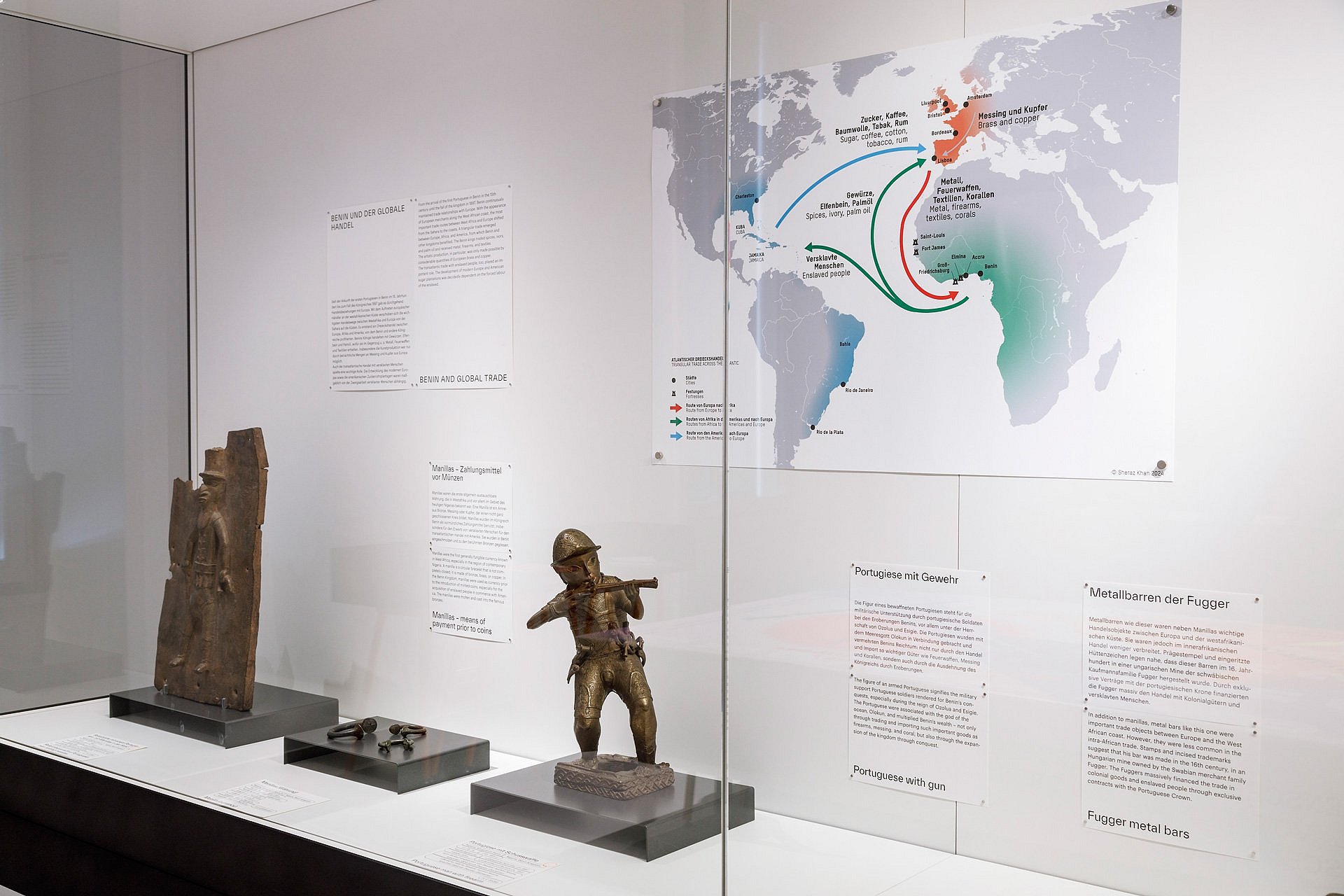
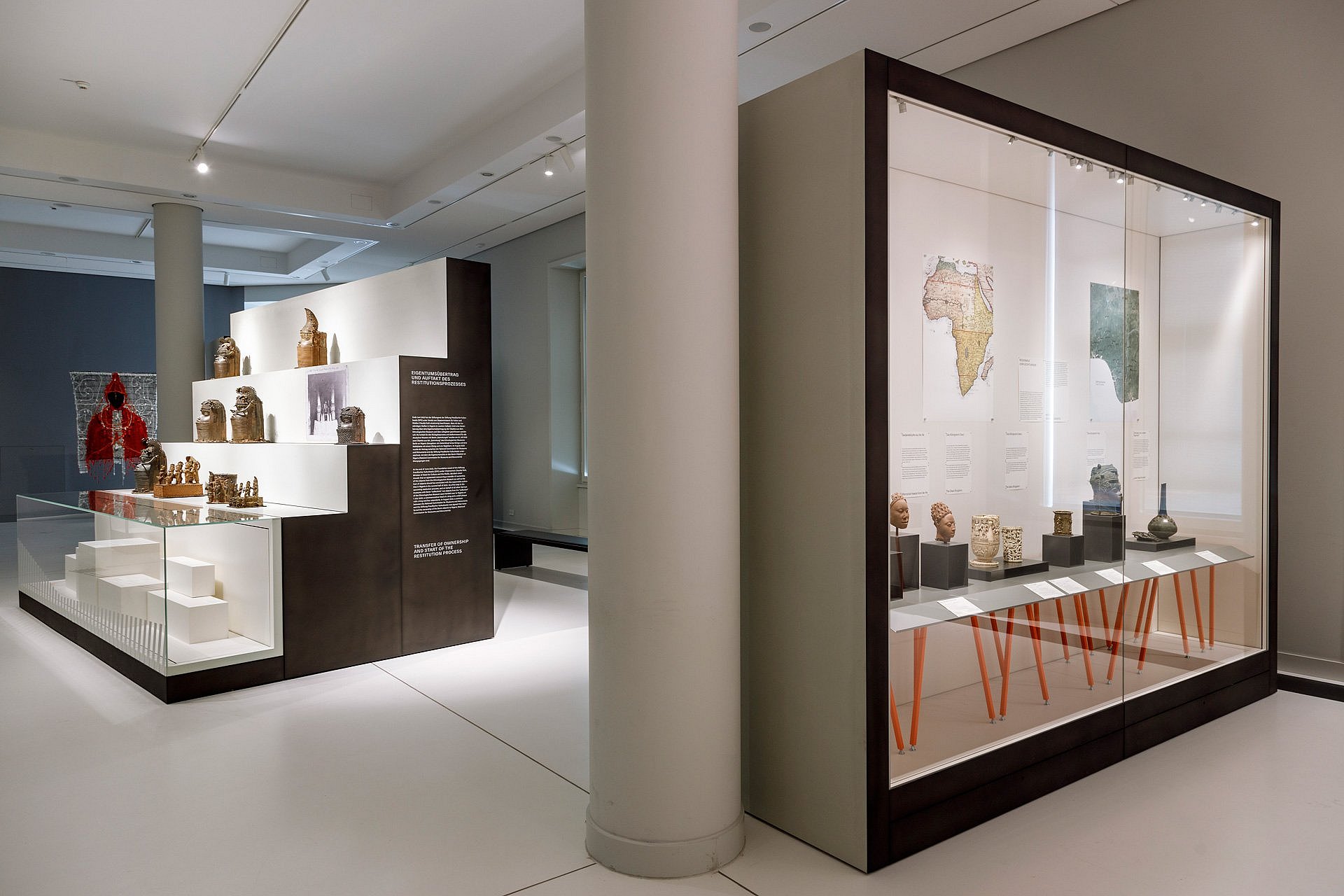
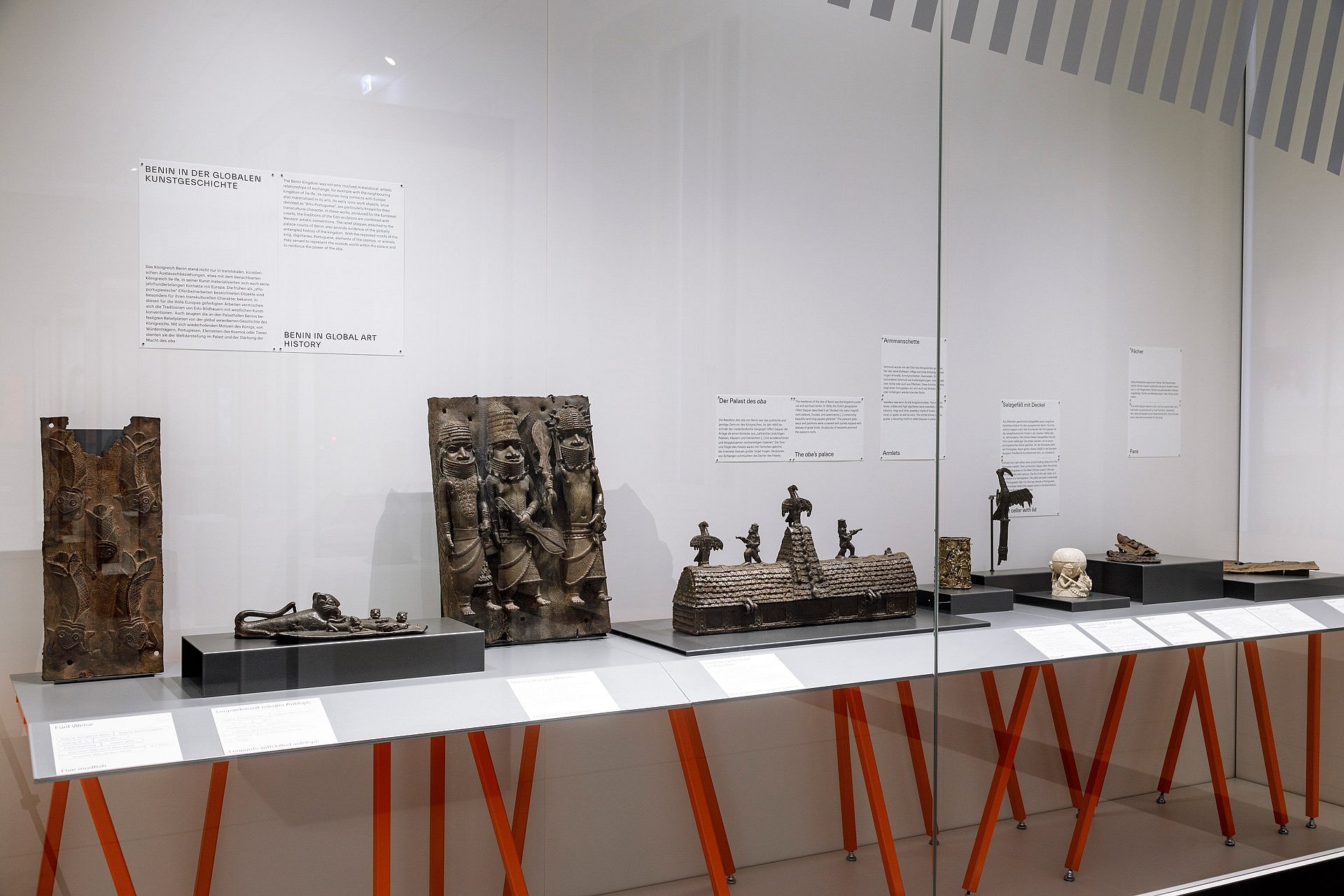
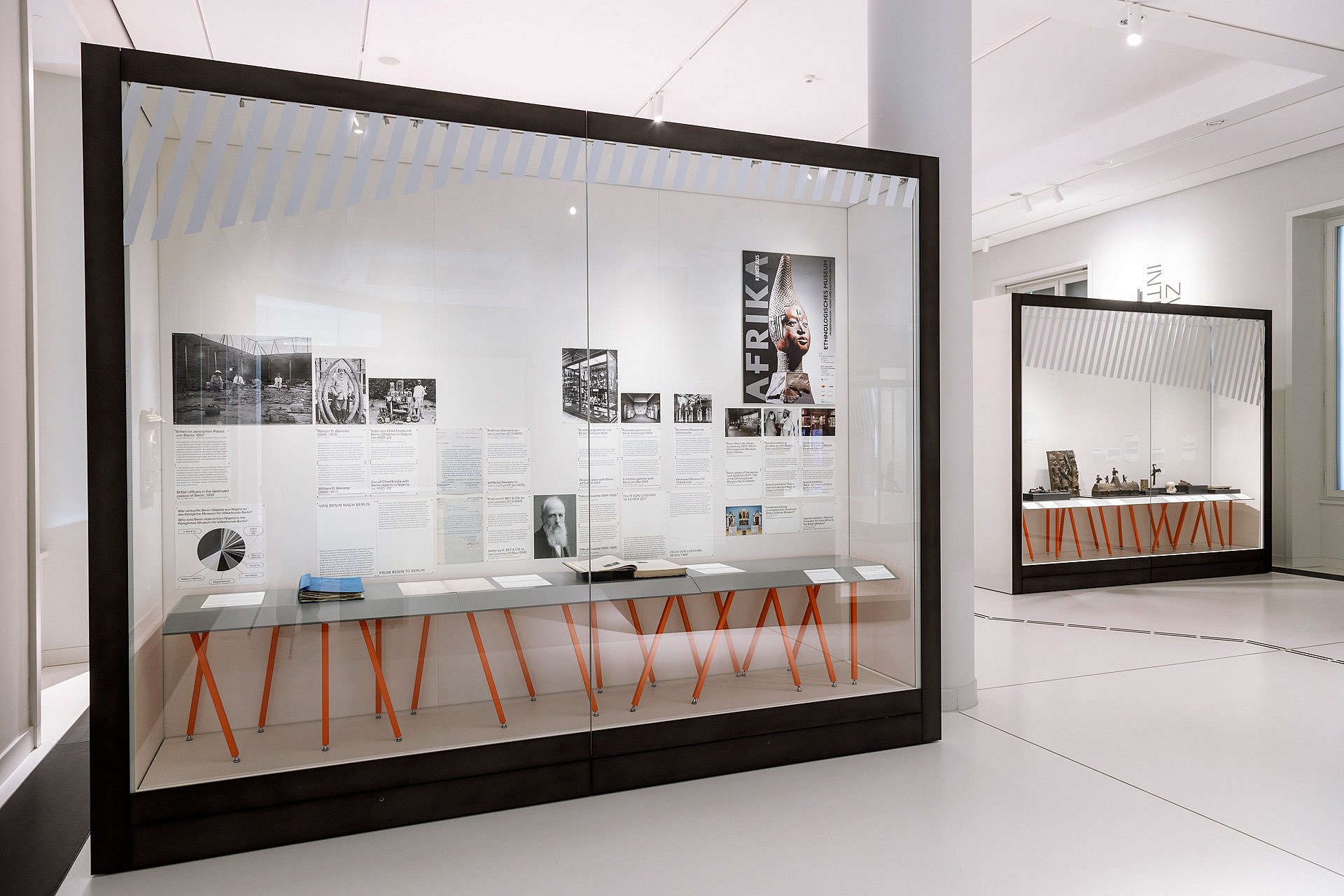
Maria Ellendorff: We have opened two new display cases in the exhibition to broaden the historical perspectives on the Kingdom of Benin beyond the colonial context. One display case focuses on Benin’s pre-colonial exchanges with its neighbouring kingdoms, which are reflected particularly in the art. The other contextualises the transatlantic trade, which promoted the large-scale production of brass artefacts in the Kingdom of Benin.
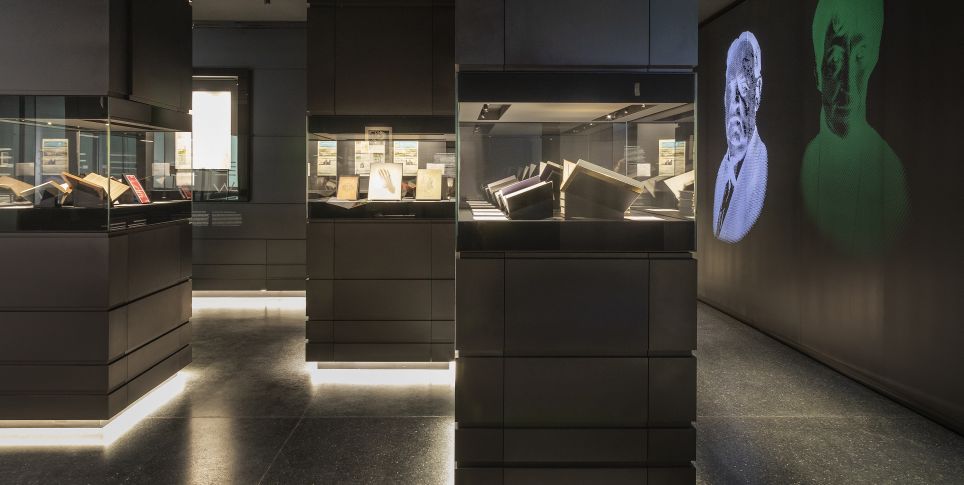
These global interconnections continue to influence restitution debates to this day. Extracts from newspaper articles on display in this exhibition highlight the objections raised by descendants of enslaved people, who argue that the bronzes are part of their heritage. After all, their ancestors were sent into slavery to procure the brass used in the production of the Benin bronzes.
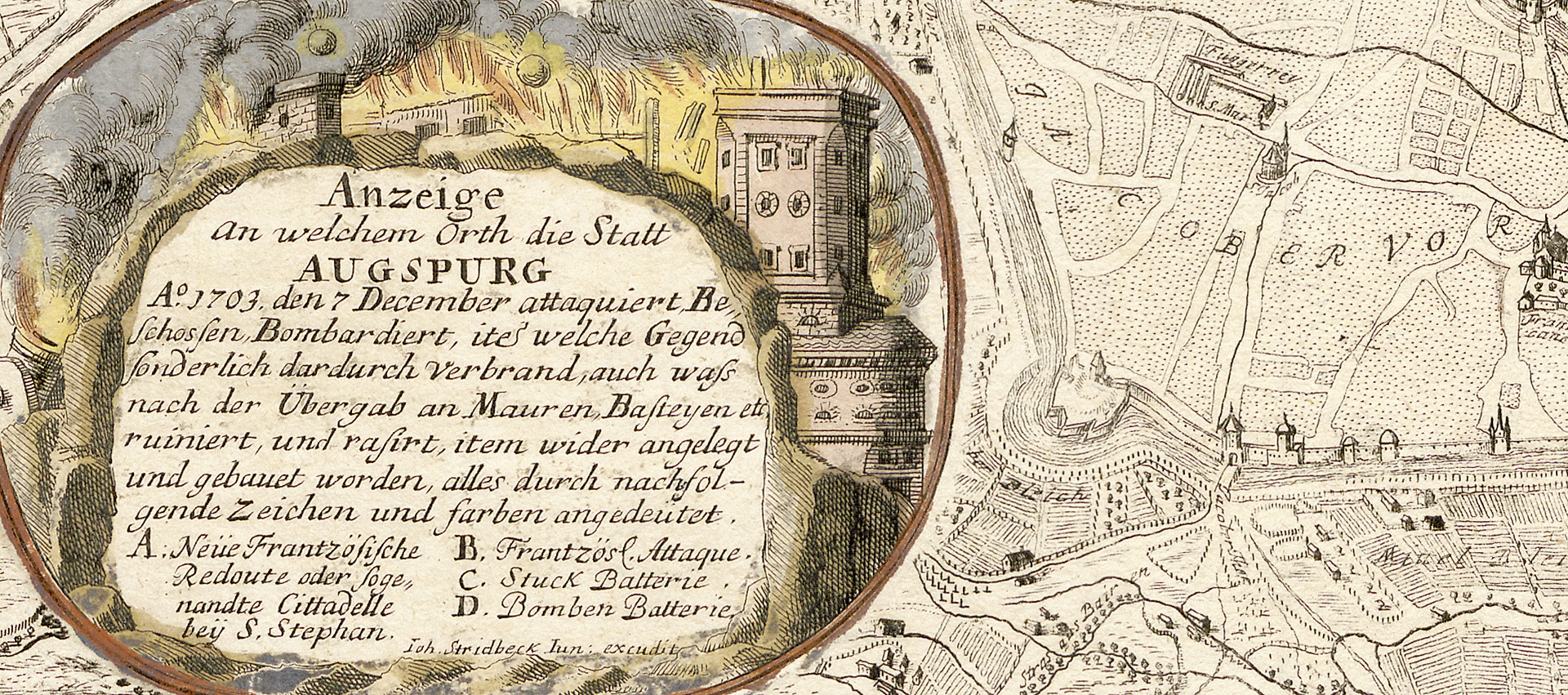
Furthermore, this new display case highlights Germany’s role as the main supplier of brass; in particular, the Fugger family, which held an exclusive contract with the Portuguese crown, profited massively from transatlantic trade. Overall, it is undeniable that the development of modern Europe and North America – in their entirety – depended on the labour of enslaved people.
How did the decision taken in 2021 to return 512 Benin objects influence the exhibition concept?
Verena Rodatus: Following the ‘Benin Declaration’ adopted by the federal government, the Länder and museum representatives, the Ethnological Museum decided in the summer of 2021 to return all 512 objects that had come to Berlin in direct connection with the so-called British punitive expedition of 1897 to their country of origin, Nigeria.
In consultation with our Nigerian partners, one third of the collection will remain in Berlin on loan. Against this backdrop, we as curators felt it necessary to completely redesign the Benin exhibition – which had been fully planned since 2015 – within a very short timeframe. We have adopted a process-oriented approach that reflects the highly dynamic public debate and is intended to allow space for collaboration and revision.
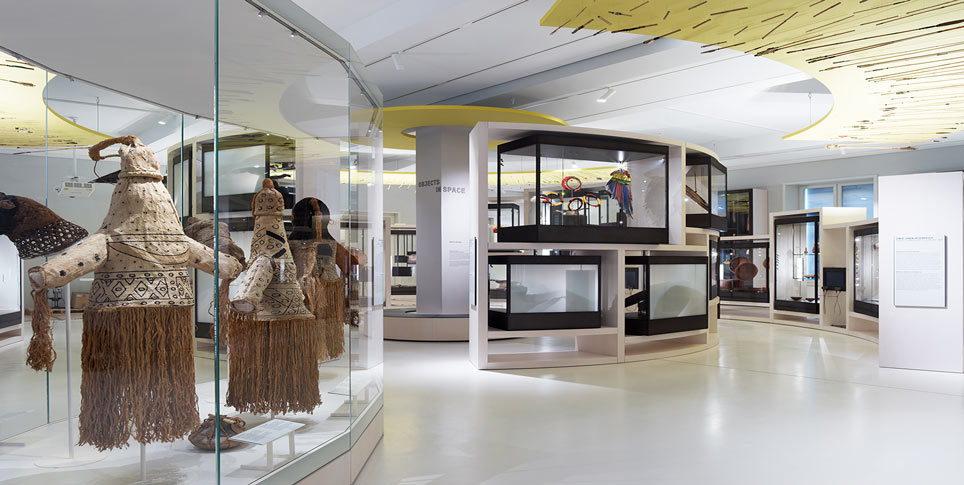
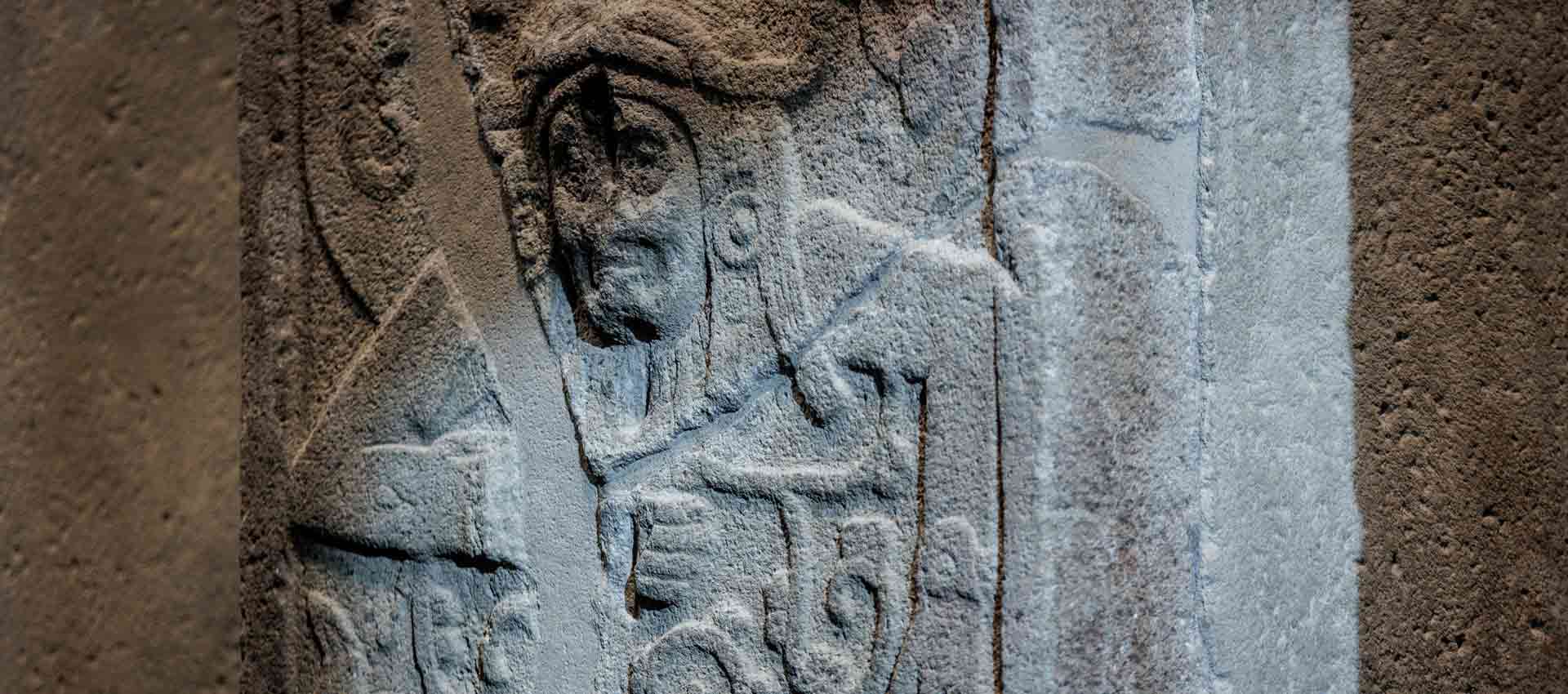
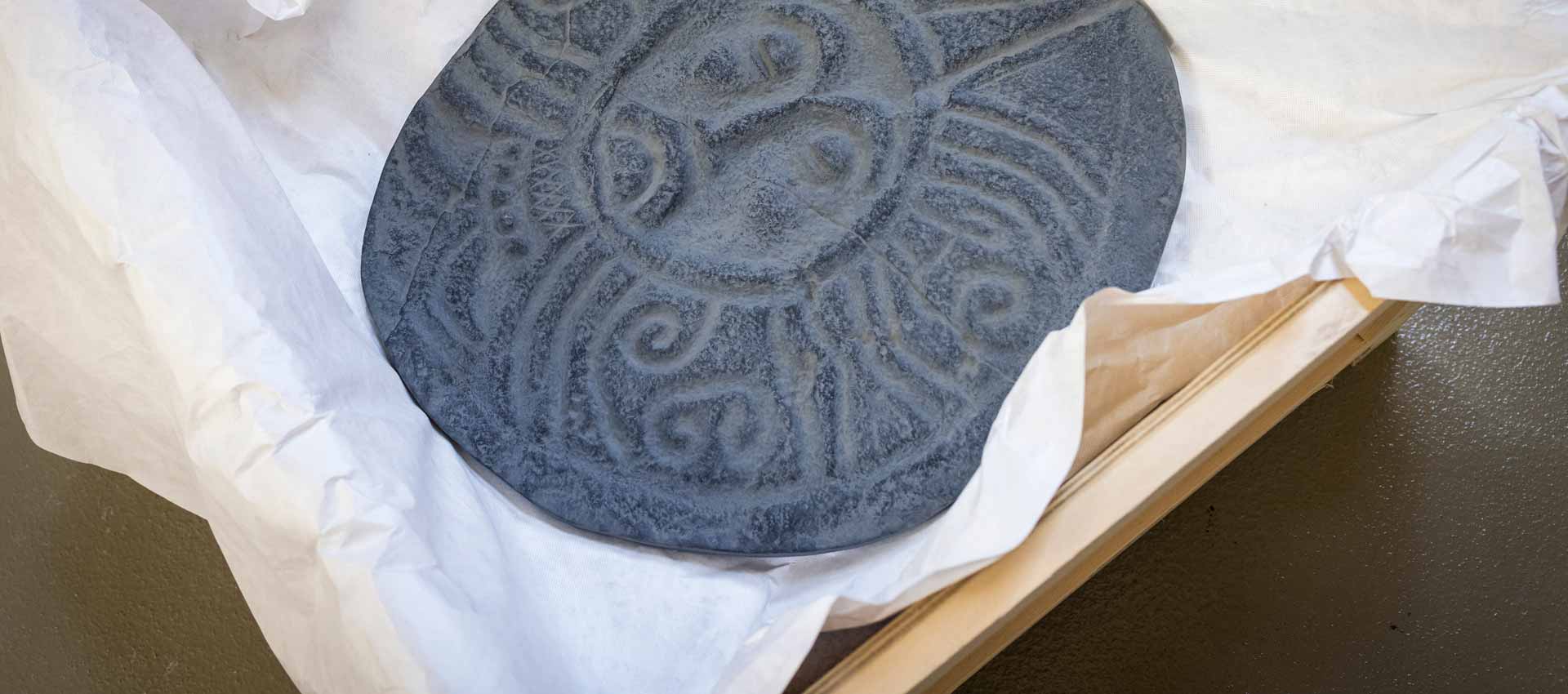
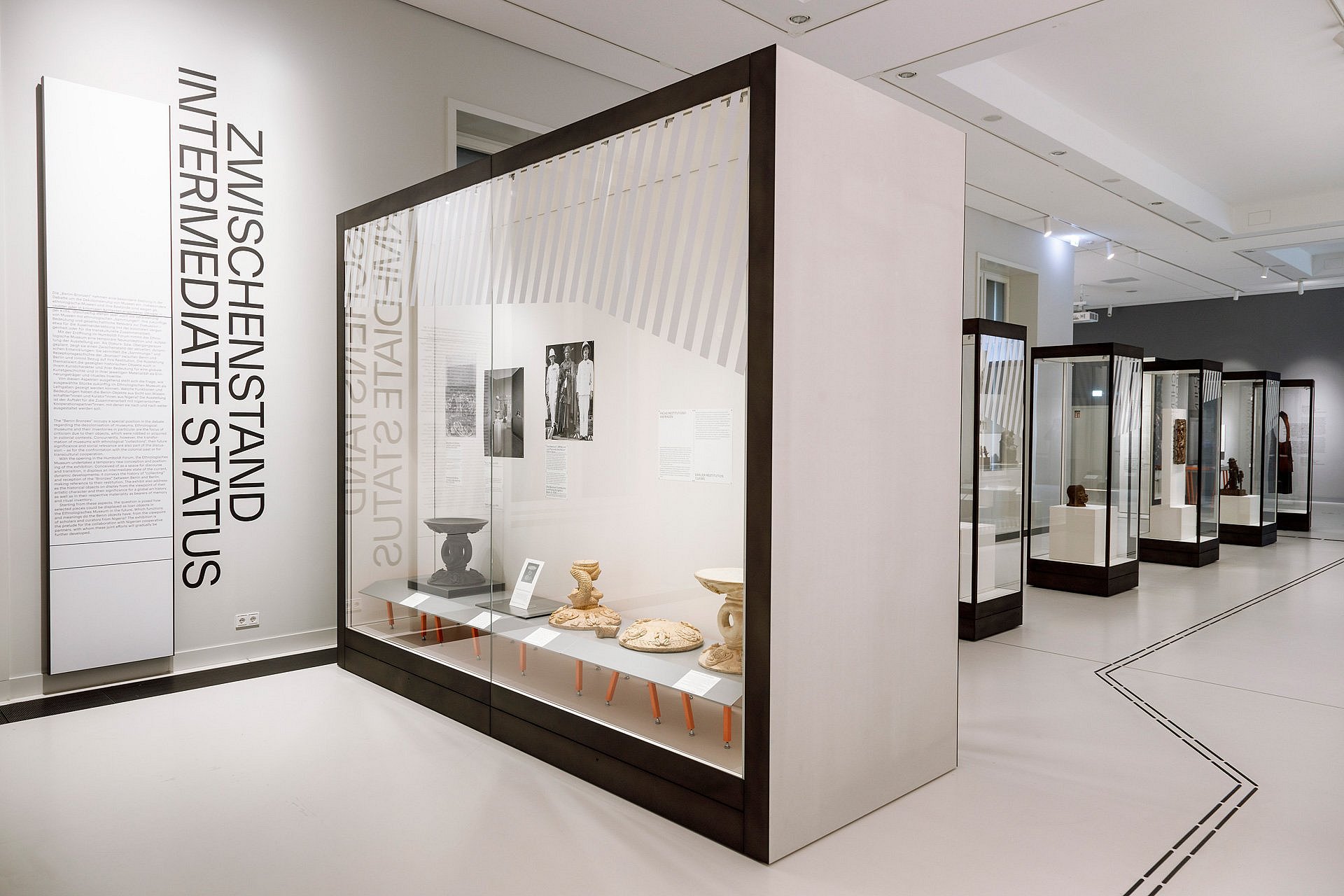
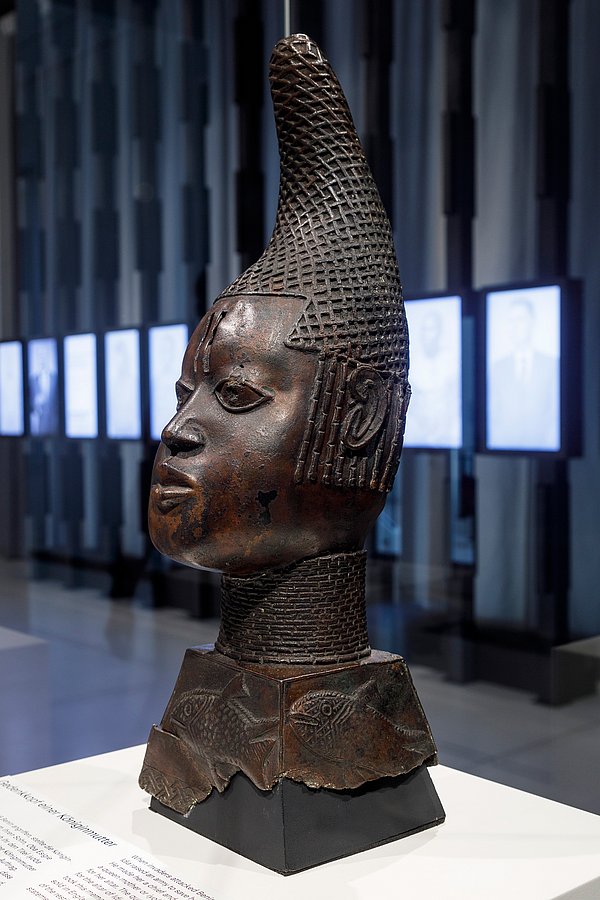
The exhibition conveys the history of colonial plunder and recounts the shared history of the collections of Benin City and Berlin, whilst addressing the restitution of the artworks. In its current form – subject to further revisions – the exhibition focuses on the artistic character of the historical objects on display, but also on their respective materiality as vessels of memory and ritual artefacts; in short: the Benin Bronzes are examined from the perspective of their significance for global art history.
How are the communities of origin involved, and how do they make their perspectives visible in the exhibition?
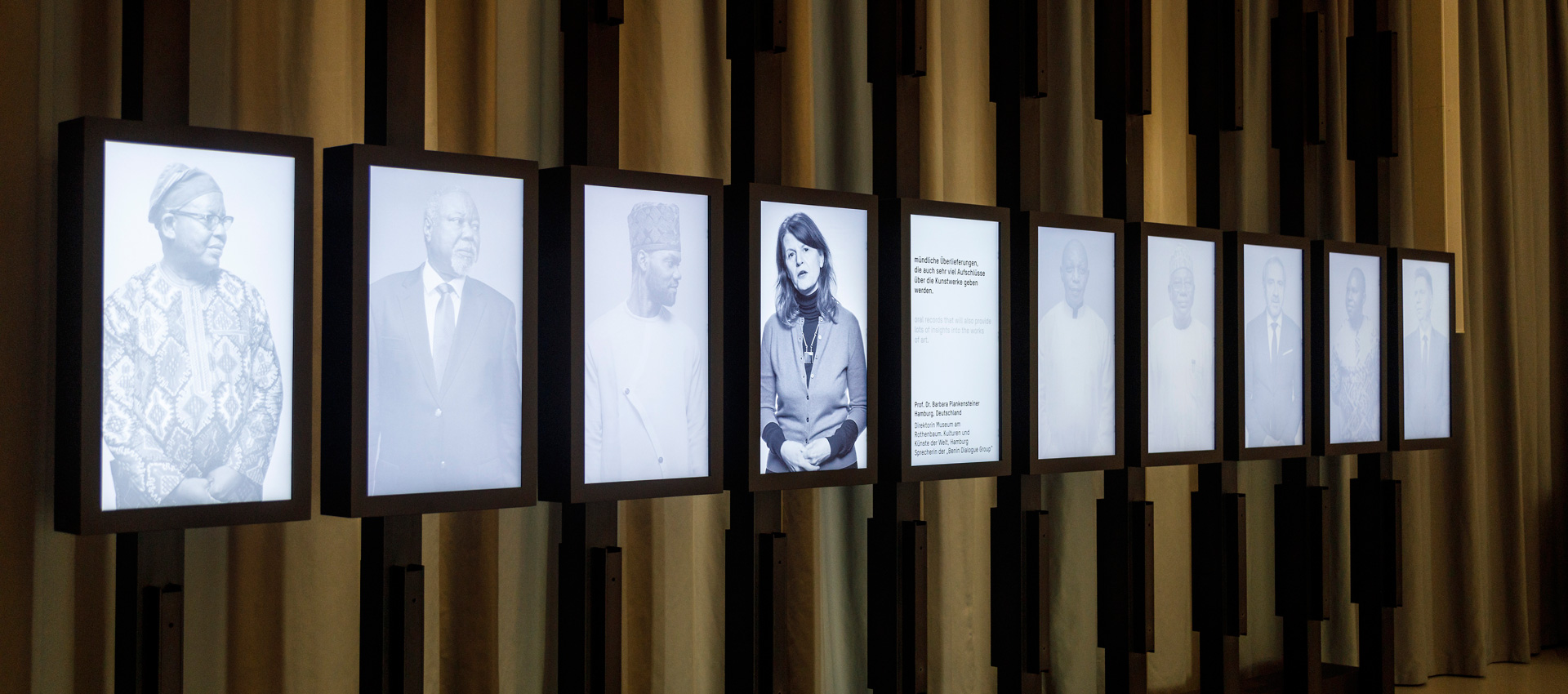
Verena Rodatus: The interview statements displayed in one room, from academics, artists and representatives of German and, above all, Nigerian museums and the Royal House in Benin City, provide an insight into the complexity and diversity of the discourse. From different perspectives, they shed light on the significance of the Benin Bronzes and the current debate on repatriation, with a view to the future.
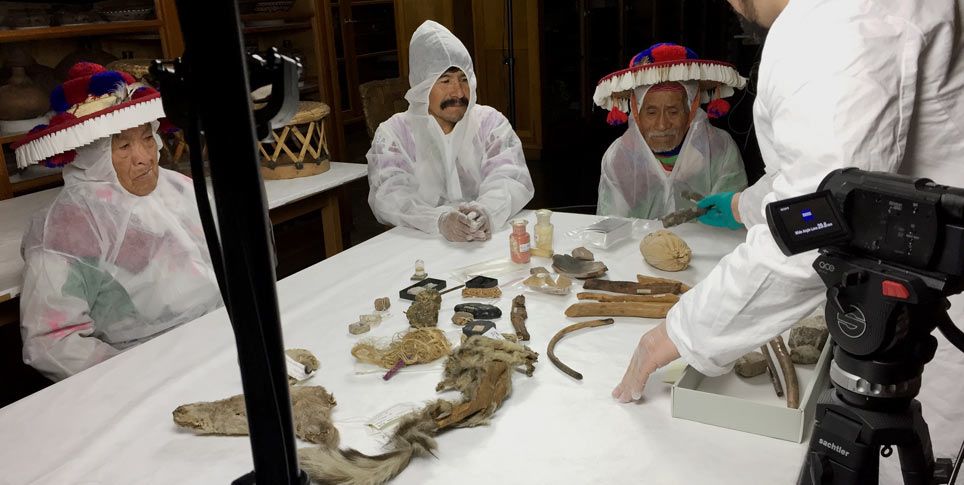
Furthermore, as part of the fellowship programme of the Ethnological Museum’s ‘Collaborative Museum’, we regularly invite scholars and artists from Nigeria to engage with the collection and work with us to expand the exhibition. This has resulted in new texts, videos and artistic interventions, the authorship of which will be explicitly acknowledged in the exhibition.
How do you deal with terms that we no longer use today, but which can still be found in historical documents?
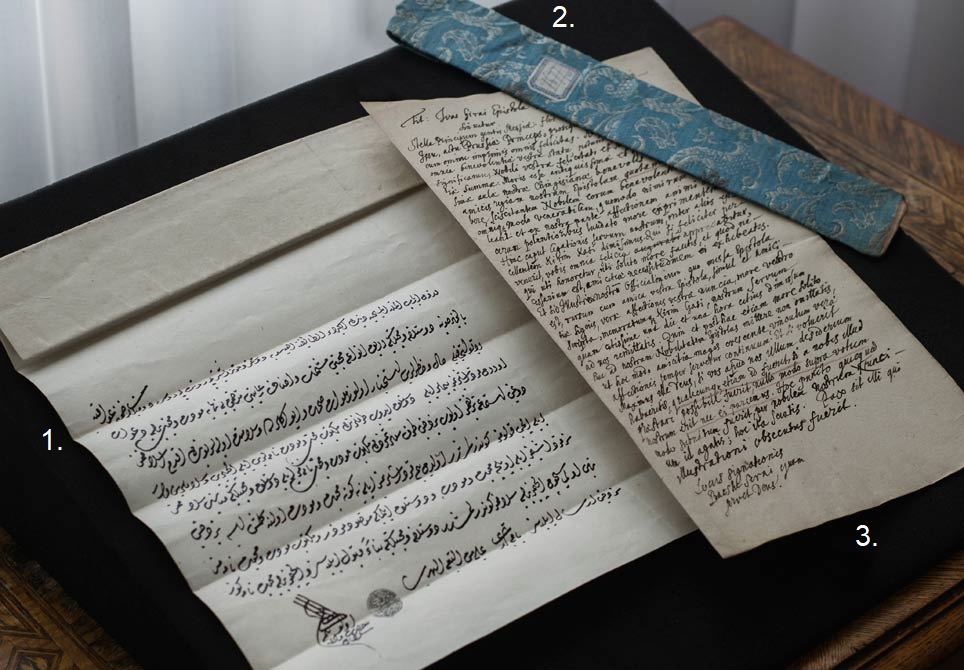
Maria Ellendorff: In our exhibition, we strive for a presentation that is critical of racism and discrimination, incorporating both images and text in equal measure. Historical documents, some of which contain problematic content, are intended to convey an impression of the colonial situation. We have accompanied the historical photographs and archive documents with explanatory texts that make it clear that we distance ourselves from such representations today.
What role does modern and contemporary art play in the newly curated exhibition?
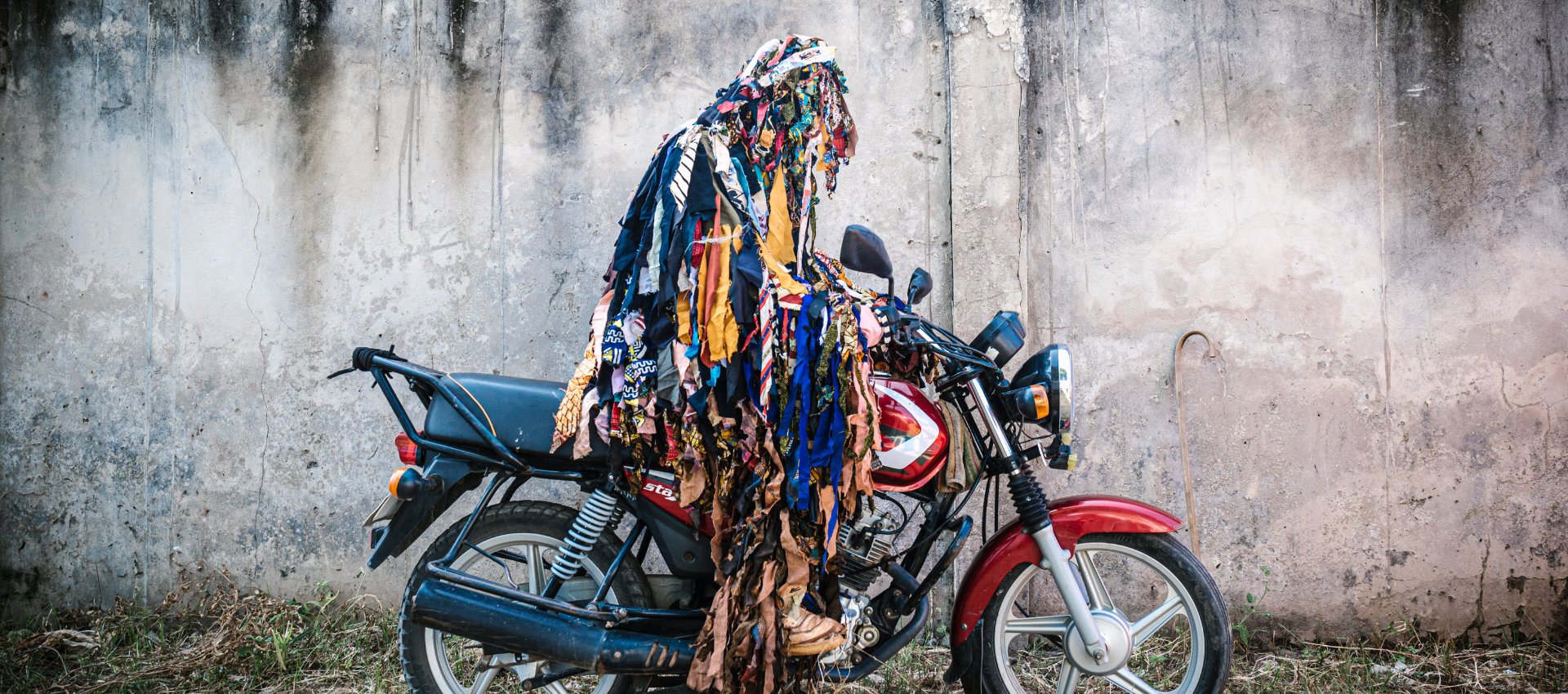
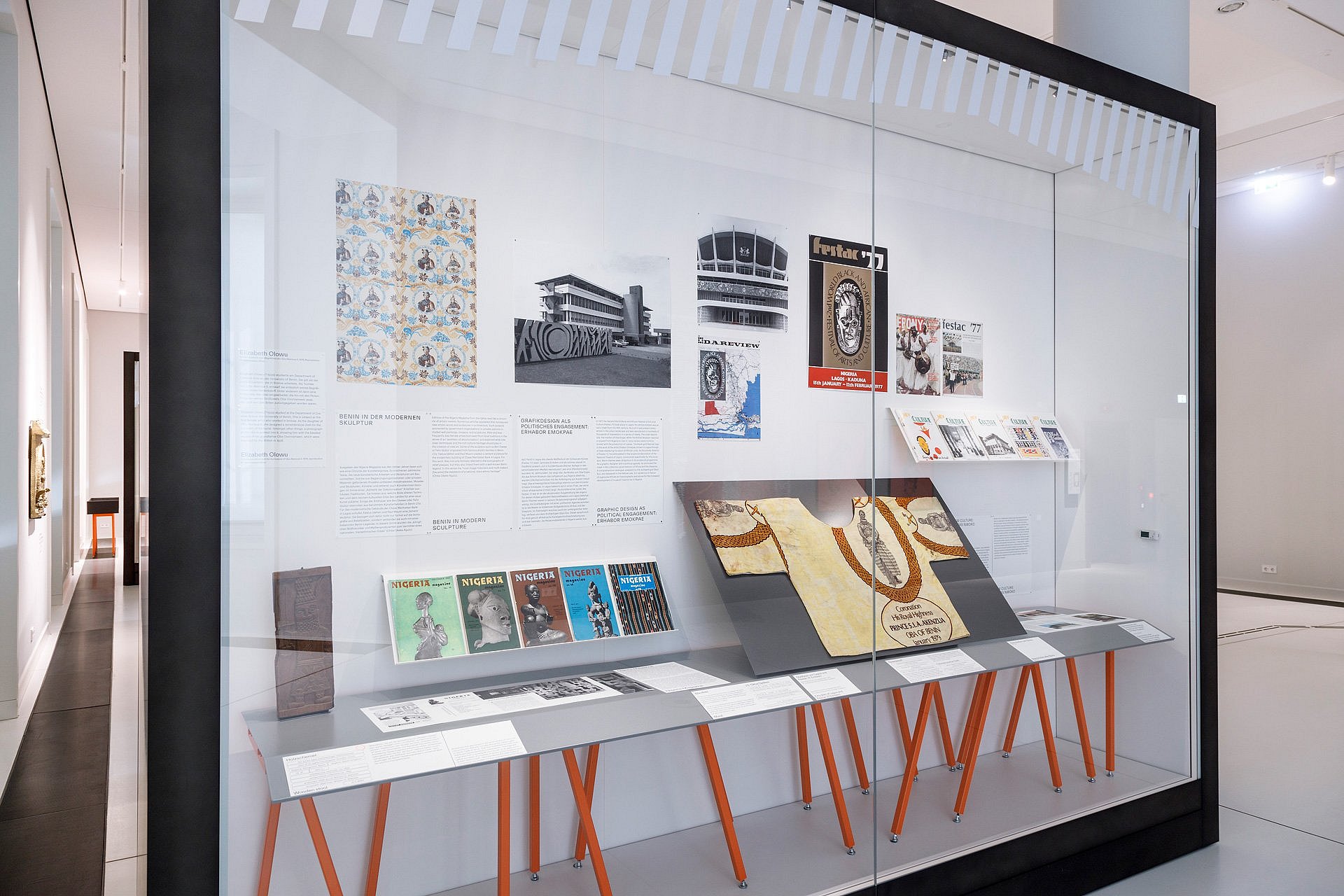
Verena Rodatus: A section with a documentary focus explores the significance of the historical Benin artefacts for modern Nigerian art and an aesthetic of decolonisation. On display are works by contemporary Nigerian artists and designers who have appropriated the visual worlds, techniques and themes of Benin art, translating them into new materials and reinterpreting them.
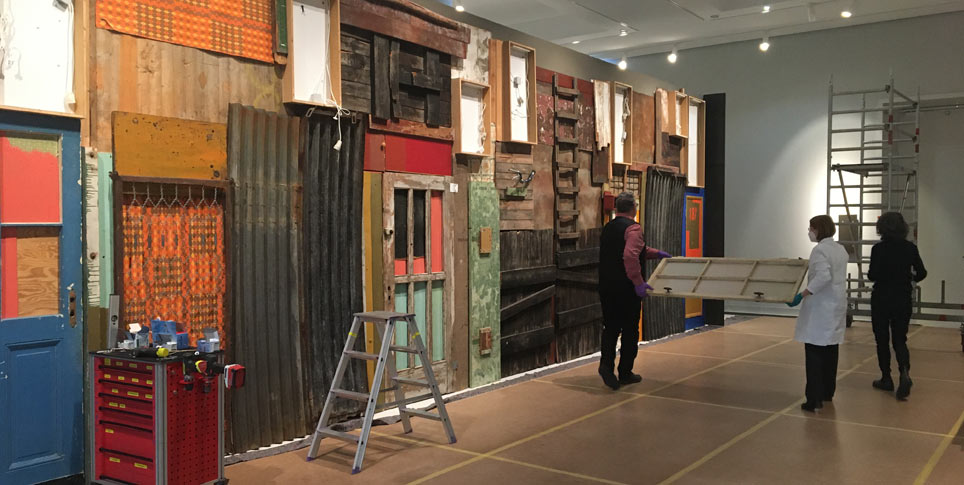
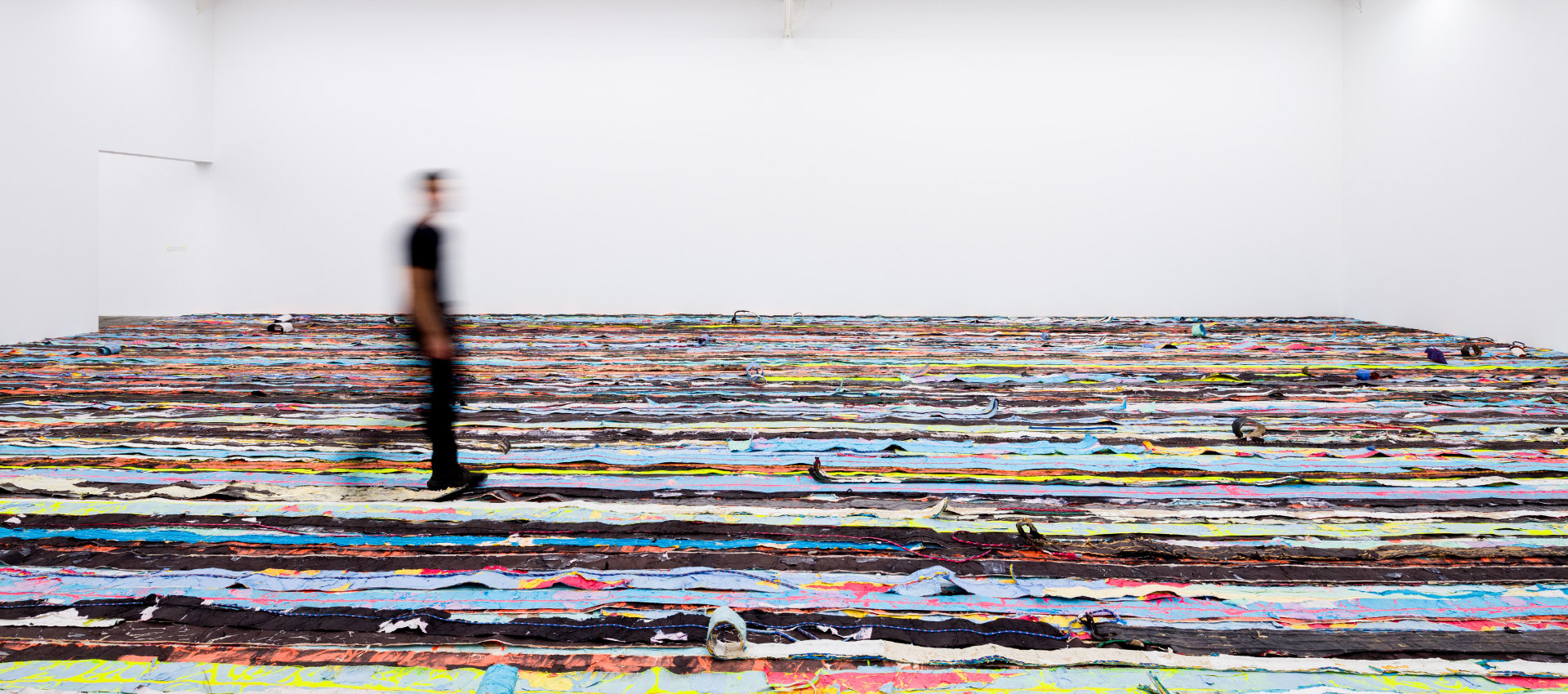
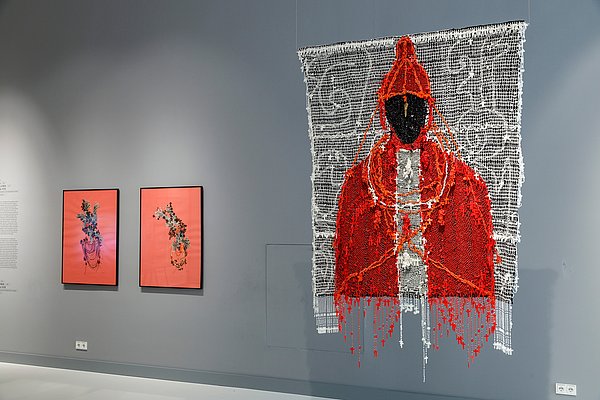
Victor Ehikhamenor, for example, refers in his work “The King, the Priest, the chosen one” (2022) to the King of Benin in his dual role as political ruler and chief priest. On a tapestry made of net-like lace fabric, orange-red plastic rosaries frame the dignitary clad in red; miniature bronzes also serve as material. The work explores the aesthetic and thematic principles of historical artworks.
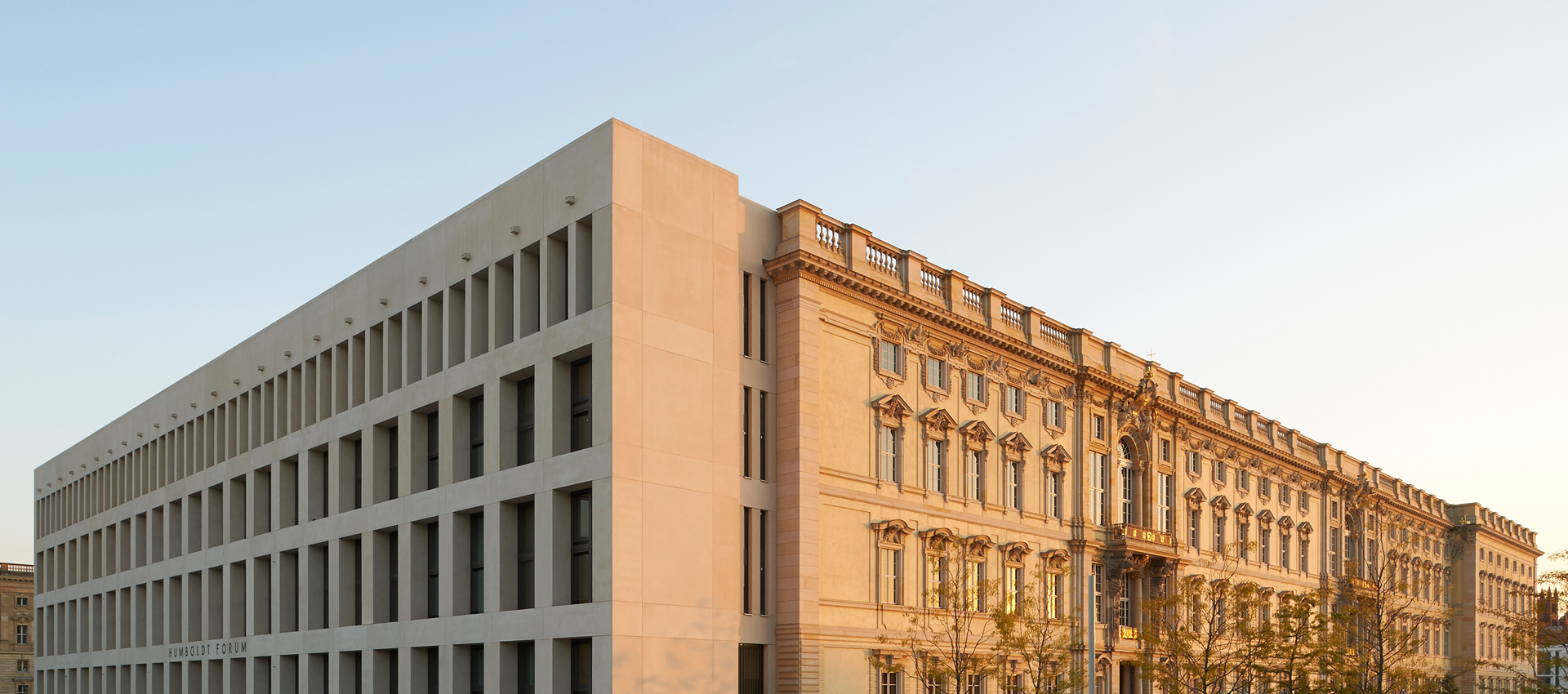
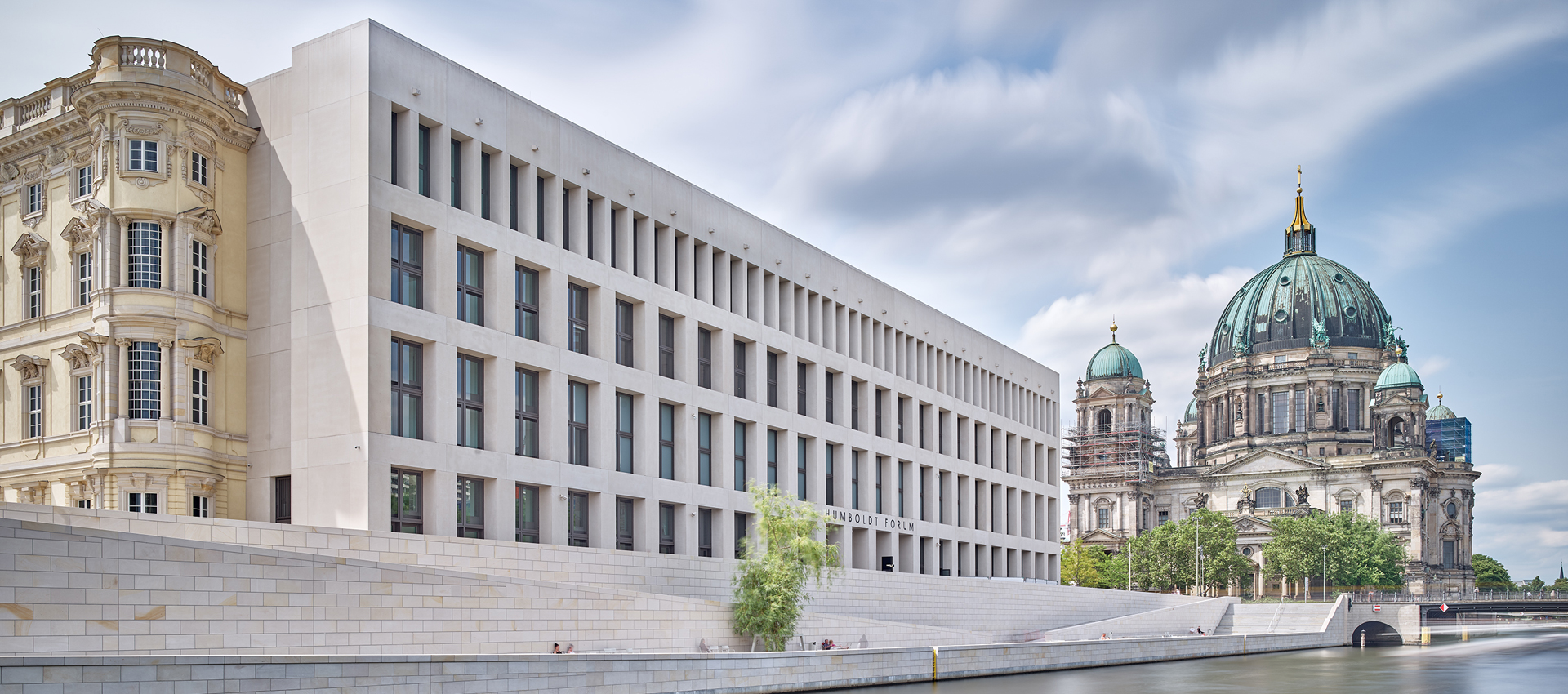
Benin exhibition at the Humboldt Forum
- Ethnological Museum (Berlin State Museums) at the Humboldt Forum
- Rooms 209, 210: The Kingdom of Benin, Benin Bronzes in Berlin
- Schloßplatz, 10178 Berlin
- Opening hours: Mon, Wed, Thu, Fri, Sat, Sun: 10.30 am to 6.30 pm, closed on Tuesdays
Further links
- Conference minutes
- YouTube recording (welcome and introduction)
- YouTube recording (Engaging Histories, Envisaging Futures)
- YouTube recording (On the ‘Benin Bronzes’, Hamilton’s pyjamas, Powis’s mother, Potentials for Forms of Representation)
- News: Extension of the Ethnological Museum’s Benin exhibition and symposium in April 2024 (5 April 2024)
- News: SPK Foundation Board: Benin Bronzes to be returned (29 June 2021)
- The Collaborative Museum
- Benin Dialogue Group Statement
- Digital Benin