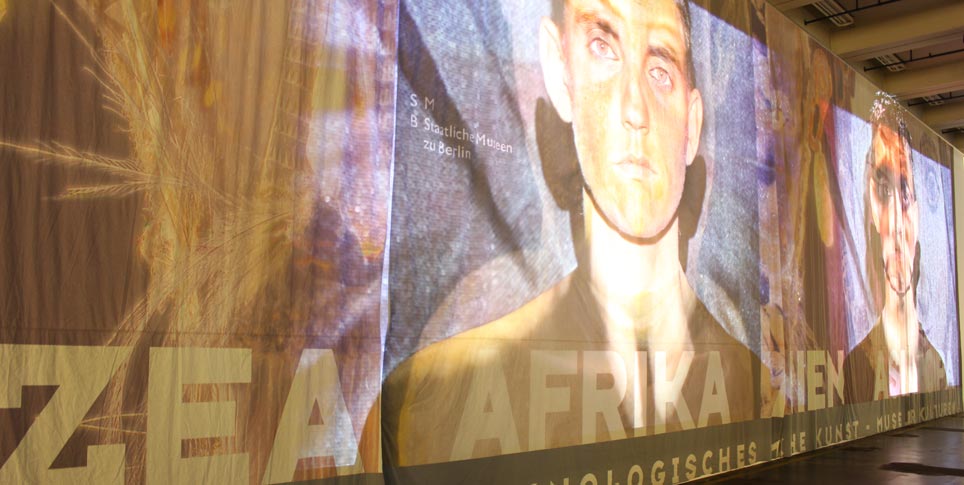
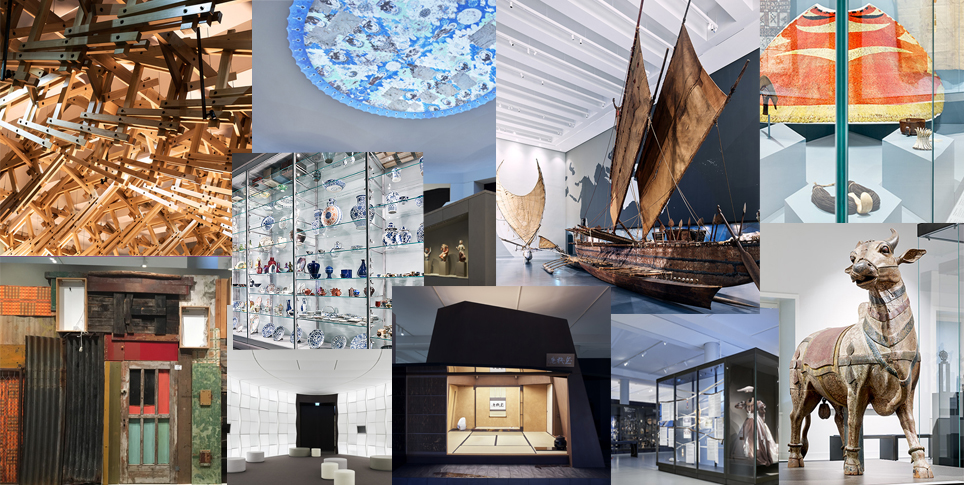
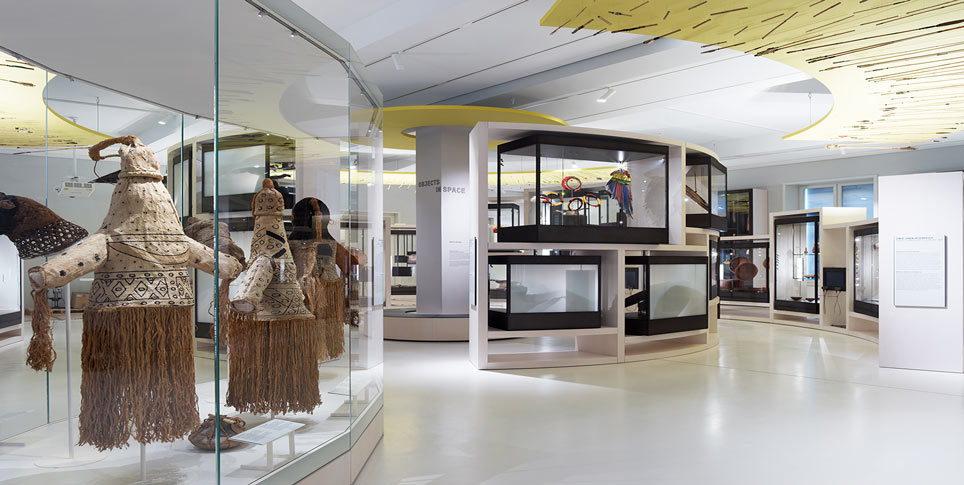
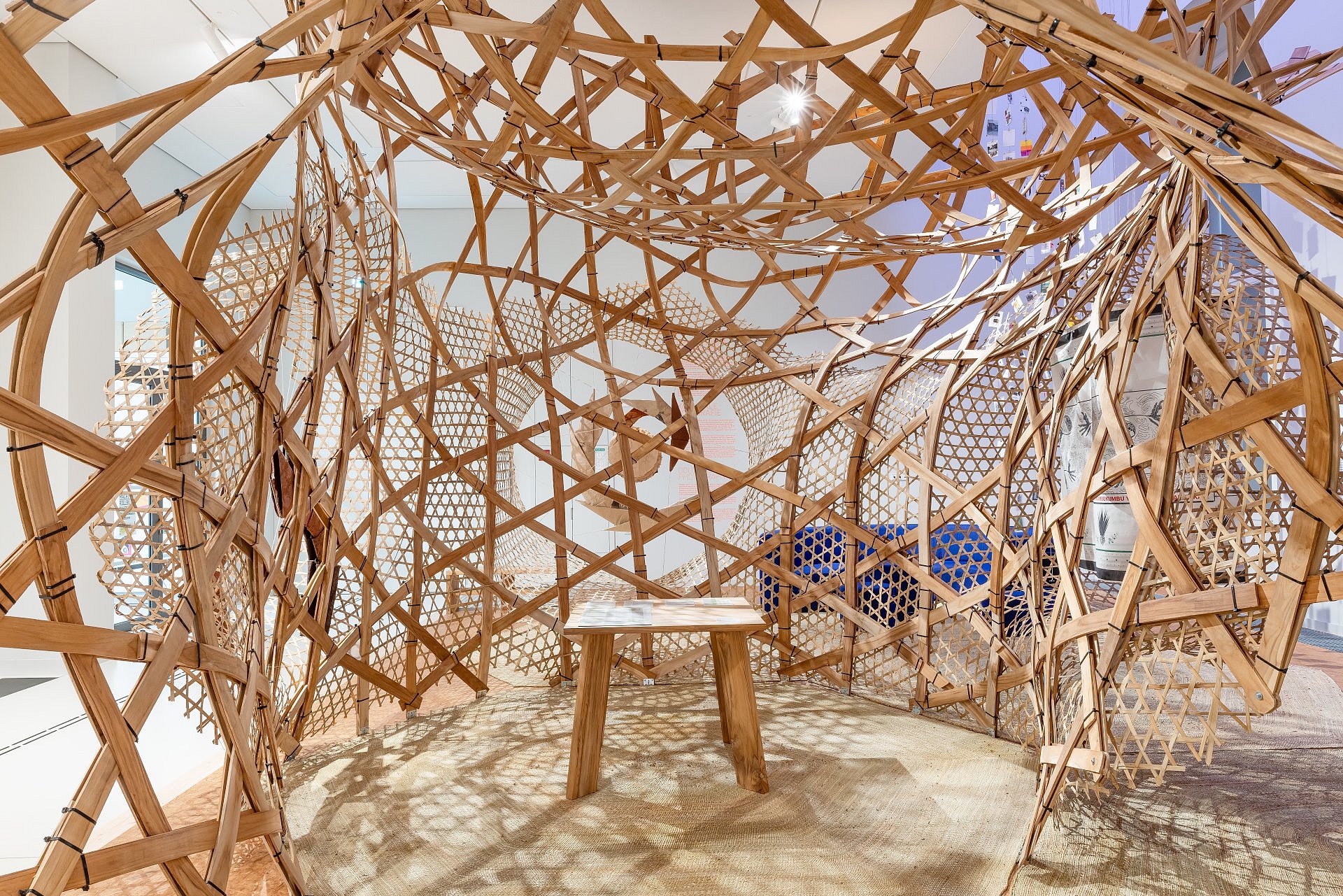
A spacious architectural design featuring woven spheres that organically connect objects with their context. “Stories of Tanzania” marks the opening of a new highlight at the Humboldt Forum.
The territory of present-day Tanzania is one of the longest-inhabited regions on Earth. Between 3000 and 1000 BC, the interactions between hunter-gatherers, pastoralists and farmers gave rise to a complex and fascinating mosaic of languages and societies. Strategically situated on the Indian Ocean, trade routes extending as far as Asia had already emerged by around the year 1000. Zanzibar and trading towns along the East African coast benefited from this. Due to the strong Arab influence, the majority of their inhabitants adopted the Islamic religion; in trade, they acted as intermediaries between the maritime region and the interior. From the end of the 15th century, the Portuguese, and later other European powers, invaded by force of arms. Centuries of conflict and war, colonisation and foreign rule followed.
A bloody crime
During German colonial rule between 1884 and 1919, Tanzania was part of the colony of ‘German East Africa’. Between 1905 and 1907, large sections of the population rose up against the colonial power. During this period of social and economic crisis, a prophetic movement gained prominence, promising protection and invulnerability through a special medicine (maji = ‘water’), which not only gave the uprising its name but actively fuelled it. Hundreds of thousands fell victim to this war, which the Germans, supported by Askari and other auxiliary troops, crushed with utter brutality according to the scorched-earth policy.
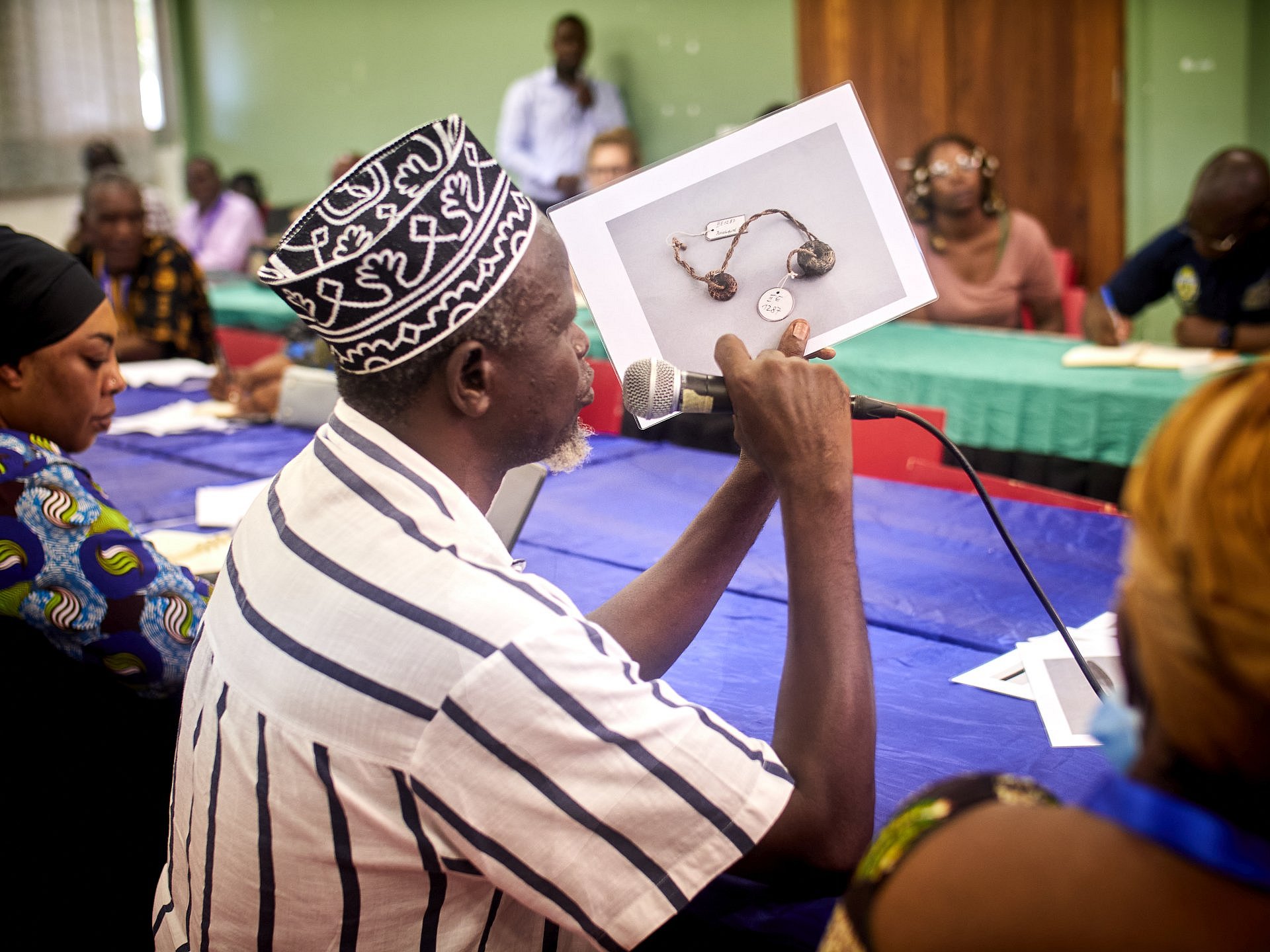
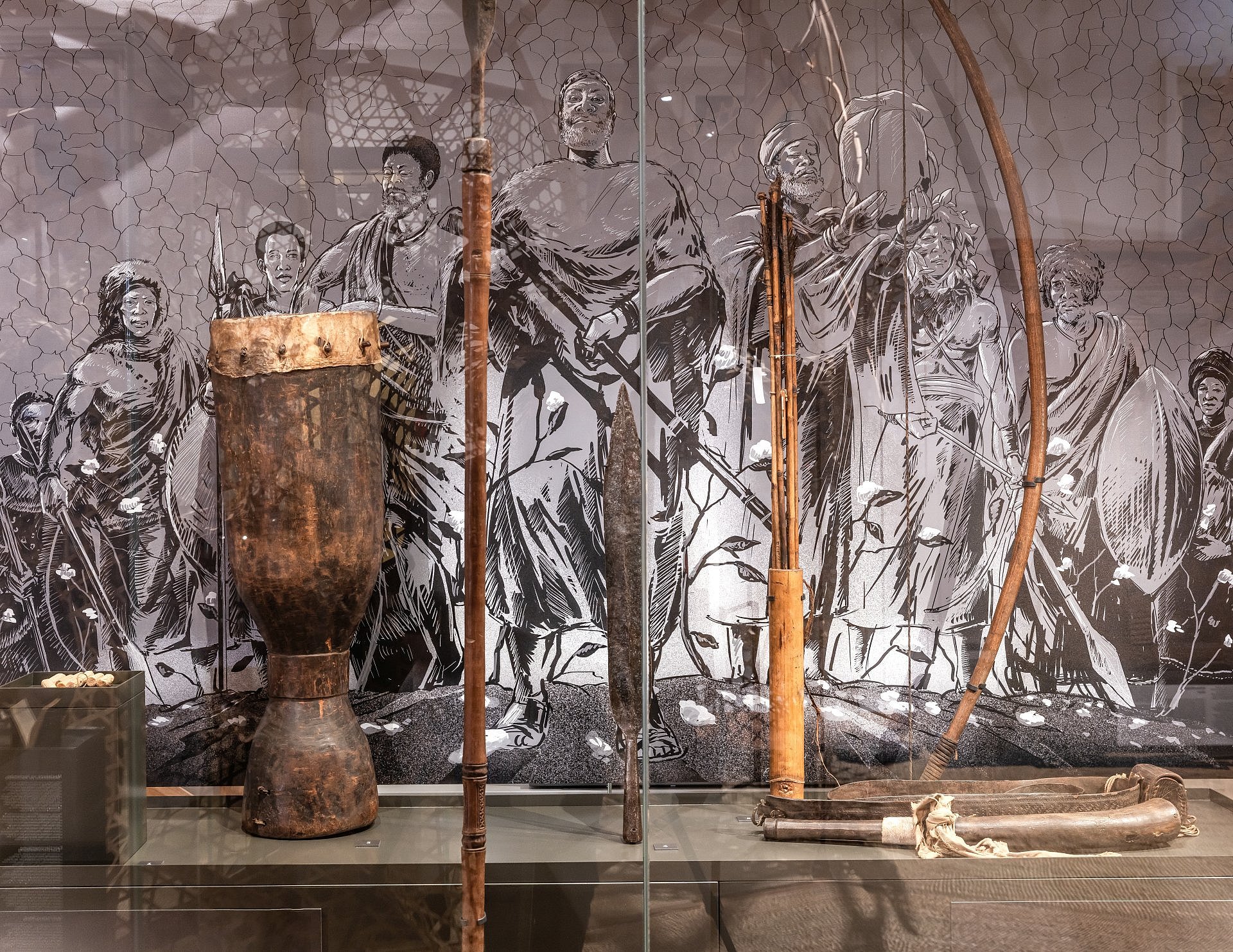
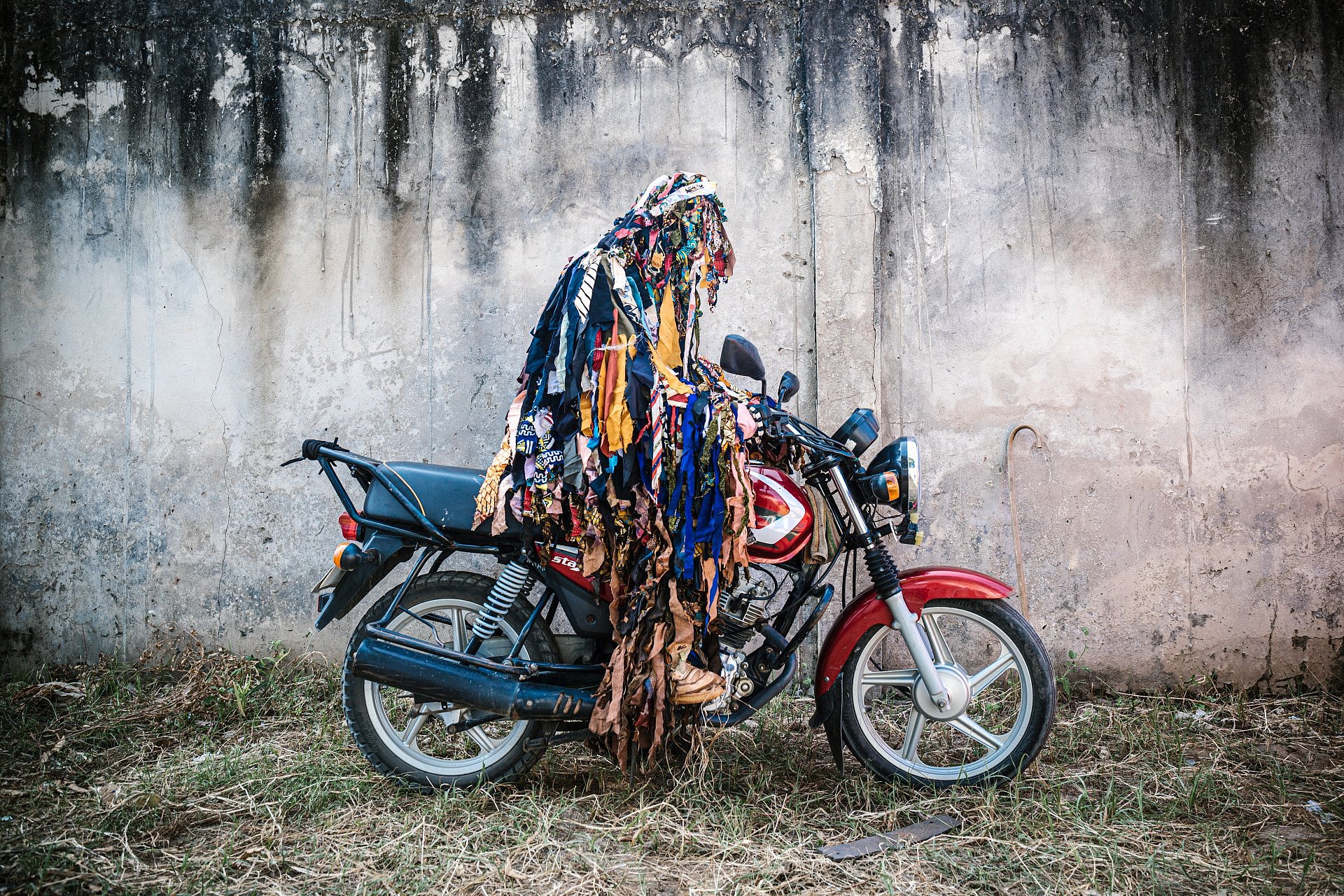
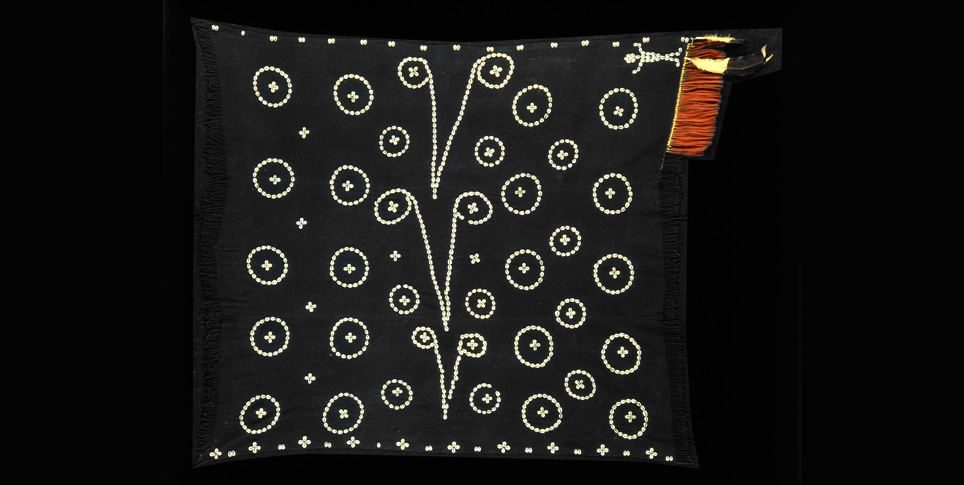
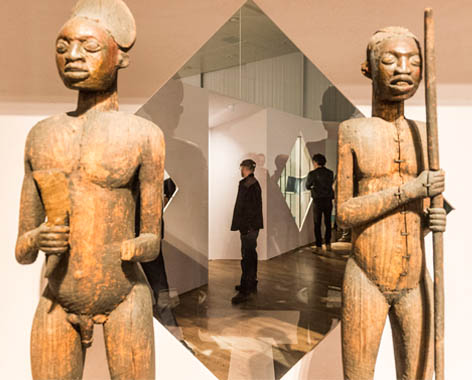
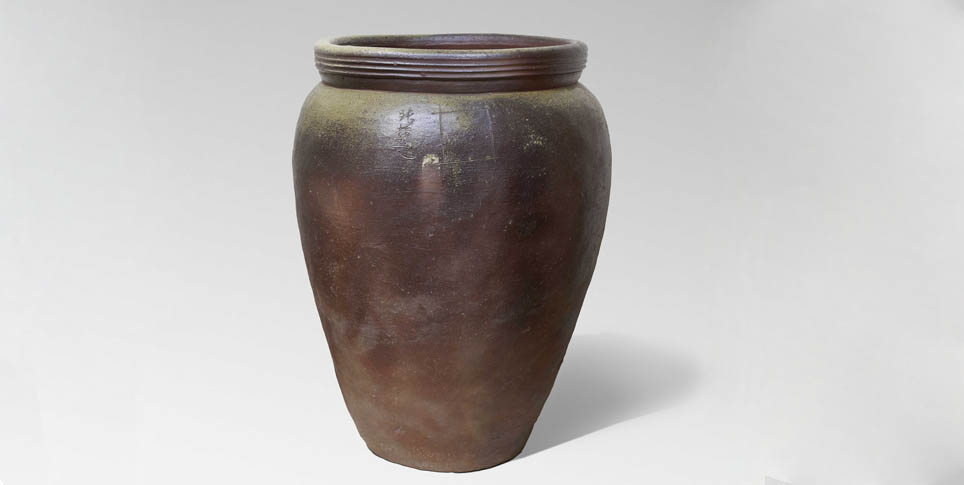
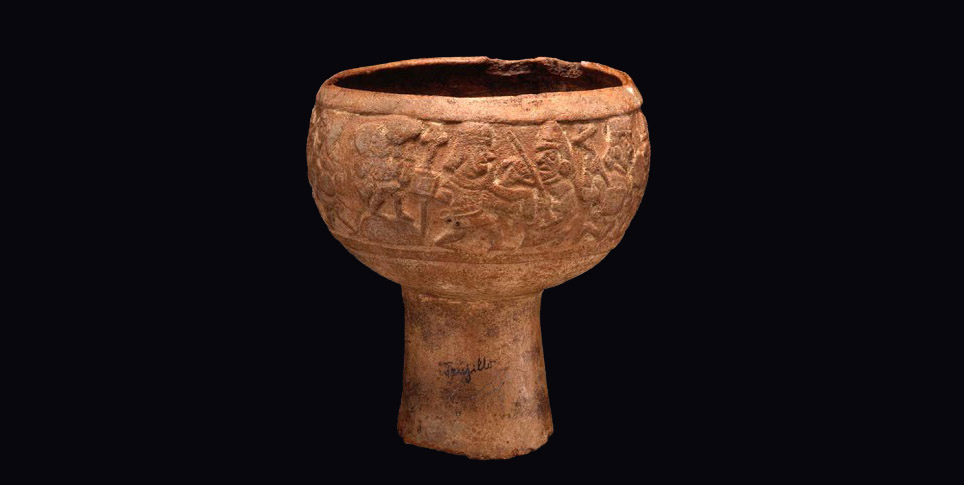
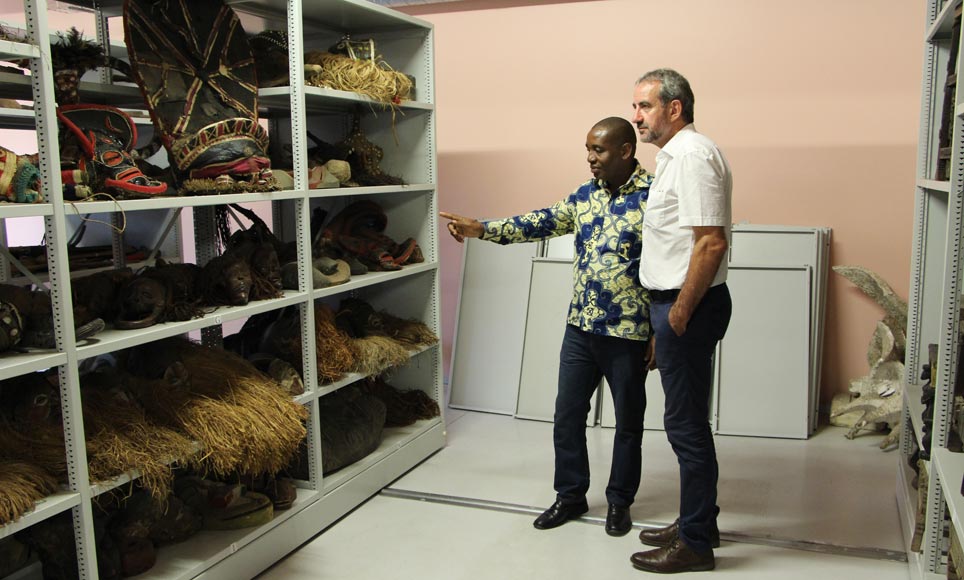
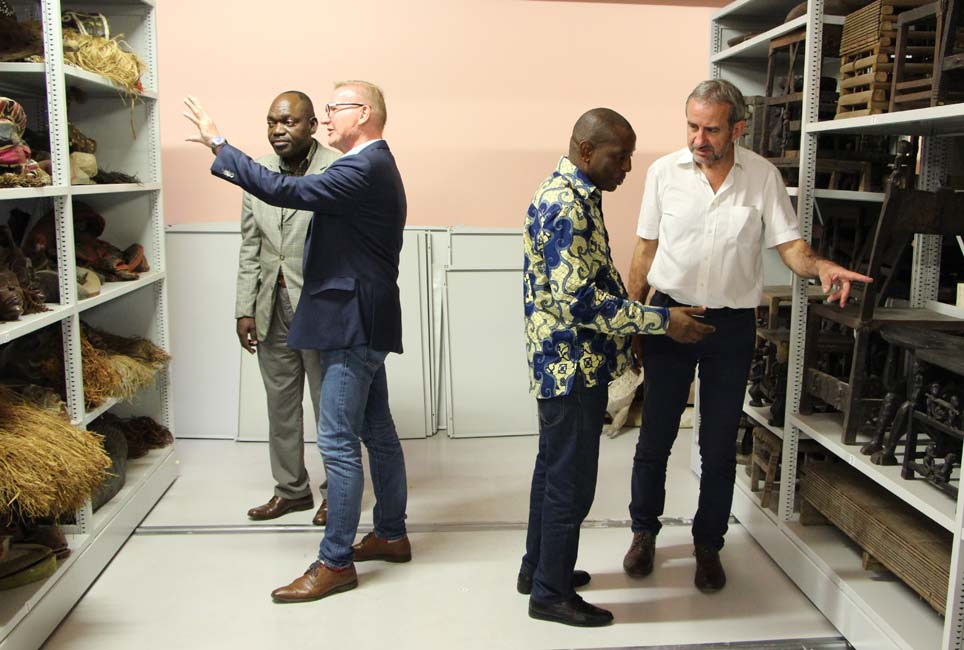
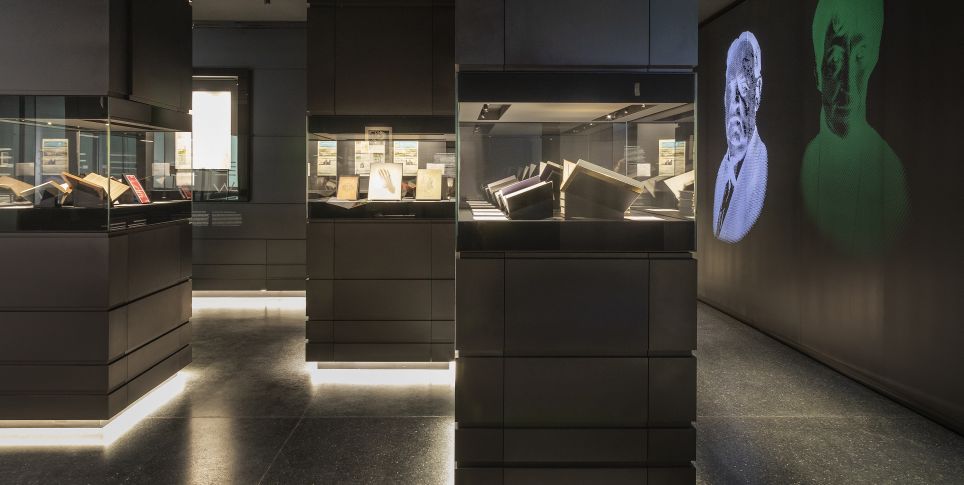
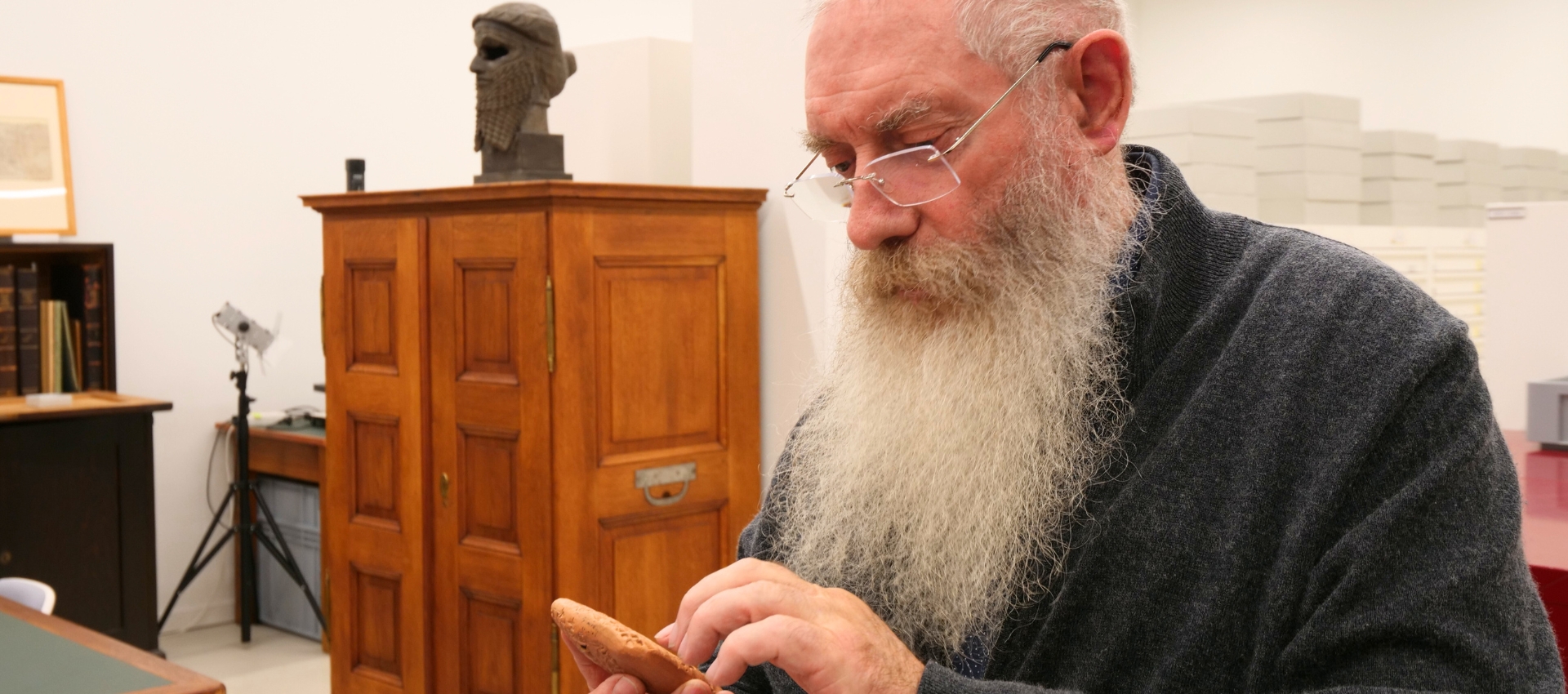
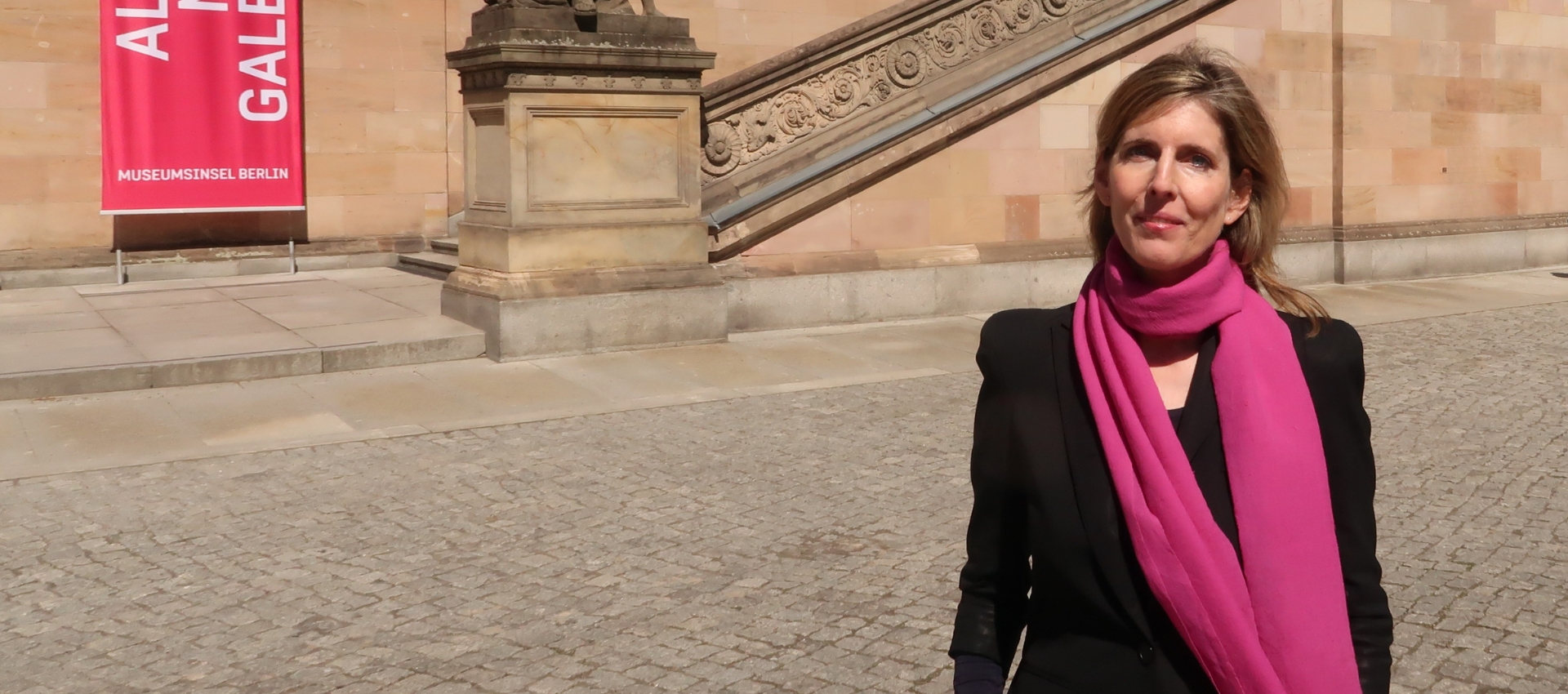
The exhibition “Tanzania: History(ies)” recounts the millennia-old history of this East African country and its societies. At the same time, the exhibition focuses on the items on display here—referred to as “Cultural Belongings”—which form part of the Ethnological Museum’s Tanzania collection, comprising some 10,000 objects. Unfortunately, a number of these are inextricably linked to the tyranny of that era. Aware of the resulting responsibility, the SPK has not only intensified its provenance research in preparation for the relocation of the collections from Dahlem to the Humboldt Forum, but has also proactively approached the relevant political and cultural institutions in Tanzania. For a good ten years now, the SPK has been working with its Tanzanian partners to find a shared approach to dealing with history.
Collaborative reappraisal of history
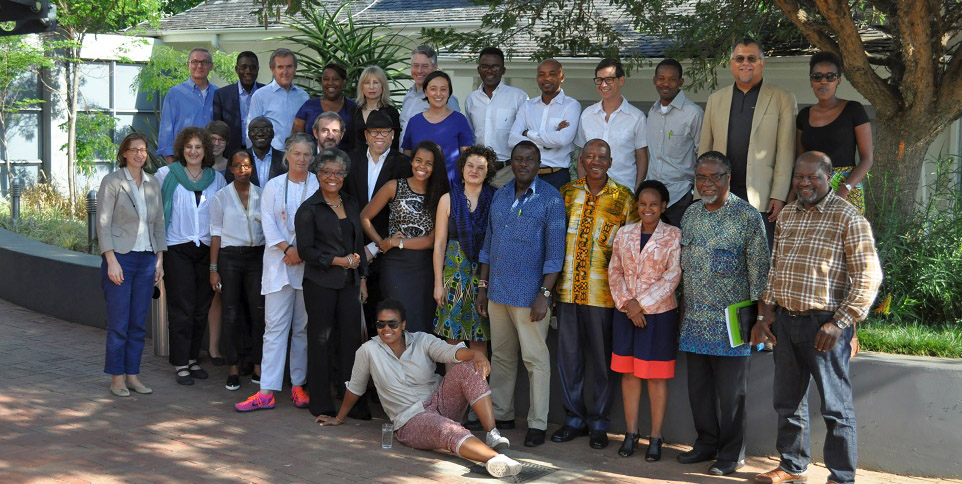
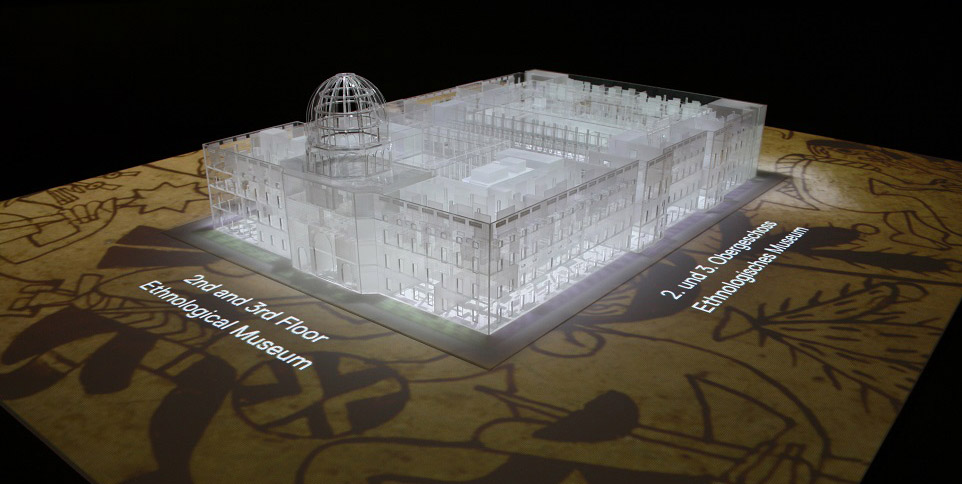
The exhibition, jointly curated by the Ethnological Museum, the Humboldt Forum Foundation at Berlin Palace and the Tanzanian National Museum, not only addresses the origin and significance of the Cultural Belongings, but also focuses on their histories and contexts, which have received little attention in curatorial practice to date. Particular emphasis is placed here on the period of colonial oppression and exploitation. “Stories of Tanzania” was developed collaboratively by curators from Dar es Salaam, Songea and Berlin, as well as representatives of various Tanzanian communities, and is presented in an exhibition design created in Tanzania using wood and natural materials on the second floor of the Humboldt Forum.

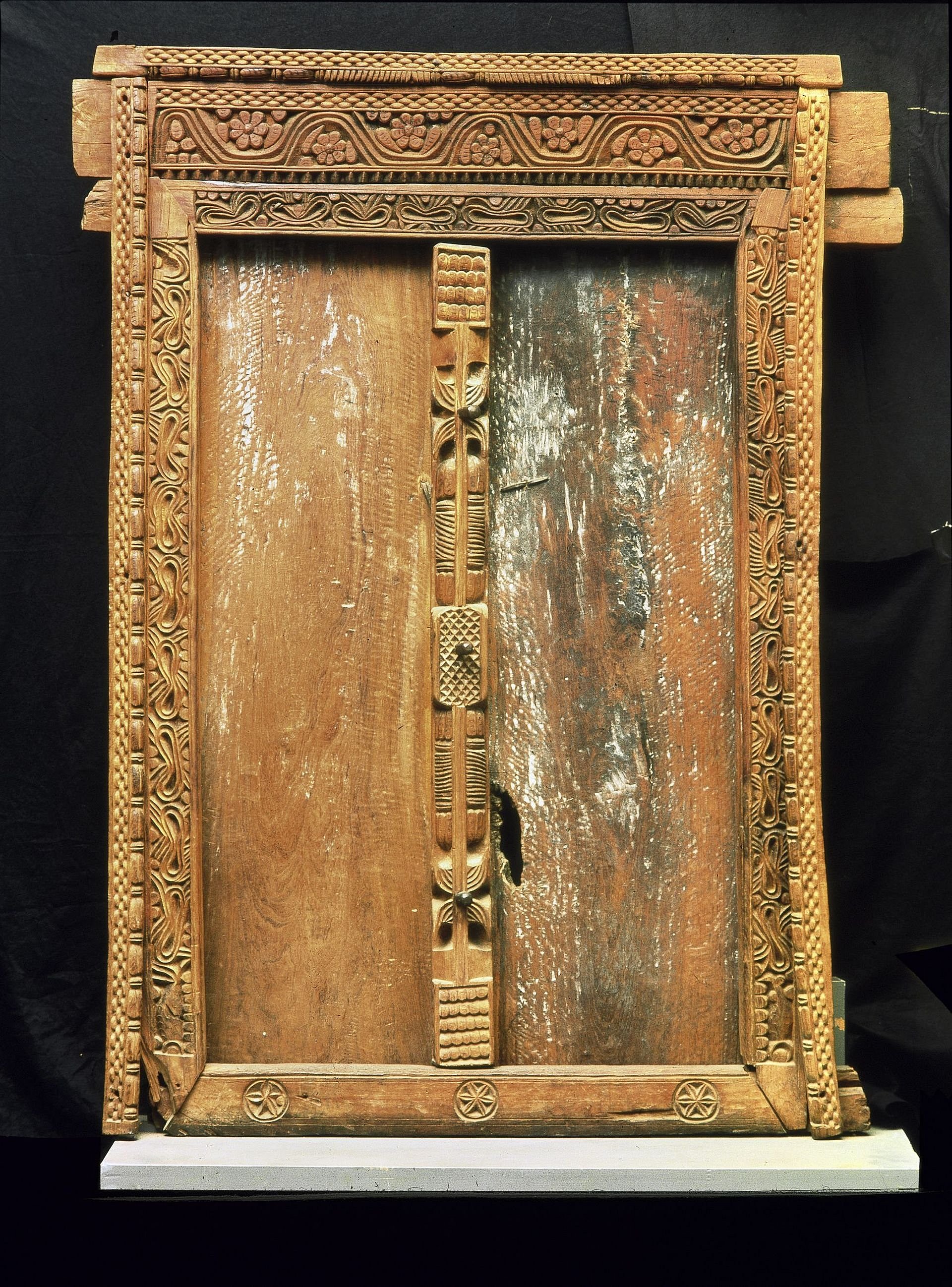
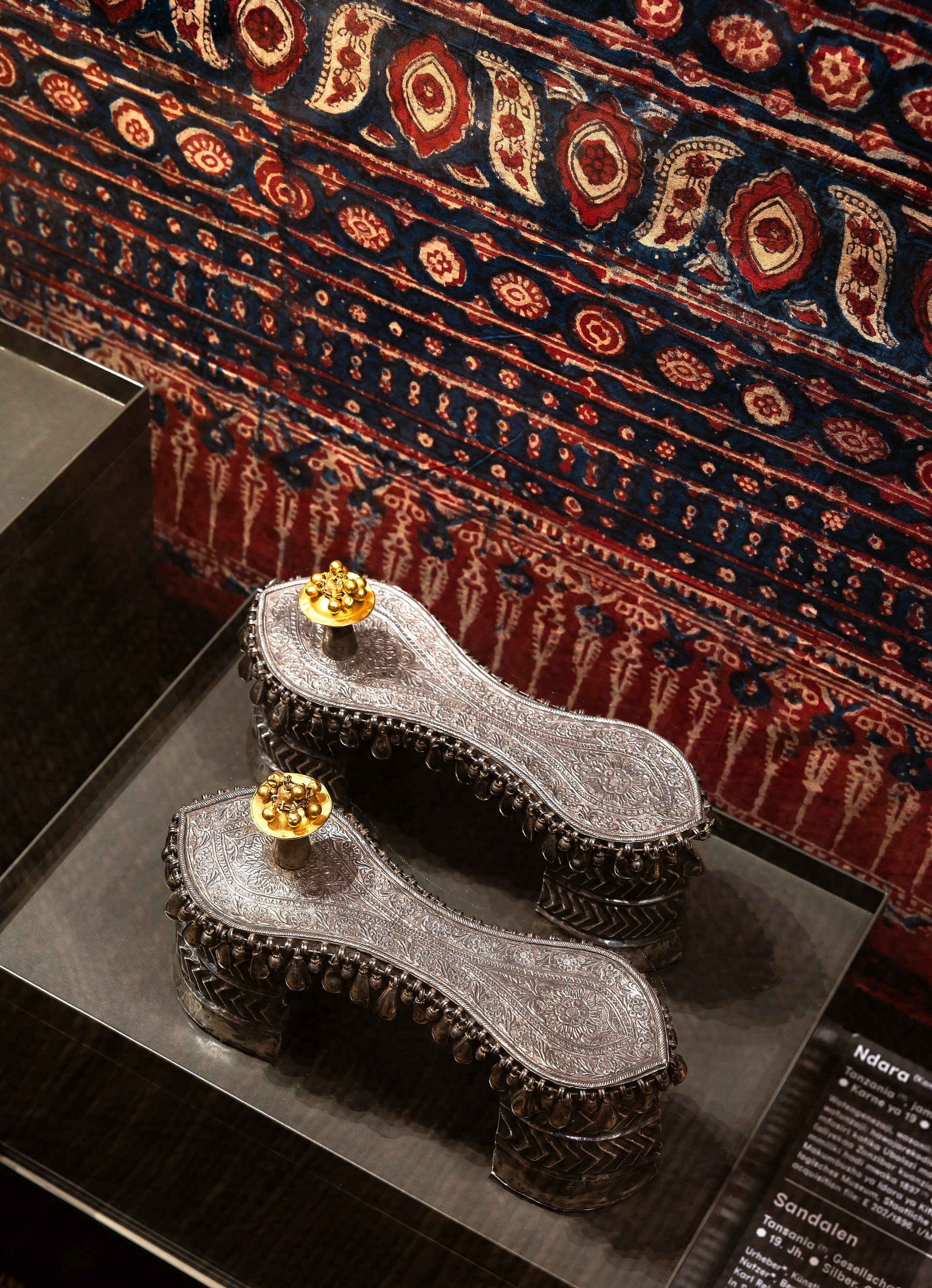
The History of Tanzania
Location
Temporary exhibition space, 2nd floor, Humboldt Forum
Opening hours
- From Friday, 29 November 2024
- Mon, Wed, Thu, Fri, Sat, Sun: 10.30 am – 6.30 pm
- Tues: closed