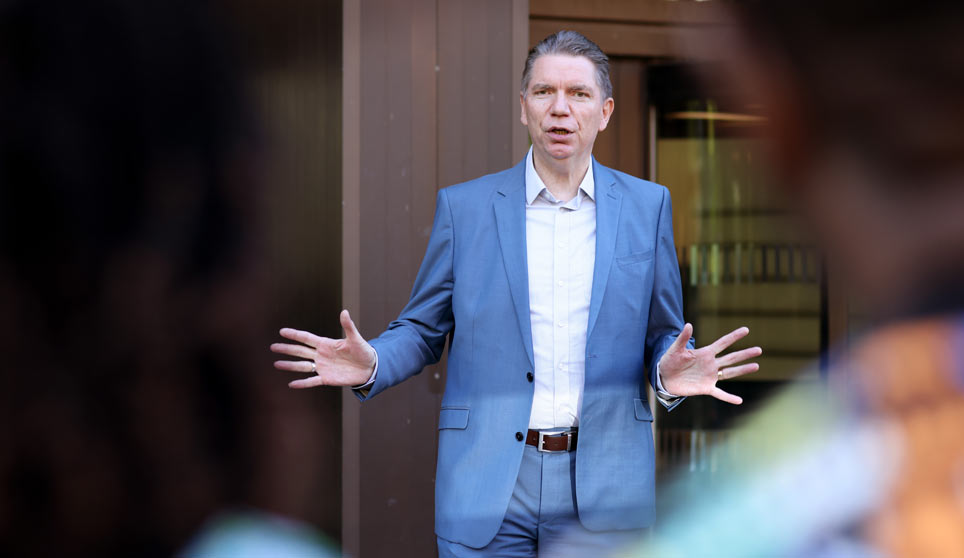
The SPK Foundation Board has decided that the music ethnologist Lars-Christian Koch is to take on the role of director, overseeing the collections of the Museum of Ethnology and the Museum of Asian Art. In this interview, he discusses his future responsibilities and the special approach to intangible cultural heritage.
As the future director of the Ethnological Museum and the Museum of Asian Art, what do you see as the most pressing tasks? What are your hopes for the coming years?
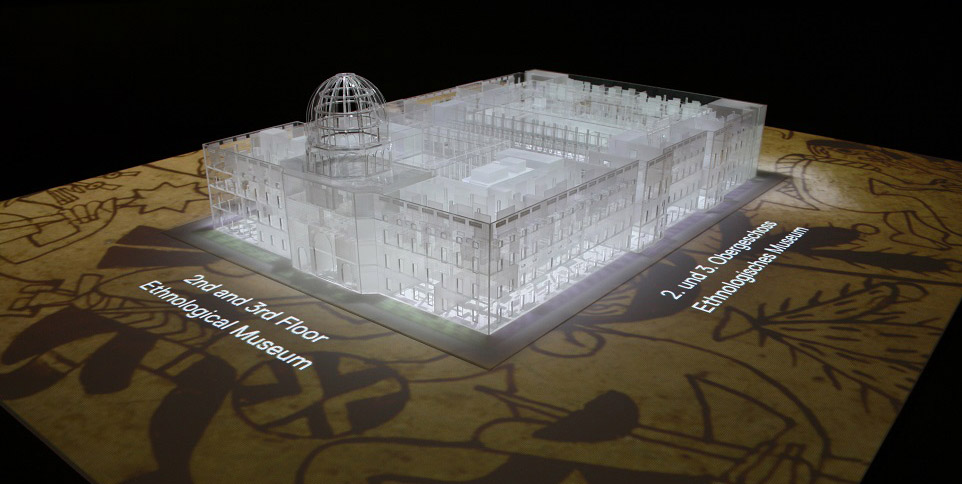
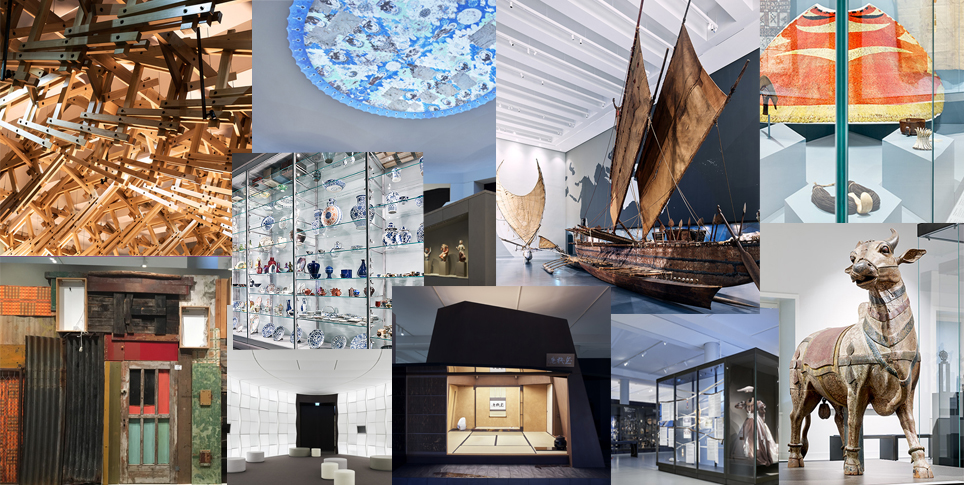
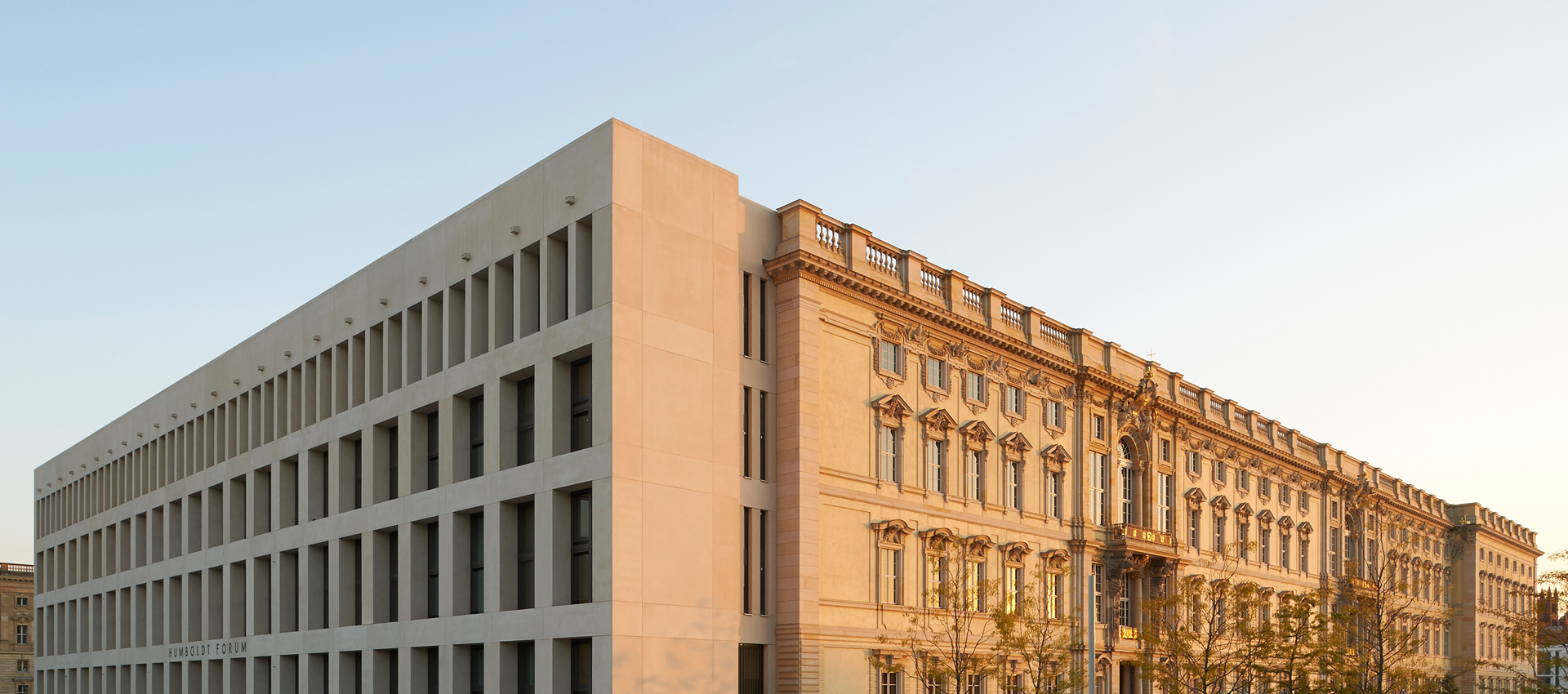
Lars-Christian Koch: First and foremost, the task will be to work with colleagues from these two so-called Dahlem collections of the Staatliche Museen zu Berlin to install the exhibitions at the Humboldt Forum and properly present them to the public. This includes both the permanent exhibitions and the temporary exhibitions. Here, of course, we must already begin planning for the period following the inaugural exhibitions, which are still largely the responsibility of the founding directors. In terms of content, the focus over the next few years will continue to be very strongly on the themes of colonialism and provenance research. Our colleagues in Dahlem have been working on these themes for years. In the process, a highly competent team of curators, conservators and numerous other colleagues has come together, the sort of team one can only find at a museum of this calibre.
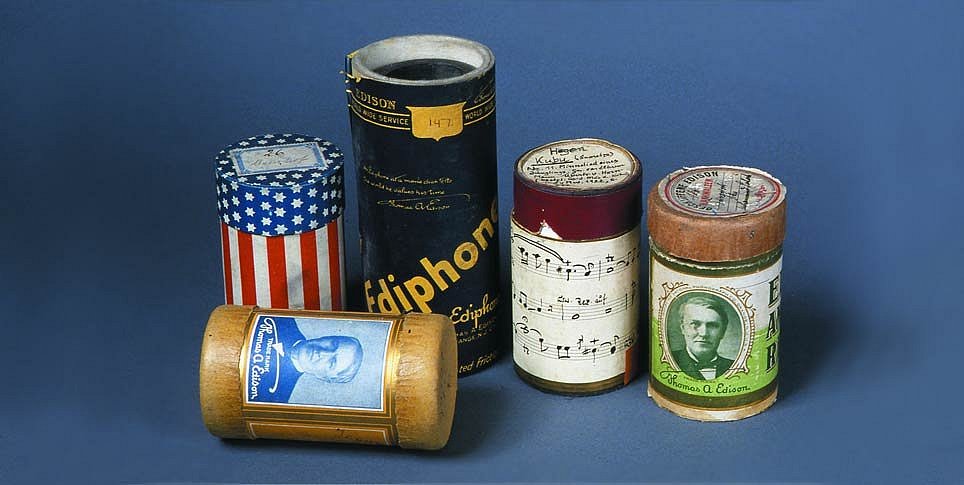
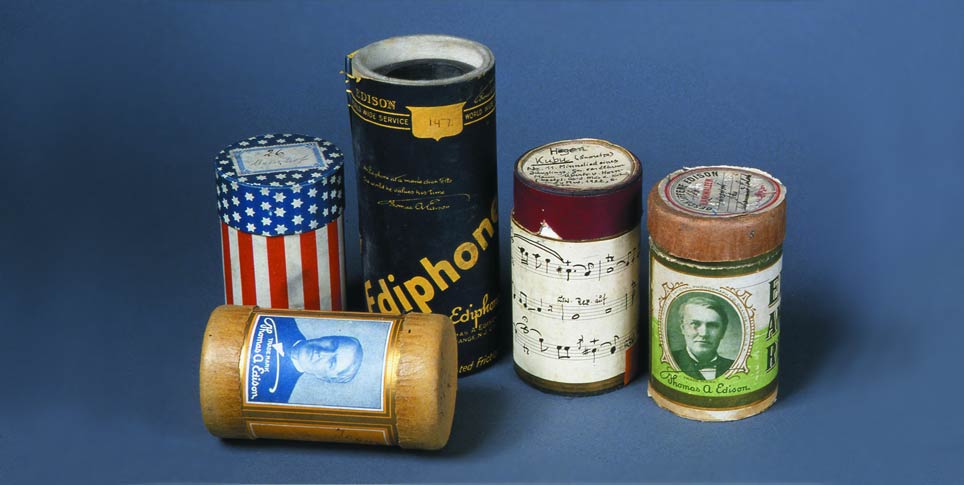
Collection of cylinders © Ethnological Museum – State Museums Berlin
You have been head of the Department of Musical Ethnology at the Ethnological Museum since 2003. What exactly does it encompass?
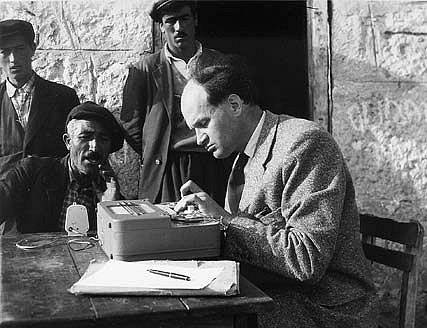
For some time now, the department has been officially named the Department of Media – Music Ethnology, Media Technology and the Berlin Phonogram Archive, and that actually explains what it encompasses, namely the entire complex of the world’s intangible cultural heritage. It was founded in 1900 as the Phonogram Archive at the Psychological Institute of the University of Berlin by Carl Stumpf, who also created the first sound recordings. His aim, using a cross-cultural approach, was to address the question: How do people hear? After the Second World War, ethnomusicology was added, bringing with it new research questions and new recording techniques. To date, the collection of sound recordings has grown to around 14,000 hours of original material, and we continue to collect.
Do you have any musical instruments?
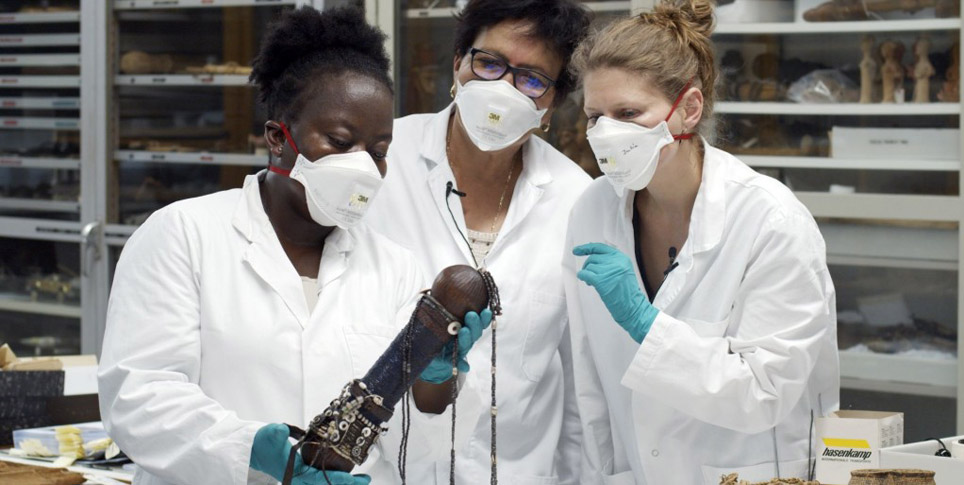
Yes, we also look after around 3,000 musical instruments in the department, although this is less than half of the Ethnological Museum’s total collection.
And the field of visual anthropology is particularly important. Even within the research field of ethnomusicology, it is clear that music is often part of a performance, a ritual or a celebration. That is why we also hold photographs, drawings, films and videos – ranging from historical glass plates to contemporary visual documents. Three years ago, responsibility for the entire photographic and film collection of the EM – more than 500,000 items – was transferred to our department.
Does the department’s geographical scope make it a kind of link between the Ethnological Museum and the Museum of Asian Art?
You could certainly say that, yes. My own research actually focuses on Asia. But the department is also very well known internationally. We welcome visiting scholars from all over the world, precisely because the sound recordings in the Phonogram Archive are so unique.
Do you have a particular favourite item in the collection?
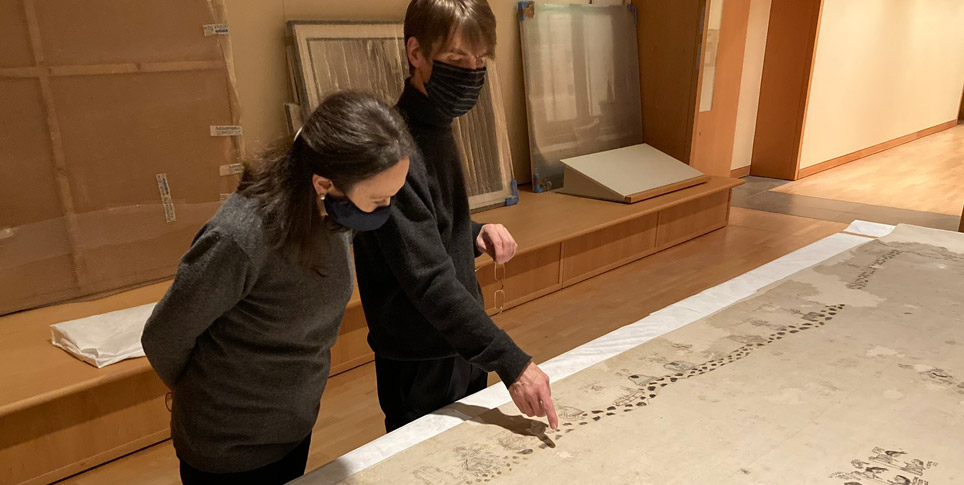
My favourite piece was acquired only recently. It consists of scroll paintings from West Bengal. These scroll paintings have been used for centuries by the Patua, an ethnic group whose members travel through the villages as professional storytellers. They still do this today, with contemporary content. It is therefore a living form of applied art. However, the singers’ self-image has changed. In the past, the stories and the performance were the main focus; today, the images are more important. Individual images from the scrolls are also produced as items for sale. We have now acquired three of these wonderful scrolls and are currently displaying two of them, accompanied by a film documenting their use, at the Humboldt Box in the exhibition “[laut] – Hearing the World”, which opens in a few days.
What is the current exhibition “[laut]” about – how do you display sound? Isn’t that boring?
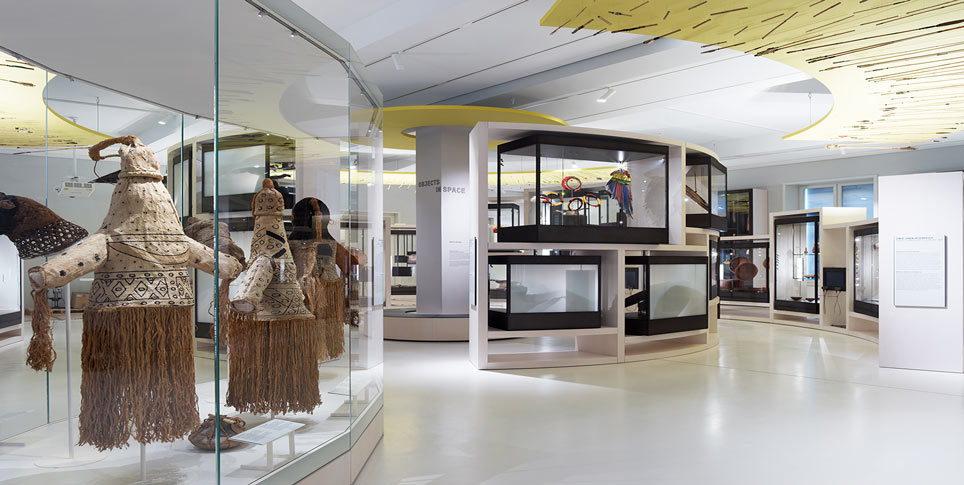
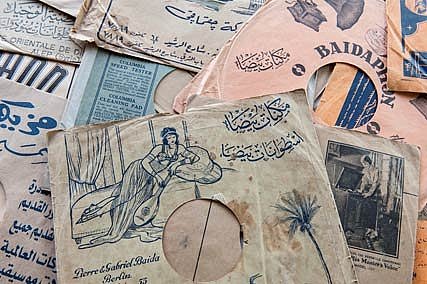
I don’t think so. How do sounds and musical styles spread worldwide? How do we deal with sound as an intangible cultural asset? Who owns the sound in recordings? These are fascinating questions! Questions regarding the transferability of sounds onto materials are being discussed; for example, in a special device in the exhibition, you can rotate everyday objects, have their surfaces scanned, and hear the resulting sound. We’ll show how we collaborate with various partners, such as the AMAR Foundation in Lebanon – which covers the entire spectrum of Arabic music. Recordings from First World War prisoner-of-war camps, which are held in almost equal parts in the Humboldt University Sound Archive and by us, are also a focus.
And we demonstrate how to handle recordings that are, for example, considered sacred material and should only be heard by certain people. These recordings are not subject to any formal legal restrictions, but nevertheless, in accordance with the community’s principles, they must not be played. We respect this, which presents a real challenge for us in the context of the exhibition.
Is something similar planned for the Humboldt Forum?
Only in part. There, listening and the materiality of sound-producing objects will play a major role. In a specially designed listening room, equipped with two audio systems that can also be accompanied by visual elements, it will be possible to create acoustic 3D images and localise sounds within the space. But let yourself be surprised!
One last question: Are you looking forward to the new role?
Yes, very much so!
A question for... Lars-Christian Koch
On 19 March 2018, the SPK Foundation Board unanimously elected the music ethnologist Lars-Christian Koch as the future director of the Ethnological Museum and the Asian Museum. In the video, he explains which tasks will be of particular importance to him in the coming years.
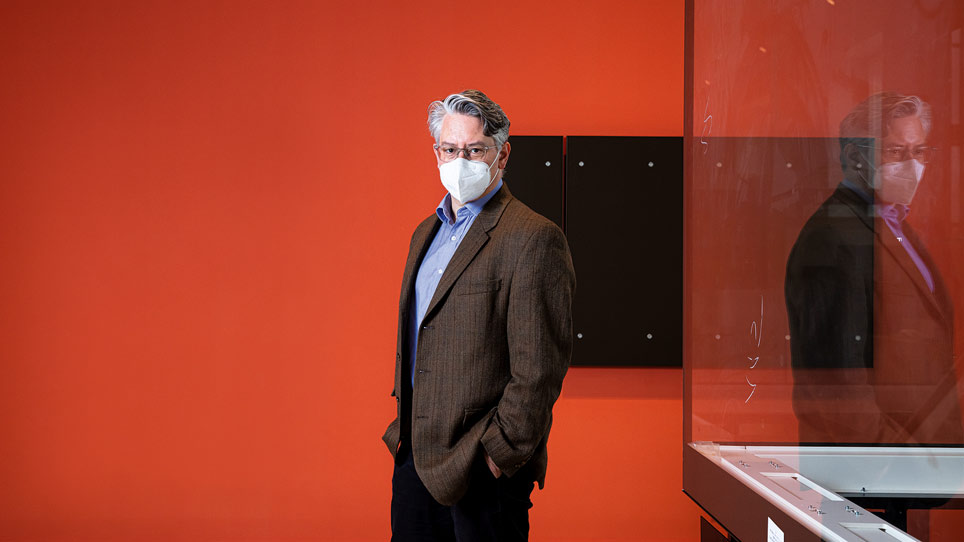
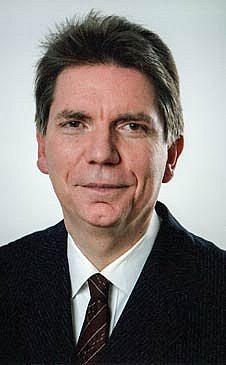
Prof. Dr Lars-Christian Koch
Lars-Christian Koch, born in Peine in 1959, studied ethnology, musicology and comparative religious studies at the Rheinische Friedrich-Wilhelms-Universität in Bonn from 1980 to 1985. Following research stays in India and the completion of his doctoral thesis on contemporary North Indian art music, he worked as a research fellow at the Institute of Musicology at the University of Cologne from 1999 to 2002, where he was awarded his habilitation in 2002. In 2003, he took over the Department of Media – Music Ethnology, the Berlin Phonogram Archive and Visual Anthropology at the Ethnological Museum. He is an adjunct professor of music ethnology at the University of Cologne and an honorary professor at the Berlin University of the Arts.