Hermann Parzinger on the Humboldt Forum, looted artefacts and restitution
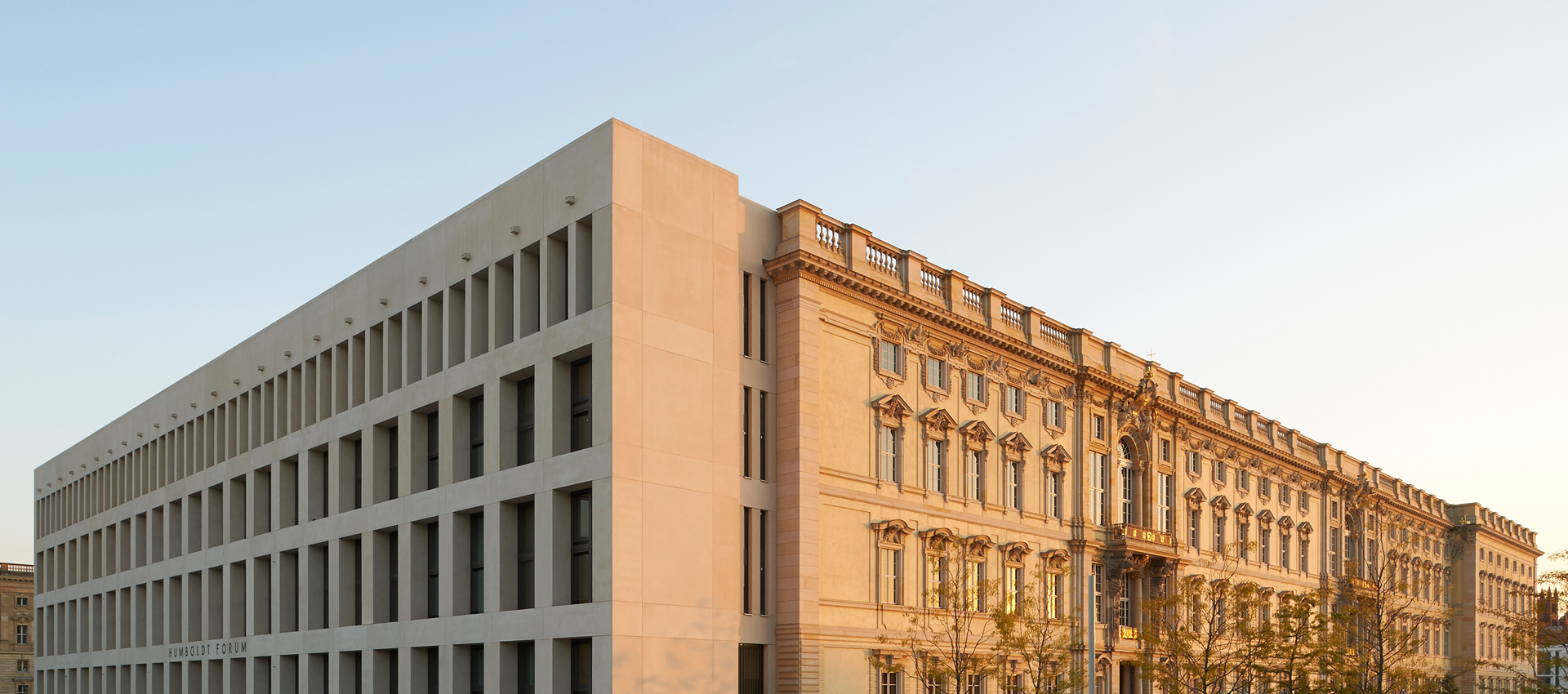
The façade is complete; from the outside, the Berlin Palace already looks almost ready for occupation. Will the Humboldt Forum open on the 200th birthday of its namesake?
Hermann Parzinger: There will certainly be some sort of event in September, to mark Alexander von Humboldt’s birthday. However, the opening has – for some time now – been scheduled for November. The Humboldt Forum will be accessible to visitors in stages, across the various levels. Fitting out and furnishing a total of 40,000 square metres of floor space is a Herculean task. Rome wasn’t built in a day, after all.
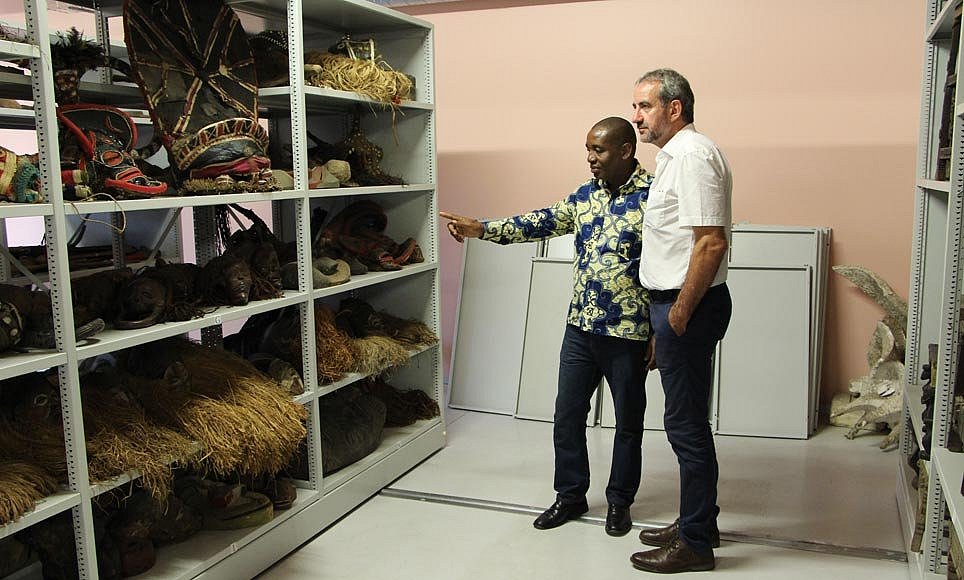
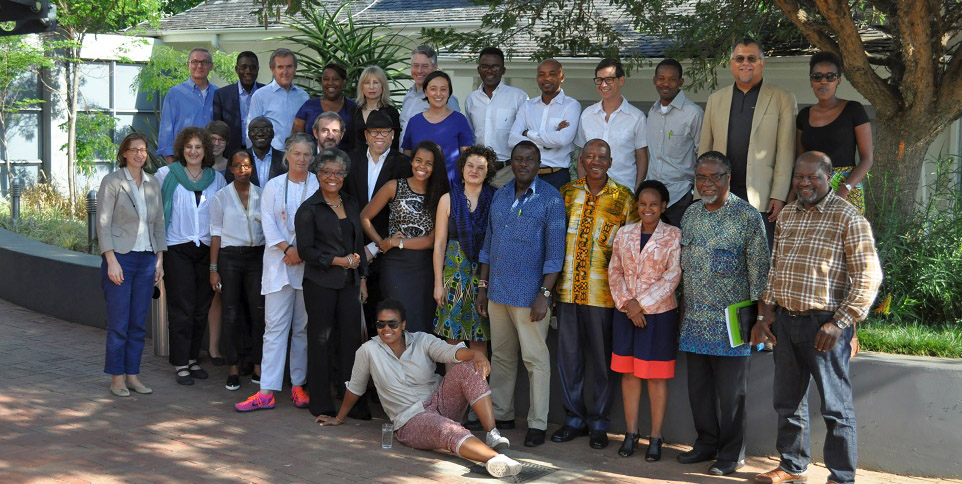
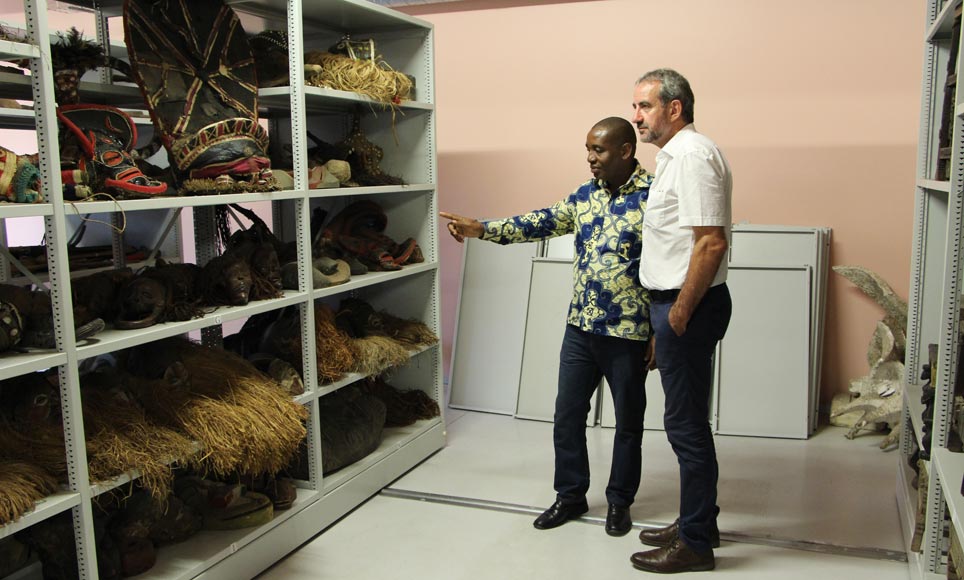
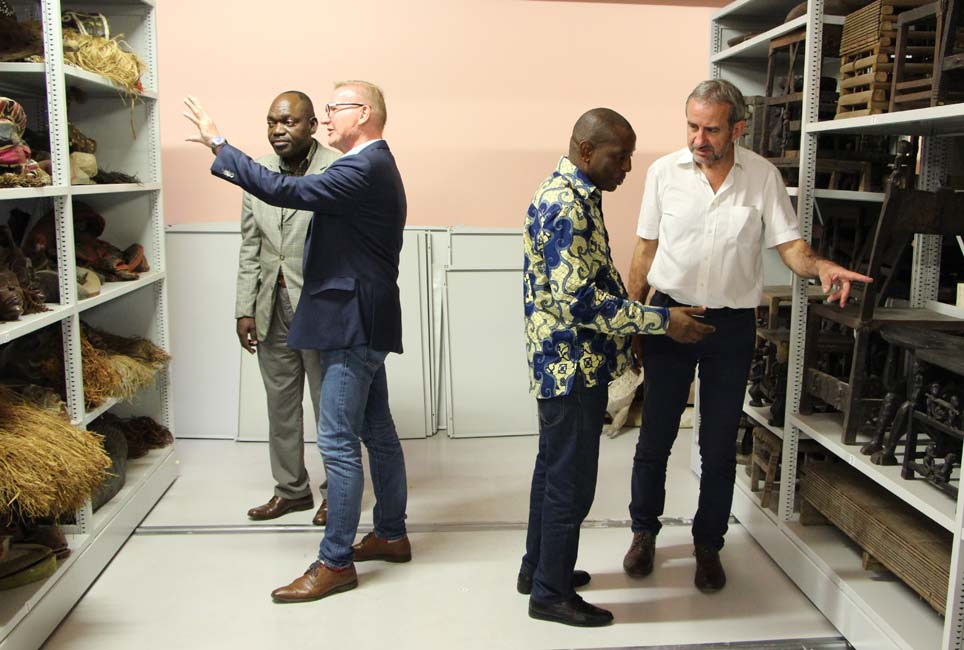
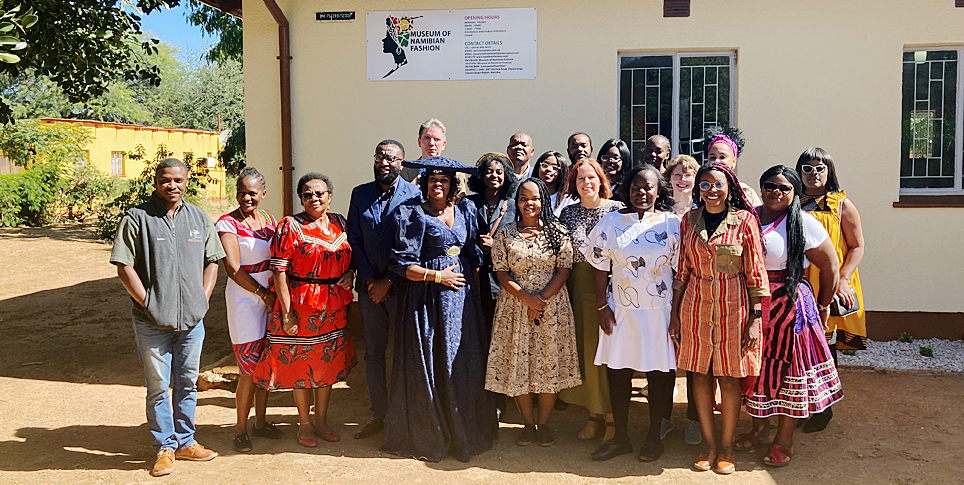
Hermann Parzinger on a visit to Angola © SPK
How many exhibits will the Prussian Cultural Heritage Foundation be providing?
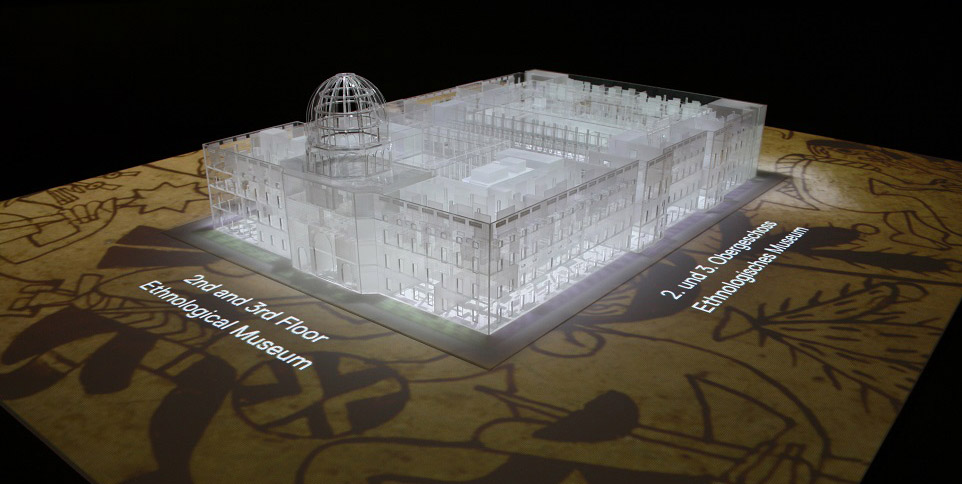
We will occupy the second and third floors, but will also use other areas in collaboration with other institutions and in consultation with General Director Hartmut Dorgerloh. The first floor is reserved for the City Museum and Humboldt University.
Which is your favourite item among the treasures that the State Museums will be displaying?
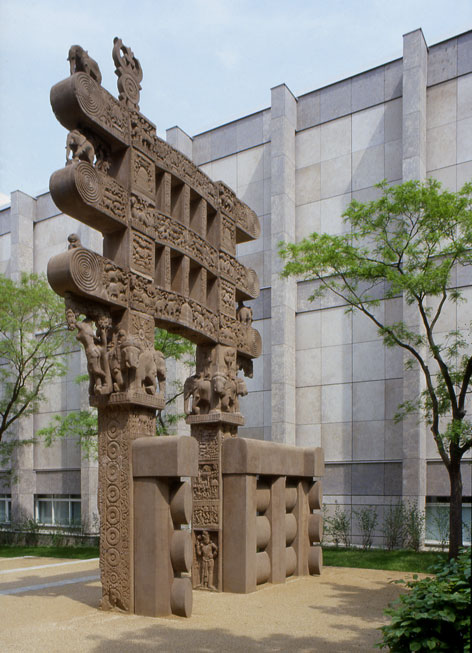
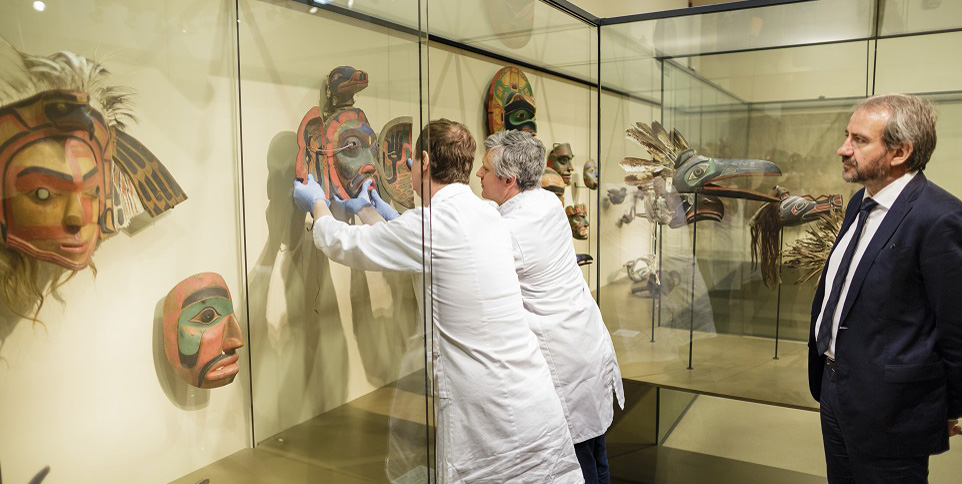
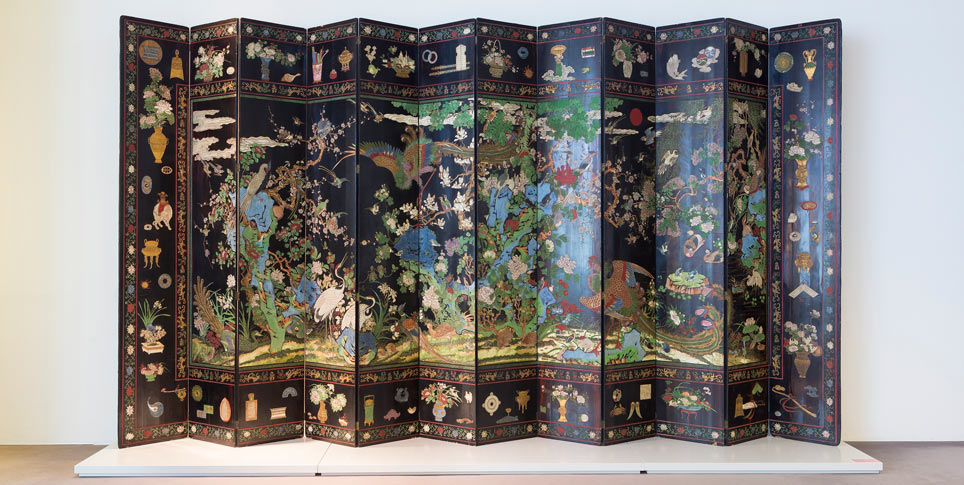
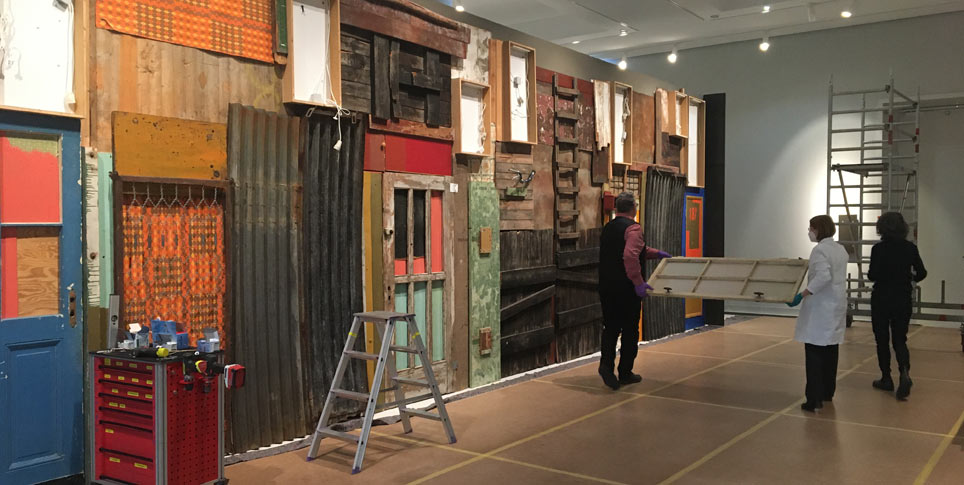
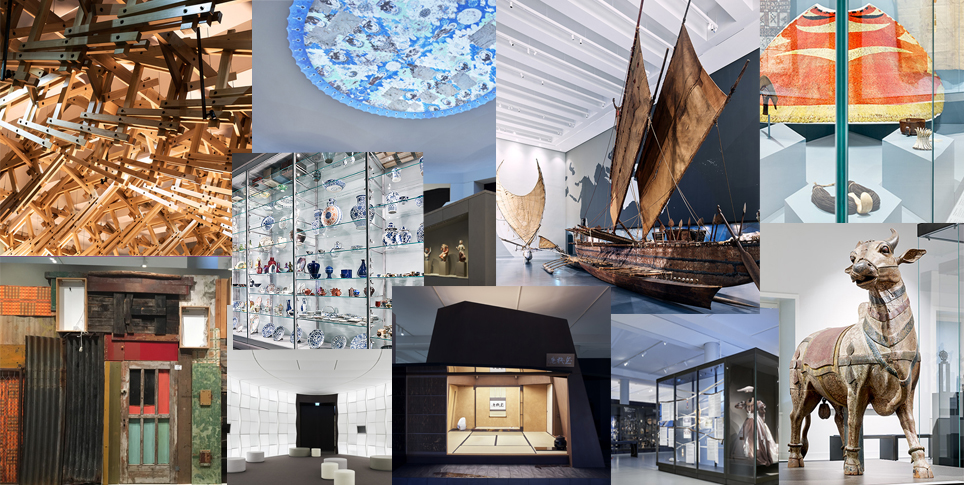
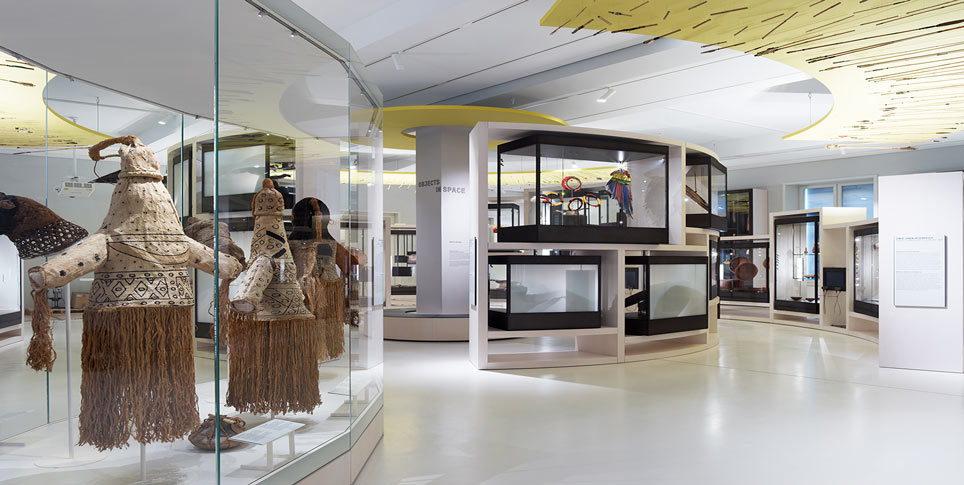
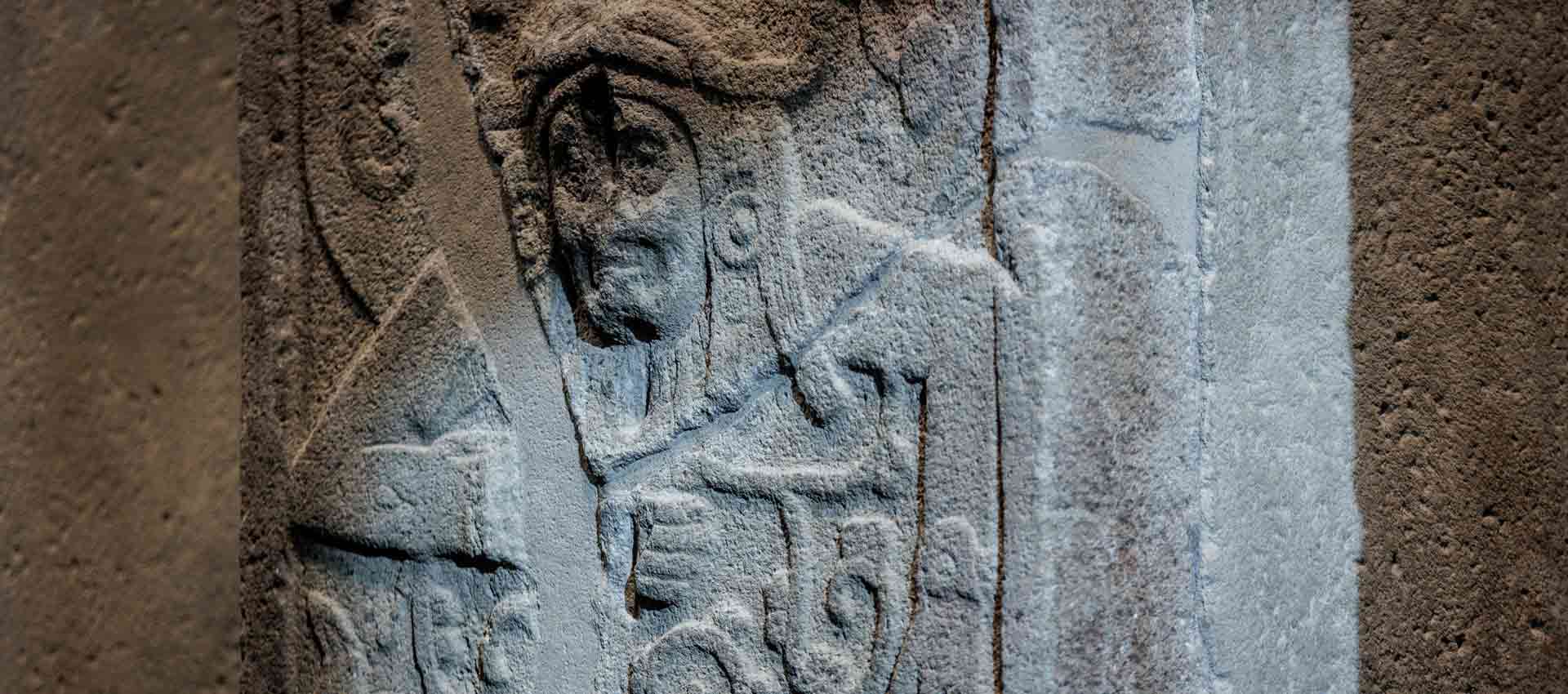
There are so many magnificent objects that I find it hard to name just one. Perhaps the fascinating large Maya stelae from Mesoamerica. Or the caves of the Turfan region, which will be on display beneath the dome of the palace. It will all be incredibly impressive. Likewise, the space on the third floor designed by the Chinese architect and artist Wang Shu, where 18th-century Chinese court culture will be on display. Collaboration with the countries of origin of the objects we are exhibiting is very important to us. For instance, experts from Palau will be coming to help erect the meeting house from Palau, a former South Sea colony of the German Empire. And the totem poles from Canada will be erected by specialists from there, working alongside us.
Will there also be treasures on display that have never been shown before, which have hitherto lain dormant in the museums’ collections?
Yes. We can only display around three per cent of our museums’ holdings. That is why there will be temporary exhibitions, which will occupy a quarter of the space. The Humboldt Forum is not a static museum; there will be constant changes, and shifting perspectives will be brought to light. However, the South Sea boats, the Palau House, the totem poles and the Turfan Caves will be presented permanently as highlights.
Will the provenance of all objects from the collections of the institutions united under your foundation’s umbrella be unequivocally established, and will they be free from restitution claims?
We do not currently have any official restitution claims or applications. But claims could be made in the future and one or two objects might be returned. If there are grounds for this, then I think that is fine. When the Forum opens, there will certainly be an even more intense debate about the history of the objects. We want maximum transparency; we will tell the story of the exhibits, including and especially those with a troubled past. We will disclose the current state of research into provenance, which will be available in greater detail in an online database for those interested.
Certain dates, such as 1937–38, the start of ‘Aryanisation’ in Nazi Germany, or 1941–42, the deportations of Jews to the ghettos and death camps, are likely to be suspect as acquisition dates in themselves, setting alarm bells ringing among museologists and archivists.
True, that applies to Nazi-looted art. But we must also investigate how objects from, say, former German South-West Africa – now Namibia – came to be in our museums, whether through acts of war, theft, exchange or purchase. This kind of provenance research will keep us occupied for many years to come.
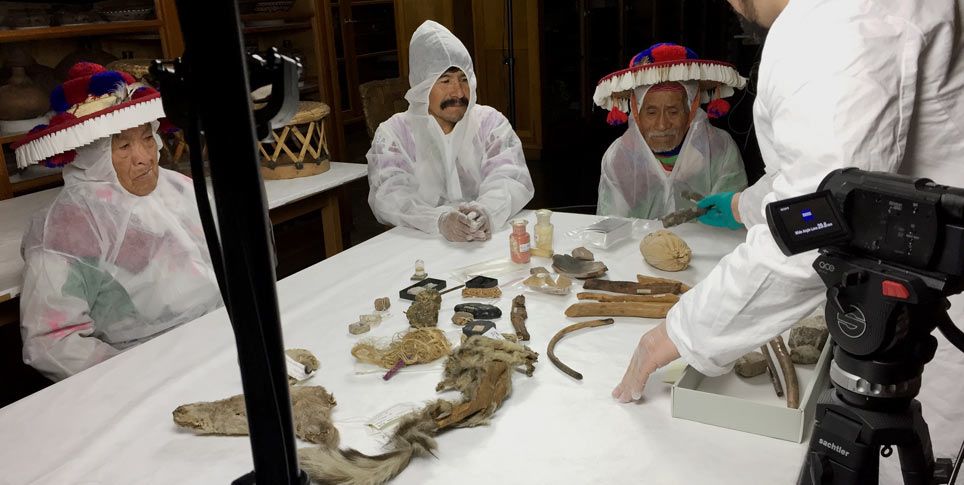
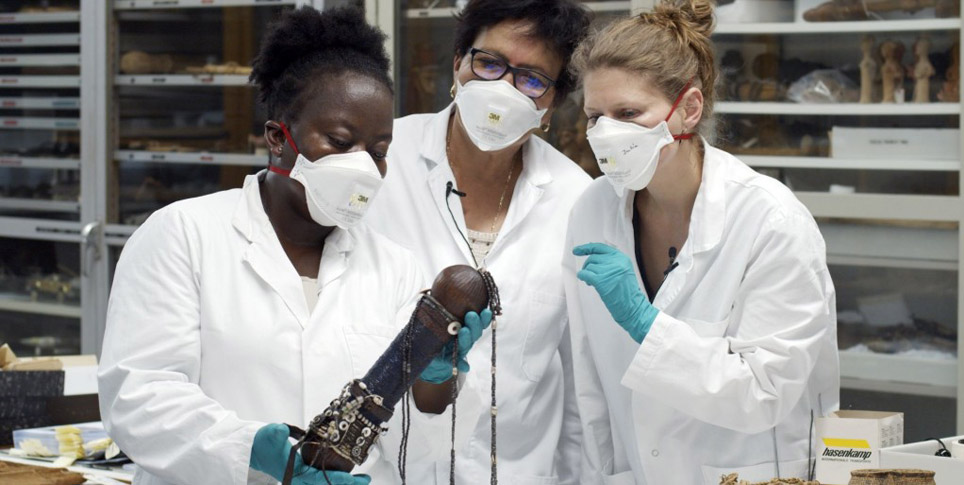
We have a project in Rwanda involving human remains that we have taken over from the Charité. Our experts, together with specialists from Kigali, are visiting the areas from which the remains are thought to originate, to find out exactly where they come from – with the sole aim of repatriating them.
Is there a shortage of staff for provenance research in Germany? To date, historians have only been employed on a short- or medium-term, project-based basis.
Yes, that is a problem. For a long time, provenance research was not a discipline firmly established at universities. There are now corresponding chairs in art history in Berlin, Hamburg, Bonn, etc., focusing on Nazi-looted art, but not yet for collections from a colonial context, for instance within ethnology. That must and will come. If provenance research is funded solely through third-party projects and fixed-term positions, and no follow-up projects are offered, an enormous amount of knowledge will be lost. Knowledge must be sustained. That is why we are pleased that six new posts have been approved for us by the federal government, two to strengthen provenance research on Nazi-looted art and four for the colonial sector. These are permanent posts. However, a central database is also important, where all findings – whether in Stuttgart, Munich or Berlin, whether in museums, libraries or archives – are compiled.
Why has the colonial legacy only now come to public attention?
The issue of Nazi-looted art also only entered the public consciousness very late. There were compensation negotiations in the 1950s and 1960s, but these focused less on works of art and more on other assets. It was only with the fall of the Iron Curtain and German reunification that a whole new, serious debate began.
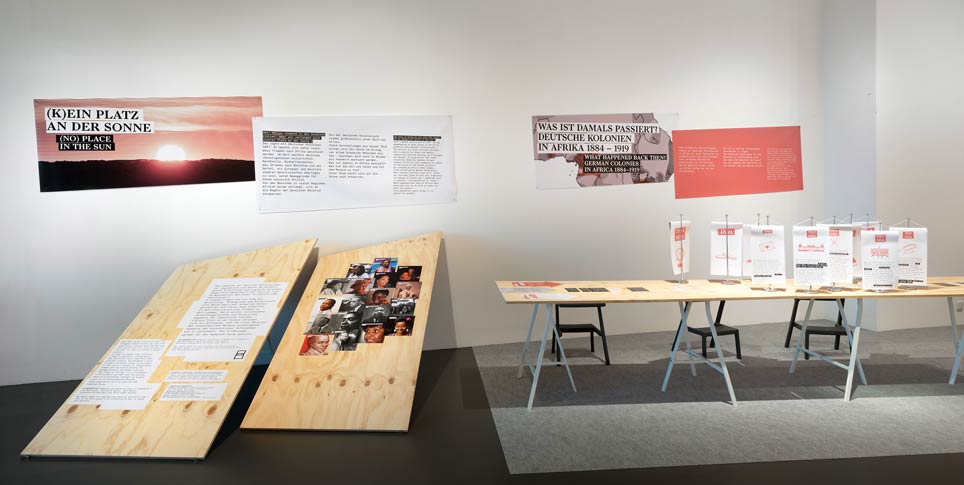
I believe that the colonial era was overshadowed in the collective memory of Germans by the Holocaust and the horrors of the Second World War. Added to this is the fact that German colonialism, compared to Portuguese, Spanish, French and British colonialism, constituted a relatively short historical epoch – barely 35 years – but marks a very cruel, barbaric chapter in our history. It took long enough for the Bundestag to recognise the genocide of the Herero and Nama. Now negotiations on compensation are underway. The reconstructed castle is, of course, a highly political site. However, I see the architectural shell as a kind of link back to German history and thus as a constant incentive to engage critically with this history; that, at any rate, is what I would hope for.
I can understand that museologists, archivists and librarians are anxious and reluctant to part with their treasures.
On the one hand, that is naturally the case; on the other hand, we have learnt, particularly through the injustices of the Nazi era, that we do not want stolen objects in our collections. All objects must be checked for lawful acquisition.
What does ‘lawful’ mean? During the Nazi era, art dealers profited from the fact that Jewish collectors and artists had to sell their works below their value in order to quickly obtain the necessary papers for emigration.
That is clearly wrong. Lawful means that an object must have been purchased or gifted without coercion and must not have been extorted or stolen in the context of acts of war or other crimes. We quite clearly do not want such objects in our museums. However, we also object to sweeping generalisations that everything in ethnographic collections is stolen. One must look more closely and clarify the circumstances under which works of art, sacred objects or even everyday items were acquired. Some objects no longer held any value for their owners, which is why they were handed over to researchers; others were specifically produced because Europeans were buying them. History is very complex.
Probably the most famous example of the ambivalence surrounding ‘lawful’ acquisition is Nefertiti, discovered in 1912 by Ludwig Borchardt and sent to Berlin, after the find had been divided, whilst avoiding any fuss. Tarek el-Awady, former director of the National Museum in Cairo, has consistently called for her return to Egypt.
To this day, there has been no official claim for restitution from the Egyptian government, because in Nefertiti’s case, everything proceeded entirely legally. This is very well documented. Before the division of the finds, a complete inventory of all objects was drawn up and handed over to the Egyptian side; numerous black-and-white photographs were also taken of Nefertiti. So they knew what was involved, but the Egyptian side was focused on a very significant altar and let Nefertiti go.
Didn’t you throw your hands up in horror when Emmanuel Macron promised to follow the recommendations of art historian Bénédicte Savoy to return museum treasures stained with blood to Africa?
No. I once had the opportunity to speak to him about it and noticed that he takes a very nuanced view. I think it’s important – and I told him so – that a head of state of a former European colonial power takes the issue so seriously and makes it his own cause.
At an international conference in Berlin, strong accusations were levelled against German museums: that they were not ‘proactive’. Is that the case?
In the context of Nazi-looted art, there is a recurring accusation that ‘you are not doing enough; it is taking too long’. Provenance research is very complex. For years, we have been systematically searching our collections, because we do not want to wait until claims are made before reacting. As regards the colonial context, we have, for example, objects from the Maji Maji War of 1905 to 1907, when the German colonial power brutally crushed an uprising in what is now Tanzania, with an estimated 300,000 dead, comparable to the genocide of the Herero and Nama that took place almost simultaneously. In Germany, the Maji Maji uprising is hardly known. At the Humboldt Forum, we will therefore raise awareness of it together with curators from Tanzania; subsequently, we would like to return the objects.
Will the Scythian treasure you discovered near Aržan in Siberia in 2001 also be on display at the Humboldt Forum?
No, it is owned by the Republic of Tuva, which is part of the Russian Federation. Part of the treasure is in the museum in Kyzyl, the capital of Tuva, and the other part in the Hermitage in Saint Petersburg.
Did you feel like the Schliemann of the 21st century when you uncovered it?
No. But it was an incredible feeling to recover almost 6,000 gold objects. Incredible luck. The Scythian treasure is even more extensive than the treasure of Priam.
You’re also a judoka and have won several medals for your club. Do you see a connection between your gold-digging luck in Siberia and winning medals on the mat?
(Laughs) I haven’t thought about that yet.
This article first appeared in: Neues Deutschland, 19 January 2019