Magnificent parasols, the phenomenon of urbanity and a remarkably versatile ceramic vessel – Stefan Müchler discussed these topics with Alexander Hofmann, curator of Japanese art at the Museum of Asian Art
What will you be exhibiting at the Humboldt Forum?
Alexander Hofmann: In the ‘Art from Japan’ module, we will be presenting around 200 objects of material and visual culture, as well as art from Japan, dating from the 7th to the 20th century. With a bit of luck, we may also be able to display objects dating up to the early 21st century. These are mainly paintings, prints, lacquerware and ceramics. The Museum of Asian Art’s Japanese collection is one of the finest in Europe. We are delighted to be able to display some objects at the Humboldt Forum that have not yet been exhibited.
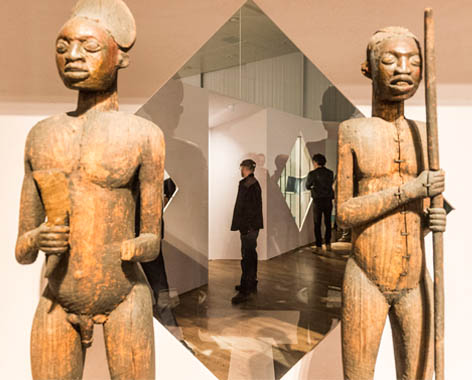
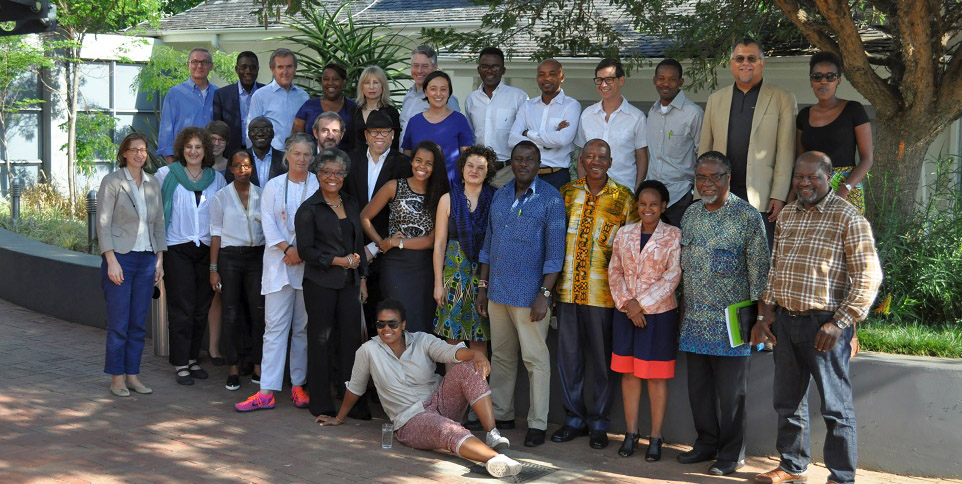
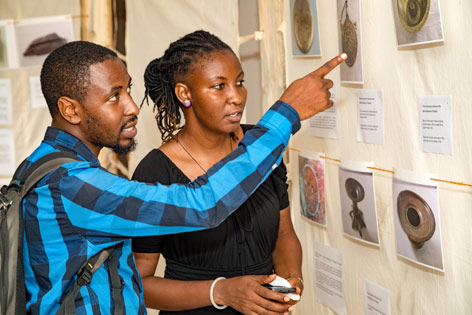
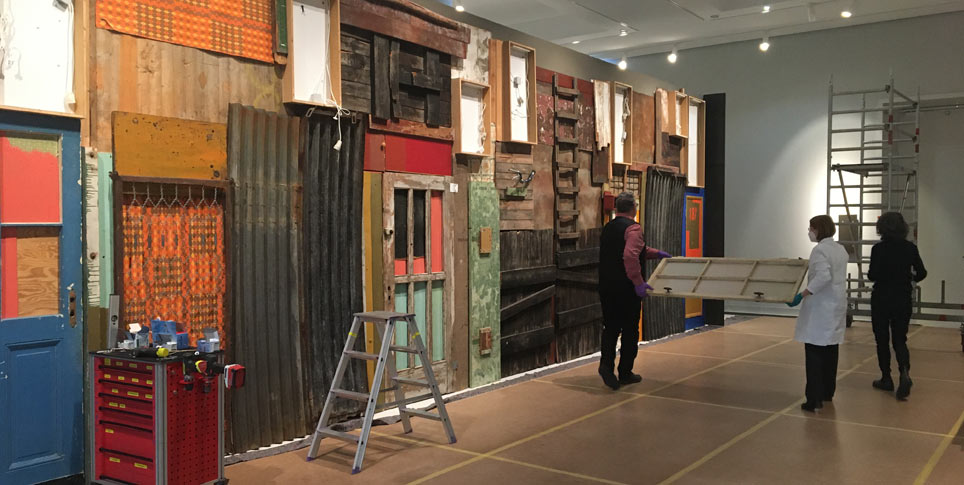
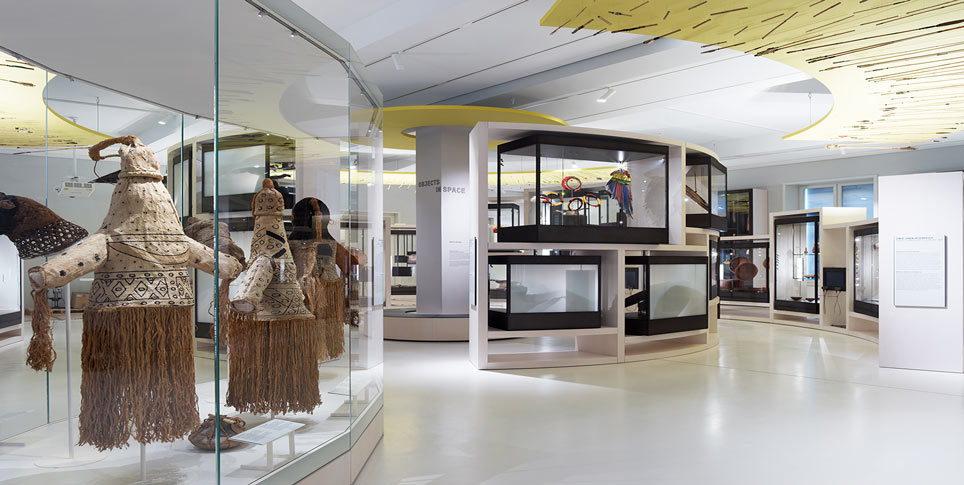
Visitors at the exhibition ‘Living Inside the Story / Humboldt Lab Tanzania’ (February 2017). © Pavel Desort Photography
A special section within the Japan Galleries is dedicated to the cultures of the tea ceremony. As in Dahlem, there will also be a tea room here; however, we hope that this one at the Humboldt Forum will have a contemporary design. We are very much looking forward to this, as it will be located for the first time in a room with windows and a view, rather than in a ‘white cube’ as in Dahlem. In Japanese architecture, the connection between interior and exterior space is very important.
How else does the new presentation differ from the previous exhibition in Dahlem?
The existing Japan galleries in Dahlem are primarily organised by genre, with each displayed in its own room: decorative arts, painting, printmaking and sculpture. The only exception to this so far has been the Naumann Collection. At the Humboldt Forum, we are aiming for a completely different arrangement. We plan to present the objects thematically, combined with chronological and regional focuses.
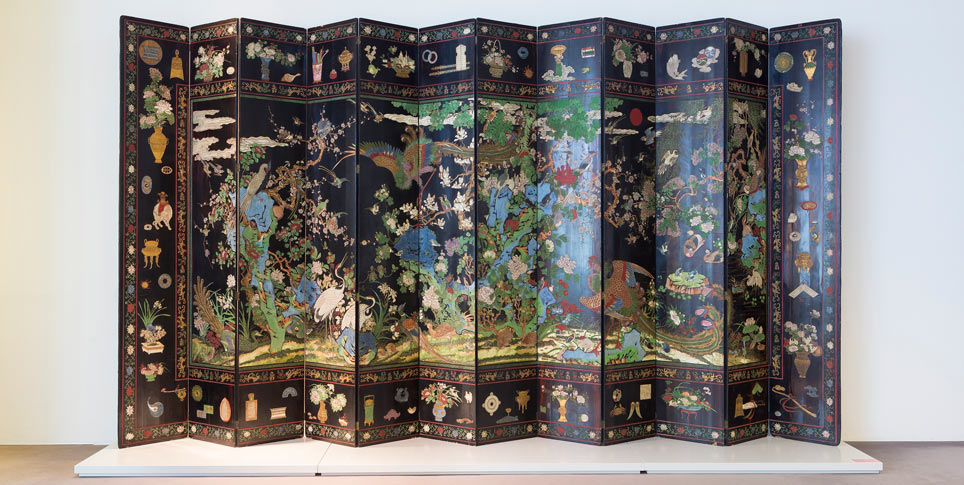
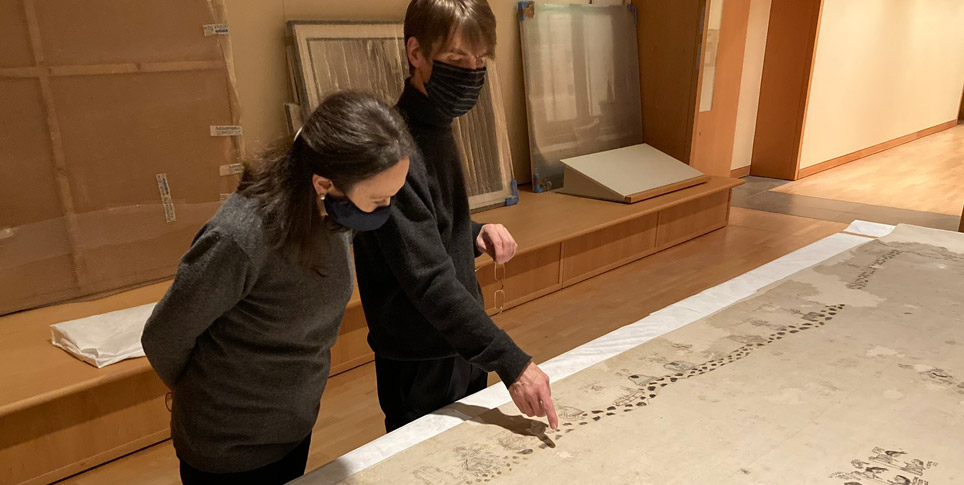
We will be able to present the recently acquired folding screens in a suitable setting for the first time. They will have their own room and will be on display there on open pedestals. We hope that this will create an atmosphere similar to that found in a Japanese ceremonial building. Given the architecture of the palace, this may well create a very interesting transcultural connection.
What does all this have to do with our lives today?
In one of the thematic sections, for example, we will explore the question of urbanism and the emergence of large cities. This is a phenomenon that began much earlier in Japan than, for instance, here in Berlin. Tokyo – then known as Edo – had already surpassed the one-million-inhabitant mark by the early 19th century. This is a theme we will be exploring. Thus, extreme urbanisation not only had social consequences but also made itself felt in visual culture. Parallel to this development, there was a printing revolution: woodblock prints, for example, were now being consumed en masse by the growing urban population. This also means that pictorial themes and representational conventions, which initially emerged in individual painted works, have now become widely disseminated. This contributed to the popularisation of culture, but also to the formation of a canon in art. We wish to address such developments.
Furthermore, there will be very direct opportunities for visitors to participate. For example, we are collaborating with local Berlin communities that organise tea gatherings. Here, we plan to hold regular tea ceremonies.
What is your favourite object and why?
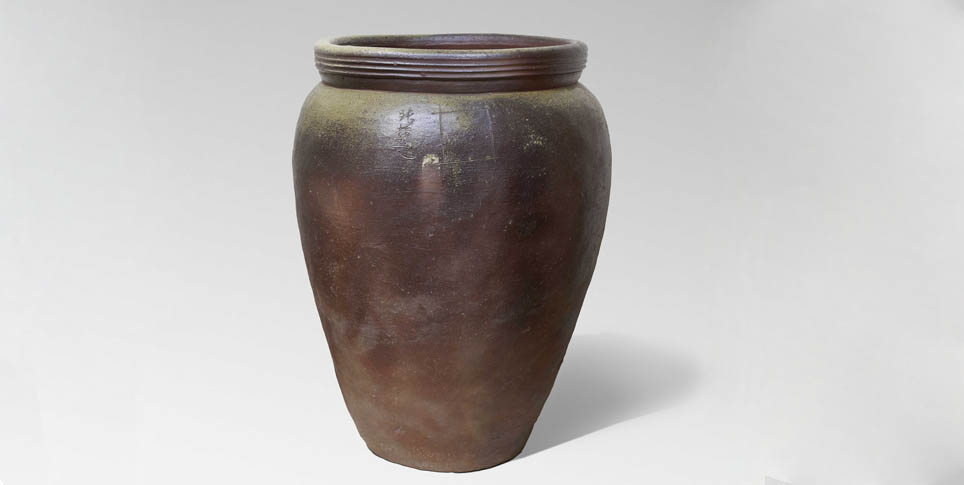
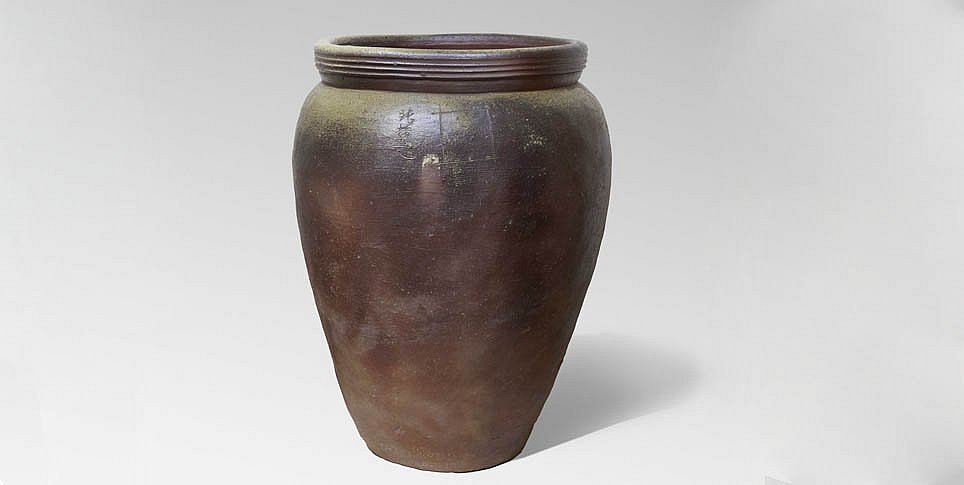
One particular Japanese ceramic piece will likely be on permanent display at the Humboldt Forum. As it is relatively large, it will be difficult to replace. Standing at around 1.10 metres tall, it is the largest ceramic in our collection. The storage vessel is so wide that I could easily hide inside it – but of course that is not the main reason why I like this ceramic so much. It is the versatility of this object.
This storage vessel was probably used to store rice or liquids. Buried slightly into the ground, the vessel helped maintain the temperature. Vessels like this were also installed beneath the stages of Nō theatres to serve as resonance chambers. When the actor stamped his foot at a particularly dramatic moment, it produced a wonderful acoustic effect. In some cases, such vessels were also used for much more mundane purposes in the sanitary areas of castle buildings. My favourite object thus combines a whole range of functions: from a functional object to the realms of the performing and visual arts.