Jonathan Fine, Director of the Ethnological Museum at the Berlin State Museums, recounts the history of the Benin Bronzes and explains why cultural heritage is far more than just objects on display
Mr Fine, the Benin Bronzes have become emblematic of the debates surrounding the restitution of objects from the colonial era. What exactly are these bronzes?
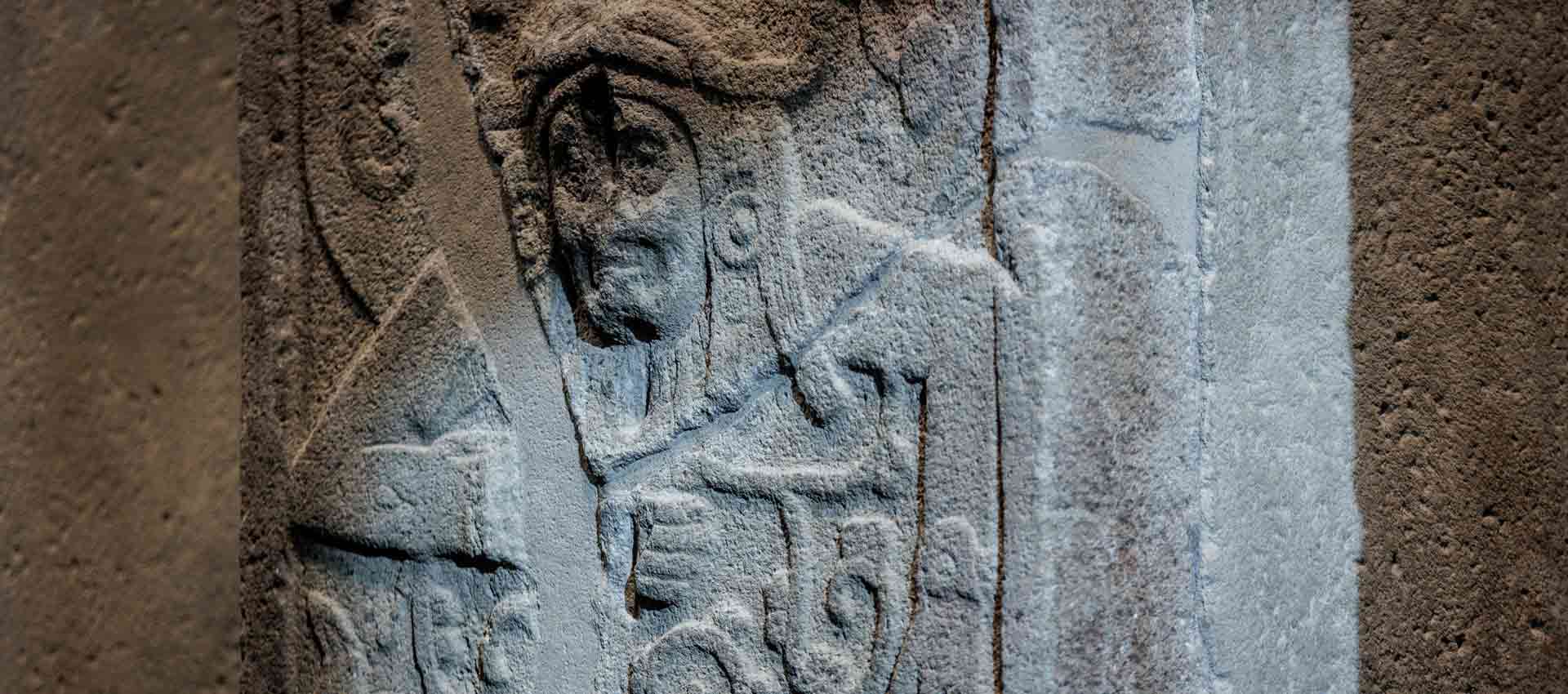
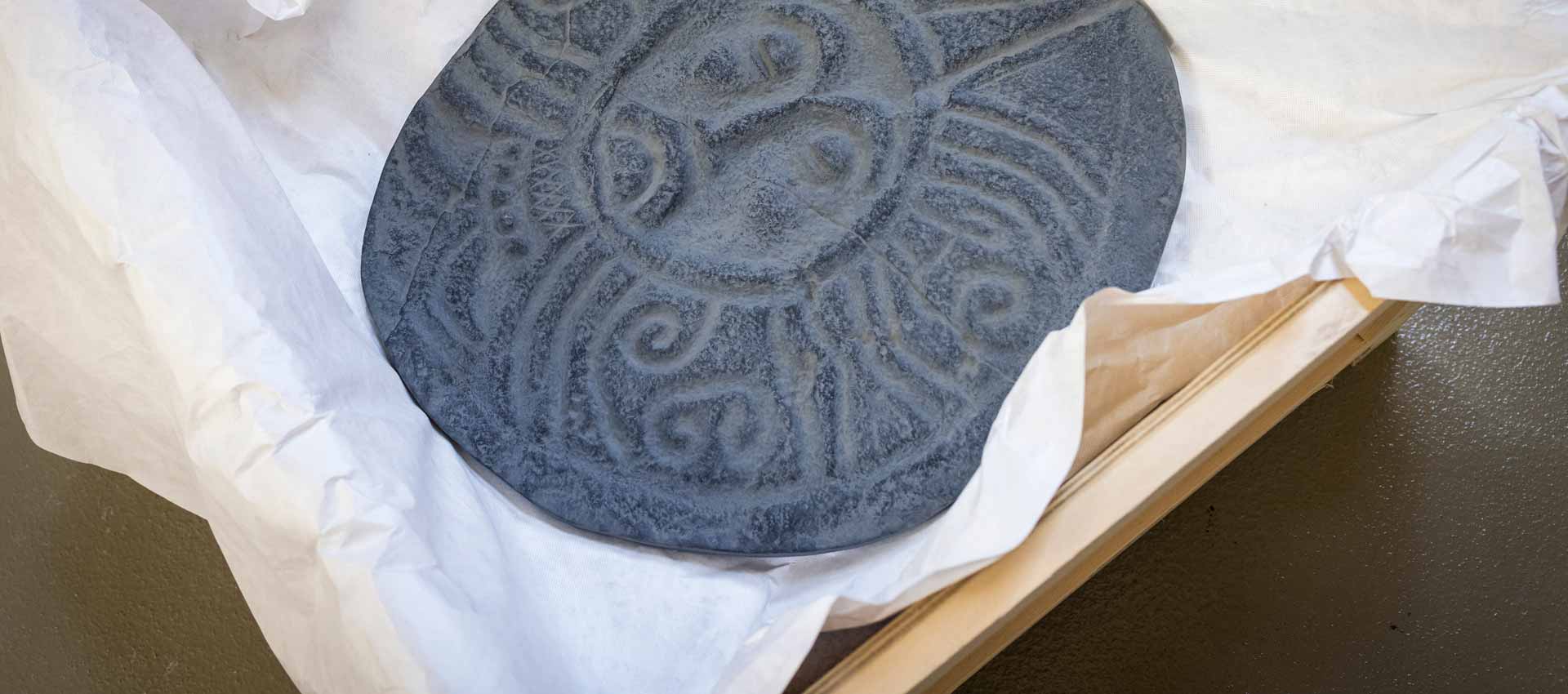
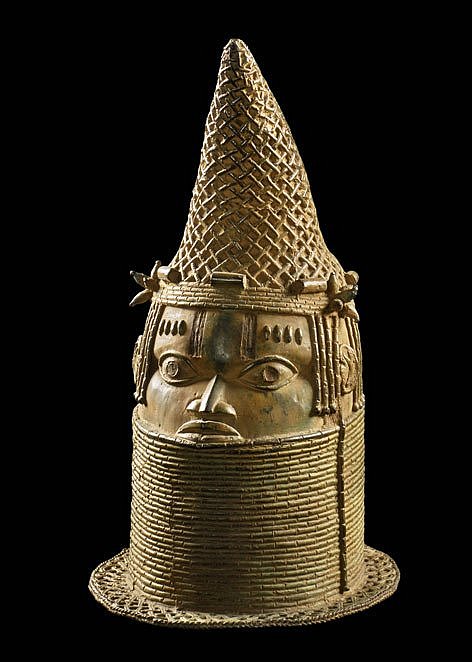
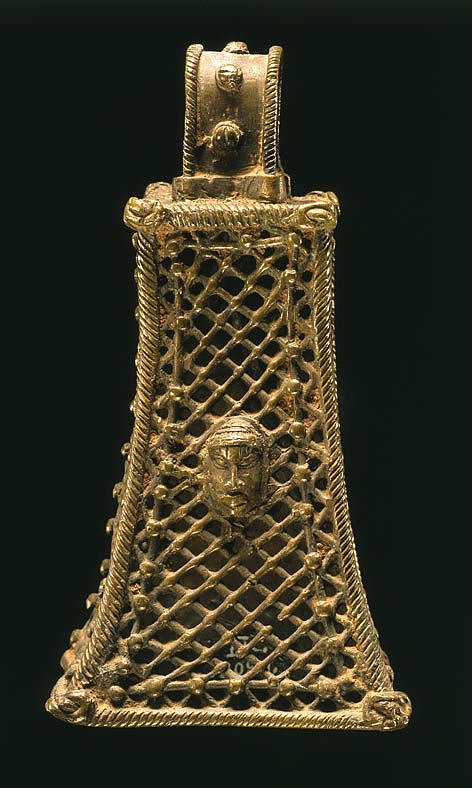
Jonathan Fine: It is a collective term for historical objects from the Kingdom of Benin. Many of them are connected with life at the court of the Oba, the king. The best known are the relief panels, which probably date from the mid-16th century. These adorned a reception hall in the palace and depict scenes from history and court life. But not all are made of bronze; many of the metal objects are made of iron or yellow cast metal – a process that uses wax moulds. In addition, there are many other objects, primarily made of ivory, coral and wood, which were also very closely associated with the splendid life of the dynasty.
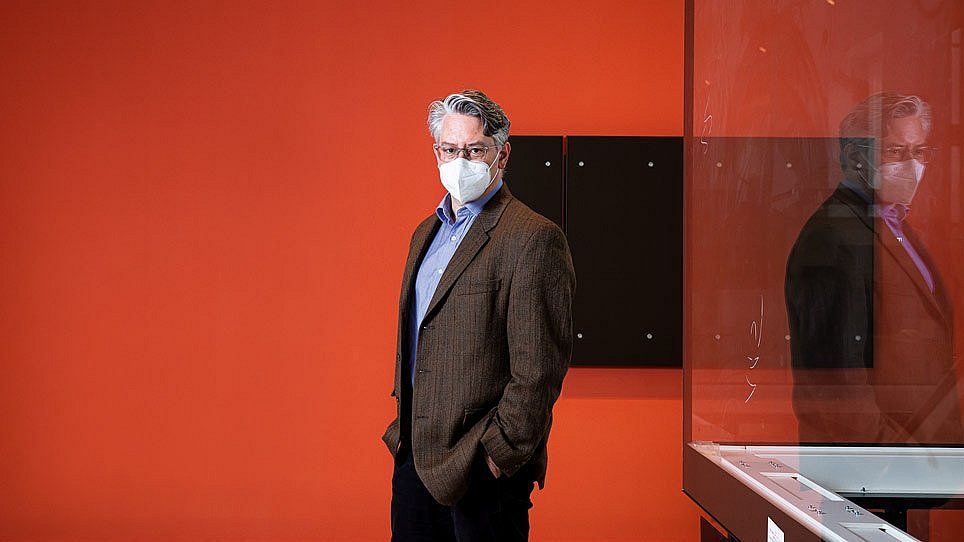
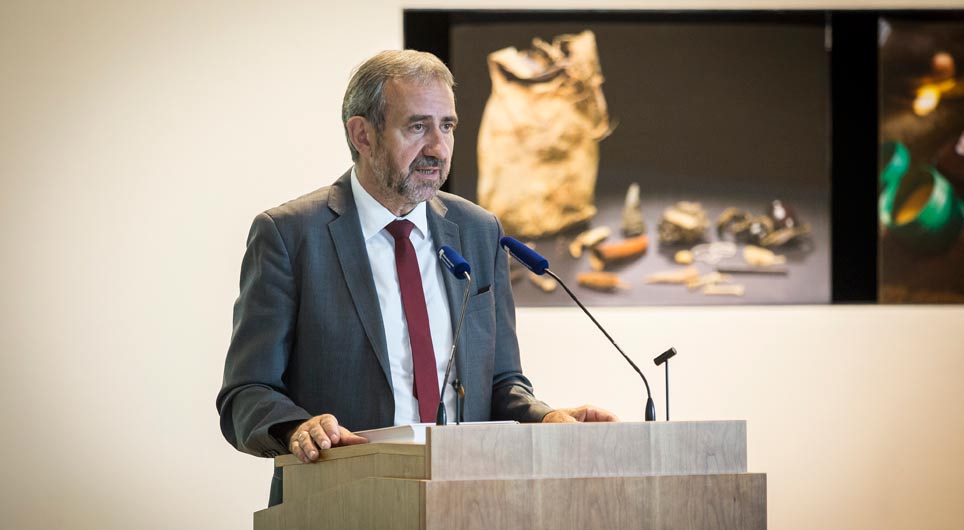
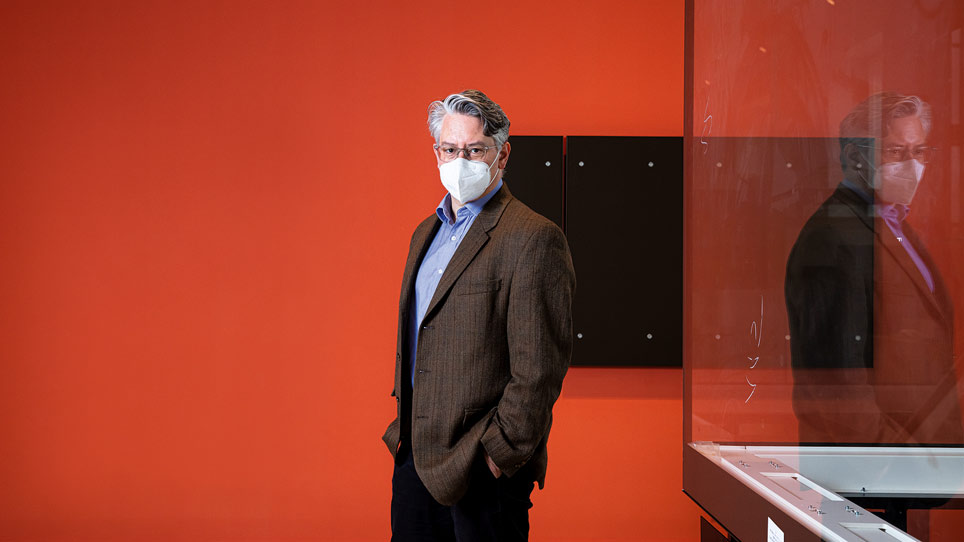
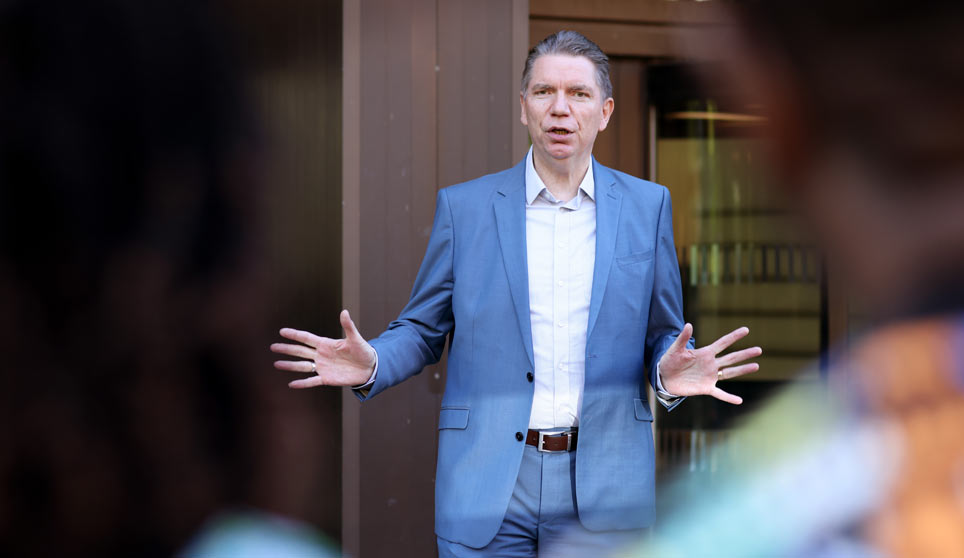
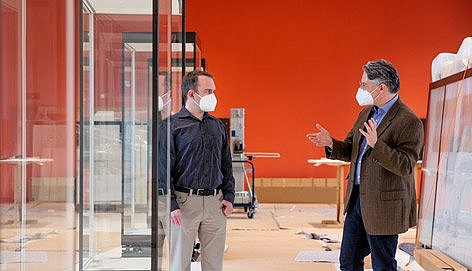
Jonathan Fine © SHF / David von Becker
So Benin was a cultural hub?
Yes, but during the colonial era, an image of Africa was constructed in which it was portrayed as cut off from world history. This also served to justify colonialism, because a region regarded as an equal would probably not have been evangelised and colonised.
So the kingdom existed long before colonisation?
The history of Benin, located in present-day Nigeria, stretches back almost 1,000 years. The dynasty of the current king has held the throne for around 500 years, making it one of the oldest ruling families in the world. Benin was very powerful for a long time and, from the 16th century onwards, participated in the global trade in ivory and spices, but probably also in enslaved people. In 1897, the British sought to incorporate Benin into their colonial empire; they invaded, conquered and plundered.
In the process, numerous works of art were looted. How did so many of them end up in Germany so quickly?
Interest in Germany was sparked by Justus Brinckmann, the founding director of the Museum für Kunst und Gewerbe in Hamburg. Felix von Luschan, then curator at the Museum für Völkerkunde in Berlin, attended one of his lectures. He was enthusiastic and quickly purchased many objects in London, but he also wrote to his contacts in Africa to ask if they could look for such pieces. Among other things, the German consul in Lagos put around 80 objects on the market, which von Luschan then purchased. I would say that a large part of the Berlin collection was acquired before 1910. But without the British conquest, the trade in treasures from Benin would have been unthinkable. That is why we recently decided, together with Monika Grütters, Minister of State for Culture and Media, that there must be substantial restitutions.
So the objects were already considered valuable when they were acquired?
Initially, they didn’t cost much on the market. But then German scholars declared them to be important testimonies to ancient civilisations in Africa. At the same time, this effectively downgraded the artistic craftsmanship in Benin at the end of the 19th century: it was claimed that people there were no longer capable of working as they once did. This reinforced racist stereotypes of Africans as inferior and their civilisation as degenerate.
The Nigerian writer Wole Soyinka has said that when he sees these bronzes, the image of an ancient civilisation immediately springs to mind.
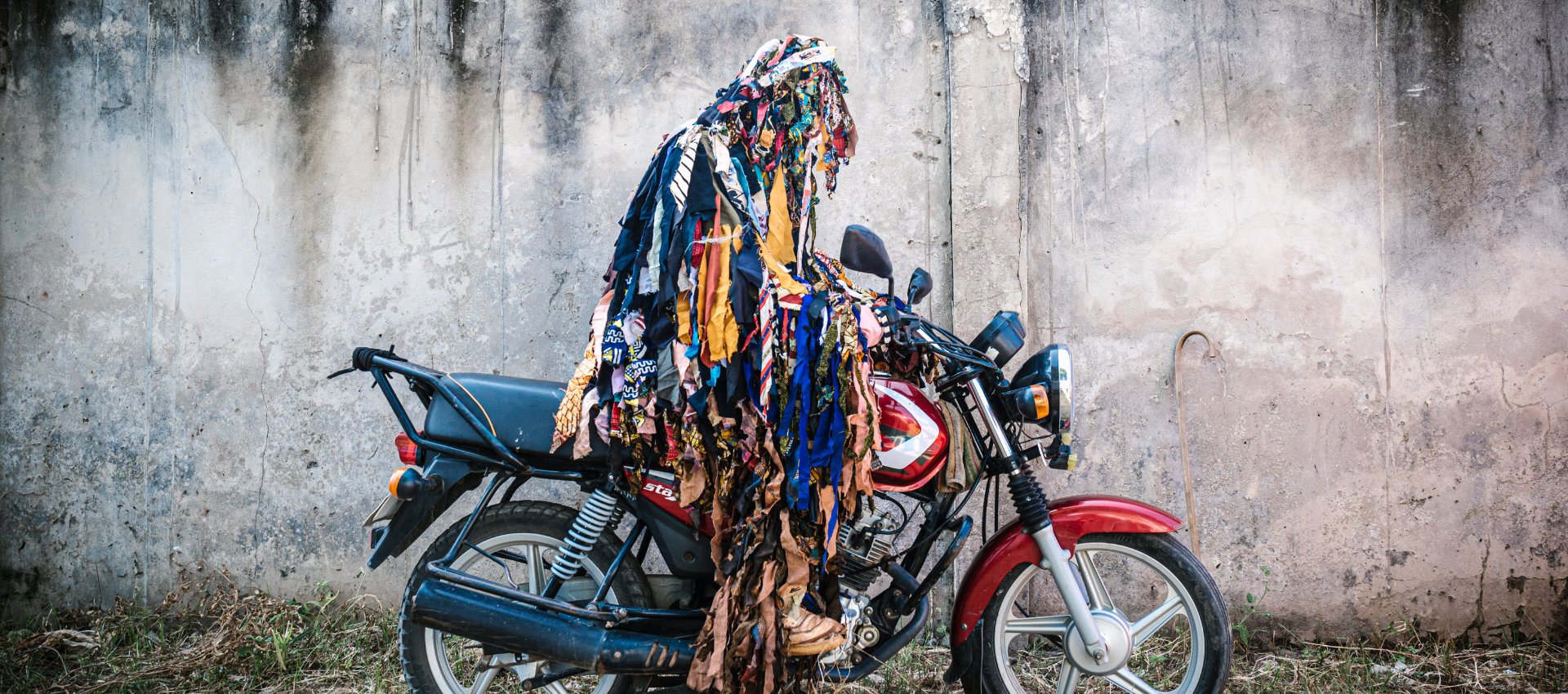
The wonderful thing is that this civilisation is still alive. Artists in Benin City are still casting today – and with great skill. New media have been added to this, and the university in Benin City is a very significant art school in Nigeria. But Soyinka’s statement also points out that many of the historical objects are far removed from the people living in Benin City and Nigeria today. How do we deal with this? Is it right that one has to travel to London, Paris or Berlin to see the bulk of this artistic heritage? For many, that is not possible.
Looted art is inextricably linked to the emergence of the modern museum. For example, many masterpieces of the Italian Renaissance were gathered at the Louvre in Paris. Everything of importance was to be brought together in this place.
In a sense, the Louvre is the original museum. It houses the objects that Napoleon plundered in Europe and North Africa. This makes it clear that collections are not neutral and that they are always part of the negotiation of political relations. We live in an age in which we are attempting to renegotiate these relationships, which museums have embodied for centuries. This is an immensely important process.
What role should the Humboldt Forum play in this?
Ideally, the Humboldt Forum will take these debates to the next level and make them socially relevant to a broad audience. Not just in academic circles, not just in the arts pages, but for the people who visit the Humboldt Forum in Berlin.
Should it be a universal museum, like the Louvre?
I don’t think so. It cannot claim to represent the whole world. But the Humboldt Forum can provide a platform for many stakeholders to seek answers to questions regarding the collections.
One of these questions is: do museums in Africa not need their own collections in order to engage in dialogue with museums in Europe as equal partners?
We have often emphasised that we are prepared to discuss repatriation. At the same time, I find it a pity that, in the context of the debate on repatriation, a picture of the cultural landscape in Africa is frequently painted that does not do justice to reality. For example, the National Museum in Lagos has the finest collections from Nigeria in the world, leaving New York, London, Paris and Berlin far behind. Nor is it true that there are no Benin artworks to be seen in Benin City. Furthermore, the museum, as we know it here in Europe, is not the only way to bring culture to life.
Why?
Museums can be subject to critical scrutiny. They are embedded in a Western understanding of culture and social relevance. African colleagues are considering in what form they wish to adopt or adapt this concept for themselves. Their answers do not have to resemble museums in Europe, North America or Australia.
However, one often reads that a large proportion of Africa’s cultural heritage is not located on the continent.
This shows a failure to understand how rich Africa is in culture, and it places the focus on material cultural assets. In doing so, one loses sight of the intangible – music, dance, poetry, storytelling. The collections of African art and culture in Europe are snapshots of cultural production at specific points in time. As such, they reflect European notions of art at those points in time. But art continued to be produced. Statements about the alleged scarcity of cultural heritage – unfortunately – reinforce a vision of European superiority that cannot be justified.
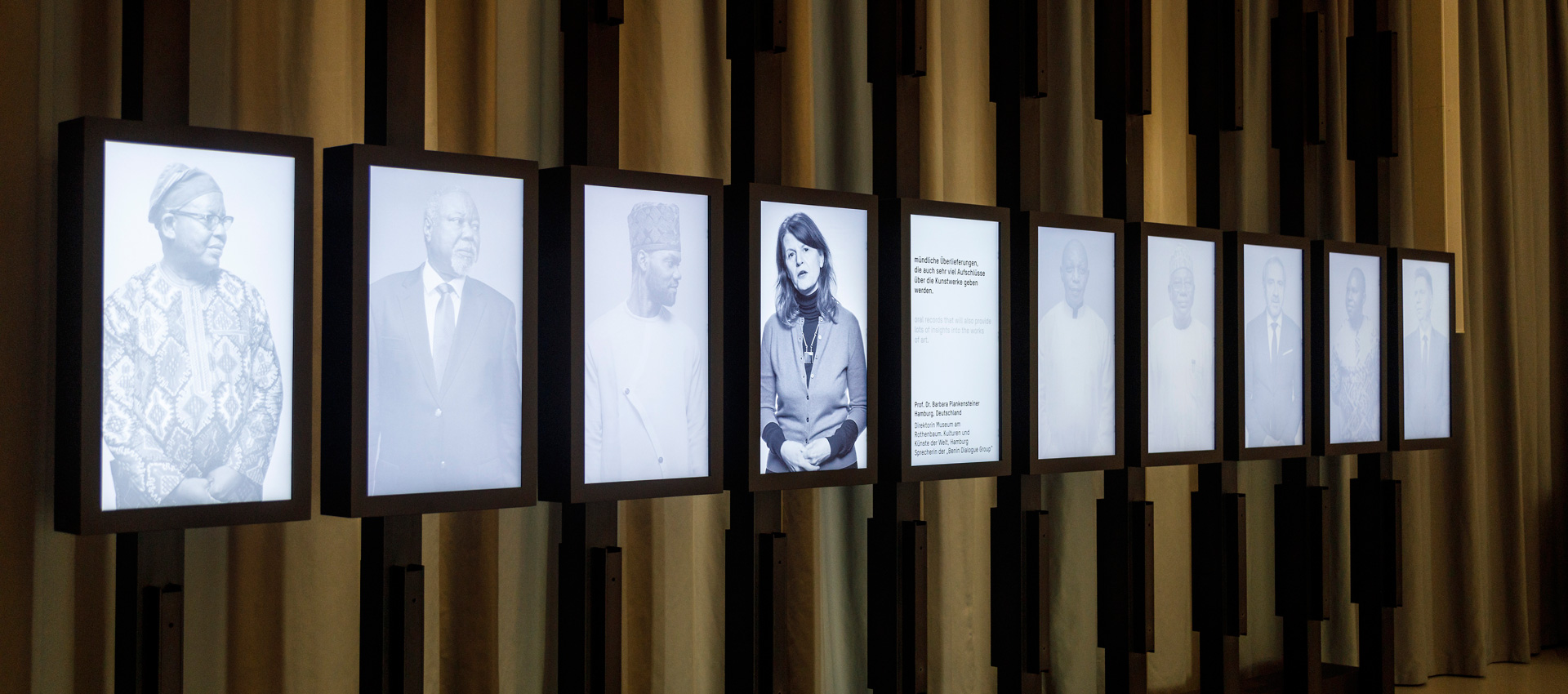
You are a member of the Benin Dialogue Group, an initiative established in 2010 that addresses these issues. What is your role there?
I represented the Ethnological Museum of the Berlin State Museums in this group. This is the first time that stakeholders from the European museum sector have come together multilaterally with colleagues from Nigeria to discuss what should happen to the scattered cultural heritage from the Kingdom of Benin. As a result, things have become possible that would not have been possible five or ten years ago, and the dialogue has led to many museums now being prepared to return artefacts.
The rhetoric surrounding restitution is at times reminiscent of the rhetoric surrounding climate change: it is about responsibility and justice for future generations – urgent issues, in other words, that need to be resolved quickly.
There is undoubtedly a need to act urgently – enough with the delays! In European collections originating from other continents, long-term human, political and cultural relationships are also being negotiated. As a researcher and curator, I must be open to dialogue and address the wishes and priorities of our partners.
What will the exhibition on the Kingdom of Benin at the Humboldt Forum look like if some of the objects are no longer there?
The issue of repatriation has been part of the exhibition from the outset. It focuses centrally on the events of 1897 in Benin, and why these objects can be seen all over the world. In Germany, there is a consensus that many of the works must be returned. The presentation is also intended to make the negotiation process transparent. When objects are returned, they can be replaced with images or 3D models, or the empty spaces can be commented on. For me, the exciting thing about this exhibition at the Humboldt Forum has always been that it aims to depict the processes in which these objects are embedded: historical, artistic, social. And when you set yourself the goal of depicting a process, change is inevitable.
The interview first appeared in the Humboldt Forum magazine