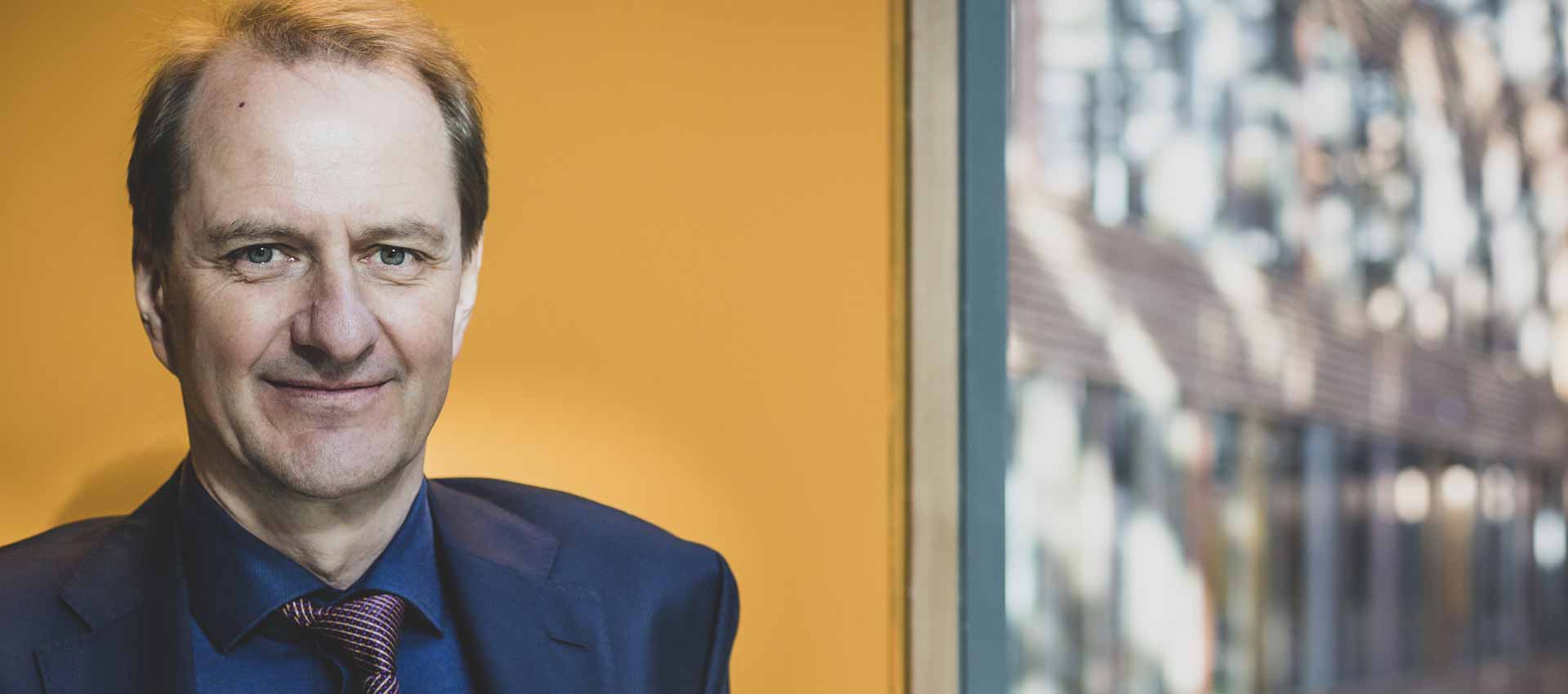
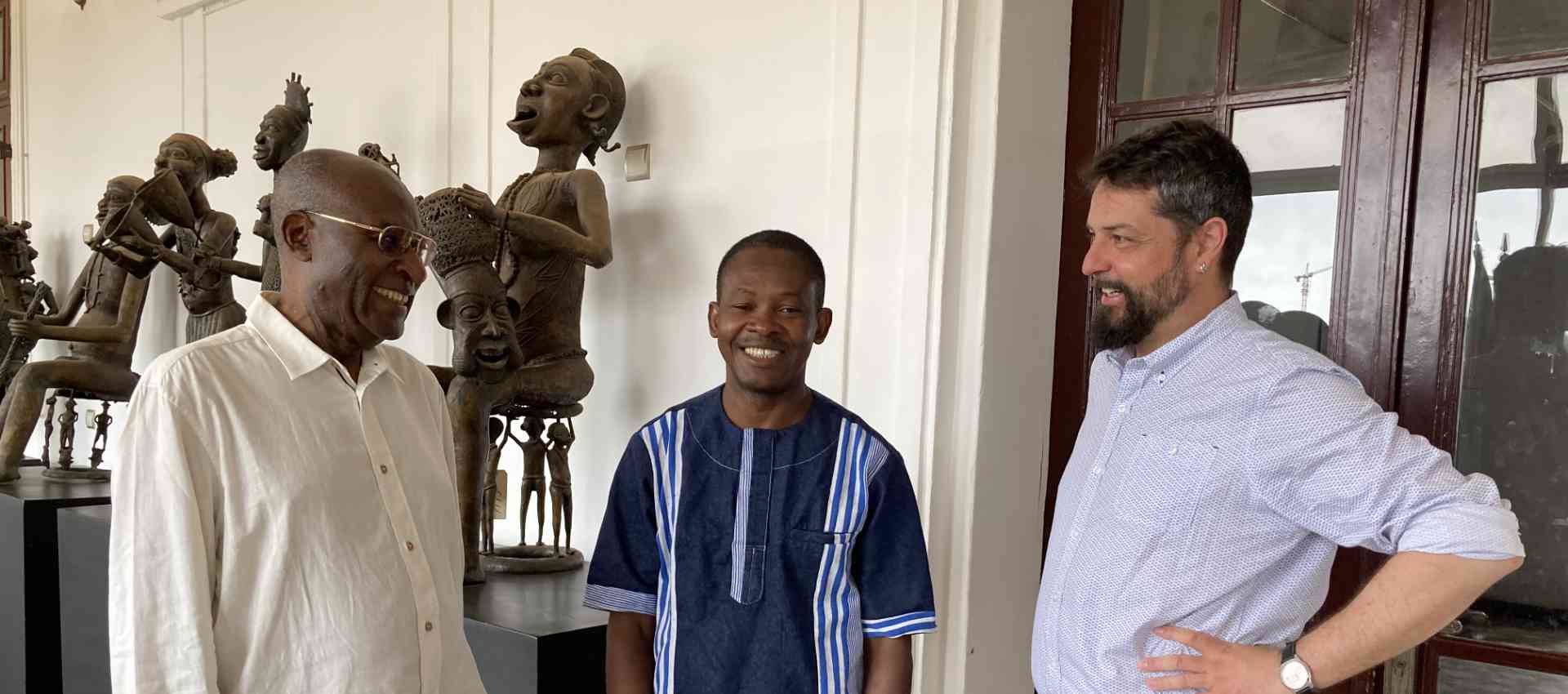
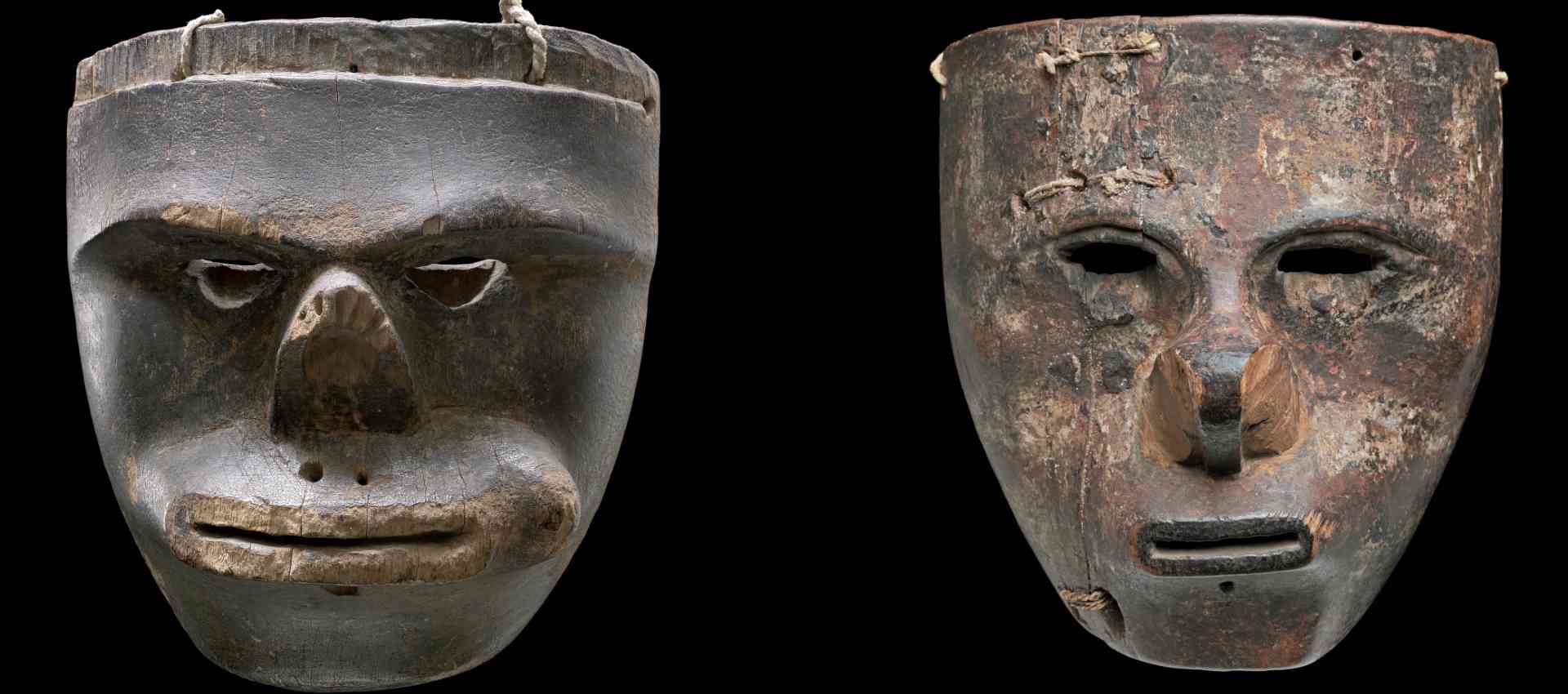
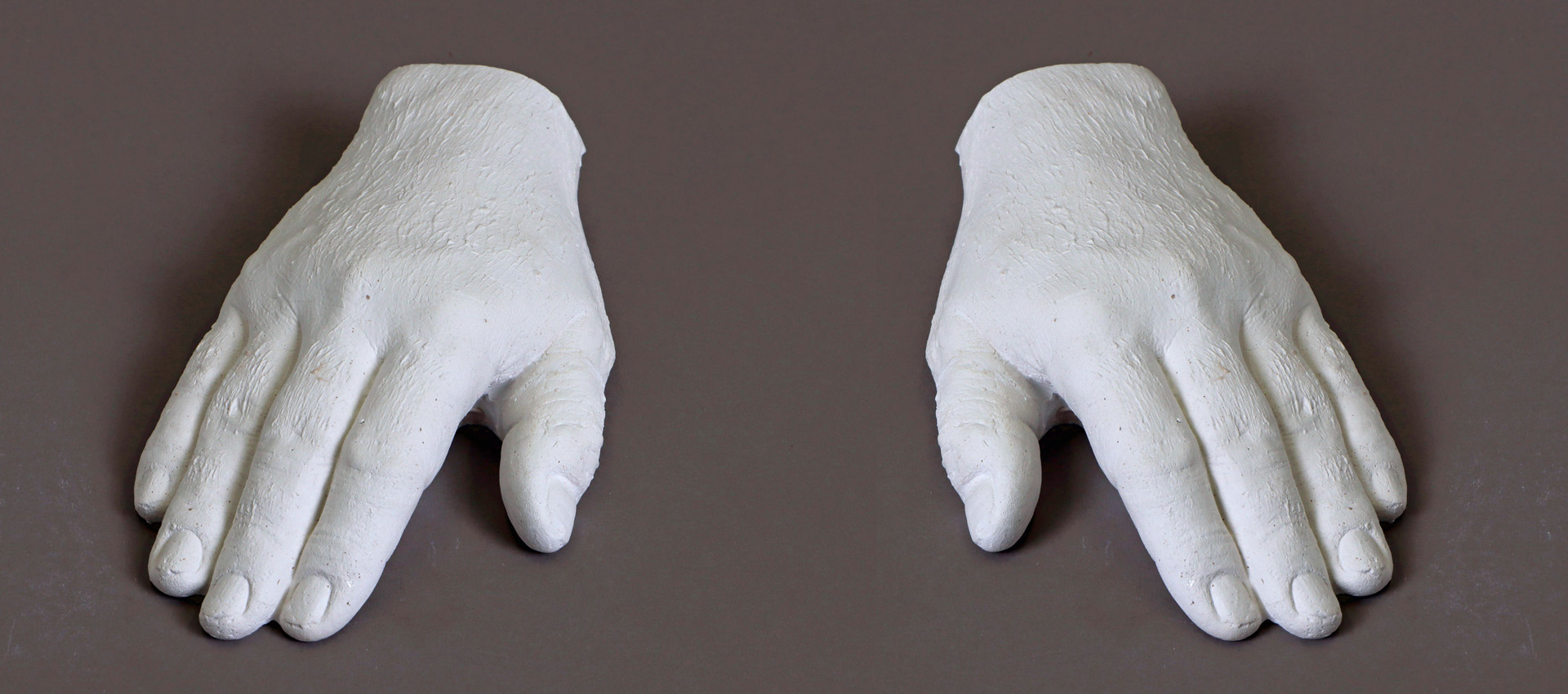
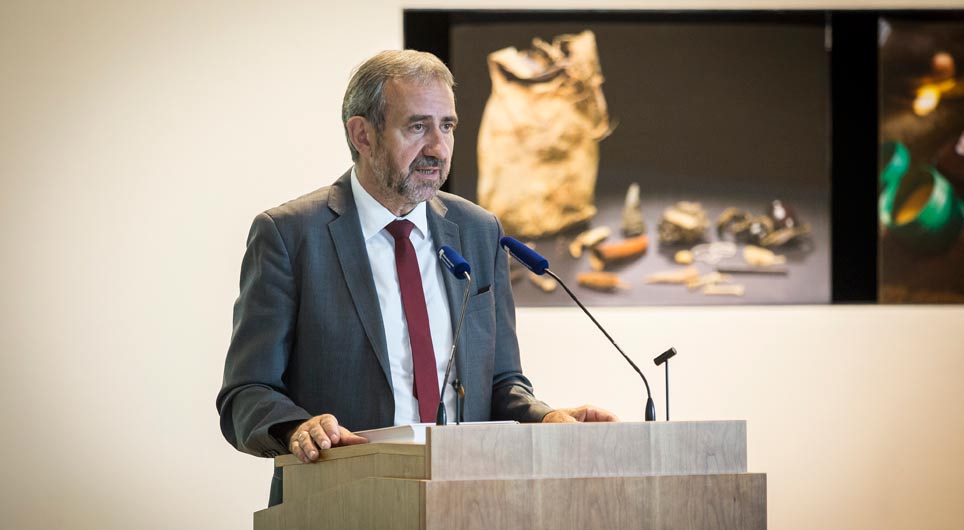
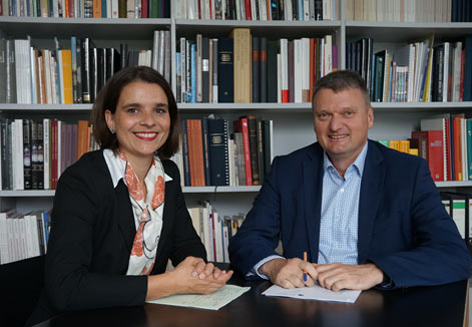
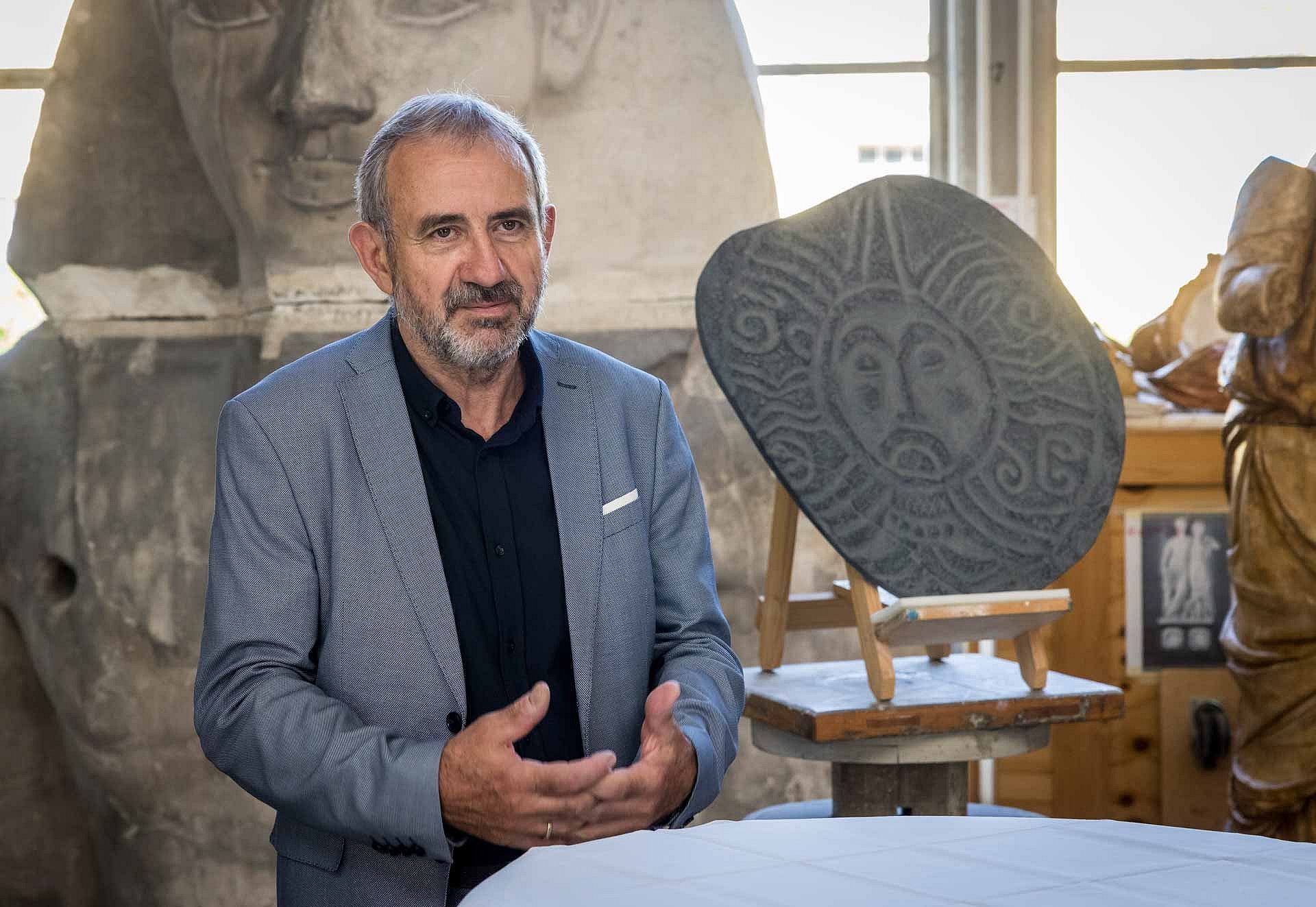
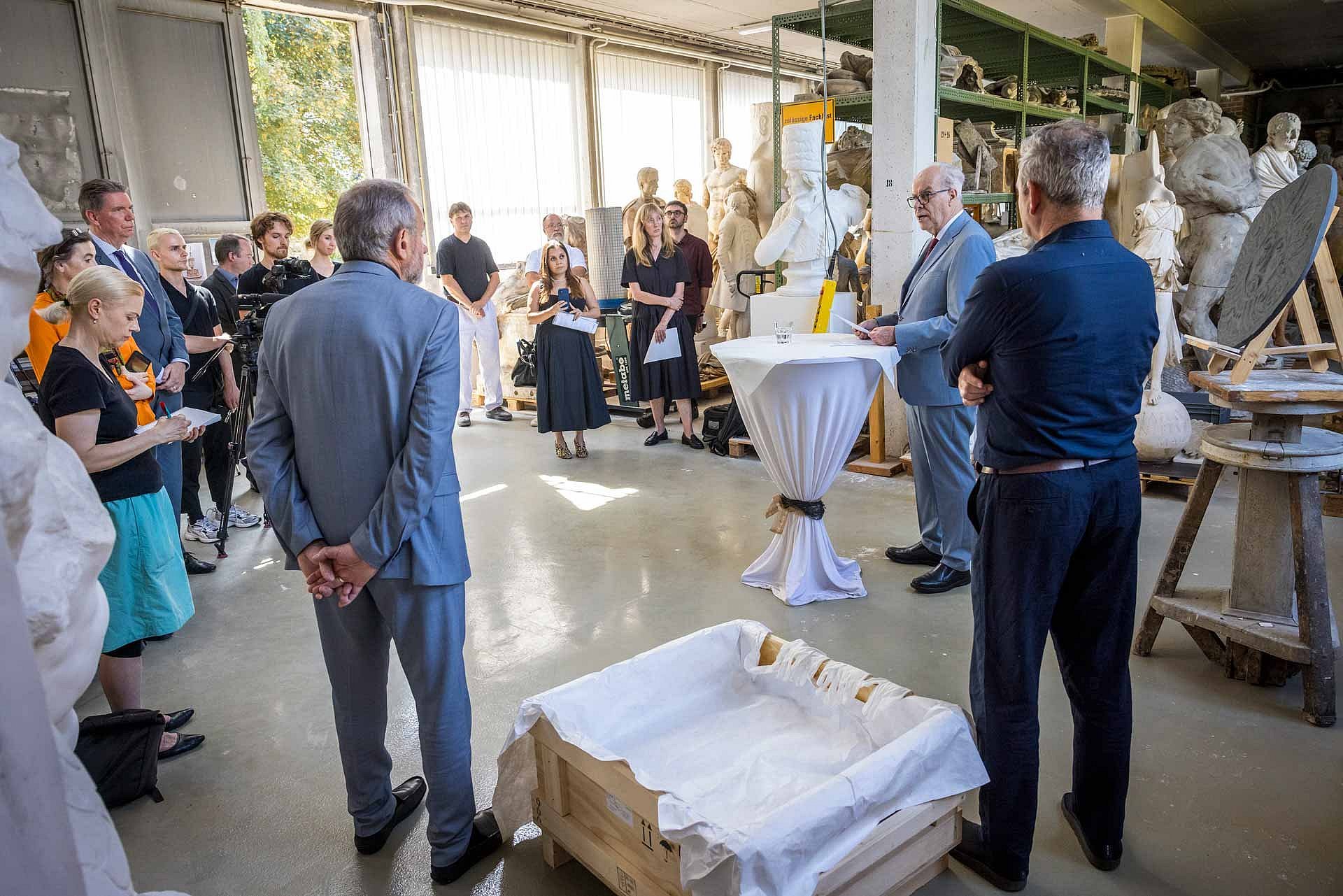
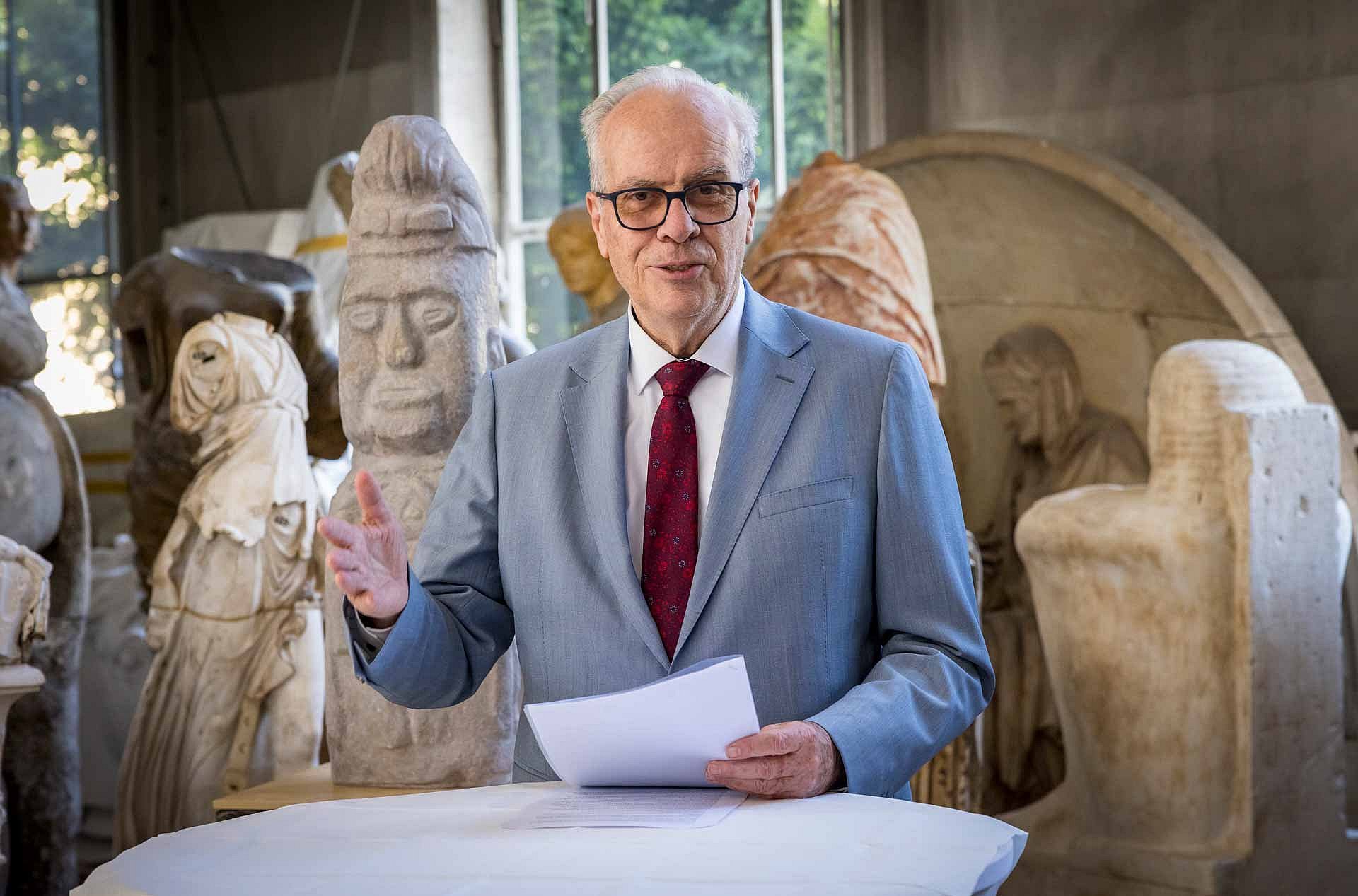
On 18 July 2024, a ceremony was held at the plaster casting workshop of the Berlin State Museums, attended by the Ambassador of the Republic of Guatemala, H.E. Jorge Alfredo Lemcke Arevalo, to mark the handover of two replicas to the Guatemalan Museo Comunitario Yalambojoch. The plaster casts of objects from the Ethnological Museum’s collection, handcrafted by the plaster casting workshop, will in future serve to convey local indigenous knowledge.
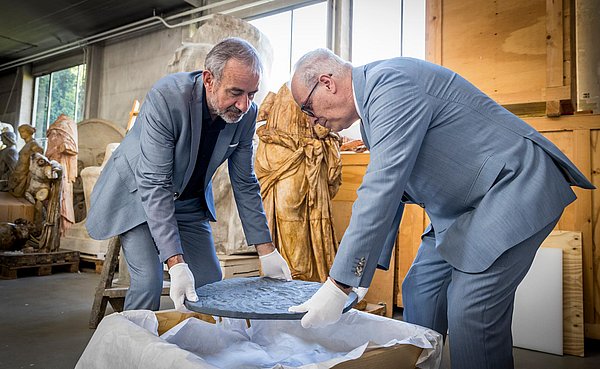
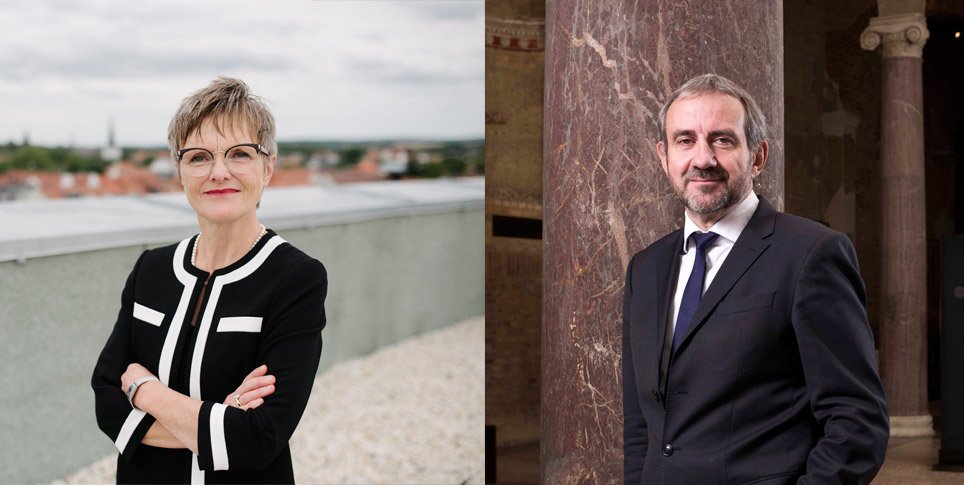
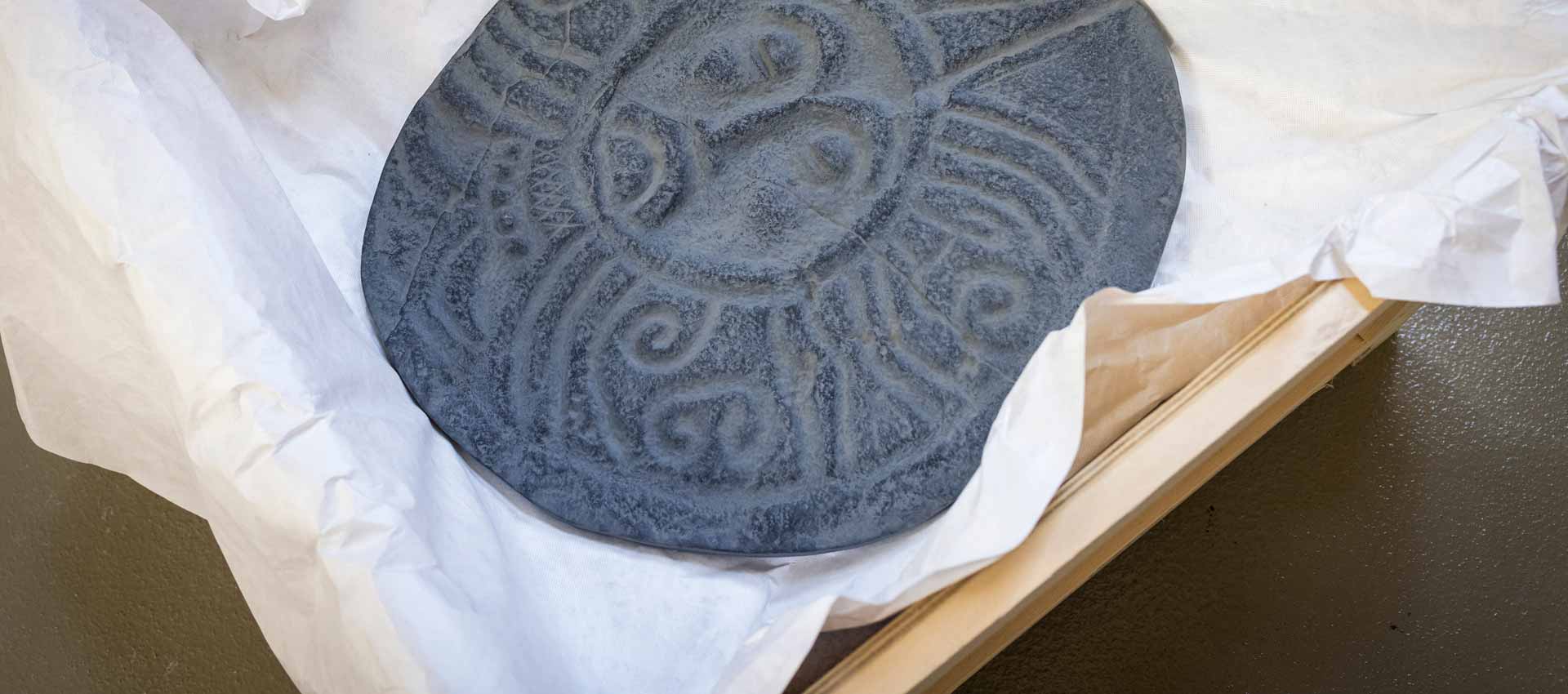
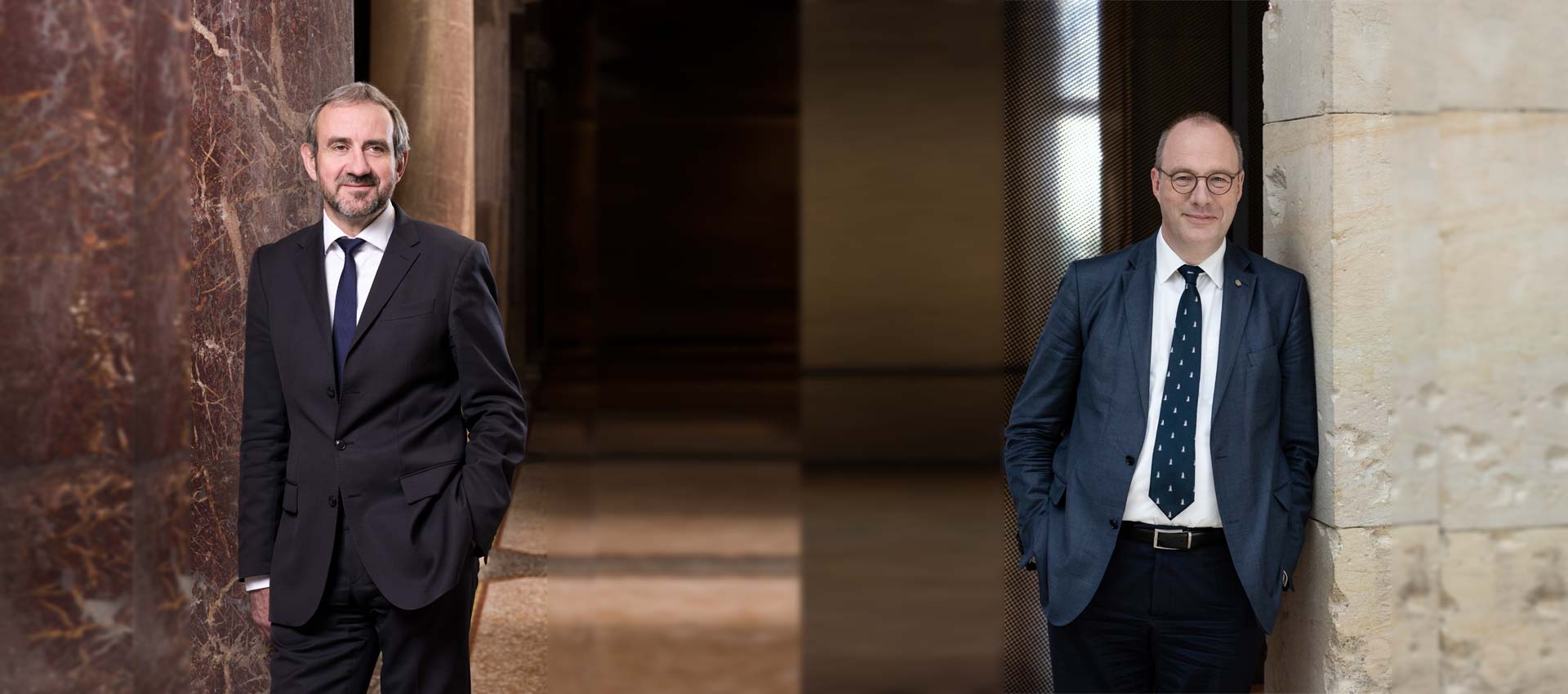
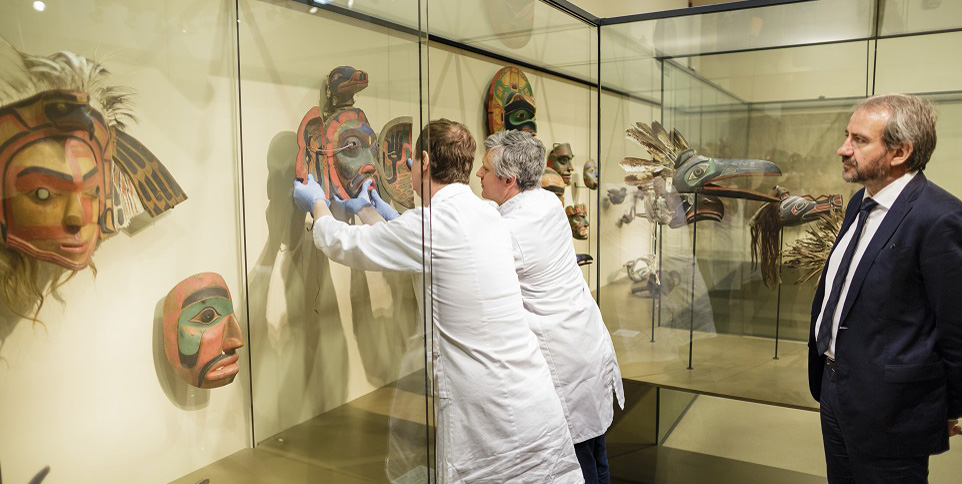
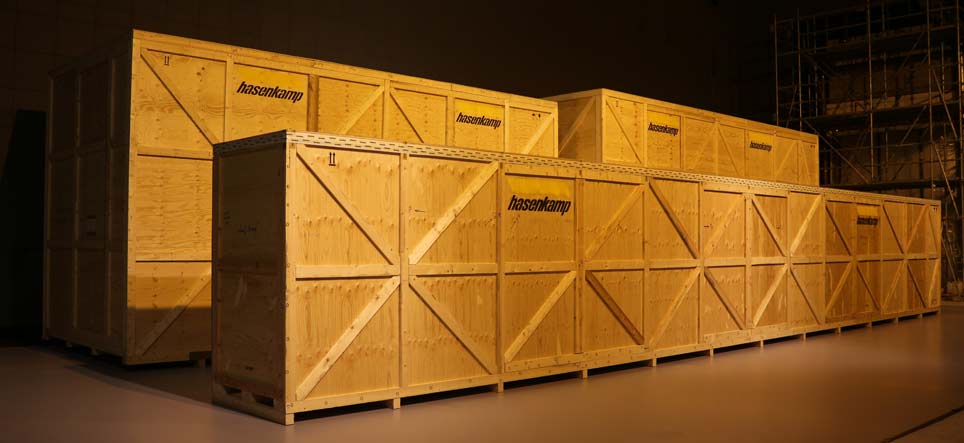
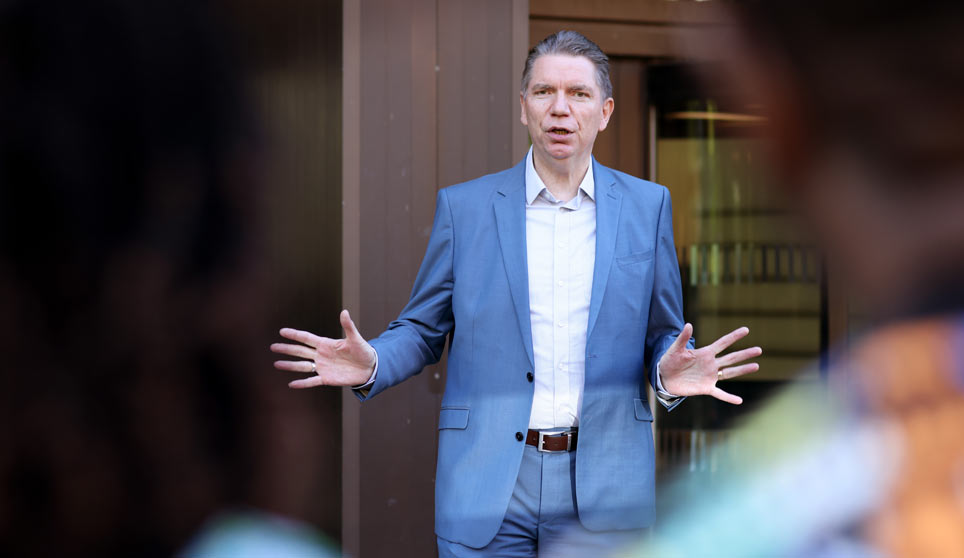
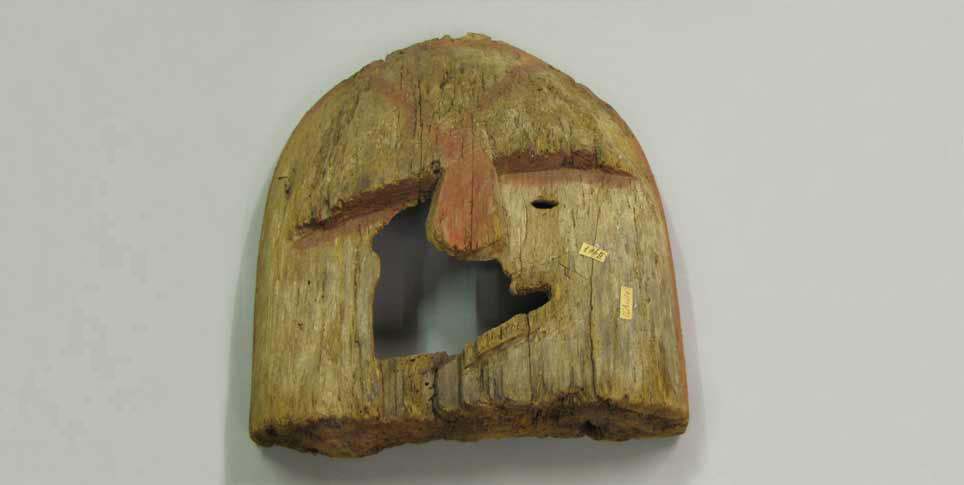
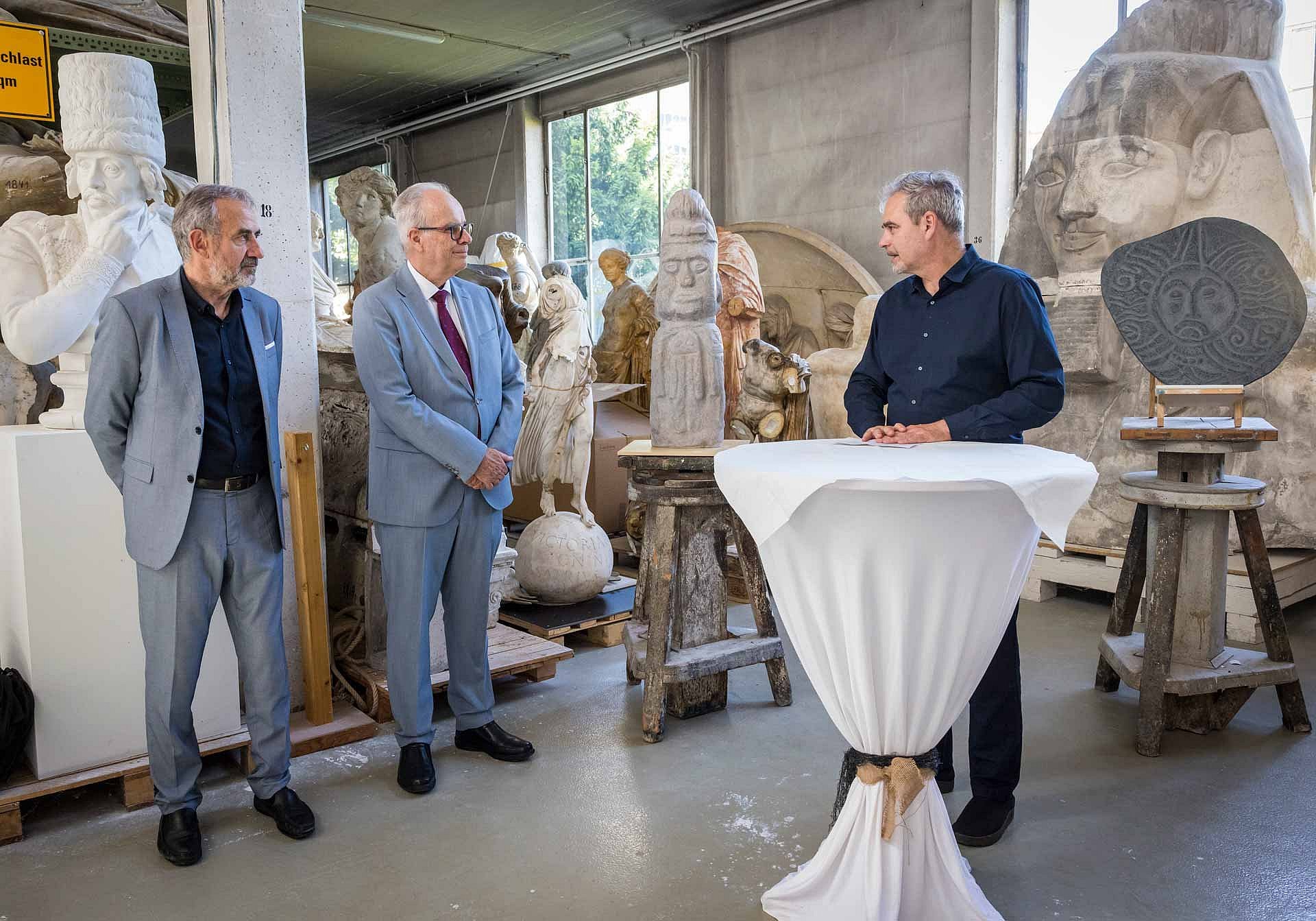
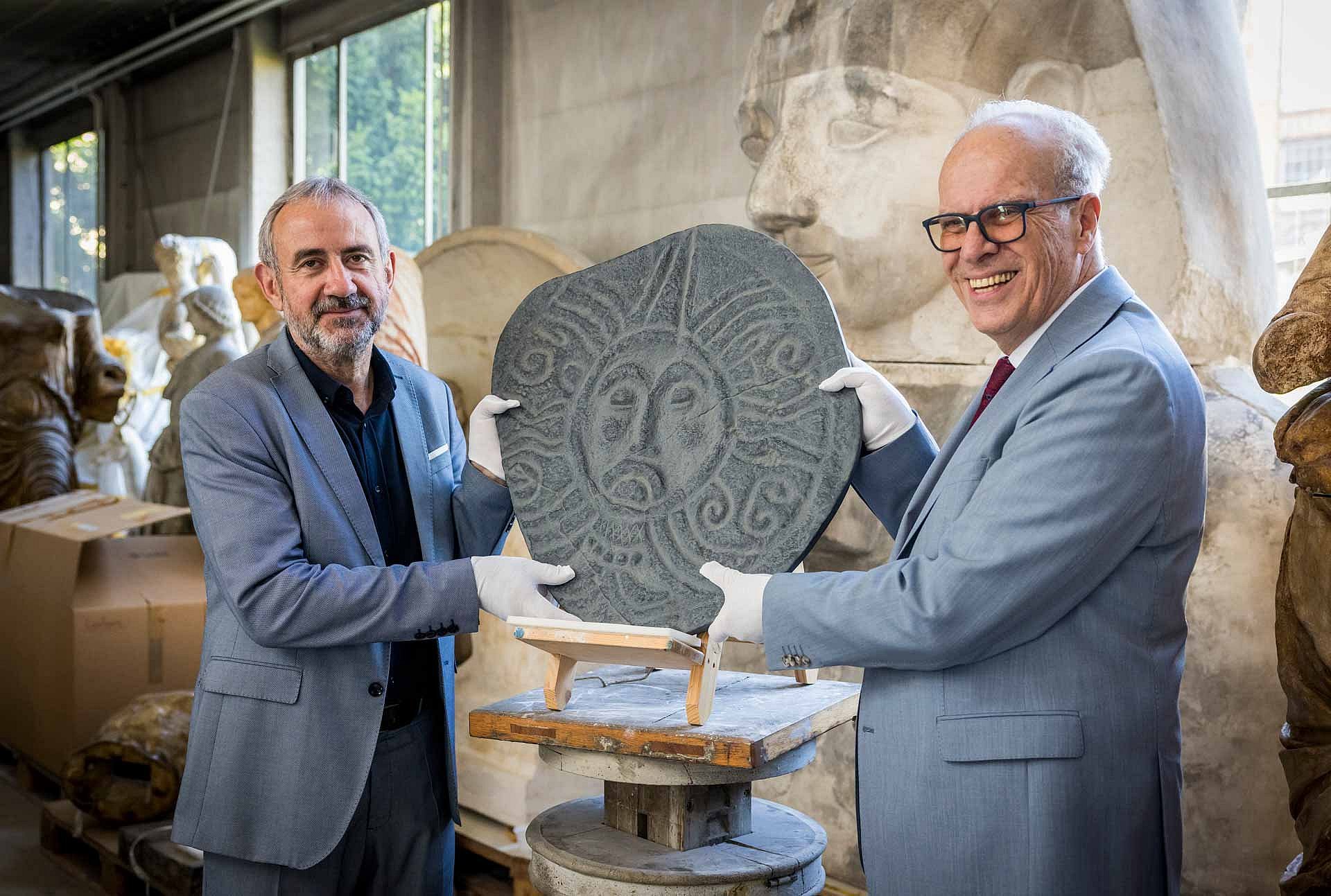
His Excellency Jorge Alfredo Lemcke Arevalo, Ambassador of the Republic of Guatemala, and Hermann Parzinger, President of the SPK, carefully lift the large sun stone from its mounting frame and place it gently into the prepared transport crate. From here, the replica – which bears a striking resemblance to the genuine stone – will embark on its journey across the Atlantic to northern Guatemala in the coming weeks. There, the handcrafted plaster casts will be exhibited at the Museo Comunitario Yalambojoch and will serve to convey local indigenous knowledge.
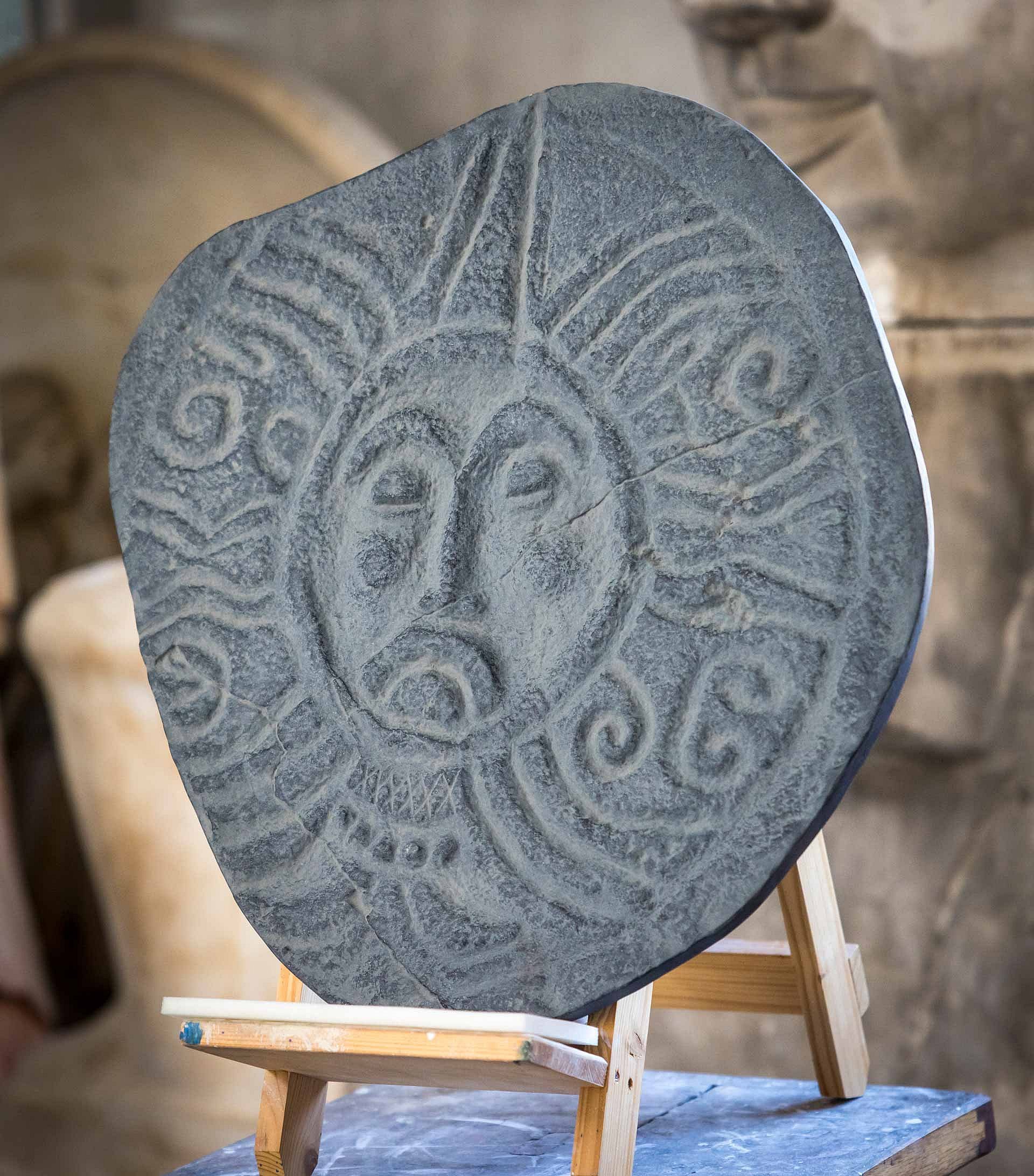
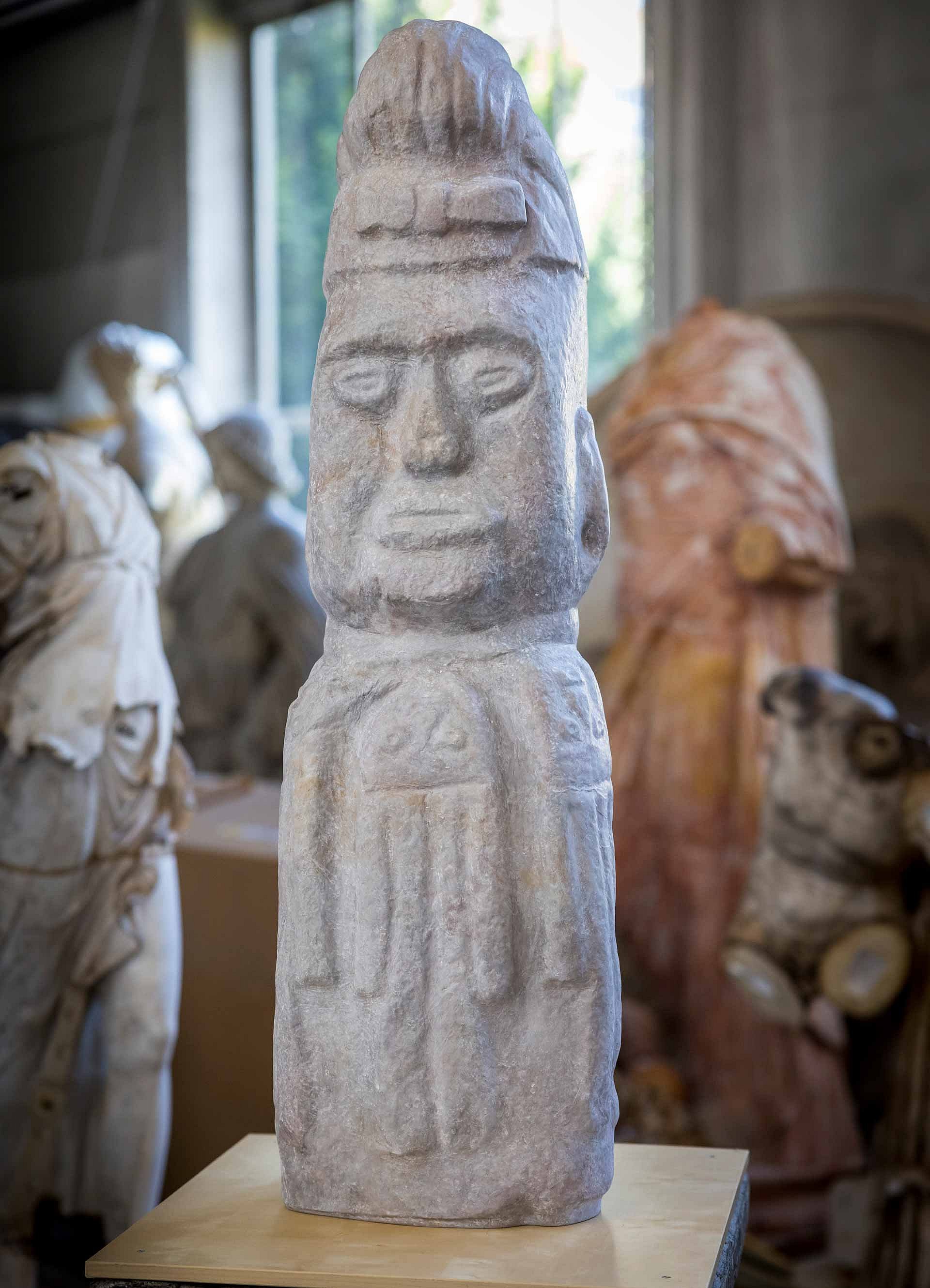
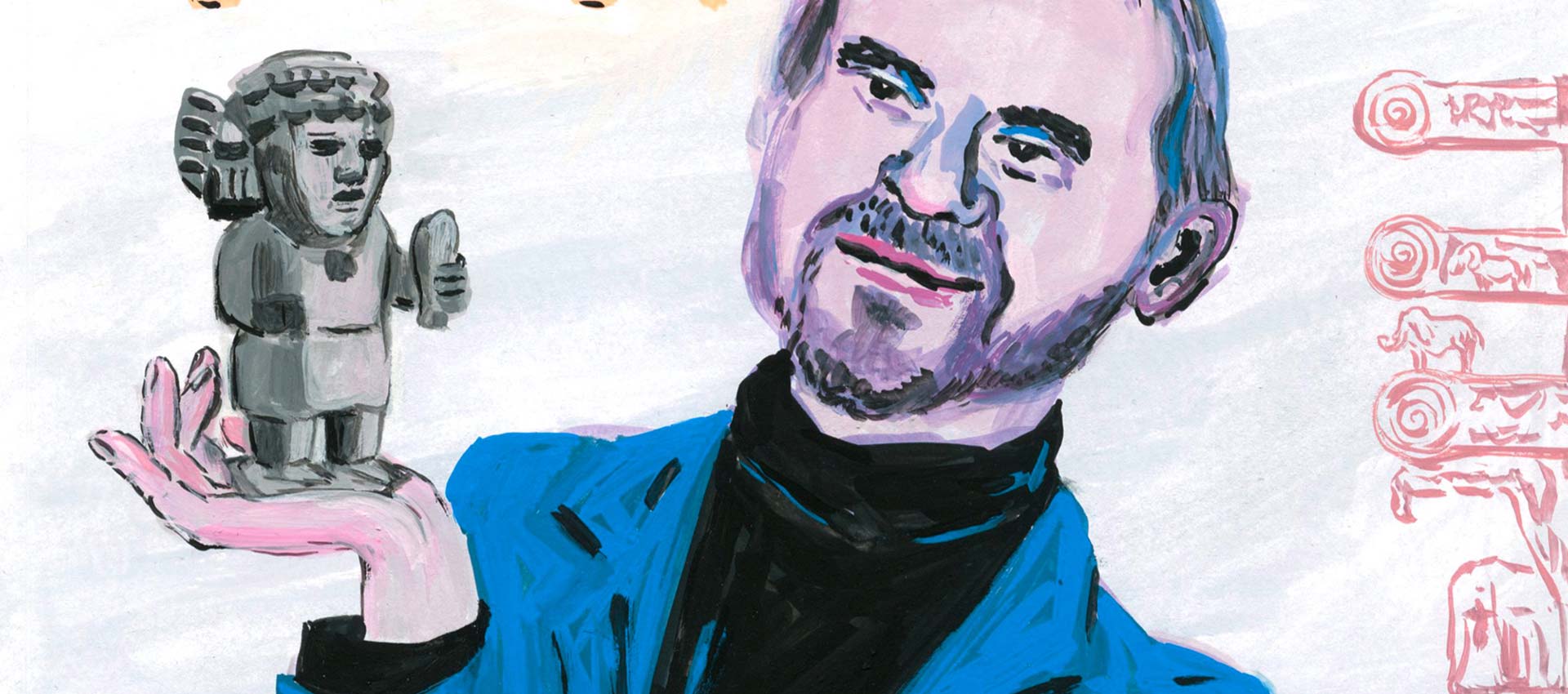
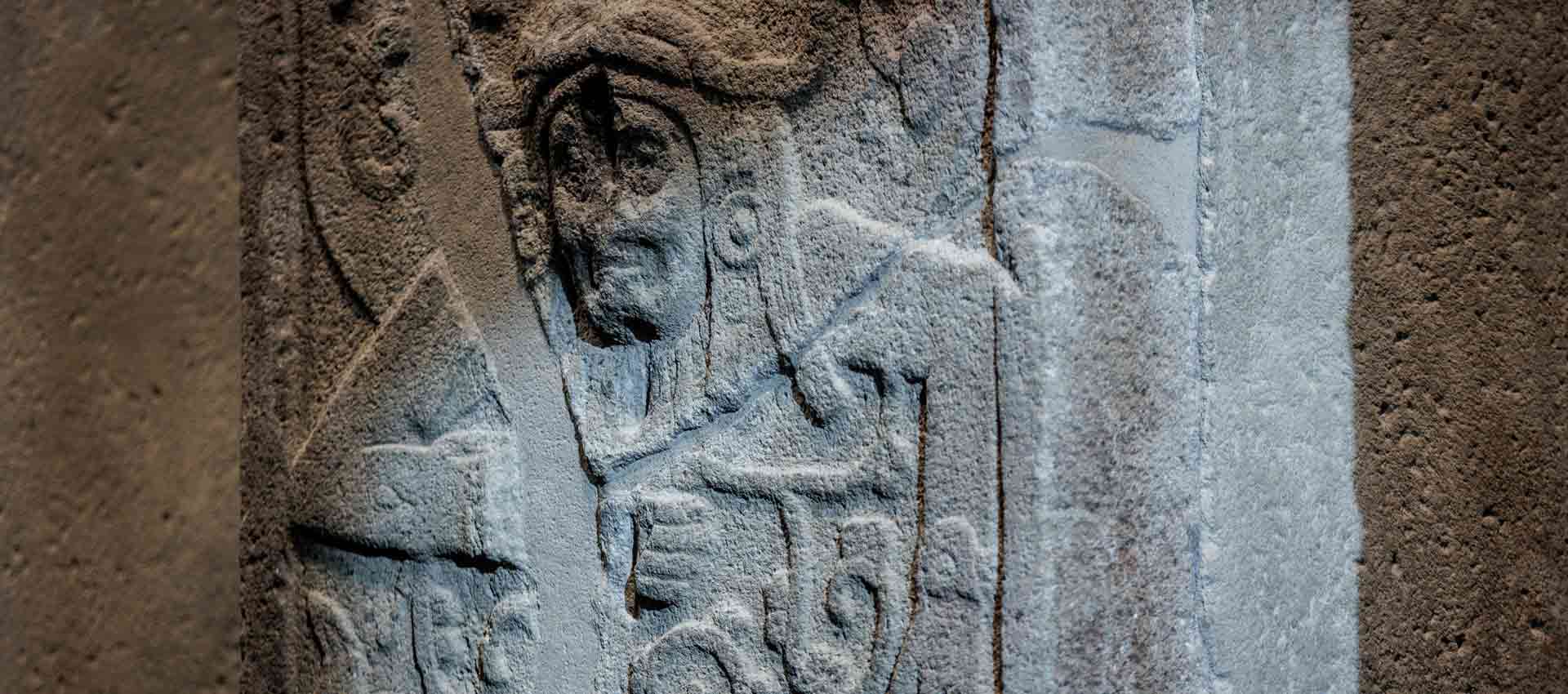
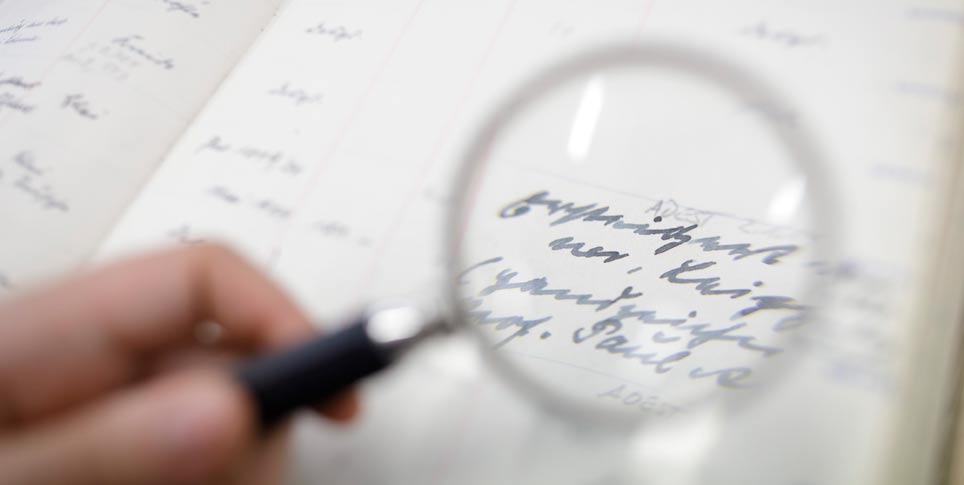
The Ethnological Museum’s extensive Berlin Yalambojoch collection traces its origins to the ancient Americanist and historian Eduard Seler and his wife Caecilie Seler-Sachs, who travelled through what is now Guatemala in 1896. Whilst there, Seler also produced so-called paper casts – that is, negative moulds made of paper, from which plaster casts were subsequently made in Berlin. Among the moulded artefacts were two sandstone objects dated to the years 800–900: a so-called ‘sun stone’ from the local sun temple and an ancestral figure wearing a necklace. Based on these casts, the plaster moulding workshop produced durable individual moulds before 1900, which can still be used for reproduction in the workshop today.
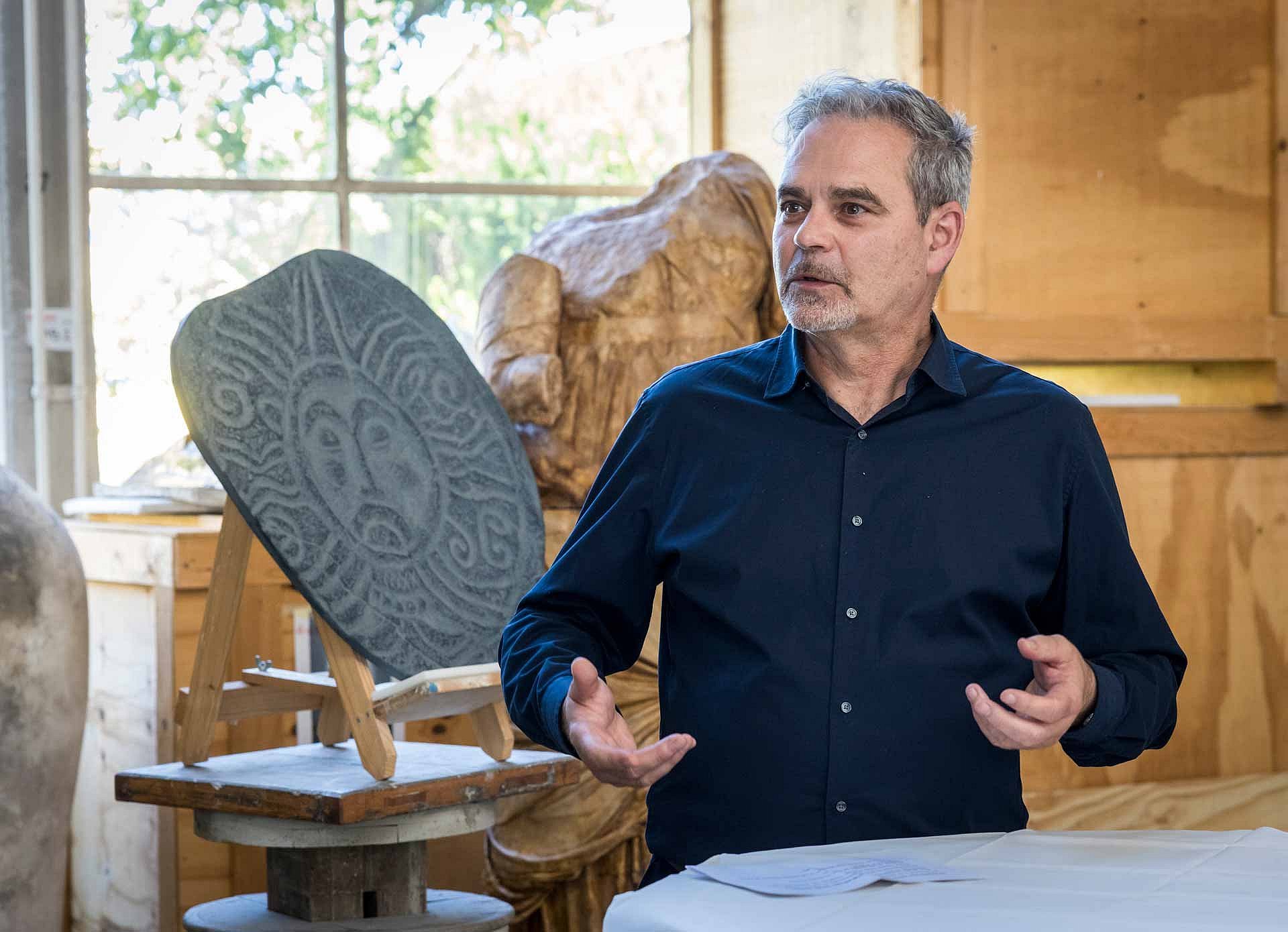
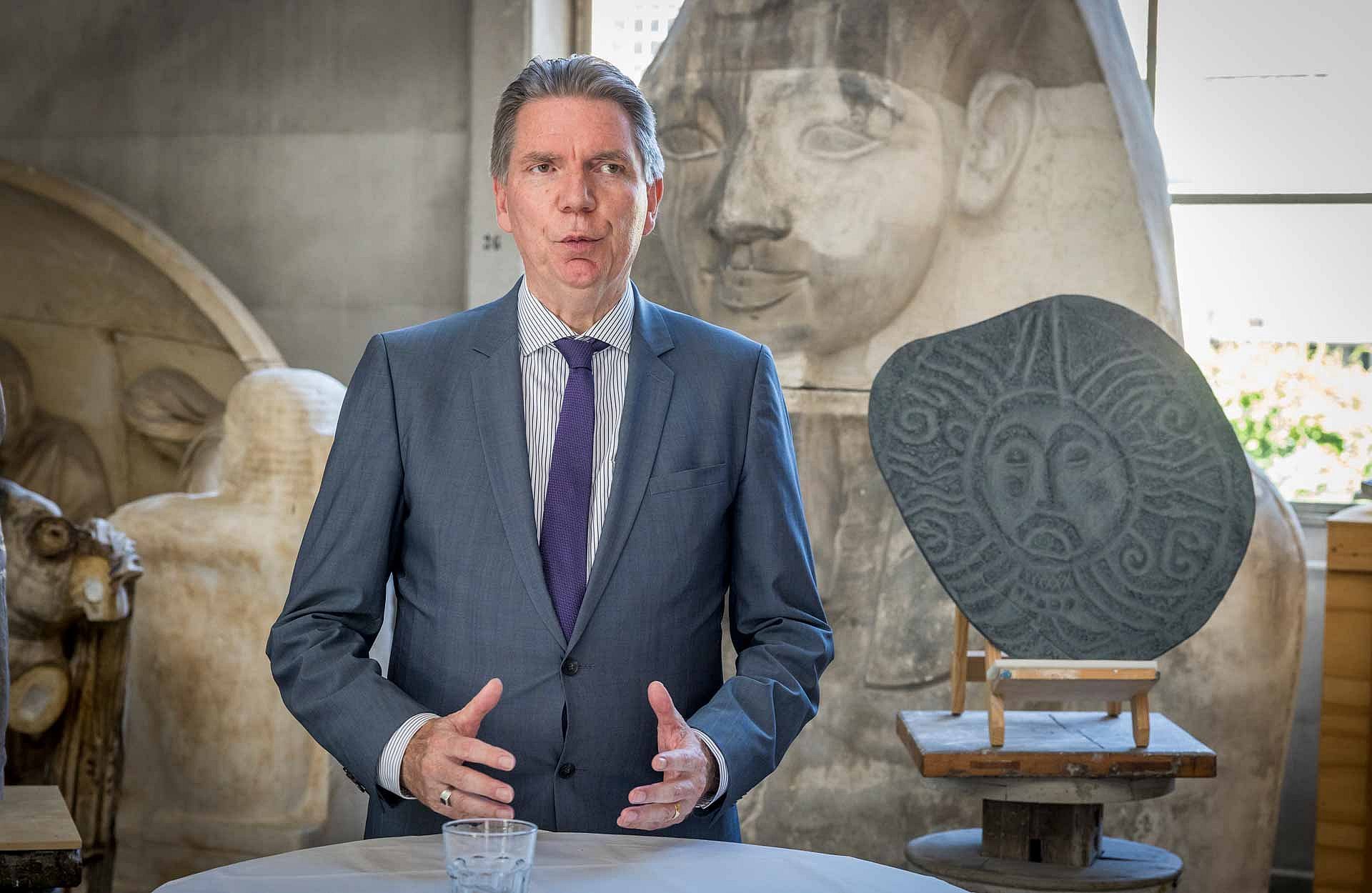
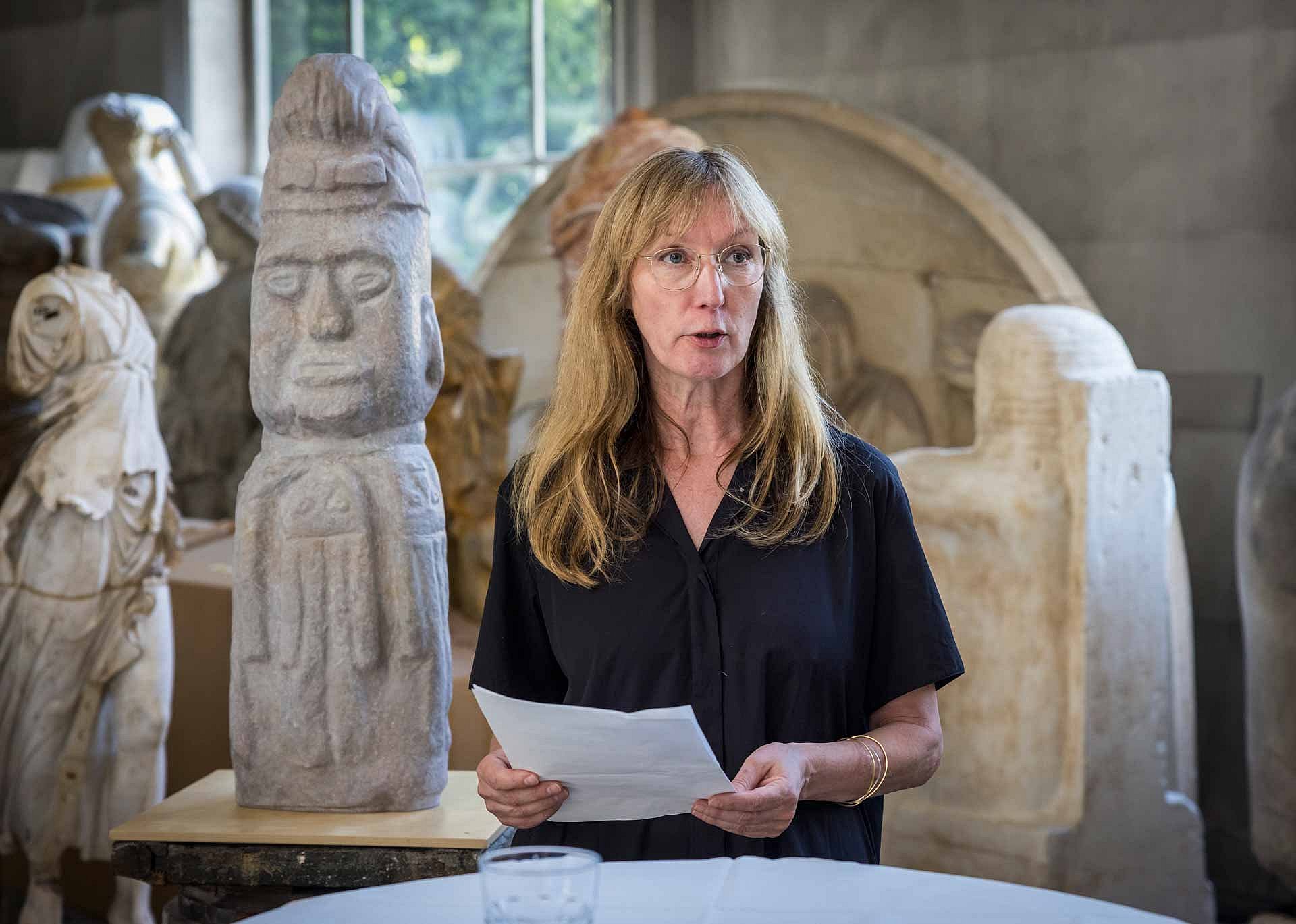
In hindsight, the creation of these durable casts was a stroke of good fortune, as unfortunately neither of the original objects has survived. Seler also produced the original sun disc, but it has been considered lost in the war since 1944. The stone figure remained in Guatemala, but is now also missing.
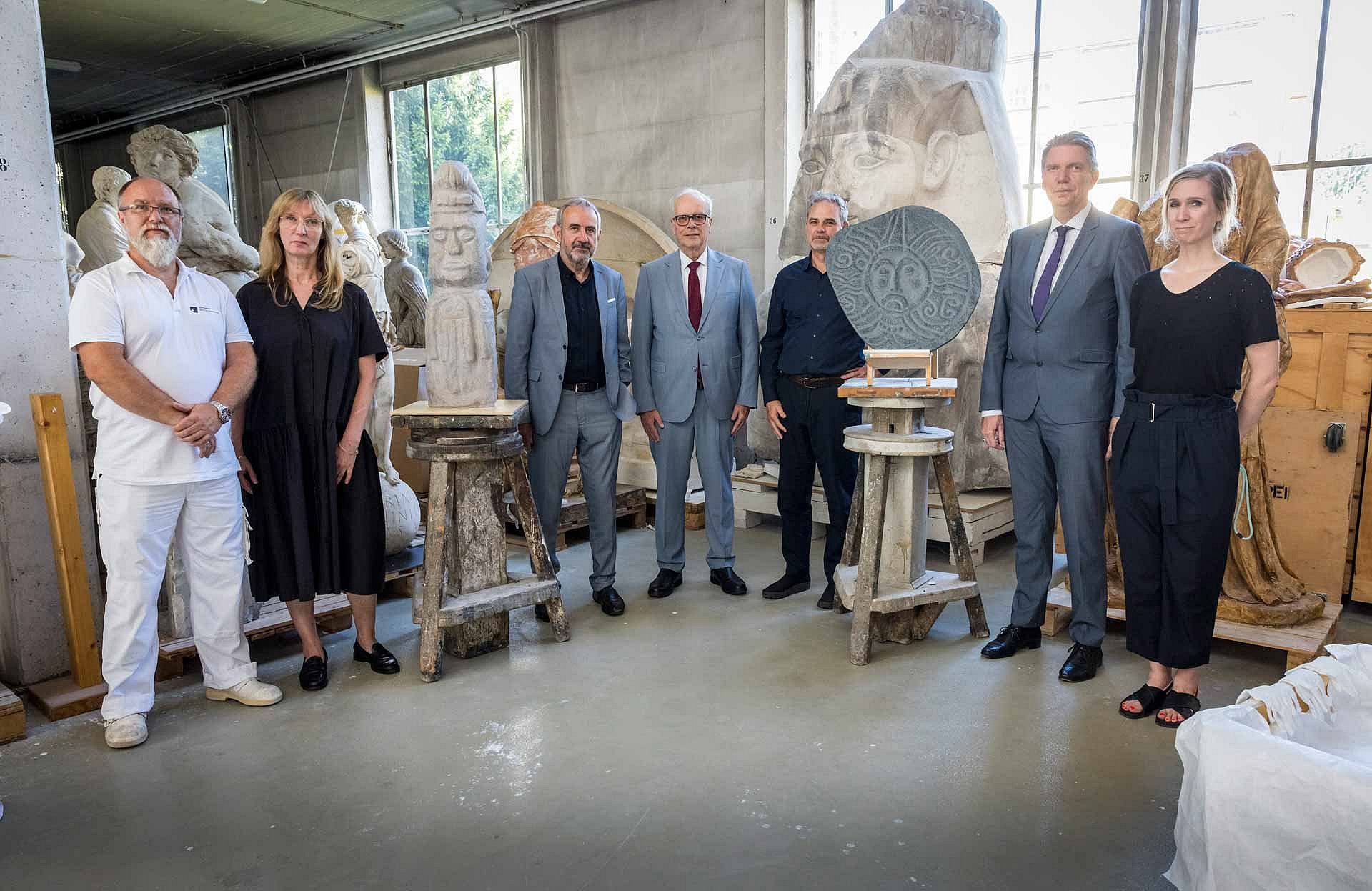
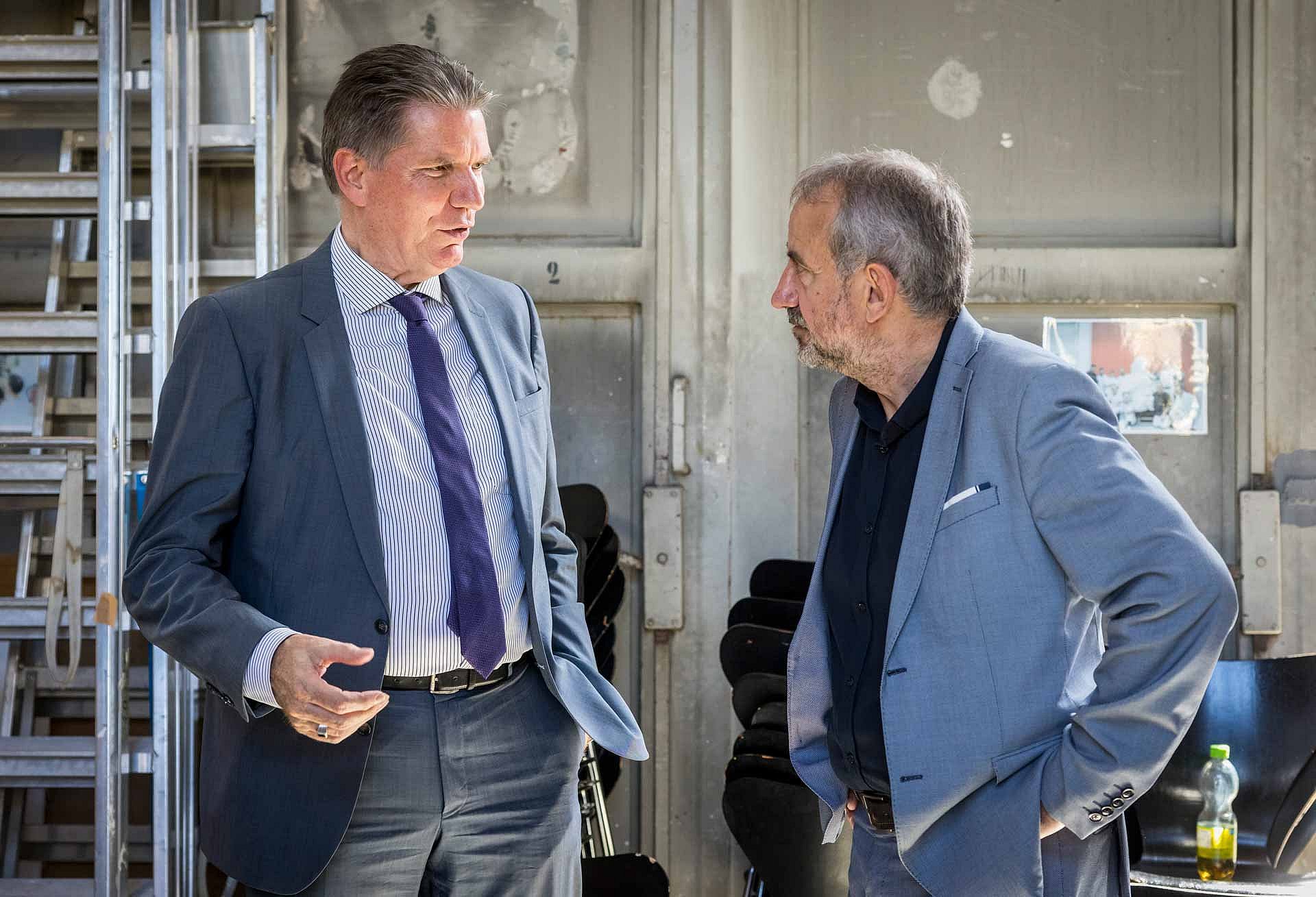
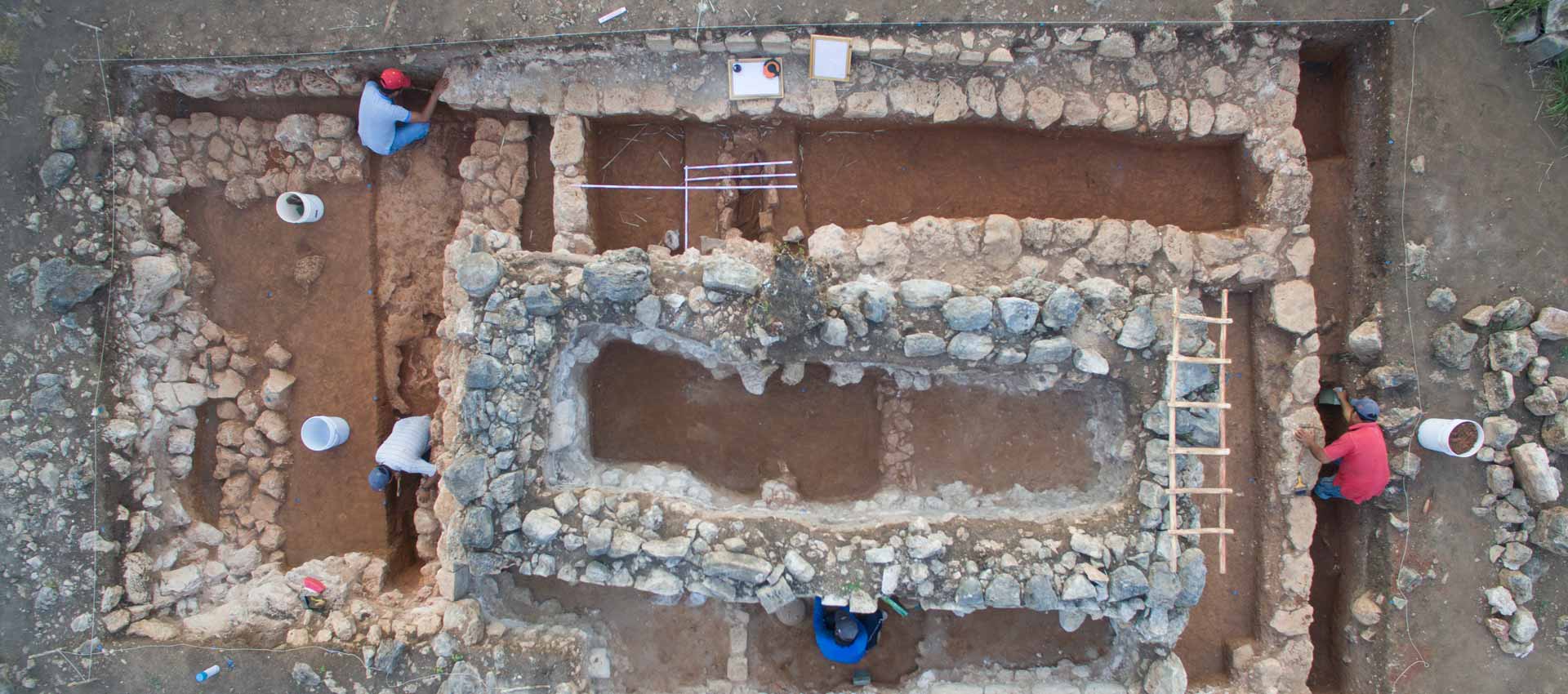
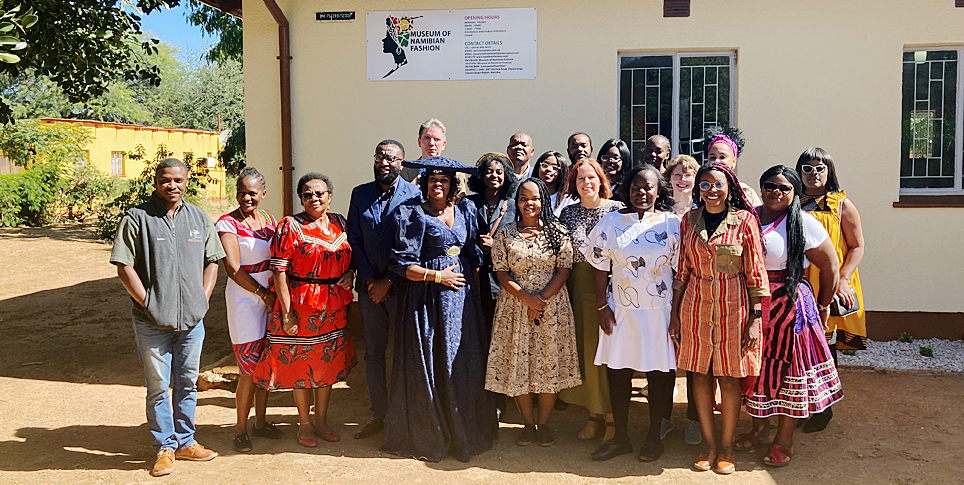
The handover of the replicas forms part of a long-term cooperation project between the Ethnological Museum and the “Asociación Awum Te” association, which runs the local community centre in Yalambojoch, Guatemala. The association operates the community centre – which was developed from an indigenous initiative – as a cultural forum for the local communities. Yalambojoch is a village with a population of around 2,000 in the municipality of Nenton in the department of Huehuetenango, in the interior of Guatemala. The population is predominantly indigenous and the majority speak the Mayan language Chuj.
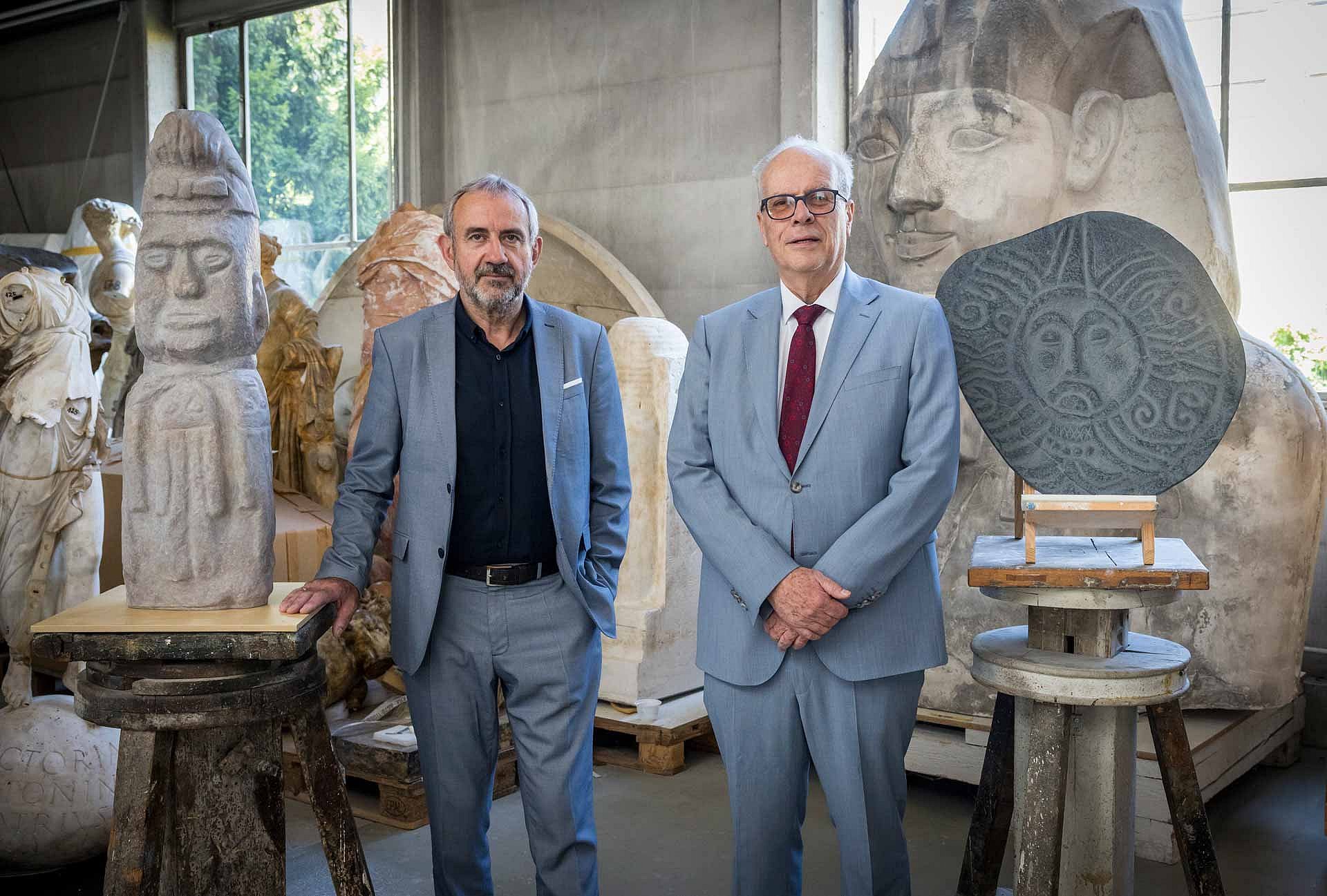
As part of the collaborative project between the Ethnological Museum and the “Associación Awum Te” association, the initiative involves not only the provision of replicas but also the development of an exhibition concept for the museum in Yalambojoch, drawing on the conservation expertise of the Ethnological Museum in Berlin. The aim of the collaboration is to promote dialogue about local cultural traditions in Yalambojoch and the region, including by involving the local school in a corresponding museum education programme. Findings from Eduard Seler’s research serve as the basis for this. The handover of the two replicas is one of the first ‘returns’ by Berlin’s museums to take the form of casts, thereby highlighting the great significance of historical forms – ‘back-ups’ in plaster, so to speak – in the context of a shared heritage.
Further links
- Press release: Ethnological Museum | Handover of two replicas to the Museo Comunitarío Yalambojoch in the presence of the Ambassador of the Republic of Guatemala (19 July 2024)
- News: Handover of two replicas to the Museo Comunitarío Yalambojoch in the presence of the Ambassador of the Republic of Guatemala (19 July 2024)