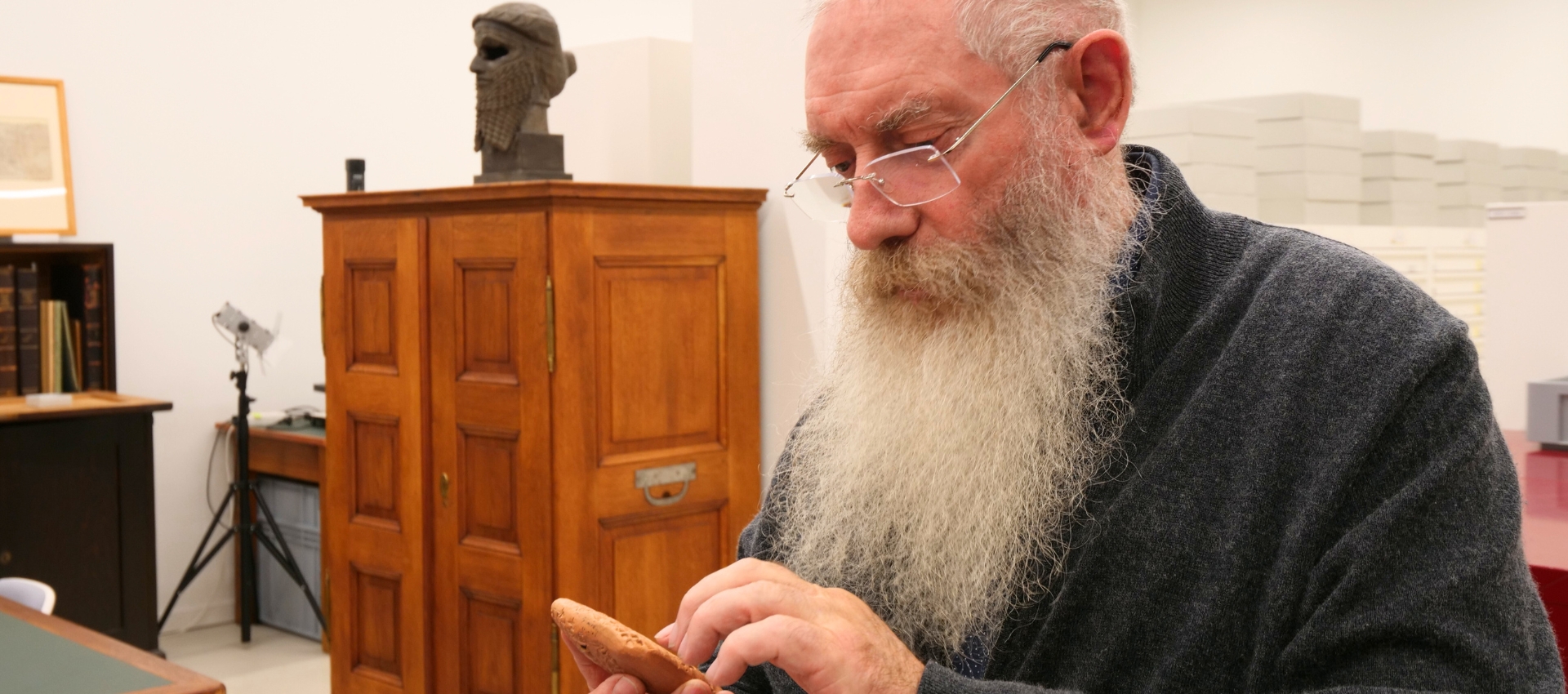
Our museums at the Humboldt Forum engage with the world; this requires openness, courage and determination to ensure these debates are productive
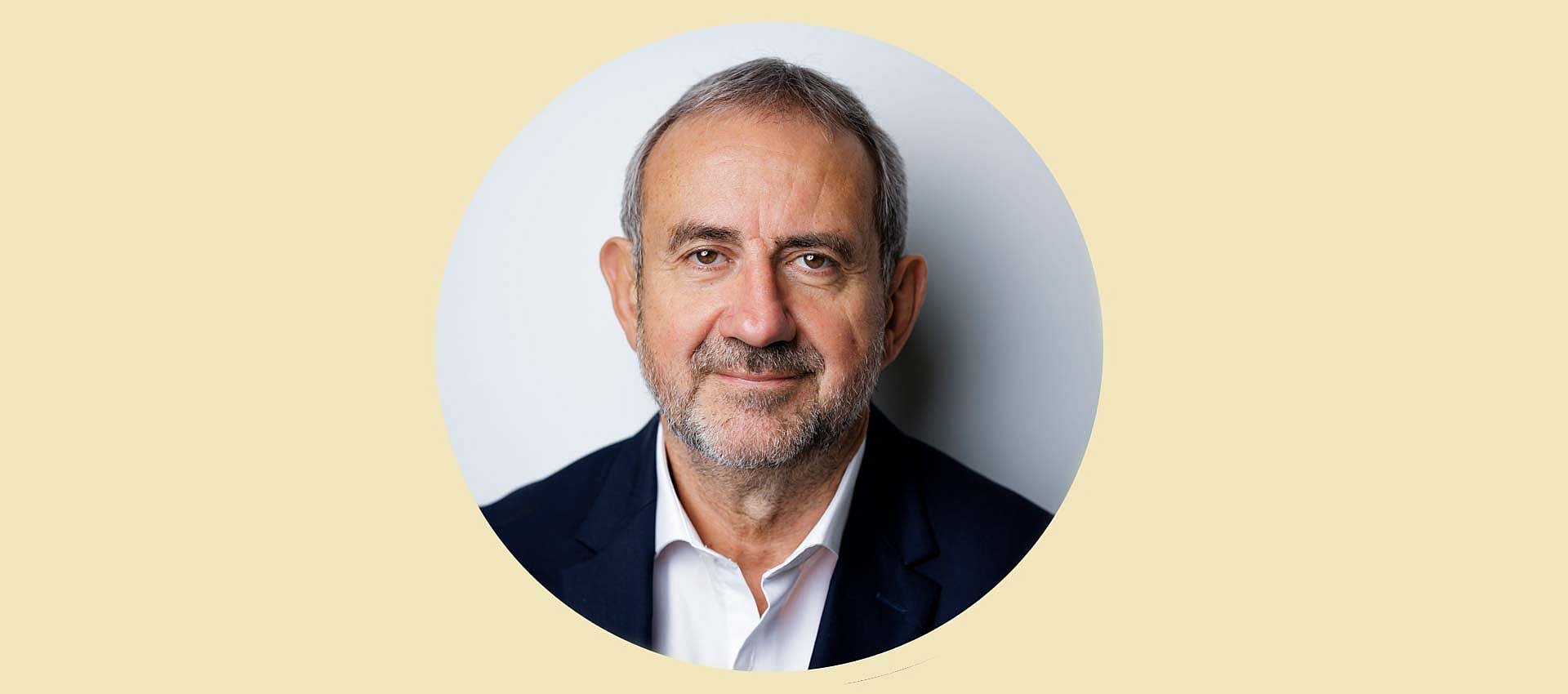
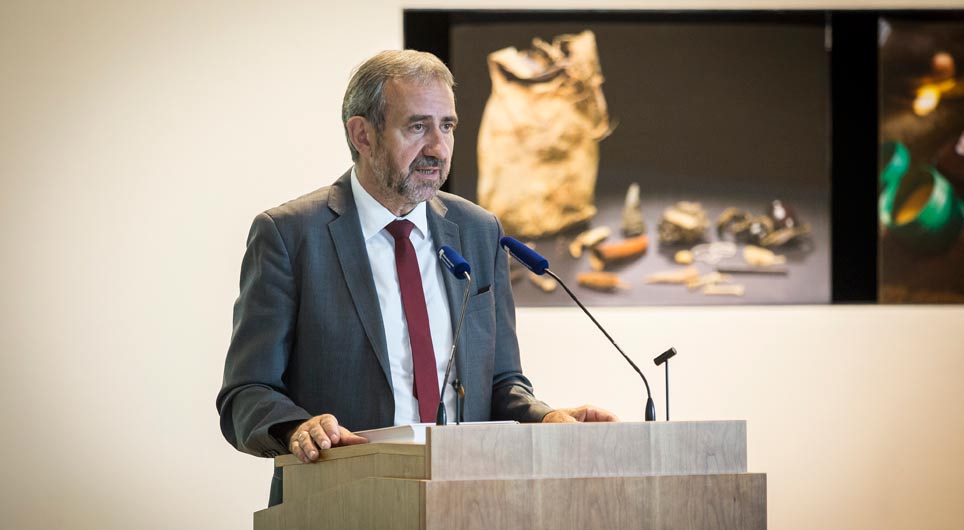
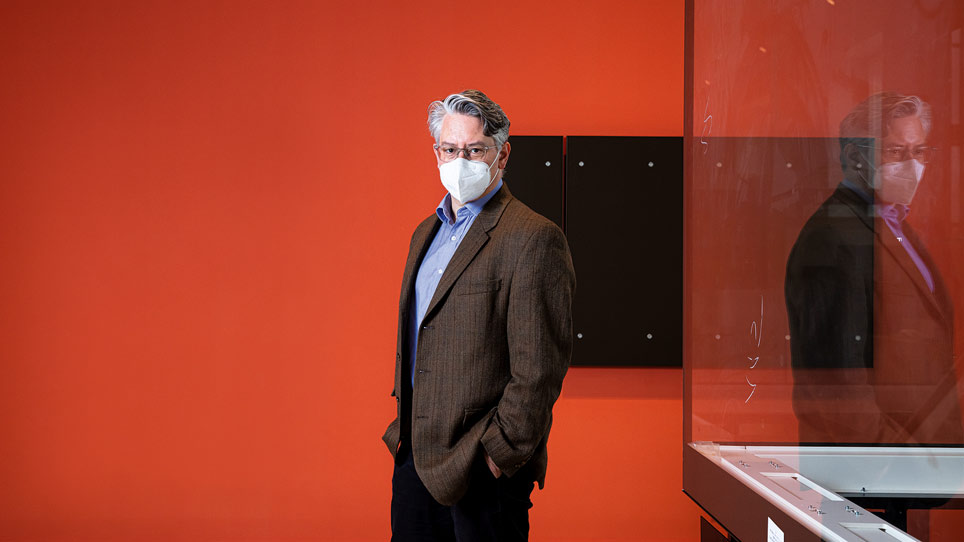
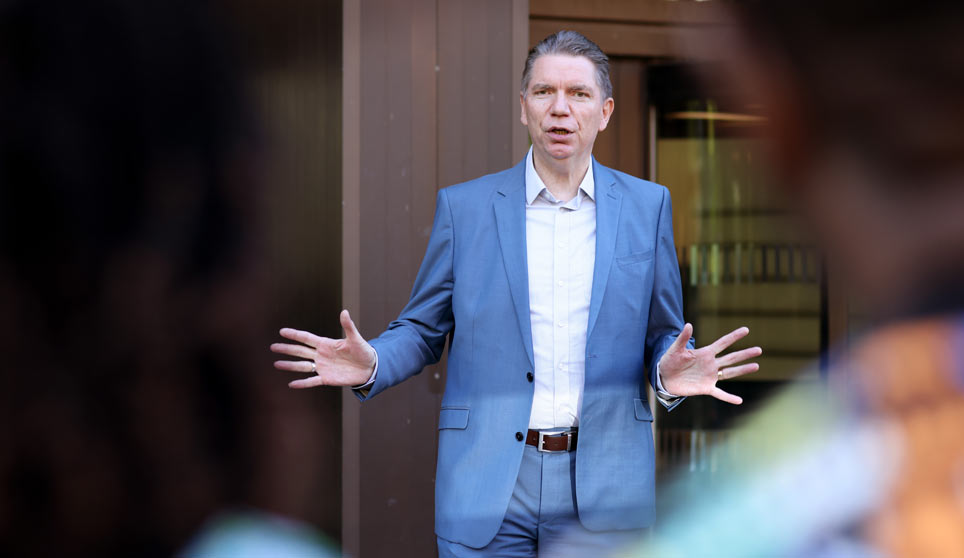
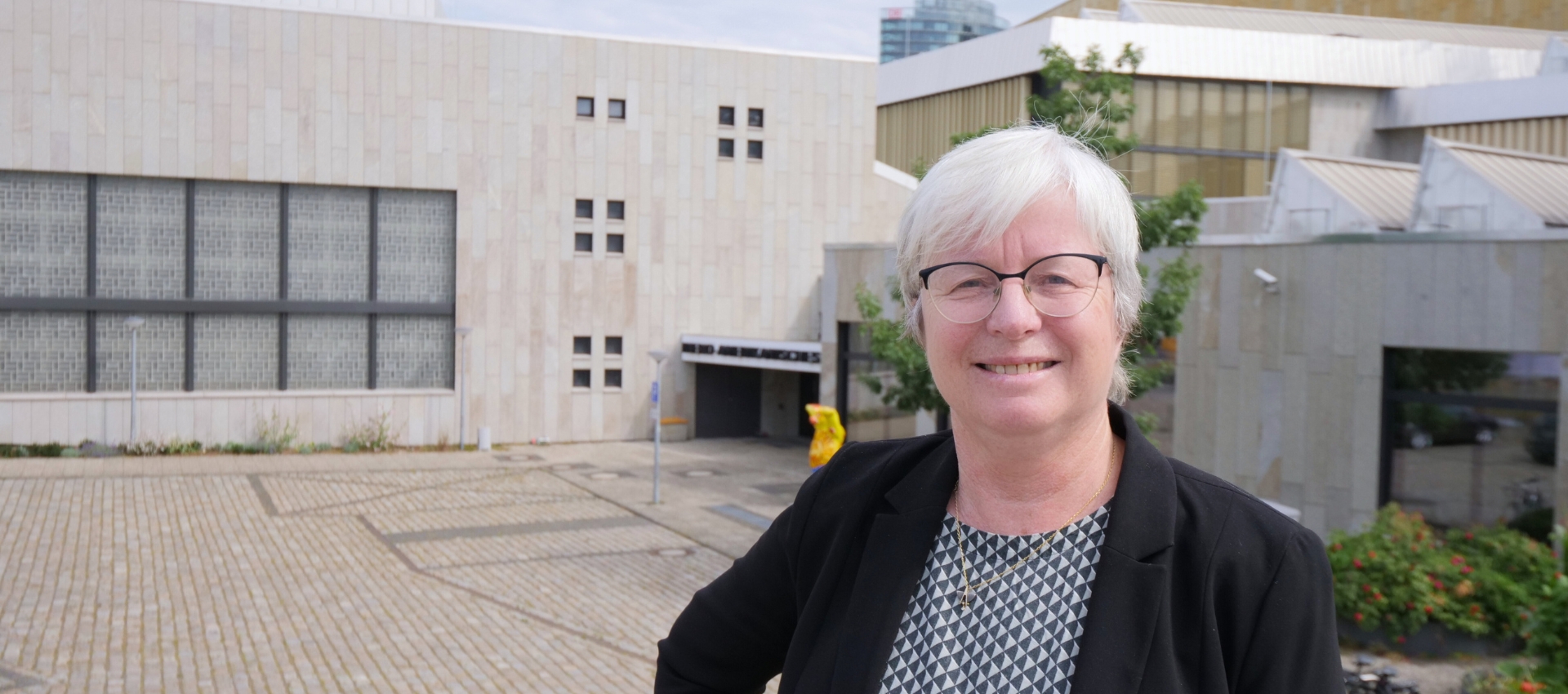
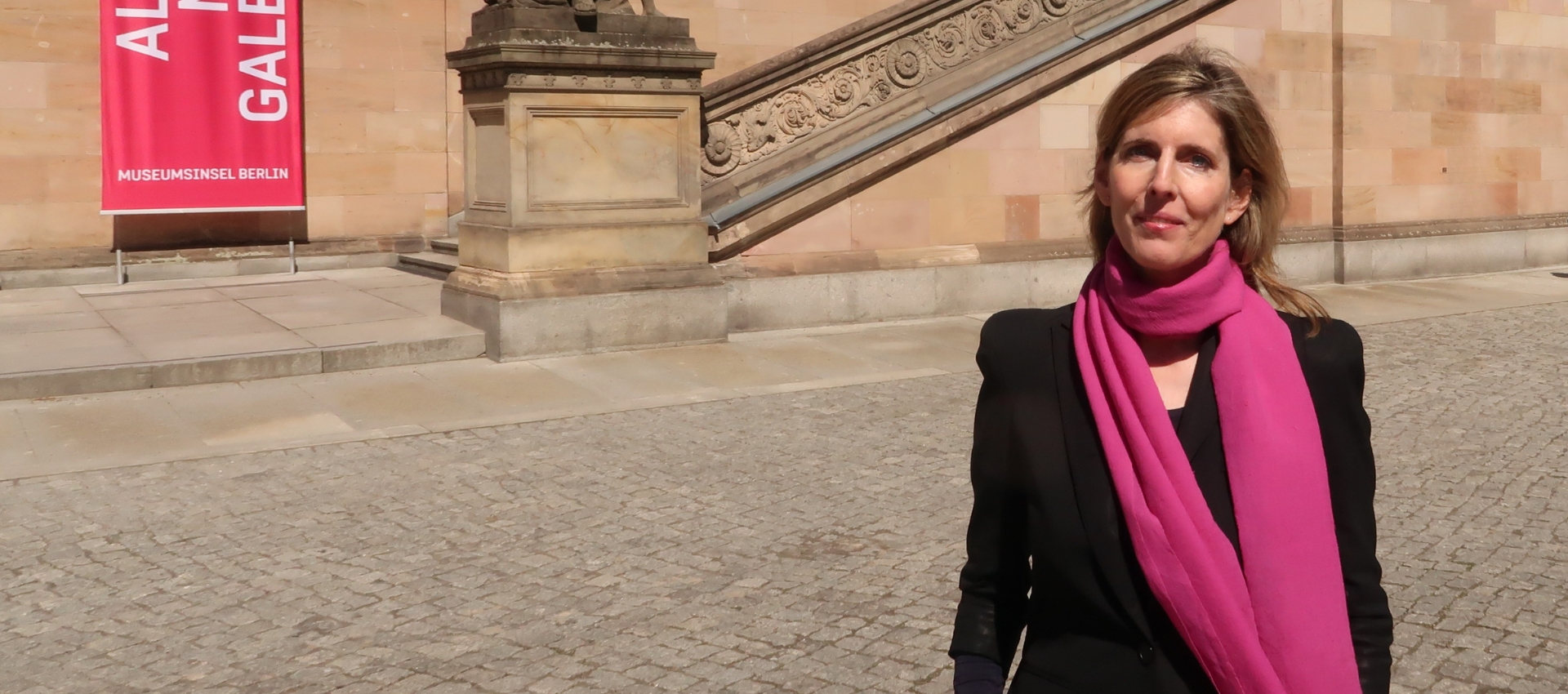
Hermann Parzinger has been President of the Prussian Cultural Heritage Foundation since 2008.
© SPK / photothek / Thomas Trutschel
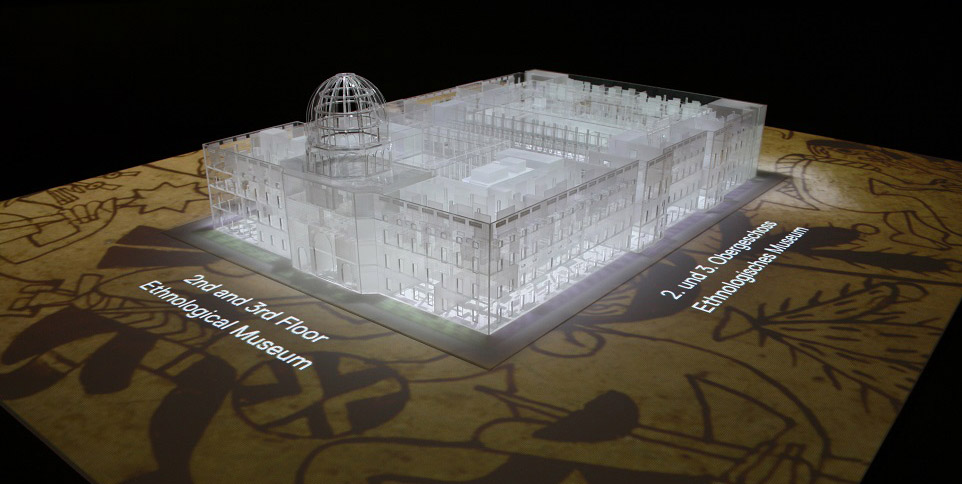
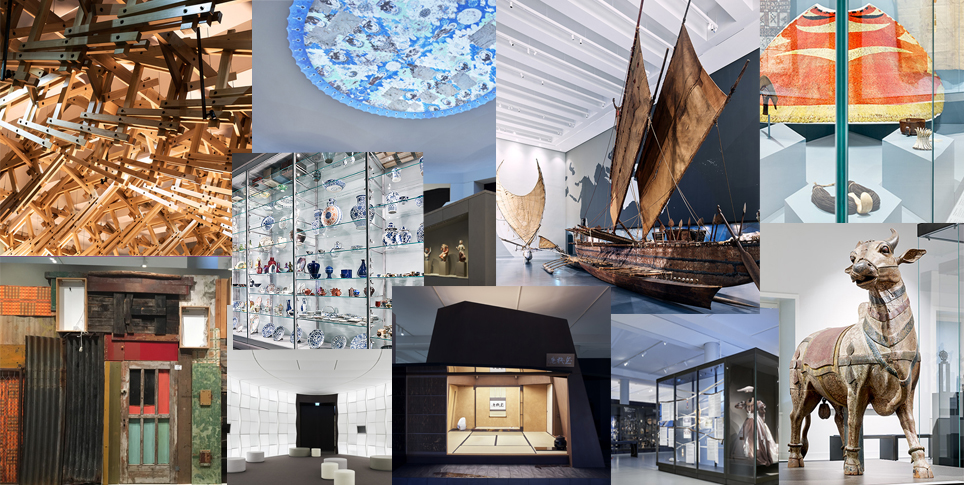
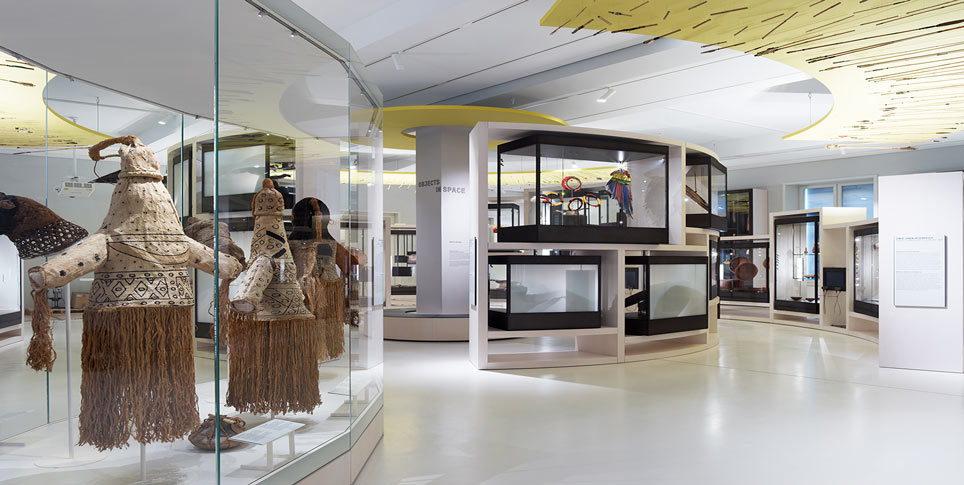
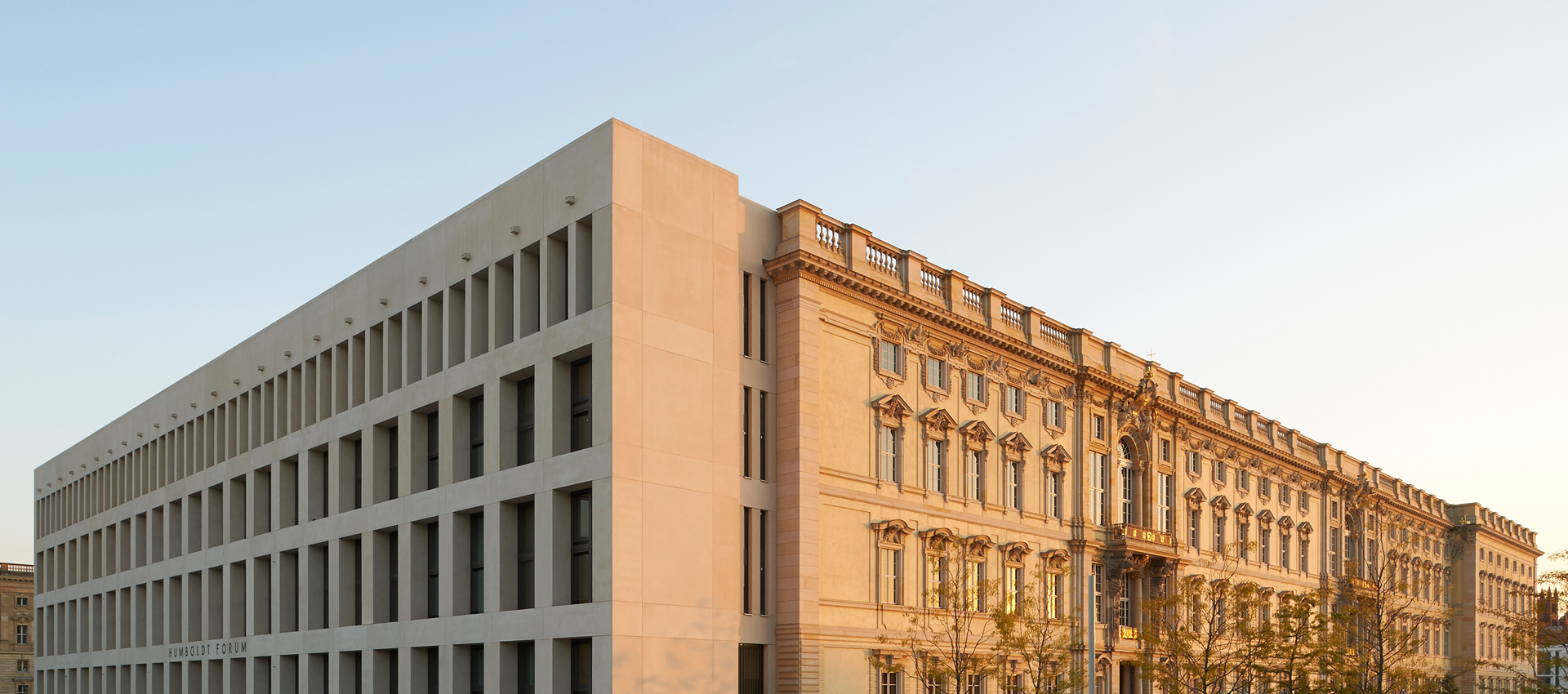
The Humboldt Forum has been fully open in the reconstructed Berlin Palace for two years now. We have always said that, although floors 2 and 3 have been fitted out with the exhibition areas of the Ethnological Museum and the Museum of Asian Art of the Prussian Cultural Heritage Foundation (SPK), the real work there is only just beginning. In the meantime, something has indeed been achieved here that, whilst hoped for, could not have been expected so soon.
A hub of world cultures in the heart of Berlin
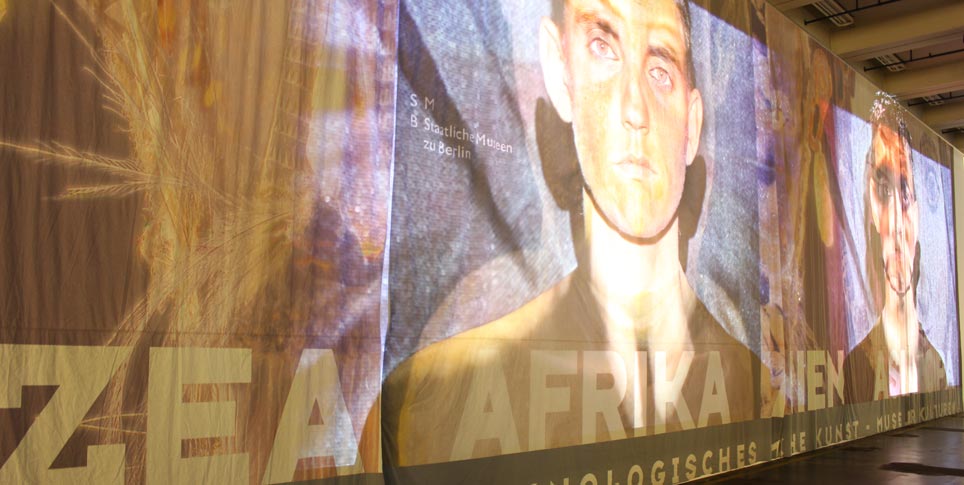
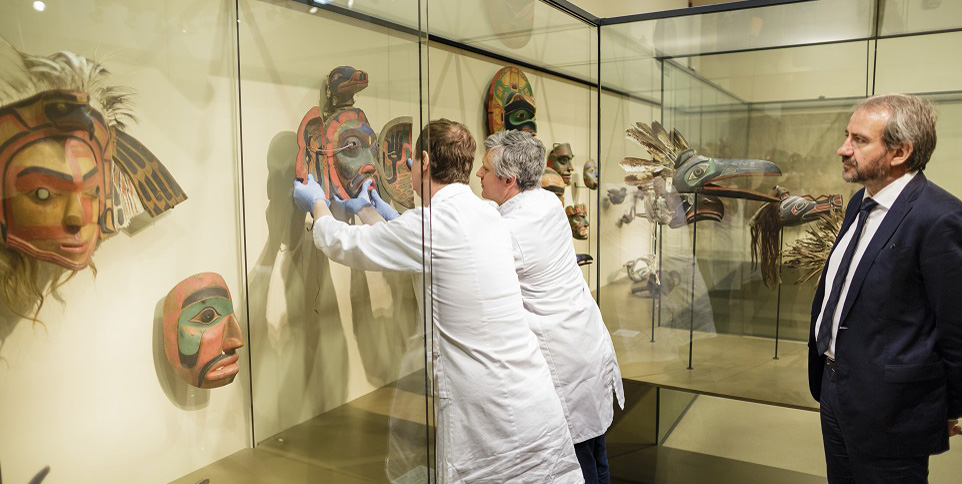
The Humboldt Forum was conceived and planned as a centre for and with the cultures of the world when the decision was taken to bring the non-European collections from Dahlem back to the historic centre of Berlin, where they were originally assembled in the Kunstkammer of the Old Palace. There, they were to interact with the treasures on Museum Island, transforming the Humboldt Forum and Museum Island into a true hub of world cultures.
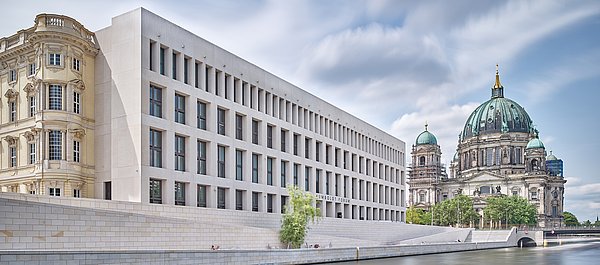
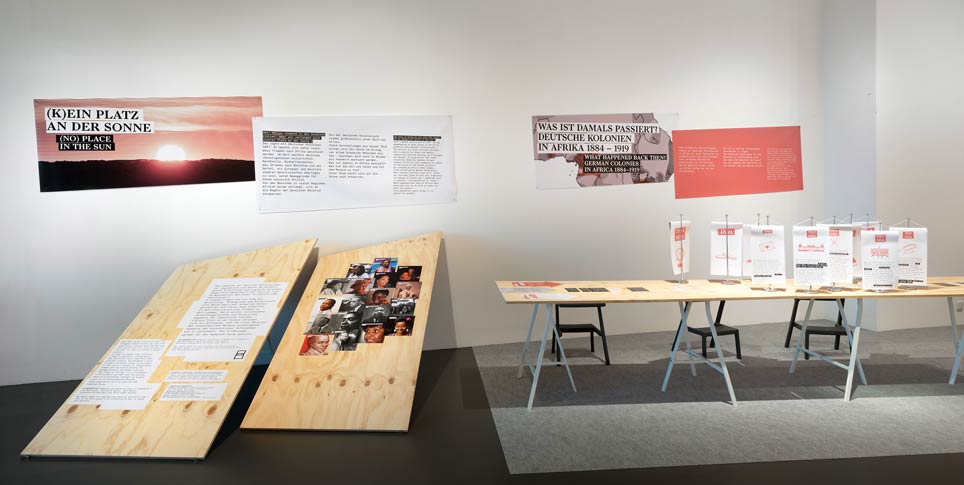
The more progress was made on the building site, the more fiercely the dispute over the building and its contents raged. Whilst initially it was more of an architectural debate (a castle versus the Palace of the Republic), the sometimes bitter dispute in the years that followed centred on the provenance of the collections, their colonial contexts, and how they should be handled. In the wake of, and also as a result of, this debate on colonialism – which initially focused solely on demands for restitution and warned against cultural appropriation – the museum curators have achieved something groundbreaking.
Above all, I want our visitors to understand how we work with the countries and communities of origin
International collaboration and innovative projects
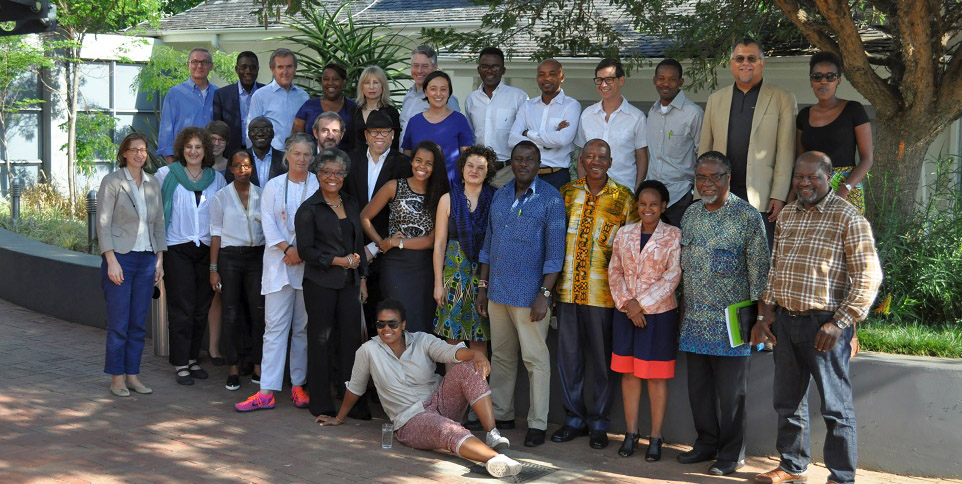
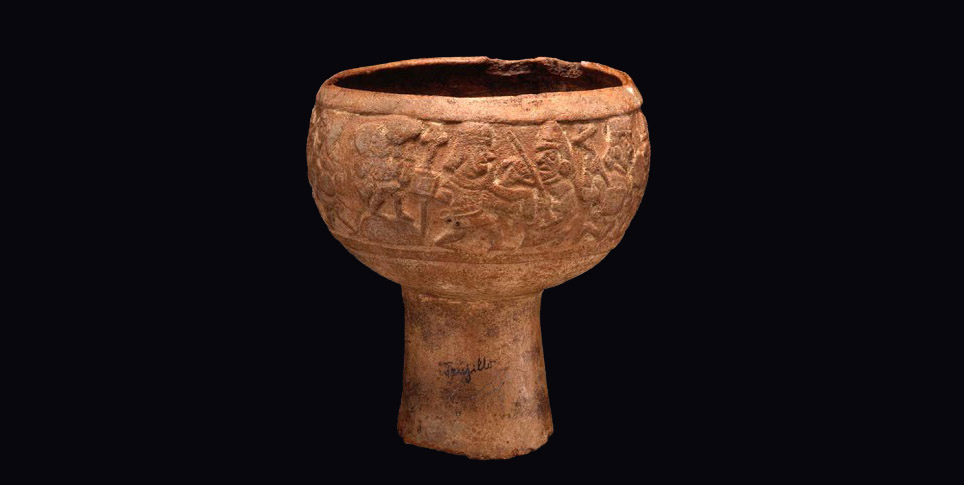
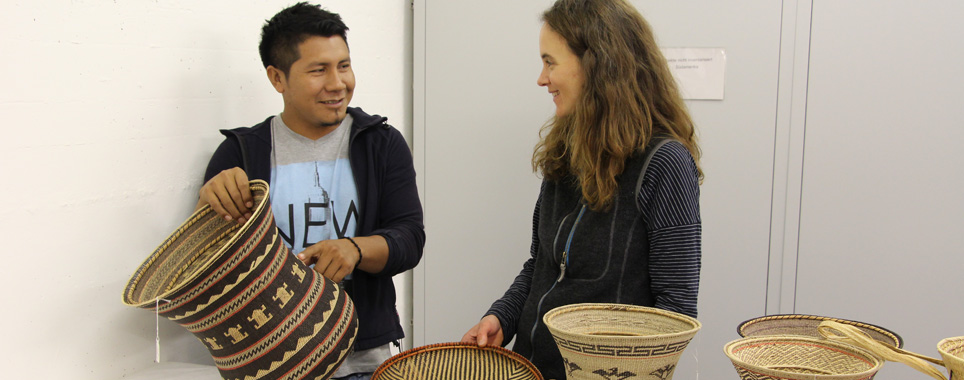
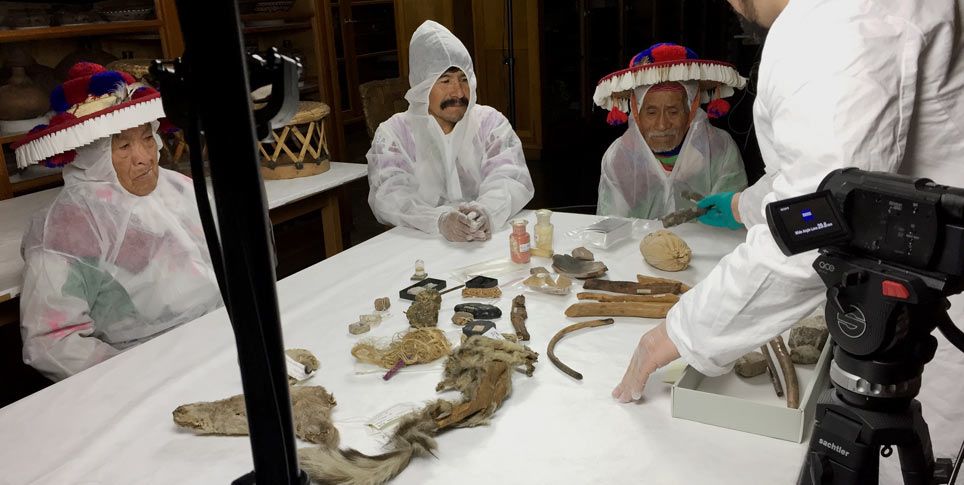
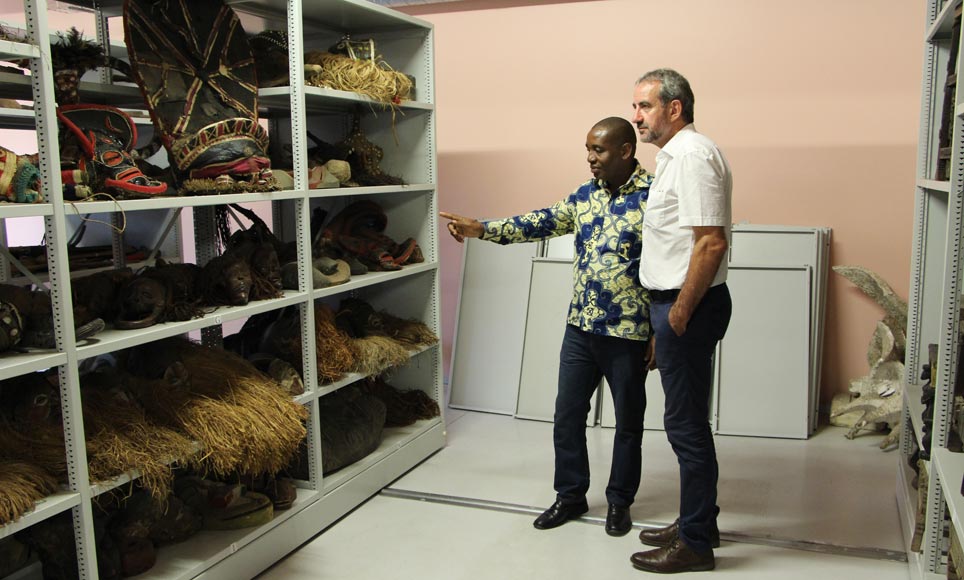
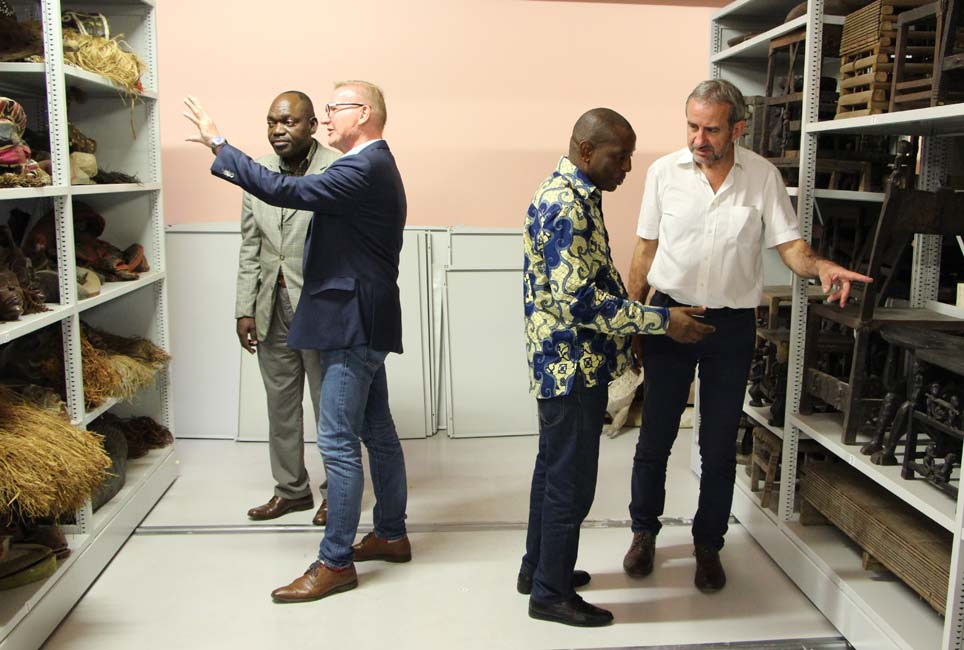
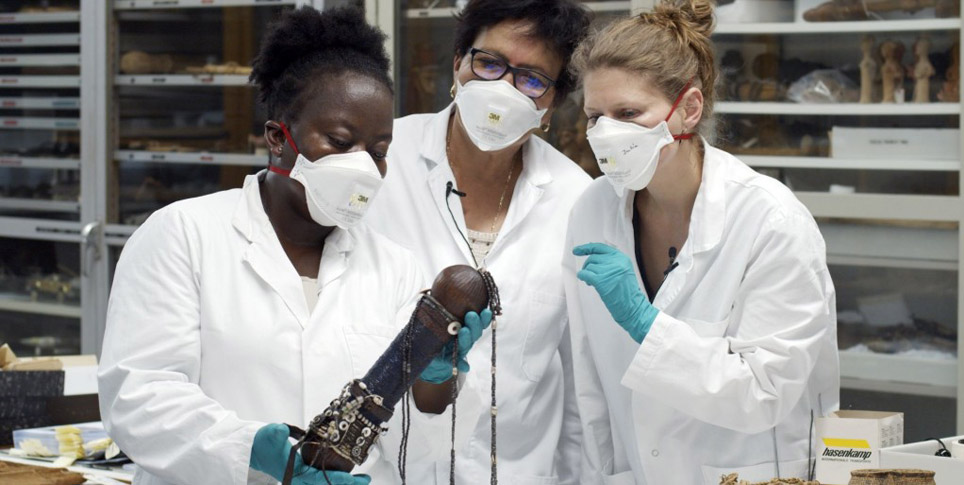
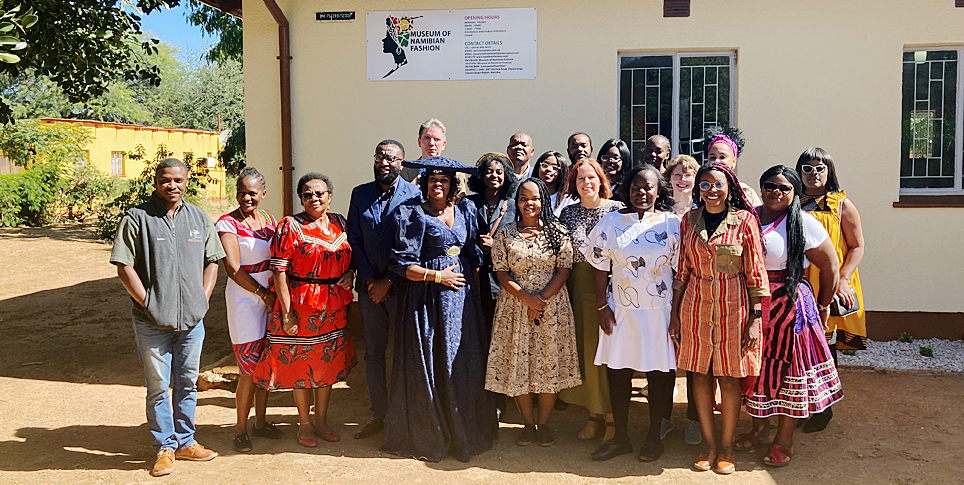
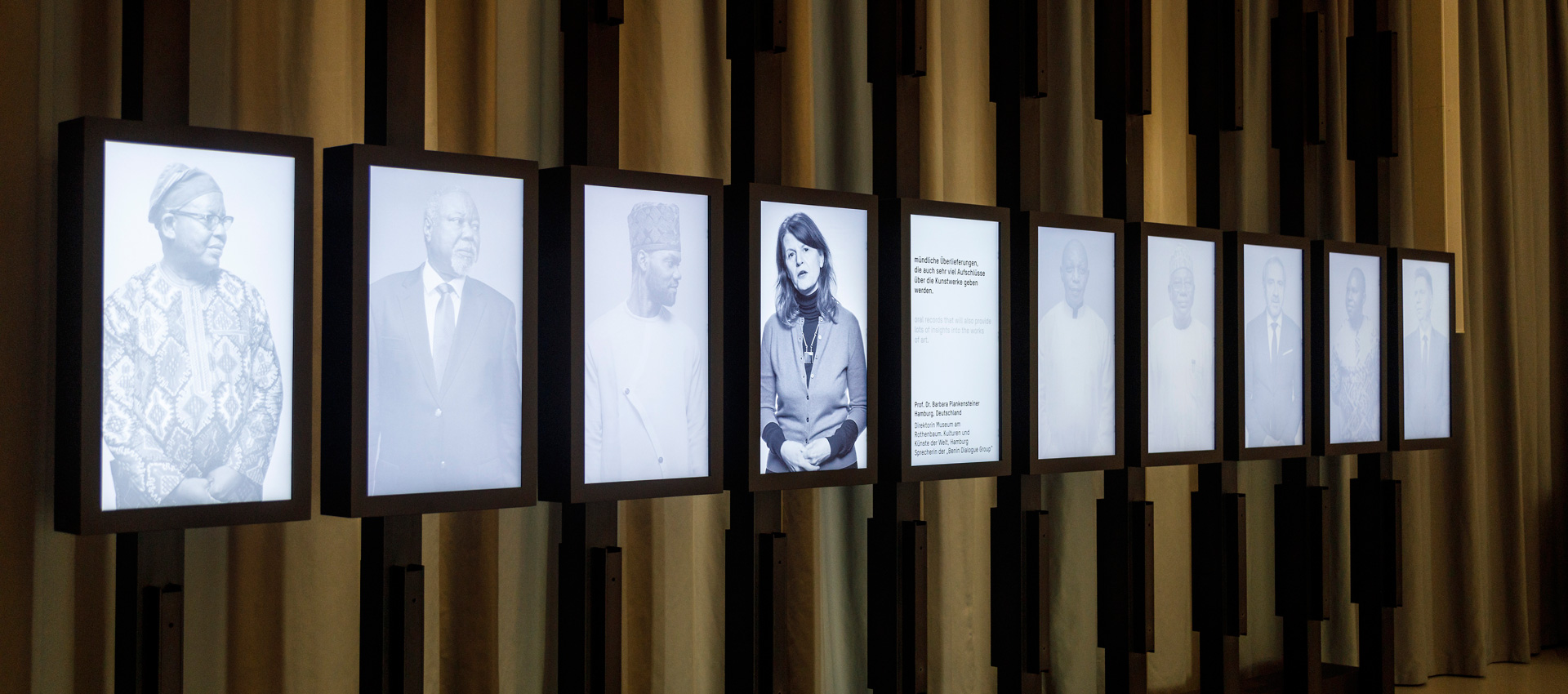
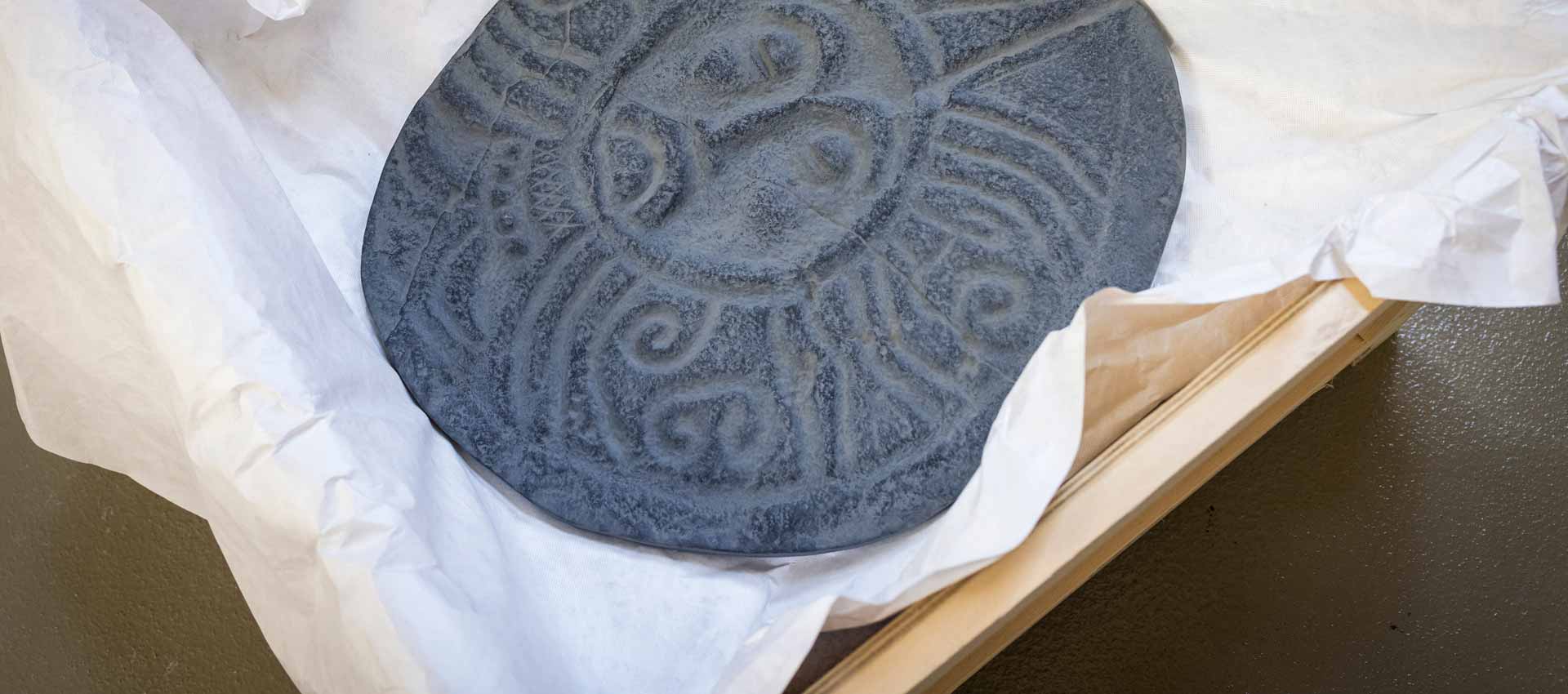
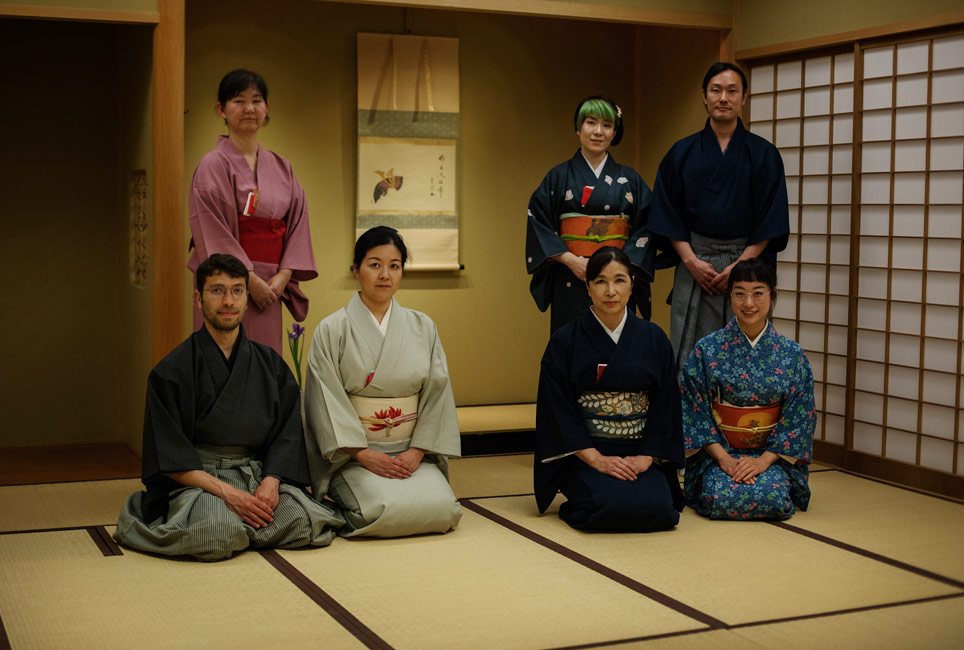
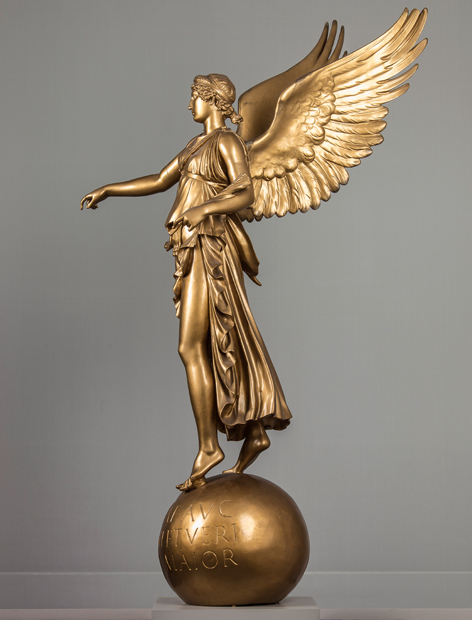
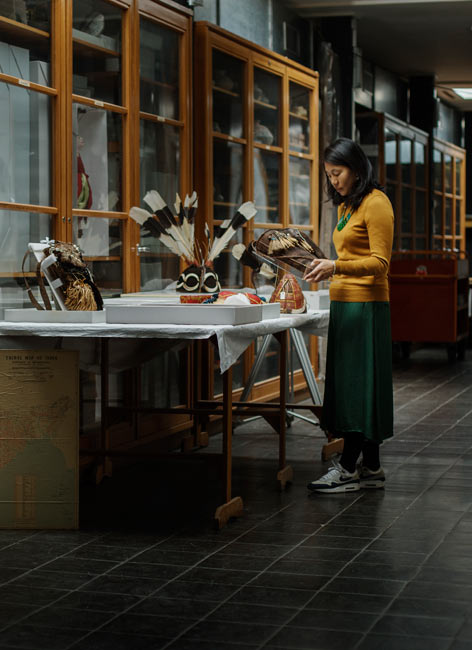
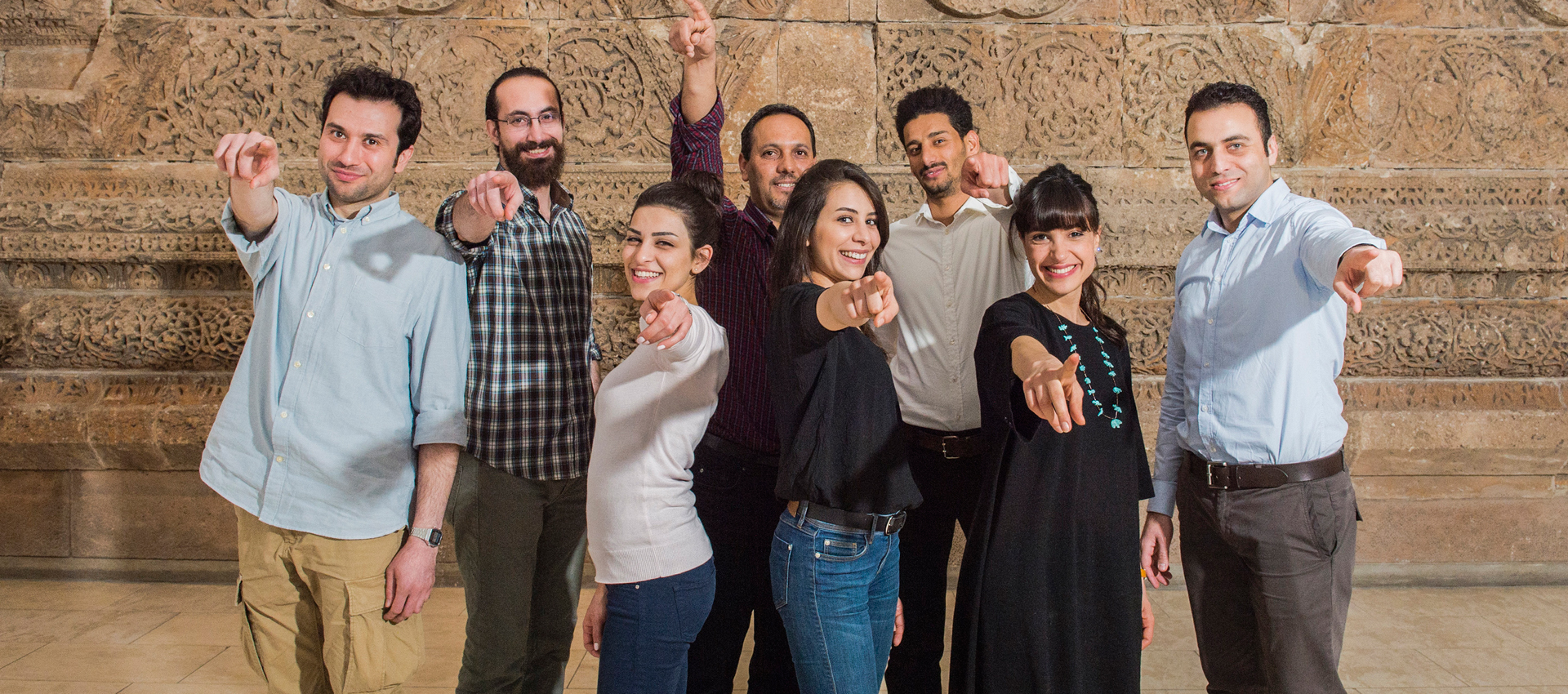
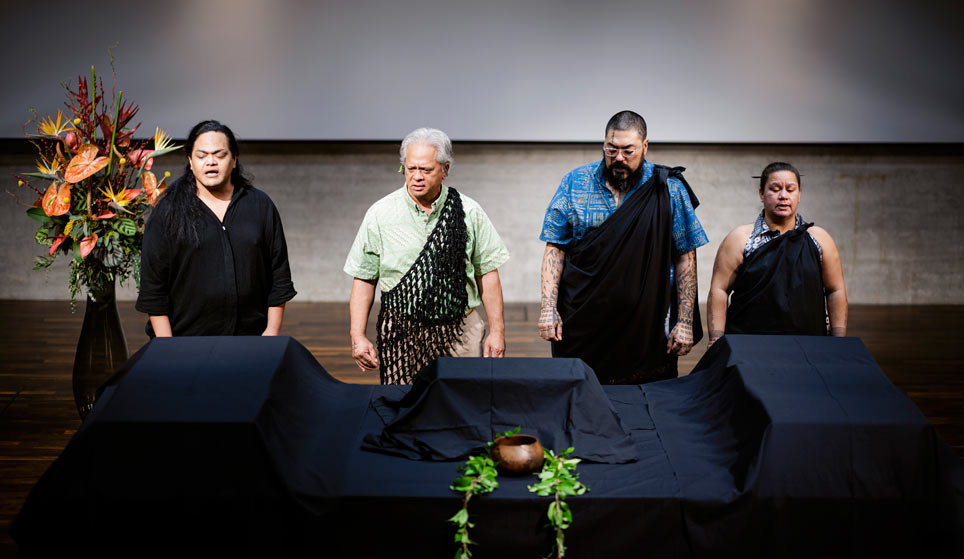
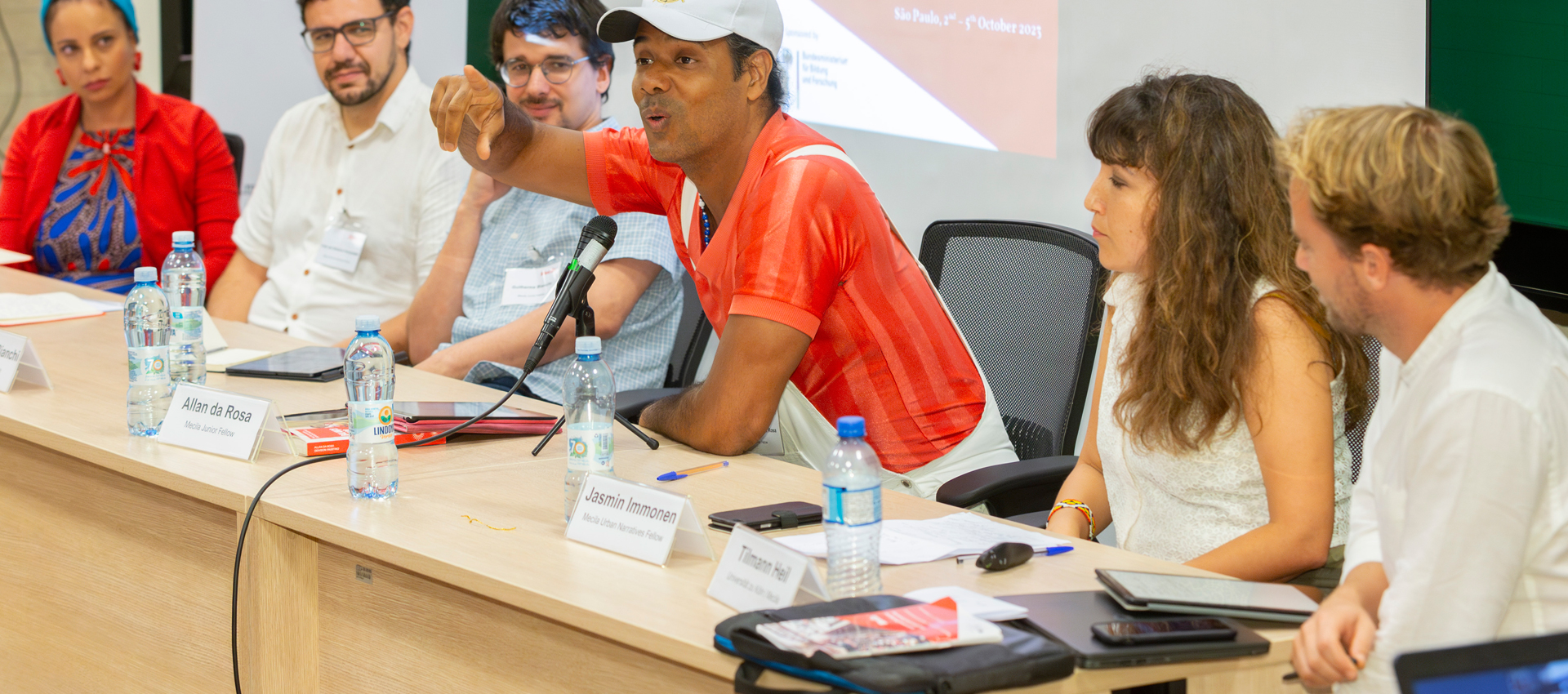
Under the title ‘The Collaborative Museum’, 23 international projects are currently being carried out at the Dahlem Research Campus, alongside events and a fellowship programme featuring 19 guests from all over the world – from Kenya to Guatemala, from Nepal to Mexico. Research, digitisation and outreach are conducted jointly. The focus is not only on the Ethnological Museum and the Museum of Asian Art, but on the entire SPK. For example, the Plaster Casting Workshop, which also belongs to the SPK, has handed over two casts it produced of objects from the Ethnological Museum’s collection to the Guatemalan Museo Comunitarío Yalambojoch; the originals were lost during the war. The replicas will help to convey indigenous knowledge there in future.
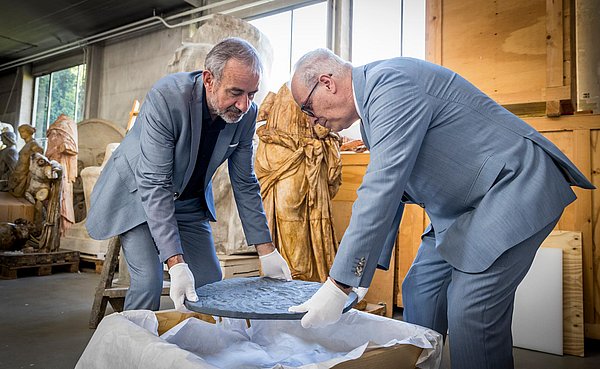
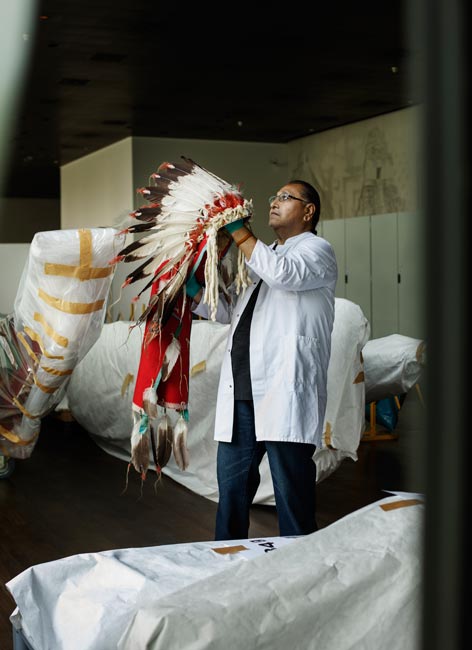
It is this form of exchange that is transforming and driving forward the Humboldt Forum, even though we still have a great deal of work to do. Above all, I am keen for our visitors to understand how we work with the countries and societies of origin, and what is needed to make our partners’ approach productive for everyone. This requires clarity, comprehensibility and transparency, but also courage and originality – and, above all, enthusiasm; much has changed in the museums.
We know the foundations on which the Humboldt Forum stands, both in terms of its architecture and its intellectual history. We must engage with this place – and we are also allowed to grapple with it – and we must confront our history. However, alongside the long-overdue reappraisal of the history of the collections and the institution, we must also look ahead and consider perspectives for the future, which our partners around the world are quite rightly demanding as well. Humanity’s culture is a shared one; our reflection on it should be too. The collaborations and co-productions with representatives of countries and societies of origin, which have now become so numerous and intensive, are immensely enriching and demonstrate the power and prospects that cultural exchange can offer.
Woven Stories: Tanzania at the Humboldt Forum
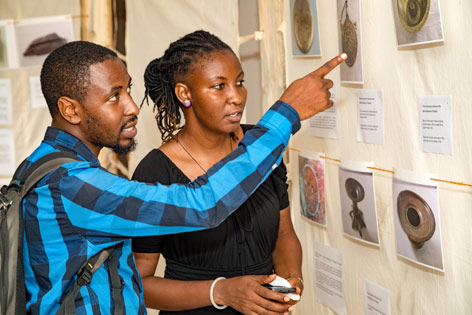
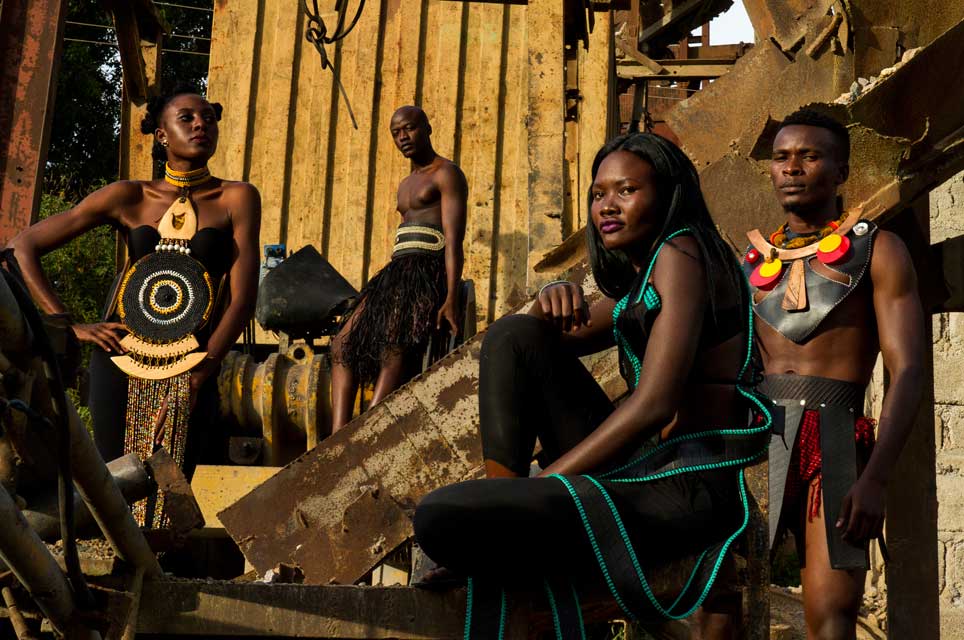
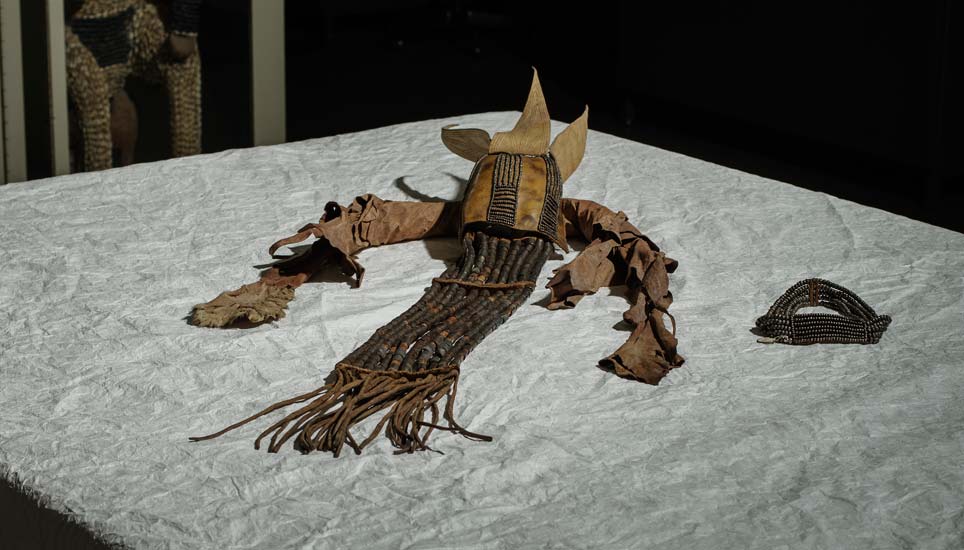
On 28 November, together with the Humboldt Forum Foundation, we are opening the exhibition ‘Stories of Tanzania’. Another milestone! Our Ethnological Museum’s Tanzania collection comprises around 10,000 objects; some of them are inextricably linked to the tyranny of the German colonial power at that time. We know how bloody this colonisation was, and with what brutality any resistance was crushed. The Maji Maji War claimed between 200,000 and 300,000 lives. Villages, fields and livelihoods were destroyed. For a good ten years now, we have been working with our Tanzanian partners to find a shared way of dealing with this history.
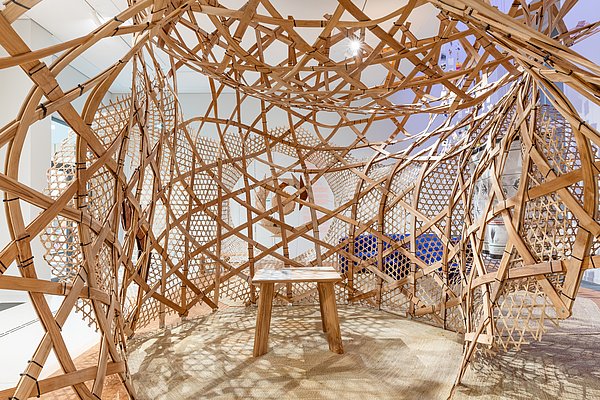
Given the crimes committed, this was no easy task. The curators from the National Museum of Tanzania, the Humboldt Forum Foundation and the museums of the Prussian Cultural Heritage Foundation write the following about their exhibition: “Our task is to engage critically with the past and ask: Who writes whose history, and why? How can processes of reconciliation, reparation and restitution be shaped in the present and in the future? With this exhibition, we hope to initiate such a process and, together, open up new perspectives on the past, present and future.”
No presentation without consent!
Guiding principle for exhibition preparation
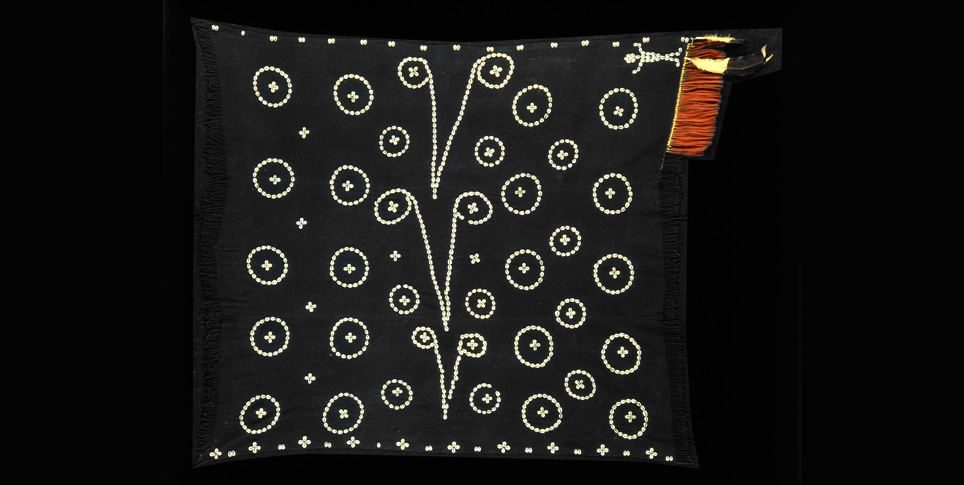
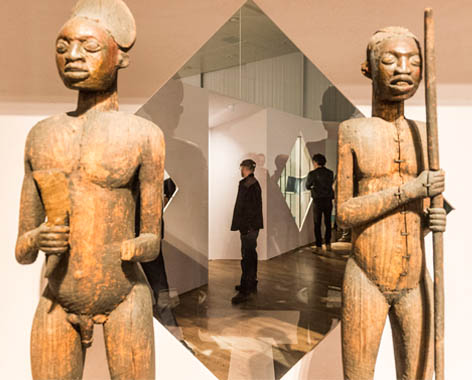
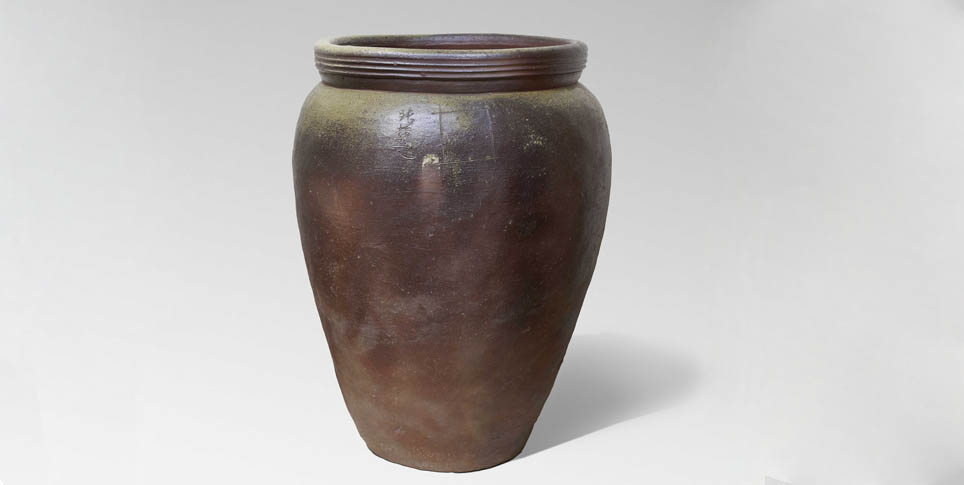
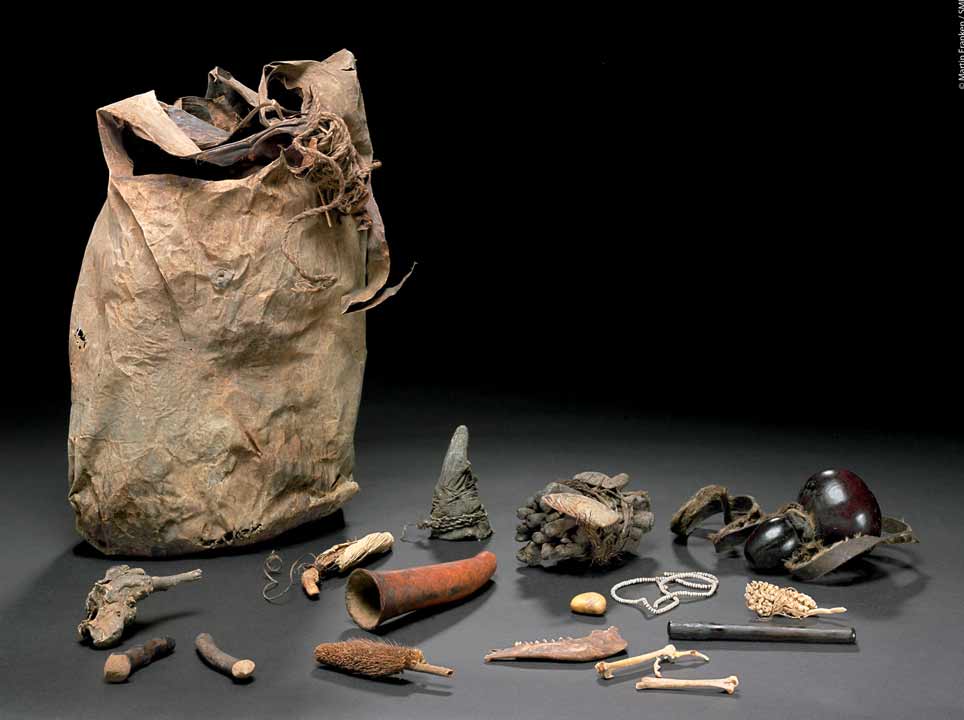
What can we expect under these circumstances? The exhibition traces 5,000 years of East African history and recounts the complex and ancient stories of the communities that have lived and continue to live in the territory of what is now the state of Tanzania. The curatorial team has agreed to no longer refer to ‘objects’, but rather, more accurately, to ‘cultural belongings’ – that is, cultural artefacts connected to people.
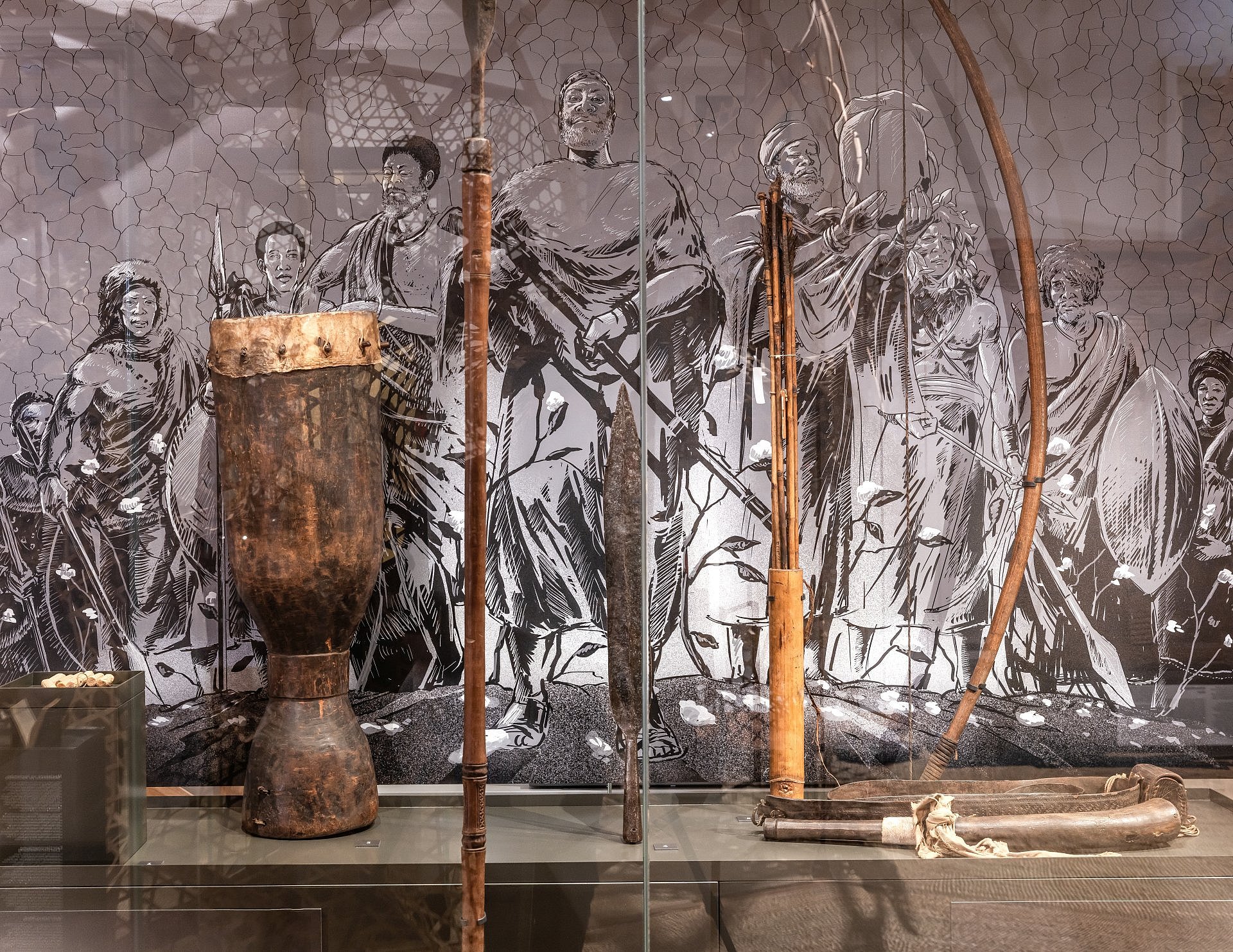
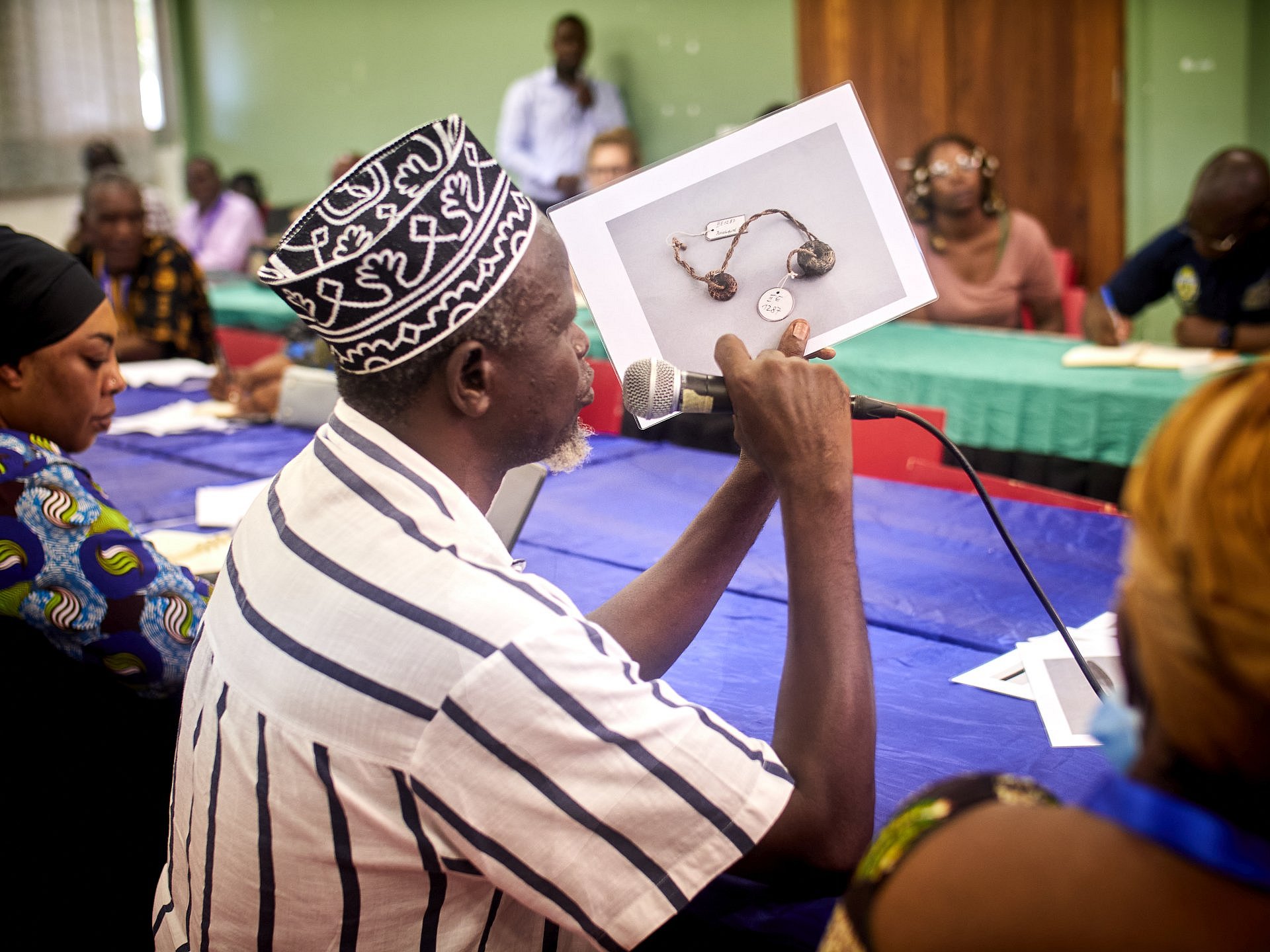
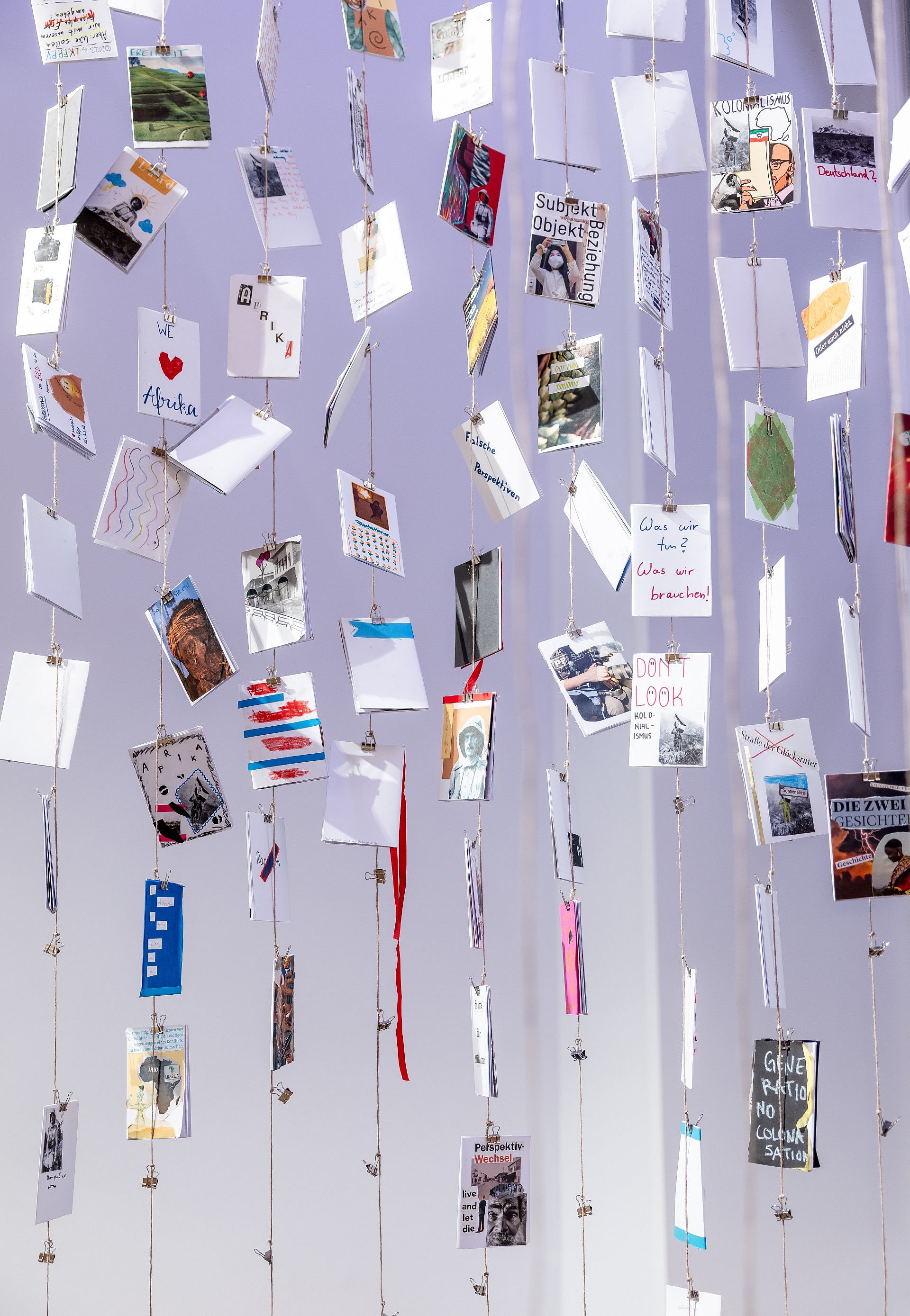
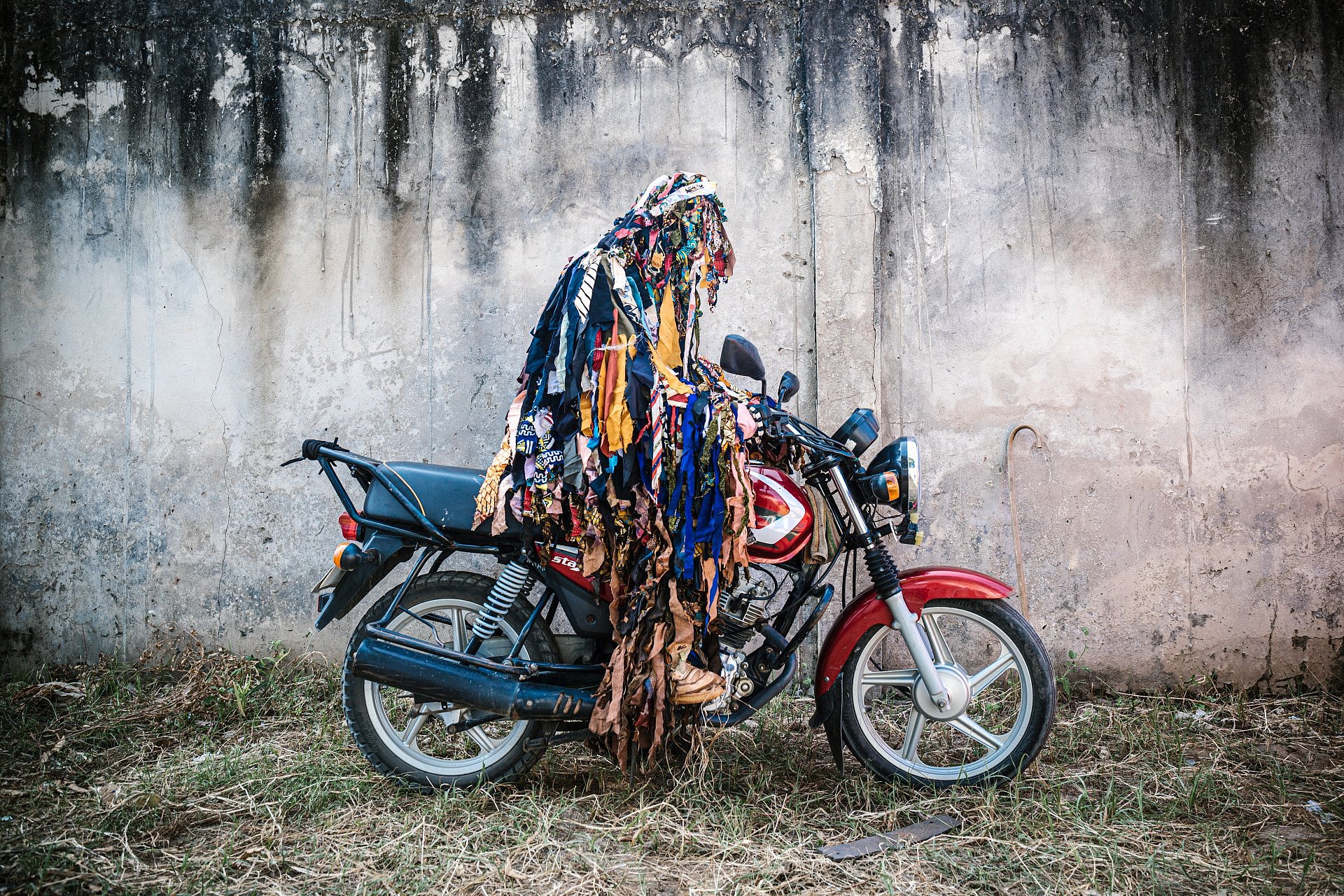
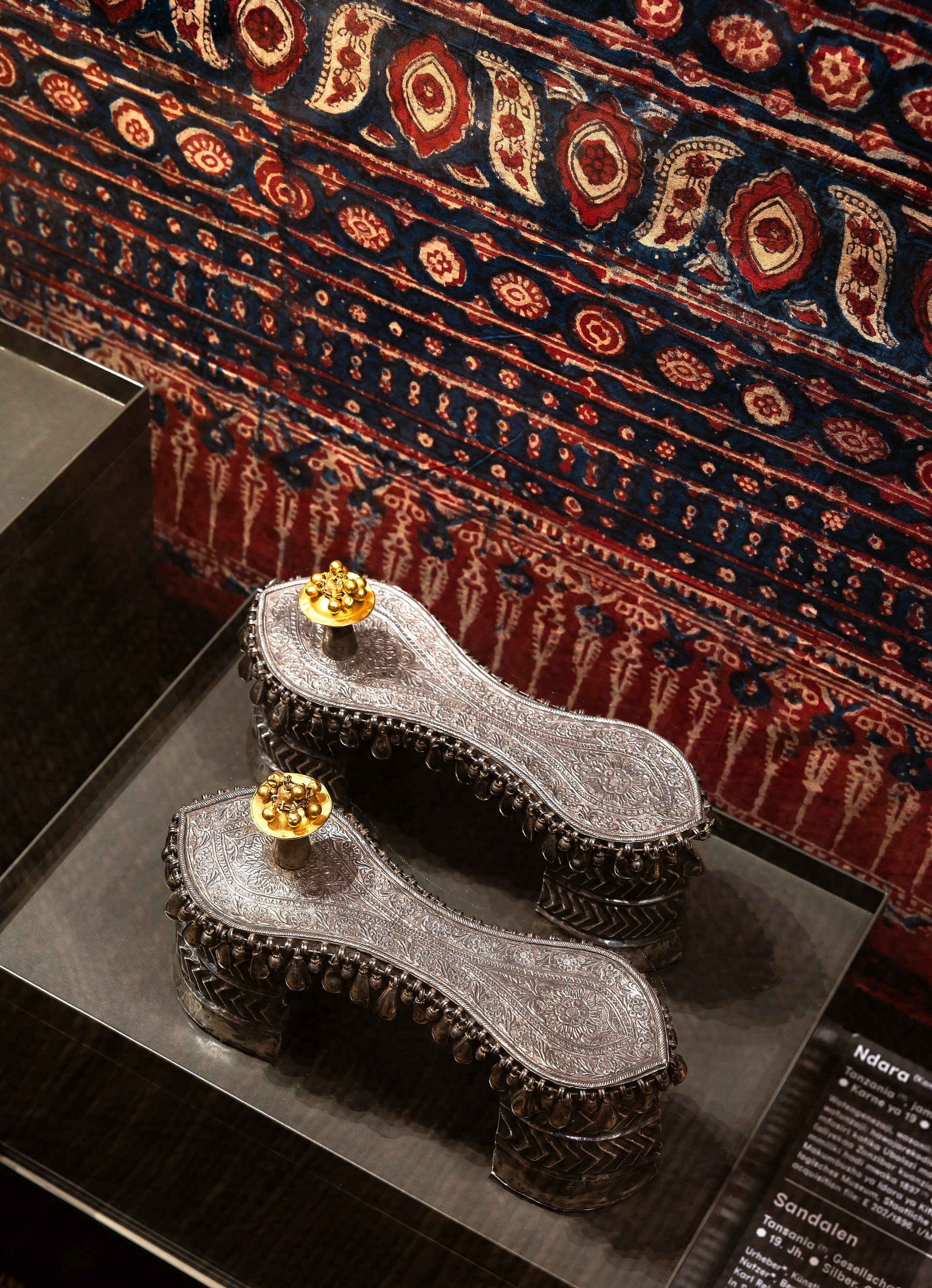
In many cases, the descendants do not view these as museum objects, but as sensitive artefacts that hold great significance for them and were subjected to specific rituals prior to their display at the Humboldt Forum. No display without consent! This was perhaps the most important principle guiding the preparation of the exhibition. In addition, the curatorial team held discussions with representatives of various communities as well as with descendants of former owners. This was followed by a conference at the National Museum of Tanzania, where the project, the Humboldt Forum and the Ethnological Museum were debated.
Without giving too much away: with its spectacular, expansive design, this exhibition makes a striking and powerful statement at the Humboldt Forum, revealing the significance of Tanzania and East Africa to world history. Developments between 3000 BC and 1000 AD gave rise to a highly complex mosaic of languages and communities through interactions between hunter-gatherers, pastoralists and farmers.
Added to this was the region’s integration into the Indian Ocean trade network. Trading cities flourished along the East African coast, their inhabitants acting as intermediaries between the maritime world and the interior. At the same time, Islamic religion and culture began to take root. For a long time, the world around the Indian Ocean was a space of intense, peaceful exchange. This changed from the end of the 15th century onwards, when first the Portuguese and later other European powers advanced into these areas by force and took possession of them, before oppression, exploitation and foreign rule came to an end with independence in 1964.
One can only hope that this new exhibition attracts a large audience and sparks debate: about Europe and Africa, the past and responsibility, and what we have in common in this one world. That is the Humboldt Forum’s mission.
The History of Tanzania
Location
Temporary exhibition space, 2nd floor, Humboldt Forum
Opening hours
- From Friday, 29 November 2024
- Mon, Wed, Thu, Fri, Sat, Sun: 10.30 am – 6.30 pm
- Tues: closed
Free admission
This article first appeared in the Berliner Morgenpost (4 December 2024)