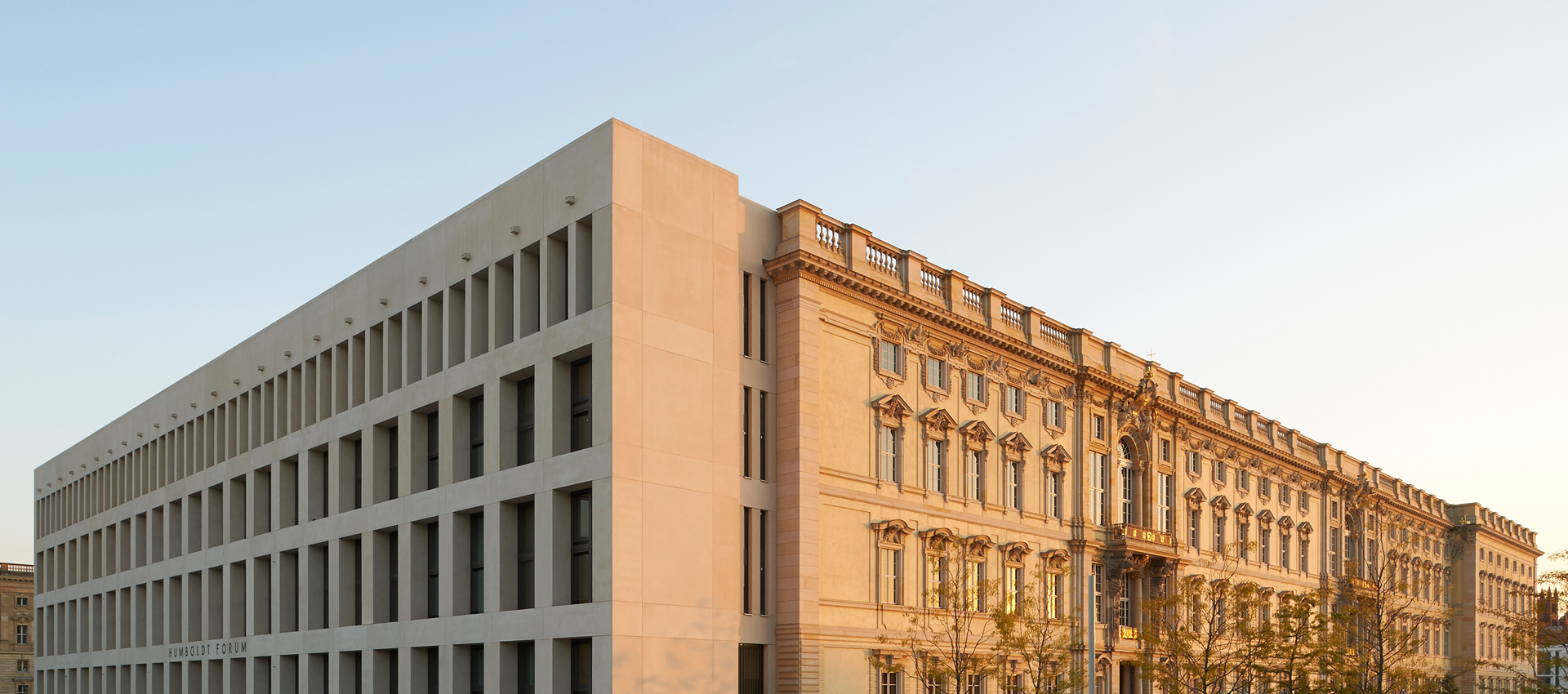
“A model of multiculturalism or a legacy of colonialism?” – The debate surrounding the Humboldt Forum oscillates between these two extremes. In the *Kunstzeitung* (October 2017 issue), three experts shared their views, including Viola König, Director of the Ethnological Museum of the Berlin State Museums.
I have been involved in the conception of the Ethnological Museum’s exhibitions at the Humboldt Forum from the very beginning. For just as long, a shift in perspective has been part of the programme. It has been discussed, evaluated and continuously updated both at home and abroad. I am puzzled by claims made by colleagues that I cannot comprehend: “The concept relies heavily on visitors’ curiosity and the spectacular nature of the exhibits,” they say, whilst warning against “a continuation of stereotypical images”. Of course we must arouse visitors’ curiosity, for example regarding the topic of colonialism, and spark interest in the many facets of European expansion across the globe over the past 500 years, the effects of which everyone feels today, such as the unjust distribution and exploitation of resources. However, we must also draw attention to the achievements and accomplishments – such as aesthetic expressions – that are not of European origin, and to world views based on values, some of which we are rediscovering today, such as our relationship with nature, maintaining a balance with the environment, and the realisation that we ourselves are part of ‘nature’.
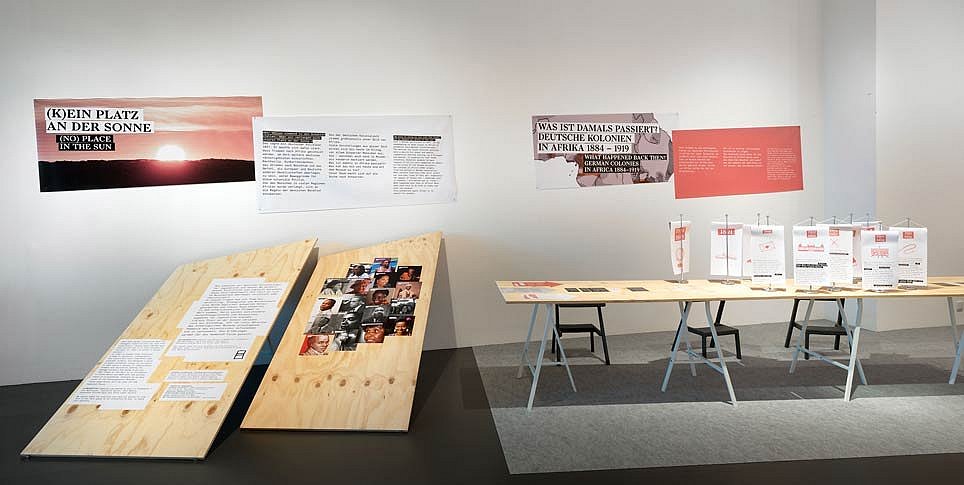
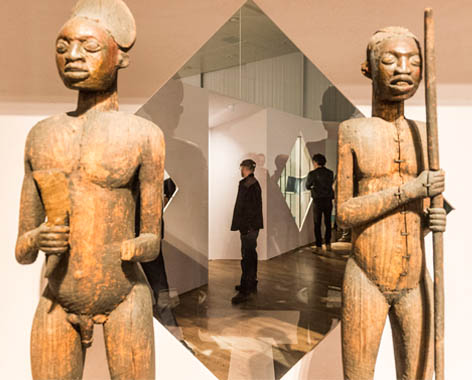
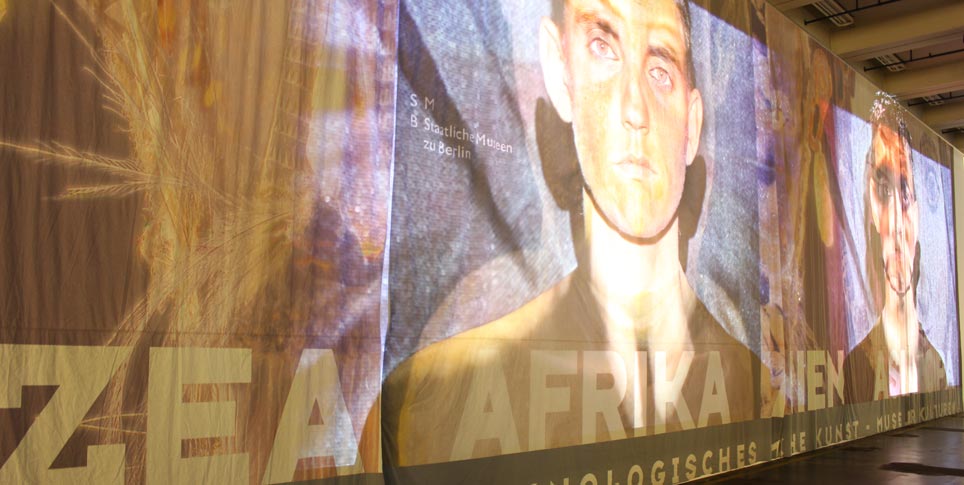
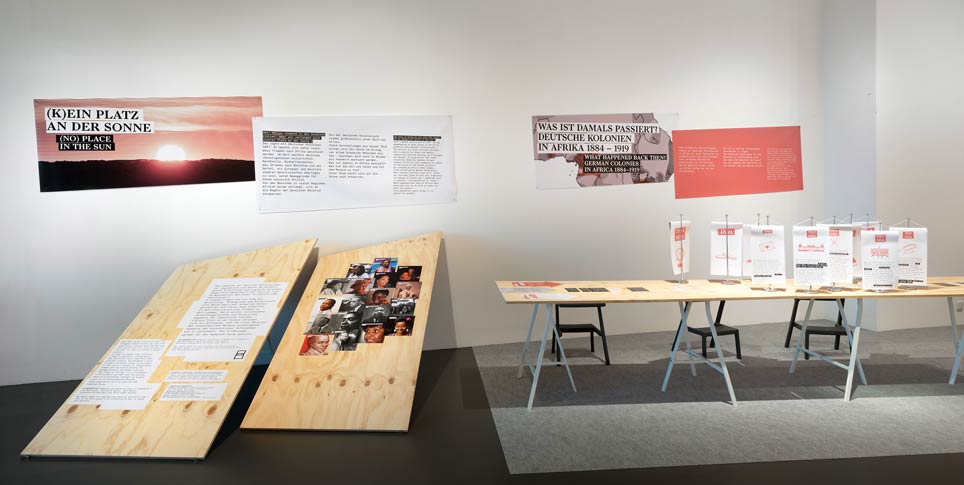
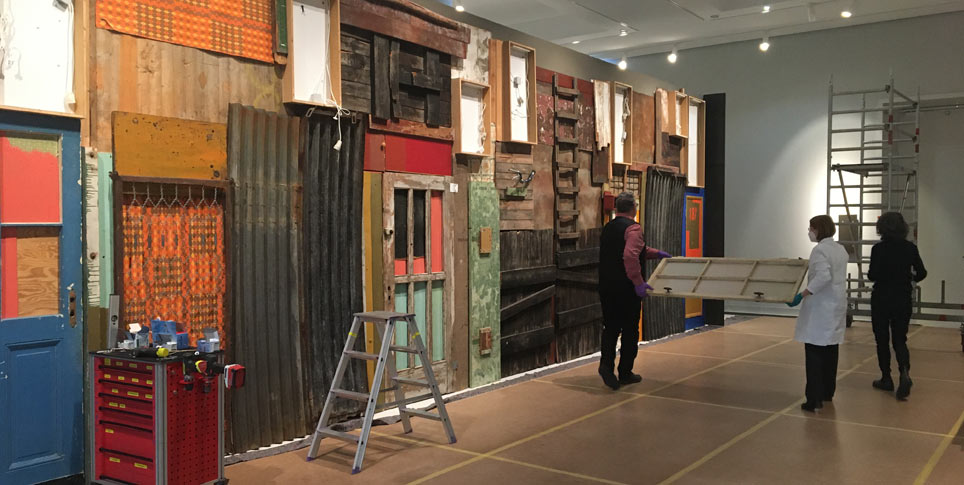
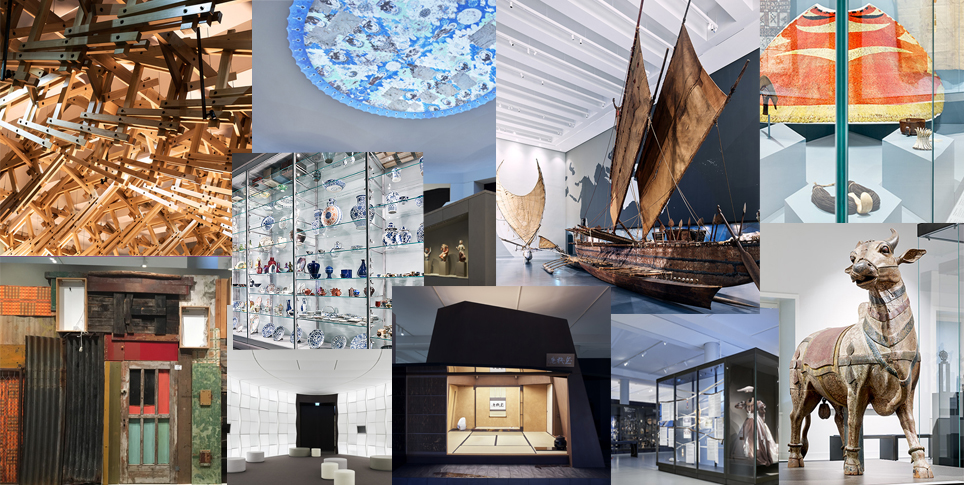
Installation view of the Humboldt Lab Dahlem, ‘(No) Place in the Sun’ © Uwe Walter
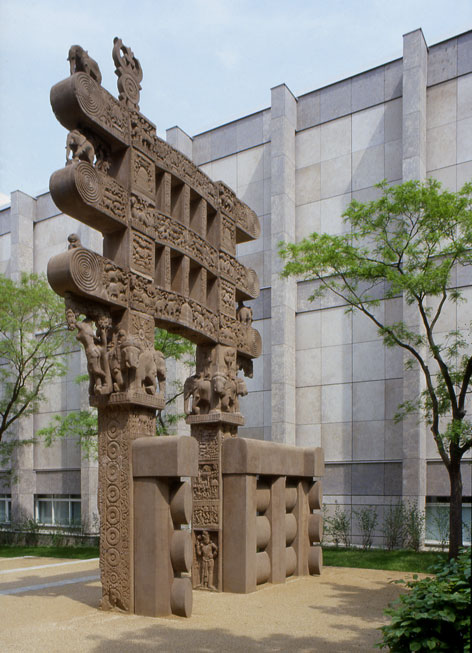
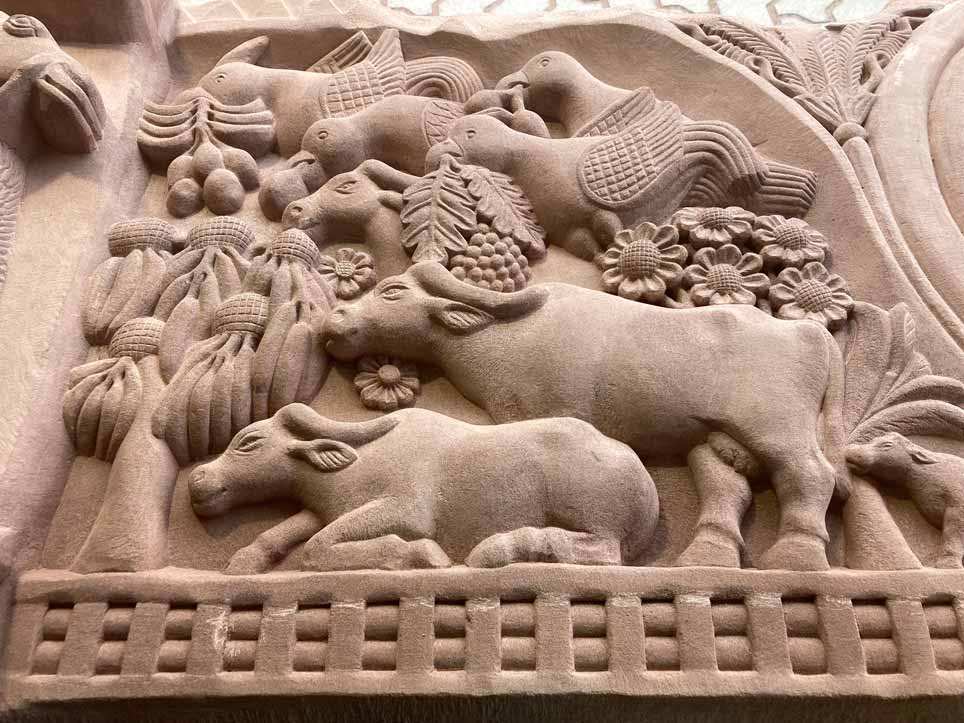
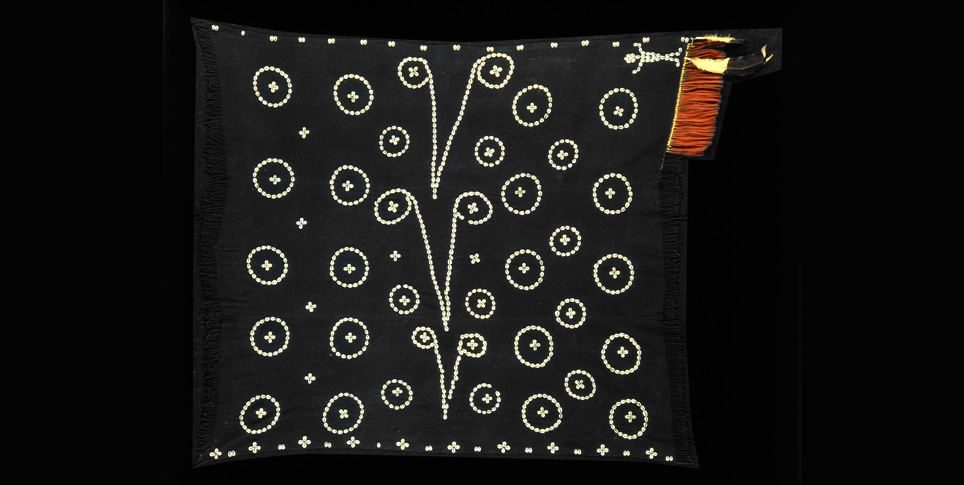
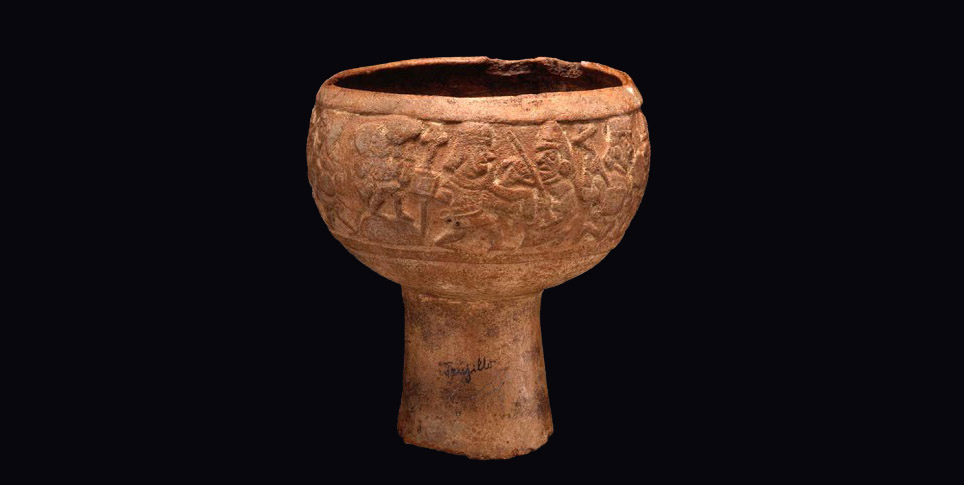
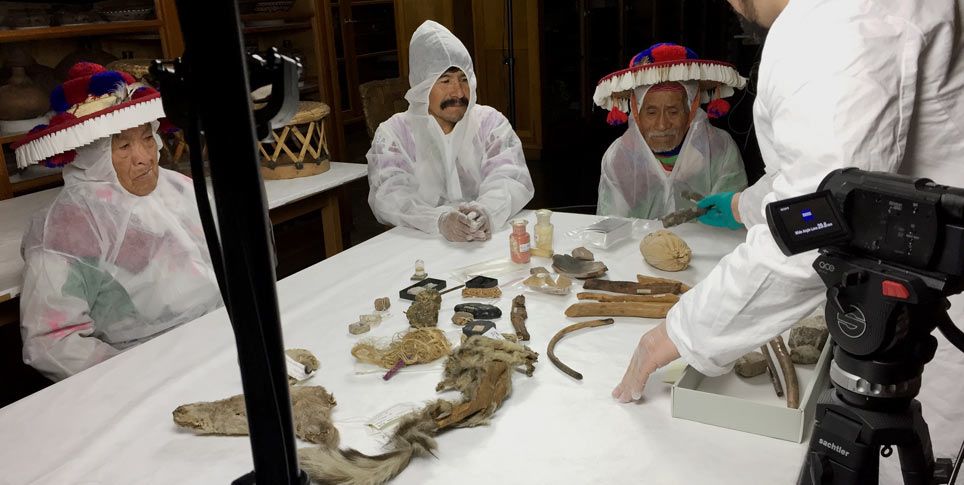
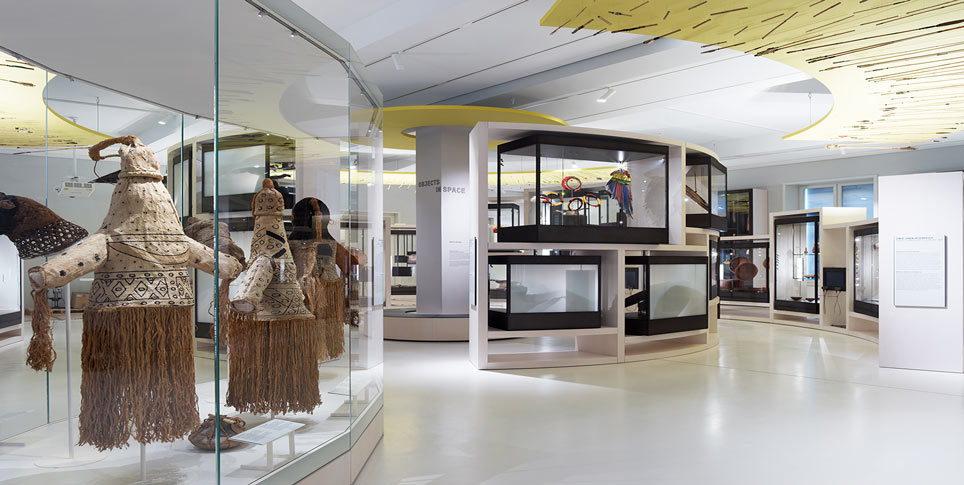
Numerous objects from the Ethnological Museum can illustrate such connections; others are particularly well-suited to highlighting postcolonial or global interconnections across time and space, establishing links that are difficult to convey to the uninitiated in an academic text. Objects have a powerful impact and encourage reflection. Thanks to the use of modern media, it is possible to provide more in-depth information than was previously the case. Ethnologists working in museums know how difficult it is to convey to visitors, through the medium of an exhibition, the experiences gained from stays with members of so-called ‘societies of origin’ – which by no means consist solely of indigenous minorities.
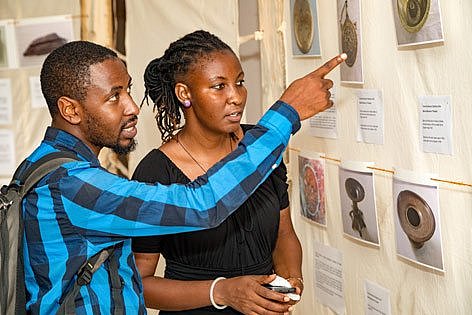
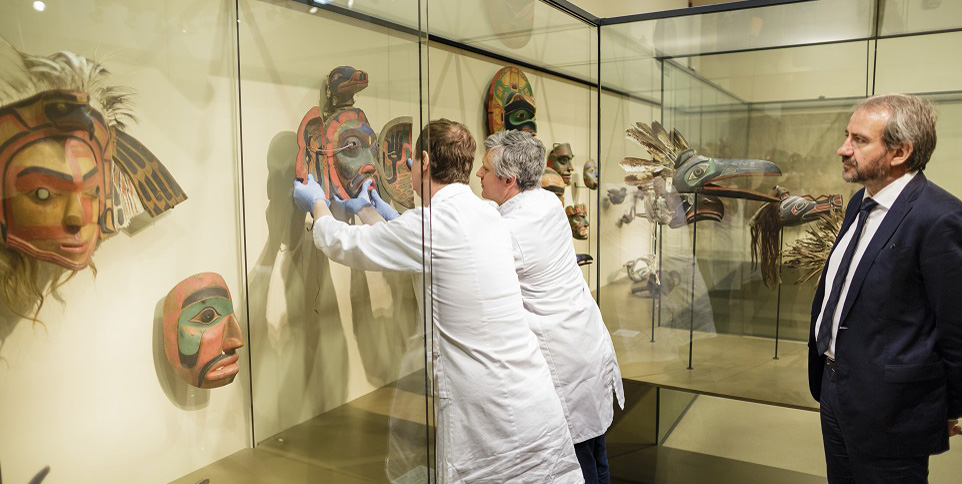
Public calls for provenance research are essential; it is only through external scrutiny that resources can be mobilised. I have been researching the provenance of objects since my student days, yet the Ethnological Museum holds half a million items. A vast number of experts are needed to investigate these: provenance, context and function. Without the Humboldt Forum, this debate would not be taking place. The aim is not merely to exhibit objects whose provenance is known, but rather to disclose the current state of knowledge. The most effective form of communication with the societies of origin today is digital. Critics are calling for a moratorium, the fourth since 2001. Anyone who goes along with this risks the end of a forum for ‘dialogue with global society’ and against ‘colonial amnesia’ in the heart of Berlin.
This article originally appeared in Kunstzeitung (October 2017 issue).