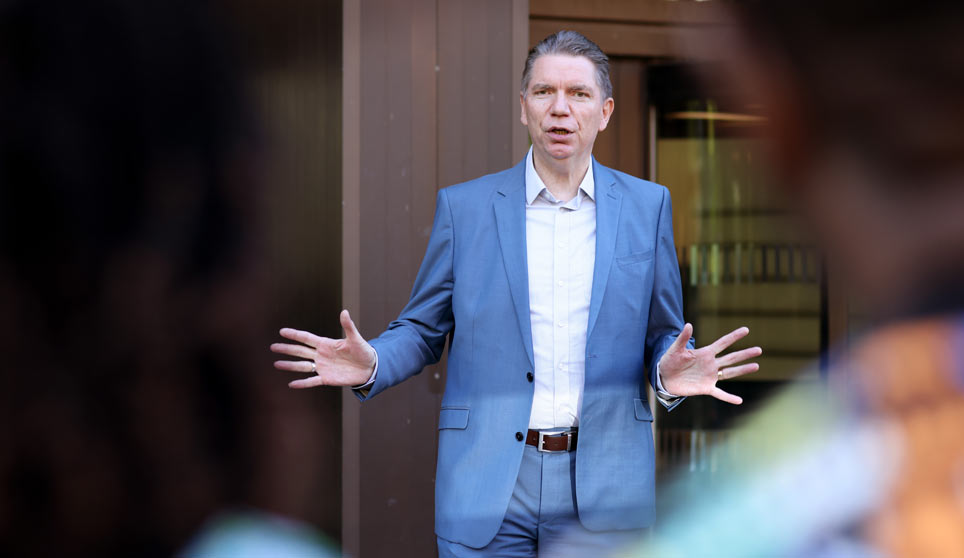
Roland Platz, Head of the South and South-East Asia Collection at the Museum of Ethnology, on Asian minorities and the quest for autonomy
What are you exhibiting at the Humboldt Forum?
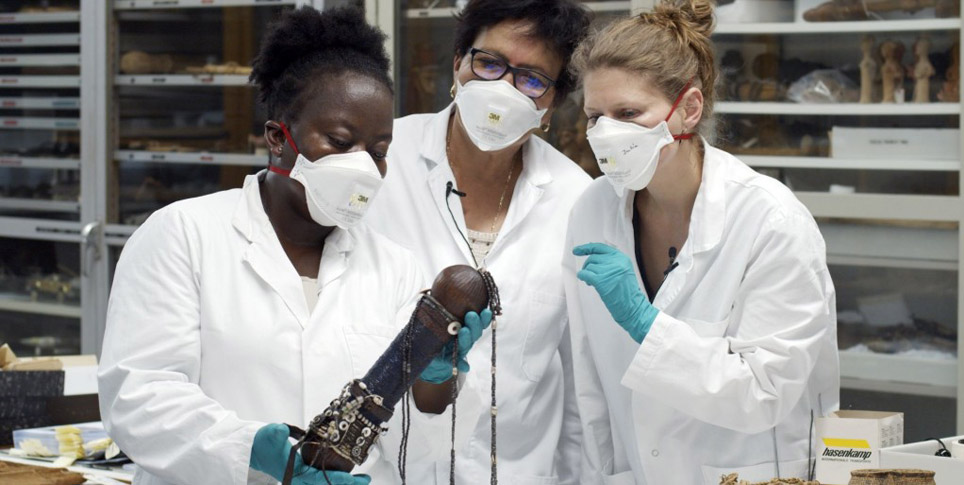
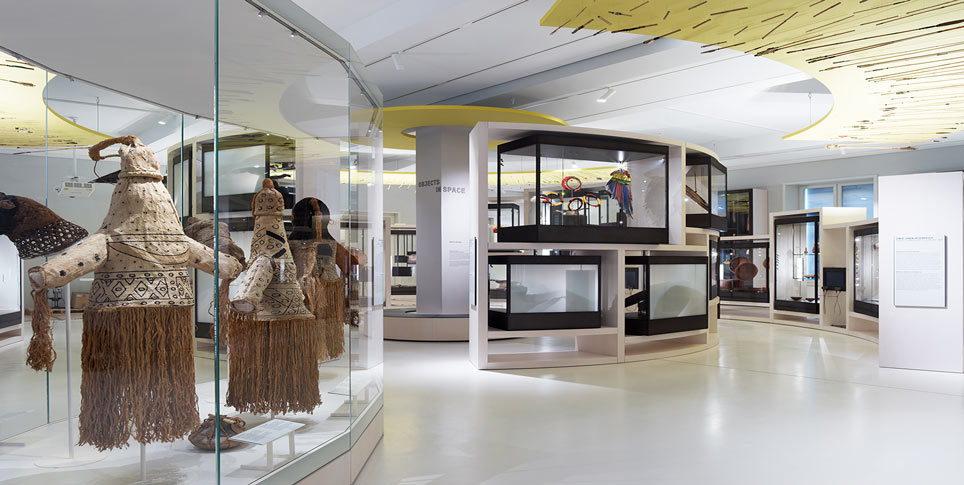
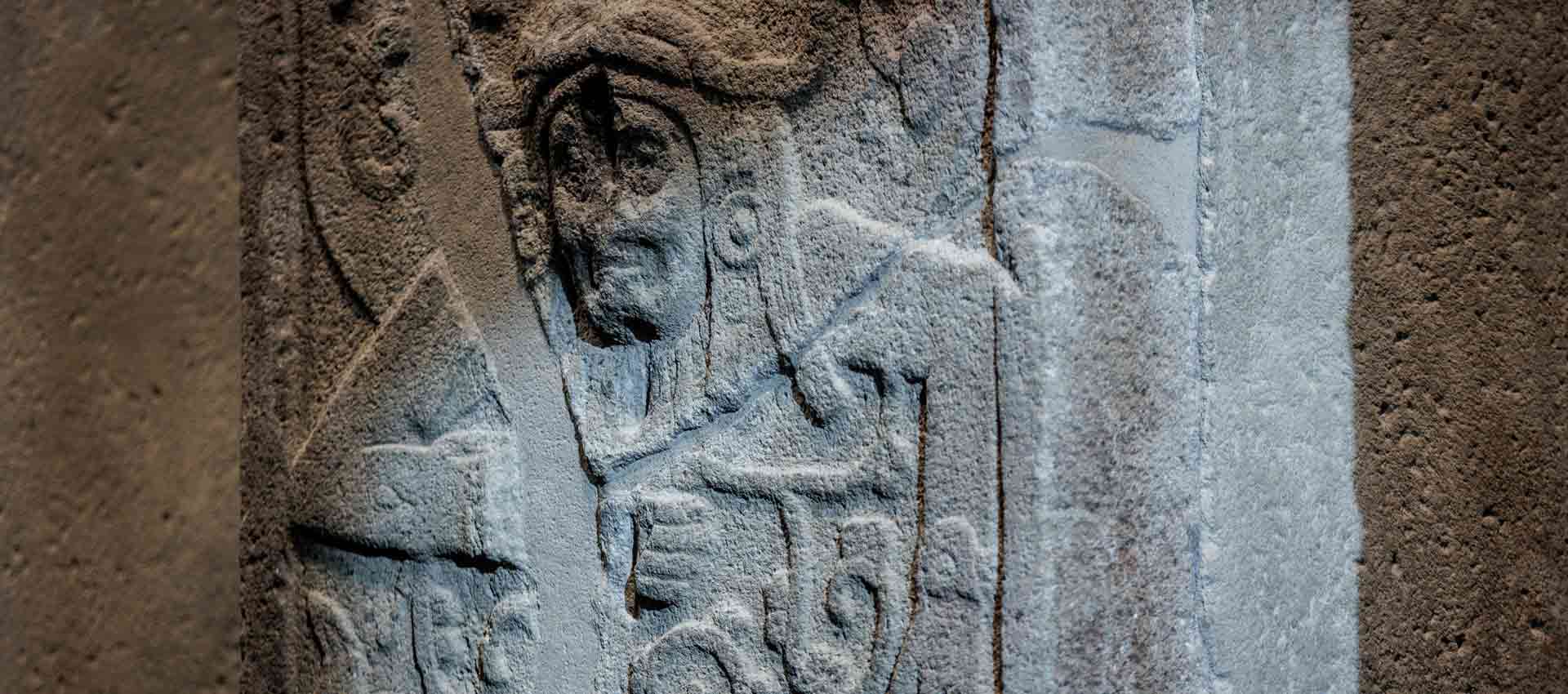
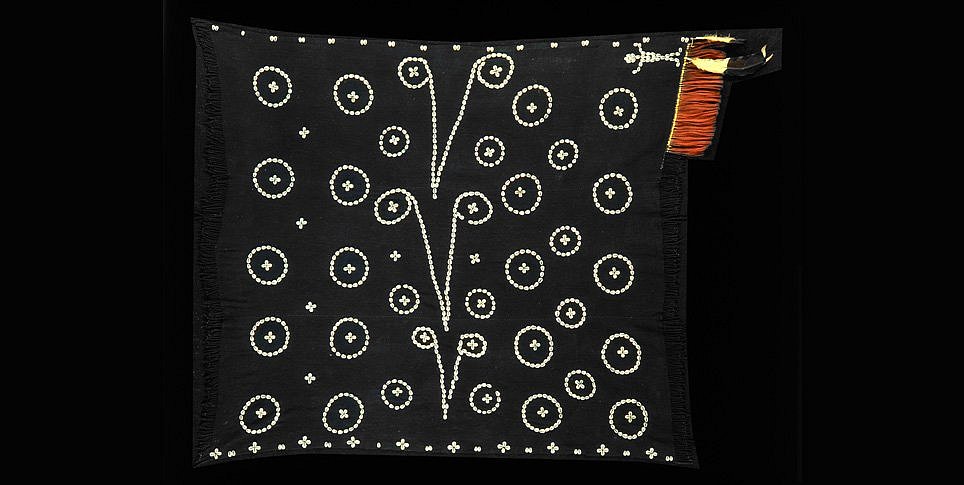
Roland Platz: We have a very significant collection of objects from the land of the Naga, a minority group in north-eastern India. The majority of the objects date from the 19th century; unfortunately, very few older items have survived in the region itself. For example, we have jewellery made from dyed hair and textiles with distinctive patterns, which we aim to present in an aesthetically pleasing way at the Humboldt Forum. In relation to Nagaland, we will be displaying parts of our valuable collection from the hill tribes of the so-called Golden Triangle, the border region of Burma, Laos and northern Thailand.
© Prussian Cultural Heritage Foundation / Ethnological Museum
The exhibition area will also offer a fascinating insight into the world of Asian theatre. The focus here is on Indonesia, with its shadow puppets, the Wayang Kulit, and also the Wayang Golek, rod puppets clad in textiles. It is the world of ancestors, gods and spirits that is brought to life on stage here. The art of Asian shadow, mask and marionette theatre stems from a long tradition, yet continues to evolve.
How does the new presentation differ from the previous exhibition in Dahlem?
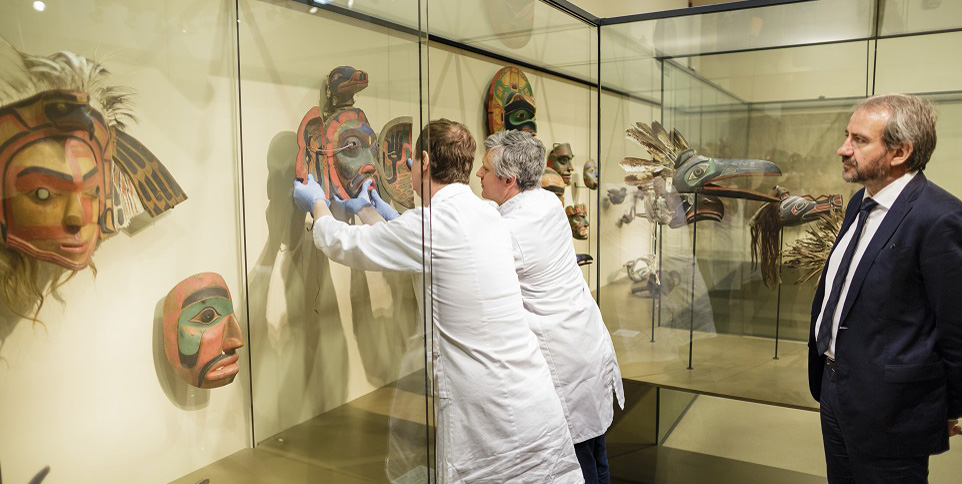
In Dahlem, only the Golden Triangle has been on display so far. It is a rather successful exhibition, but one that was created on a tight budget and where, unfortunately, improvisation was often necessary. At the Humboldt Forum, visitors will experience a different form of object presentation. In the section on mountain peoples, attractive textiles will dominate, which will be shown to better effect than at present thanks to special lighting and display case design.
The ‘Naga’ and ‘Asian Theatre’ sections are not currently on display in Dahlem at all and represent, in a sense, a novelty. Some of the objects intended for the Humboldt Forum have never been shown before, whilst others were last seen in exhibitions long ago.
What does all this have to do with our lives today?
Contemporary relevance plays a very significant role in both sections. The theme of the ‘struggle for self-determination’ is highly topical. For me, the Naga artefacts, which are over 100 years old, form a bridge to showcase this culture and spark an interest in the minorities of this region. These cultures differ greatly from the lowland peoples surrounding them. Over the centuries, they have managed to preserve their traditions and way of life, and there is a strong spirit of resistance to safeguard these against a heavily intervening outside world. Whether this is the Indian government in the case of the Naga, or the governments of Thailand, Myanmar and Laos, which enact laws that are not tailored to the hill tribes. I also aim to use media interventions to portray the current state of selected societies and the problems they face.
What is your favourite object and why?
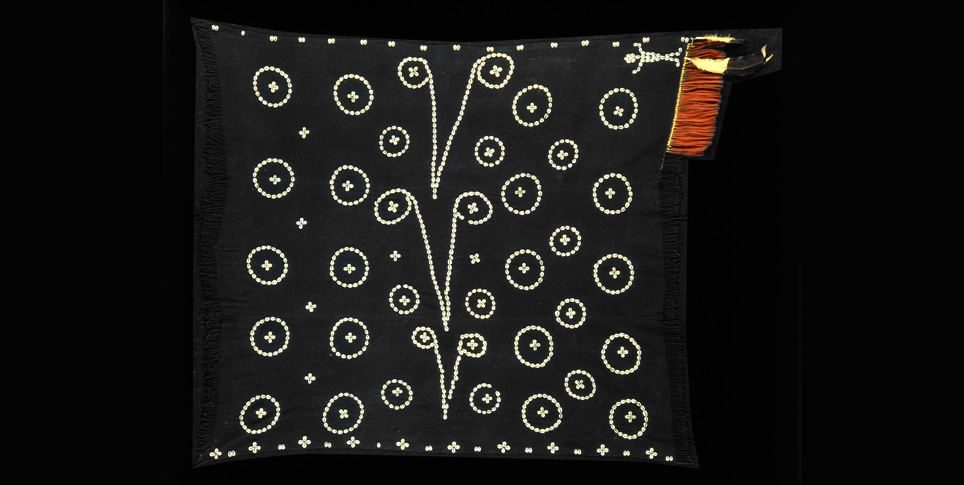
An image of a particular object immediately sprang to mind: a shawl of the Ao Naga from Nagaland. This is worn across the shoulder and was reserved solely for warriors who had themselves captured a head. Headhunting was very common in this region at the time and a prerequisite for a warrior to attain a certain status. The design of this textile really appeals to me; it is woven, in shades of blue and adorned with cowrie shells. I am fascinated by the aesthetics of these cultures, who lived in their villages, practised slash-and-burn agriculture and did not possess a wide range of technology, yet were still able to produce such artistic objects.