Hermann Parzinger on the ‘Maji Maji Uprising’. The brutal war 110 years ago, in which German troops crushed an uprising against their colonial rule, has faded from Germany’s collective memory.
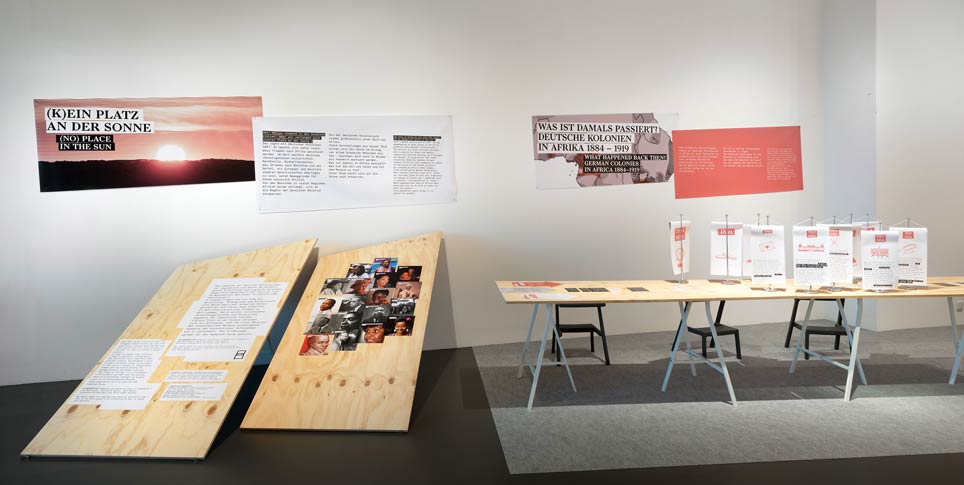
The desire for a “place in the sun” had grave consequences for the people living there, not only in present-day Namibia but also in East Africa. German colonisation of what is now Tanzania met with widespread resistance and was bloodier than is generally known. Even the attempt by the German East African Society to occupy the coastal trading towns in 1888 met with resistance from the local elite and sections of the population, which was subsequently crushed by the newly appointed Imperial Commissioner Hermann von Wissmann.
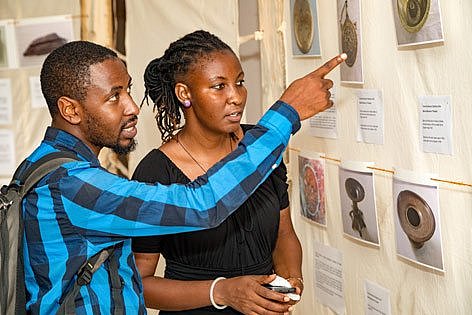
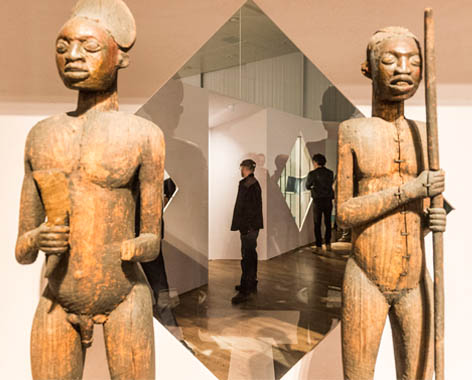
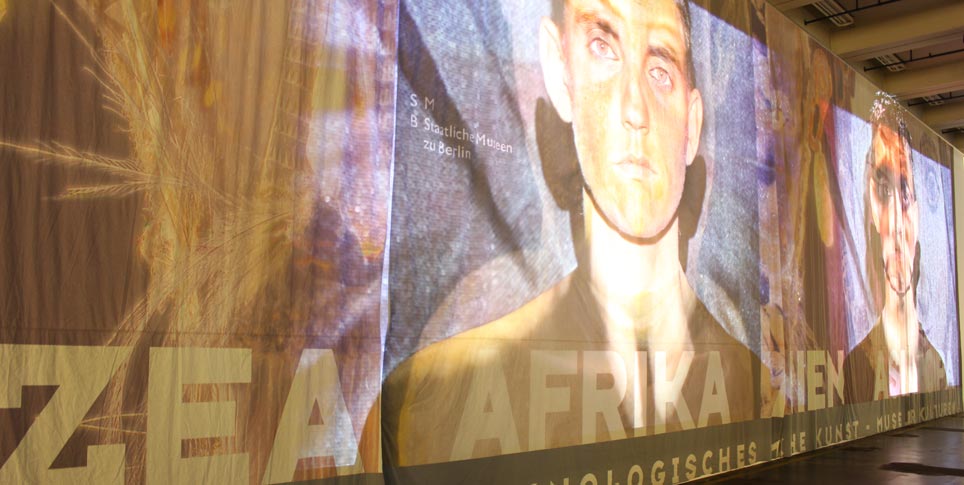
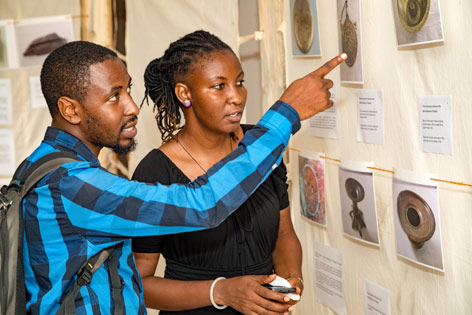
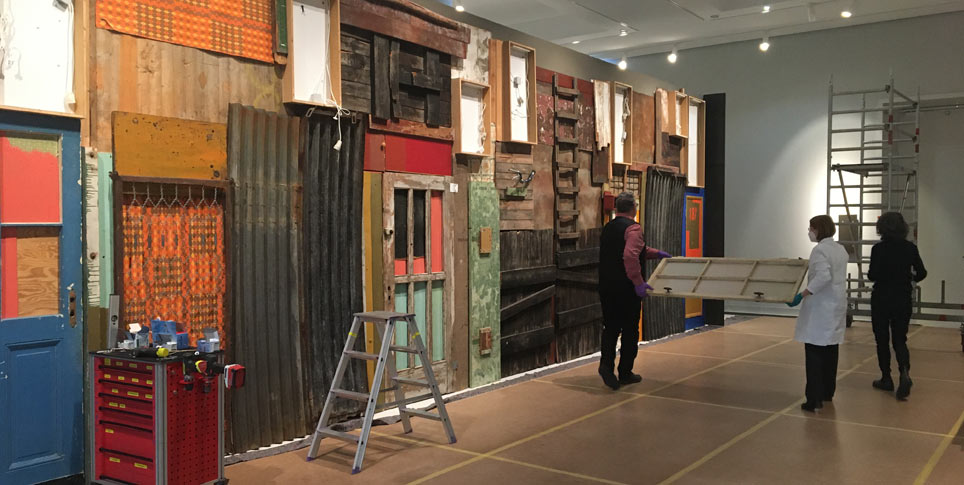
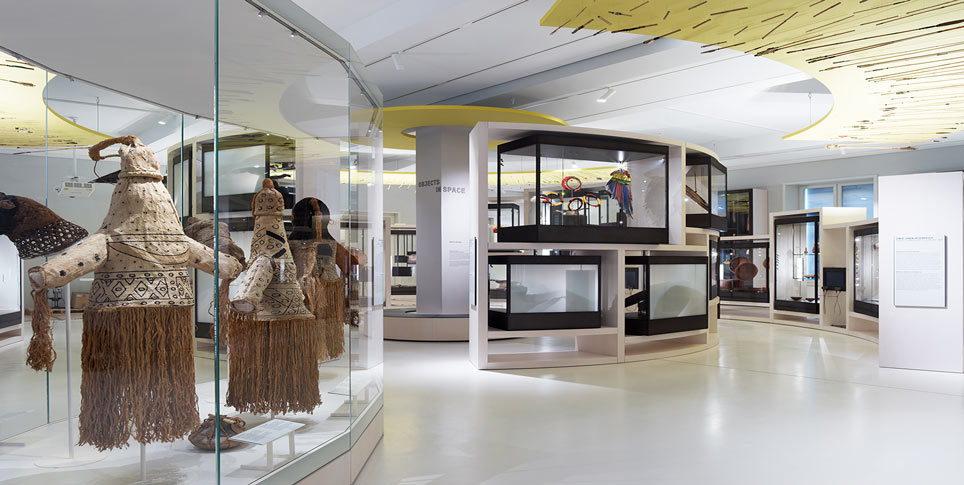
Visitors at the exhibition ‘Living Inside the Story / Humboldt Lab Tanzania’ (February 2017). © Pavel Desort Photography
The main leader of the revolt, Abushiri ibn Salim al-Harthi, was captured and hanged in 1889. Two years later, German East Africa was officially placed under the administration of the German Empire as a so-called protectorate. Resistance movements against foreign political and economic claims to power, however, continued.
Germany’s “most formidable enemy”
Hassan bin Omari Makunganya and Chief Machemba, two influential traders and rulers in the south-east of present-day Tanzania, successfully defended their spheres of influence against German occupation for years. Makunganya was captured and hanged from a mango tree in Kivinje. The place where the tree stood is still called Mwembe Kinyonga, the “executioner’s mango tree”. There is also a small memorial there to Hassan bin Omari and the fighters of the Maji Maji War.
Mkwawa (Mkwavinyika Munyigumba Mwamuyinga) became known as Germany’s “most fearsome enemy”. From 1891 to 1898, he led the Hehe people’s war against the German colonial power using successful guerrilla tactics. The resistance was suppressed with extreme brutality by the “Schutztruppen”; indeed, the strategy against Mkwawa was already described as a “campaign of extermination” and a “war of destruction”. Finally defeated, Mkwawa committed suicide in 1898. The skull of the corpse was sent to Germany; a skull returned by the Bremen Overseas Museum in 1954 is now kept as Mkwawa’s skull in a memorial museum dedicated to him near Iringa.
Between 1905 and 1907, large sections of the societies living in the southern half of German East Africa finally rose up against the representatives of the colonial order. The main trigger was the heavy tax burden, which forced farmers to work on plantations and neglect their own fields. During this period of social and economic crisis, a prophetic movement gained prominence, promising protection and invulnerability through a special medicine (maji = ‘water’) and giving its name to the uprising.
Hundreds of thousands fell victim to this war, which the Germans, supported by Askari and other auxiliary troops, waged with utter brutality according to the scorched-earth policy. The literature speaks of between 200,000 and 300,000 victims, the vast majority of whom lost their lives as a result of the destruction of villages, fields and, consequently, all means of subsistence in the region. Undoubtedly, the Maji Maji War, alongside the Herero and Nama war against the Germans in South-West Africa, represents the most significant uprising against imperial colonial rule.


Inextricably linked to tyranny
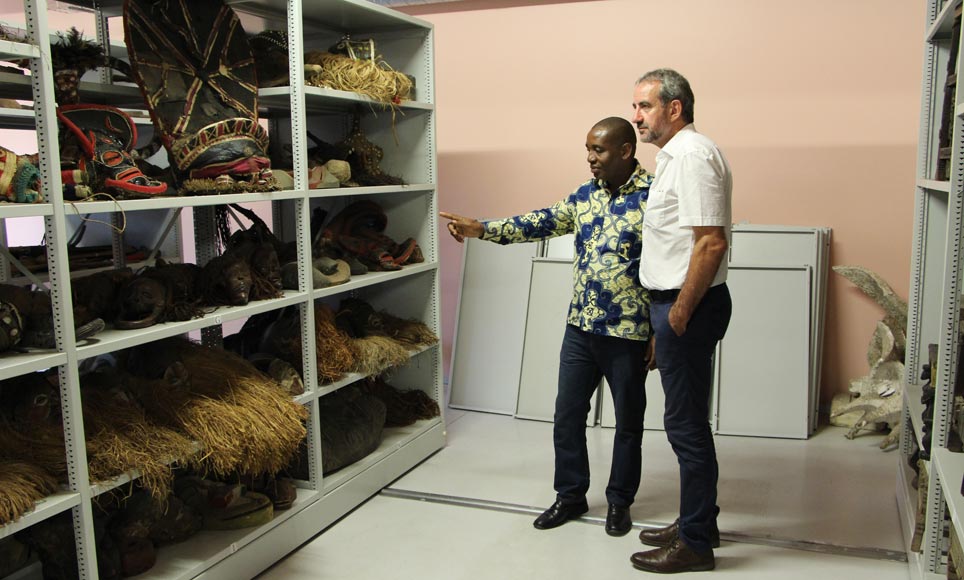
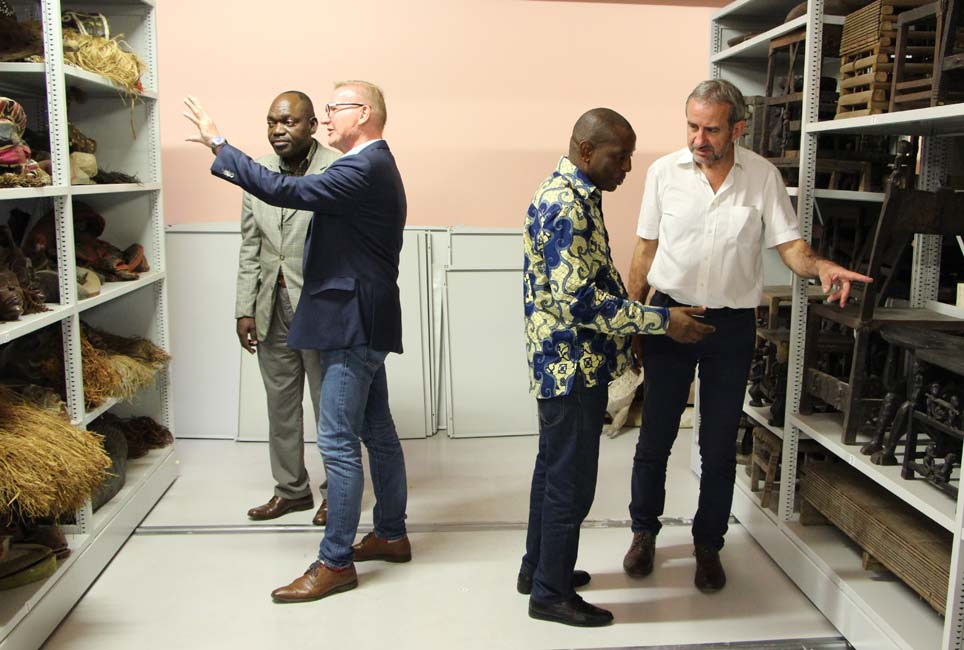
The Ethnological Museum’s Tanzania collection now comprises around 10,000 objects; unfortunately, a number of these are inextricably linked to the tyranny of that era. As the Prussian Cultural Heritage Foundation, together with the State Museums of Berlin, we are very much aware of this fact and are therefore facing up to our responsibility. In preparation for the relocation of the collections from Dahlem to the Humboldt Forum, we therefore feel not only obliged to conduct provenance research, but have also proactively contacted the relevant political and cultural institutions in Tanzania.
At the end of November last year, an initial joint conference on this topic took place in Dar es Salaam, co-organised by the local Goethe-Institut. The ‘shared heritage’ approach cannot, of course, take hold immediately here; after all, we are dealing with spoils of war and colonialism, with injustices committed and anti-colonial resistance. And it is precisely for this reason that it is so important in this context to find a common way of dealing with this history. The Maji Maji War must not merely be a subject for history books, but must also become part of a living engagement with the past.
Together with researchers from Tanzania, we wish to come to terms with this history and tell its story at the Humboldt Forum. I was deeply impressed by the open dialogue, driven by a shared desire to come to terms with these dark years, and by the various discussions held in Dar es Salaam with representatives of the National Museum and House of Culture, the University of Dar es Salaam and the Division of Antiquities. Even though a long and sometimes arduous path certainly lies ahead of us, for the Prussian Cultural Heritage Foundation there is no alternative to it.
The Maji Maji War must not merely be a subject for history books; it must also become part of a living engagement with the past.
We cannot and do not wish to conceal the problematic aspects of our ethnological collections, which originate from almost every region of the world; instead, we must deal with them openly. Our aim must be deep, long-term cooperation based on partnership. Let the objects travel! Would a jointly curated Tanzanian-German exhibition on our shared history, to be shown in both Berlin and Dar es Salaam, not be highly desirable? Permanent loans are, of course, also conceivable. In justified individual cases, we will also have to decide on restitutions following thorough provenance research.
The rediscovery of the objects from the uprising
Even though a large part of the Ethnological Museum’s holdings does not originate from former German colonies, but was systematically acquired through purchases worldwide or gathered during research expeditions; there is no doubt that objects from various wars and hostilities also found their way into the then Royal Museum of Ethnology at that time.
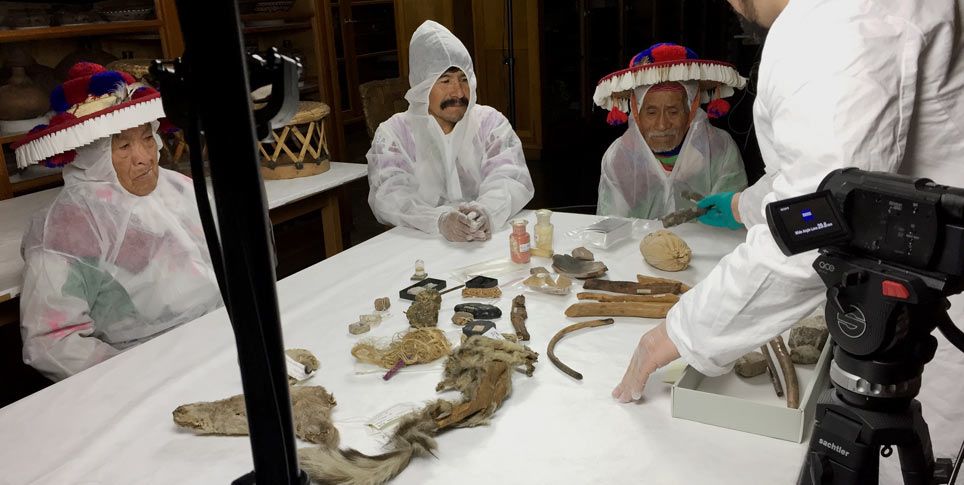
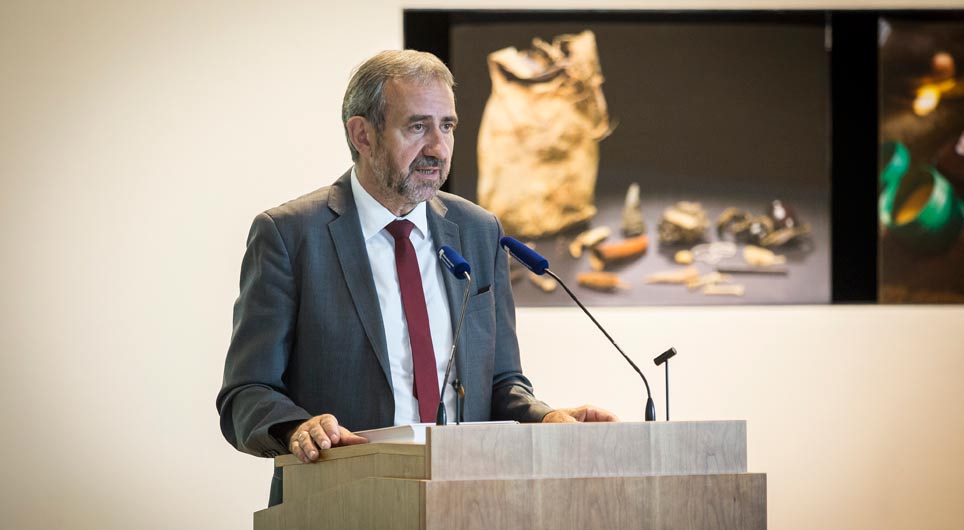
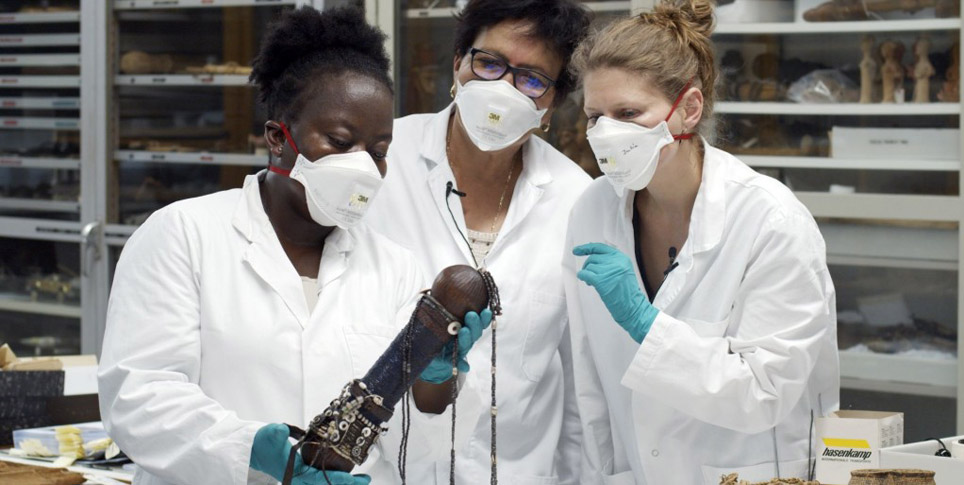
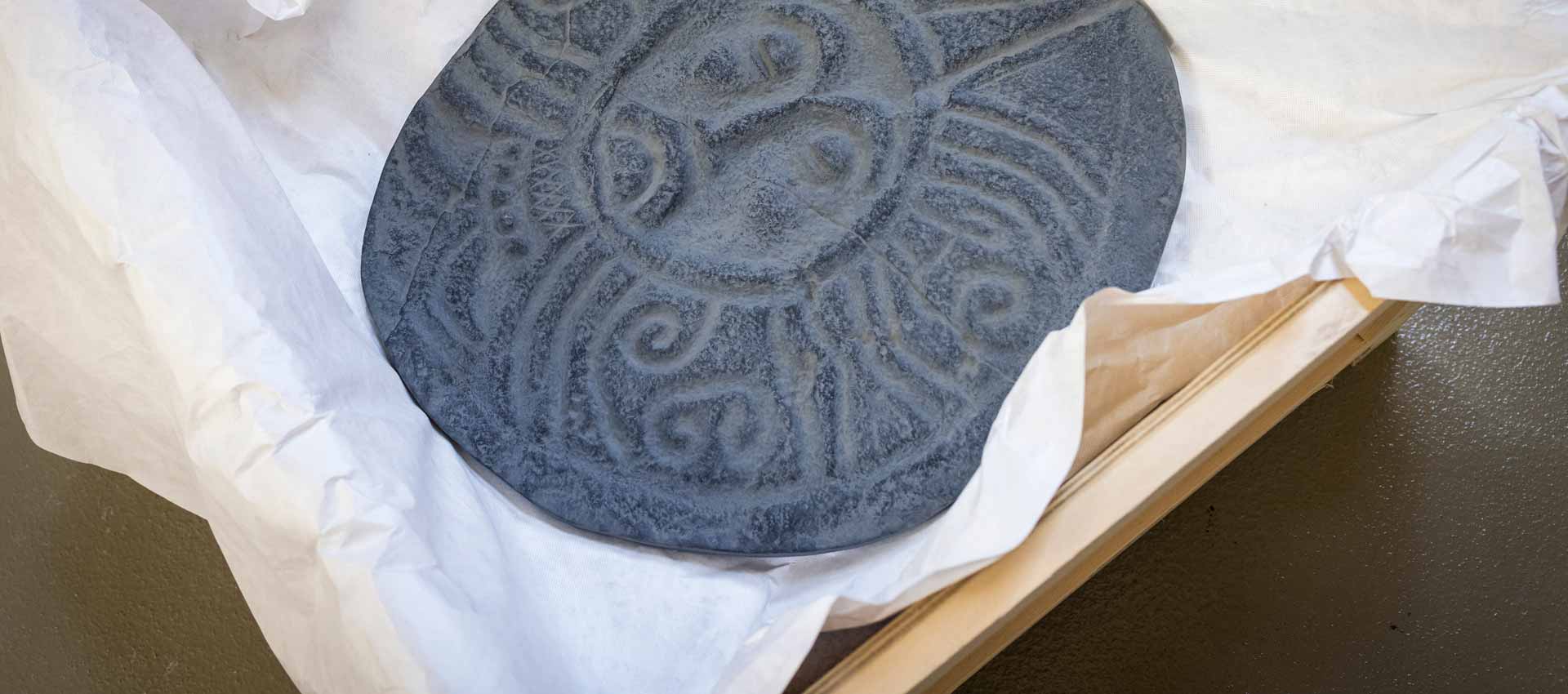
Objects captured in connection with the anti-colonial resistance in what is now Tanzania fell into oblivion and were only ‘rediscovered’ through targeted research into the East African collection with regard to provenance. Thirty-two objects, including rifle bullets, a powder horn and a pouch of ‘medicine’, were identified in the process, all of which are clearly linked to the Maji Maji War.
It is time to bring this forgotten war back into public consciousness; both here and in Tanzania. It is time to jointly reconstruct the circumstances of the acquisition and the significance of the objects at the time with the utmost care, and to take into account the contemporary significance of the objects for the societies from which they originate.
Under the leadership of Africa curator Paola Ivanov, the Ethnological Museum has initiated two groundbreaking projects in recent months. “Tanzania-Germany: Shared Object Histories?” begins with the examination of selected collection holdings from present-day Tanzania. The aim is to develop a framework for researching the provenance of the Ethnological Museum’s collections that are fraught with issues, particularly those collected during the colonial era. The pilot project initially takes as its starting point the classic questions of provenance research: What are the objects’ histories? Who were the previous owners and any intermediaries? How did the respective objects come into the museum’s possession?
It is time to work together to reconstruct, with the utmost care, the circumstances surrounding the acquisition of these objects and their significance at the time, whilst taking into account the significance they hold today for the communities from which they originate.
Against the backdrop of the specific characteristics of provenance research in ethnology and African history, this inevitably raises the question of the role and significance of objects in colonial encounters and power relations, which were mostly characterised by the violent imposition of new spatial, social, political and religious orders by the colonisers. Despite the focus on the violent nature of colonial expansion, the fragility of German colonial rule and the agency of Africans should always be borne in mind.
An exhibition at the site of horror
In a second phase, the project aims to trace the changing histories of the objects up to the present day and examine how their meanings have evolved historically throughout the colonial and post-colonial periods. Oswald Masebo, Professor of History at the University of Dar es Salaam, suggested the excellent idea of ‘letting the objects speak again’. Naturally, this can only be achieved in close cooperation with Tanzanian academics and the descendants of those who created these objects.
In collaboration with the Tanzanian National Museum, it is therefore planned to invite two curators-in-residence from Tanzania to spend several months at the Ethnological Museum. In addition, a “Memorandum of Understanding” has been signed between the University of Dar es Salaam and the Prussian Cultural Heritage Foundation, which is intended to form the basis for joint research work by German-Tanzanian teams in a second project phase. However, these findings are not only to be made accessible to future visitors to the Humboldt Forum, but also, with the help of a digital platform, to a wider and, above all, global public in the future.
In concrete terms, the collaboration is already taking shape within the framework of the Humboldt Lab Tanzania. In this project, funded by the TURN Fund of the German Federal Cultural Foundation, researchers, cultural practitioners and museum specialists from Germany and Tanzania have initiated an interdisciplinary critical dialogue.
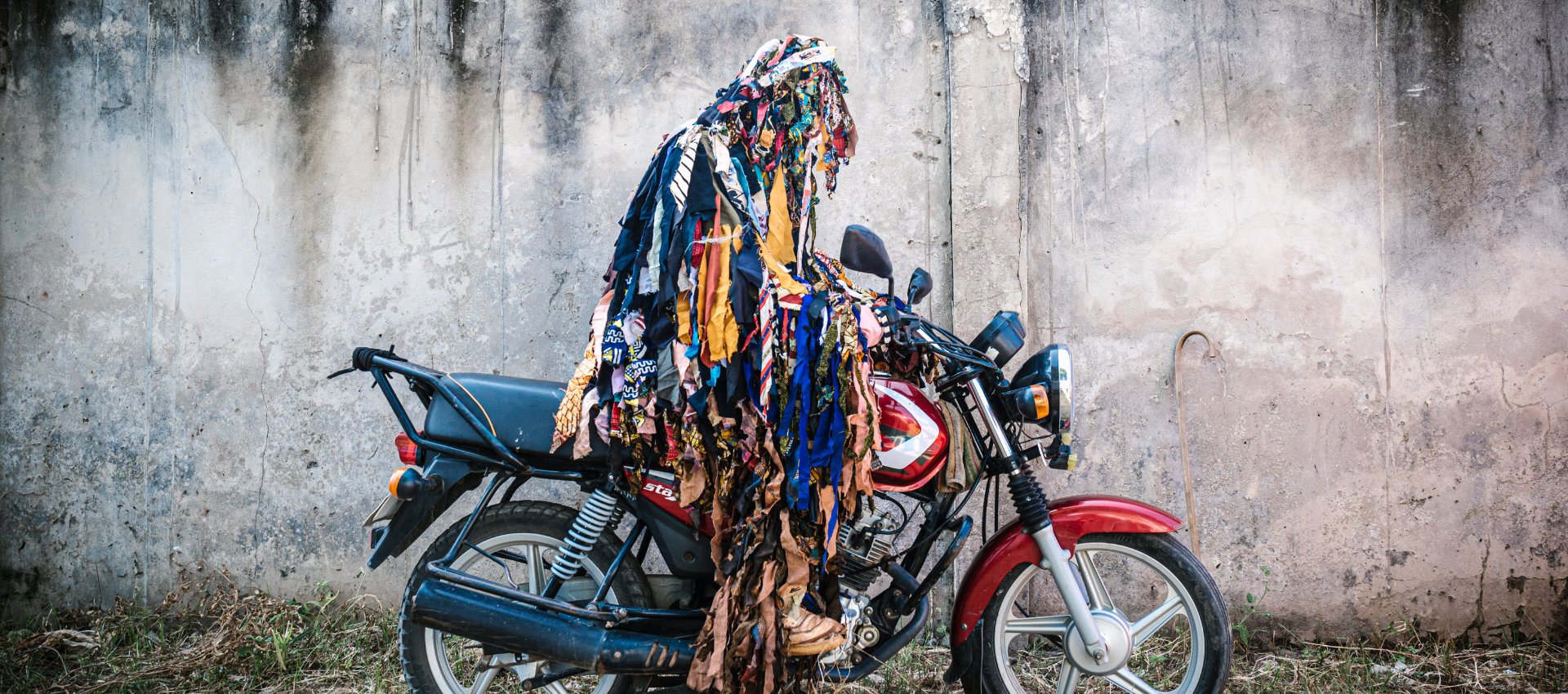
As a visible outcome of the Humboldt Lab Tanzania, an interdisciplinary exhibition curated by Lili Reyels and entitled “Living Inside the Story” opened in Dar es Salaam a few weeks ago. Four young Tanzanian artists engaged with individual objects from the Tanzania Collection in the run-up to the exhibition and translated their impressions and feelings into art.
The exhibition has now also been invited to Songea in southern Tanzania, where the annual Maji Maji commemorative ceremonies will take place on 27 February 2017. Given the sombre background to this day of remembrance, it is a wonderful sign of constructive cooperation that the exhibition can also be shown at the very site of the tragedy.