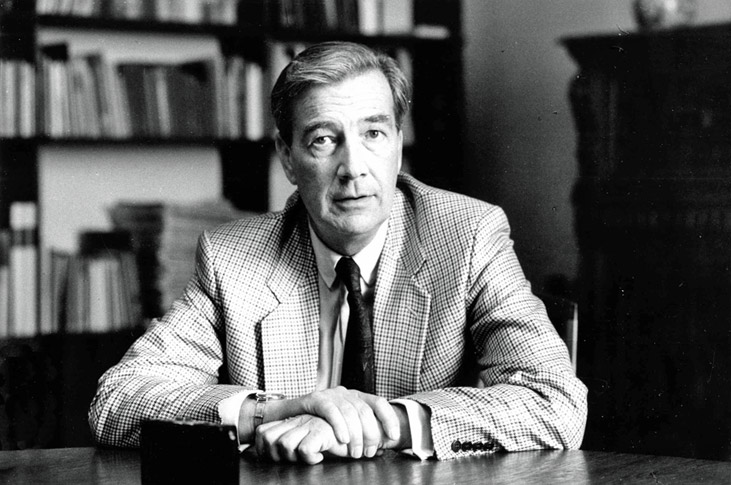
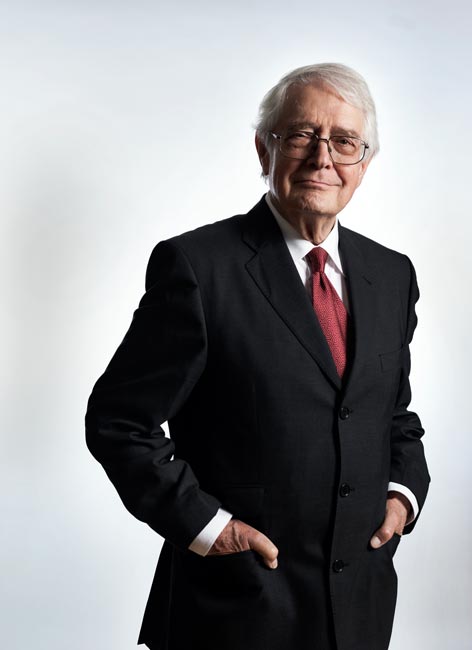
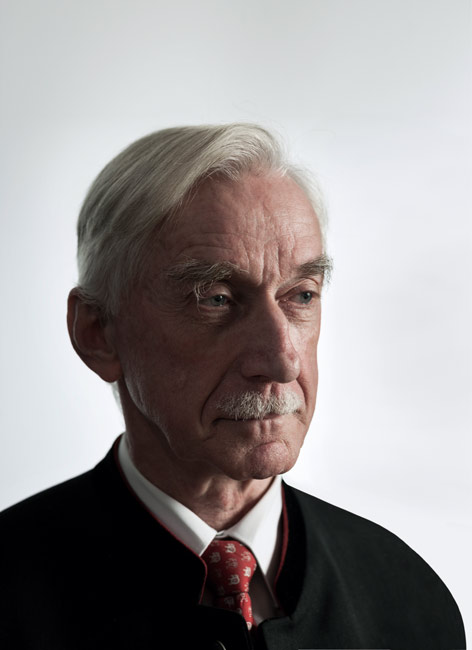
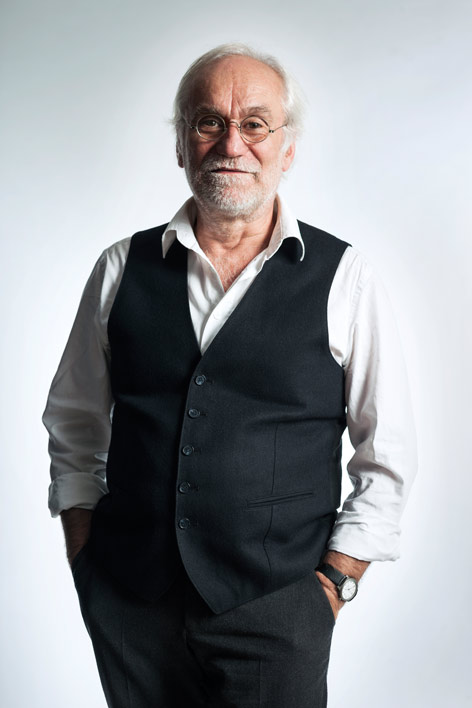
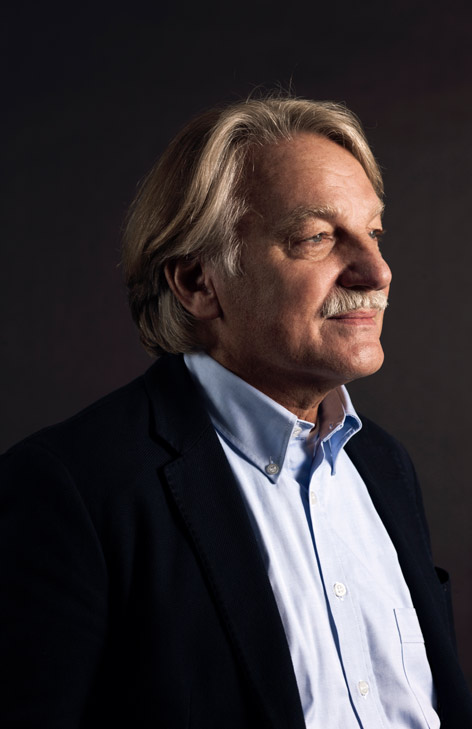
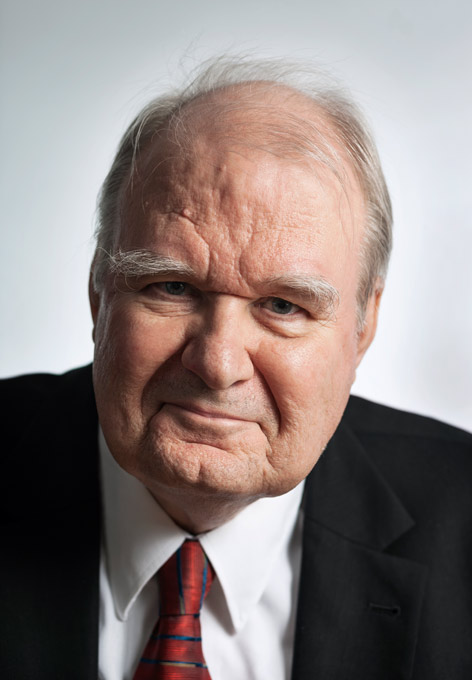
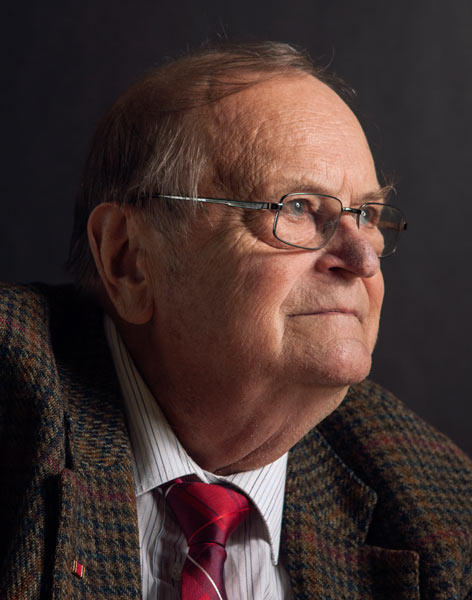
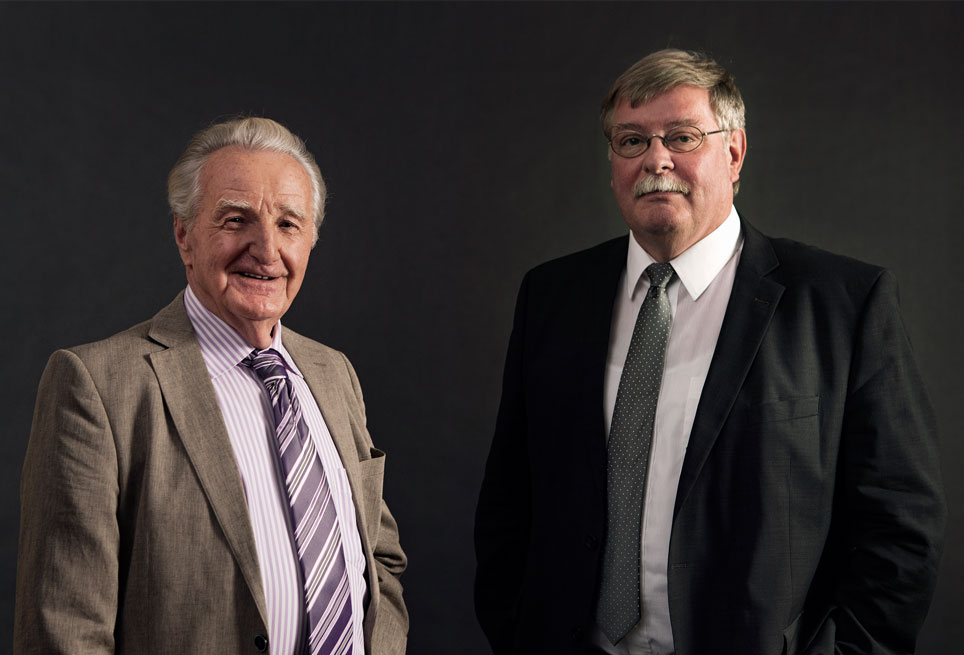
Joachim Marzahn on the major clear-out in the basement of the Pergamon Museum following German reunification. In 1989, Marzahn was a research assistant at the Museum of the Ancient Near East (East Berlin); he became its director in 1990 and later chief curator of the cuneiform collection.
“That’s it for the GDR,” I said to my wife on the day the Wall came down. But I was just as certain: the State Museums of Berlin won’t be closing. So I wasn’t worried about my job. Then, one Sunday, I woke up and was an “employee of the Prussian Cultural Heritage Foundation”, without having done a thing. I thought that was good, especially as I am an old Prussian and have always enjoyed delving into Prussian history.
Then came the period of adapting to what was to come, that is, to the Foundation. We set up a provisional staff council, which was also recognised by the General Directorate (East), so that we could tackle the impending changes. We negotiated with Mr Schade regarding the structural alignment with the structure of the State Museums of Berlin (West). Because that was what it all boiled down to.
For me, academic work hardly changed after reunification – we had plenty of freedom and good contacts. It simply became more intensive and even more international than before. And, of course, we found it easier to access information and publications. Before reunification, as a researcher, you had to find ways to obtain specialist literature, as almost 100 per cent of the relevant books were published in the West and were, naturally, hard to come by.
Fortunately, however, after reunification it was realised that we had a great deal of catching up to do in this regard. The Museum of the Ancient Near East was therefore given special consideration in the allocation of funds. We bought and acquired materials like mad, so that the library is now in a decent state. Otherwise, we would not have been able to work as academics.
In terms of internal museum work, we were finally able to improve the situation in the storerooms. The Museum of the Ancient Near East had large stone storerooms in a huge vaulted chamber down in the basement of the Pergamon Museum, over five metres high, which were crammed full of haphazardly arranged objects. Some were in cupboards, some on the floor; everything was completely covered in dust. When I started at the museum, my first task was to catalogue this stone storeroom. But it’s simply difficult to do that properly when you don’t have shelves on which to store the objects, and you’re basically just shuffling everything back and forth on the floor.
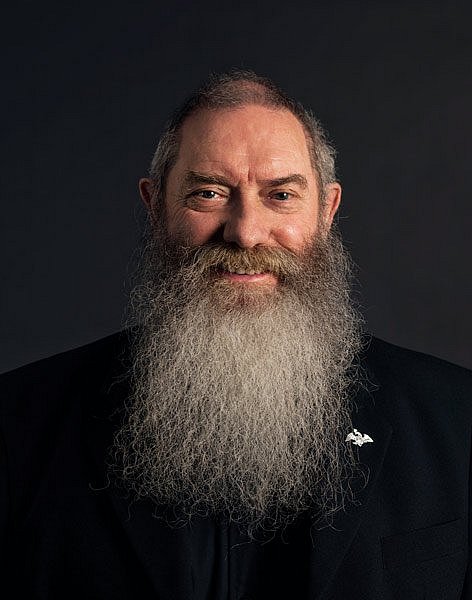
Over the years, we at least managed to tidy up the cupboards. There were tens of thousands of inscription fragments, some of which appeared to have no number – as these were usually hidden beneath layers of grime. In West Berlin, the situation was probably no better in the years following the end of the war, but the museums there were subsequently provided with really good facilities. We in the East were only really able to start sorting through our holdings in the 1990s; it was only then that we received funding to expand our storage facilities.
I was then able to set them up exactly as I wanted! At last there was space to examine the treasures we had in the cellar. That completely changed the character of the collections, because suddenly we could really work with them.
Museum of the Ancient Near East
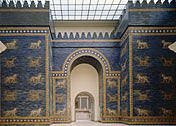
The Museum of the Ancient Near East houses one of the most significant collections of Oriental antiquities. It also presents a wonder to behold: the walls of Babylon. They were once counted among the Seven Wonders of the Ancient World, until they fell into ruin. However, part of them has been salvaged and reconstructed: the colourful Ishtar Gate and the Processional Way of Babylon. Together with numerous other objects, they paint a picture of 6,000 years of art and cultural history in Mesopotamia, Syria and Anatolia. The Museum of the Ancient Near East presents its collections in the Pergamon Museum on Museum Island