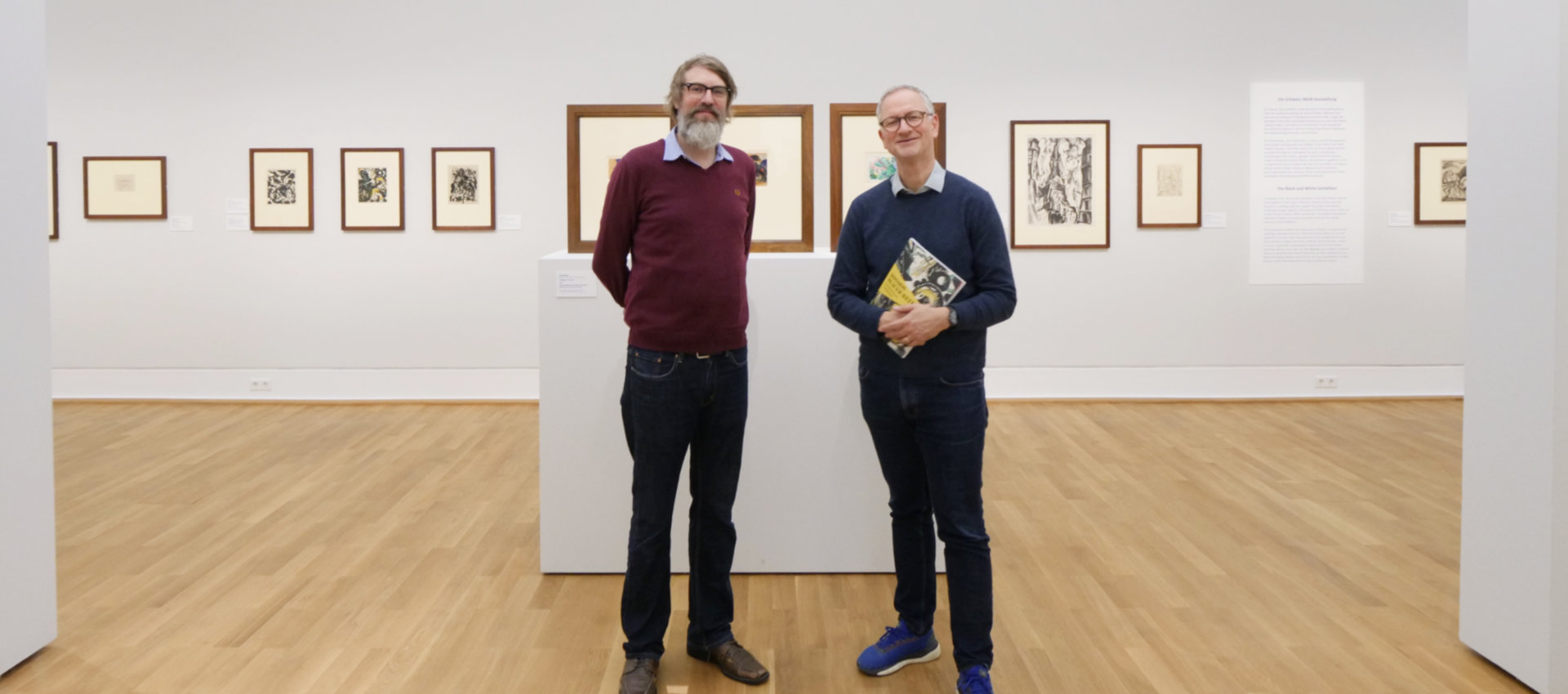
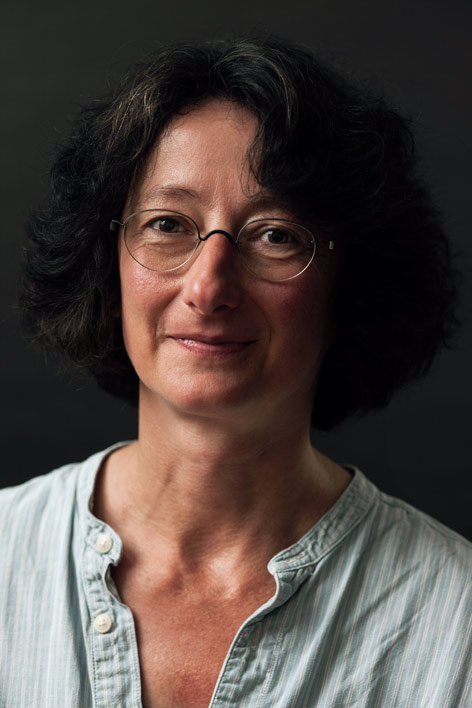
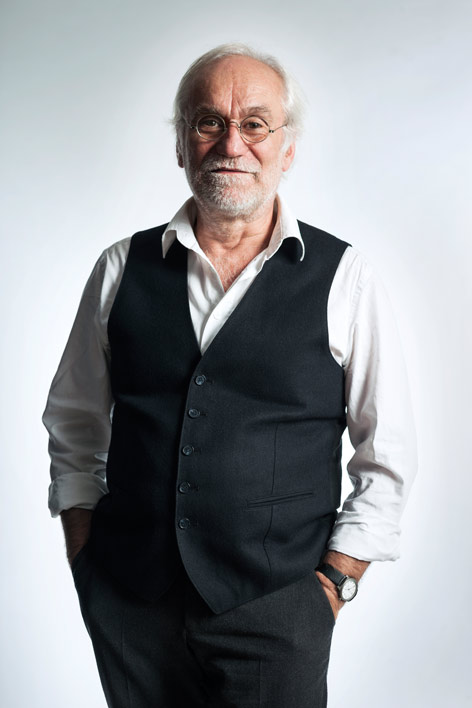
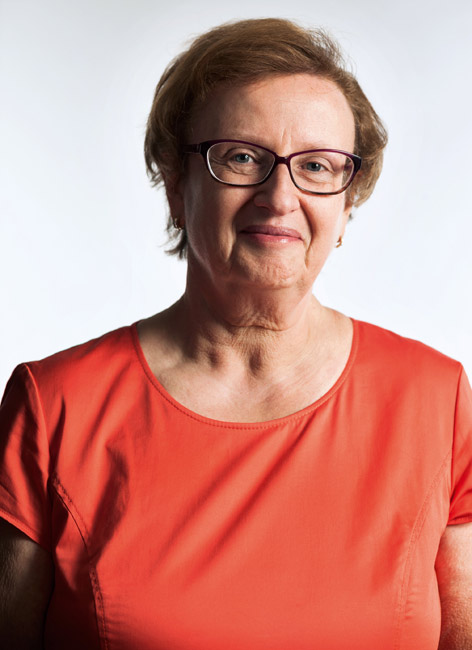
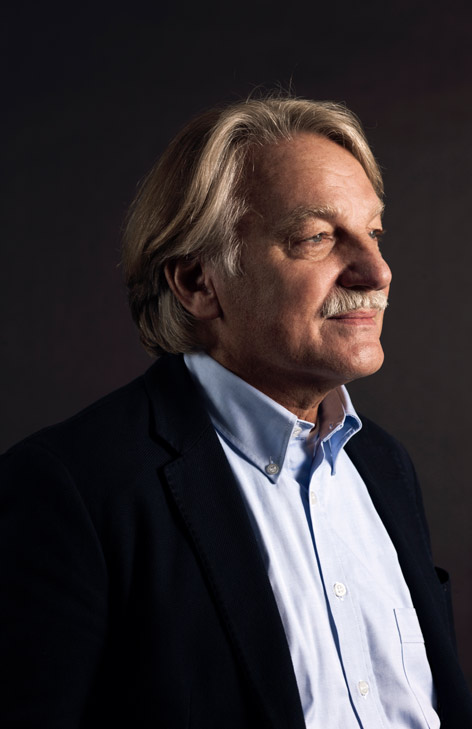
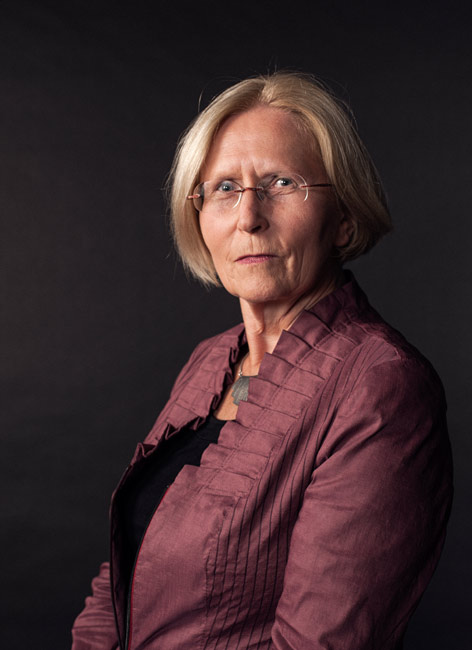
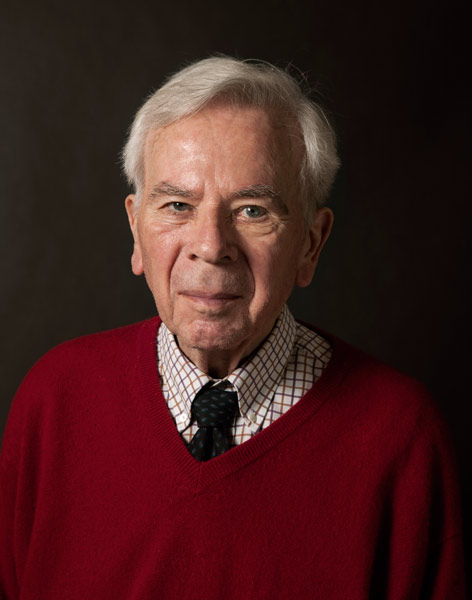
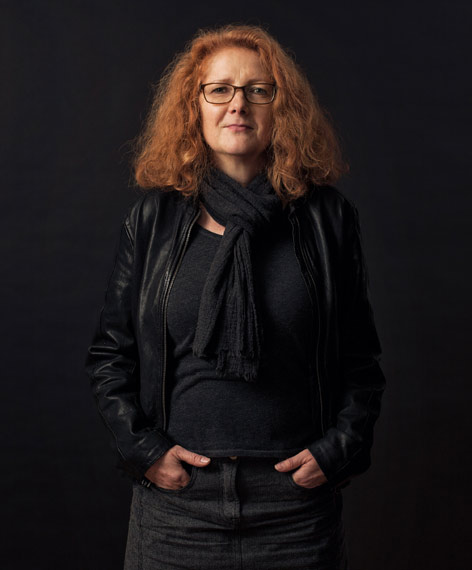
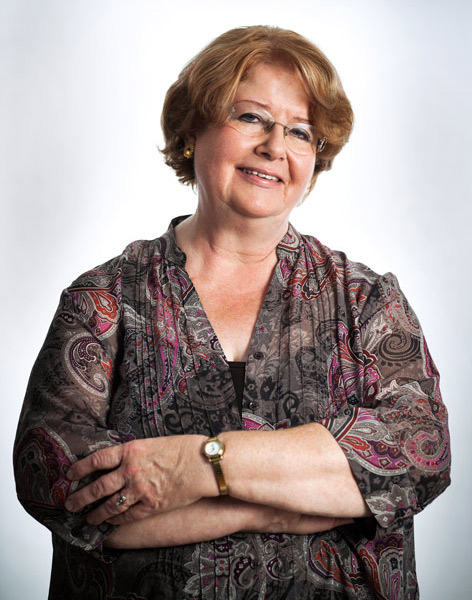
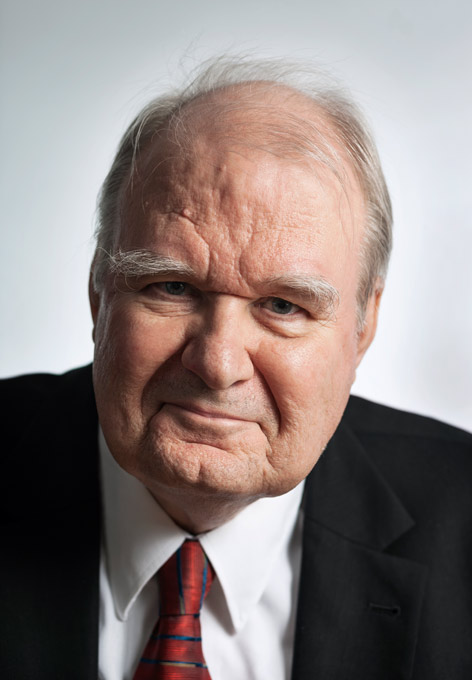
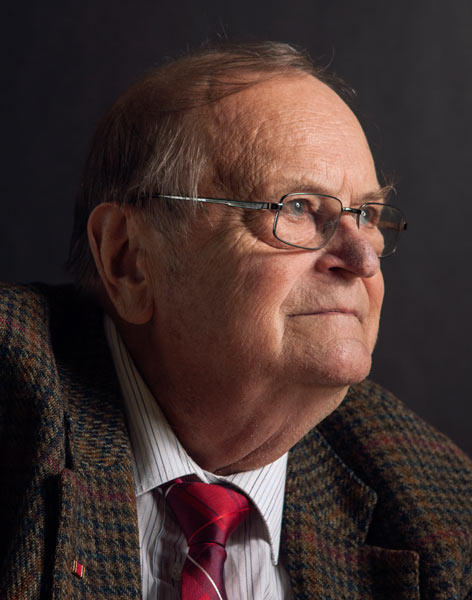
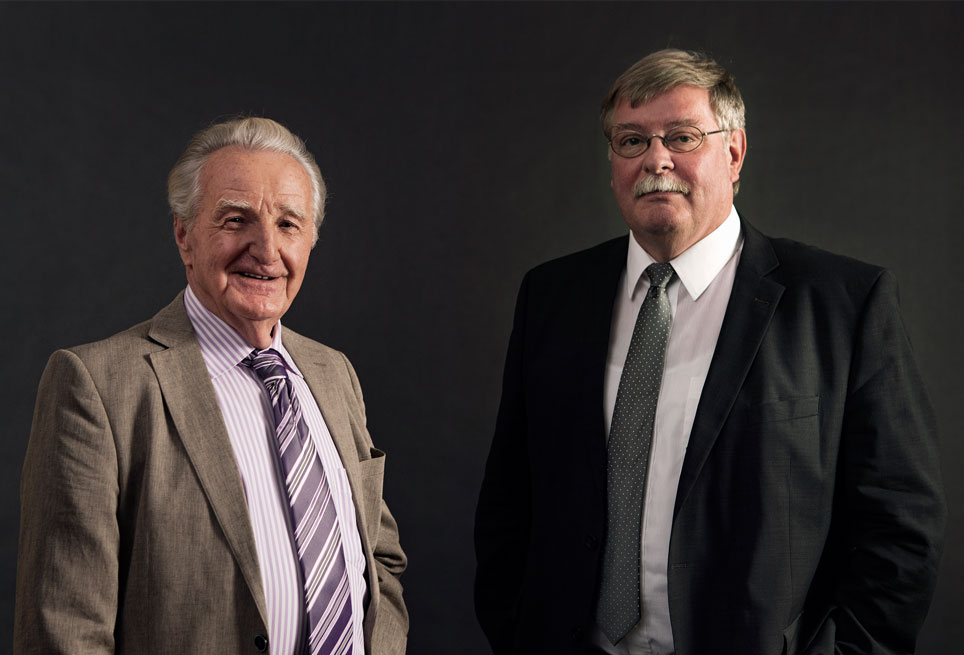
Waltraud Elstner and Werner Vogel from the Prussian State Archives on the convergence of Prussia’s collective memory from East and West.
Elstner: You know, I’m a true-blue archivist through and through. Life would be dreadful for me without files. At the time of reunification, I taught archival science and palaeography at the Technical College for Archival Studies in Potsdam and was responsible for practical archival training. It was a time when I always felt as though I were standing between the buffers of two railway carriages. Is the train moving forwards or backwards? In our spare time, we sometimes went to Dahlem to look at a Western archive.
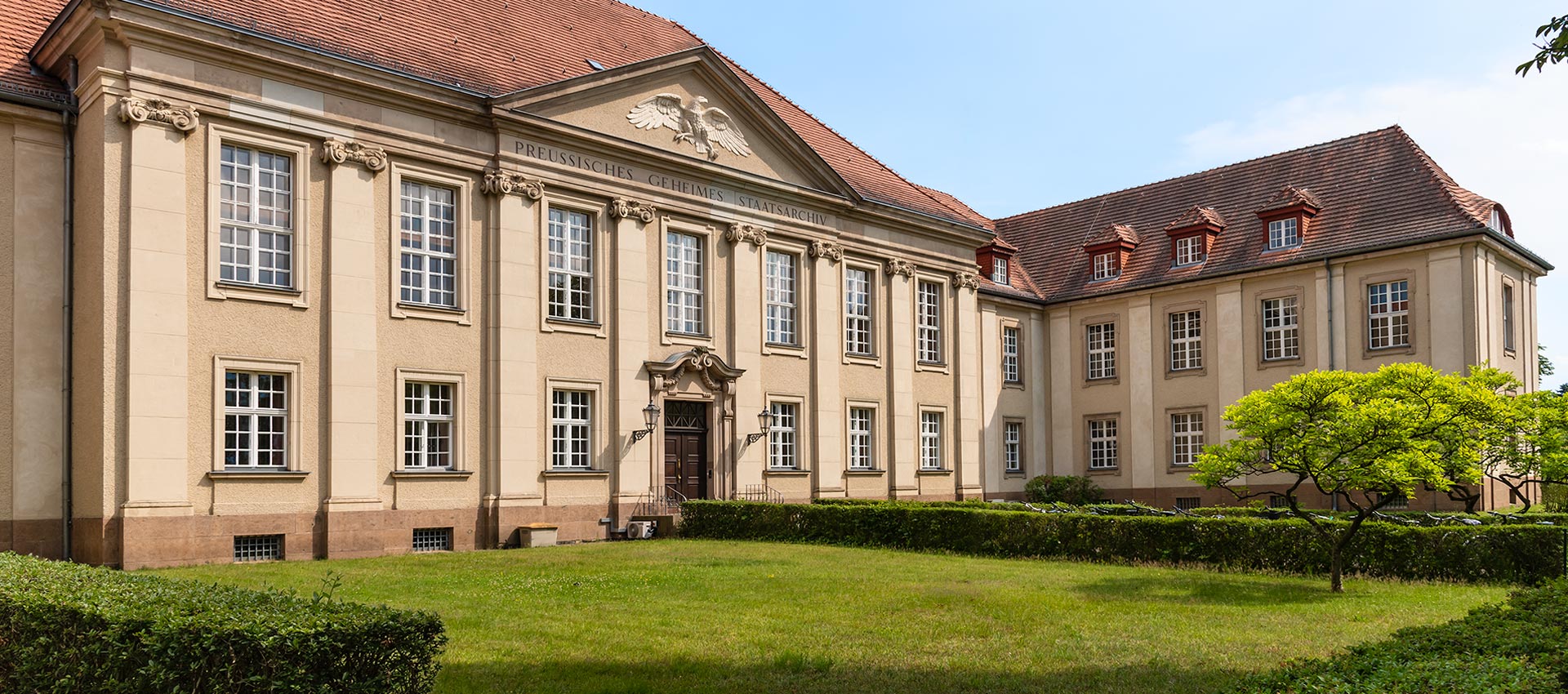
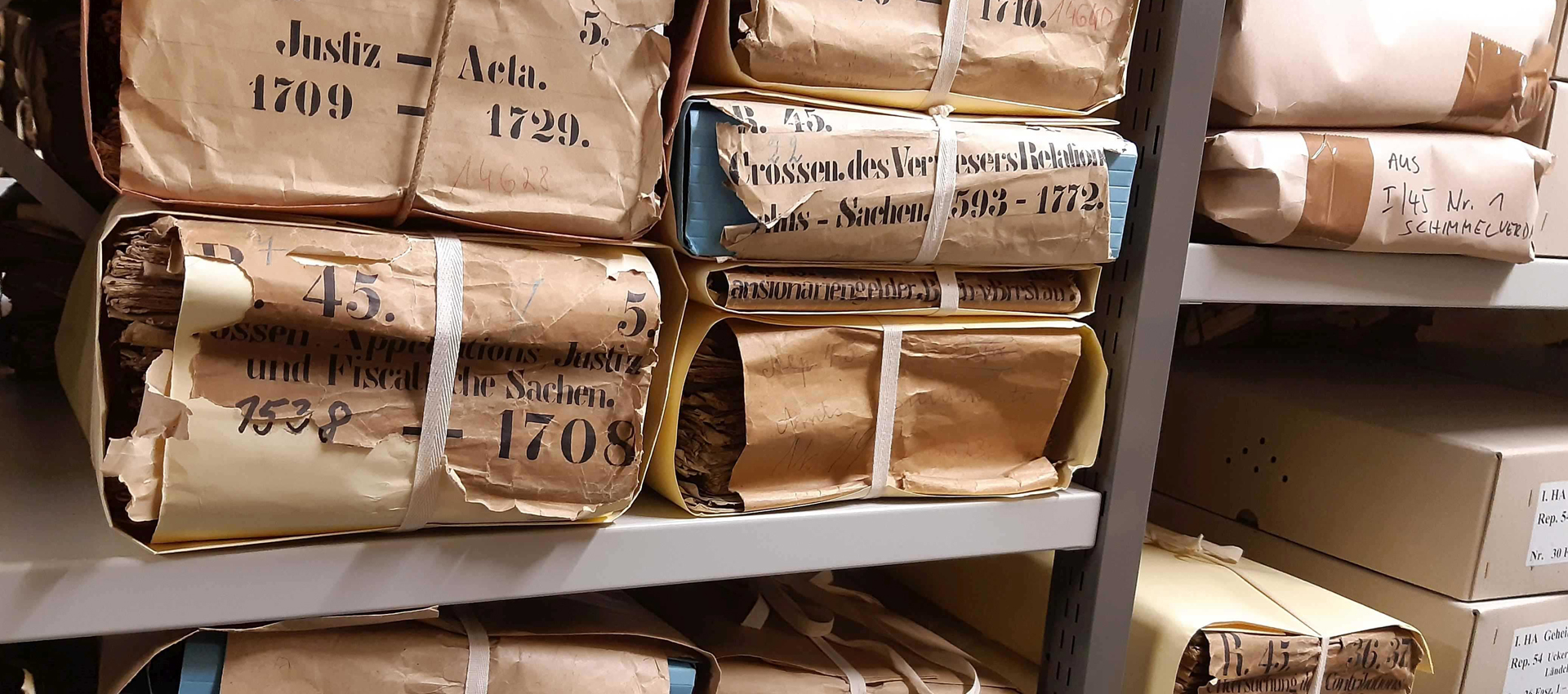
Vogel: After the fall of the Wall, none of us doubted that the division of our holdings would also come to an end. Since the end of the war, around 25 kilometres of shelving of our files had been held in the Merseburg department of the Central State Archives of the GDR. That was about two-thirds of our holdings! Documents from the Prussian ministries, state treaties, valuable maps – some of them hand-drawn – as well as the files of the Masonic lodges, etc. During the final years of the war, they had been stored in the salt mines at Schönebeck and Staßfurt, and were then handed over by the Soviet Military Administration to the State Archives Administration in Potsdam, from where they were transferred in 1949 to the newly established Department II of the Central State Archives, housed in the building of the State Insurance Office in Merseburg. For decades, we had no contact with them. In December 1989, initial discussions took place with archivists from Merseburg. The following summer, they accepted our invitation to Dahlem, where we got to know each other better over coffee and cake in the garden.
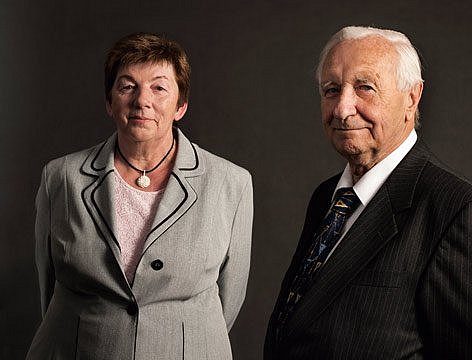
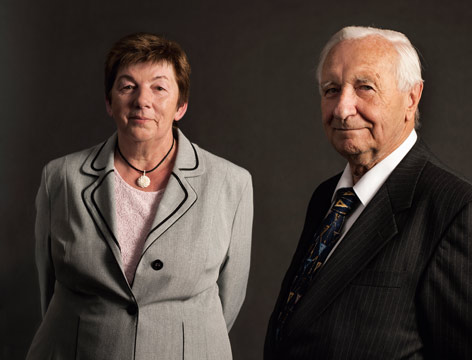
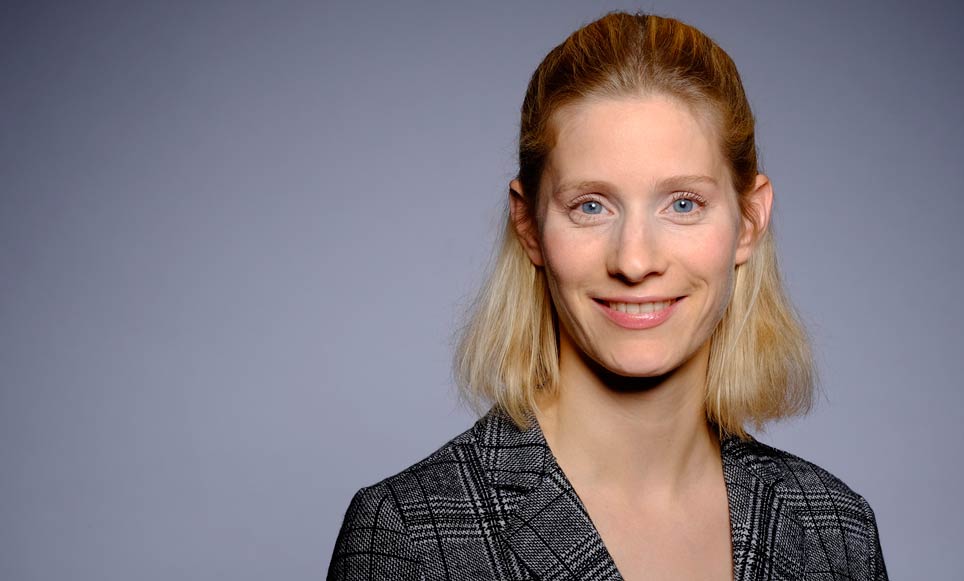
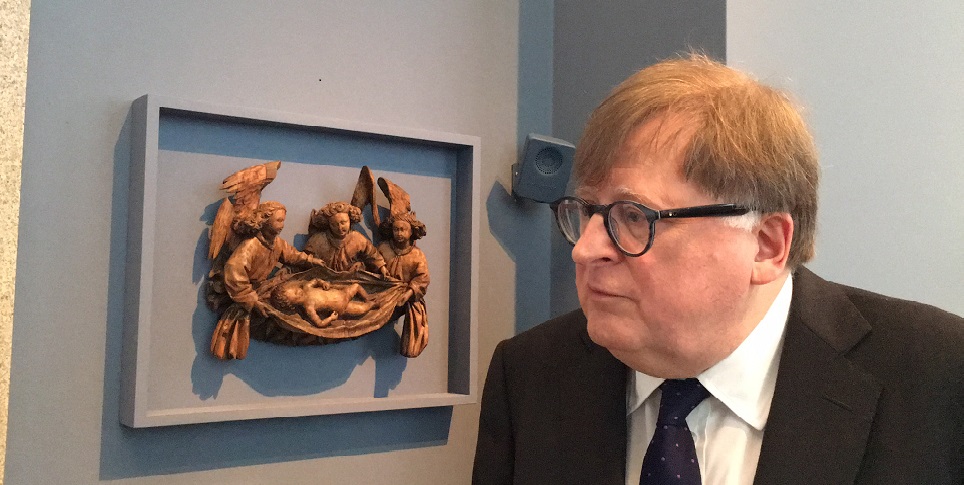
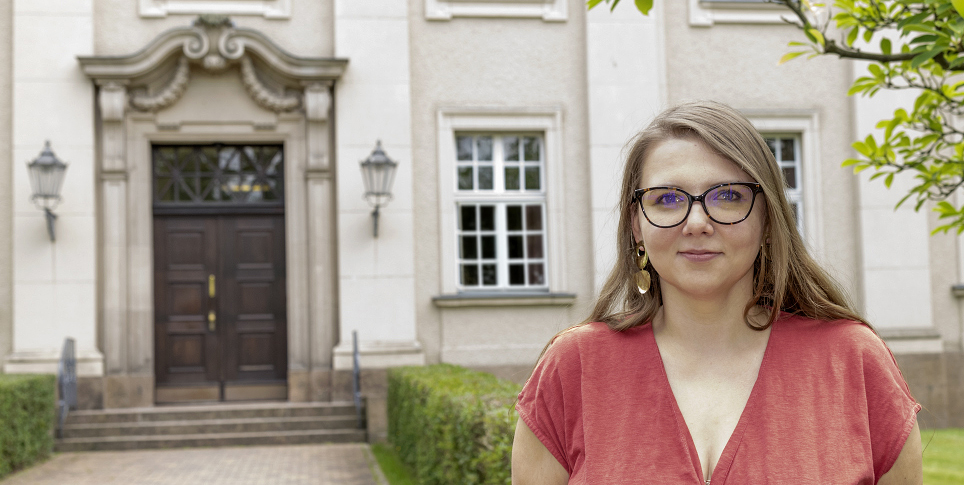
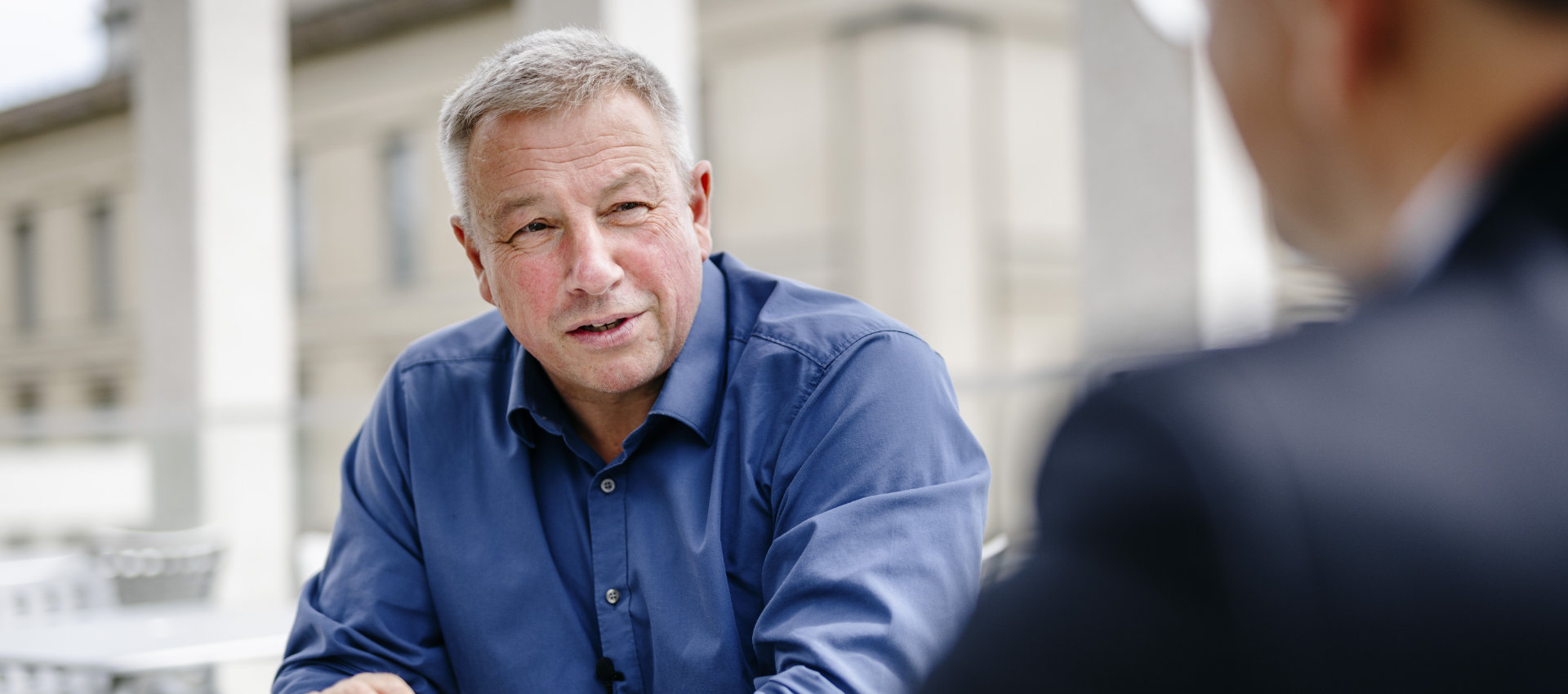
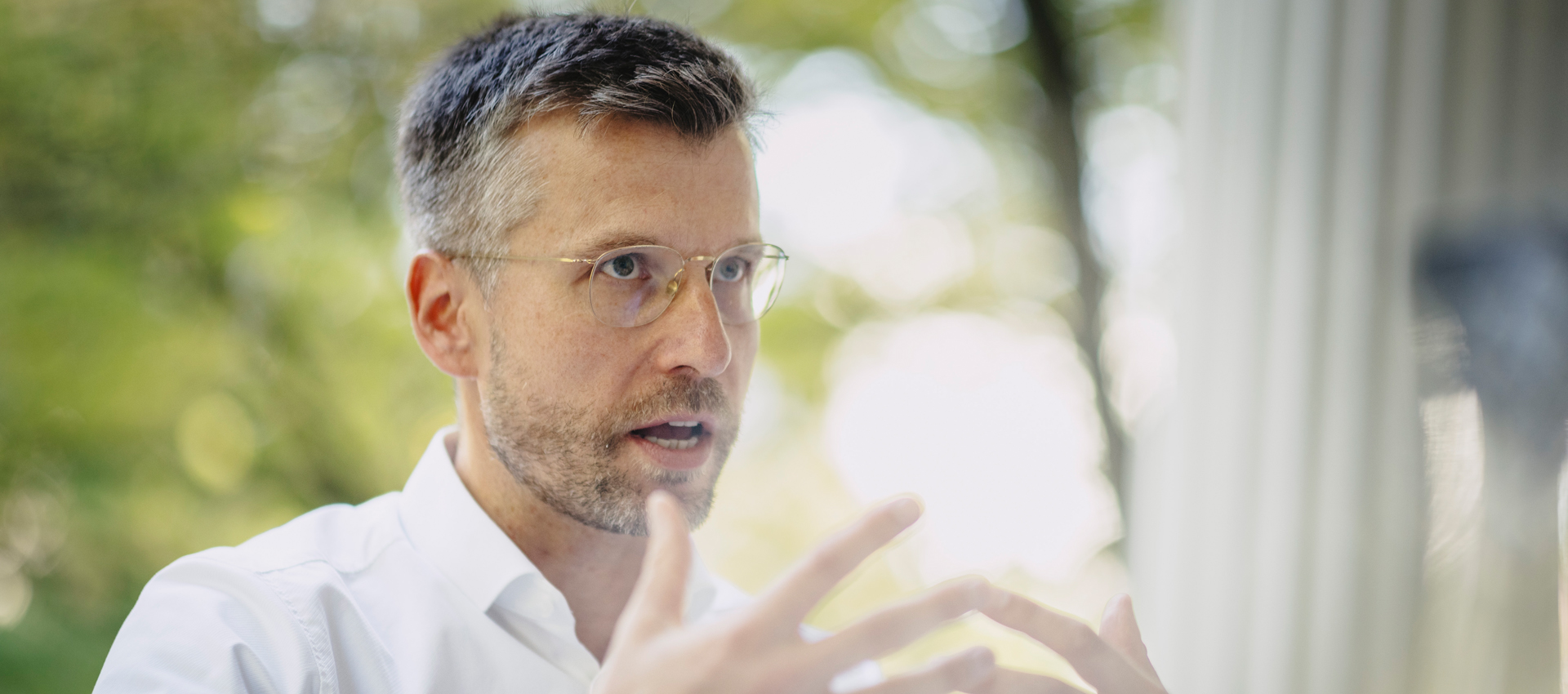
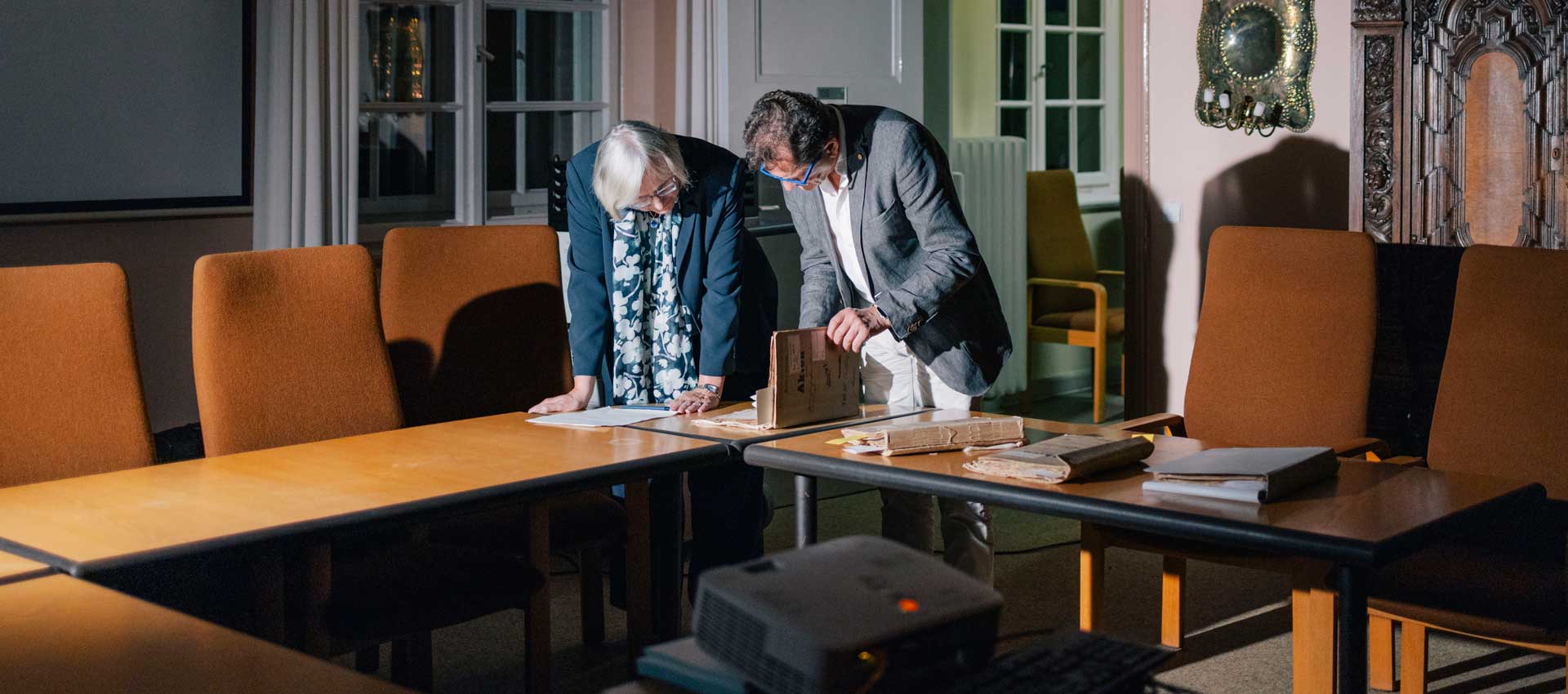
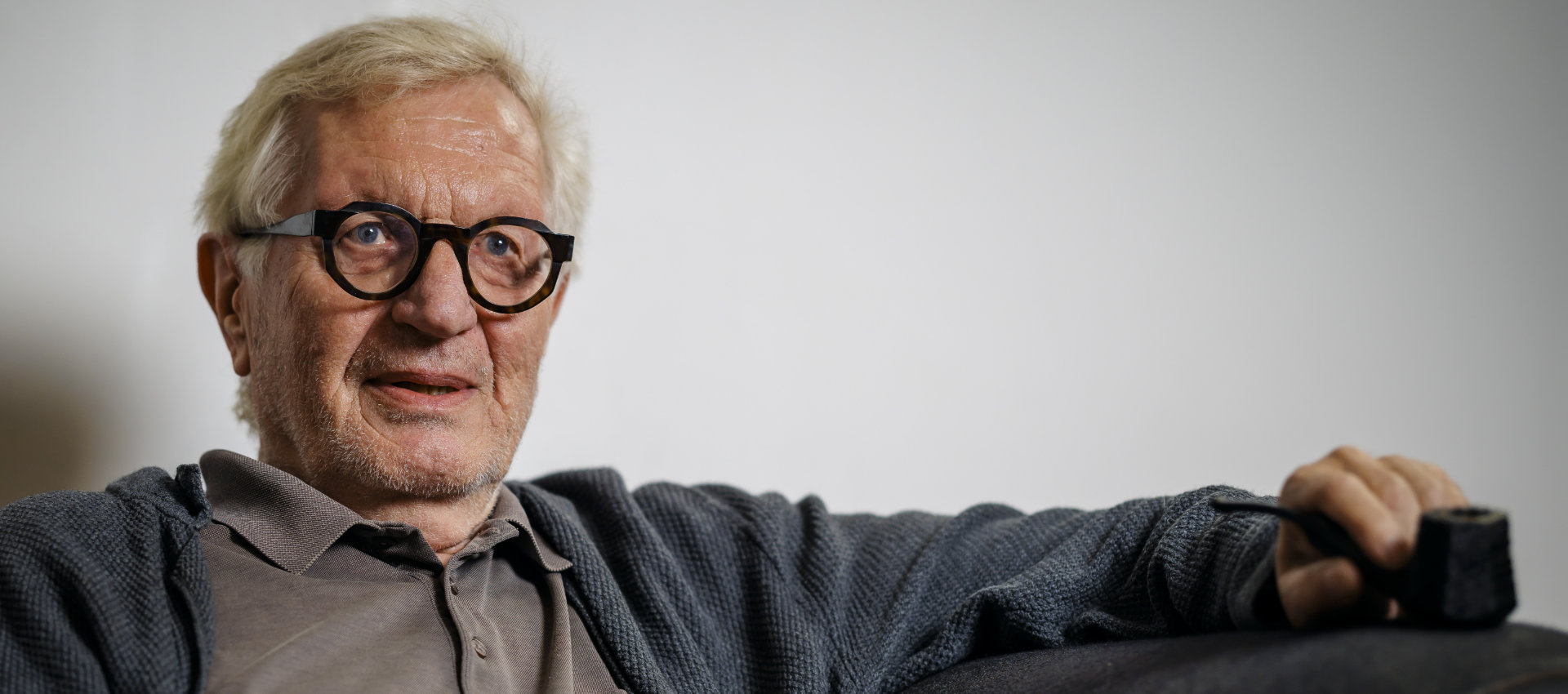
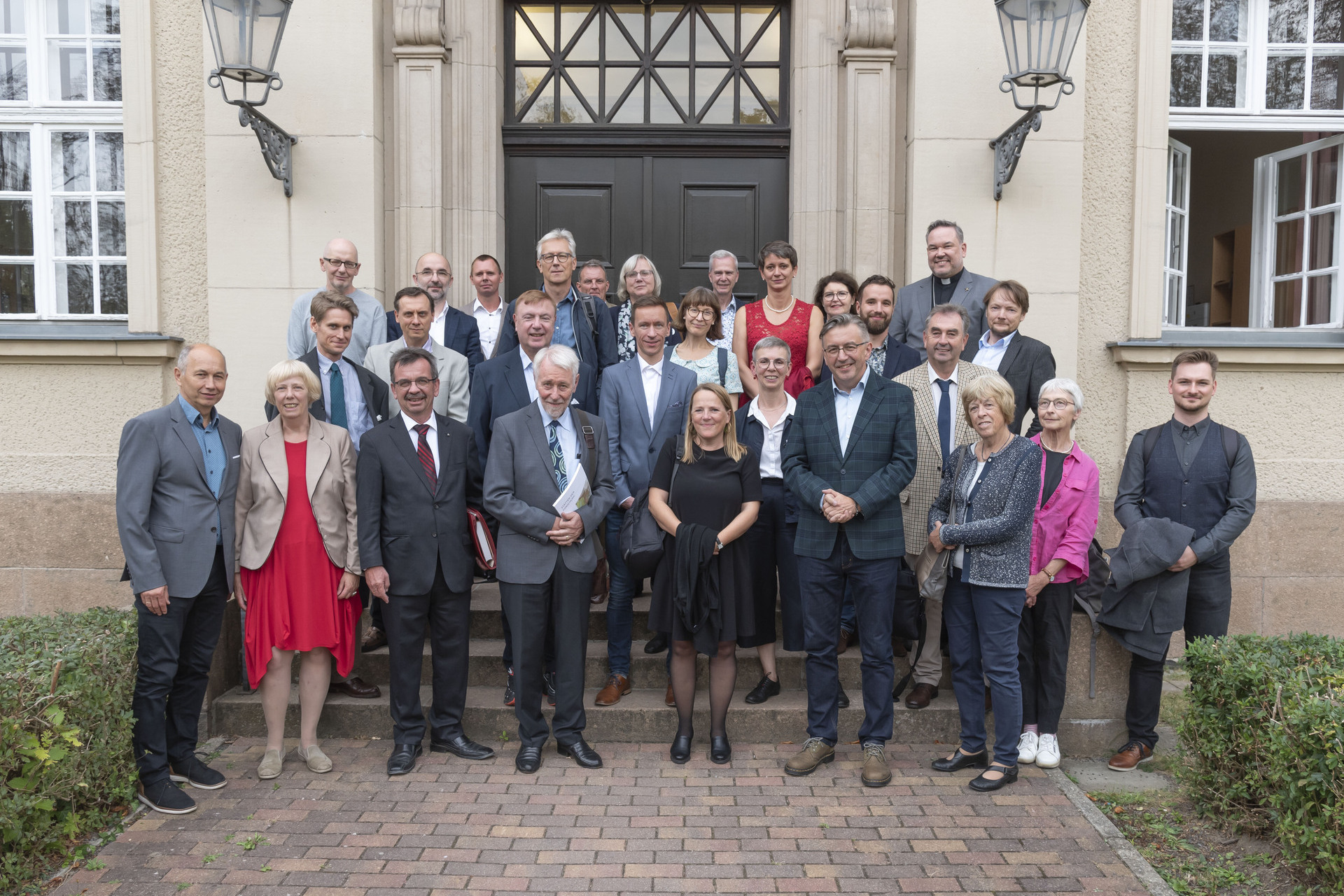
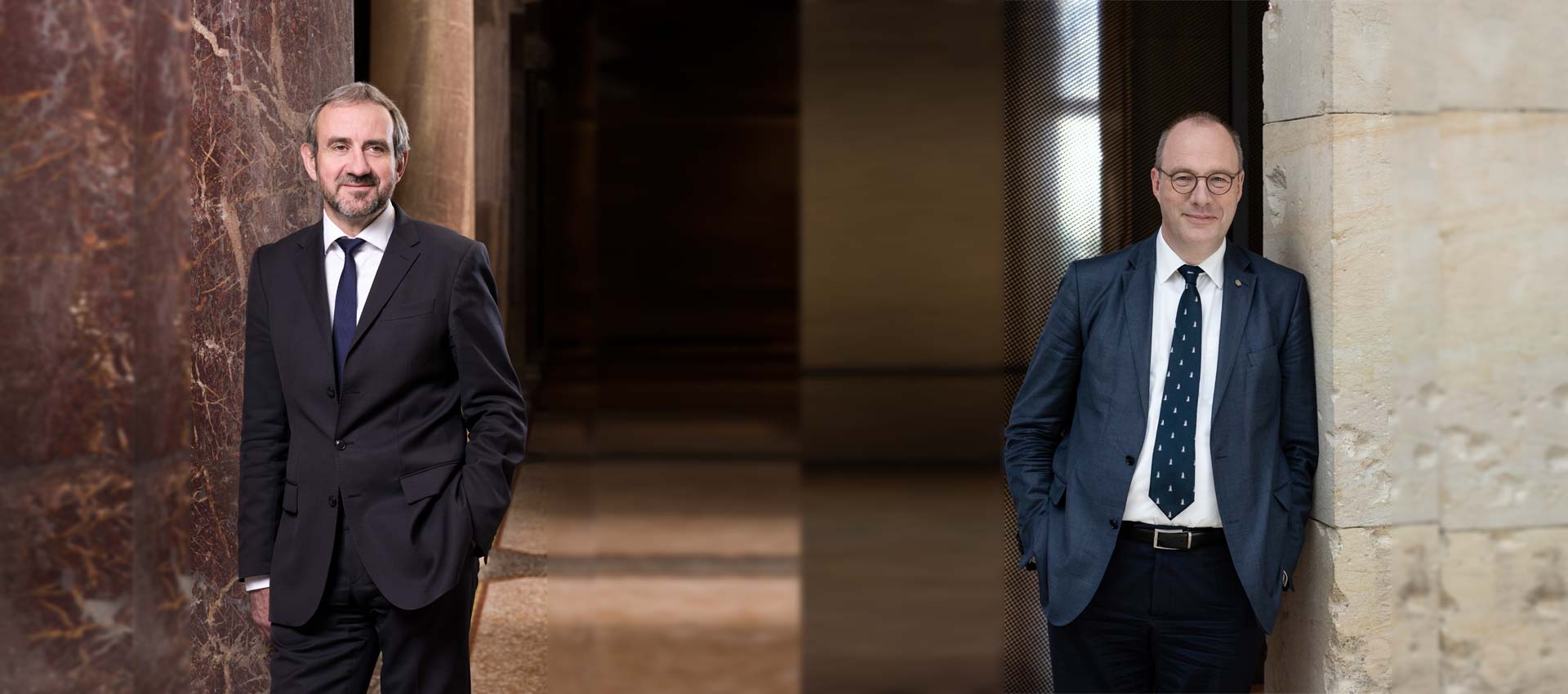
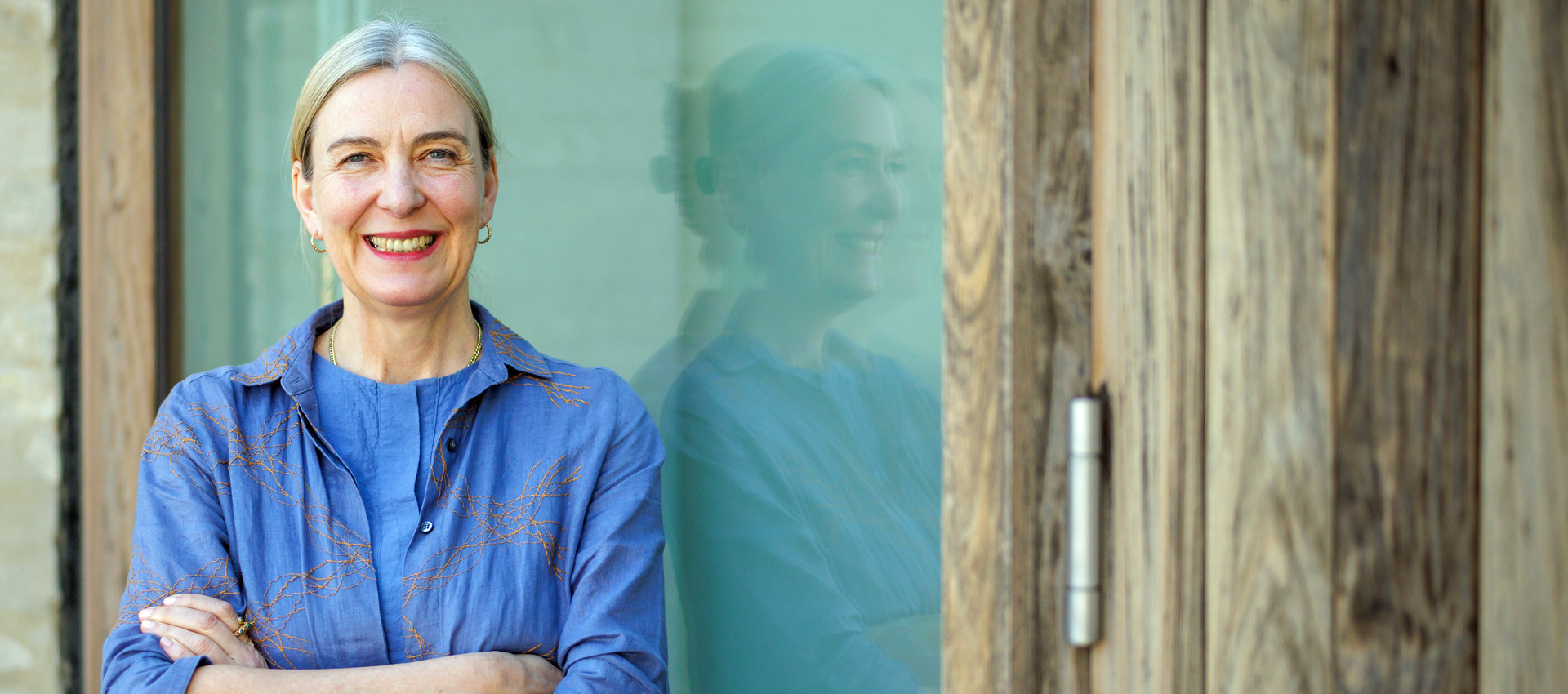
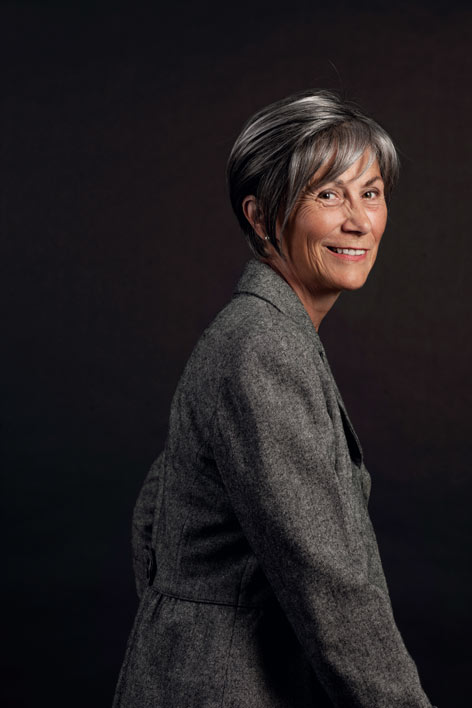
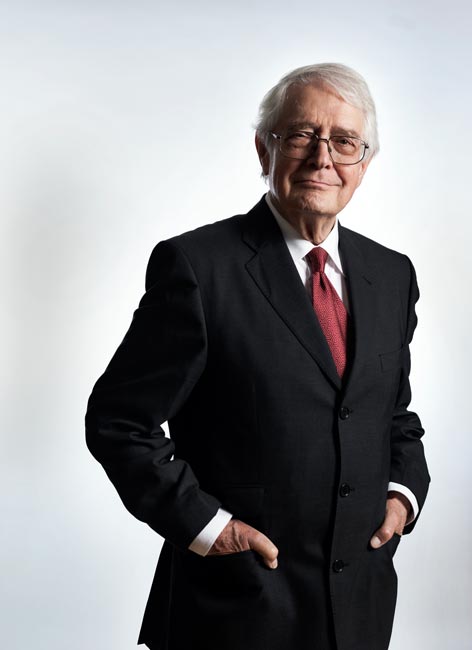
Waltraud Elstner and Werner Vogel © SPK / Werner Amann
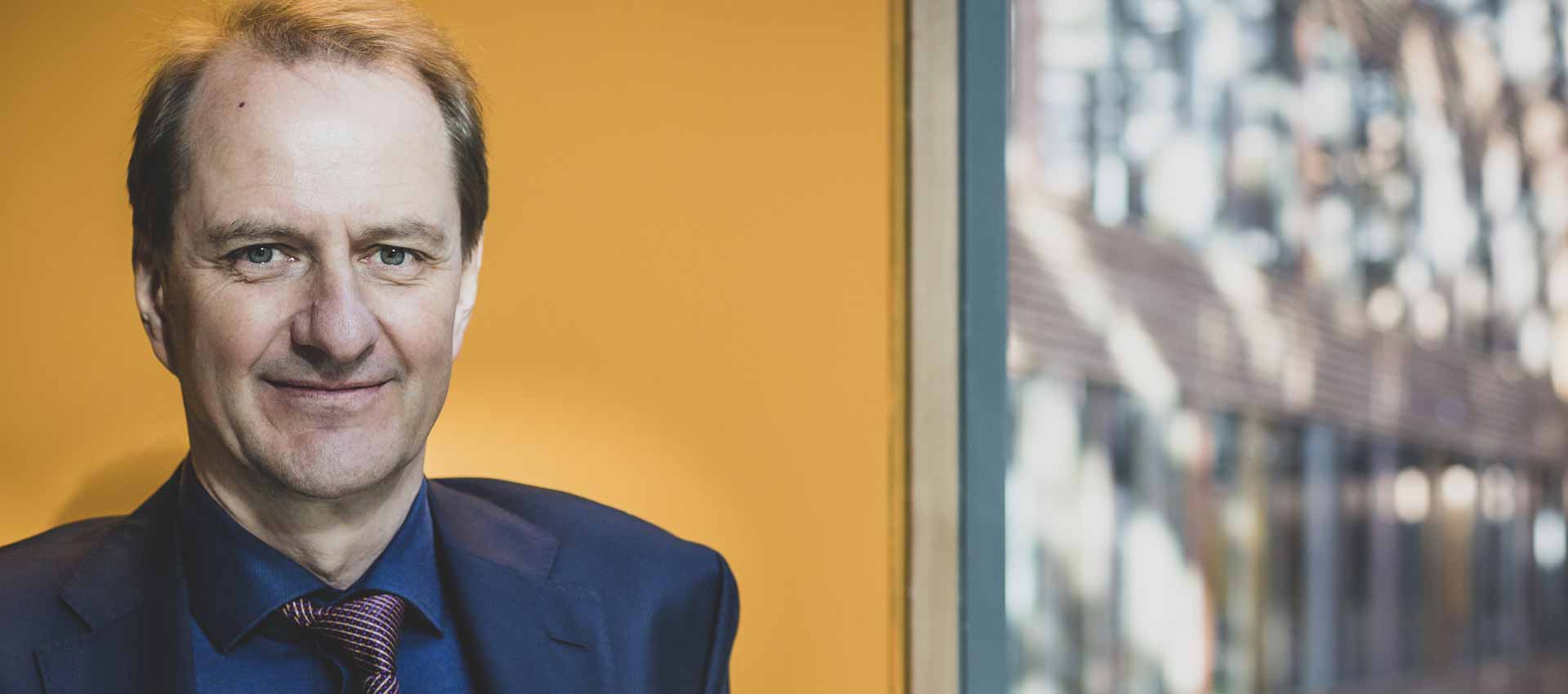
Waltraud Elstner
Born in 1944 in Wallwitz
From 1991 to 2008, research archivist at the Secret State Archives of the Prussian Cultural Heritage Foundation
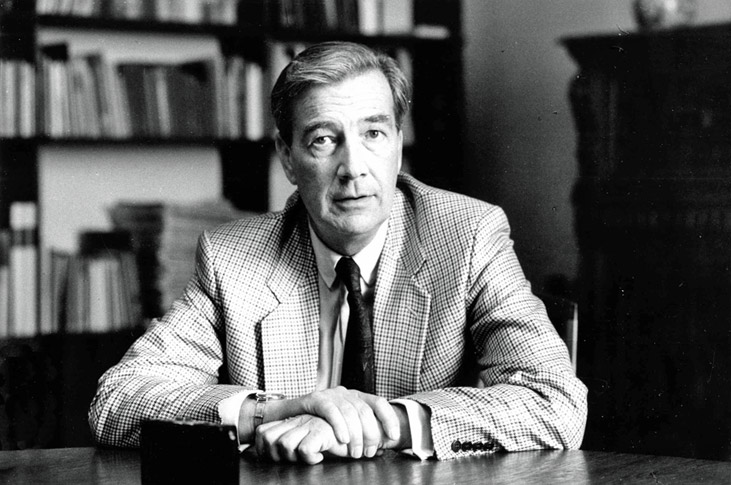
Werner Vogel
Born in 1930 in Berlin, died in 2016 Employed at the Secret State Archives of the
Prussian Cultural Heritage Foundation (West Berlin) since 1966, its director from 1990 to 1995
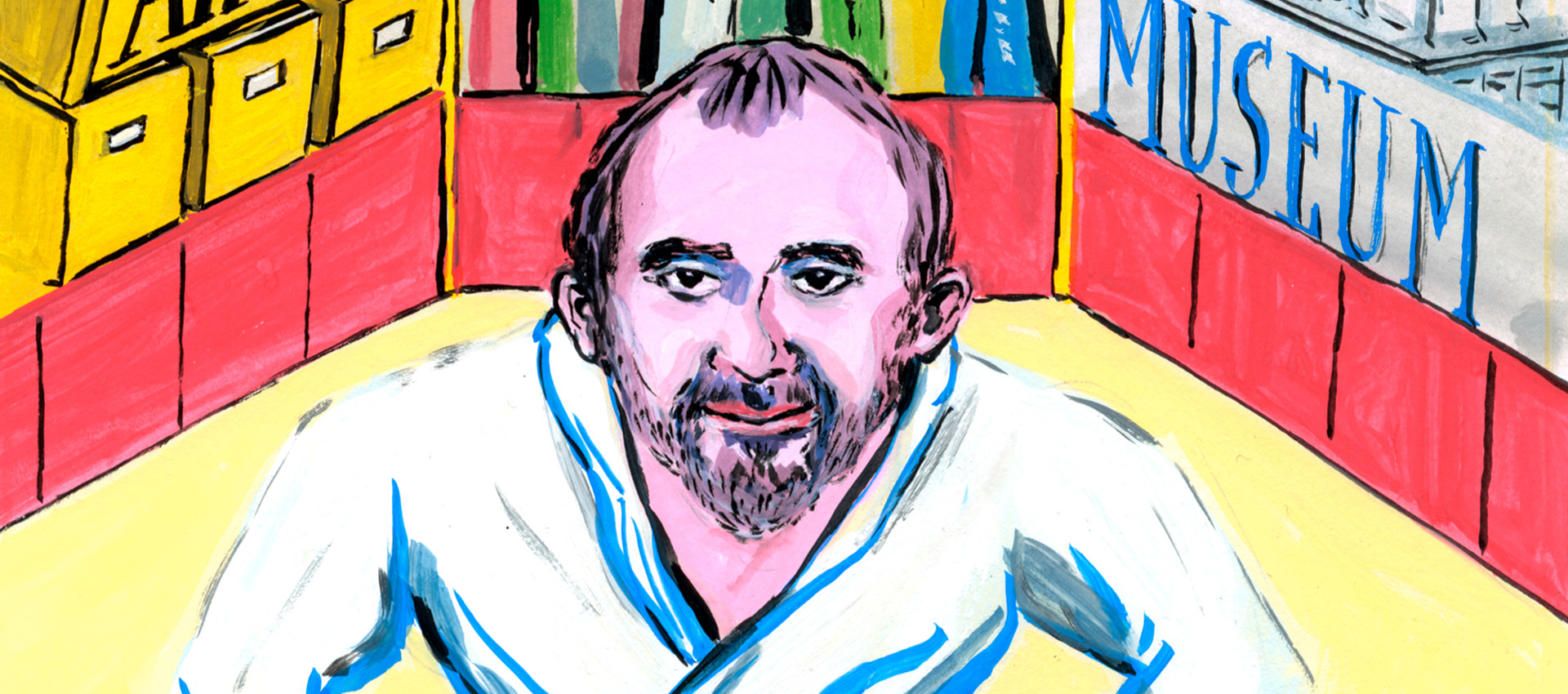
Elstner: I started work in Dahlem on 1 September 1991. A colleague showed me round the building. Only a few colleagues were a bit reserved. But the ice soon melted and everyone got used to the new circumstances. For example, I had to learn that I didn’t have to remove the dust and dirt that inevitably clings to files myself, but that there was a member of staff in the West to do that. In the actual archival work, there were no significant differences between East and West, so we were all able to get started straight away. Director Vogel was the right man in the right place at that time, above all because of his approachable nature. The image that always came to mind was of a bathtub in which we were all sitting – Mr Vogel stood at the tap and adjusted the temperature to suit the needs of both East and West.
Vogel: On 3 October 1990, I became Director of the Secret State Archives and, at the same time, head of the office in Merseburg, which led to weekly business trips that sometimes lasted several days. I got on well with my colleagues, although some of their habits were naturally unfamiliar to me. I often had the impression that our East German colleagues had internalised the Prussian archival traditions much more deeply than we had. This was also evident from how carefully they had treated this treasure trove of files over the years. Although the GDR had its own system for cataloguing files, it did not differ greatly from that in the West. So we were able to work together.
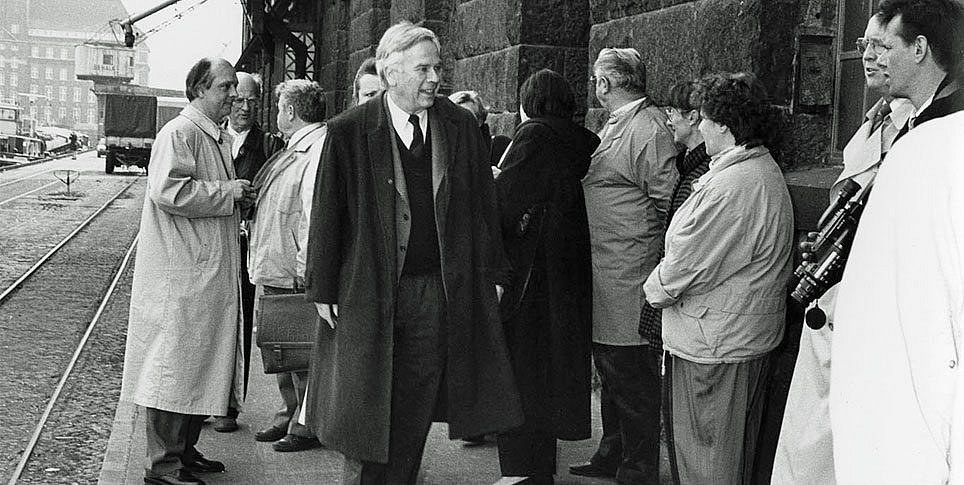
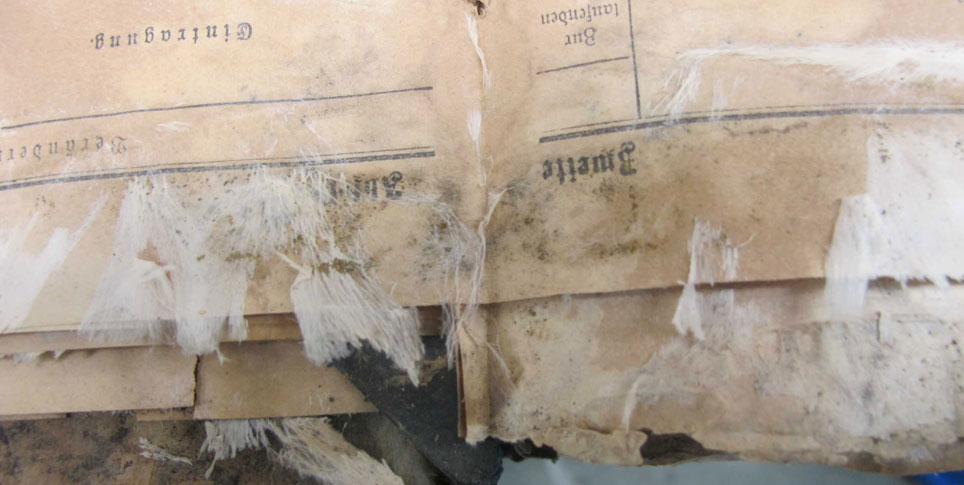
We had a huge task ahead of us. First, we had to find suitable storage facilities in Berlin and found them in the granary at Westhafen, which had originally been used to store the Senate’s grain reserves. Then the documents had to be retrieved from the storage facility in Merseburg, which was no easy feat given the sometimes very narrow aisles. With the help of a conveyor belt, they were loaded out of the window onto lorries and driven to Merseburg station.
Some of the holdings were located outside the archive building and therefore had to be packed up first and then carried through a narrow alley to the station. A total of 58 wagons were waiting there for the valuable cargo. On 13 April 1993, the first wagon containing Masonic lodge records arrived at Berlin’s Westhafen, and the last one in April 1994. We all worked until we were exhausted; that certainly brought us incredibly close together.
Elstner: That’s how I see it too. We stood on a building site in Westhafen wearing hard hats and rubber boots, setting up shelves and unloading wagons. That’s how it went, day after day. At first, we had no heating or lighting in the granary, so we worked by the light of miner’s lamps and torches. The lift didn’t always work, and sometimes the men even had to haul the heavy crates up to the fifth floor.
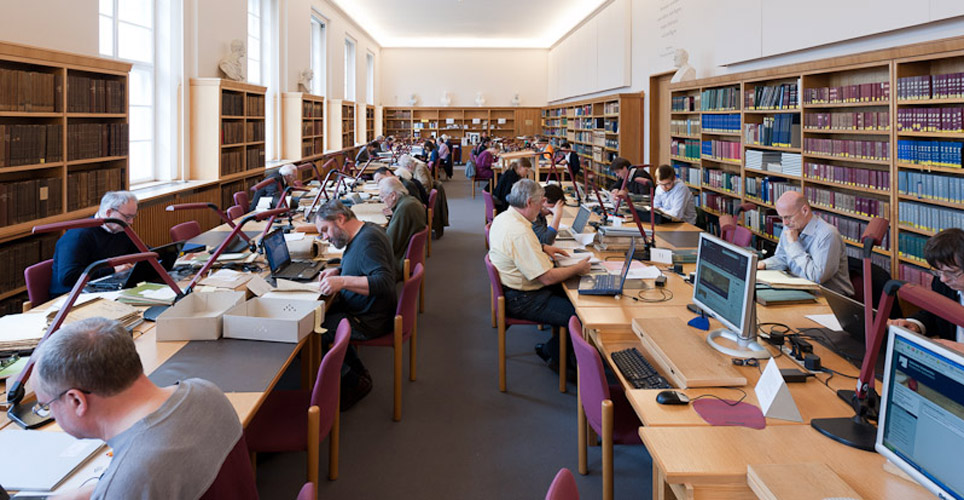
Vogel: Once everything was in its proper place, it was the greatest feeling of joy, because the combined collections were immediately accessible. We were so inundated with visitors during those days that our research room was barely big enough. Our president, Werner Knopp, said to me at the time that we were the only institution in the SPK where the merger had gone so smoothly.