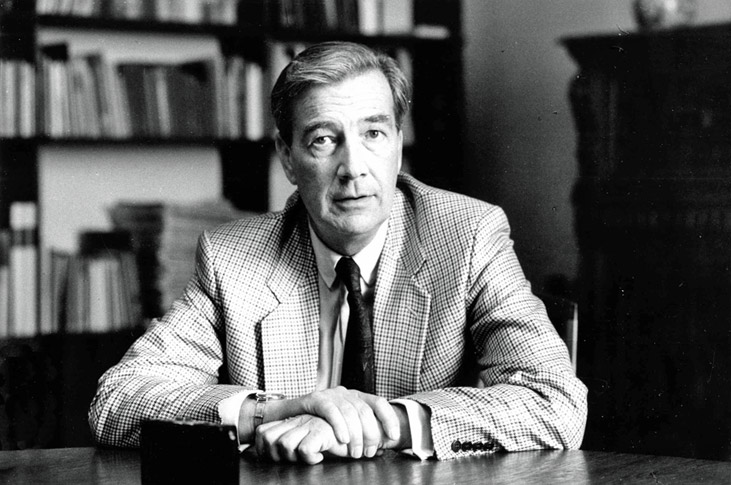
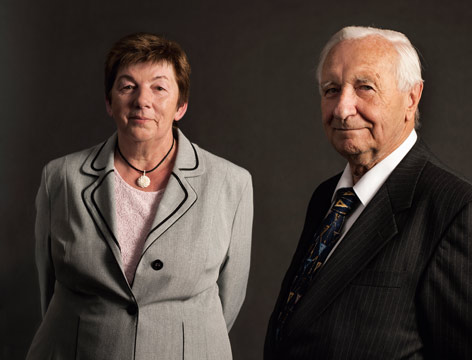
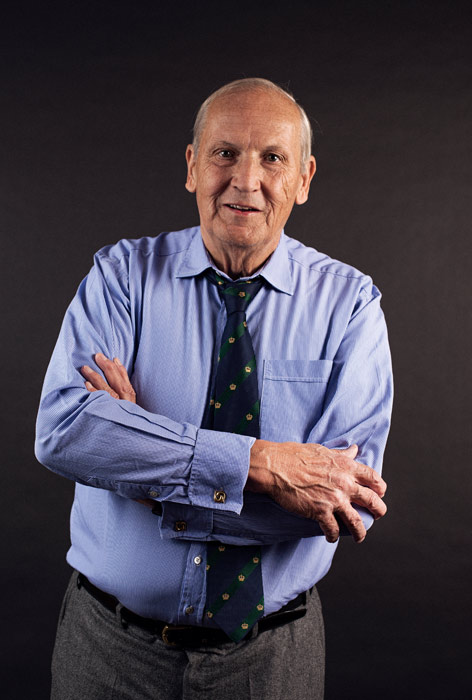
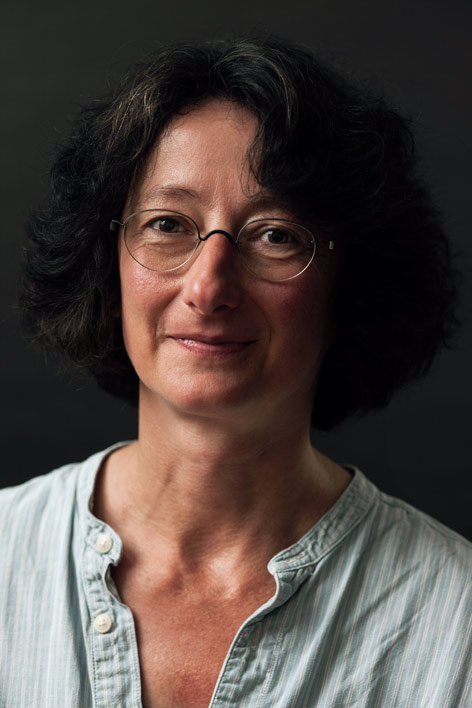
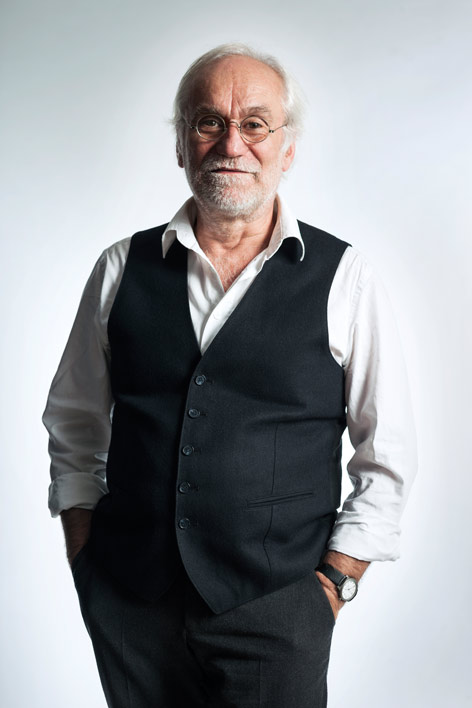
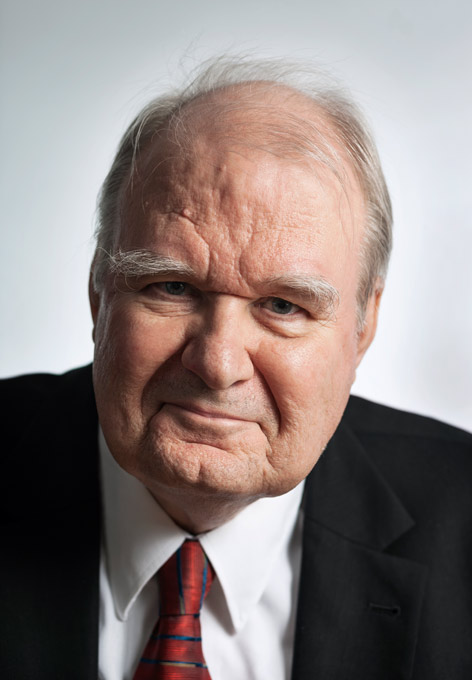
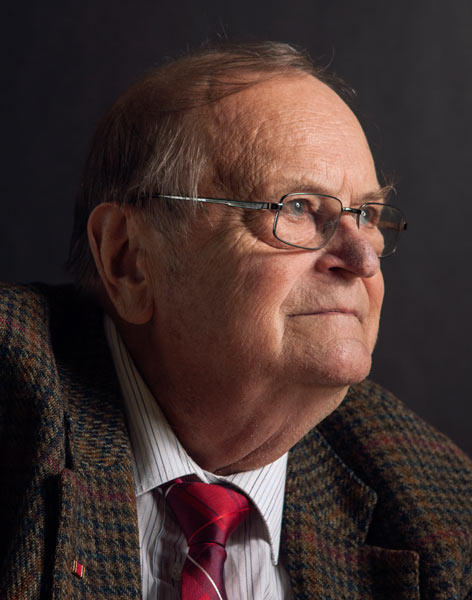
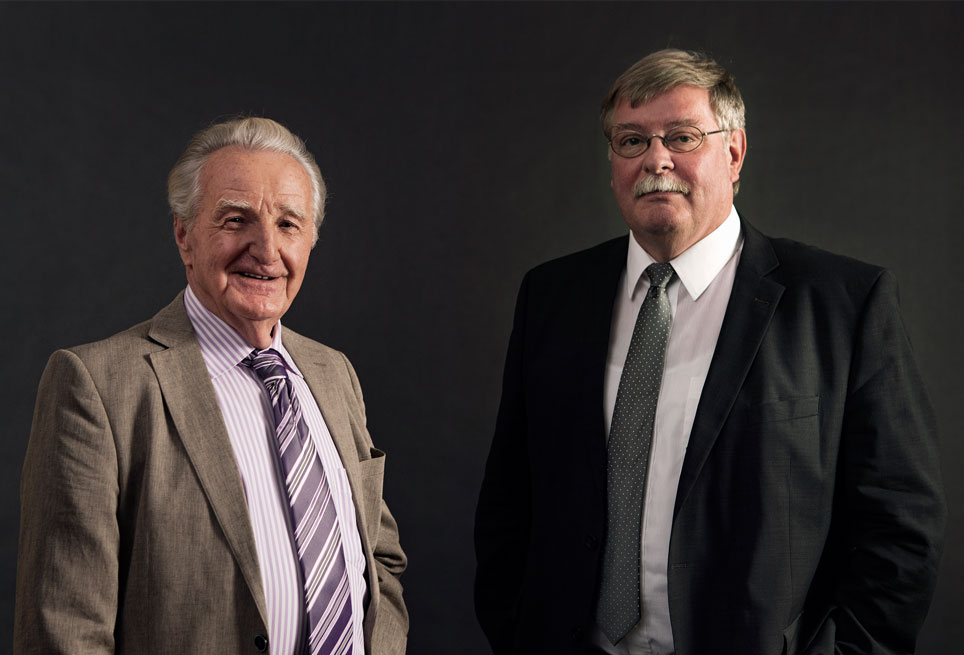
Klaus Goldmann on the search for the lost treasure of the Museum of Prehistory and Early History in divided Berlin.
In the autumn of 1971, I started work as a curator at the Museum of Prehistory and Early History in West Berlin. As I had already been working on the Bronze Age during my studies, I was soon tasked with preparing an exhibition on the subject. How does one go about such a thing? You look through the catalogues from the time of Kaiser Wilhelm and very quickly realise that the most interesting and valuable items had been missing since 1945. The prevailing view at the time was that, after the end of the war, the Russians had taken all the missing objects for their trophy collections. The Soviet Union had returned large parts of the GDR’s trophy art in 1955 and 1958. It was said that whatever hadn’t been returned had been melted down after the war. But I could never believe that, and so I began to conduct systematic research. Since then, I’ve been in close contact with colleagues from the East, at the Museum of Prehistory and Early History in East Berlin.
At the time, I held two passports: a Berlin passport and one with an address in Schleswig-Holstein, as I had a second residence there; and whenever I travelled to East Berlin, I was always registered as the colleague from Schleswig. The colleague from Schleswig would then ask: ‘What have they given back to you? What lists are there? Can you help us?’ Of course, the people in higher positions knew what was going on too, including the Director-General Günter Schade, with whom I got on very well. The key to everything was: ‘I am looking for the Schliemann collection, or rather the gold of Priam from Troy.’ Whenever Schliemann was mentioned, I was invited to Poland, Czechoslovakia and indeed the GDR, where we, as the Prussian Cultural Heritage Foundation, were not actually welcome. It was then that I also met Professor Armin Jähne, a Schliemann scholar who was conducting research at Humboldt University at the time.
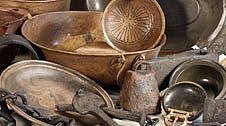
What happened in 1945, after the end of the war, to the most valuable cultural treasures belonging to the Prussian state, which had been evacuated in February to the so-called ‘West Elbe region’ to escape the advancing Red Army? What was actually in the crates that were taken to the mines at Merkers or Grasleben? The problem with the investigations was that the relocation of cultural assets during the war was treated as a ‘secret command matter’. Not even the museum staff knew the inventory lists!
The conversations I had with colleagues from the East were strictly confidential. I didn’t write anything down and only relayed everything verbally to my administrative director. Absolutely nothing in writing, not even a diary! After all, I knew exactly what had been returned and could therefore say what hadn’t come back. It turned out that the Americans had taken more items from our collections in Grasleben than we had thought.
So not everything that was missing had been taken by the Russians! You can’t prove it, but at least a document turned up via circuitous routes from the Library of Congress in Washington, in which Frederick the Great grants the Freemasons safe conduct through Prussia. What else crossed the pond? That remains a taboo subject even today. When I raised these issues in an article, many people didn’t like it, because they only wanted to look in one direction.
Since 1991, we have known that at least Priam’s treasure was indeed flown to Moscow in 1945 and has been in the Pushkin Museum ever since. When I learnt of this from an article in an art magazine, I – together with Professor Jähne – flew straight to Moscow and spoke to the Russian authors of the essay. Afterwards, a colleague from the former GDR was able to hand over to me the inventory lists of the Russian shipments from the Zoo anti-aircraft tower, including crate MVF 1 containing Schliemann’s gold. Yet it was not until years later, in 1994, that the Museum of Prehistory and Early History was able to carry out an inventory of the treasure at the Pushkin Museum following considerable diplomatic wrangling. Will it ever return?
Incidentally, the first major exhibition after the fall of the Wall and the last one during the GDR era, still organised by our colleagues from the East, was: ‘Troy, Mycenae, Tiryns. Heinrich Schliemann on the 100th anniversary of his death’. The grand opening took place on 2 October 1990 with Richard von Weizsäcker. Afterwards, we all went to the Brandenburg Gate for the reunification celebrations. We from the prehistoric museums in East and West Berlin, however, had felt a sense of belonging all along.
Museum of Prehistory and Early History
The Museum of Prehistory and Early History on Berlin’s Museum Island is one of the world’s largest collections of prehistoric archaeology from the Ancient World. The collection traces the development of prehistoric and early historical cultures from the Palaeolithic era to the High Middle Ages.
Highlights include the famous Neanderthal skull from Le Moustier, Heinrich Schliemann’s collection of Trojan antiquities and the ‘Berlin Gold Hat’. Recent excavation finds from Berlin extend right up to the present day.