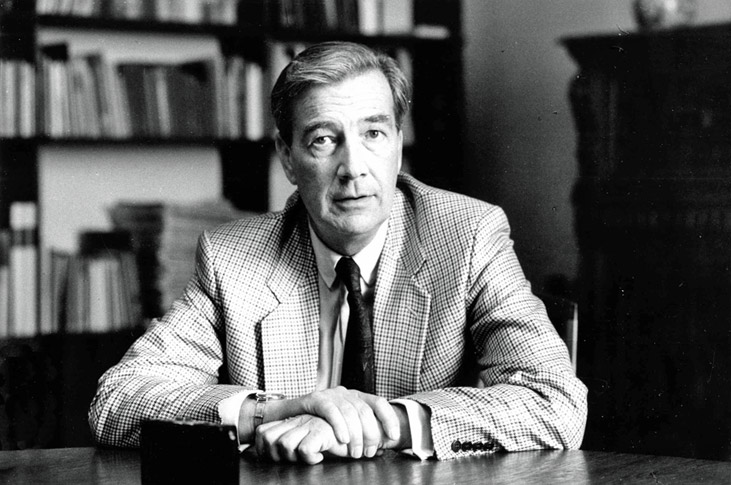
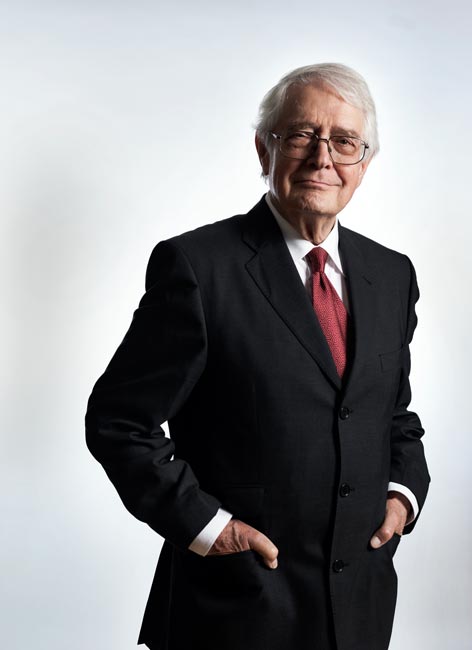
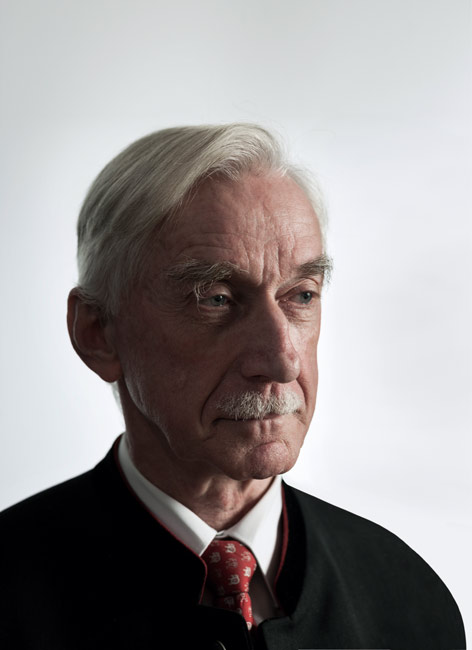
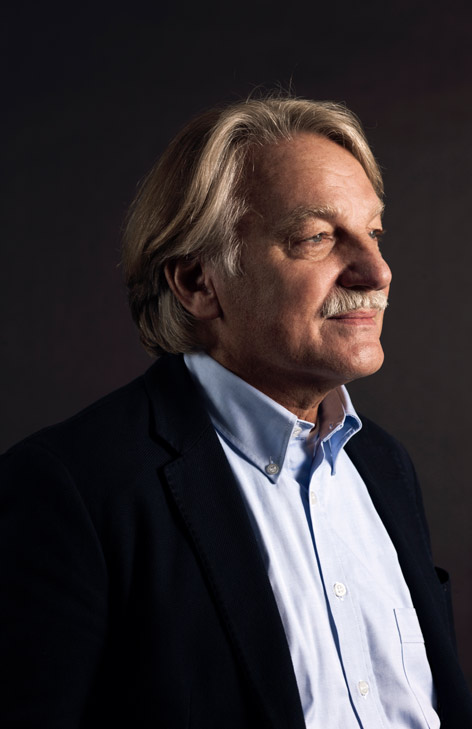
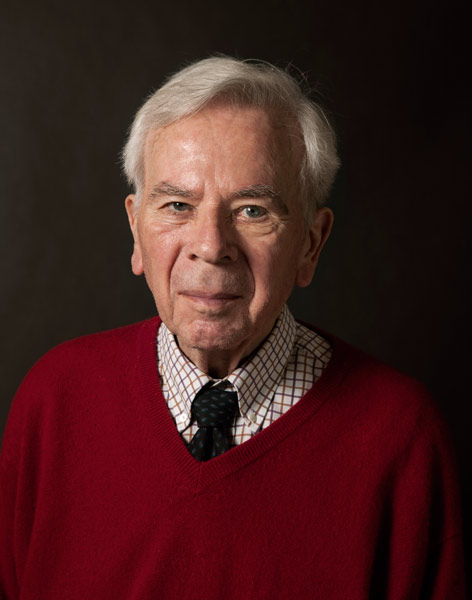
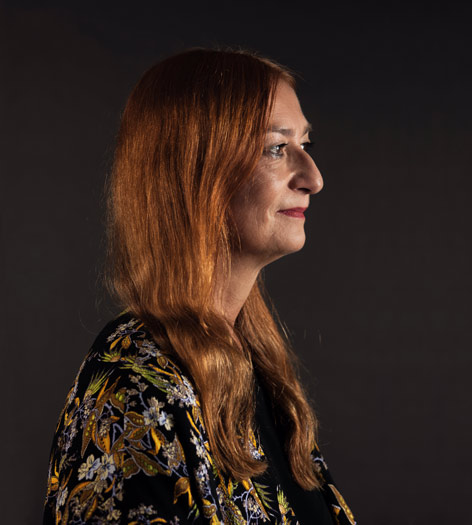
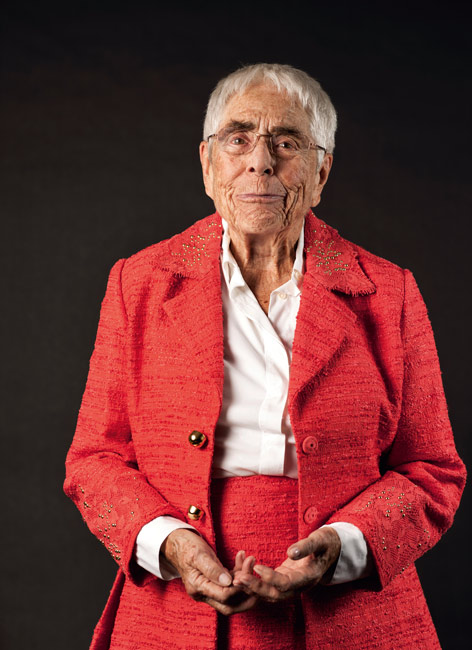
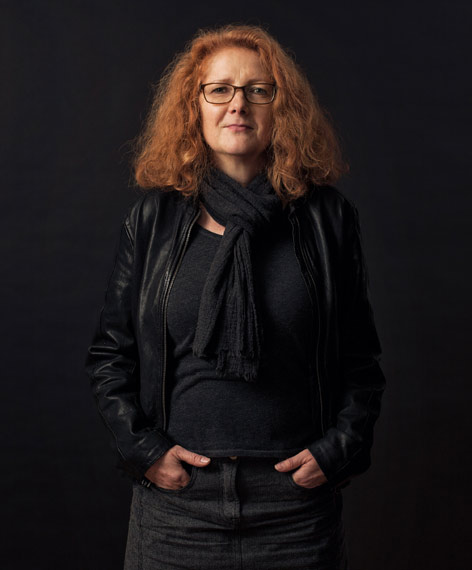
Günter Baron recalls how the fall of the Berlin Wall was experienced at the State Library on Potsdamer Straße.
When the fall of the Wall came, at first there was nothing but a sense of overwhelming awe. A general, political sense of awe: that what I had believed in was suddenly becoming reality – though I hadn’t thought I would live to see it myself! The evening after the Wall came down, I walked from Villa von der Heydt along the Landwehr Canal to the State Library and overtook a couple. The two of them looked as though they had lost their way. I spoke to them and sure enough: they were from Halle and had come to Berlin with their young child to experience the feeling of freedom on the Kurfürstendamm. But they had first ended up in a pub in Neukölln, had left their child in someone’s care there, and had then walked from Neukölln to the Kurfürstendamm and were now on their way back. I gave them a lift as far as the State Library and then we drove to Neukölln in my car to pick up their child. That was my first personal experience: people coming from Halle to Berlin just to take a stroll down Kurfürstendamm!
Just two or three days later, the rush began at the State Library on Potsdamer Straße. Up to 300 visitors ‘from the East’ were standing outside the building in the morning. When the caretaker opened the entrance doors at 9 o’clock, the cry rang out through the large entrance hall: ‘Watch out, they’re coming!’ And then he stepped aside and the crowd surged in. We had to quickly figure out how to deal with all these people.
We then set up a special information desk in the entrance hall to answer the questions that kept coming up: “How can I use the library?” “Am I allowed to just come in here?” “Can I get any book I want?” People from libraries in the GDR weren’t used to that.
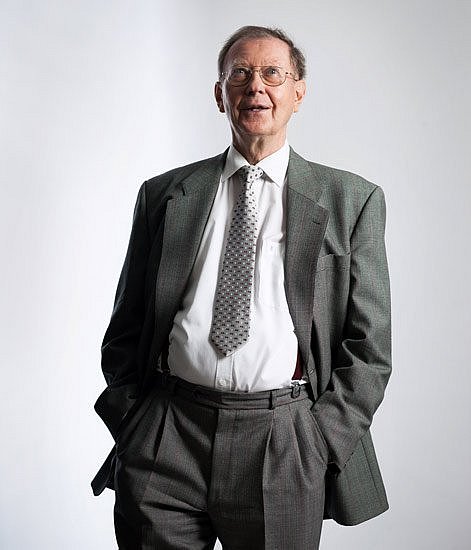

The experience of stating the obvious – things that, from our perspective, go without saying – was overwhelming: “Yes, you can simply walk through here.” “Yes, you can go into the reading room; there are 160,000 volumes from all subject areas on open access.” “Yes, you can go to the shelves and choose whatever you like.” “If you want to borrow books, you can get a library card issued over there; borrowing restrictions apply only for conservation reasons, in which case the book will only be handed to you in the reading room.”
People often reacted with almost incredulous amazement that it was possible to view all the available books without any special “authorisation”. It was only then that people realised what freedom of information meant. I, of course, also sat at this initial information desk. As did the Director-General, Richard Landwehrmeyer. Following a telephone consultation with the President, Professor Werner Knopp, we had abolished the ‘residence requirement’ for West Berlin for book loans. Anyone who presented an identity card, whether from the East or the West, could borrow books, and by the end of February 1990 we had 8,000 newly registered users. The rules of use, which could only be decided by the Foundation Council, were not amended until much later: it was, in many respects, a wonderfully anarchic time.
People often reacted with almost incredulous amazement at the fact that they could access all the books available without needing any special ‘authorisation’. It was only then that they realised what freedom of information really means.
At first, we hadn’t even considered a reunification with the German National Library on Unter den Linden. The focus was on practical library cooperation, and that got off to a very quick and unbureaucratic start. We then drew up plans for a confederation of the two libraries through an administrative agreement. Yet, little by little, it became increasingly clear that there would be a genuine reunification of the two successor institutions to the Prussian State Library, which had ceased to exist in 1945 – a ‘library in two buildings’.
We in the General Directorate were convinced that, in order to truly become a single library as quickly as possible, we needed to mix the staff to facilitate a collegial working relationship. Unfortunately, however, a stipulation was then introduced that pay would differ, and this plan failed as a result. Consequently, the sense of identity of the two institutions also solidified once more.
The concept of the “library in two buildings” was the subject of fierce debate, and on the western side in particular, even of polemics. When it came to unifying the collections and departments and transferring historical literature from Potsdamer Straße to the Unter den Linden building, there was considerable resistance from some groups. Leaflets were distributed against the General Directorate, but ultimately the Foundation Board approved the concept of the Historical Research Library on Unter den Linden and the Modern Research Library on Potsdamer Straße.
Berlin State Library – Prussian Cultural Heritage Foundation
The Berlin State Library is the largest general academic library in Germany. It collects and preserves manuscripts, printed works and digital materials from all academic disciplines, languages and countries. Its collections include books, manuscripts, autographs, maps, prints, picture albums, newspapers, estates, electronic resources and much more.
Today, two monumental buildings define the public image of the Berlin State Library: the building on the boulevard Unter den Linden and the building on Potsdamer Straße at the Kulturforum.