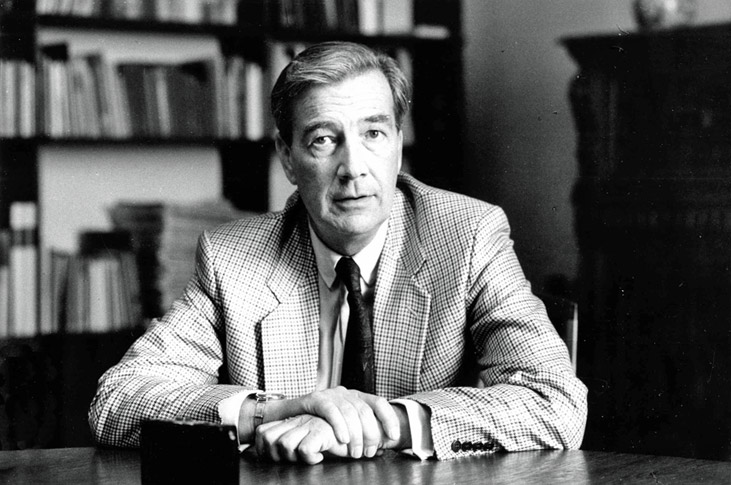
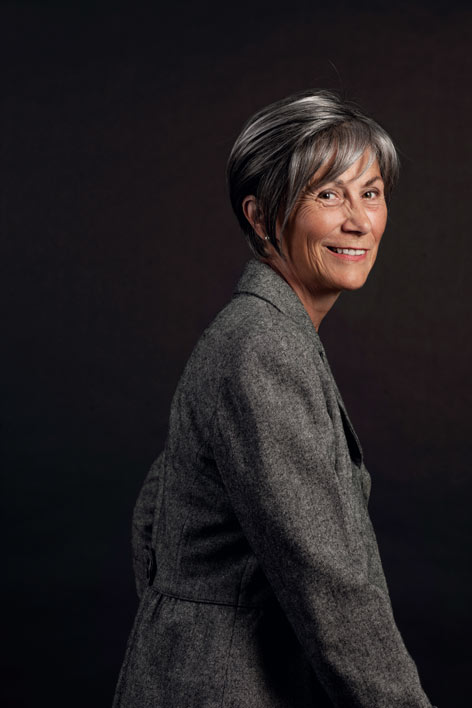
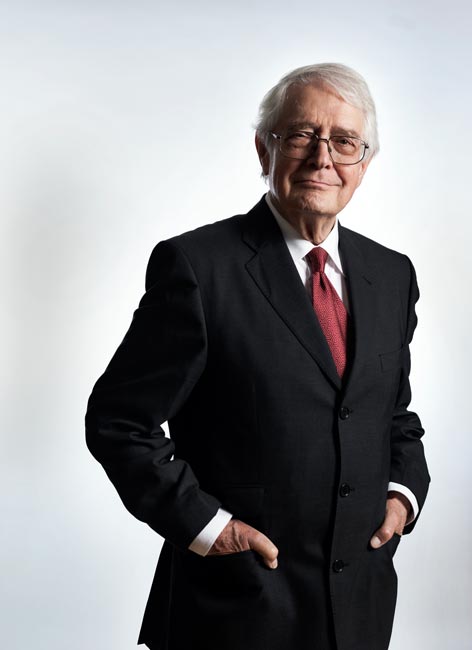
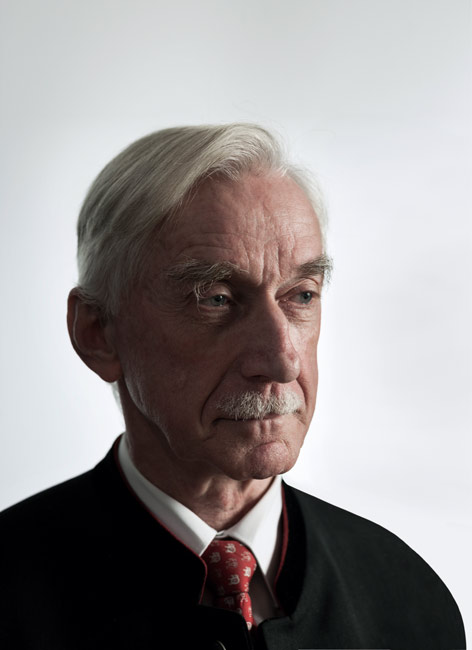
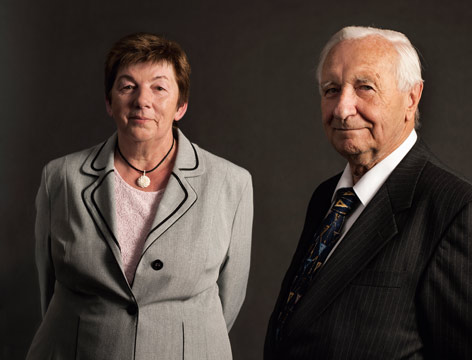
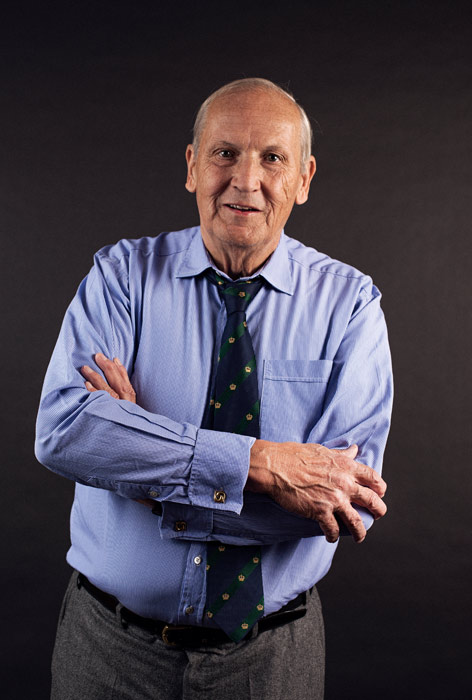
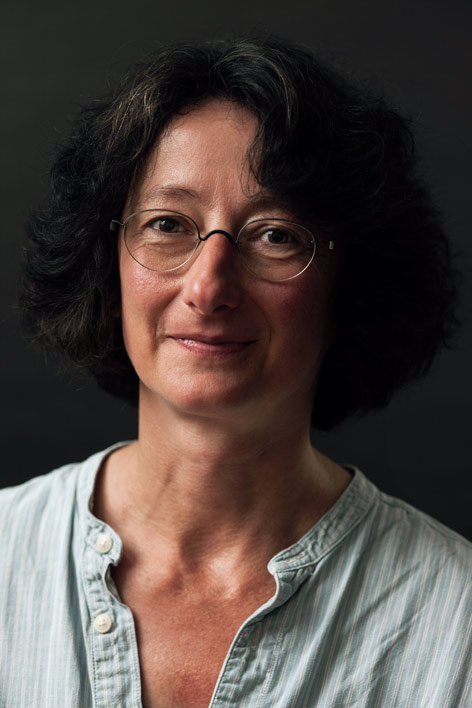
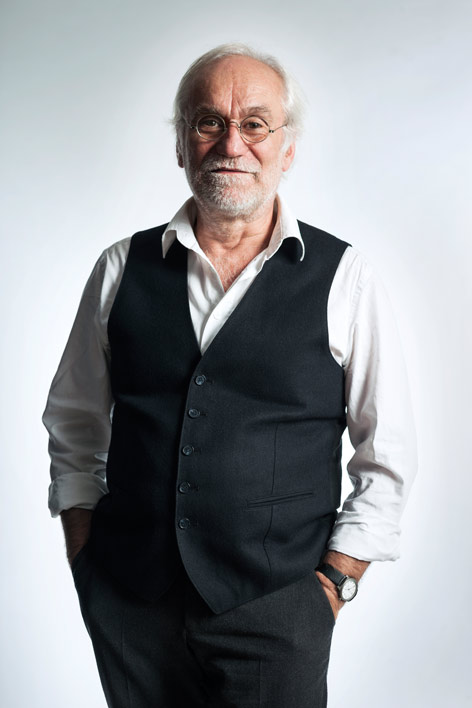
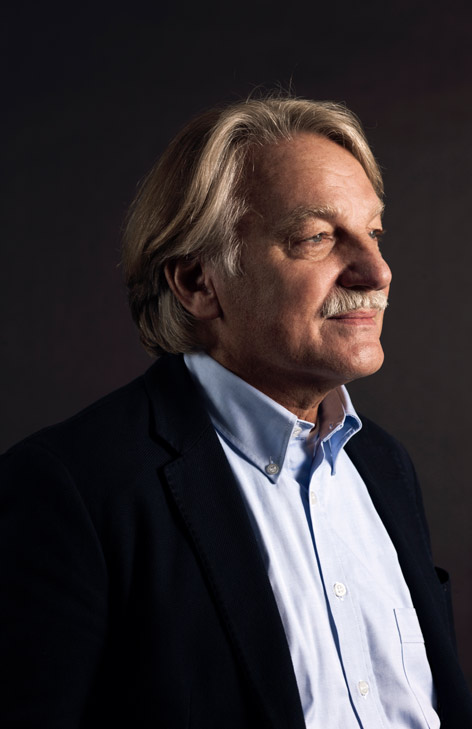
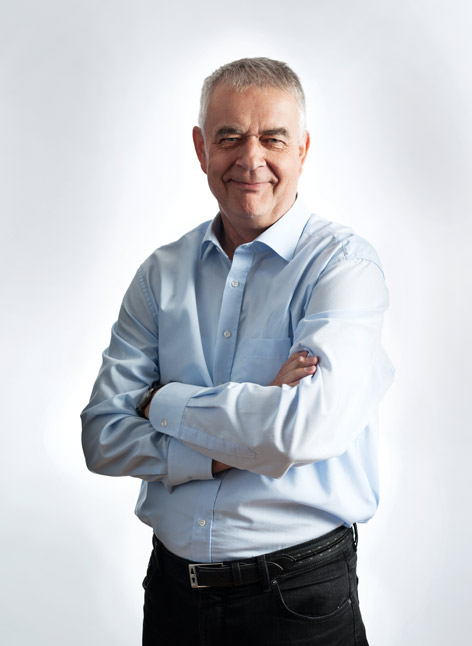
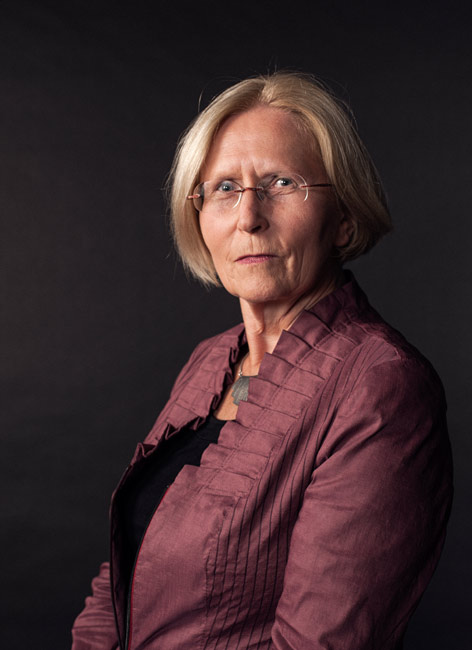
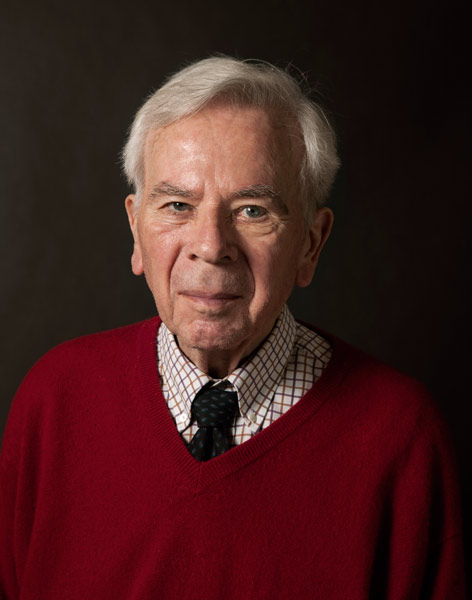
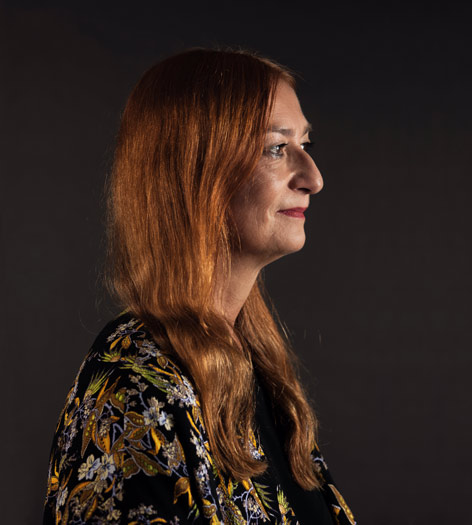
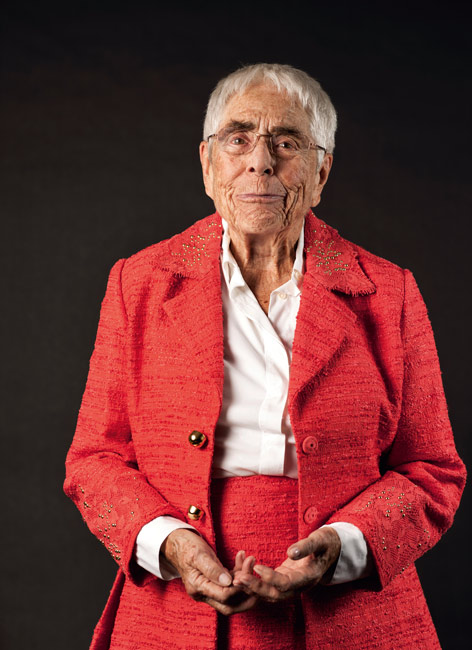
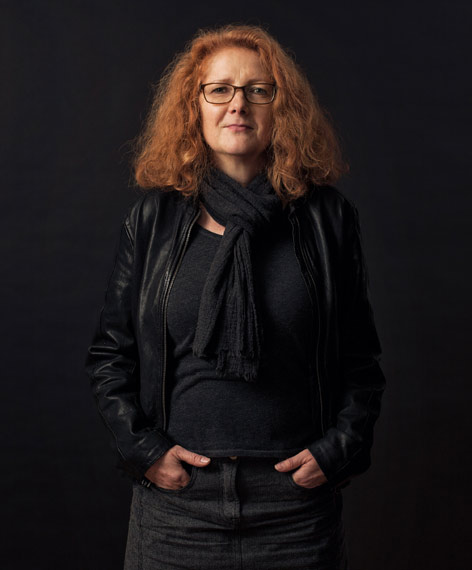
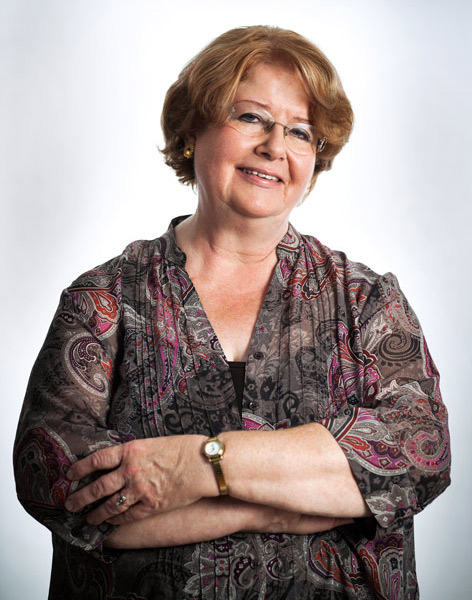
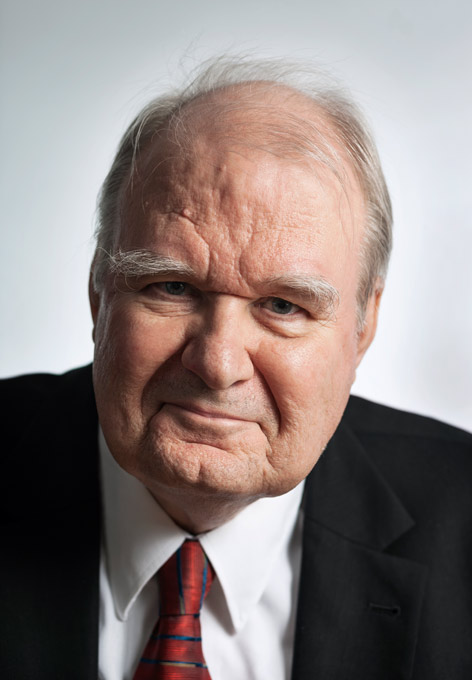
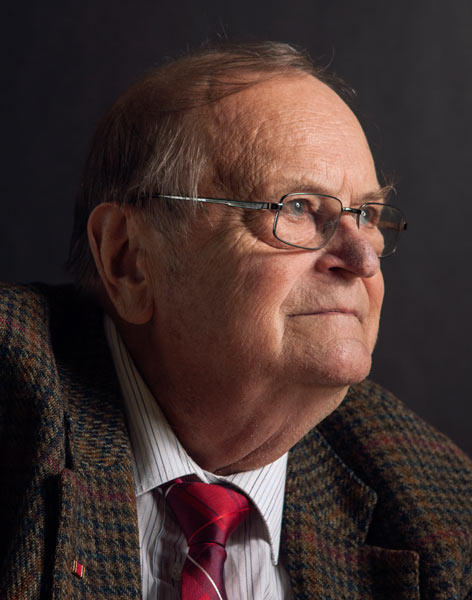
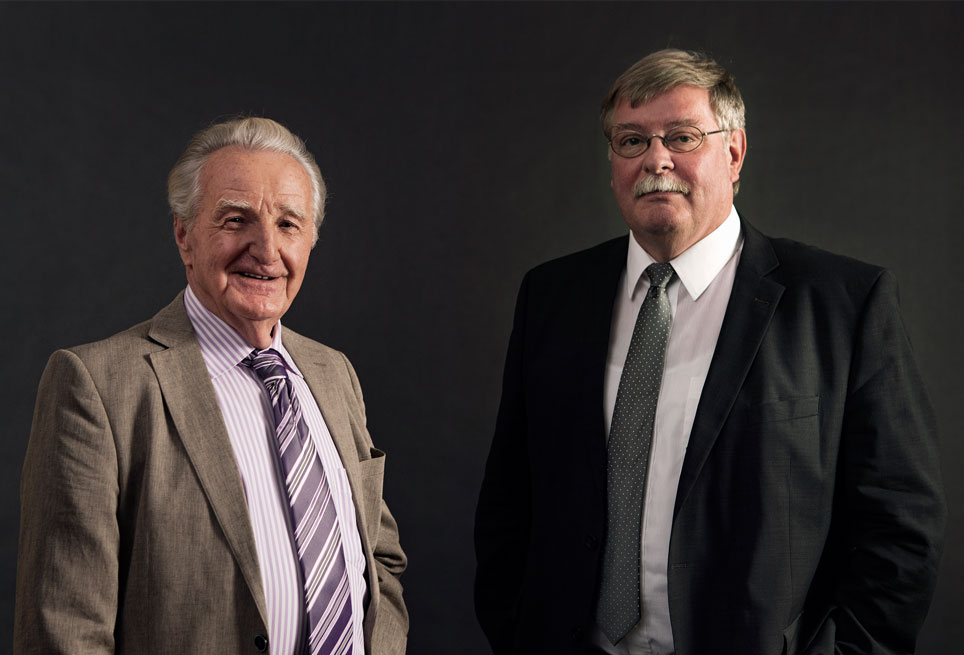
In response to the ‘additional requirements arising from reunification’: in 1990, Peter Altekrüger became the first new member of staff at the SPK from the East.
Of course, we students in Rostock knew of the Ibero-American Institute (IAI), but it was a mythical place for us. We knew it existed, but it was out of reach for students. I studied Latin American Studies in Rostock, and back then there were no online catalogues at universities in the GDR and hardly any research facilities. Catalogues and information could only be accessed on site, and as students we were, of course, not allowed to travel to Western countries. So we couldn’t access the IAI’s vast collection ourselves. But our lecturers would occasionally travel to West Berlin and do some research for us, or even make a copy on occasion.
Our faculty (known as a ‘section’) didn’t get a photocopier until 1988. However, first the toner was missing, then the special paper, and when I’d managed to get hold of both, we couldn’t get it up and running because the necessary high-voltage power connection was missing. So the machine was never plugged in. One of our university lecturers told me, full of admiration, about the photocopiers at the IAI, how a member of staff would always load them up early in the morning and simply tear open the reams of paper – a paradise, too, as far as access to specialist literature was concerned. A year later, I was the one tearing open the reams of paper and loading the machines at the IAI early in the morning. But I wouldn’t have dreamed of that at the time.
In August 1989, I finished my studies and went straight to Berlin: shortly after the Wall came down, four fixed-term project positions were advertised at the Ibero-American Institute to cope with the ‘additional demand resulting from reunification’, which had arisen due to the growing number of users and visitors following the fall of the Wall. I applied for all four positions and was very lucky to be in the right place at the right time. My first employment contract at the IAI stated “temporary employee for temporary work”.
I started work before reunification, back in the days of the two-state solution. To become “eligible for employment”, I moved my residence to West Berlin, though I was still living in Hellersdorf in East Berlin. When I learnt from my predecessor during the interview that my net salary would be 2,000 DM, I couldn’t believe it. Although costs were rising rapidly in the East, rents remained very low for a long time. My disposable income as a percentage of my earnings has never been as high as it was back then.
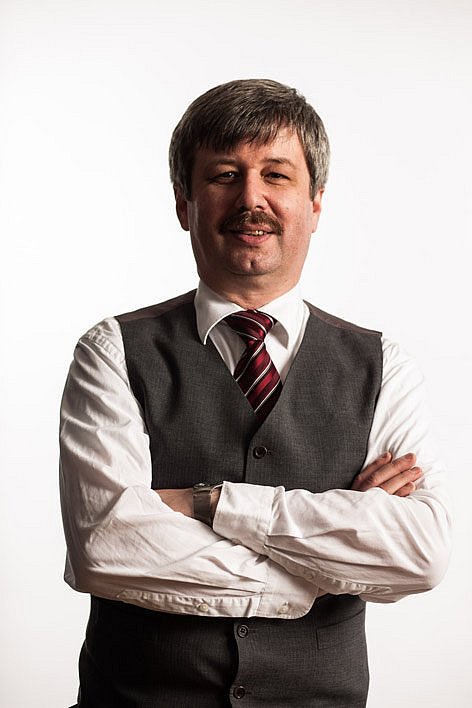

As far as I know, I was one of the first employees from the East to join the Prussian Cultural Heritage Foundation after the fall of the Berlin Wall. In 1990, I walked to work across Potsdamer Platz every day. At that time, it was still a green field dotted with walnut and cherry trees. For a long time, the remains of the Wall, including the platform where the traffic lights stand today, were still there. It was only later that Potsdamer Platz became a dreary place with well-trodden paths.
Compared to the State Museums and the State Library, the IAI had it relatively easy, as we had no partner organisation in East Germany, such as the Secret State Archives, which had transferred a large part of its holdings to the German Central Archives in Merseburg. This had its pros and cons: there were no difficult adjustments, as is often the case with mergers, and there was no competitive pressure of any kind.
The disadvantage was that no new posts were created. And that, for several years after reunification, the Institute continued its somewhat isolated, cosy existence from the West Berlin era. There was hardly any connection to academia or politics. It was not until 1995, when the Federal Audit Office paid a visit and recommended, amongst other things, that cultural activities be discontinued and the collections incorporated into the State Library, that the Institute was roused from its slumber and set out on a new path.
For me personally, the Ibero-American Institute has fulfilled all its mythical promises. The range of information and the volume of literature were, and indeed remain, enormous. I wish I’d had even half of that at my disposal for my dissertation!
Ibero-American Institute
The Ibero-American Institute is an interdisciplinary institution dedicated to academic and cultural exchange with Latin America, the Caribbean, Spain and Portugal. It houses Europe’s largest specialist library on the Ibero-American cultural sphere.
Its unique combination of information, research and cultural centre makes the IAI a platform for cooperation and a catalyst for intercultural and transcultural dialogue. The IAI was founded in 1930 and is now located at the Berlin Kulturforum.