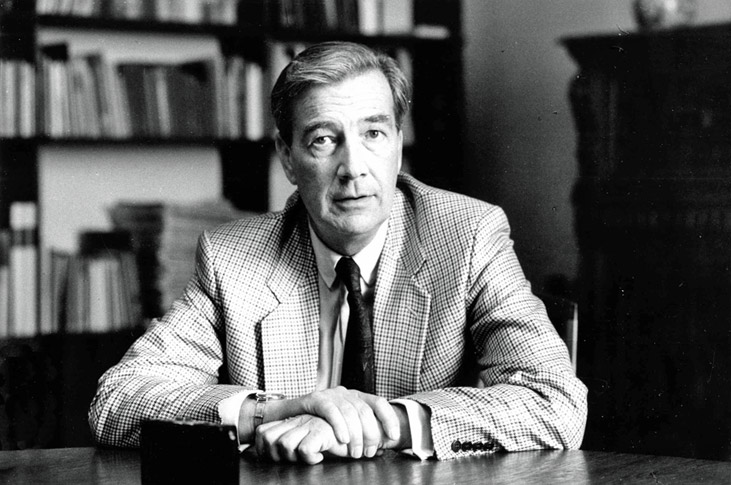
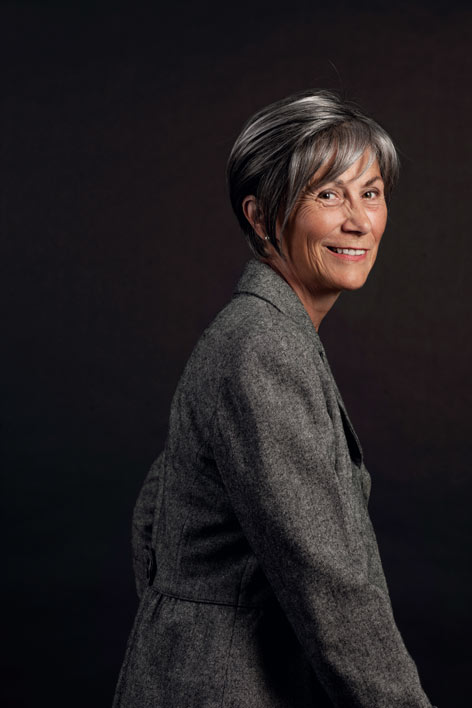
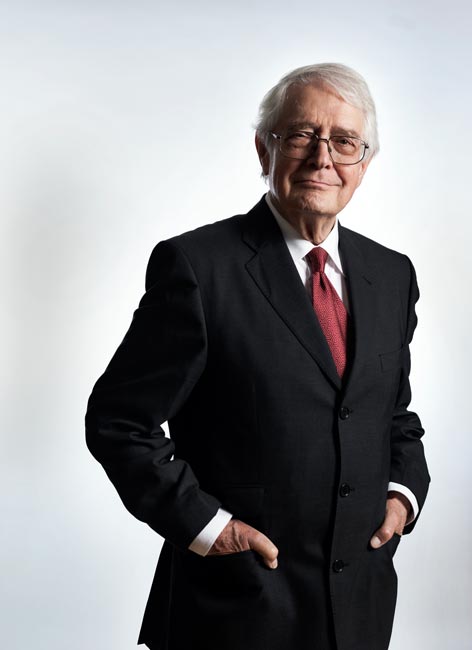
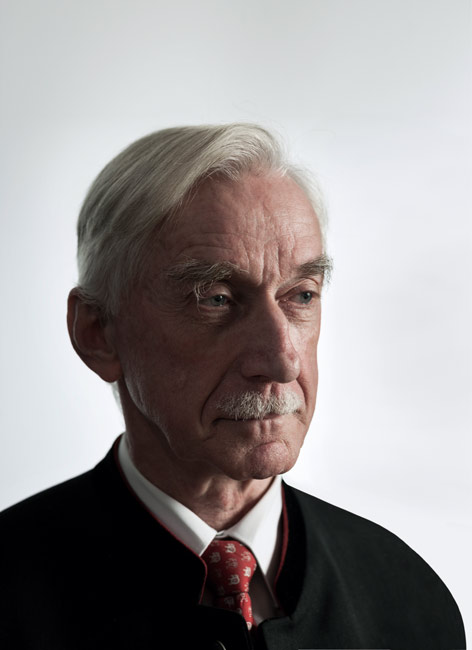
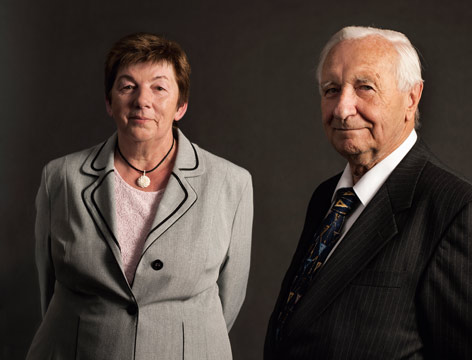
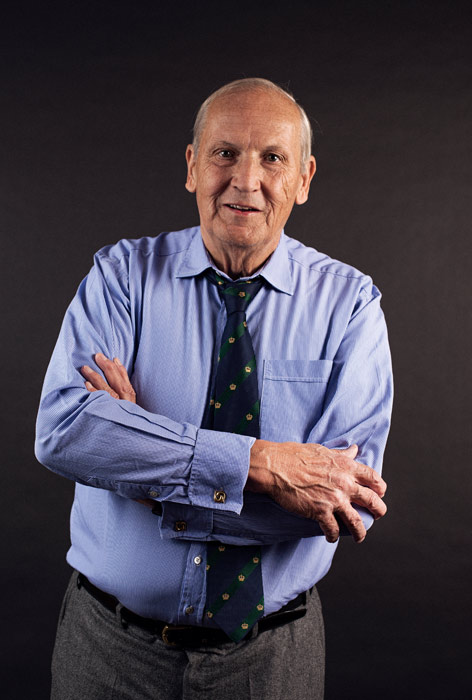
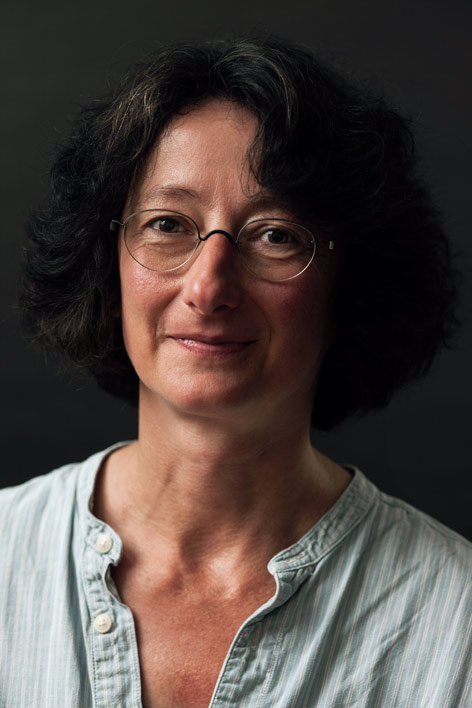
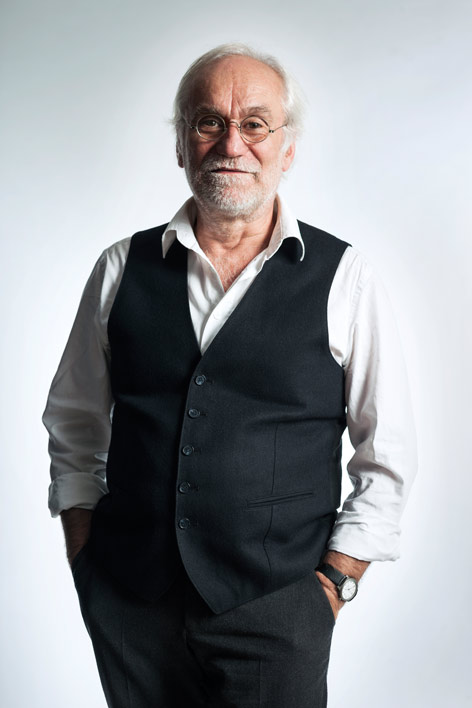
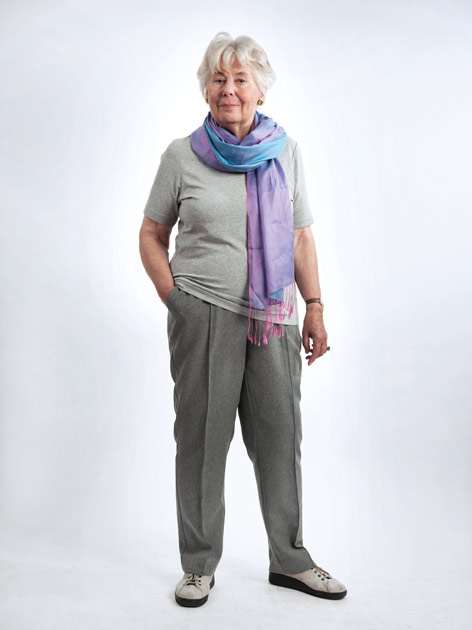
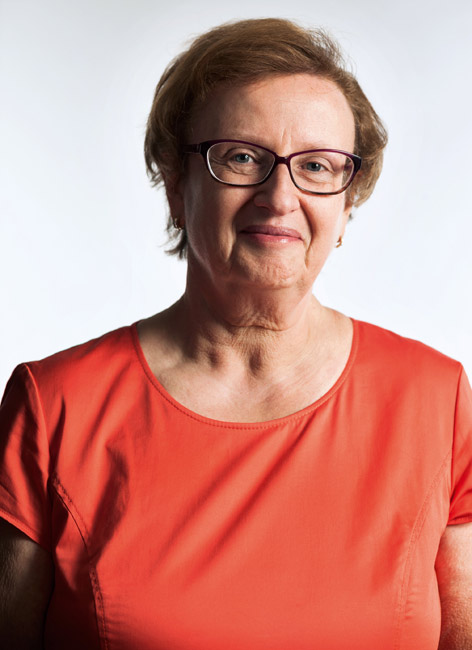
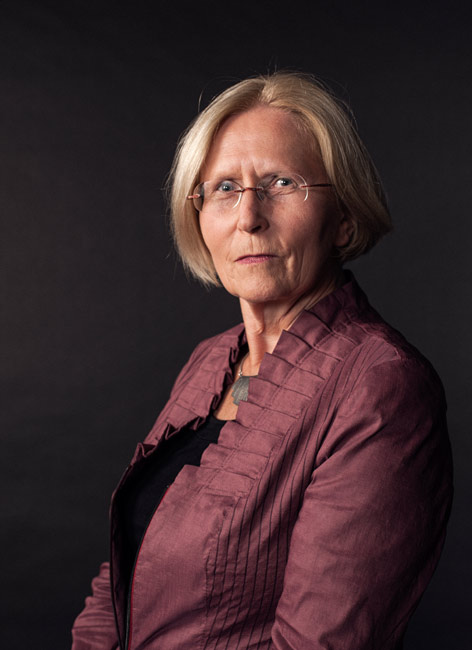
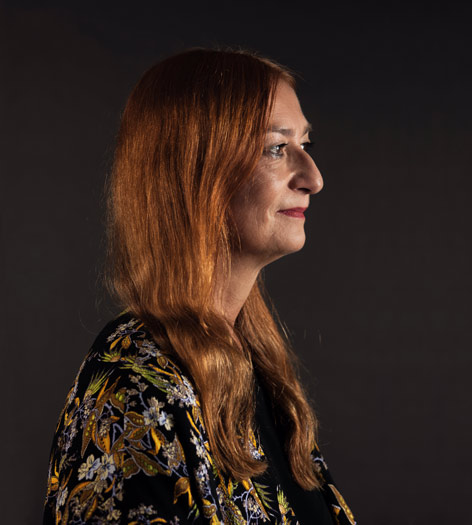
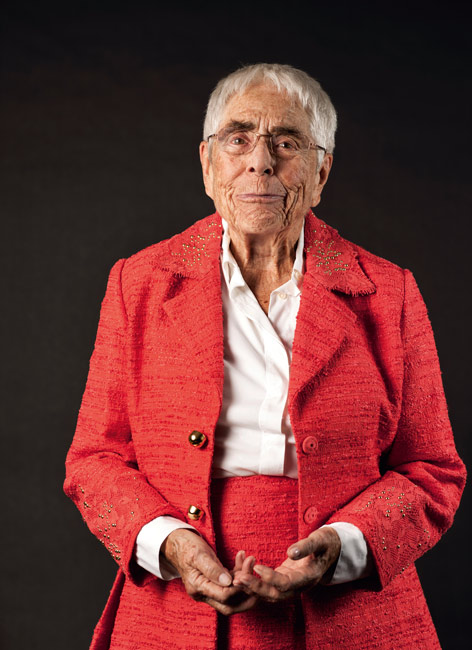
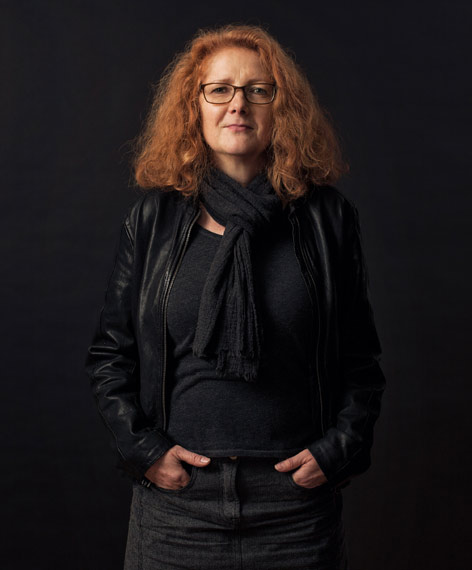
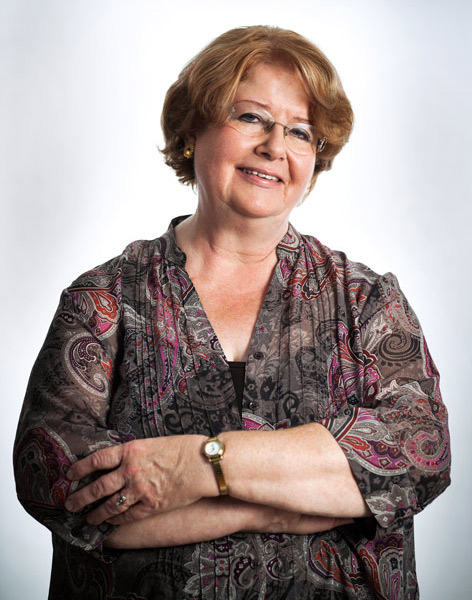
1990–1999–2017: Dagmar Neuland-Kitzerow from the Museum of European Cultures offers insights into and a glimpse of a museum in flux.
You can imagine all the collection relocations following reunification as a giant jigsaw puzzle: during the GDR era, the Museum of Folk Life was still located on Museum Island, on the ground floor of the Pergamon Museum. In 1991, we had to close the exhibition because our space was needed as a preparation area for the move of the Alte Nationalgalerie. As the Art Library, in turn, moved from its premises on Jebensstraße to a new building at the Kulturforum, this building became vacant and was converted into a storage facility for our museum.
At the same time, collections from the Museum of German Folk Life (West Berlin) in Dahlem were brought there to be merged with the East German collections. For example, the furniture collection (East) had to be transported away from the Island, whilst the furniture collection (West) was moved from Dahlem; the objects were then re-sorted and stored at Jebensstraße.
As early as 1992, a large special exhibition room in the Pergamon Museum was therefore converted into a packing room and equipped with hundreds of boxes, countless rolls of adhesive tape and mountains of packing materials. And all the staff on the island began packing the objects there for the move. For weeks on end, we wrapped object by object and stowed them in boxes – each piece individually, all by hand of course – and recorded the object numbers. The object lists produced in the process now fill several folders. The move was then carried out in stages, as soon as new spaces on Jebensstraße were structurally completed. We packed and moved around 25,000 objects – a number that is almost impossible to imagine. It was exhausting, but it also allowed us to make many discoveries in the collections from East and West.
I did have the feeling that the bulk of the construction and relocation logistics fell to our colleagues in the East, partly because exhibitions still had to be organised in Dahlem. This was certainly because we had to completely clear our exhibition spaces and storage areas on Museum Island – which wasn’t the case in Dahlem.
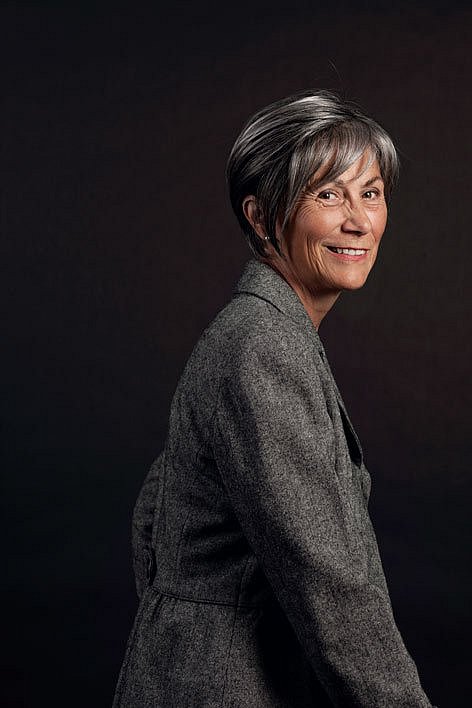
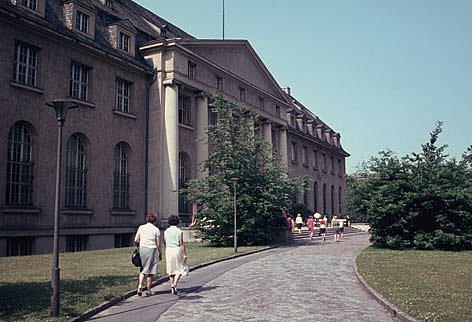
That took a lot of energy, as we had to juggle many tasks at once. We were still based on the island, packing up for Jebensstraße whilst simultaneously helping with exhibitions in Dahlem. We were shuttling between these three locations, each of which housed a part of the museum. On top of that, there was no IT system for documentation back then. That made the way we worked rather complicated. You always had to have paper copies of everything in your bag and carry them around with you.
I myself didn’t finally move to Dahlem until 1996! Once the move was finally complete, we got straight back to work there: there had been discussions early on about expanding the museum to include the European collection of what was then the Museum of Ethnology (now the Ethnological Museum). We wanted to remove the restriction of the Museum of Ethnology’s work and focus to Germany and broaden our perspective. Alongside the challenges regarding content, this naturally necessitated further moves and the complete refurbishment of entire exhibition floors between 1997 and 1999.
So we set about planning once more, formulating user requirements, sorting, packing and moving boxes until, in 1999, we opened the Museum of European Cultures with a pilot exhibition. In the years that followed, we had to prove that this idea was forward-looking, that our museum was not merely pandering to the politically defined ‘European idea’. But I think that over the last 15 years we have shown that this was the right path to take.
At the Museen Dahlem site, further reorganisations of exhibition spaces, storage areas and workshops took place from 2005 onwards. As a result, all our colleagues now work under one roof, which provides a good foundation for a museum team to grow together.
I have sometimes regretted moving away from the island, because the island really is a special place. Whenever I walk across the bridge from Hackescher Markt to the island early in the morning, I still feel that. Special places have a special aura. I think Dahlem has that kind of aura too, but it’s just different. Dahlem has always been a place of contemplation. Many visitors who come to Dahlem also make the most of the green surroundings on the outskirts of Berlin.
They can still enjoy the place because, so far, there is a great deal of variety on offer. But if the Museum of Asian Art and the Ethnological Museum are soon to move to the Humboldt Forum in Mitte and we are left on our own, then we will have to reinvent this place all over again. We, the staff of the Museum of European Cultures, must find a way to ensure that Dahlem remains a place of attraction.
The city of Berlin is growing ever larger and changing. This also applies to the district of Steglitz-Zehlendorf, which includes Dahlem. Will the museum site still exist in 20 years’ time? Who knows? Perhaps the museum will move again – probably not to the Humboldt Forum, even though I consider this necessary for the overall direction of what is currently Germany’s largest cultural project and would have liked it to happen. It may well end up at the Kulturforum at some point – this idea first arose in the late 1980s. But if that move were to happen, it would be up to the next generation to pack the boxes!
MEK / Museum of European Cultures
The Museum of European Cultures, part of the Berlin State Museums, collects, researches, preserves, presents and communicates everyday culture and ways of life in Europe from the 18th century to the present day – from a cultural anthropological and comparative perspective. Founded
in 1873 as the Museum of Ethnology, the MEK has existed in its current form since 1999. In that year, the European collection of the Museum of Ethnology was merged with the holdings of the former Museum of [German] Folklore.