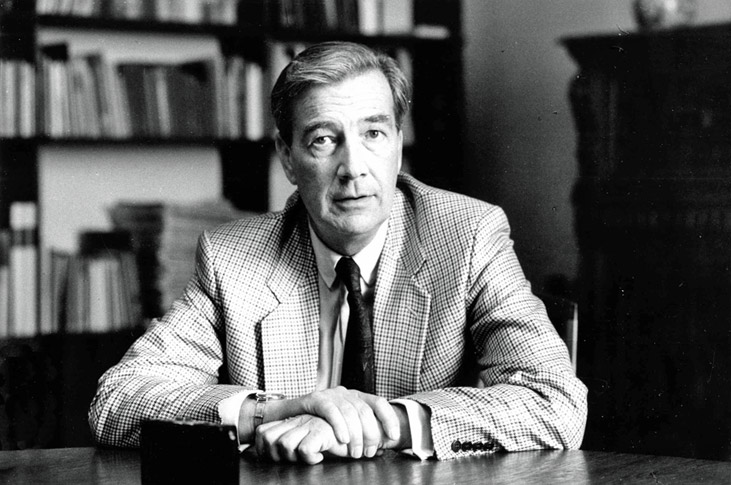
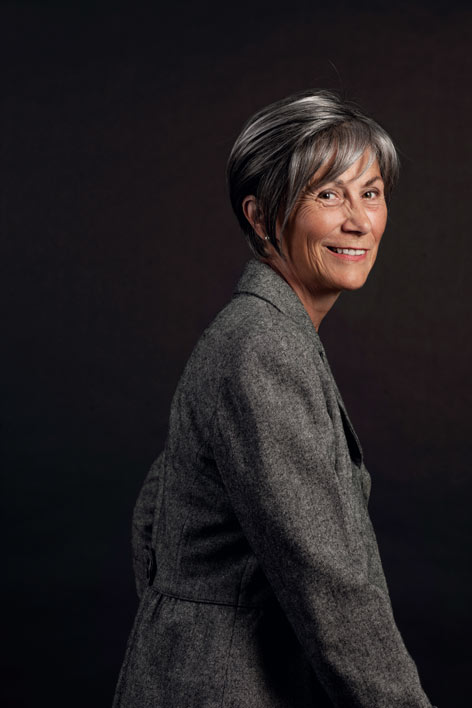
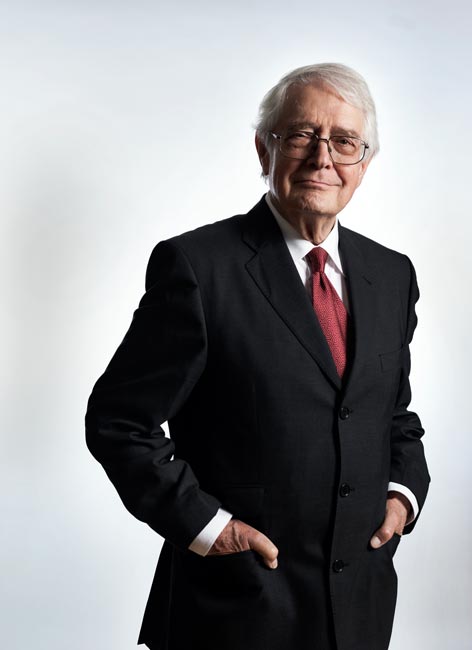
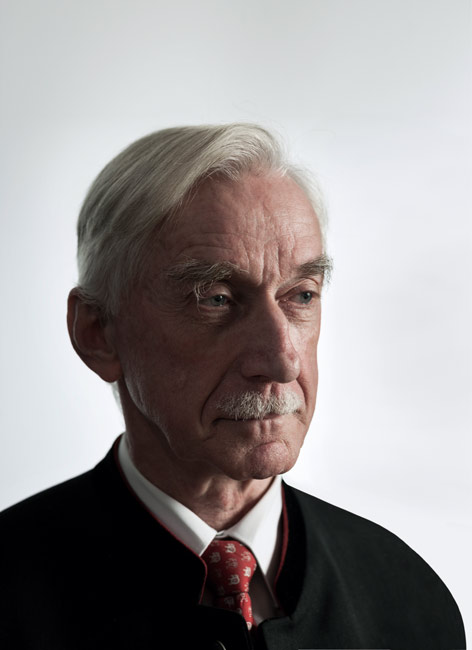
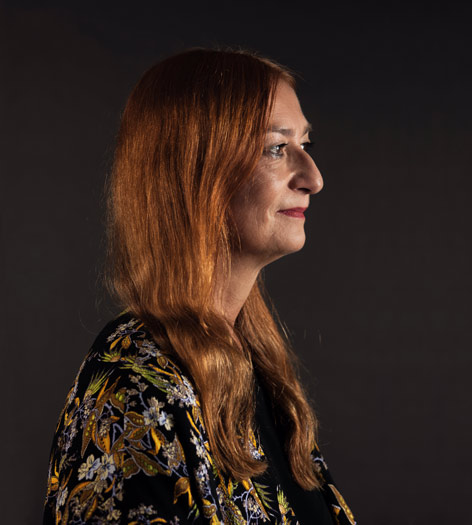
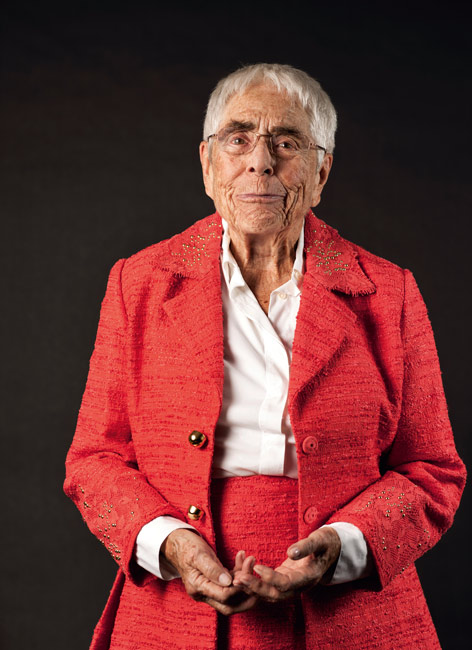
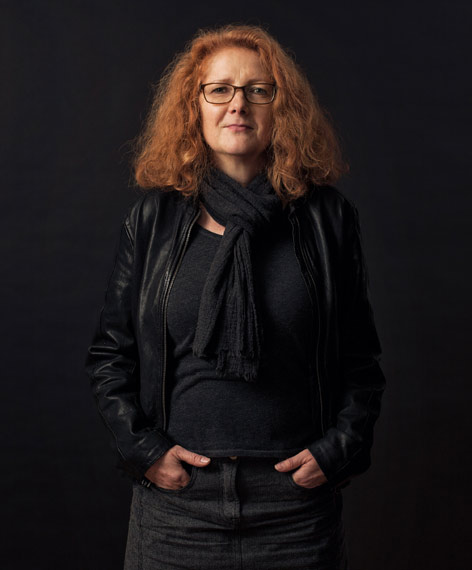
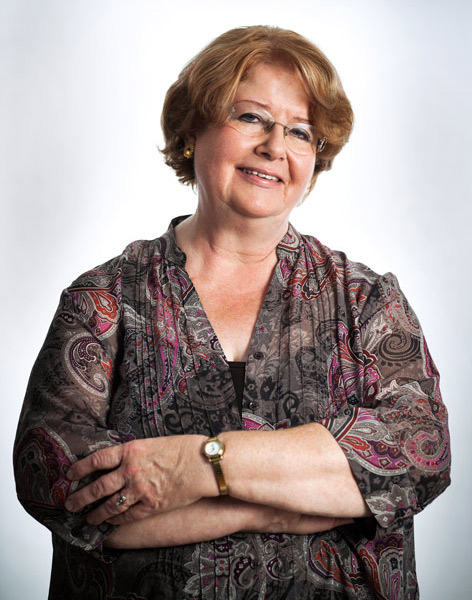
Manuela Krüger explains why the Museum of Decorative Arts refused to make way for either the Senate or the new chancellor.
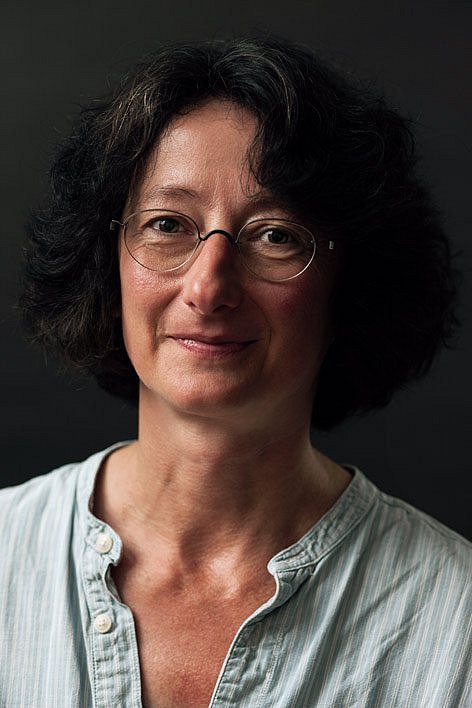
I grew up in Köpenick and used to visit the palace very often as a child. Back then, I couldn’t have imagined working there one day. With the aim of becoming a make-up artist, I originally trained as a hairdresser. Fortunately, I realised early on that this job wouldn’t be the right fit for me in the long run. An interesting alternative seemed to present itself in Leipzig – a degree in museology. However, only ten people were accepted per academic year, and I was advised to first gain a thorough understanding of museum operations. So I marched straight to the personnel department of the State Museums and said: ‘I want to work in the museums, no matter what the role or where.’
That’s how I ended up at the Museum of Decorative Arts in Köpenick Palace, where they were just looking for a head of security. For many in the GDR, these posts were a stepping stone into museum work. You shouldn’t imagine the job as it is today. Back then, pensioners kept watch over the museum treasures, and someone had to look after them.
In 1989, the opportunity arose to be transferred to the post of storeroom manager; the previous holder had left for the West. This meant I could finally devote myself even more intensively to my beloved art and was granted a secondment to a distance-learning course in museology in Leipzig. Then came the fall of the Wall and reunification, and an uncertain future for Köpenick Palace.
The rumours grew louder and louder. They claimed that the palace was to be abandoned as a museum of decorative arts and that the art was to be moved to Tiergarten, to the West Berlin part of the collection. It was also said that Chancellor Kohl was looking for a new guest house for the Federal Government and had even been spotted in the palace.
From 1991, the relocation of the collections to Tiergarten began, as the Berlin Senate claimed that Köpenick Palace was so dilapidated that it would be irresponsible to keep art there and admit visitors. We were told we should only work wearing hard hats. That didn’t make sense to us. The palace had been renovated piece by piece since 1963 during the GDR era, whilst it remained in use. Why should it suddenly collapse?
We were determined not to let the building close as a museum site, so we got in touch with the Mayor of Köpenick and the Cultural Affairs Office and launched a petition for a citizens’ initiative. One Saturday in January 1992, the then Senator for Culture, Ulrich Roloff-Momin, and the Foundation’s President, Werner Knopp, along with the general directors and both directors of our museum in Köpenick, arrived to decide whether the building would continue to be used for the collection and whether it would remain open or not.
The courtyard was full of people demonstrating for the preservation of the palace as a Museum of Decorative Arts. We didn’t care whether our protest might have consequences under employment law. A few days later, the welcome news arrived. The Senator declared that Köpenick Palace would remain a site for the Museum of Decorative Arts and, as long as the building works permitted, would undergo a complete refurbishment whilst the exhibitions remained open. We’d done it!
Museum of Decorative Arts
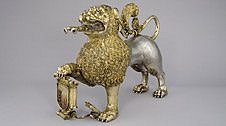
The Museum of Decorative Arts is the oldest of its kind in Germany. It houses world-famous examples of European craftsmanship and design, ranging from magnificent gold reliquaries and precious glass or porcelain vases to finely embroidered garments and classics of modern industrial design.
The permanent and special exhibitions of the Museum of Decorative Arts can be viewed at two locations in Berlin: at the Kulturforum near Potsdamer Platz and at Köpenick Palace, where masterpieces of interior design from the 16th to the 18th century are on display.
Website of the Museum of Decorative Arts, part of the Berlin State Museums