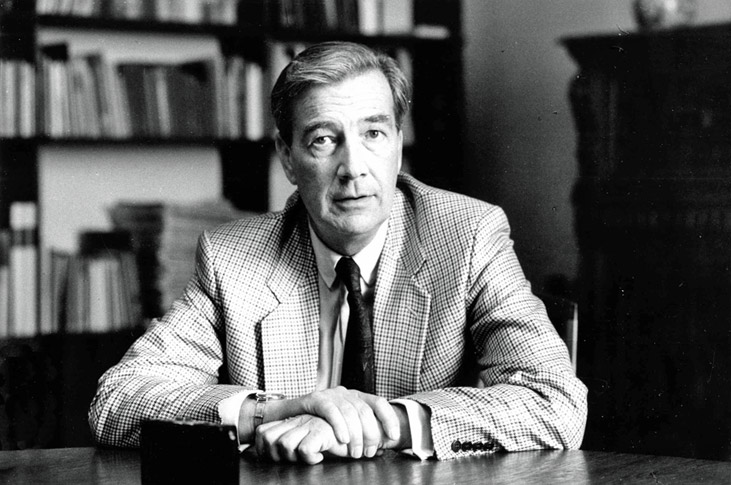
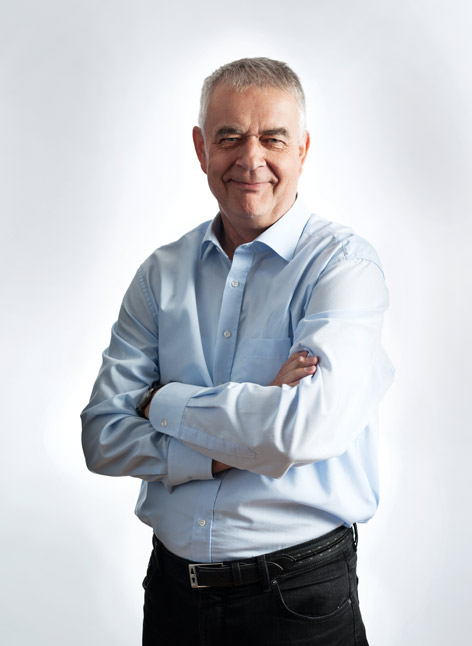
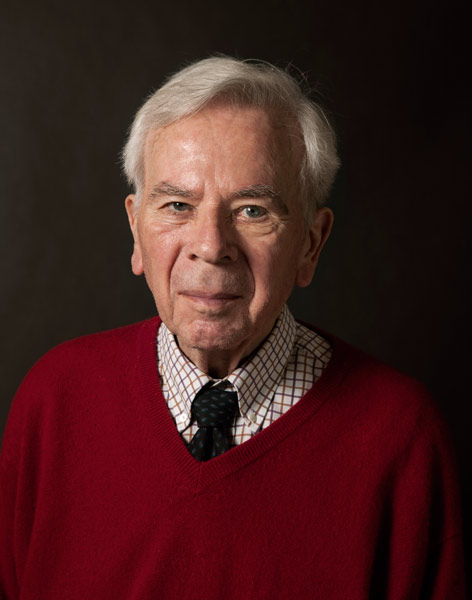
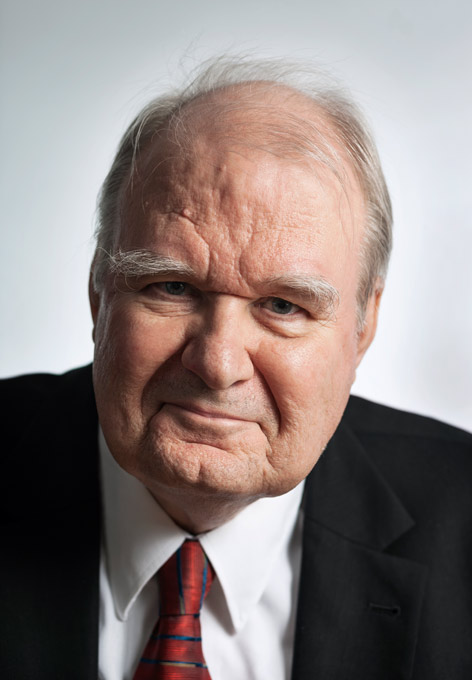
Werner Knopp, former president of the Foundation, on new staffing arrangements within the reunified SPK and on key architectural decisions at the Kulturforum and on Museum Island.
When I think back to how we reunited the fragmented collections after 1990, I must look back to the founding of the Prussian Cultural Heritage Foundation in 1957. The division of Germany and the dissolution of Prussia by the Allied powers in 1947 had wrested the extensive cultural heritage from its historical custodian and divided it between the two emerging post-war German states. Further, not insignificant holdings were no longer on German territory after 1945 due to their removal during the war, or were even treated as spoils of war.
In 1961, the year the Berlin Wall was built, the Prussian Cultural Heritage Foundation began its work as a West German foundation. The first priority was to ensure that the parts of the collection scattered across the Federal Republic were transferred to Berlin and housed there. The work of the foundation was immediately placed under considerable strain by the reaction of the GDR, which persistently claimed for itself all Prussian collections formerly located on its territory.
This policy, pursued until shortly before the end of SED rule, made any form of cooperation between the separated collections impossible, not least because of the absolute ban on contact. This ban was only slightly relaxed by the German-German Cultural Agreement in May 1986.
This had an enormous impact on the professional work of the collections, as the inventories of the State Museums and the catalogues of the State Library relating to the pre-war holdings were located in East Berlin. The collections in the West had no access to them. It was all the more surprising, then, how quickly the parts of the collection found their way back together after the fall of the Wall. One reason for this was certainly that the people in East and West had never lost the sense that they were working on a common cause with shared roots.
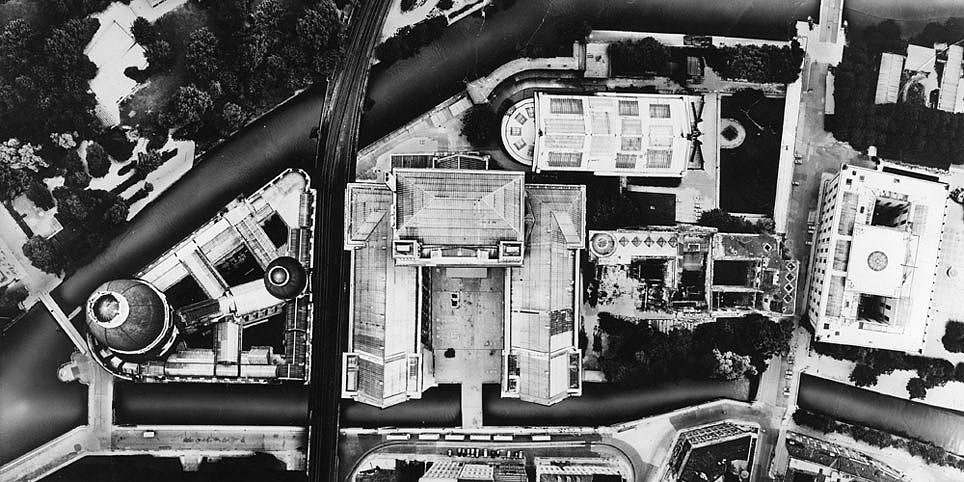
Even before German reunification, therefore, consultation and cooperation agreements had been reached between the museums and the State Library. A decisive factor in this rapid convergence was undoubtedly the fact that the merger of the institutions under the umbrella of the Prussian Cultural Heritage Foundation could still be regulated in the Unification Treaty. The fact that this was not left to a casual footnote in the protocol is thanks to Federal Minister of the Interior Wolfgang Schäuble, who, as the chief negotiator for the West, was also Chairman of our Foundation’s Board.
Thus, the Foundation of Prussian Cultural Heritage – initially controversial and not universally loved even in its later development – was transformed from a supposed relic of the Cold War into a natural ‘repository’ for the formerly Prussian collections. We were spared difficult and far-reaching debates on the transition. Our shared roots also made it easier for the newcomers to settle in.
I recall a deeply moving letter from an employee from the East who wrote to me that he and others had worried whether they would lose their identity if they were united with the Federal Republic. But the Foundation had allayed their concerns, and even GDR citizens could live with the Prussian tradition.
It was important to me to show appreciation to the new staff members. To prepare for a smooth and orderly transition, we initially left the institutions’ organisational structures as they were before reunification. We only merged them on 1 January 1992. We avoided the impression of a simple takeover by the West. In all cases where a Western director had to be retained in office, for example for legal reasons, we assigned an Eastern counterpart to work alongside him. I am also proud that – apart from a few cases involving political baggage – we did not have to dismiss any Eastern employees. That was by no means a given.
I was also keen to ensure that the united collections were housed in a way that would stand the test of time. I believe I succeeded in this in two key respects: firstly, I was able to ensure that the construction of the Gemäldegalerie at the Kulturforum continued.
However, there was fierce resistance in some quarters from museum staff groups and the Federal Audit Office, which wanted the building funds cut by the Bundestag’s Budget Committee. I was – quite apart from the question of whether the Old Masters should ultimately be united on Museum Island – firmly of the opinion that the museums on the ‘Island’ were in need of major refurbishment and that, due to the closures, they required additional space in order to maintain their presence.