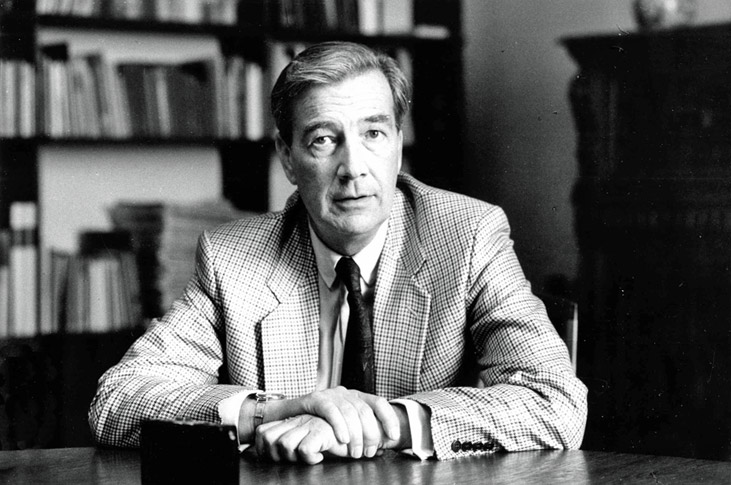
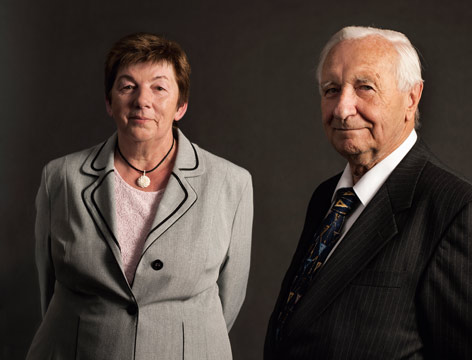
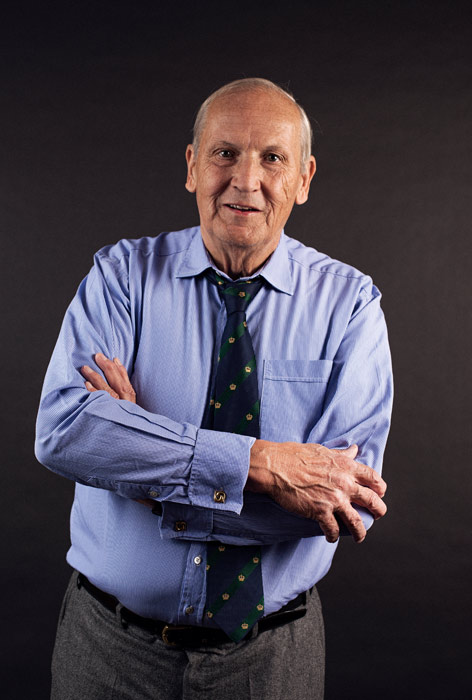
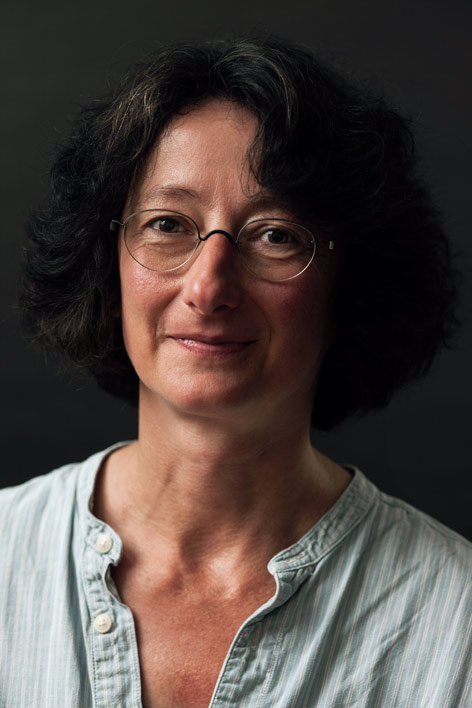
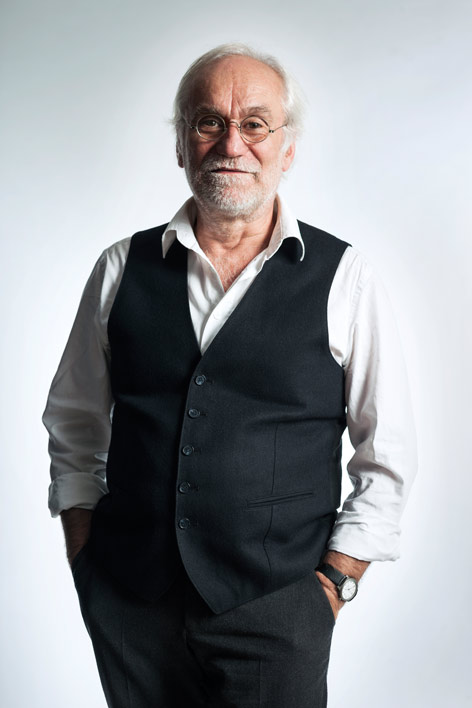
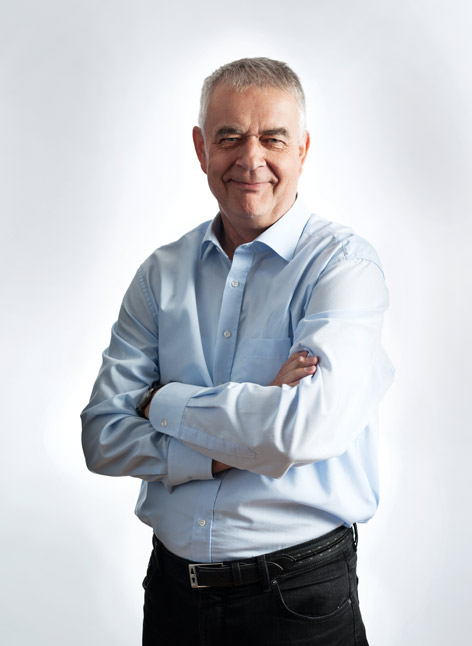
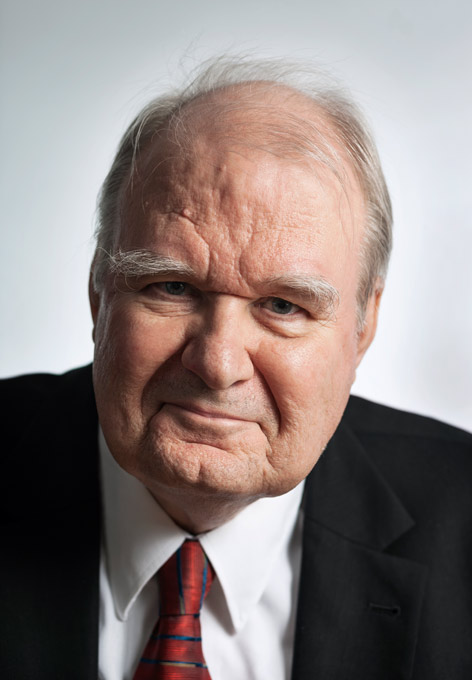
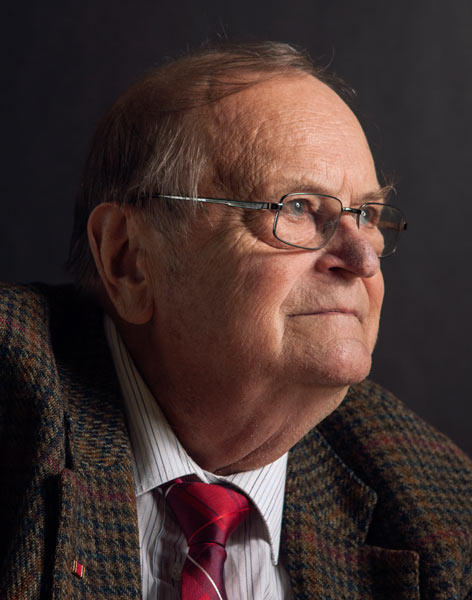
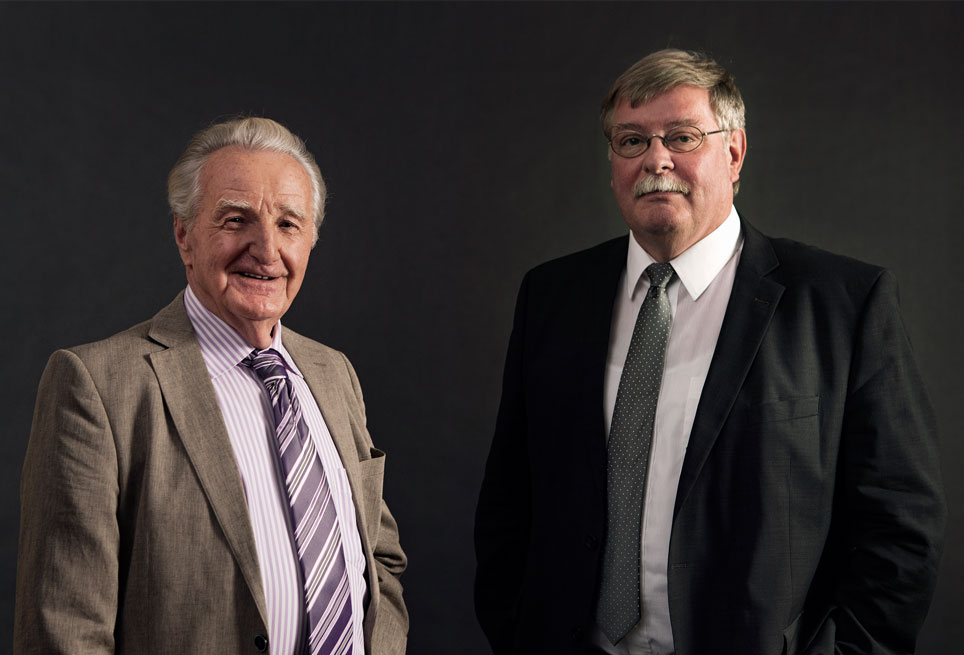
Alexander Dückers, Director of the Kupferstichkabinett in 1990, speaks of the feeling of having Europe’s largest collection of prints back under one roof.
Bringing together the collections of the Kupferstichkabinett was a huge challenge, despite certain similarities that had been preserved over several decades. Every time I visited the eastern part of the collection before reunification, I observed with a certain wistfulness that the collection boxes containing the drawings and prints on Museum Island looked exactly the same as those in Dahlem. Traditional inventorying had also been maintained in both East and West. As a result, there were numerous sheets with identical inventory numbers among the post-war acquisitions, which inevitably led to great confusion during identification. To solve this problem, we decided that the inventory numbers of the eastern collection should be supplemented by hand with an ‘AM’ for ‘Altes Museum’.
The far more complicated task was the reunification of the collections themselves. There were around 200,000 sheets in the east and 450,000 in the west of the city, with the various collection areas divided differently. Nine-tenths of the drawings from before 1800 were in the west and one-tenth in the east.
Particularly painful during the years of division had been the fragmentation of various significant collections of works. For instance, the drawings by Botticelli, Grünewald and Watteau, and the prints by Edvard Munch, had been scattered. Munch’s small-format works were in the West, the large-format ones in the East. It was only after reunification that they were reunited, incidentally to form the world’s most significant public collection of Munch’s works outside Oslo.
One of the difficulties in bringing together the vast collections stemmed from the variety of genres, storage methods and differing dimensions. The most valuable drawings had, then as now, passe-partouts. They are kept in boxes, whilst many other sheets are mounted on sheets of paper stored in cardboard folders. Added to this were a large number of framed works, incunabula, illustrated books, over 100 illuminated manuscripts from the Middle Ages and the Renaissance, hundreds of individual miniatures and around 2,000 printing plates for the production of original prints.
In order to reunite the two fragmented collections in the new building at the Kulturforum, a precise and, above all, complete inventory was first required. I was personally responsible for preparing the move. I knew, of course, what the cabinets in the new building looked like – we had designed them ourselves together with the interior designer – and how many portfolios would fit inside them. So every portfolio, and indeed many individual sheets, was given a sticker indicating its future location, with the exact designation of the cabinet, the position within the cabinet and so on, so that everything could be placed in the correct spot immediately upon arrival.
All the staff members from both collections entrusted with this mammoth logistical task had to work meticulously; the complete inventory took about nine months. The great effort was necessary, because if a single item ends up in the wrong place in a collection of this size, it may remain untraceable for decades, and the order of the collection is the foundation for the work of every museum.
A very beautiful and also emotional moment for me was the opening of the new building in the spring of 1994. Among the Berlin State Museums, the Kupferstichkabinett was the first to be reunited not only institutionally but also in practice. There was a major exhibition entitled ‘United in the New Home – Masterpieces from Ten Centuries in the Berlin Kupferstichkabinett’, and a comprehensive catalogue of the collection was published, providing an overview of the entire holdings for the first time.
Of the later fruits of reunification, I would like to mention just two. Firstly, the Botticelli exhibition in 2000, featuring all surviving drawings for the ‘Divine Comedy’. The other was the exhibition of all Grünewald’s drawings in 2008. Both were magnificent undertakings which, for me, have lost none of their brilliance to this day. They are examples of how, with reunification, the Berlin Cabinet has re-established itself – alongside the institutions in London, Paris and Vienna – as one of the four outstanding collections of prints in Europe.
Museum of Prints
The Kupferstichkabinett at the Kulturforum houses a universe of ‘art on paper’, featuring masterpieces ranging from Sandro Botticelli to Albrecht Dürer, Rembrandt and Vincent van Gogh, Ernst Ludwig Kirchner and Pablo Picasso, right through to Andy Warhol and Gerhard Richter.
It holds works spanning 1,000 years of art, cultural and media history, from the Middle Ages to the present day. The collection comprises some 550,000 prints and 110,000 drawings, watercolours, pastels and oil sketches.
Website of the Kupferstichkabinett of the Staatliche Museen zu Berlin