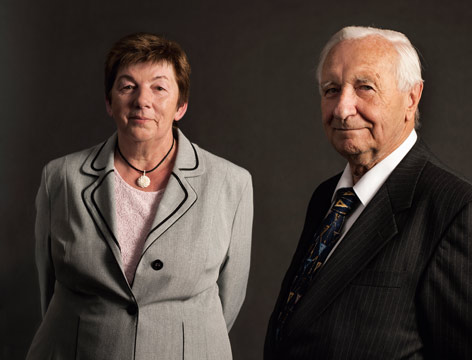
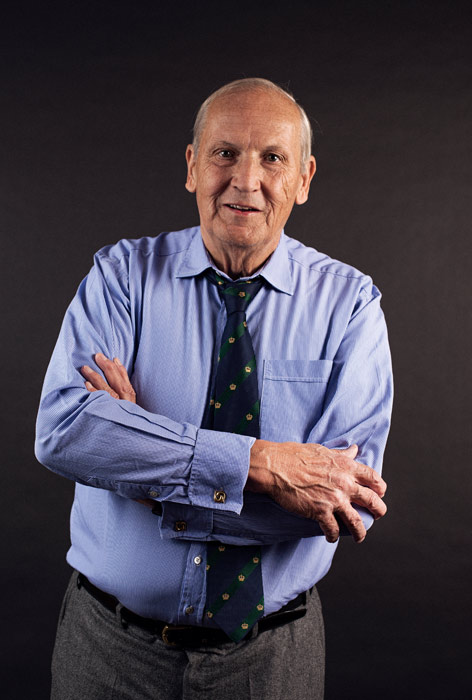
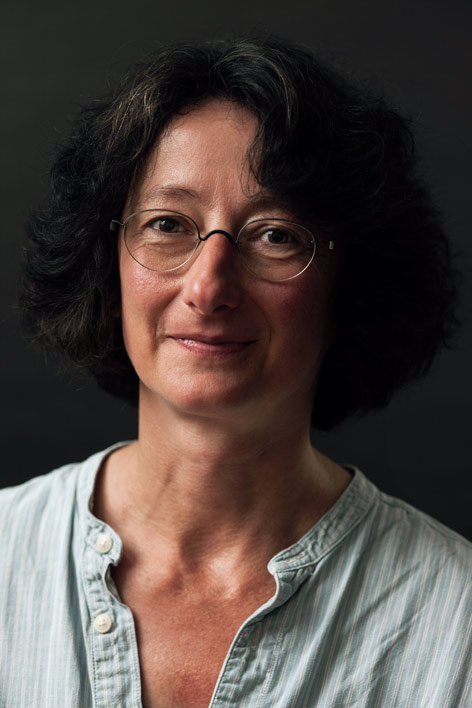
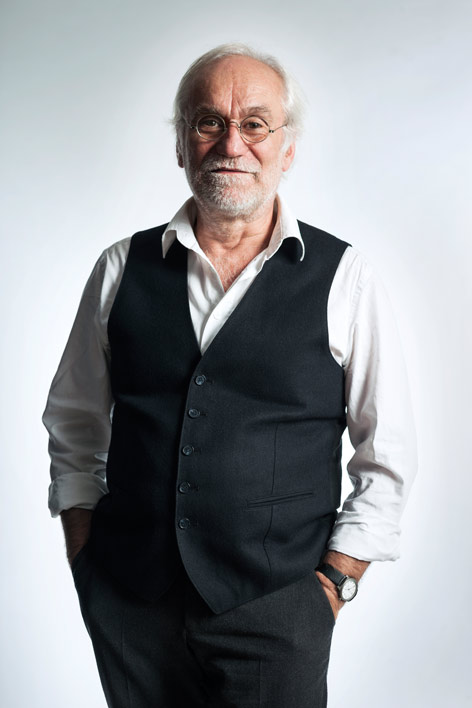
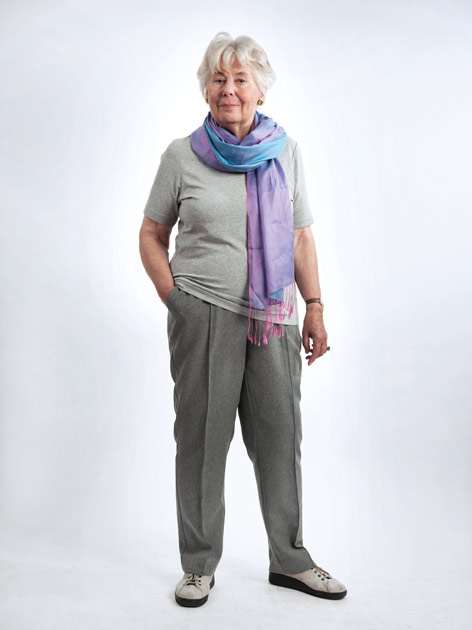
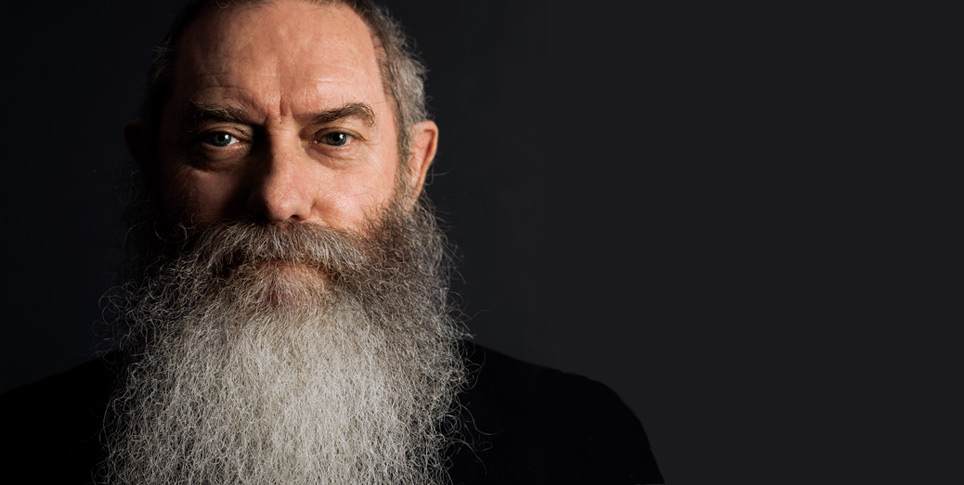
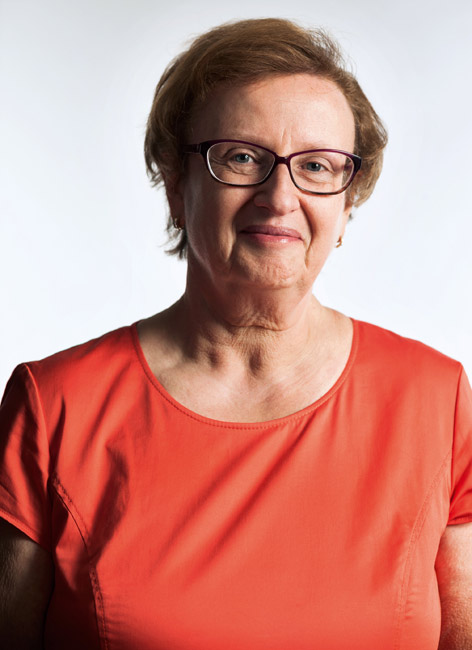
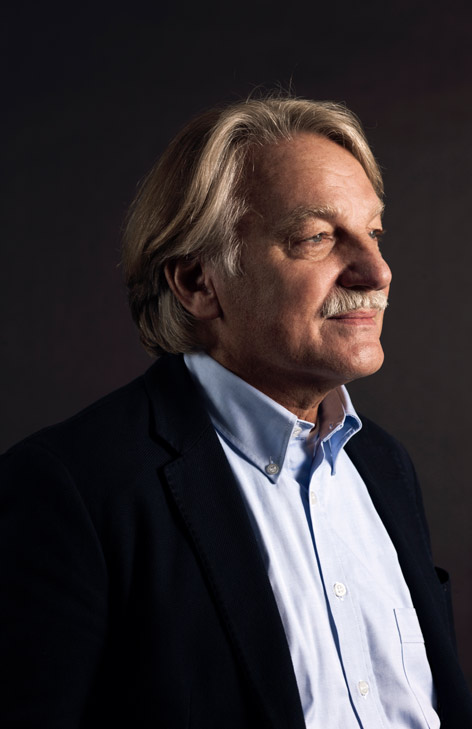
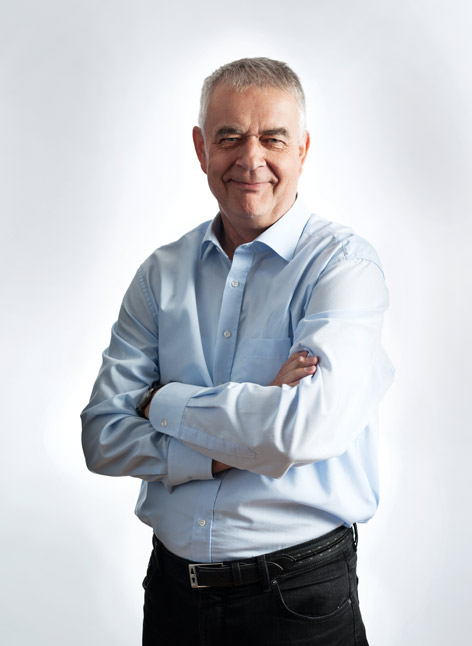
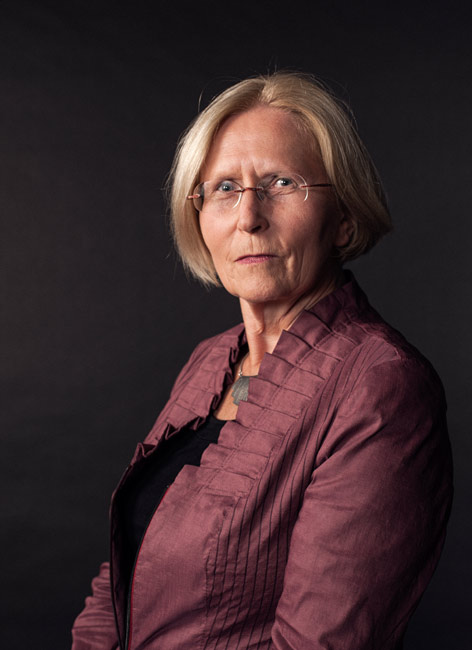
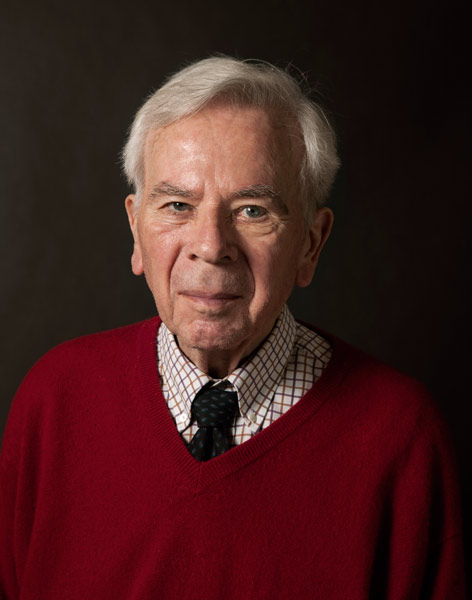
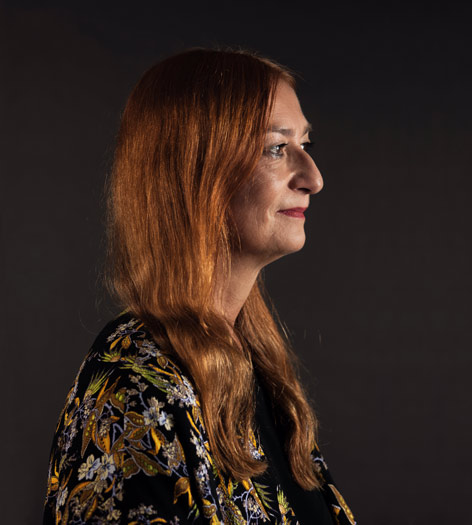
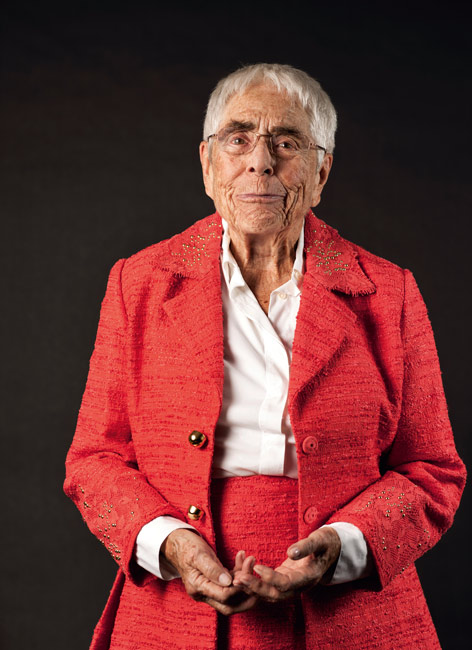
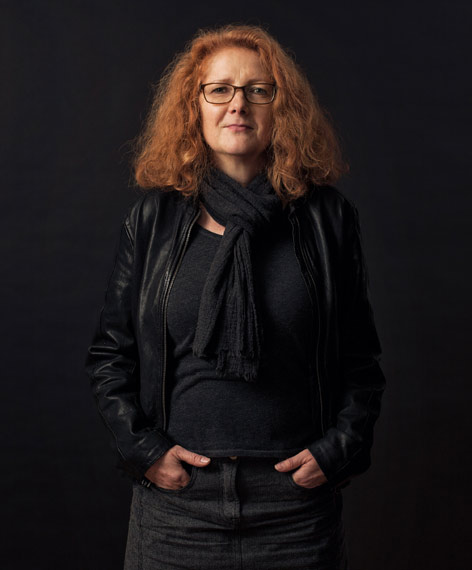
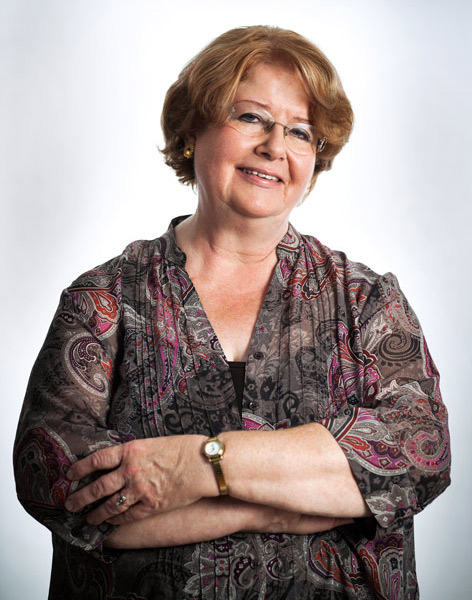
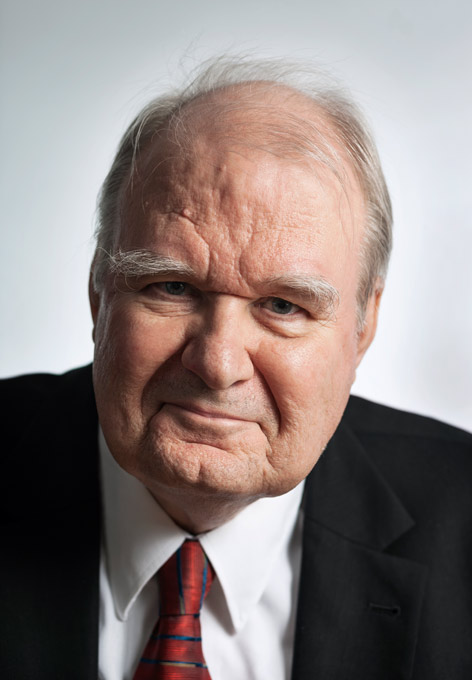
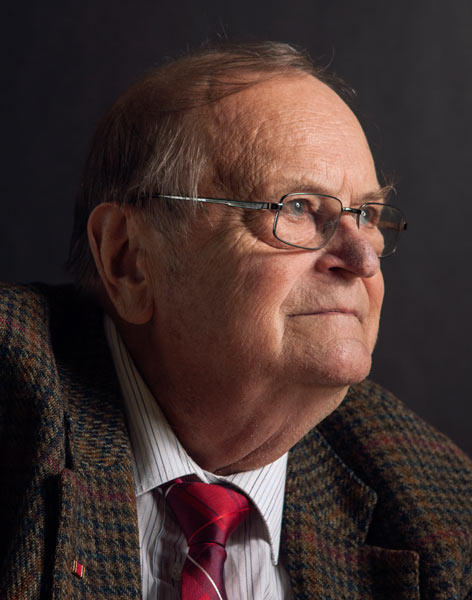
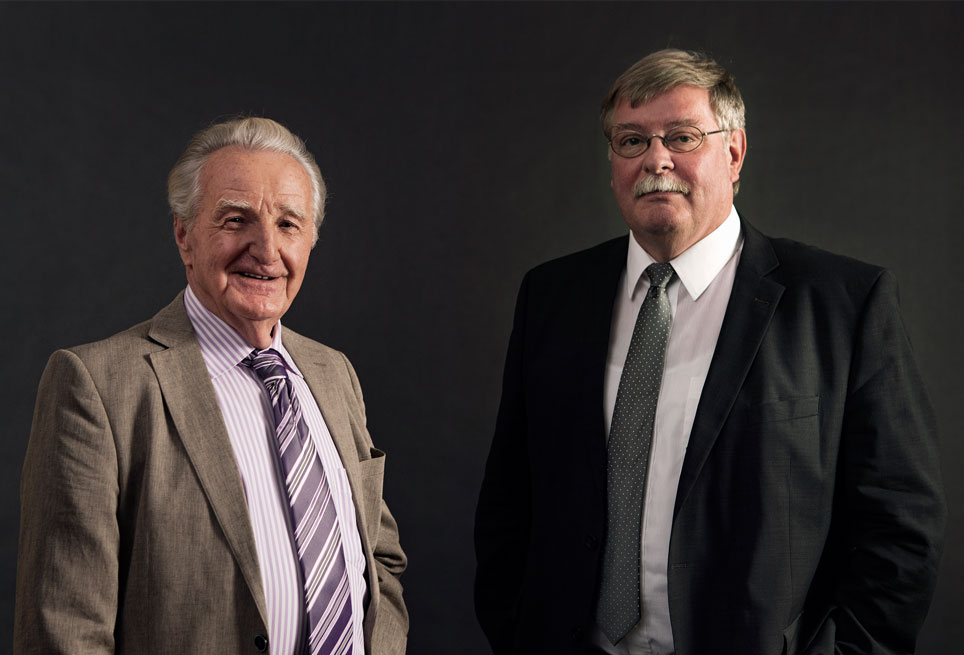
Daniela Lülfing talks about shattered dreams and bitter pills at the Berlin State Library.
I had been employed at the German State Library since 1973 and worked there for 17 years in the Manuscripts Department – until I moved to the General Directorate six months after the Wall came down. They were looking for people to help with the restructuring, and as I had no party affiliations and was generally considered to be unburdened by the past, someone said: ‘Why don’t you ask Ms Lülfing?
Like everyone else, I was incredibly euphoric at that time. None of us had seriously considered, in our own lifetimes, that there would be such a significant change in the GDR. We were thrilled by the opportunities that opened up in the blink of an eye. When we had our first home of our own, we bought a van.
We all ran out into the yard to look at the car. It really was something special. And everything happened very quickly. Unification came on 3 October 1990, and in the meantime we were really just scrambling. Because, of course, the discussion started immediately: two fully functioning universal libraries doing the same thing – acquisitions, cataloguing, the special collections – how do you bring them together?
It soon became clear that the tasks would have to be divided between the two institutions, and the Foundation treated both sides very fairly in this regard. When the special collections departments were merged, the head of department with the longer service record was always appointed as the new head of the department. These were sometimes staff members from the German National Library – which did not exactly lead to great enthusiasm among their colleagues from the West, who were now working as deputies. In some cases, there were even court cases.
My task was to classify the 453 staff members of the State Library on Unter den Linden according to the BAT pay scale. To this end, we first drew up a staffing plan, and I am still grateful to Mr Baron today for teaching us the principles of a West German staffing plan in a crash course. Based on this staffing plan and the duties performed by each individual, we attempted to draft job descriptions. This was a laborious task and, in some cases, difficult, as the qualifications of some staff members were not recognised under West German law.
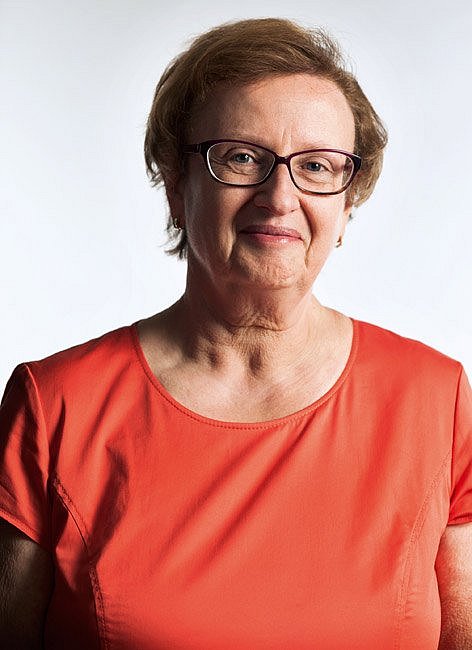

Another problem arose from the fact that, under the so-called ‘Western job pyramid’, there were not enough posts available in the senior civil service. I then had to explain to the staff: ‘We’re sorry, but the role you currently perform no longer fits the criteria for the senior civil service; you will only be eligible for the upper civil service.’
That was a bitter pill for many to swallow. Many were angry or even in tears. But everyone knew there was no point in leaving the library. After all, we were taken on almost one-to-one – unlike, for example, at Humboldt University or the Berlin-Brandenburg Academy, where a great many staff were made redundant.
Gradually, it dawned on me that the differences between the two German states were greater than I had wanted to admit. And I also became aware of the sense of entitlement many West Berlin colleagues harboured. They actually believed, as a matter of course, that – should a decision have to be made – it could only go in favour of the West Berliners. Once they realised that wasn’t always the case, some were deeply outraged.
The plan was for the building on Unter den Linden to be responsible for older literature and the newer building on Potsdamer Straße for more recent literature. This meant staff had to be transferred. It gave me a great deal to think about at the time that it was precisely the peaceful and modest staff who had to move to Potsdamer Straße. I remember a colleague from Mongolia crying bitterly in my office. She was indeed not always treated in a collegial manner at the other building, under the motto: ‘Now learn to work first.’
There were accusations levelled against me too. On several occasions I had to prove that I really had no political baggage. As late as the mid-1990s, I had to write up my CV yet again. But that chapter is closed for me. What matters most to me is that, over the last 25 years, opportunities have arisen for me that I could never even have dreamed of before.
Berlin State Library – Prussian Cultural Heritage Foundation
The Berlin State Library is the largest general academic library in Germany. It collects and preserves manuscripts, printed works and digital materials from all academic disciplines, languages and countries. Its collections include books, manuscripts, autographs, maps, prints, picture albums, newspapers, estates, electronic resources and much more.
Today, two monumental buildings define the public image of the Berlin State Library: the building on the boulevard Unter den Linden and the building on Potsdamer Straße at the Kulturforum.