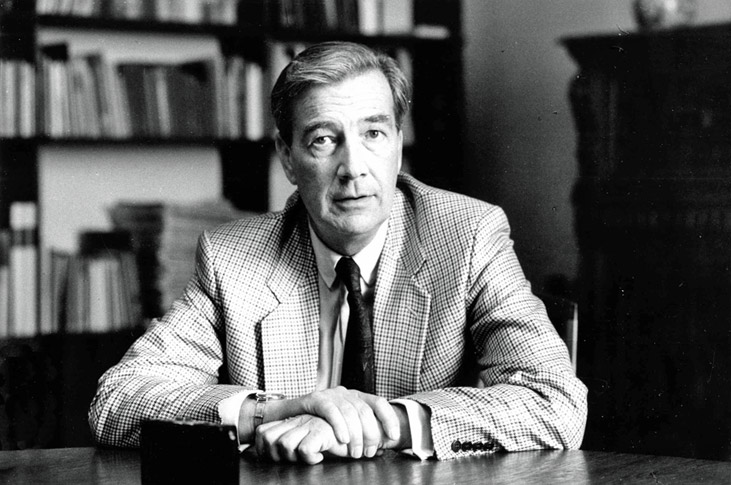
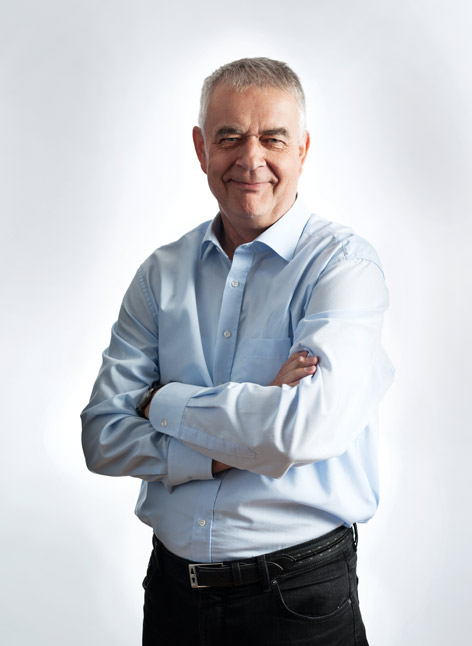
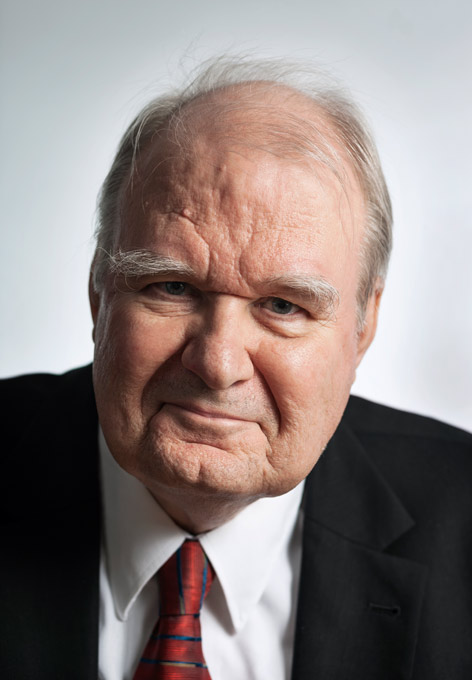
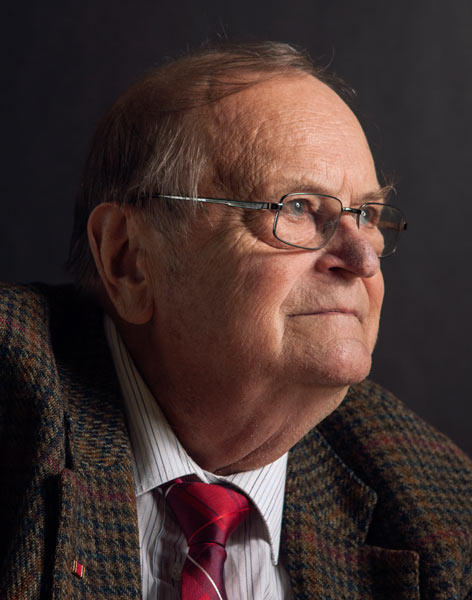
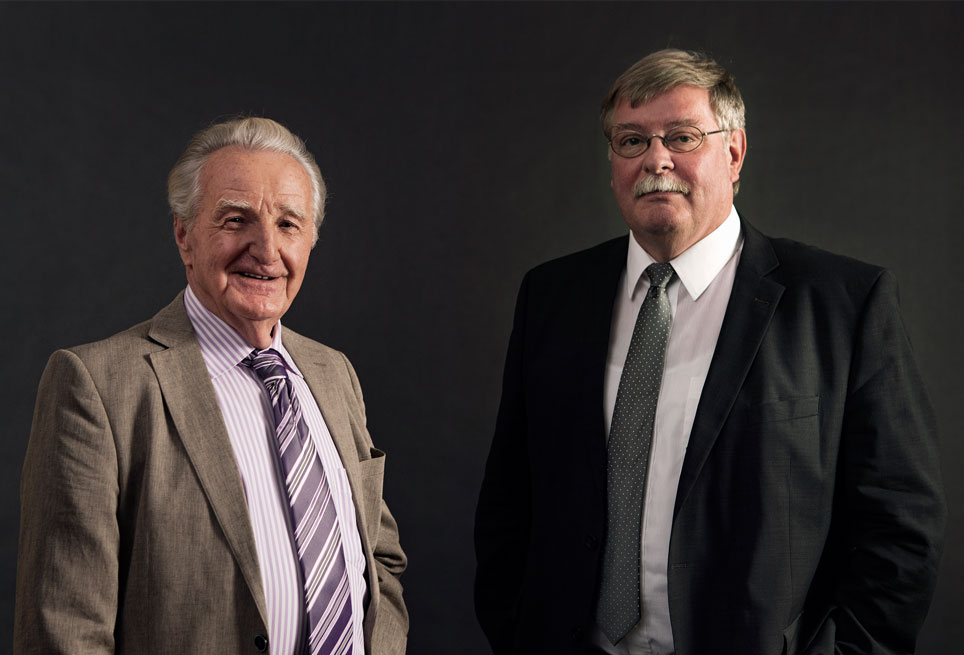
The end of the cosy atmosphere: Bernd Kluge from the Münzkabinett on struggles over resources and existential fears following the fall of the Berlin Wall.
After the fall of the Wall, changes reached the museum rather quickly too. The full-time party secretary, the eyes and voice of the SED, had wisely chosen simply not to show her face at all. Others could not make things so easy for themselves. For the Director-General for the East, Günter Schade, for example, the situation became almost a struggle for survival. The last Minister of Culture of the GDR had dismissed him, and Schade did not even know whether he could rely on his own staff.
Councils were formed in which academics, conservators and other professional groups organised themselves on a grassroots democratic basis. The vote of no confidence brought against Schade was then rejected by a majority in a ballot of all museum staff. The museum leadership was almost entirely made up of members of the SED (it was virtually impossible to reach
leadership positions in the GDR otherwise) and almost all of them resigned during the fall of the Berlin Wall.
The months of the fall of the Berlin Wall between November 1989 and October 1990 were a turbulent time, during which democracy was practised on Museum Island, with many endearing and sometimes bizarre features. With the transfer of the State Museums to the Prussian Cultural Heritage Foundation, this phase came to an immediate end.
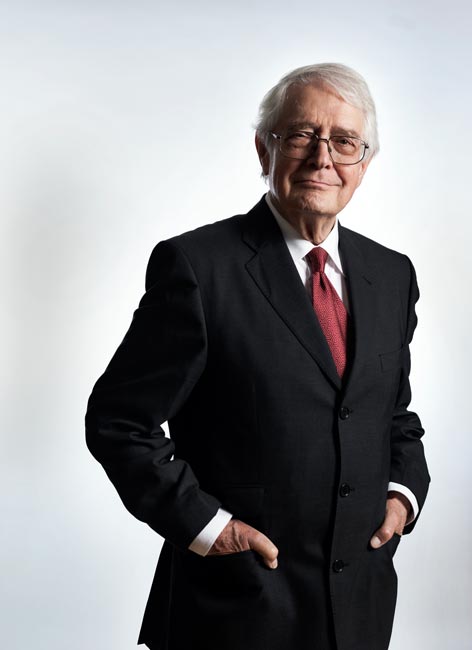
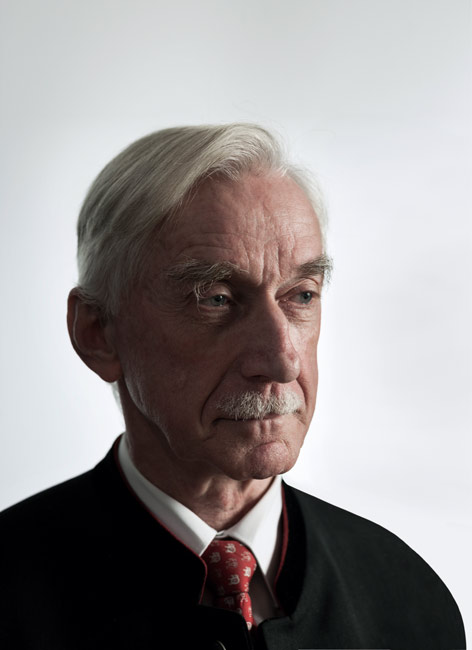
The General Directors for East and West, Günter Schade and Wolf-Dieter Dube, had found common ground early on. Both of them, along with the Foundation’s President Werner Knopp, managed the merger of the museums well, responsibly and without major friction on either side – partly because the East’s leadership elite, almost without exception, accepted their new roles in the second tier without much grumbling. Dube, as the new Director-General for East and West, knew how to command respect. At directors’ conferences, he would occasionally give people a good dressing-down. This management style was new; we weren’t used to anything like that in the East, where everyone – at least in the museum – could potter about pretty much undisturbed.
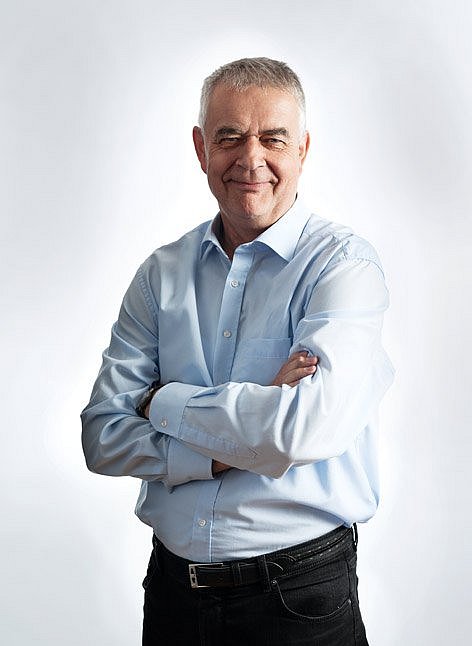
I was quite happy that greater efficiency was now required, and even more so that not being a member of the SED had gone from being a career obstacle to a career advantage.
The greatest unrest was among the tradespeople. In the East, every major museum had its own tradesmen – metalworkers, joiners, painters. Most earned well, and often more than the academics. After reunification, it became clear that this pay structure was set to change significantly. On the day of the takeover by the Prussian Cultural Heritage Foundation, a large staff meeting was held in the Pergamon Museum’s cultural hall, at which the new leadership – Knopp, Dube and the head of human resources, Eckhard Leberl – addressed the entire East German workforce.
Poor Leberl was bombarded with the most vitriolic heckling and questions, and he had to defend himself as a ‘capitalist’ from the West against the workers in the East. It was the liveliest staff meeting at the State Museums I have ever attended. The fear for one’s livelihood was palpable – everyone was now facing a new beginning.
The surplus staff resulting from the dual institutions led to the dreaded ‘kw’ (can go) job status notes. The Coin Cabinet, too, very soon lost two research posts, even though it was one of the few museums in the foundation that existed only on the eastern side and gained nothing from the merger. On the contrary: everything new that was coming our way had to be tackled without the help of a more experienced western twin institute.
We were sometimes thrown in at the deep end, having to teach ourselves to swim as well. We were, after all, inexperienced in the now-beginning, no-holds-barred battle for resources, and at first it was a matter of keeping our mouths shut and pricking up our ears so as not to stand out as a naive East German. In this, my Director General Wolf-Dieter Dube – of all people, the very man decried as a classic West German – was a real help to me. Nor did I mourn the loss of the more pleasant working atmosphere in the East – which was often described in the West at the time as a ‘cosy climate’ – for things could not go on as they had before. There was no time for mourning anyway, as everyone had their hands full with the necessary general refurbishment of Museum Island that was now beginning.
In the process, I had the privilege of witnessing the triumph of leading the Coin Cabinet into its second century in 2004, exactly 100 years after its establishment in the Kaiser-Friedrich-Museum (now the Bode Museum), restored to the former splendour of the imperial era. Who is ever granted such an opportunity in their professional life?
Numismatic Collection
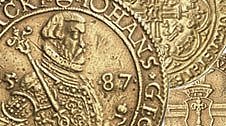
The Coin Cabinet is one of the world’s most significant numismatic collections. It is exhibited at the Bode Museum on Berlin’s Museum Island. It also enriches the display of the Collection of Classical Antiquities in the Altes Museum with a selection of its finest examples of ancient coinage.
Alongside coins, medals are among the Coin Cabinet’s key objects. Furthermore, its holdings include paper money, seals, tokens and counting pennies, other forms of currency, as well as historical tools from the Berlin Mint.