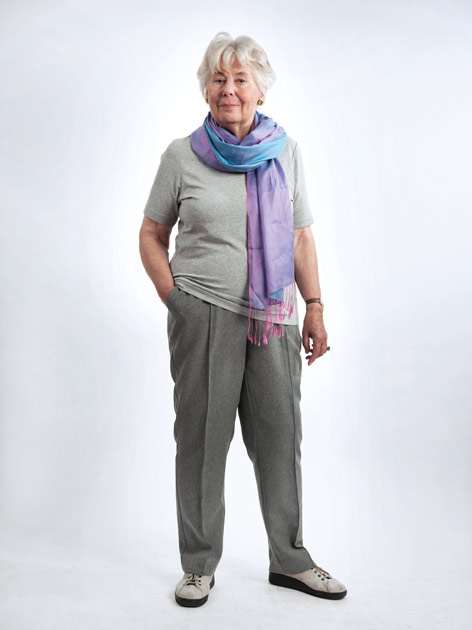
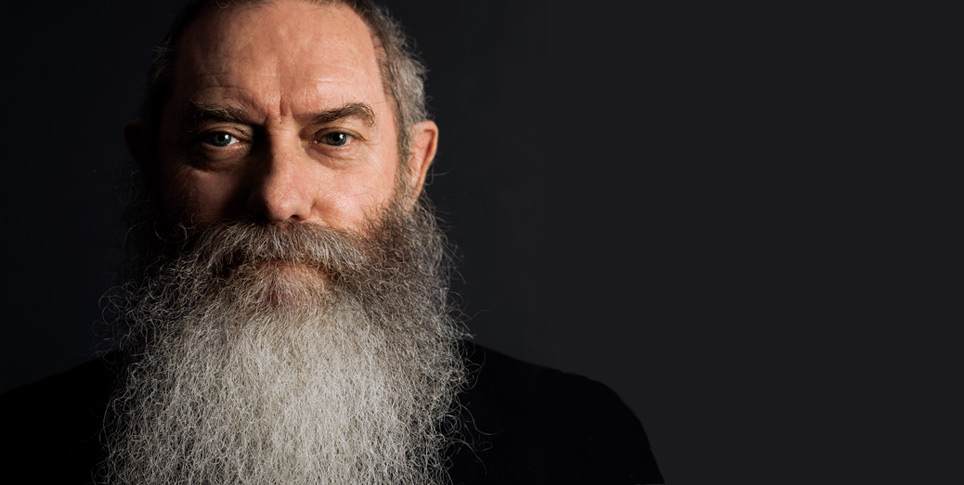
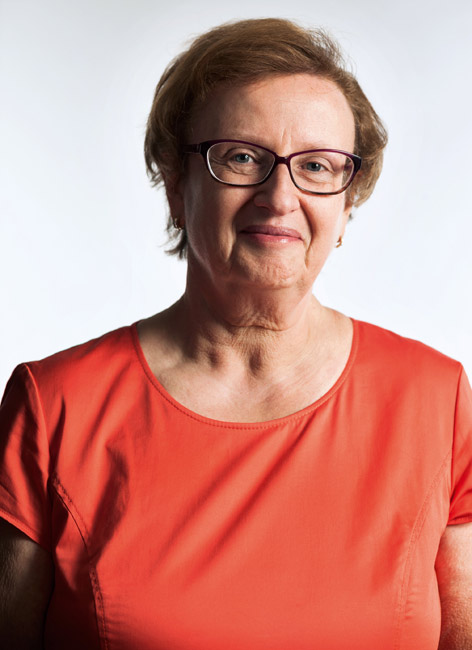
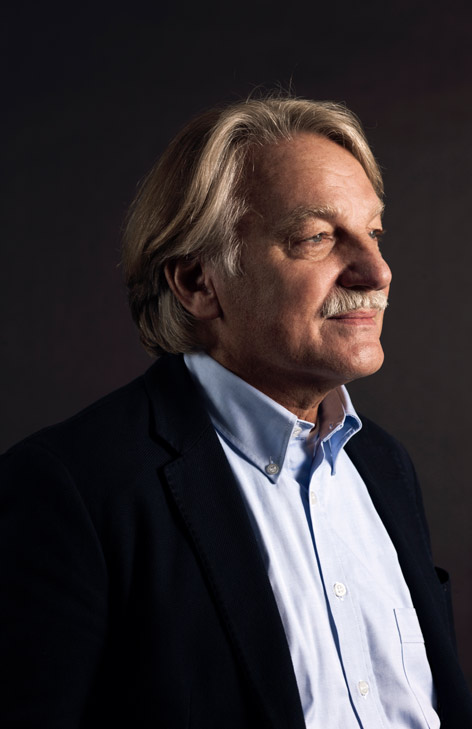
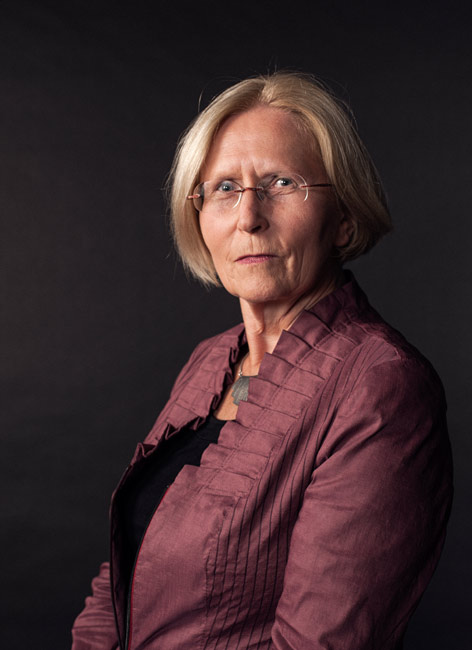
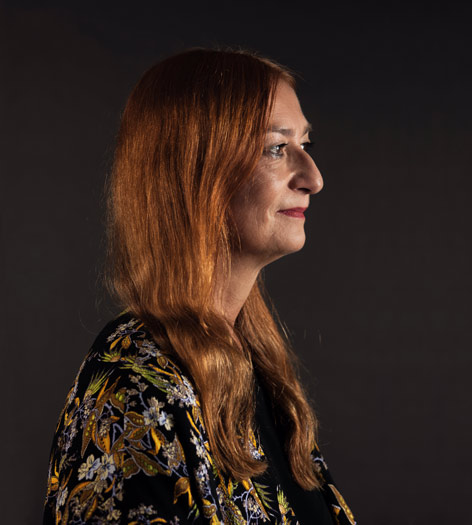
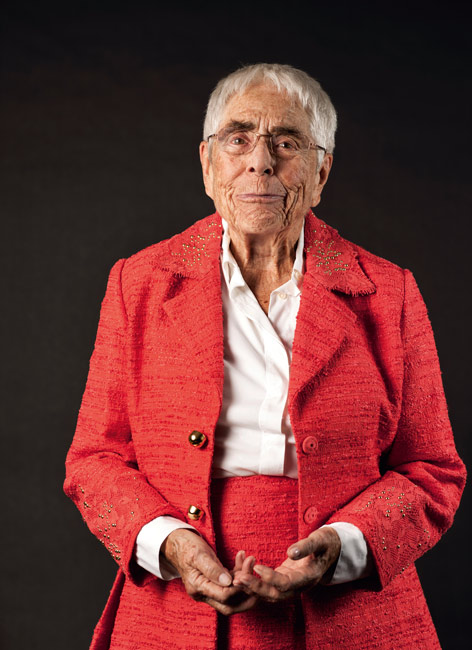
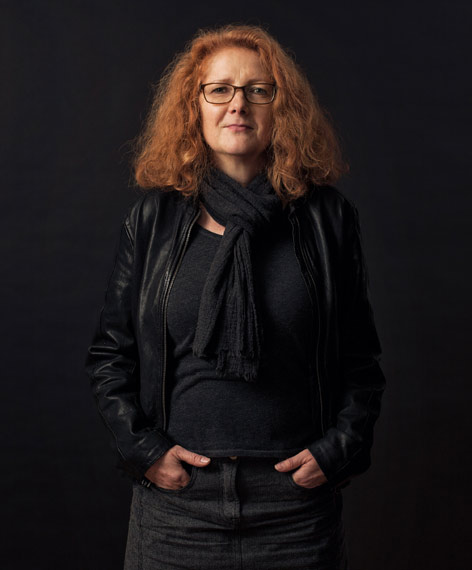
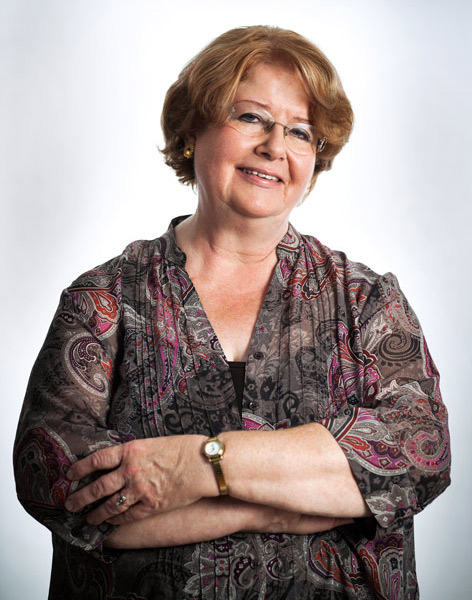
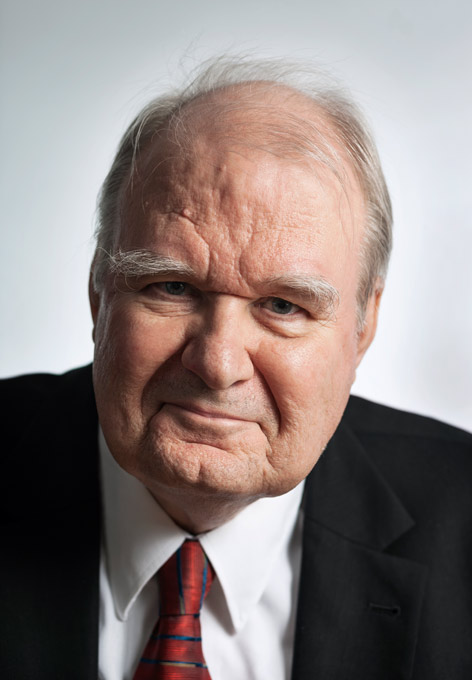
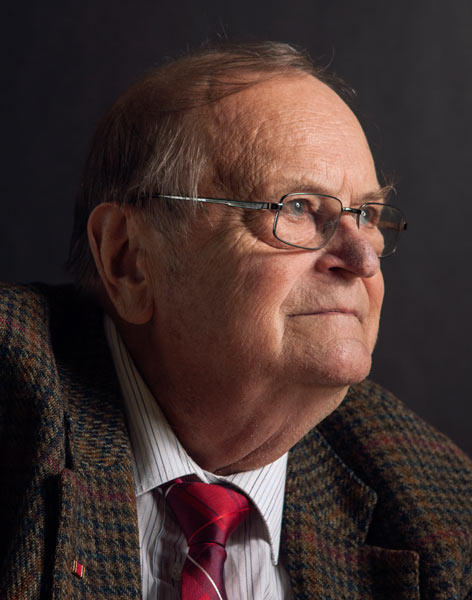
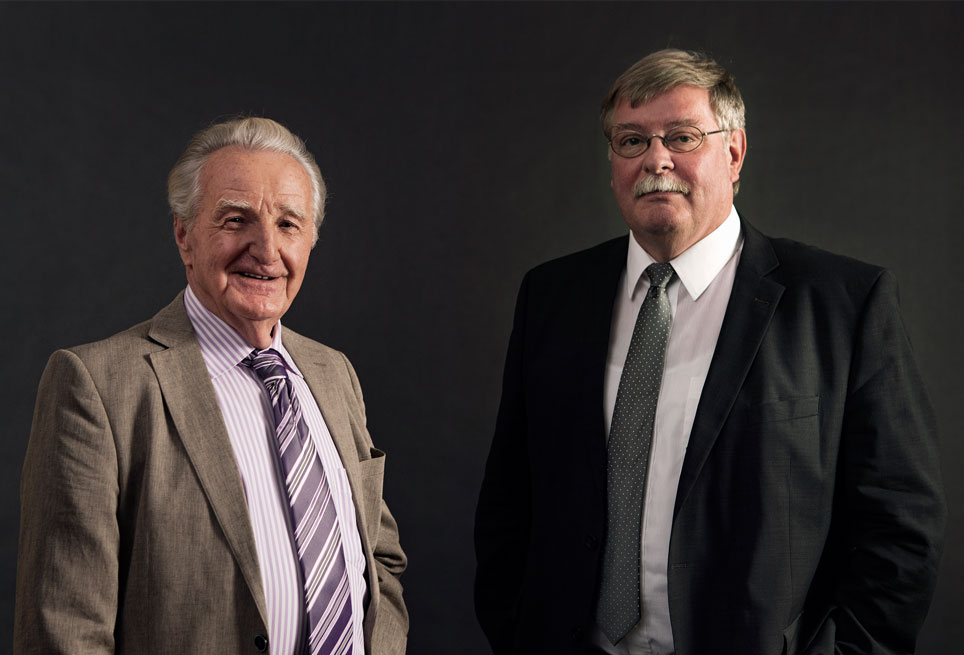
Angelika Wesenberg recounts how the curators of East Berlin’s museums prepared for the uprising.
What is the fall of the Wall? Was 9 November the fall of the Wall? For me, that sense of a new beginning started much earlier. That dramatic, and in a way romantic, phase began long before the fall of the Wall – and it ended, at the latest, with the official merger of the two museum sections.
From 1974 onwards, I worked at the Museum of Decorative Arts in Köpenick, and after trying for a long time, I finally joined the National Gallery in 1988. The atmosphere there was quite different. The Museum of Decorative Arts had good contacts with our colleagues in the West. The National Gallery, which had always been the nation’s flagship, even under the Kaiser, was stricter in that respect – but on the other hand, there were very open-minded and interesting colleagues. From a certain point onwards, however, new staff had been deliberately brought in to bring the institution into line. So there were two groups; the workforce was divided.
The hope for change began soon after I moved there. I remember that three or four of us went to a meeting near Alexanderplatz, at the Association of Visual Artists. Everyone was very excited, and there was discussion about how the association should be changed. New political groups were already very active back then; they had already formed shadow cabinets. People weren’t thinking about reunification, but about a different GDR. And to think that was possible, I’d call that romantic today.
In the museums, the focus was on issues of co-determination, exhibition design, or the desire to work more as a team. I remember putting up a notice with Eugen Blume on the noticeboard; a few hours later, it was gone.
That spirit of optimism then culminated in the huge demonstration on Alexanderplatz on 4 November, where we met many colleagues. When the Wall fell, expectations were naturally high. Those in power were weakened and new leaders were not yet in place. So everyone could dream a little. In many departments, there were calls for the directors to face a vote of confidence. The idea of the Round Table also emerged very early on. In the long run, of course, that was illusory.
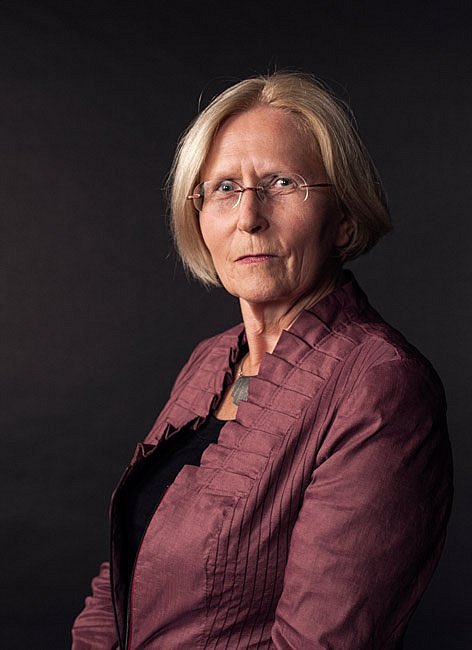
Werner Knopp, the new president, then opted for full integration. That was certainly the most practical solution, but it meant that suddenly everyone was in the same boat. The GDR had previously been a decidedly disparate society, but after the fall of the Wall, everyone was primarily defined as a GDR citizen, which was a very strange experience. When some colleagues were due to be made redundant, we wrote to Mr Knopp and offered to forgo part of our salary so that they would not be made redundant. On the other hand, I thought to myself: I’d be happy to do that for this one person, but why should I do it for someone who used to be a functionary?
In the end, the sacrifice wasn’t necessary, as those affected took legal action and, fortunately, all the redundancies were withdrawn. For me personally, new opportunities arose after reunification. Previously, I hadn’t had a clearly defined role; now I was given my own area of responsibility: the second half of the 19th century.
For the collections, the reunification was the best thing that could have happened. The Menzel collection was reunited, as were the French Impressionists! The Cézannes were here, whilst the other artists were only represented there.
Previously, they had been fragmented collections with wonderful pieces, but it was only now that such an intellectual whole was formed once more, of global significance, in all its grandeur! We first noticed this at the Blechen exhibition in 1990, which Peter-Klaus Schuster had already begun at the Neue Nationalgalerie. After the fall of the Wall, our Blechen paintings could be incorporated. That showed us: together, we have magnificent collections!
The last 25 years – those were also my years at the National Gallery. The exhibitions, which grew ever larger and more significant. The loan scheme and the many journeys it entailed, because the works are, of course, always accompanied. With the exhibition ‘Impressionism-Expressionism. A Turning Point in Art’, a circle is now complete, a conclusion that makes me think: Oh my goodness, you could never have imagined it would be this wonderful when you joined the National Gallery a few months before the fall of the Wall.
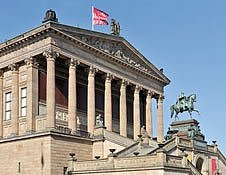
Old National Gallery
The Old National Gallery, part of the Berlin State Museums, was built between 1867 and 1876 to a design by Friedrich August Stüler. Today it houses 19th-century paintings and sculptures, including masterpieces by Caspar David Friedrich, Adolph Menzel, Édouard Manet, Claude Monet and Auguste Rodin. It is also the main building of the National Gallery, whose collection is further distributed across the Neue Nationalgalerie, the Hamburger Bahnhof – Museum für Gegenwart – Berlin, the Museum Berggruen and the Scharf-Gerstenberg Collection.