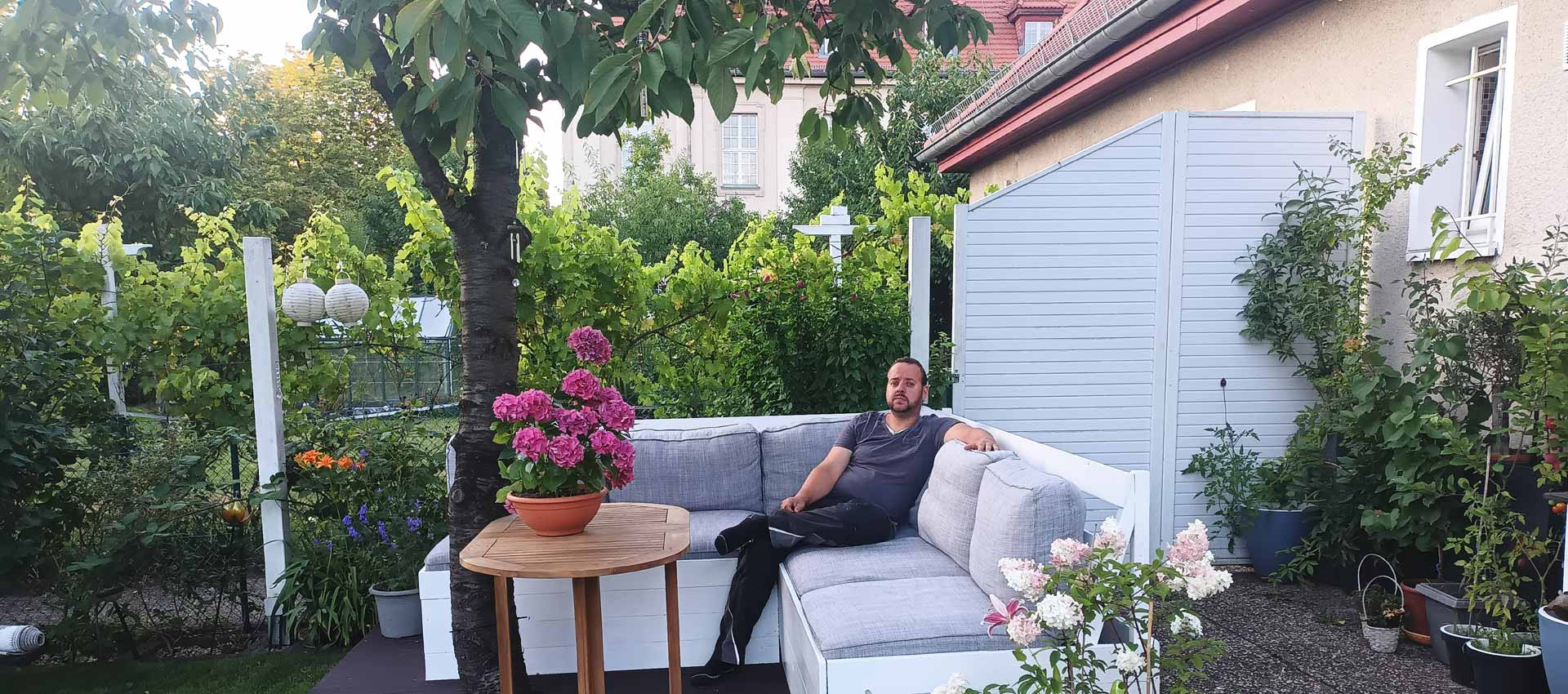
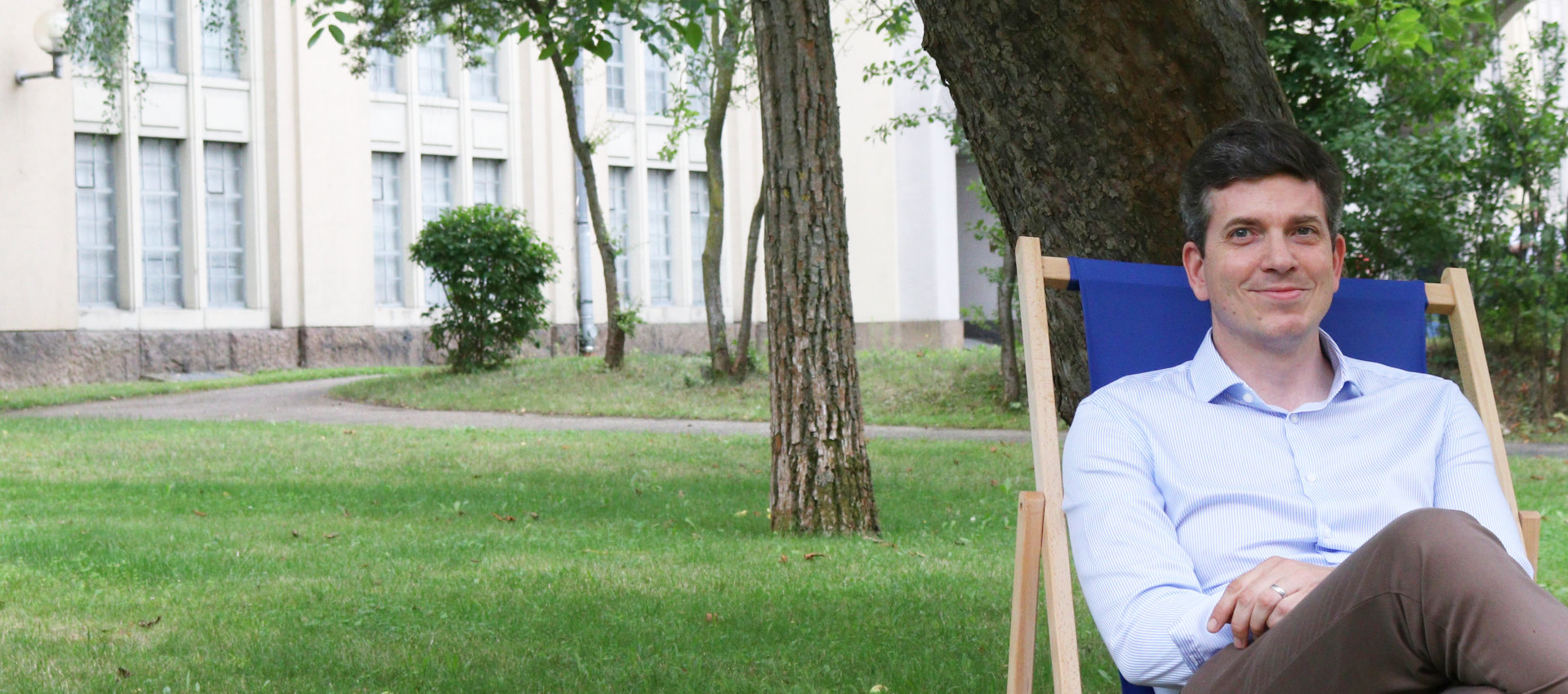
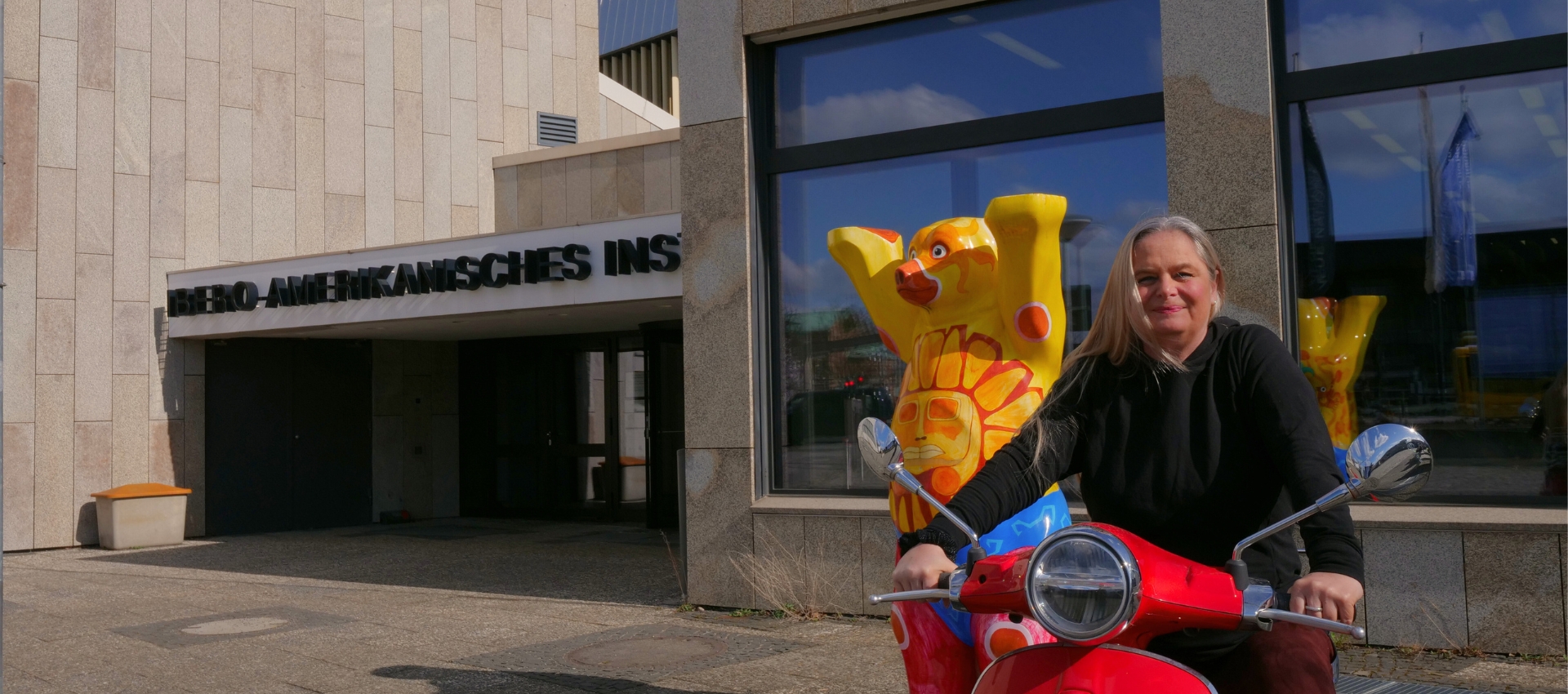
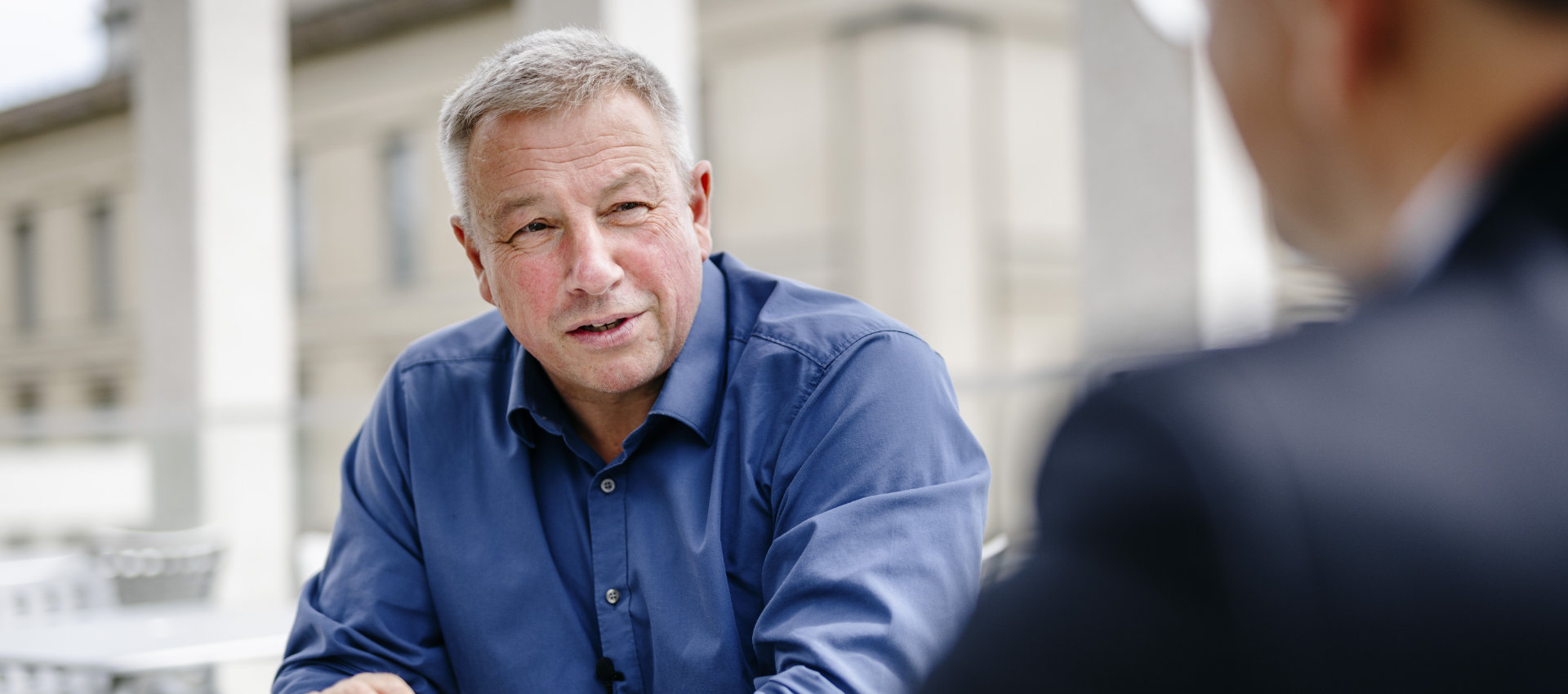
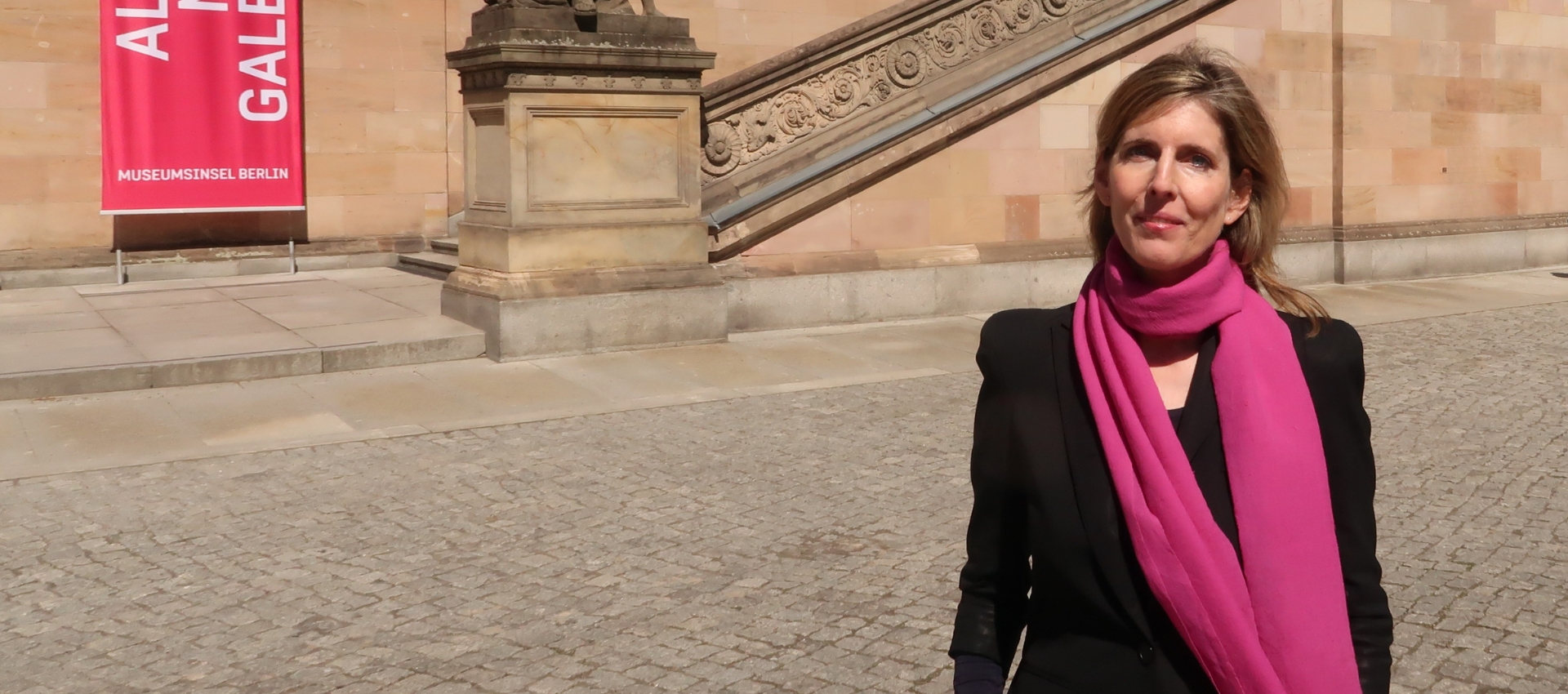
Johannes Höper has been head of the SPK’s internal audit department since April 2025. Together with his team, he helps to ensure that the foundation’s complex processes operate transparently, in compliance with regulations and securely. His favourite place: the Pergamon Panorama.
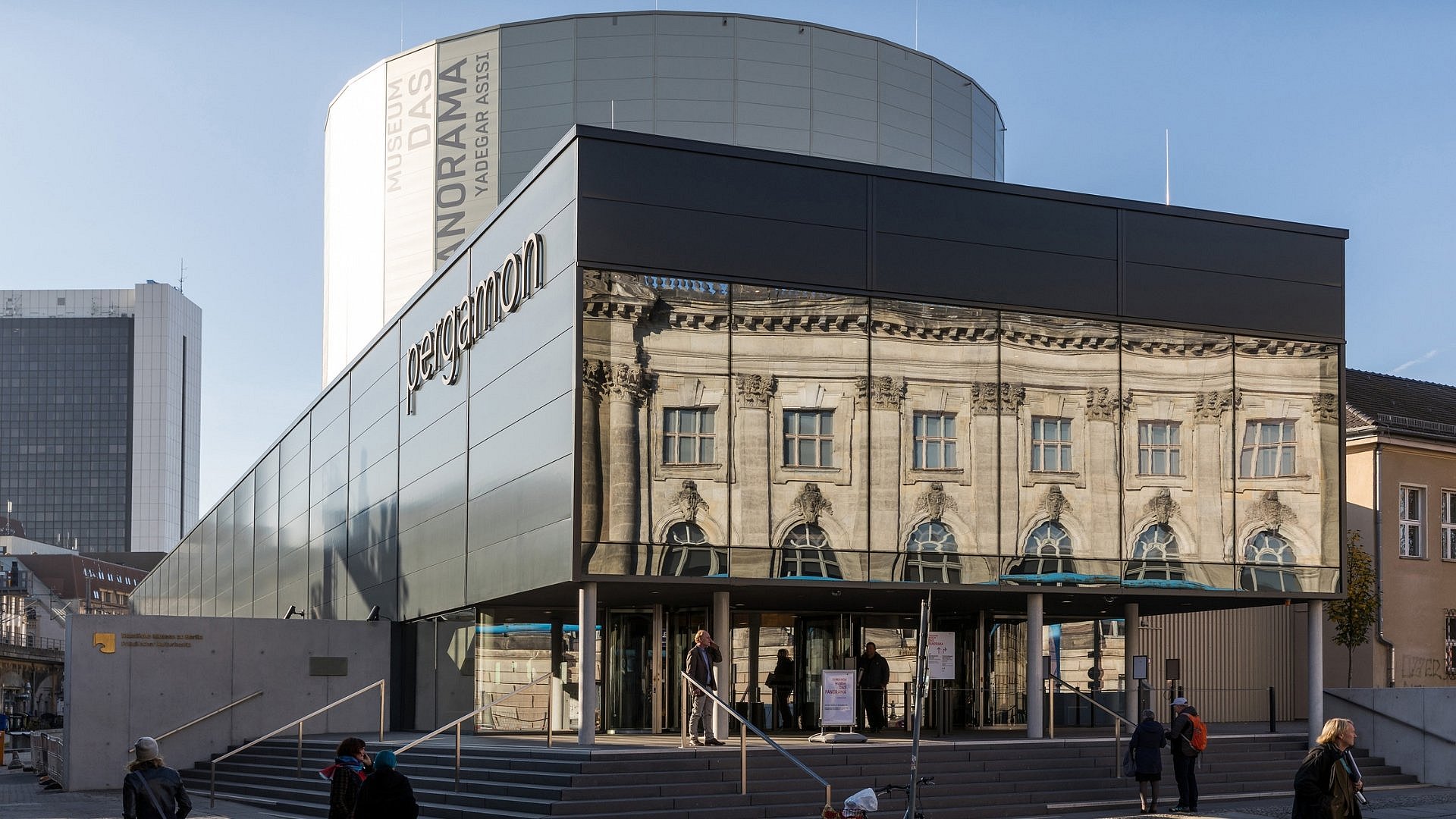
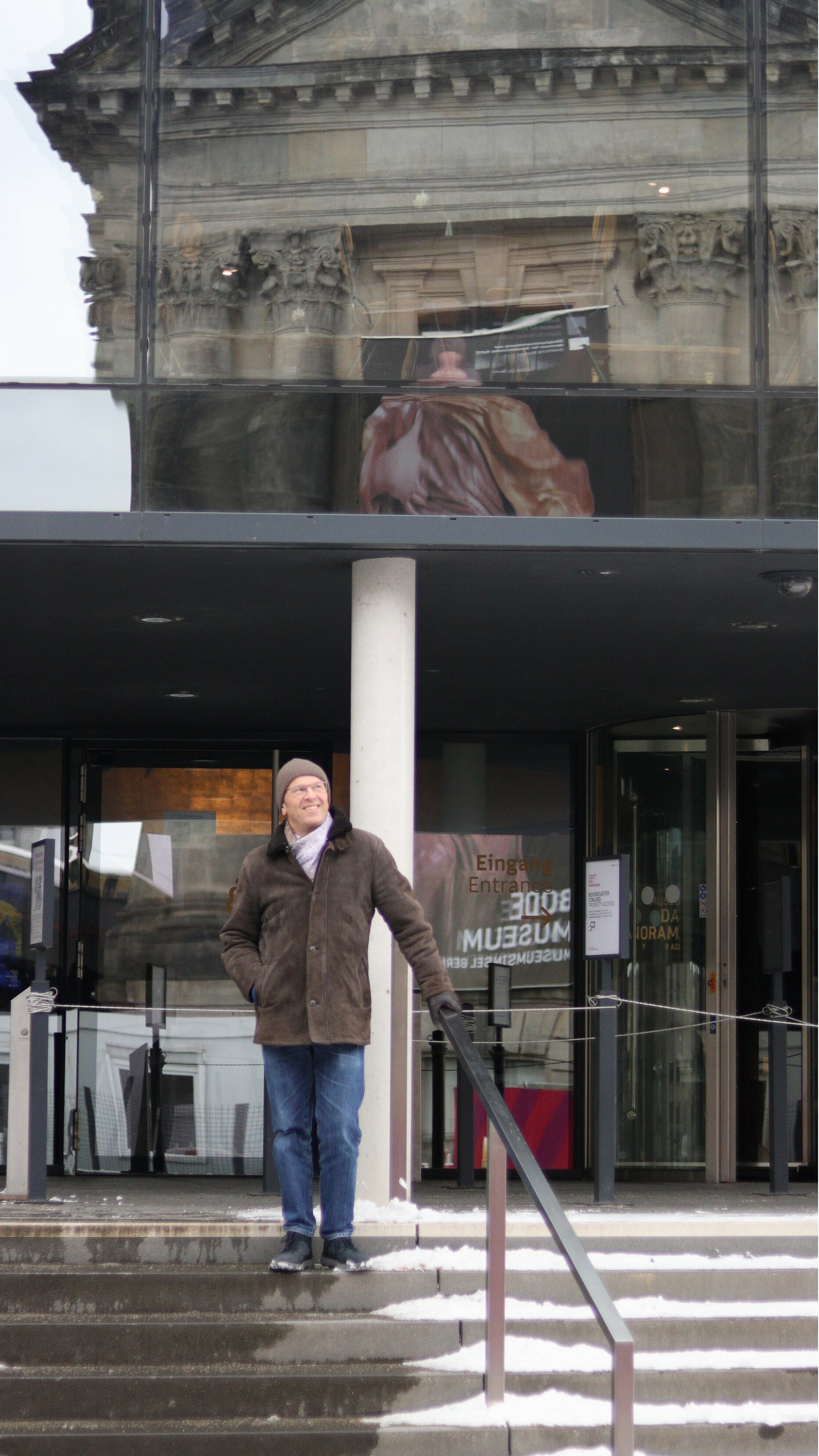
Since November 2018, the temporary exhibition building “Pergamon Museum. The Panorama” has stood opposite the Bode Museum. The building is being used for the exhibition project “PERGAMON. Masterpieces of the Ancient Metropolis and a 360° Panorama by Yadegar Asisi”. Through the panorama, the Collection of Classical Antiquities and Yadegar Asisi explore the city of Pergamon in Roman times (around 129 AD).
The reopening of the hall housing the Pergamon Altar and the north wing of the Pergamon Museum, which will house the newly established Museum of Islamic Art, is planned for 2027.
© asisi / Tom Schulze
What is the exact title of your role, how long have you been with the SPK, and what are your responsibilities?
I have been with the SPK since the beginning of April 2025, so for around ten months, and I head up the internal audit department here. Our team currently consists of three people, which is a rather modest size given the scale of the SPK.
The role of the Internal Audit department is to support the Foundation through independent, risk-based and objective auditing and advisory services. This stems from the increasingly complex and opaque process landscape within large organisations. Whilst the Foundation’s management is ultimately responsible for ensuring that all processes operate in compliance with regulations, it cannot permanently guarantee this itself in every respect. We therefore carry out thematic audits on their behalf, often on complex issues, and formulate assessments and recommendations. To this end, we develop our own audit programme, which, within the limits of our resources, covers all areas of the SPK.
When selecting our audit projects, we focus on the nature and scope of potential risks. The spectrum ranges from cyber attacks and corruption prevention to the staffing levels of individual departments. To enable us to carry out these tasks independently, we have no line management responsibilities or authority to issue instructions and are not assigned to any specific department. In addition, we also act as the first point of contact for the organisation’s internal whistleblowing system.

What is your favourite place in the SPK, why, and what do you most enjoy doing there?
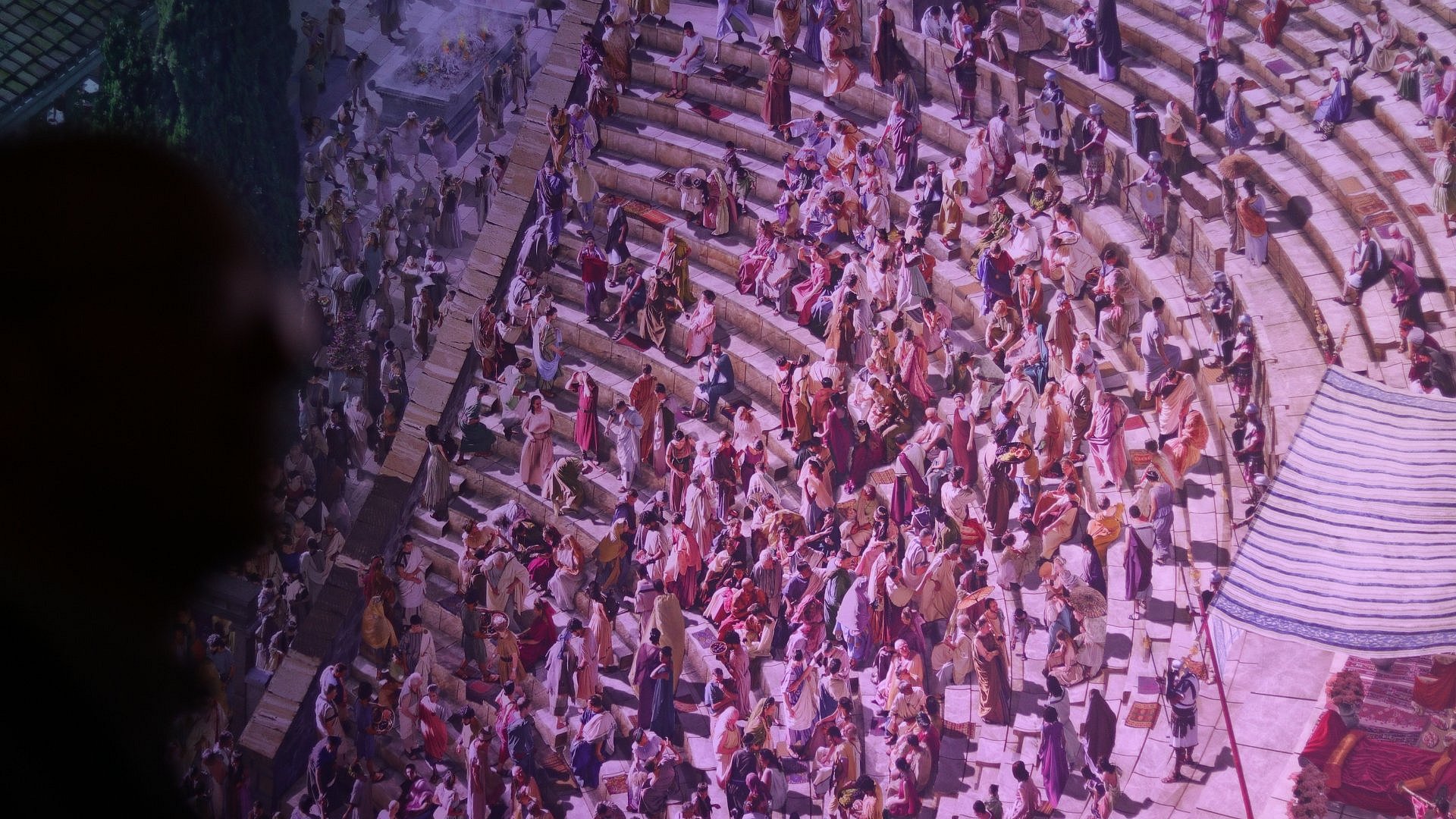
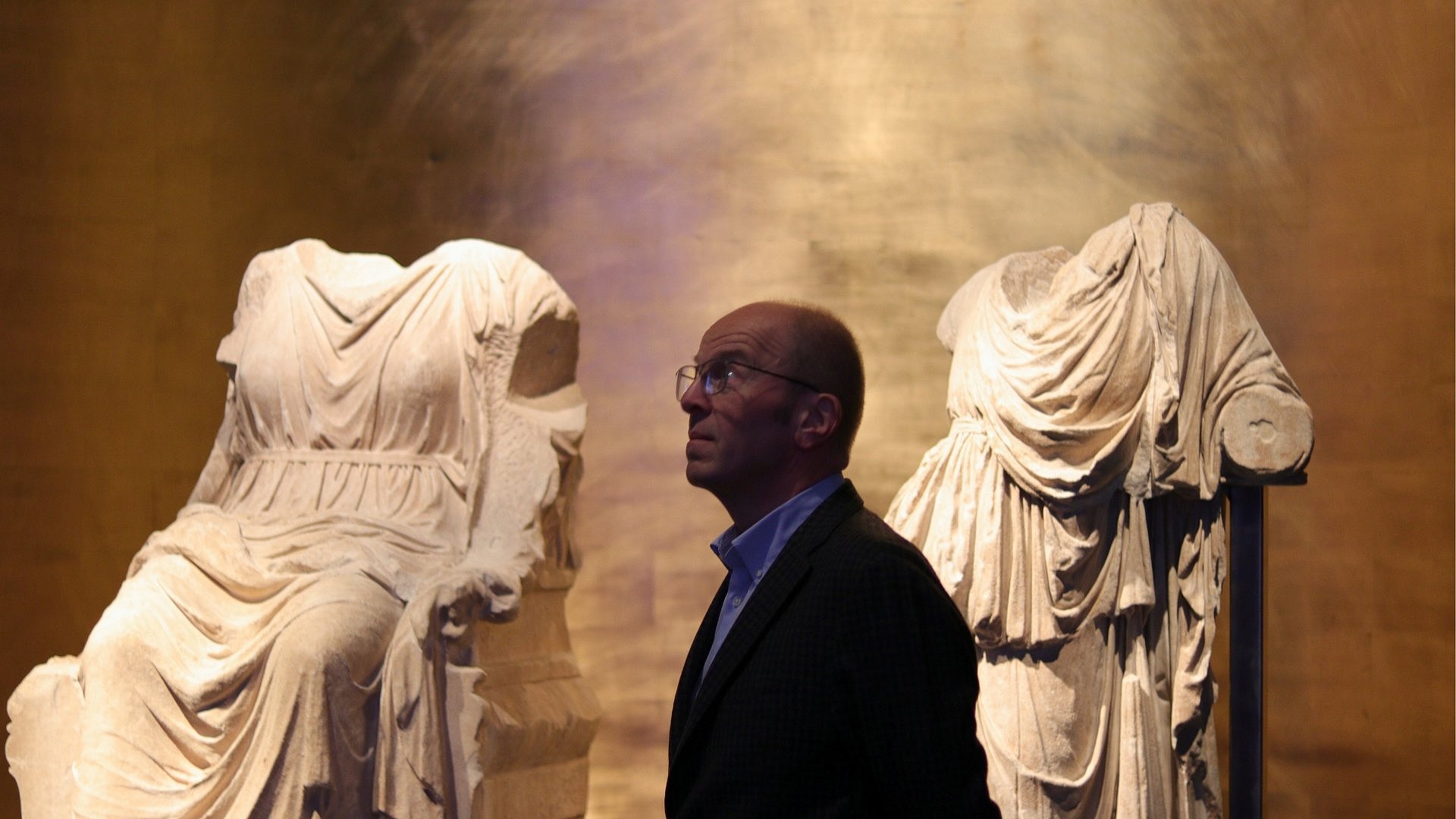
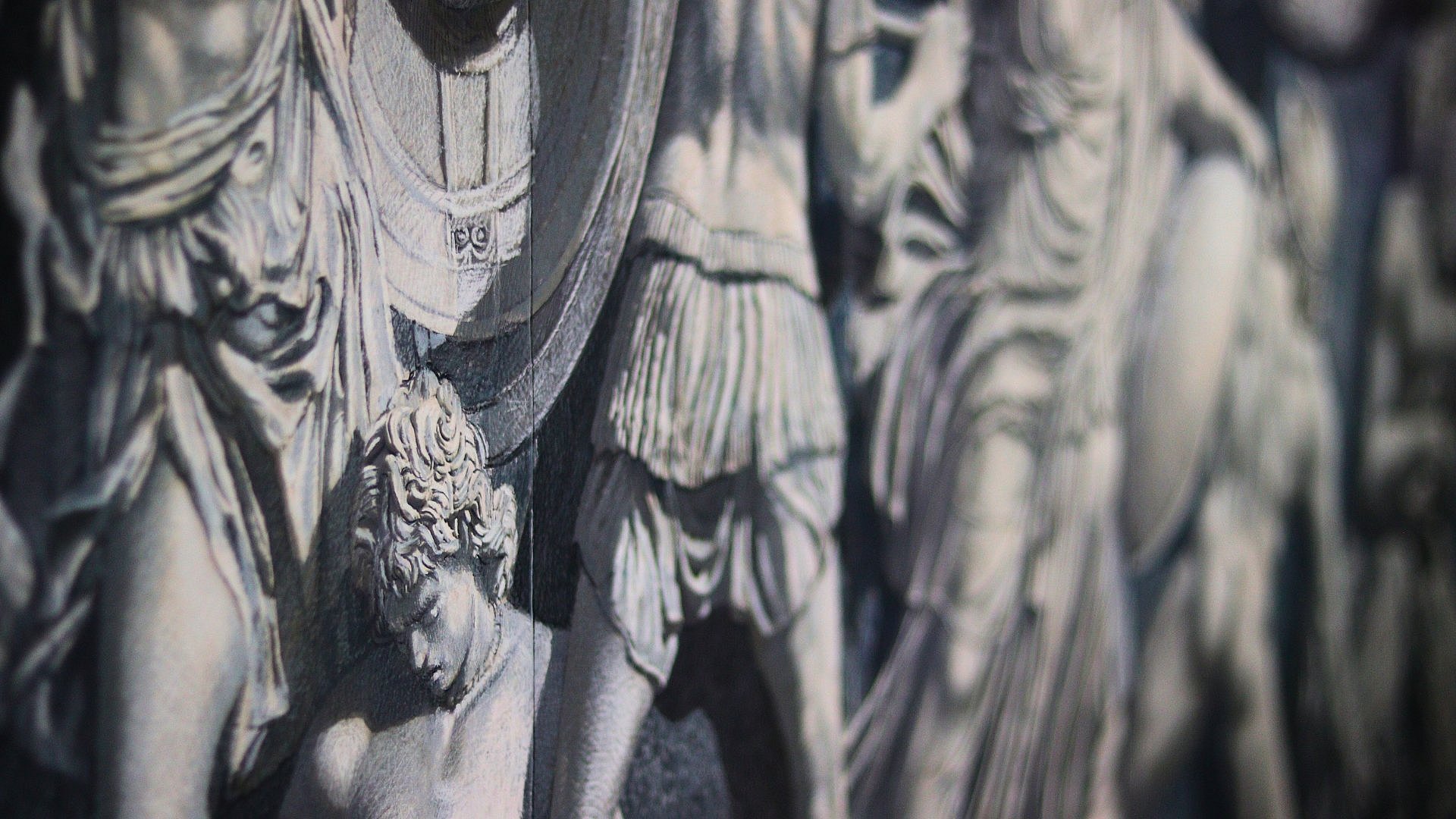
My favourite place in the SPK is the Pergamon Panorama. Despite the long closure of the Pergamon Museum due to renovation work, it continues to offer the public the chance to immerse themselves in the world of Pergamon – an important and successful way of bridging this exceptionally long construction phase.
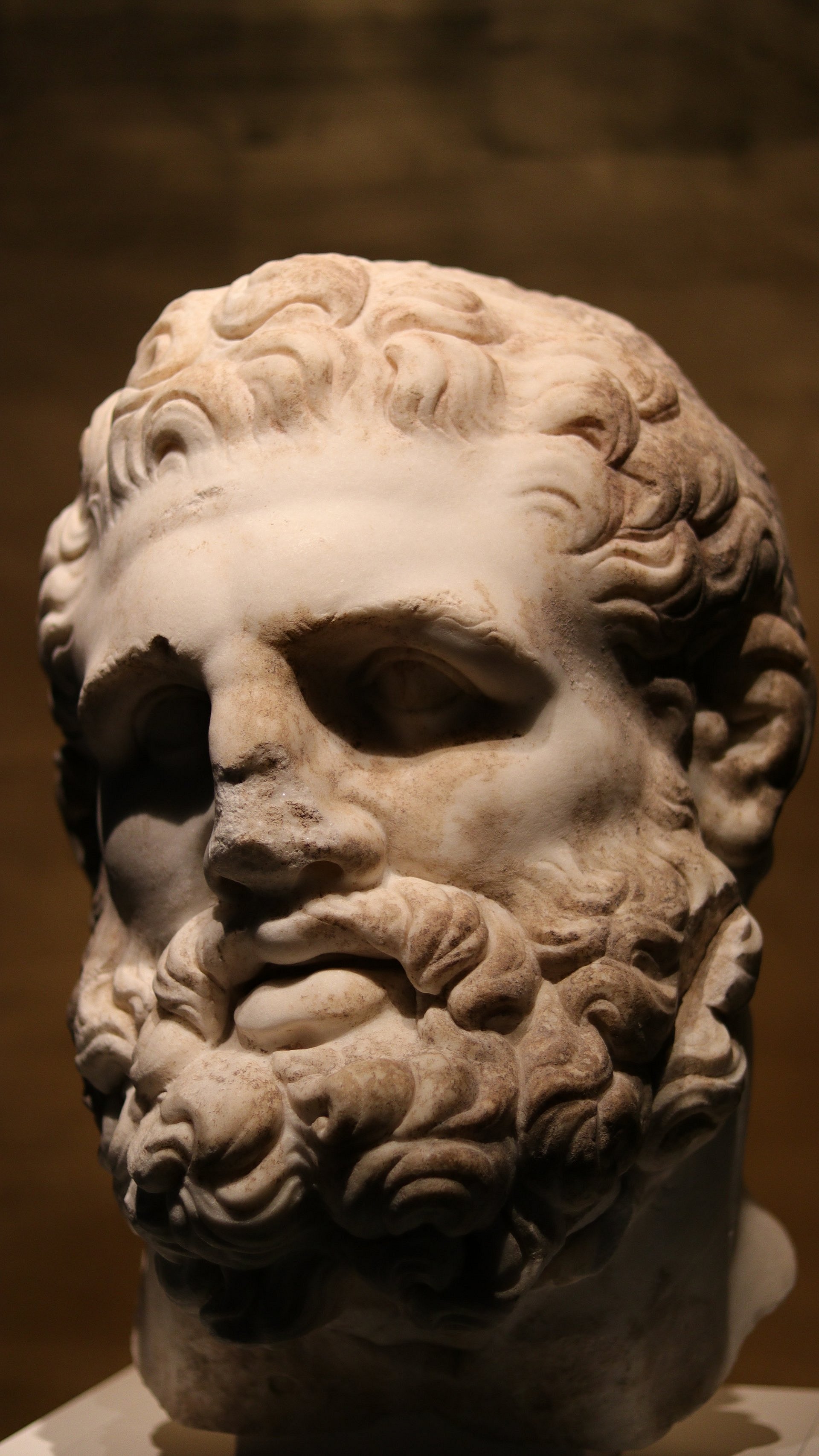
I had the opportunity to visit the Pergamon Altar area during the renovation work, which made a great impression on me. That also prompted me to visit the Panorama again. What particularly fascinates me about the Panorama is Yadegar Asisi’s vivid 360-degree display. With changing lighting effects, sounds and the depiction of the daily routine, an impressive overall impression is created that goes far beyond the mere display of artefacts – a true Gesamtkunstwerk. The accompanying exhibition is also compelling: it shows details and models of the altar and the city, thereby conveying the broader context.
Last but not least, the Pergamon Panorama is centrally located. Afterwards, you can easily pop into the lovely café in the James Simon Gallery for a quick drink and thus fully enjoy the rich and vibrant offerings of Museum Island.
Fancy becoming part of the SPK cosmos? You can find all vacancies throughout the foundation on LinkedIn.