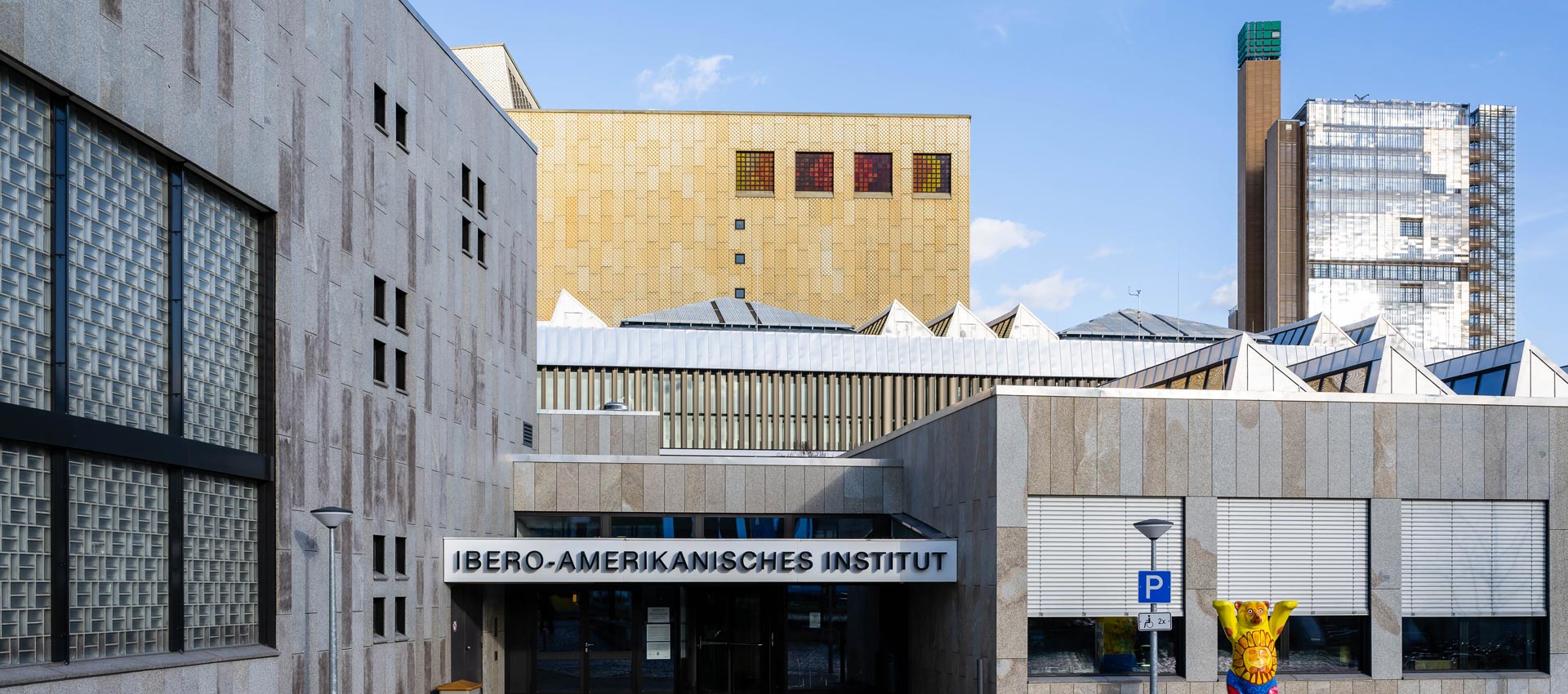
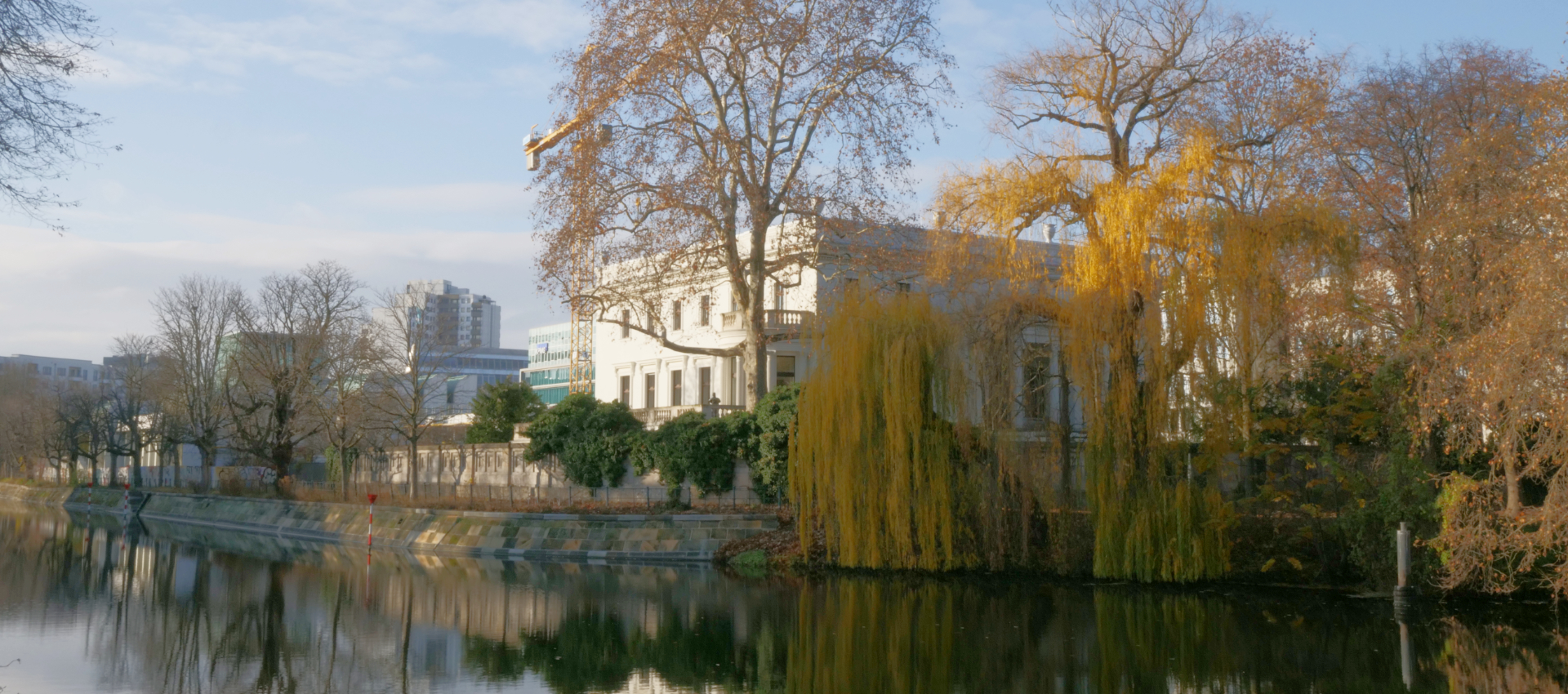
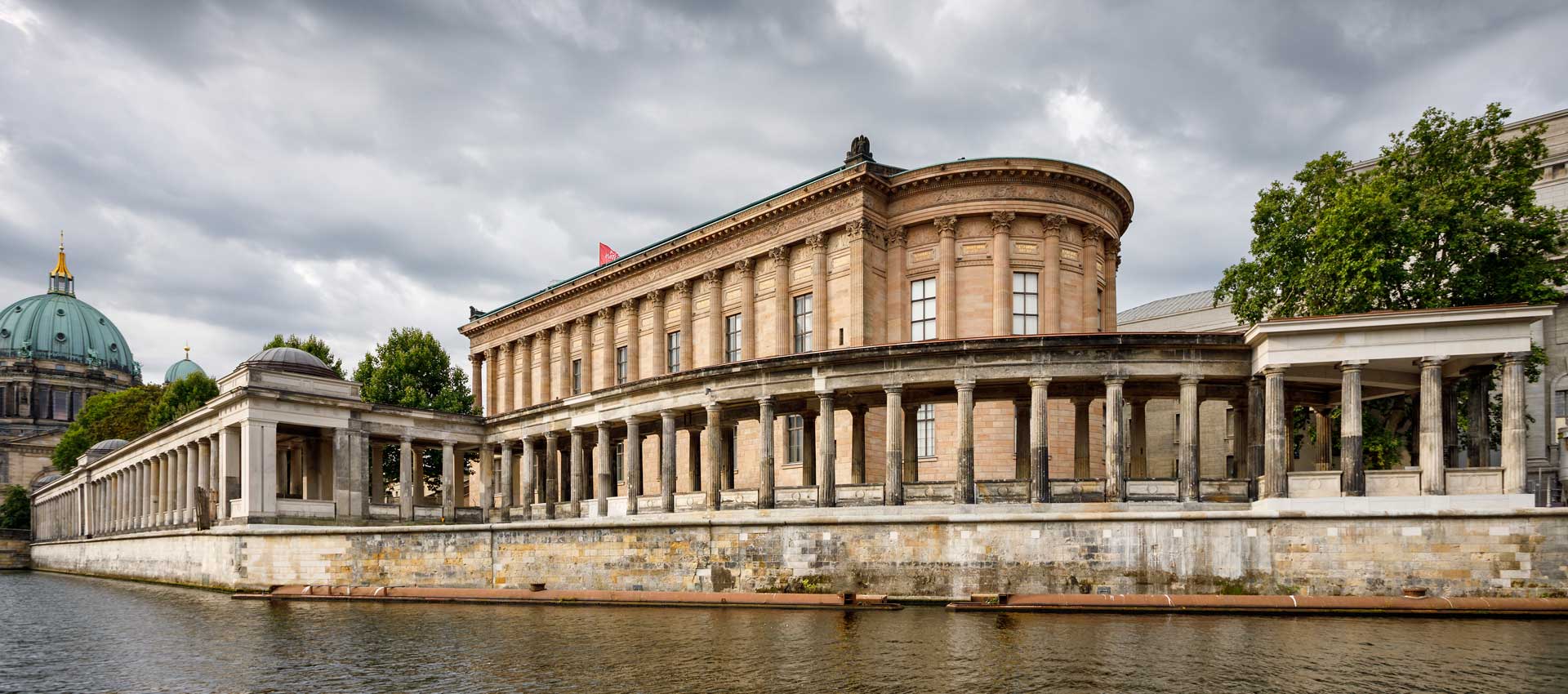
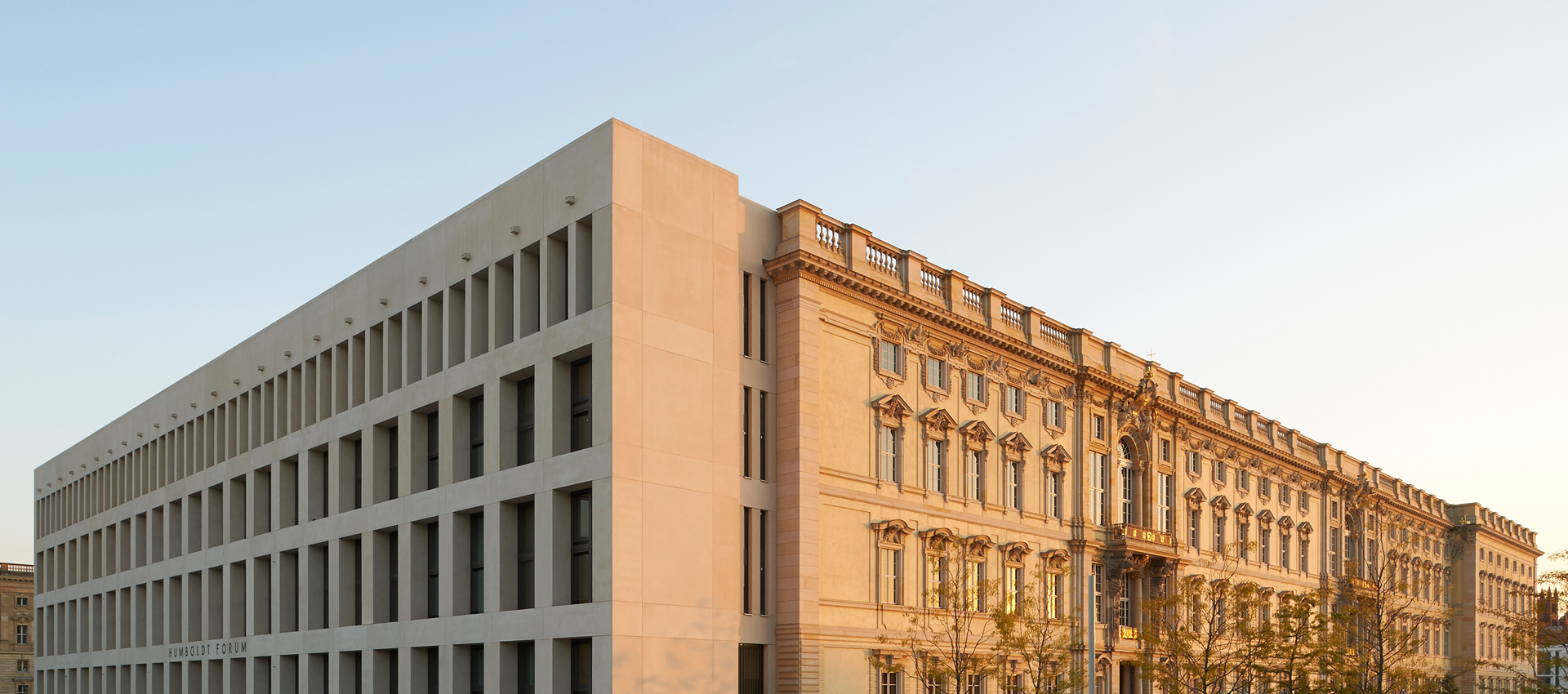
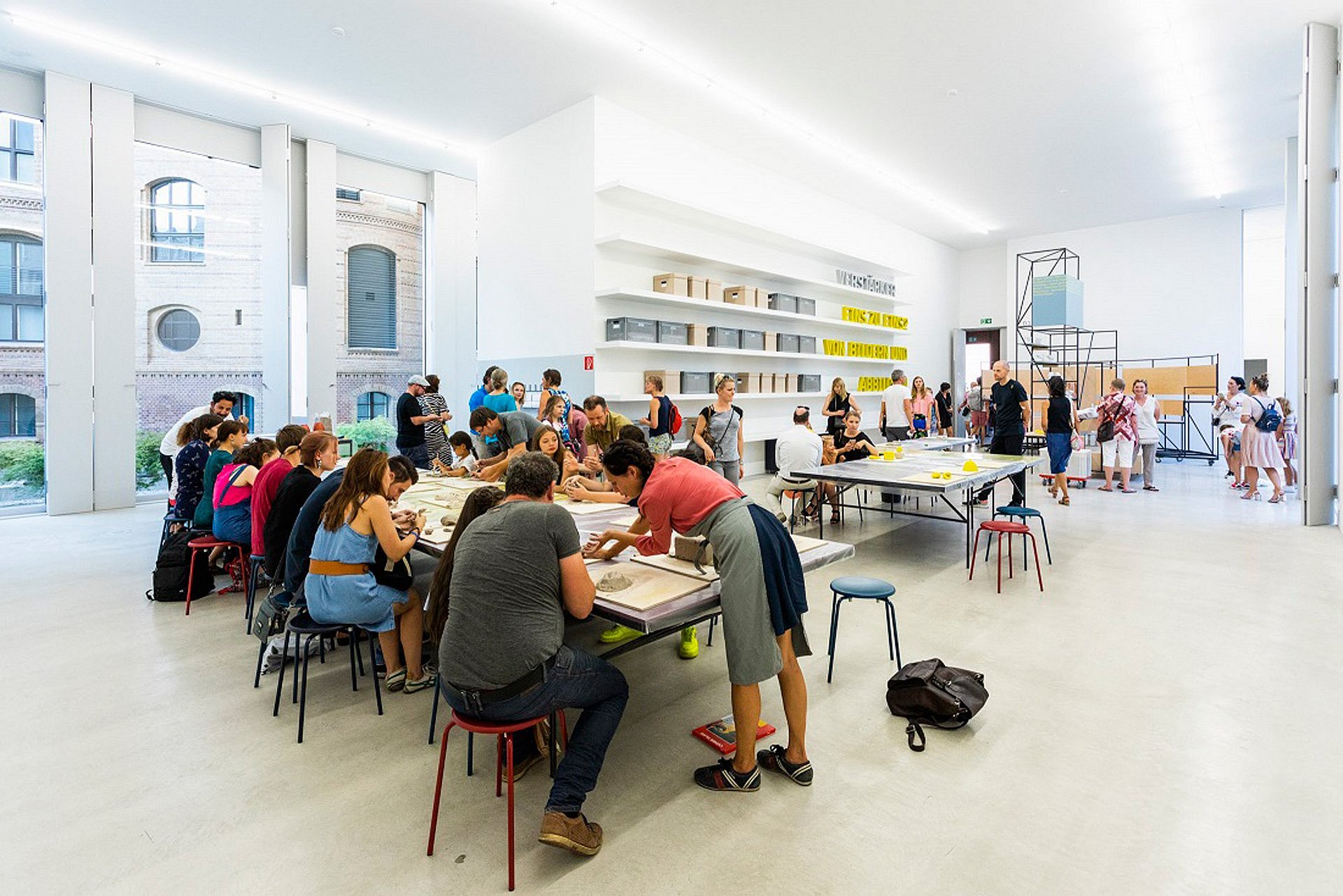
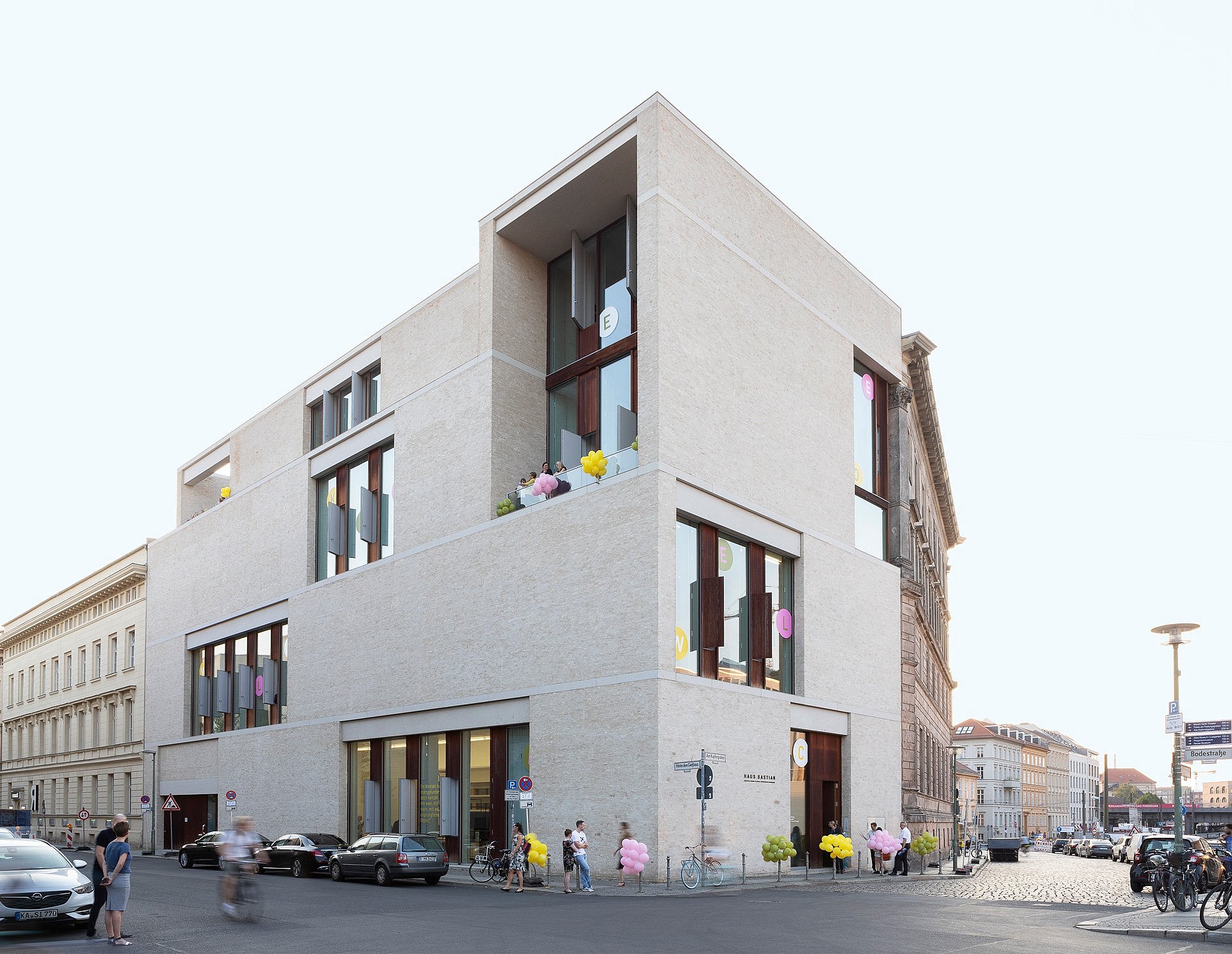
Located right next to Berlin’s Museum Island, a UNESCO World Heritage Site, lies the hub of the educational outreach work carried out by the Staatliche Museen zu Berlin: Haus Bastian – Centre for Cultural Education. Here, everyone – children and adults alike – can engage with works of art. The centre serves as the starting and finishing point for guided tours of the museums led by expert guides. SPKmagazin accompanied a Berlin school class as they set out in search of happiness in the Alte Nationalgalerie.
“Am I actually happy?” – a question that can leave many people pondering and cause them to question the everyday. The pursuit of happiness or a state of bliss certainly seems to be very much in vogue. Bad news from all corners of the world, delivered in real time to our mobile phones, does little to contribute to our well-being and can even throw us off balance.
This makes it all the more important today to focus on personal, individual happiness and the question of how it can be achieved. Promises of happiness are as old as humanity itself and are everywhere: even the morning tea bag promises a “citrus-fresh blend of happiness”. But is that enough for modern seekers of happiness?
The Evil Eye and the Winking Cat
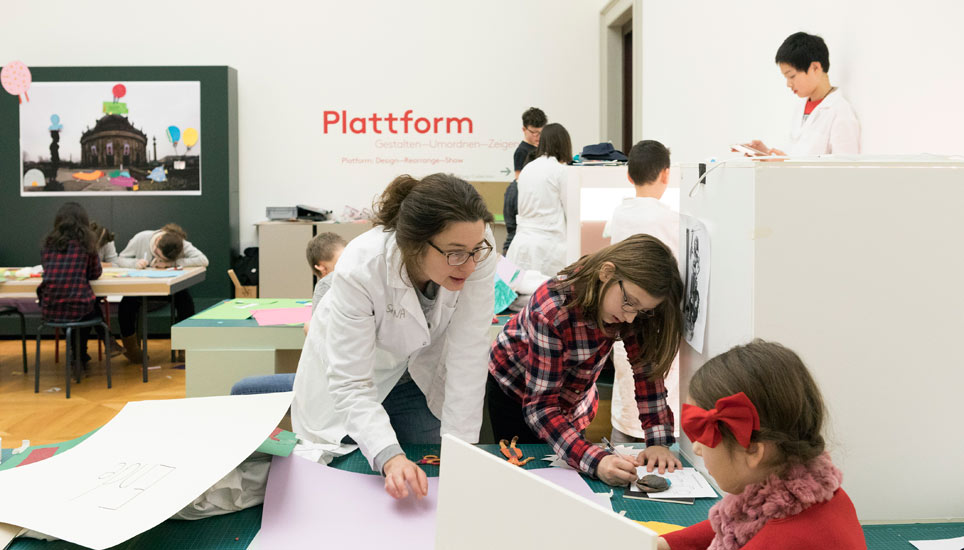
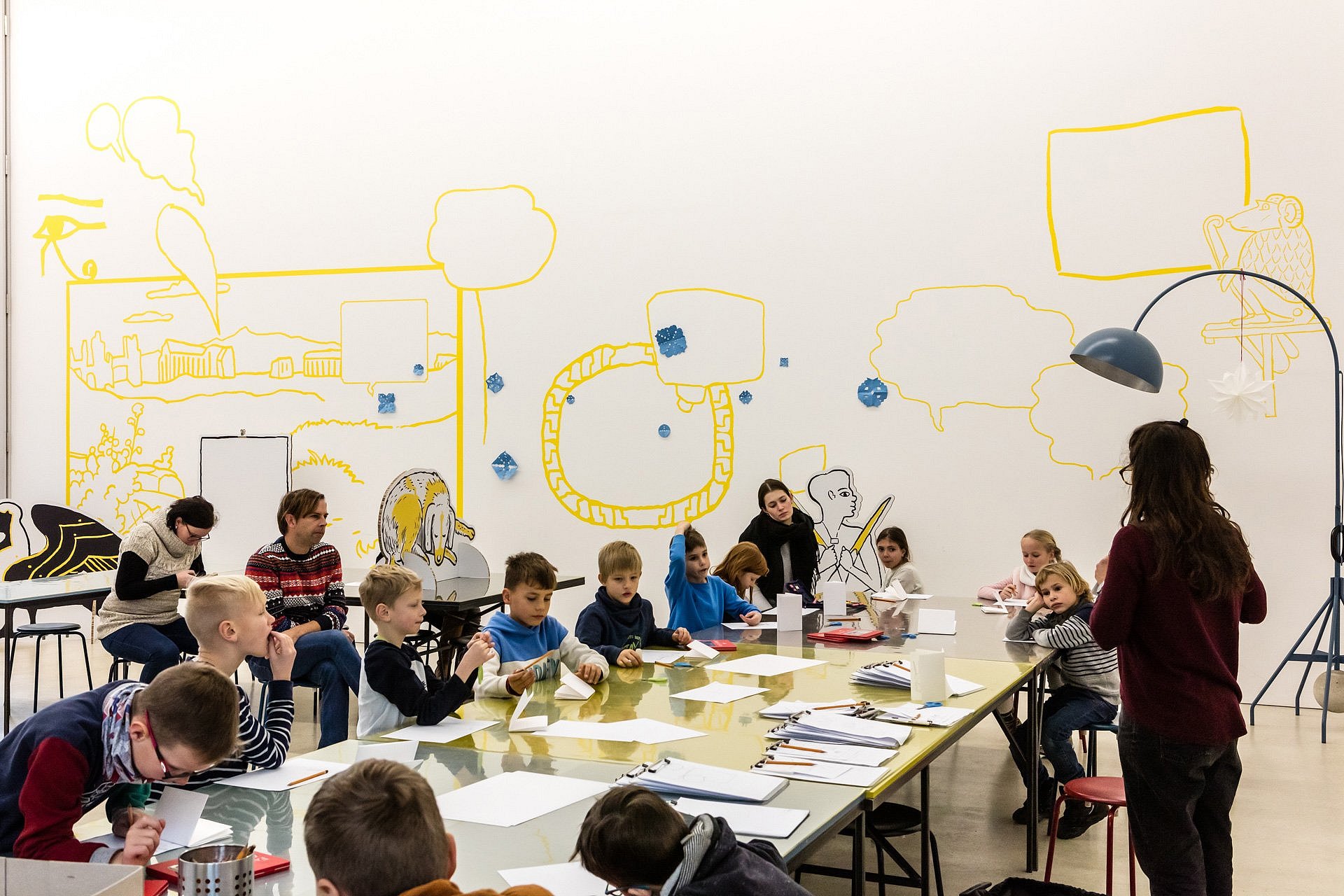
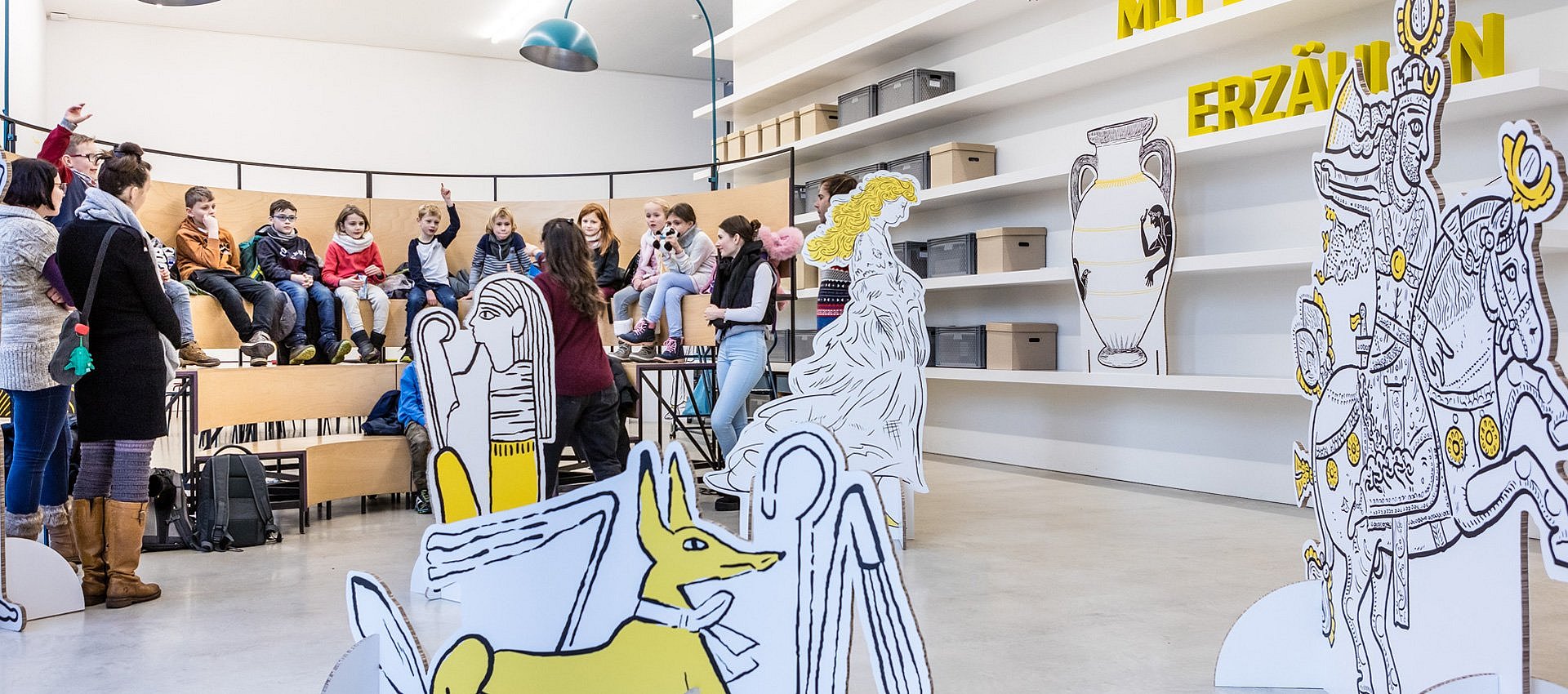
At Haus Bastian – the Centre for Cultural Education of the Berlin State Museums – there is a four-hour workshop specifically for school classes on the theme ‘What does happiness look like? Representations of happiness’. Drawing on their own ideas of happiness and the artworks in the Berlin State Museums’ collections, participants are encouraged to get creative themselves – using their own printing blocks in a relief printing process.
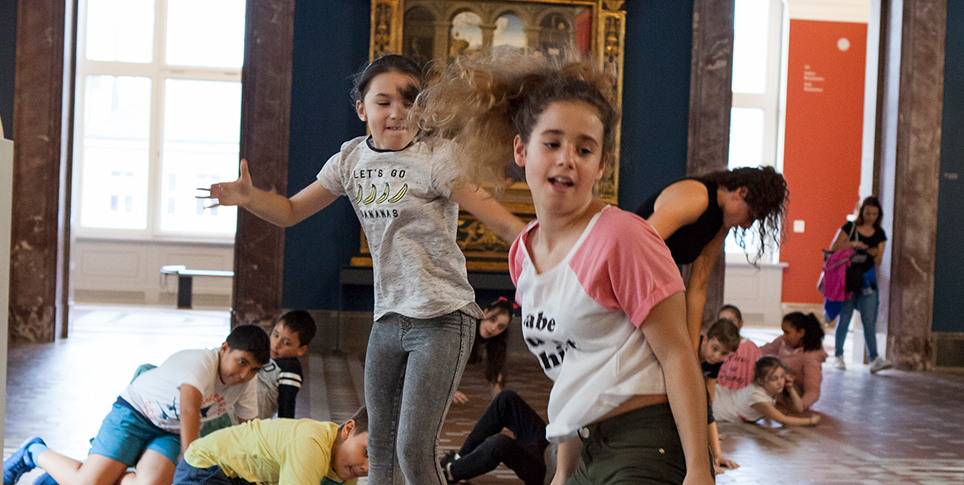
Miss Burkhardt’s Year 6 class from the school on Senefelder Platz takes up the challenge under the guidance of art educator Fritjof and sets out in search of happiness. It becomes clear that many children already have very concrete ideas about abstract concepts such as ‘happiness’ and ‘unhappiness’. Interpersonal relationships are repeatedly cited as a source of happiness. Happiness arises through interaction with one’s best friend or a cousin living in Morocco.
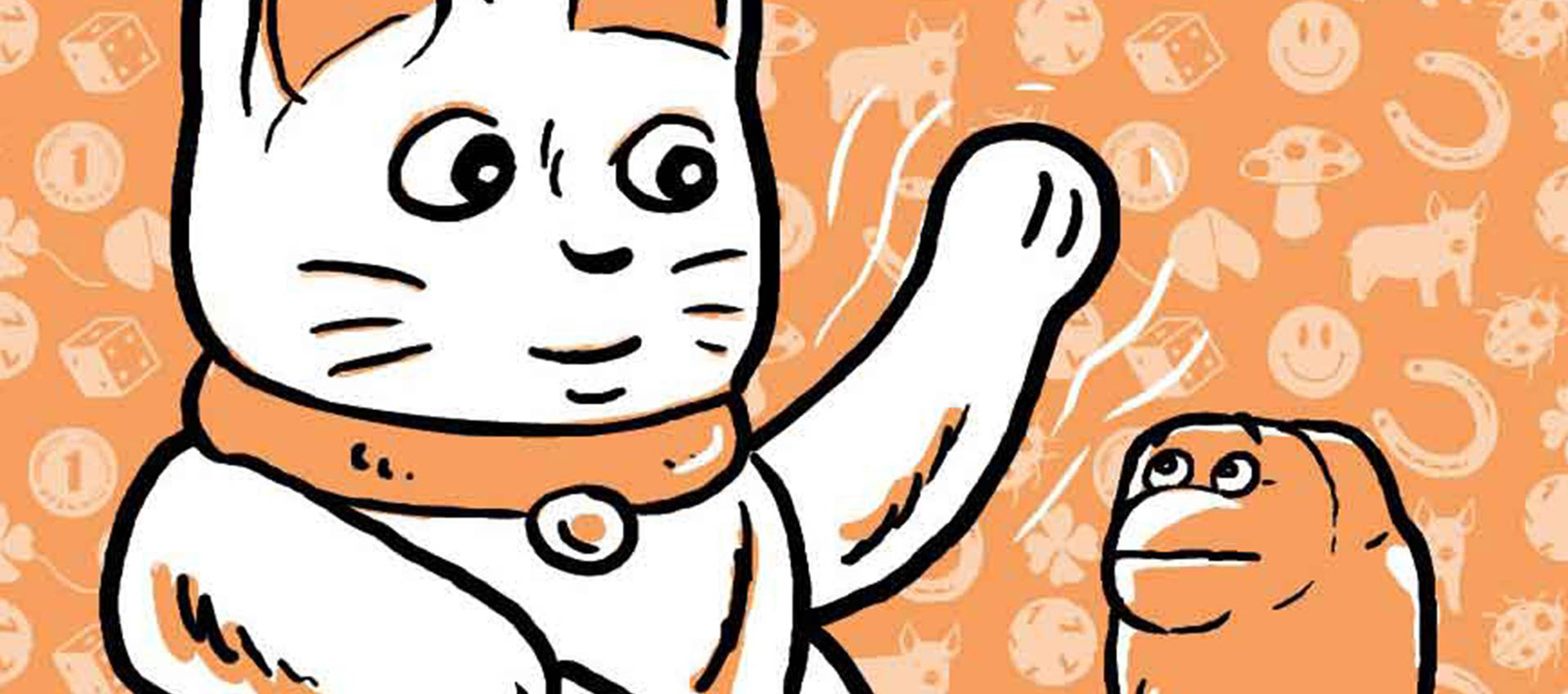
A large proportion of the class has roots and connections in other countries and brings this intercultural knowledge to the project. Many are already familiar with the lucky charms and their stories that Fritjof has brought along: from the Nazar amulet, which in the folk beliefs of many Mediterranean cultures is said to protect against the ‘evil eye’ and misfortune, to the scarab beetle – a popular lucky charm since ancient times – and the iconic, omnipresent ‘waving cat’ (Japanese: Maneki-neko), which, according to legend, originates from a temple cat that saved a Japanese prince from being struck by lightning by beckoning him to safety. People have always been in search of happiness – and lucky charms have helped them cheat the odds.
“Not quite well”: The boom years are over
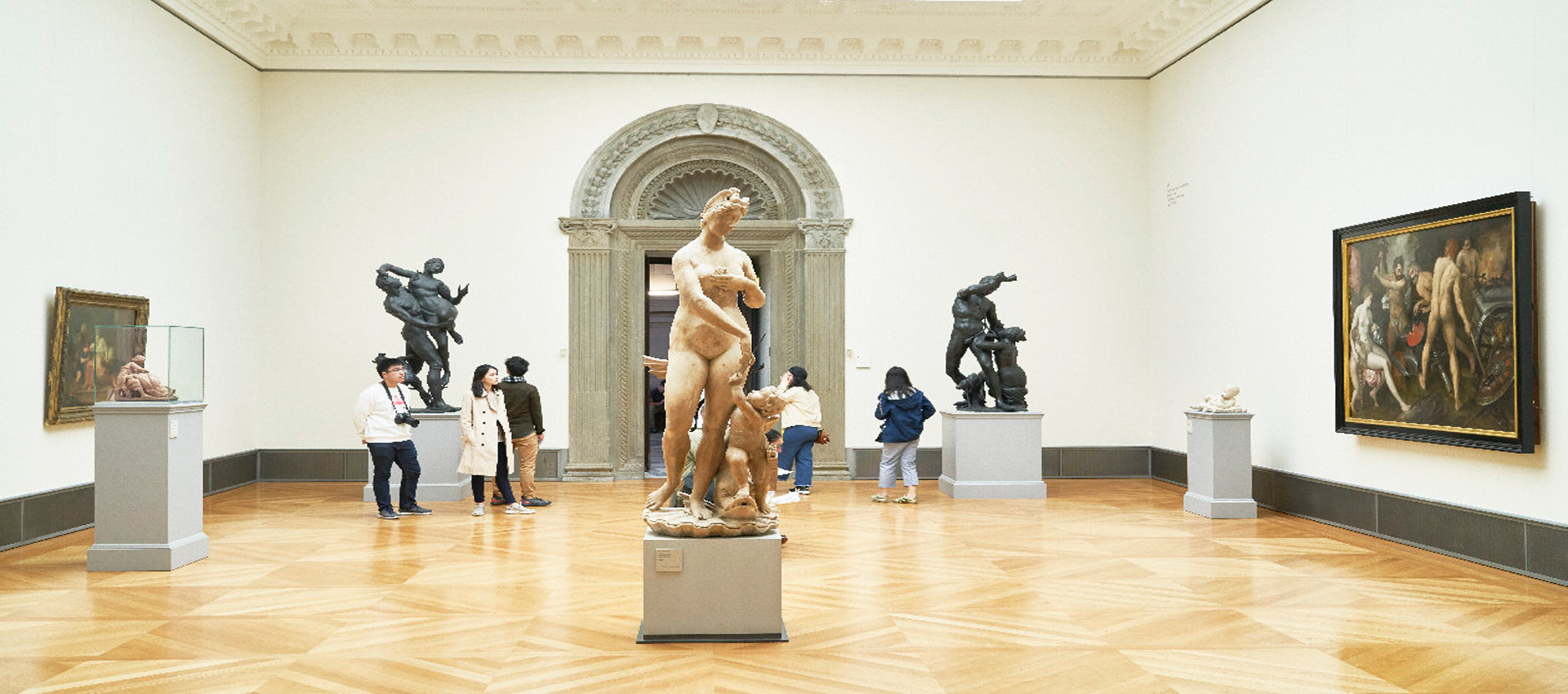
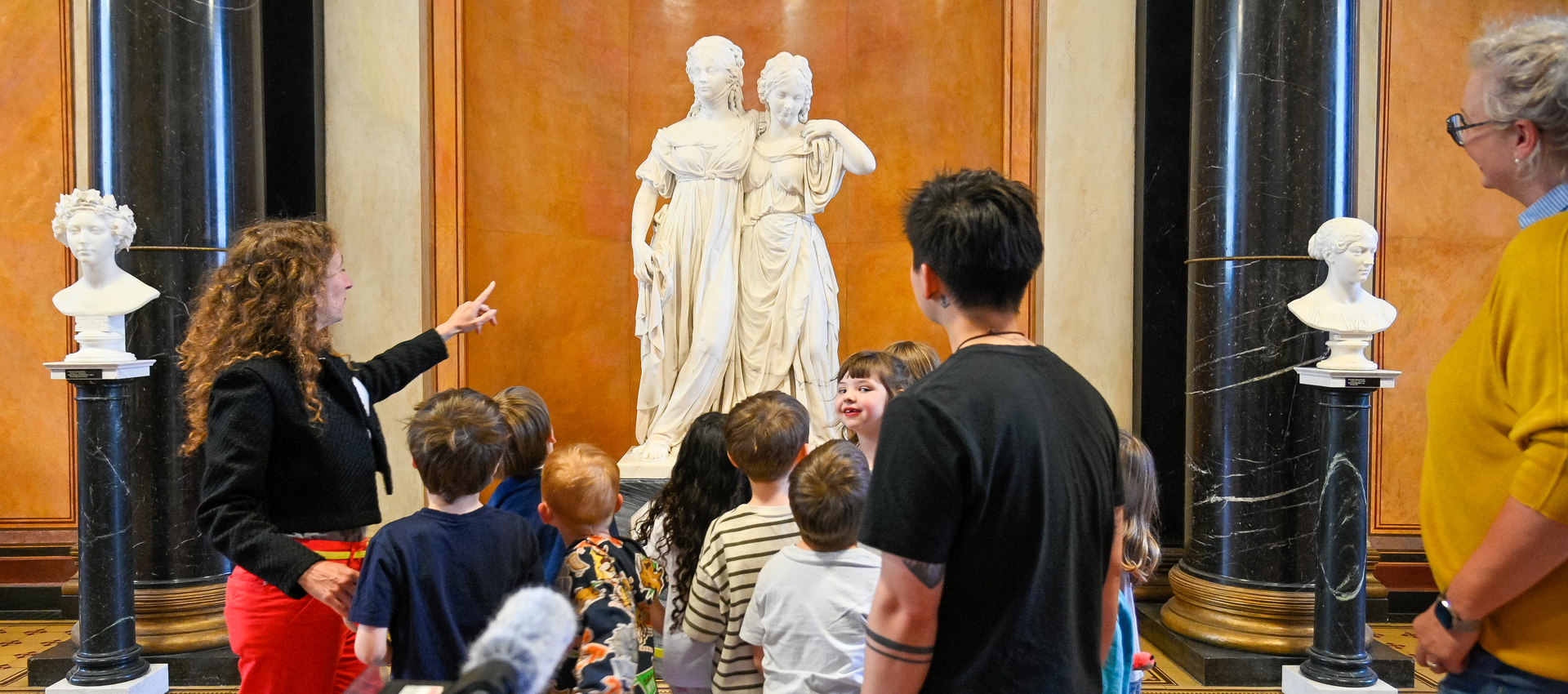
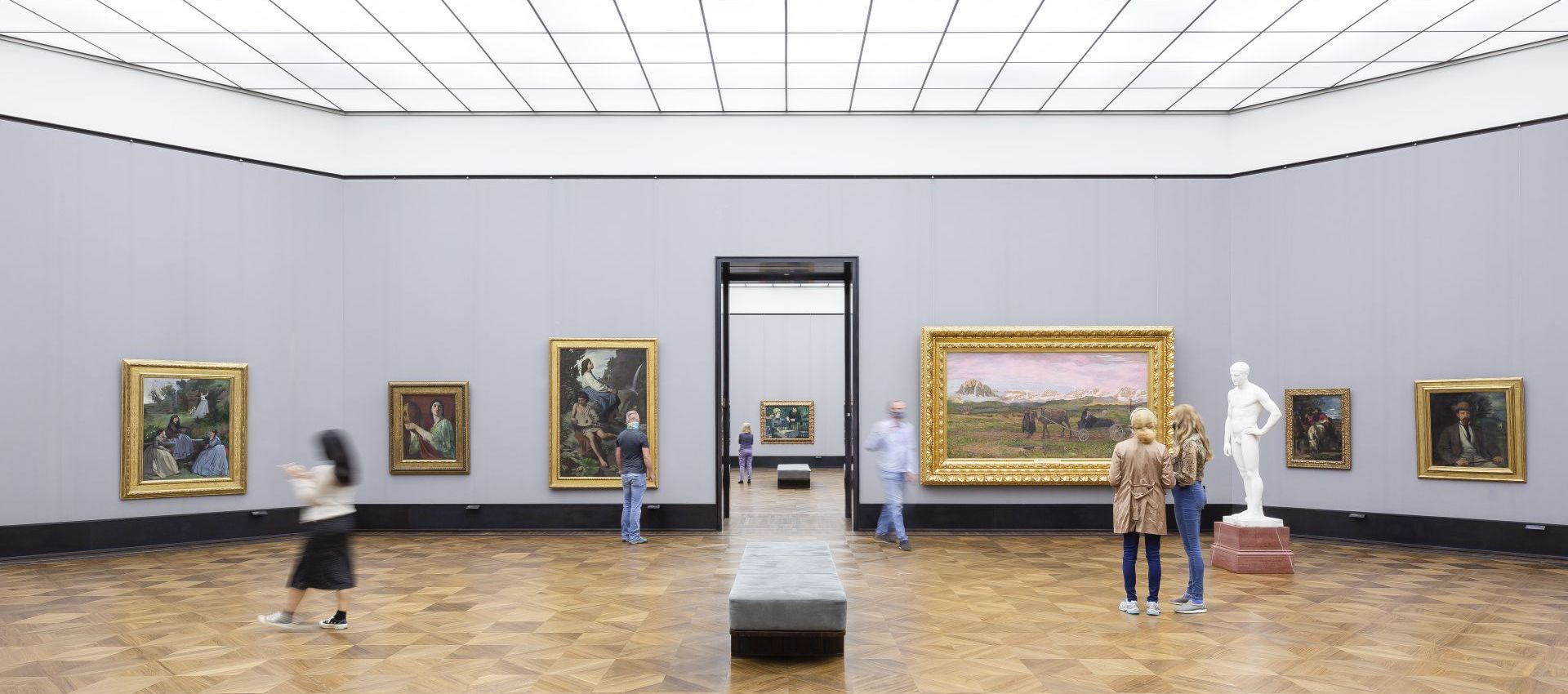
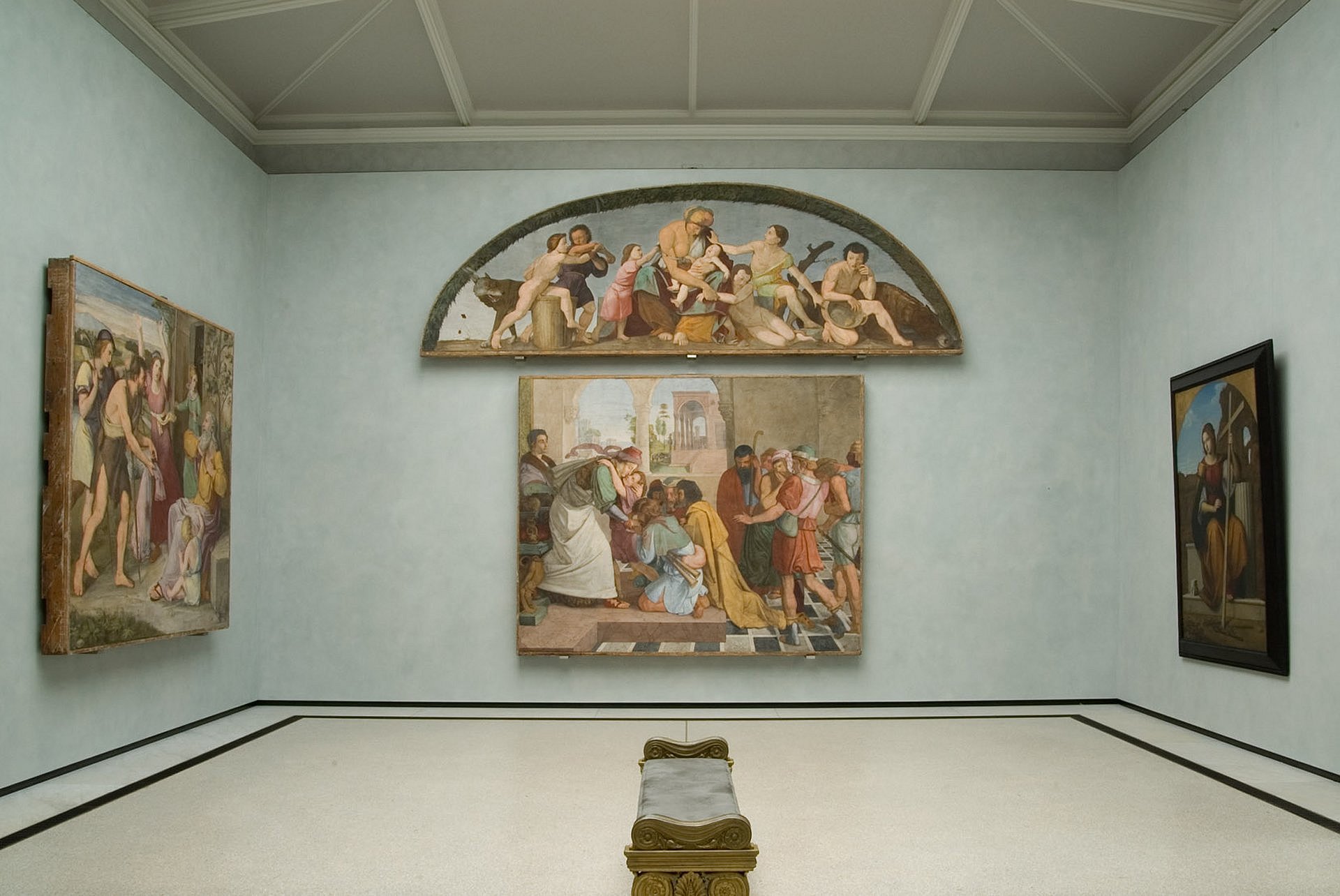
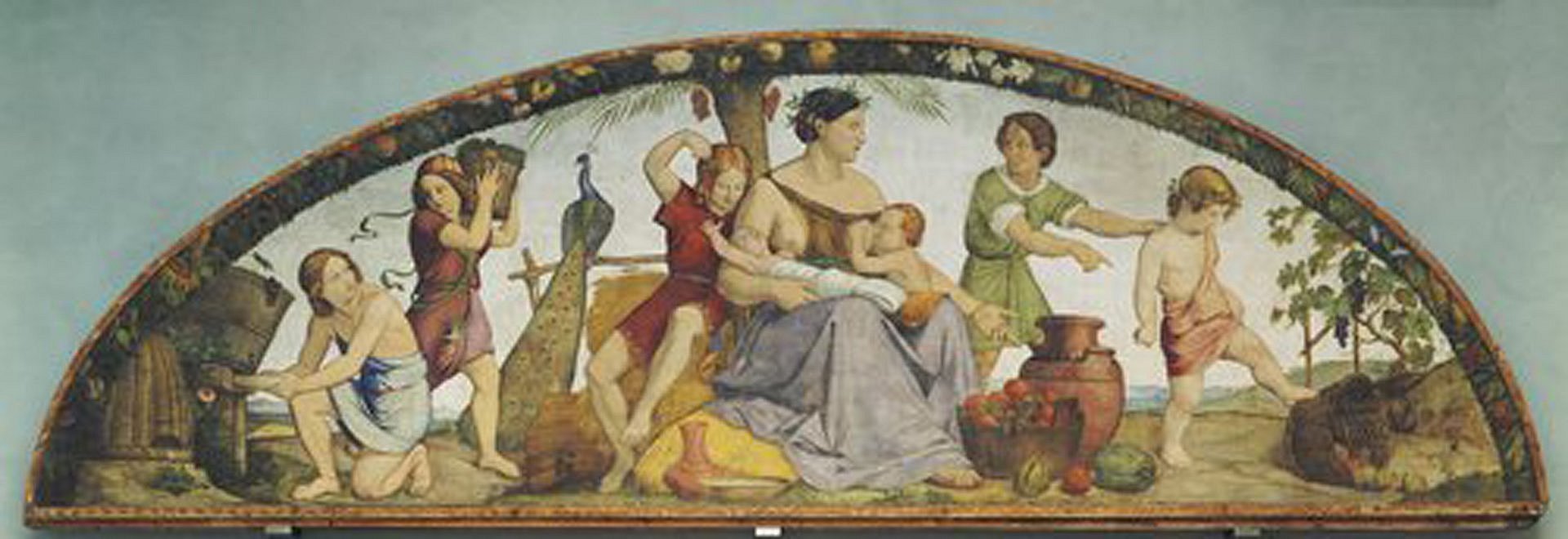
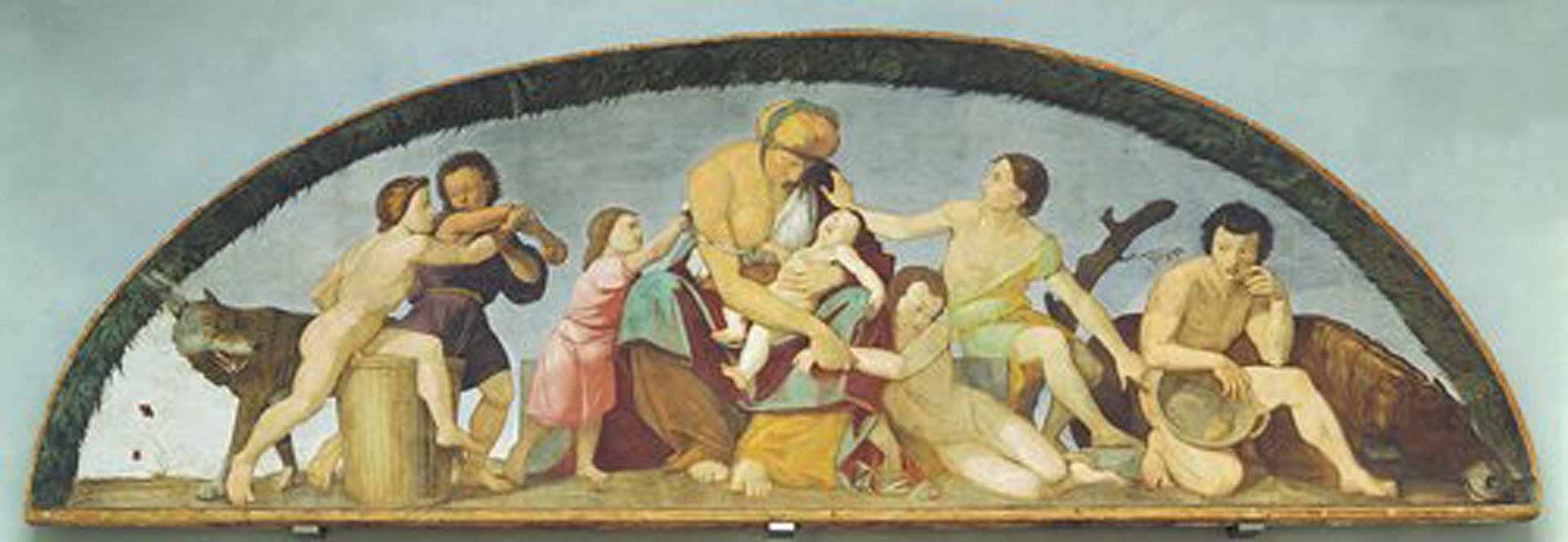
But what about “depictions of happiness”? This part of the workshop focuses on art, or more precisely, on the depths of the Alte Nationalgalerie. Its comprehensive collection of paintings, ranging from the Romantic period to Impressionism, reflects the dichotomy of happiness in all its facets. Fritjof pauses with a group of children in front of the eight-part cycle depicting the story of Joseph from the Casa Bartoldy in Rome. These frescoes, painted in the early 19th century by Romantic artists for the Prussian Consul General in Rome, have been on display in the Alte Nationalgalerie since 1887. Opposite the cycle hang Philipp Veit’s ‘The Seven Fat Years’ and Friedrich Overbeck’s ‘The Seven Lean Years’ – parables for times of happiness and misfortune.
What is striking about the pupils’ feedback is not only the observation that the babies of the ‘fat’ years do not look ‘entirely healthy’ either (happiness is, after all, relative). One pupil was even very familiar with the story of Joseph from the Book of Genesis, which is mentioned not only in the Jewish and Christian Bibles but also in Sura 12 of the Quran. As Fritjof, the facilitator, points out, the story conveyed in the series of images highlights not only happiness and unhappiness but also the shared roots of the major monotheistic world religions. In any case, becoming aware of these commonalities rather than waging war against one another certainly seems to foster happiness in our civilisation.
Moments of blissful solitude
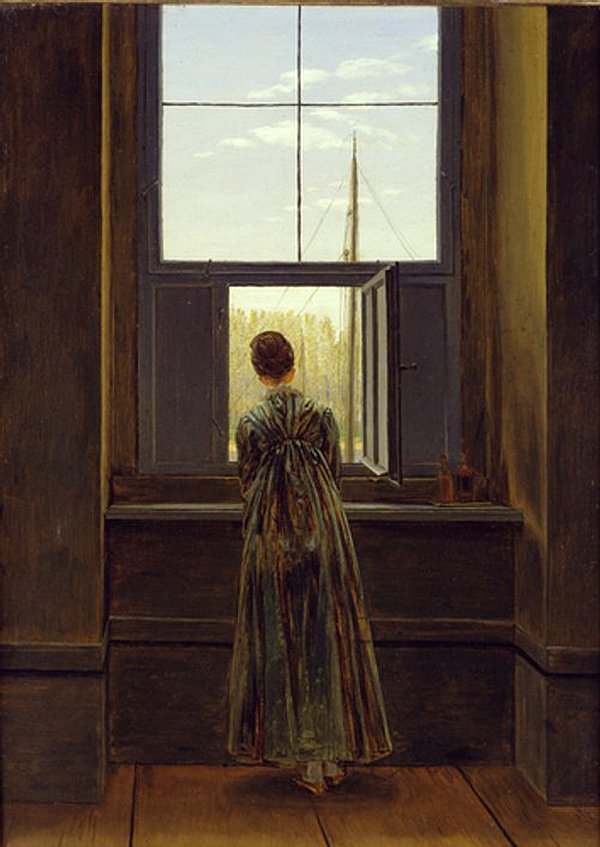
In the 250th anniversary year of the Romanticism star painter, Caspar David Friedrich is of course a must. Although some of his best-known works are currently on loan in Hamburg, motifs of Romantic longing still hold great fascination for young museum visitors. Equipped with a drawing board, paper and pencil, the children are invited to find their favourite works and sketch them. Most choose motifs by the pioneer of modernism, to whom a major special exhibition at the Alte Nationalgalerie is dedicated from 19 April 2024.
In Friedrich’s paintings, which, in the spirit of Romanticism, depict strong emotions such as wanderlust, awe of nature and longing, there are also often happy moments of solitude, says Fritjof: Is the ‘Woman at the Window’ (1822) lonely and unhappy because she is standing alone at the window? Or does she not, after all, radiate a fundamental serenity that we so often long for in our hectic times?
Haus Bastian – Centre for Cultural Education
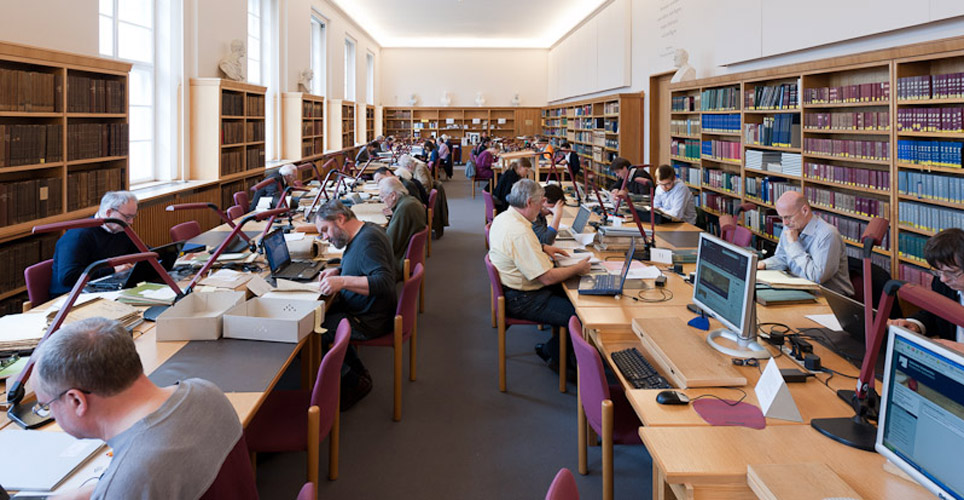
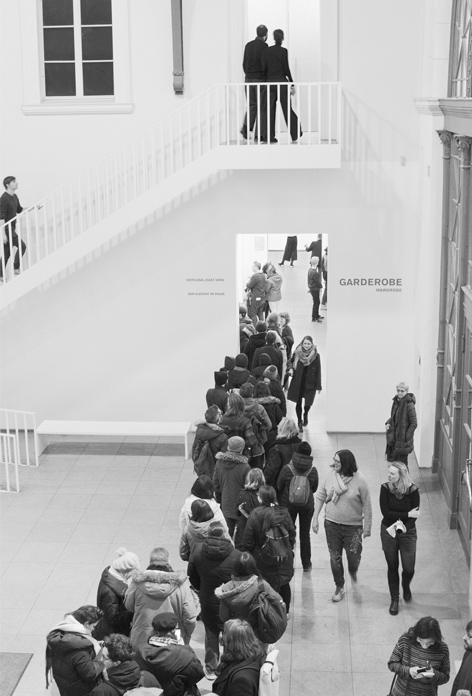
Haus Bastian is a venue for a wide audience: school pupils and students, children and families, young people and adults. Here, in a central location, you will find an ideal starting point from which to explore all 15 collections of the Staatliche Museen zu Berlin and to reflect on, expand upon and discuss your observations, experiences and questions in a creative way. In addition to major regional and national educational projects carried out here, Haus Bastian offers a forum for discussing current and forward-looking issues in educational work, such as social participation, inclusion and political education.
Photo: SMB / Juliane Eirich
Afterwards, they return to Haus Bastian to reflect on their impressions and drawings. With a keen eye, the pupils now create self-portraits. They use various aids such as mirrors, video projections and even a camera obscura. The works are then transferred onto styrene sheets (a type of thin polystyrene sheet). These then serve as printing blocks for the self-portraits, which are transferred onto paper using a relief printing process with linocut ink.
Although the workshop lasted a full four hours, the children remained enthusiastic right to the end, and one cannot help but feel that the day away from the daily school routine brought a moment or two of happiness to each of them.