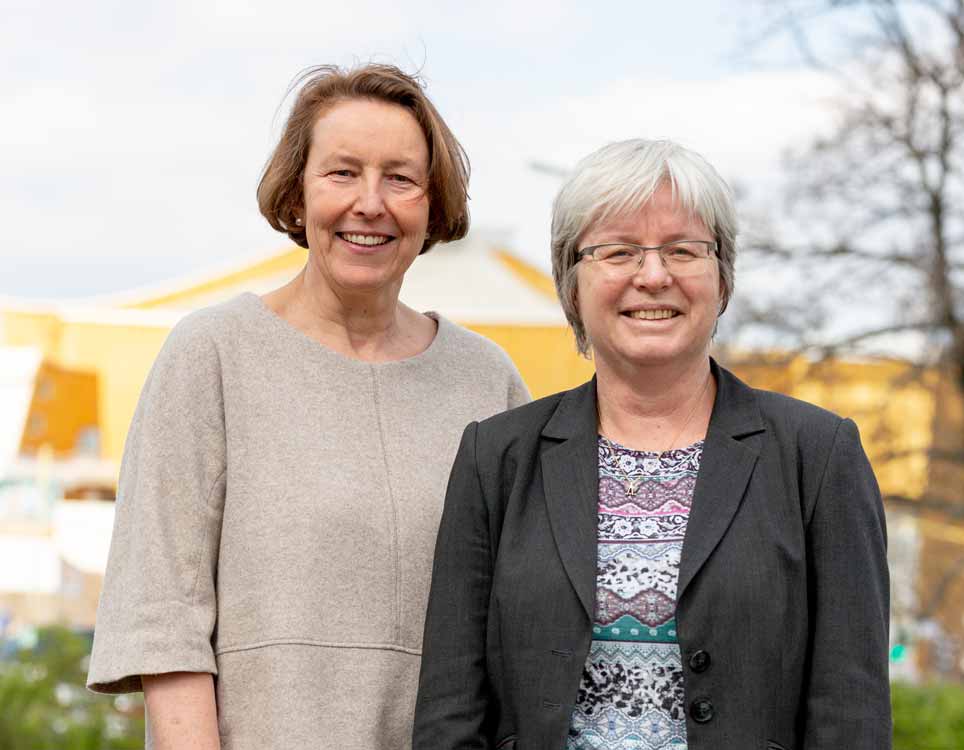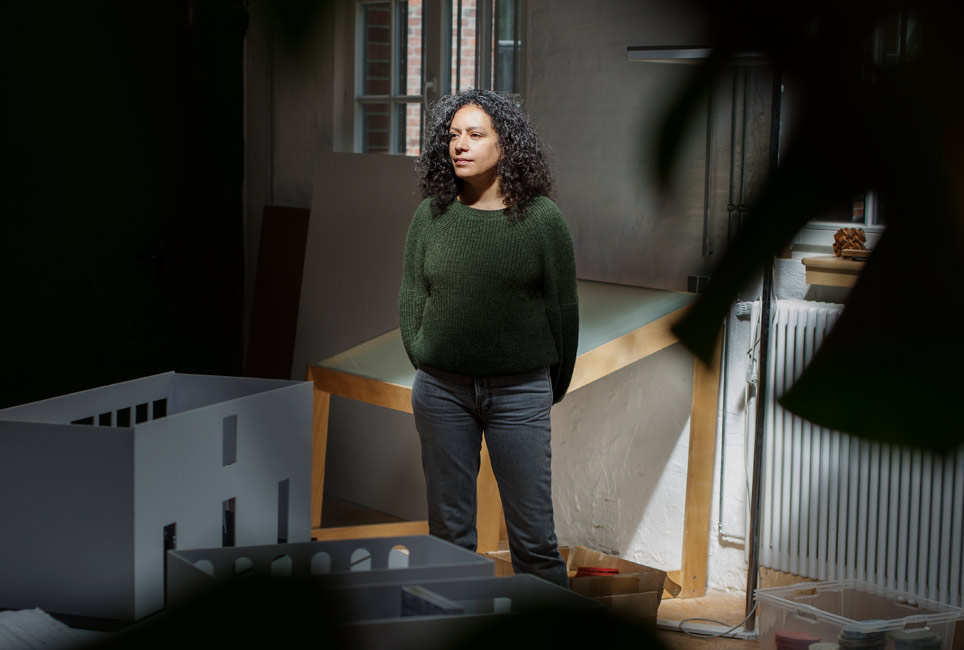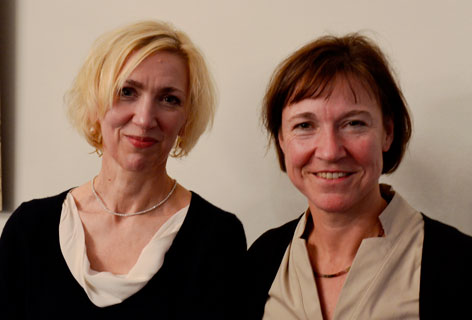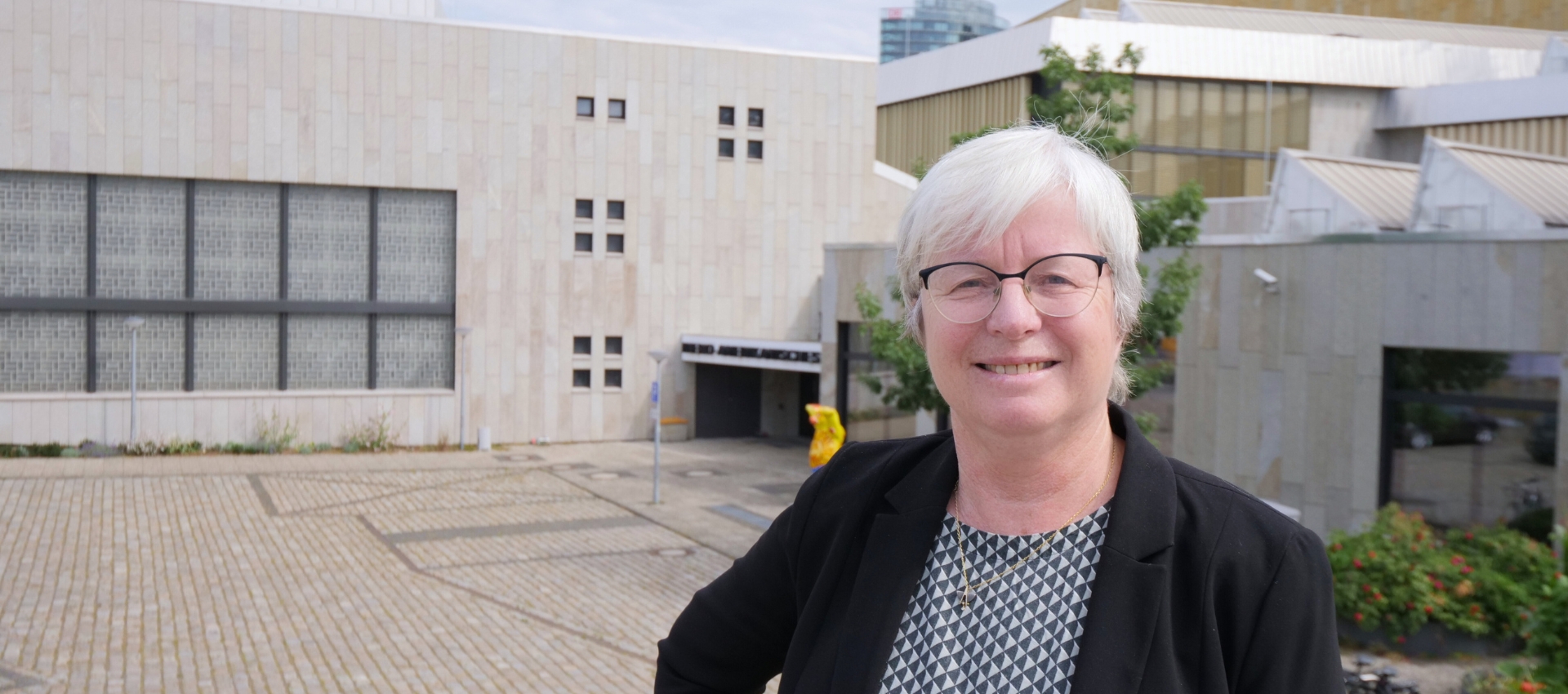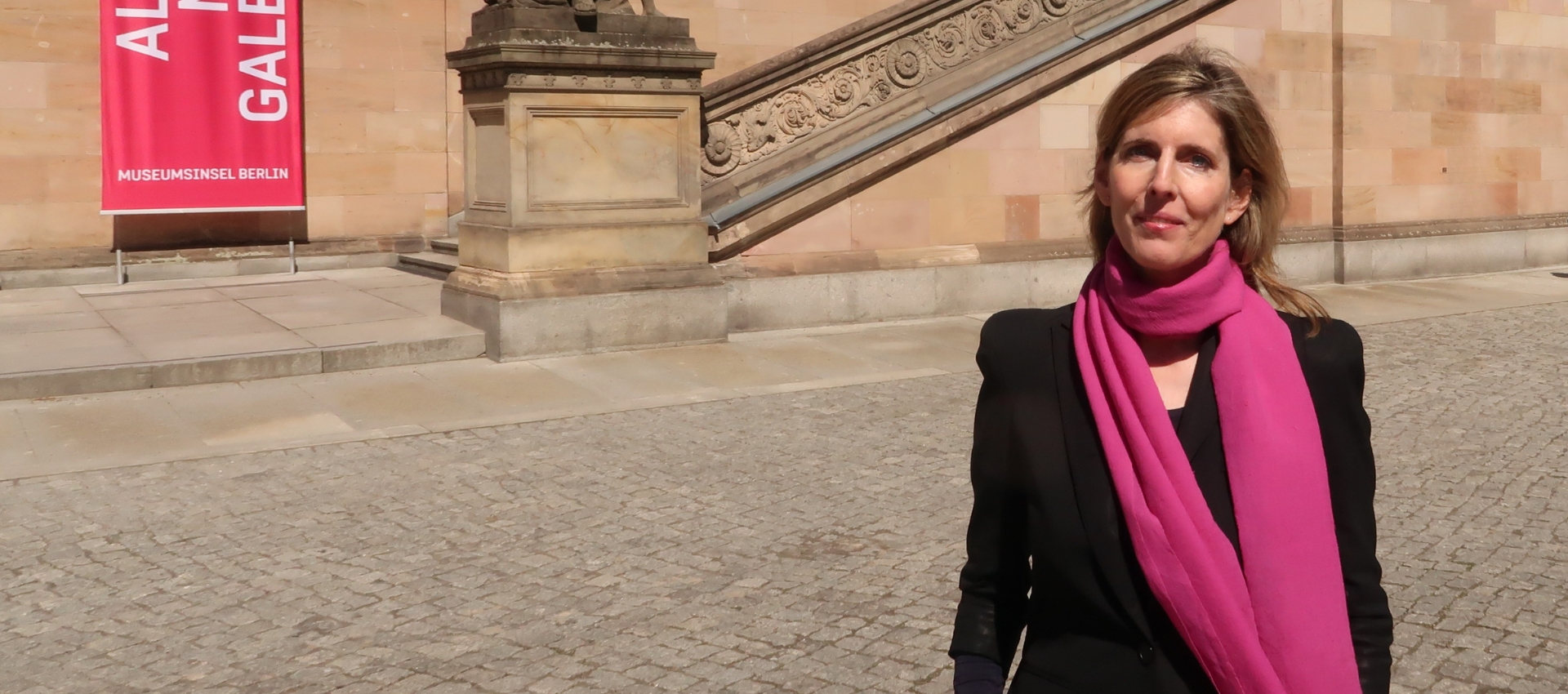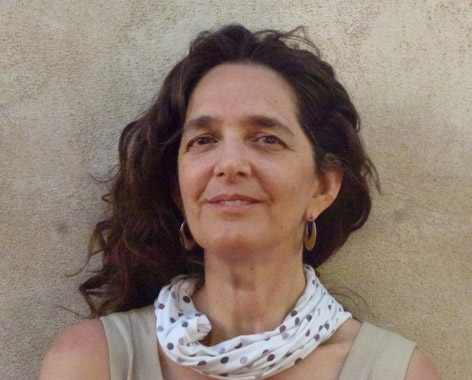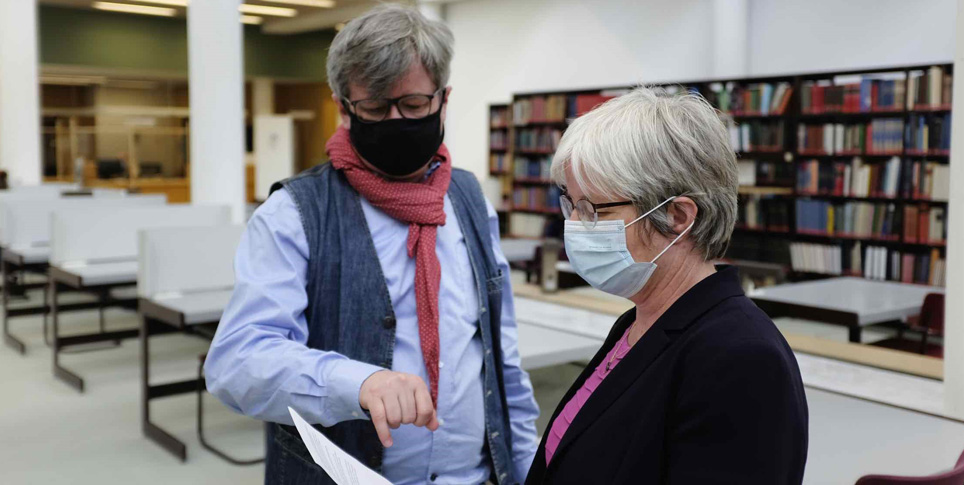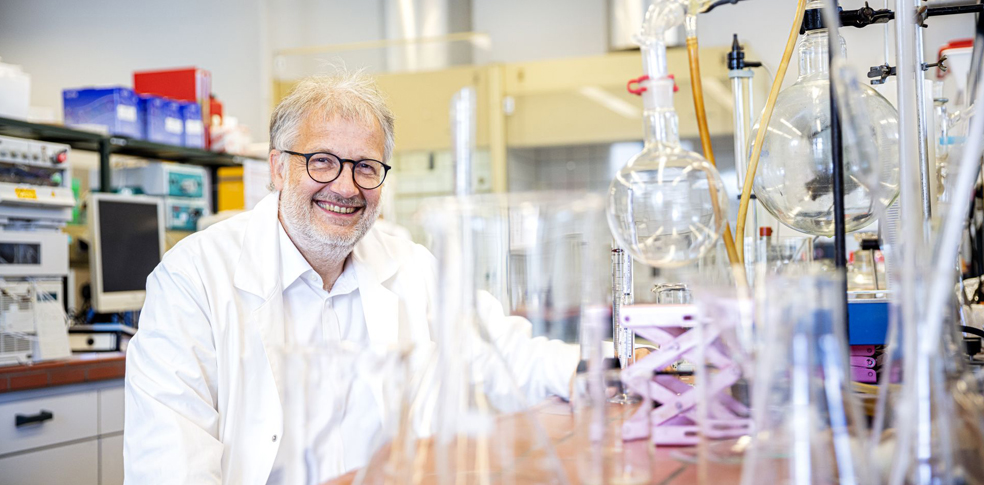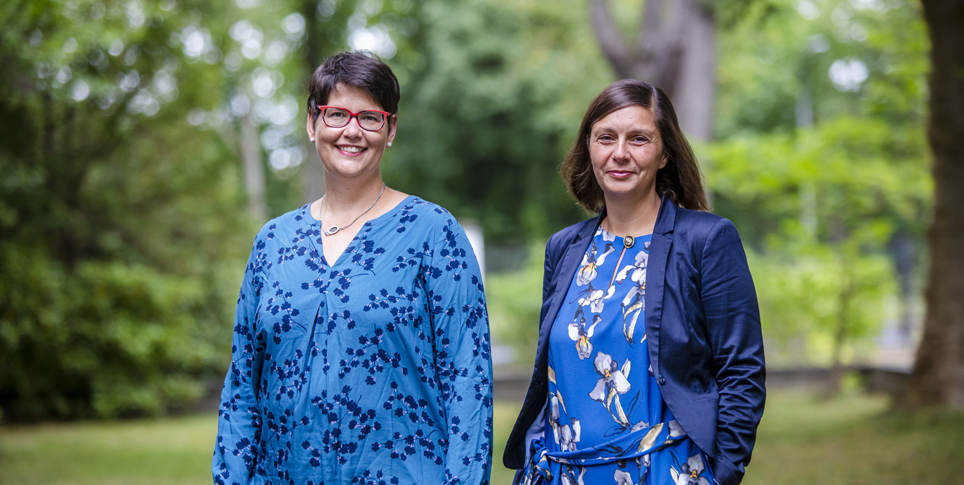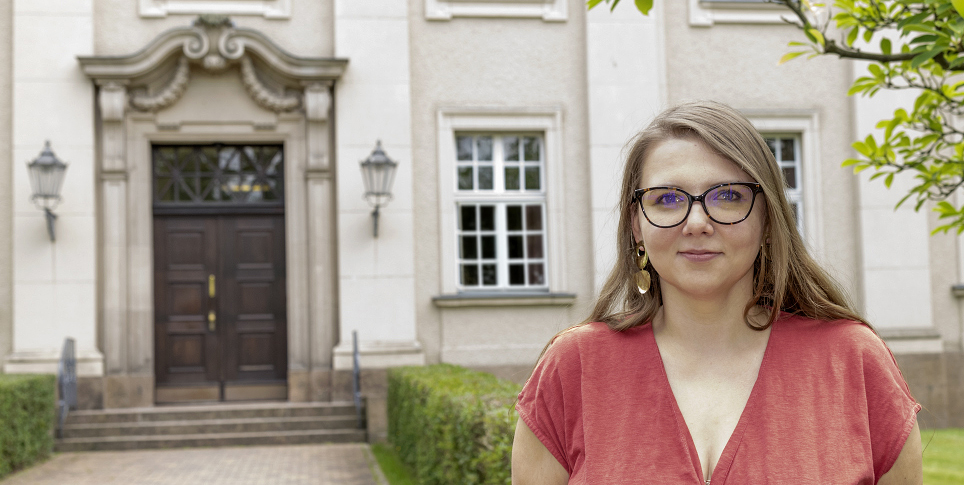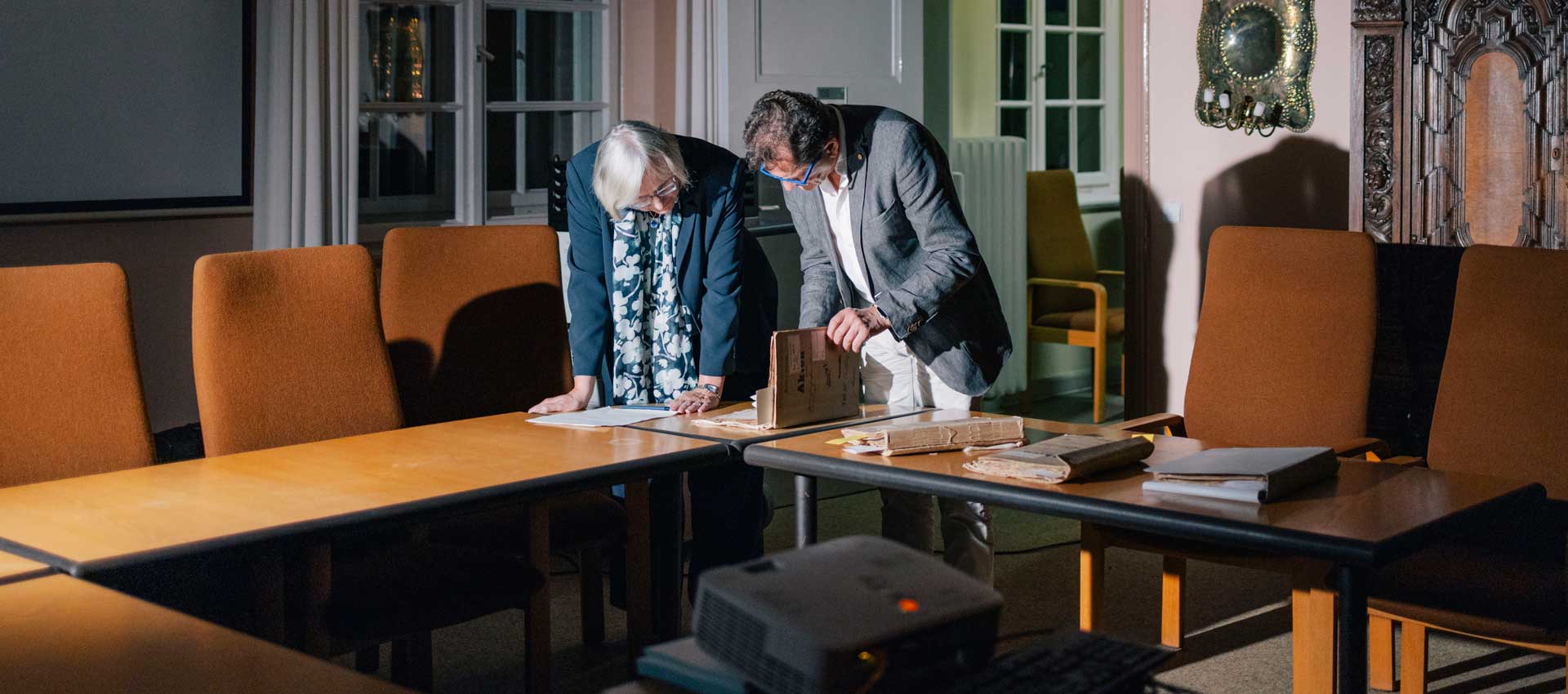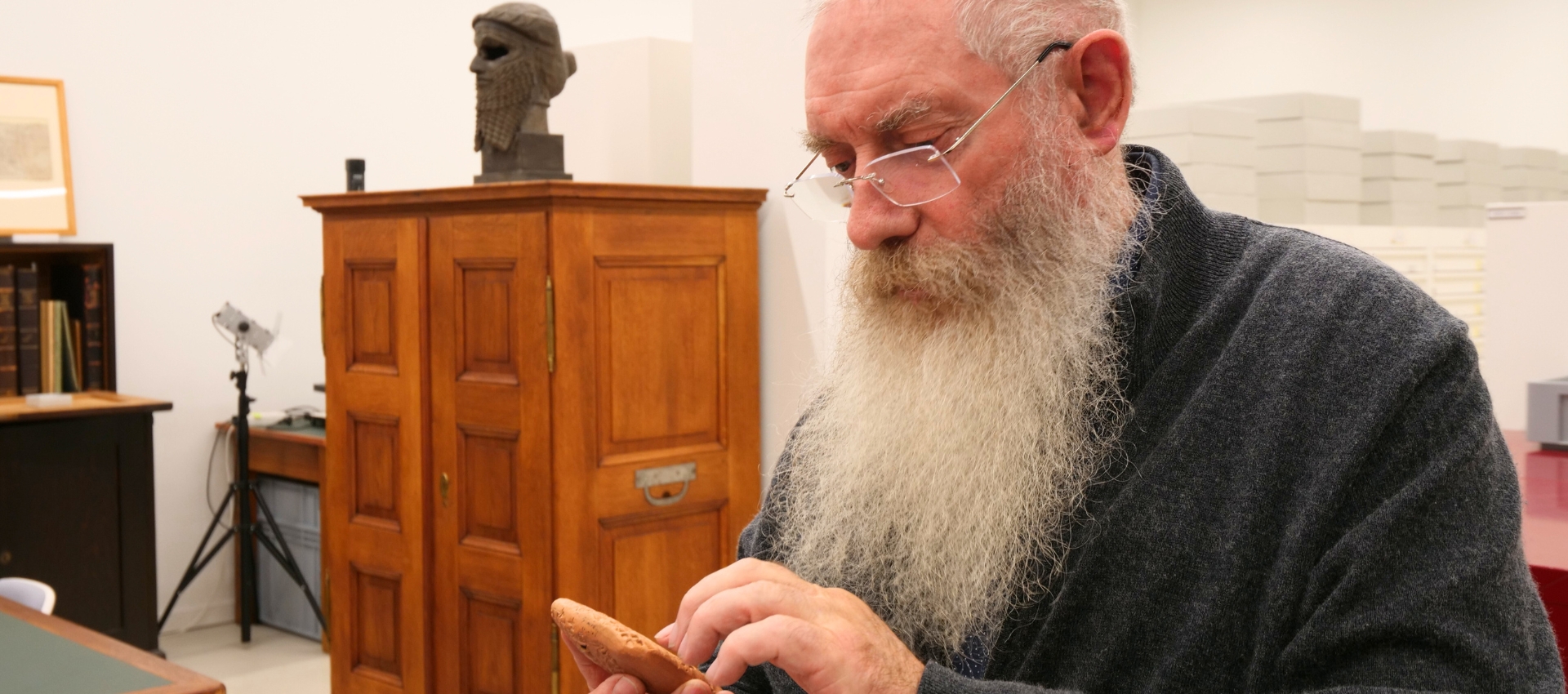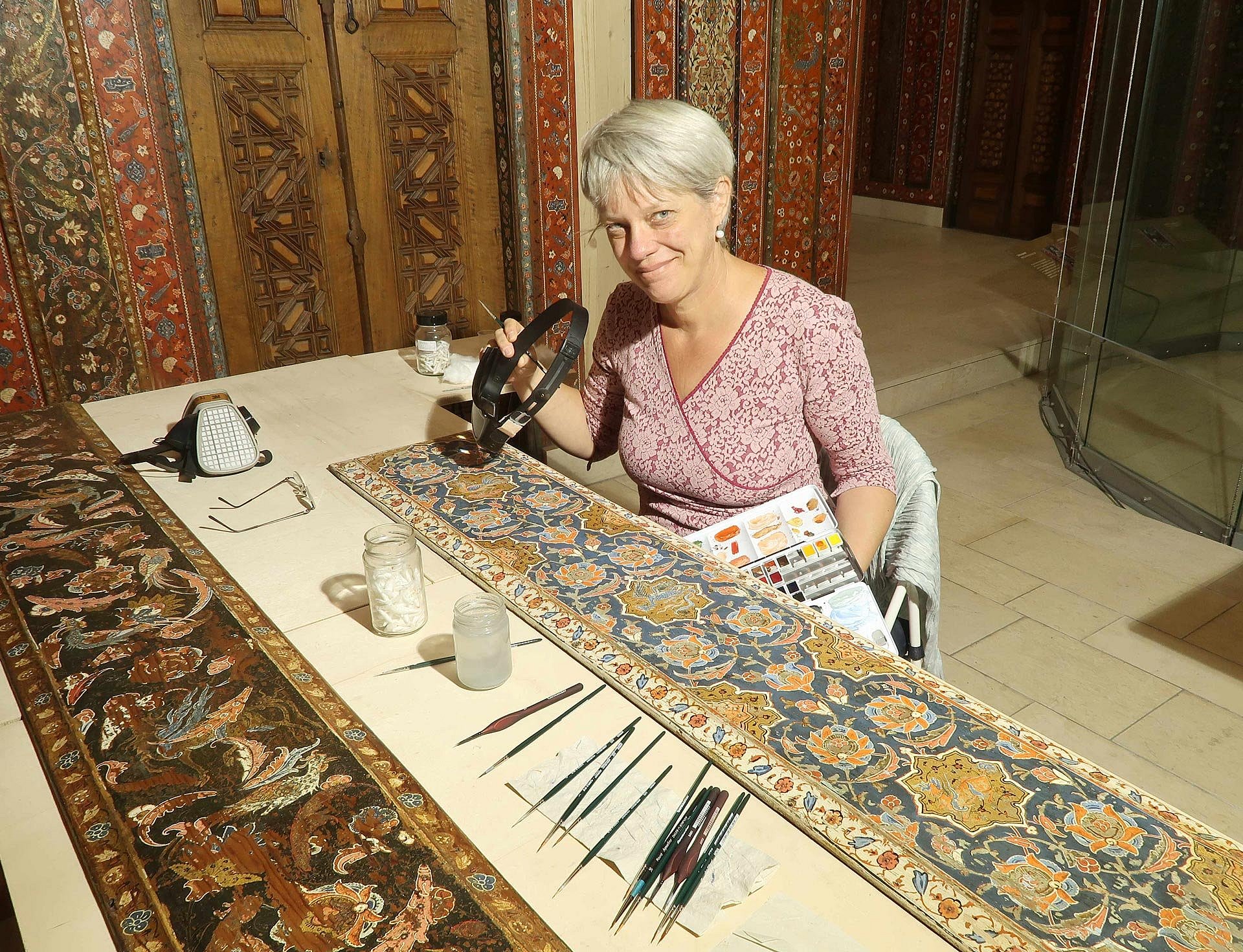
Anke Scharrahs, a freelance conservator, has been dedicated to the study, conservation and restoration of magnificently painted and decorated wooden panelling from Syria for more than 25 years. Since 2003, Scharrahs has been entrusted with various research projects and, since 2020, with the practical conservation and restoration of the Aleppo Room at the Museum of Islamic Art. In 2024, the room is also due to be relocated within the Pergamon Museum. Here she answers your questions.
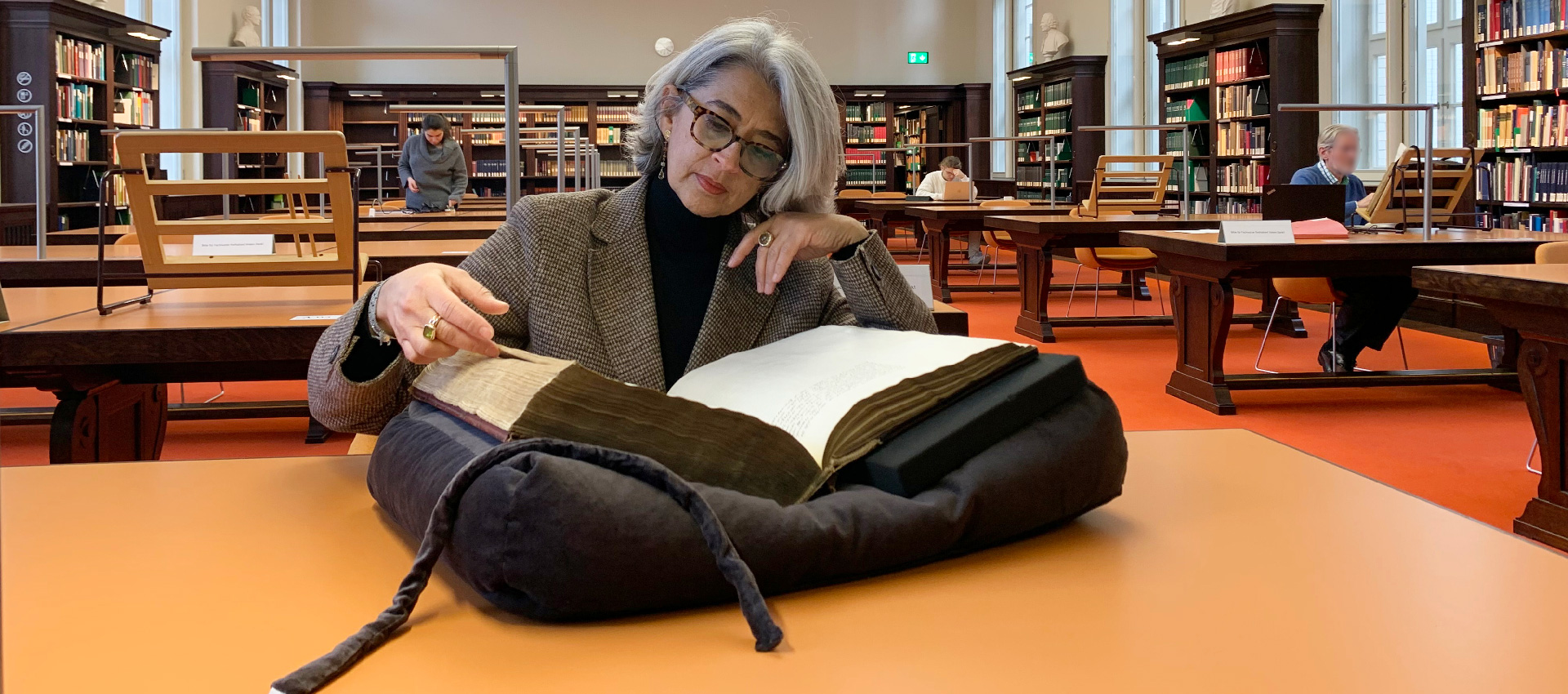
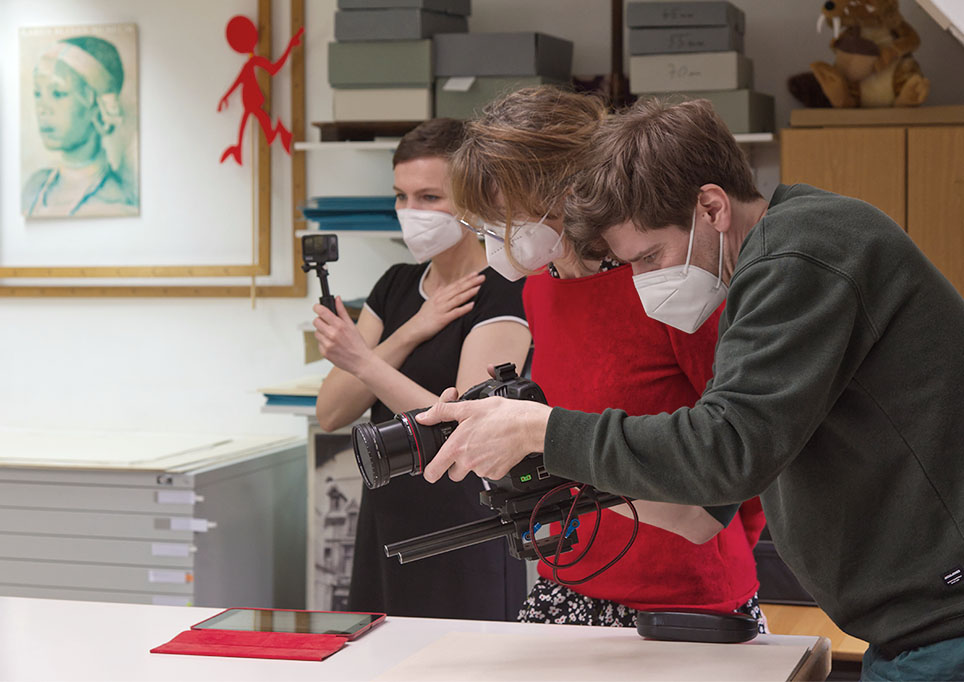
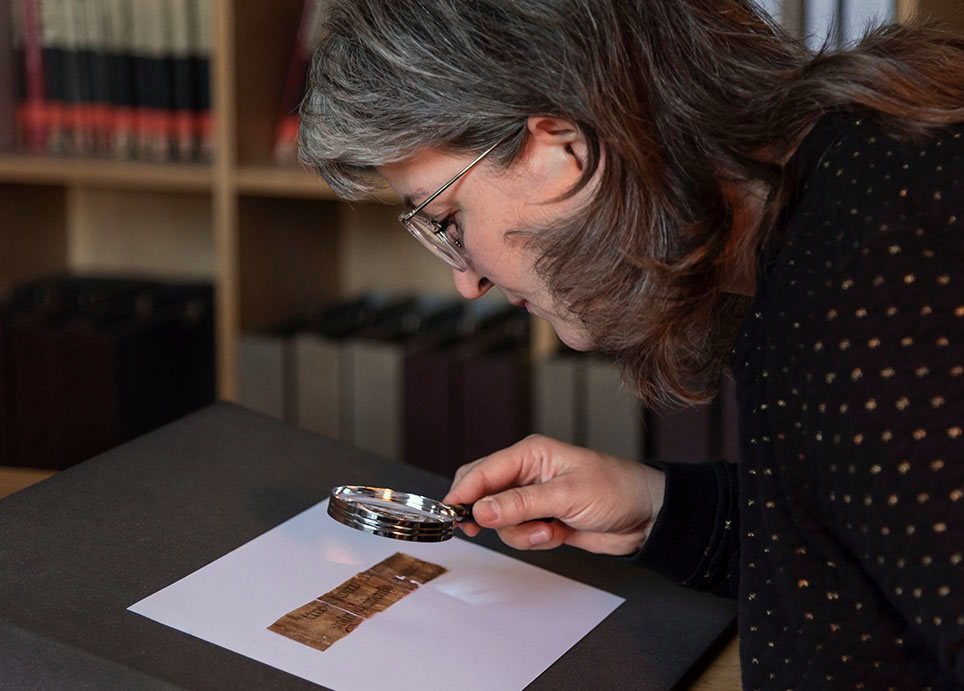
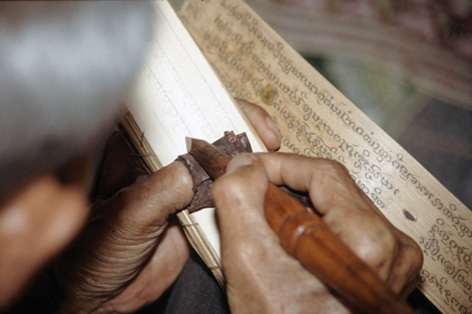
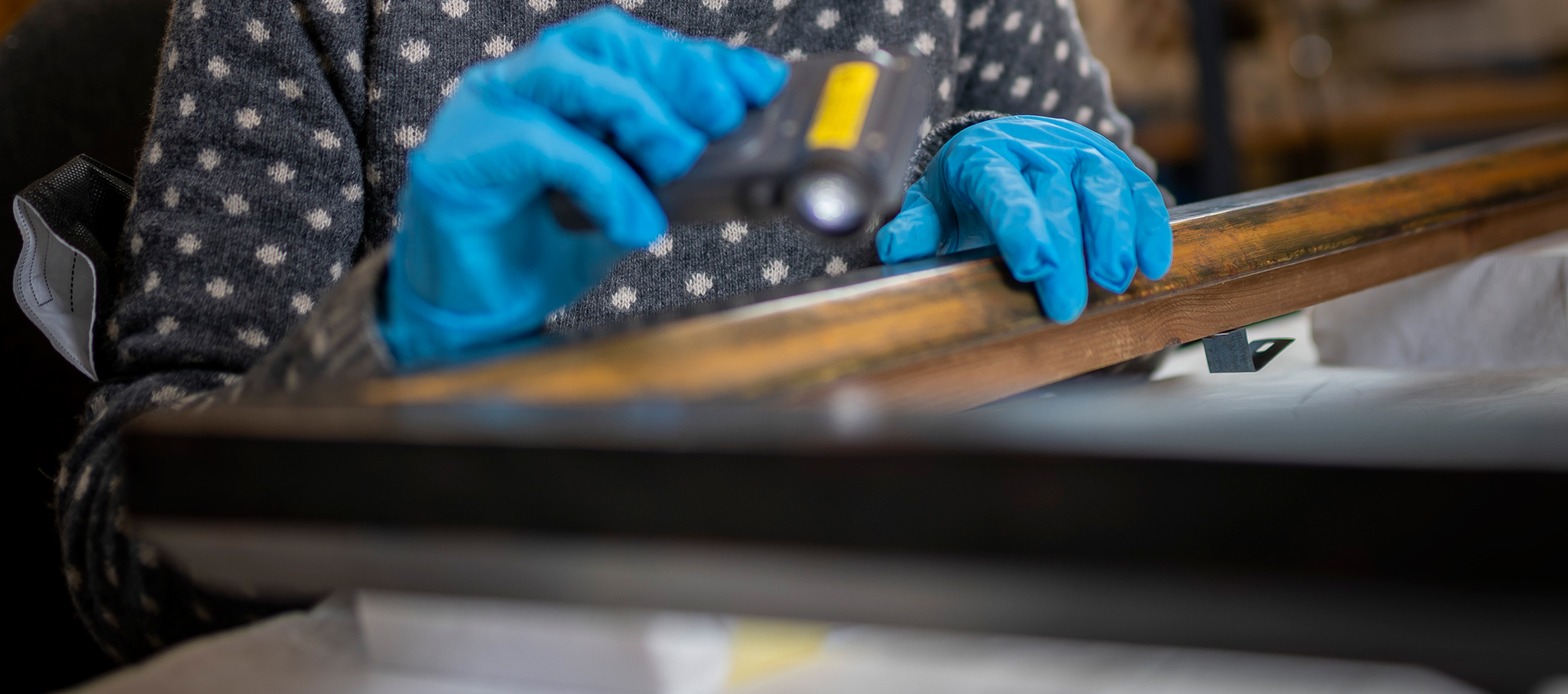
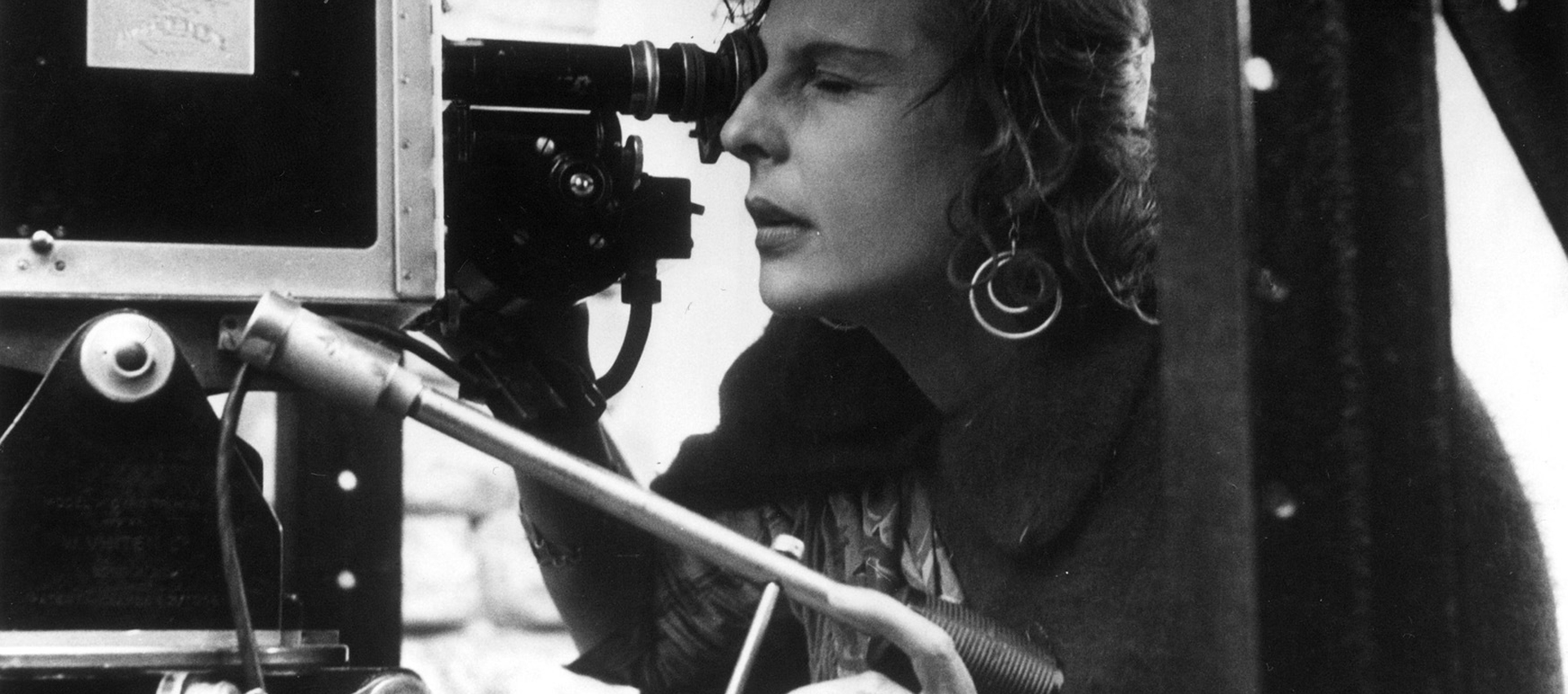
Photo: Anke Scharrahs retouching areas of damage
How did the Aleppo Room end up in Berlin, and why is it on display in the museum?
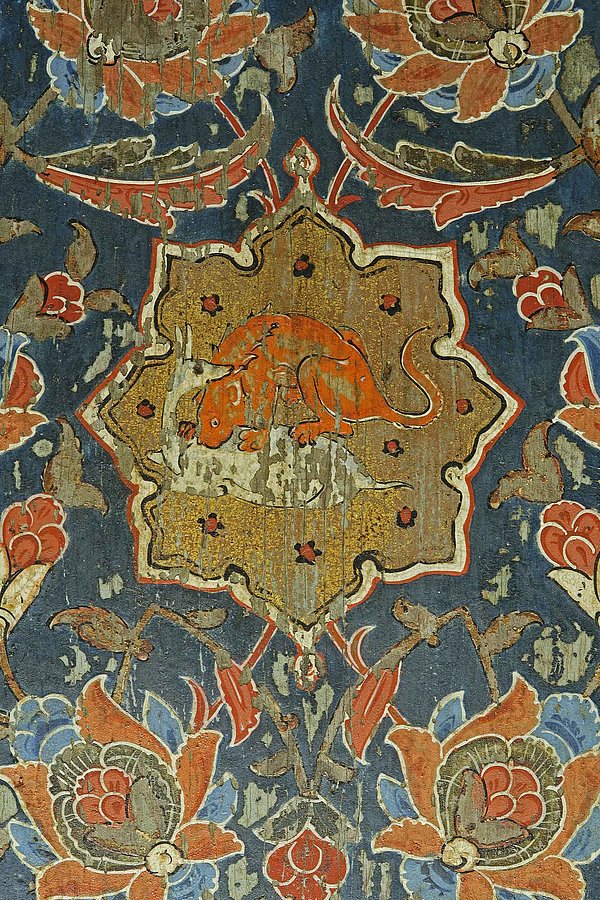
Scharrahs: The wall panelling comes from the home of a wealthy merchant from Aleppo, who commissioned these richly painted frames, cornices and panels between 1600 and 1603 for the most important room in his entire house: the reception room for guests. The house changed hands over the centuries and belonged to the Wakil family at the beginning of the 20th century.
Archival records indicate that the Wakil family wished to renovate their house and sell the 300-year-old panelling. Martha Koch, a German woman who had been living in Aleppo for several years and was well connected in the city, learnt of these plans and informed the art connoisseur and collector Friedrich Sarre, who was passing through. Friedrich Sarre was one of the first and, at the time, most eminent specialists in textiles and carpets from the Muslim world – and recognised the unique treasure represented by these panelling panels, painted with precious textile patterns and figurative depictions.
Sarre raised a considerable sum to purchase this treasure and saw it as a special contribution to the ‘Islamic Department’ of what was then the Kaiser-Friedrich-Museum (now the Bode Museum) in Berlin, long before the ‘Museum of Islamic Art’ was founded. The Aleppo Room is one of the centrepieces of the Museum of Islamic Art, now housed in the Pergamon Museum, as it is by far the oldest and most magnificently decorated room of its kind to have survived from Syria.
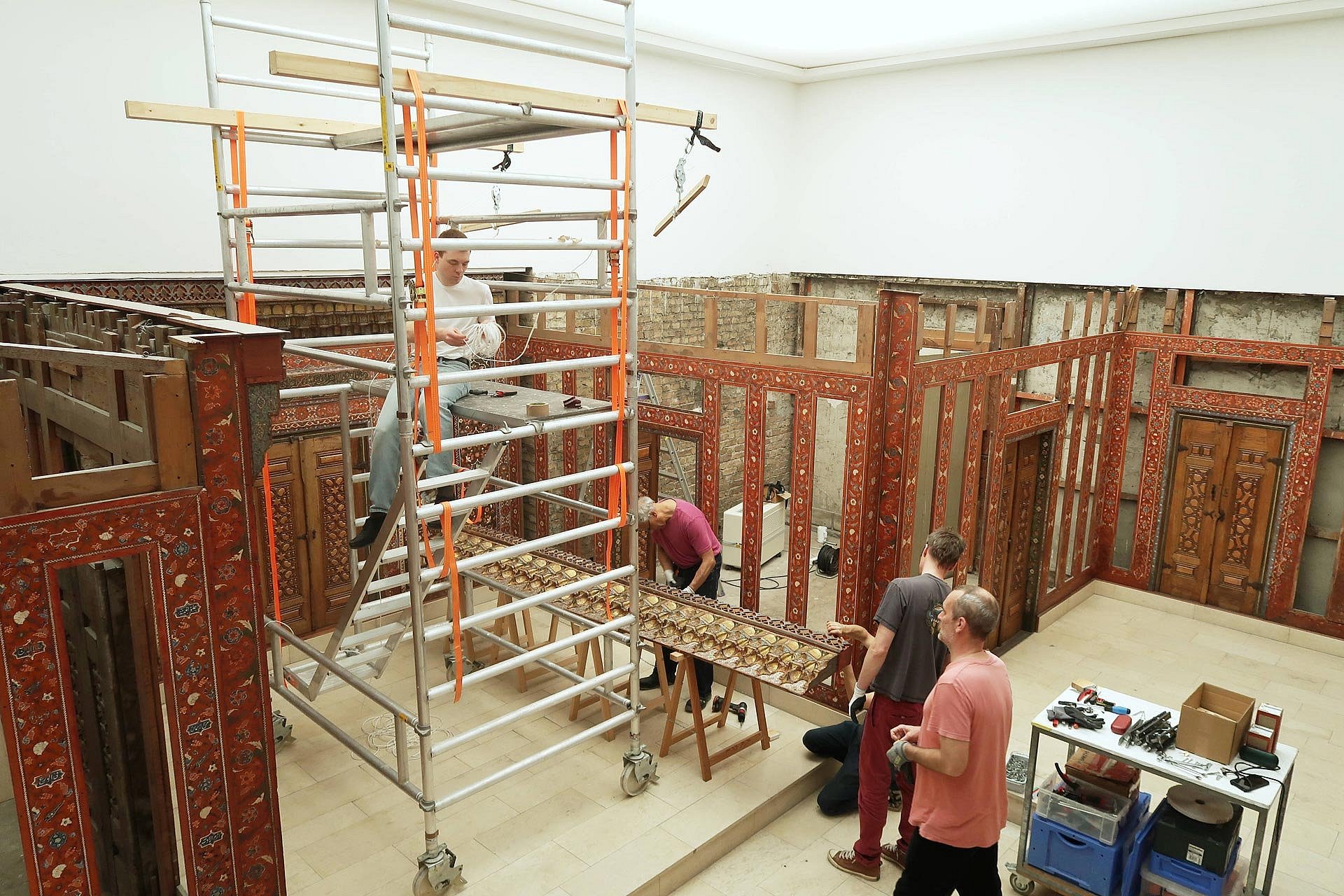
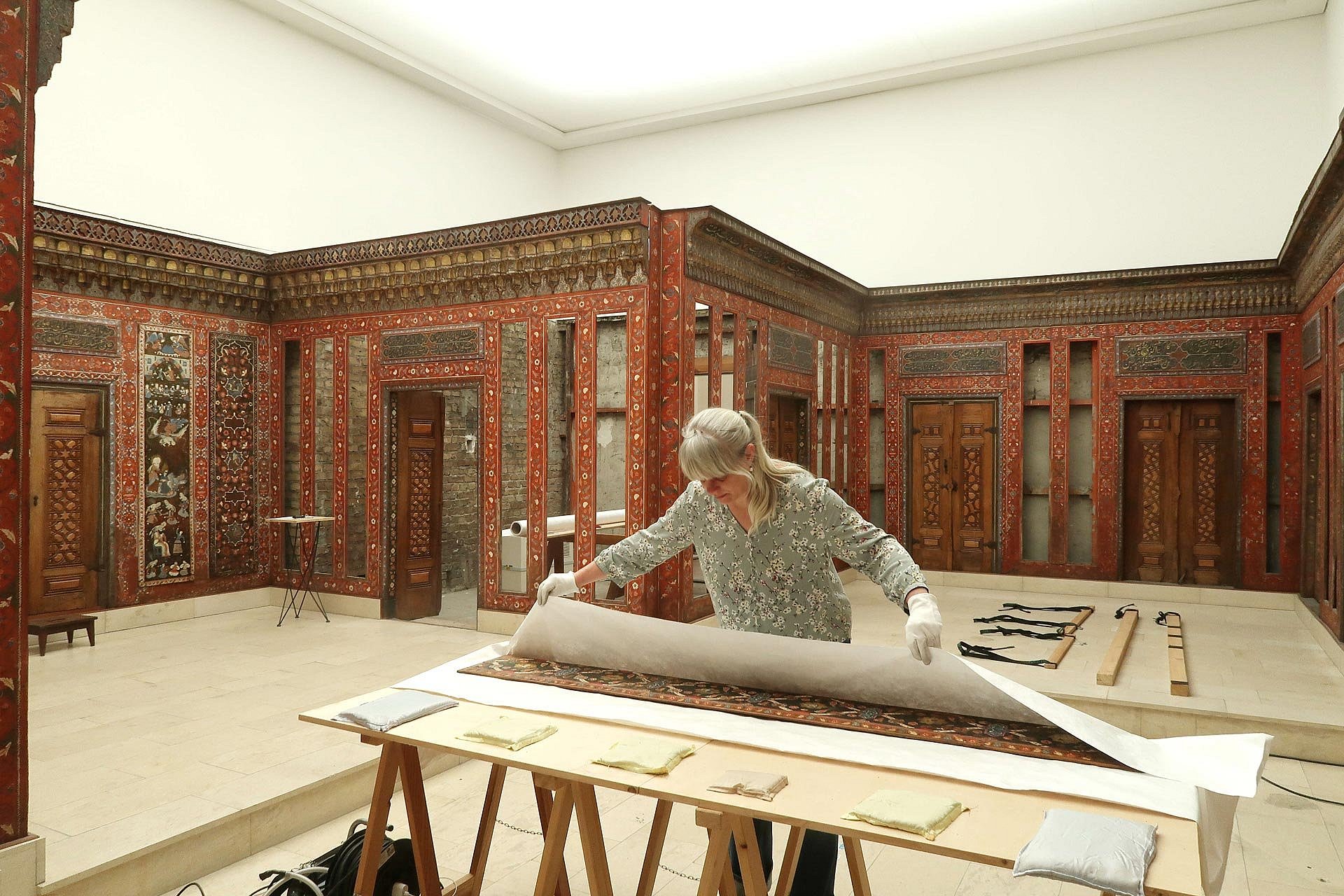
As part of the major refurbishment of the Pergamon Museum, the Aleppo Room is being restored, dismantled and rebuilt in a new location. How is this done? What will the room look like then?
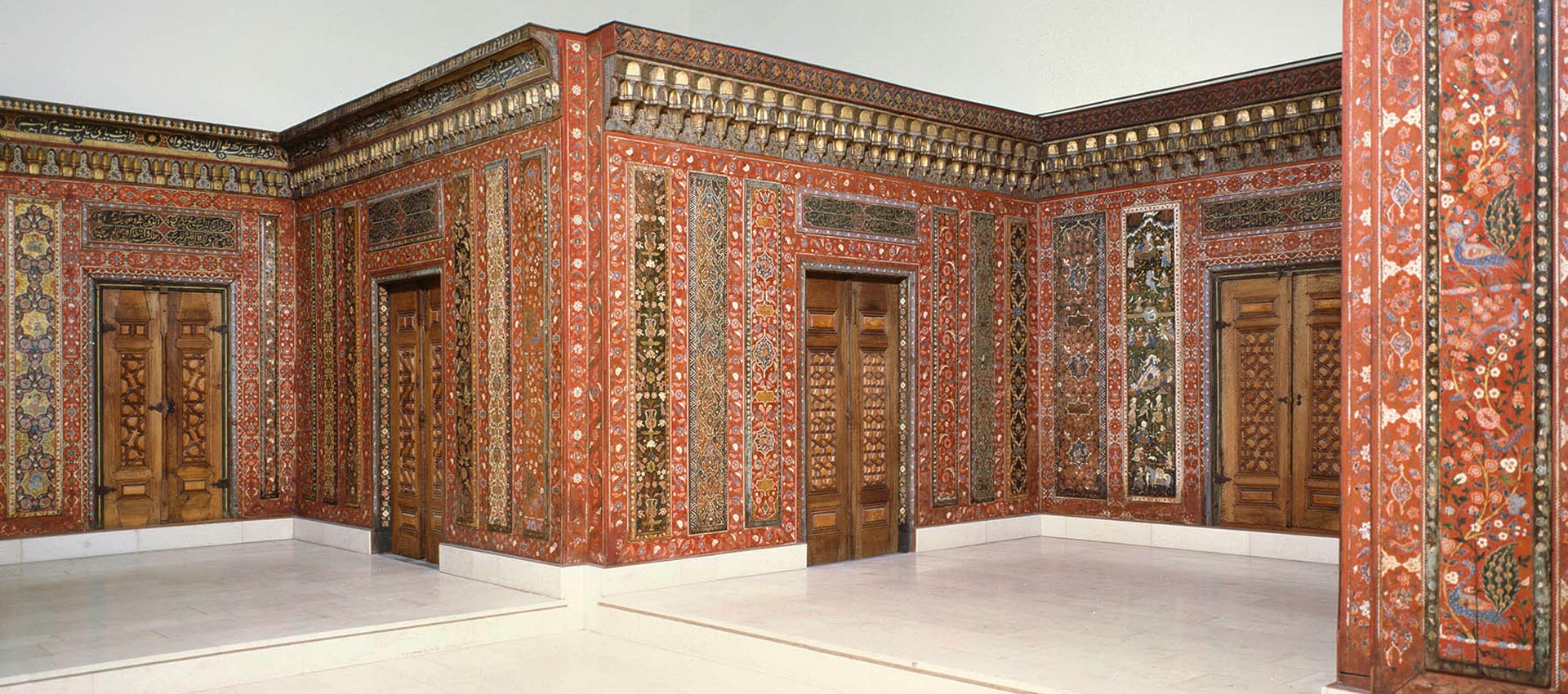
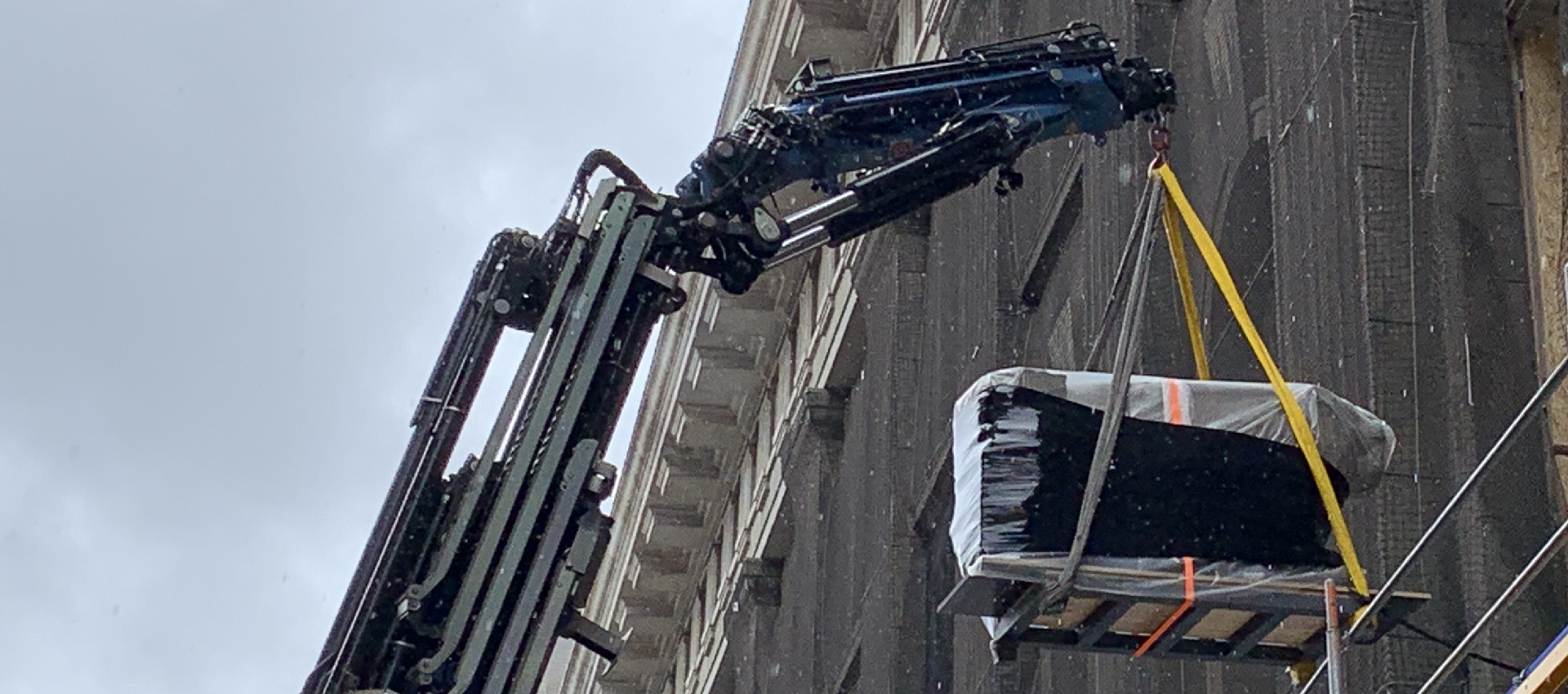
Scharrahs: The wooden panelling of the Aleppo Room will be dismantled into individual parts for the move. To do this, the panels, doors and cornices will be removed from the framework of each of the ten walls. However, the red framework of the ten walls will not be dismantled into its individual boards, as the large frames have been screwed onto a substructure of wooden boards since 1930; dismantling this would place too great a strain on the cedar wood, which is over 400 years old and painted with colours that are sensitive to vibration. The frames, measuring 3.50 m x 2.90 m, will therefore be transported through the building in one piece. This is the gentlest method of moving the walls.
At the new location, the original architecture of the room will be reconstructed to a greater extent than has been the case at the previous location since 1960. The level of the floor and the surrounding plinth areas will be adjusted to correspond to the original proportions, so that the magnificent panelling can be admired from the same perspective as was the case in the original house.
Walls will be constructed all around above the panelling, recreating the volume of the original room. This will also allow the four lattice windows (mashrabiya), which have been in storage since the purchase in 1912, to be reinstalled in the wall surfaces above the panelling. The five windows within the panelling, which originally faced the house’s inner courtyard and were displayed with closed shutters in the previous installation, will be presented open in the new installation, allowing light to stream through the windows and enabling visitors to better appreciate the space. A specially constructed steel substructure has already been erected at the new location, to which the wooden panelling will be fixed at suitable points in such a way that the wood can move whilst the panelling remains stable.
A stone mosaic floor has already been laid in the centre of the room; this is modelled on the original floor of the original house in Aleppo that still exists and conveys an impression of the opulent interior design conceived as a total work of art, without seeking to copy the original. The star of the show will, of course, continue to be the original: the exquisitely painted and unique wooden panelling from Aleppo, created 425 years ago for the merchant Isa ibn Butrus in Aleppo.
Research Questions
How exactly does one restore paper? How can you tell if a painting is genuine? And what is the correct way to play Beethoven? With Research Questions, we give you the opportunity to ask us your questions. In each issue of the research newsletter, a researcher from the SPK answers selected questions from the community on a specific topic.
Could it actually be rebuilt in Aleppo? Do you know what Syrians say about that?
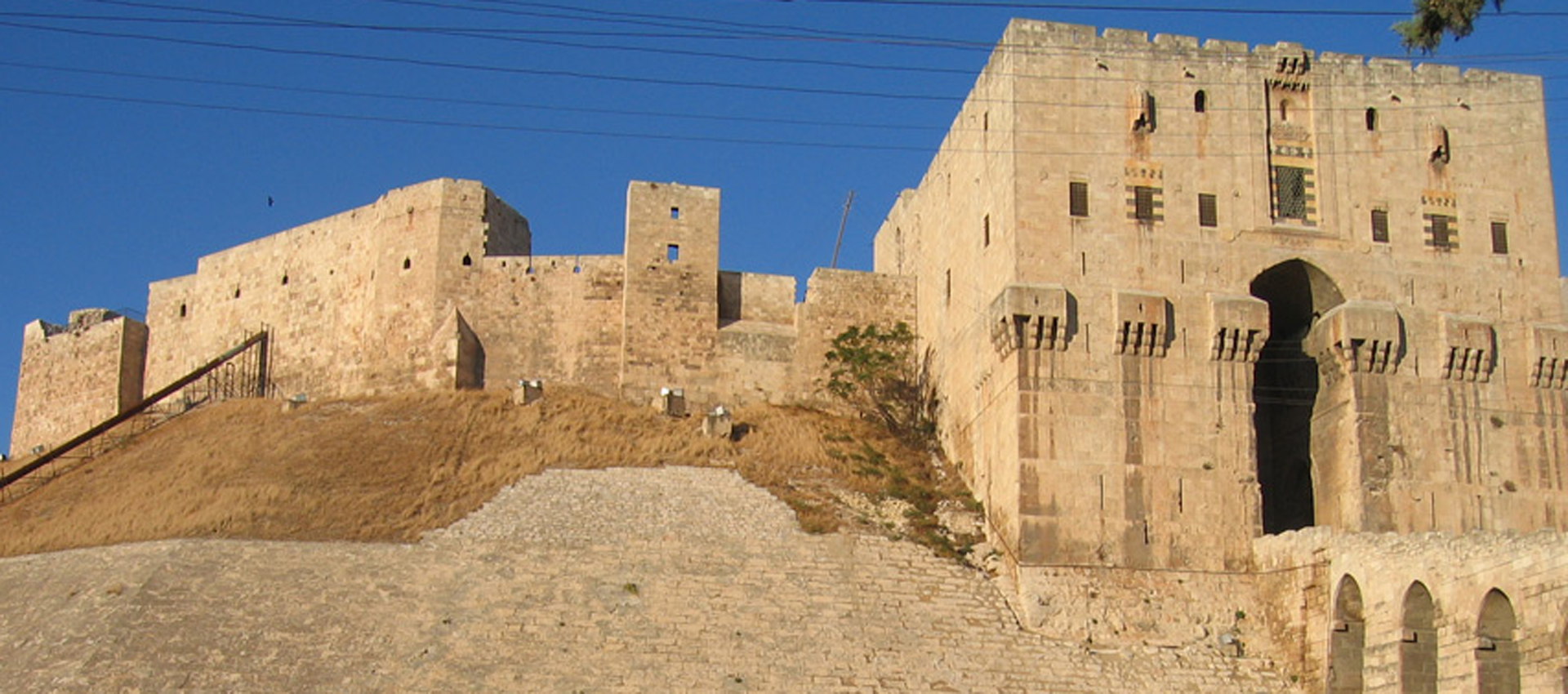
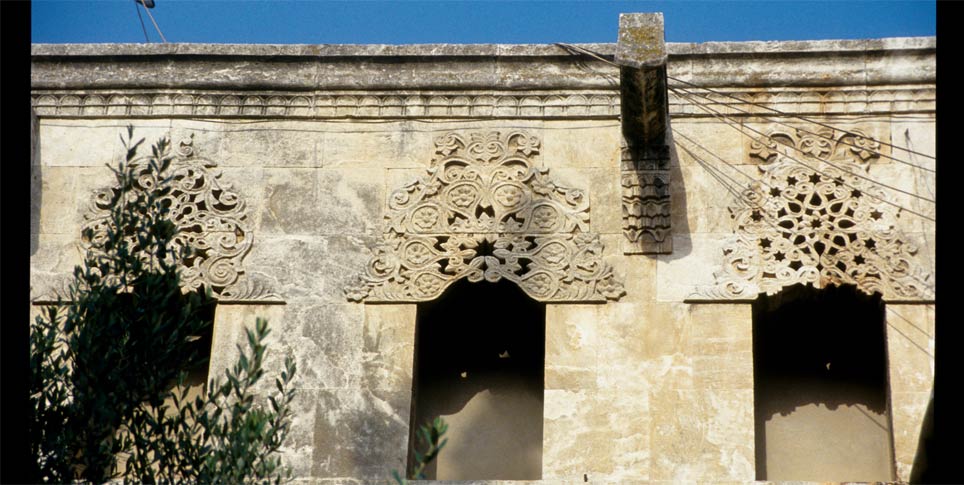
Scharrahs: Of course, the room could be rebuilt in Aleppo. However, the original owners, the Wakil family, sold it of their own accord to the Berlin museum in 1912 when they were renovating their house, and it was then run as a hotel and restaurant for decades. The house still stands in Aleppo. However, it was damaged in 2015, 2017 and during the 2023 earthquake, and the dome, which is almost 12 metres high and rises above the central part of the room where the wood panelling was originally installed, has partially collapsed. German and Syrian specialists and craftsmen are, however, working to save the building from further decay and to restore it.
In the 25 years that I have been working as a restorer on the Syrian wood panelling, I have often heard that Syrians are proud that such an exceptionally beautiful room is on display in the famous Pergamon Museum in Berlin, where many people can admire it every day. They are delighted that Syria is not only associated with bombed-out neighbourhoods and human suffering – the images that dominate media coverage – but that the Aleppo Room, as a symbol of Syria’s rich cultural heritage, can open visitors’ eyes and hearts and offer a different perspective on their country. In recent years, more than 10,000 Syrians have visited the room in Berlin, finding a piece of familiar home far from their homeland each time.
It is always very moving to see how this room, which was created to accommodate and delight guests, has such a powerful effect on visitors, regardless of whether they come from Syria or elsewhere.
It is also important to note that in Syria, one does not readily come across such interiors in residential buildings, as in the vast majority of cases these are still private rooms within homes to which outsiders or tourists have no access. However, there are also quite a few houses that have been converted into hotels and restaurants over the past few decades. However, the historic wooden panelling has often been painted over, varnished or altered to meet the needs of today’s generations. That is why, in my view and that of many of my Syrian friends, it is a great stroke of luck that the Aleppo Room has found its way to Berlin and is open to all visitors here, inviting them to immerse themselves in a fascinating past.
The Aleppo Room, with its influences from China, Iran, Mongolia, India, the court art of the Sultan’s court in Istanbul and much more, is impressive evidence of Aleppo’s cultural heyday around 1600, when the city, situated on the Silk Road, was a centre of trade, science, art and music and could already look back on 5,000 years of history as a city.
Nor should we forget that everything has always been on the move: objects, words, knowledge, goods, food, music, building materials, technologies, people, plants, animals... Who in Germany today realises that the German language contains more than 500 words of Arabic origin: from Alkohol, Kuppel, Koffer and Kabel to lila, Papagei and Albatros. The Aleppo Room could tell fascinating stories for hours on end… Some of these will be brought to life at the new exhibition venue.
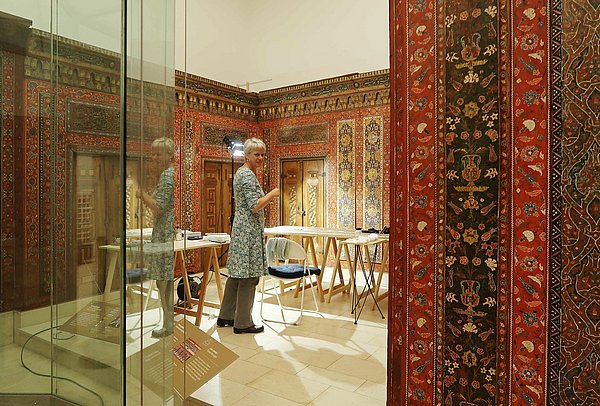
Do you ever feel overwhelmed by the detailed work? Do you ever think, “I’ll never manage this!”? And are you afraid of ruining centuries-old works by making mistakes?
Scharrahs: No, the detailed work doesn’t overwhelm me. For me, it’s more of a great privilege and honour every day to be allowed to work on this unique work of art. Back in 2003, I worked with scientists to examine the paint layers in minute detail. At that time, pigments, leaf metals and binders were identified so that we could know exactly what the paintings consist of and which materials could be used in the restoration process without causing damage. These extensive investigations serve to prevent the magnificent paintings from being damaged or even destroyed.
As part of my doctoral thesis, I also studied in great detail the lost production techniques of these Syrian wood panelling. Furthermore, I have been working for 25 years as a conservator on the preservation of such wood-panelled rooms from Syria in museums worldwide. Thanks to this experience, I felt sufficiently confident to carry out this special work on the Aleppo Room. It has always been important to me to share the expertise I have gathered with colleagues at conferences and in publications, and to pass it on to Syrian conservators.