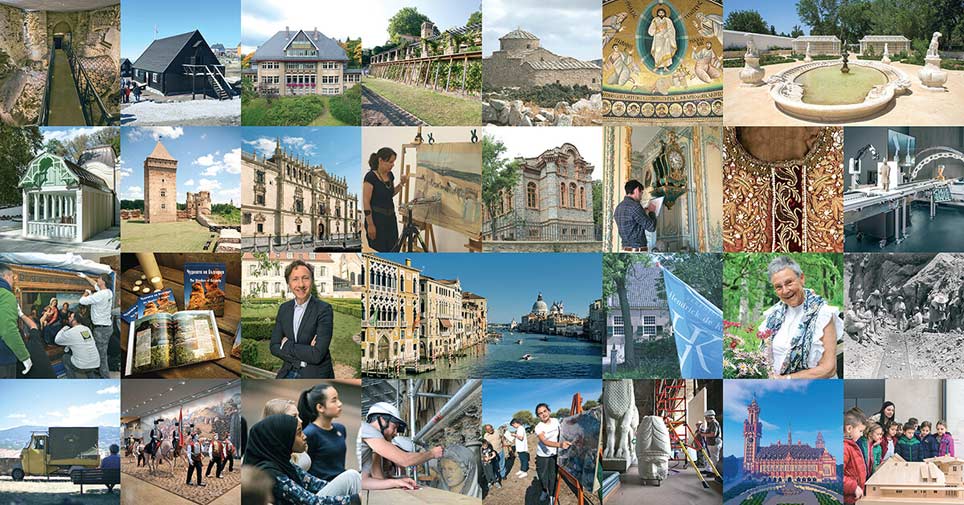
The Prussian Cultural Heritage Foundation uses bequests and legacies to support its charitable work, and expresses its gratitude through cultural diversity and appreciation.
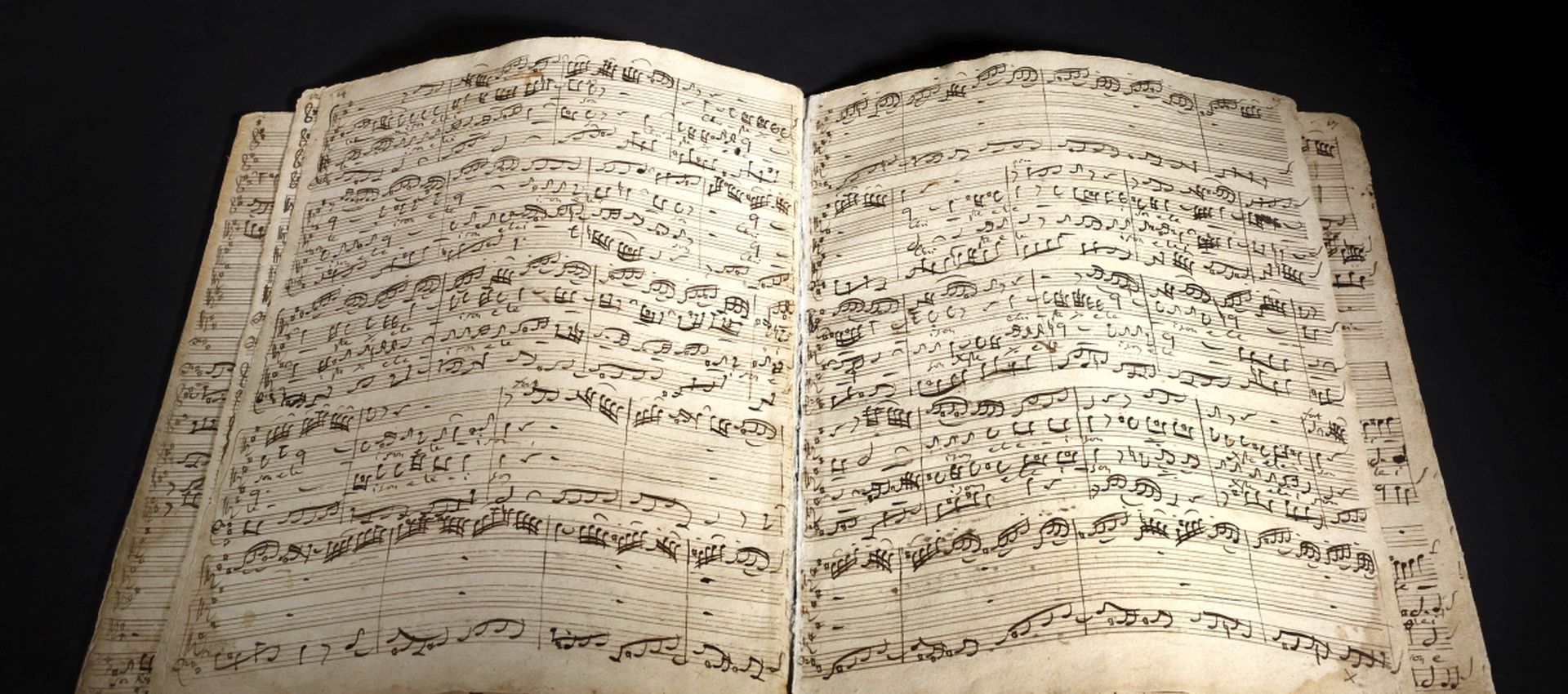
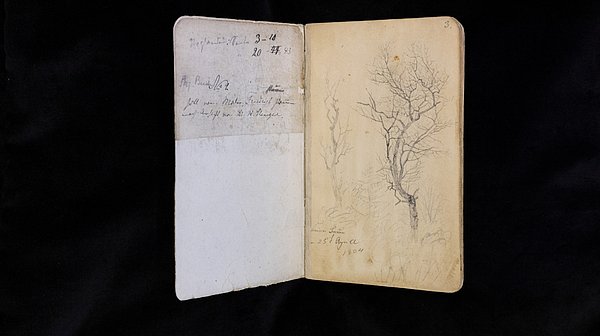
It was news that sent ripples through the art world in July: Caspar David Friedrich’s “Karlsruhe Sketchbook” is staying in Germany! The Klassik Stiftung Weimar, the Dresden State Art Collections and the Prussian Cultural Heritage Foundation (SPK) had jointly succeeded in acquiring this significant work.
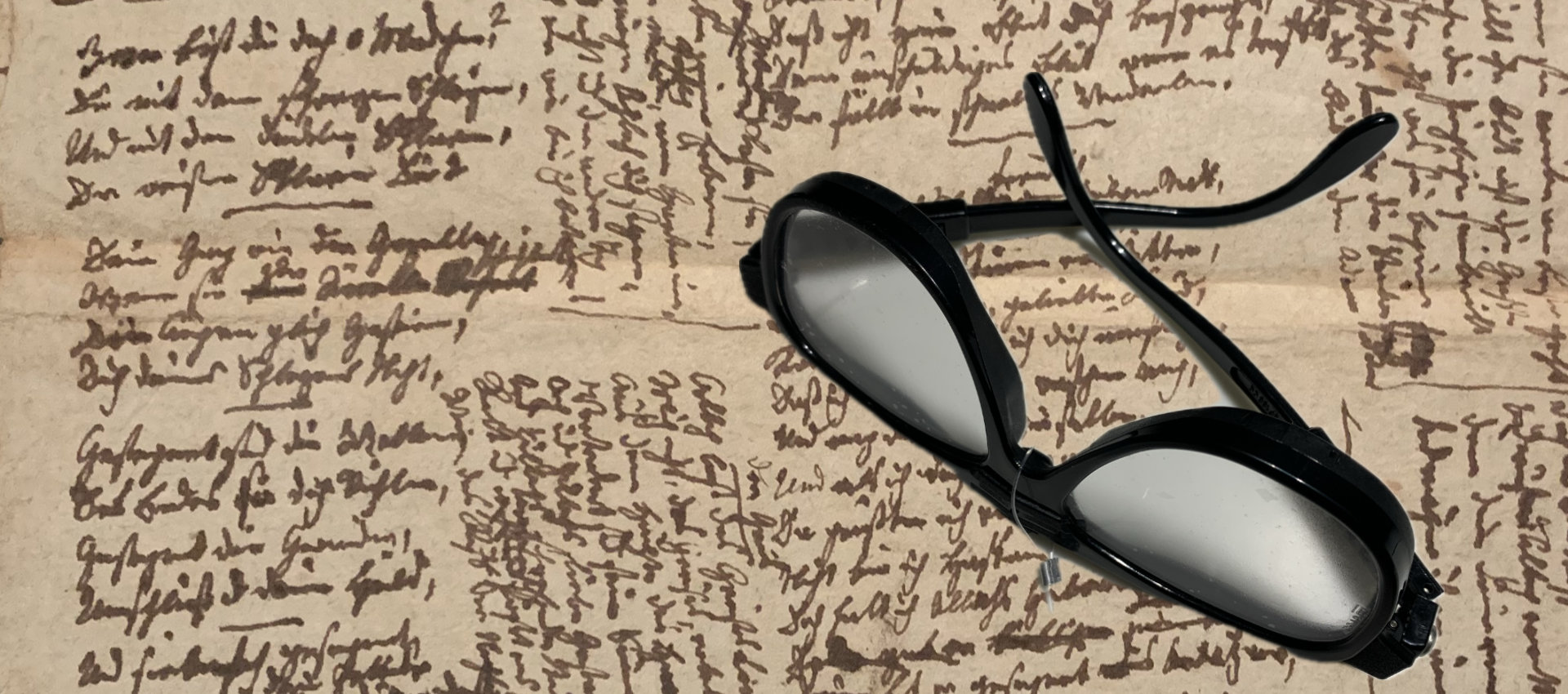
It is a rarity, as only six of the artist’s original 20-plus sketchbooks survive today. “Four of them are held by the National Museum in Oslo; only one had previously been in a German museum’s possession: the Kupferstichkabinett in Dresden. Now the last known sketchbook, previously in private hands, has been secured for the public,” says Dagmar Korbacher, Director of the Kupferstichkabinett. The purchase was made possible by the three aforementioned institutions, as well as by the Ernst von Siemens Art Foundation, the Cultural Foundation of the German States – and funds from a private estate. This means that a private individual bequeathed their estate to the SPK with the intention of doing something good for the public. At the time, this generous person did not know that it would be Friedrich’s “Karlsruhe Sketchbook”, but simply placed their trust in the SPK – and quite rightly so, as it has now turned out.
The SPK offers a wide range of options for making a bequest
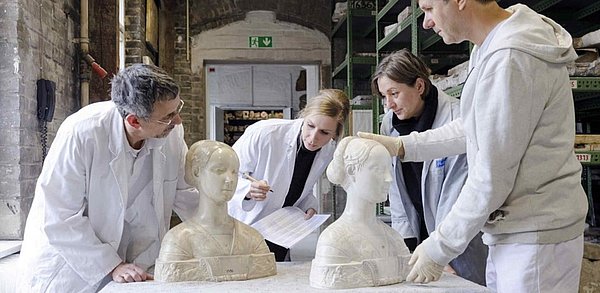
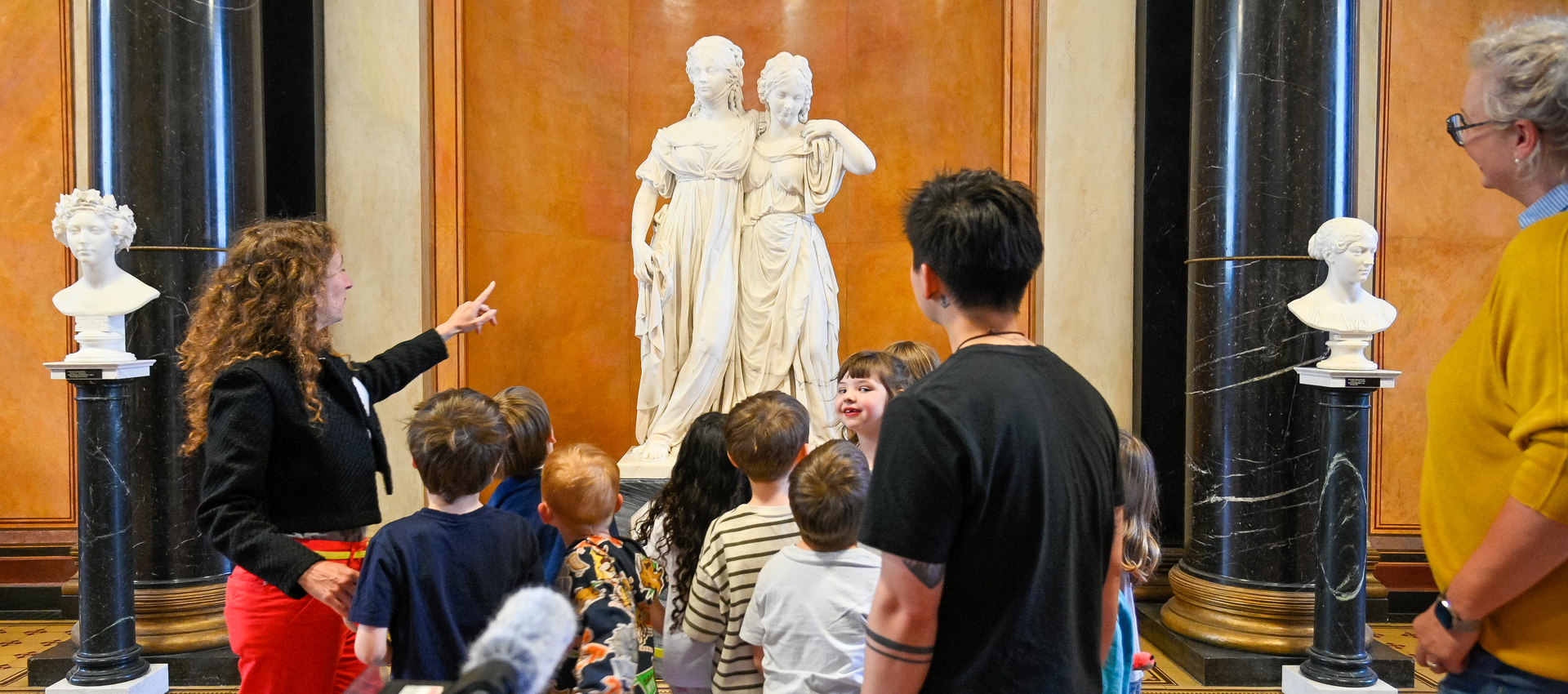
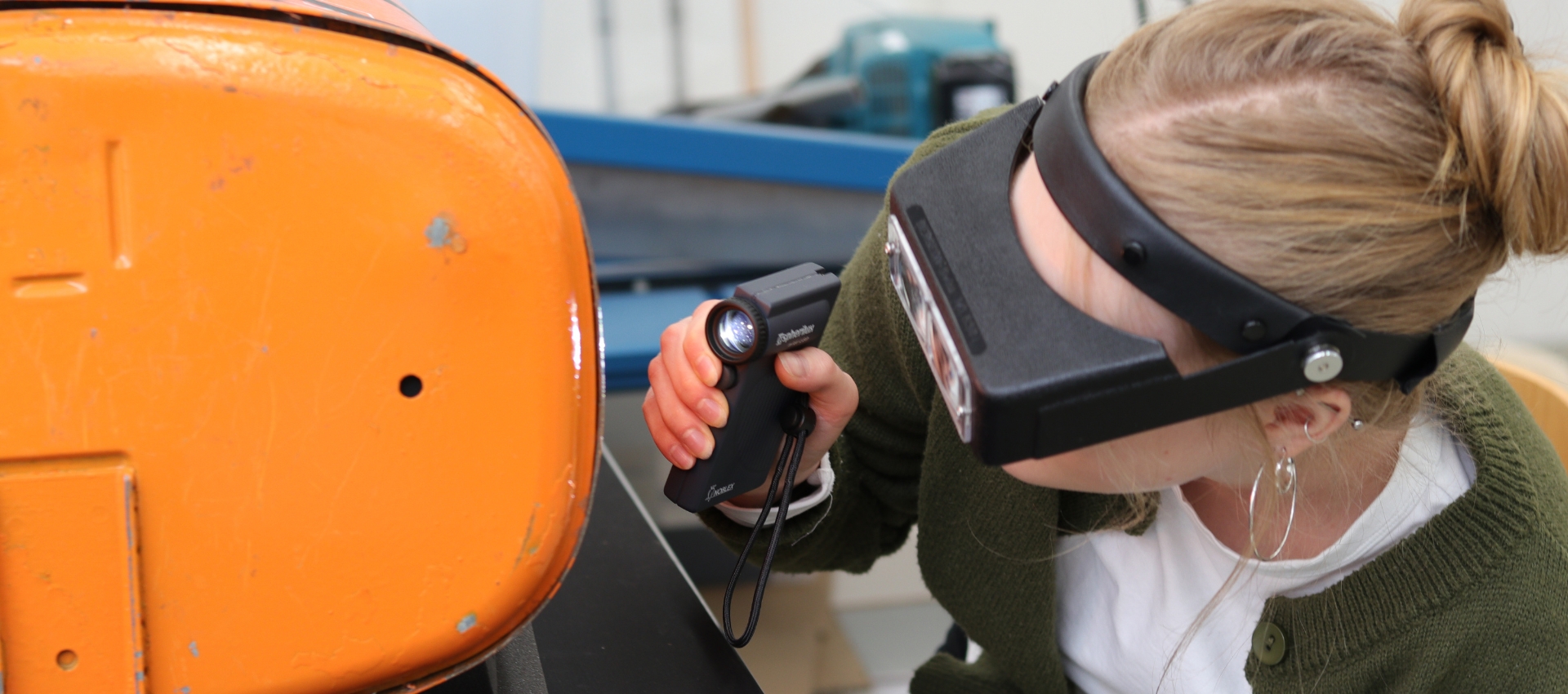
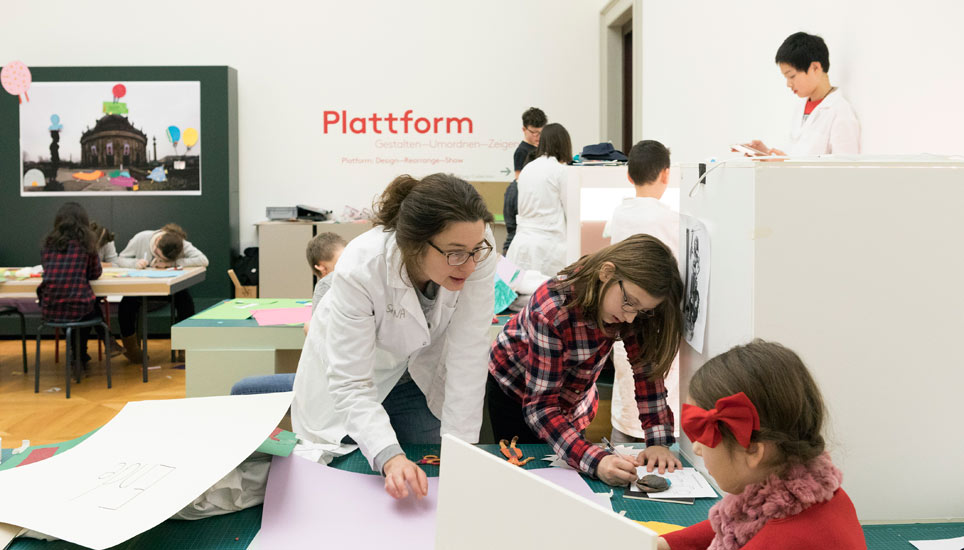
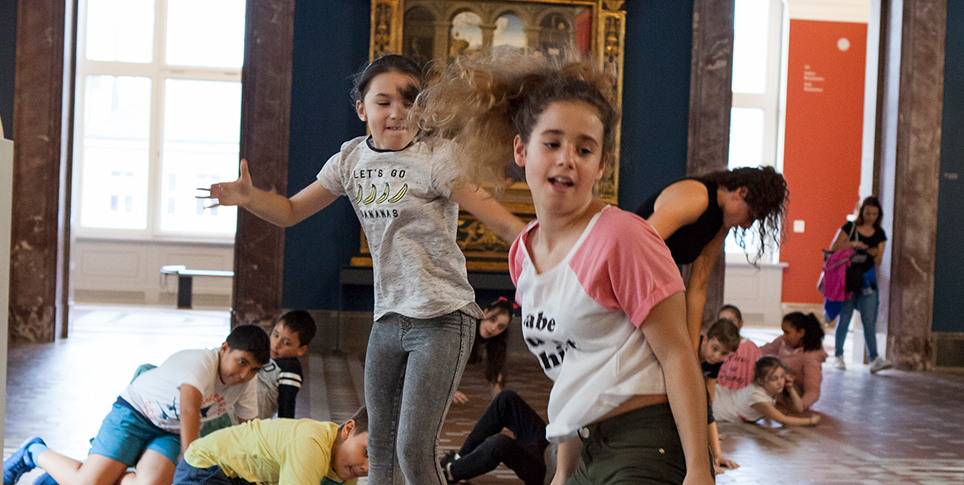
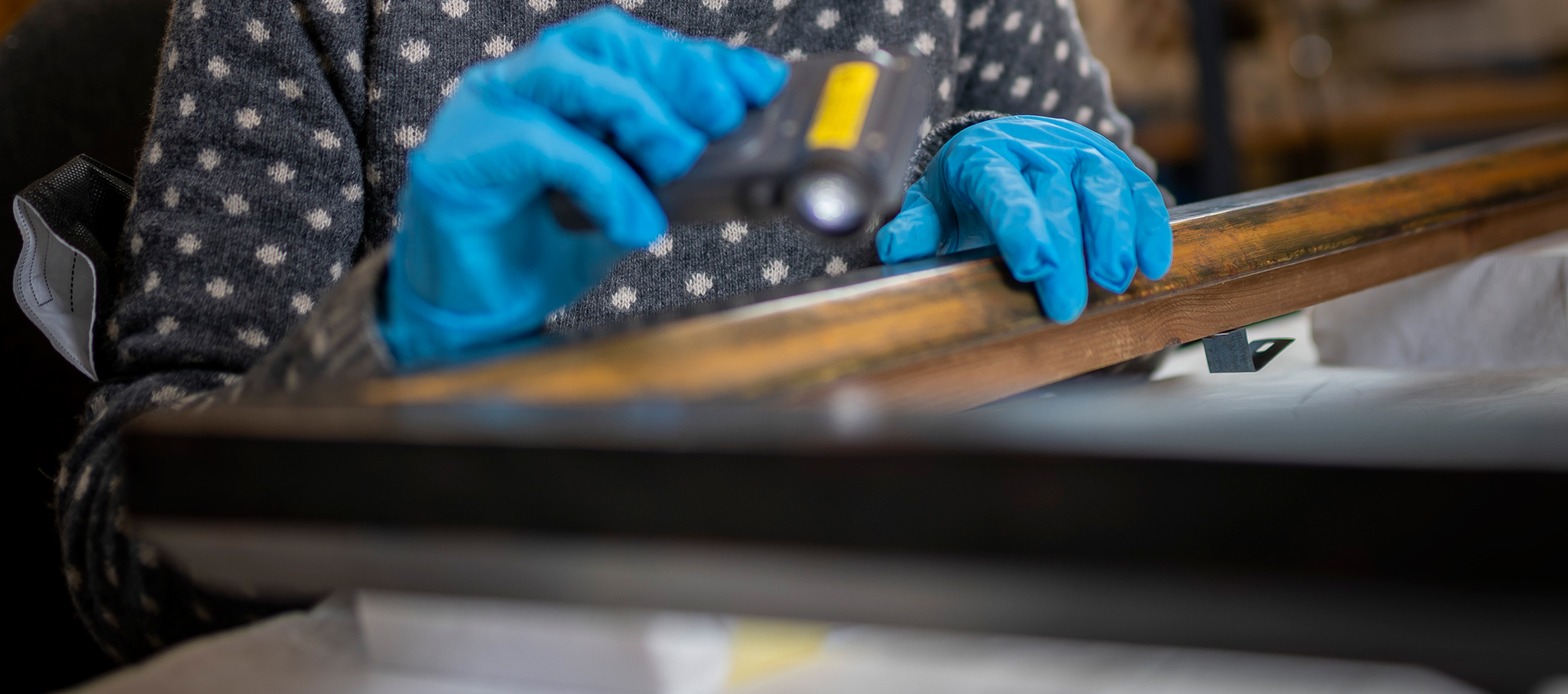
One might view the purchase as the culmination of a process of reflection that concerns us all: what happens when I am no longer here? This is a question that moves many people. Yet one can at least set a few course markers to ensure matters are properly arranged after one’s passing. This may include passing on one’s assets as productively as possible and creating a legacy for the future that is of social relevance. The SPK offers a wide variety of ways to make a bequest. “Most donors think of a purchase for the collections, made possible by their donation, but the scope of the SPK – Germany’s largest cultural institution – with its museums, libraries, institutes and archives goes far beyond that,” explains Christiane Beck, one of the in-house legal advisers. Beyond the institutions’ regular visitor services, there is a wide range of areas of activity and tasks, such as the restoration and digitisation of works, research work within the framework of a wide variety of projects across all SPK institutions, educational and outreach programmes for visitors, as well as scholarship programmes, hands-on projects, guided tours and workshops for children and families, the production of audio guides, events such as introductions, lectures and much more. “A great deal of work is done behind the scenes that you don’t see, but which is absolutely worth financial support. This applies to all SPK institutions,” adds Frauke Probst, who works as a fundraising officer within the SPK. Even a small sum can achieve a great deal. Given the wide range of different areas of work, a bequest is the most flexible form of private support for the SPK.
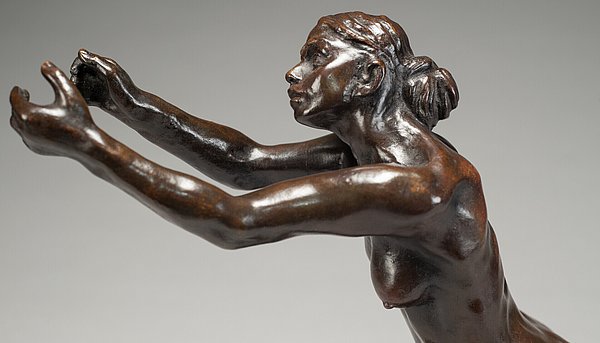
In confidential discussions, suitable opportunities for involvement are identified and solutions are found together
With growing demands and public funding failing to keep pace, private donations are becoming increasingly important for the SPK. “We want to keep potential supporters well informed so that they can be sure their donation is put to the best possible use.” Frauke Probst adds: “In confidential discussions, we try to identify suitable opportunities for involvement and find solutions together that meet the donors’ wishes.” This builds a bridge of trust that ensures both information and transparency. After all, the SPK is a public institution founded for charitable purposes. “Everything the SPK’s staff do benefits the public. Every private donation expands the opportunities for all interested parties to experience science, art and culture,” emphasises Christiane Beck. One could also put it this way: everything given to the SPK flows back to the public – for present and future generations.
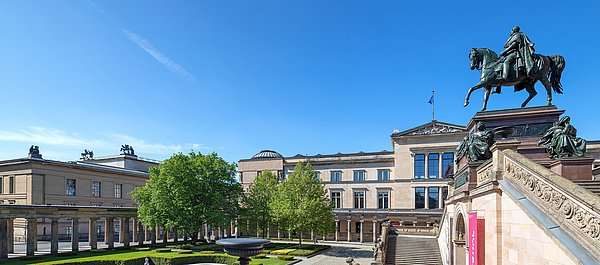
What will remain of me when I am no longer here
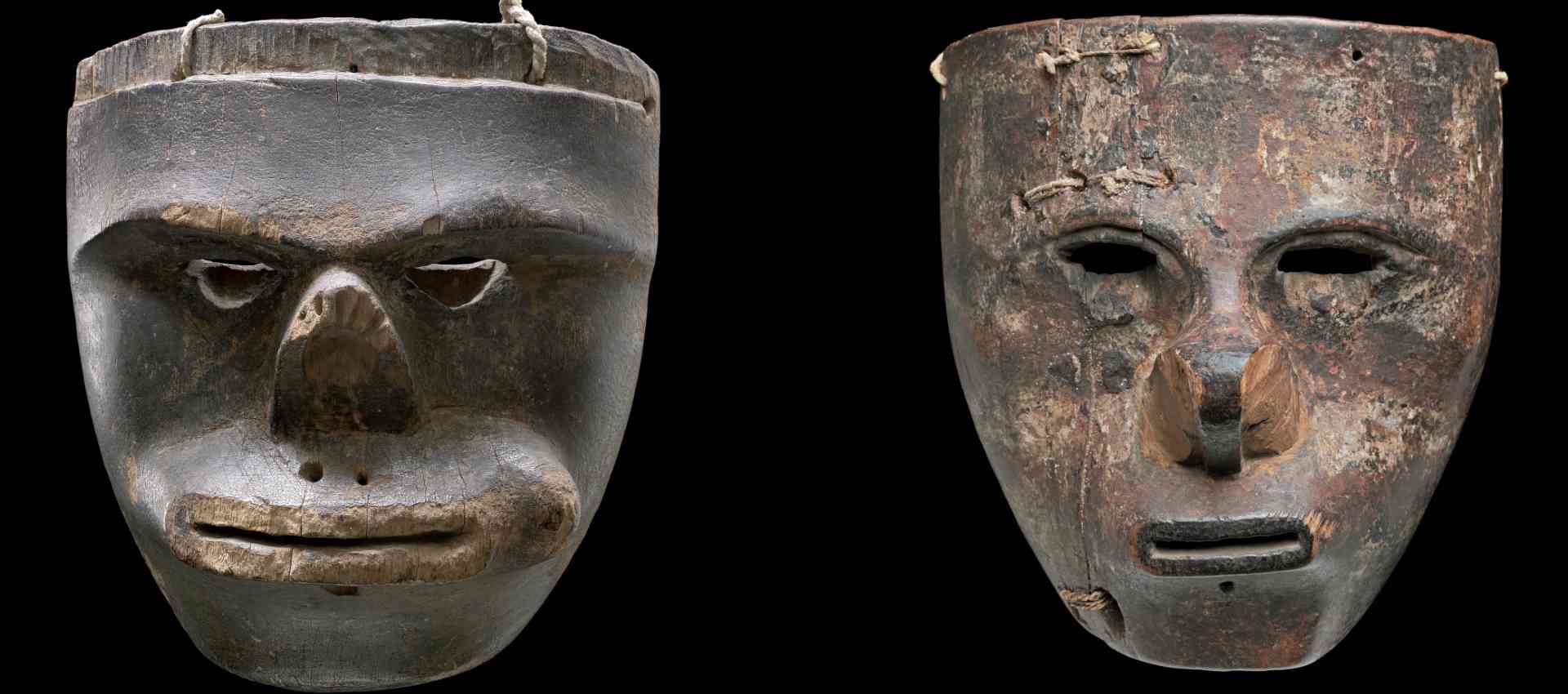
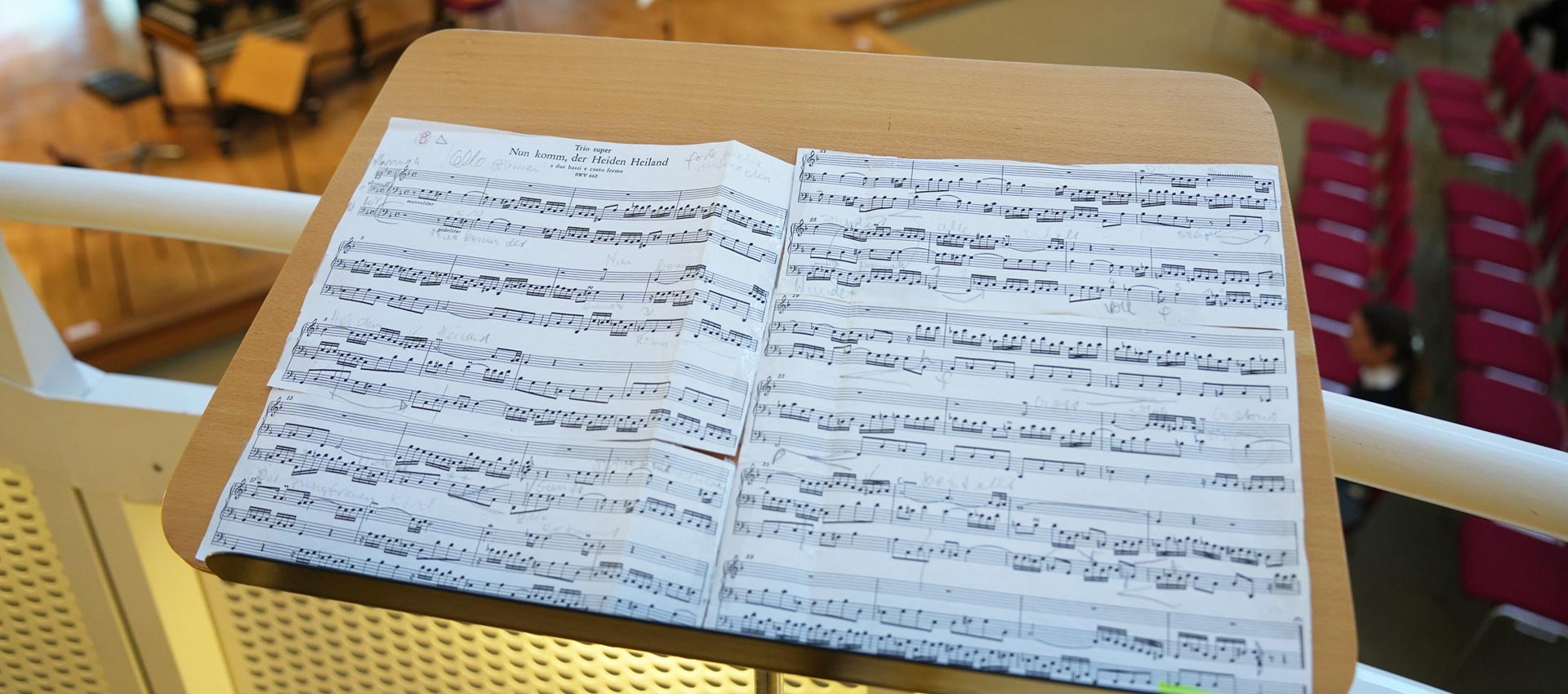
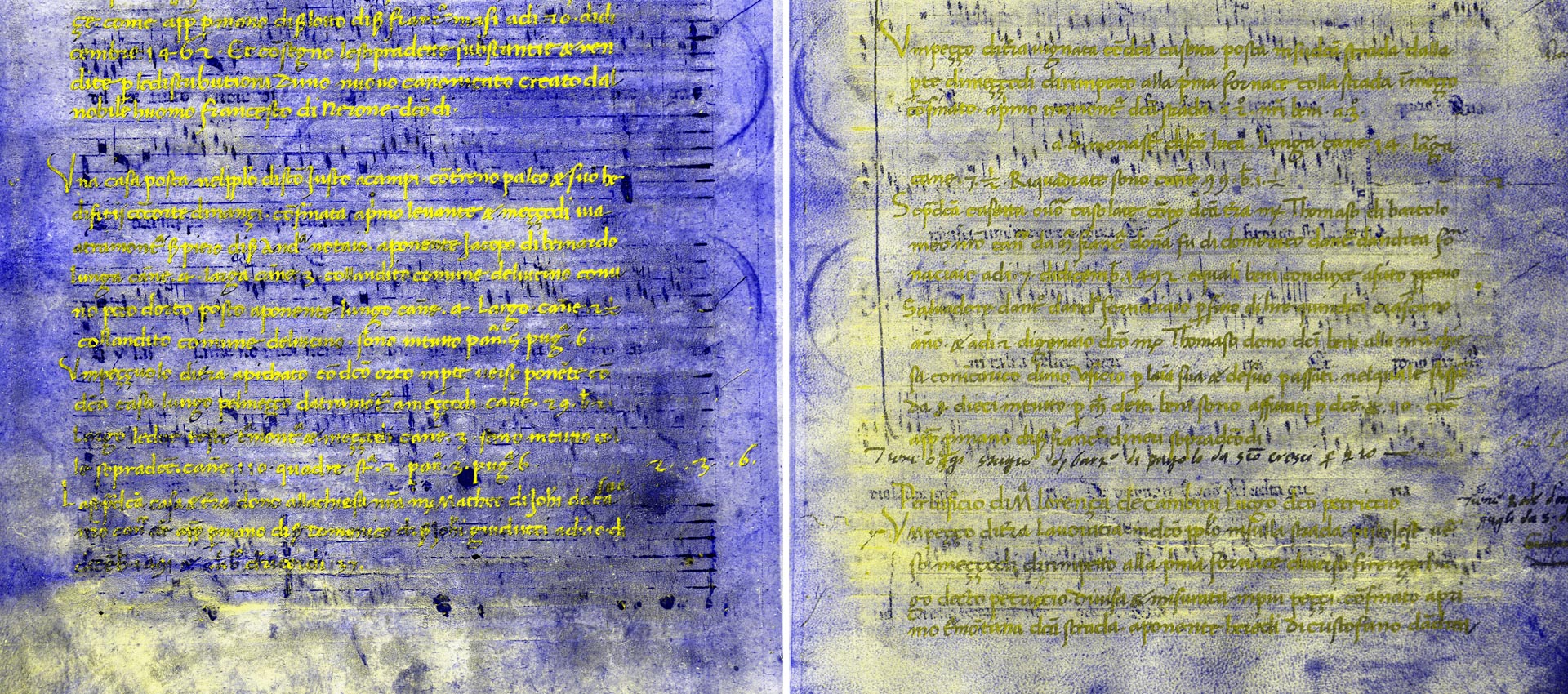
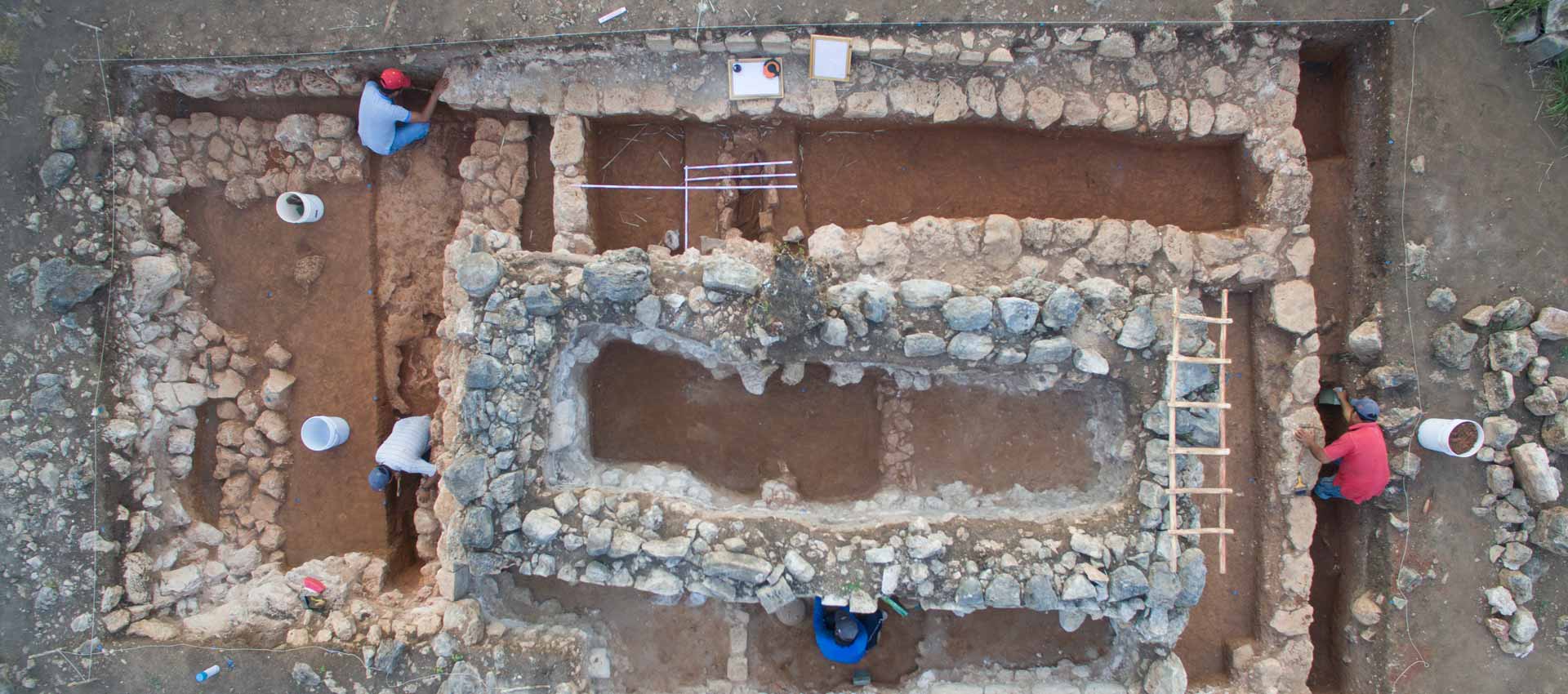
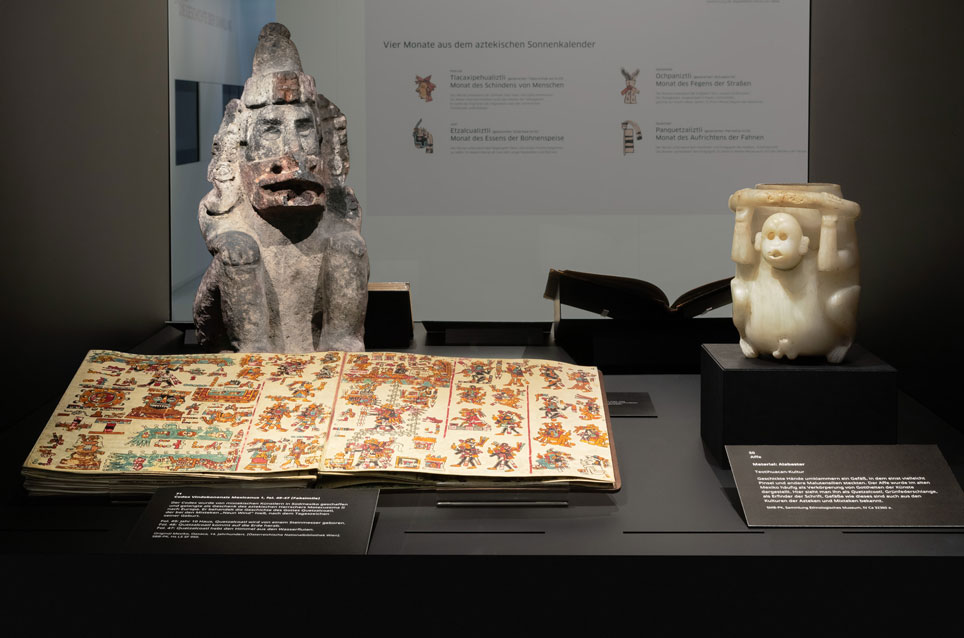
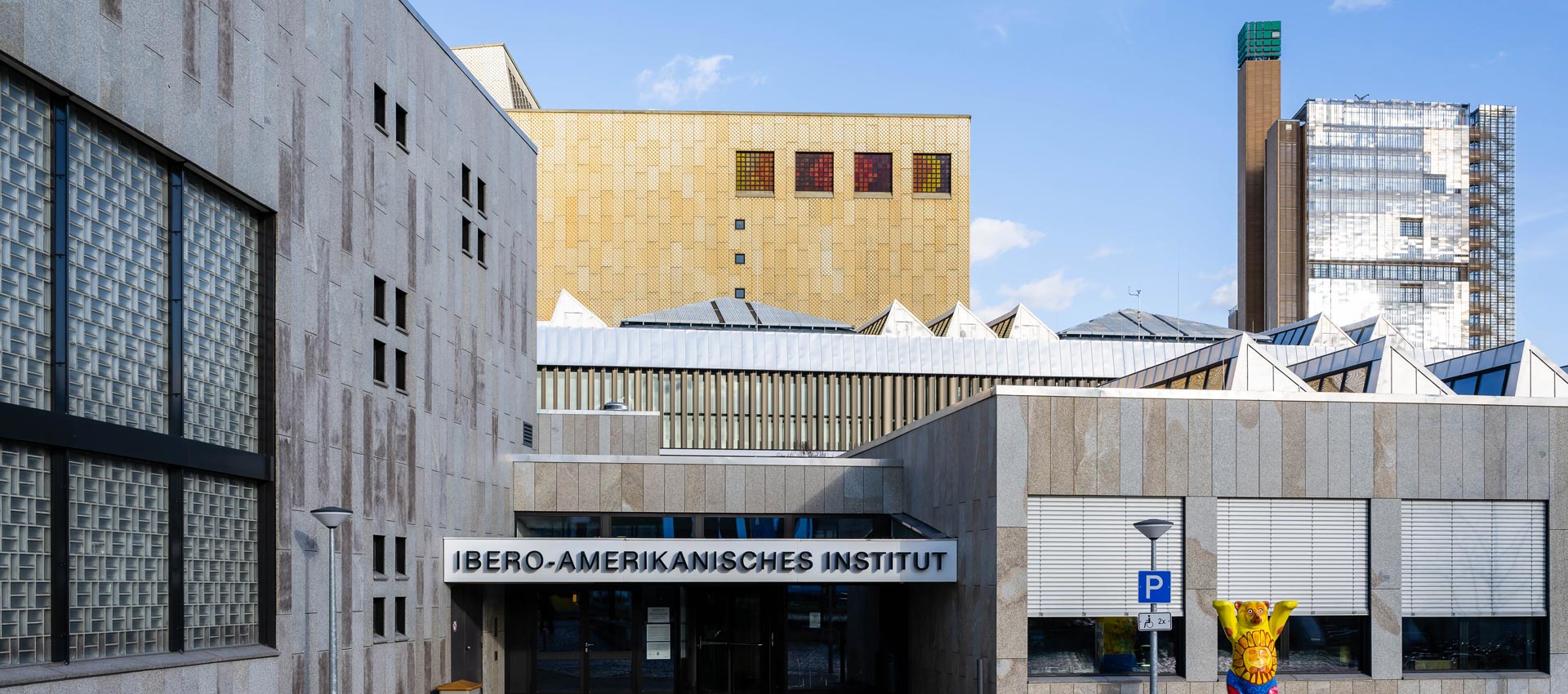
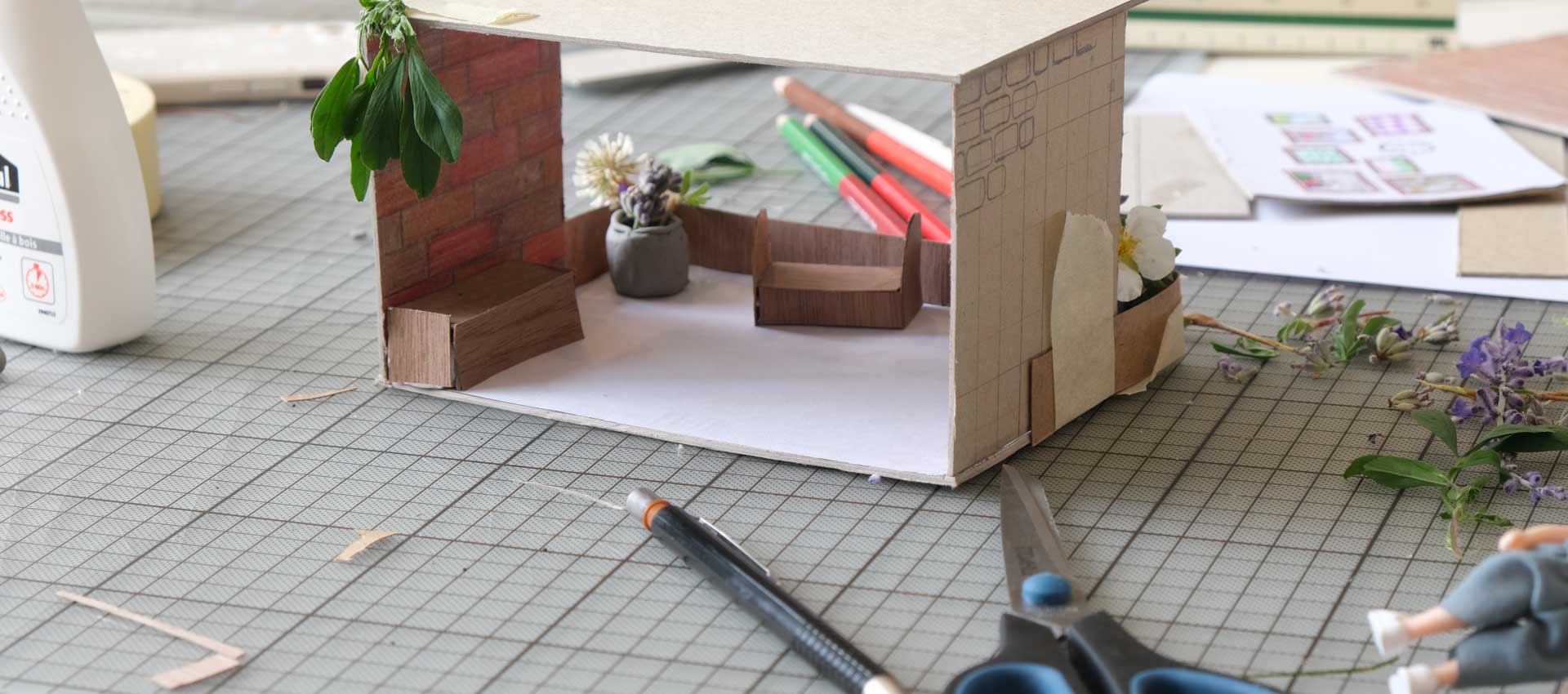
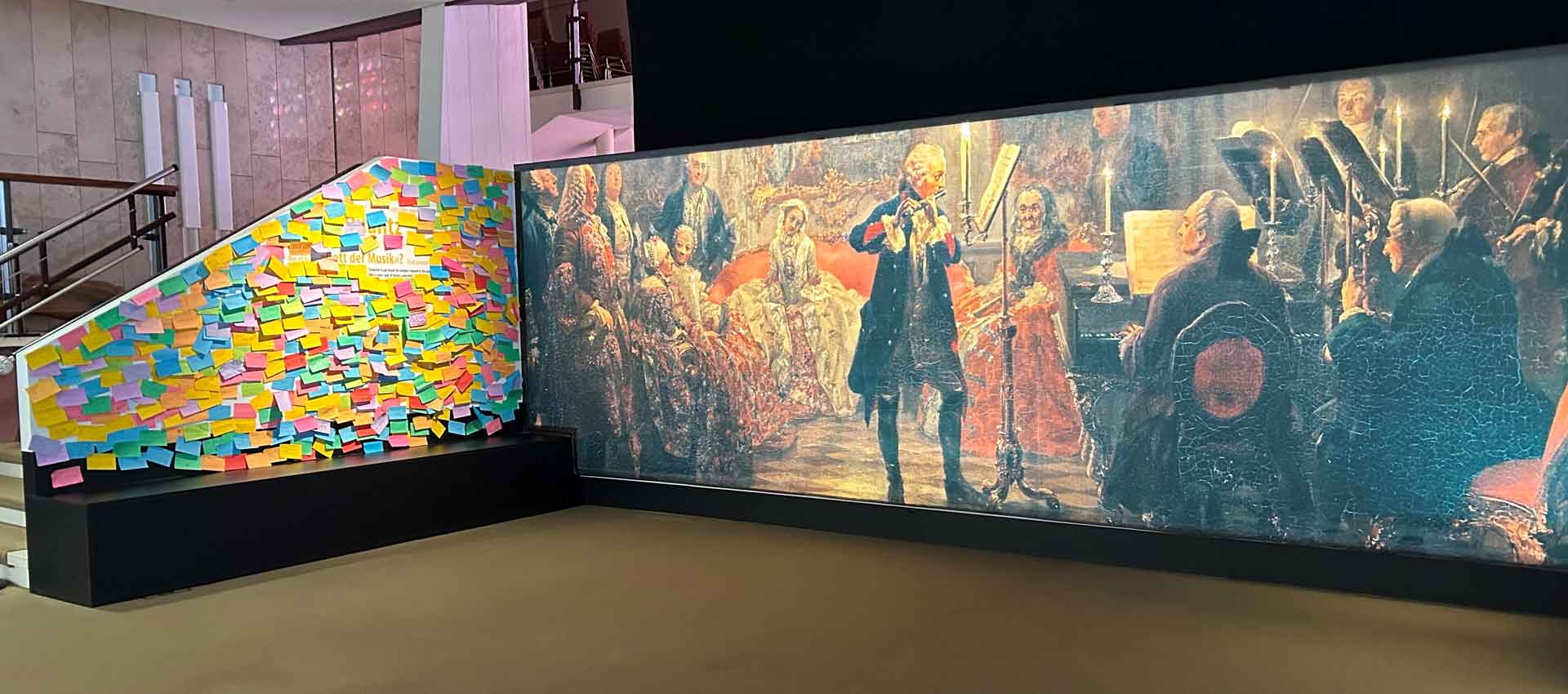
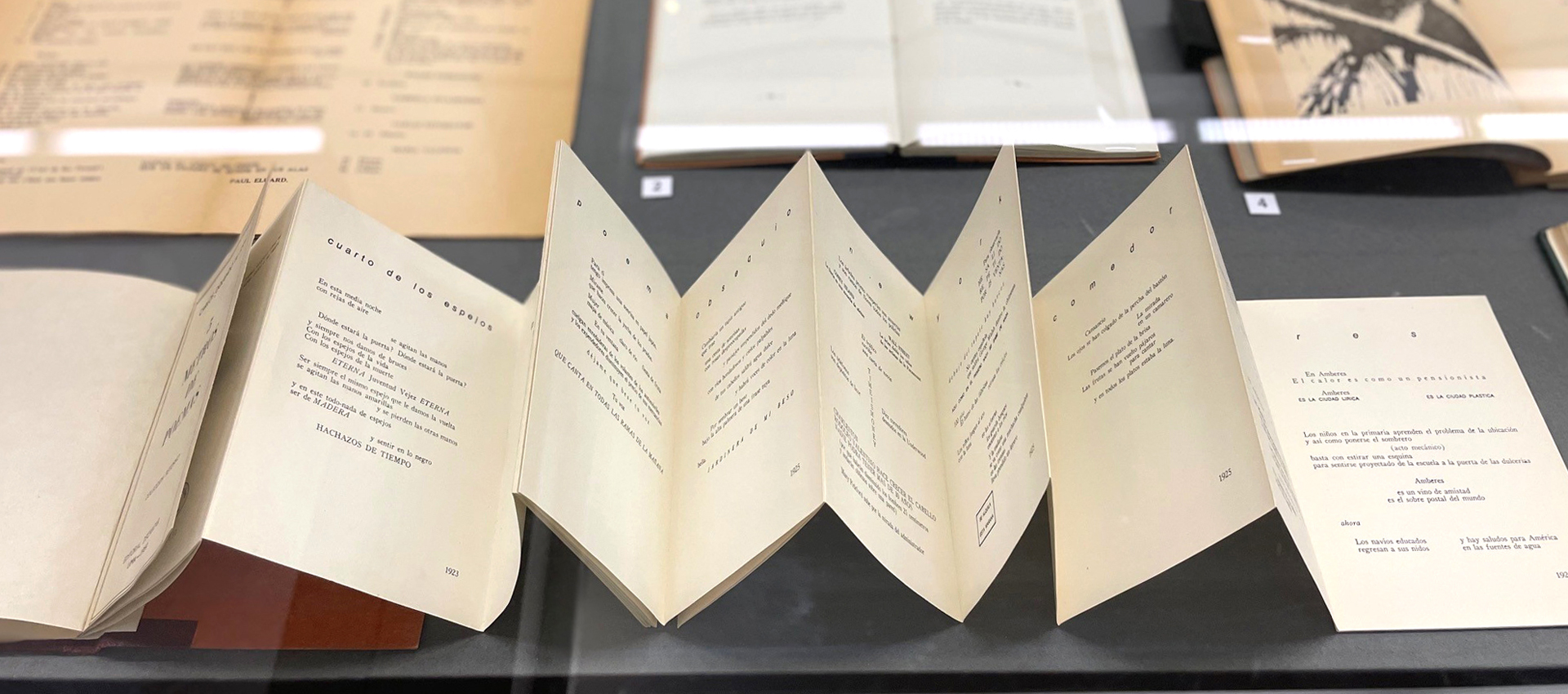
Hardly anyone can escape the question: “What will remain of me when I am no longer here?” Many seek an answer that holds personal meaning – both for themselves and for the wider community. “Anyone wishing to link their financial legacy to a specific cause, in order to support a particular field, a task or a project, is of course free to do so. It makes sense to discuss the actual possibilities with the specialist departments in advance and, if necessary, to seek advice on the legal options for structuring a will,” says Christiane Beck. “Such earmarked funds are used by the SPK in accordance with the testator’s instructions. Anything else is simply not permitted.” How about, for example, supporting the creation of a Medieval Hall at the Museum of Decorative Arts, a supra-regional centre for classical Maya culture at the Ibero-American Institute, or the research and digitisation project involving over 1,000 French drawings in the Kupferstichkabinett, which are little known to specialists and the wider public? The aforementioned projects have been and can only be realised thanks to private bequests.
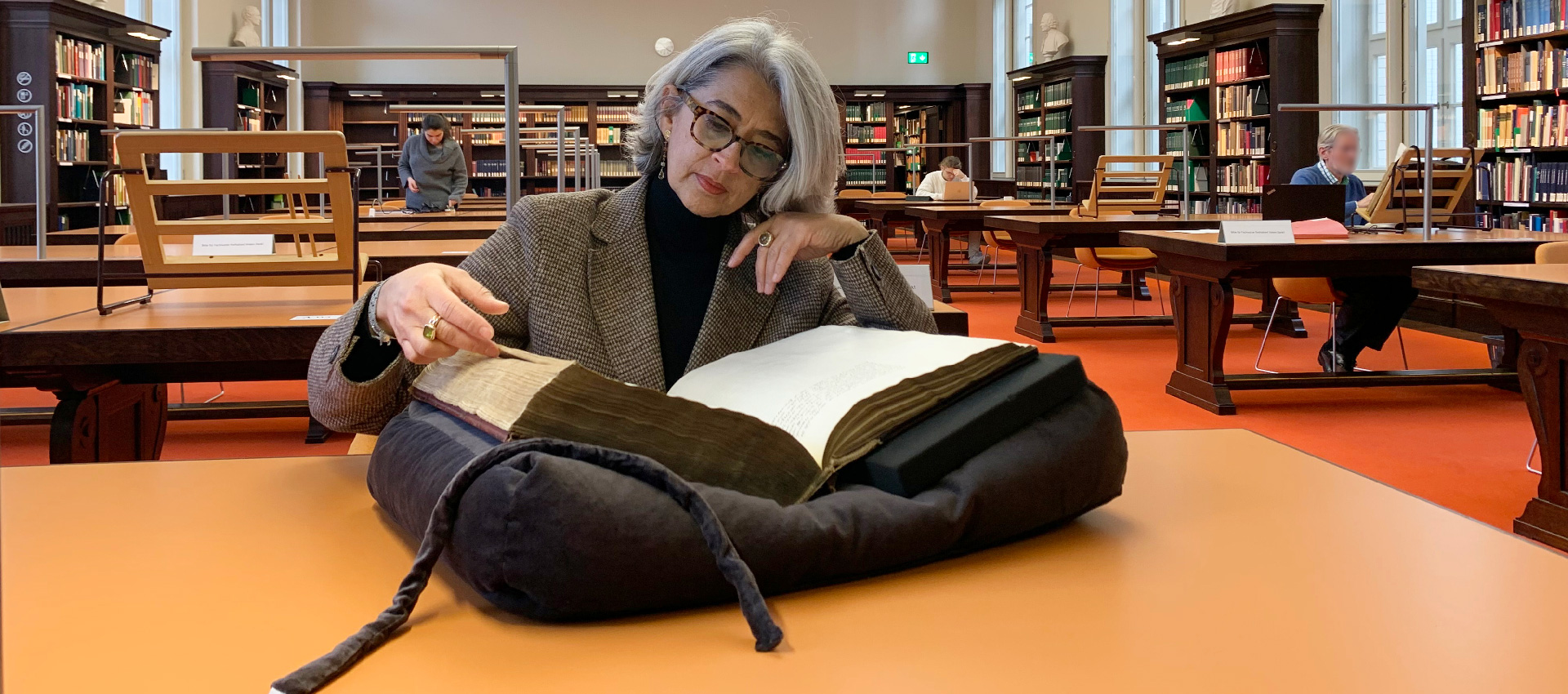
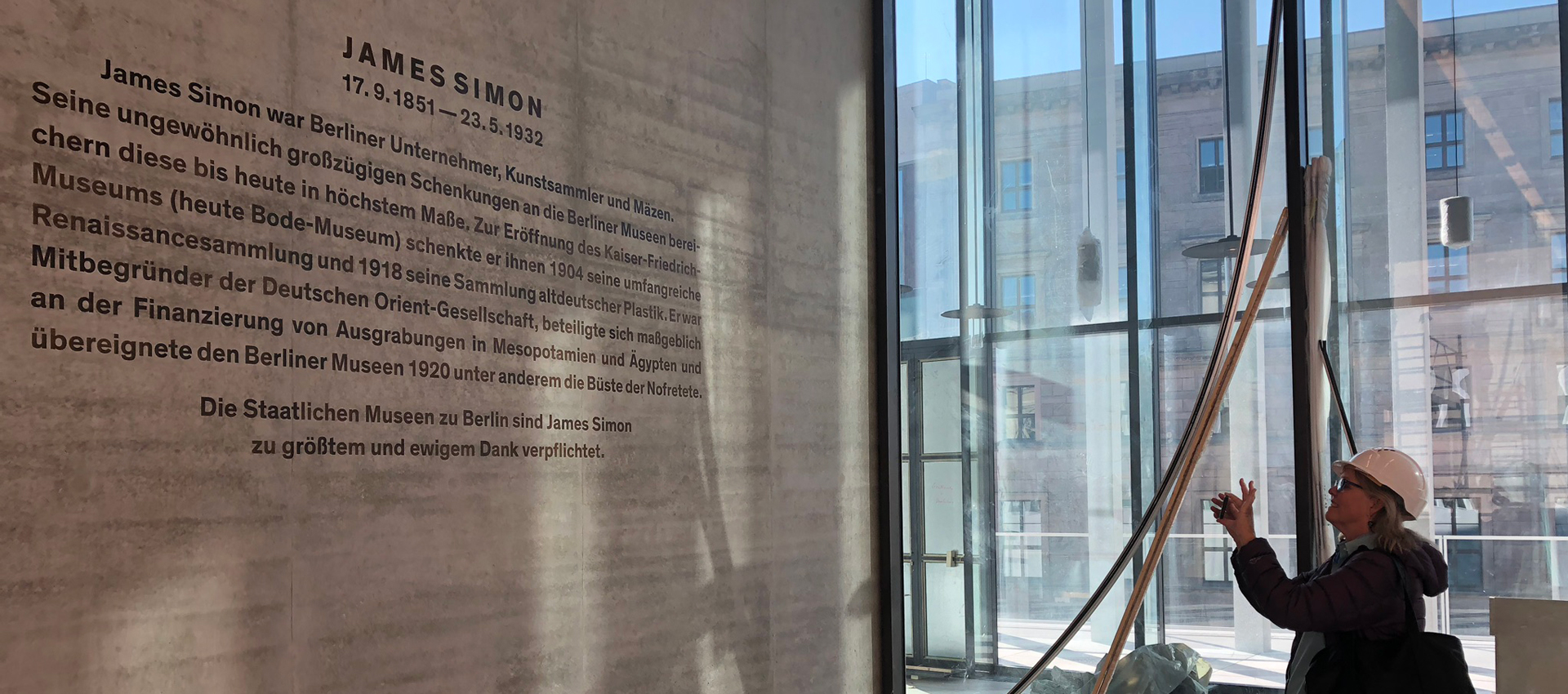
Even if, for example, an educational programme or the restoration of a particularly prized book is to be financially supported, it is helpful to discuss the matter in advance with the staff of the relevant institution. In this way, the terms of the will can be drafted to ensure that the legacy is handled entirely in accordance with the testator’s wishes. Upon request, the SPK can of course arrange for a tribute to be paid, so that the benefactors are remembered by future generations in this way too.
Of course, the subject is a delicate balancing act, as bequests are linked to death. Even if one deals with it early on, nobody likes to talk about death, although it affects us all. Yet perhaps it is easier to come to terms with this subject when there is a concrete prospect of making a difference beyond one’s own lifetime – and when one is still in a position to make these arrangements independently. Or, as the French writer Antoine de Saint-Exupéry put it: “One should not seek to foresee the future, but to make it possible.”