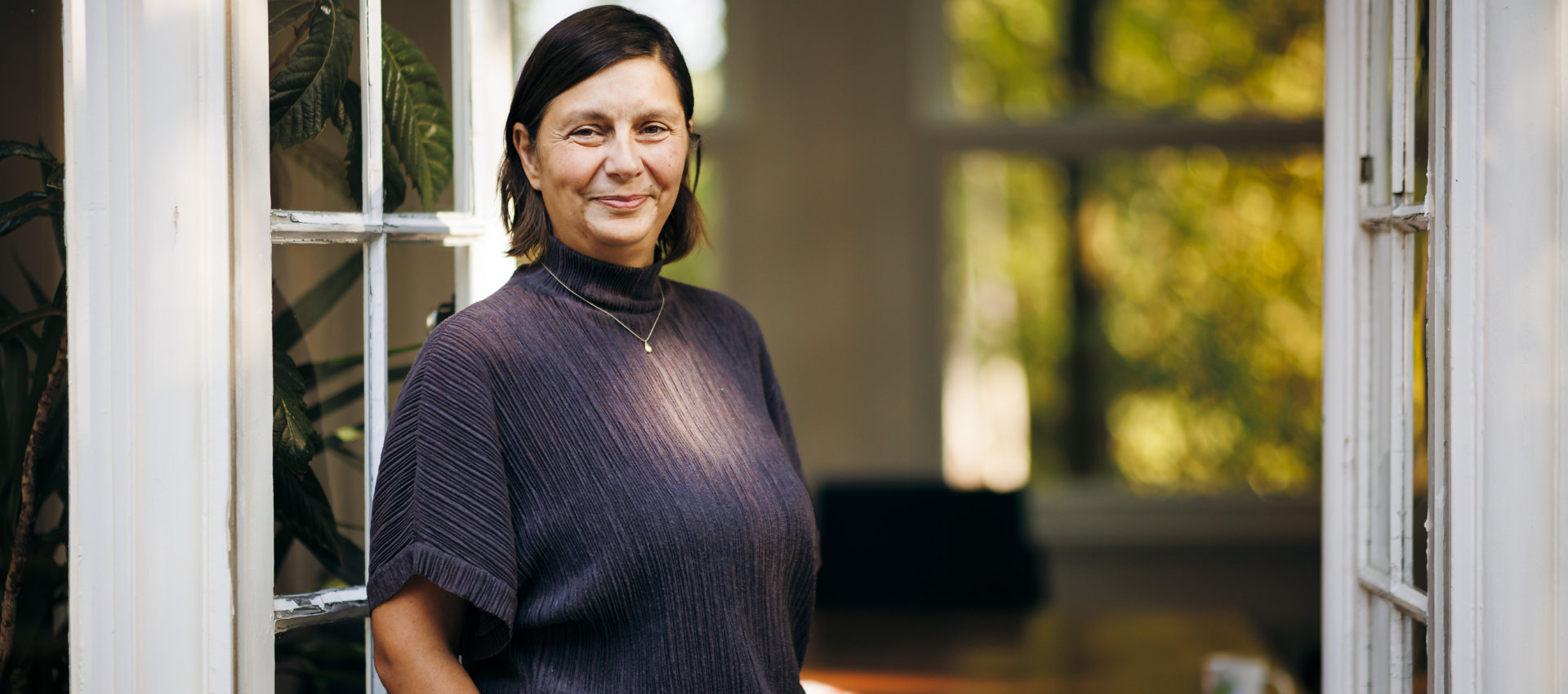
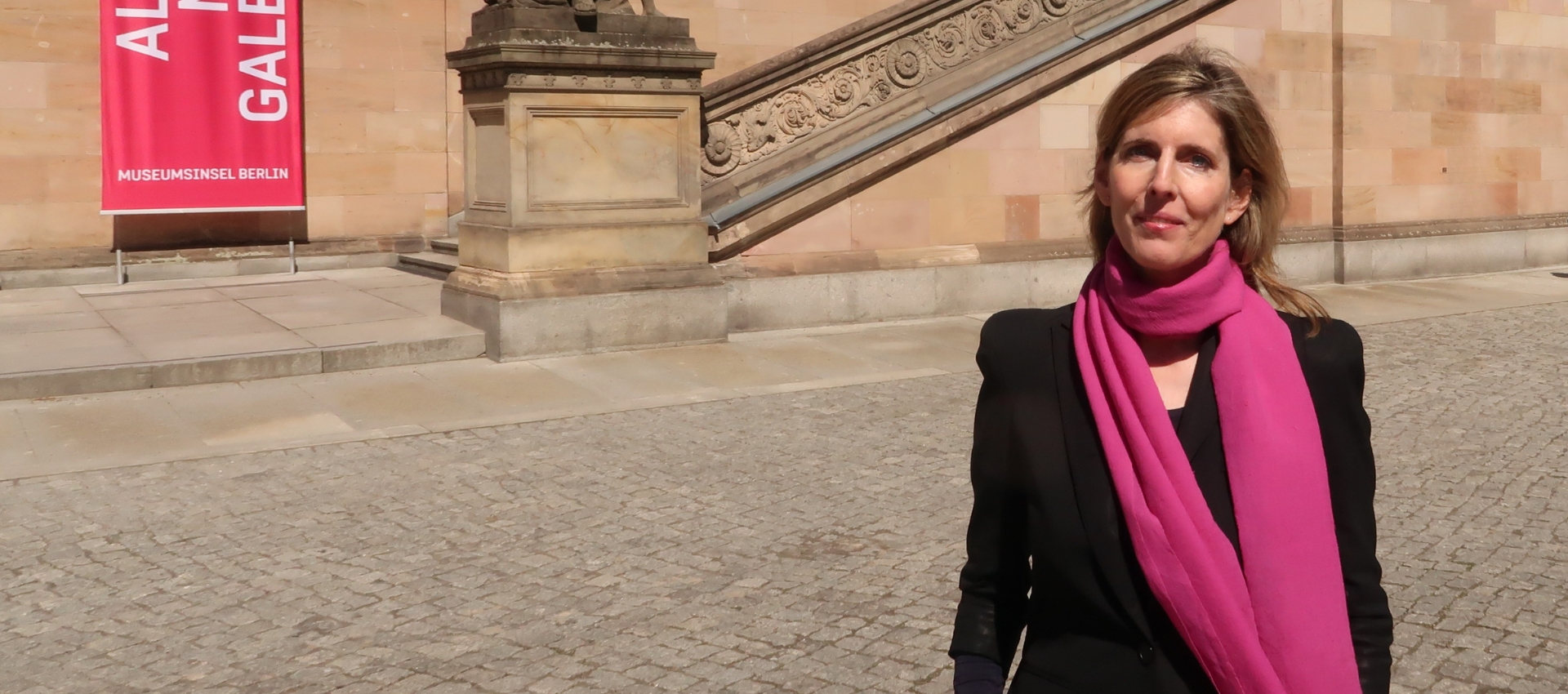
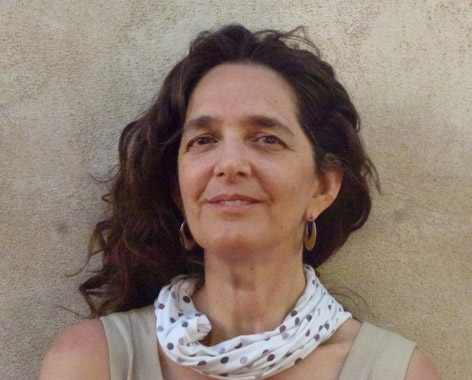
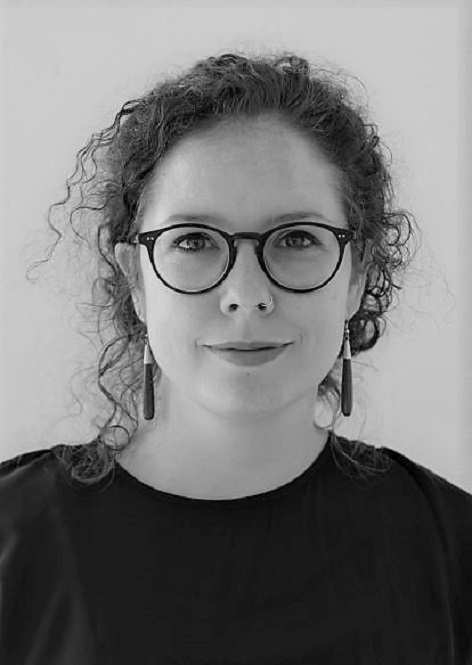
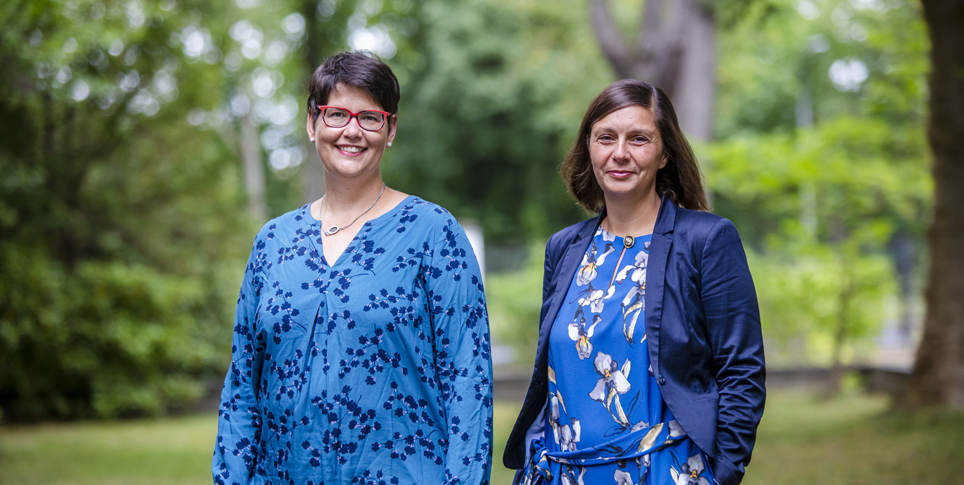
Next Generation SPK: Hardly anyone gets as close to the paintings as Sophie Gurjanov, an intern at the Alte Nationalgalerie
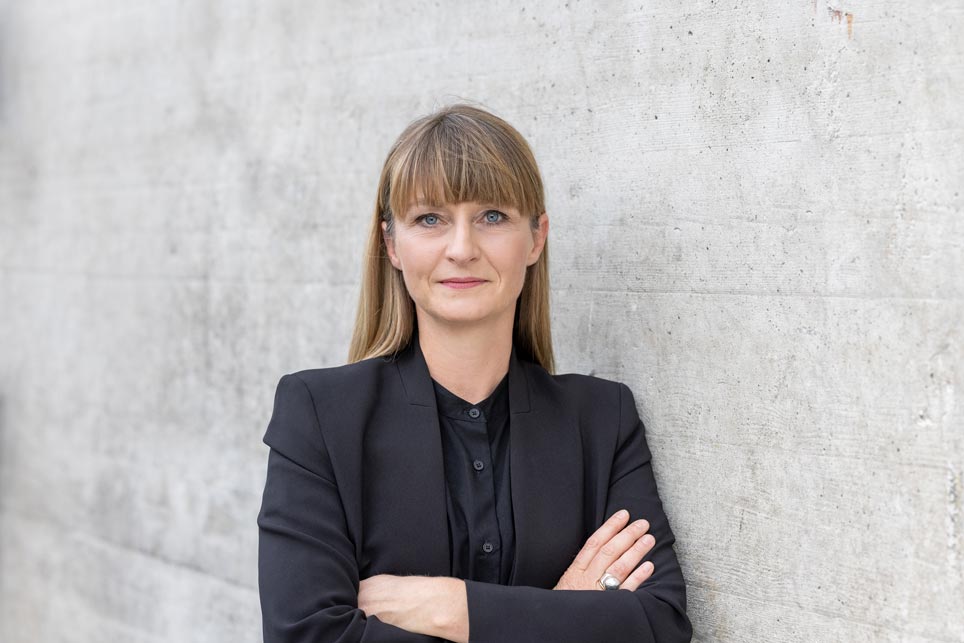
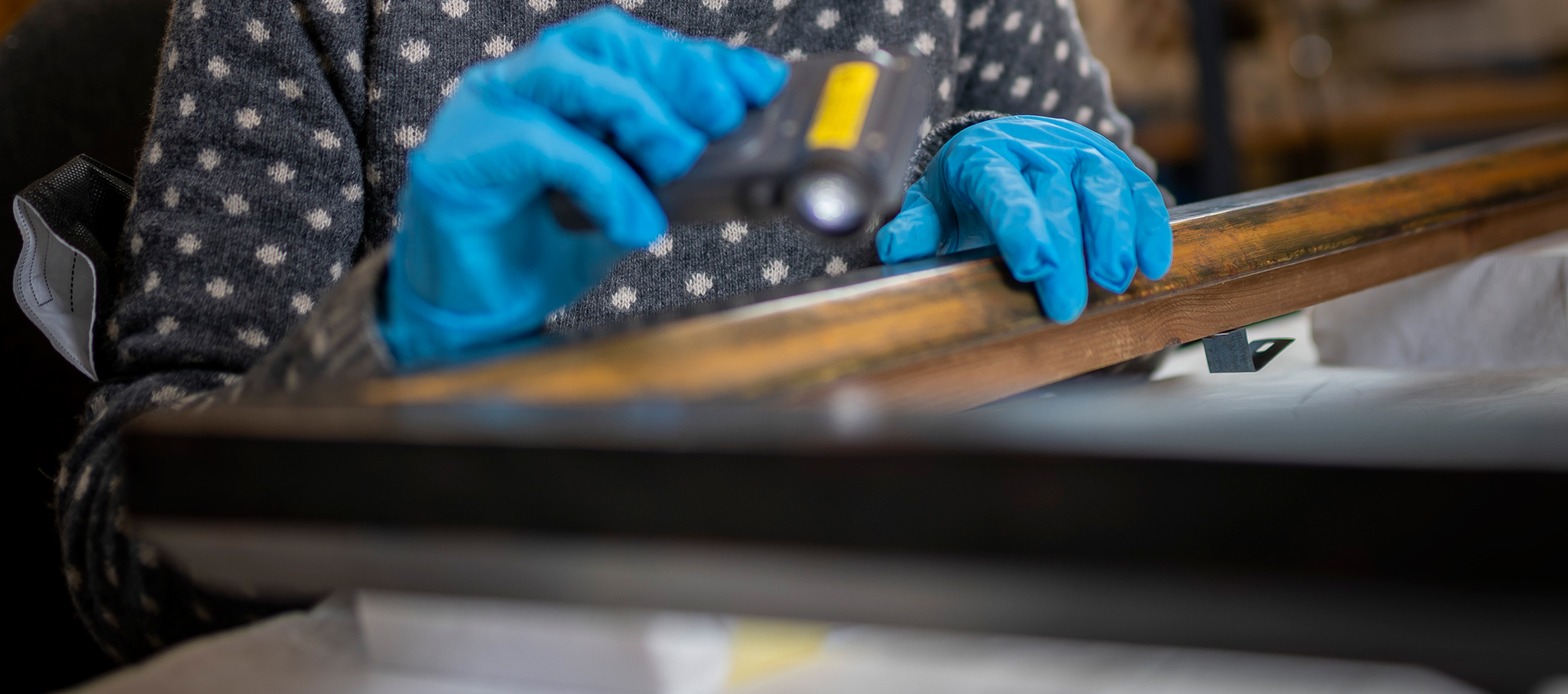
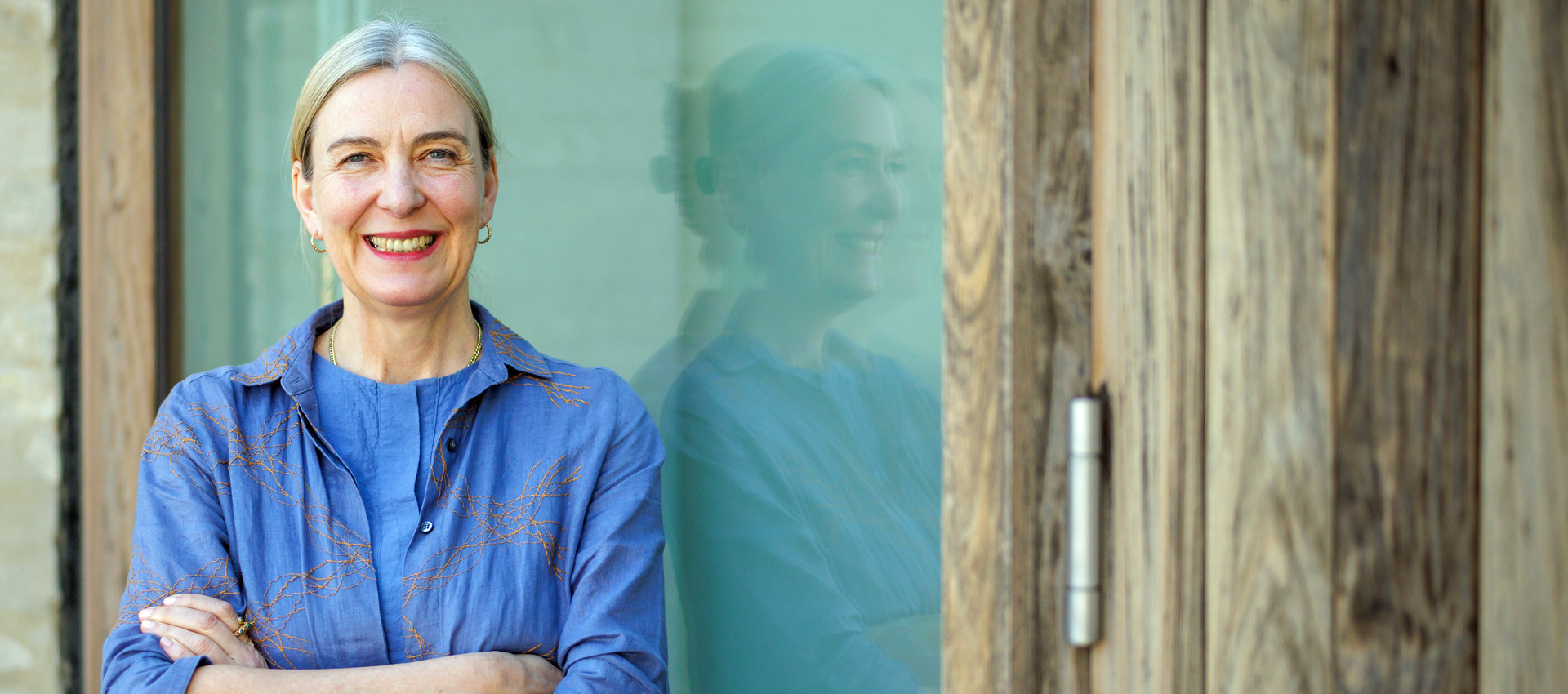
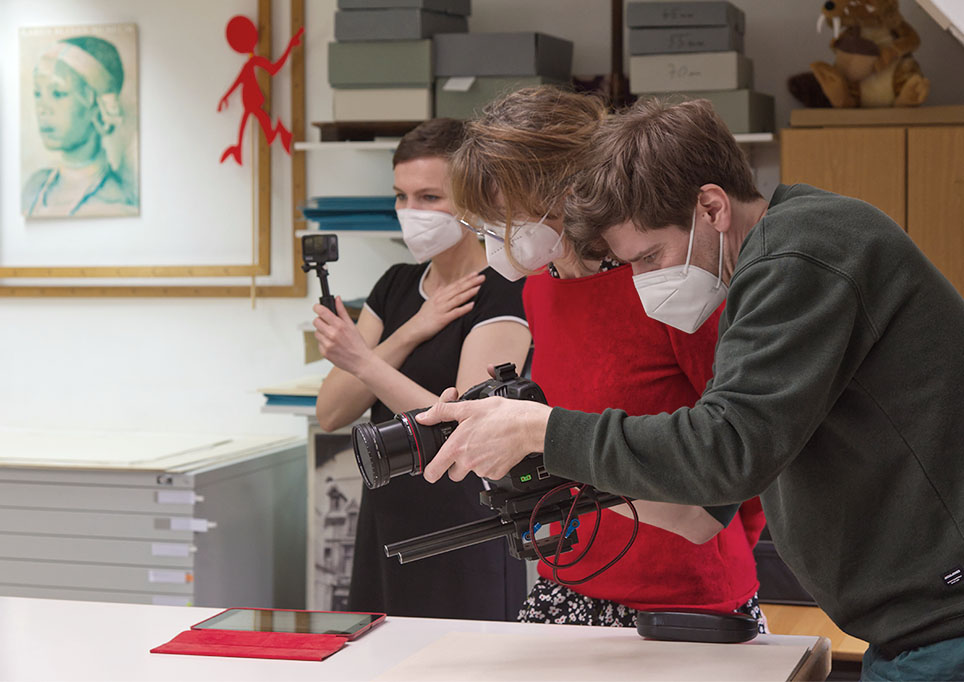
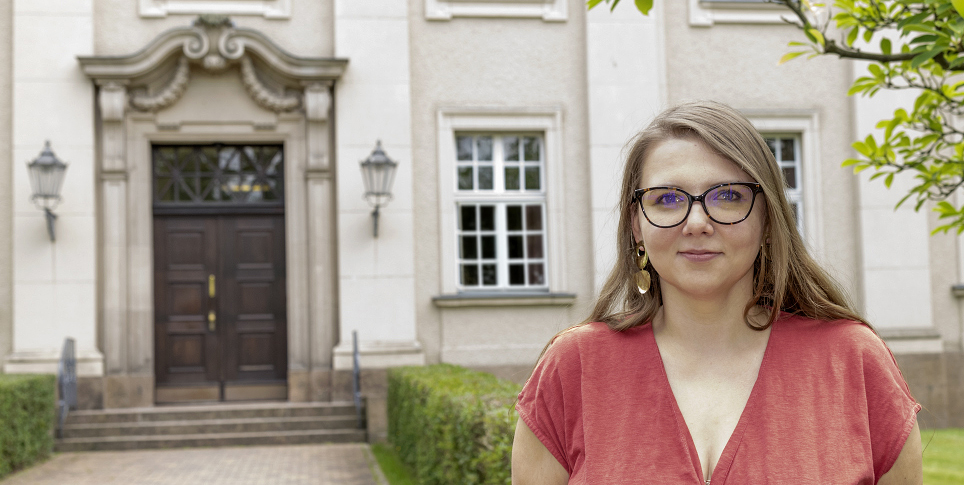
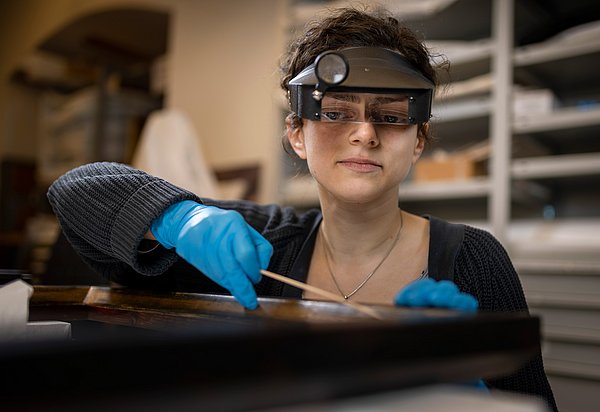
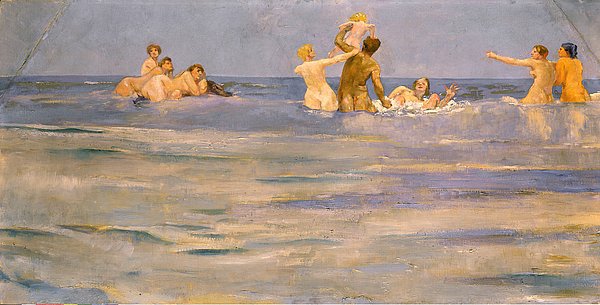
This is what it looks like: the workspace of Sophie Gurjanov, the trainee and young conservator at the Alte Nationalgalerie – a large, brightly lit room on the ground floor. In one corner: the thermo-hygrograph, a mechanical device for measuring temperature and humidity, because the studio must not be too damp or too dry, too warm or too cold. In the other corner: a cupboard with drawers full of nails and screws, pipettes and scissors, gloves and adhesive tape. Next to it, a fridge: containing glues, paints and solvents. And a trolley: with brushes, scalpels, probes, cotton wool balls. Also: a microscope, an easel, halogen lamps. But above all, right in the centre: a large table with a white top that can be raised and lowered smoothly, without any jerking. On it: a painting. In oil. Painted in 1884. By Max Klinger, the German Rodin. Its title: ‘Tritons and Naiads’.
Good things come to those who wait: training to become a conservator
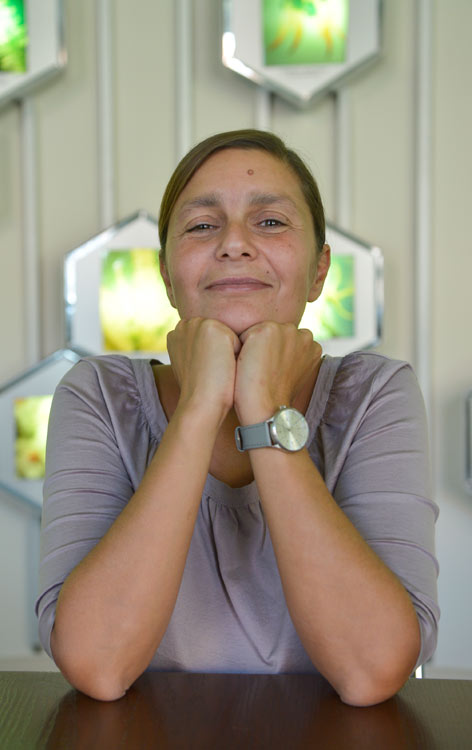
Hardly anyone gets as close to this work of art as Sophie Gurjanov. Hardly anyone knows it as well, knows as well as she does how it came into being – and what happened to it later. For Sophie Gurjanov, aged 32, is an expert in her field: she studied for five years in Dresden at the Academy of Fine Arts, graduating with a degree in art technology, conservation and restoration of paintings on movable supports – in other words: not on wood, not on stone, but on paintings. She studied chemistry and experimental physics, built picture frames and attended gilding courses. She learnt to make tempera paint from egg yolk, ground together with the relevant pigments. And she copied paintings: by Titian, by Rubens. She applied one glaze after another, very thinly, to understand how the great masters worked.
And finally: the dissertation. It was not just theoretical, but also very practical. It focused on a piece that was in need of restoration: in Gadebusch, in Mecklenburg-Western Pomerania, in the town church there, there was an epitaph, a tomb monument, elaborately designed, dating from 1743, featuring a painting depicting the mayor, Heinrich Rossow. “But it was covered in a dull, whitish film, consisting of oxalates and salty deposits,” says Gurjanov. “The paint layer was completely brittle.” Together with three fellow students, she was able to restore the work. She cleaned the surface of the painting with methylcellulose, a gel-like binding agent, and then filled in the cracks. Methylcellulose or pure water? Deciding which to use, finding the right solvent, is crucial for conservators: in this case, water would have penetrated too deeply into the paint layer. In Gadebusch, they were delighted to see how beautifully their old epitaph was shining again. And an article appeared in the local newspaper. Sophie Gurjanov proudly shows it on her screen.
After all, that is why she became a restorer: because she didn’t want to just sit at a computer, but wanted to do something with her hands. She raves about her profession, about how works of art create a sense of identity, how they bring the past to life, and how they must therefore be protected and preserved. Sophie Gurjanov takes a step-by-step approach, seeking to understand where, how and why a painting was created, and also why it has been altered or perhaps damaged. Then she develops a plan – and gets to work. “Little by little, I learn to understand the painting better and better. Often, I develop a real connection with the artist,” she says.
By the book: Gurjanov restores Max Klinger’s ‘Tritons and Naiads’
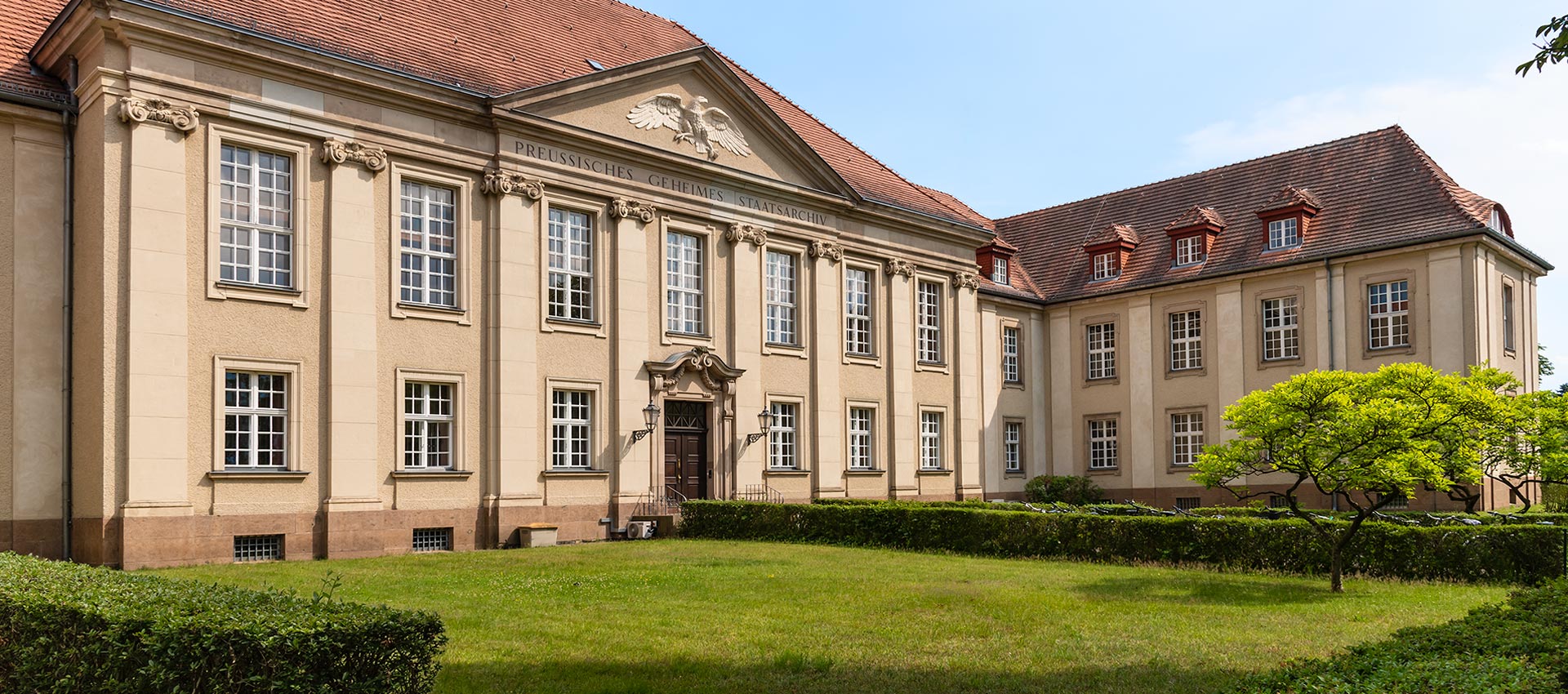
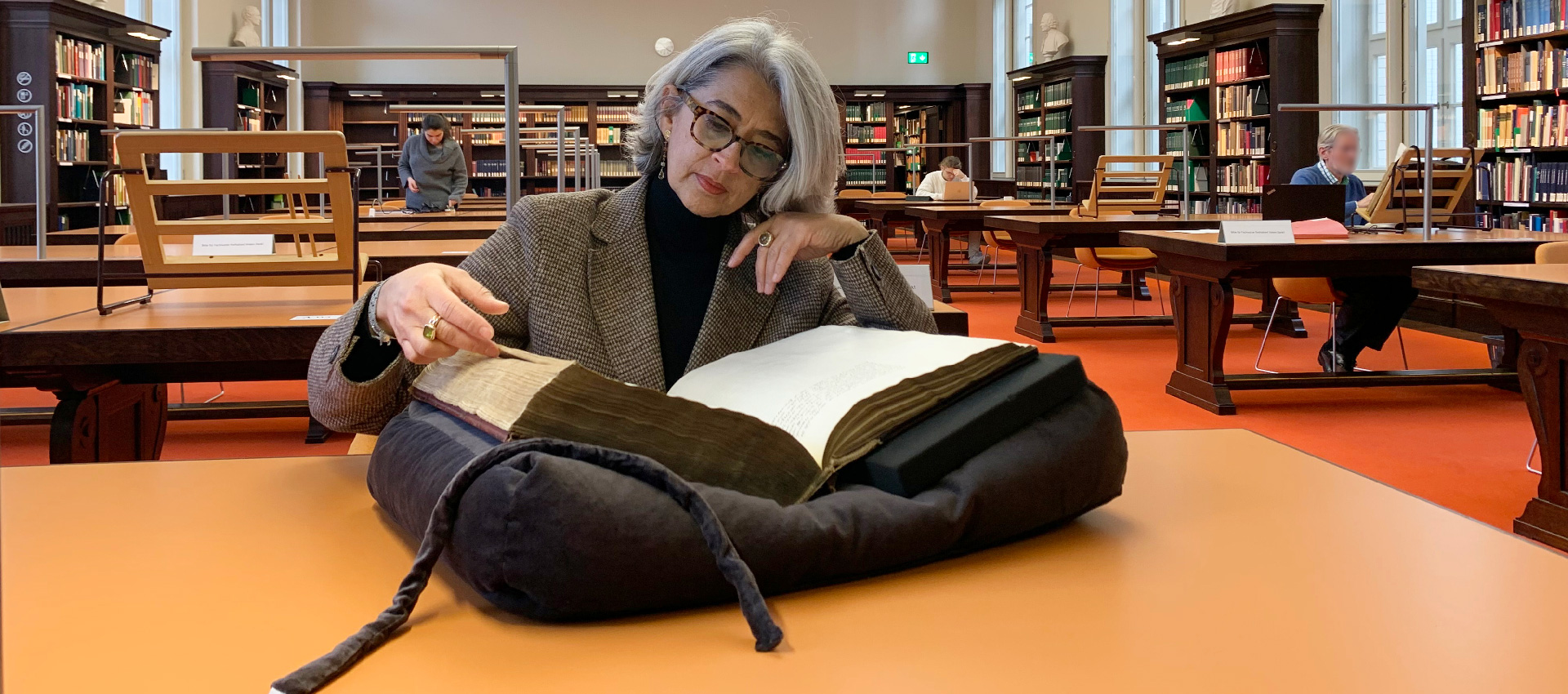
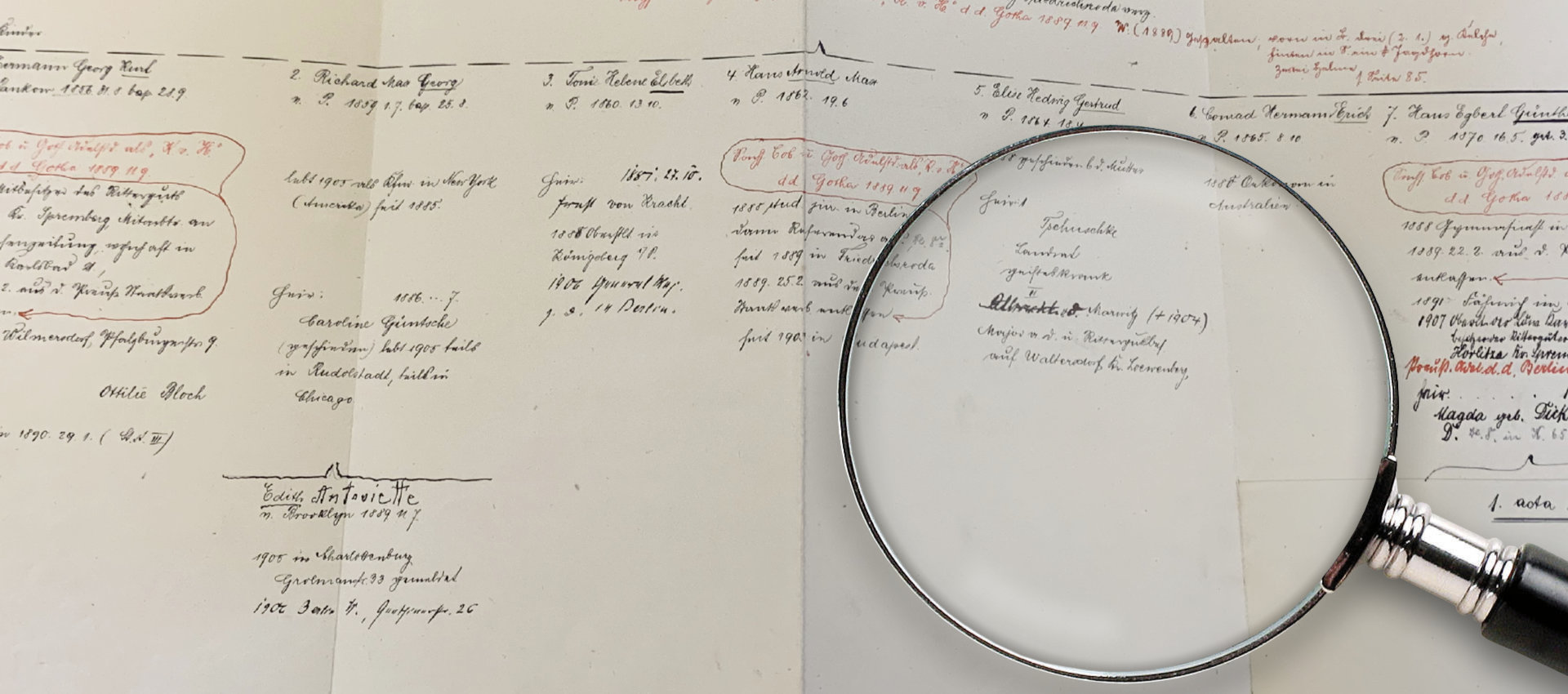
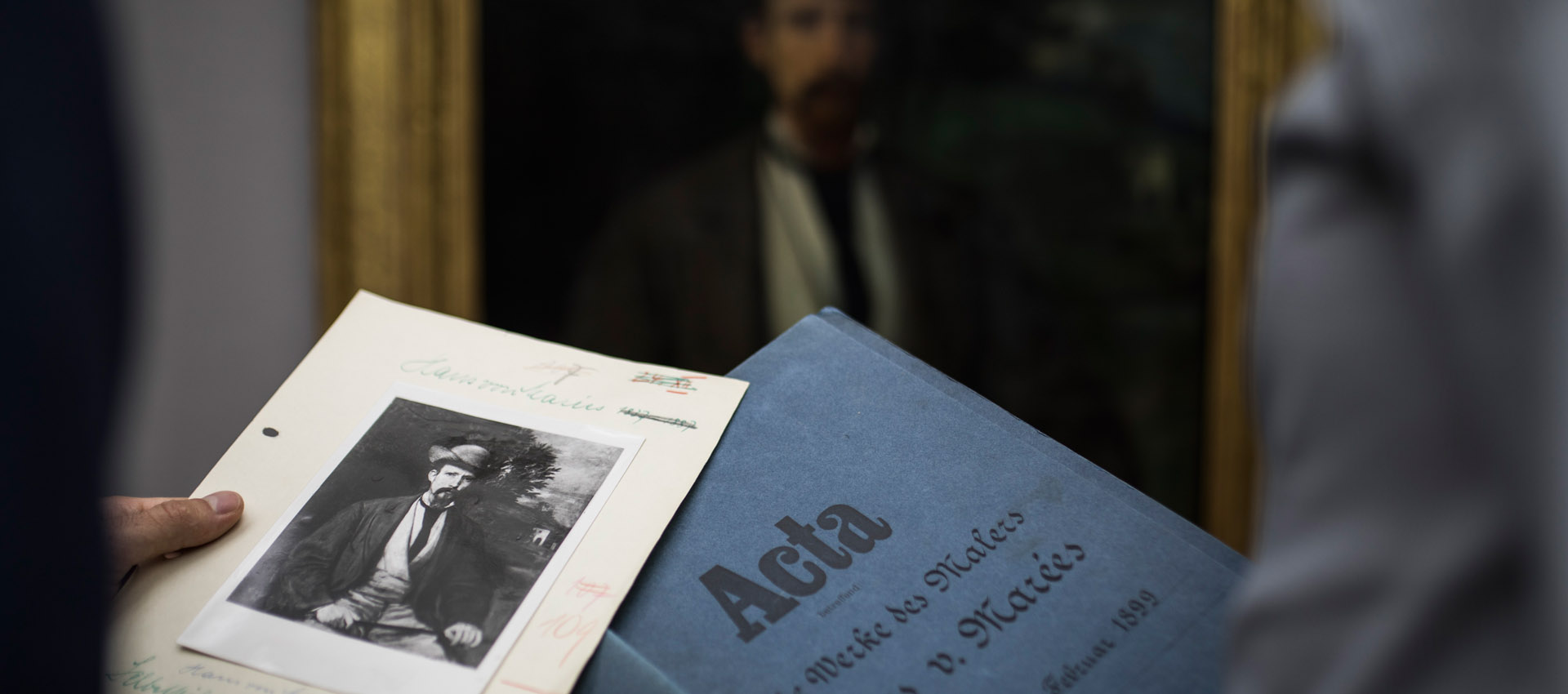
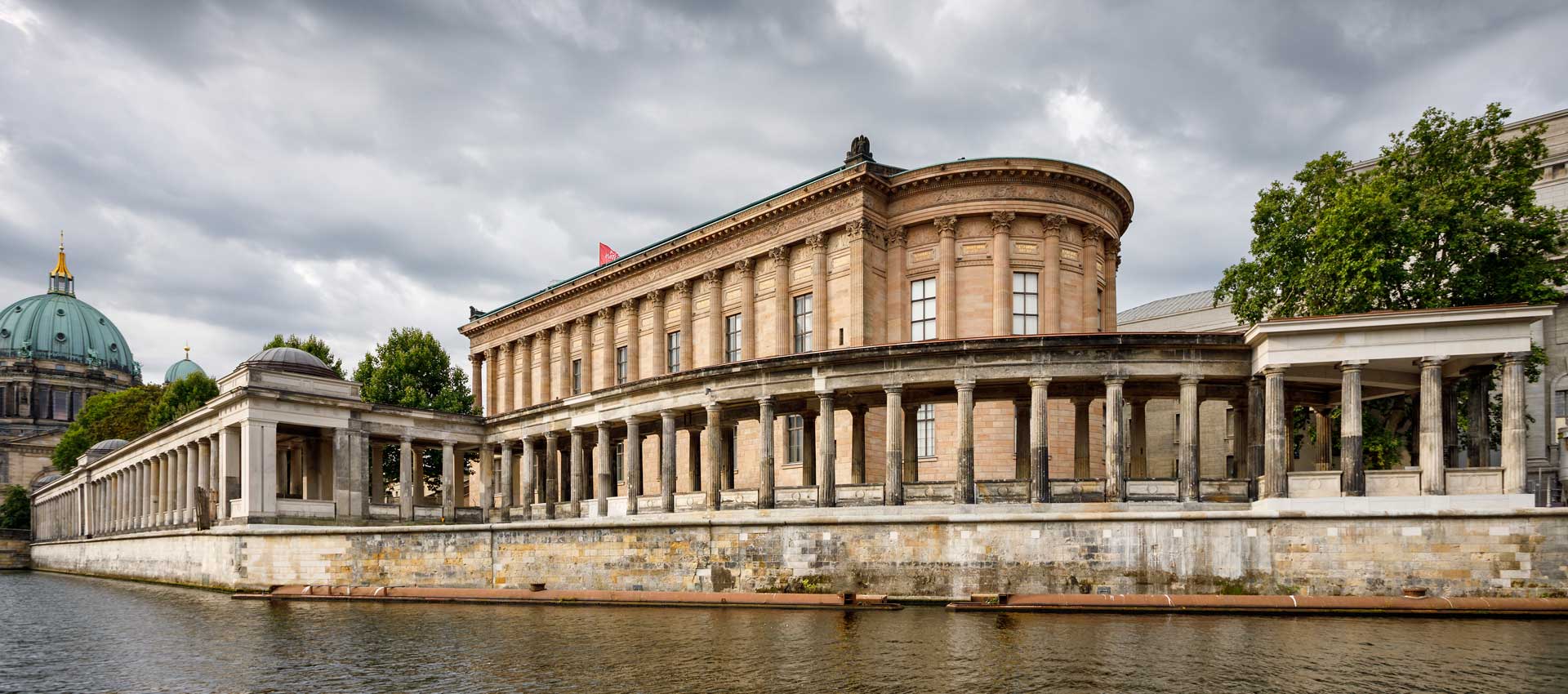
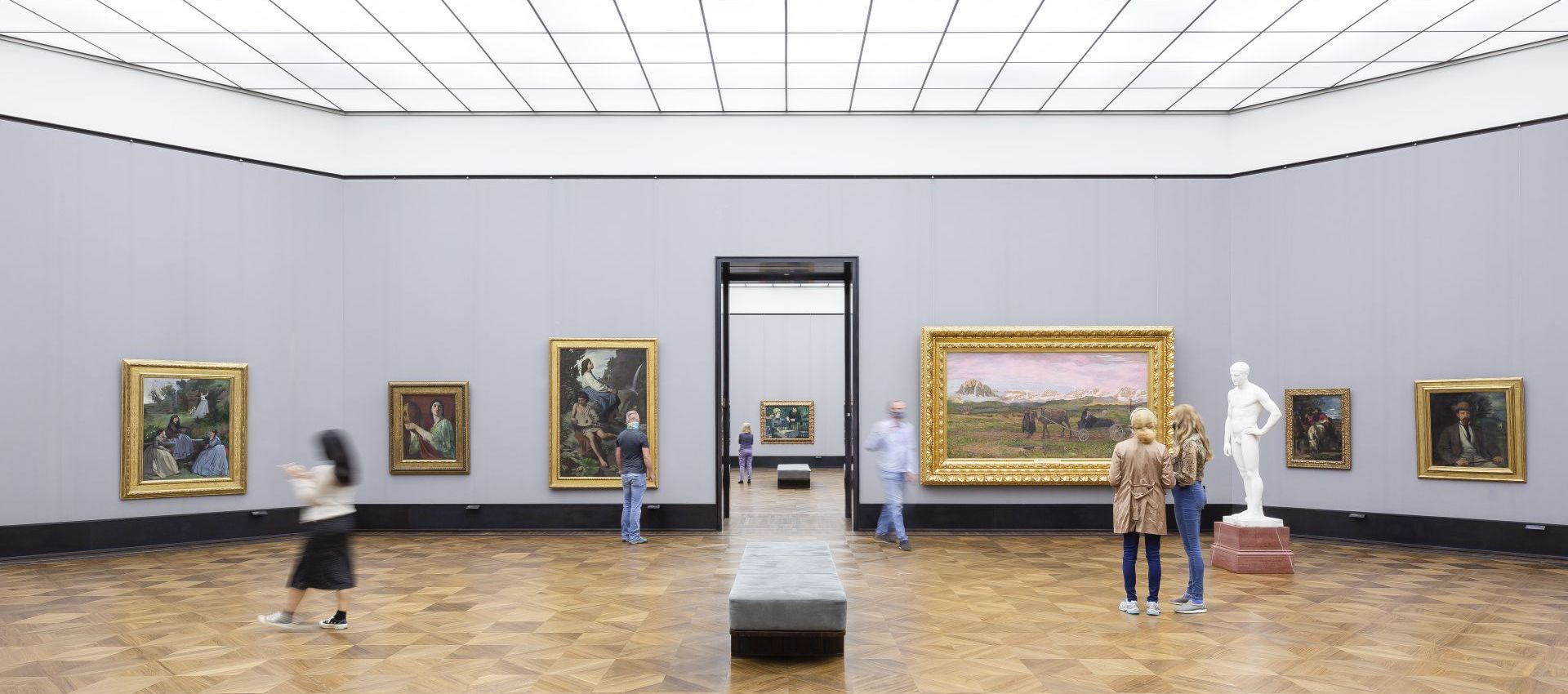
Just like Max Klinger and his “Tritons and Naiads”, in front of her, on the table. The painting is part of the permanent exhibition at the Alte Nationalgalerie, alongside another work by Klinger: “Venus in the Shell Chariot”. Both originate from Berlin-Steglitz; they once adorned the walls of a villa alongside other paintings, forming a frieze, a cycle of marine motifs – it was a commission for a wealthy lawyer. And both paintings are square. Originally, however, they were hexagonal – as old illustrations also show. Sophie Gurjanov therefore visited the Central Archive of the State Museums in Berlin, studying files, letters and acquisition catalogues. She wanted to find out when and why the corresponding extensions were later added to the corners. The additions are rather clumsy and poorly executed; even a layman can see this with the naked eye – there is no need for UV light, X-rays or infrared imaging. Such a change cannot have been in Max Klinger’s interest, which is why her decision is clear: Sophie Gurjanov will propose removing the additions, carefully, in accordance with all the rules of her craft.
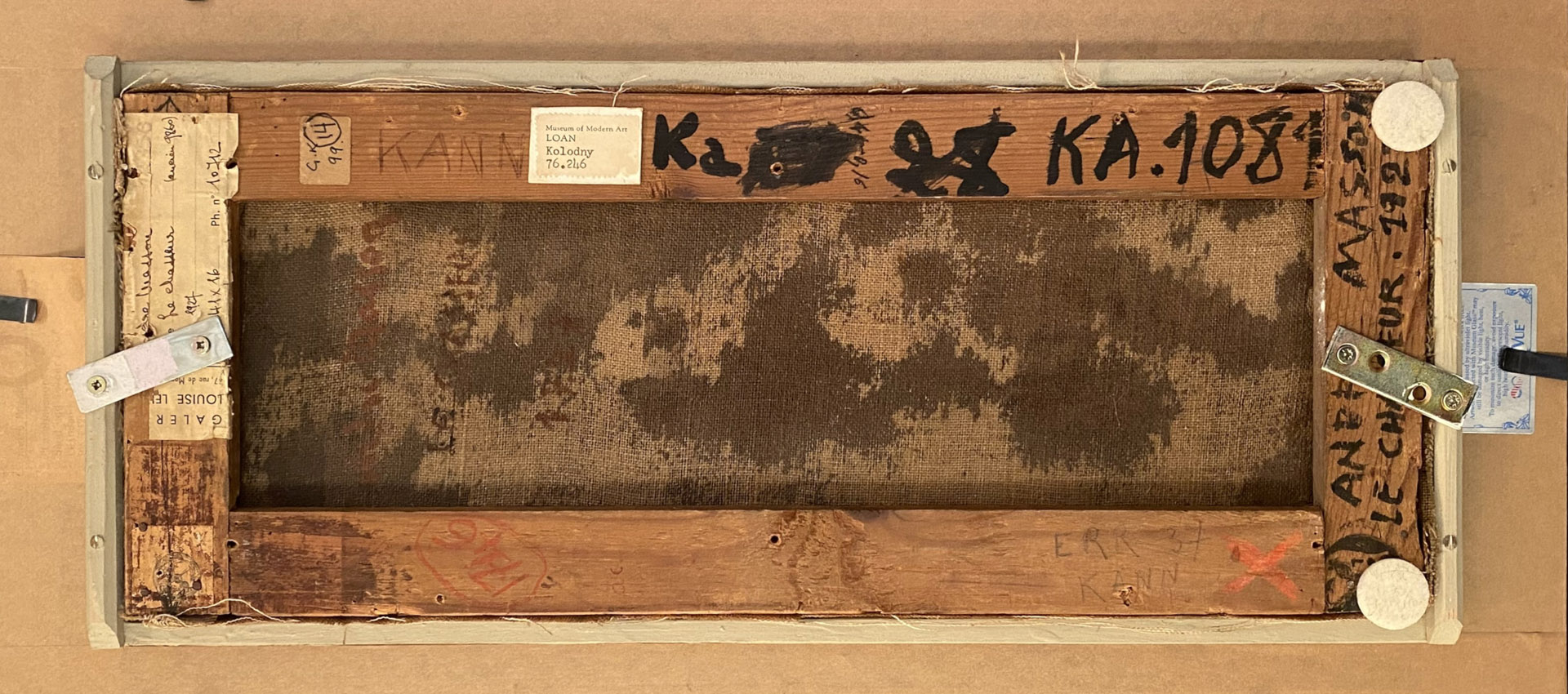
She has been working on this painting for many months now, adding a wafer-thin pencil stroke here, a faint shadow there. And there – isn’t that a retouch? It’s quite possible that Klinger moved the figures around during the painting process. “I think he worked very quickly. And he probably procrastinated, putting off the commission,” says Sophie Gurjanov. It is not simply a painting she is dealing with, whose secrets she is gradually revealing, but a whole story. Or better still: a poem that she is now interpreting. And part of that is the knowledge that Klinger probably began the work in Paris, then sent it to Berlin, and that later, on site at the villa, he adjusted the paintings once more to enhance their effect in the room. And by the way, the nails at the edge, where the canvas was hammered onto the frame? Aren’t some of them small and others large, and the large ones – aren’t they rusted? “There were obviously different phases of nailing,” notes Sophie Gurjanov. Which means: even before her, conservators had worked on the painting, trying to preserve it. And left behind small, almost invisible traces.
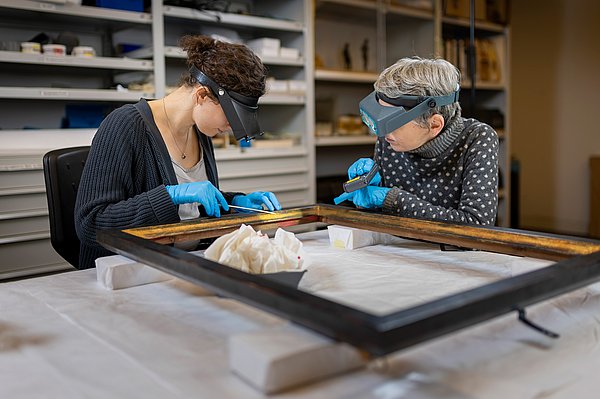
Joint exhibition by SPK trainees opens in May
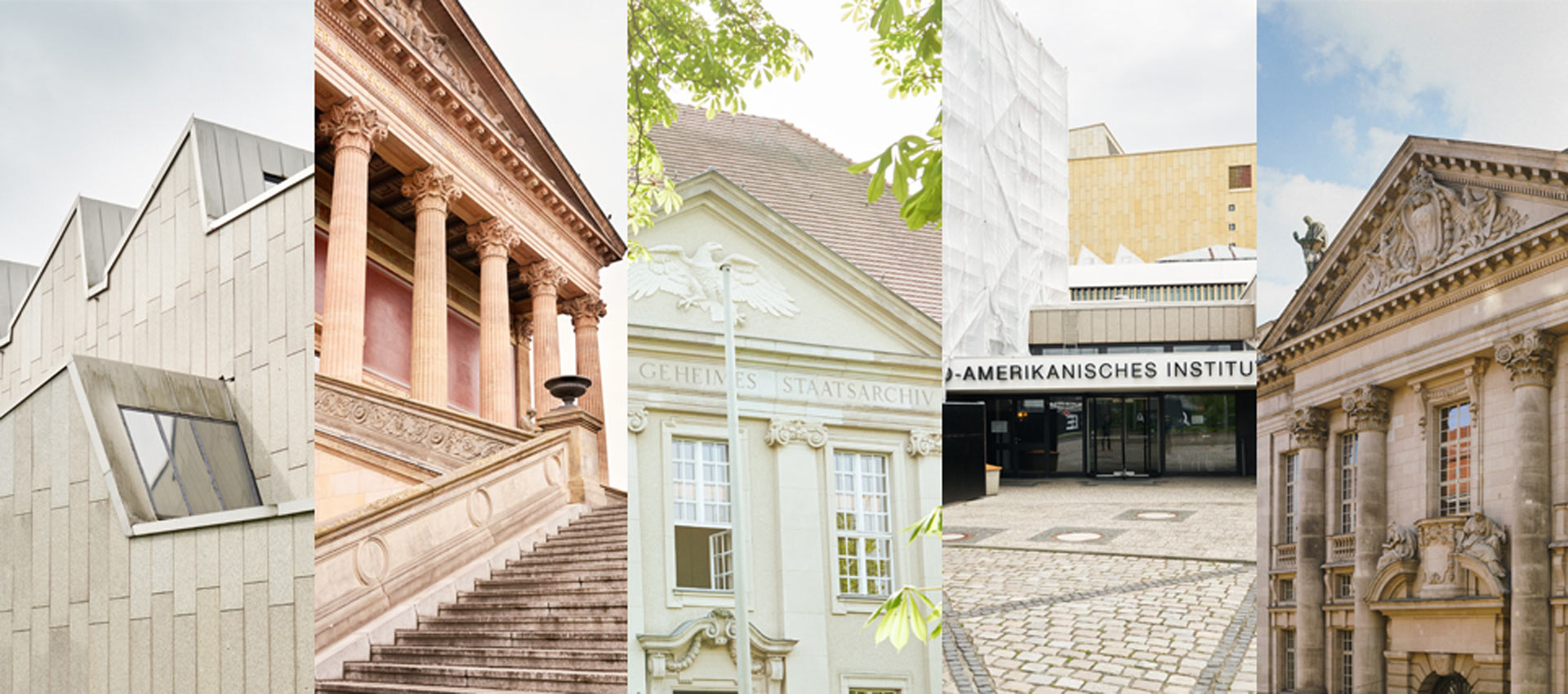
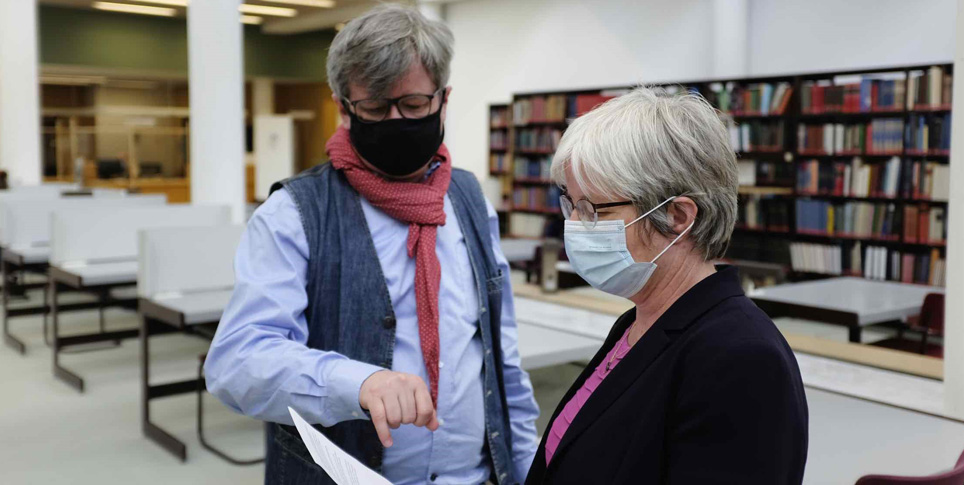
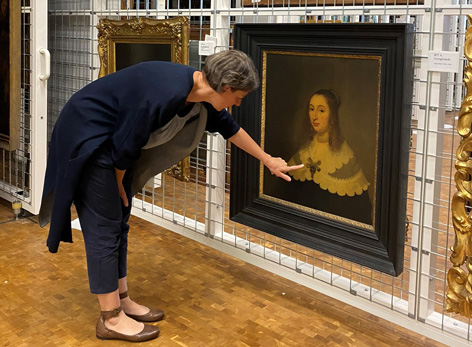
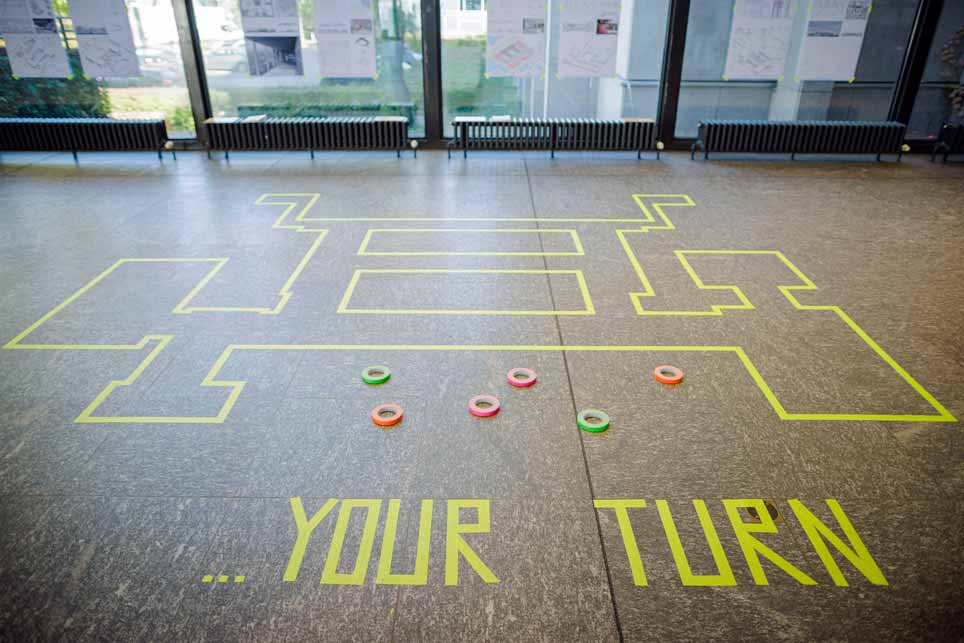
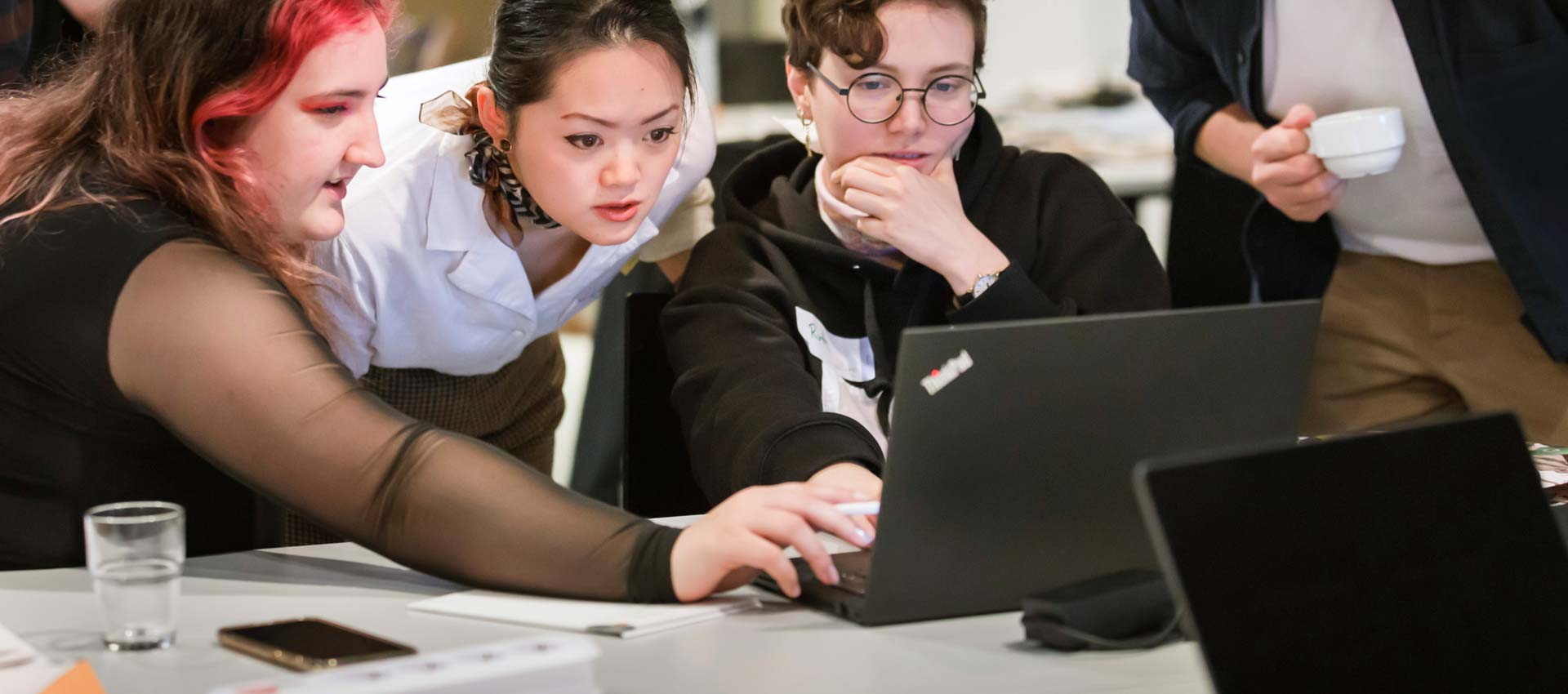
Her traineeship lasts two years; she works in a team with the other conservators at the Alte Nationalgalerie under the supervision of Kristina Mösl; on Mondays, when the gallery is closed to the public, she walks through the galleries to clean the paintings, glass panels and frames; she handles loans, helps with hanging and setting up exhibitions, and writes reports on the condition of the works. She is now looking forward to next May, when the joint exhibition by the SPK trainees opens at the Kupferstichkabinett, and the many young archaeologists, art historians and conservators from the various institutions will demonstrate what ‘Next generation SPK’ means. “It’s a great opportunity to think outside the box, organise an entire exhibition, draw up a budget and design the space,” says Sophie Gurjanov.
The title of the exhibition is: (Un)seen Stories. It focuses on the stories behind museum work, on what isn’t immediately apparent. A theme tailor-made for the young restorer, who will be working on a painting from the Old National Gallery’s storage: ‘Lady with Child’ by Fritz Rhein, dated 1910. During its restoration a few years ago, it emerged that Rhein had painted over one picture with another; behind one canvas lay a second. “A truly extraordinary discovery,” enthuses Sophie Gurjanov. She already has plans for the time after her traineeship: she wants to devote herself even more to 19th-century art technology, ideally at a restoration research institute. Because being a restorer is her dream job.