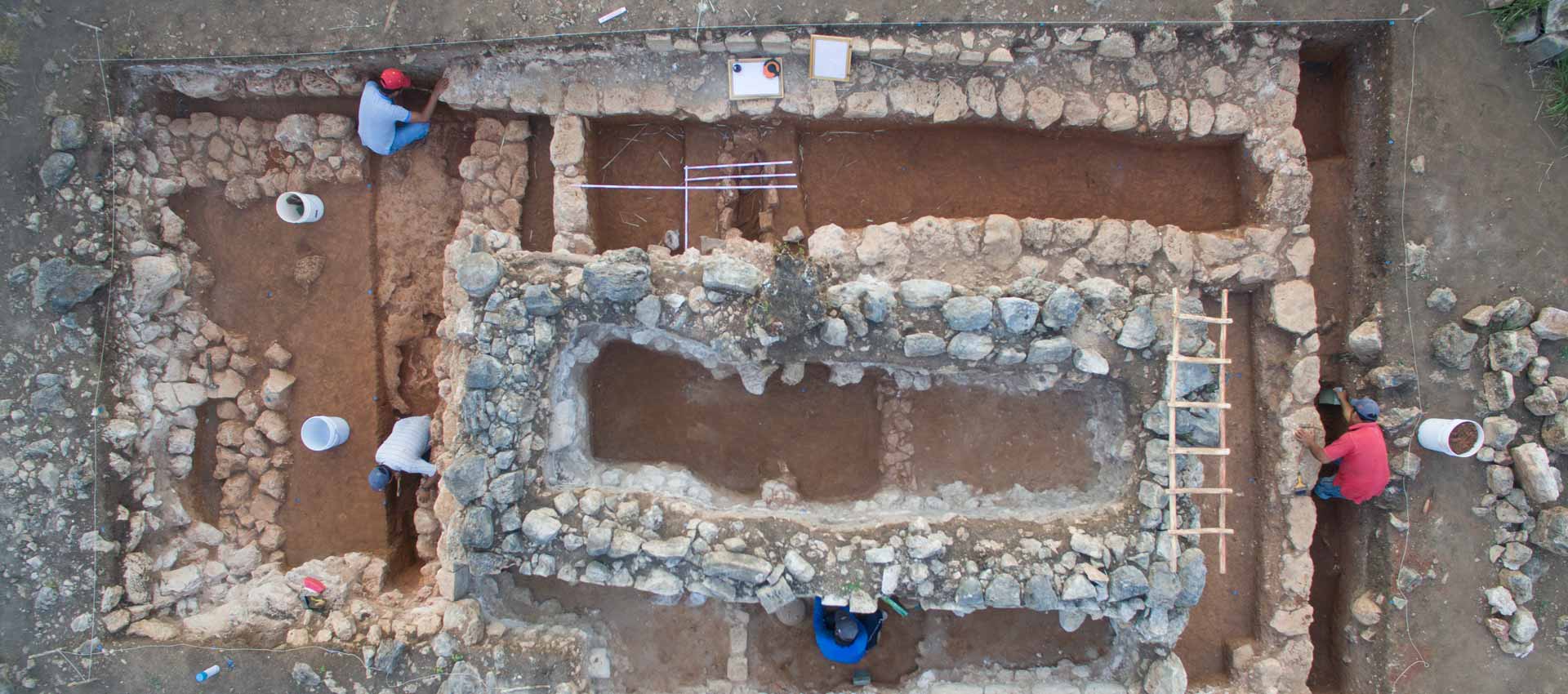
The World Heritage Site on Museum Island has a hidden history. This includes a garden laid out in the mid-18th century by the philosopher and art historian Johann Georg Sulzer, who turned it into a place for reflection on artistic beauty and a meeting place for the Berlin Enlightenment. A search for clues.
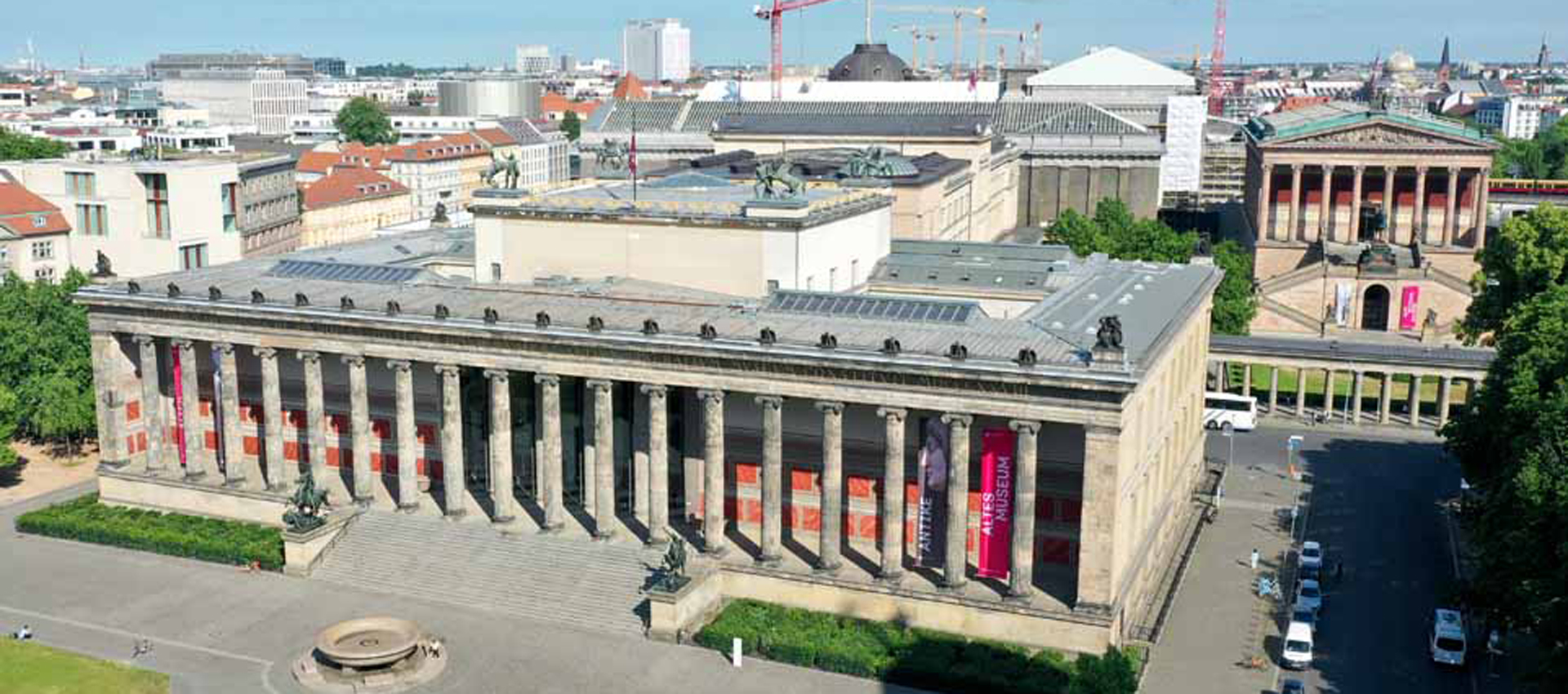
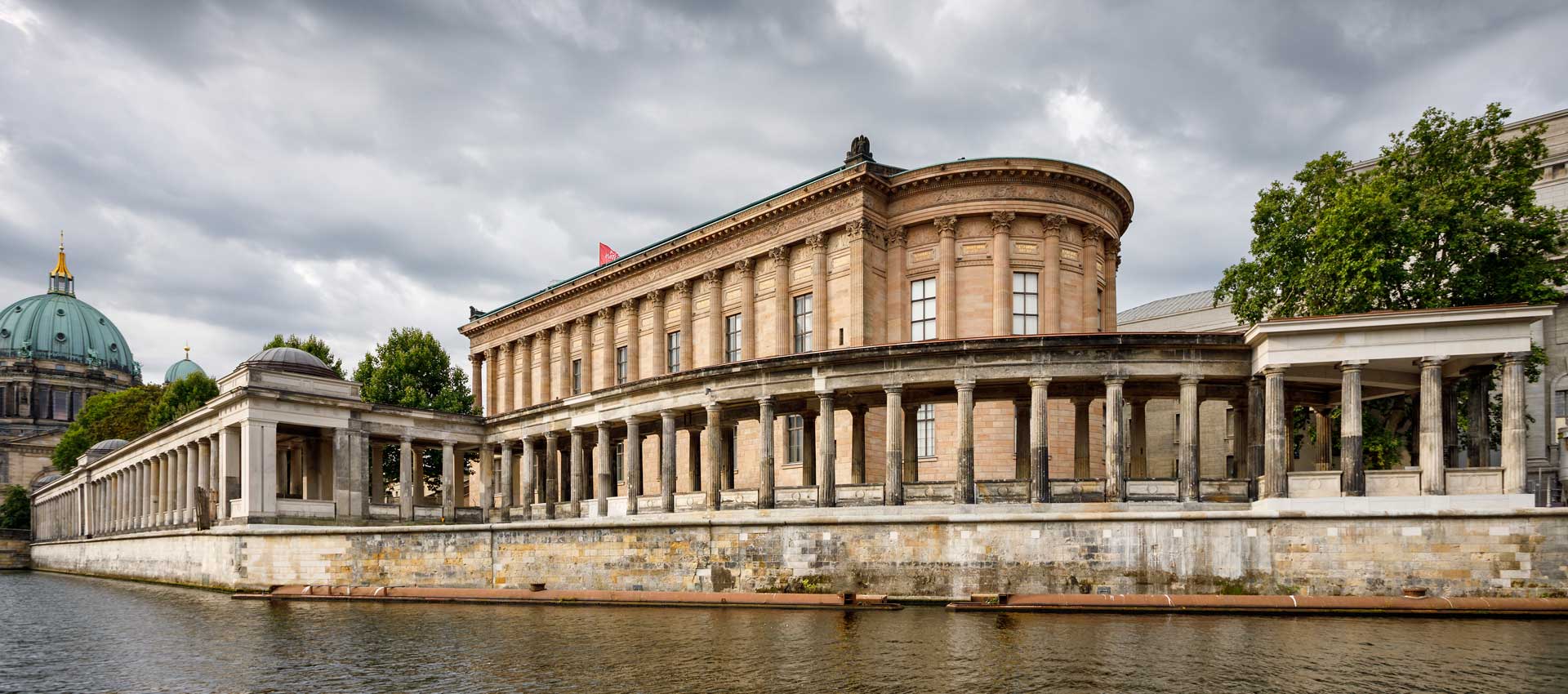
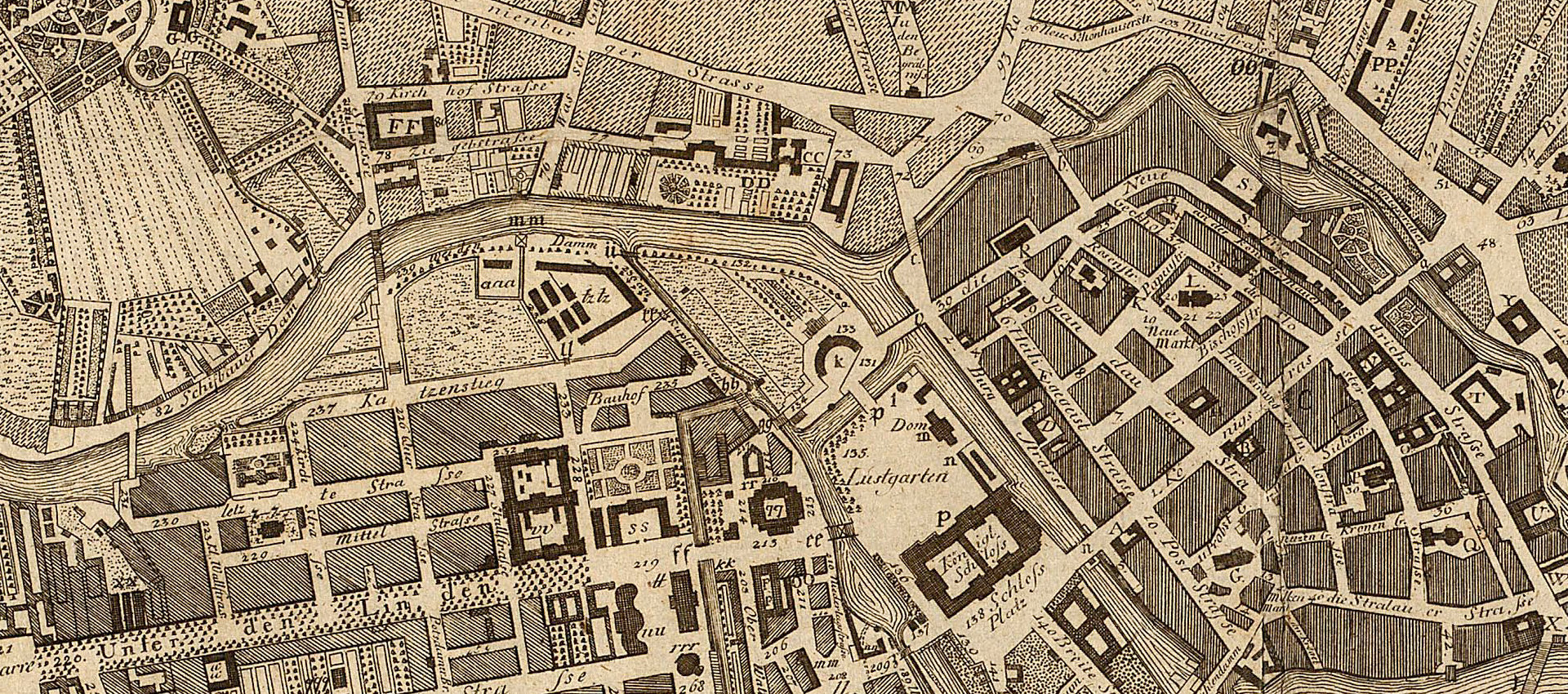
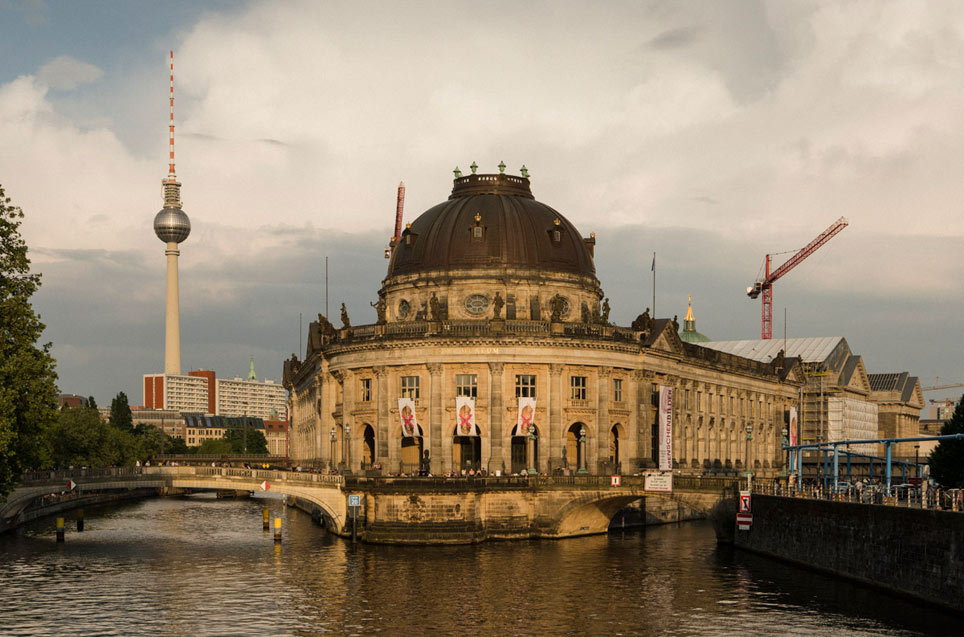
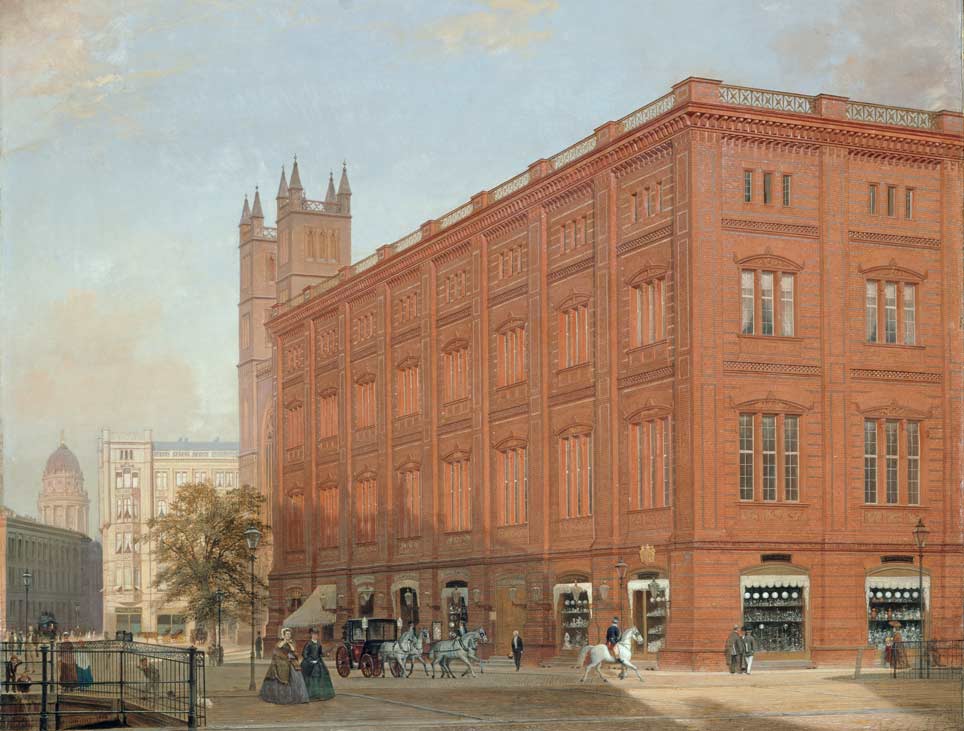
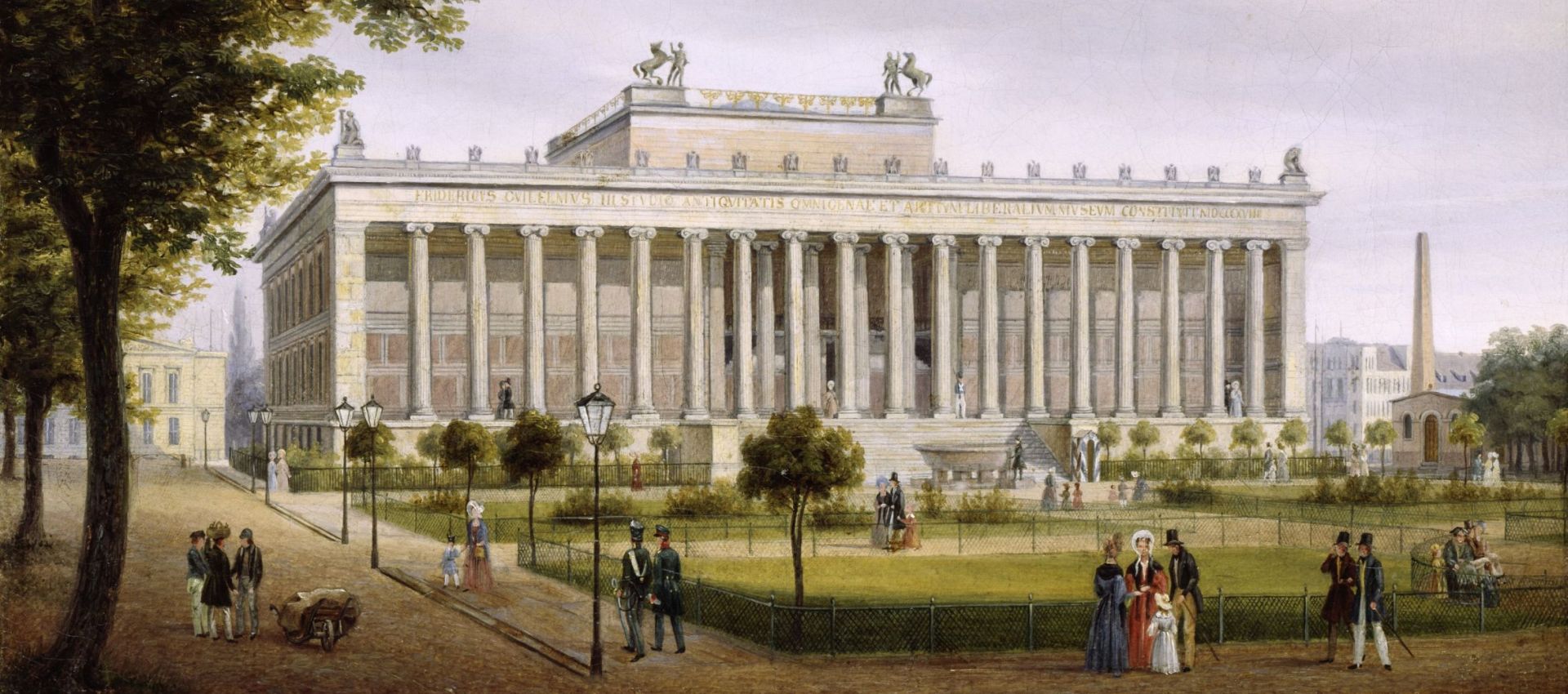
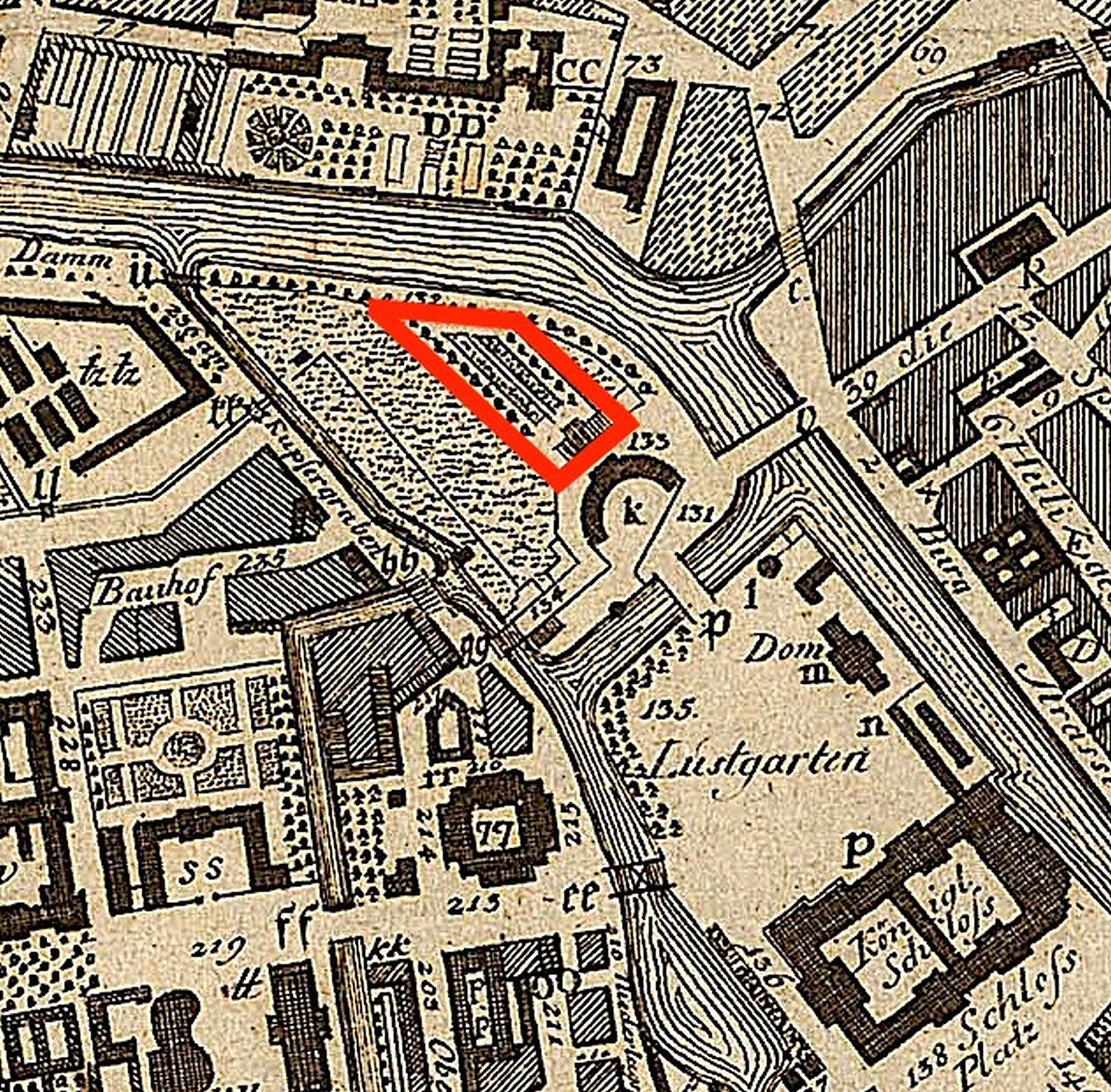
A home in the heart of the city, idyllically situated by the water and surrounded by extensive gardens – this dream could still come true in the mid-18th century on what is now Berlin’s Museum Island. Around 1749, a bastion of the Baroque fortifications was demolished roughly where the Alte Nationalgalerie now stands. Johann Georg Sulzer, a grammar school teacher originally from Switzerland, was the first to be granted permission to build on the marshy headland between two branches of the River Spree. In 1751, he enthused in a letter to a friend back home, the philologist Johann Jakob Bodmer: “The King has gifted me an excellent piece of land in the heart of the city, where I intend to build a house. In doing so, I shall restore Epicurus’ garden and have an estate in the heart of the city, between two rivers and just a stone’s throw from the Royal Palace.”
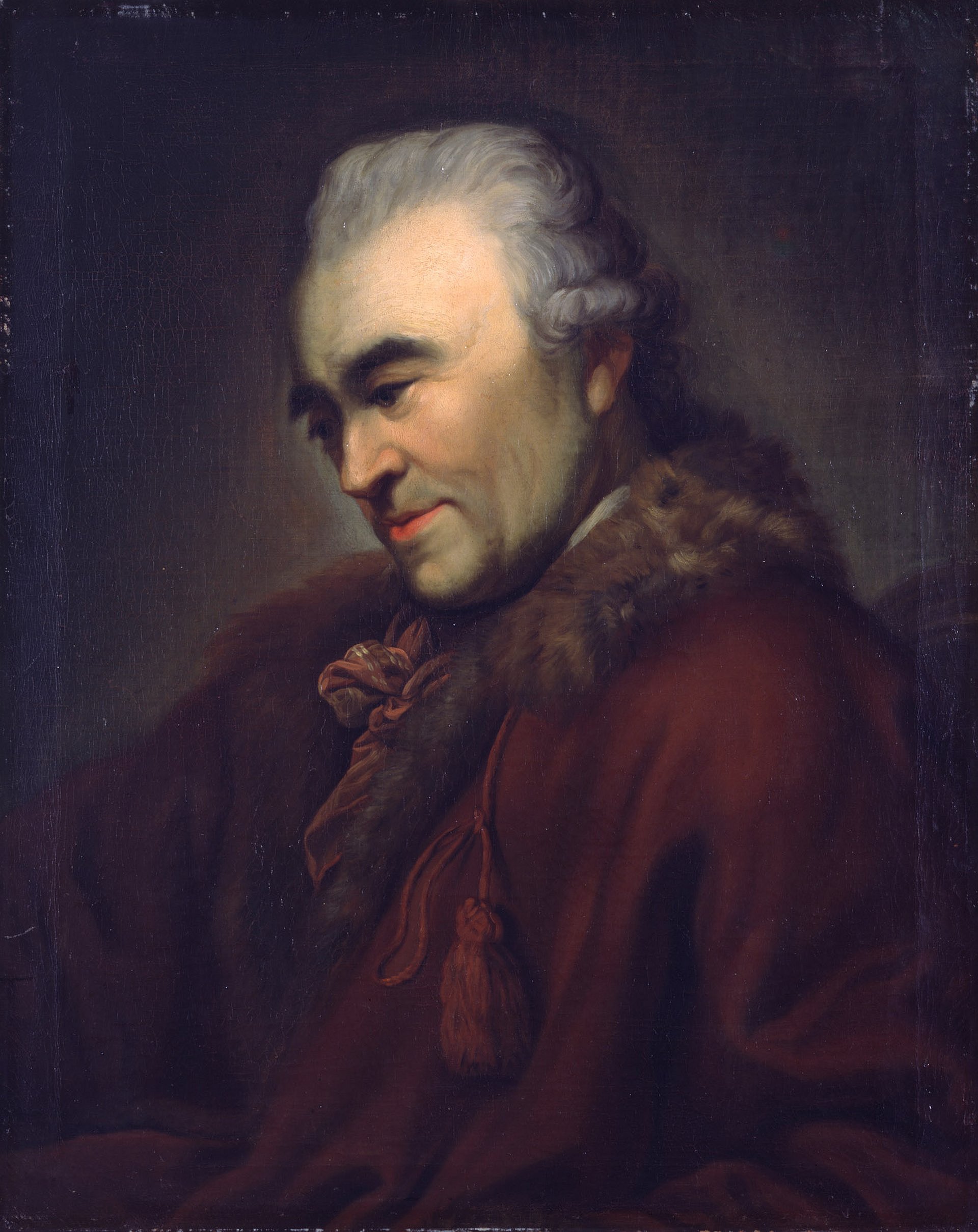
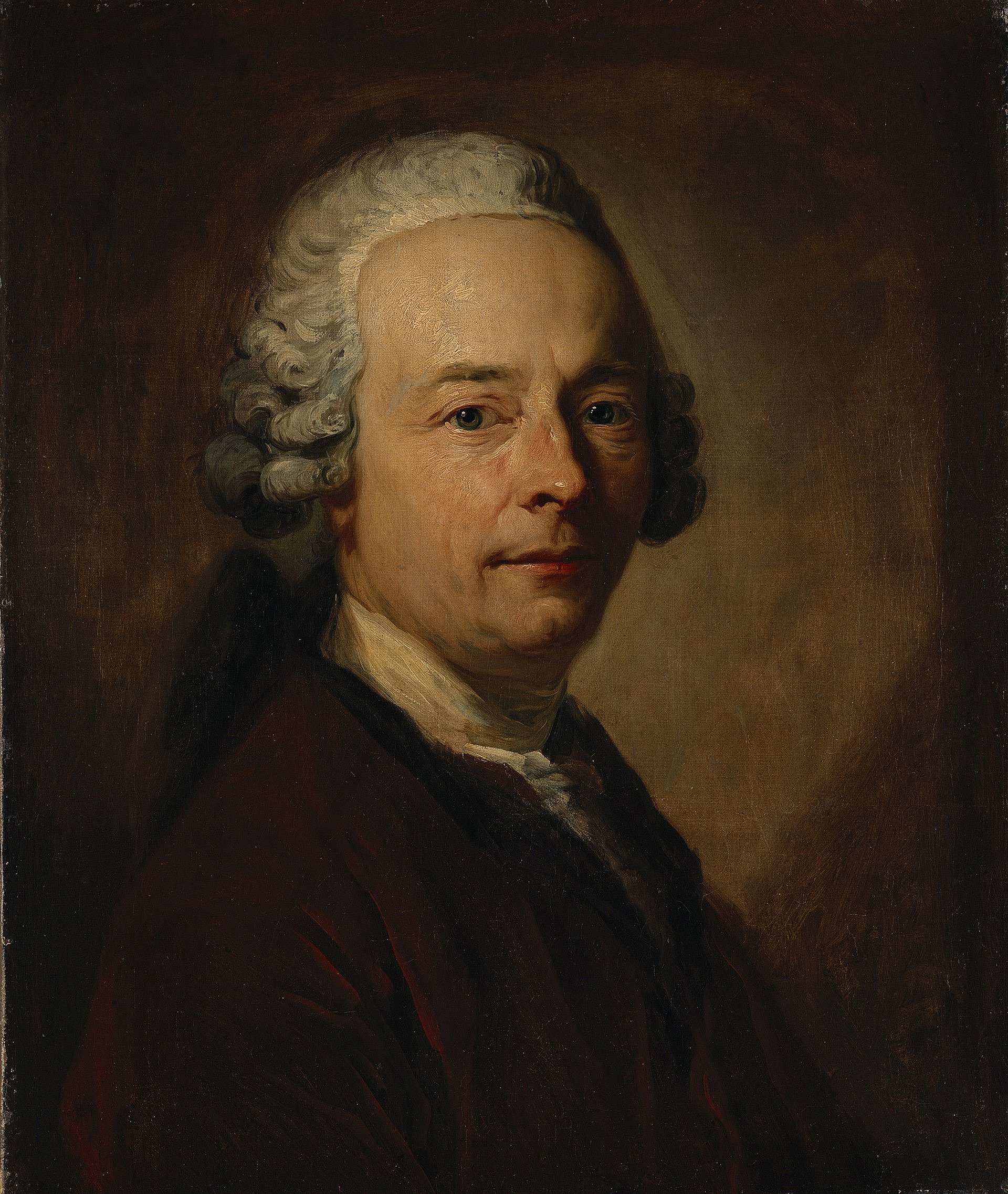
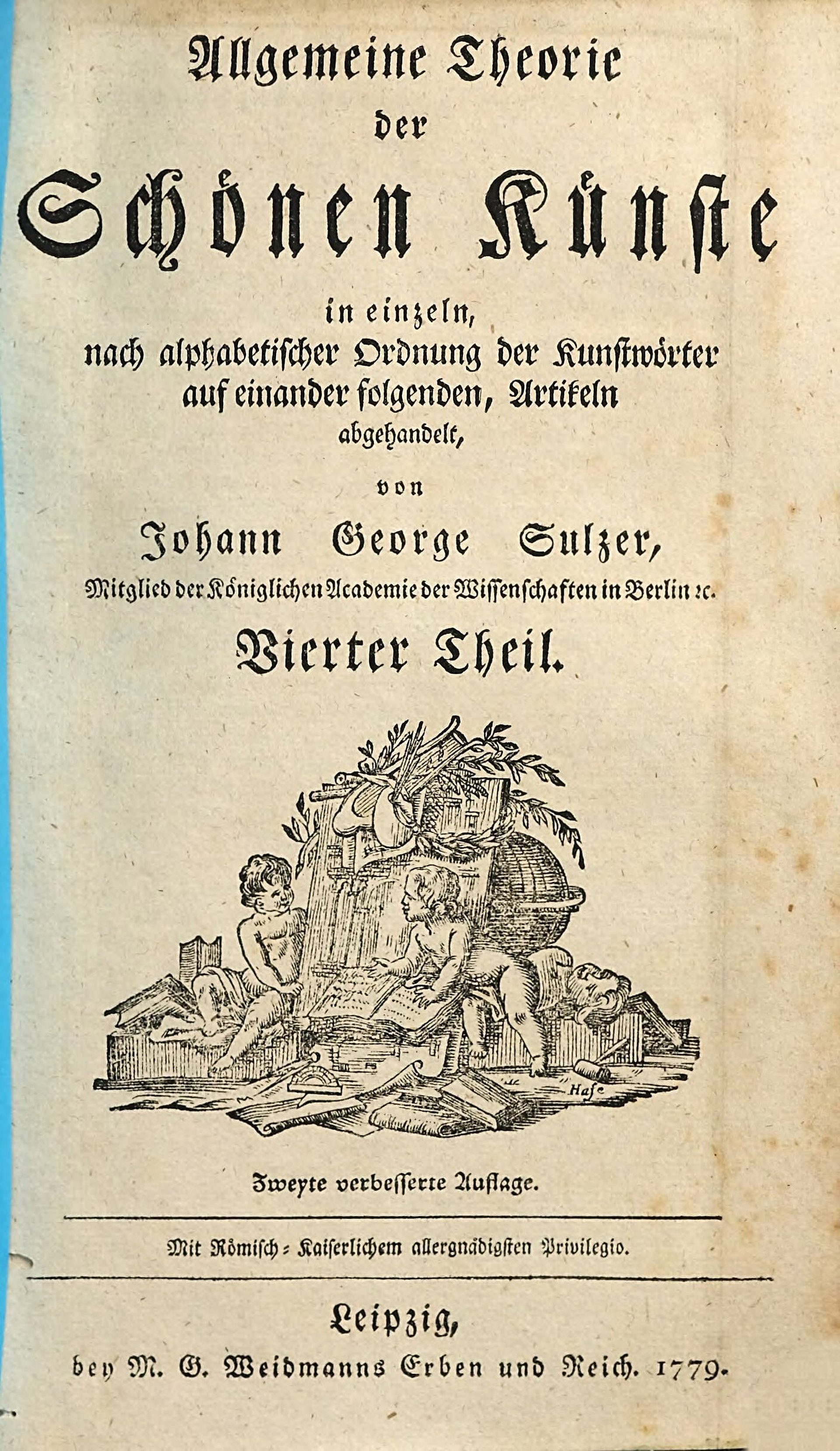
Sulzer, aged 30, had married the previous year and had been admitted to the Berlin Academy of Sciences, albeit without an additional salary. He found his day job as a mathematics teacher at the Joachimsthal Gymnasium “highly unpleasant”, as he writes in his memoirs, for “among the numerous young people studying there, there was not a shred of discipline”. To clear his head, the scholar, who had a wide range of interests, liked to get his hands dirty in his garden. Botany was one of Sulzer’s lifelong passions, and the article on garden art in Sulzer’s encyclopaedia *General Theory of the Fine Arts*, published from 1771 onwards, is still well worth reading today. Sulzer recommended taking nature as a guide and warned against “too much artifice and regularity”. True to this natural approach, Sulzer, a lover of English landscape gardens, is likely to have laid out his own garden on Museum Island.
A Poem on Elysium
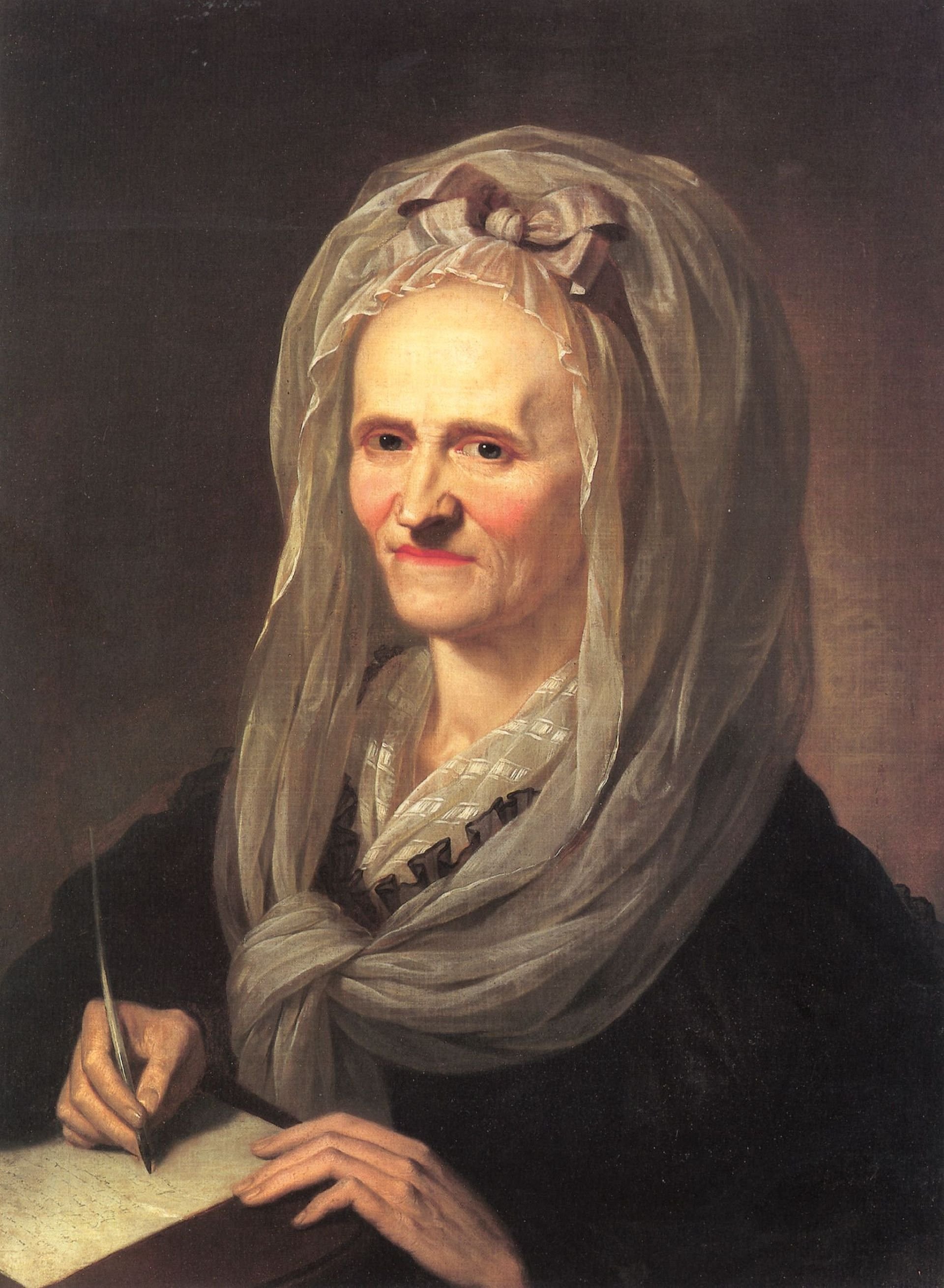
‘I am surrounded on all sides by water and trees, and flocks of swans come to my garden. From there I can board a boat and, unseen, sail out of the city. Running along one side of the garden is one of the most beautiful public promenades, and with all this I am at the very heart of the city,’ wrote Sulzer in 1752, whilst construction work on the house was still underway. At that time, a popular walking path led from what is now the Friedrichsbrücke along the southern bank of the Spree to the Weidendammer Brücke; today, this path is blocked by the Bodemuseum, which extends right down to the water’s edge. “Behind it, on verdant terraces, / A garden gently swells into the fairest temple: / Here Vertumnus toils to enclose it in arbours / And Bacchus plants hills of grapes there. // He adorns your quiet house, where wisdom dwells, / O Sulzer! whom she calls her favourite / And rewards his research with the joys of nature / Which only her pupil values and knows,” thus did the poet Anna Louisa Karsch sing of Sulzer’s “Elysium” in a poem in 1761, set on the riverside promenade at Weidendamm.
Karsch had been friends with Sulzer for many years, and her poem hints that the estate was one of the memorable addresses of the Berlin Enlightenment. For Sulzer was, on the one hand, a member and, from 1776, director of the philosophical class within the internationally composed Academy of Sciences; at the same time, he was well connected with bourgeois authors such as Lessing, Nicolai, Mendelssohn and Ramler. People met in the ‘Montagsklub’ (Monday Club), which Sulzer had co-founded, but also enjoyed gathering in Berlin’s gardens. Sulzer introduced the brilliant networker and poet Johann Wilhelm Ludwig Gleim to the improvisational poet Anna Louisa Karsch. The two men ensured that her ‘Selected Poems’ were published, so that the proceeds from their sale would enable the single mother to make a permanent living in Berlin.
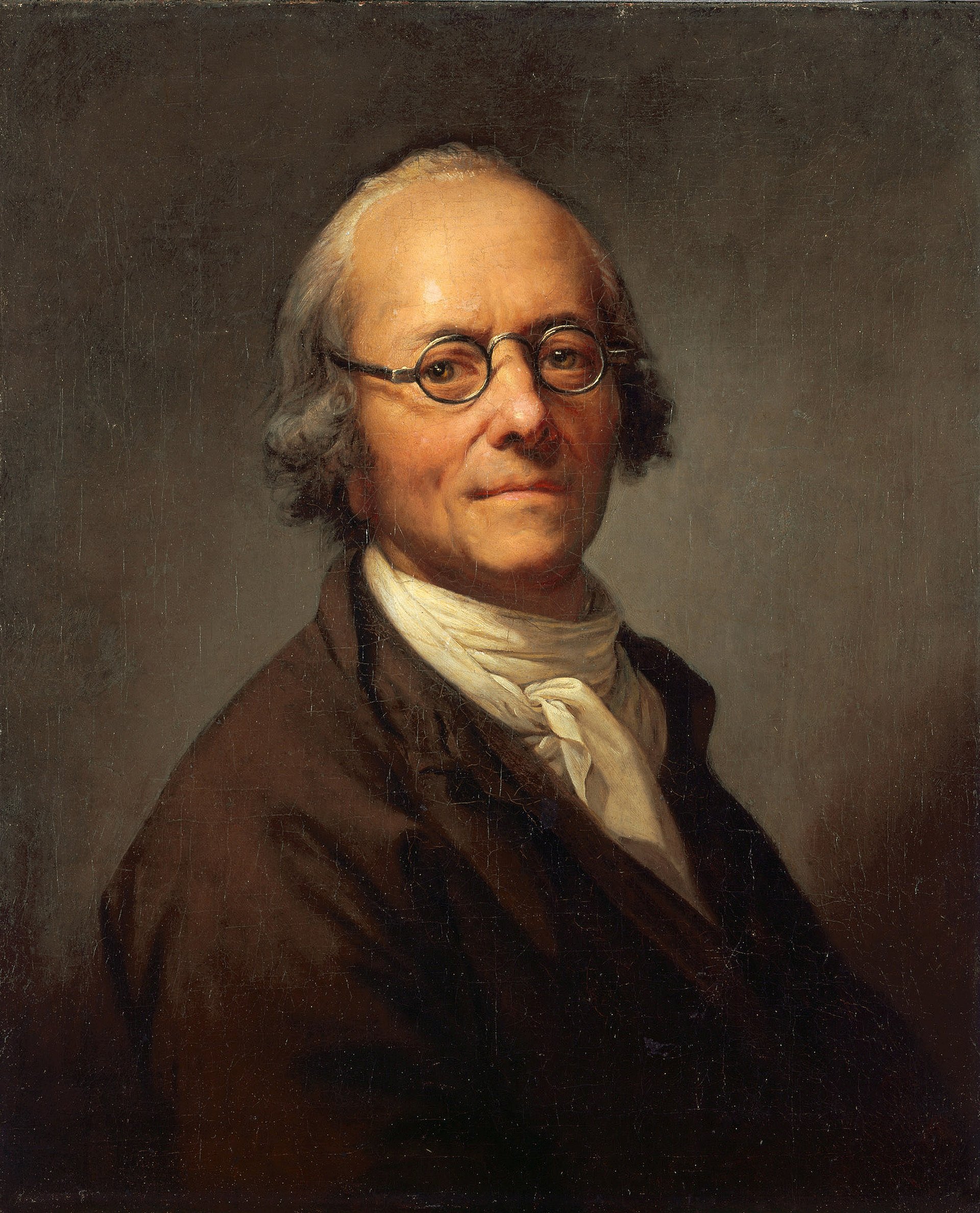
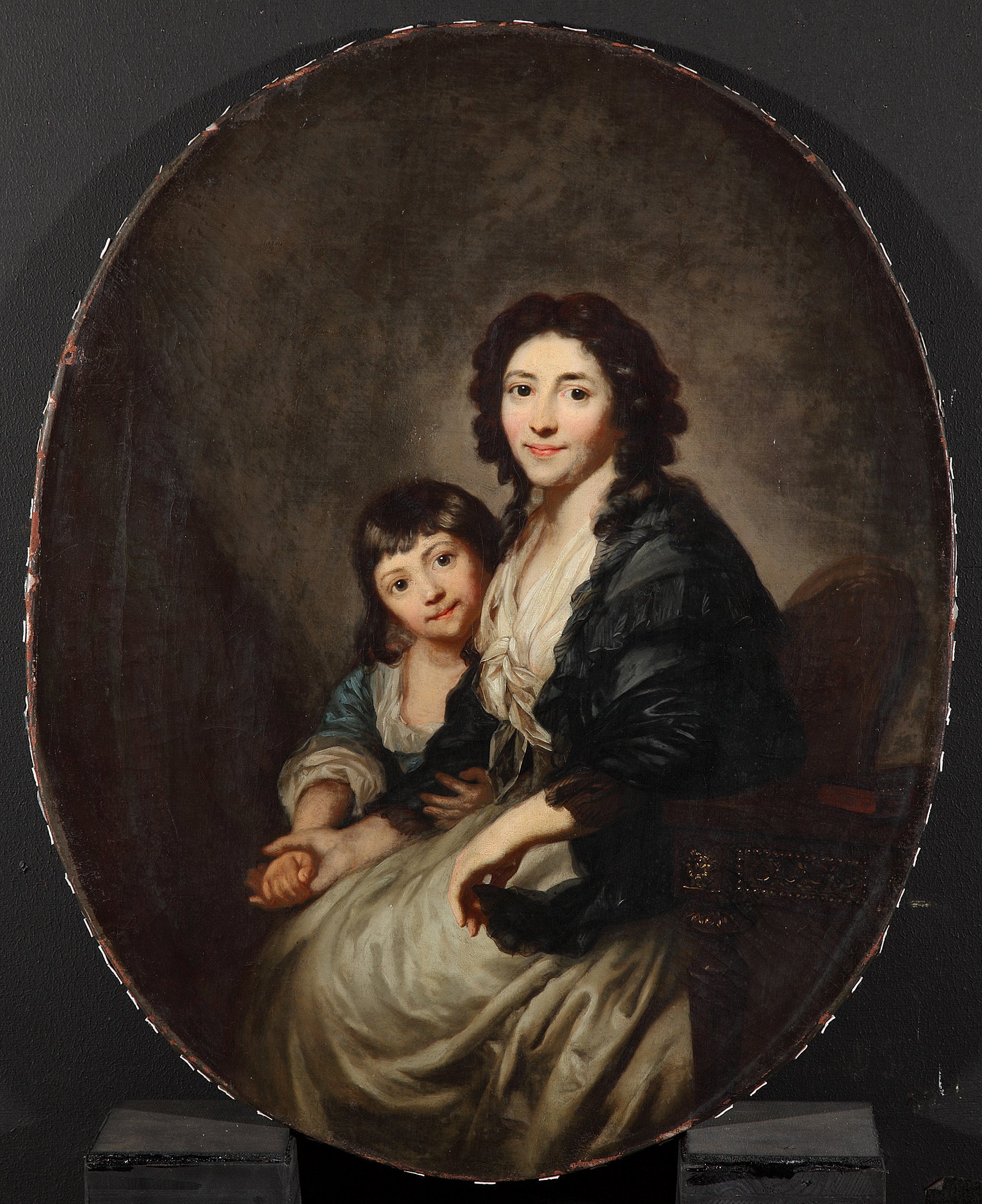
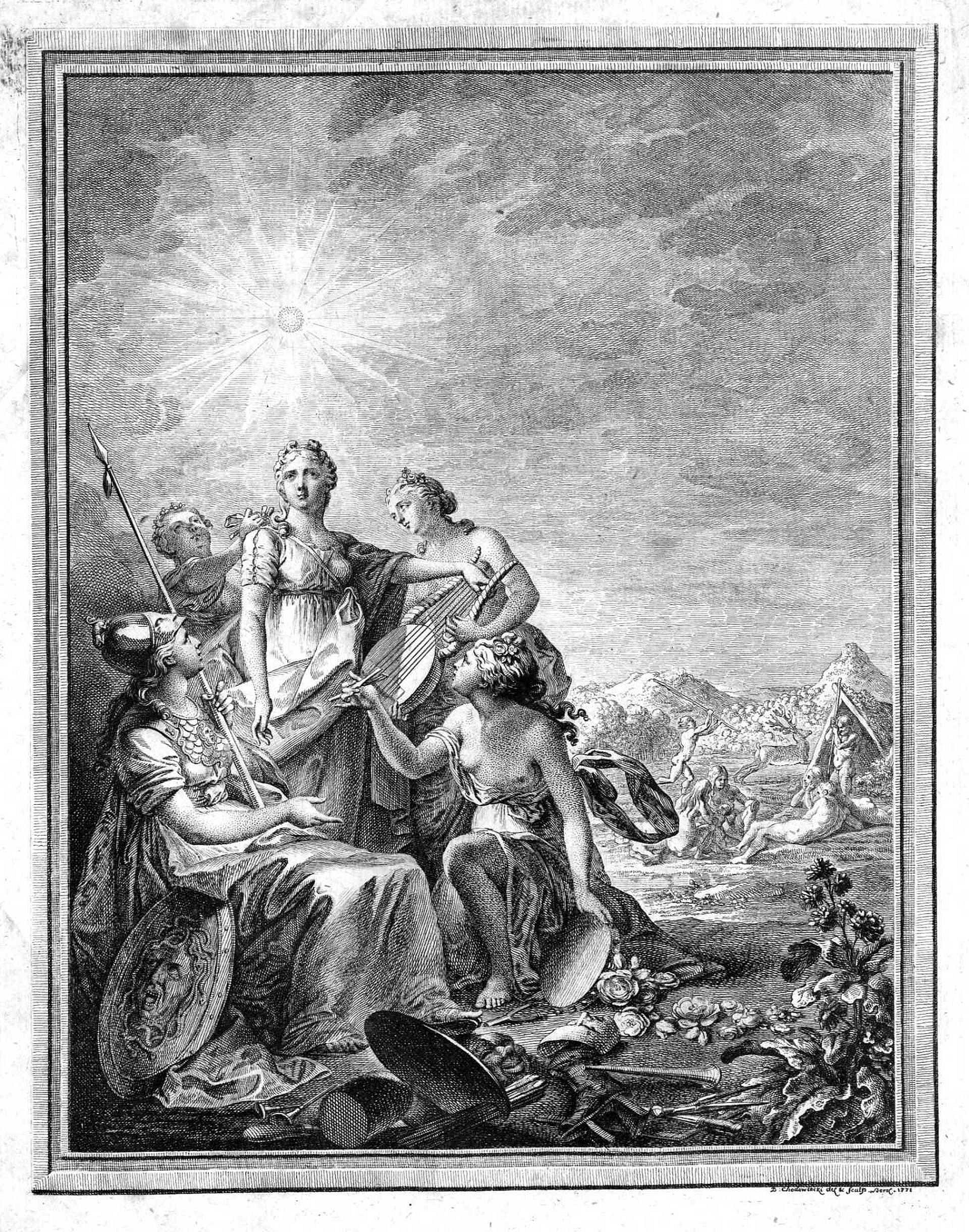
Sulzer had a particularly close relationship with the painter Anton Graff, to whom we owe iconic portraits of the bourgeois Enlightenment figures: in 1771, Graff married Sulzer’s daughter Elisabeth Sophie Auguste. Graff depicted his father-in-law, his wife and his granddaughter on several occasions. Graff presented the graceful portrait of Sulzer’s daughter with her granddaughter Caroline Susanne to his friend, the engraver Daniel Chodowiecki; it now hangs in the Gemäldegalerie in Berlin. Chodowiecki, in turn, produced copperplate engravings for the ‘General Theory of the Fine Arts’ and, following Sulzer’s death, acted as his trustee, managing his estate, which included a collection of copperplate engravings.
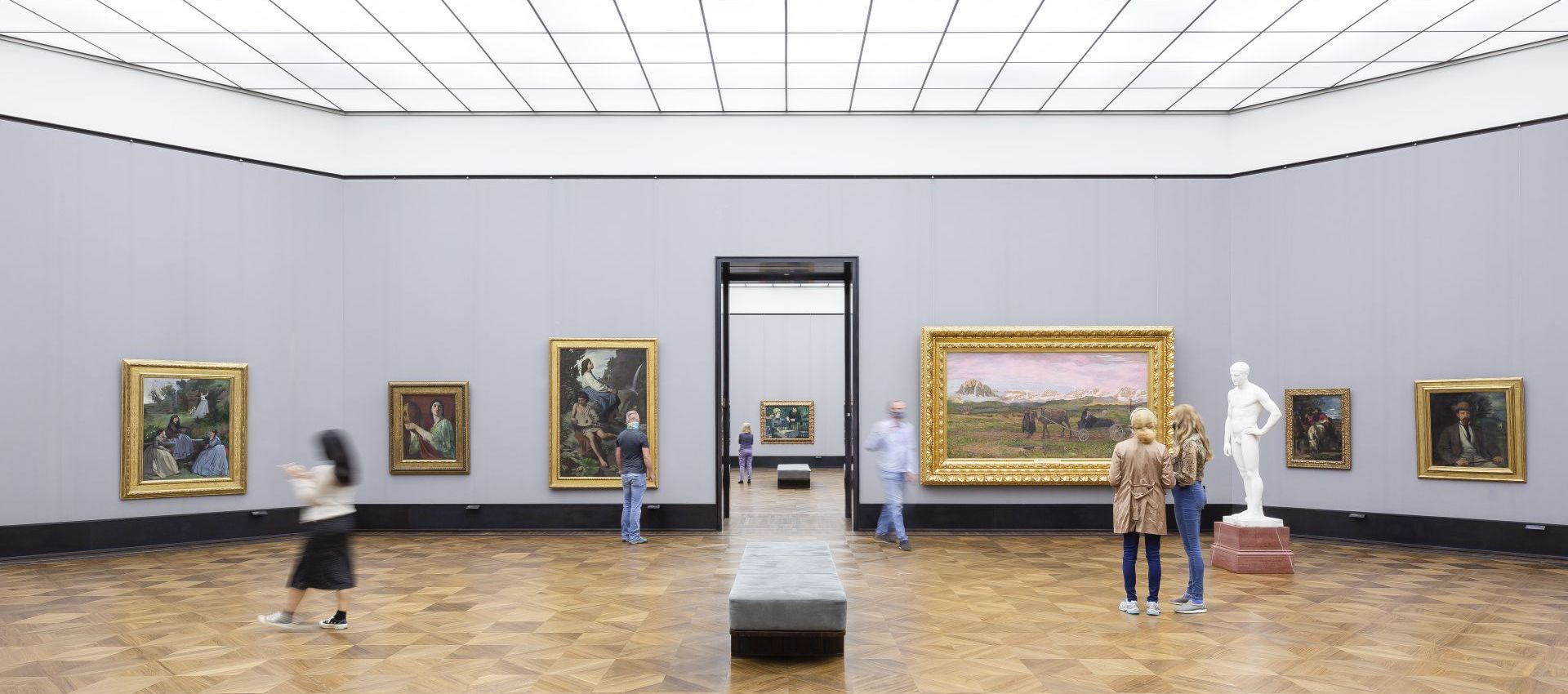
No portrait of the Sulzer couple is known to exist, as his wife died in 1761 as a result of complications during pregnancy. Severe depression subsequently rendered the scholar unable to work; he took a leave of absence from teaching and planned to return to Switzerland with his daughters. In early 1764, he sold the property on Museum Island. In 1779, it was acquired by the Jewish court banker Daniel Itzig, who later bequeathed it to his daughter Sara Levy, who, as a salon hostess and patron, promoted Berlin’s musical life. Part of the Sulzer estate was demolished during her lifetime to make way for the construction of the Neues Museum, with the remainder later cleared to make way for the Alte Nationalgalerie.
A new garden in Moabit
However, Sulzer’s planned return to Switzerland was thwarted by Frederick the Great, who was determined to keep the philosophically gifted educator in Berlin. Initially, he offered a pension of 200 talers a year for Sulzer to remain at the Academy. Sulzer declined. This was followed by the irresistible proposal to head a new school for the nobility, the so-called Ritterakademie, with an annual salary of 1,500 talers. And on top of that, Sulzer was presented with a new plot of land by the water in Moabit, spacious enough to build another house with a garden and plant trees imported from America. Travelling by boat across the Spree, the city centre was much easier to reach from there than by land. The new estate stretched roughly between today’s Lessing Bridge and Turmstraße; in reference to Cicero’s Dialogues, Sulzer called it his ‘Tuskulum’. It was there that he died in 1779 after years of suffering from lung disease.
In Moabit and on Museum Island, there is nothing to remind us of this likeable philosopher and writer, who was no dry armchair scholar but described himself as living ‘with equal delight in the world and in the tranquil abode of the sciences’. Entirely in the spirit of the Enlightenment, Sulzer believed in the civilising power of beauty in nature and art. At the same time, he defended the capacity for artistic appreciation as an independent faculty alongside emotion and reason, thereby paving the way for later theorists of artistic autonomy such as Kant. Sulzer could not have foreseen that a “sanctuary of art and science” would one day be established around his garden plot as a World Heritage Site. He would certainly have liked it.
Further links
- Michael Bienert: *Enlightened Berlin: Literary Locations*, Verlag für Berlin und Brandenburg, Berlin 2022
- Sulzer-Digital: Information on editorial projects and materials relating to Johann Georg Sulzer
- "What is the Enlightenment? Questions for the 18th Century": Exhibition at the German Historical Museum, until 6 April 2025