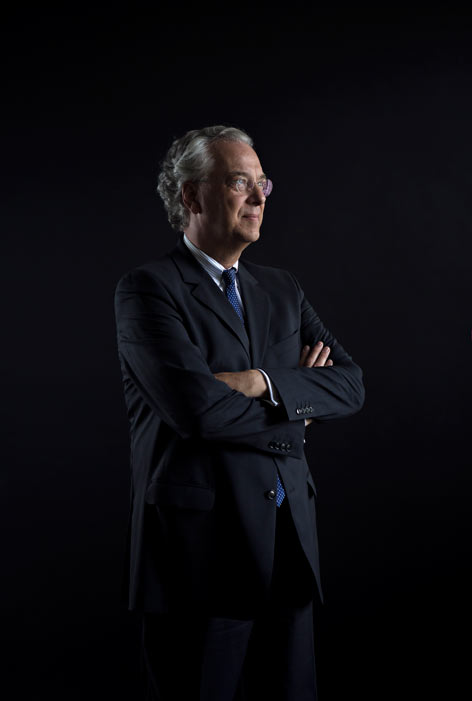
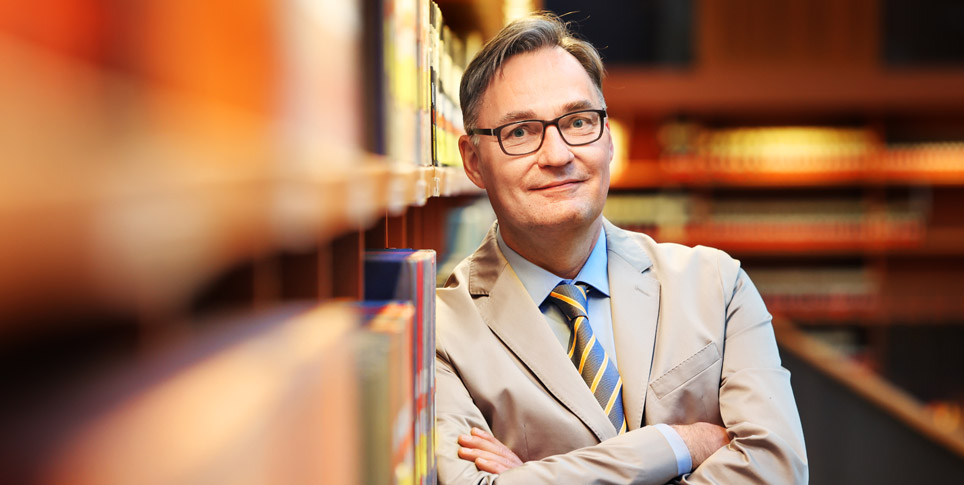
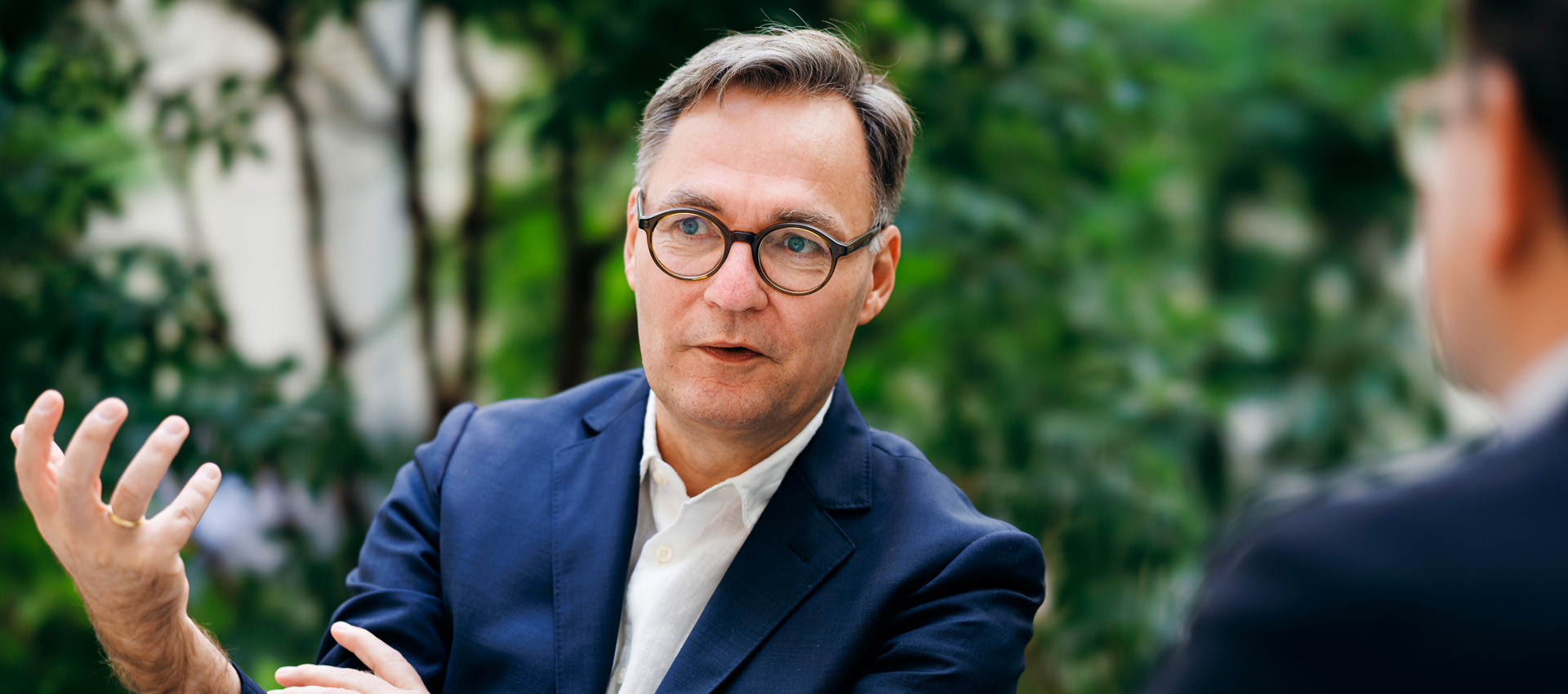
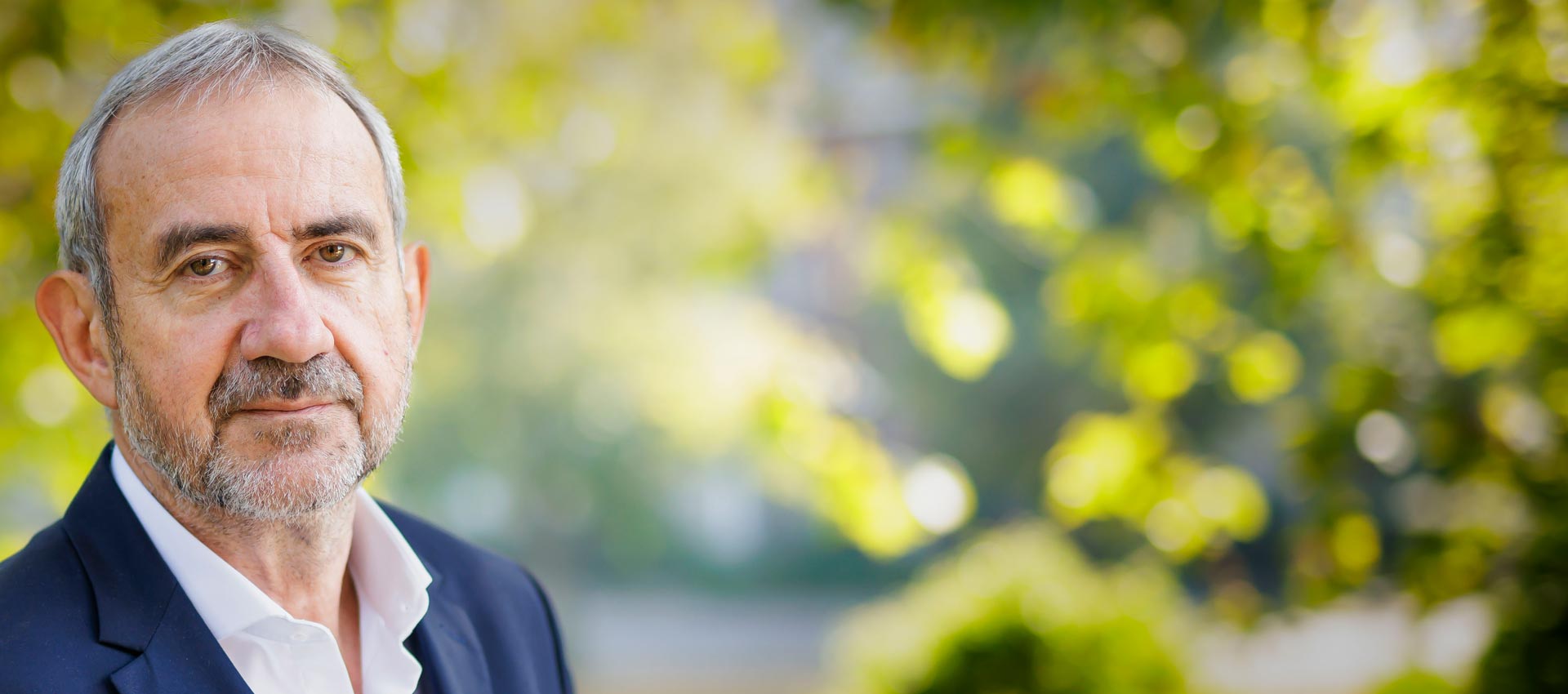
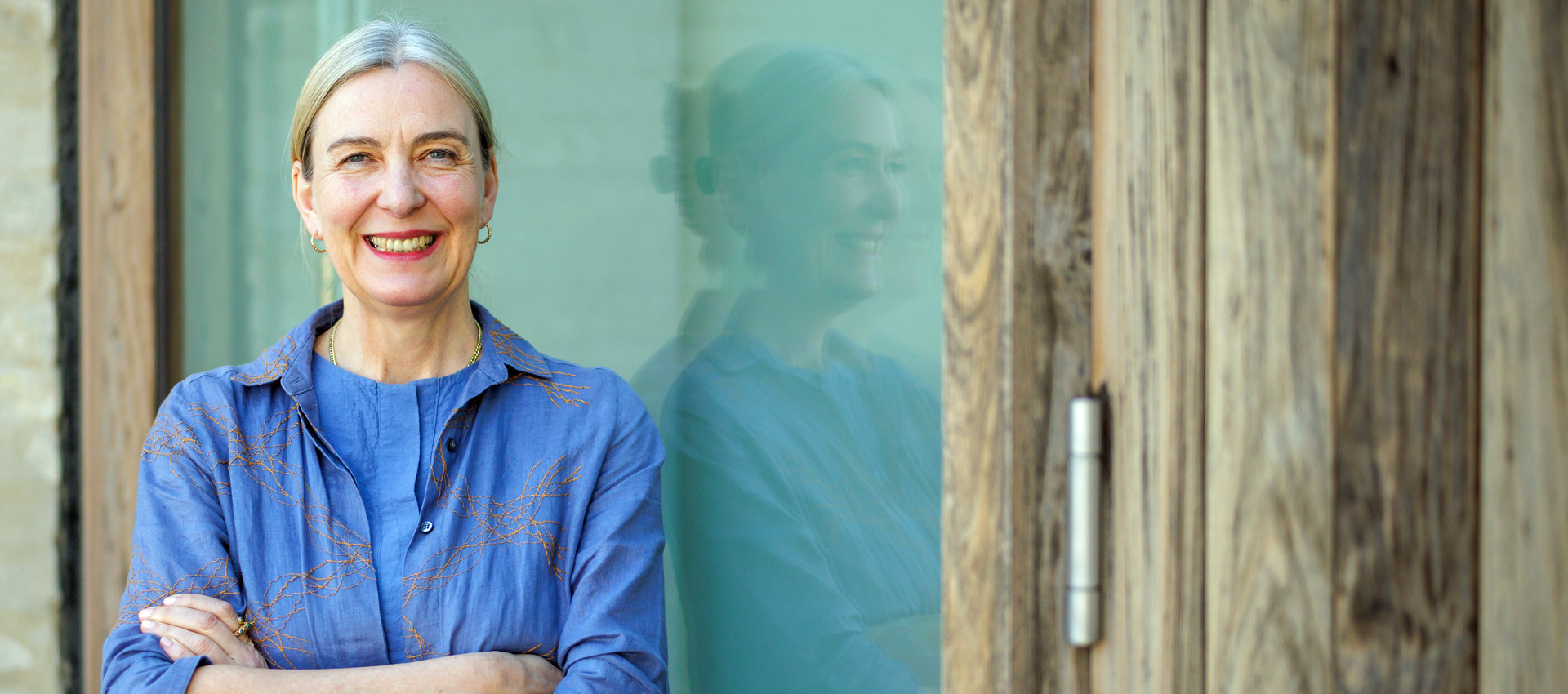
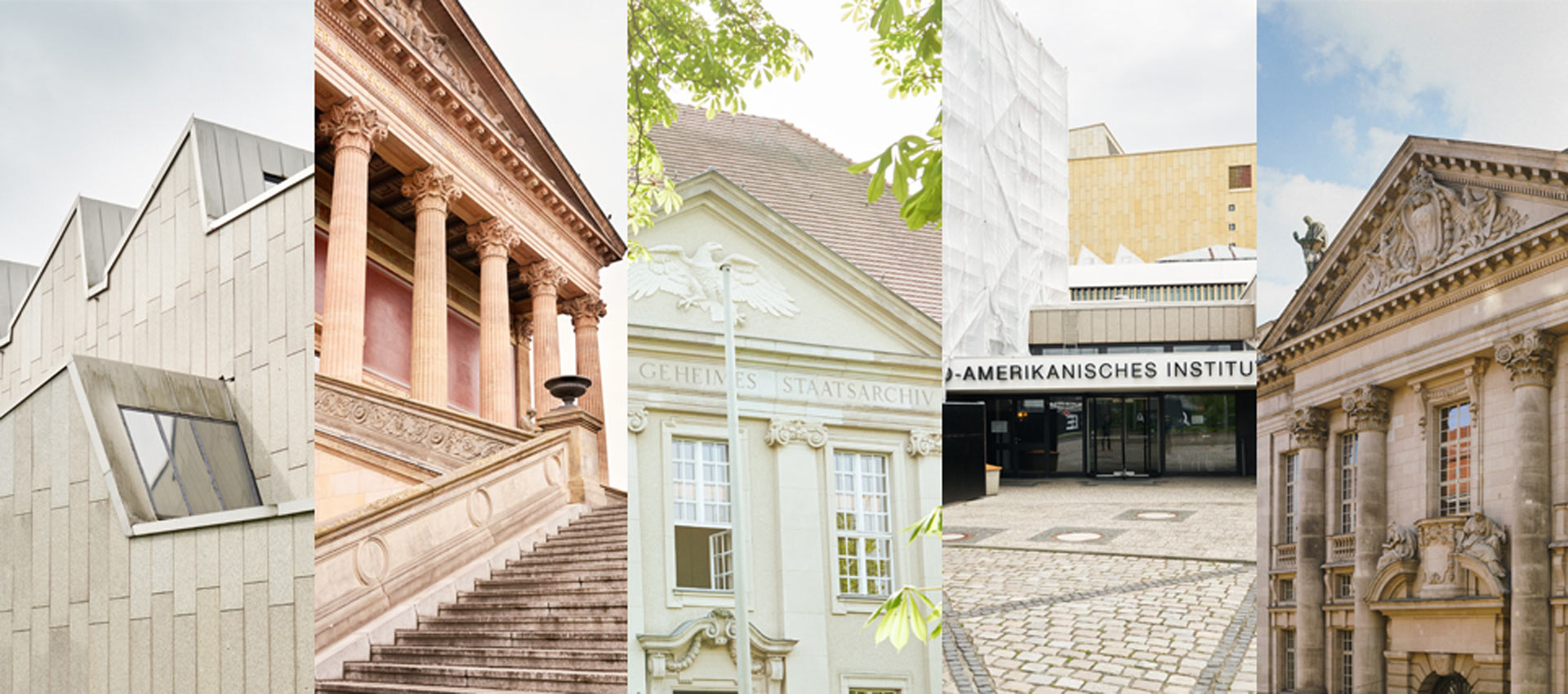
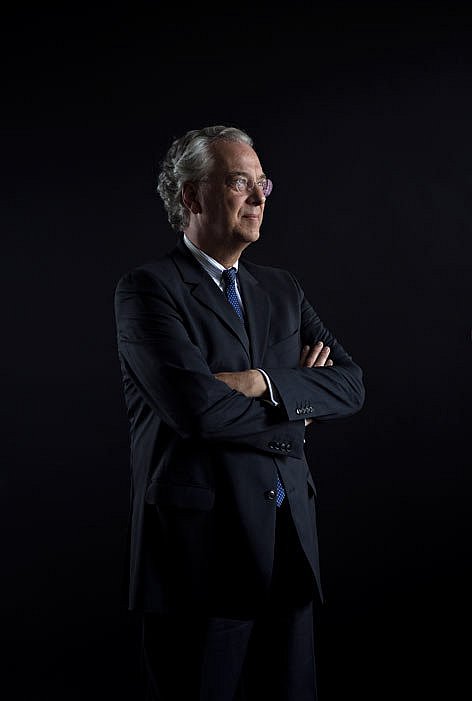
The Director General of the Berlin State Museums oversees a collection of 15 outstanding individual collections housed in 17 different museum buildings – a unique arrangement on a global scale. He is also Director of the Collection of Paintings. Here, Michael Eissenhauer explains how he tackles these challenges.
What has changed at the Berlin State Museums over the last ten years?
For the State Museums of Berlin as a whole, it is striking that an almost complete generational change has taken place among the museum directors over the last ten years. It is precisely this fact that has prompted this series of interviews! But most management positions within the General Directorate have also been filled by new appointees. The accompanying introduction of a new departmental and divisional structure has streamlined many work processes and significantly improved internal communication.
Which project, exhibition or publication are you particularly proud of, and why?
We have succeeded in creating a shared, unified museum documentation system for all 15 museum collections and the four research institutes of the Staatliche Museen zu Berlin. It was a long and arduous process to migrate the various proprietary databases of the individual collections into a single database. Since 2012, this has meant that, for the first time, all collections can be searched in a single, unified online database – SMB-digital. Of course, by no means all collections and object information are available online yet, but all institutions are now working together towards this goal. That fills me with pride!
As Director General, I am also always particularly delighted by cross-collection publications, such as the magnificent volume ‘25,000 Years of Jewellery’ (2013), which presents jewellery from our collections spanning all periods of human history and all parts of the world and cultures. But this is just one example among many!
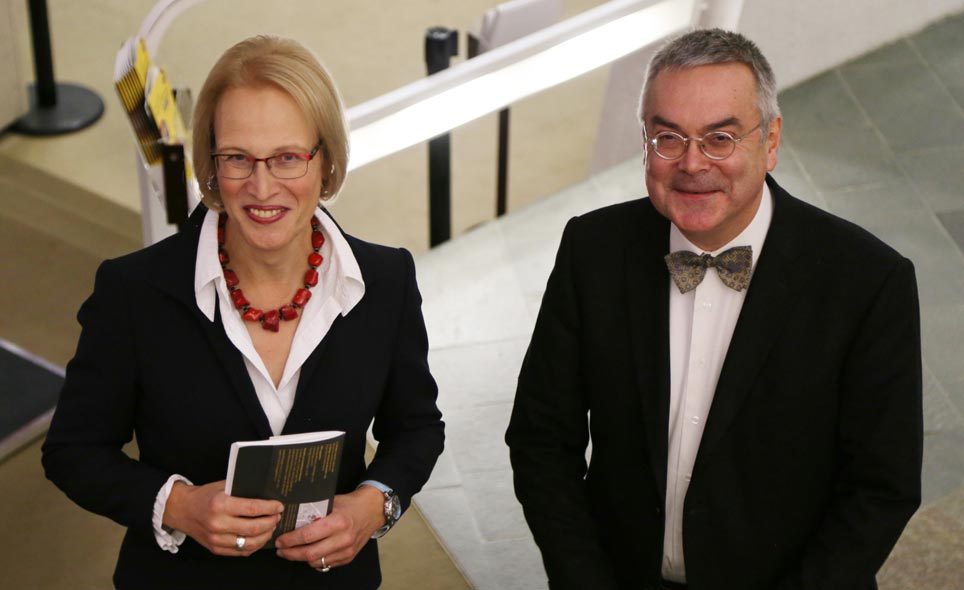
In my daily work, I am filled with joy and gratitude for the friendly collaboration with Ms Haak and the excellent team spirit within the Directorate.
What has been your most memorable failure?
“The Art of the Enlightenment” (2011/2012) was a wonderful exhibition and an excellent collaboration with colleagues in Dresden and Munich, but our original hopes for long-term contacts and future prospects in cooperation with China, which were linked to this project, were not realised to the extent we had hoped, against the backdrop of Ai Weiwei’s arrest and in the period that followed.
As Director of the Gemäldegalerie and the Skulpturensammlung, it also pains me that the plan to bring the collections together in an extension on Museum Island has not yet been realised and has been postponed to an indefinite future.

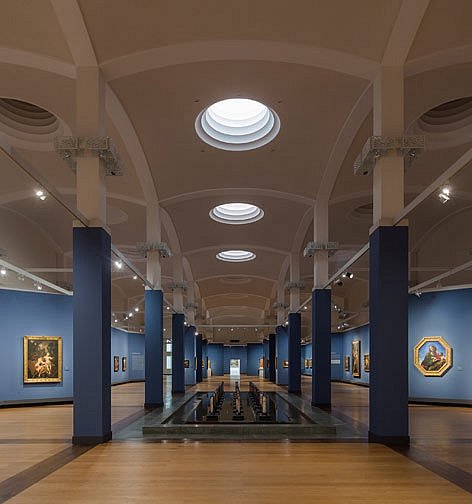
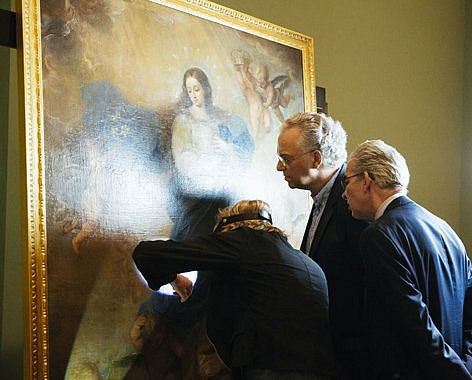
Picture Gallery
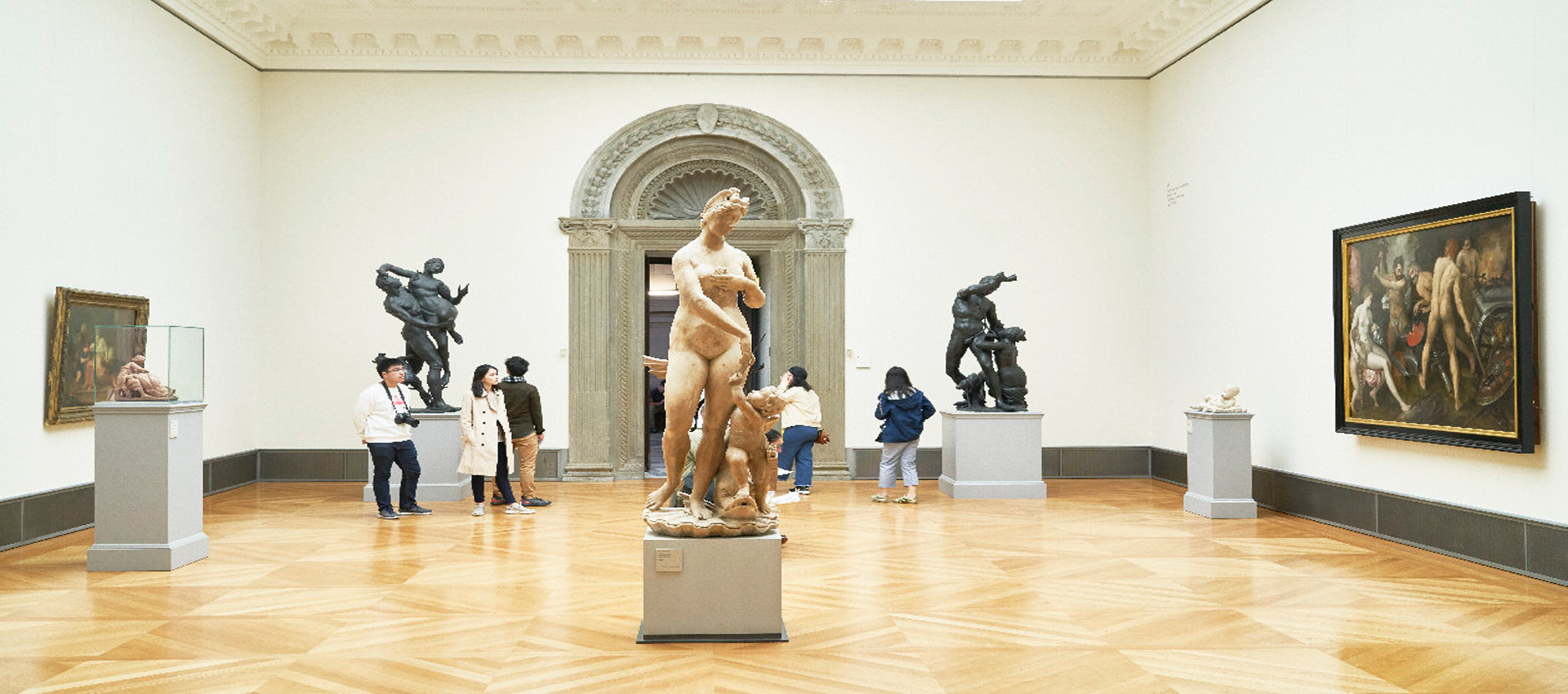
The Picture Gallery houses a world-renowned collection of European paintings from the 13th to the 18th century. Masterpieces from all periods of art history, including paintings by Jan van Eyck, Pieter Bruegel, Albrecht Dürer, Raphael, Titian, Peter Paul Rubens, Rembrandt and Jan Vermeer van Delft, are on display here. In particular, German and Italian painting from the 13th to the 16th centuries, as well as Dutch painting from the 15th to the 17th centuries, can be admired here to great effect. Since 1998, the paintings in the collection have been on display at the Berlin Kulturforum.
Website of the Gemäldegalerie of the Staatliche Museen zu Berlin
What surprised you the most?
‘Surprise’ isn’t quite the right word; let me speak instead of ‘fascination’: what truly fascinates and inspires me time and again is the incredible diversity of our collections. This enormous breadth enables us to explore a wide variety of socially relevant themes and phenomena in an exquisite manner, without relying on loans. I’m thinking, for instance, of the exhibition “Beards – Between Nature and Shaving”, which was a witty and innovative composition drawn exclusively from our own collections.
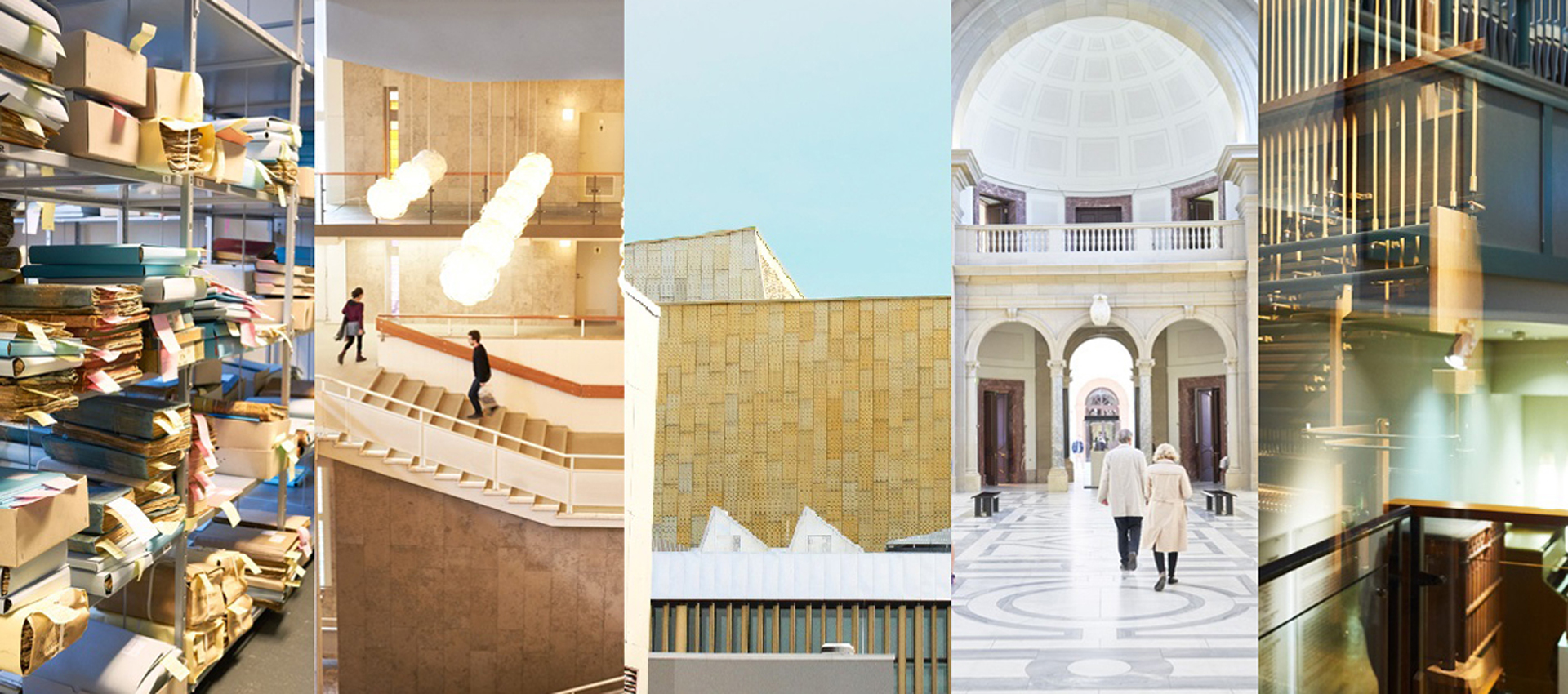
Another fascinating discovery, for instance, is the richness of our ethnomusicological collection, which comprises 140,000 audio recordings alone. Equally fascinating – to give a completely different example – is the care and depth of the documentation to which the Central Archive has attached the utmost importance since its foundation.
Where do you see the State Museums in 2028 – what should happen over the next ten years?
If you want to act in a forward-looking manner, you have to critically question everything you do on a daily basis. In this respect, we are subject to an ongoing process of reform and change, the aim of which is to preserve this globally unique association of 15 outstanding individual collections in 17 different museum buildings as a large-scale sculpture that has evolved over time. Their unity is the guarantee of the brilliant reputation of the Staatliche Museen zu Berlin as one of the finest museum collections in the world. Against this backdrop, we are continuously and purposefully expanding cross-collection collaborations, and I hope that the international visibility of this unique museum network will continue to grow in all its core areas – from exhibitions to educational outreach. Digital transformation will certainly play a decisive role in this.