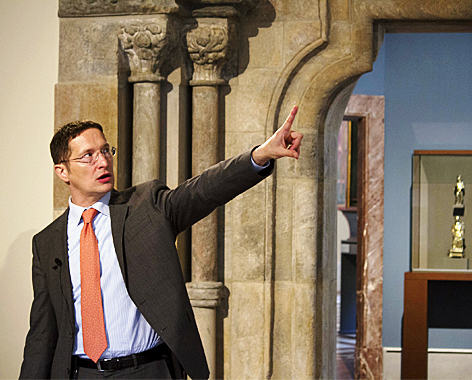
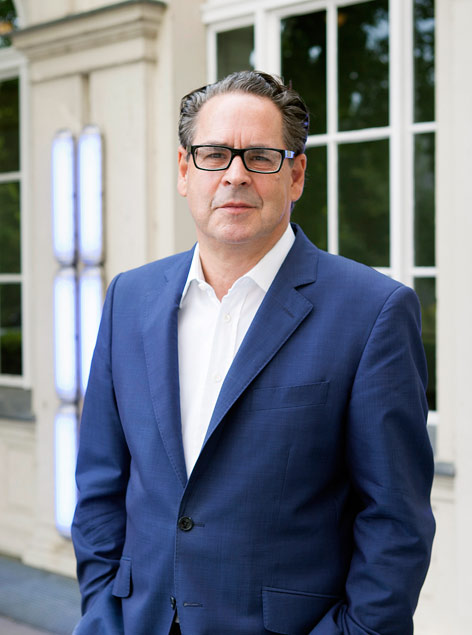
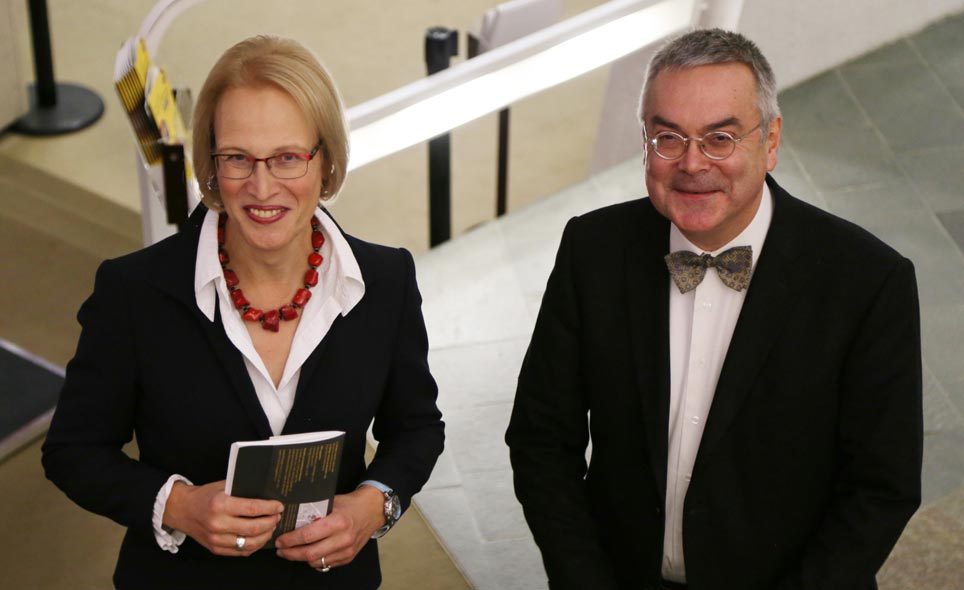
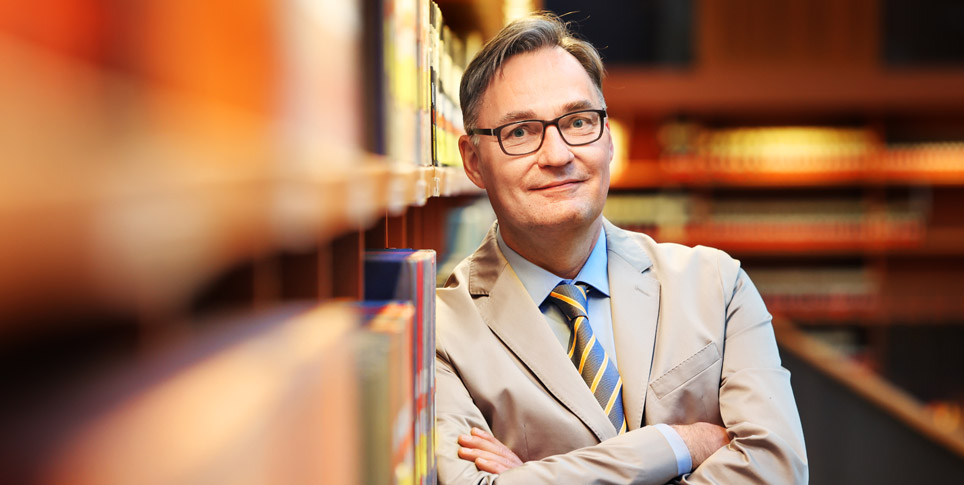
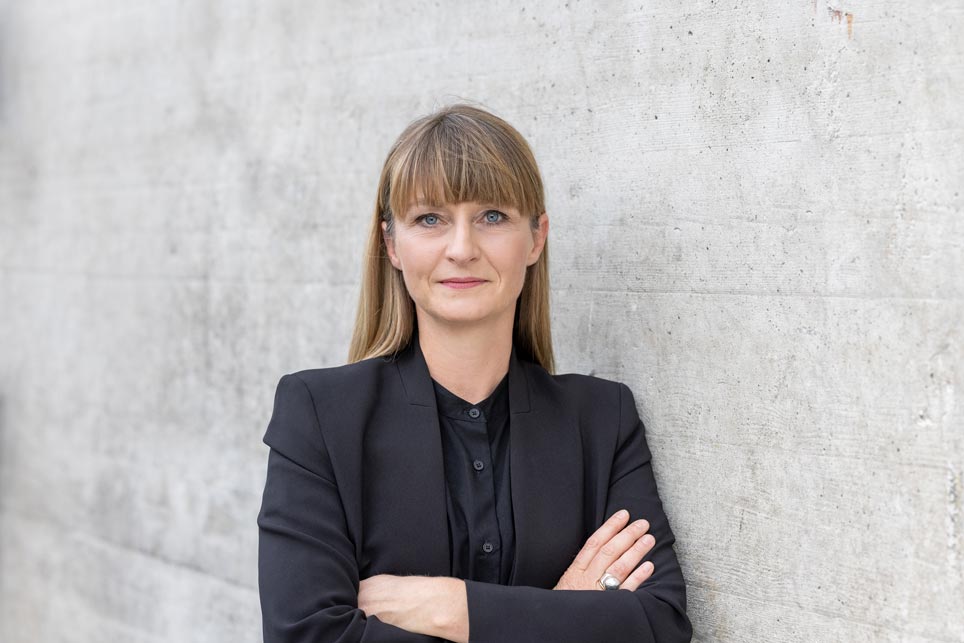
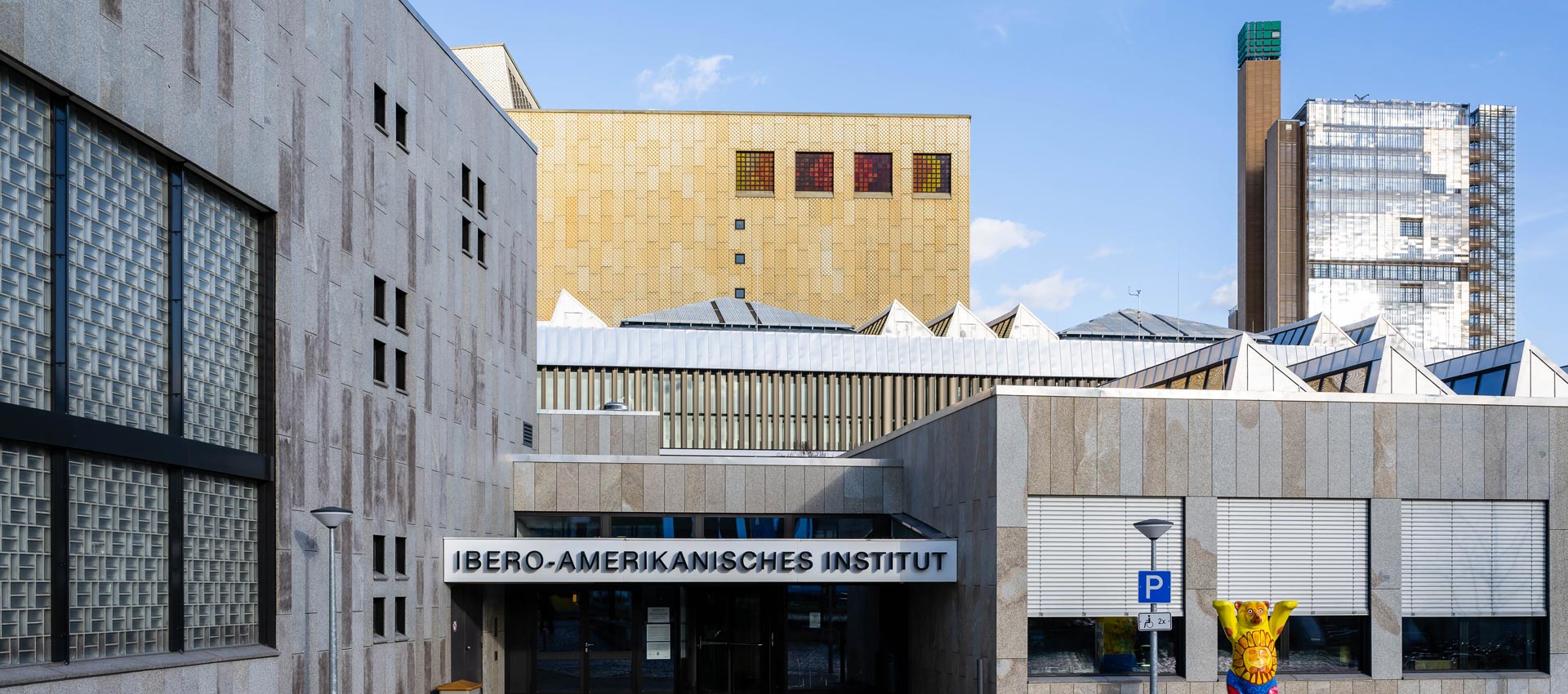
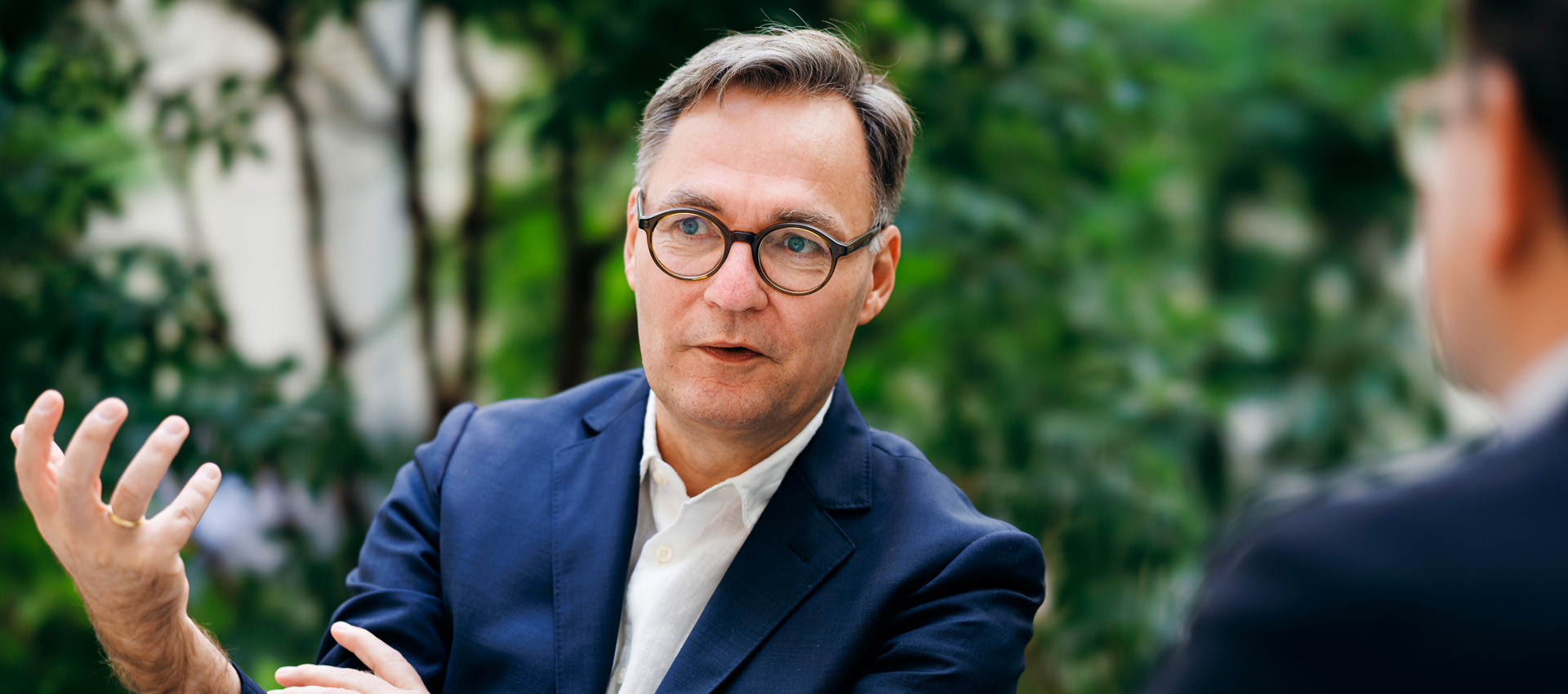
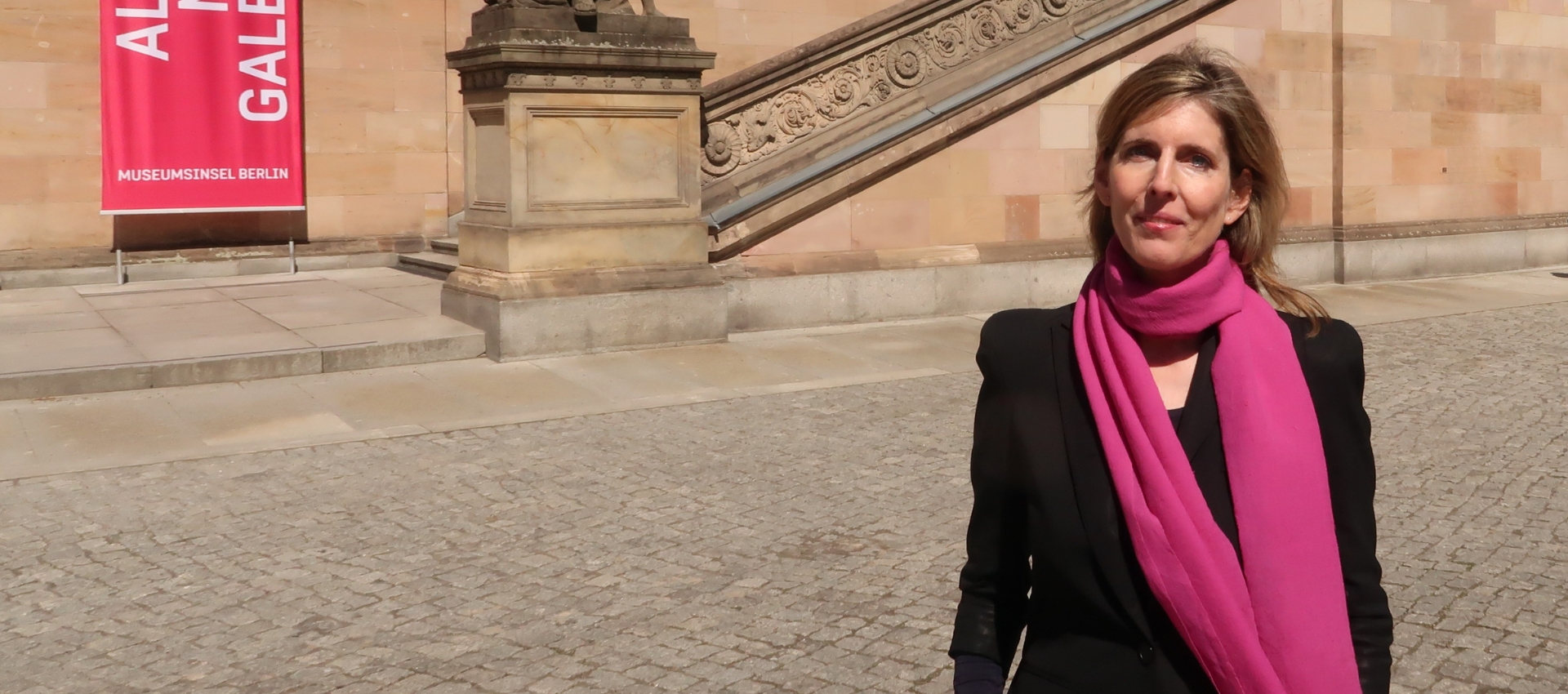
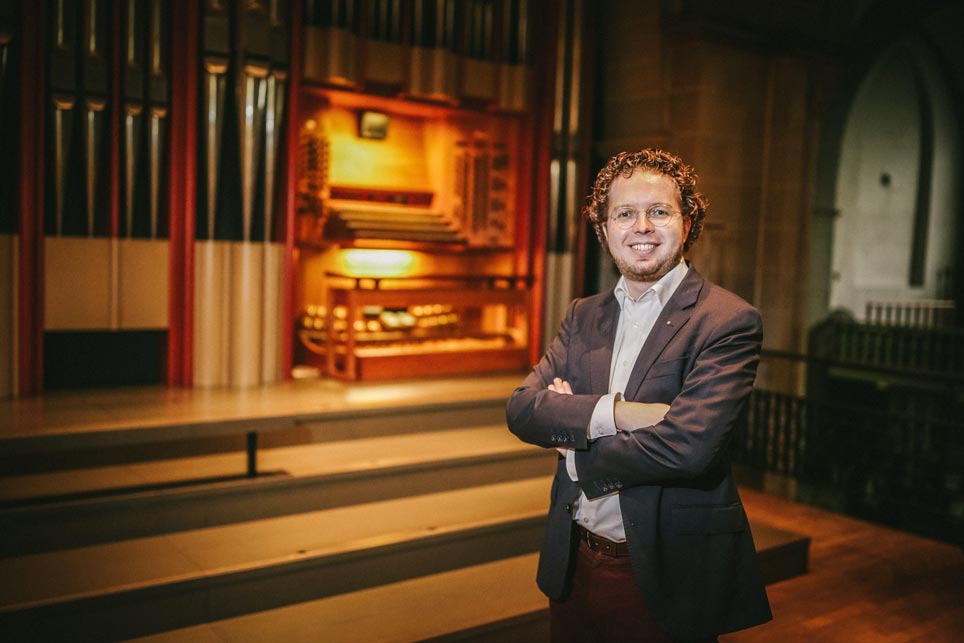
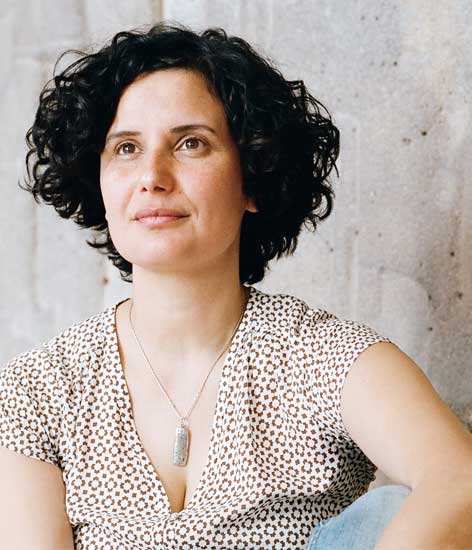
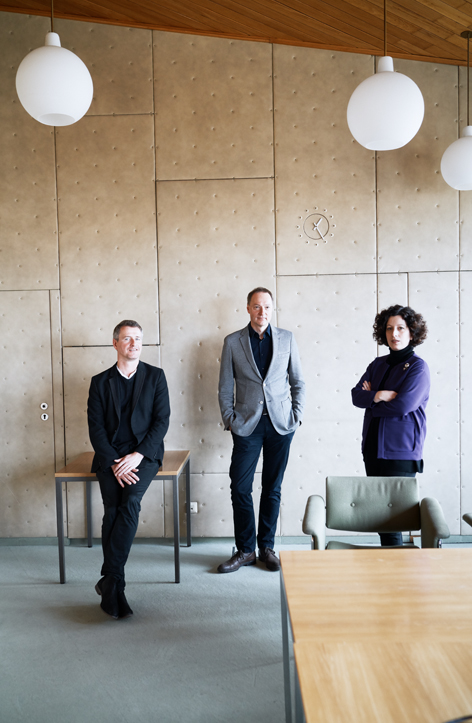
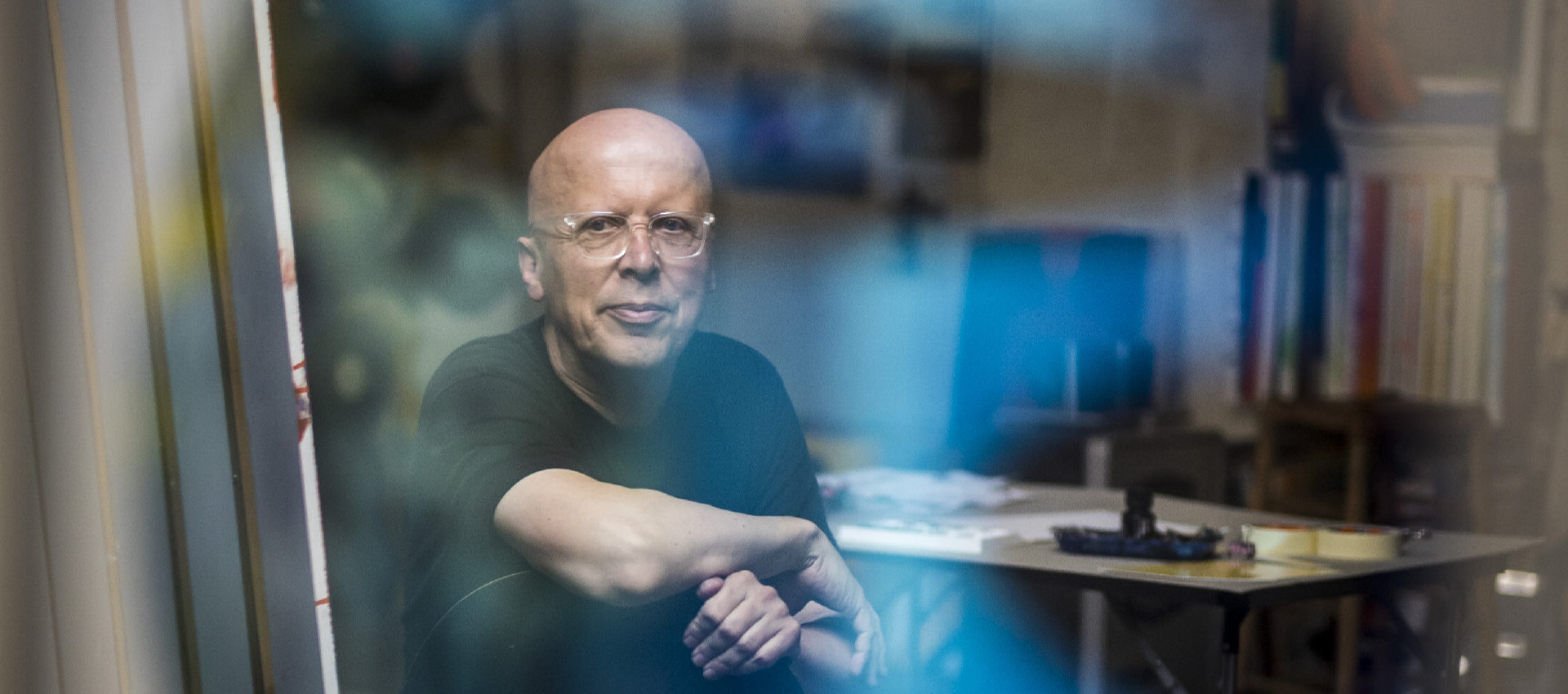
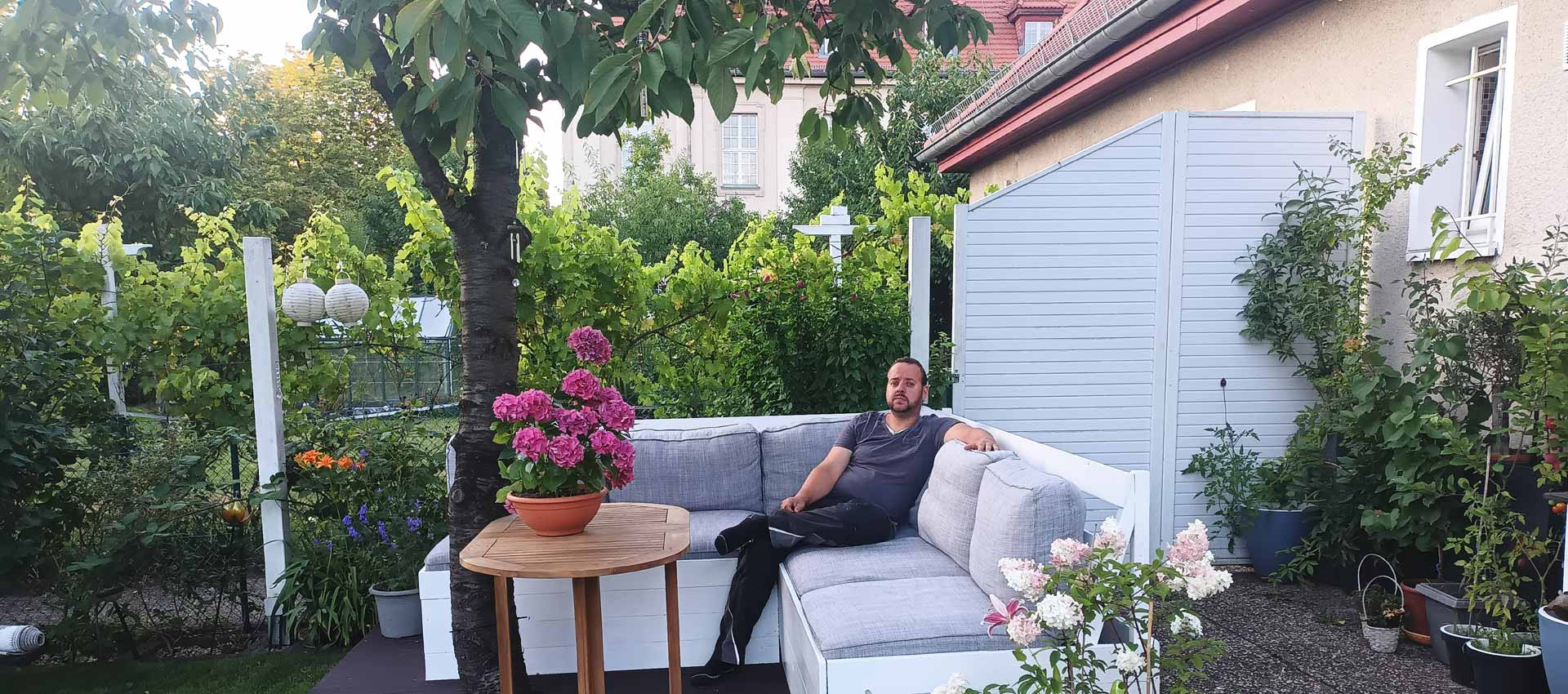
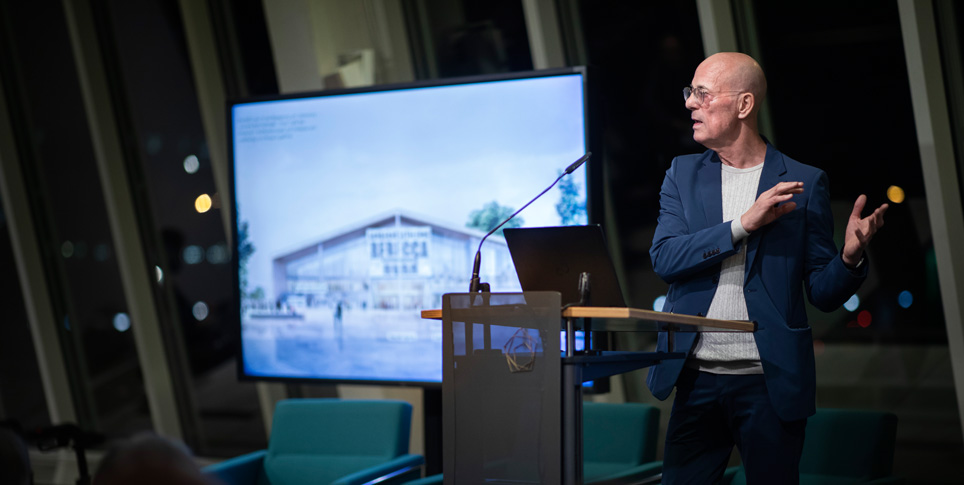
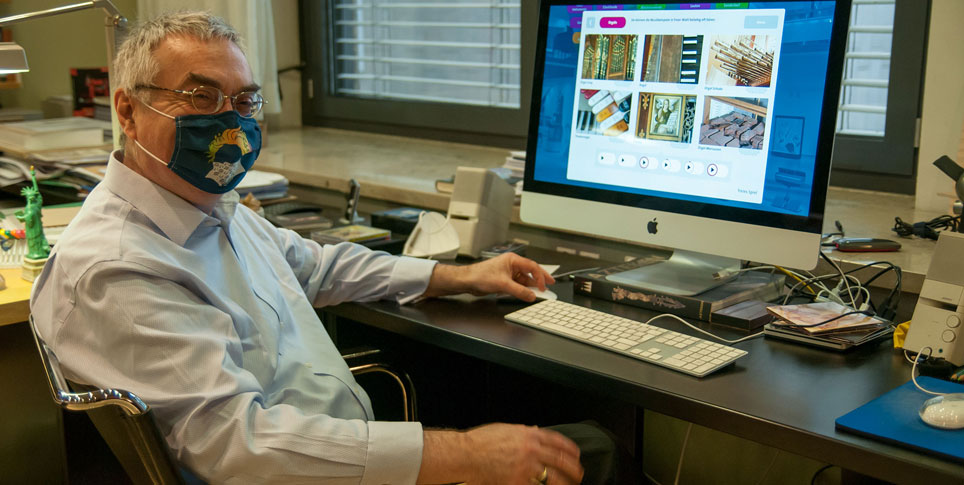
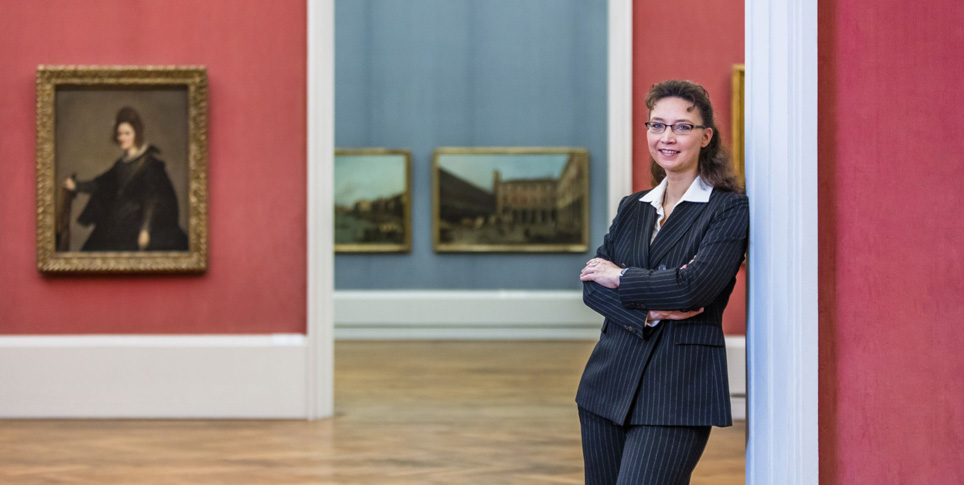
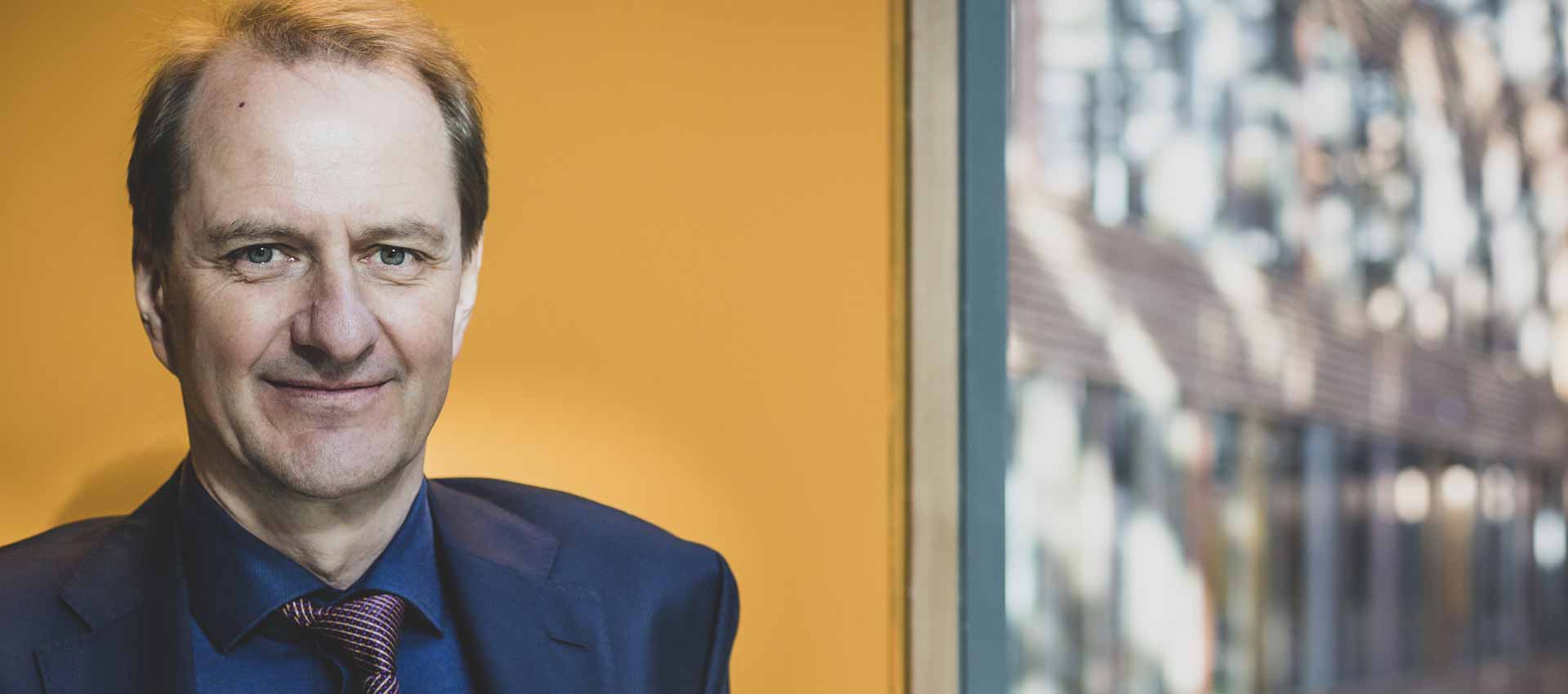
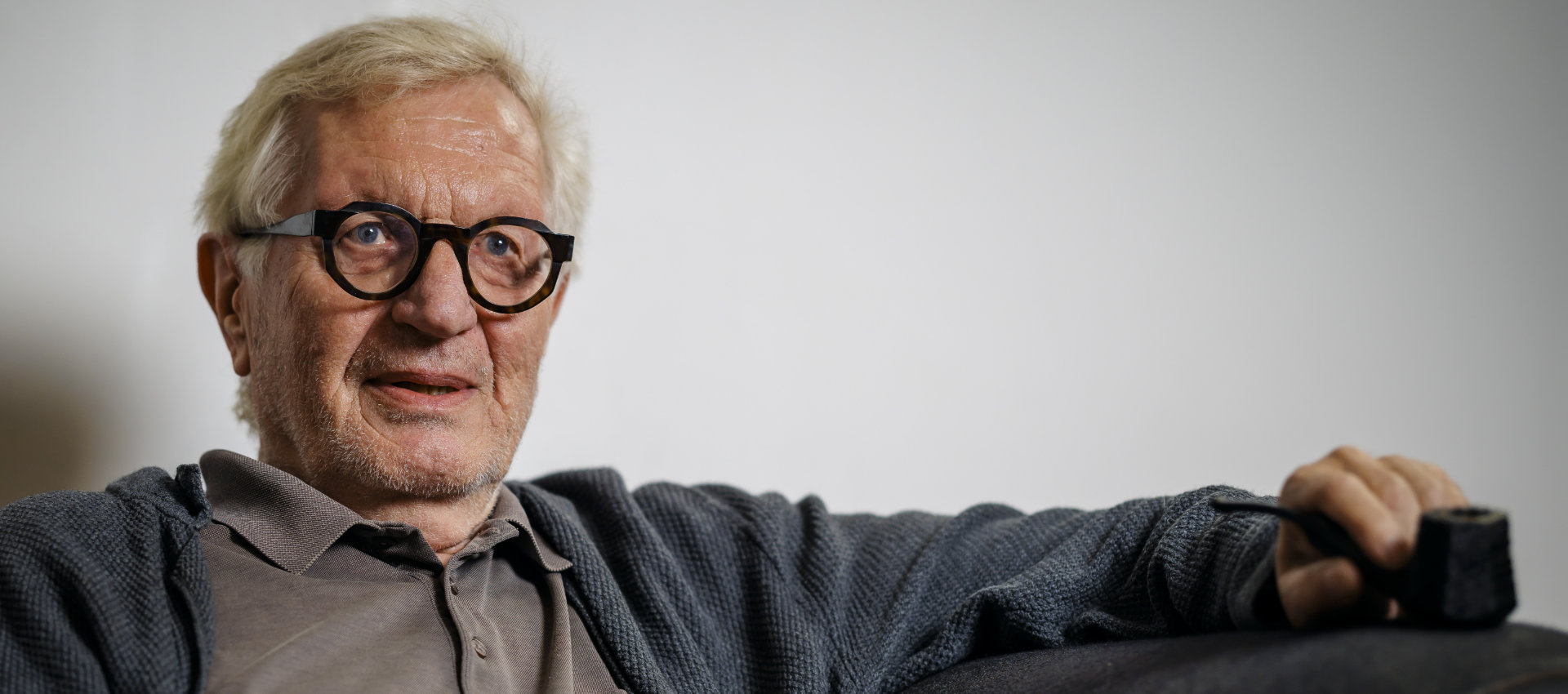
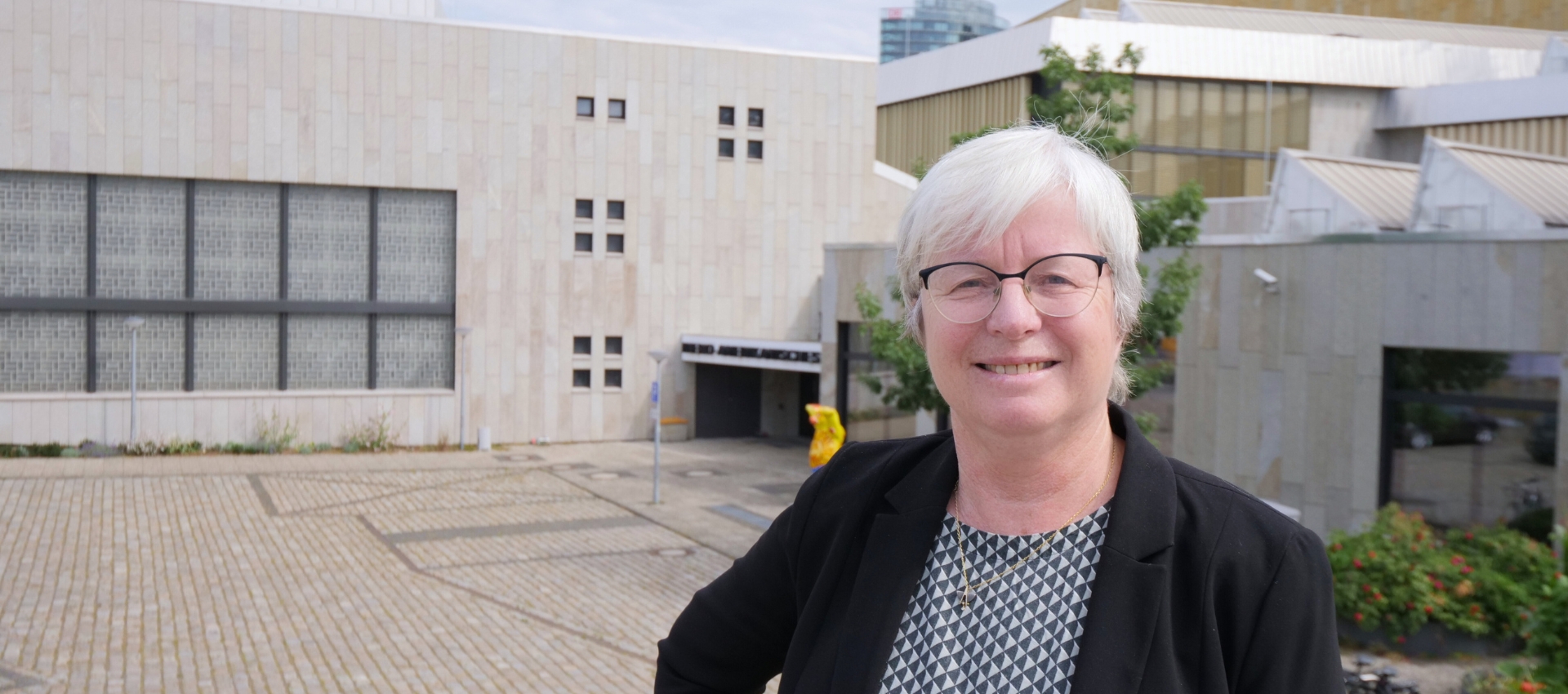
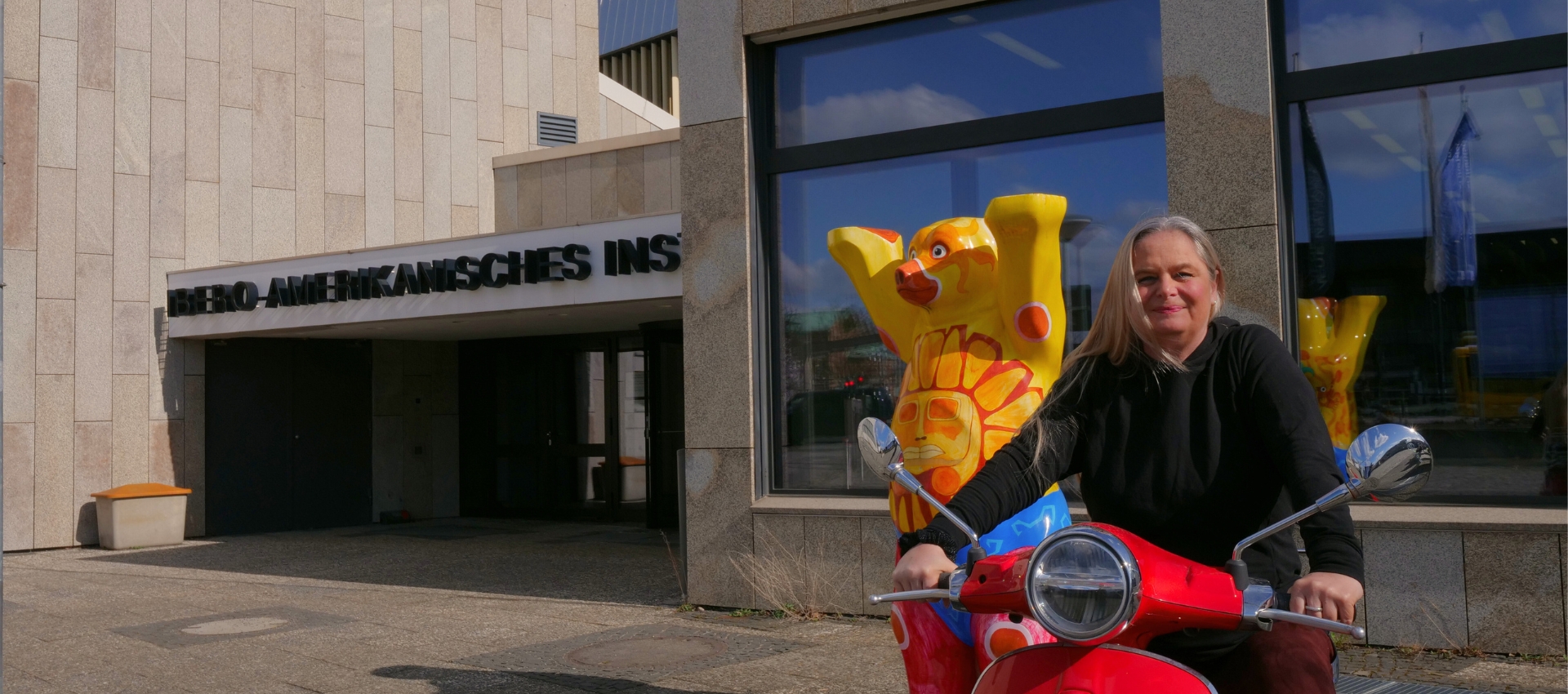
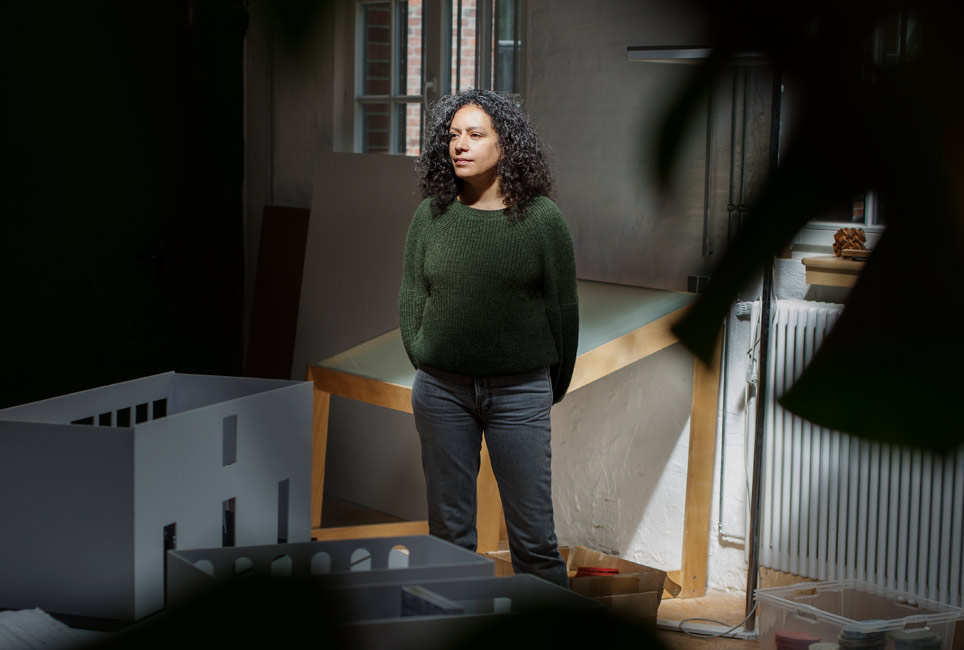
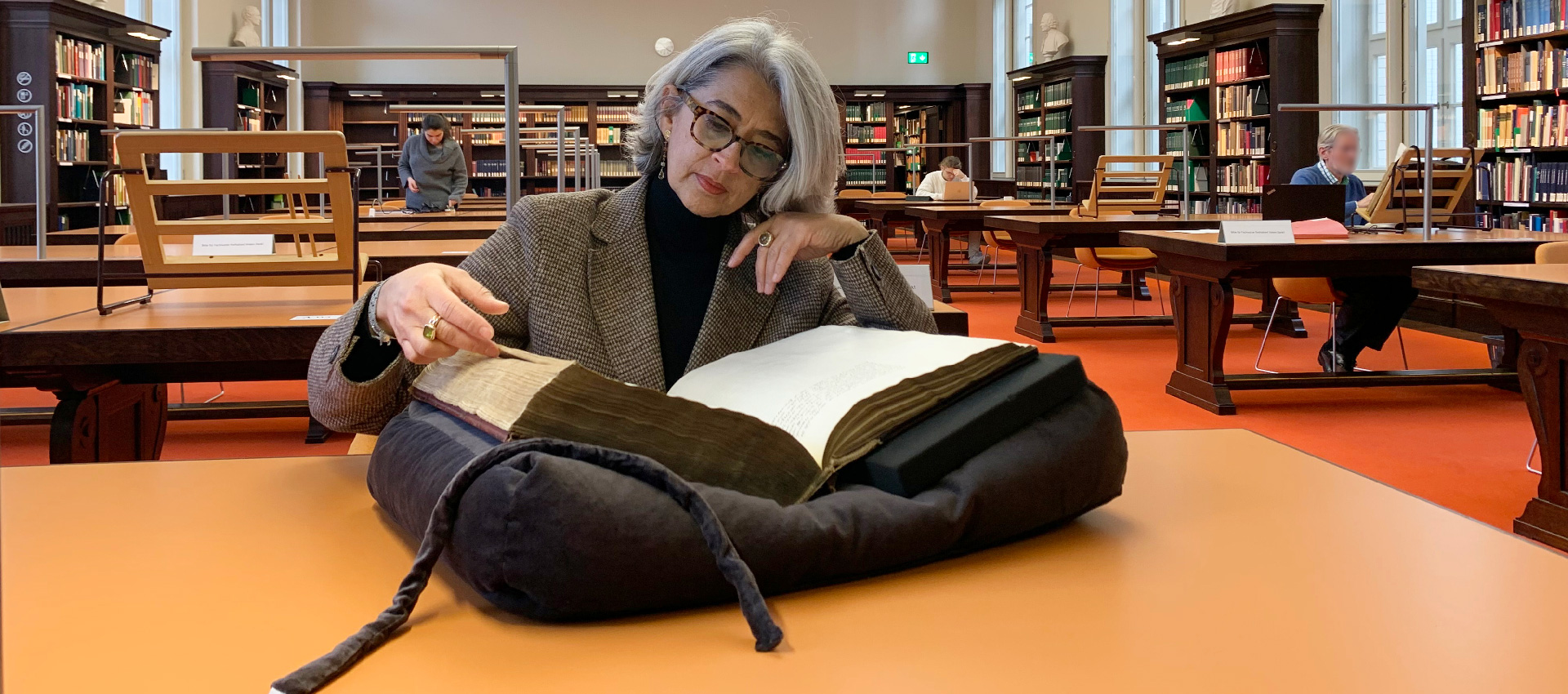
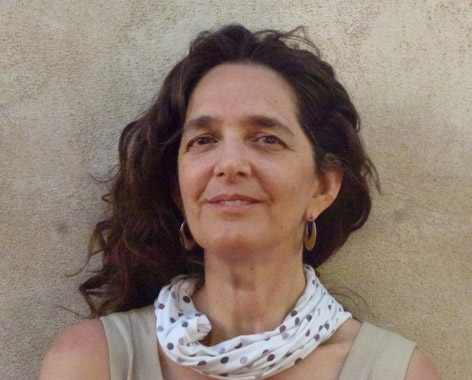
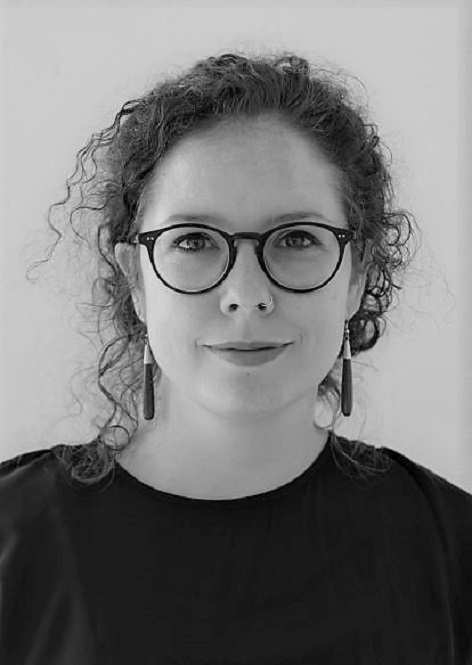
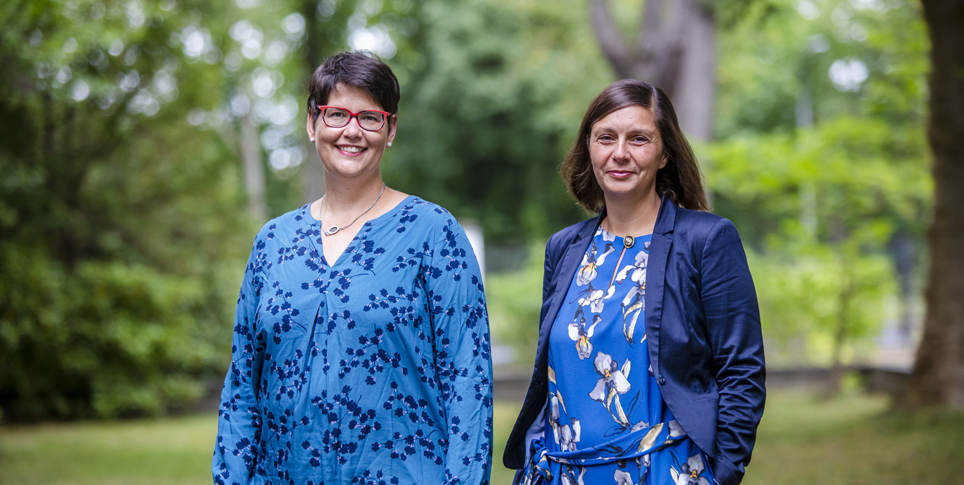
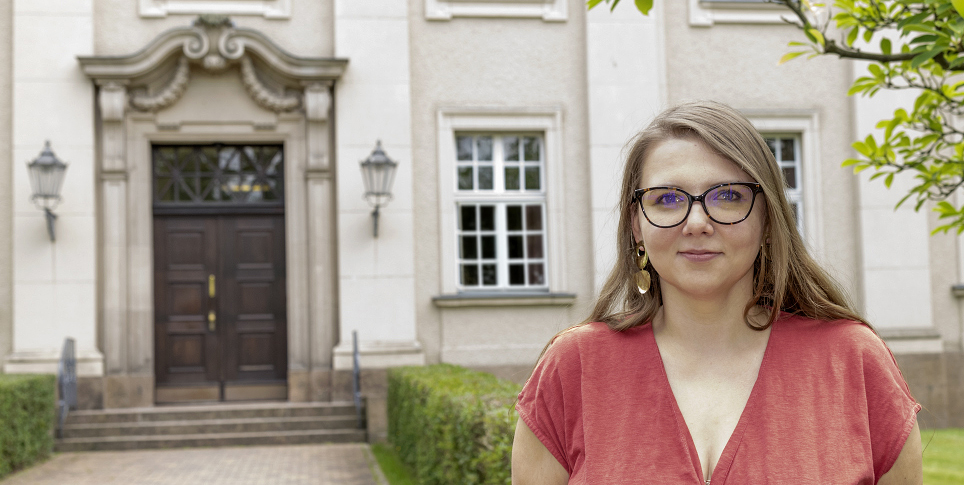
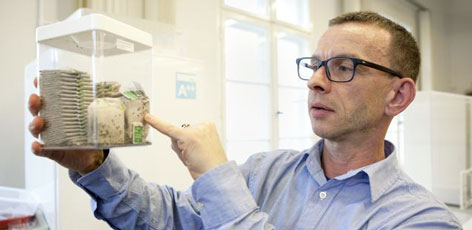
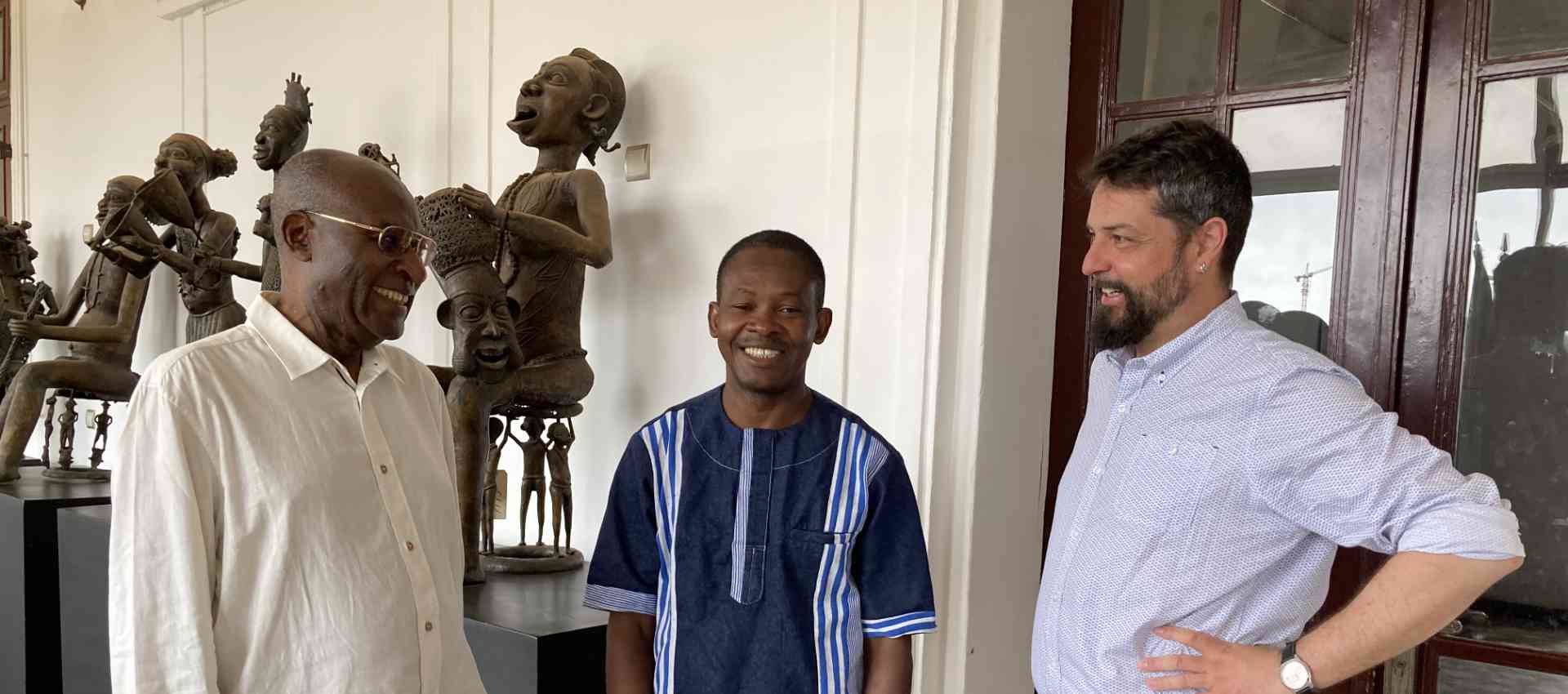
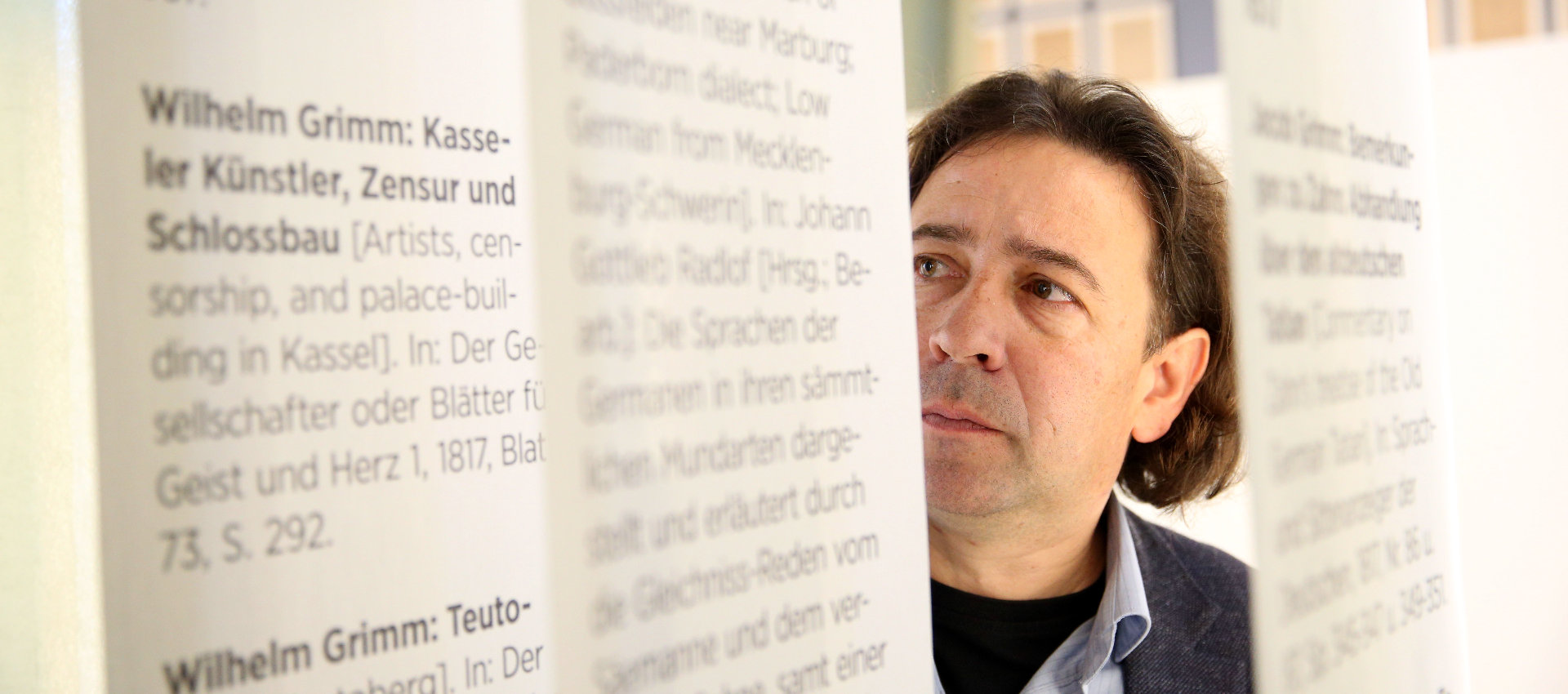
Christoph Müller has been working as a librarian at the SPK’s Ibero-American Institute (IAI) for almost 20 years. In this interview, he explains what makes the IAI and the work there so special, and what the SPK network can learn from its smaller institutions.
Research Librarian and Subject Specialist for Central America, Colombia, Venezuela and the Spanish-speaking Caribbean, Head of the Digital Library and IT Infrastructure Department and Deputy Director of the Library at the Ibero-American Institute (IAI); he is also involved in the Diversity Working Group of the Prussian Cultural Heritage Foundation (SPK): Christoph Müller, a native of the Rhineland, is a jack-of-all-trades when it comes to his fields of activity. But what exactly does all that mean? Müller studied Romance philology, specialising in Spanish and Portuguese, and art history. After completing his Master’s degree, he worked as a research assistant at RWTH Aachen University, where he went on to earn his PhD in Portuguese literature with a thesis on 18th-century Portuguese classical poetry. “Looking back, it’s actually quite an unusual combination, but somehow also cool,” he laughs today. But that would be a topic for another interview. Today’s focus is on what makes the IAI and the work there so special and unique. Also: what challenges lie ahead for the library of the future, and what can the SPK network learn from one of its smaller institutions?
Müller knows all about that. He has been working at the IAI for almost 20 years. In 2005, he applied for the library trainee programme and was promptly selected. As part of his library traineeship at the IAI, he completed his theoretical training at the Bavarian Library Academy and was subsequently appointed as a subject specialist, a role from which his various areas of responsibility have gradually developed to this day.
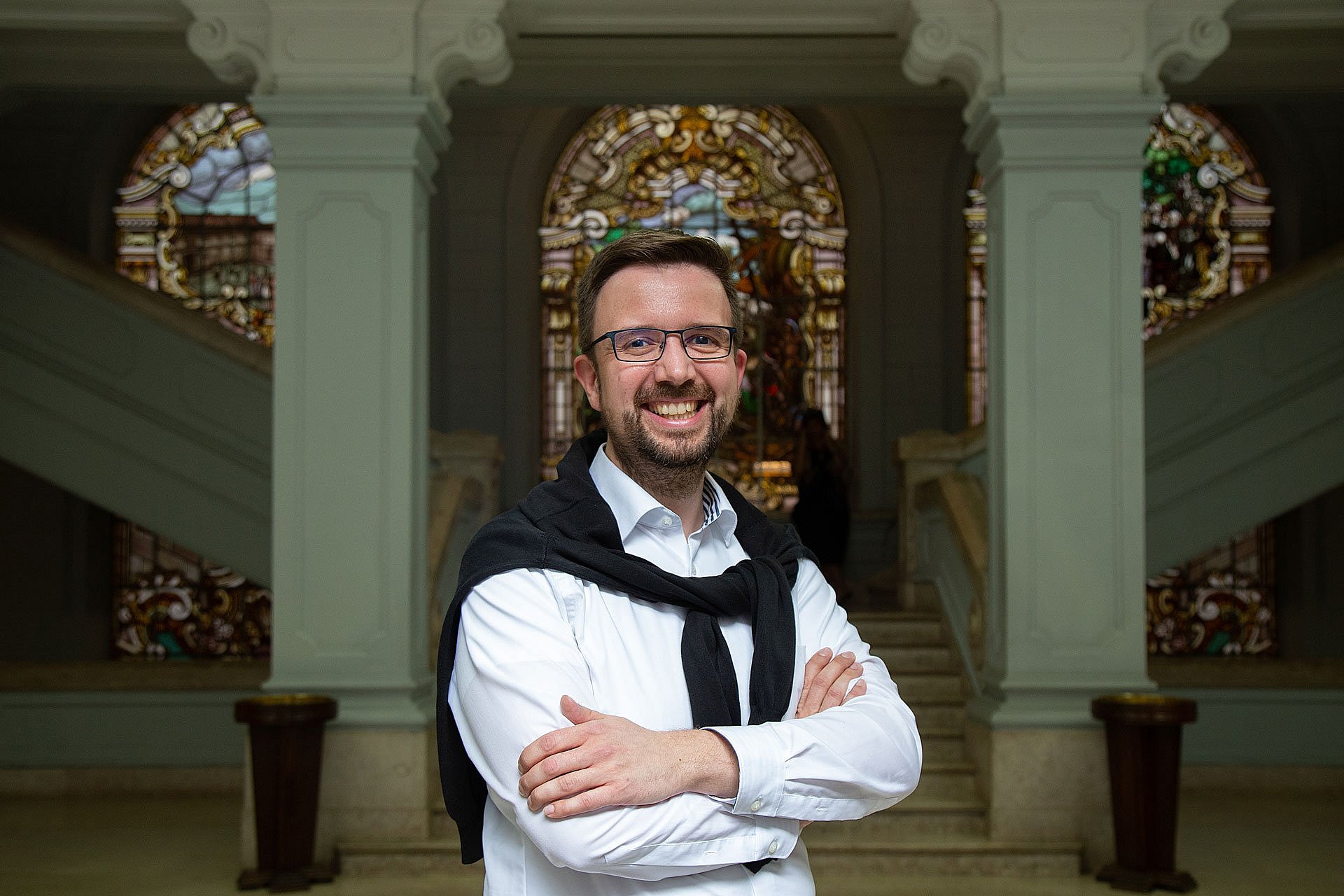
Christoph Müller has been working as a librarian at the SPK’s Ibero-American Institute (IAI) for almost 20 years. In this interview, he explains what makes the IAI and the work there so special, and what the SPK network can learn from its smaller institutions.
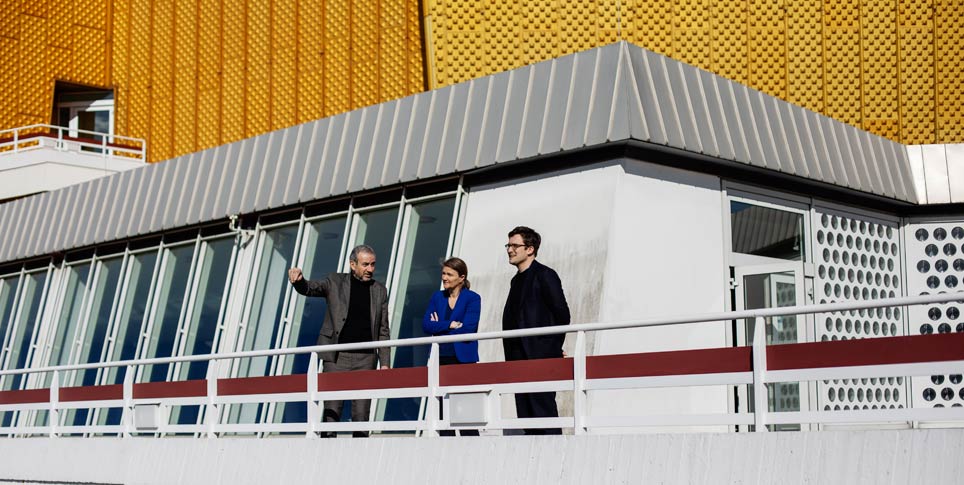
Photo: © Ibero-American Institute, Photo: Wanezza Soares
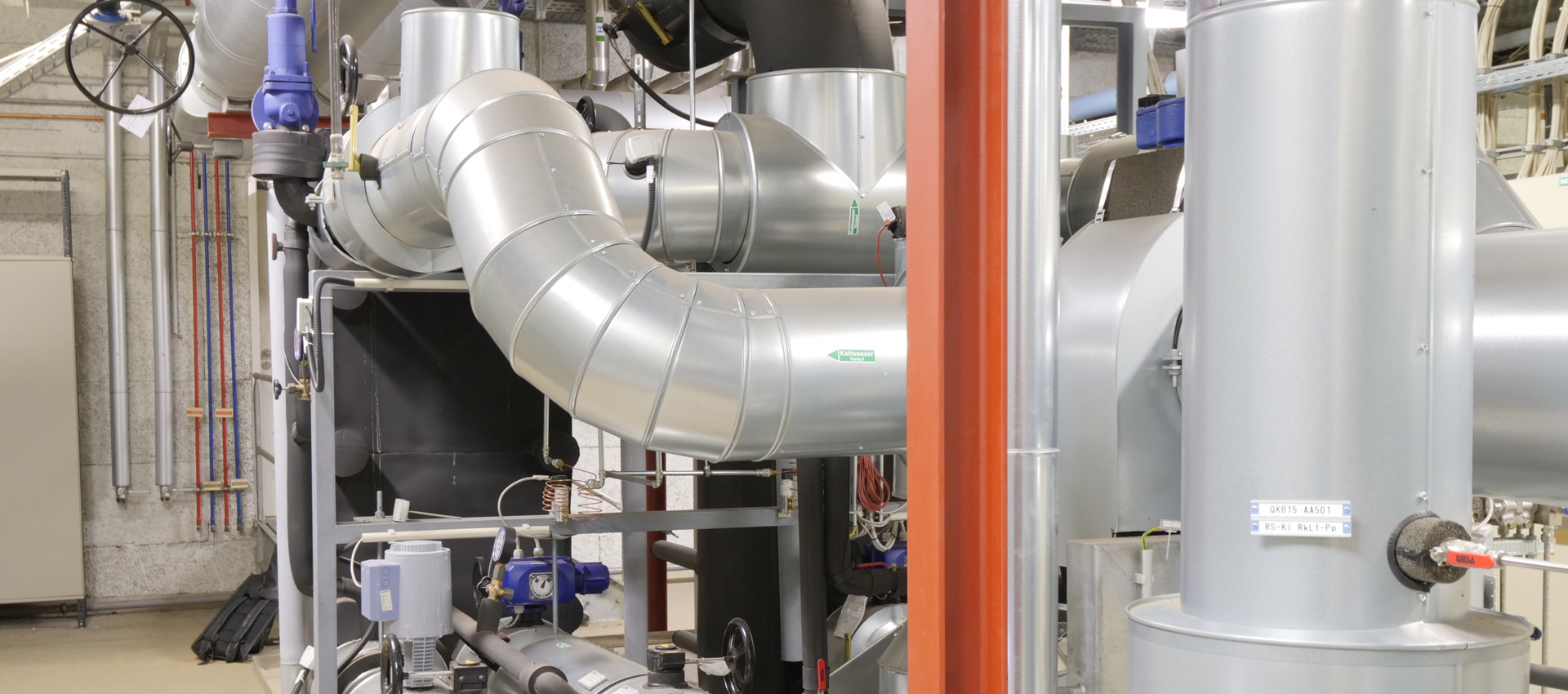
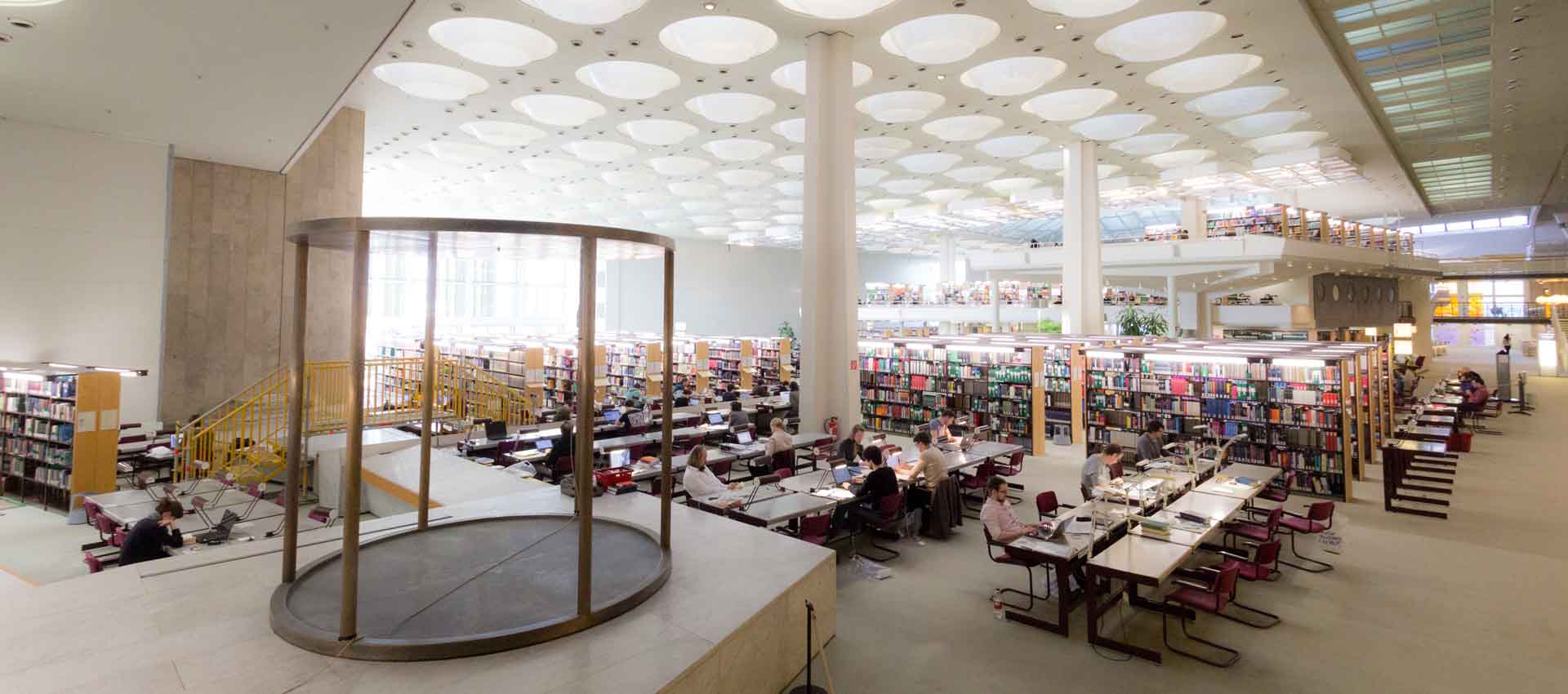
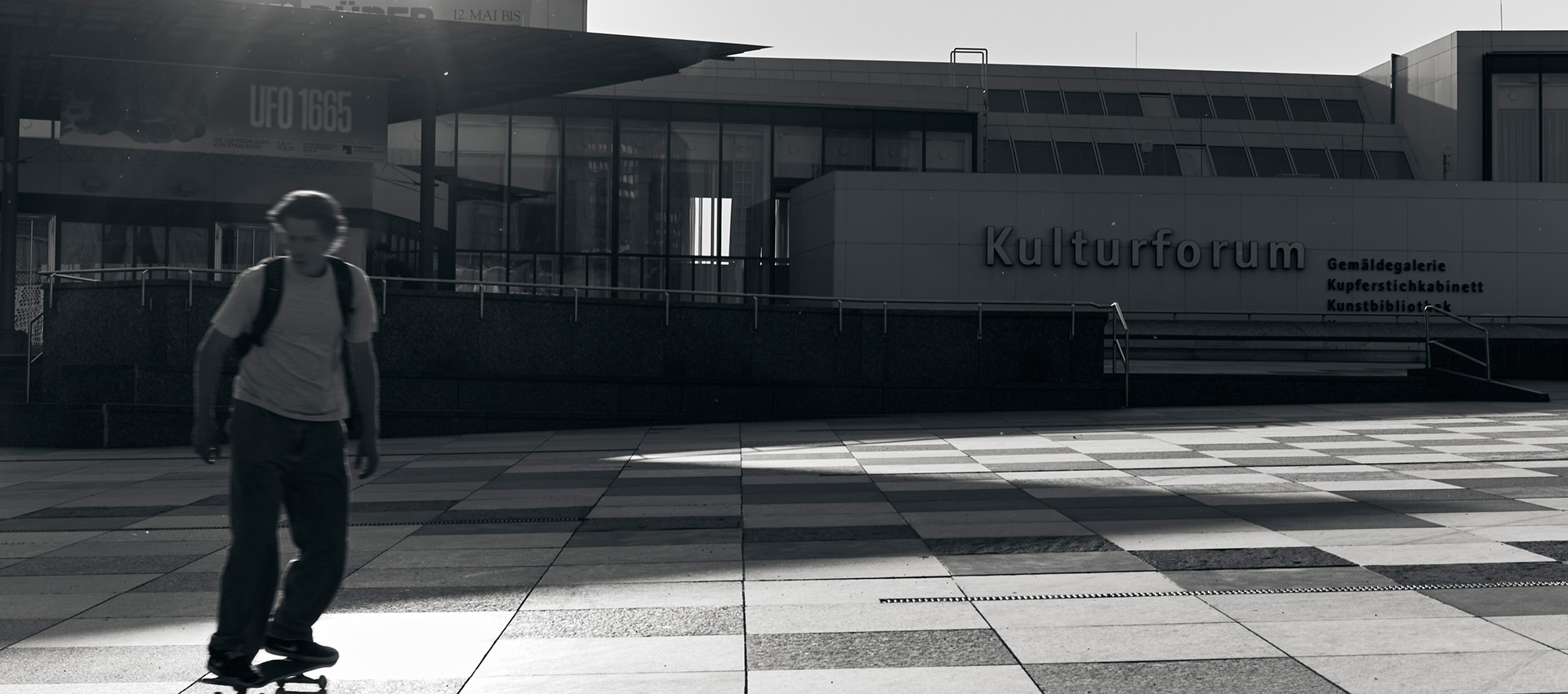
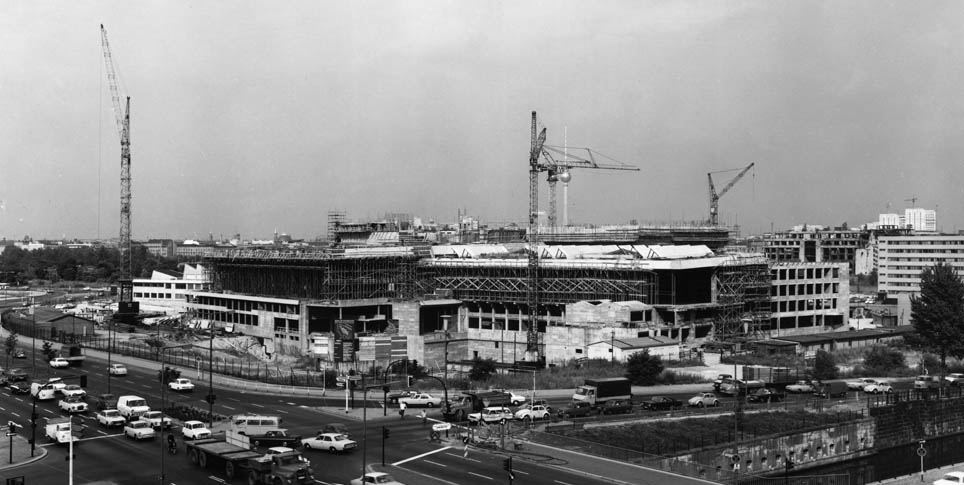
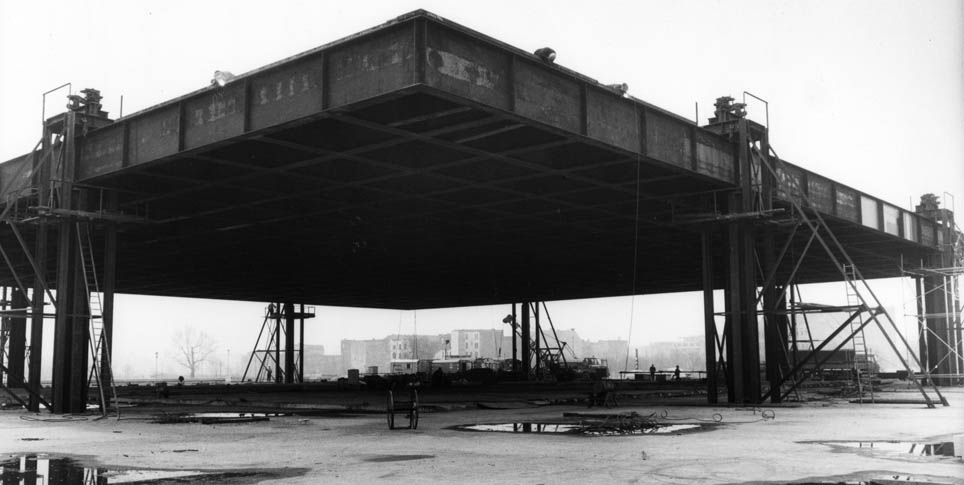
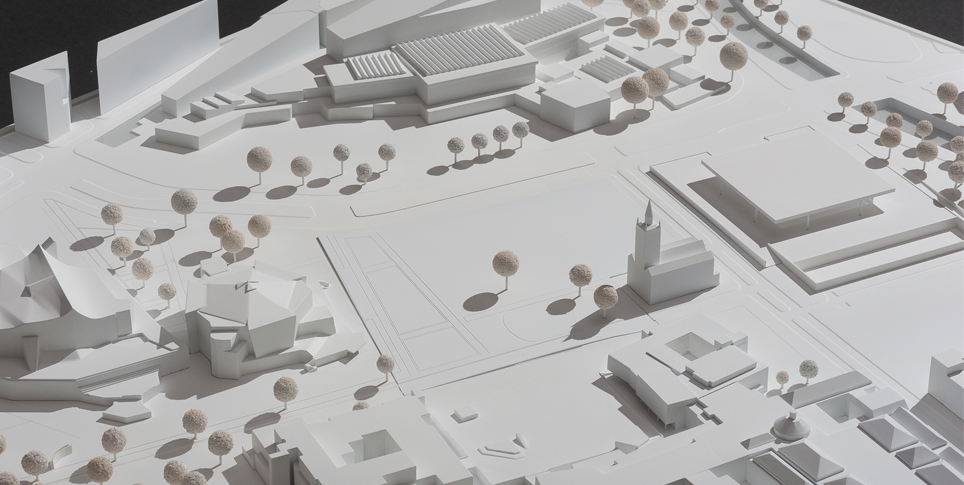
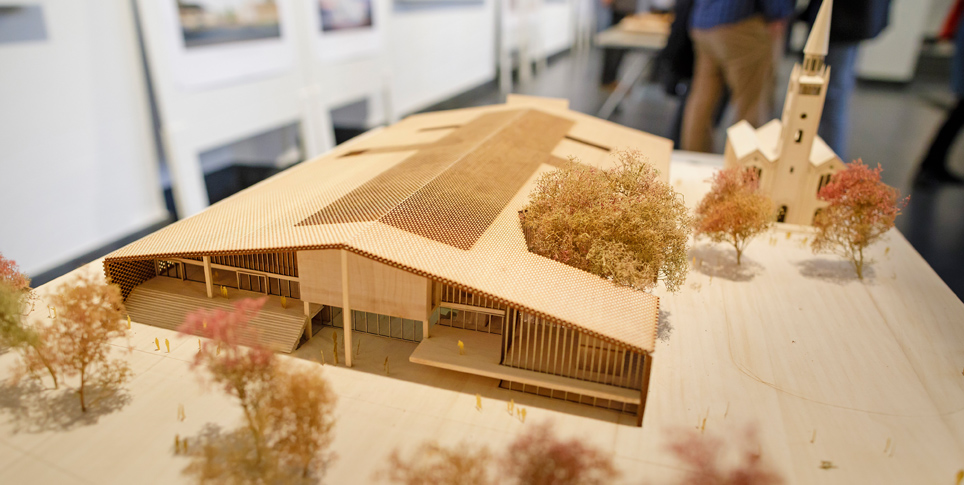
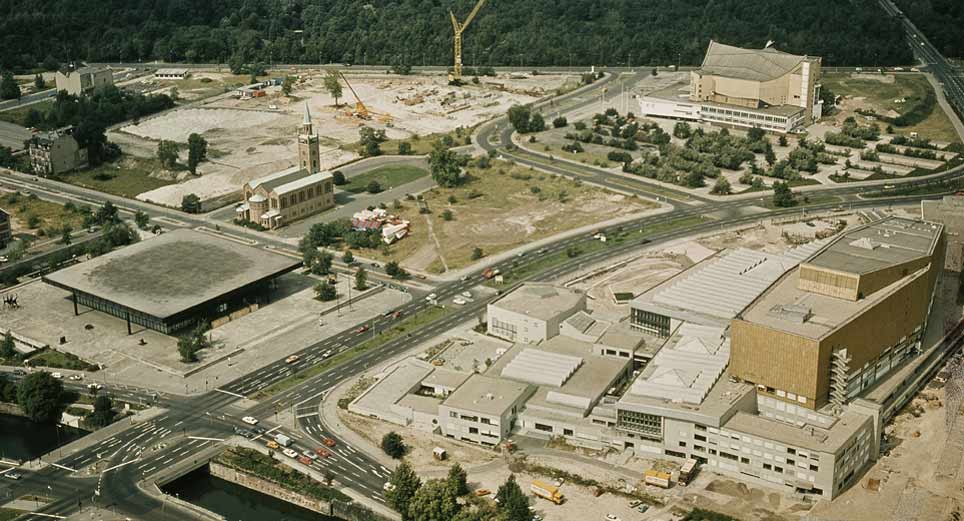
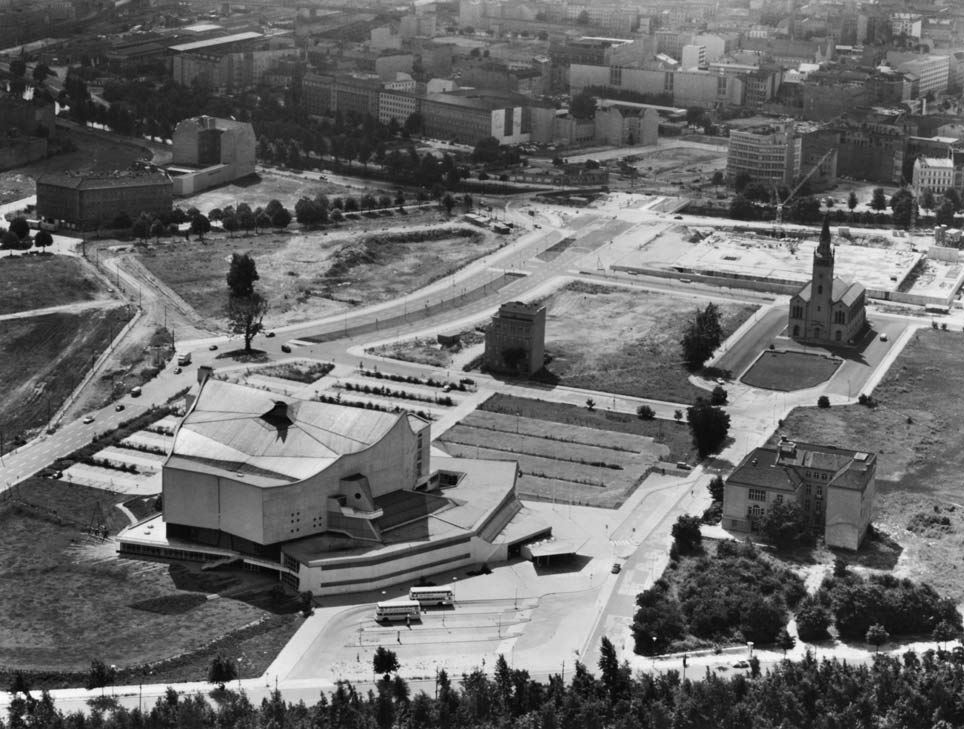
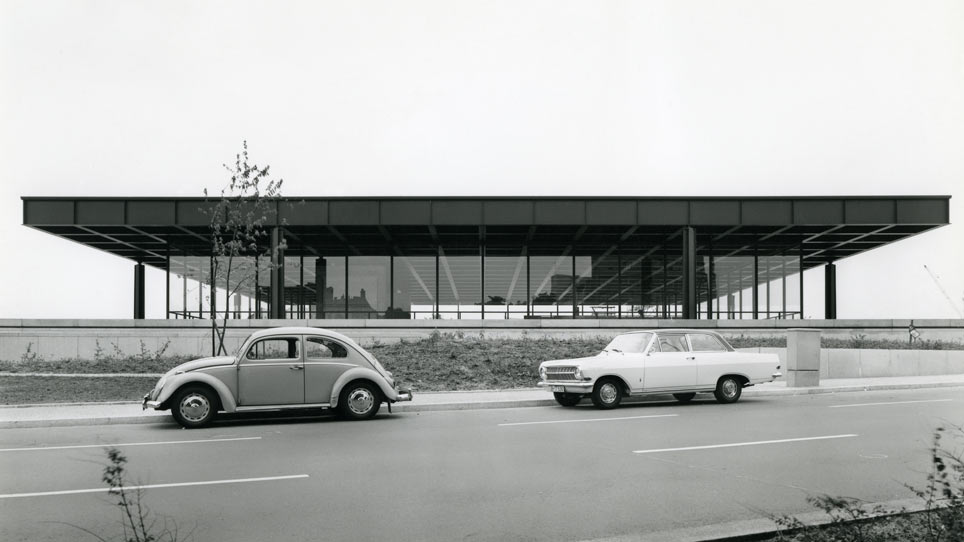
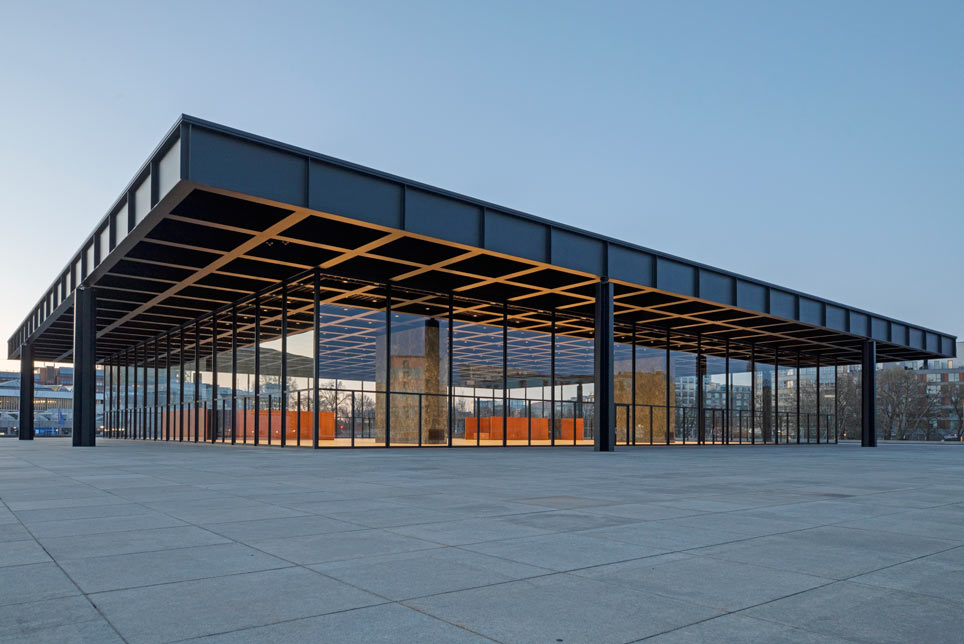
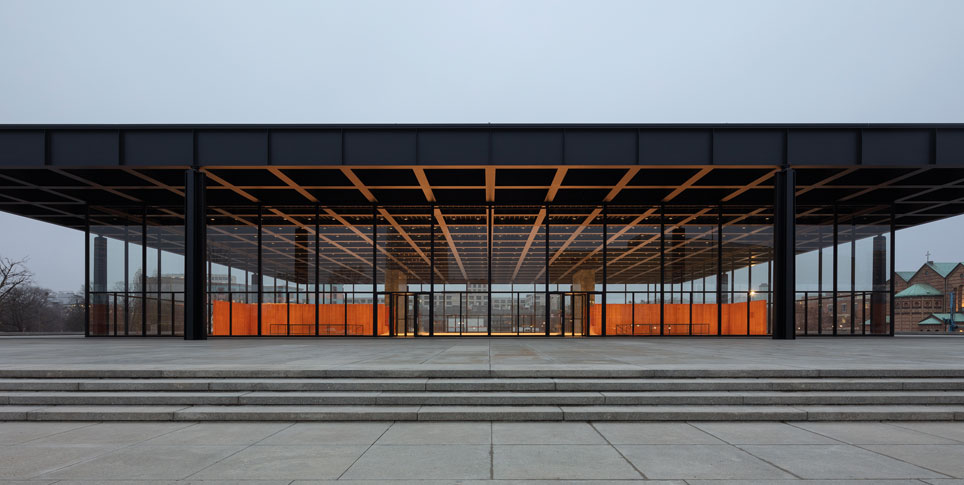
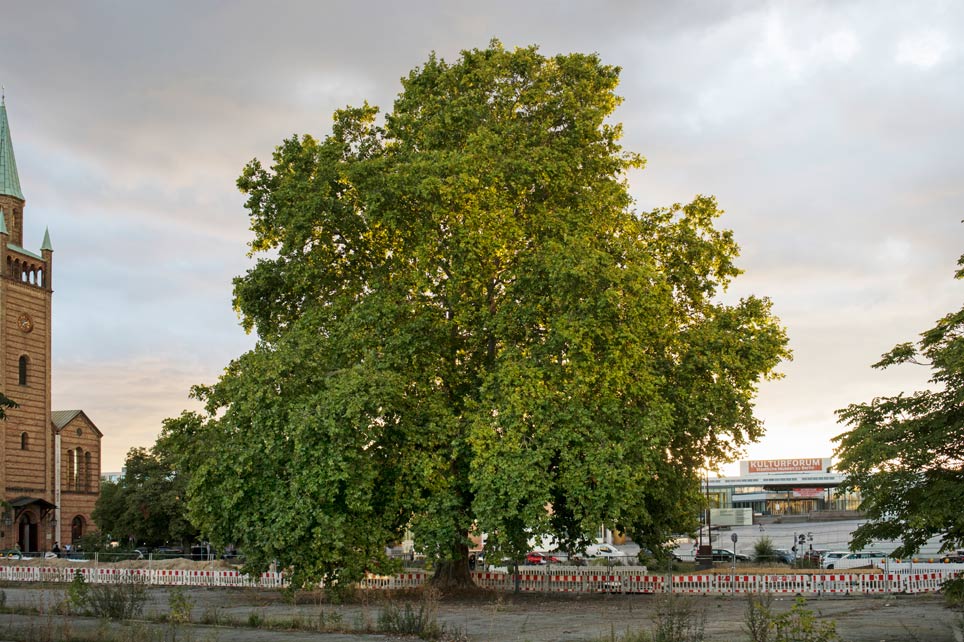
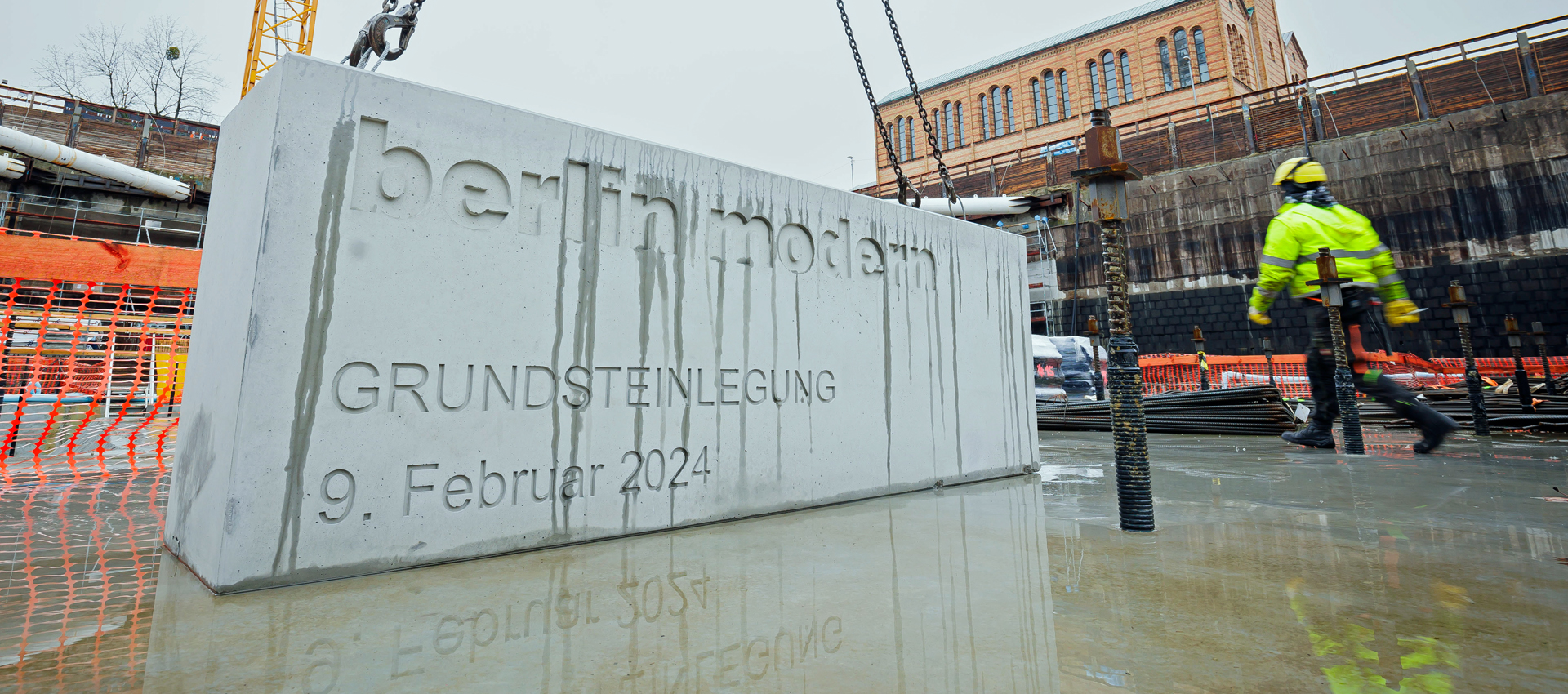
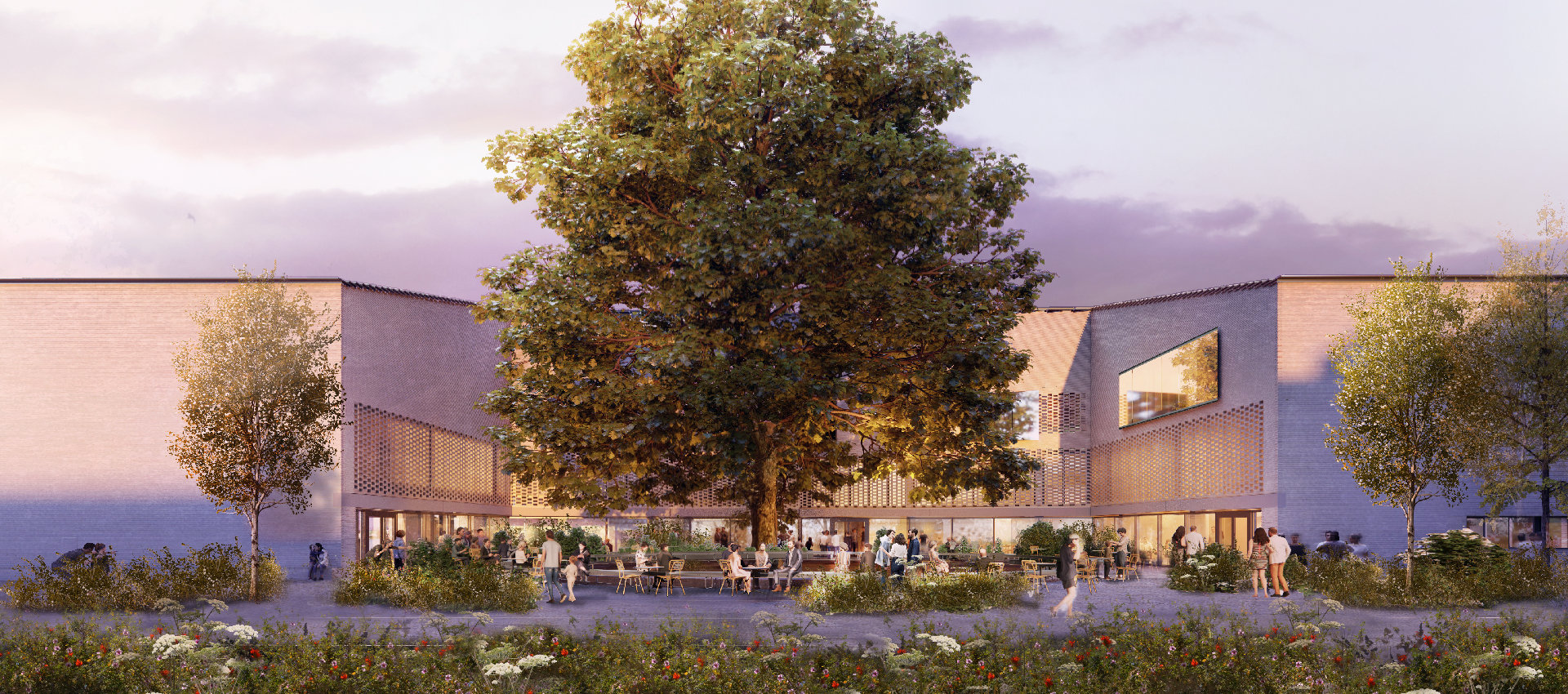
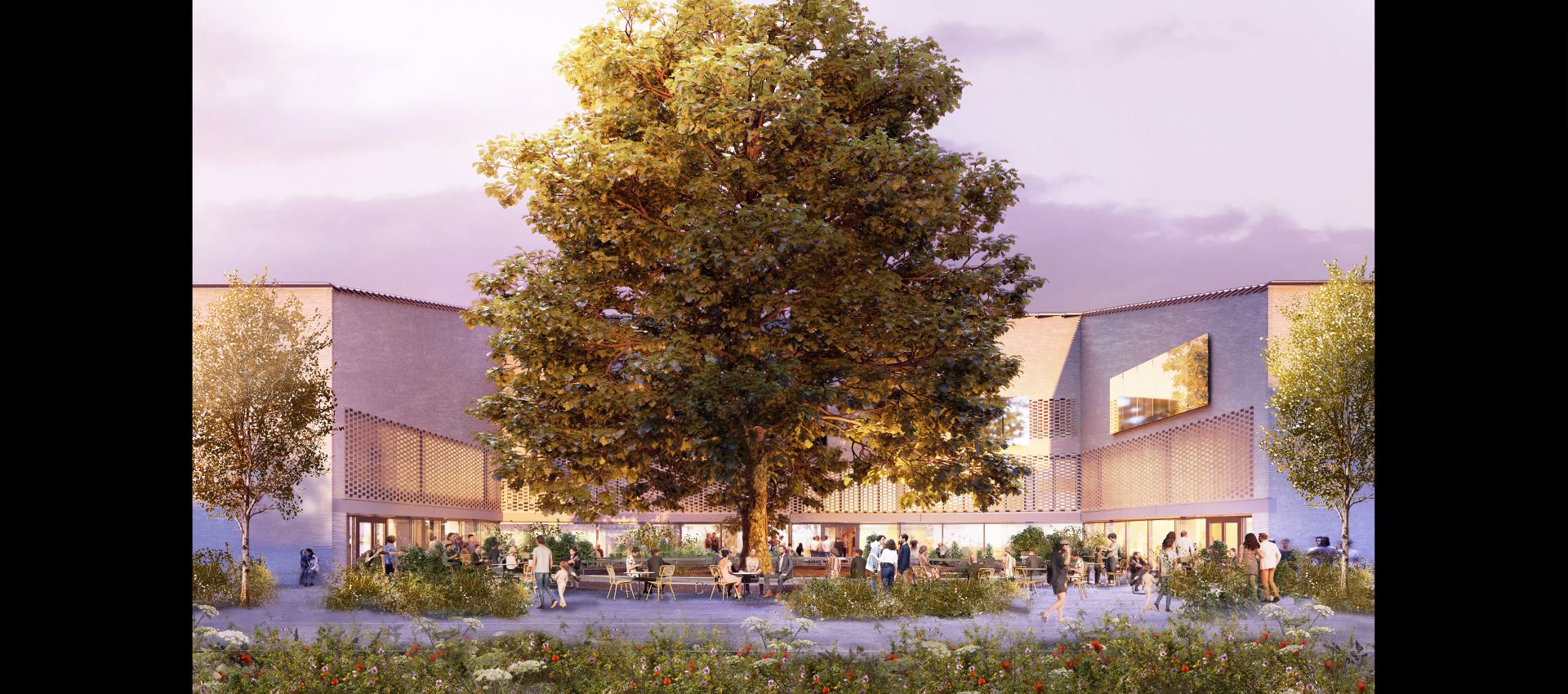
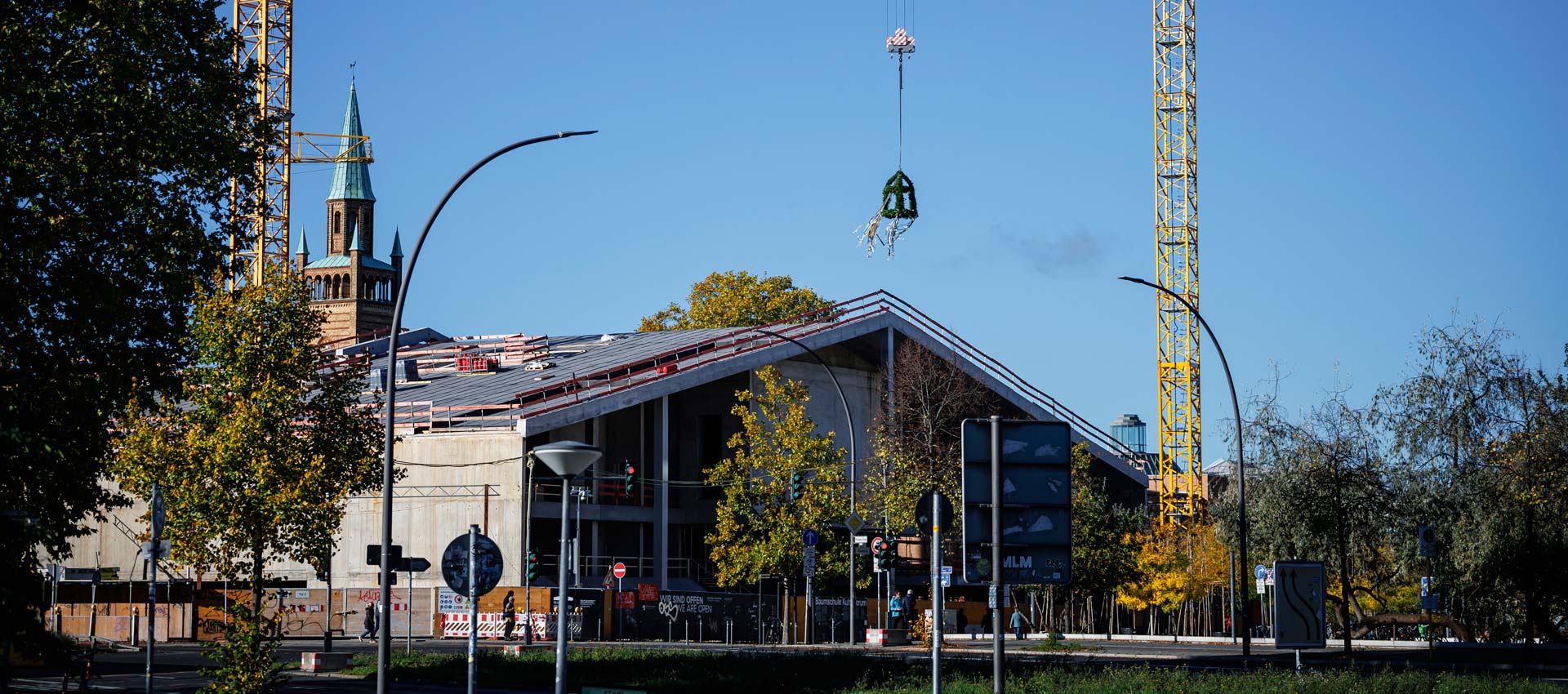
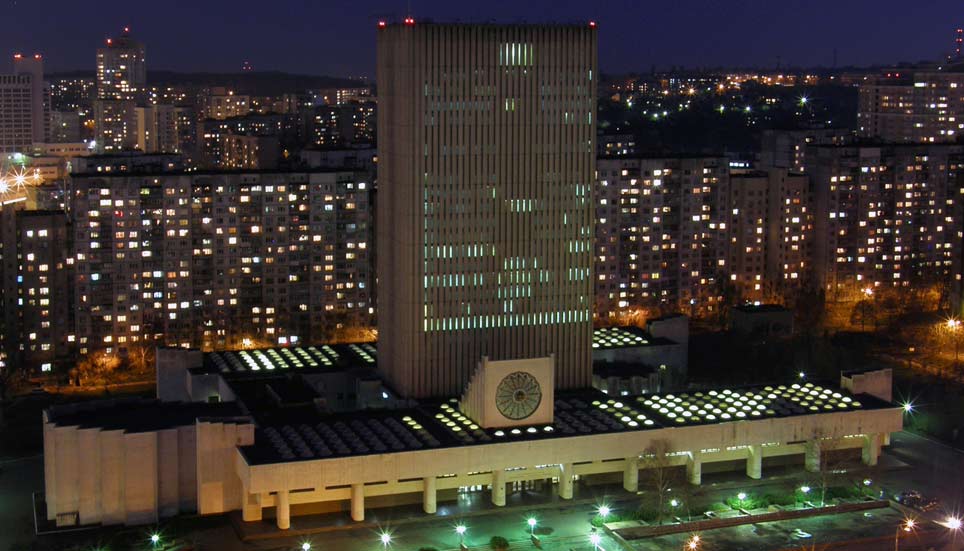
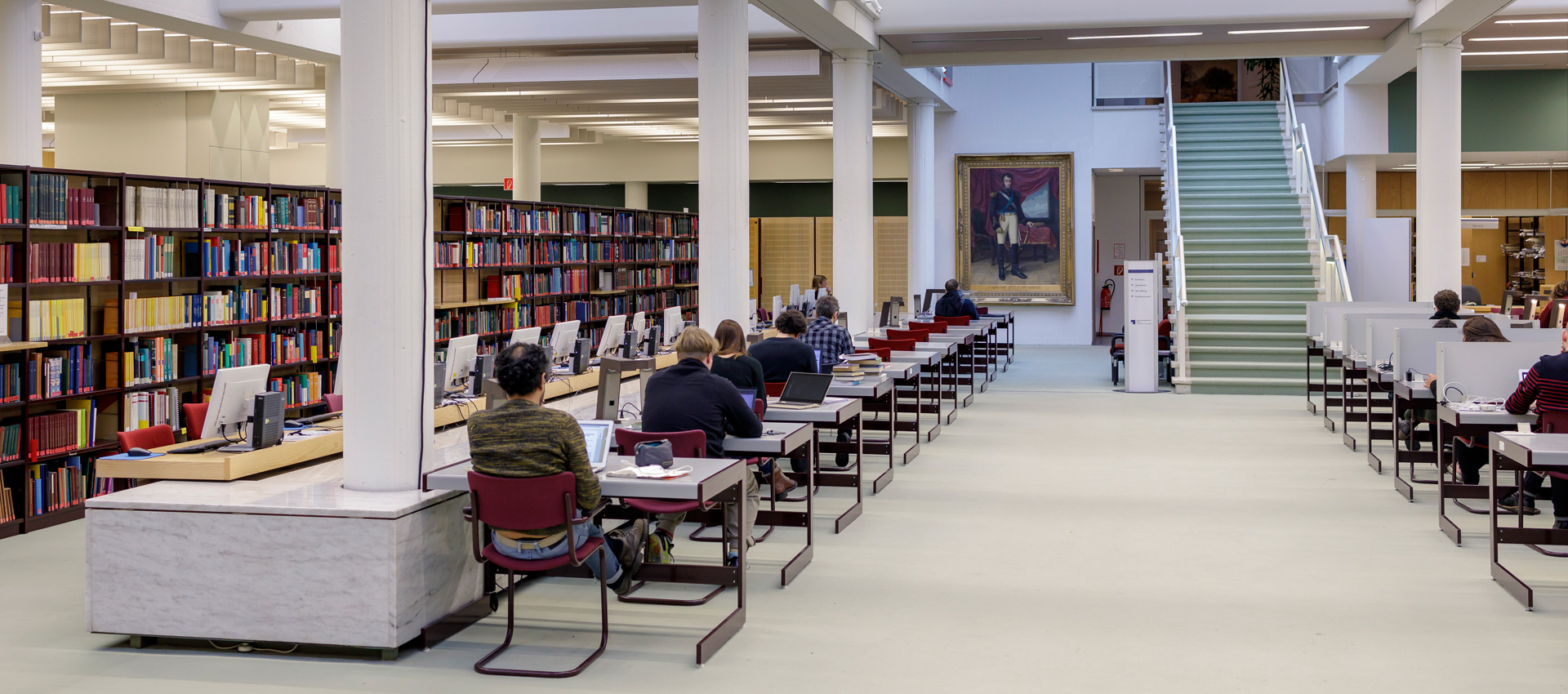
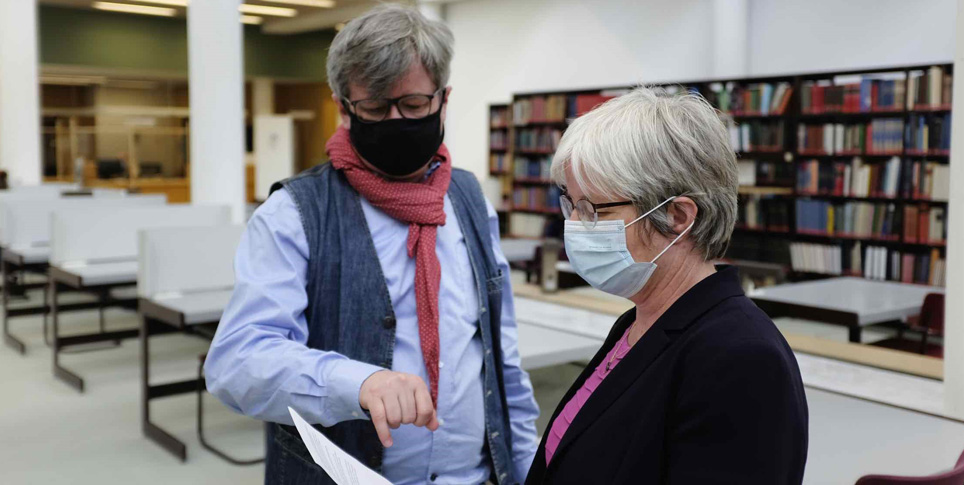
“My day-to-day work involves meetings across the various departments within my division, namely digitisation and IT, interlibrary loans and document delivery. Then, of course, there are a whole host of administrative tasks relating to procurement procedures, recruitment processes and budget management. But it also includes academic duties such as liaising with international visiting scholars at the institute or organising conferences,” reports Müller. “In addition, together with colleagues from the Berlin State Library (SBB), I am overseeing the major refurbishment of the SBB and IAI building at the Kulturforum: this involves planning meetings where we plan everything from the air conditioning to the positioning of the sockets. This raises questions that lead to far-reaching decisions: what lighting technology should we install? What will the reading room of the future look like? How will the various work processes be organised in more than a decade’s time?”
An important part of the work as a librarian is, of course, also advising library users, making acquisition decisions and conducting negotiations with publishers. “If you look at the tasks individually, they seem rather unspectacular on their own, but taken together they form a very broad spectrum that remains constantly interesting,” emphasises Müller.
A unique specialist library
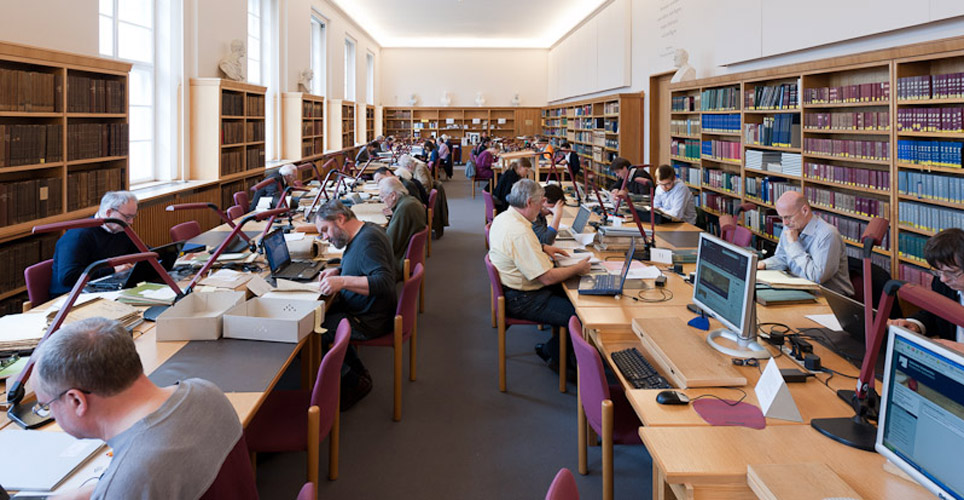
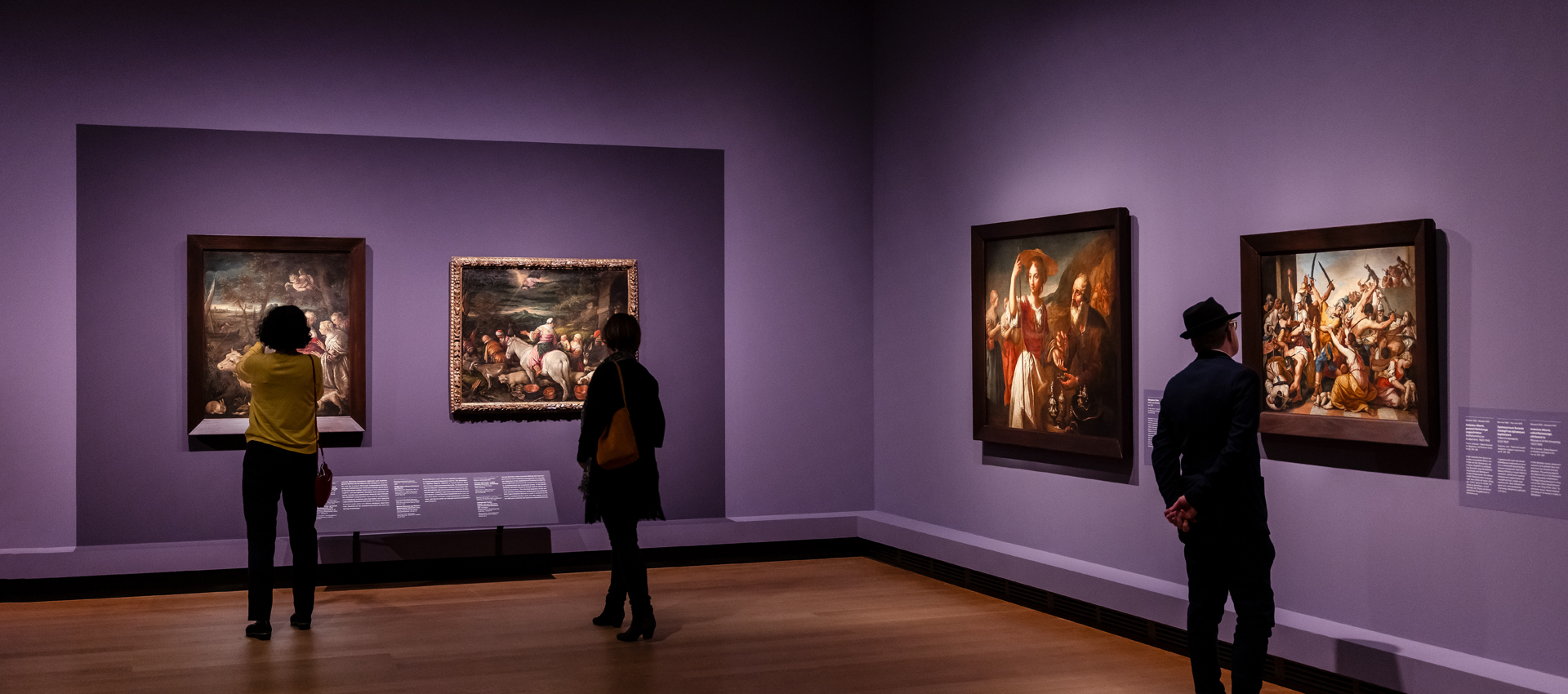
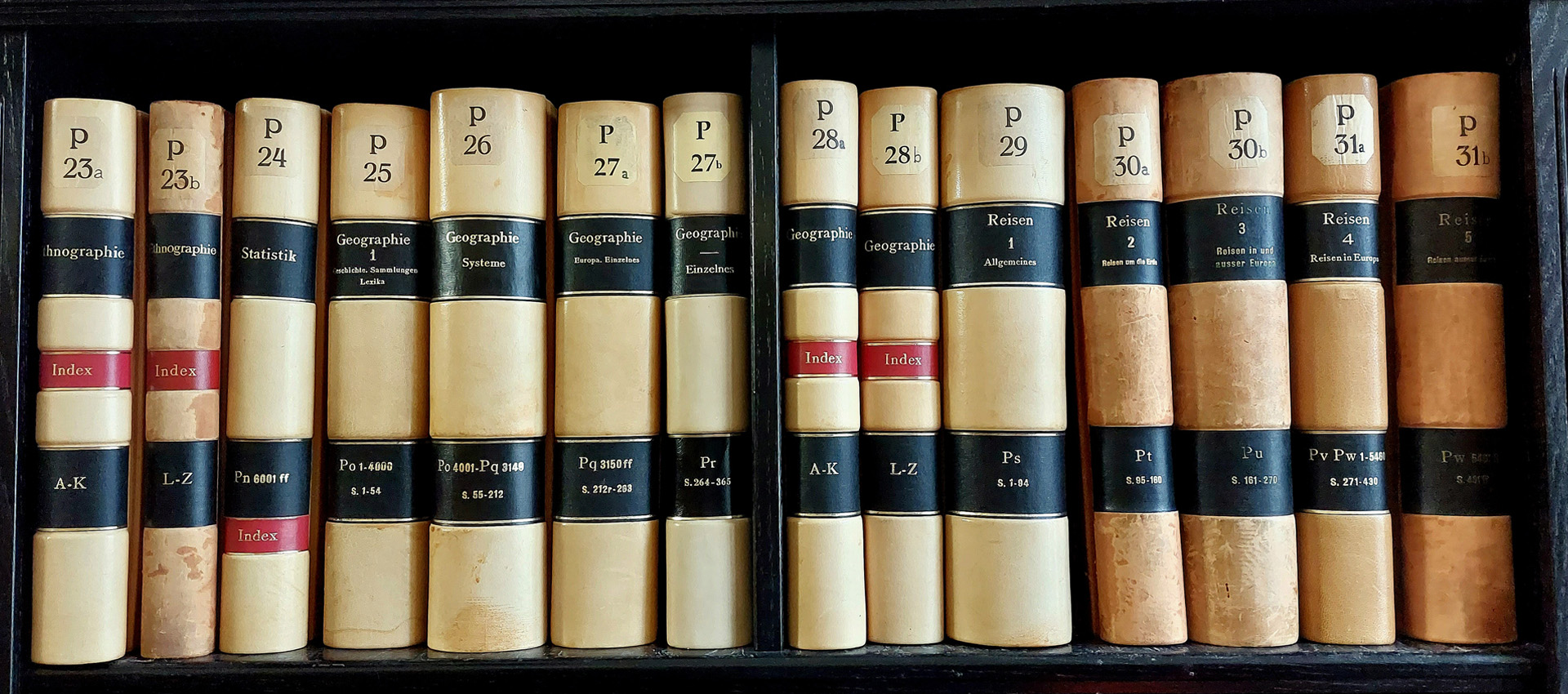
What makes the IAI library so special, and why is it renowned worldwide? The library’s users come from many different countries, which is why multilingualism and interculturalism are part of the institute’s DNA. They mostly come from a wide variety of disciplines within the social sciences, humanities and cultural studies. They conduct comparative research, work with multimedia, or delve into very specific topics from which they develop innovative academic questions. “And they find the foundation for this – the specialist literature – here with us,” says Müller. “Because our library is one of the world’s largest collections on Latin America, the Caribbean, Spain and Portugal, they know they can find the material they need for their research or cultural projects here. Over 60% of our users even travel here from abroad specifically for this purpose. And most of them often discover materials they hadn’t expected to find at all.”
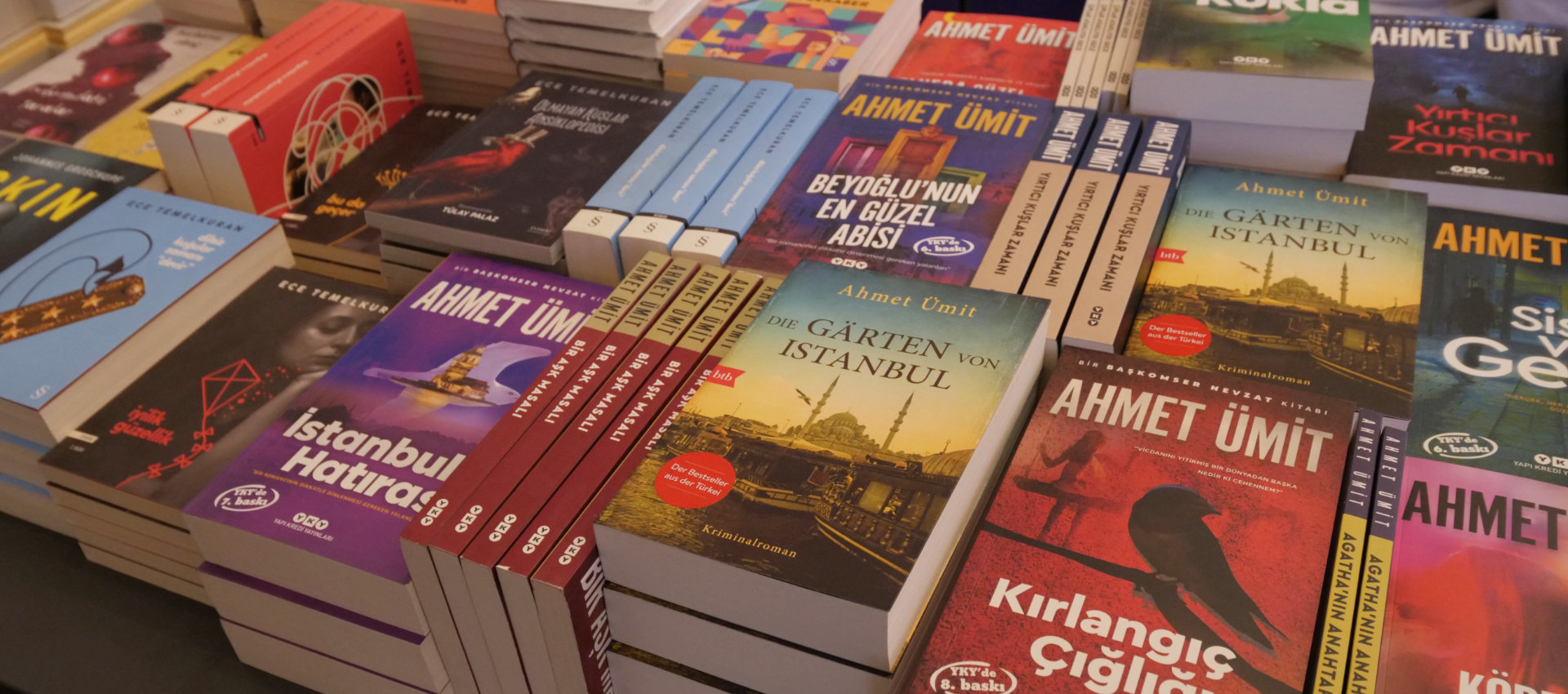
And to be able to offer all this, the IAI has been working for years with various partners on the internationalisation of library work. Müller explains: “You have to imagine acquisition work in Latin America and the Caribbean differently from here, where every bookshop round the corner has the book you want ready the next day. That form of distribution channel doesn’t exist there. Every publisher, every organisation that produces publications, either has its own bookshop there or works with a bookshop. This means you have to go from bookshop to bookshop to see what they have on offer. As this is very time-consuming, we have so-called blanket order contracts for ongoing book production. This means we commission export bookshops specialising in this task to send us the most important literature promptly, based on clearly defined criteria. But we – and especially our users – don’t just want that. We are a specialist library that focuses on the specific needs of its users, and therefore also collect literature published outside the mainstream or the regular book trade, which is not otherwise available in one place.”
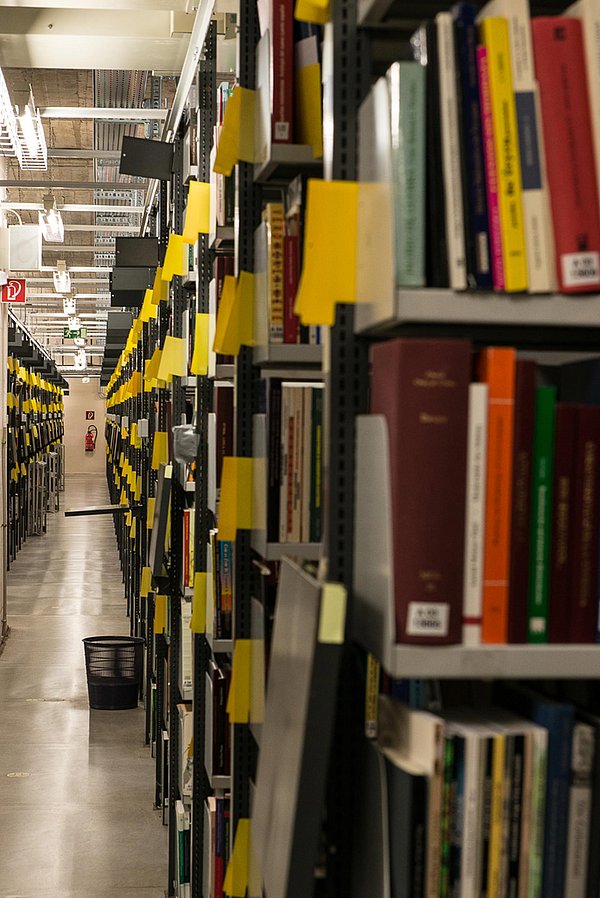
We are a specialist library that caters to the specific needs of its users.
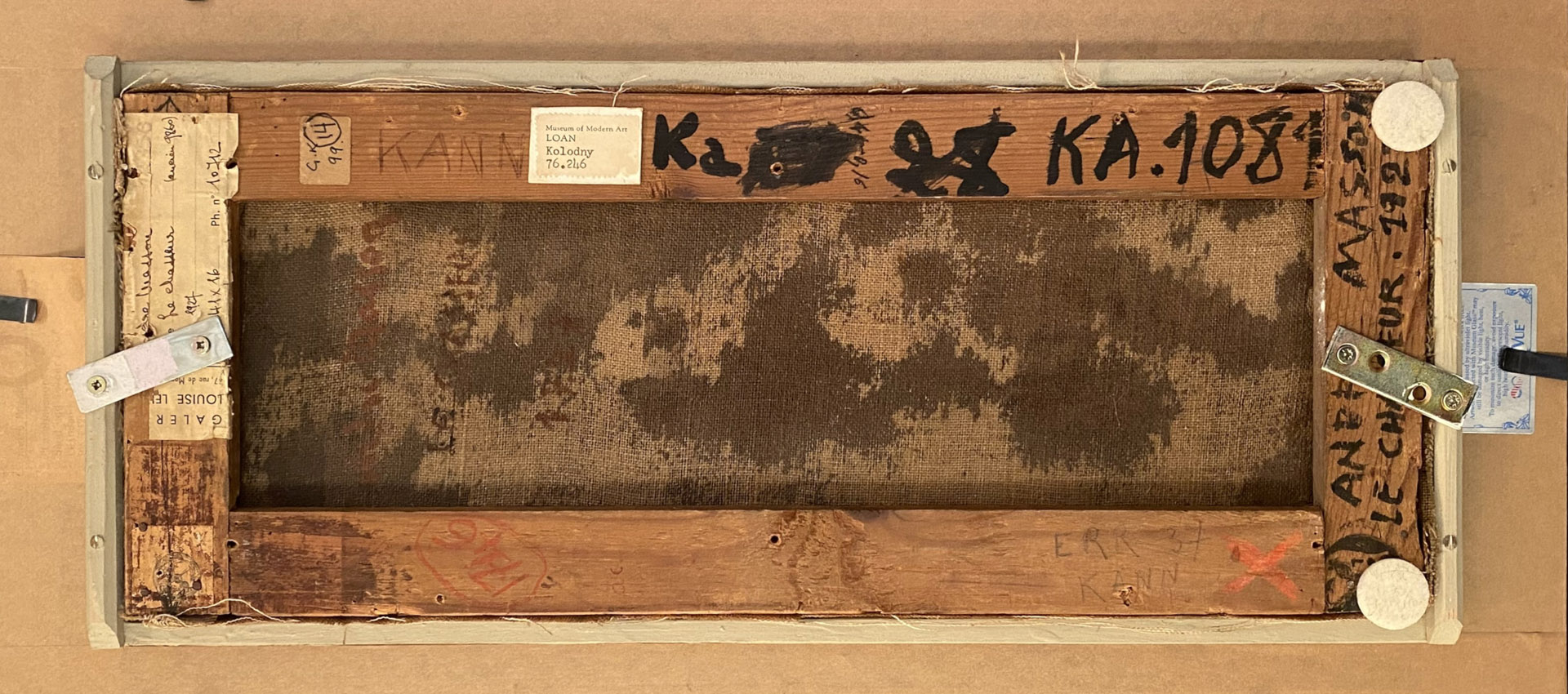
In order to acquire materials that do not reach the IAI Library through traditional channels, the library’s subject specialists travel to Latin America and the Caribbean. There, they gain a nuanced understanding of current trends and local developments in literary production, with a view to expanding and enriching the collection. “This means that when I’m back in Germany and researchers come to us with specific requests, I know exactly which bookshops stock the materials they’re looking for. And from each of these individual requests, we can identify new fields of research and trends, thereby enabling us to build the collection with a view to the future.”
During these trips, contacts are also established with libraries, institutions, museums and archives, thereby laying the foundation for numerous international collaborations involving the IAI. This has led, among other things, to collaborative digitisation projects that link collections spread across multiple institutions on a cross-border basis. Spaces for exchange have also been created, for example to share experiences in the acquisition and preservation of library collections, or to initiate new research projects.
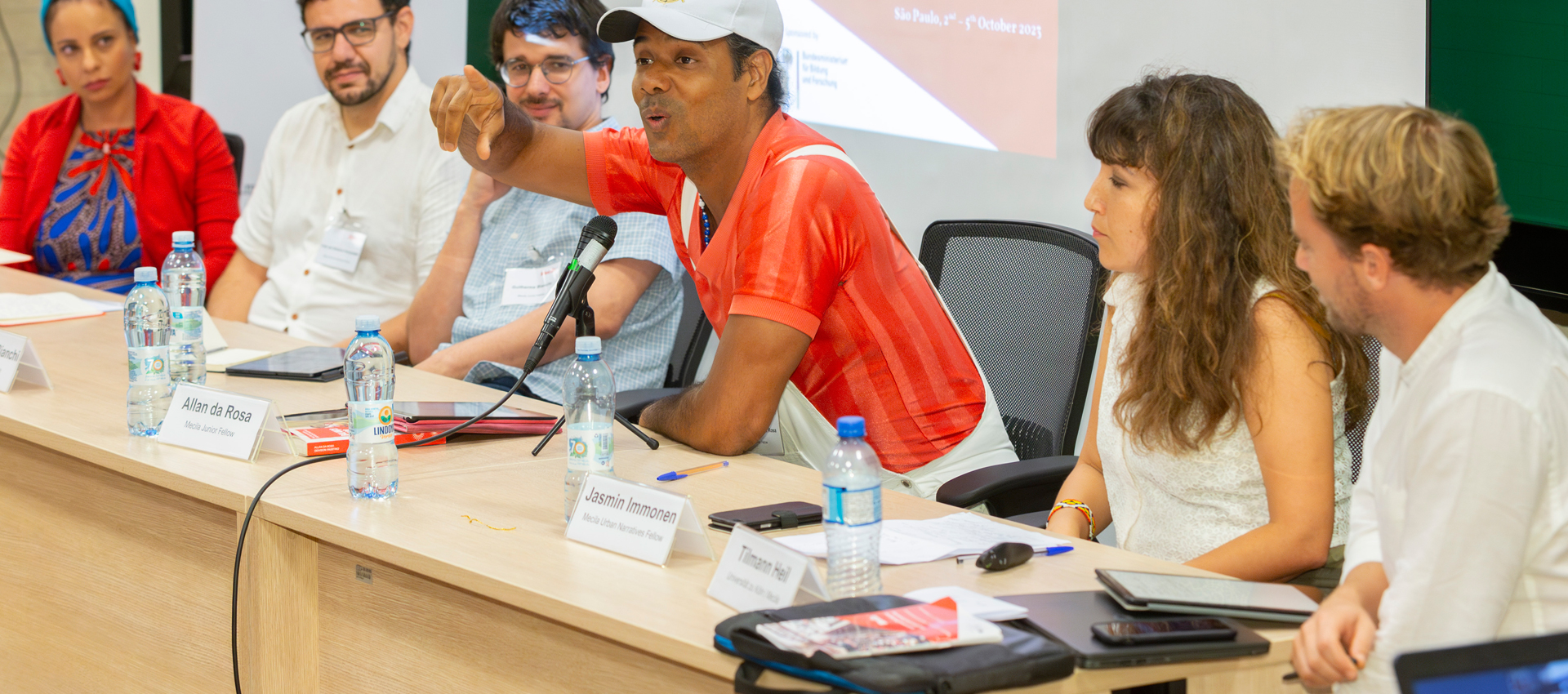
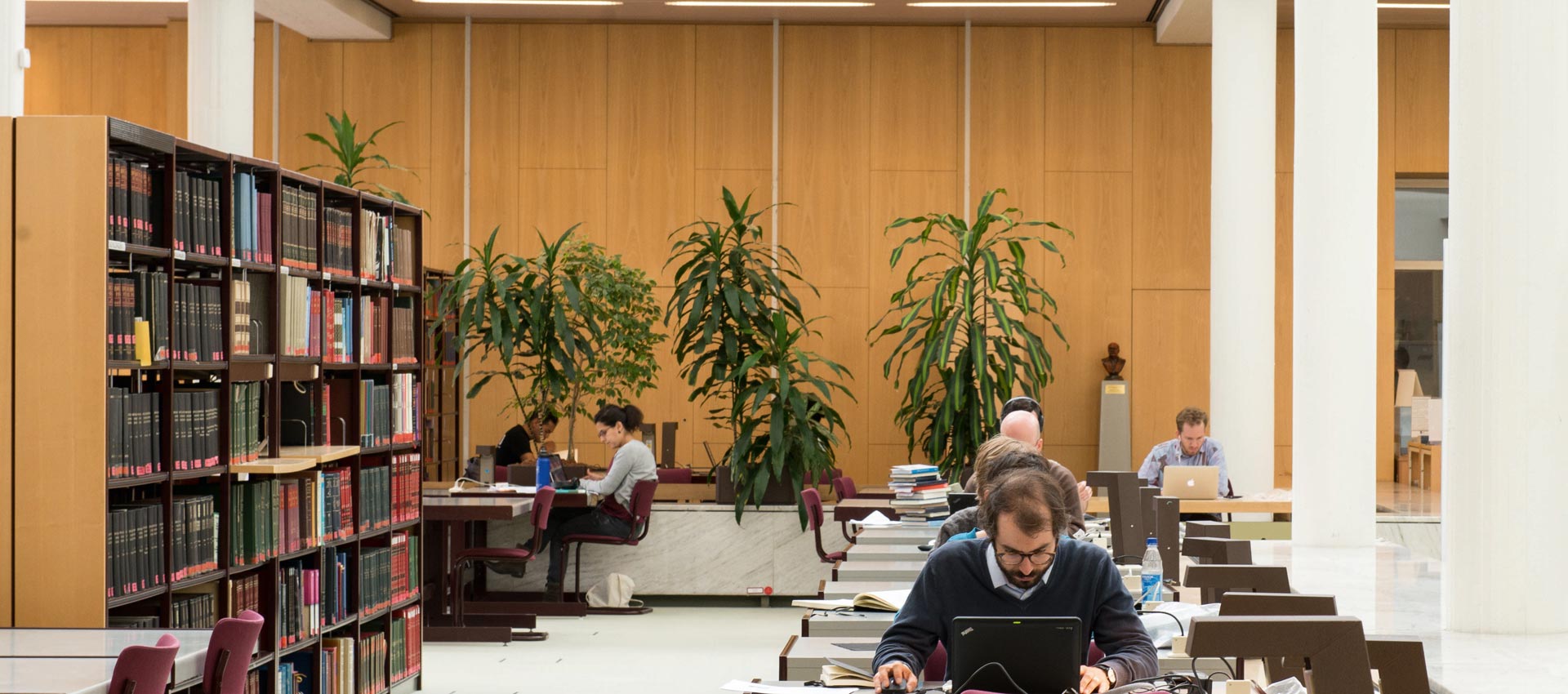
But library users can also network at the IAI. Through their work in the library’s reading room or at one of the many evening events, academic colloquia and lectures, researchers and cultural practitioners get to know one another and build connections that often result in new collaborations. “We know of no other institution with this combination of library, research and culture; and one that is also focused on a specific region,” explains Müller enthusiastically. “We are a research hub connecting Europe, Latin America and the Caribbean. This international and interdisciplinary orientation is a distinctive feature that is put into practice at the IAI. All information and communication channels at the IAI are available in the four main languages – German, Spanish, Portuguese and English. You can come to the IAI and work there without needing to speak a word of German.”
Enhancing accessibility through digitalisation
But what if you can’t just fly halfway around the world to work with the media? Then the media must travel digitally themselves. Because accessibility today also means digitalisation. Müller emphasises this too: “The aim of our work is to make our collections comprehensively accessible. We are here in Berlin, but a significant proportion of our target audience lives and works between 9,000 and 12,000 kilometres away from us.”
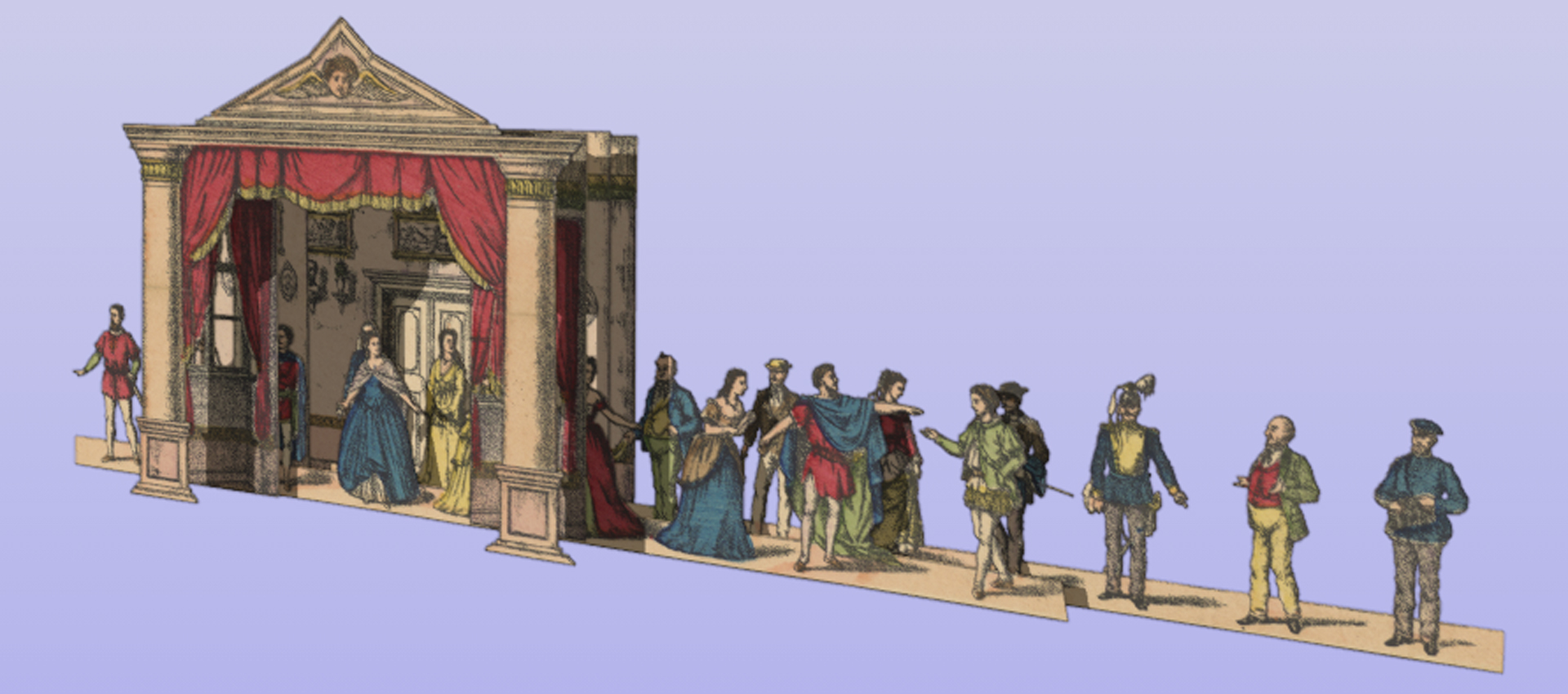
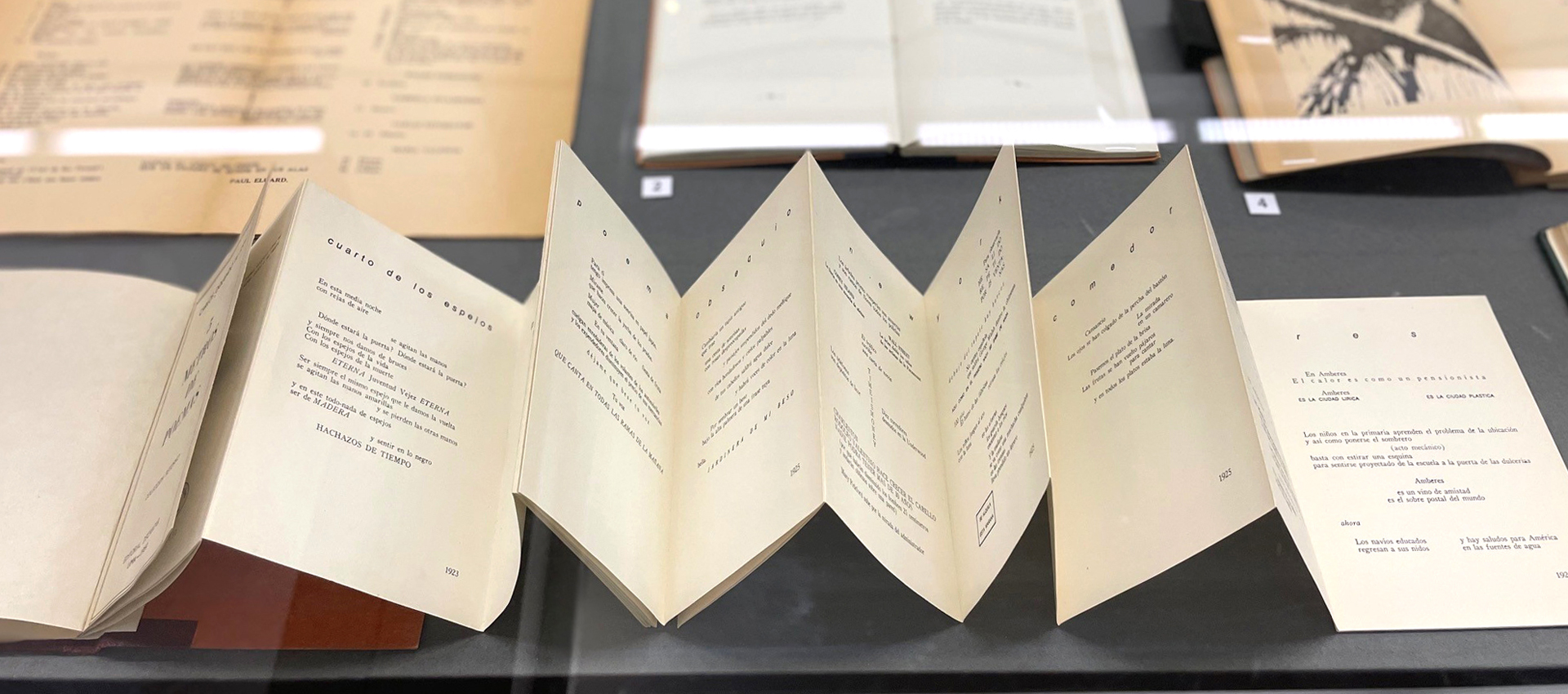
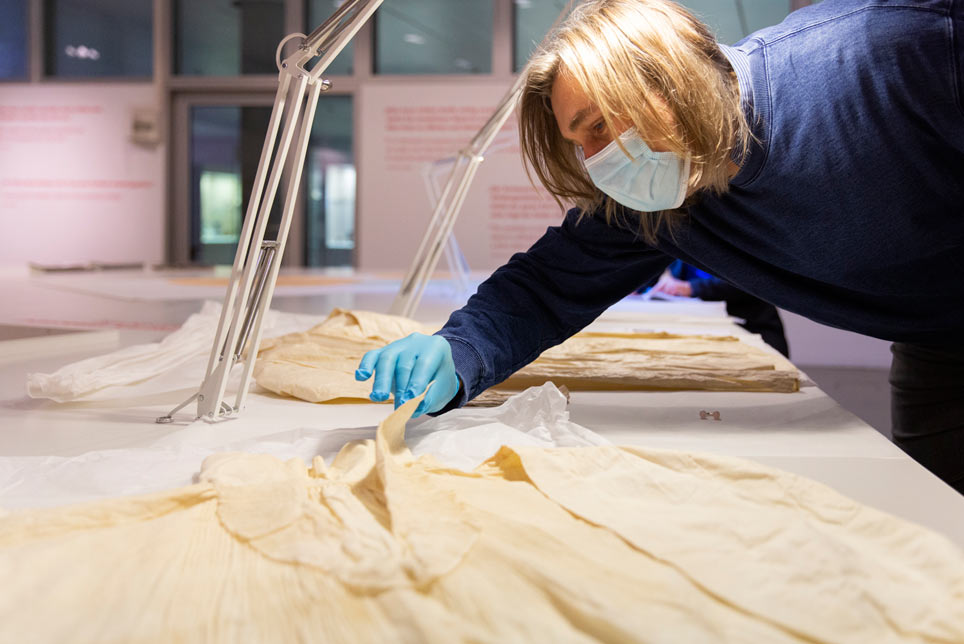
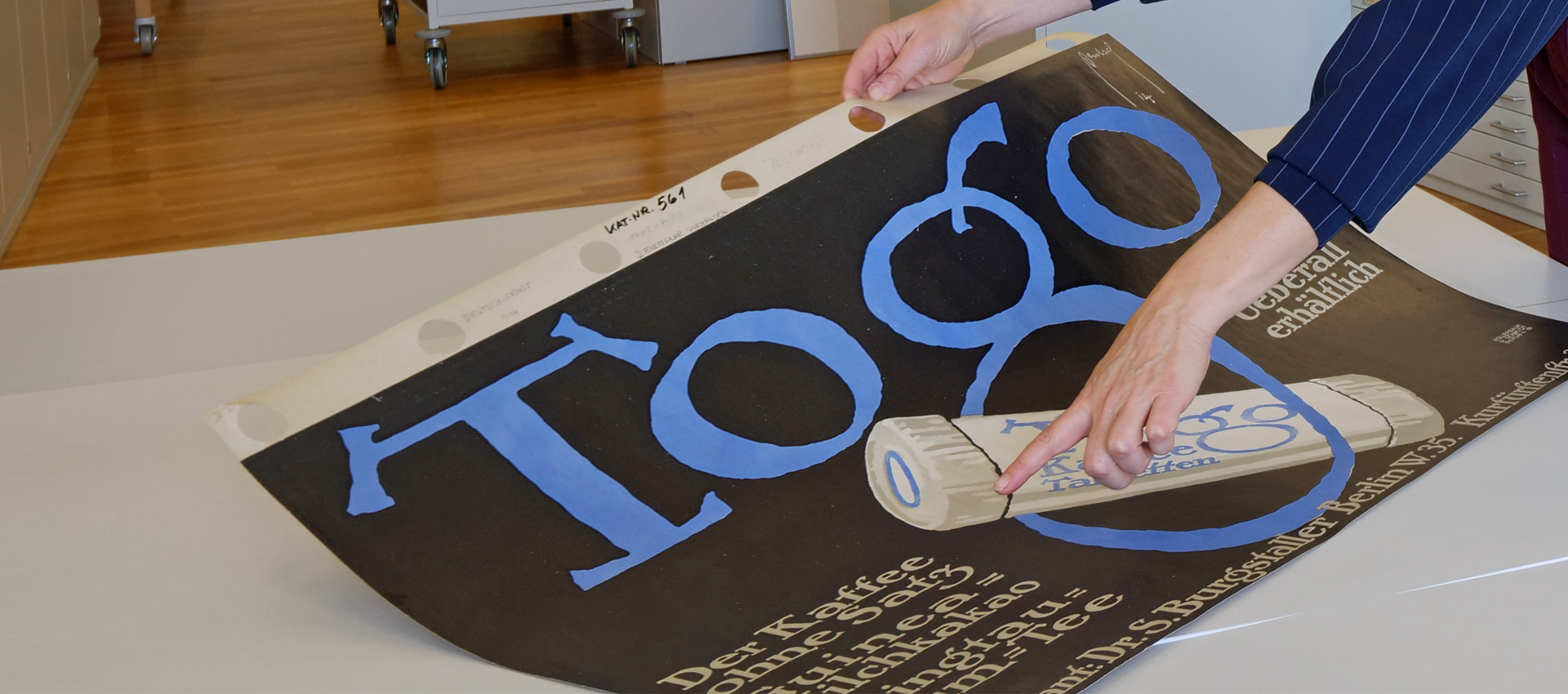
That is why the digitisation strategy stipulates that all collections held exclusively at the IAI are to be digitised gradually in compliance with copyright law. As an example, Müller cites 6,500 Argentine theatre and romance magazines produced in the 1930s and 40s. “This is pulp fiction, similar to penny dreadfuls, you might say. And what makes it special is that no other library in the world has such a comprehensive collection, because at that time such popular literature played no role in libraries. But these are documents that address social, cultural and political upheavals in Argentina at a time marked by large-scale European immigration, increasing urbanisation and the displacement of the indigenous and Afro-American populations. All of this is addressed in the plays, making them unique sources not only for literary and linguistic studies, but also for historical, sociological and cultural studies. Historical cultural productions from the margins of a migrant-shaped, emerging urban society – which until now have been largely invisible, even in their country of origin – are thus brought to the forefront of research through digitisation, making the diverse experiences of social upheaval visible.”
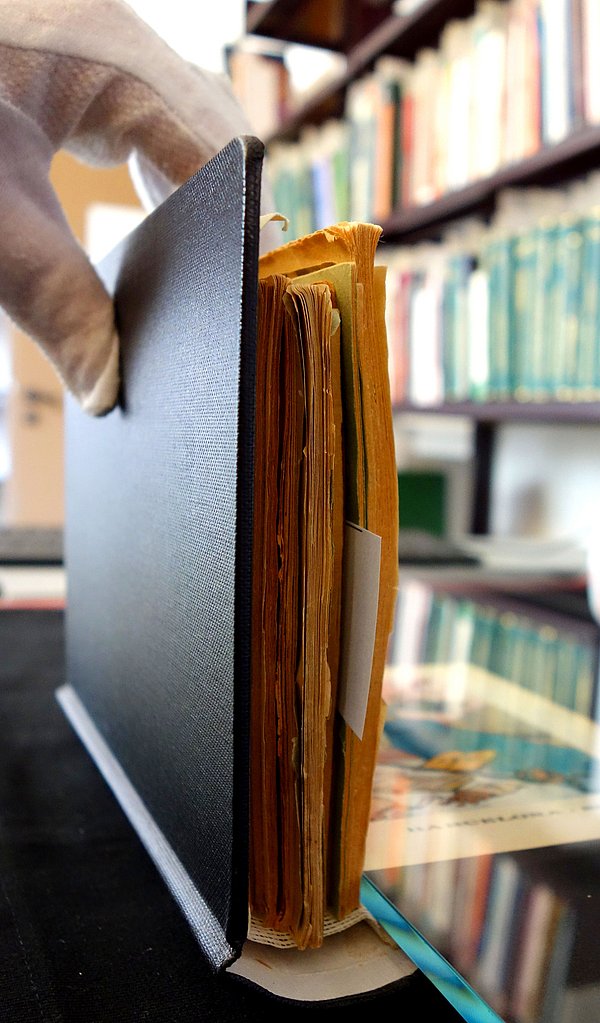
All collections held exclusively by the IAI are to be digitised in stages in accordance with copyright law.
The Institute consistently pursues the strategy of digitising materials available at the IAI that are of academic or cultural interest through its own internationally oriented publication programme, explains Müller: for instance, all books, journals and catalogues published by the IAI since 1930 are freely available on a dedicated publication server. The Institute’s current academic journals are also freely accessible open-access journals.
You can also apply online for a digital, free library card to use the IAI library. This gives registered users access to all e-journals and e-books licensed by the IAI library.
“But that’s not all; we now hold many of our cultural and academic events virtually or in a hybrid format. A number of events are also available on YouTube. We have made use of the technical advances from the pandemic period,” explains Müller. “This has enabled us to attract new audiences to our multilingual programme of events, which previously had a more local and regional reach, and to achieve a much wider reach overall.”
A blueprint: the IAI as a model for the SPK?
As part of the SPK, which is currently undergoing changes in many areas, the IAI also finds itself facing new challenges for the future. The entire network is currently in an exciting phase. Under the banner of ‘SPK 2030’, the reform aims to grant the SPK’s institutions greater organisational autonomy, so that the diversity within the SPK can achieve greater dynamism and effectiveness. At the same time, the added value of the network is to be strengthened and made more visible to all.
Where does the IAI stand, and how does the institute see itself within this network that is now in flux? Müller, who is a member of the IAI’s management team, has a good insight: “We hold a central position, as our Director Barbara Göbel is a member of the interim board and is actively shaping the new SPK network. Other IAI staff members are also involved in the reform process, working with the SPK’s central administration and contributing at all levels and within committees. At the IAI, we are not afraid to speak up about uncomfortable issues. And we are heard, which I greatly appreciate. It is always very important for us to emphasise: we are the Ibero-American Institute of the Prussian Cultural Heritage Foundation; we see ourselves as part of an archipelago, not as a ‘lonely island’.”
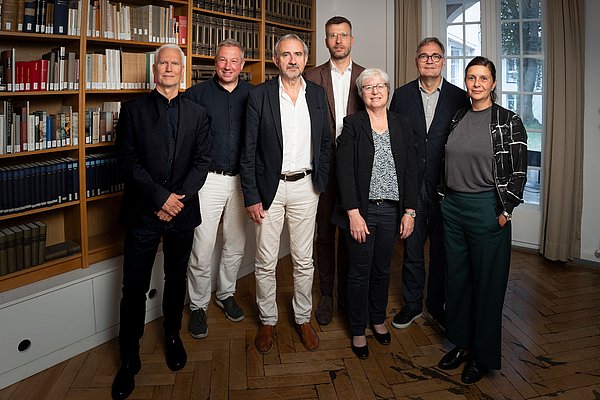
We see ourselves as part of an archipelago, not as a ‘lonely island’.
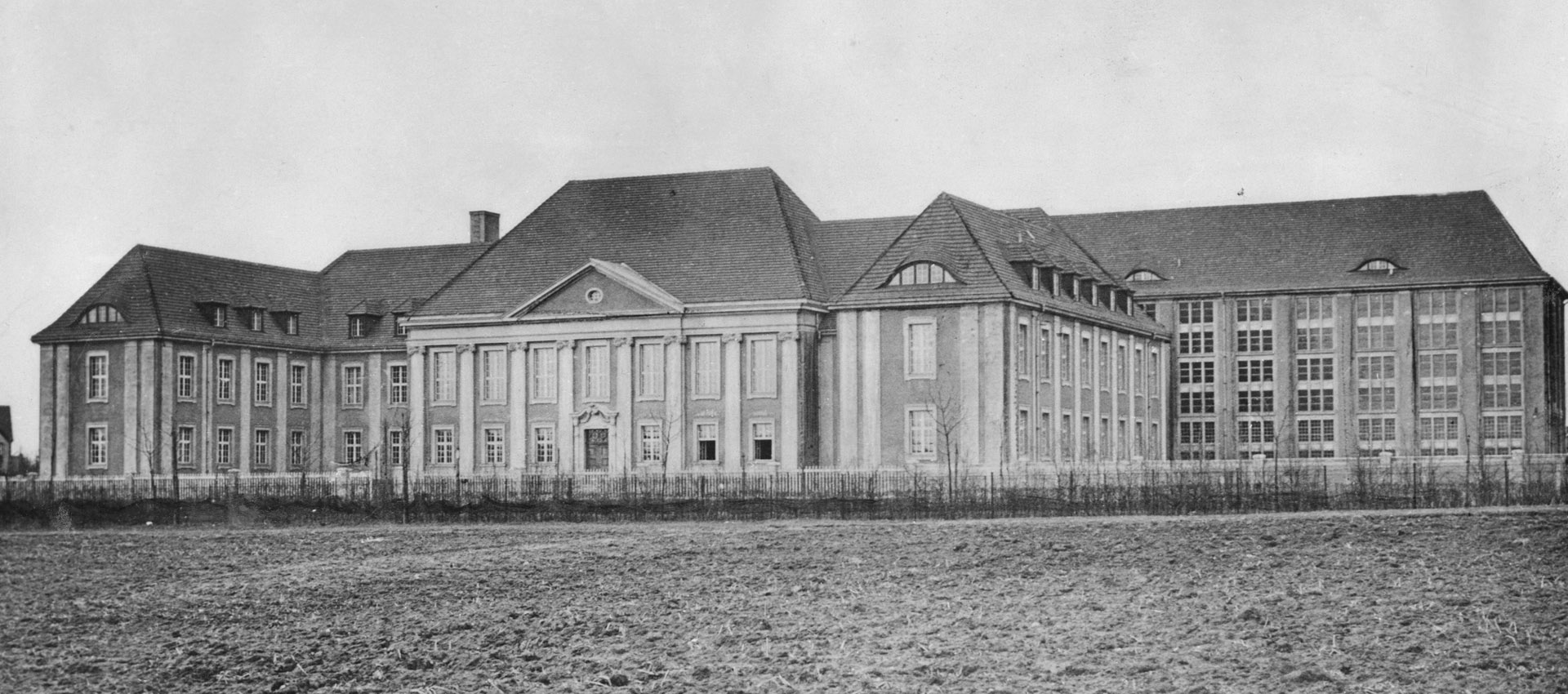
According to Müller, the IAI is, in a sense, a smaller-scale version of the SPK: “The foundation itself is a network of collections, libraries and archives; at the SPK, we conduct research, promote culture and are connected through international and interdisciplinary networks – and that is exactly what we do and what we are at the IAI as well. In other words, we are something of a blueprint for how networking and collaboration between different areas of work can succeed, how the specific characteristics of each area can be accommodated, and how, at the same time, the added value of combining these areas can be maximised. And we have been doing this for 93 years, in good times and bad. There is certainly a great deal to be learnt from this experience.”
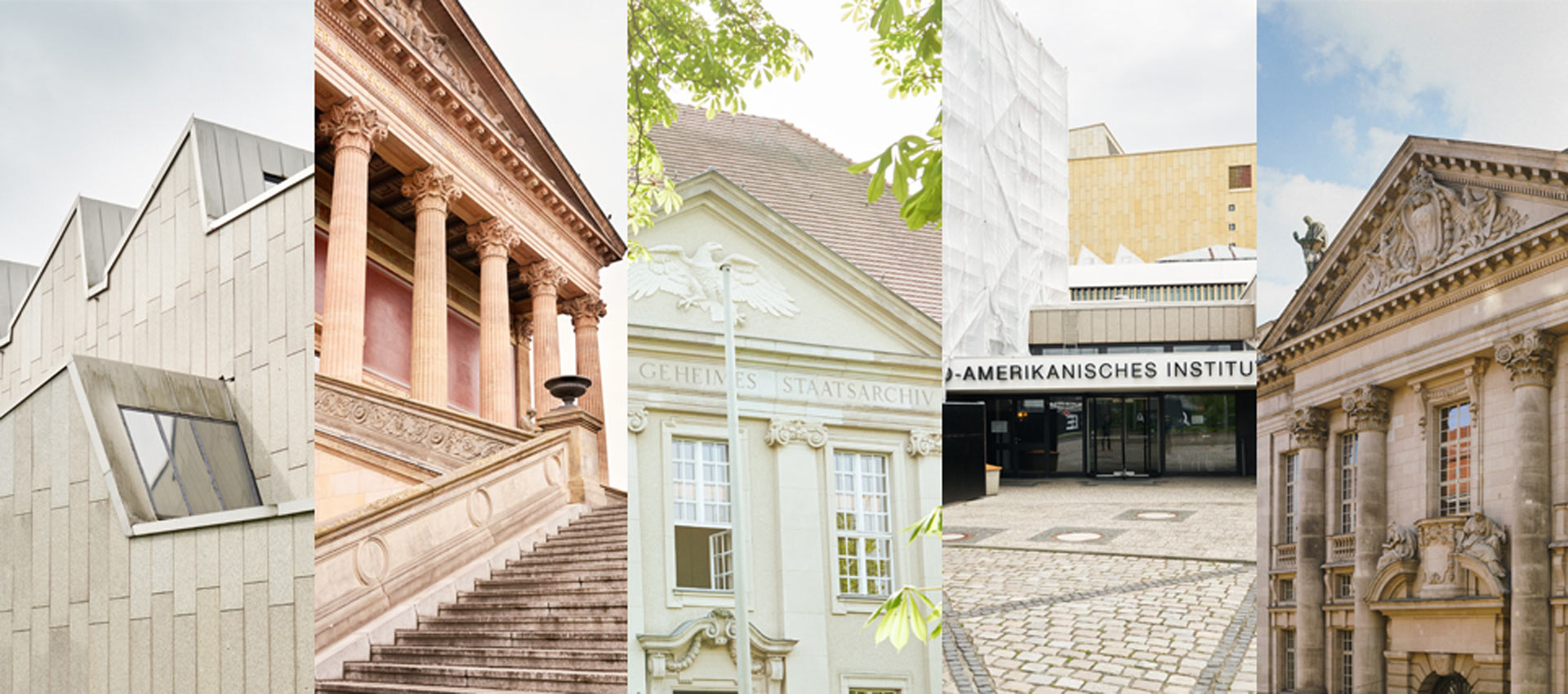
He also sees getting to know one another as a positive side effect of the evaluation process. Previously, says Müller, staff in the individual institutions (SMB, SBB, GStA, IAI and SIM) had only a limited understanding of what the others were doing. They have now learnt to talk to one another and cooperate more closely. “The fact that we are all going through this process together within the SPK brings us closer together.” The SPK has also taken away the realisation that the Foundation must open up, keep moving forward and actively prepare for current and future developments. “It is not the Foundation for its own sake, but a Foundation for the people!”