With ‘Multaka’, the ‘Syrian Heritage Archive’ and cultural education programmes for mosque communities, the Museum of Islamic Art has delivered a succession of imaginative projects addressing pressing contemporary issues, all of which are fundamentally about reaching out to people. Alongside this, various exhibitions are being organised, the collection is undergoing a complete overhaul, and funds are being raised for further important and worthwhile projects. Director Stefan Weber explains how all this is achieved.
What has changed at the Museum of Islamic Art over the last ten years?
Structurally, quite a lot, if you consider the new Archaeological Centre with its wonderful workshops and storage facilities, and the massive construction site of the Pergamon Museum, where you can see our future, significantly expanded exhibition spaces taking shape. The Neues Museum has opened, the James Simon Gallery and the Humboldt Forum are almost complete, and Mitte is undergoing a transformation. Our permanent exhibition, too, will have changed by around 75% this year. Visitor numbers have almost doubled during this period, reaching up to 900,000. That’s striking, but most of the work happens behind the scenes.
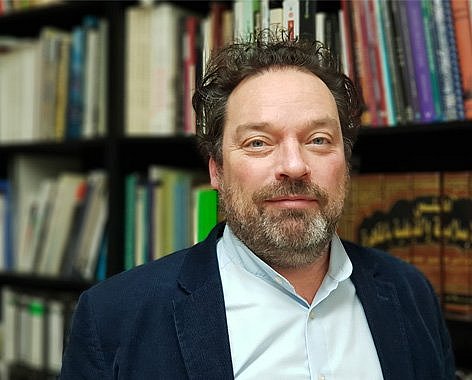
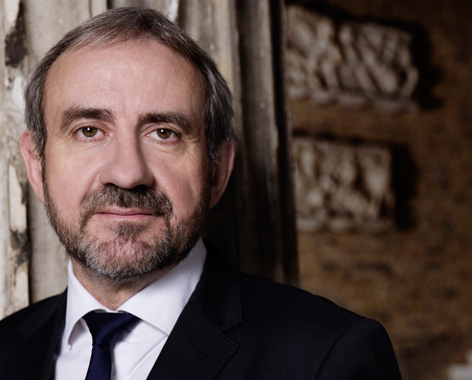
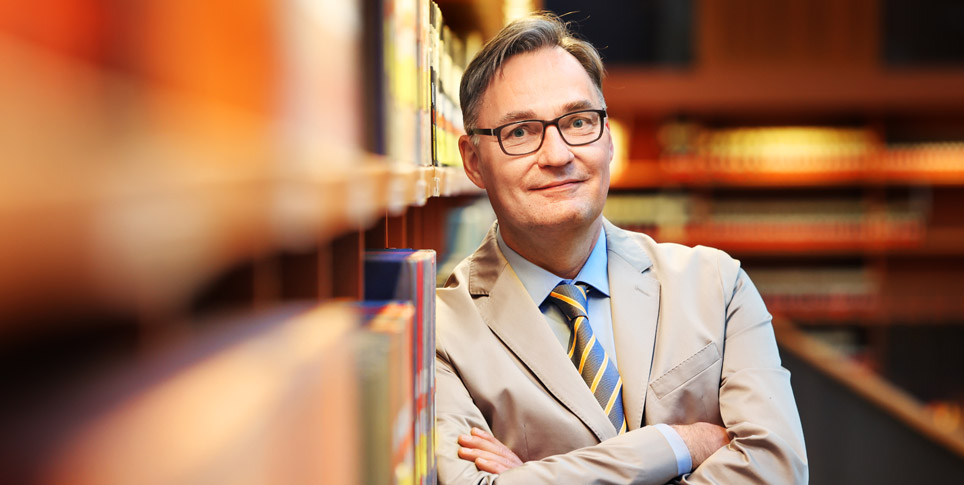
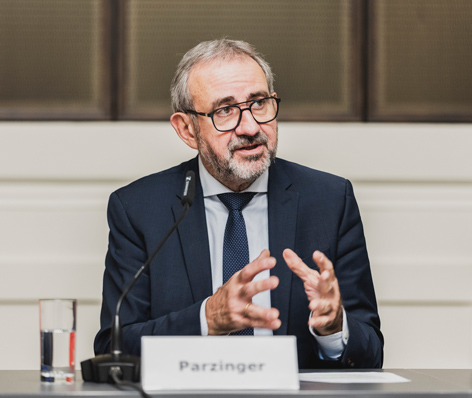
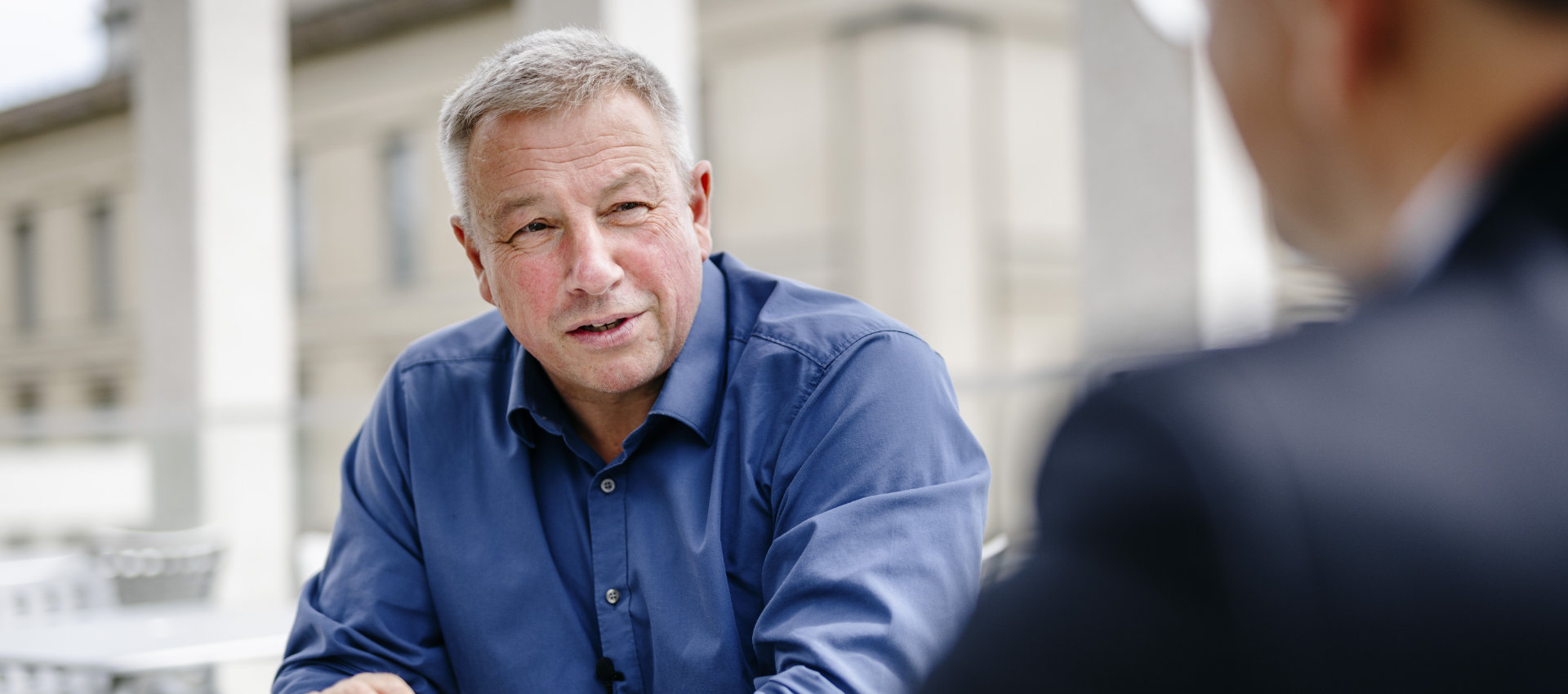
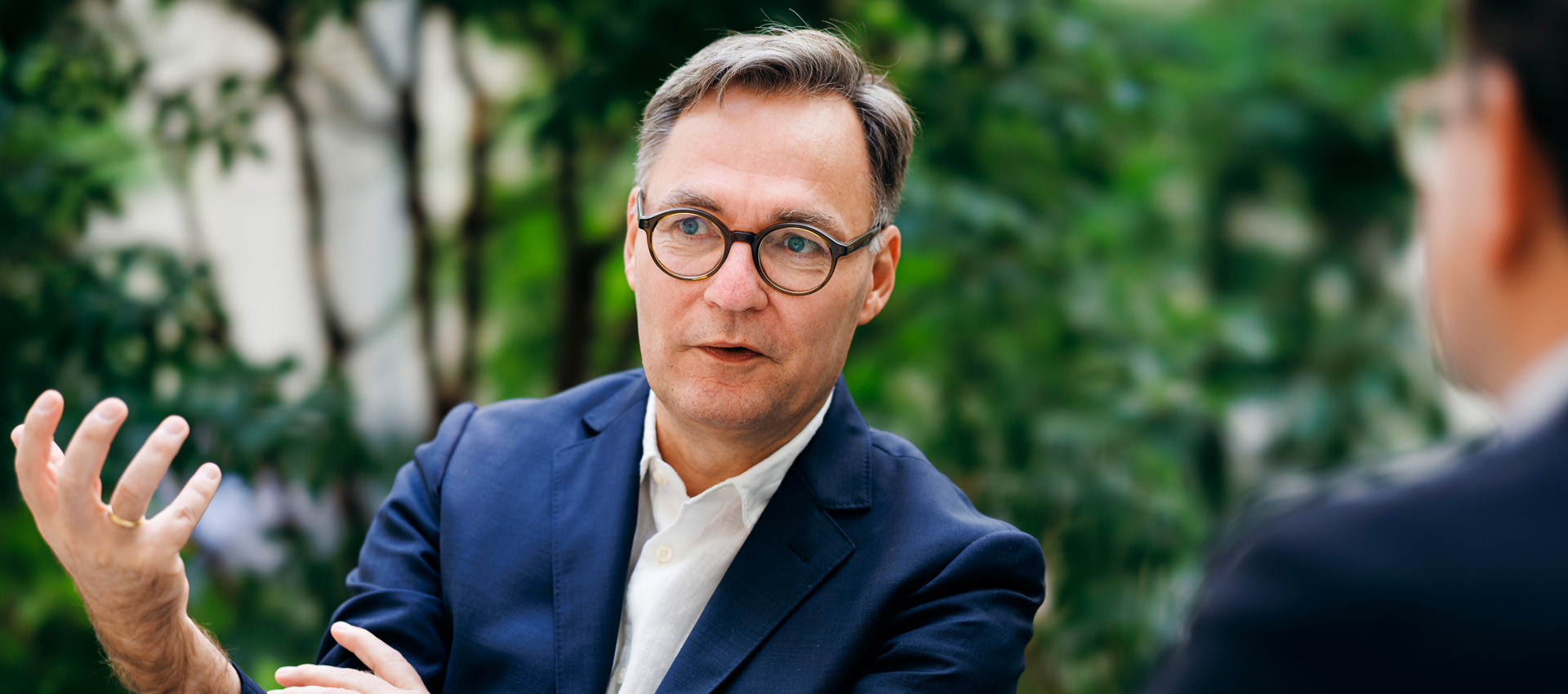
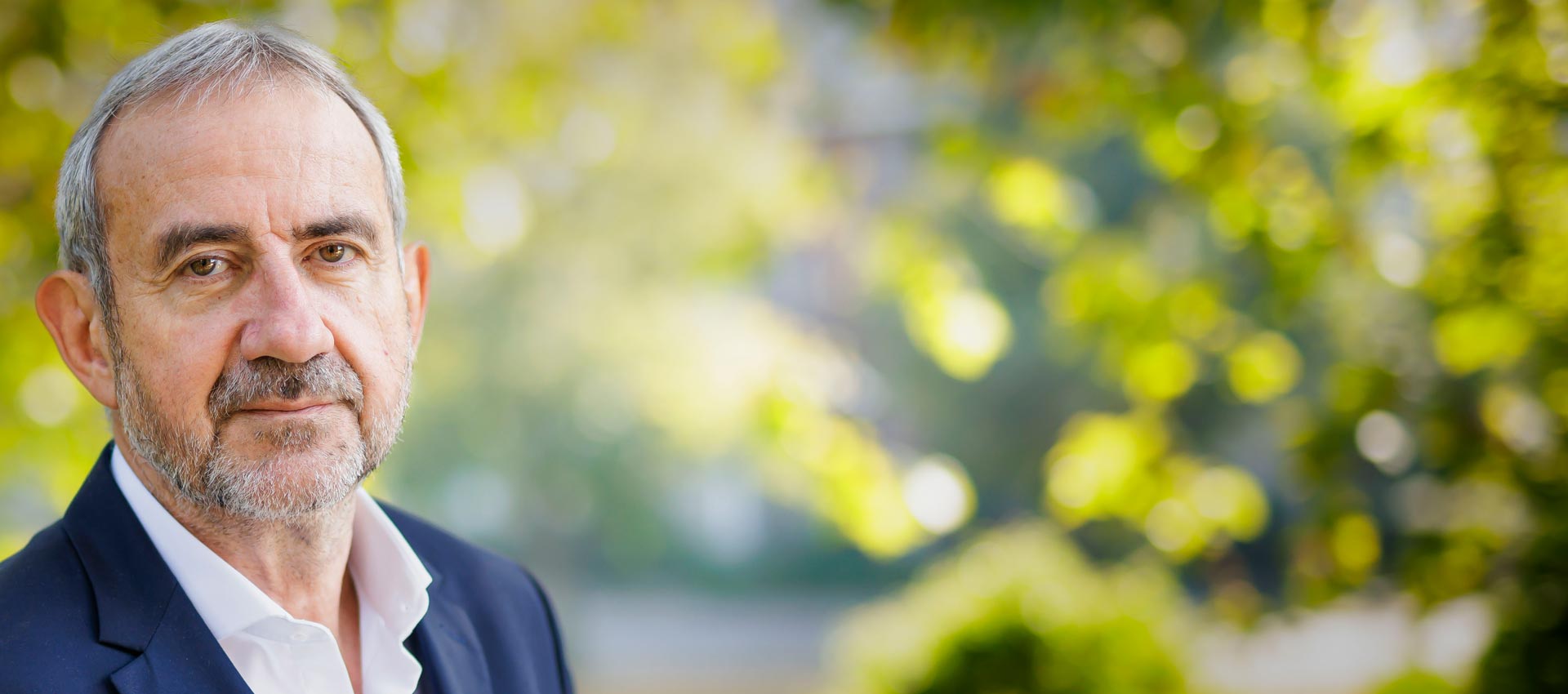
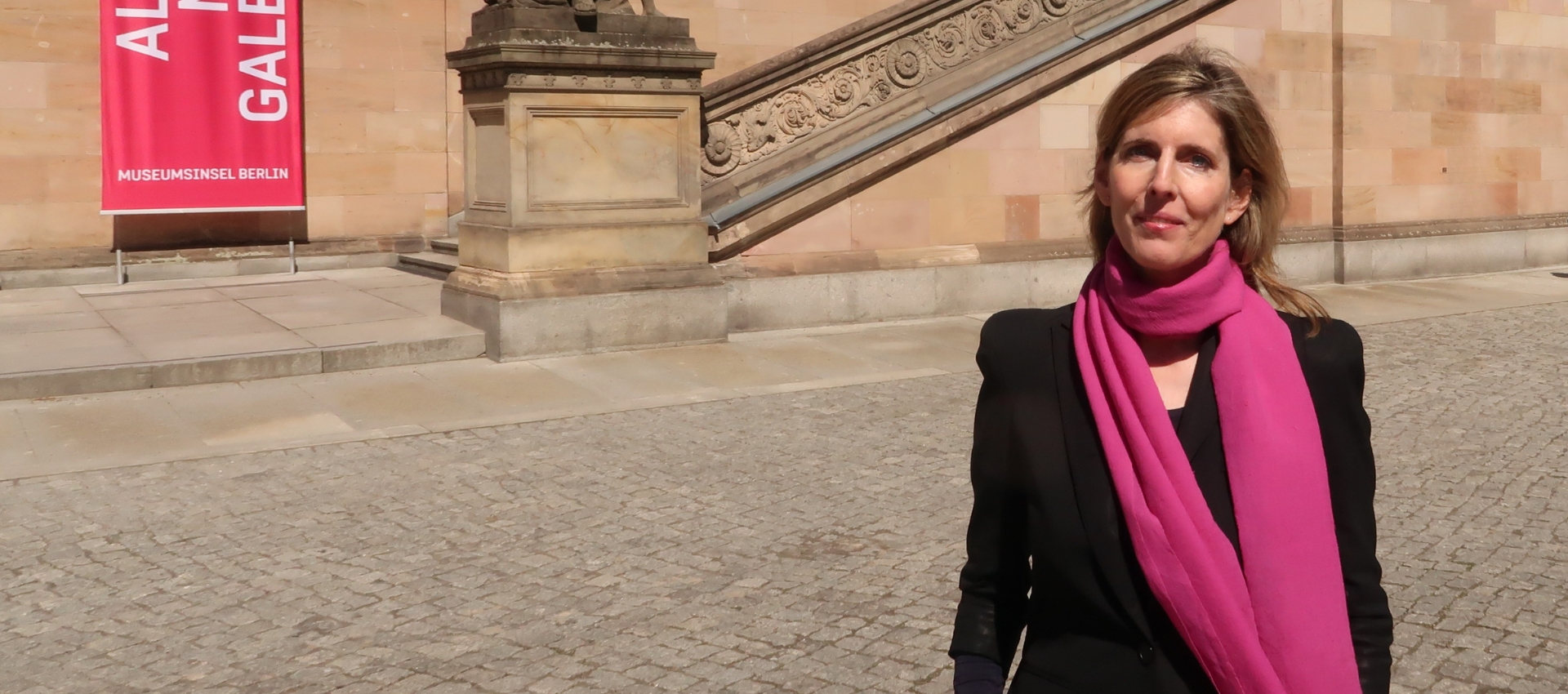
Stefan Weber, Director of the Museum of Islamic Art at the Berlin State Museums © Issam
We have begun a complete inventory of the collection. It is a mammoth task, and 70% has been recorded so far, revealing that we have almost twice as many objects as we had anticipated.
Current status: approx. 93,000 objects. 40% of the storage areas have been relocated. The large excavation collections are being researched, and numerous books have been published. Part of this involves an intensification of the restoration programme in preparation for the move, with dozens of objects restored. With the help of a generous grant from Yousef Jameel, we have catalogued 11,000 objects and made them available online. But it will take many more years before we have our collection under control and the provenances have been verified. This would not be possible without the dedicated and painstaking work of the entire team.
We have also established a Friends’ Association, which is thriving, and an international advisory board of volunteers who assist us time and again. This enables us to react quickly and fill gaps – exhibition funding, bridging finance for staff, and project implementation. We have gained enormous flexibility through this voluntary commitment. Only in this way were we able to respond to the refugee crisis and carry out the internationally leading projects on Syrian cultural heritage. In total, we now have 12 projects relating to UNESCO World Heritage sites, with long-term partnerships with Sharjah in the Emirates, Córdoba and Iran. Operating at times in politically sensitive areas, we have become a key player in cultural diplomacy.
Museum of Islamic Art
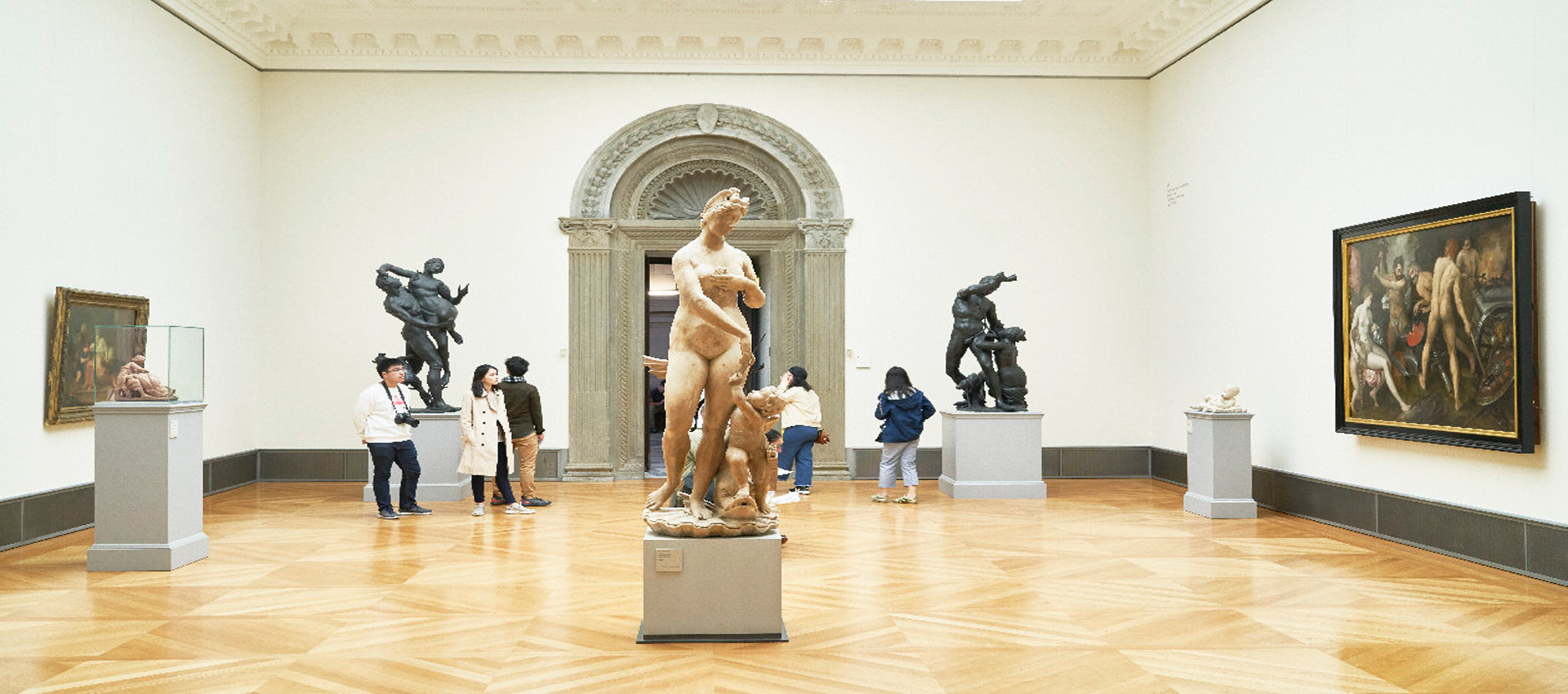
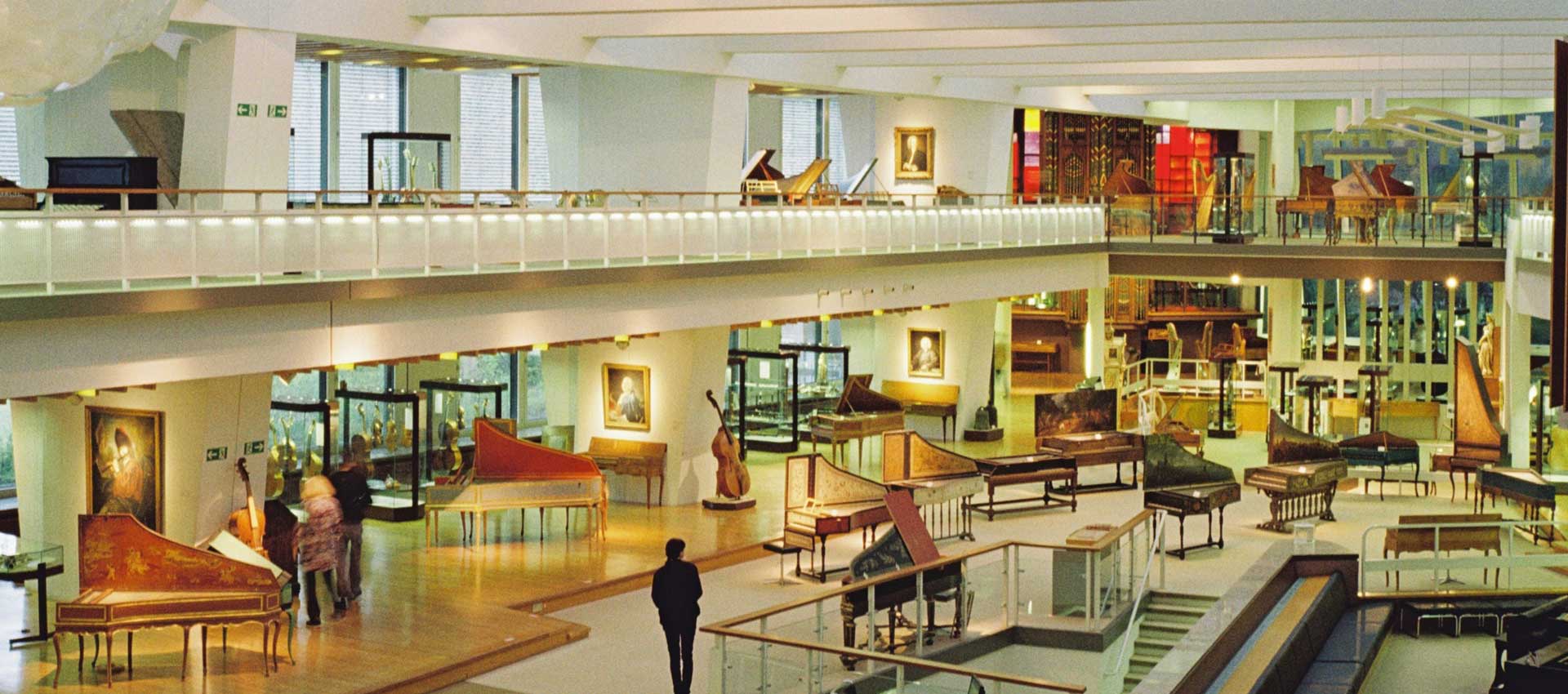
The Museum of Islamic Art, part of the Berlin State Museums, presents masterpieces of art and archaeological objects from Islamic societies dating from the 8th to the 19th century at the Pergamon Museum on Museum Island. The collection covers a region stretching from Spain to India.
The museum is one of the leading research institutions in its field. It is committed to the protection of cultural heritage and is active in the areas of restoration, international cultural exchange and (inter)cultural education in Germany.
However, the focus is on our role here in Berlin, with numerous exhibitions and conferences – often in collaboration with our colleagues from the Oriental Department of the State Library and within the network of universities, clusters of excellence and research programmes.
Through our partners, we are constantly able to attract visiting scholars to our institution, and the State Museums now have their own international scholarship programme. Such opportunities did not exist in the past; they are also the result of strategic (and friendly) partnerships.
We aim to improve our work with visitors and are constantly evaluating new educational formats – with test stations in almost all 17 exhibition rooms. Four active websites and active Facebook accounts, supported by an outreach officer sponsored by the Emirate of Sharjah and cultural programmes (such as the ‘Nights of Ramadan’), demonstrate the vibrancy of our institution. Supported by the projects and structural improvements implemented by the General Directorate (including a new website and social media strategy), our team has grown from 12 to around 40 staff members, many of whom have been retained through long-term, very generous funding from Alwaleed Philanthropies. These have been intense, focused years, and sometimes I can hardly believe my eyes when I see what our team has achieved over the last few years. In any case, I am immensely proud of this achievement.
"Multaka: Museum Meeting Place"
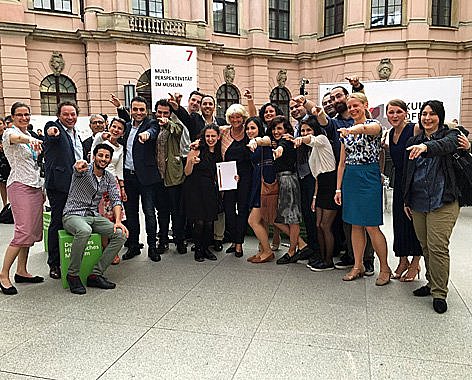
The project trains refugees from Syria and Iraq to become museum guides. They guide their compatriots in their native language through the Pergamon Museum, the Bode Museum and the German Historical Museum in Berlin. Developed by the Museum of Islamic Art at the Berlin State Museums, the project was funded by the Federal Ministry for Family Affairs, Senior Citizens, Women and Youth and is now supported by the Federal Government Commissioner for Culture and the Media. more
Which project, exhibition or publication are you particularly proud of, and why?
There are many things that spring to mind, such as the reorganisation of the collection. I almost see this as a historic undertaking, because following the turbulent history of frantic collecting, two world wars and destruction, division, removal and repatriation, separate collections and reunification, we have entered a great deal of new information into the digital database. Just creating the thesauri and standardising the inventory numbers was a huge undertaking. The team was constantly searching through the storage areas. I had merely given the project a nudge, but the credit goes to the team, led by my deputy Ute Franke, who did most of the work themselves.
From the very start of my tenure, a key focus has been to establish the museum, with its expertise in Islamic cultures, as a centre for cultural education and social responsibility. It was a very arduous task, and even for such a significant contemporary issue, funding was unfortunately not readily available. I began with a single staff member funded by external grants. The BKM recognised our potential. Since then, over 600 schools have accessed our materials, and together with the Senate’s Migration Commissioner and the BMWF, we are working collaboratively with 13 mosque communities on extracurricular programmes for young Muslims. We are currently exploring cooperation with family centres alongside the Ministry for Family Affairs.
We have made a name for ourselves here and are now not only well-connected but, thanks to funding from the Alwaleed Foundation, can continue our work long-term with a team of several people. This is important to me, because culture and art can strengthen open, pluralistic images of identity – far better than political discourse. Anyone who realises that their musical heroes all use instruments that originated in the Middle East – like so many other things – becomes more resistant to simplistic black-and-white thinking. With the project “Multaka – Treffpunkt Museum, Refugees as Guides in Berlin Museums”, migration has become a core theme that is important for our exhibits and the people in the exhibition. The project – now nominated or awarded five times – has put us on the international map, and museums and journalists around the world are talking about us. This has also helped us in terms of content and shown that consistently participatory projects help us bring the history of objects from the past into the present.
I am delighted about the plans for the new museum spaces, which will be three times the current size – it will be fantastic, even if it is not until 2025. I am rather proud of the projects on Syrian cultural heritage, which have pioneered new approaches internationally over the last five years. Here, we will continue to seek innovative ways to combine cultural heritage, documentation and communication in a participatory manner.
We have hosted numerous fantastic exhibitions, including, in collaboration with the State Library, one on the Iranian Book of Kings and the marvellous paintings in the Diez Albums from the early 14th century, as well as exhibitions on Afghan calligraphy, Persian antiquity and Islam – too many to list. Four exhibitions here every year and others abroad, curated by our team. It’s nice to look back on one or two highlights.
What has been your most memorable failure?
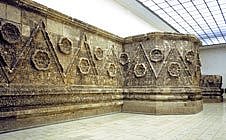
Oh yes, there have been one or two painful setbacks! The loss of a collection still hurts, even on a personal level – even if it was better for the museum. The Mschatta debate and the resulting reduction in space for the future main hall is, in our view, still regrettable.
Sometimes, looking back, I have to smile: at myself. Right from the first year, I rolled up my sleeves and, in my new role, set about searching for sponsors with a sense of duty. The museums have no budget of their own to carry out projects and events. I quickly built up good contacts – but had nothing concrete to offer. Letters of intent don’t sell well. Since then, flyers and brochures have been printed in several languages, ‘products’ and objectives have been formulated, and a sort of infrastructure has been established. I had to watch some potential opportunities slip away with empty hands. So I had to learn that an idea and blue eyes alone don’t bring in a bouquet of flowers. There was a touch of naivety at play at times – but that’s also what got the ball rolling. We have since been able to implement many important projects with a few million euros.
Striking a balance between scientific content and the realities of life, as well as the needs of our many different visitors, has proved far more difficult than anticipated, and we are still a long way from where I wanted to be. As advocates for the cultures, eras and objects we research and restore, it is right that we always ensure we do them justice – otherwise we might as well be putting on poster exhibitions.
Nevertheless, we must reach our visitors. We still speak ‘Chinese’ to most of them and fail to connect with people across their diverse interests. We are aware of the relevance of our content and are delighted when visitors understand it too. There is also a great deal of curiosity here.
After many tests and trials, some successful and some less so, we wanted to redesign our entrance hall and get everything right this time – for the objects too. It took months, almost years. Endless material tests, the so-called Oddy tests (thanks to the Rathgen Research Laboratory!). Fumes from graphics or adhesives damage many types of material, and we also want to set long-overdue standards for conservation benchmarks on object protection.
I also wanted to include graphics in the display case to make the text easier to read. Damage to the display case and difficulties with the lighting were added to the mix, all on a tight budget. I was proud when, after months and much effort, we were finished. With the texts and transregional comparative objects from the Museum of Asian Art (thanks to them too!), we had put together a great story linking China and Iran. Brilliant! That’s how it should be – and yet, once again, it wasn’t perfect: one of my first critical visitors took a look at the texts. Too long! Out of sheer professional blindness and obsession with the subject – that’s just how we are – we’d forgotten to involve visitors in the project. We need them if we want to get our content across effectively to men, women and, hopefully soon, children and young people too. We’ve since hired a curator from outside our field, whose job is to put on the visitor’s glasses right from the planning stage.
What surprised you the most?
I had mentally braced myself for my first directors’ meeting – the museum directors and the General Directorate meet monthly – as if I were going into battle. When 18 institutions are dependent on a single source of funding, there’s bound to be conflict, and academic institutions are, after all, notorious for their power games – or so I thought. I was surprised by the collegiality, the (often at least potential) good cooperation between the institutions. The atmosphere was extremely civilised – and not just between the museums, but also the universities and academic institutions. It’s a pleasure to network and forge partnerships in Berlin. We’ve carried out dozens of projects, exhibitions and events this way. Brilliant! And particularly important when you don’t have a budget or the necessary resources yourself.
I was surprised by the freedom – in both positive and negative ways. Some departments, such as Information and Communication Technology, Education, Fundraising, Exhibition Development and Marketing, were and remain completely understaffed or do not exist at all – when I started, the SMB website was a disaster, social media was a foreign concept, merchandising was in its infancy, and so on.
Things have improved significantly, but much more is needed in these areas – not least for the sake of staff well-being. Sometimes we look enviously towards New York, London or Paris – but they look enviously at us too. The challenges and the freedom they offer make us inventive. Whilst the over-regulation of day-to-day work stifles a lot of momentum, I thoroughly enjoy the freedom in research, external cultural policy, cultural and social education, and museum development.
Sometimes I still get annoyed by long distances and a lack of courage to find new ways – a project like ‘Multaka’, which has attracted worldwide attention, would never have been possible had we not simply put ‘we can do it’ into practice. We need more courage to embrace change; we must not just talk about it, but make it happen.
Where do you see the Museum of Islamic Art in 2028 – what should happen over the next ten years?
2028? The new permanent exhibition in the north wing of the Pergamon Museum is open; several thousand visitors come every day, see the early Islamic palace façade from Mschatta and, as they walk through history, find answers to questions that help them today (that is, tomorrow). They find the new exhibition spectacular, refreshing and easily accessible to the many different people who visit us – they are inspired by the experience: the museum succeeds in using objects from the past to generate relevance for the present – and all those who know the places of origin can also identify with it.
All objects are in the database, have been catalogued, are stored in new, clean depots, and their provenance has (almost) been researched. All the roofs of new and old buildings are watertight, and we have acquired a few more important objects. Artists, musicians, and many schoolchildren have engaged creatively with our collection…
May I continue to dream? Actually, this is also a way of formulating further goals, knowing full well that much of it will not come to pass. What would be important for us is long-term support in the areas of cultural and social education, international cultural work and research, art education and cultural heritage protection, integration and social cohesion, so that we are not constantly scrambling from one project to the next – in the process losing good people, continuity, effectiveness and far too much vital energy. I hope that in ten years’ time, despite the long, arduous journey, I will have become neither cynical nor weary, and that I will be able to give many interesting people space at the museum to express their ideas and creativity.