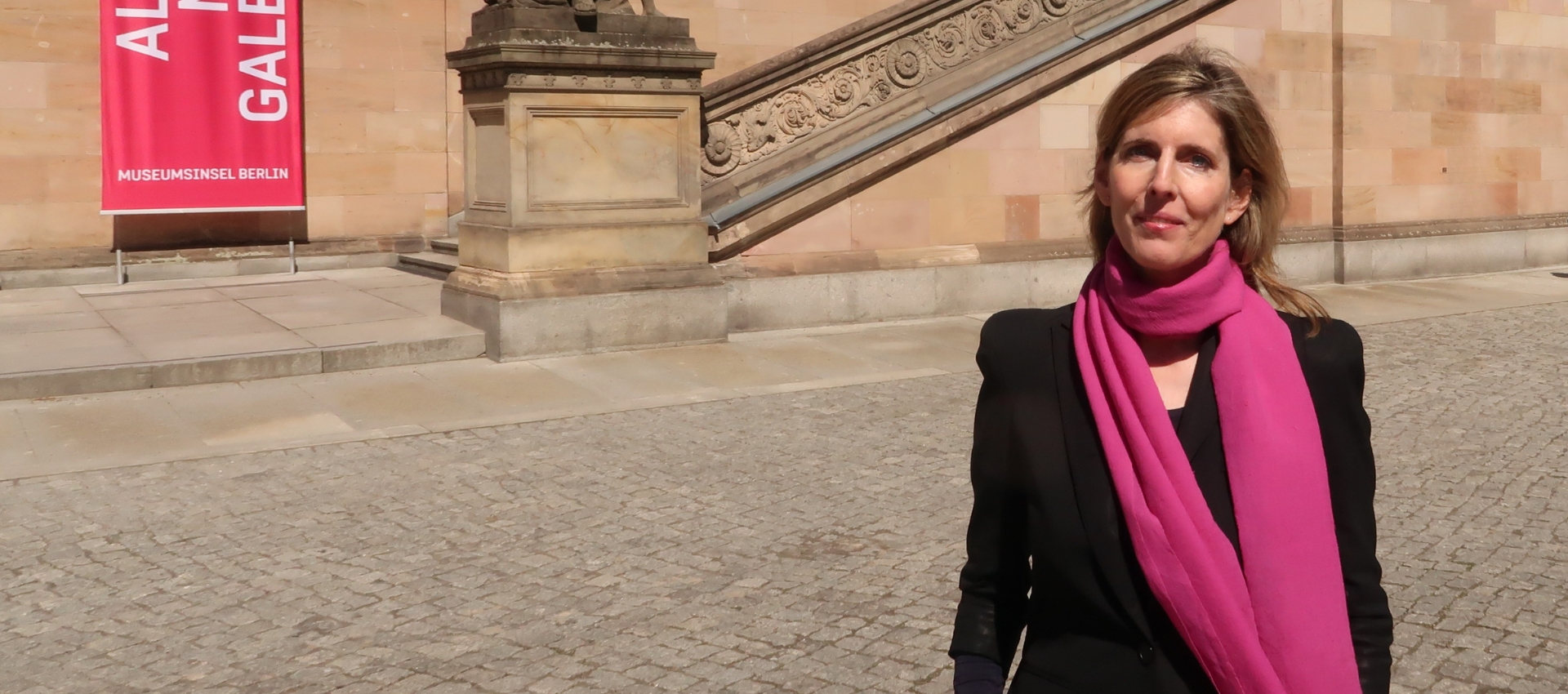
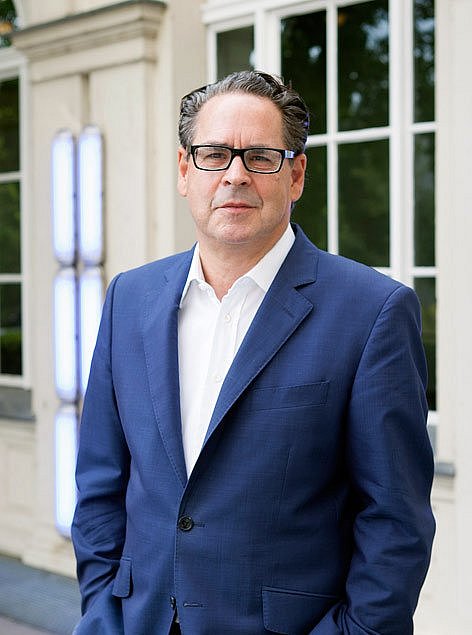
The exhibition “hello world” took a critical look at the National Gallery’s collections. The director of the National Gallery, Udo Kittelmann, also looks back on 10 exciting years.
What has changed at your institution over the last 10 years?
In short: the exhibition programme has become more international, it has become more diverse, and it takes a clear stance on relevant social issues. The audience has become much younger and also more international. Furthermore, over the past few years the National Gallery has gained a perspective that will also provide further opportunities for the presentation of art in the future, in terms of space. I am thinking above all of the planned new building for the Museum of the 20th Century and, not to be forgotten, the long-overdue renovation of the Mies van der Rohe building.
Which project, exhibition or publication are you particularly proud of, and why?
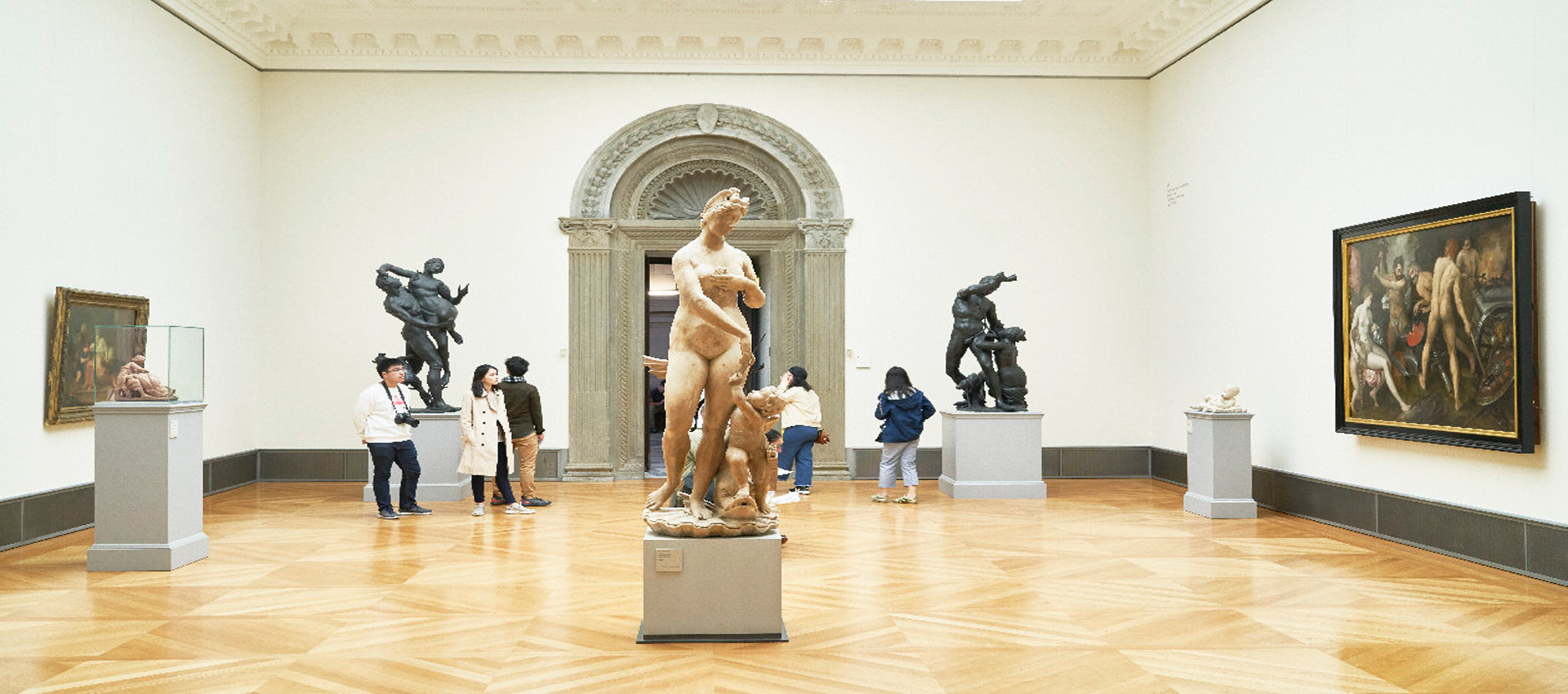
It is always the current and future projects that one looks forward to with joy. In that respect, and very recently, the exhibition project “Hello World. Revision of a Collection” at the Hamburger Bahnhof – Museum für Gegenwart, which will hopefully present a different and more global perspective on the Nationalgalerie as a whole. We should also mention the vast number of new acquisitions and donations dating from the 19th century right up to the very latest in contemporary art, which the Nationalgalerie has received thanks to generous patrons and collectors, as well as artists, despite having a barely noteworthy acquisition budget. At this point, I would like to mention just one work that highlights the abundance and richness of these acquisitions: Pierre Huyghe’s “Zoodram 6 (after ‘Sleeping Muse’ by Constantin Brancusi)”, 2013, which I already count among the icons of the 21st century. And if we are talking about pride, then I feel this sentiment above all towards all my colleagues who have walked this path alongside me.
What is your most memorable failure?
Failure is never pleasant, so I don’t wish to single out any particular failure here.
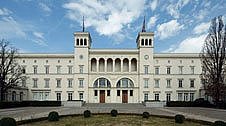
Hamburger Bahnhof – Museum of Contemporary Art – Berlin
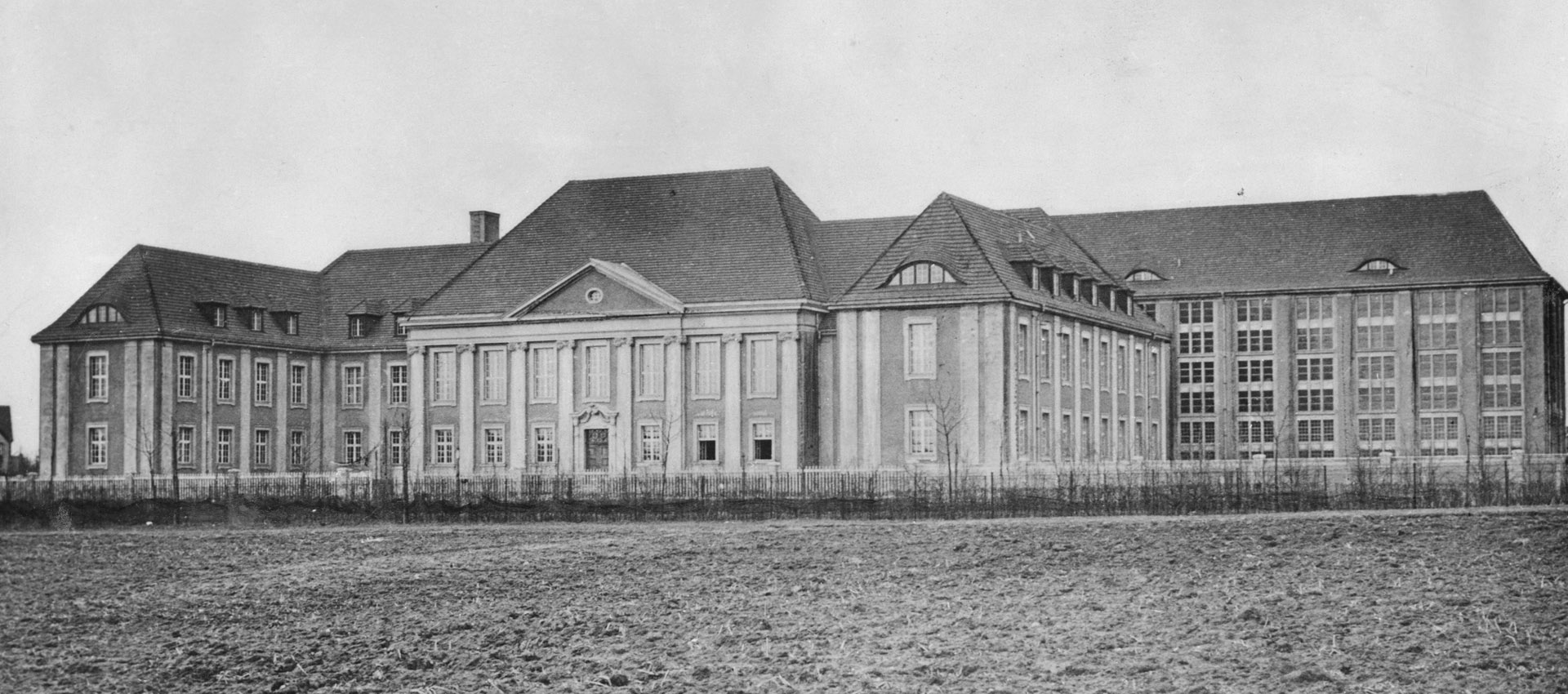
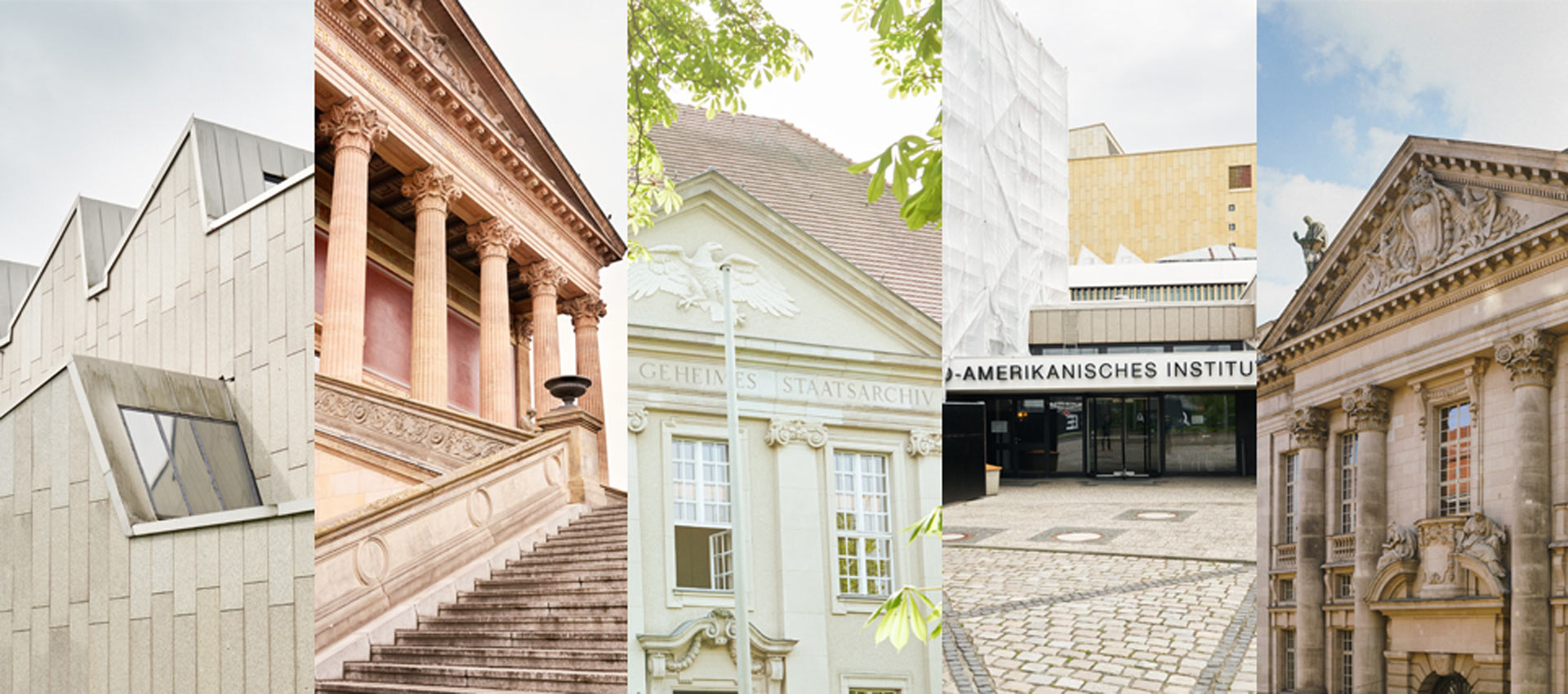
The Hamburger Bahnhof – Museum of Contemporary Art – Berlin houses extensive collections of contemporary art. It is the largest building of the National Gallery, whose holdings can also be found in the Alte Nationalgalerie, the Neue Nationalgalerie, the Museum Berggruen and the Scharf-Gerstenberg Collection.
As the name suggests, the Hamburger Bahnhof once served a completely different purpose. Opened as a railway station in 1846, it had to close again as early as 1884. Since 1996, the renovated and now expanded building has provided a home for contemporary art.
Website of the Hamburger Bahnhof – Museum of Contemporary Art – Berlin
What surprised you the most?
The speed, which keeps getting held back, but I suppose that’s just the way things are.
Where do you see your institution in 2028 – what should happen over the next 10 years?
By then, hopefully we will have succeeded in placing the National Gallery’s buildings on stone foundations in line with their cultural and social significance. And this in a city where the ground conditions are predominantly sandy.