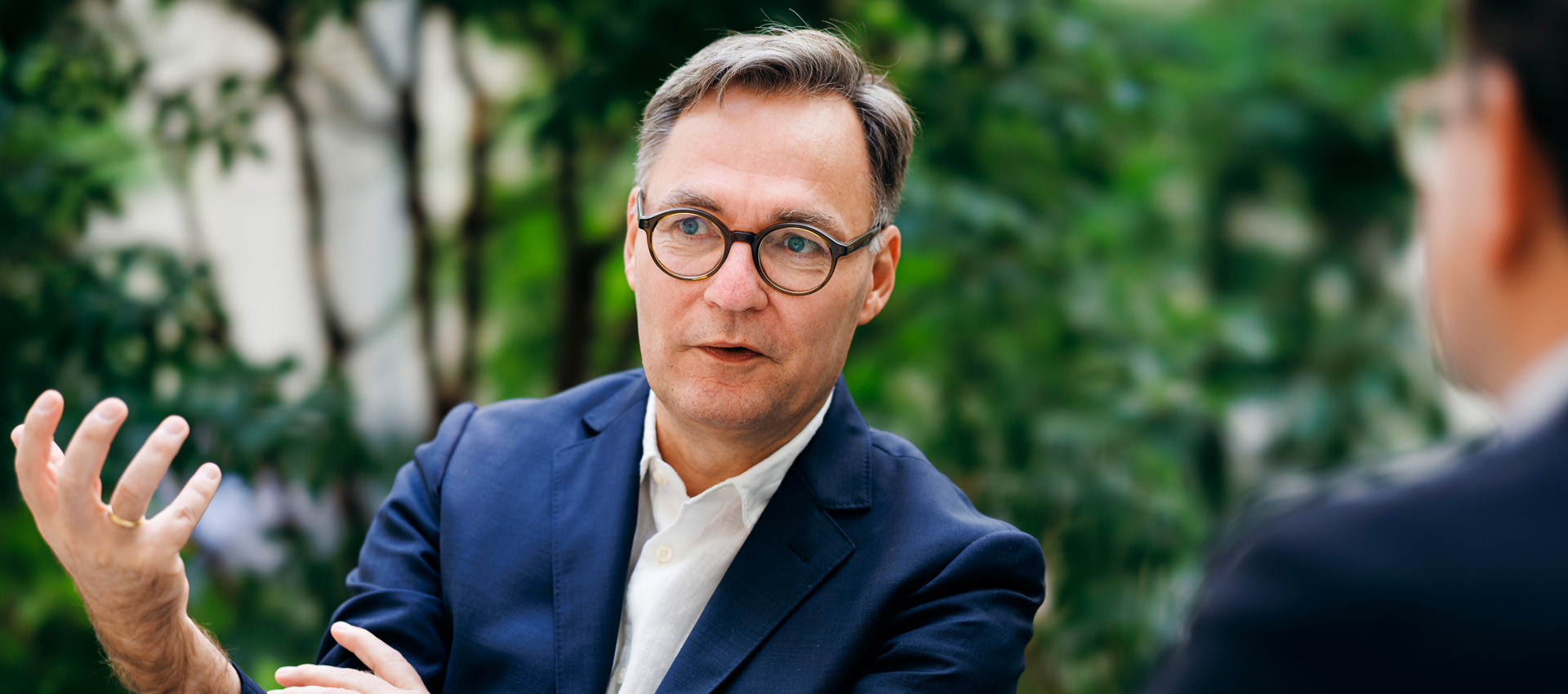
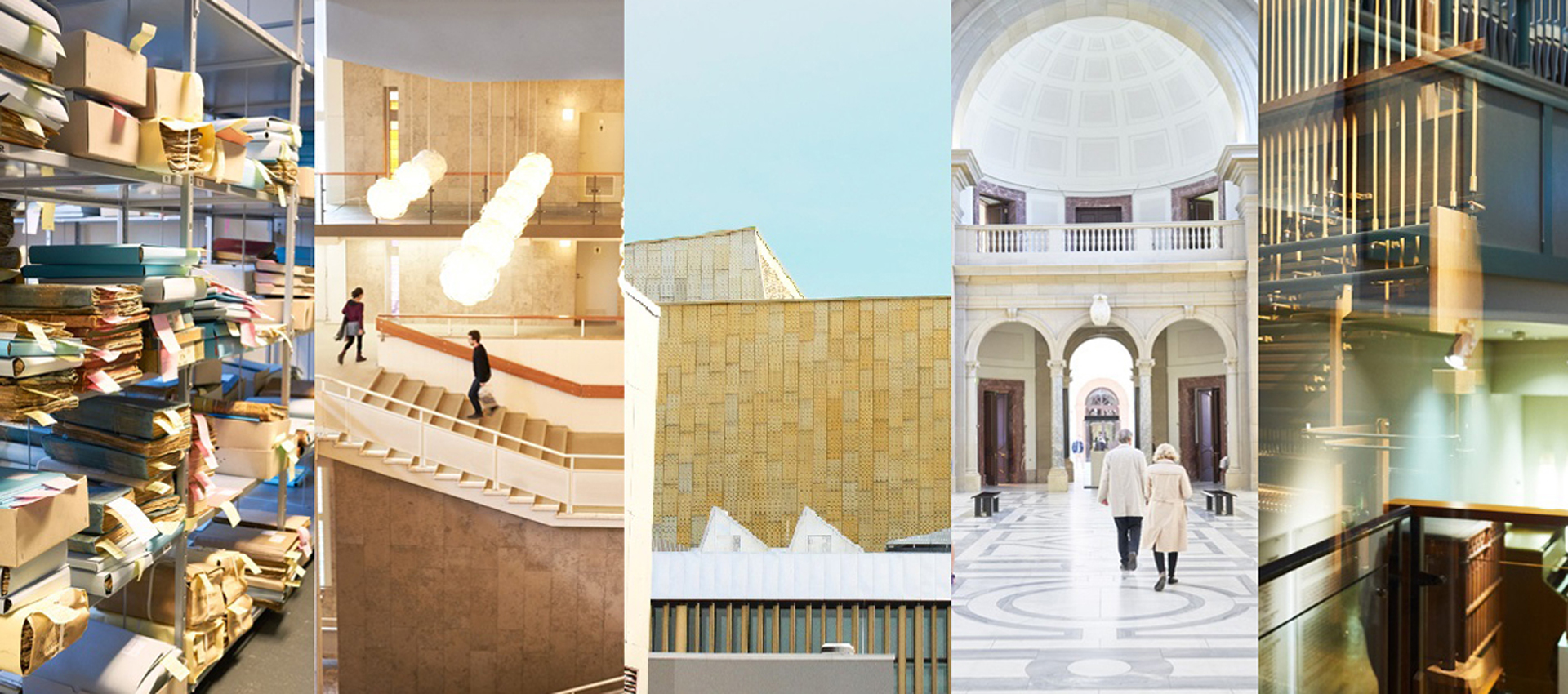
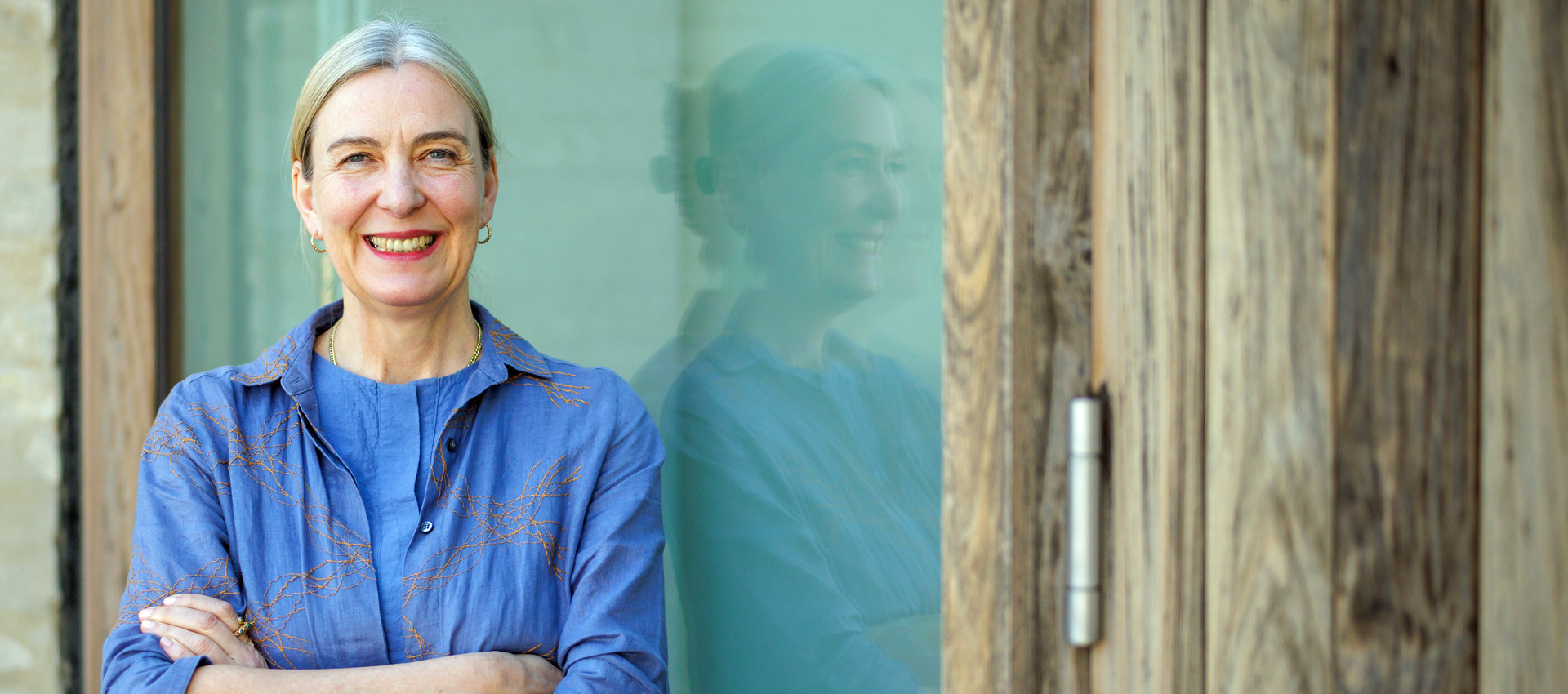
Heinrich Schliemann, the Vikings, the whereabouts of the Prussia Collection, archaeological excavations in the heart of Berlin, and Turkmenistan are just some of the topics that occupy Matthias Wemhoff. The director of the Museum of Prehistory and Early History is as energetic as the objects in his collections are old: quite a bit, in fact.
What has changed at the Museum of Prehistory and Early History over the last ten years?
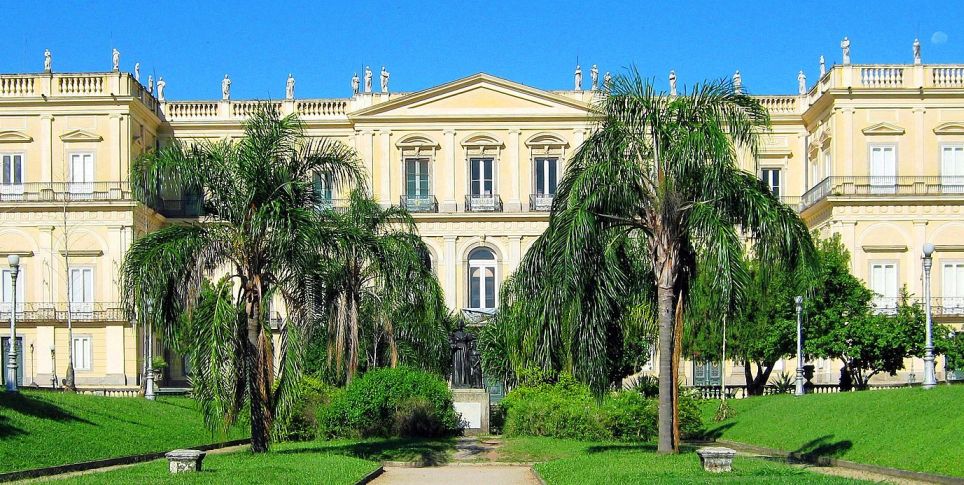
Quite a lot! I was lucky enough to start 18 months before the opening of the Neues Museum. This meant I could contribute many ideas to the design of our exhibition and help shape and experience the real new beginning there. The move from the Langhans building at Charlottenburg Palace to the heart of Berlin’s museum landscape is a huge step for the Museum of Prehistory and Early History, whilst also marking a link to its own history, as the first room for housing a ‘Collection of Patriotic Antiquities’ was established here as early as 1850.
Five years ago, we then moved our offices, the archive and the library to the Archaeological Centre on Geschwister-Scholl-Straße, in the immediate vicinity of Museum Island. This, too, is an important step in the museum’s reorganisation.
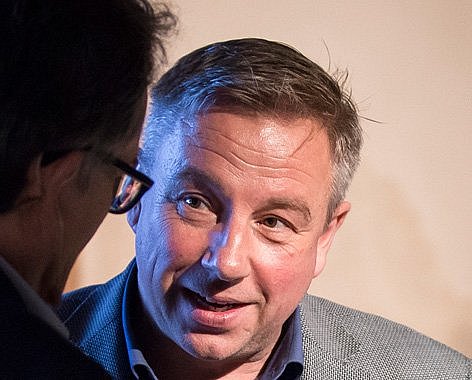
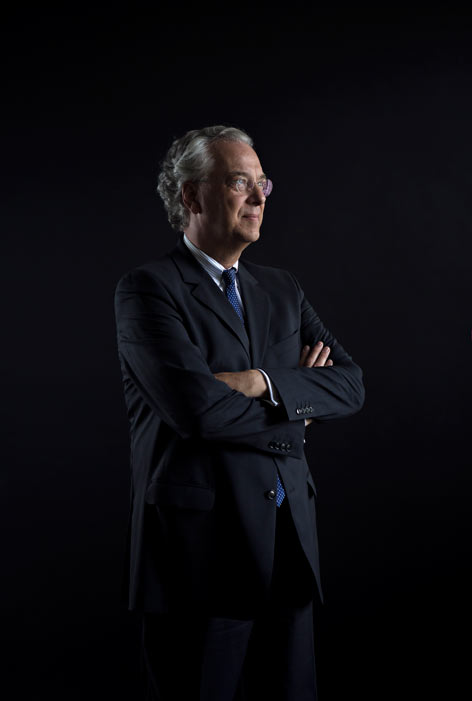
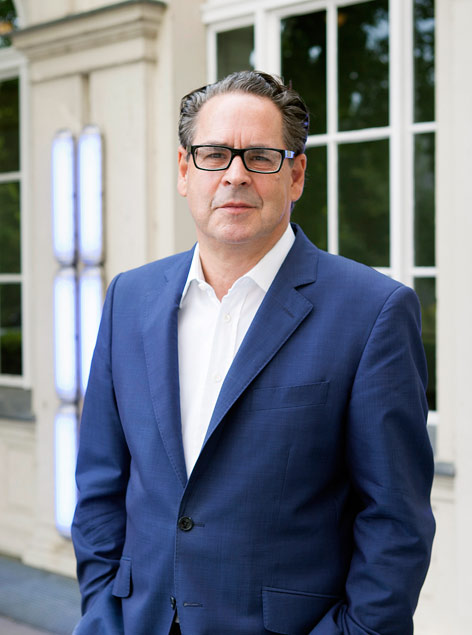
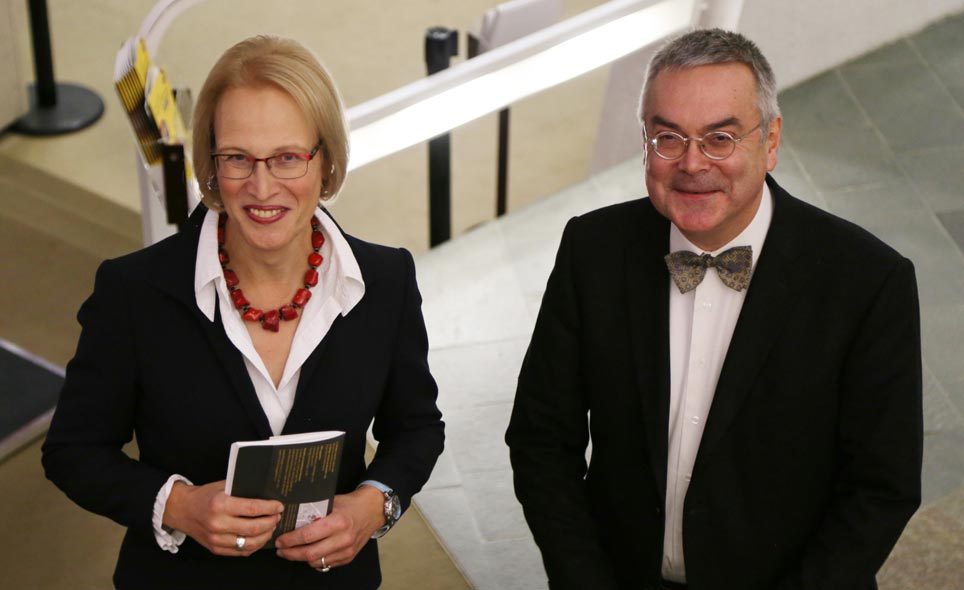
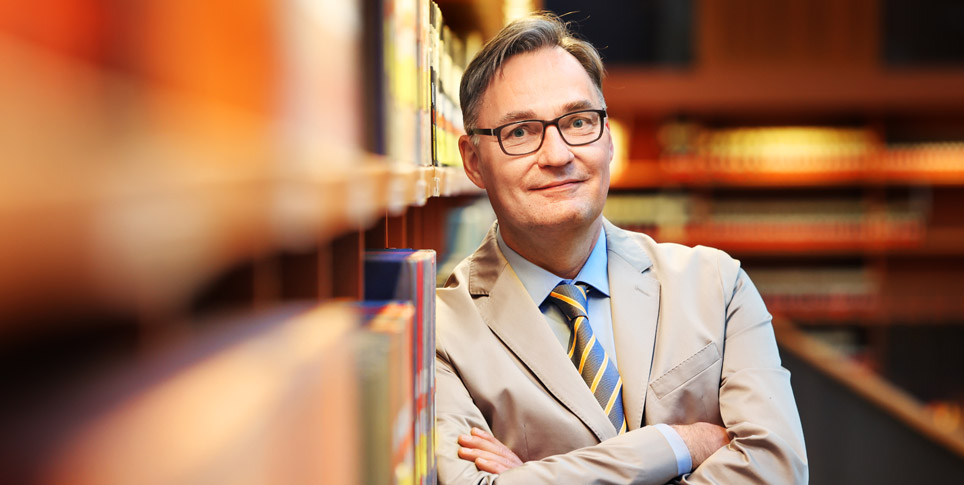
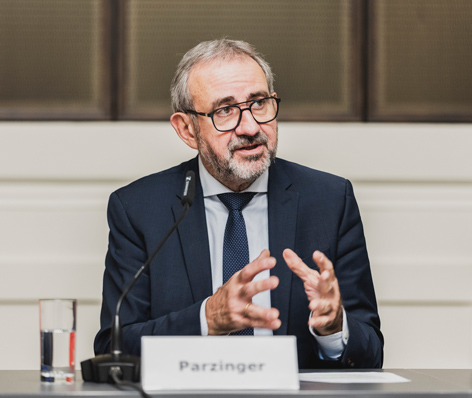
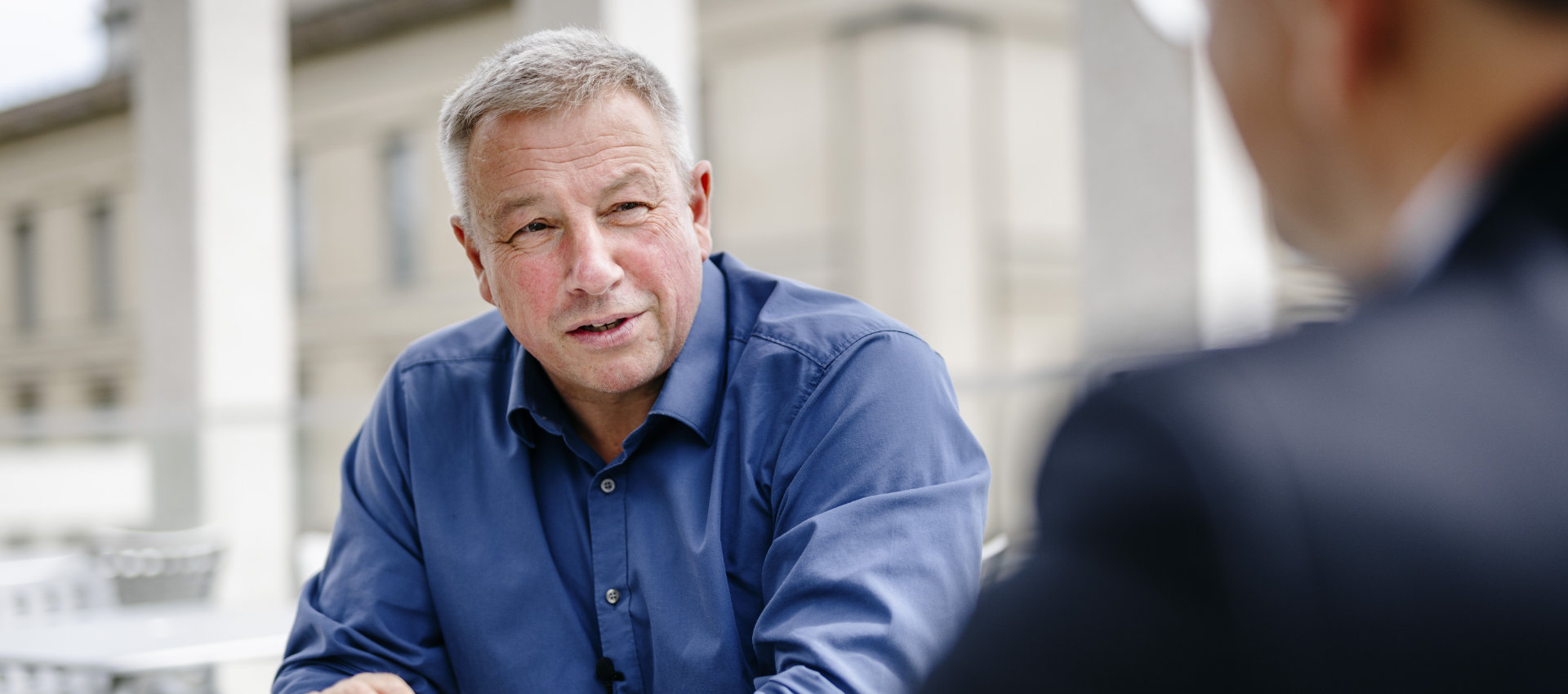
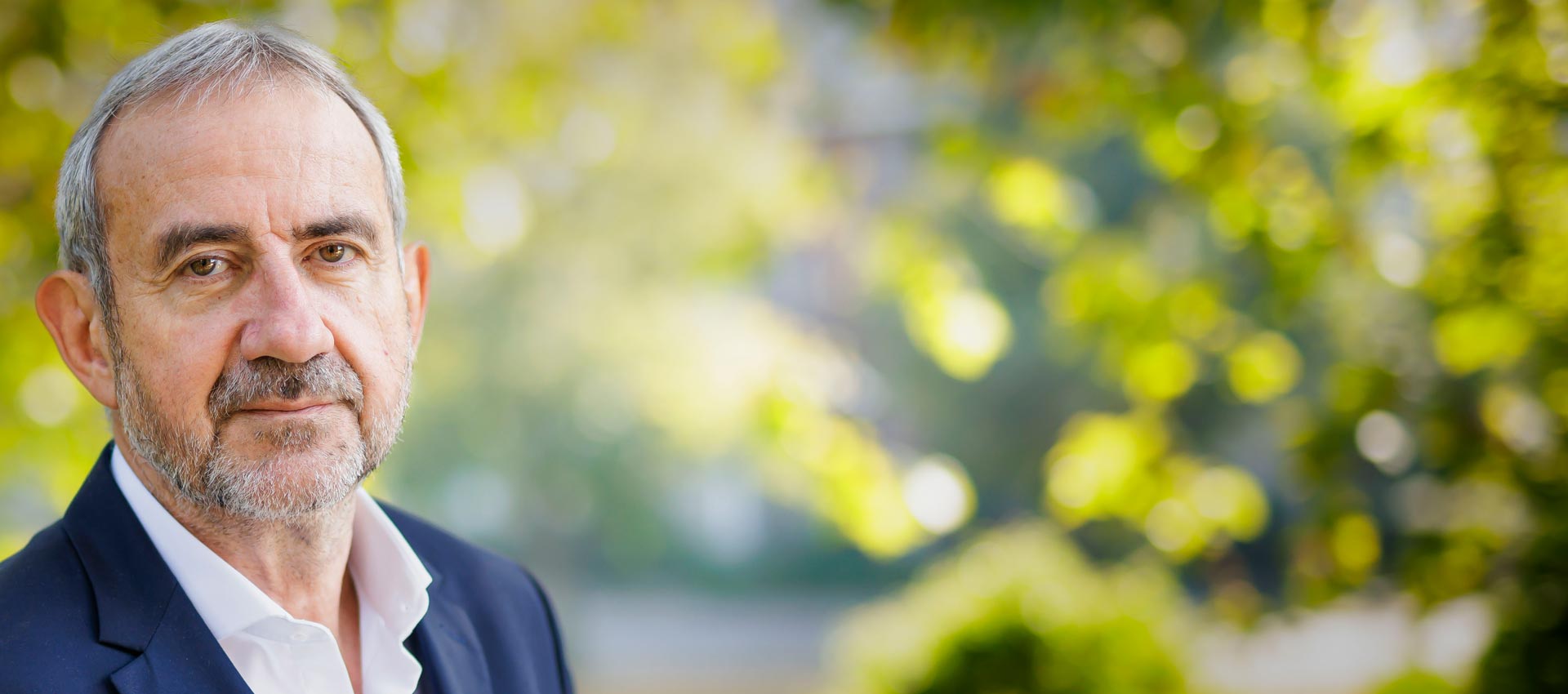
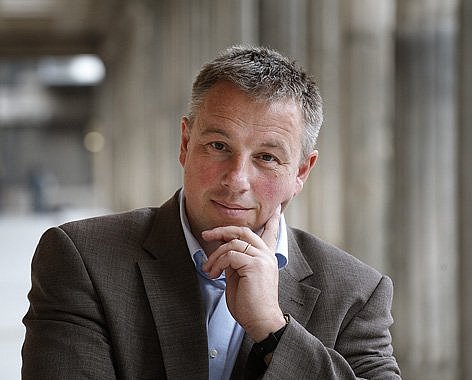
Matthias Wemhoff, Director of the Museum of Prehistory and Early History since 2008 © SPK/photothek.net/Florian Gaertner
Which project or exhibition are you particularly proud of, and why?
I would like to mention three projects: When the Neues Museum opened nine years ago, I managed to separate the permanent installation of Level 3, housing our Stone Age, Bronze Age and Iron Age sections, from the opening date. We initially experimented with a simple temporary display in the exhibition spaces and, based on this experience, then carefully planned the new permanent exhibition, incorporating many new elements that would not have been possible a few years earlier.
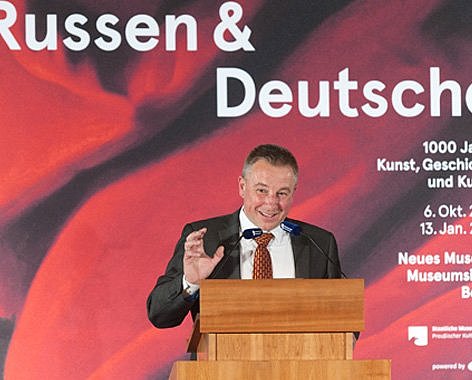
The second major project was the exhibition ‘Russians and Germans: 1,000 Years of Art, History and Culture’, which was shown in 2012 at the Historical Museum in Moscow and the Neues Museum in Berlin. We succeeded in selecting the objects in consultation with our Russian colleagues and producing a large, two-volume catalogue. This exhibition offered many new perspectives, including on objects never before displayed, and also shed light on historical periods that had previously been largely overshadowed by the focus on the last few centuries.
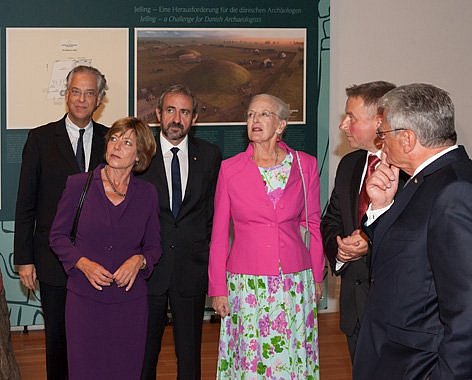
Of course, no such list would be complete without the Viking exhibition, which delighted 180,000 visitors at the Martin-Gropius-Bau in 2014. It was truly indescribable to see the largest Viking-era ship discovered to date set sail here. A slightly smaller replica of another ship was actually rowed down the Spree by a Danish crew for the opening, and Federal President Gauck and Queen Margrethe II visited the ship even before the exhibition opened.
In addition, we have invested a great deal of energy in the design and implementation of research projects. The projects involving the Prussia Collection are particularly important to me. The Prussia Collection comprises the archaeological objects from the former province of East Prussia held at Königsberg Palace; most of these were brought out of East Prussia during the final evacuations and are now housed in our museum. We are cataloguing the collections as part of DFG projects and, in particular, as part of the ‘Research Continuity and Continuity Research’ project run by the Mainz Academy of Sciences in collaboration with the Centre for Baltic and Scandinavian Archaeology in Schleswig, working closely with Polish, Russian and Lithuanian colleagues. A wonderful network has already emerged as a result.
What has been your most memorable failure?
Is it possible to fail in a positive way? So far, I have managed to realise the projects that are particularly important to me. However, this has often required a great deal of perseverance, and at times perhaps even tenacity, and above all a great deal of help and support from the truly fantastic, competent and capable team at our museum and from many within the administration of the State Museums and the SPK. Securing the necessary funding has often been particularly difficult. The Viking exhibition in 2014 was on the verge of collapse due to the SMB’s poor financial situation. I have very vivid memories of the meetings and negotiations there. But we managed it together and made the exhibition a great success. In general, here in Berlin you have to keep at it and ‘get things done’, then a way will be found.
What surprised you most?
I was particularly surprised by the length of many projects. I can only count myself lucky that, with the Neues Museum, we have a building that was completed on schedule. The long delay in the opening of the James Simon Galerie has already caused us quite a few problems. The same applies to the projects with the State of Berlin, such as the “Haus am Petriplatz”. Our workshops and parts of the storage facilities are to find a new home there, and at the same time, this building features a highly innovative educational concept developed in collaboration with the State of Berlin. The competition for this was decided back in 2012. I very much hope that now, eight years later, construction will begin soon.
The change in my remit as museum director here in Berlin has surprised and challenged me. This is particularly evident at the Neues Museum. Unlike in my previous roles, there is a strong emphasis here on representation and engagement with institutions outside Germany. This applies to both museum and academic projects. Exciting experiences are always possible, such as with the exhibition “Margiana. A Bronze Age Kingdom in Turkmenistan”, which we developed in collaboration with the Ministry of Culture in Turkmenistan. Within Germany, it is clear that the museum is also taking on many new responsibilities in communicating the aims and content of German archaeology, both in the media and in the political sphere. These, too, are challenges that I have gladly taken on, for example with the Terra X films on ZDF.

Where do you see the Museum of Prehistory and Early History in 2028 – what should happen over the next ten years?
The next ten years are full of exciting projects and challenges. It all kicks off this autumn with the major exhibition, once again at the Martin-Gropius-Bau: ‘Turbulent Times: Archaeology in Germany’. Here we will demonstrate how relevant archaeology is to the issues that concern society today. Our themes of mobility, exchange, innovation and conflict are of great relevance at all times and can also help us find a little more serenity today.
In my dual role as museum director and state archaeologist, I very much hope that the excellent concept of the Archaeological Windows will continue to be implemented with determination. Next year, the 800-square-metre area beneath the Berlin Palace will open. As I mentioned, I very much hope that by 2021 at the latest, the building on Petriplatz – perhaps even together with the ‘Medieval Town Hall’ Archaeological Window – can be opened between the new underground station and the Red Town Hall. We will develop the whole project in close collaboration with the Stadtmuseum Berlin. These partnerships with other museums and our engagement with the State of Berlin are particularly important to me. We are demonstrating that archaeology is not something that belongs solely to Troy or distant Egypt, but begins right here under our feet in Berlin.
In 2020, we intend to continue the ‘Iron Age – Europe without Borders’ project with our Russian colleagues. Following the exhibitions on the Merovingian period and the Bronze Age, we will then be able to display our holdings stored there, together with associated objects from Berlin, for the first time since 1945 – albeit only in Russia. My greatest hope is that the political climate will, in the long term, facilitate new discussions regarding the objects displaced as a result of the war. We miss them in our daily work.
And then I look forward with great anticipation to 2021/22. To mark the 200th anniversary of Heinrich Schliemann’s birth, we plan to organise a major cultural-historical and archaeological exhibition entitled ‘Schliemann’s Worlds’. You can already look forward to that with great interest.
Museum of Prehistory and Early History
The Museum of Prehistory and Early History on Berlin’s Museum Island is home to one of the world’s largest collections of prehistoric archaeology from the Ancient World. The collection traces the development of prehistoric and early historical cultures from the Palaeolithic Age to the High Middle Ages.
Highlights include the famous Neanderthal skull from Le Moustier, Heinrich Schliemann’s collection of Trojan antiquities and the ‘Berlin Gold Hat’. Recent excavation finds from Berlin extend right up to the present day.