All aspects of provenance research, advancing scholarship and various construction projects: the SPK President on the milestones achieved and planned during his term of office.
What has changed at the SPK over the last ten years?
The SPK has become a key player in the research landscape. We have significantly advanced the development and profile of our sites, and the importance of education and outreach has grown enormously. Provenance research has become a matter of course everywhere when examining the history of collections and holdings. The digitisation of holdings has led to a genuine digital transformation of the SPK, and the five SPK institutions feel more committed than ever before to shared goals.
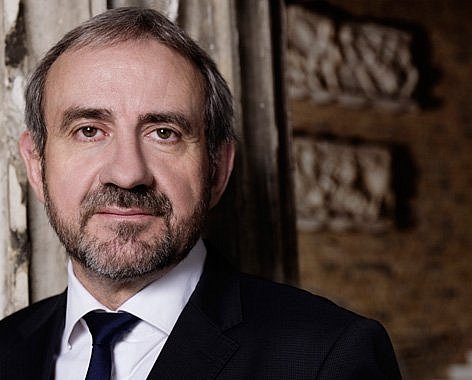
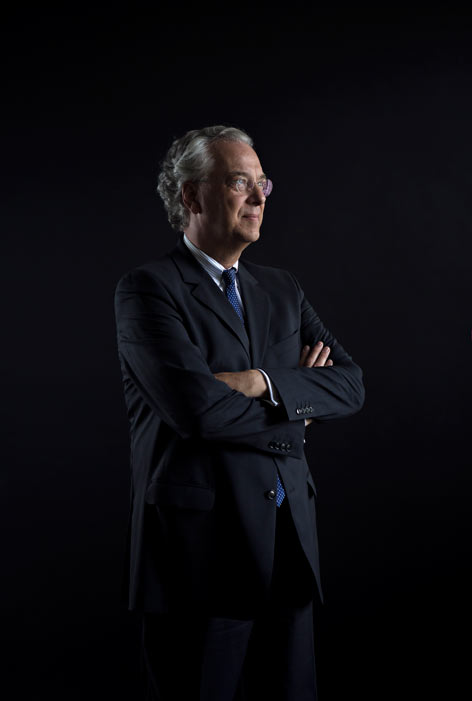
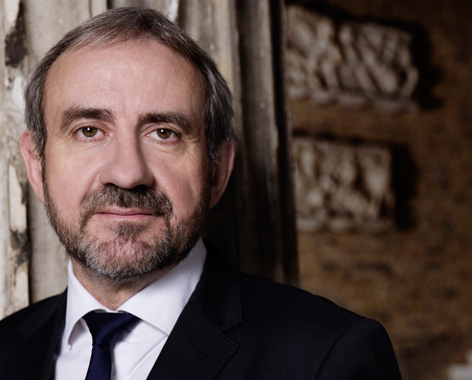
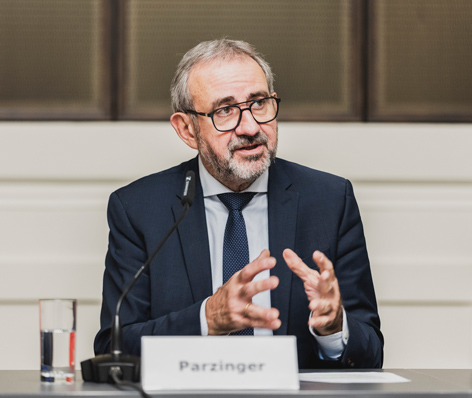
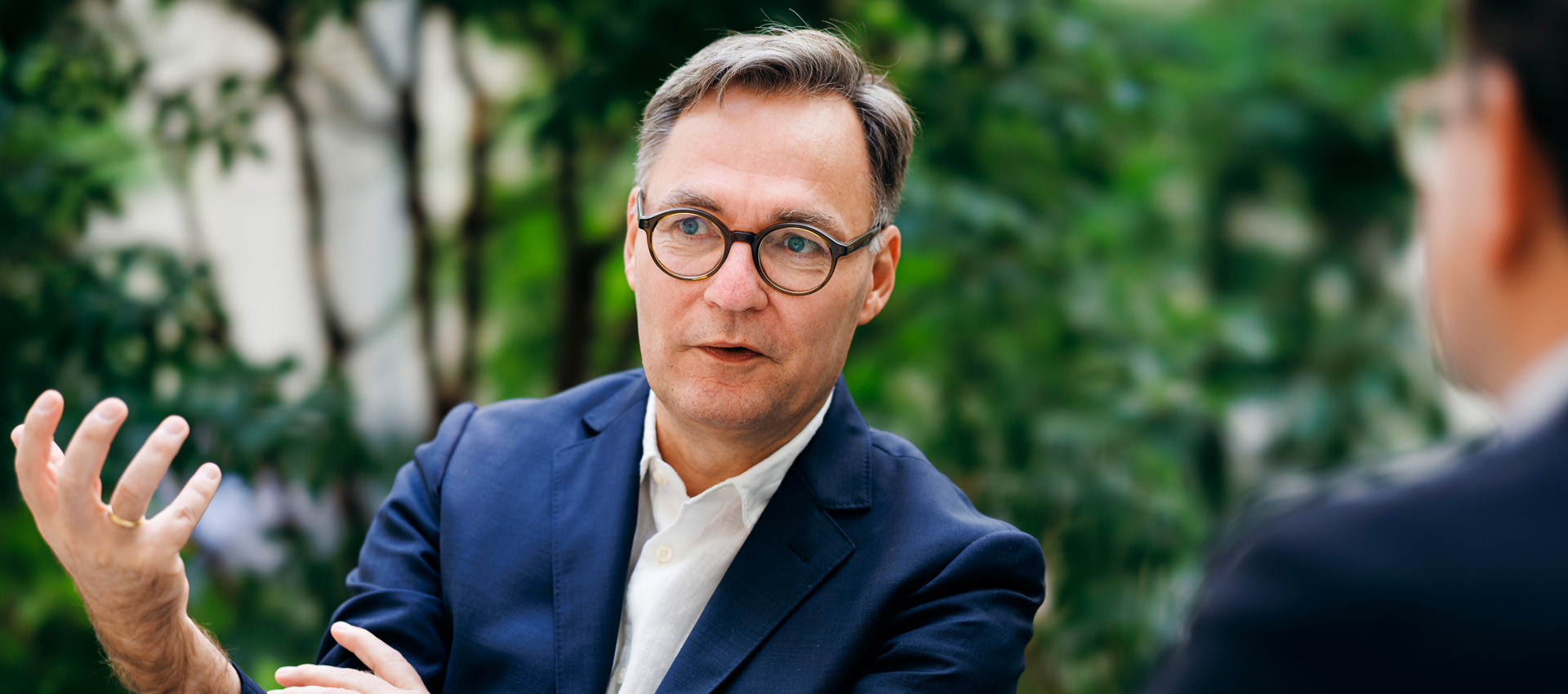
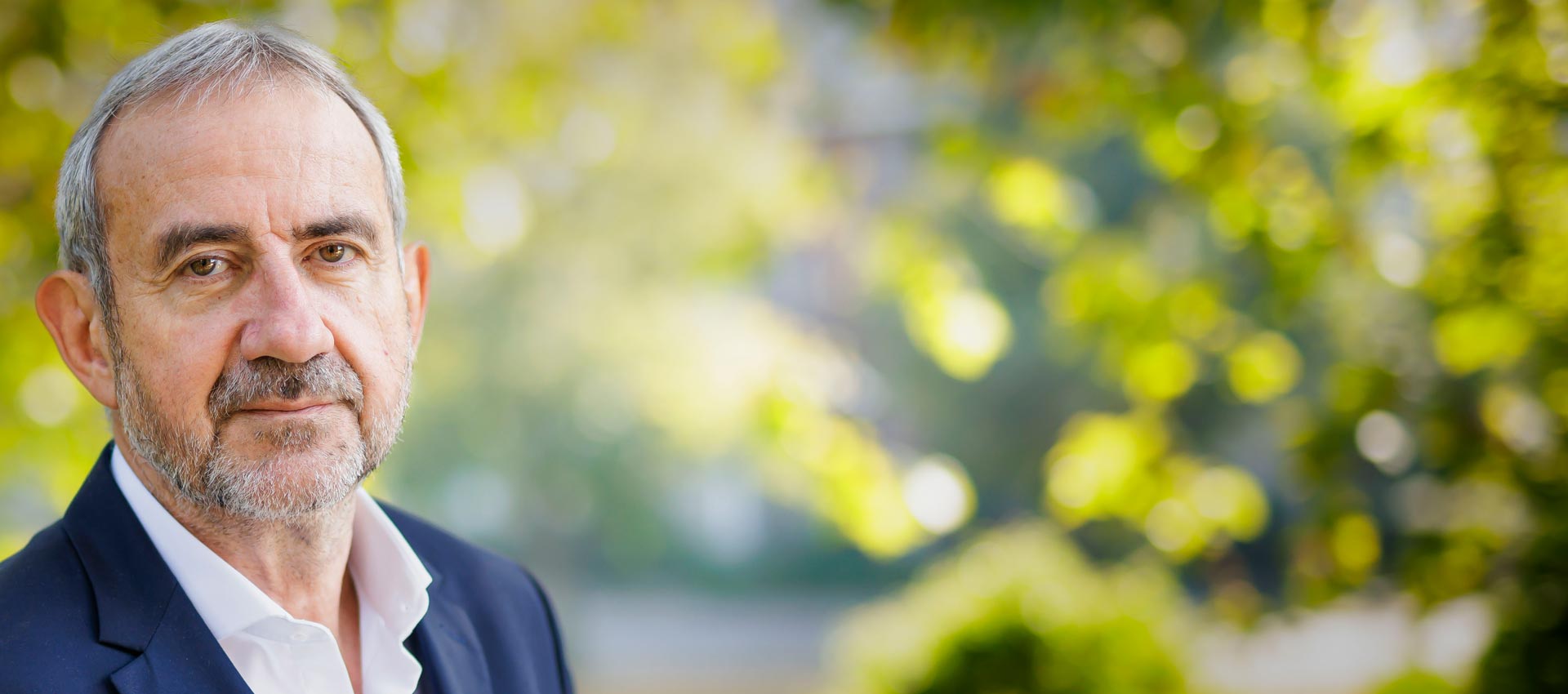
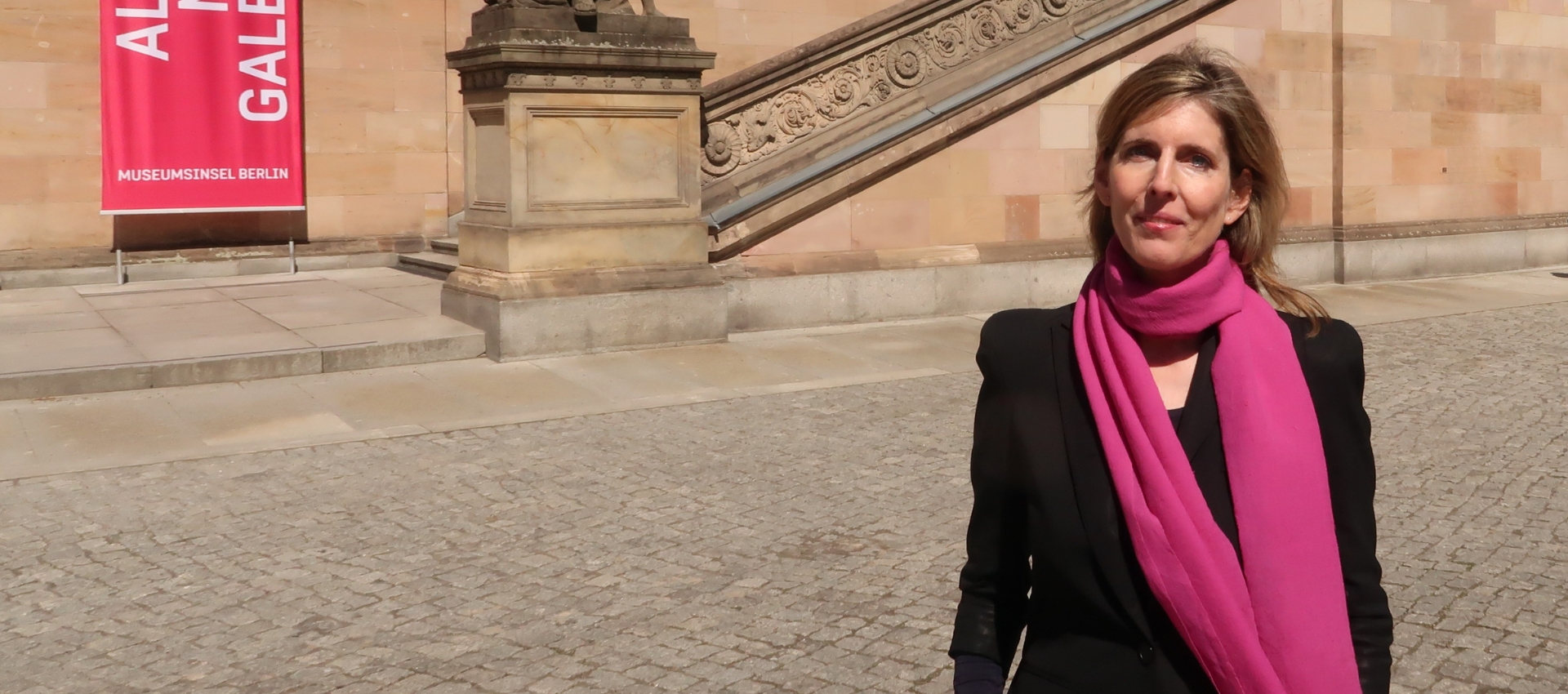
SPK President Hermann Parzinger © Herlinde Koelbl
Which project, exhibition or publication are you particularly proud of, and why?
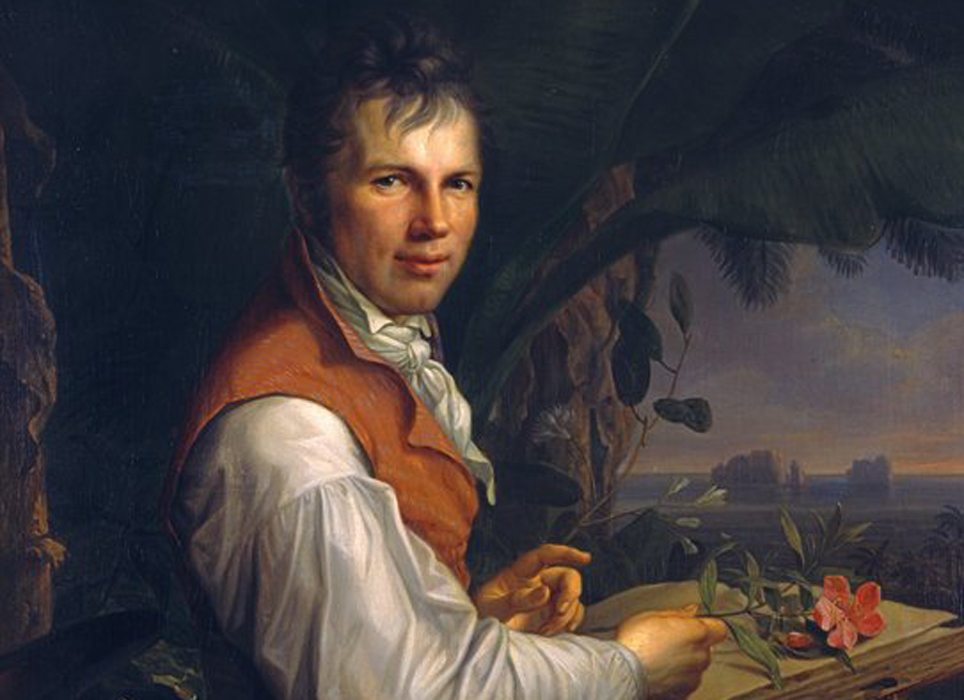
The completion and opening of the Neues Museum will remain a standout highlight in the SPK’s history for a long time to come. The same applies to the acquisition of Alexander von Humboldt’sAmerican travel diaries, a so-called ‘acquisition of the century’ for the Berlin State Library. For me, among the greatest exhibitions are ‘Faces of the Renaissance’ in 2011 at the Bode Museum, with its incredibly impressive juxtaposition of portrait art in the form of painting, graphics and sculpture, as well as the exhibition “The Rescued Gods from the Palace of Tell Halaf”, also shown in 2011 at the Pergamon Museum, featuring the rebirth of sculptures that had shattered into tens of thousands of fragments. A rebirth that borders on a miracle.
What is your most memorable failure?
In speeding up administrative processes and the relocation of the Old Masters. The latter, however, did at least provide us with a new home for 20th-century art.
What has surprised you the most?
On the positive side: in conversations with foundation staff from all institutions, I am constantly surprised by the high degree of identification with the SPK, even if this (fortunately) does not go hand in hand with a lack of critical thinking. On the negative side: how quickly certain cultural policy issues can suddenly take on the force of natural forces, seemingly sweeping everything away and leaving little room for a nuanced perspective.
Where do you see the SPK in 2028 – what should happen over the next ten years?
Marketing efforts have led to the SPK being seen as a modern and unique cosmos of outstanding collections across various disciplines, which operates globally through exhibitions, cultural heritage protection projects and collaborations of all kinds; sets international standards in academia and research as well as in education and outreach; successfully manages and drives forward the digital transformation; and . Museum Island and the Humboldt Forum have developed into a vibrant hub of world cultures; following the opening of the Museum of the 20th Century, the Kulturforum has become another cultural hotspot in the city of Berlin; and in Dahlem, construction of the research campus is progressing rapidly.