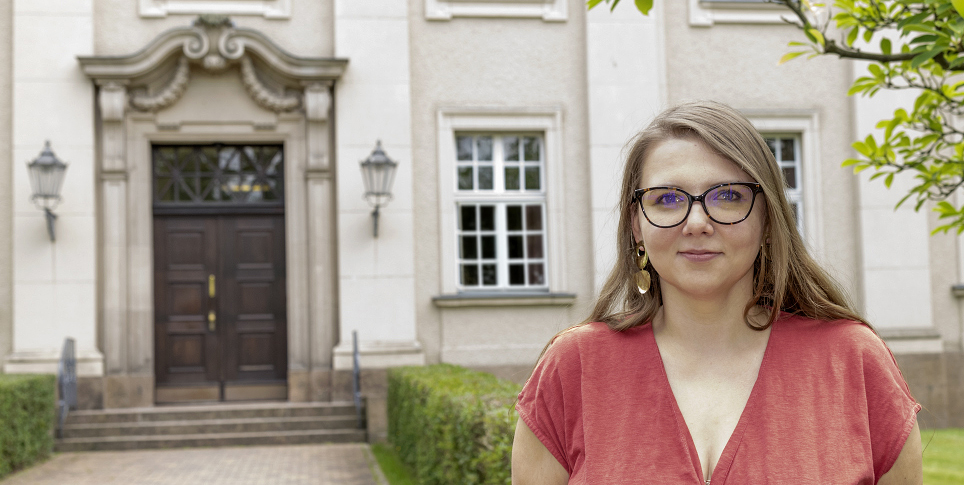
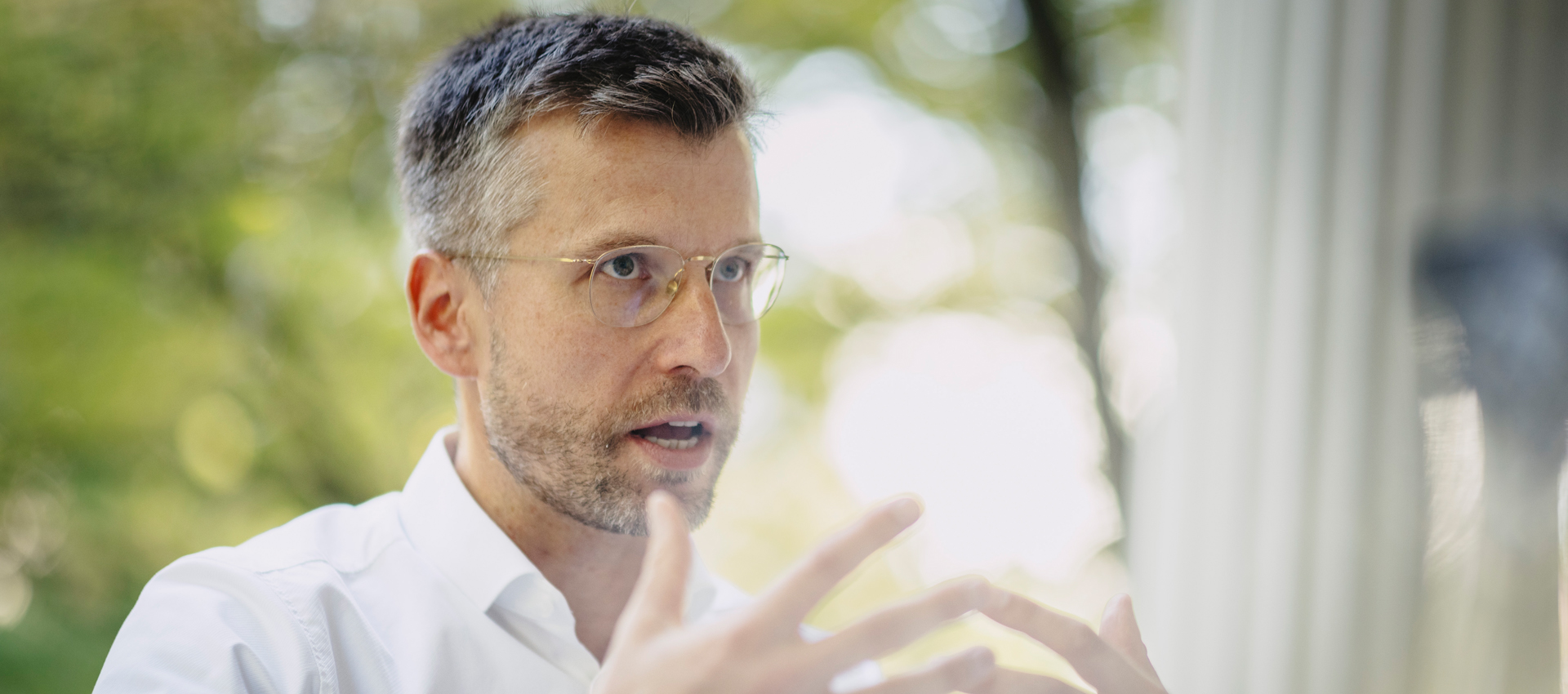
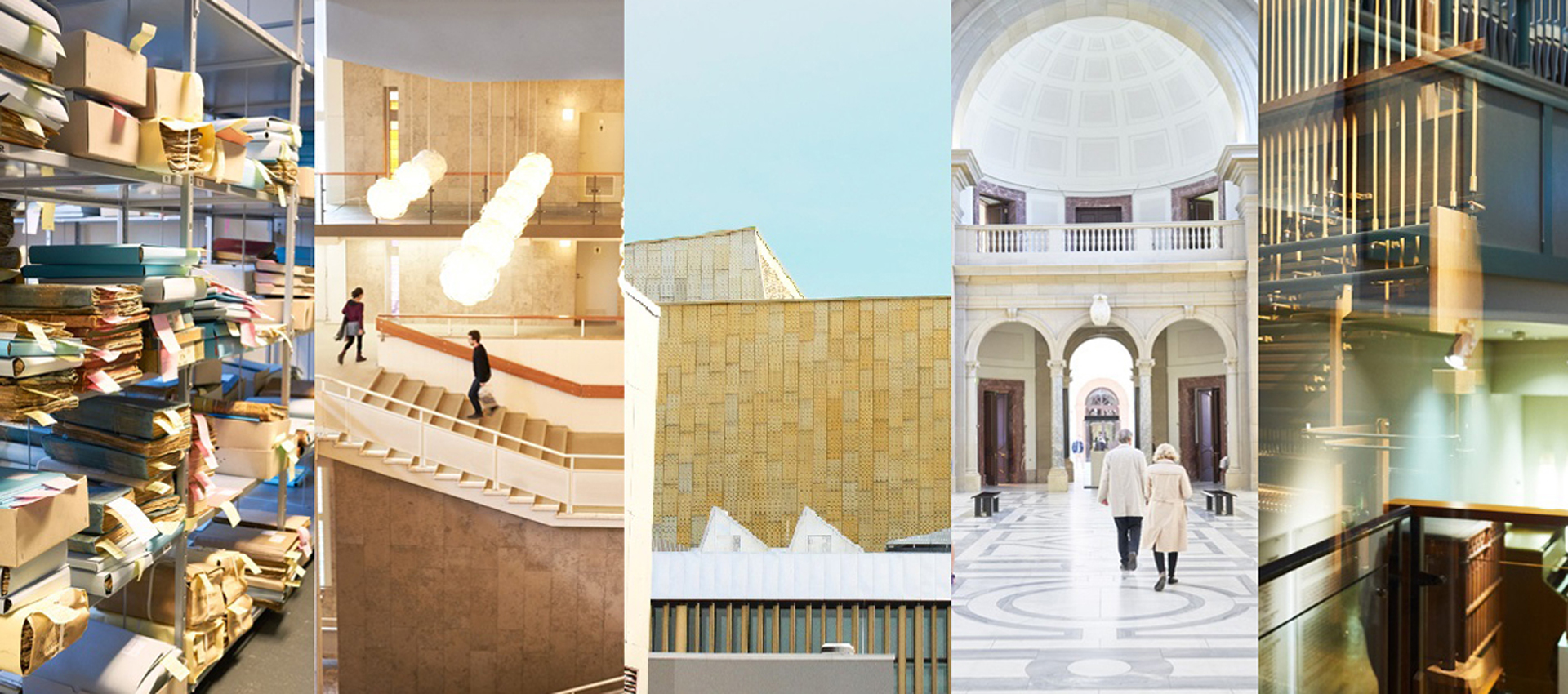
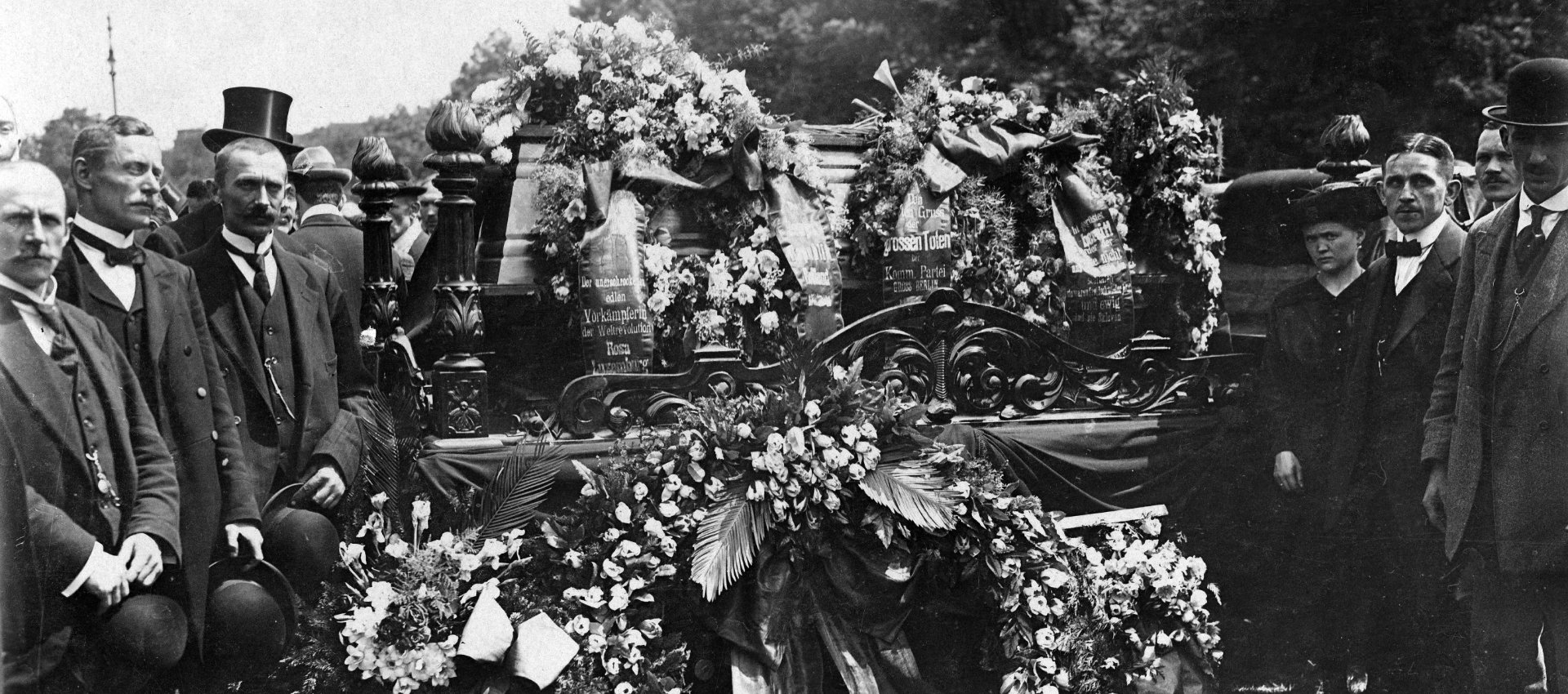
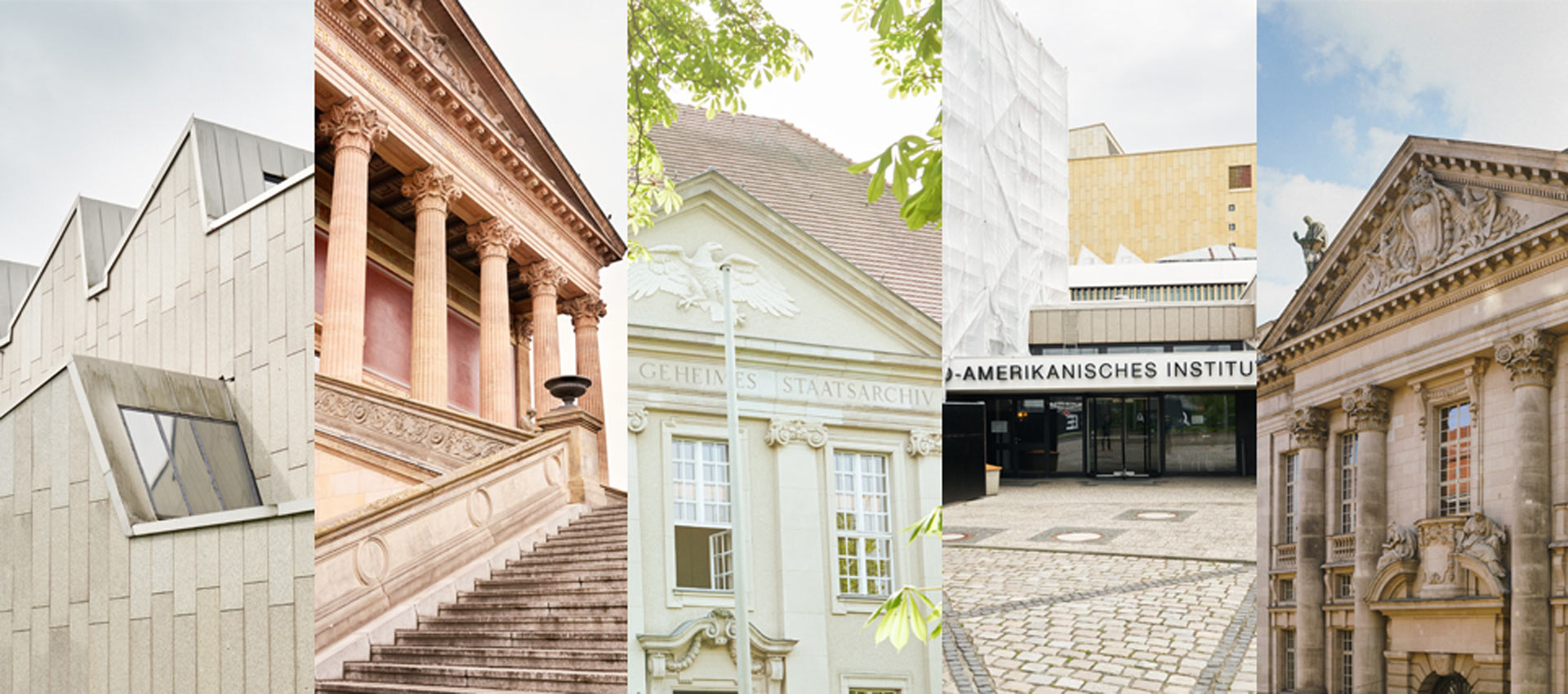
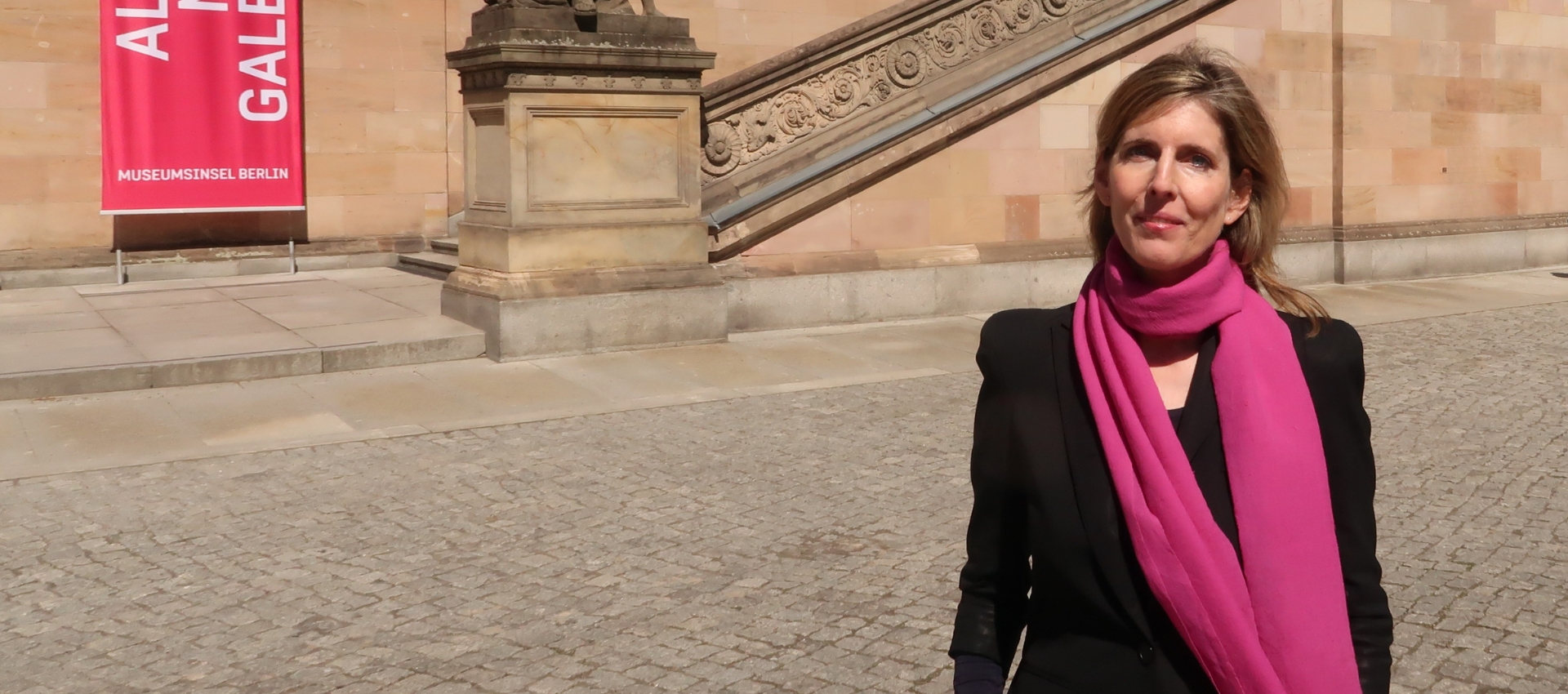
What began as a repository of Prussian knowledge in the “German Oxford” of Dahlem, lost its state status along the way and was fragmented by the division of Germany, is now celebrating its centenary: 100 years of the Secret State Archive of the Prussian Cultural Heritage Foundation in Dahlem. This marks the occasion for a major exhibition tracing the GStA’s eventful journey through the turbulent 20th century. Archival officer and curator Constanze Krause explains what will be on display.
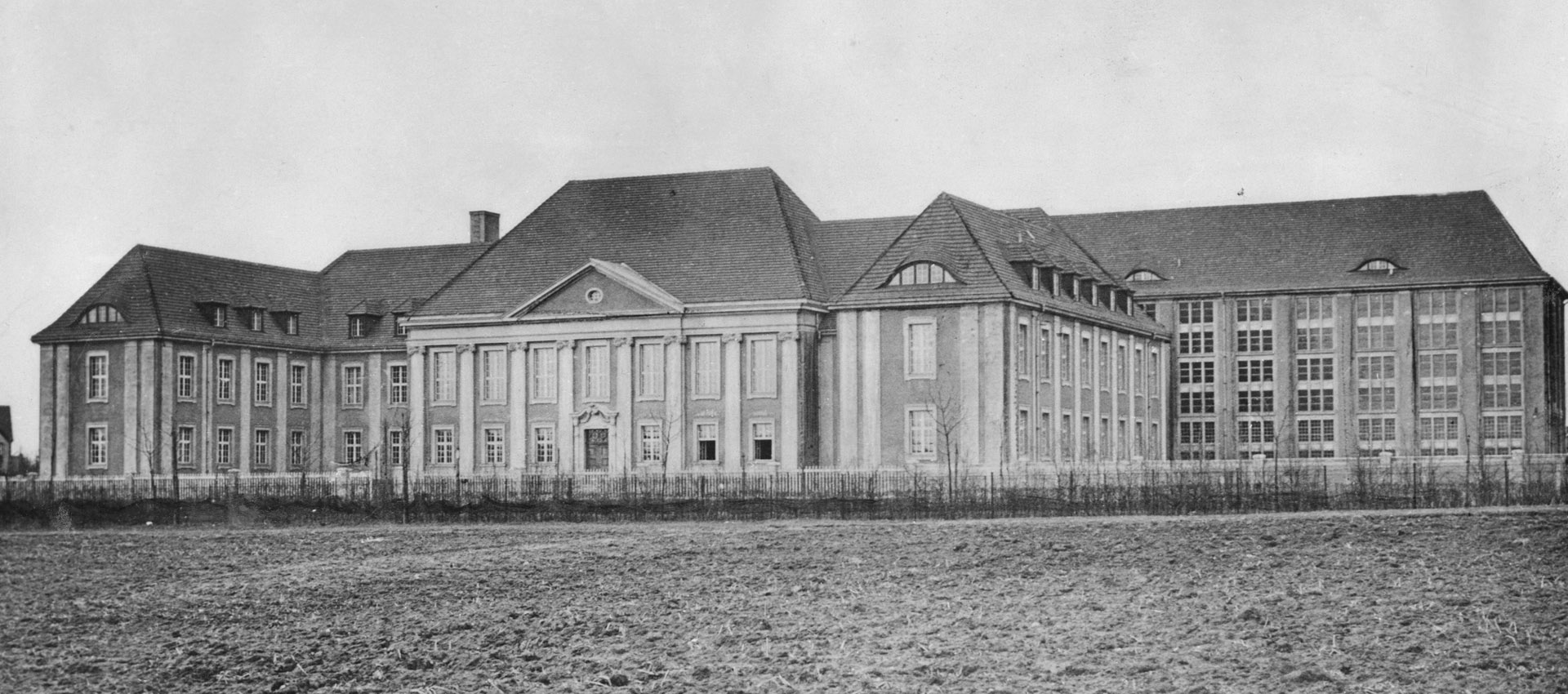
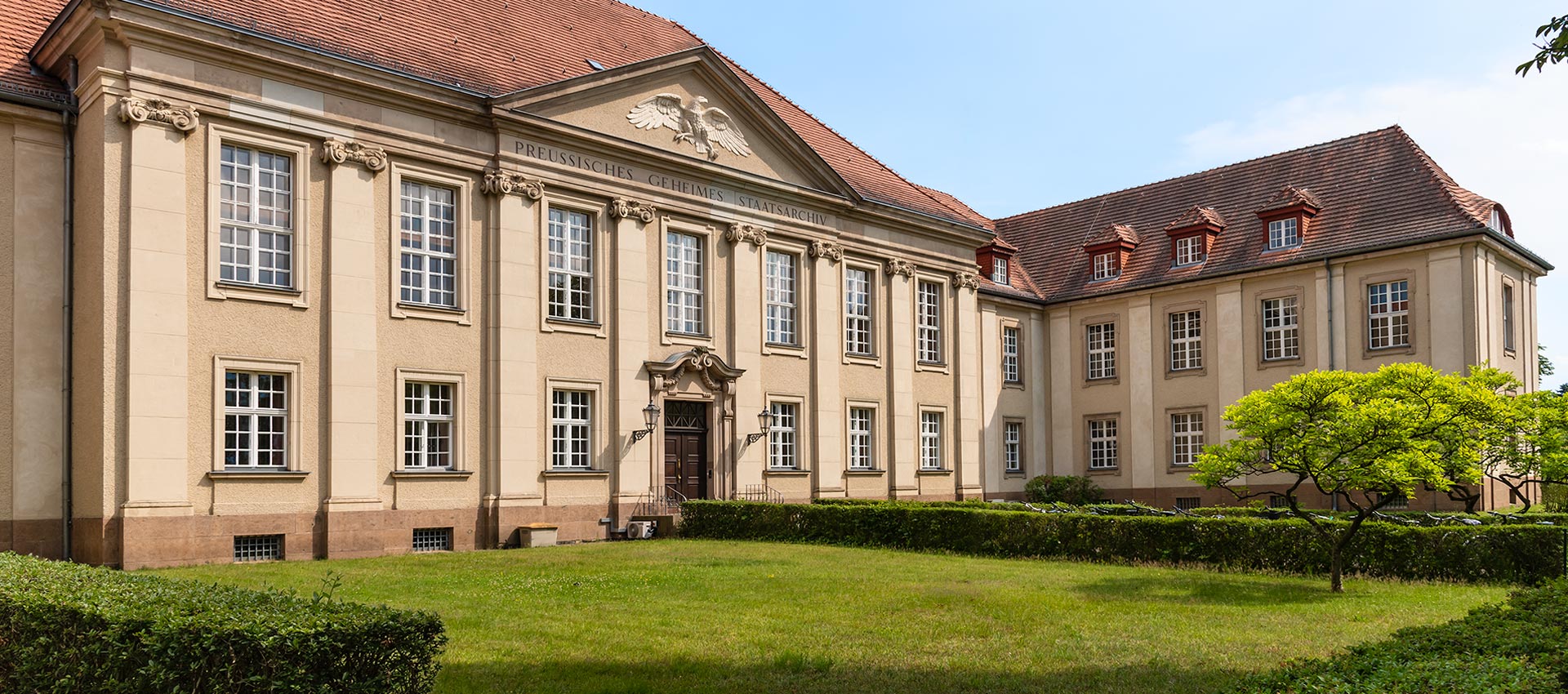
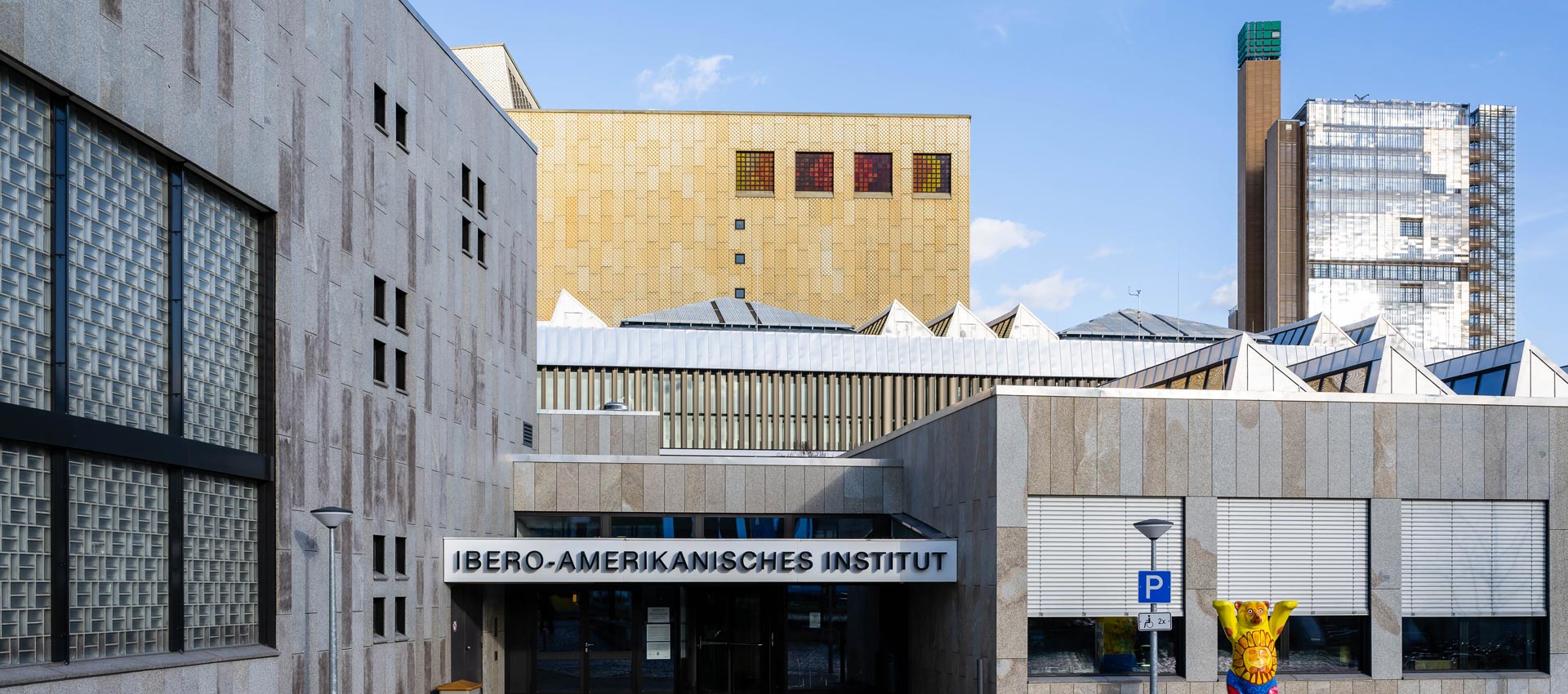
A hundred years ago, the World Wide Web, electronic files or digital interlibrary loans existed, if at all, only in some science fiction magazines. It is therefore unlikely that on 26 March 1924, at the ceremonial inauguration of the three-winged, modern purpose-built archive for the Secret State Archive on a field in Dahlem, anyone could have imagined how this institution would operate in the 21st century.
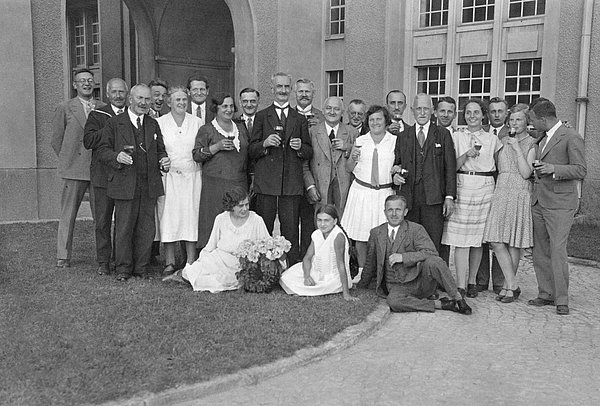
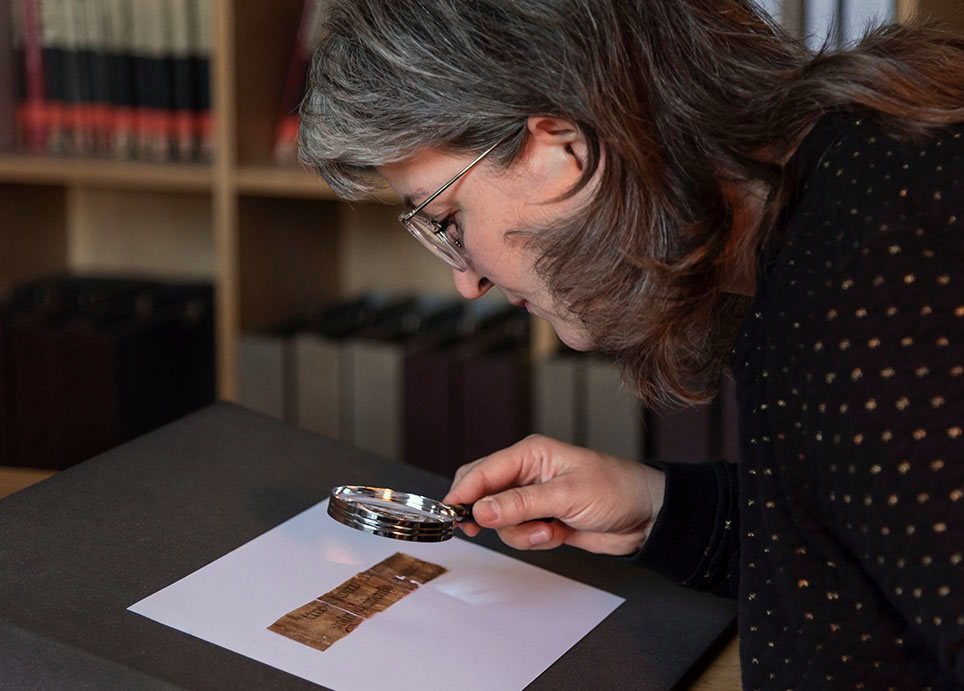
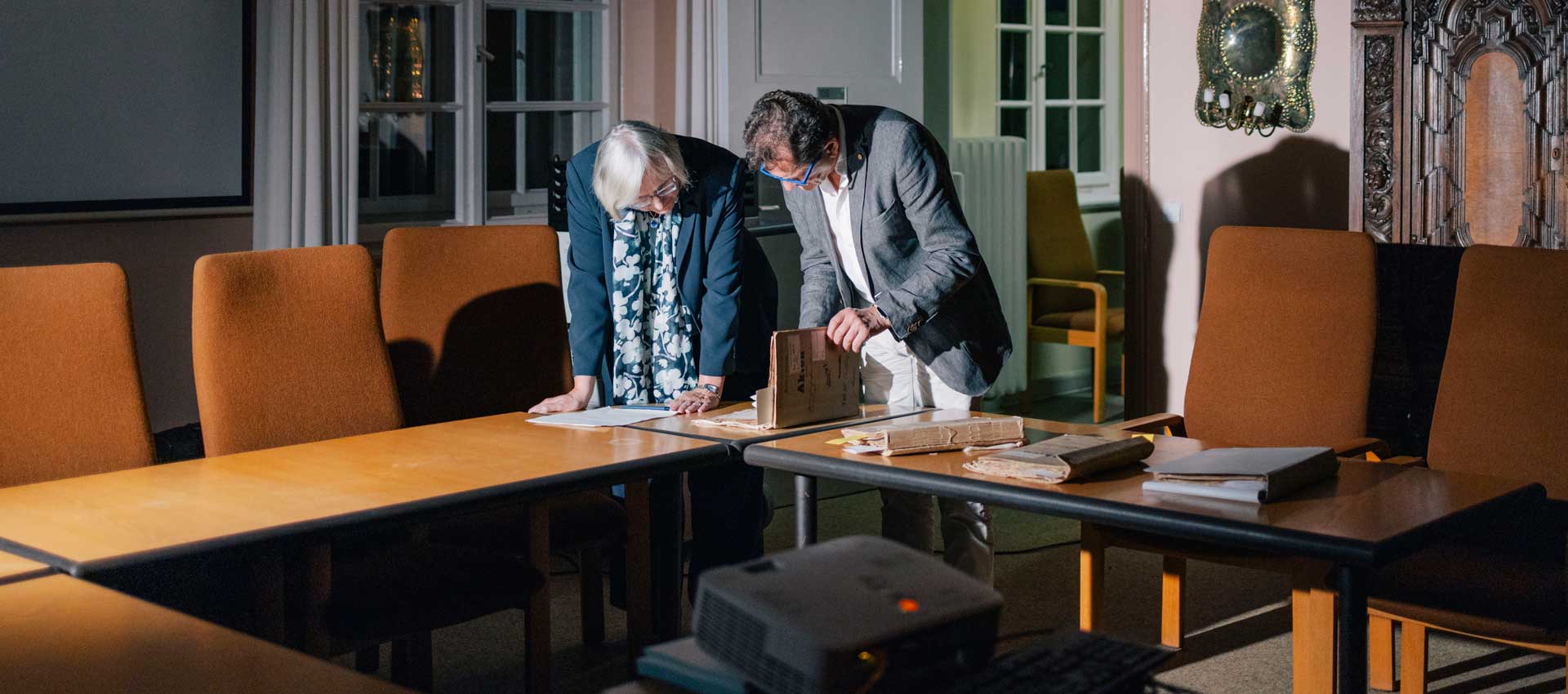
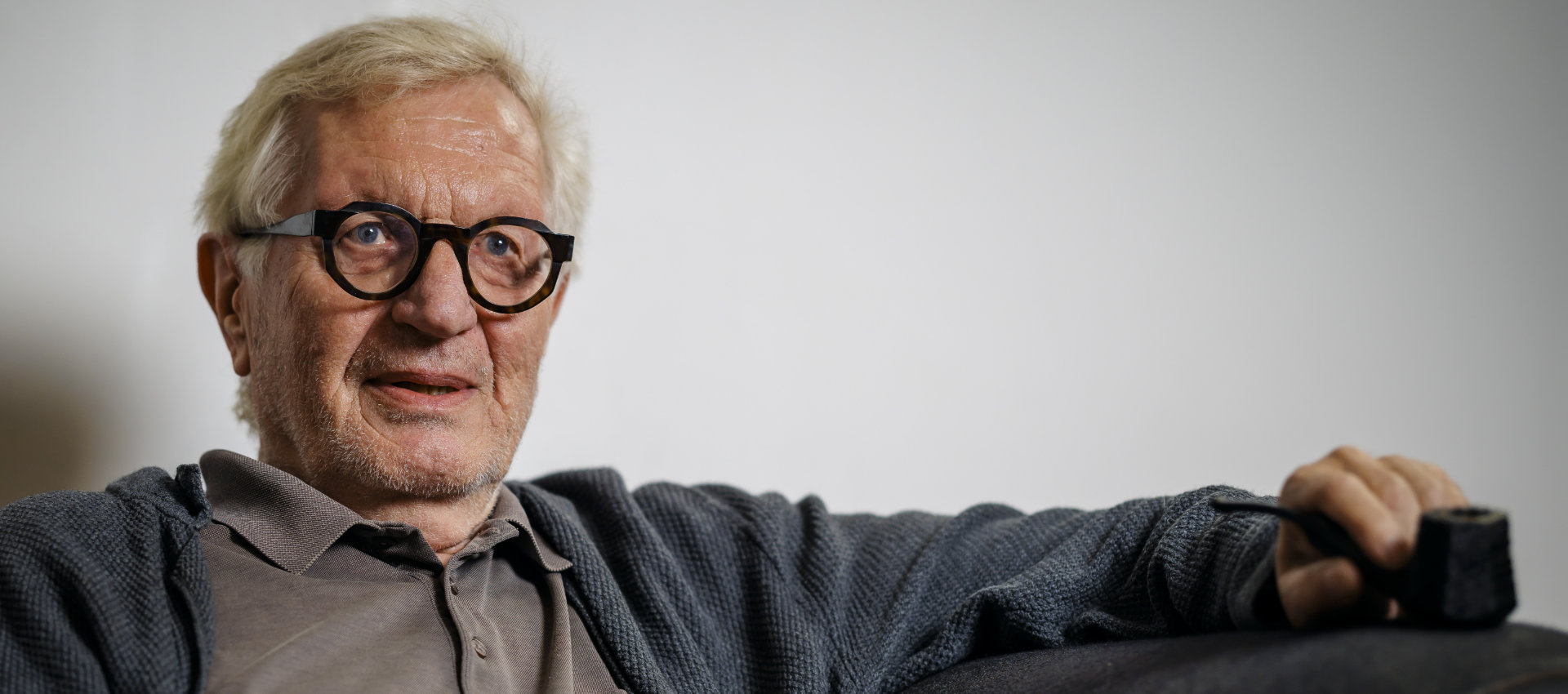
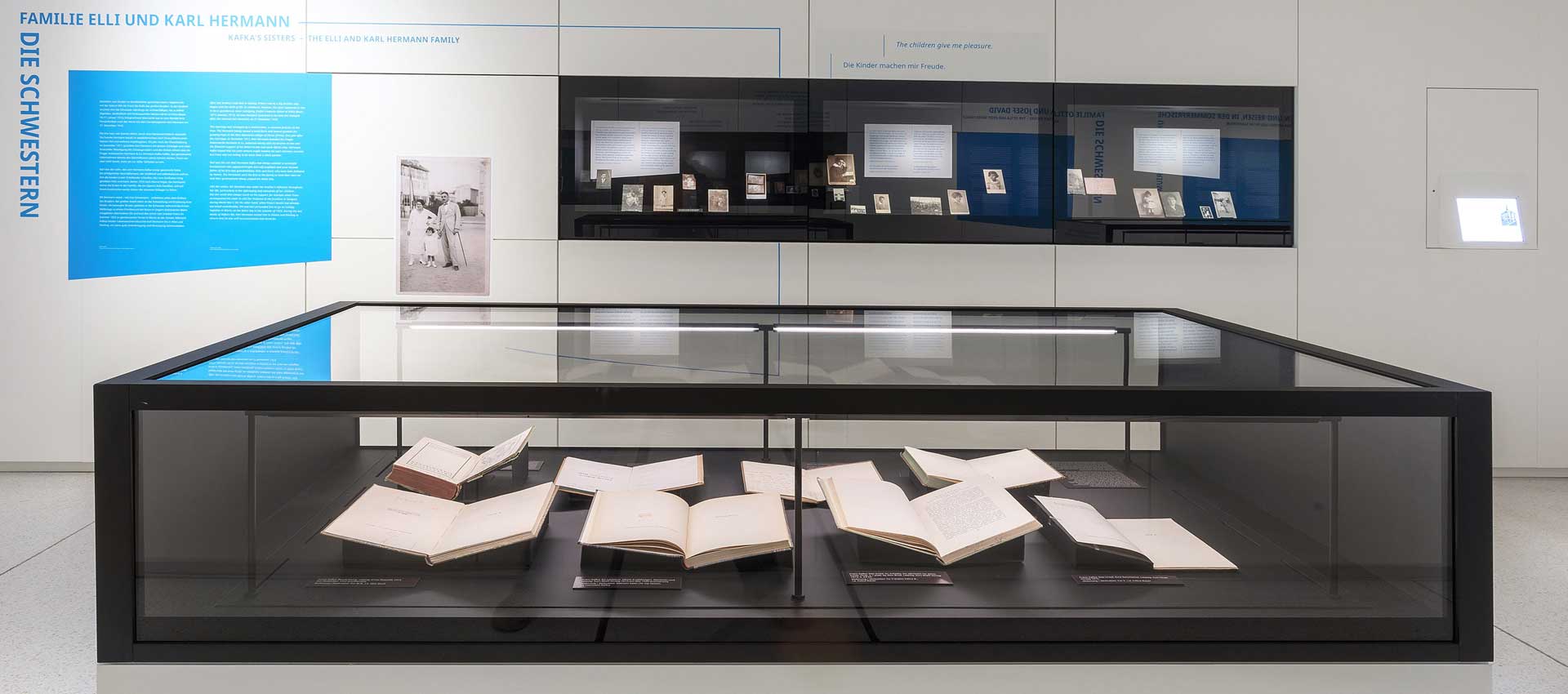
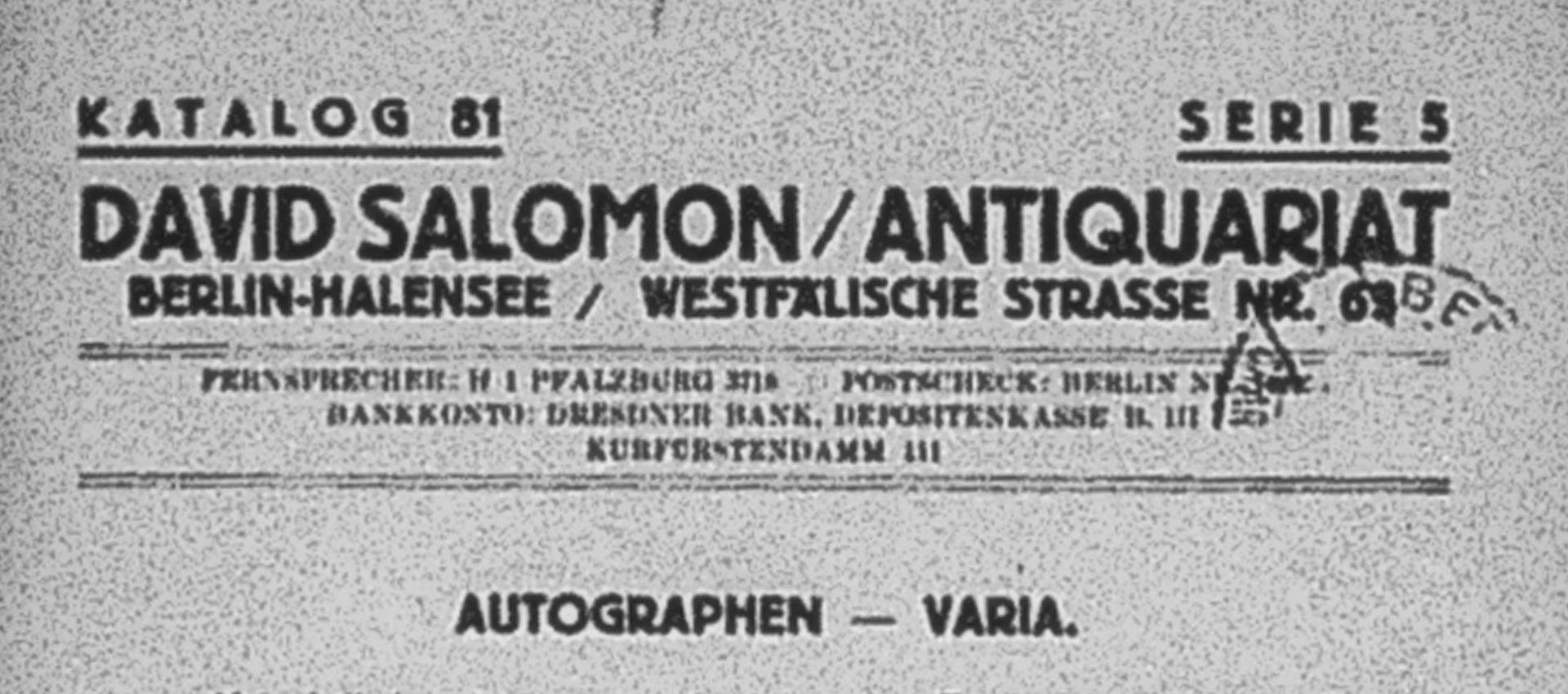
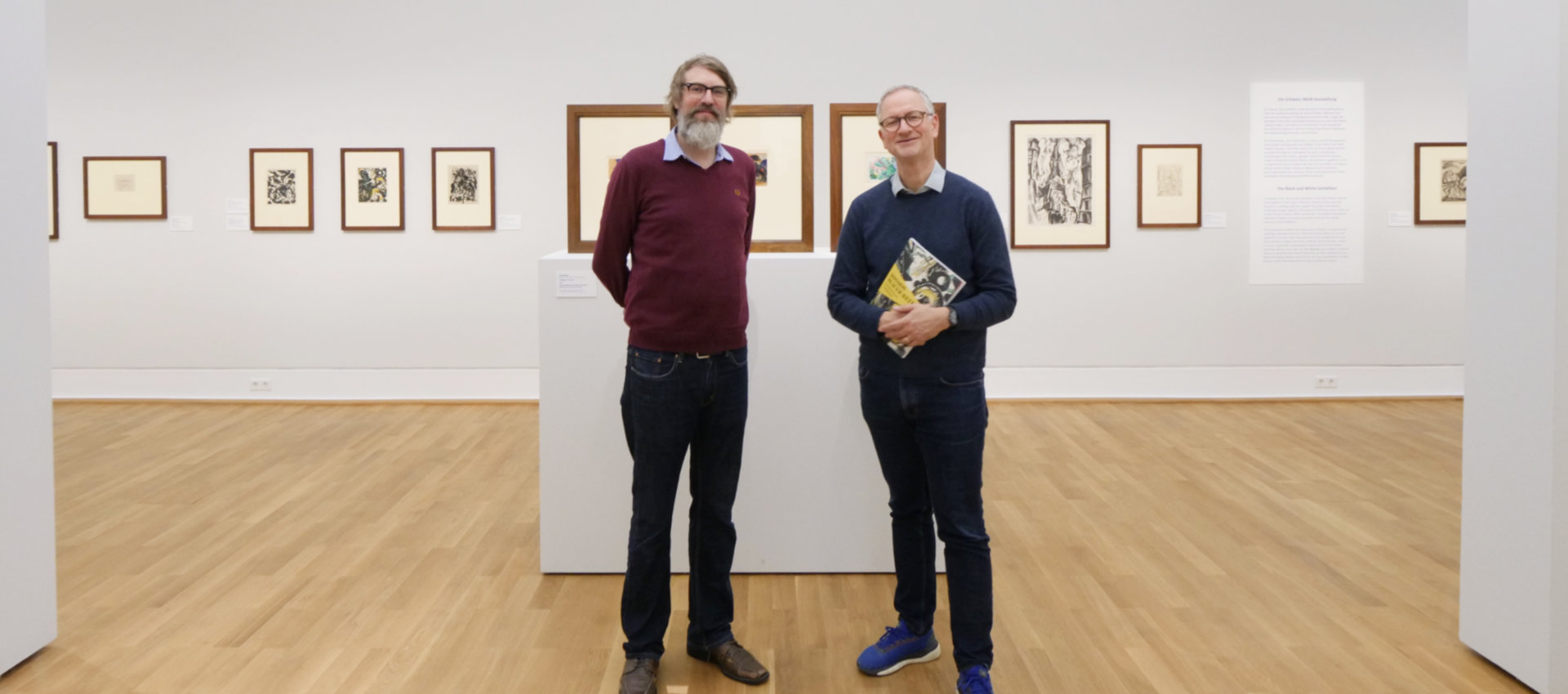
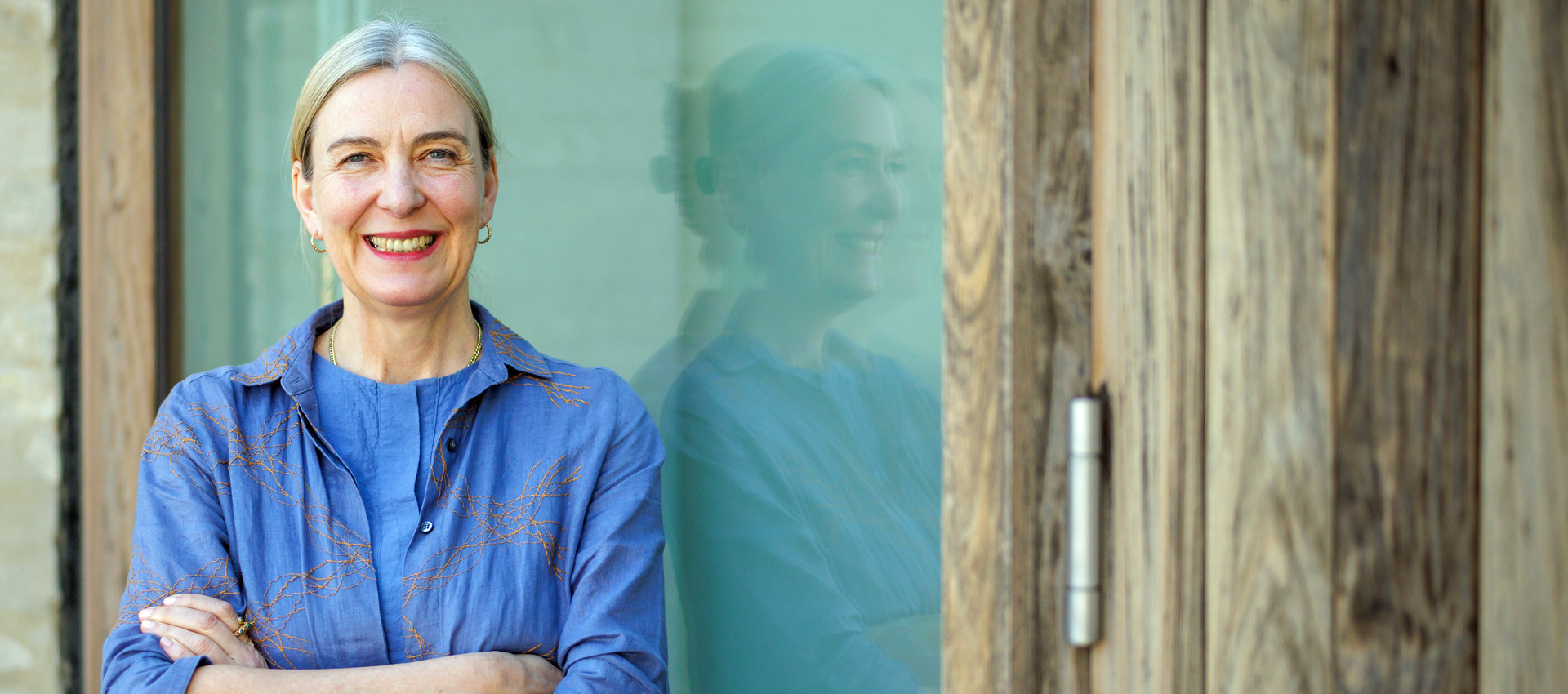
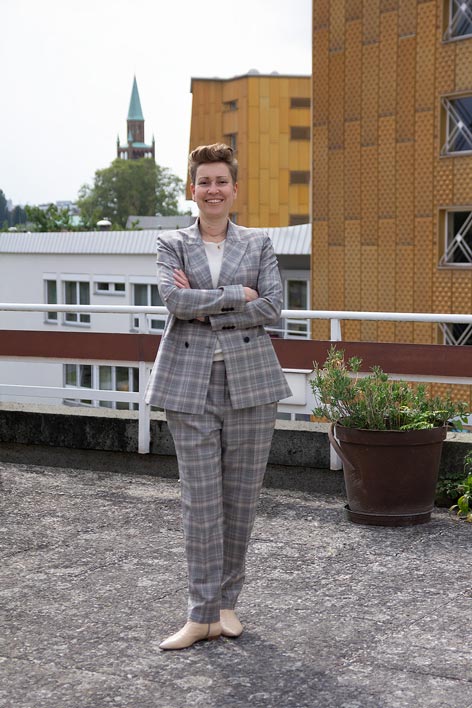
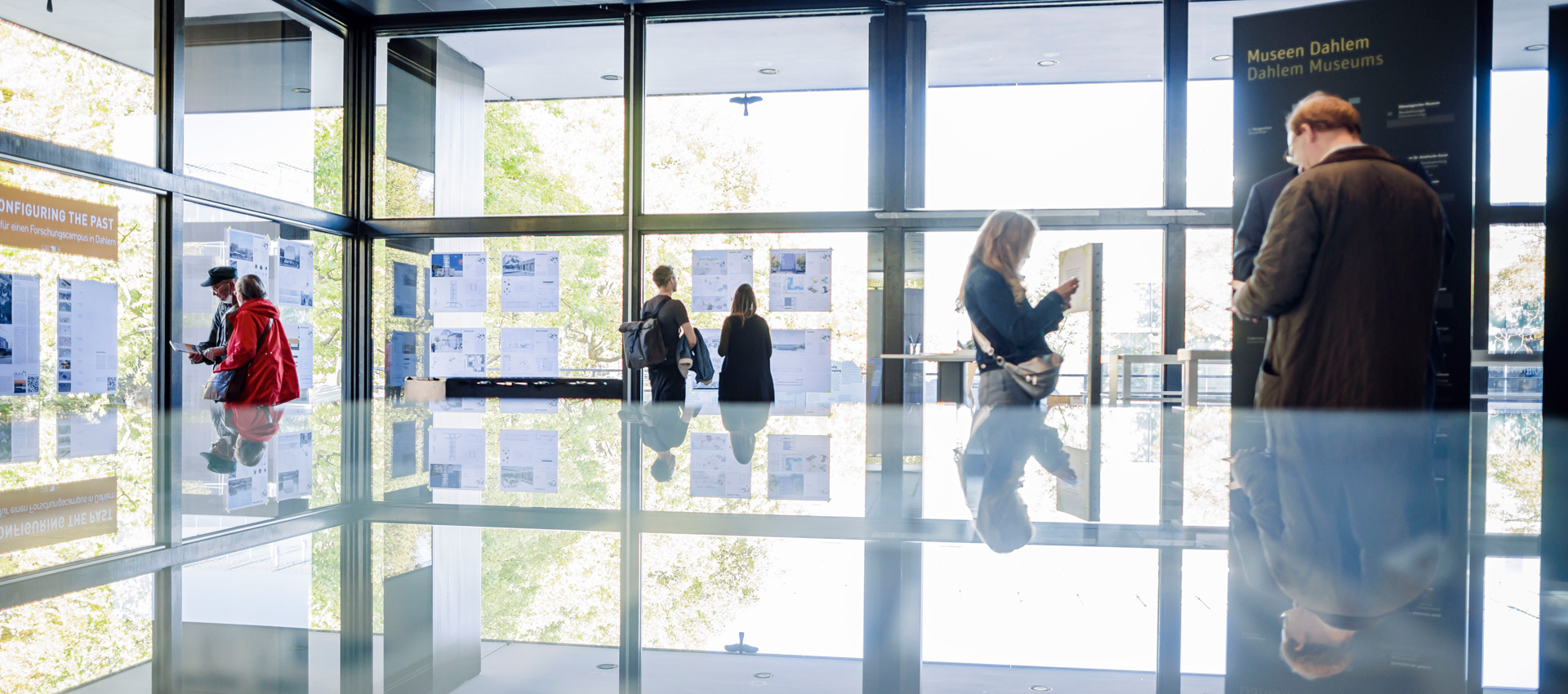
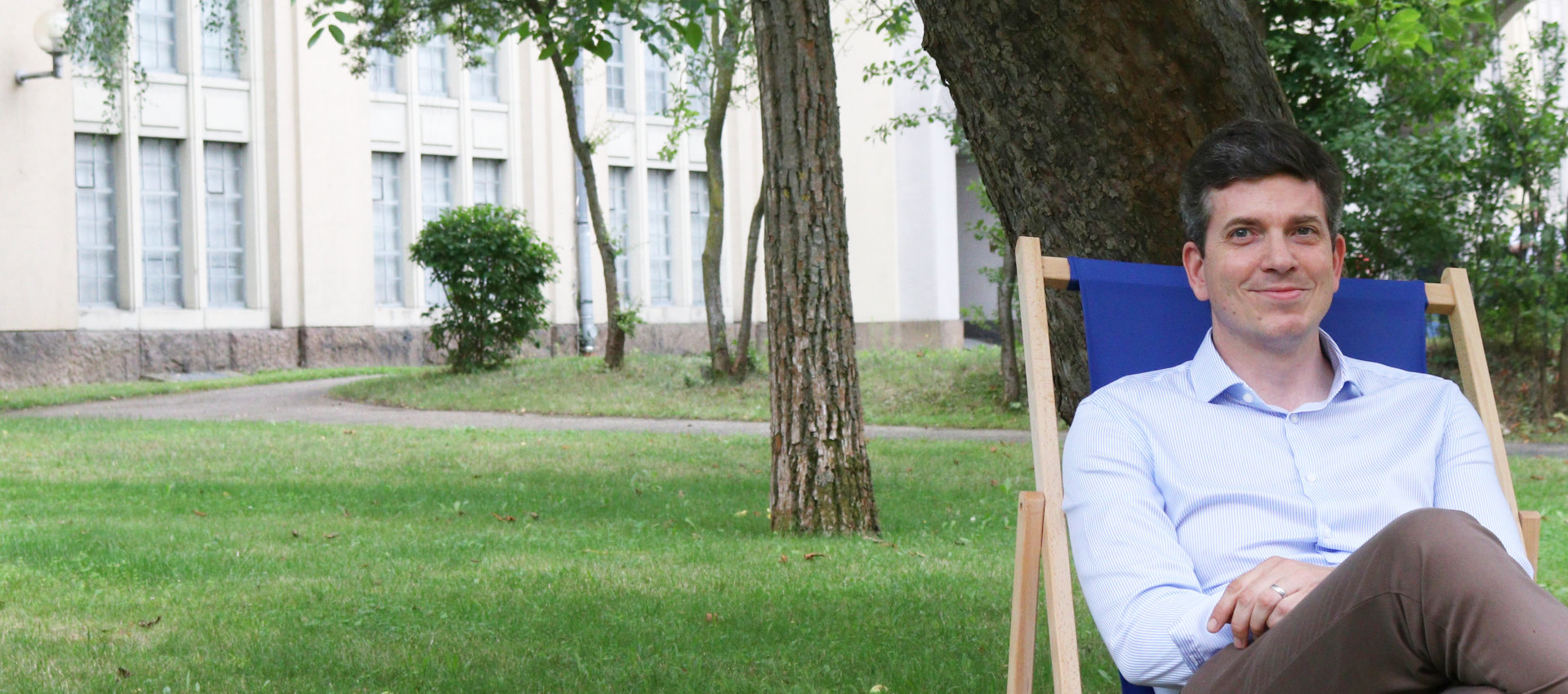
So here we are in 2024, and Dahlem is set to celebrate once again – this time the 100th anniversary of the State Secret Archives at this location. At the heart of the celebrations is an exhibition entitled “Even Secret Archives Long for Light”, which traces the State Secret Archives’ winding path through a turbulent century. Archival Officer Constanze Krause spent over a year sifting through its rather substantial holdings for this purpose. Together with eight colleagues, she has unearthed archival materials that recount the institution’s origins as the Electoral Archive.
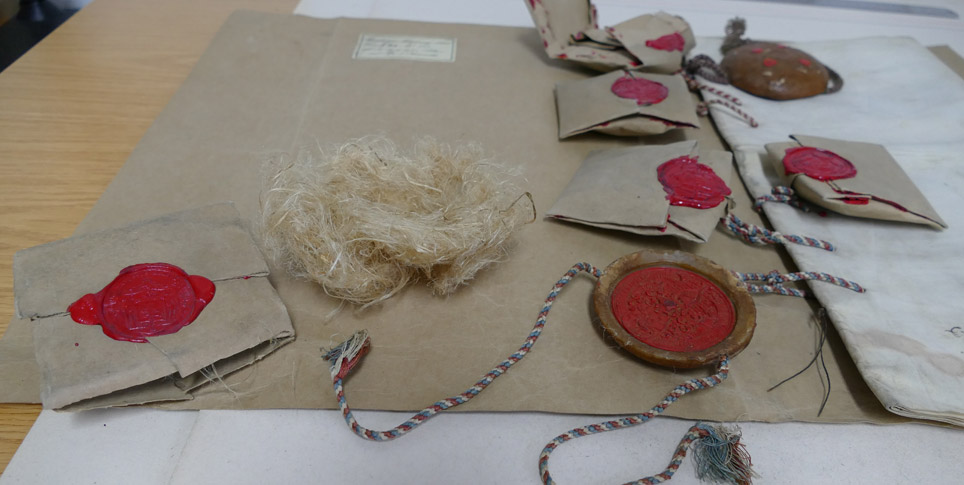
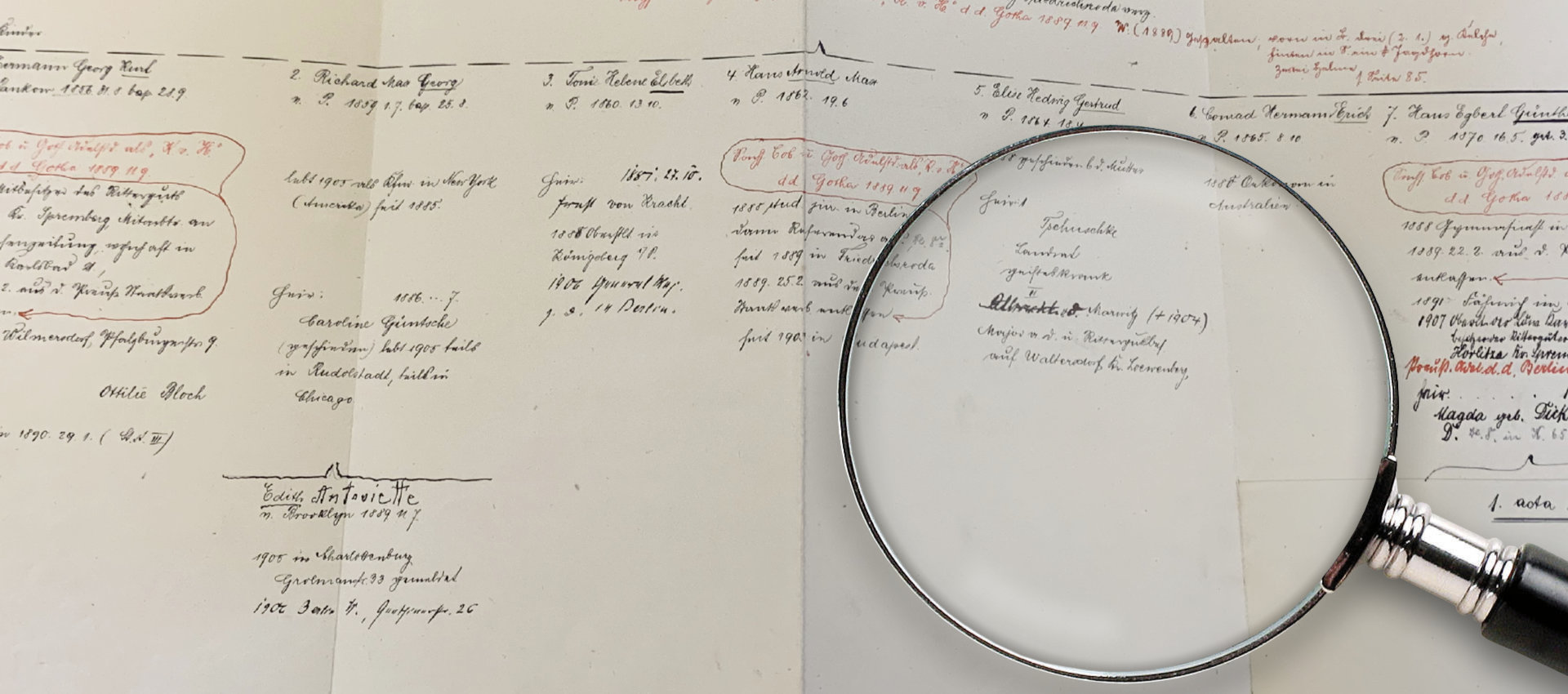
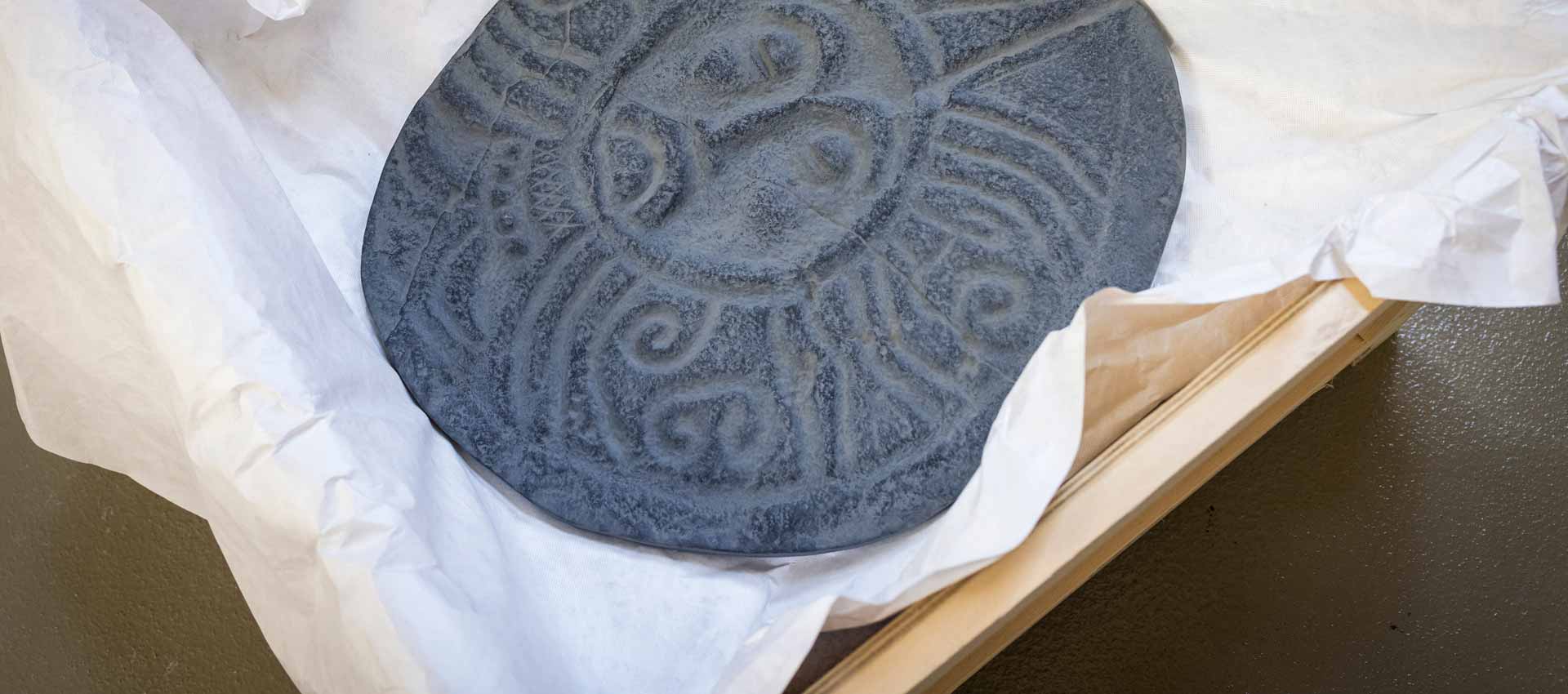
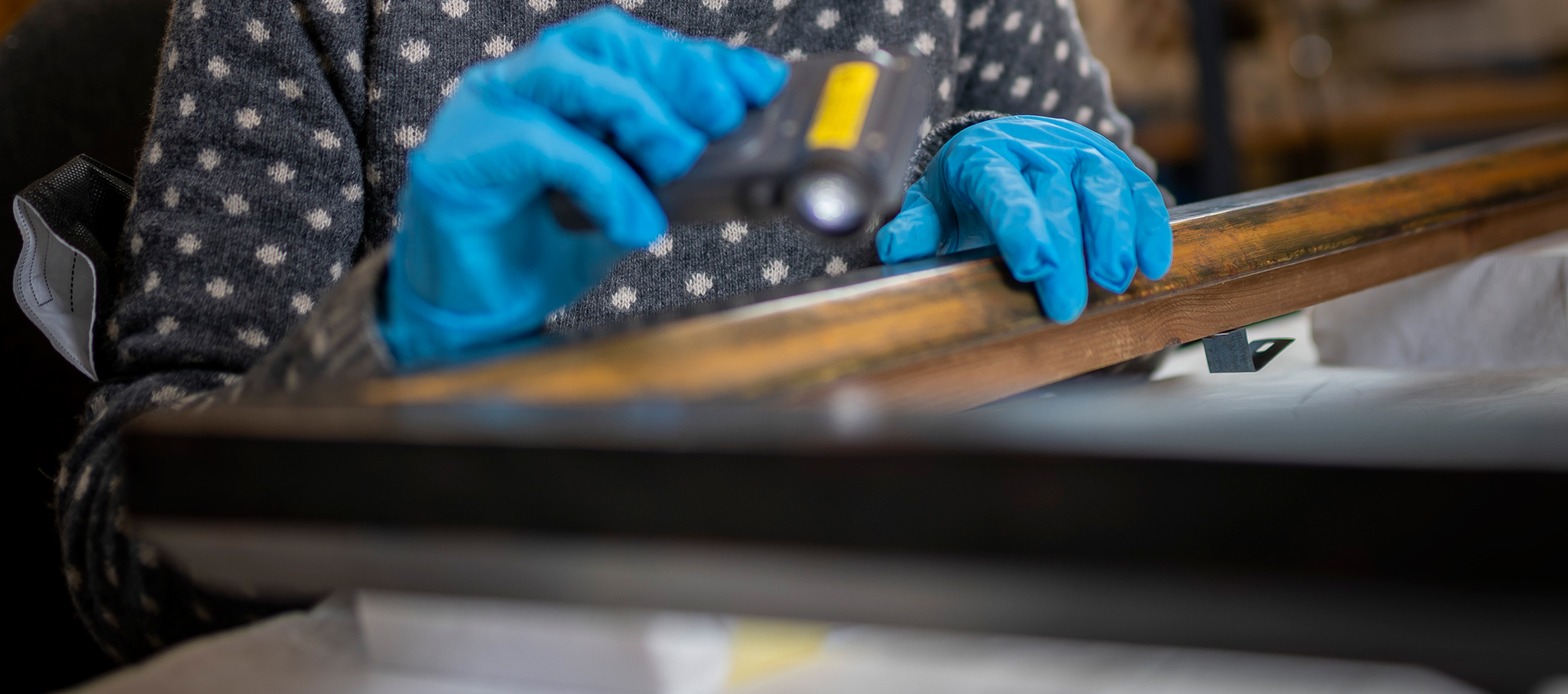
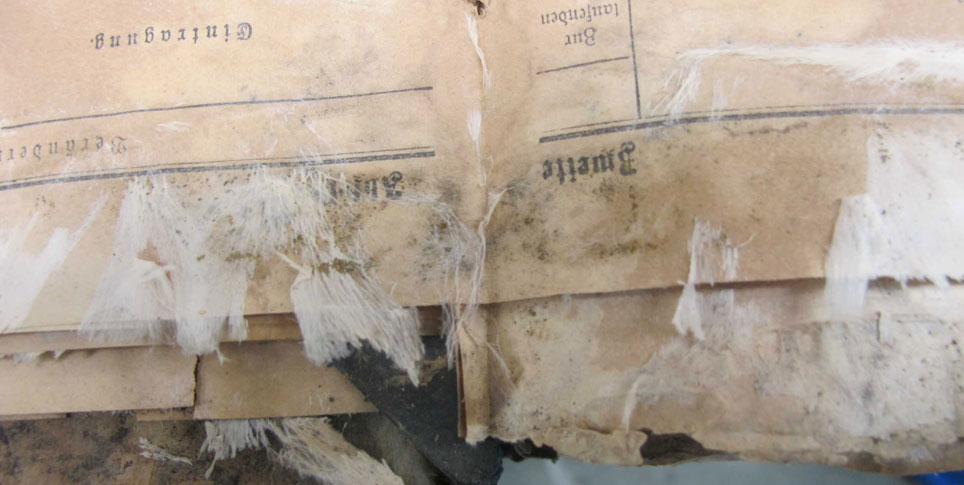
She has revealed how the Brandenburg-Prussian historical record was saved from the turmoil of the Second World War, the subsequent years of division, and the successful reunification of historical collections of inestimable value. She has unearthed exhibits and originals that offer an insight into the day-to-day work of her predecessors – page-counting stamps, handwritten reports and photographs of former colleagues.
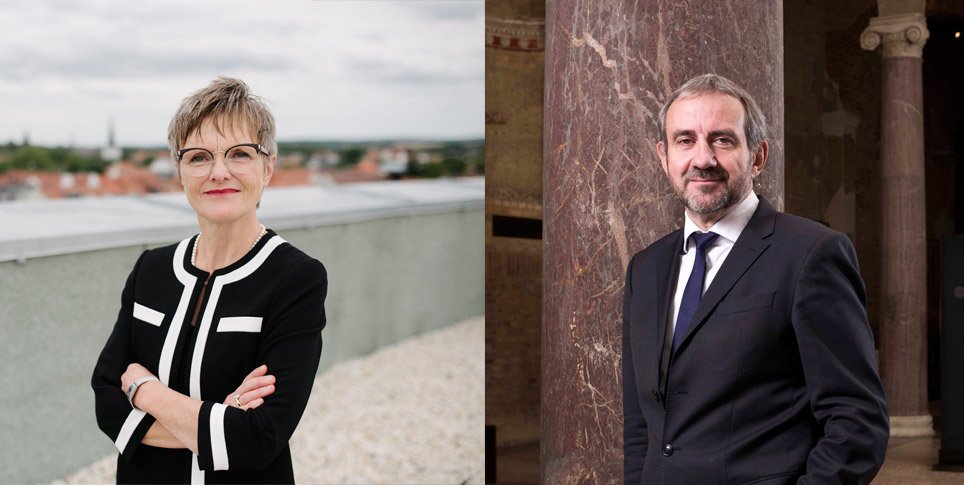
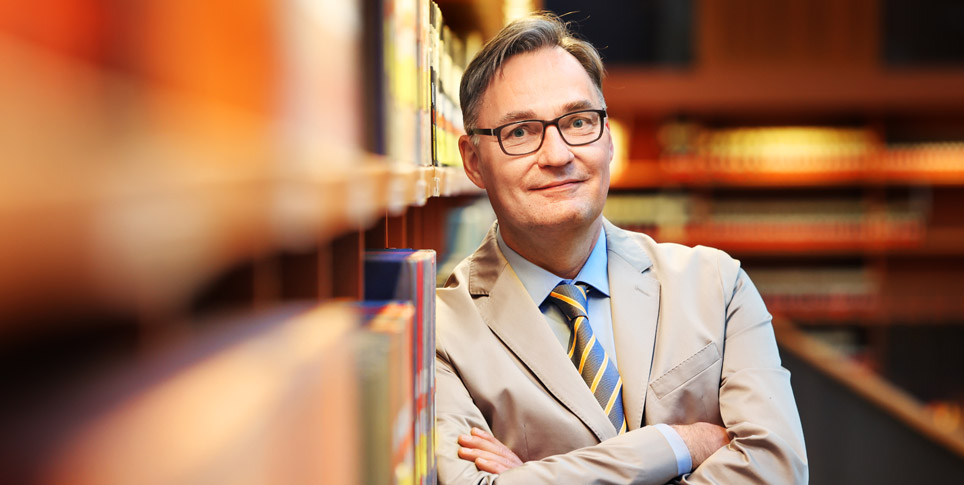
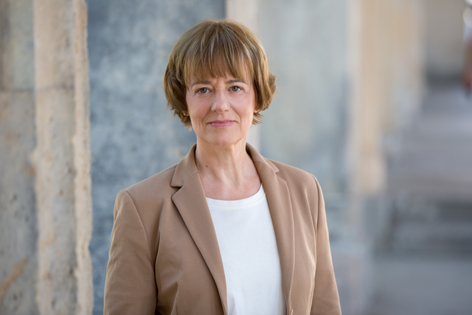
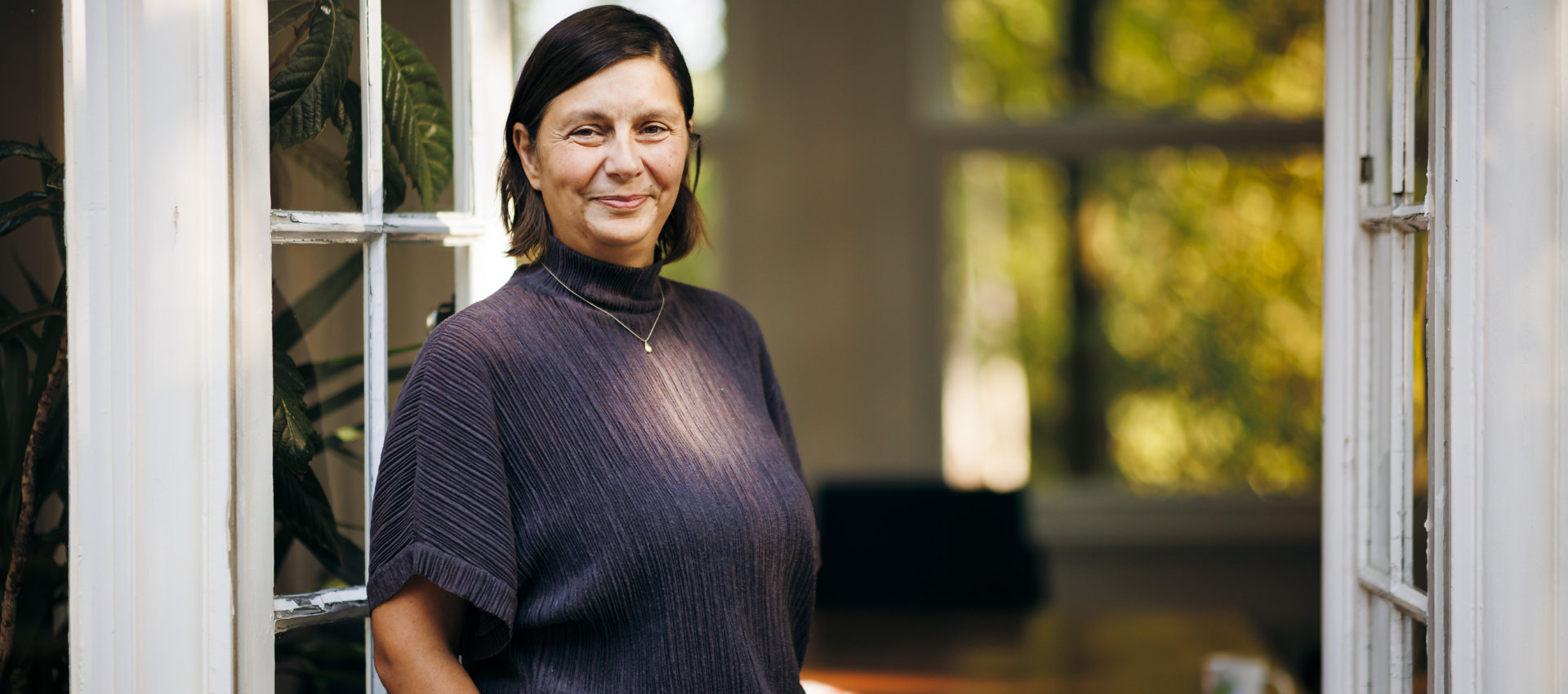
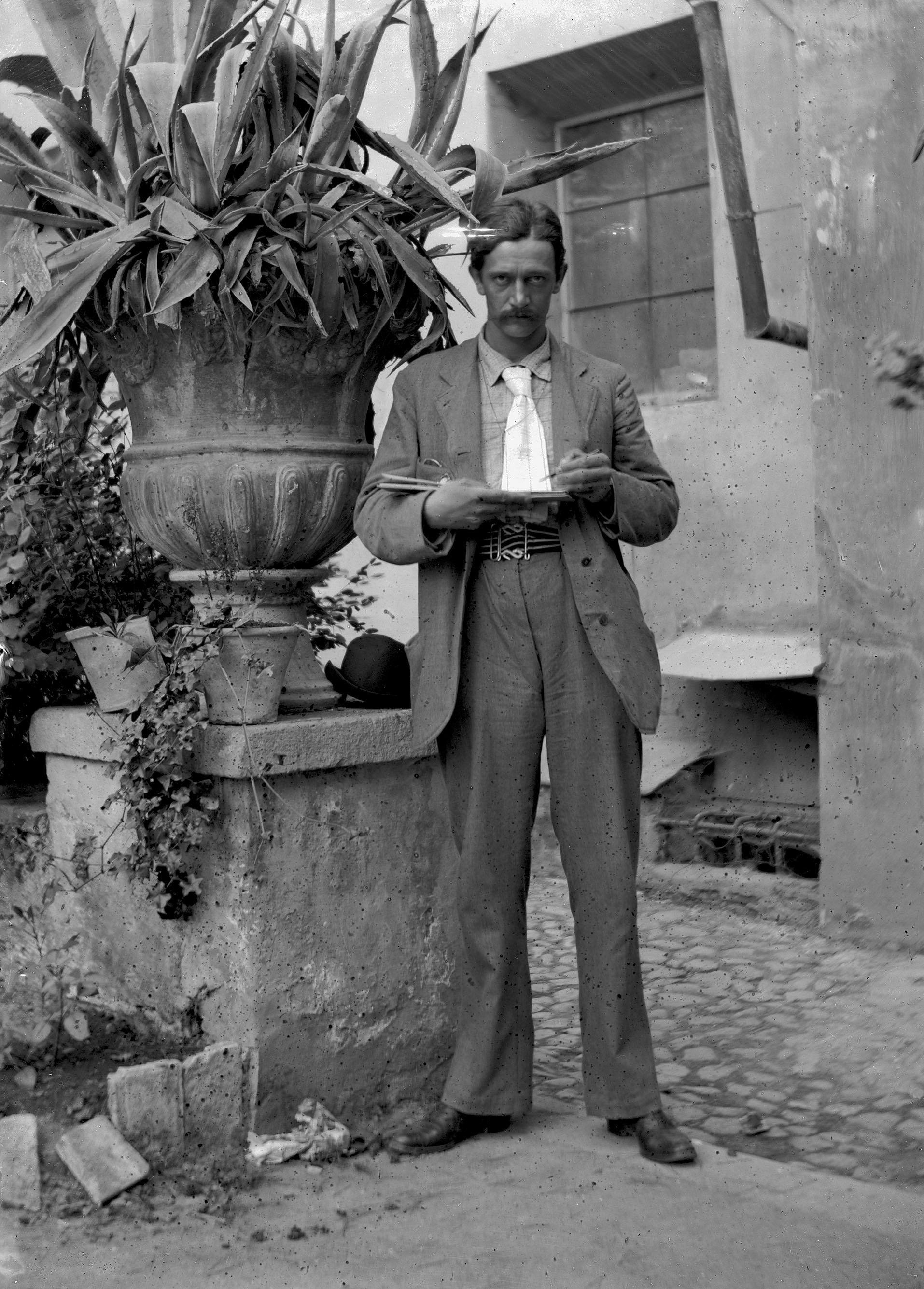
Even the old conference telephone belonging to Professor Jürgen Kloosterhuis – the military history expert and predecessor of the current director, Professor Ulrike Höroldt – is on display. “That’s what really brings an exhibition to life – seeing not just the building or the history behind it, but also the people who worked there,” says curator Krause. Her enthusiasm is palpable as she talks about the rich diversity of archival life, both past and present, and the highs and lows that have shaped the State Secret Archives over the last hundred years.
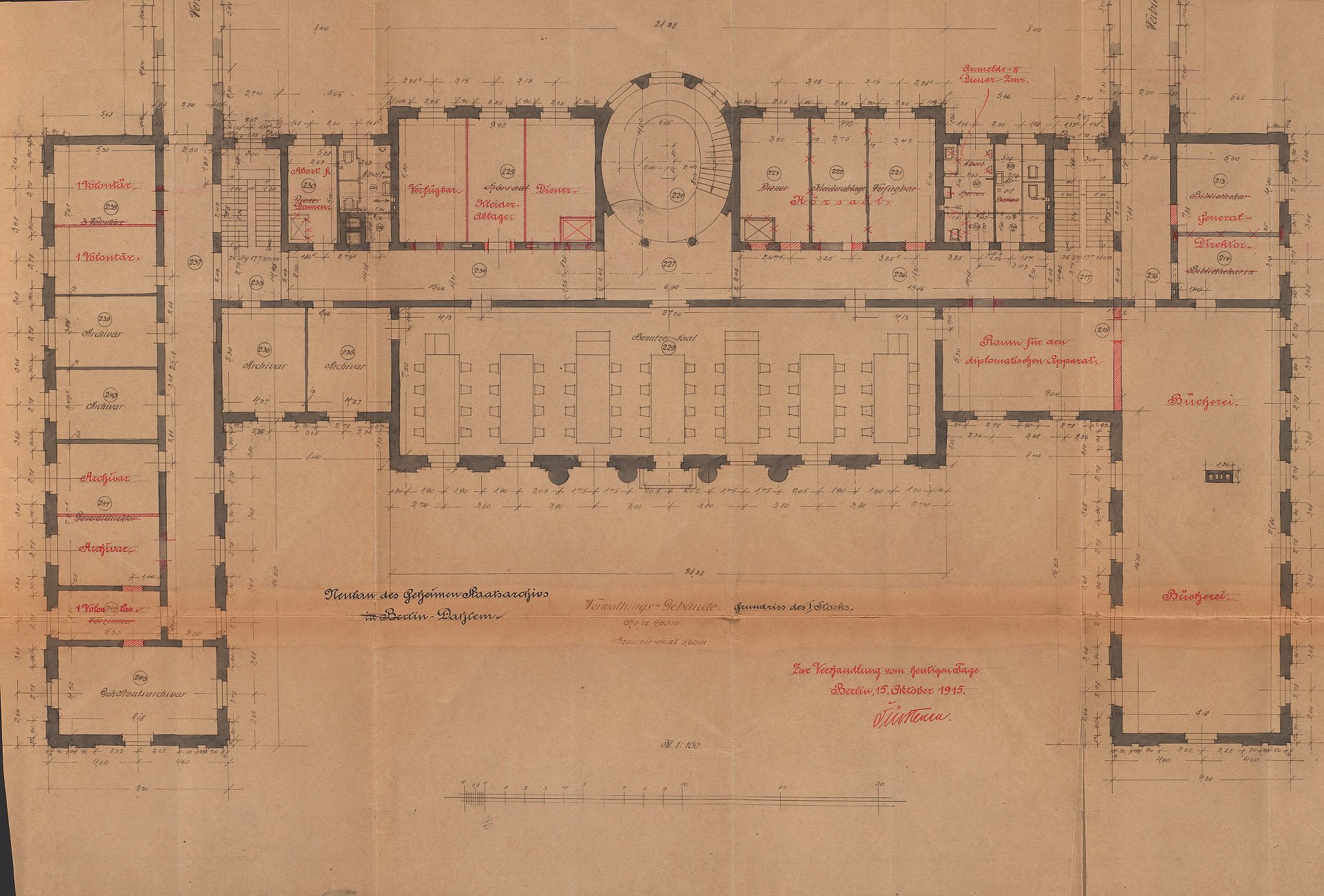
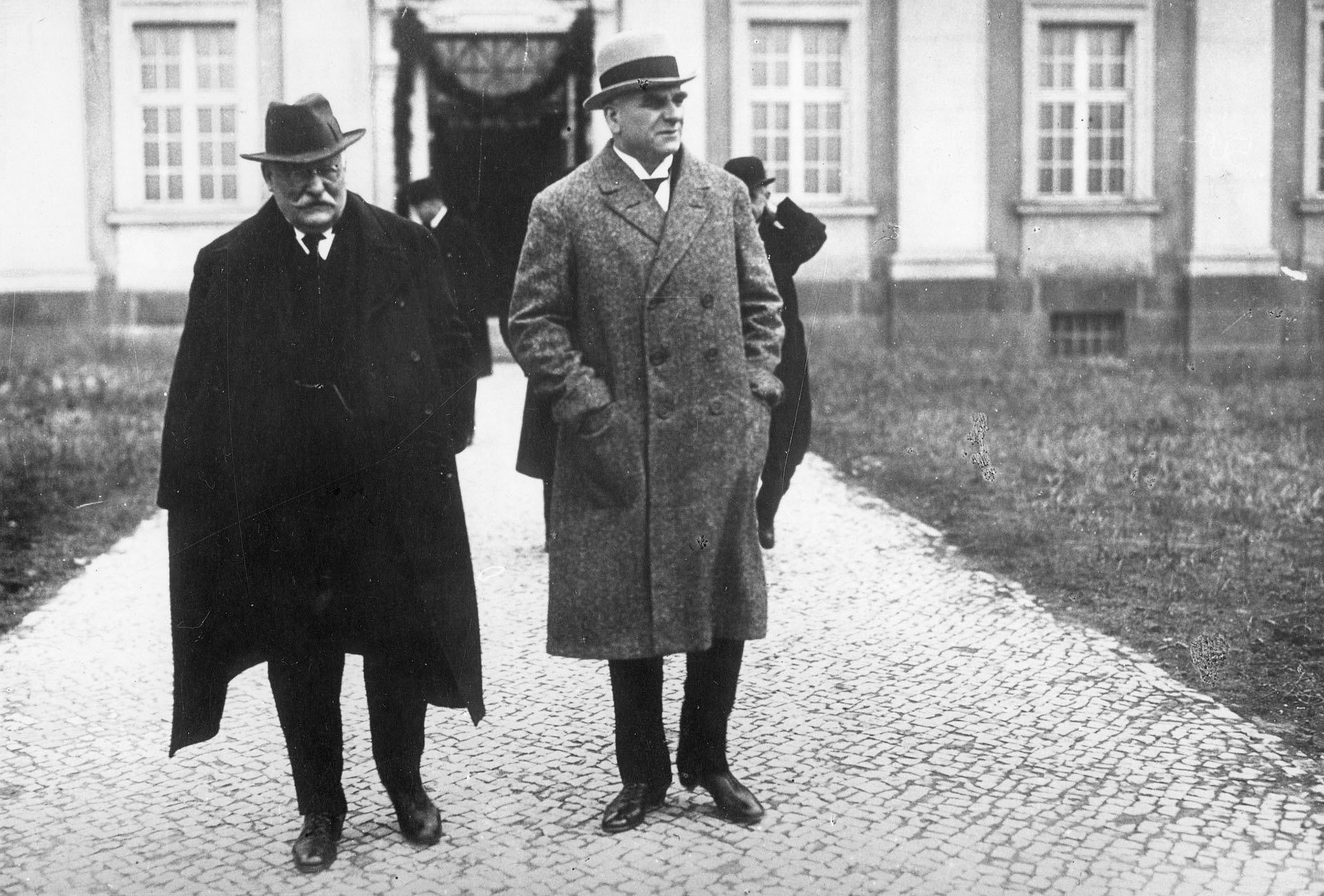
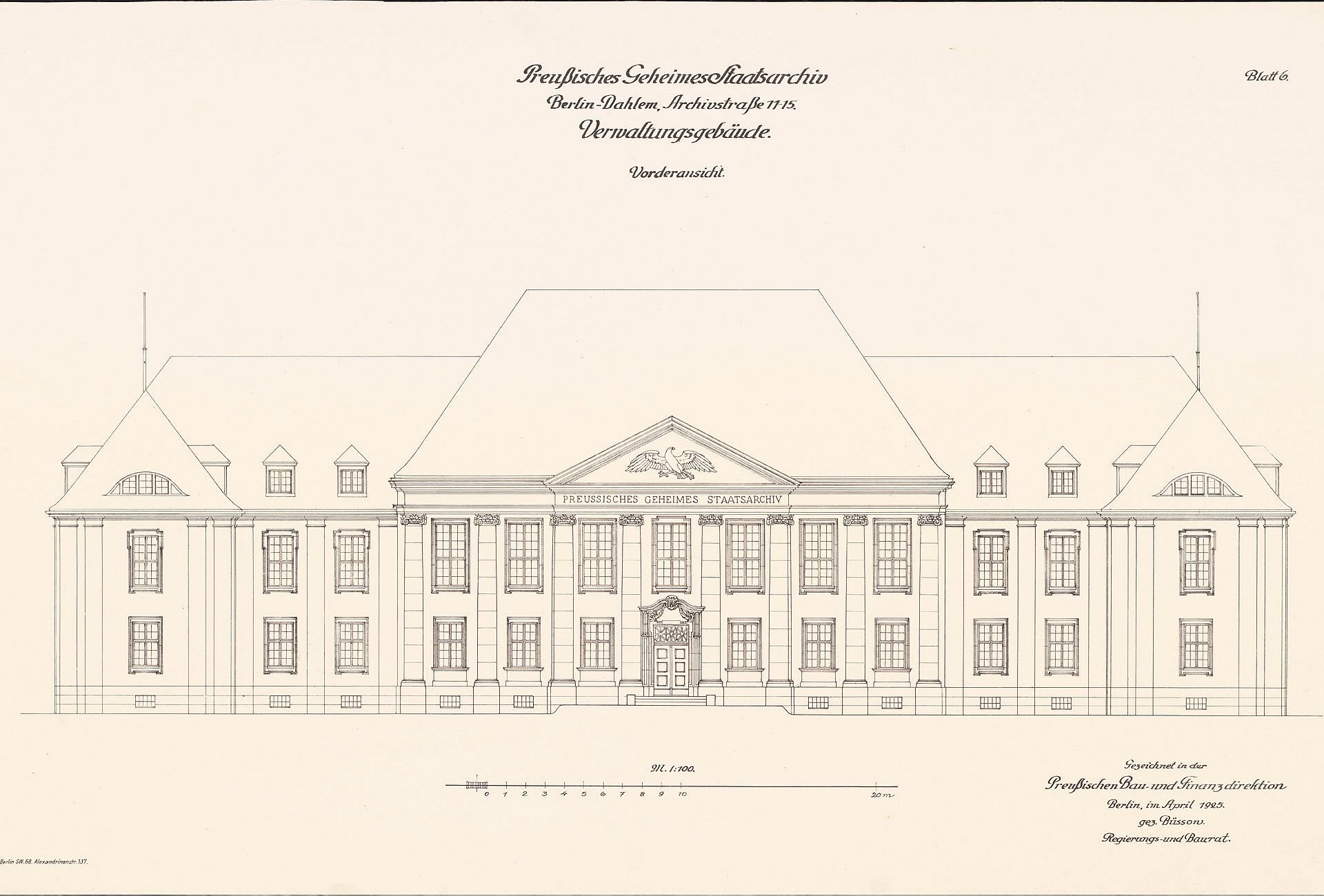
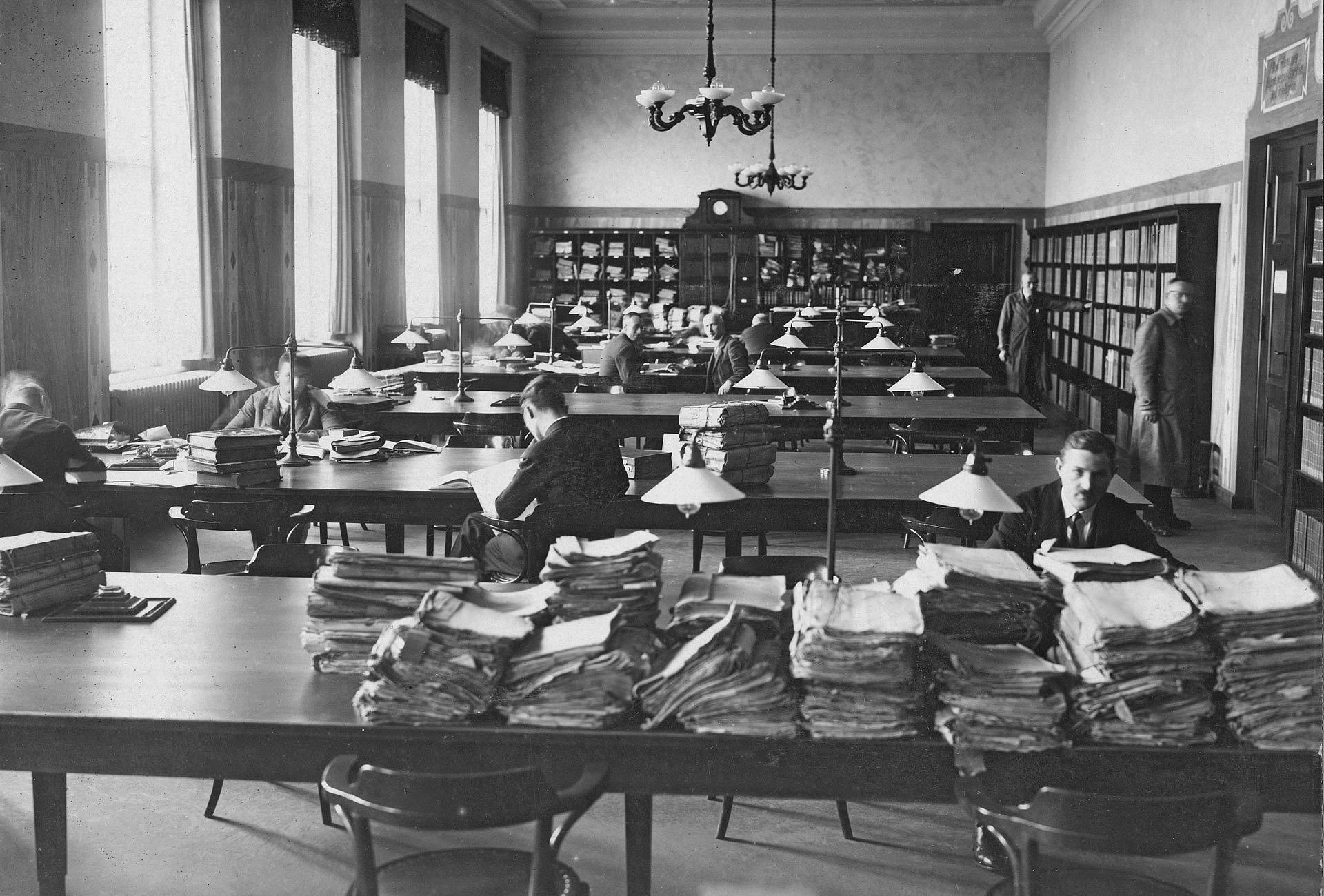
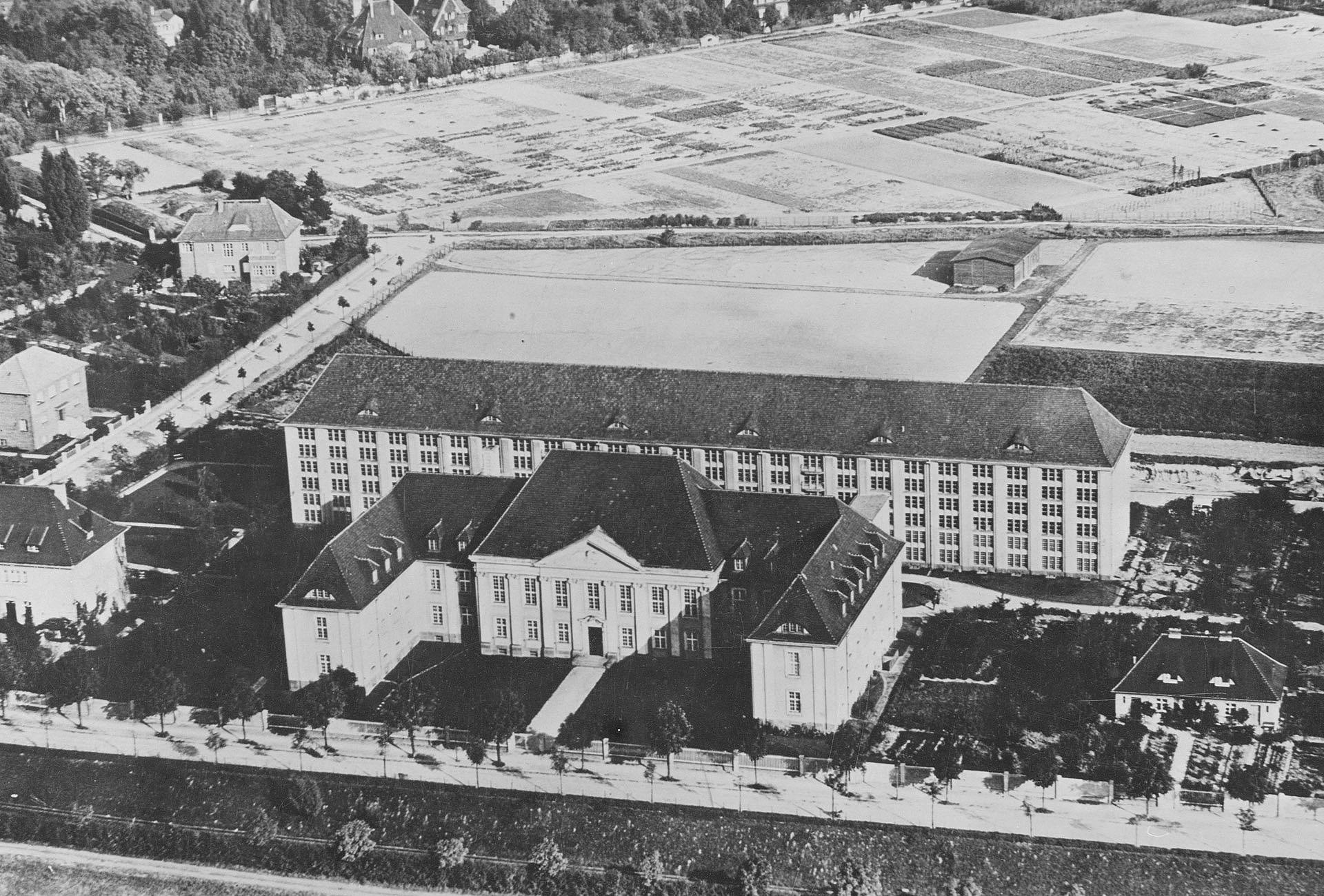
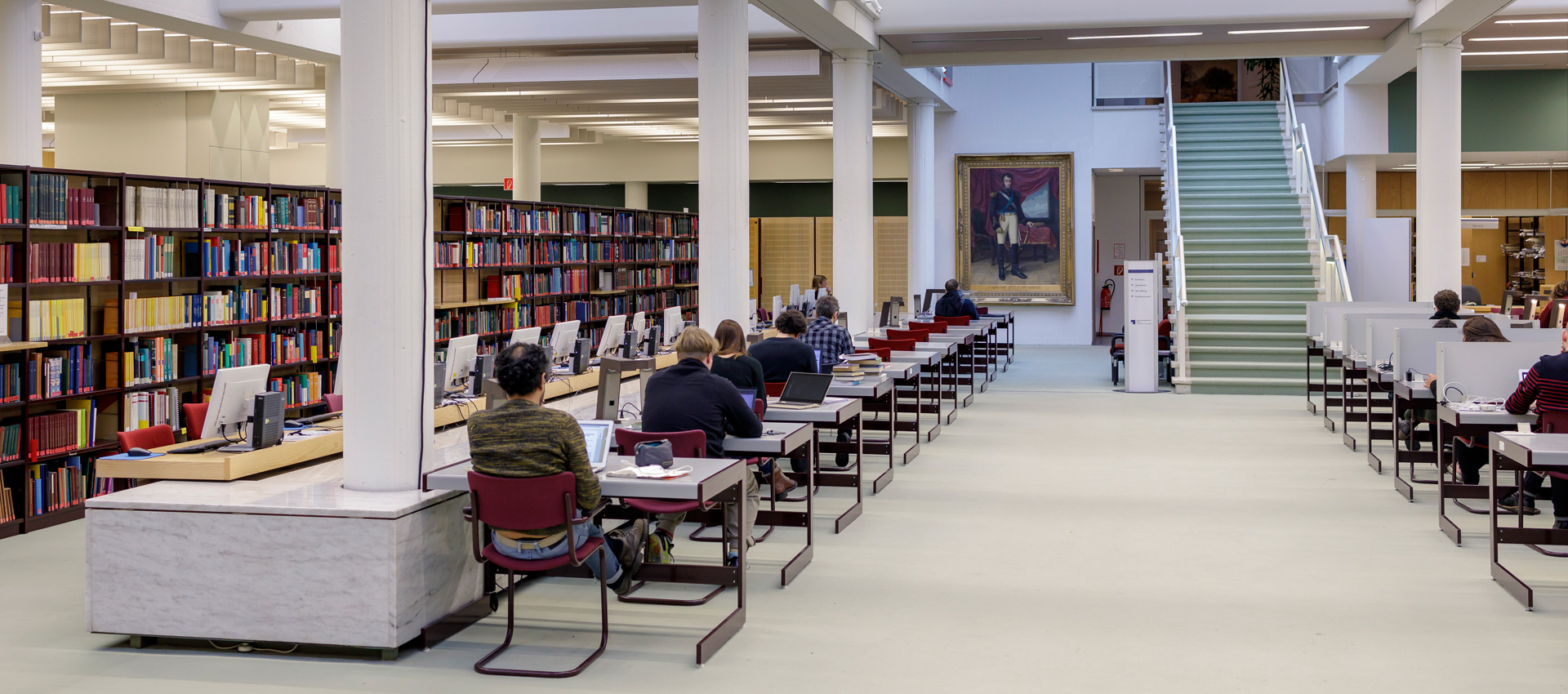
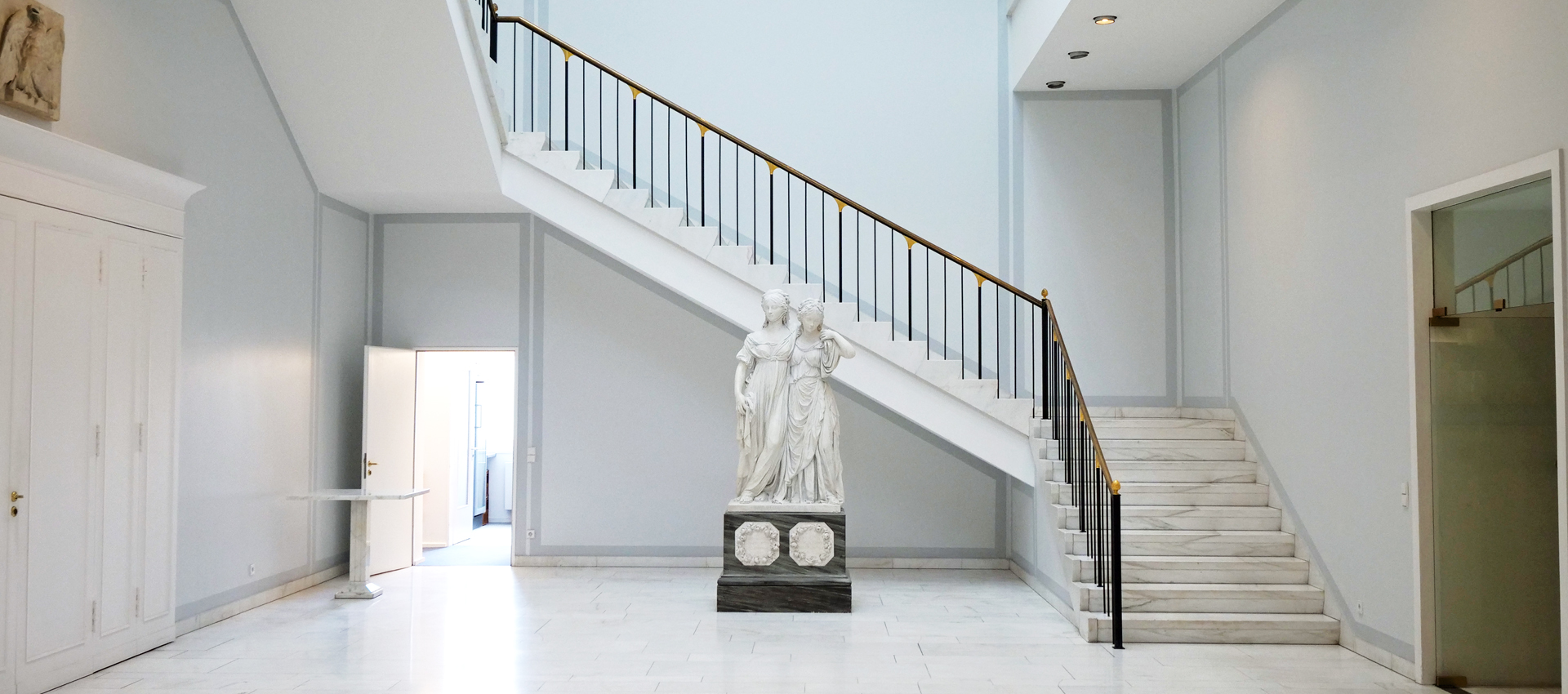
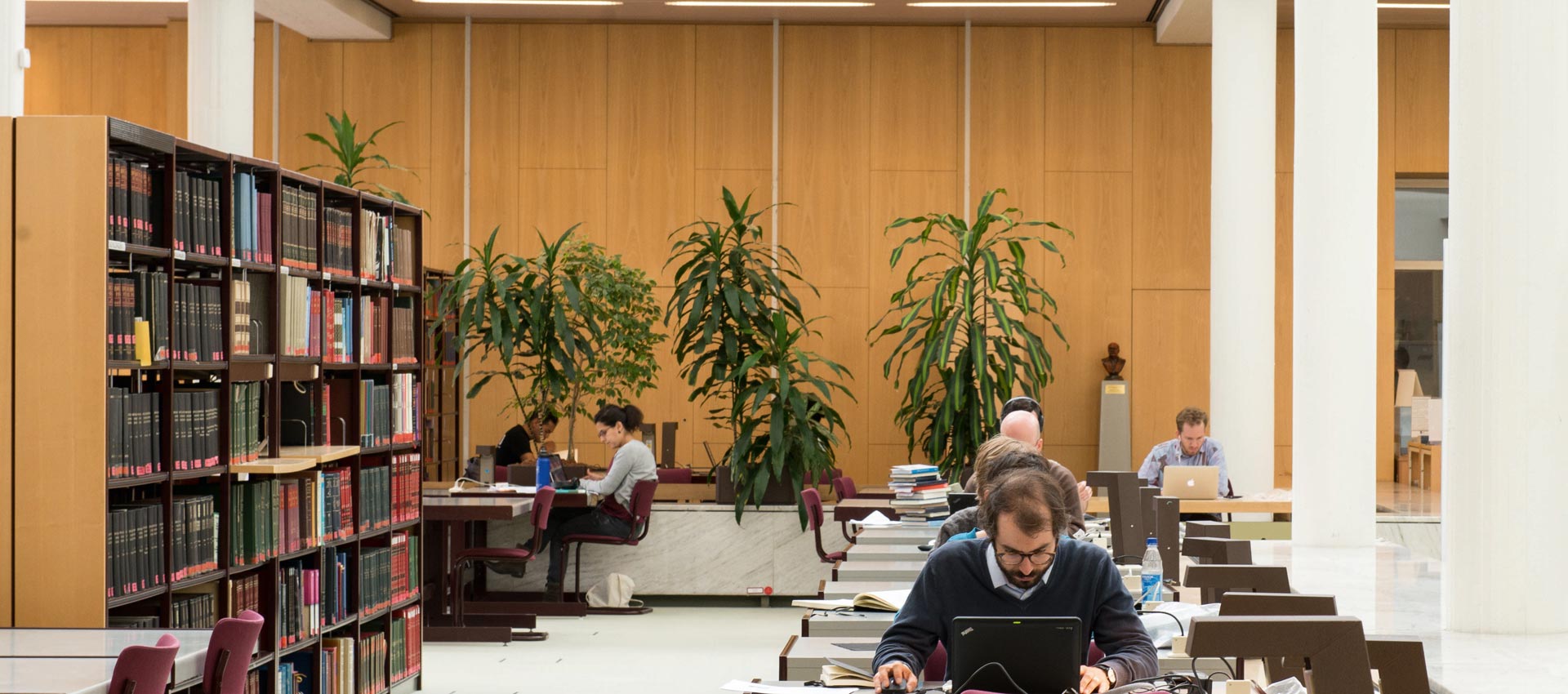
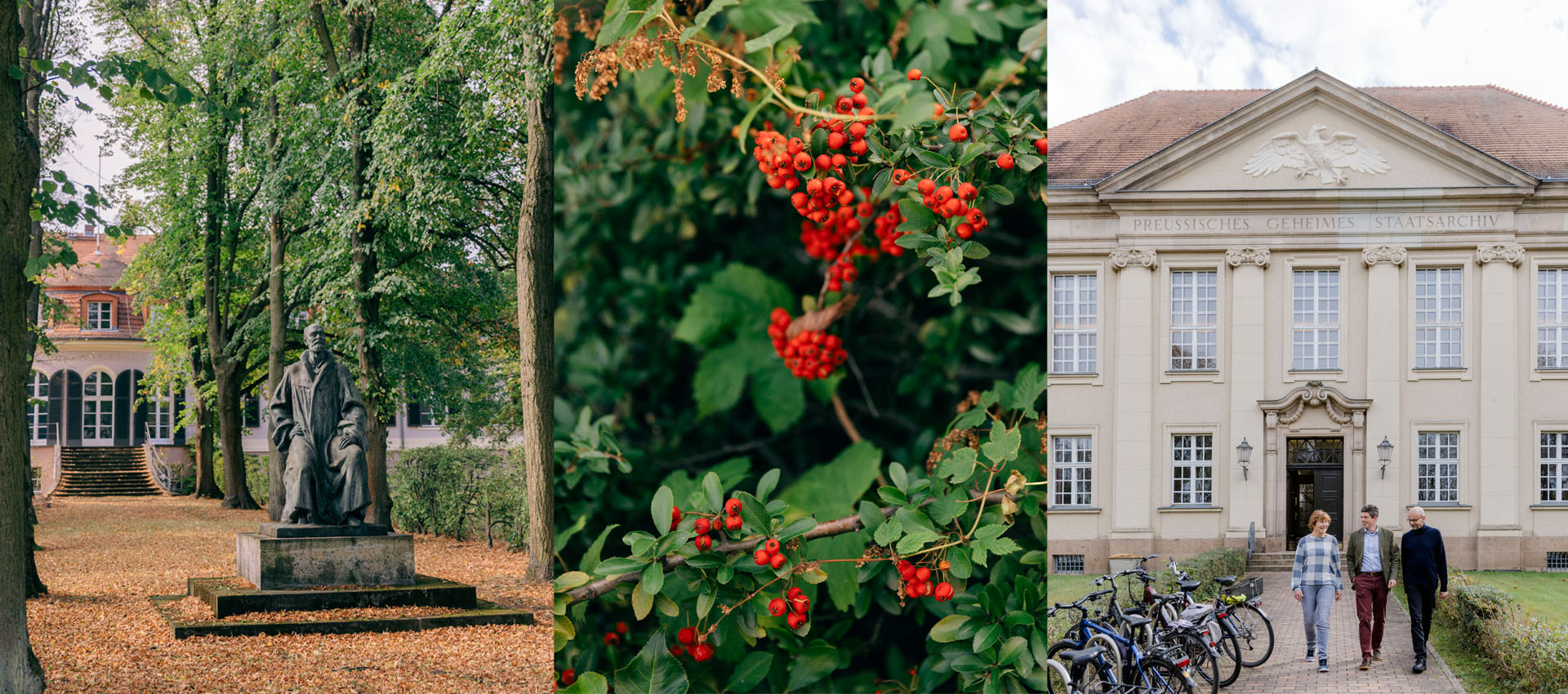
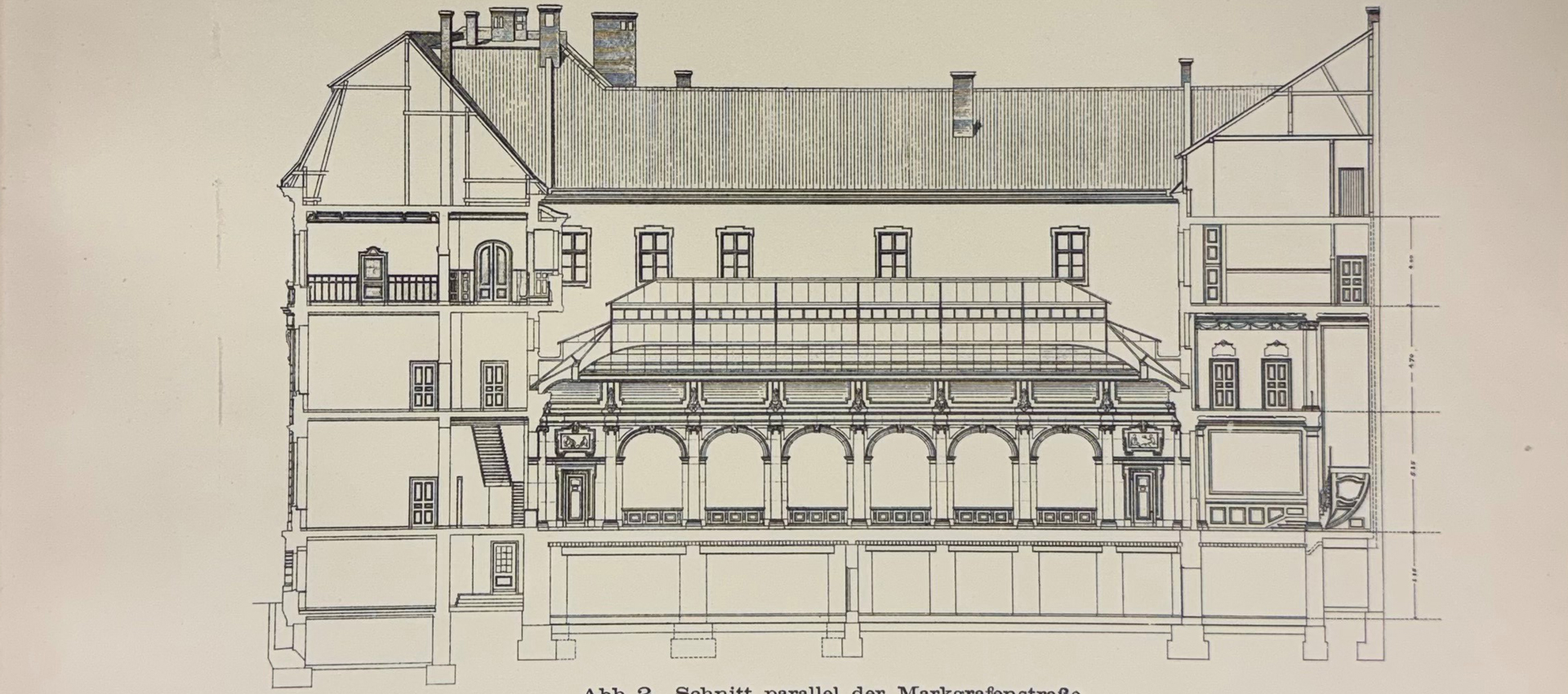
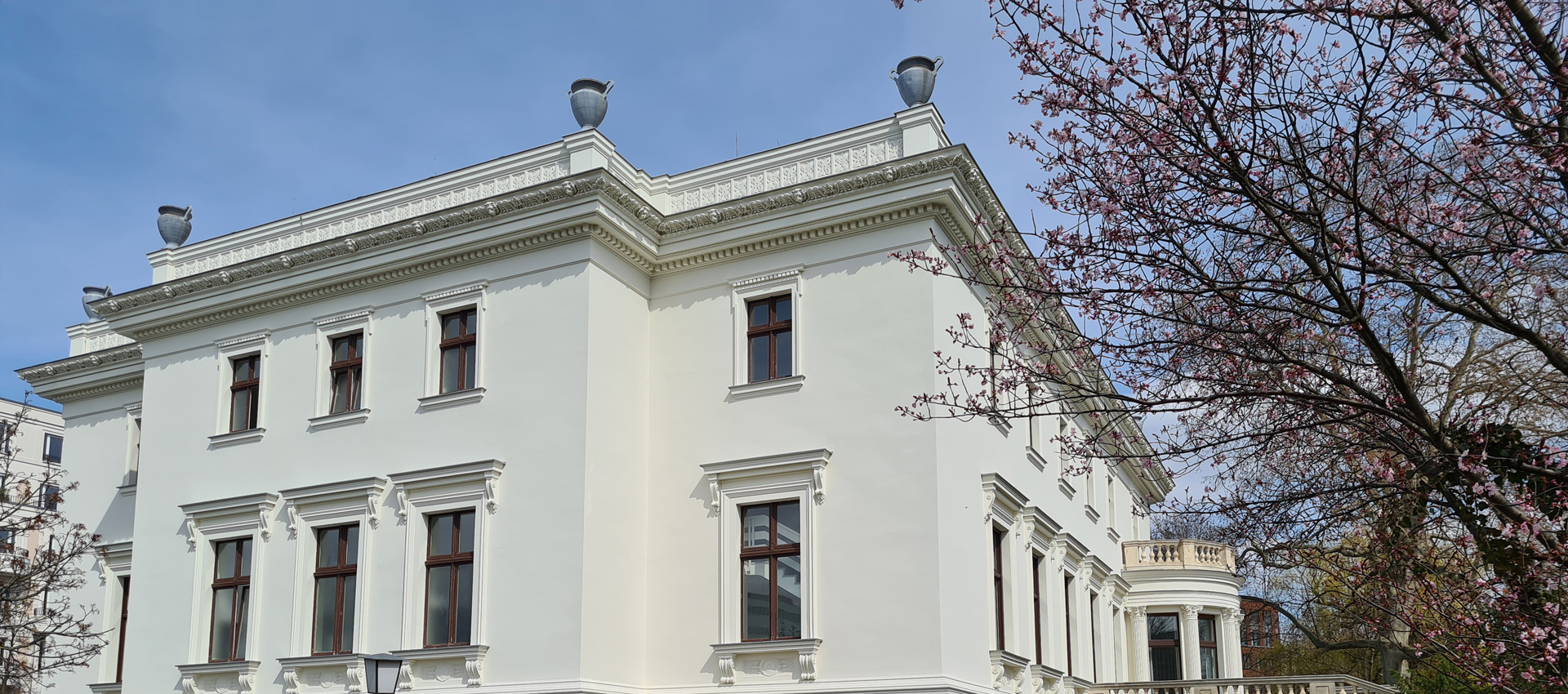
Relief from the shortage of space, improved working conditions and storage facilities for the records, and not least the appearance of the archive as we know it today – all this was brought about by the move to the new building in Dahlem, which was constructed from 1915 onwards to plans by the architect Eduard Fürstenau. The anniversary exhibition actually begins a little earlier, namely with the early days of the Secret State Archive and the long journey to Dahlem.
This journey began at various locations within Berlin Palace. In 1874, the archives moved to the so-called ‘warehouse’ in Mitte. A constant shortage of space, damage caused by the expansion of the Berlin Underground, and finally the sale of the warehouse site to the Hoch- und Untergrundbahngesellschaft in 1909 meant that another move of the archives became necessary. The fact that the answer to the long-standing question of location was Dahlem was due to a combination of unresolved funding issues, political reservations regarding a physical merger with the Reichsarchiv, and plans for a ‘German Oxford’ – a centre of scholarship with international appeal in south-west Berlin. The exhibition also recounts these episodes and the days when the Institute for Archival Studies was housed at the Dahlem site, where numerous archivists underwent training for senior civil service positions.
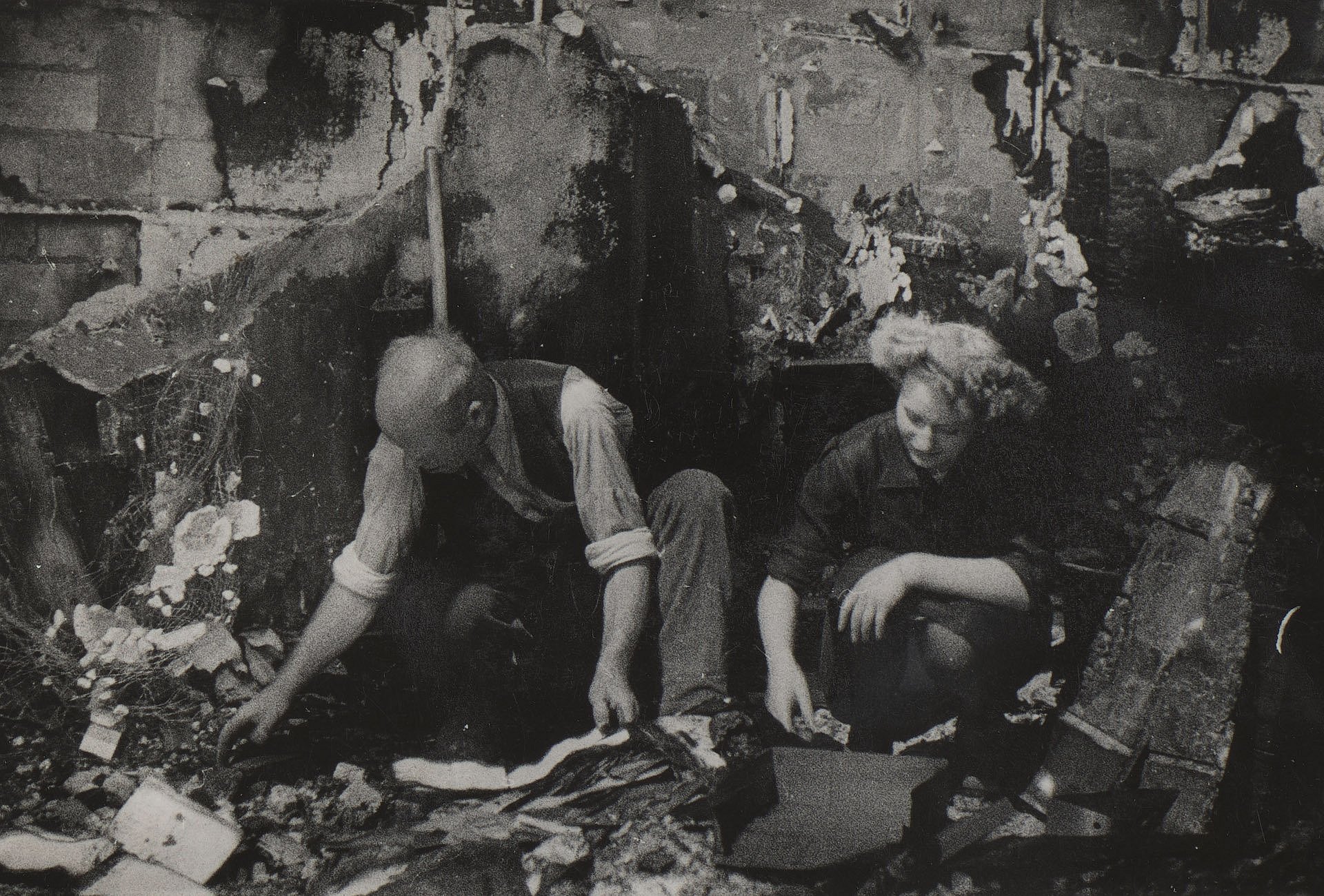
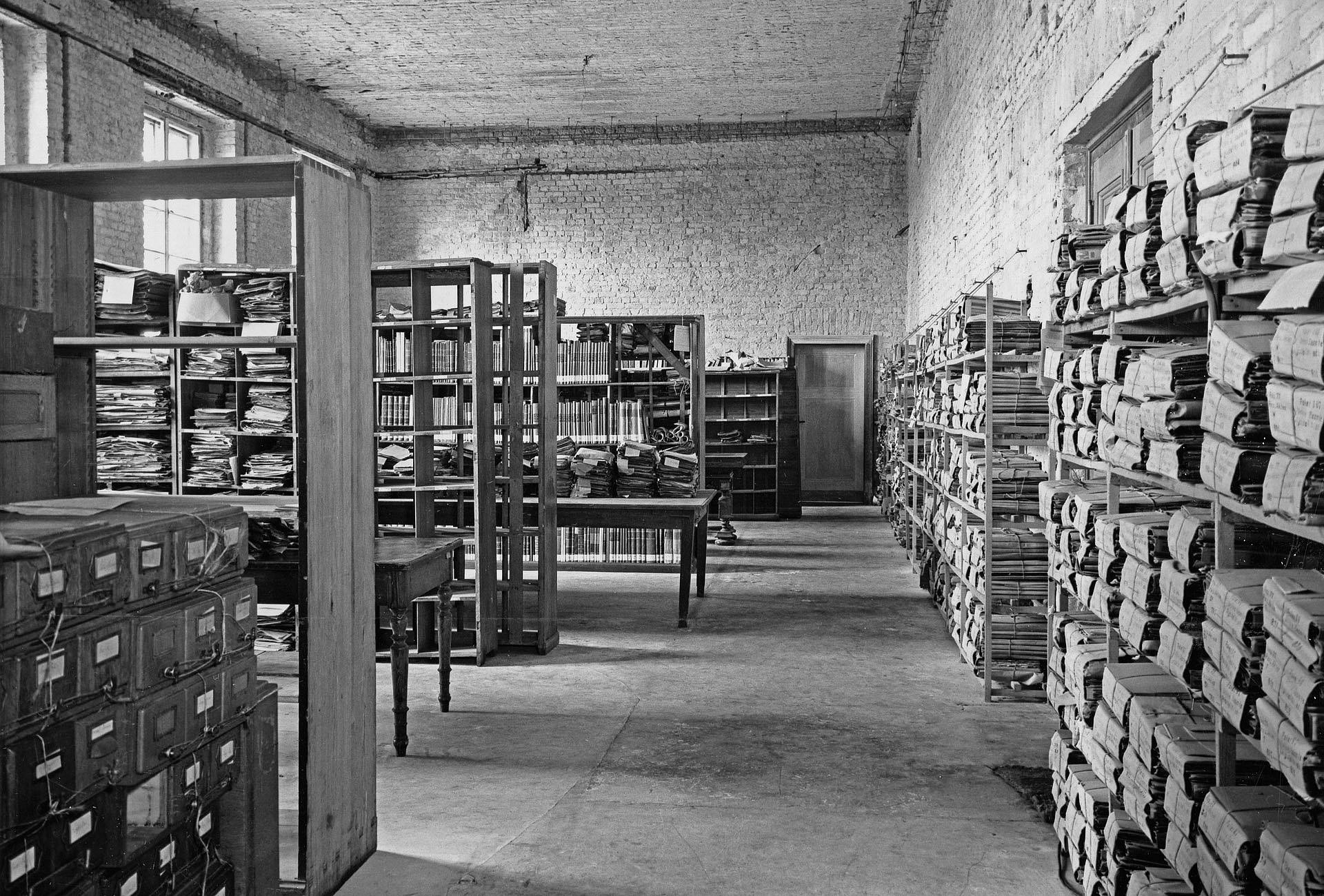
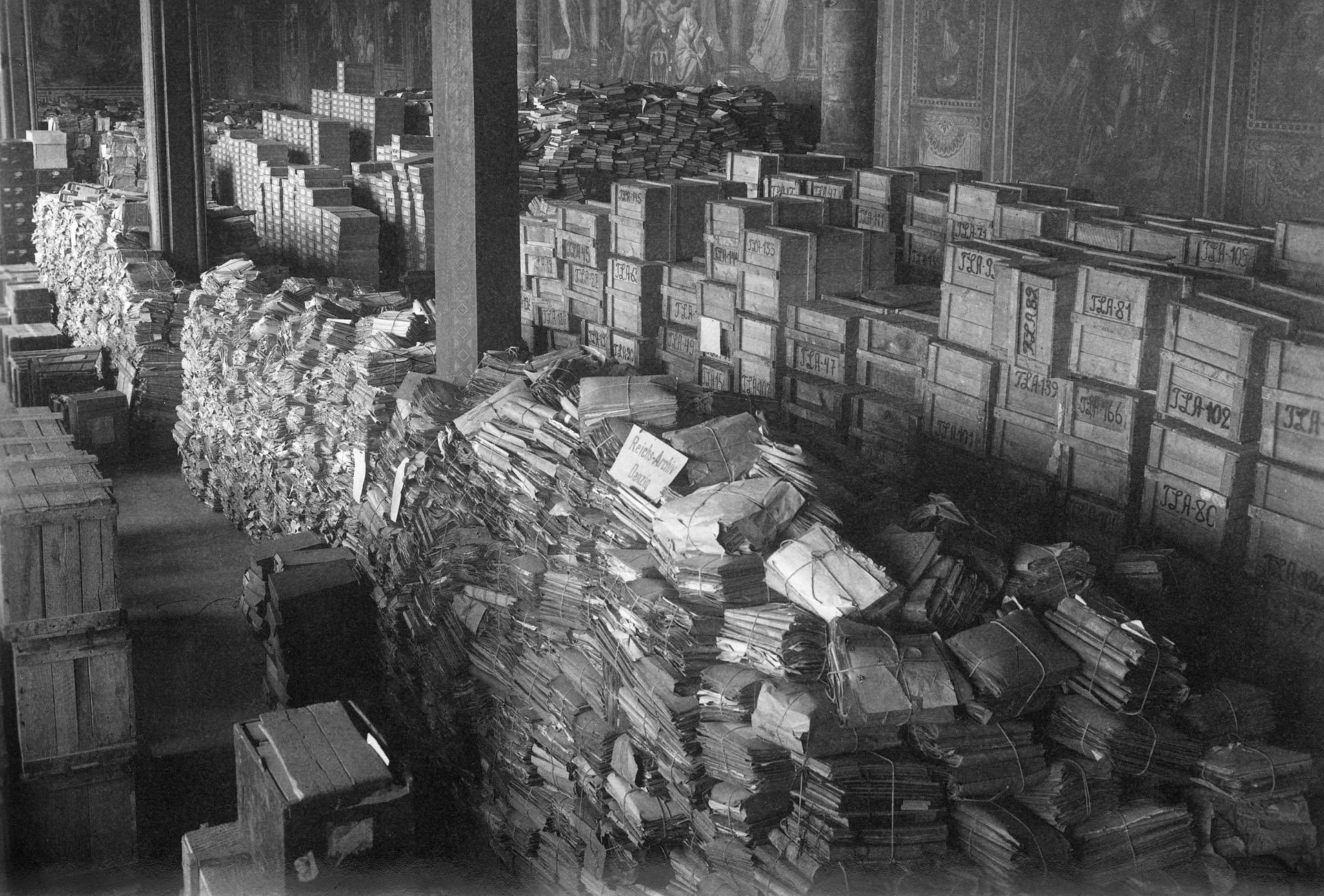
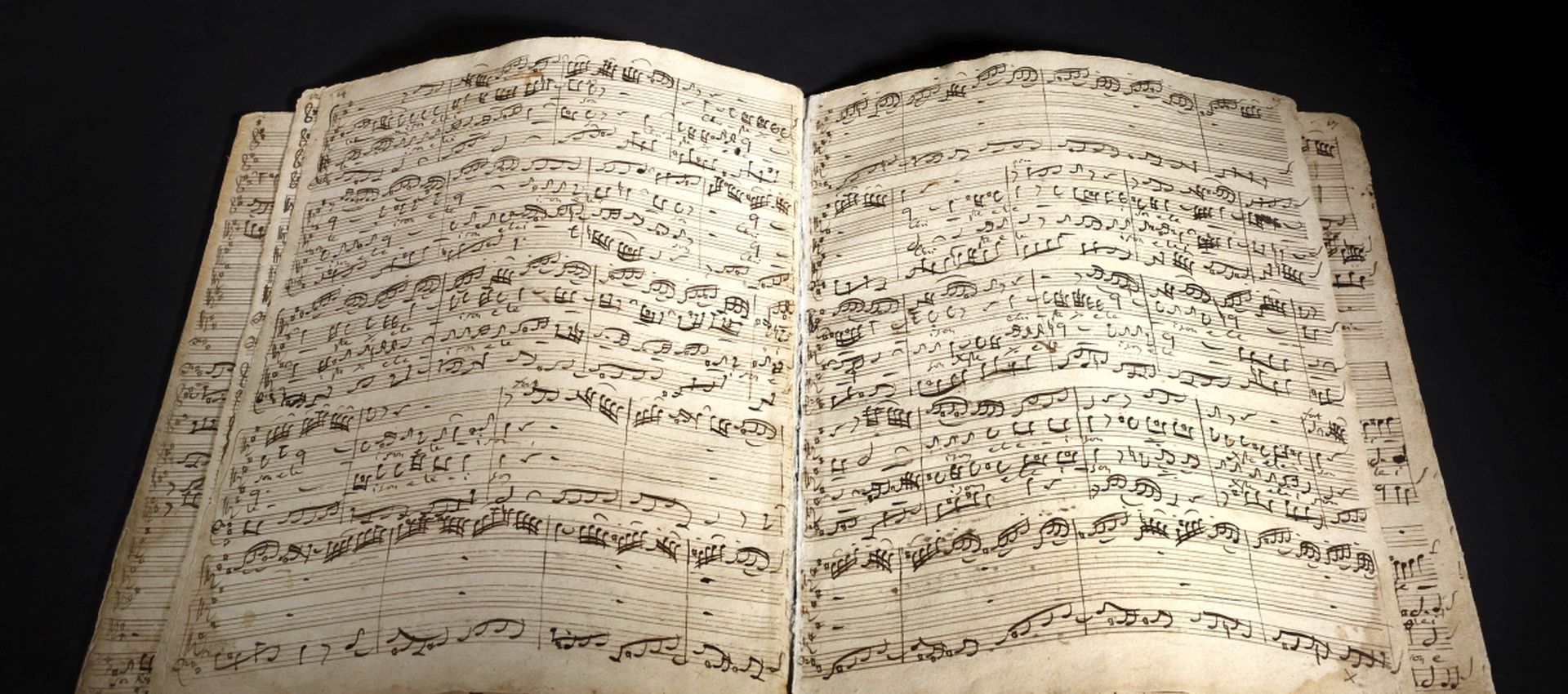
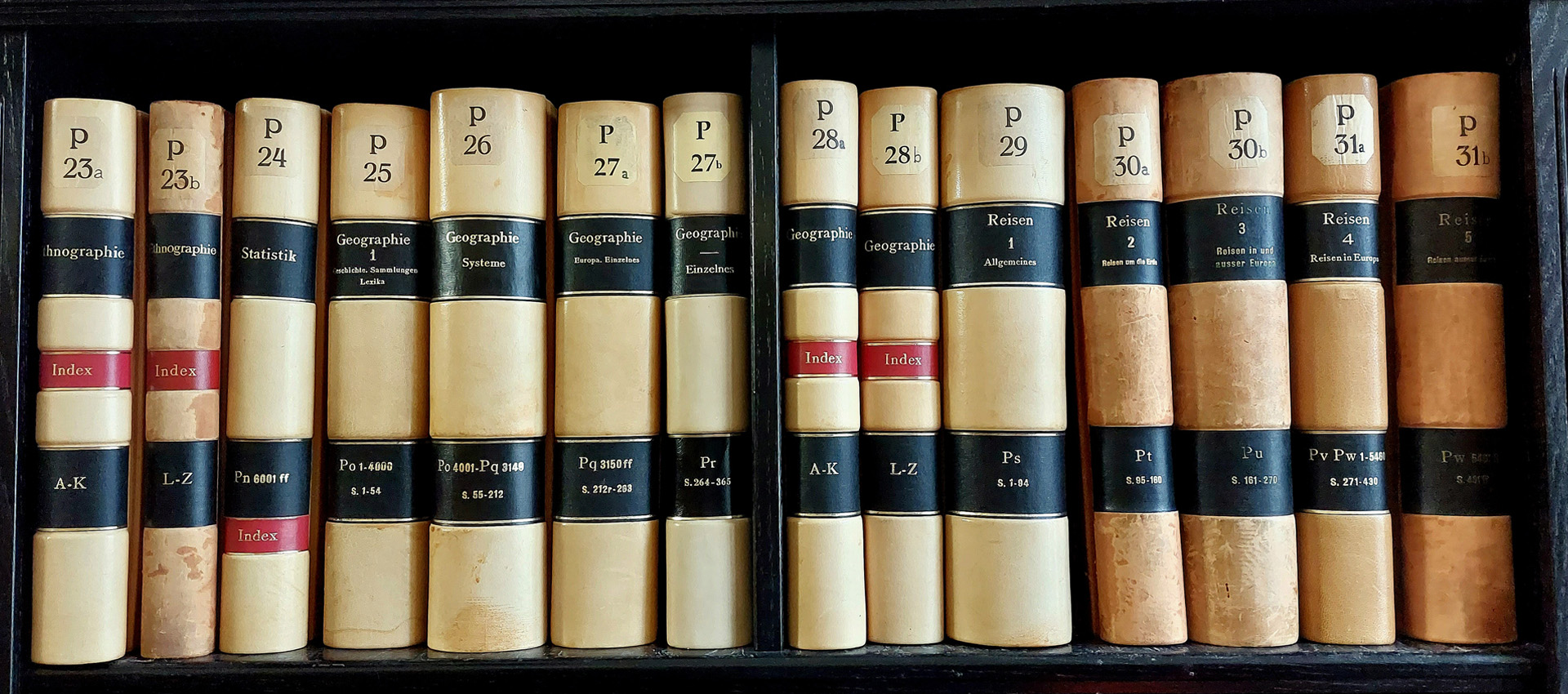
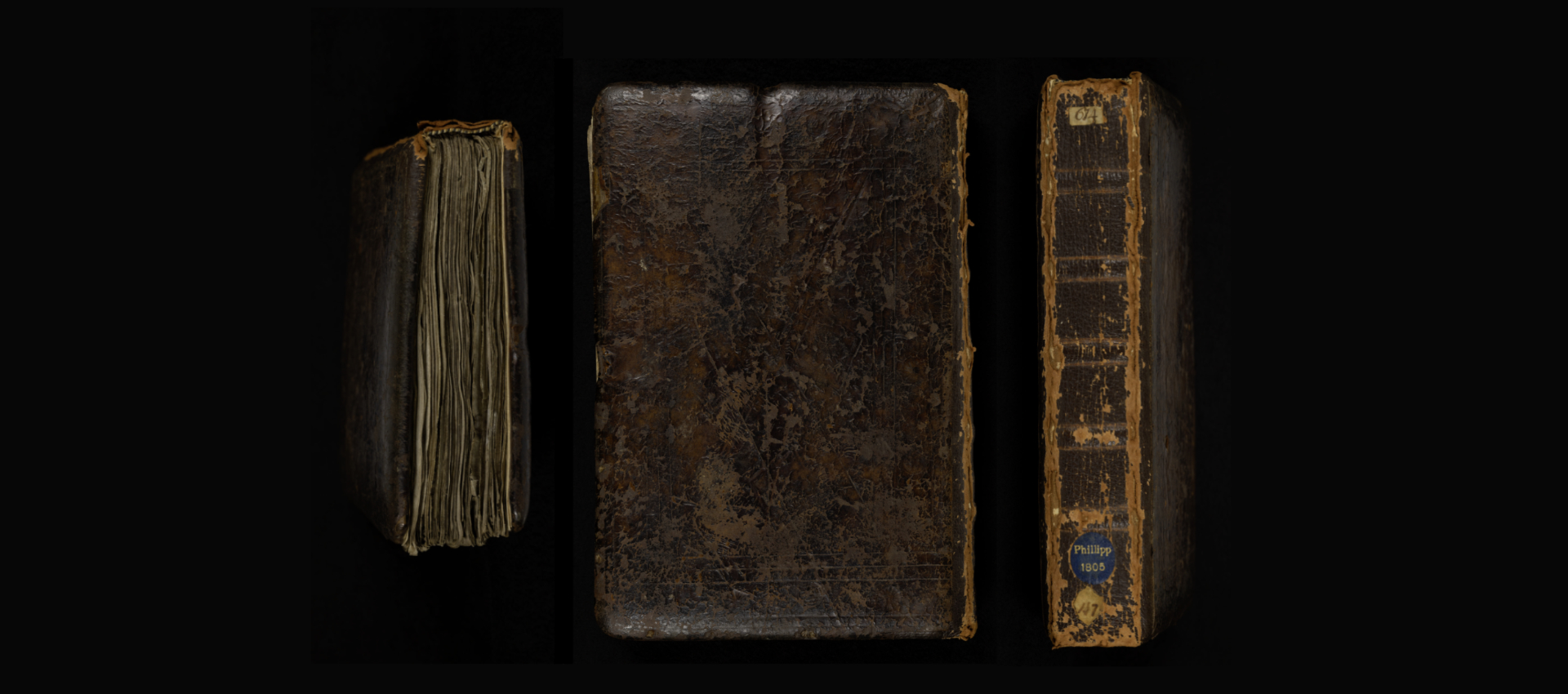
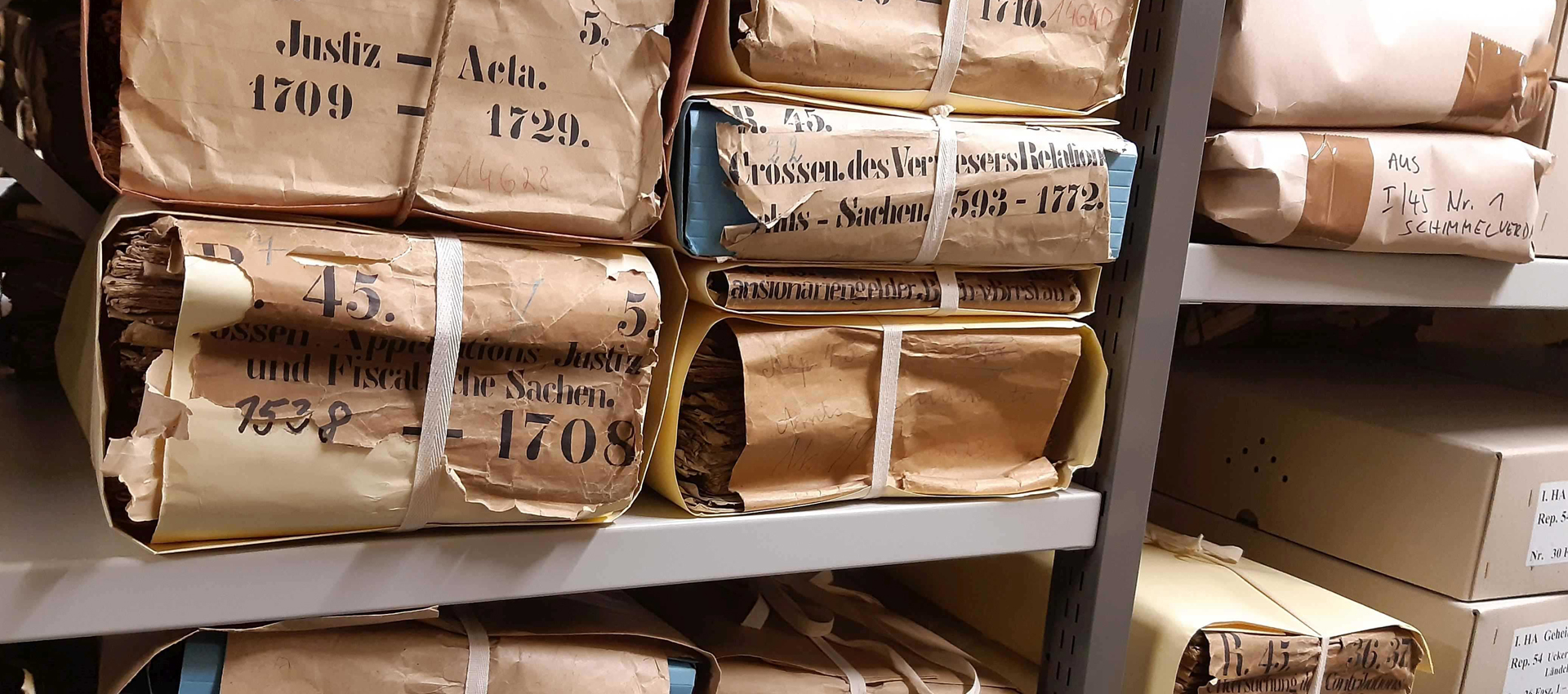
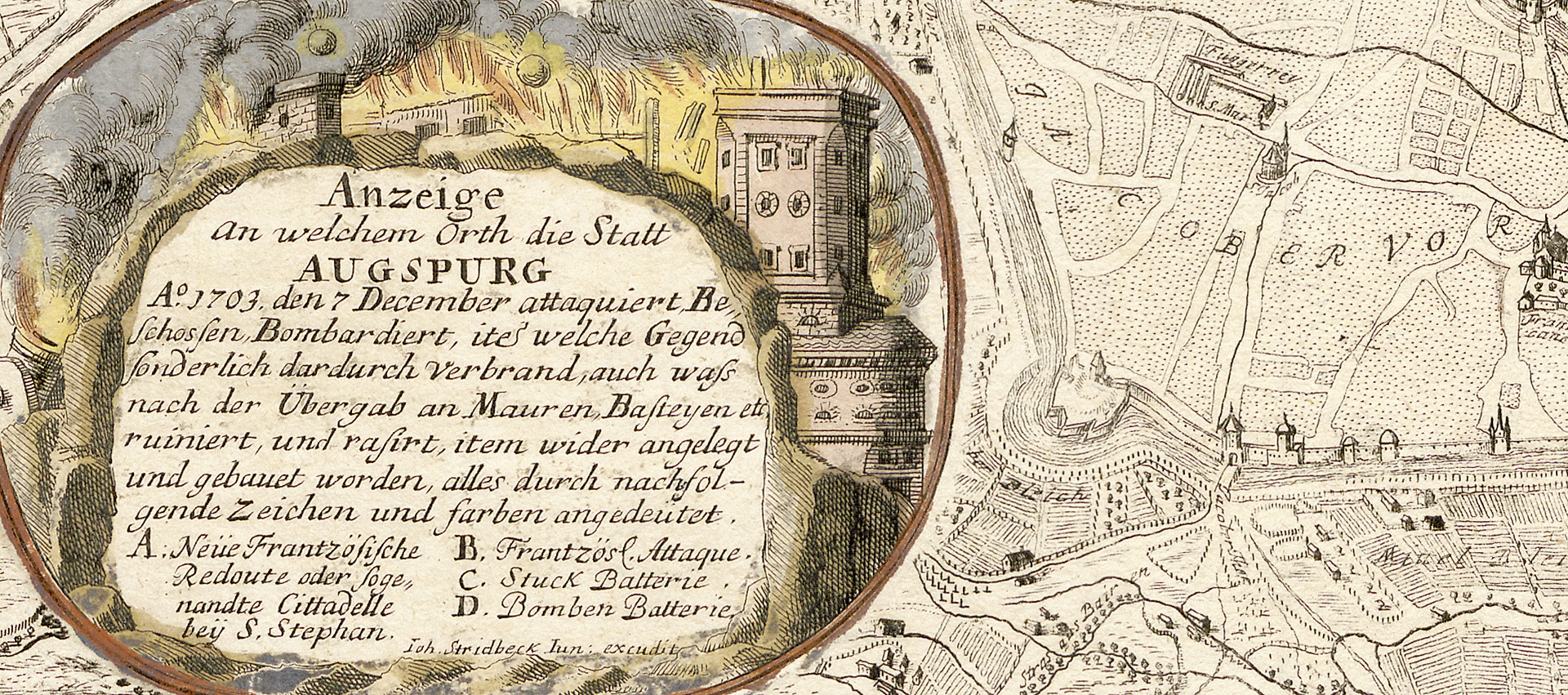
With just two exceptions, the extensive exhibition and the accompanying online dossier were, incidentally, drawn exclusively from the vast holdings of the Secret State Archives. Today, the archives contain 35 kilometres of records, including historical files, documents, maps, plans and official registers spanning almost nine centuries of Brandenburg-Prussian history. The oldest documents date back to the late 12th century, and everything is now accessible to the public, some of it online.
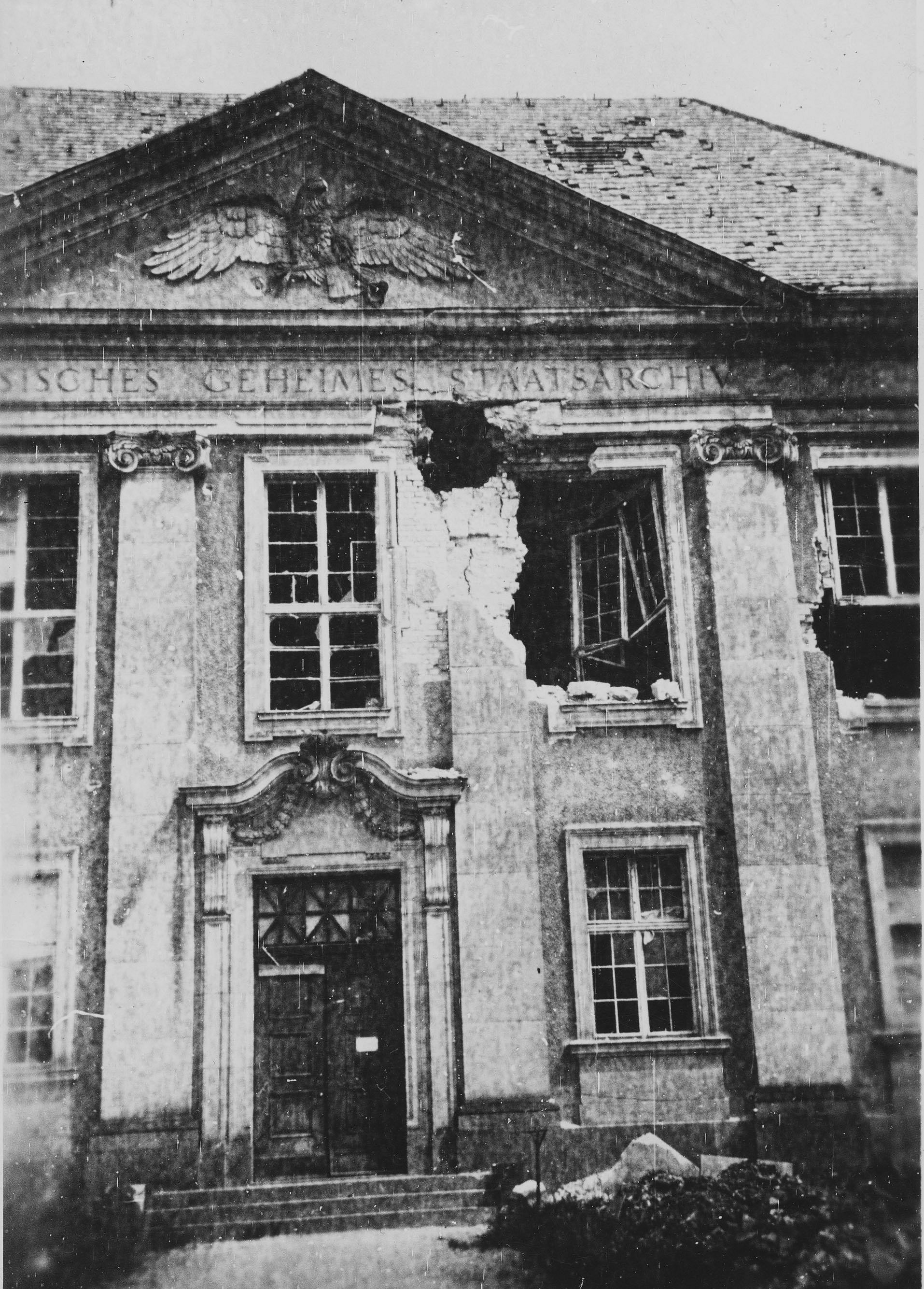
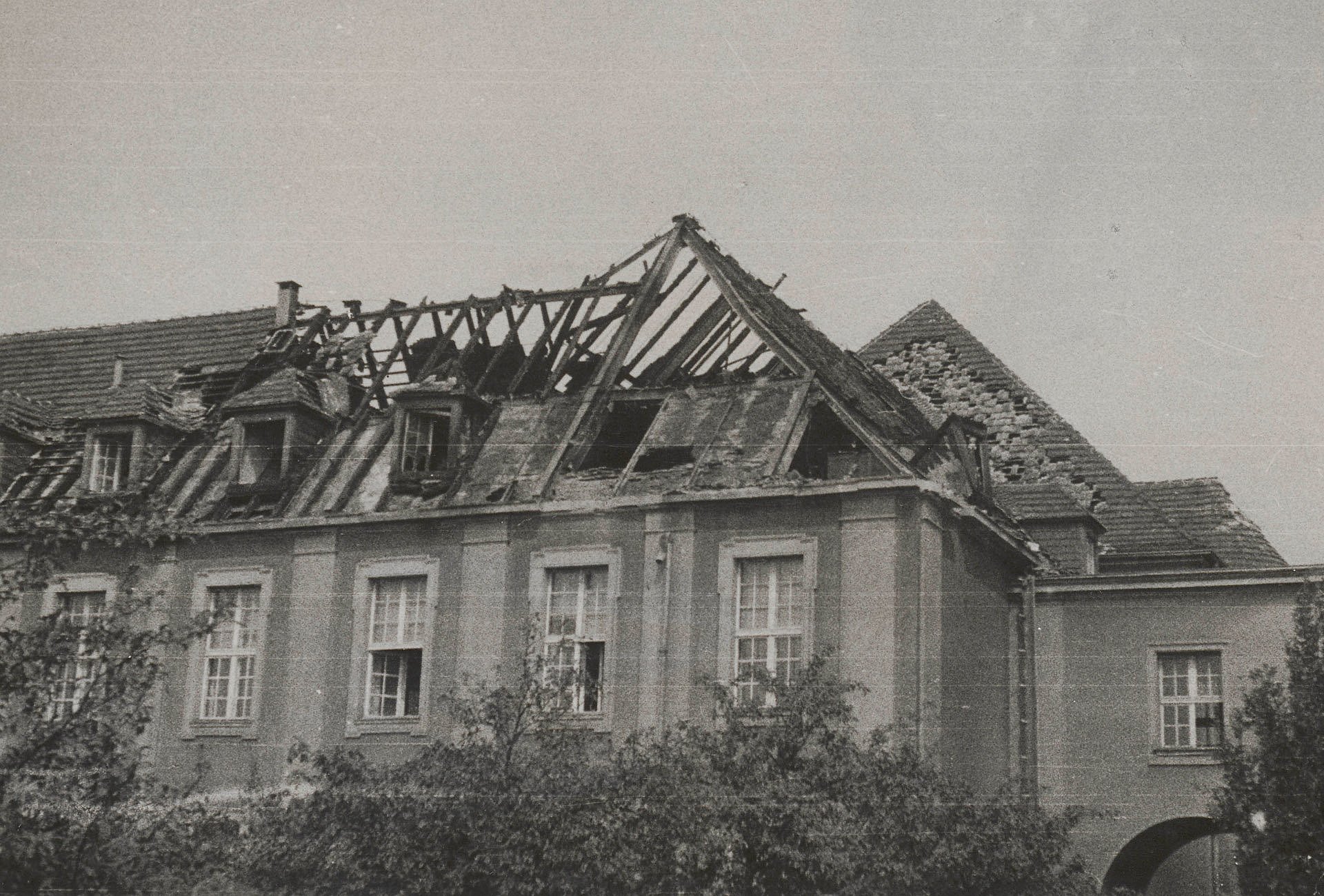
The exhibition also clearly illustrates that things could have turned out very differently. In separate sections, it sheds light on the wartime relocations that fragmented the archive’s holdings. Even shortly after reunification, two-thirds of the current holdings were stored in Merseburg, East Germany. Their return in 1993 and 1994—this reunification of Prussian memory—cannot be overestimated in its significance for the Secret State Archive, but also for historical research.
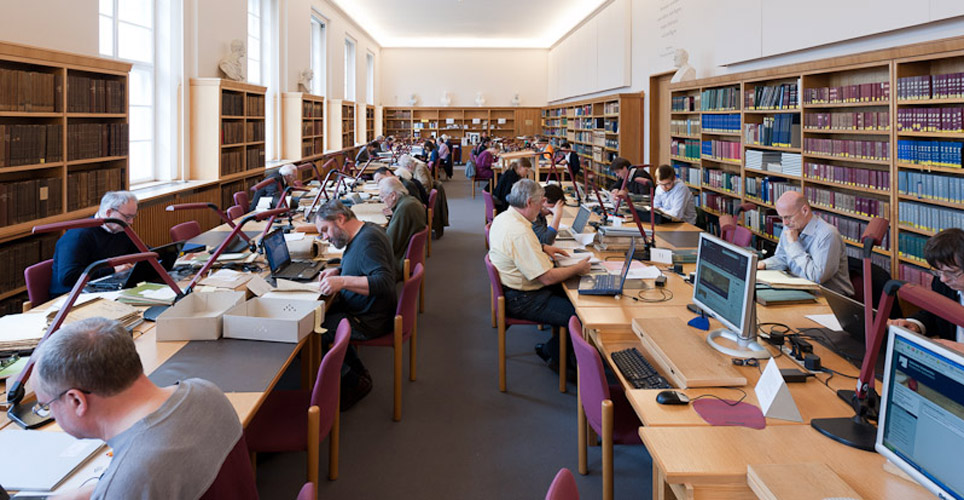
“When the first repatriated files were made available for use, there was a real rush on the building. We were always fully booked, because naturally many people from West Germany could hardly conduct research using the holdings previously stored in Merseburg,” recalls Constanze Krause, who is not only an archivist and curator of the anniversary exhibition, but also a contemporary witness. “In Merseburg, a user permit had to be obtained through the GDR’s state archive administration. With the repatriation, everyone rushed to Berlin to visit us at the Secret State Archive. Sometimes people would sit down in the foyer and wait for someone to come out of the reading room so a seat would become available.”
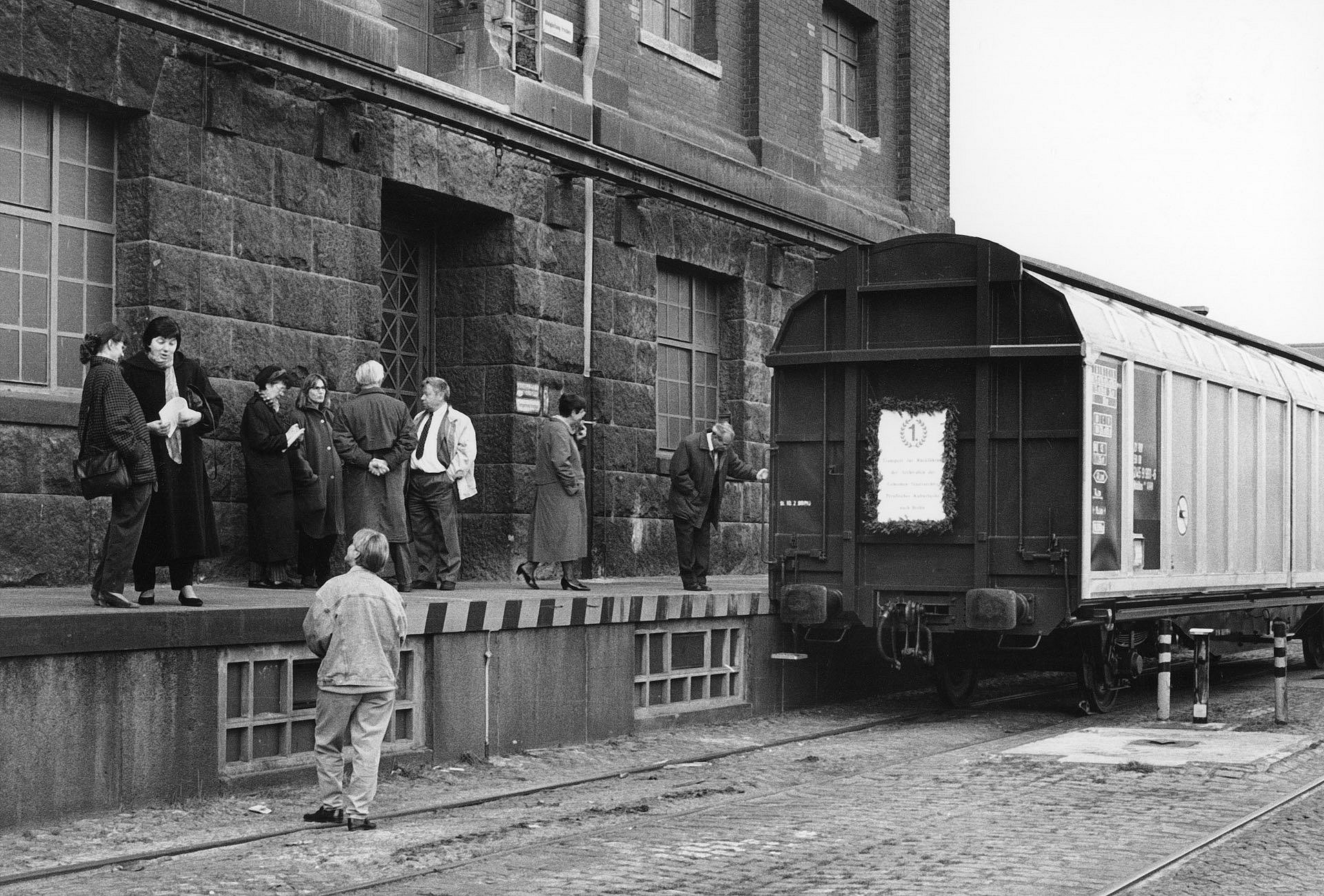
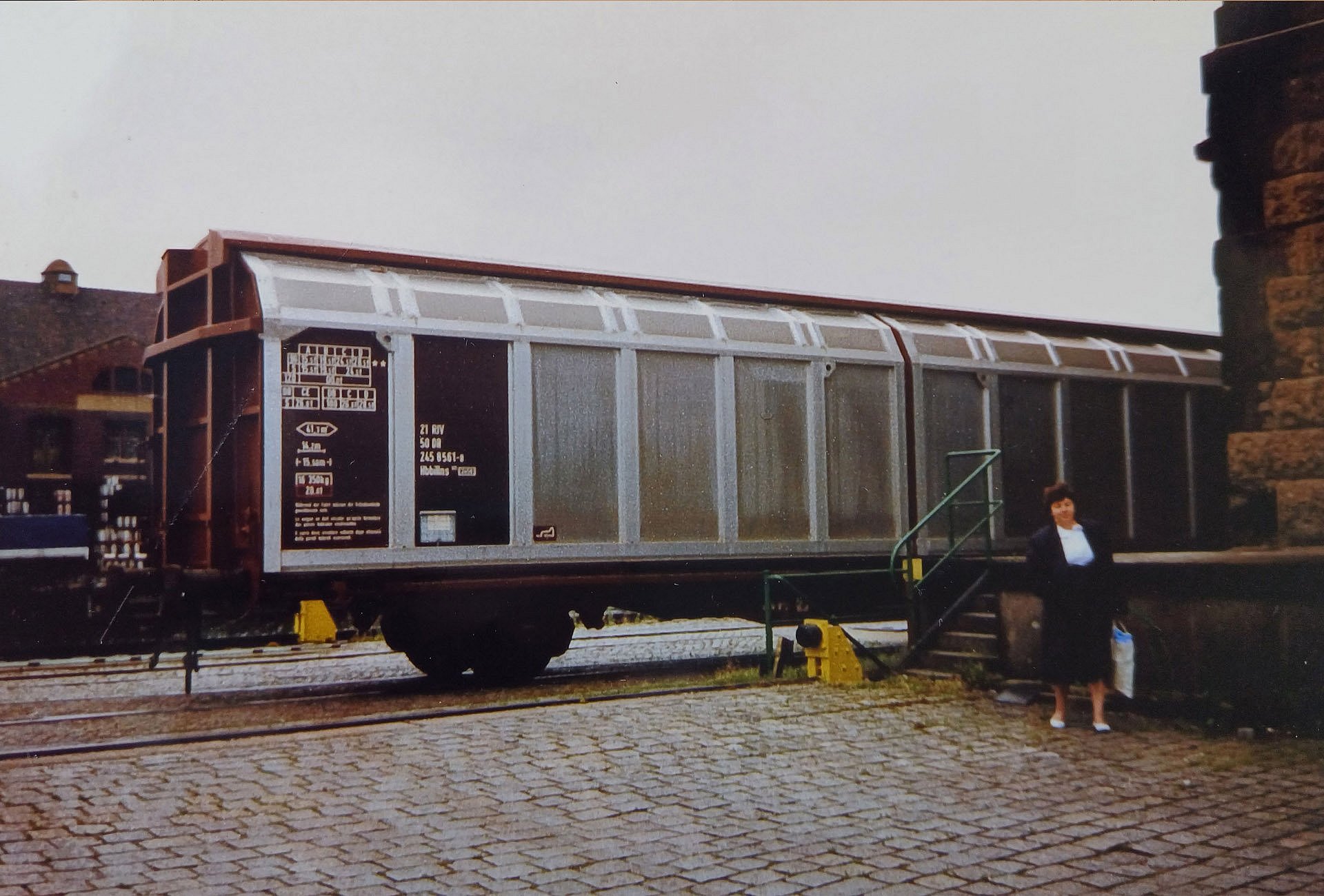
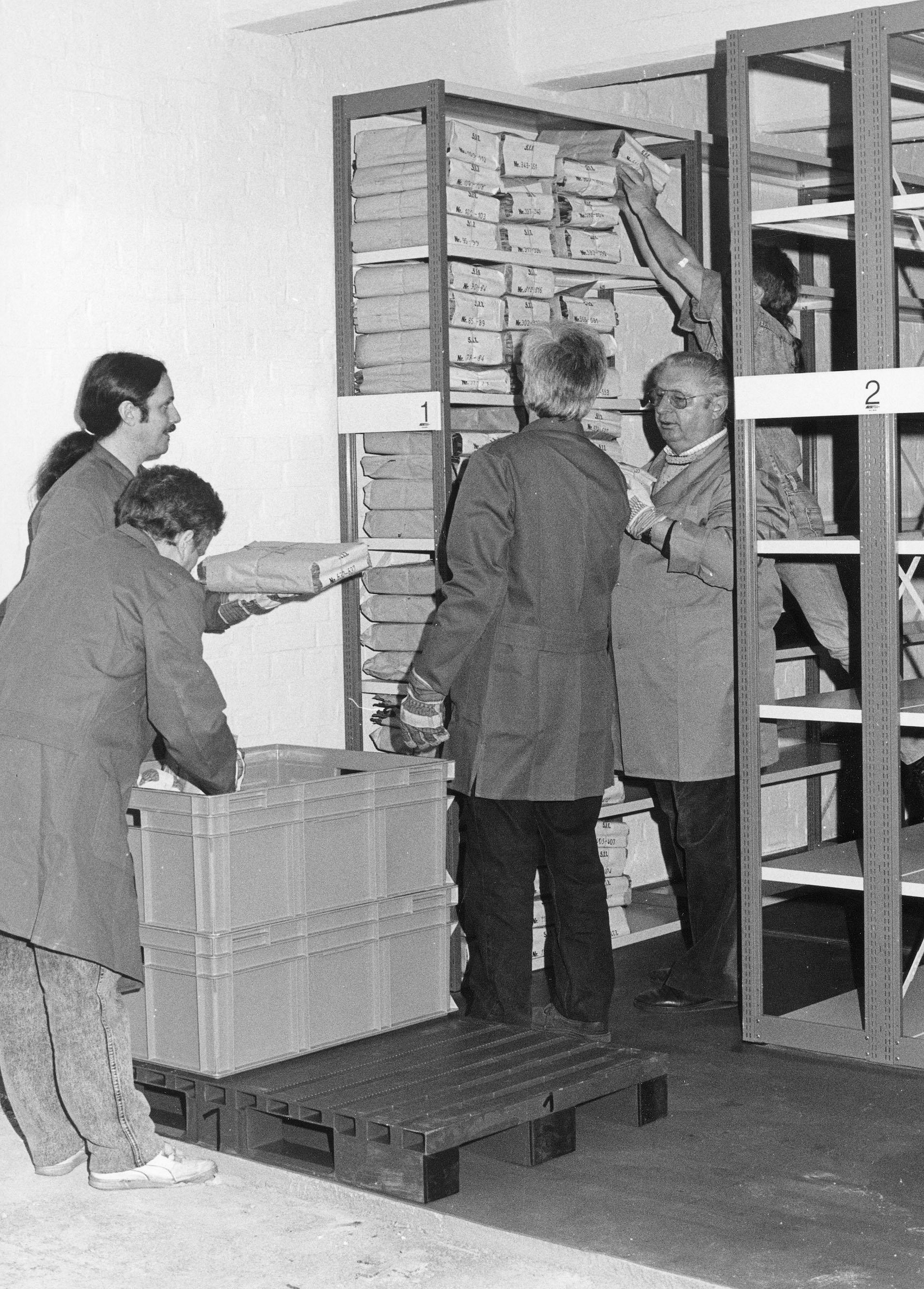
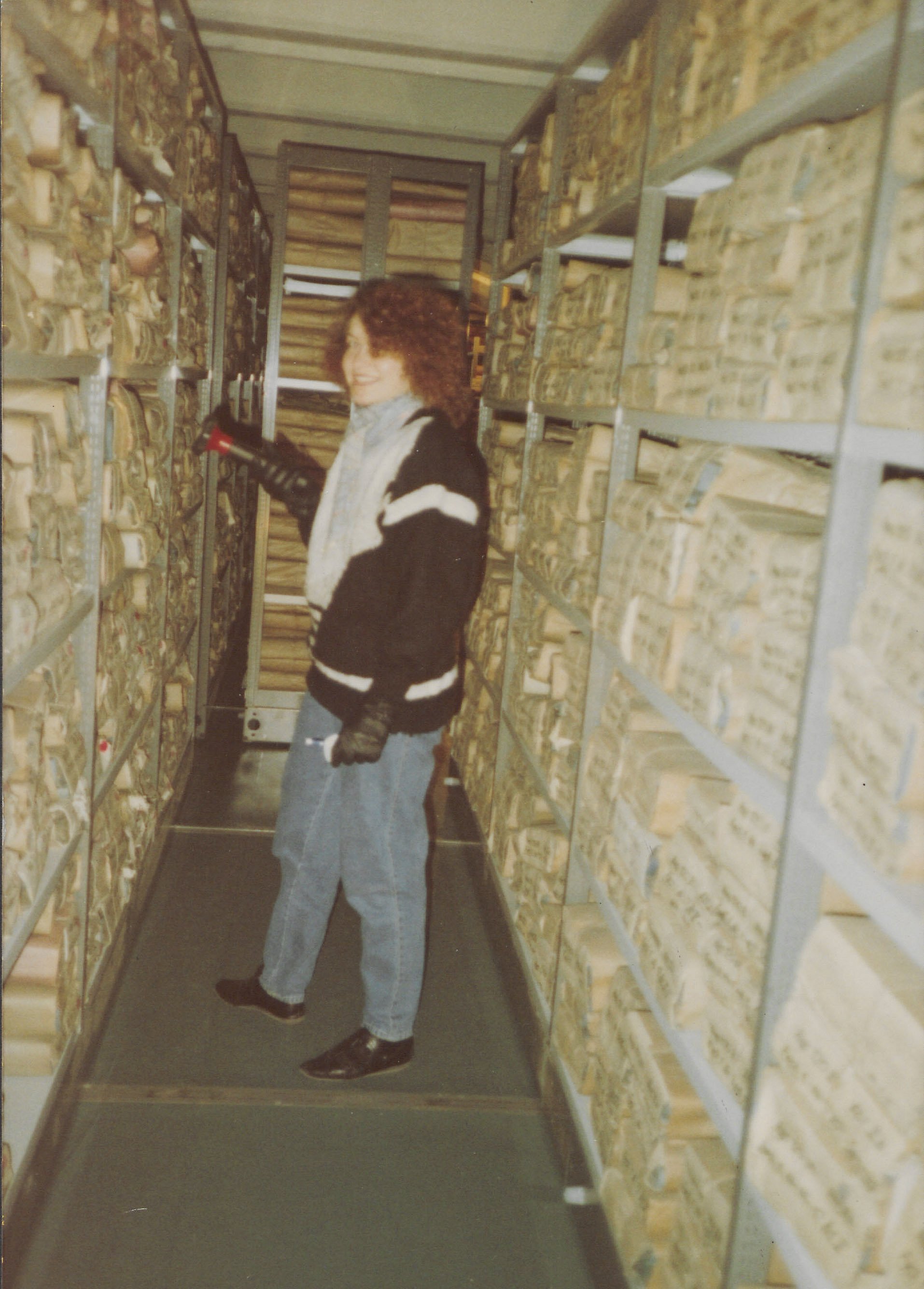
When Constanze Krause talks about this period, the special significance of that time—not only for the public but also for the archive’s staff—quickly becomes clear. She herself learnt the craft of archiving in Merseburg as an archive assistant. Whilst working with the files, which she still handles almost daily, she learnt how to store records, the basic rules of cataloguing, how to relocate archival materials and how to carry out stock reviews. This was followed by several years of study at a university of applied sciences in Potsdam, then a return to Merseburg.
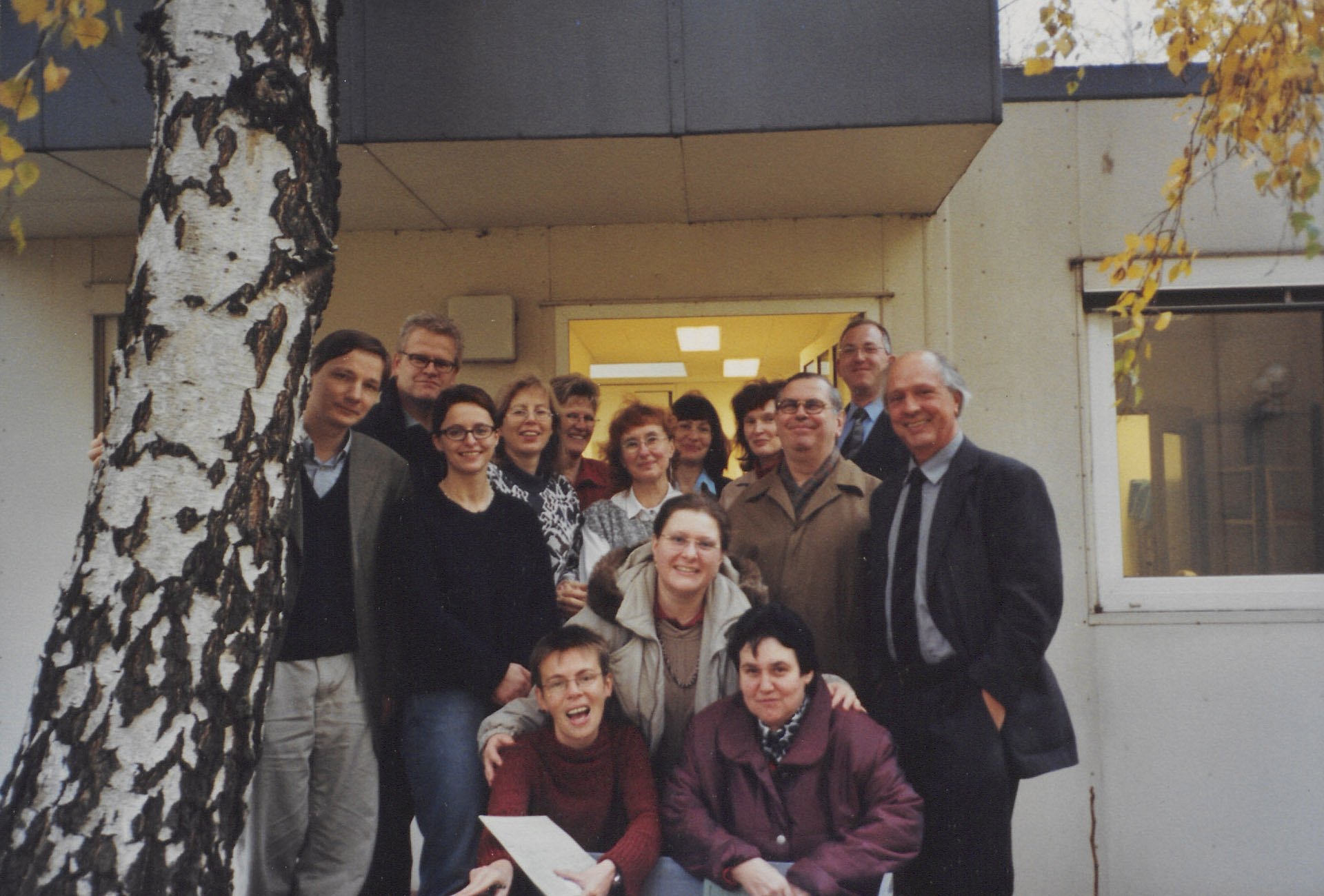
When it became clear that the collections were to be consolidated in Dahlem, this meant a crossroads for many. Do I want to stay in Merseburg? Or go to Berlin? Constanze Krause decided to make the move to the capital. She was the first of 16 colleagues to set off for Dahlem. Today, among the nearly three dozen archivists working alongside her, there is only one other former Merseburg resident at the GStA PK. Next year, Constanze Krause will be the last.
For her, this is an incentive. It is clear that working in the archive is her dream job, and conveying her enthusiasm for it is her particular passion. She regularly guides interested visitors through the building and introduces students and school pupils to the secrets of working with historical sources during lectures. For the anniversary year, she wants to expand the range of activities on offer – and share a few more insider details about the ‘secrets’.
Events to mark the 100th anniversary
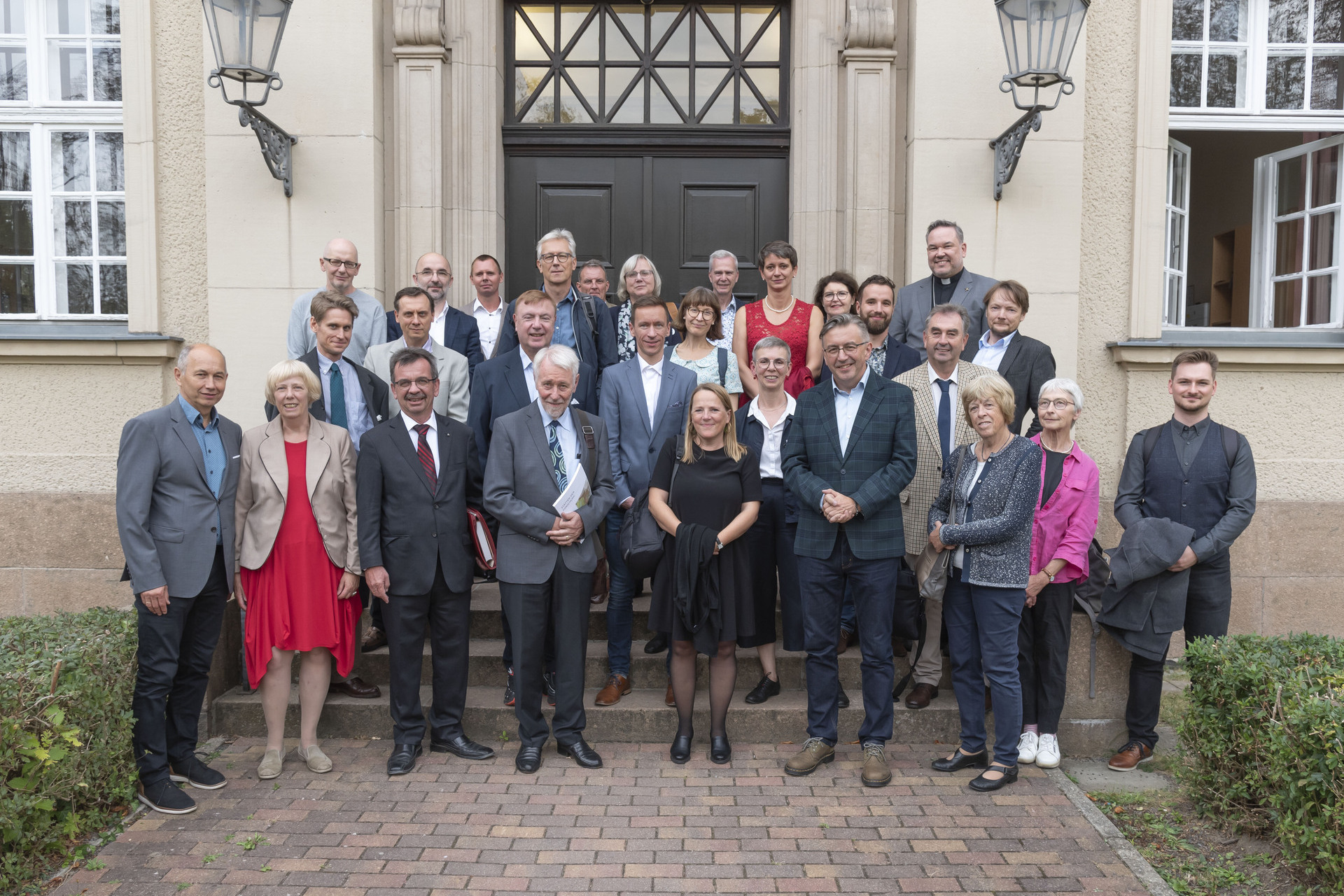
The GStA’s 100th anniversary will be celebrated in style, and not just through the exhibition “Even Secret Archives Long for Light”:
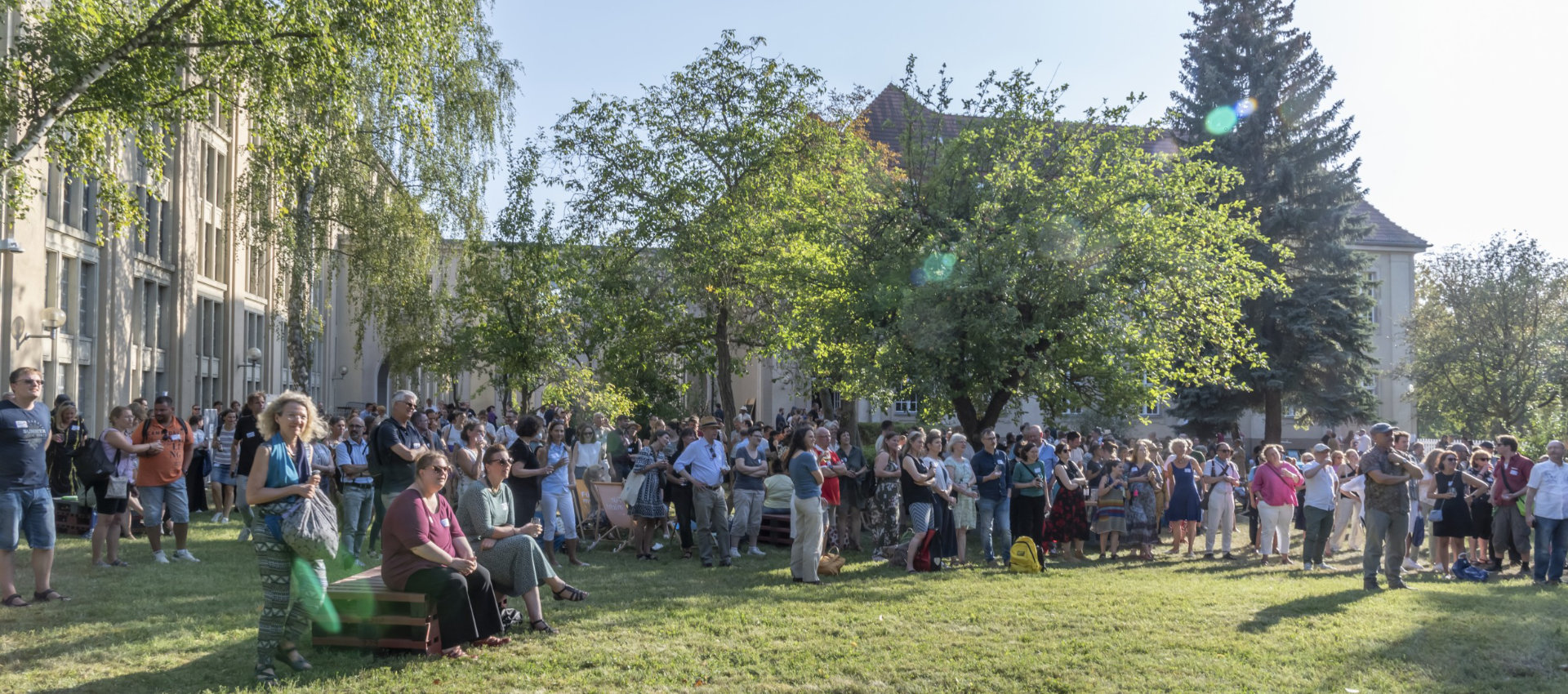
alongside a celebration for former and current staff, a public ceremony is planned for the summer.
The archive’s online offerings will be enhanced with a dedicated dossier section on the website. Guided tours of the archive and the new special exhibition
, which also opens on 26 March, are scheduled for every second Wednesday of the month.