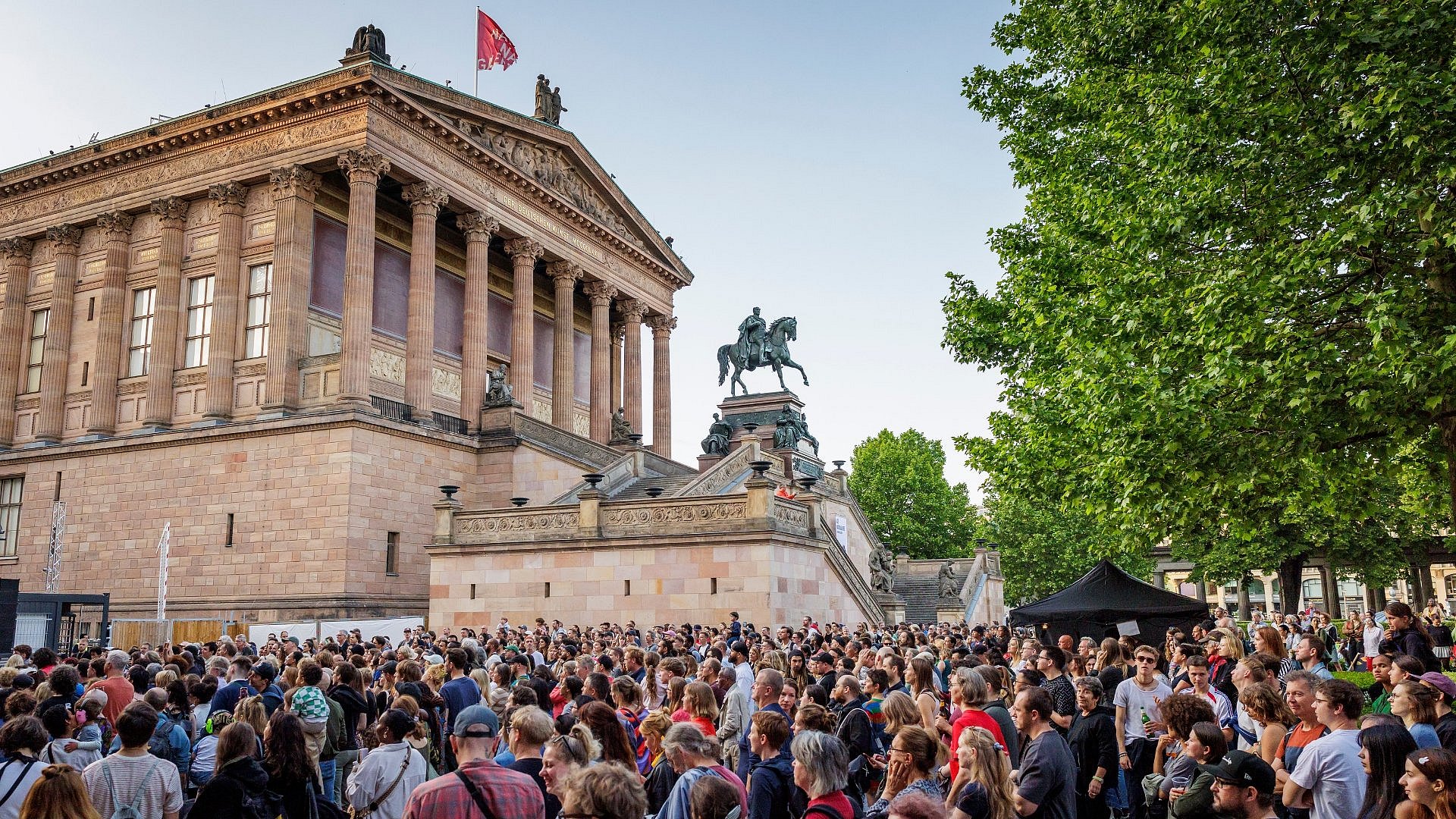
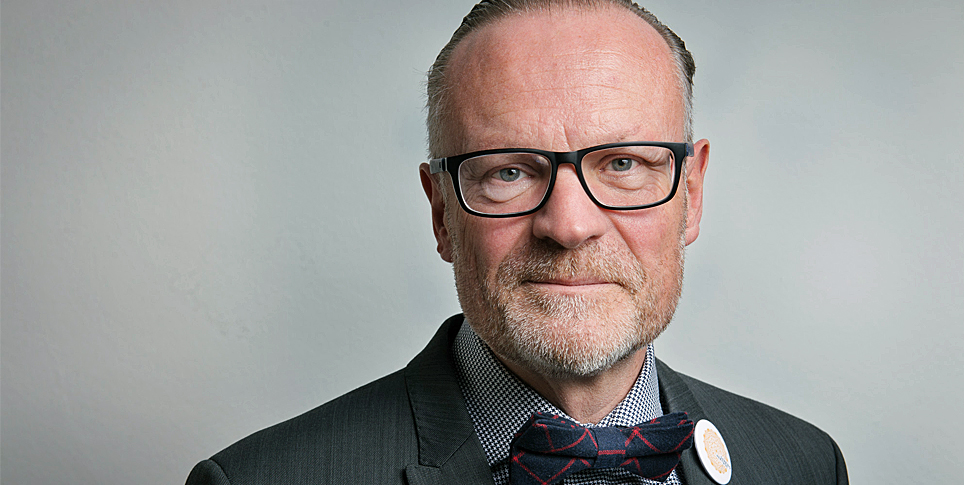
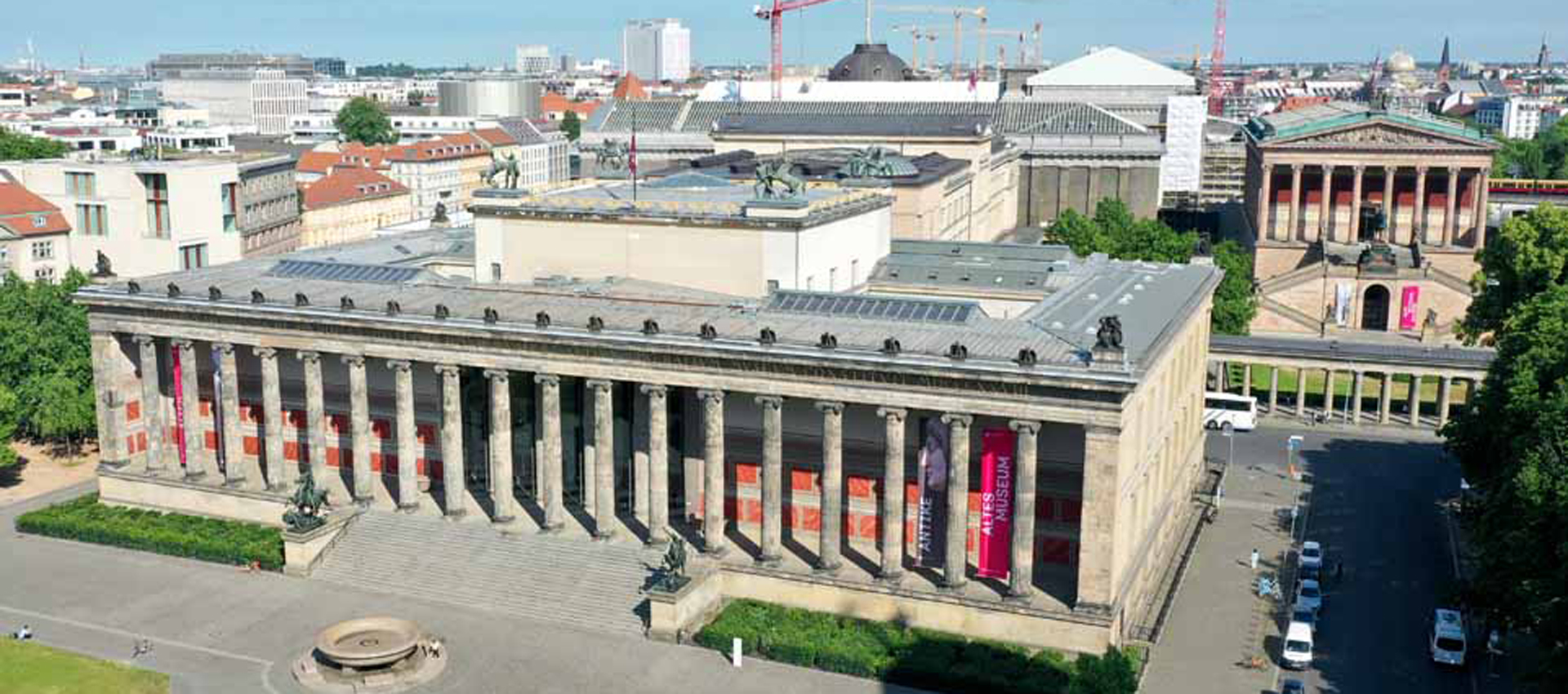
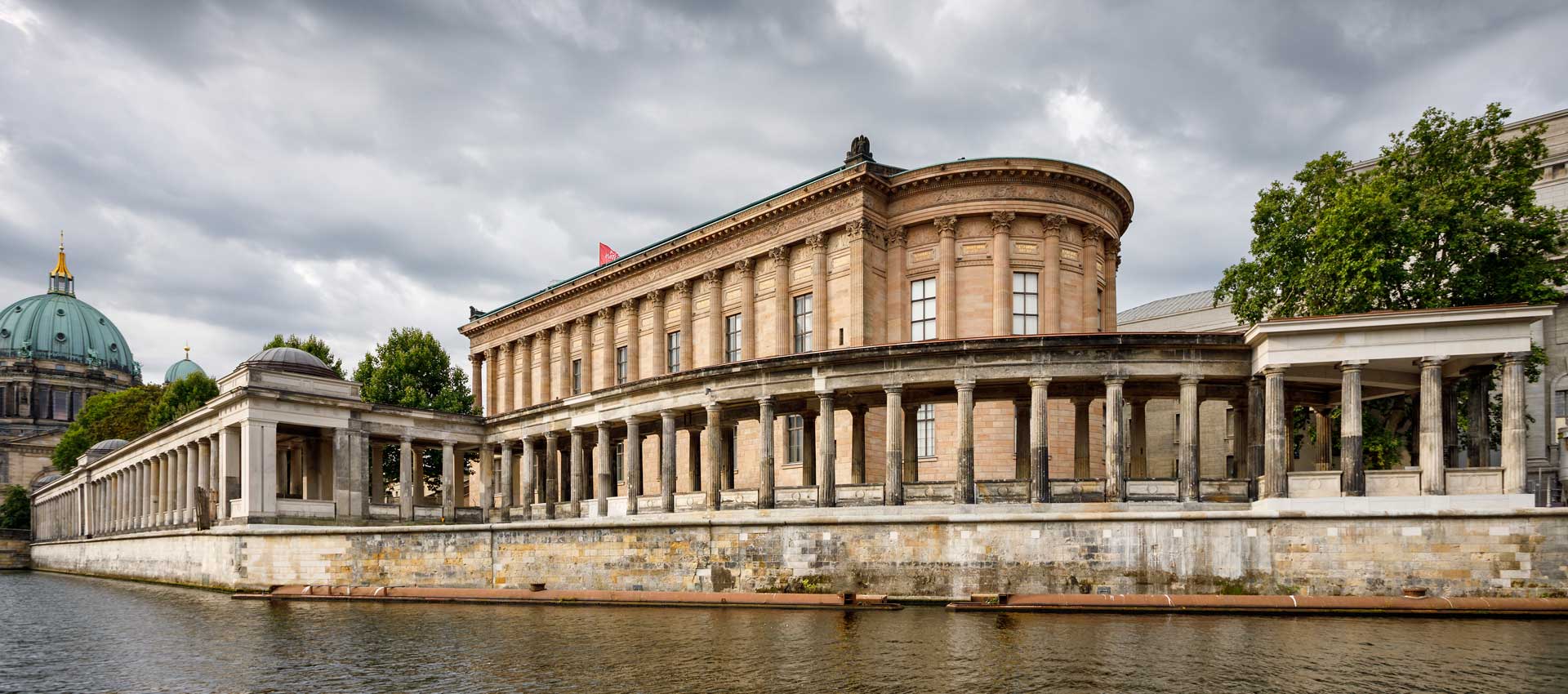
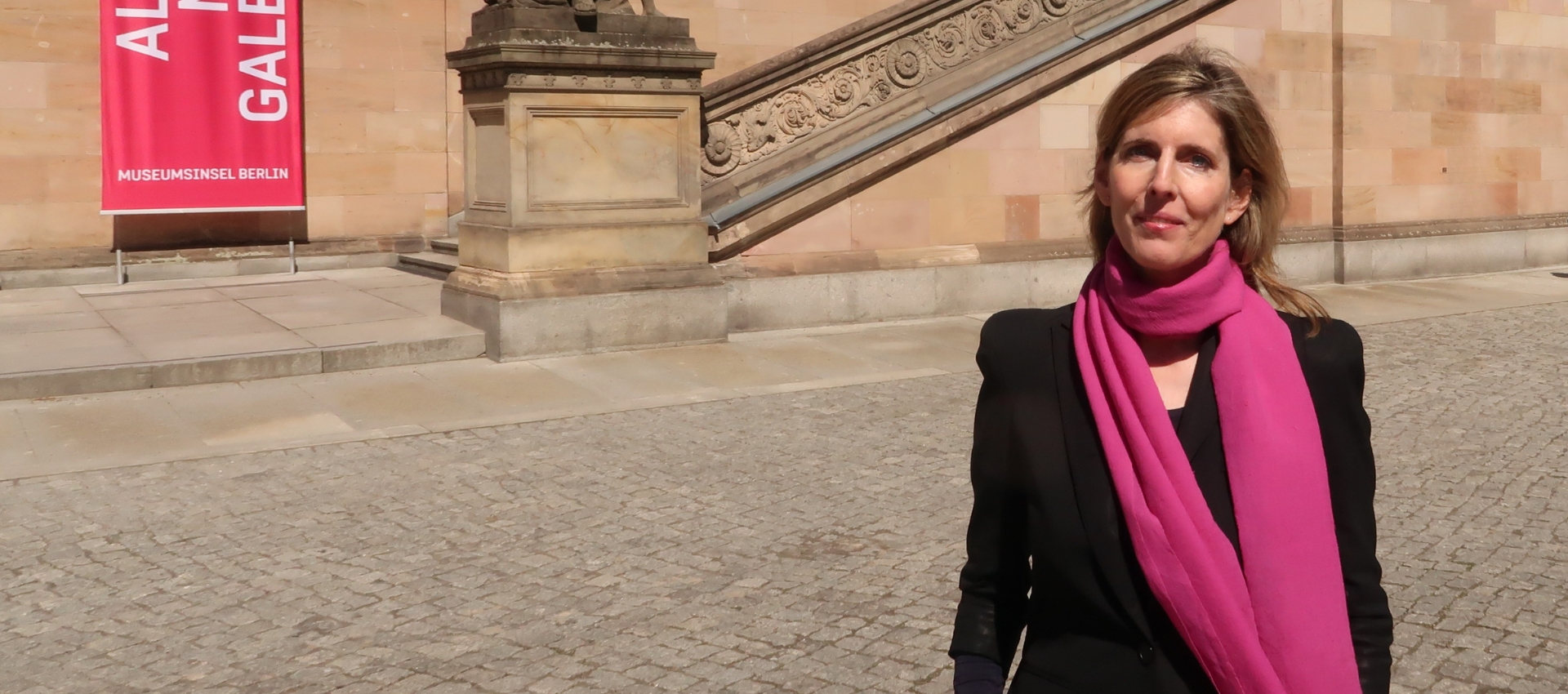
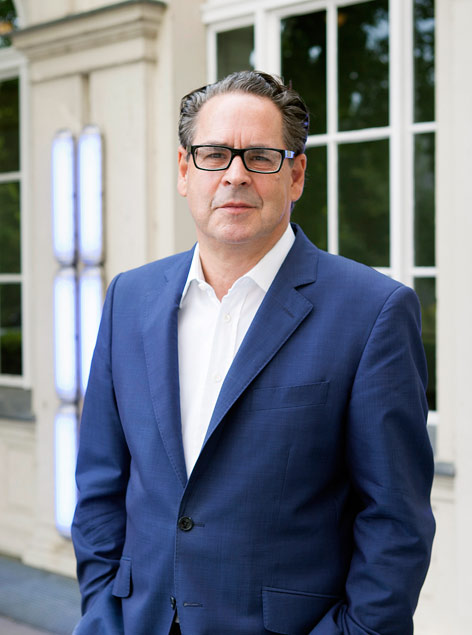
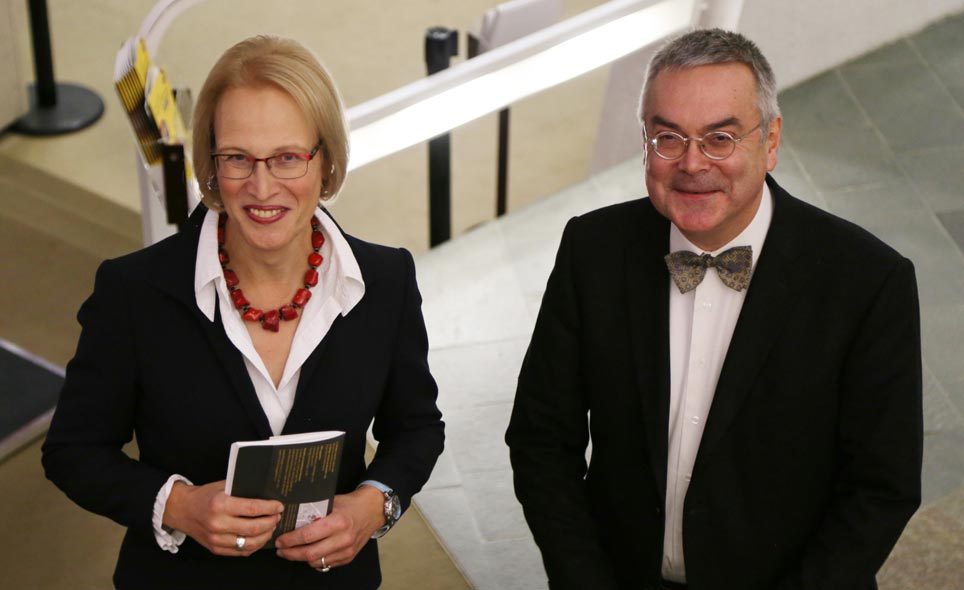
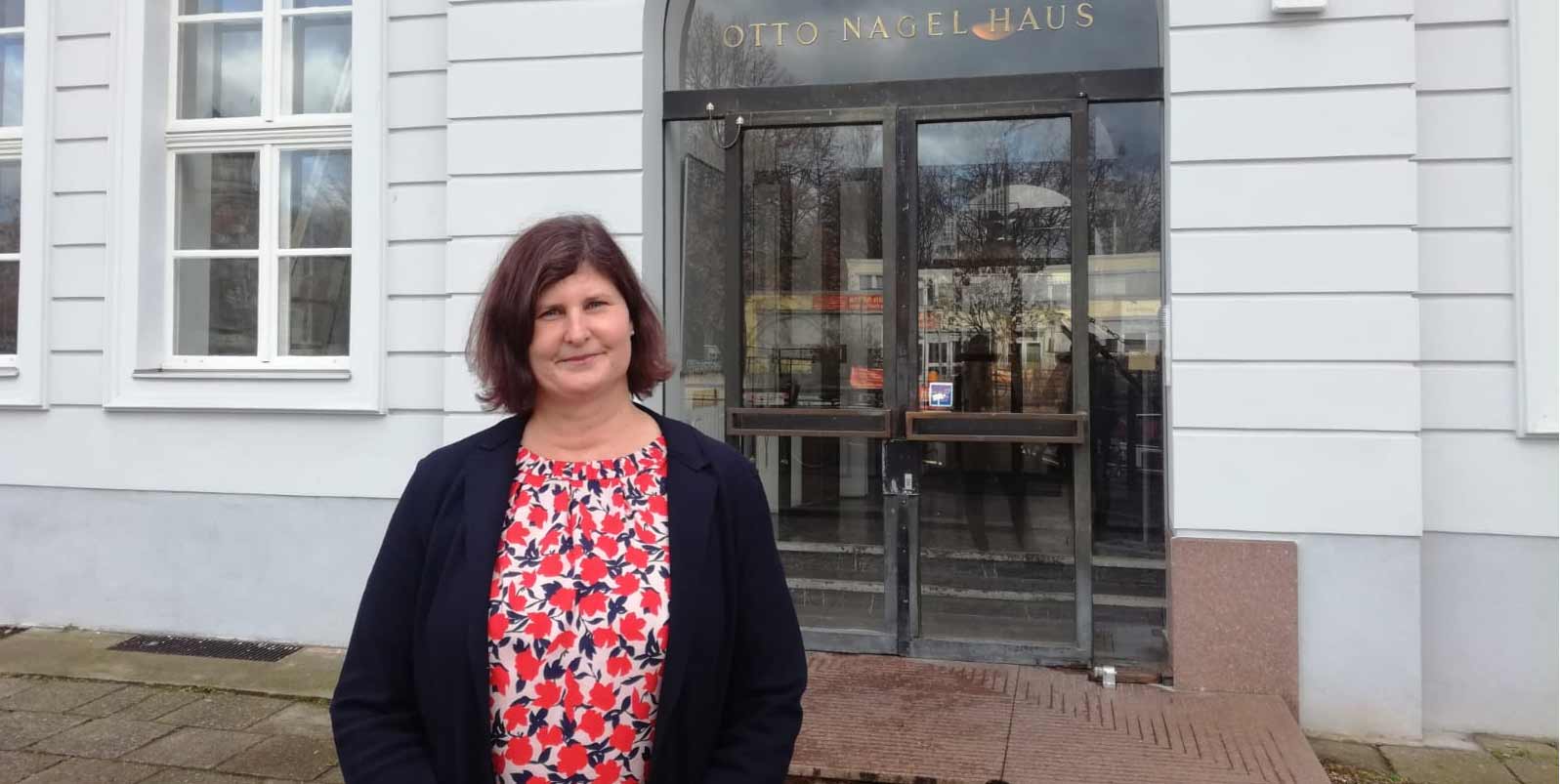
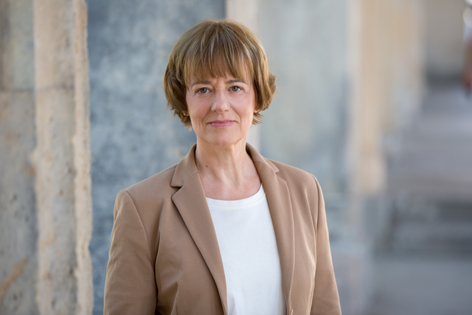
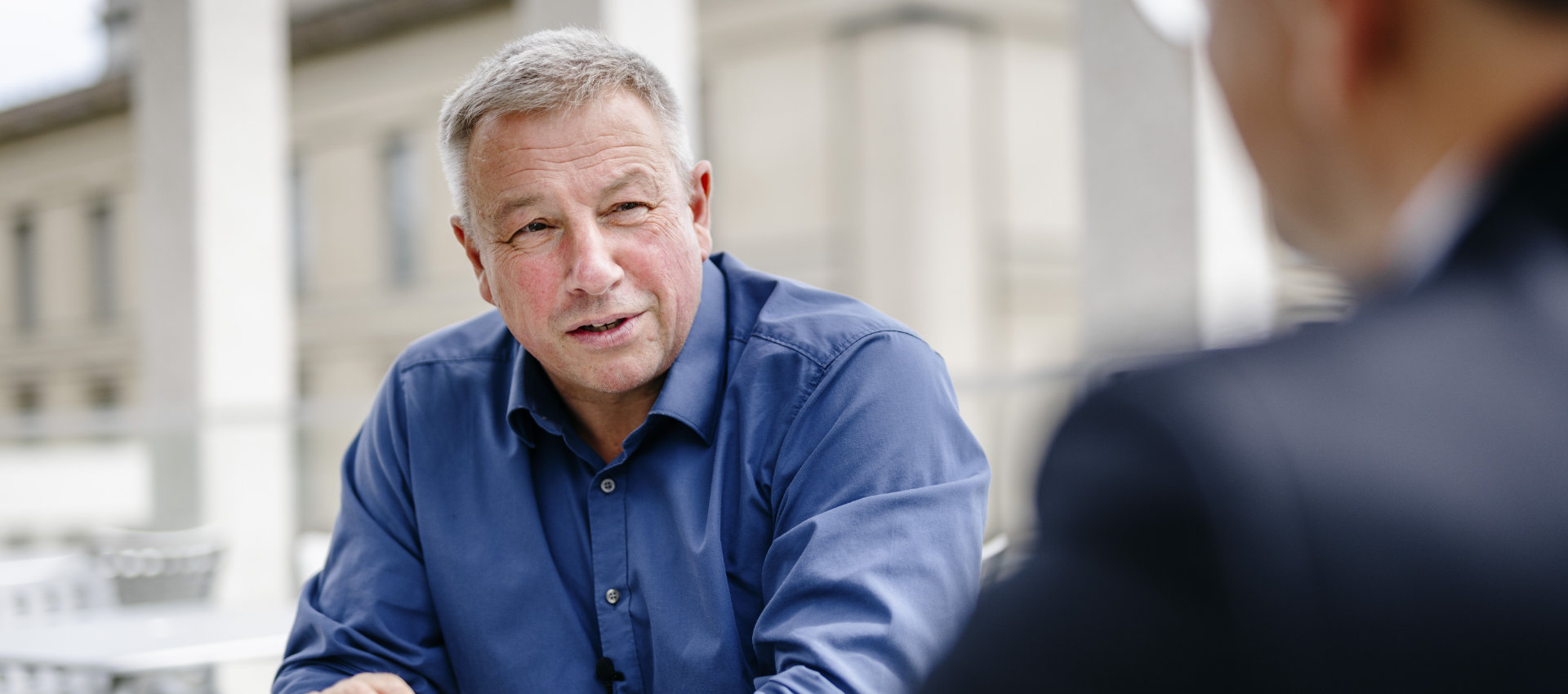
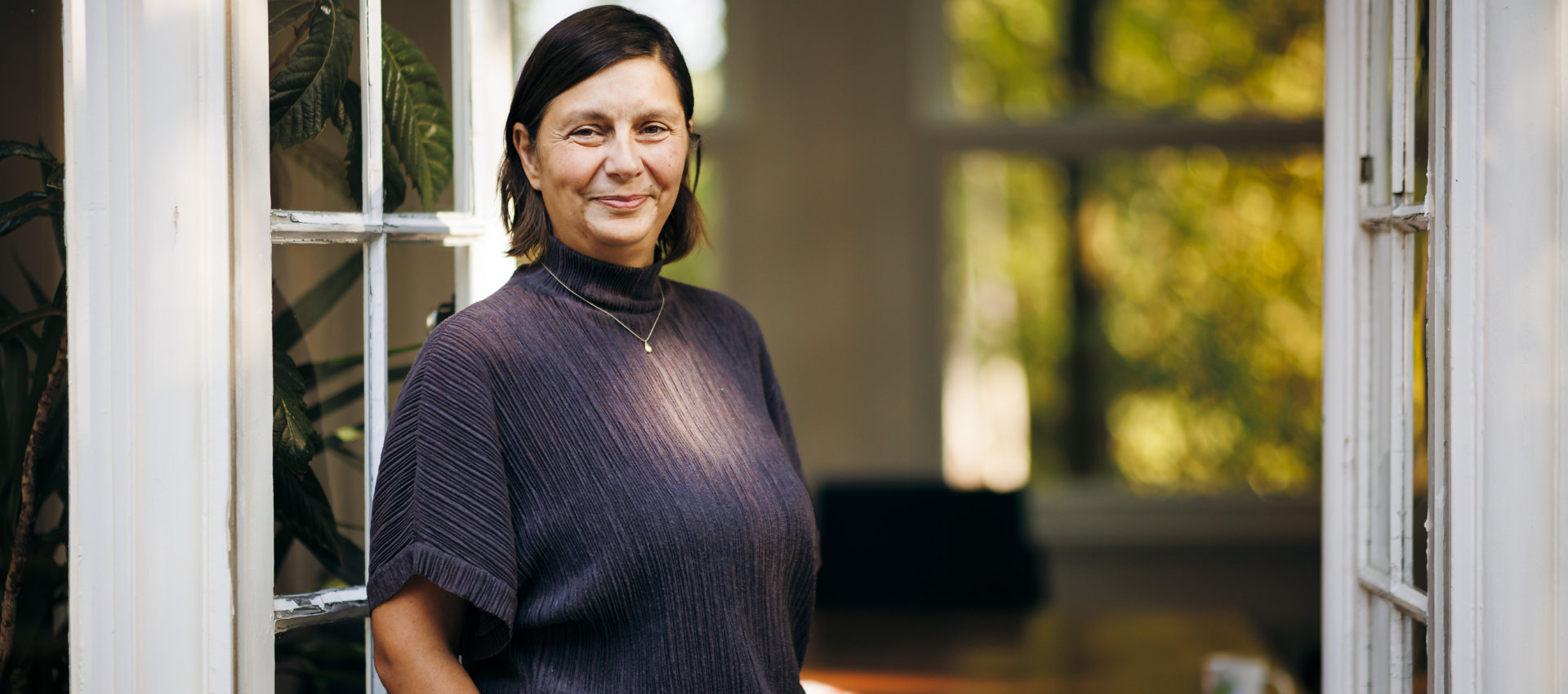
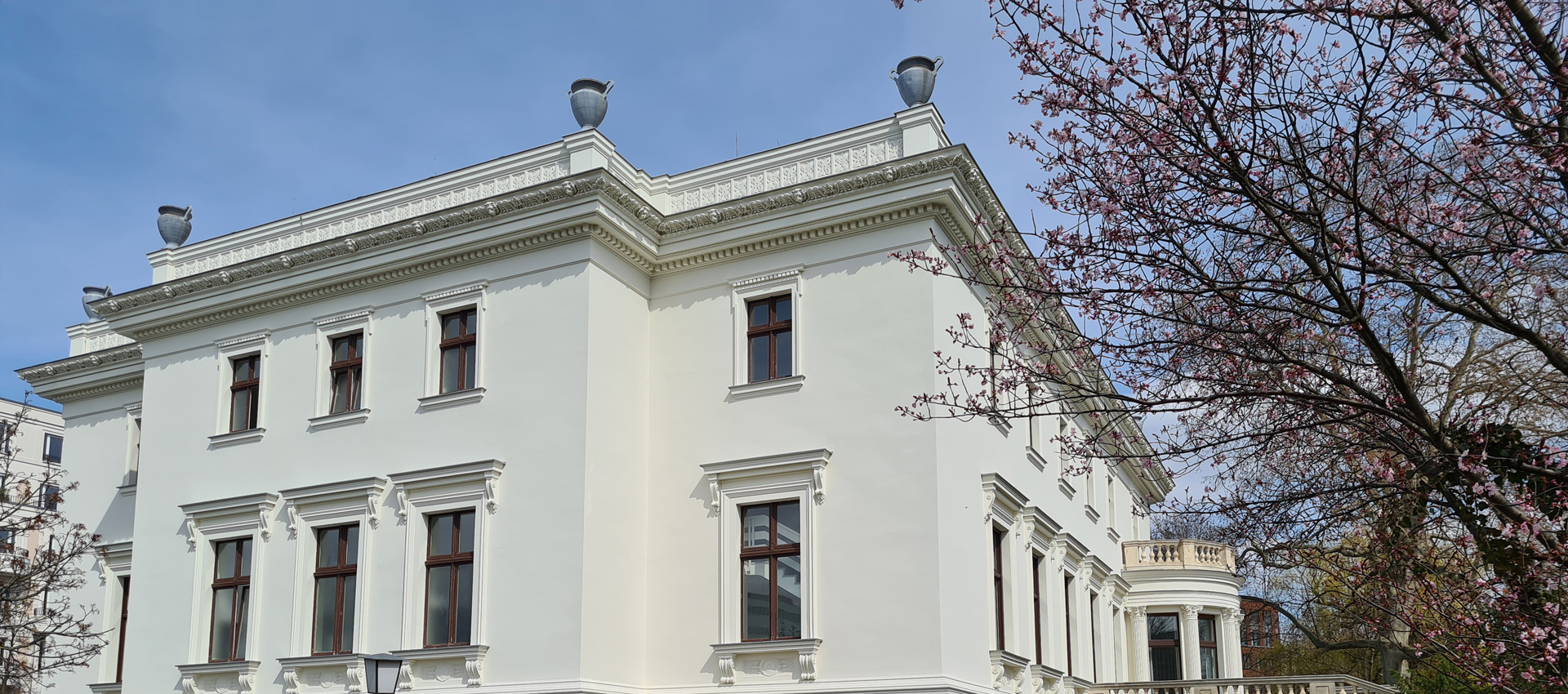
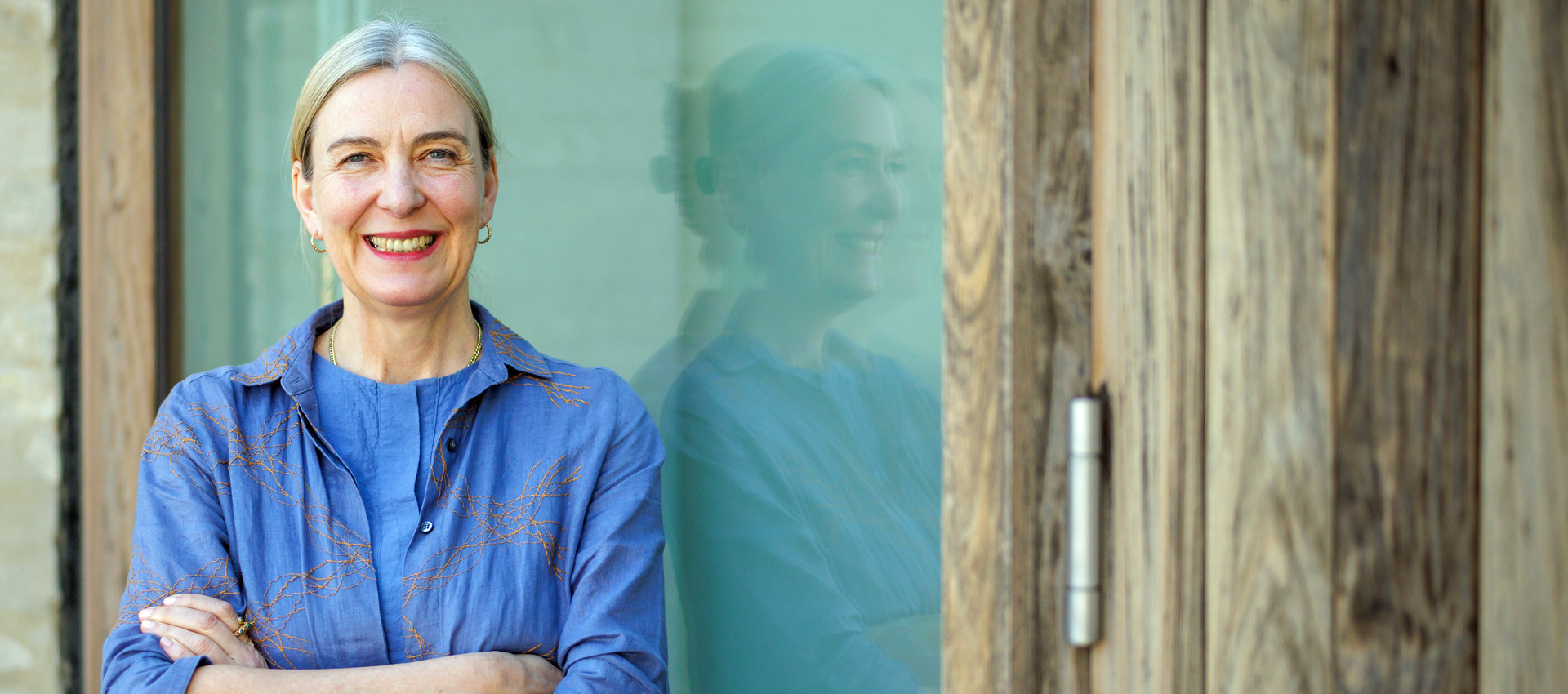
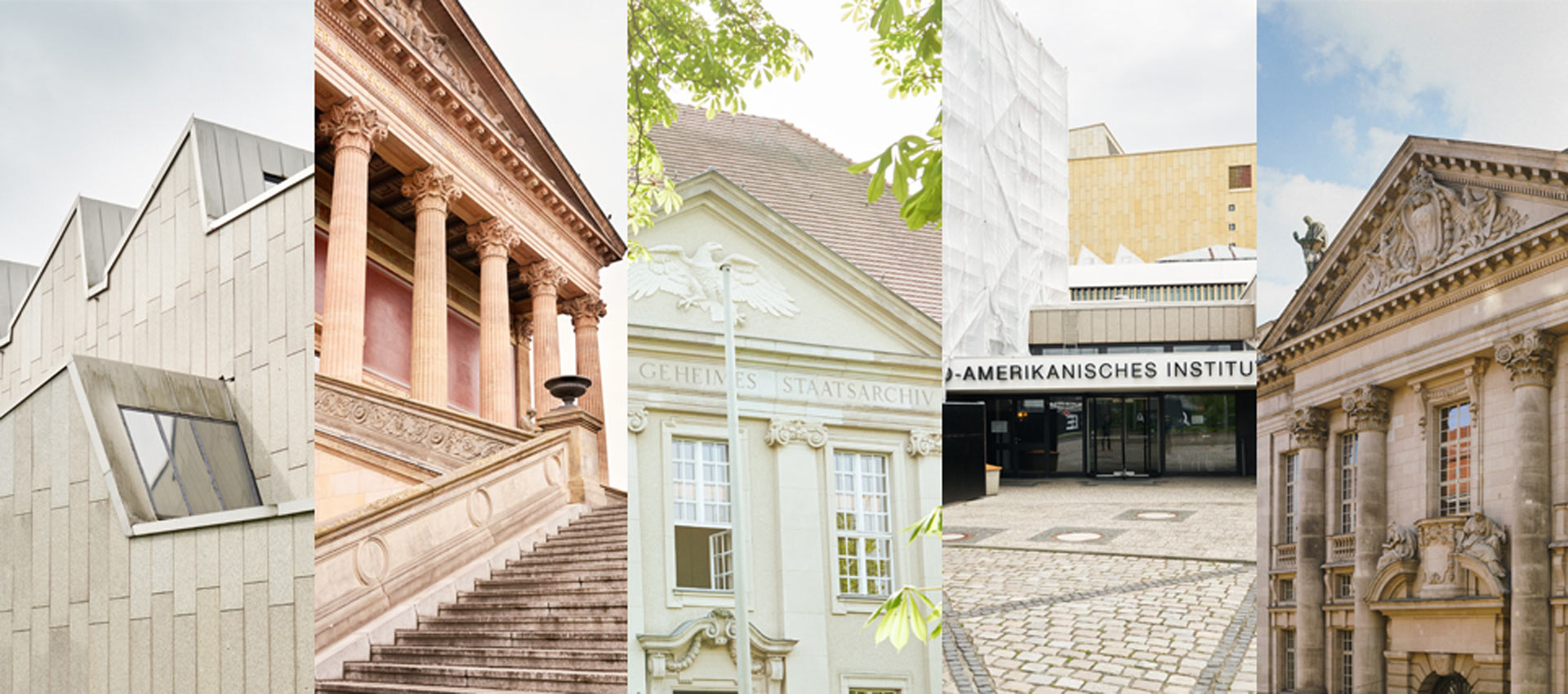
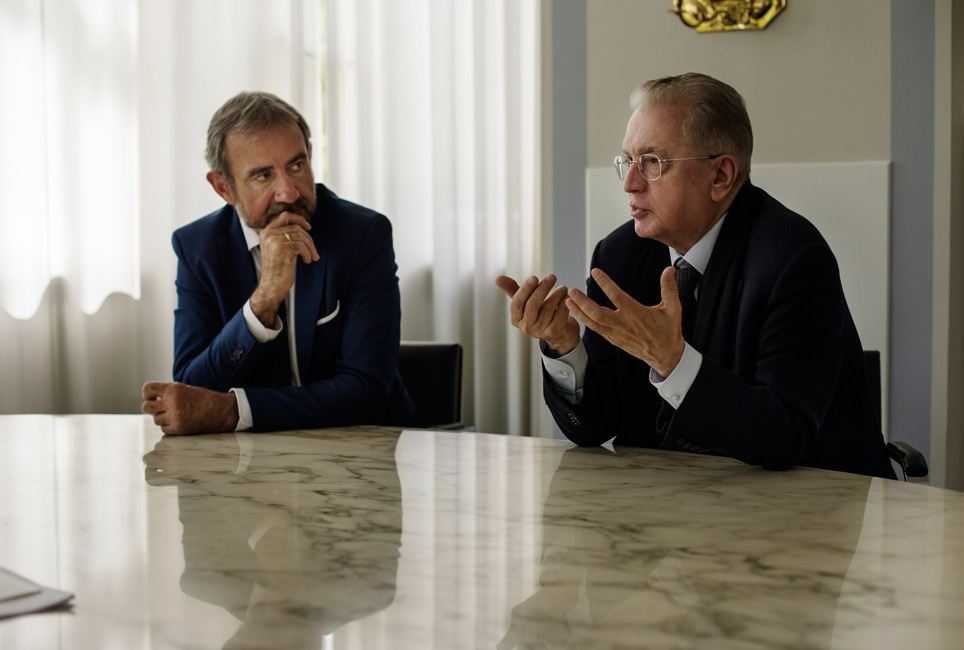
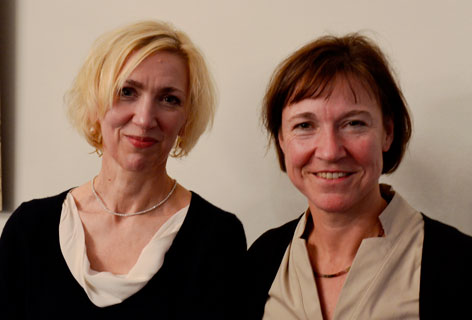
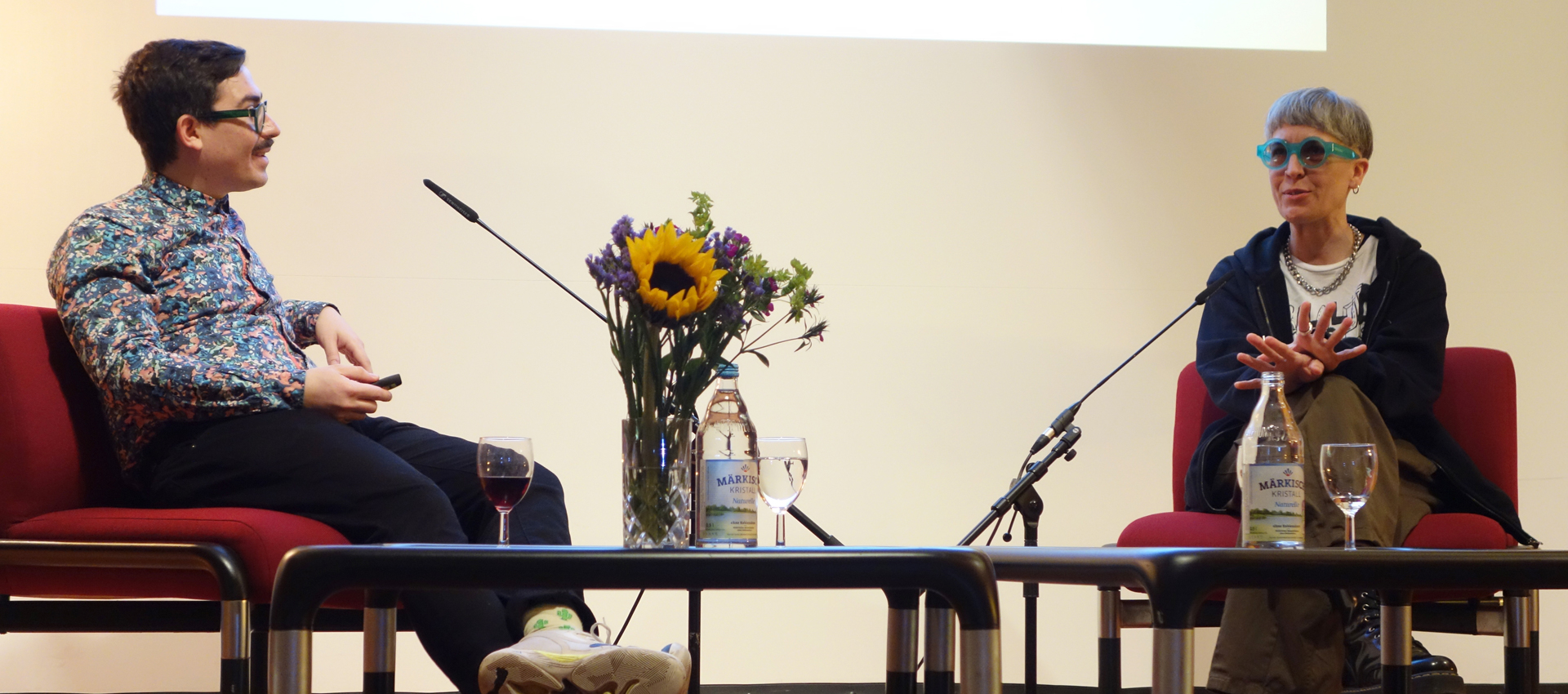
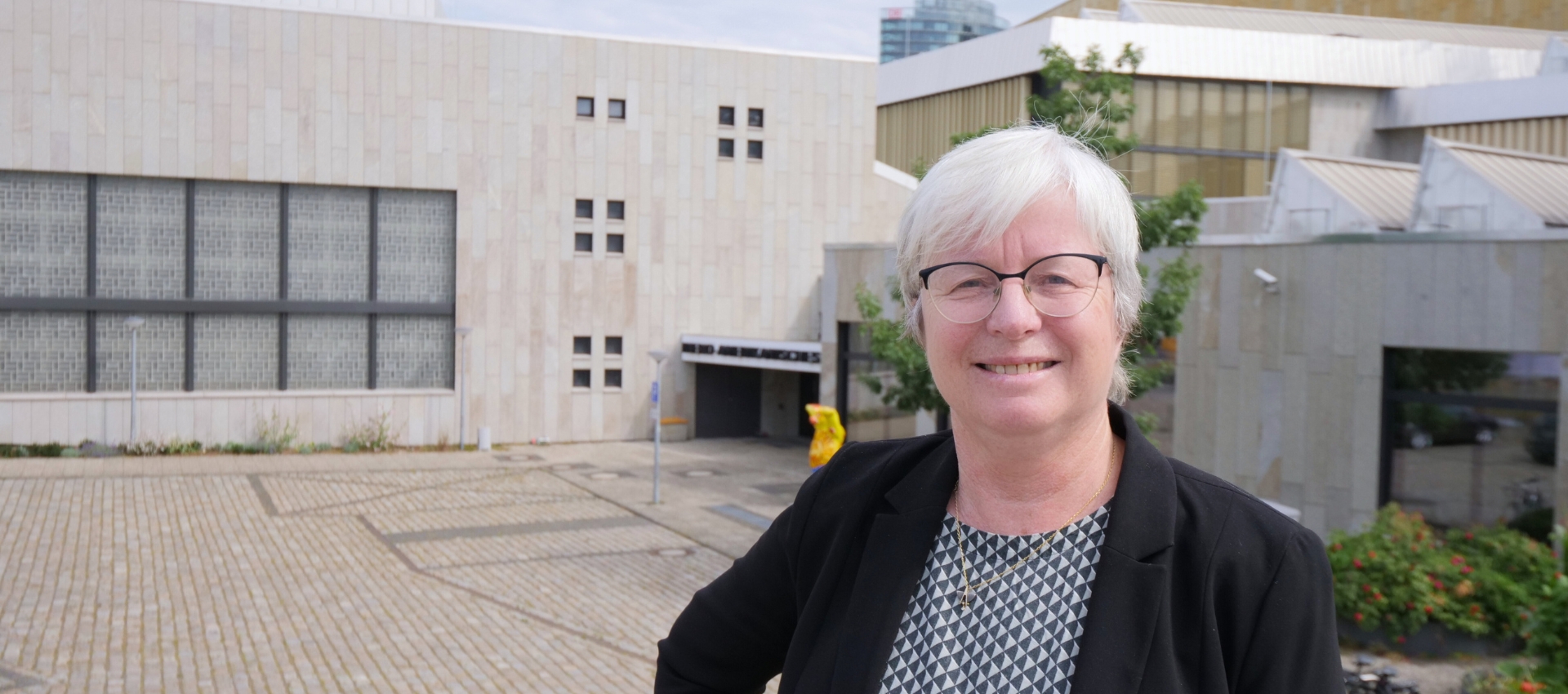
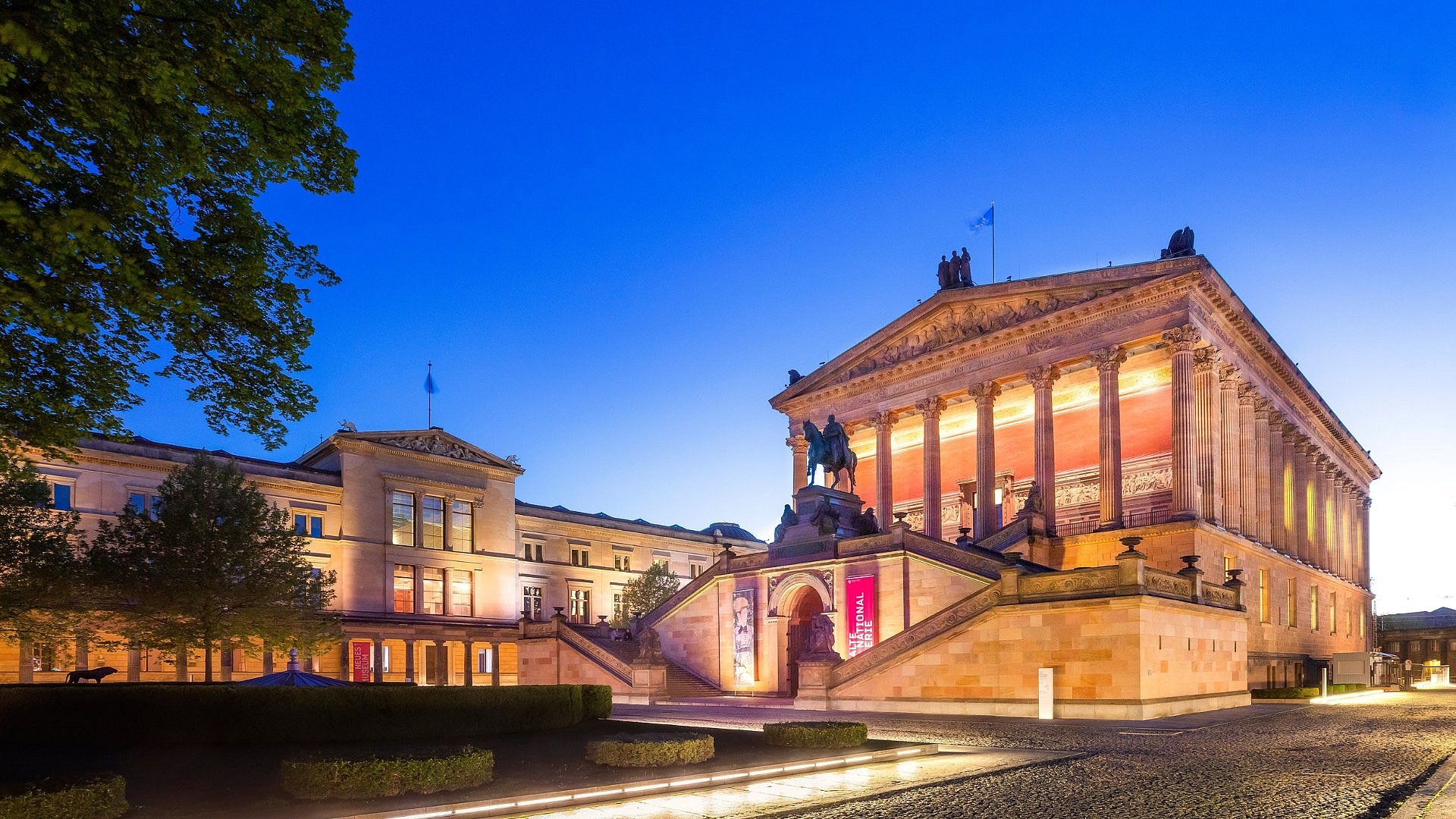
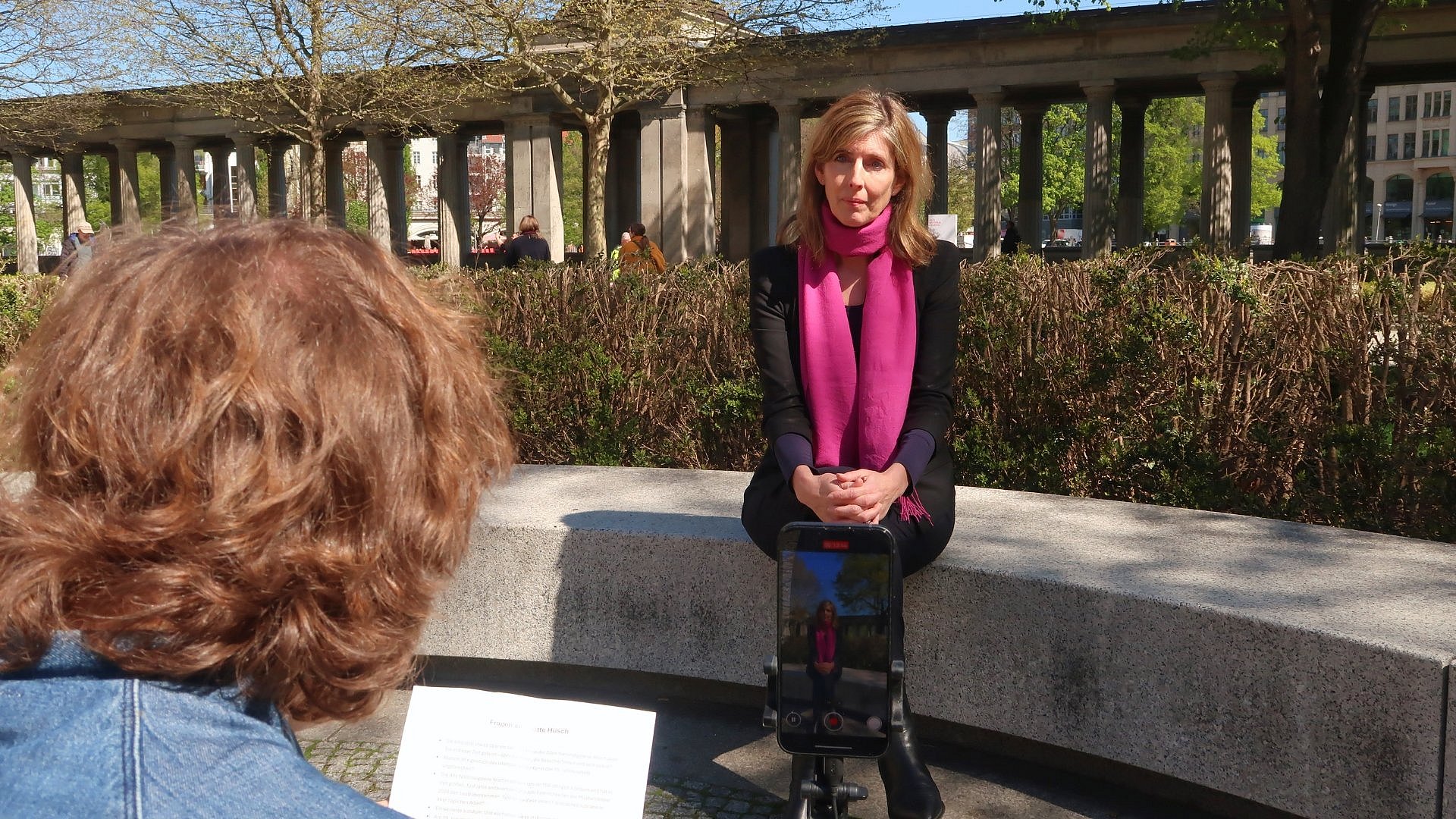
In 2026, we will once again be interviewing key figures from the SPK at the foundation’s most beautiful locations to discuss the current state of affairs. This year, we begin with Anette Hüsch, Director of the Alte Nationalgalerie. We meet her on a sunny day right in front of the Nationalgalerie’s main building in the Kolonnadenhof: a home game, so to speak. We’ll be discussing the year’s highlights, the new series at the InterNationalgalerie, and perspectives on 19th-century art.
Ms Hüsch, you have now been Director of the Alte Nationalgalerie for just over a year. What has happened during this time?
Anette Hüsch: I have learnt an incredible amount and am still learning all the time: above all through my work with the many dedicated colleagues here in the building, on Museum Island, within the Foundation, and through close collaboration with the other directors and our museum team here on the island. It is a continuous learning process in a foundation as large as the SPK. And then, of course, there is the Alte Nationalgalerie’s collection, unique in the world, with all its historical depth. Moreover, in a director’s role like this, with ever-changing challenges, you always learn a great deal about yourself as well. Anything else would be a missed opportunity! I believe we can actually learn a great deal more from our visitors. And that is what we intend to do in the future.
That’s an interesting point, because the queues of visitors outside the major exhibitions at the Alte Nationalgalerie in recent years show that interest in 19th-century art seems undiminished. Why is that?
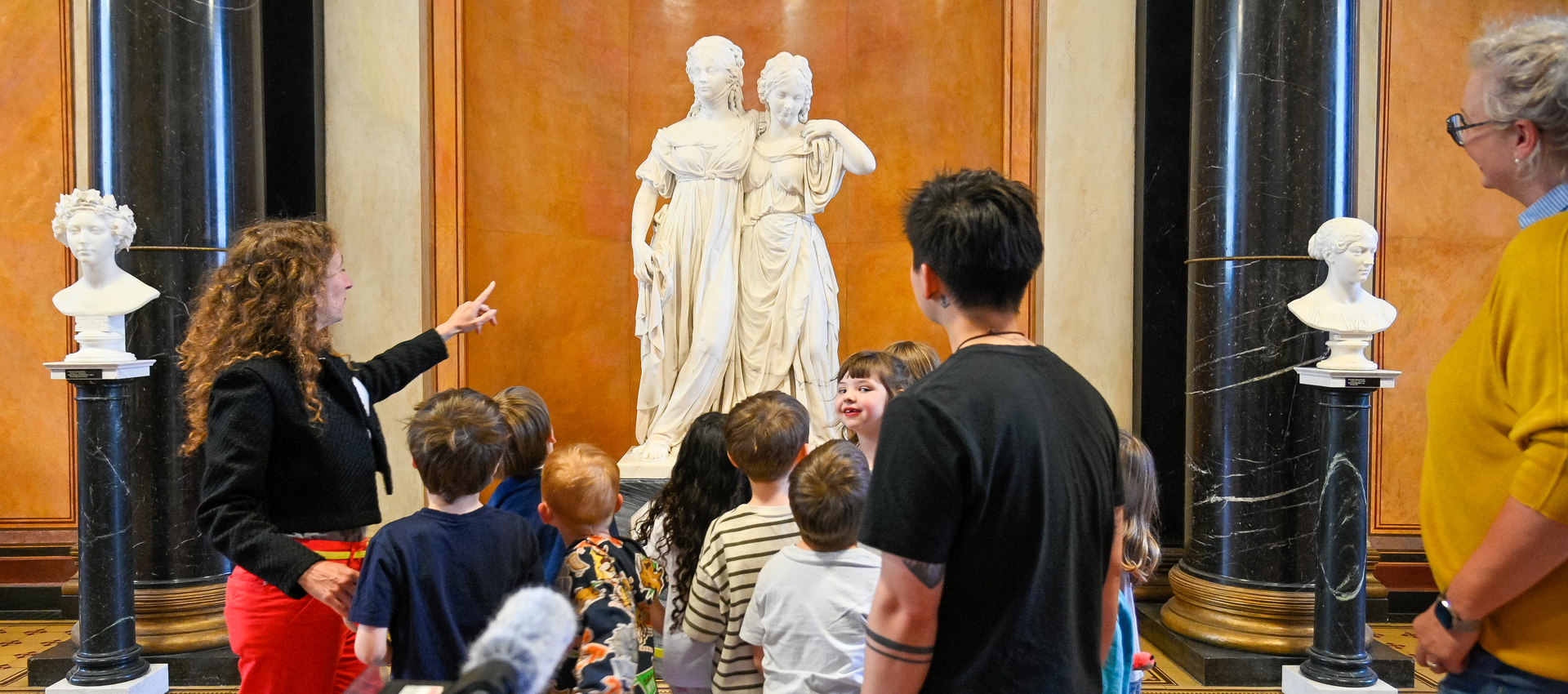
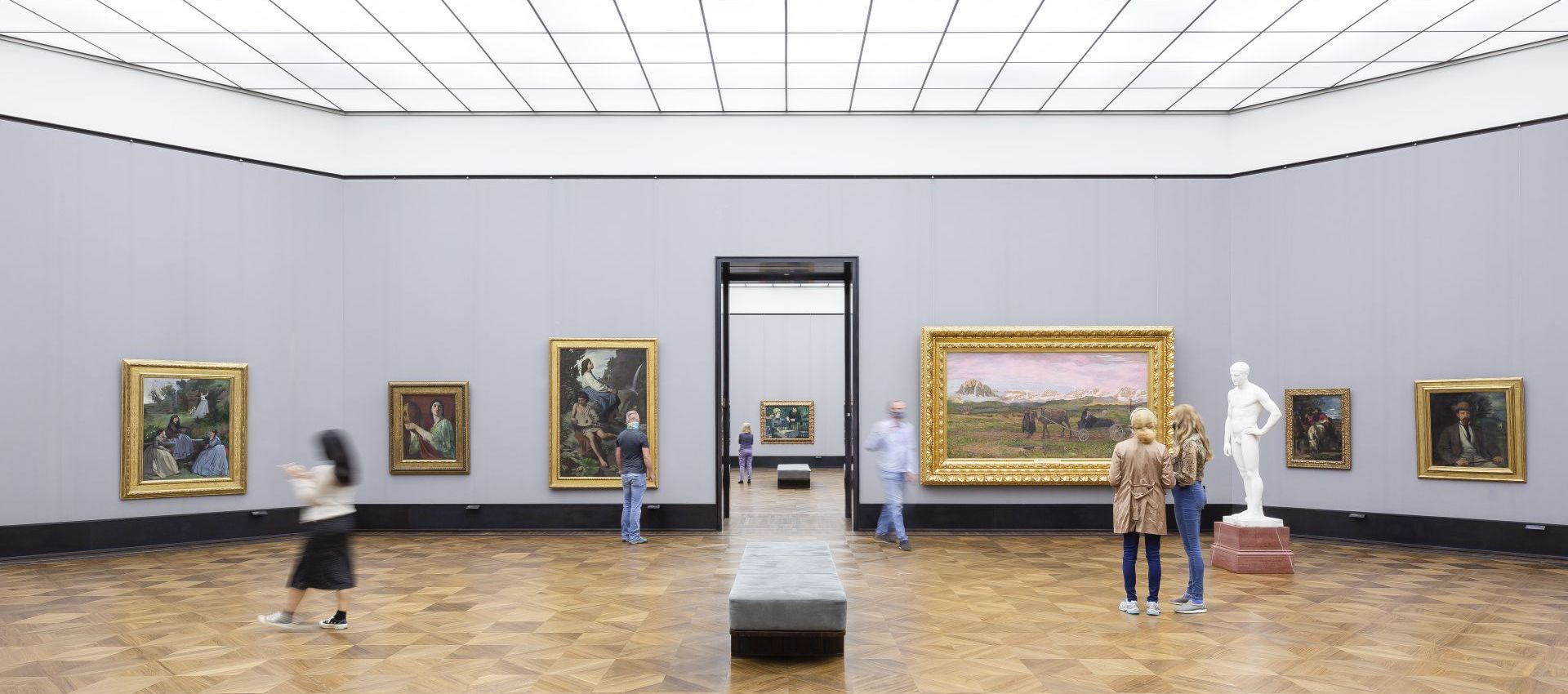
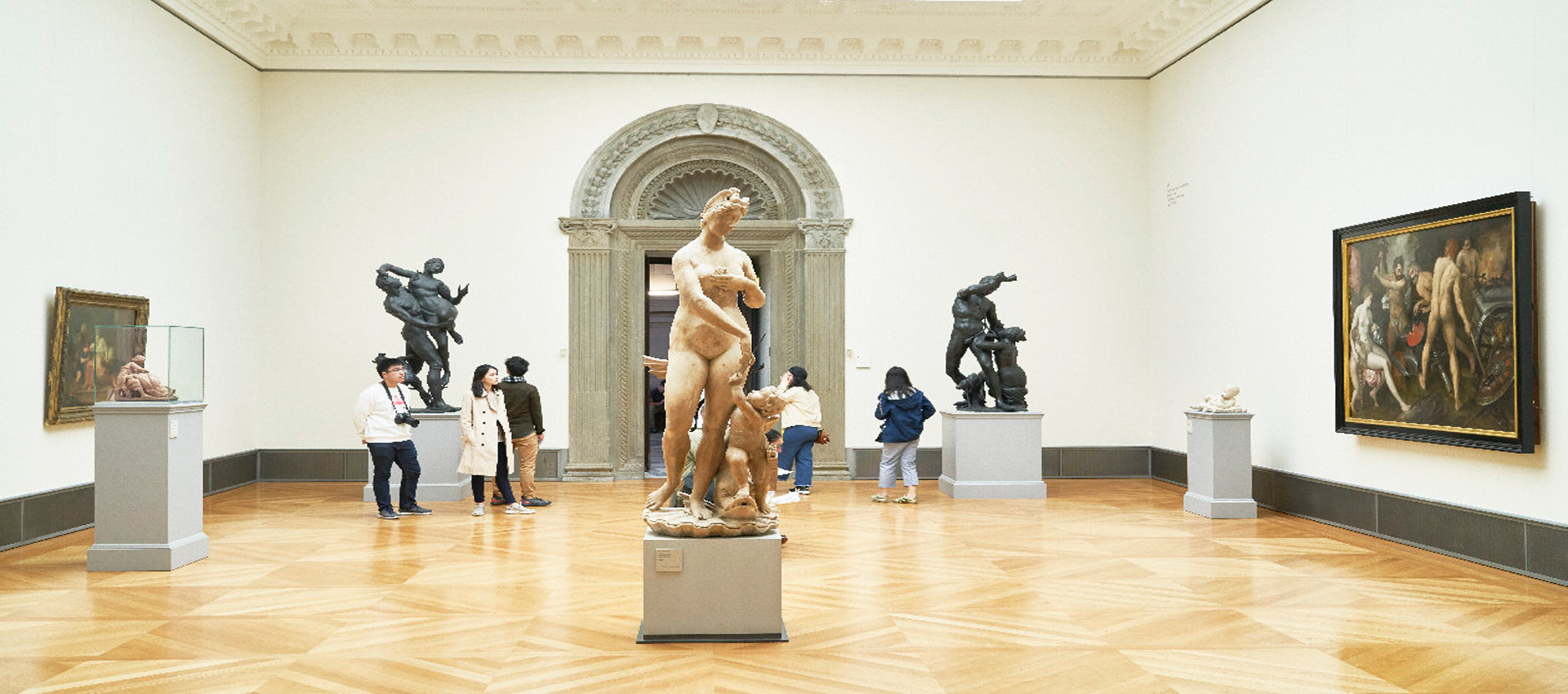
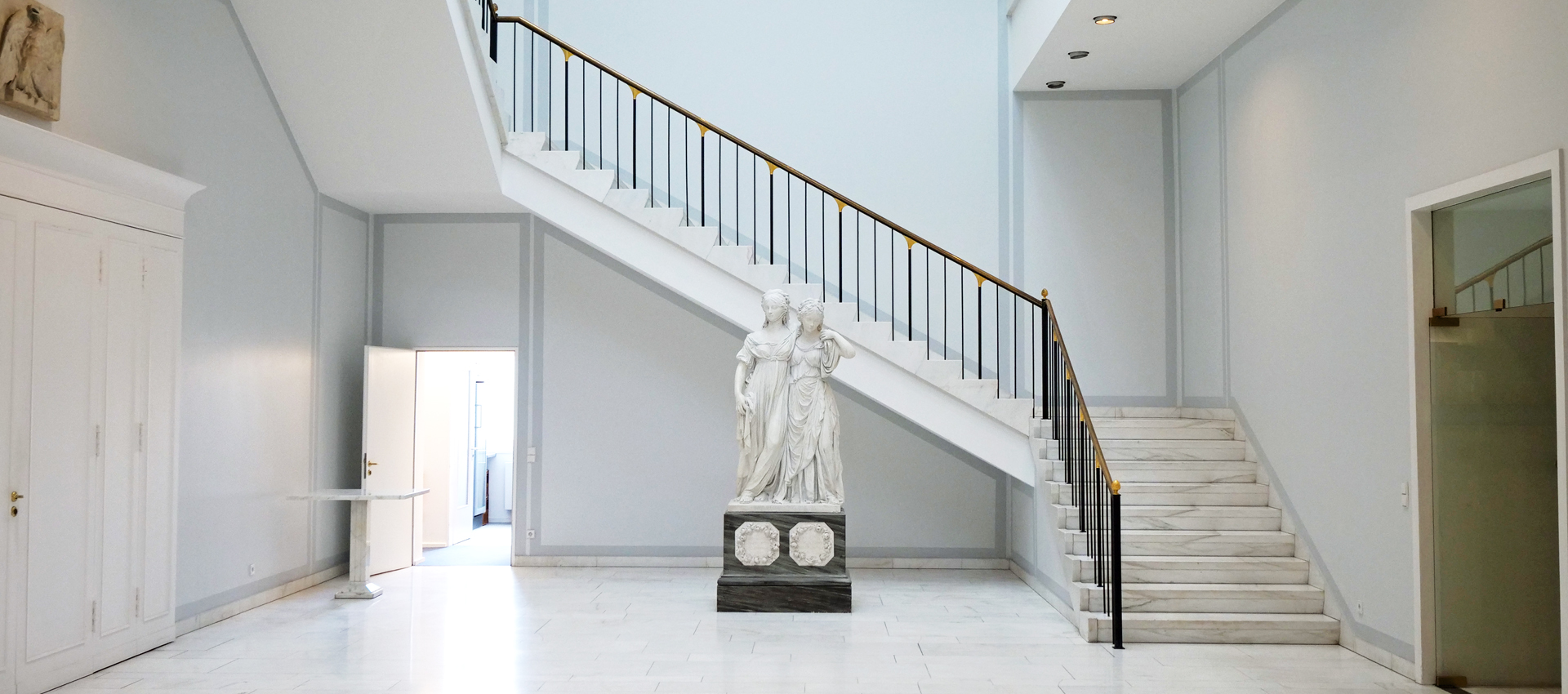
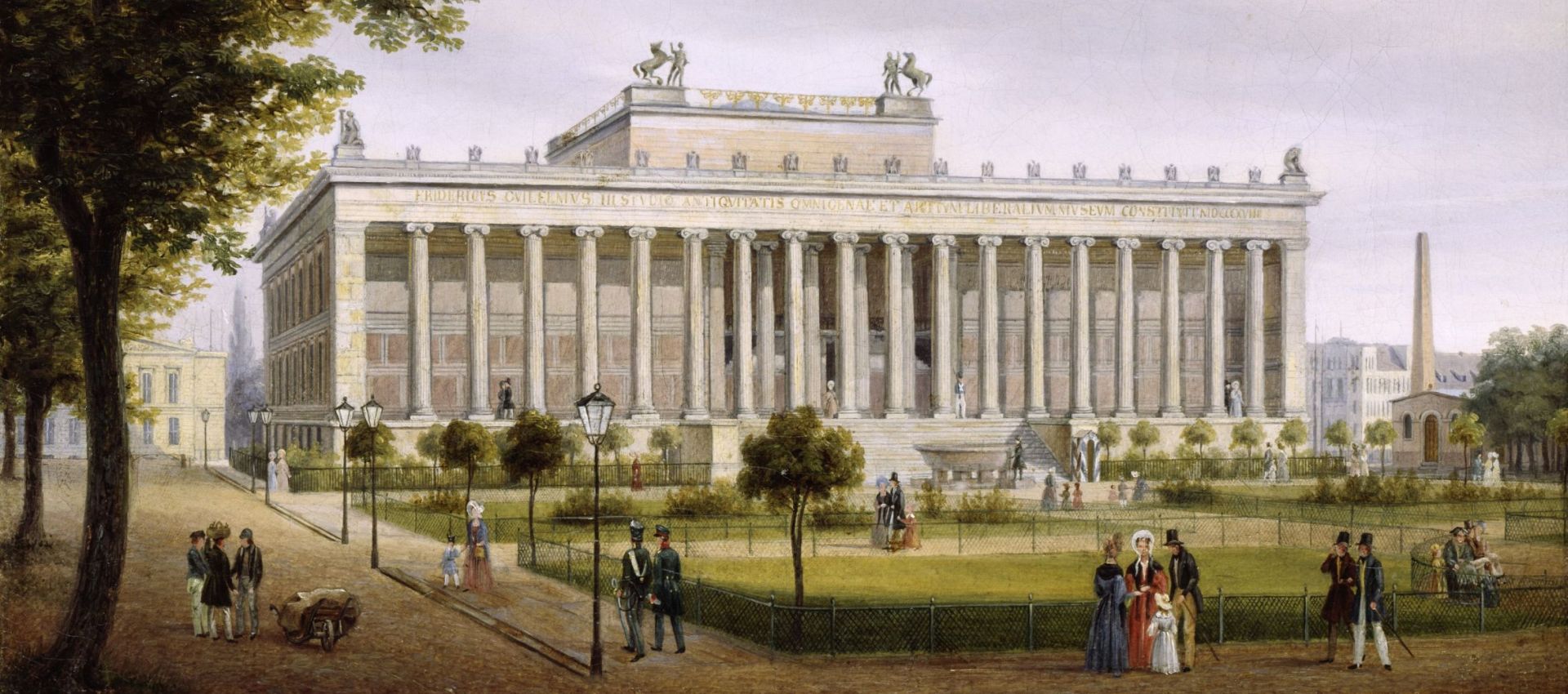
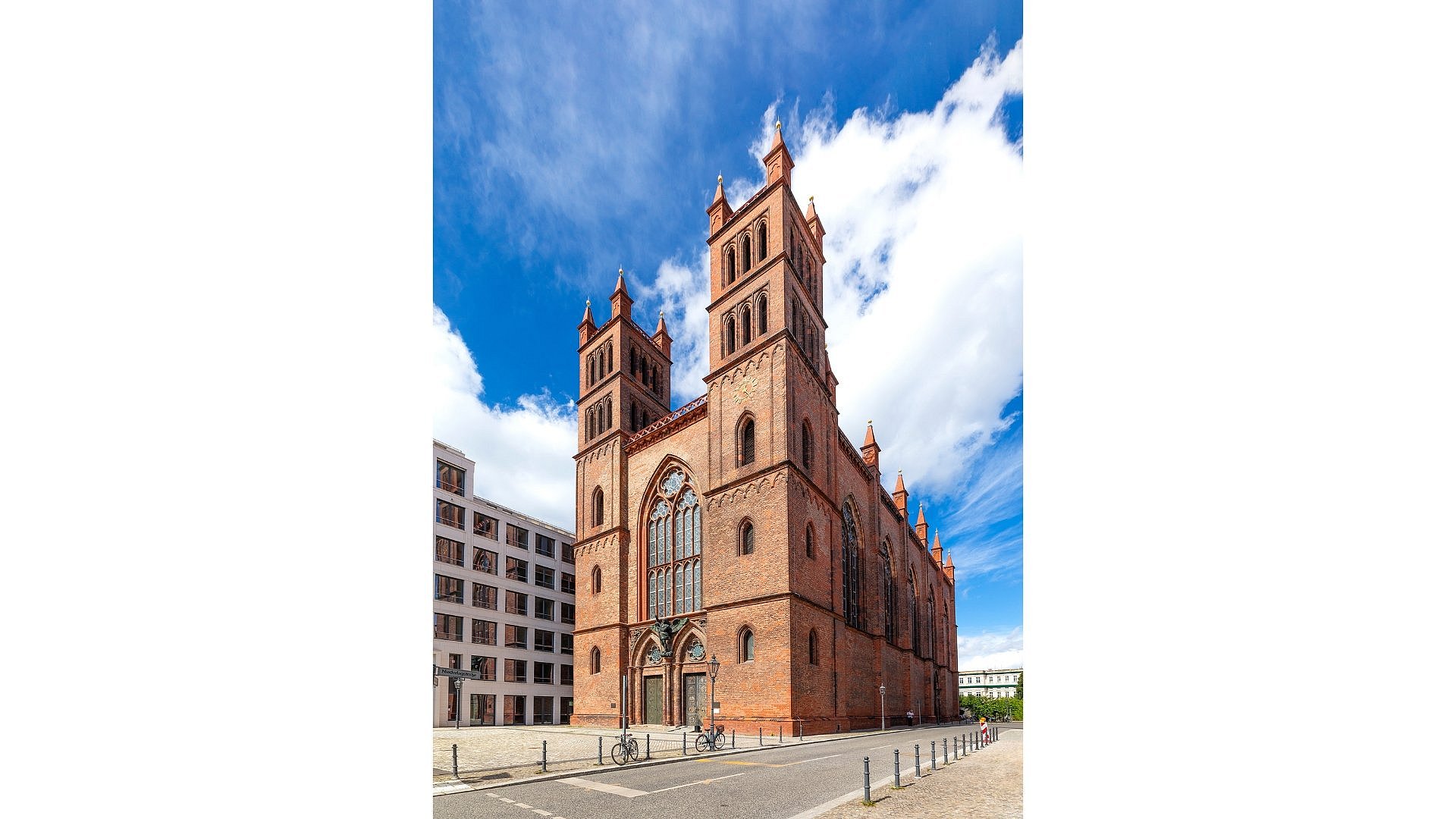
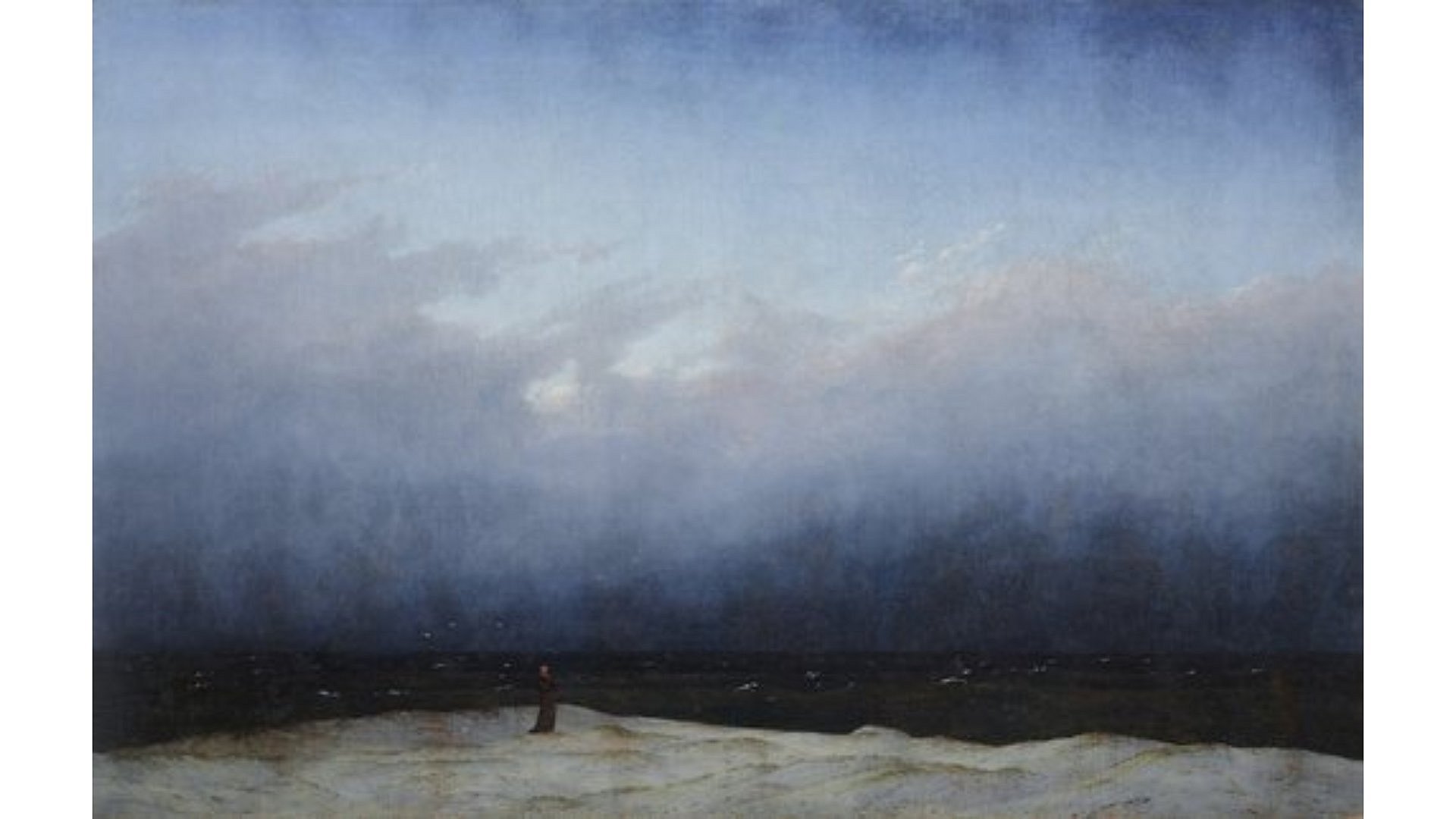
There are certainly many different factors at play. The building itself is a masterpiece of architecture, housing a self-contained collection of sculpture and painting, plus the satellite venue at Friedrichwerdersche Kirche. That alone constitutes a unique ensemble on a global scale and naturally attracts people. Here we display the incunabula of art history, ranging from French Impressionism through Caspar David Friedrich with his ‘Monk by the Sea’ to many other works by this great artist, as well as Schadow’s ‘Princesses’. The latter is even on display twice: once in plaster at the Friedrichwerder Church and once in marble here in the main building. These are icons of our museum, just like the works by Menzel and Böcklin – the list goes on.
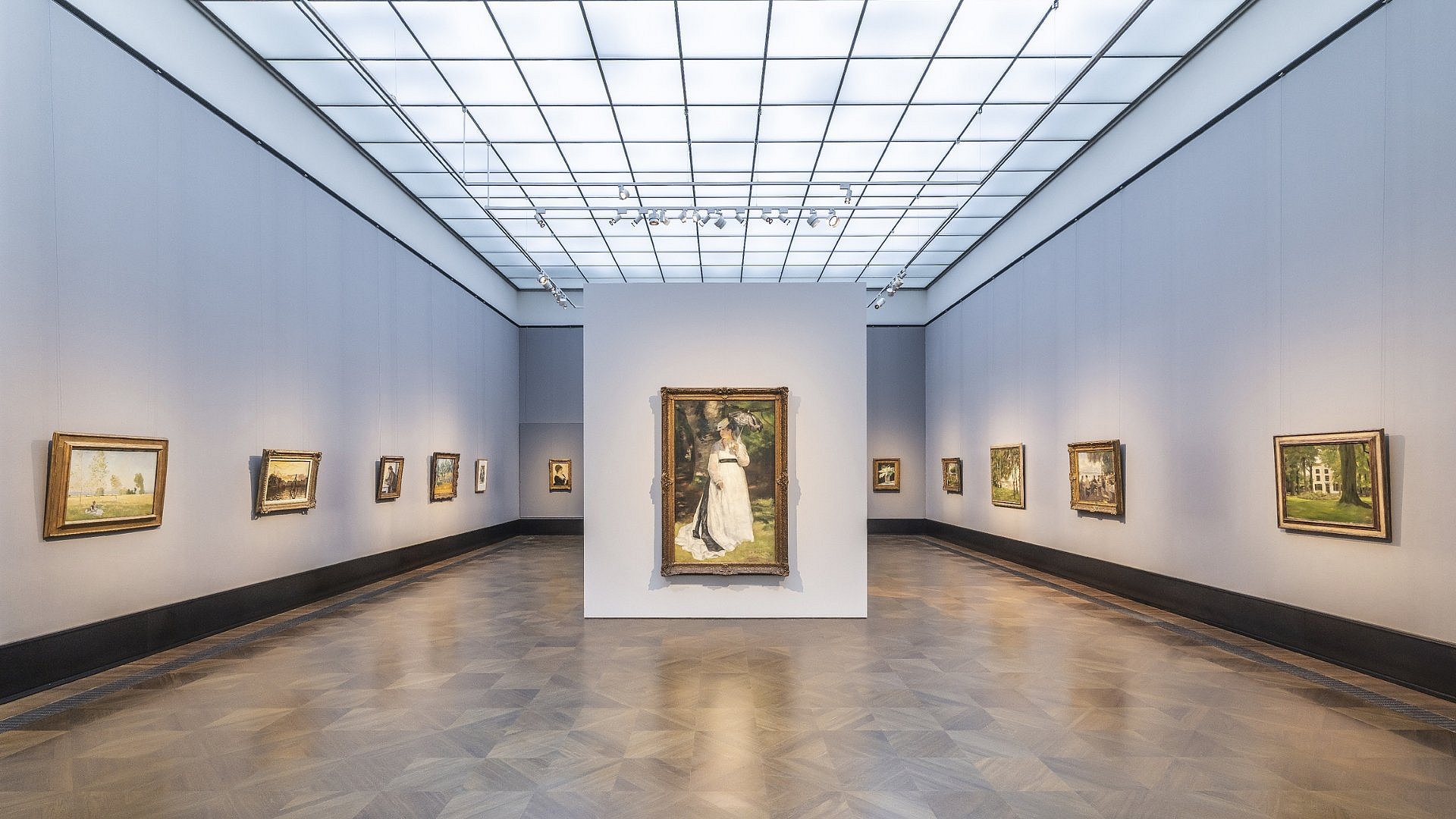
Visitors to the Alte Nationalgalerie are immersed in a world all of its own. The artistic movements of the 19th century are so diverse and have so many points of contact with what concerns us today. It’s fascinating! Moreover, the quality and the way in which exhibitions are presented here mean that a great many people keep coming back to experience this complete package of beauty and diversity on Berlin’s Museum Island. We are currently also inviting visitors to our major special exhibition, ‘Cassirer and the Breakthrough of Impressionism’, with which we are giving ourselves a gift to mark our 150th anniversary.
Then there are the recent anniversaries: the Alte Nationalgalerie is celebrating its 150th anniversary this year and has taken the lead in the Museum Island’s major five-year 200th-anniversary celebrations, due to take place in 2026. Do these historic celebrations inspire you in your day-to-day work, or are they more of a burden?
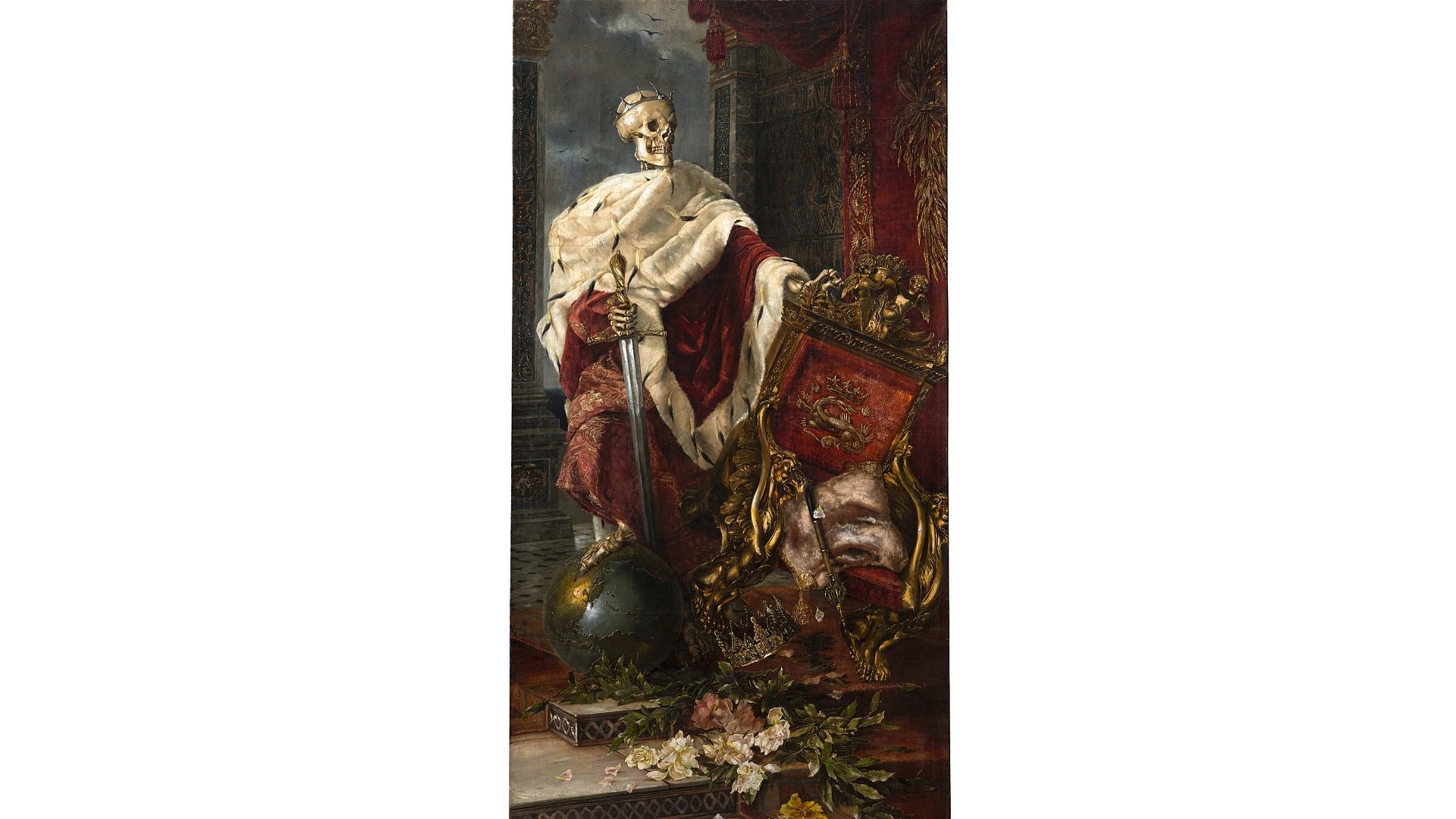
An anniversary is, after all, primarily a factual matter, and in principle every museum could constantly be celebrating numerous anniversaries, such as the death or birth dates of artists. But of course there are turning points in the history of art and museums. The opening of the National Gallery on Museum Island is, naturally, a date of central importance for all the institutions of the National Gallery, including the Neue Nationalgalerie with the Scharf-Gerstenberg Collection and the Museum Berggruen, the Hamburger Bahnhof and its associated collections. In this respect, it is a welcome opportunity to present the institution to the public in a new light and, alongside the recently opened special exhibition ‘Cassirer and the Breakthrough of Impressionism’, to focus on a single work by a 19th-century female artist: Hermione von Preuschen’s ‘Mors Imperator’.
On 19 June, your new ‘InterNationalgalerie’ series kicks off with a guest exhibition from the National Museum in Warsaw. There are national galleries all over the world, but an ‘InterNationalgalerie’ – that’s something new. What exactly does that entail?
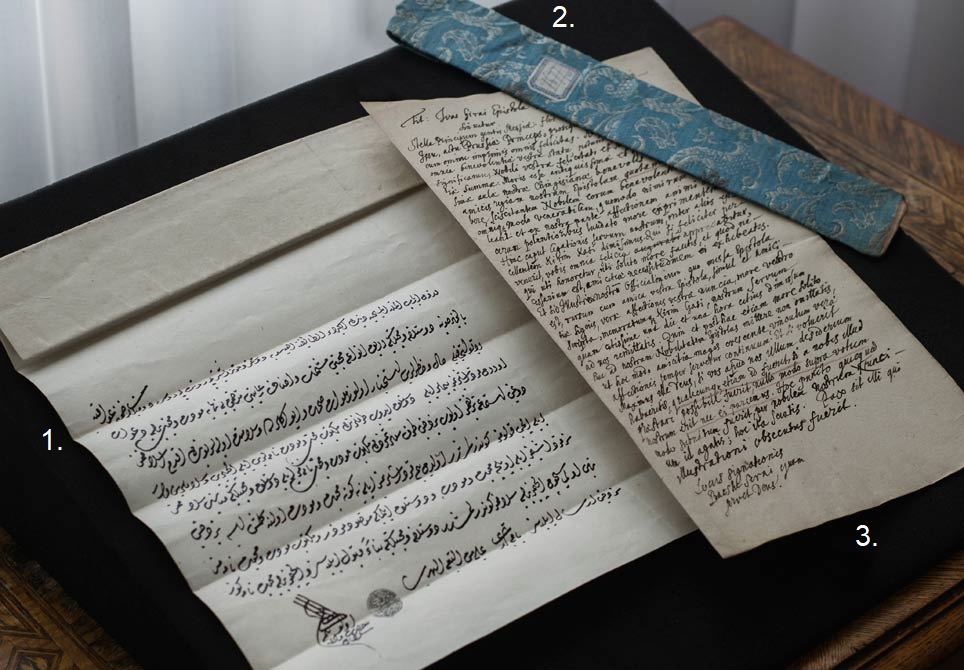
In the “InterNationalgalerie” series, we invite institutions that bear the term “national” in their title to present themselves here. The National Museum in Warsaw kicks things off with an exhibition entitled The Invention of Myths.
We are interested in the fundamental questions: What does the concept of ‘nation’ actually mean for the work of institutions that bear this term in their title? How is it reflected in the collections? After all, the Nationalgalerie has, from the very beginning, collected art not only from Germany – even in the collection of the banker Wagener, which forms its origins, artists from Belgium, Switzerland and France were represented. In a globalised world, what does it actually mean to bear such a term in one’s name? This necessitates constant reflection on our connections across the globe.
Even within Berlin, there are these connections: the Alte Nationalgalerie, the Neue Nationalgalerie, the Hamburger Bahnhof – Nationalgalerie der Gegenwart, the Museum Berggruen, and the Scharf-Gerstenberg Collection. In other words, the Nationalgalerie’s collection is spread across many venues. Is that still appropriate in this day and age? Might it not also be worthwhile to display the art side by side?
First of all: it is a single collection that spans these three venues and their other locations, and has developed historically in this way. The National Gallery is, so to speak, an ideal location. The dividing lines are not always clear-cut, and there are certainly many overlaps: this autumn, we are once again inviting selected works from the late 20th century and the present day to enter into dialogue with the works in our collection. The exhibition title is therefore aptly named ‘Across Times’. For art is, by its very nature, something that can repeatedly be placed in relation to one another across the ages.
And art has repeatedly inspired artists to create further art. Over 20 years ago, under Peter-Klaus Schuster, the work All Art has been Contemporary by Maurizio Nanucci was shown at the Altes Museum. This is an idea that always resonates when we look at something. What we see today was once the present in the past. And relating these to one another is immensely stimulating.
The institution was shaped by tensions, by friction. One need only think of Tschudi’s disputes with the Emperor. Is what the Alte Nationalgalerie exhibits today a settled canon, or do you still discover explosive power in the works?
You can definitely still sense that today in everything we do here. Back then, there were high expectations of this new National Gallery of a still-young nation, and of the art and artistic aesthetics that were to be displayed here. There was particularly strong disagreement over the question of who should be exhibited here. And even if the 19th century, in the roughly 4,000 works that make up the collection, gives a certain impression of being a closed chapter, that is of course merely a particular perspective on that era.
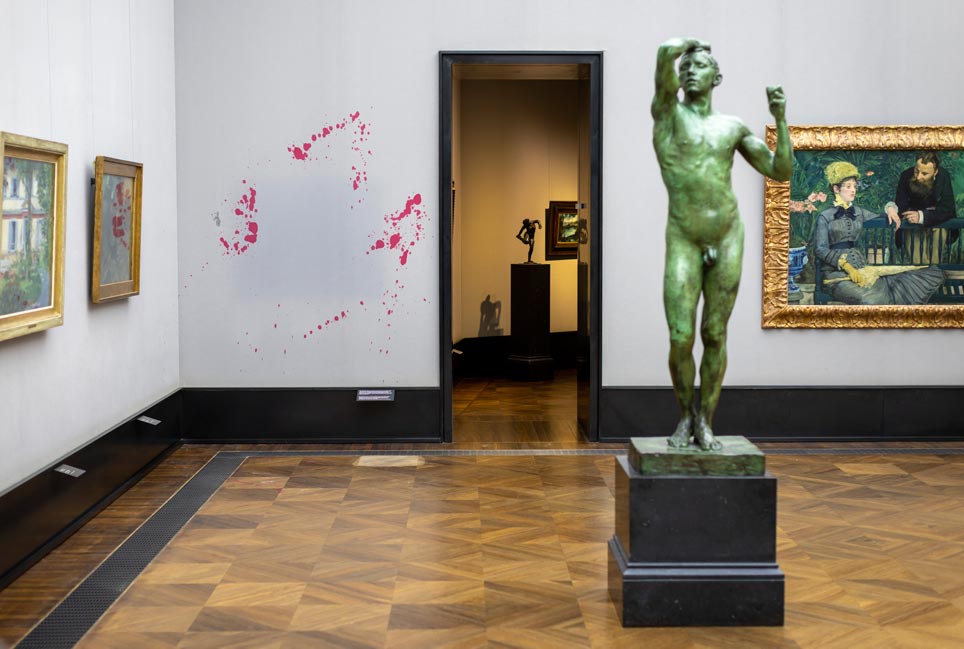
I have repeatedly engaged intensively with marginalised female artists and curated exhibitions on the subject. This naturally applies very strongly to the 19th century and to this institution, which made efforts from an early stage to reorganise its canon. Collections and a canon are never truly complete – quite the opposite. They must address the questions we have today. In doing so, it is also important to bring new perspectives to light, as in the exhibitions *The Struggle for Visibility: Women Artists in the National Gallery before 1919*, or the current *Scandal! Hermione von Preuschen and the Mors Imperator*.
The programme has always been about the history of your own institution. Now a long-cherished wish is coming true: Cassirer. What does this exhibition mean to you?
Our collections of French Modernism, Impressionism and Post-Impressionism are closely linked to the art dealer Paul Cassirer. And in the exhibition, we want to show the significance he and his extensive art network had for Berlin, Germany and far beyond, and how they have shaped the museums’ collections. Through the way he traded and promoted art, Cassirer played a key role in ensuring that German museums not only came into contact with French Modernism and French Impressionism, but actually began to collect these art movements. He developed a market and placed works effectively. This exhibition had been on the cards for a long time, but was never actually conceived or realised. It is a great pleasure for me to have been able to plan and implement this with the team in this anniversary year. With the accompanying publication, we invite you to a feast for the eyes and, at the same time, to further research into Cassirer.
On 5 June, the big Island Festival begins and people will once again flock to Museum Island in large numbers. What are you particularly looking forward to?
Alongside our wonderful Cassirer exhibition and Hermione von Preuschen, visitors can look forward to an extensive programme throughout the museum this weekend. I’m keeping my fingers crossed that the weather stays fine and that as many people as possible will come to celebrate this piece of World Heritage on which we find ourselves here. Personally, I’m particularly looking forward to striking up conversations with people here or simply watching them enjoy this unique spot on Museum Island in the heart of the city.