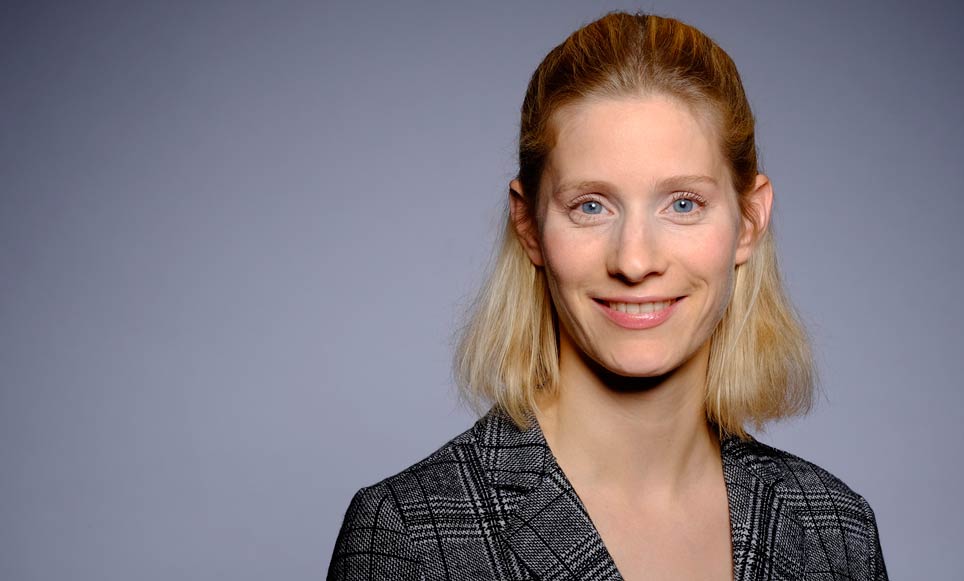
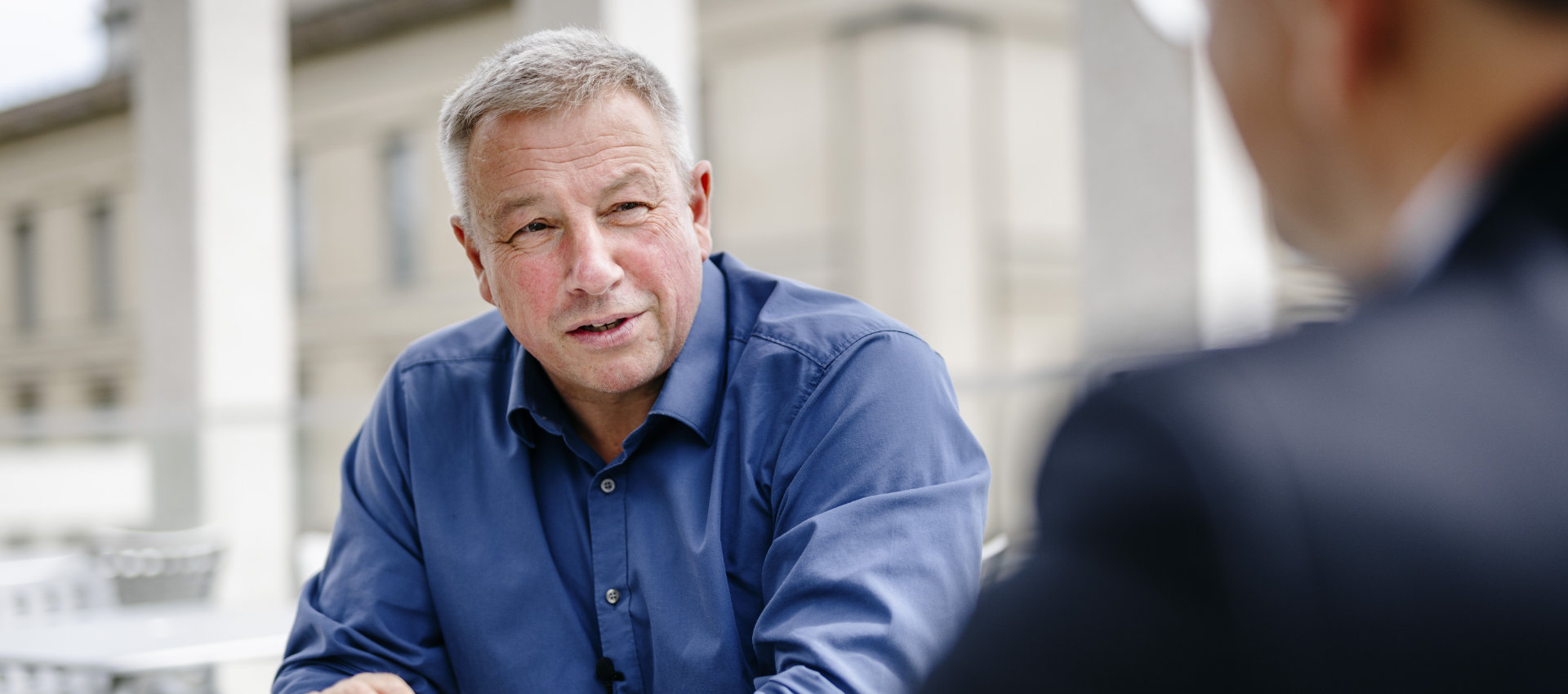
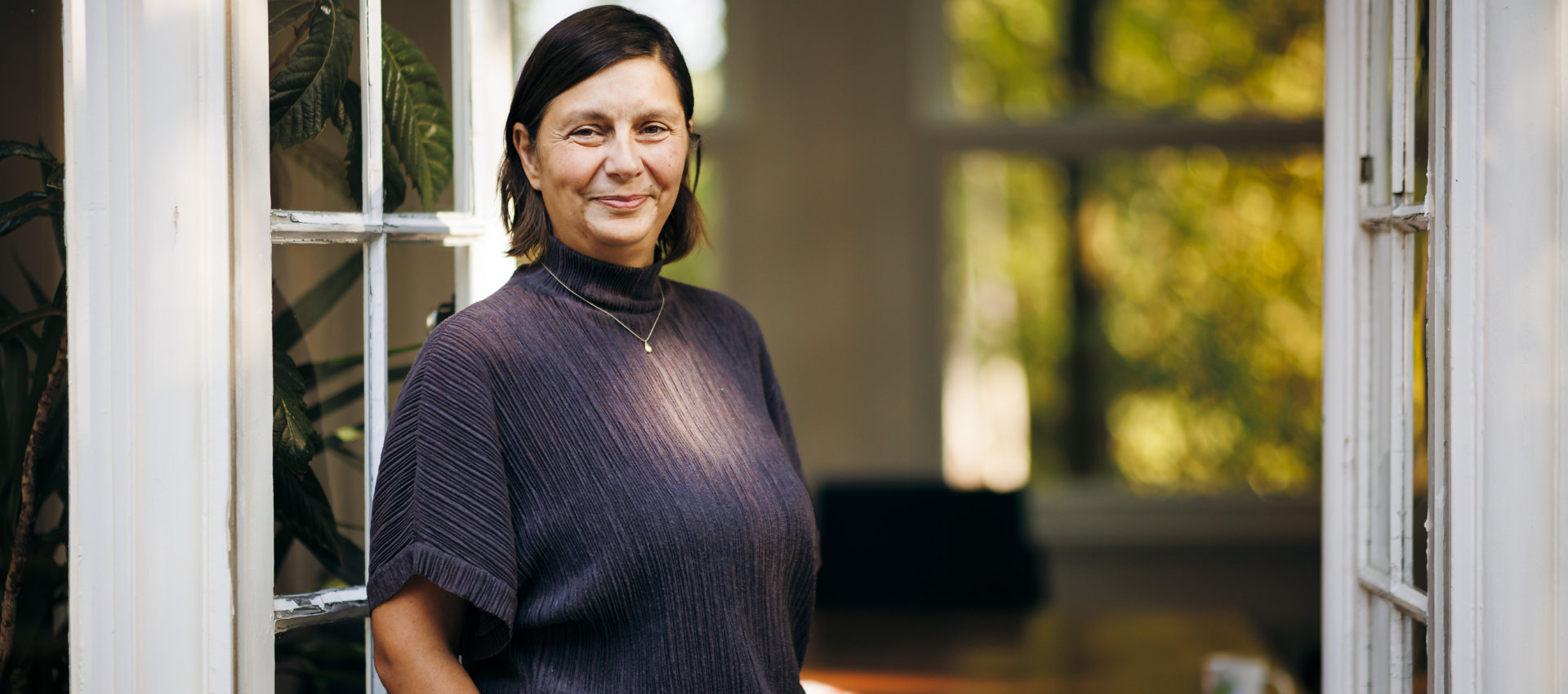
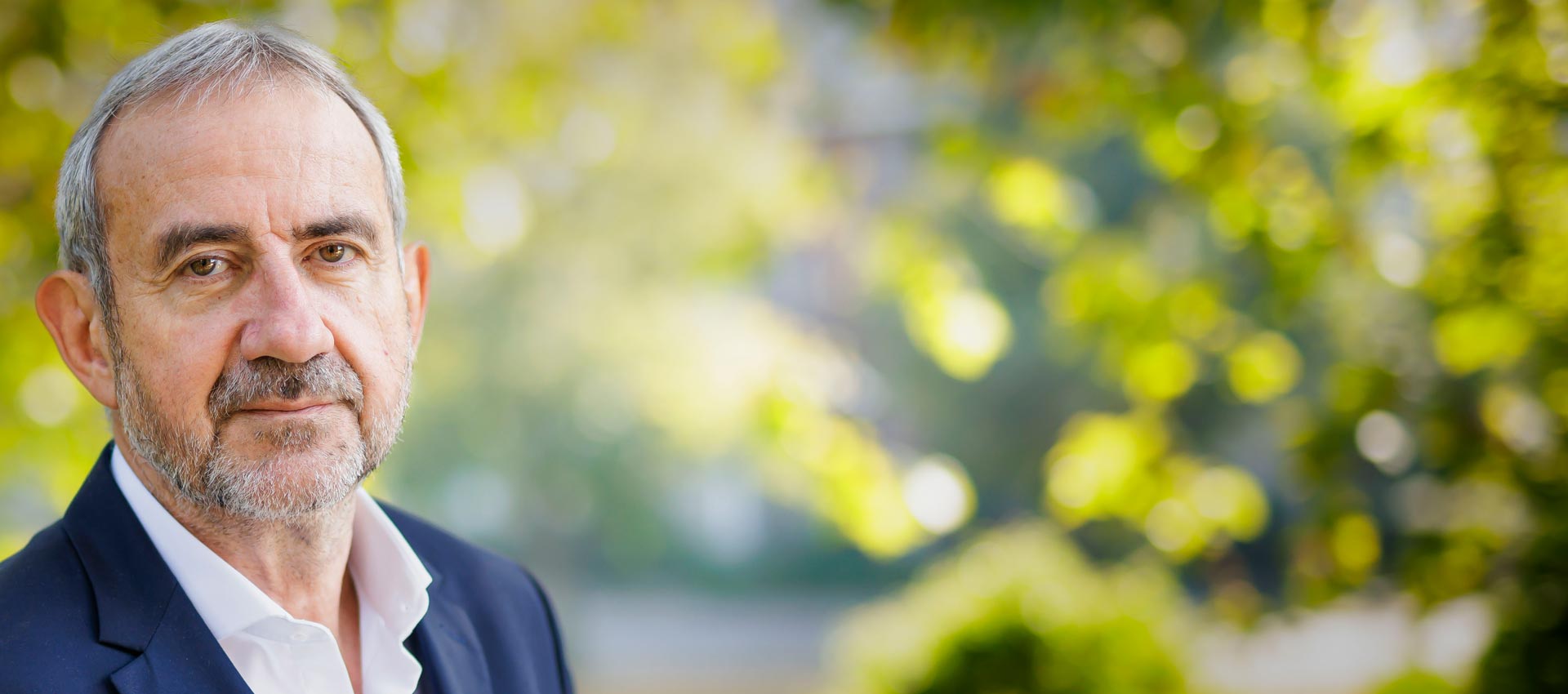
The musicologist, conservator and curator Emanuele Marconi succeeded Conny Restle as director of the Musical Instrument Museum on 15 July 2024. We met him for an interview.
Mr Marconi, you have a very broad background for a scientist. Could you tell us a little about your various career paths?
Marconi: I actually started out as a restorer and graduated from the Civica Scuola di Liuteria in Milan in 2004. I built and restored instruments right up until the 2010s. I got to know the museum world during various internships in those years and quickly realised that it’s even more interesting behind the scenes than simply wandering around the exhibition spaces as a visitor.
But that wasn’t all…
No, at the same time, on the advice of a colleague from a Parisian museum, I also studied musicology and music history at the University of Padua. I completed my Bachelor’s degree in Bologna in 2008 and my Master’s degree at the Sorbonne in Paris in 2013 with a thesis on violins and their restoration practices based on 19th-century written sources. During this time, I was already working at the Musée de la Musique in Paris. In 2019, I began my PhD studies at the Sorbonne, which I completed with a thesis on the establishment and development of the Museum of Wind Instruments in La Couture-Boussey.
But that’s not all there is to your qualifications, is it?
That’s true. In between, I’ve worked in various international museums of musical instruments to broaden my horizons and ensure I’m as well-rounded as possible. I enjoy travelling and getting to know new people and institutions. I’m curious to see how other institutions are organised and how they operate. And I simply love a challenge.
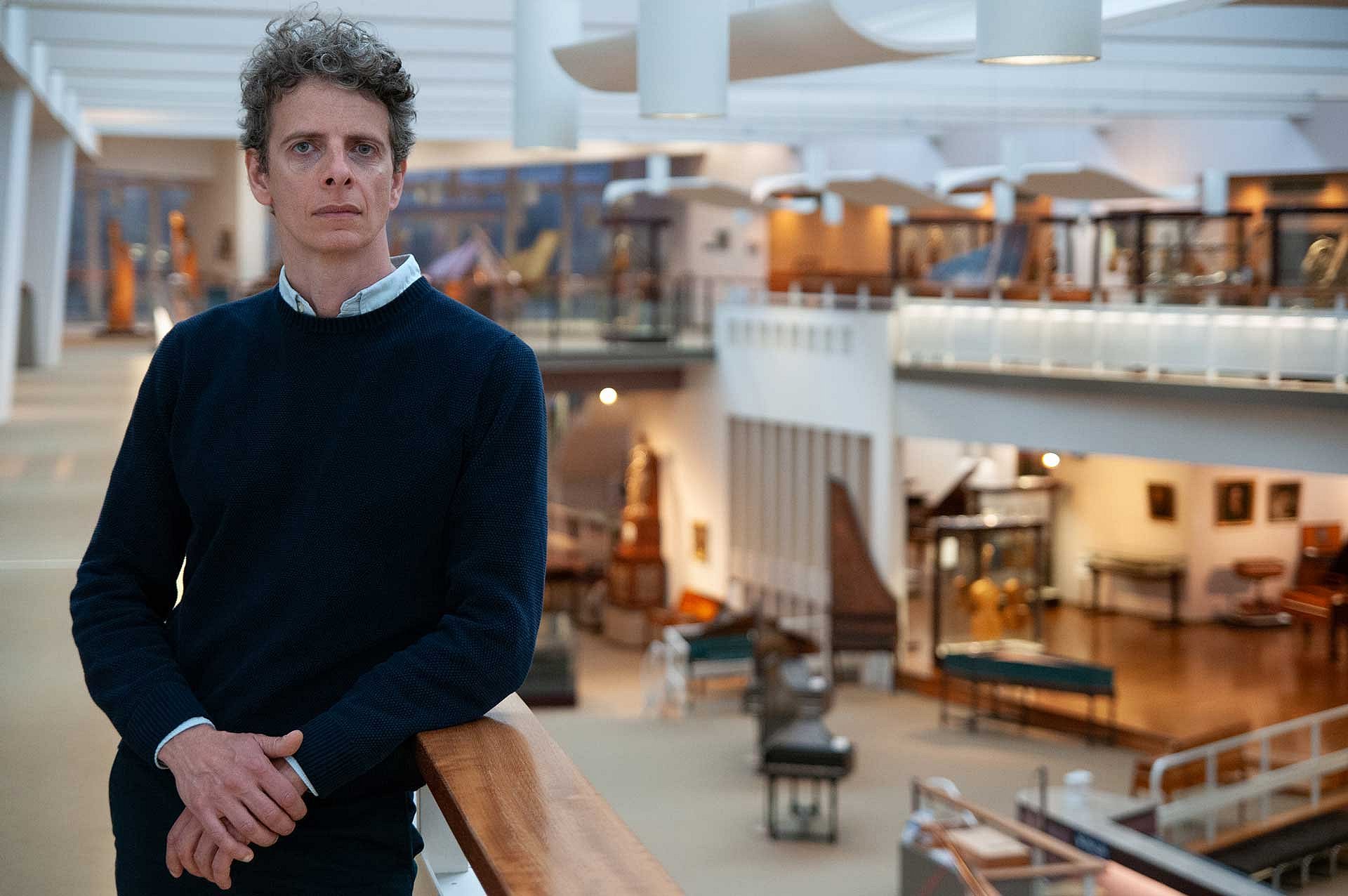
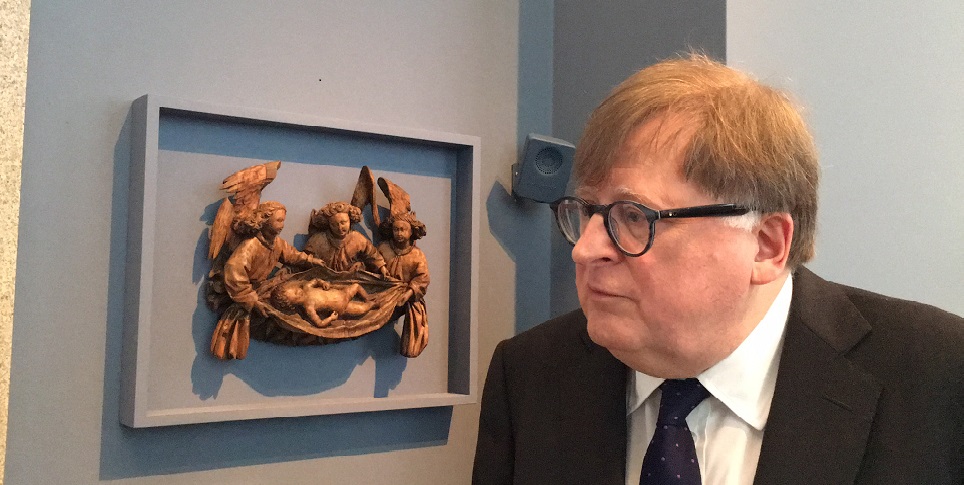
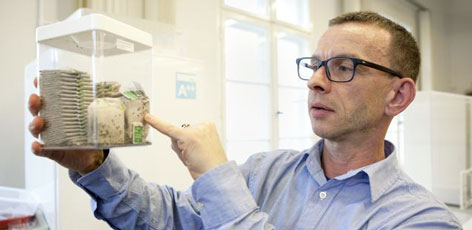
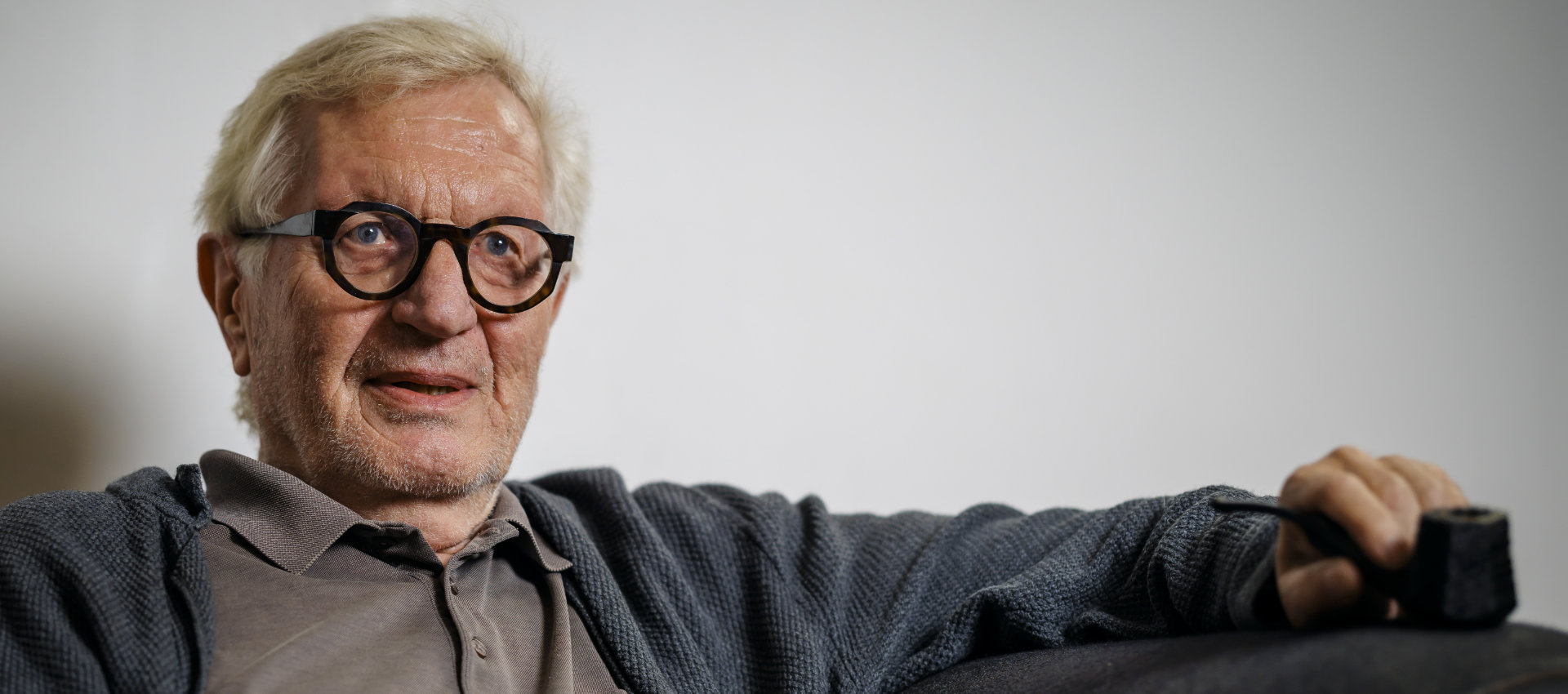
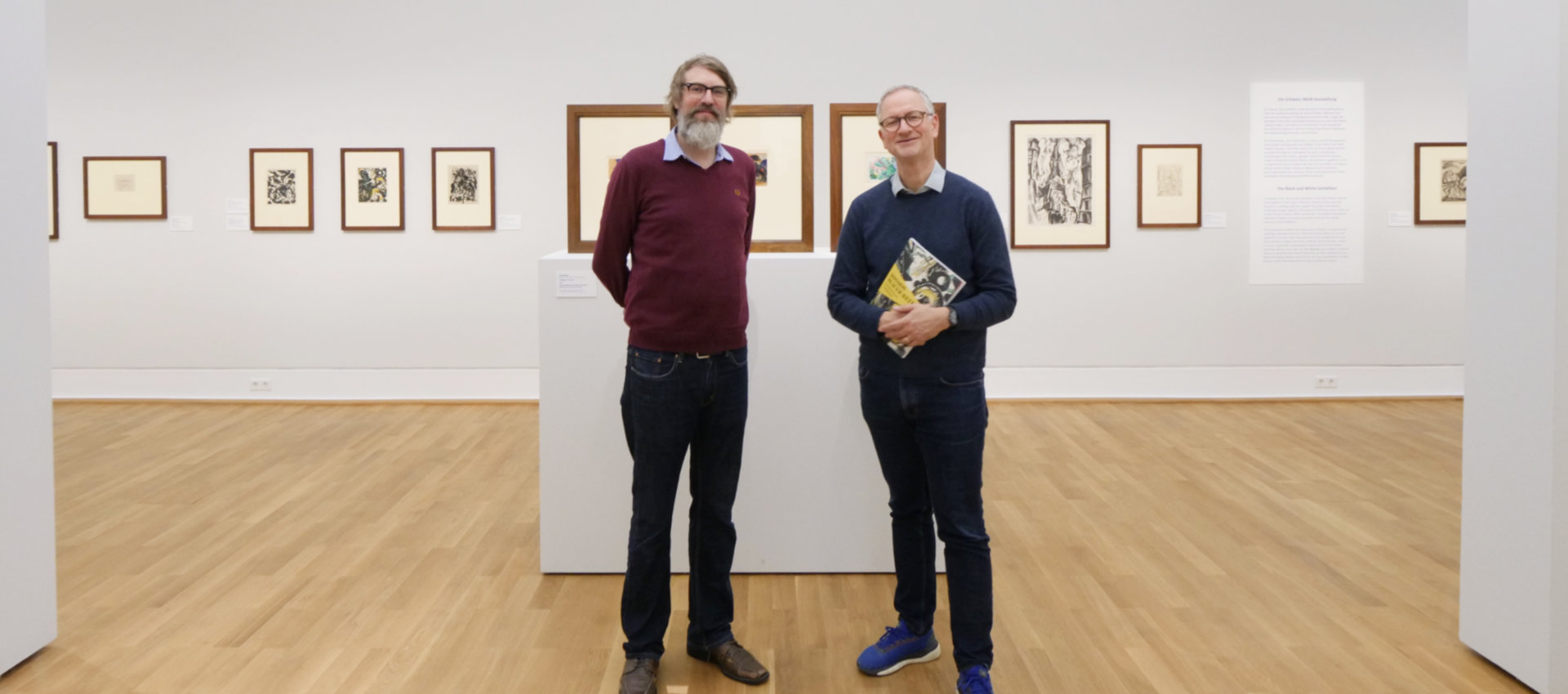
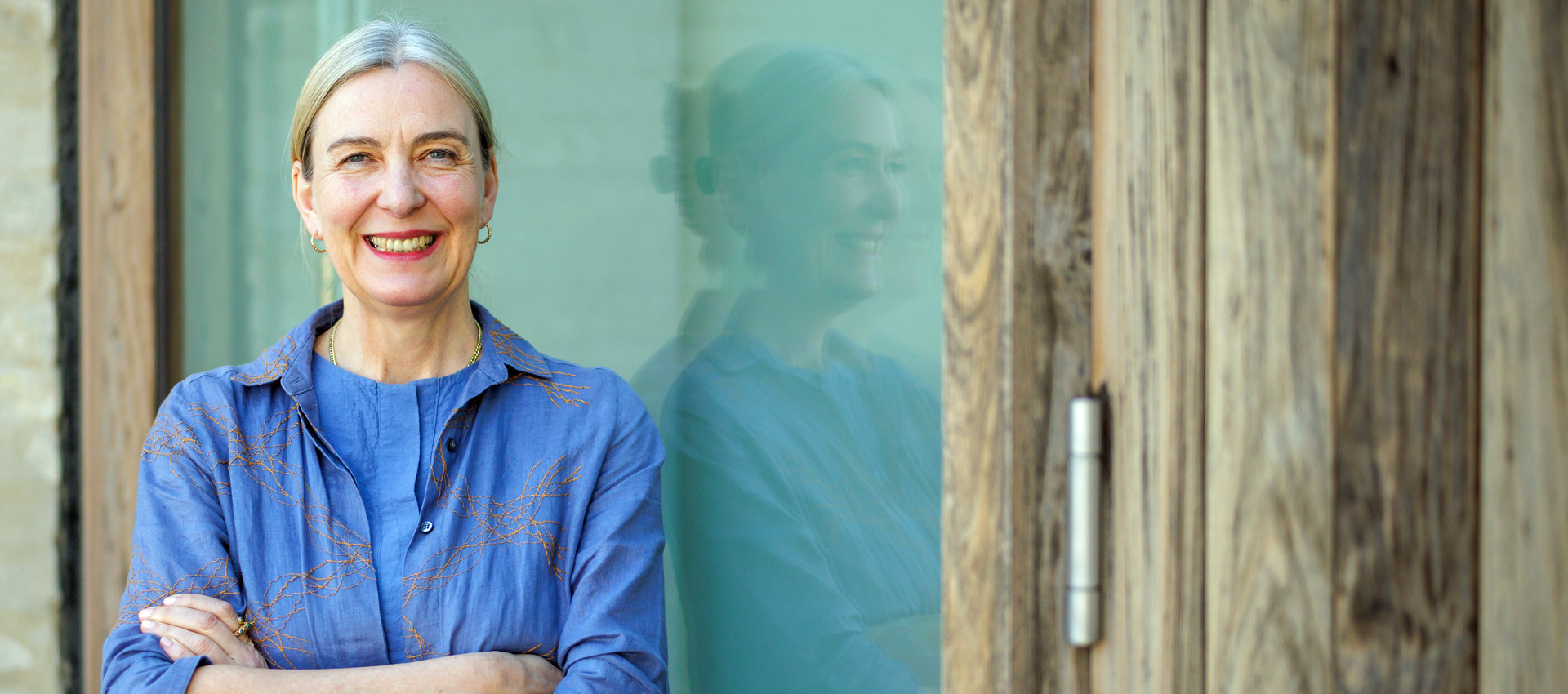
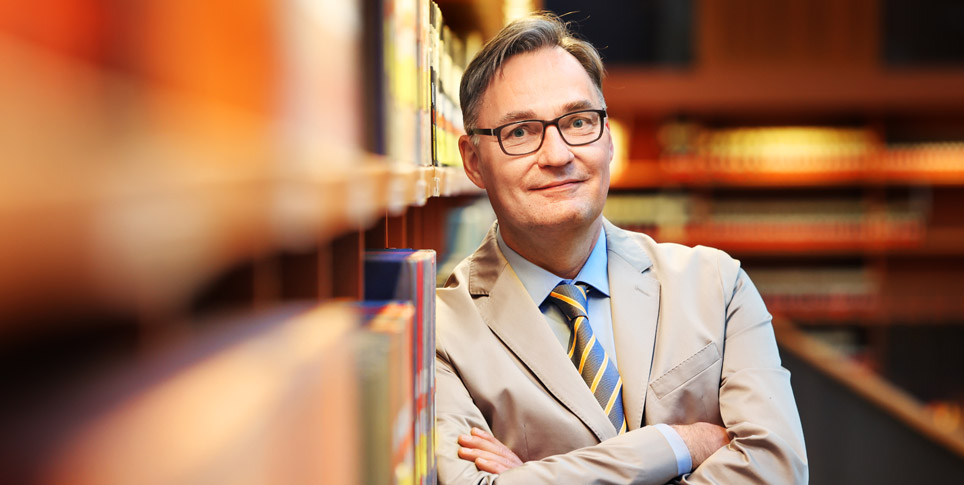
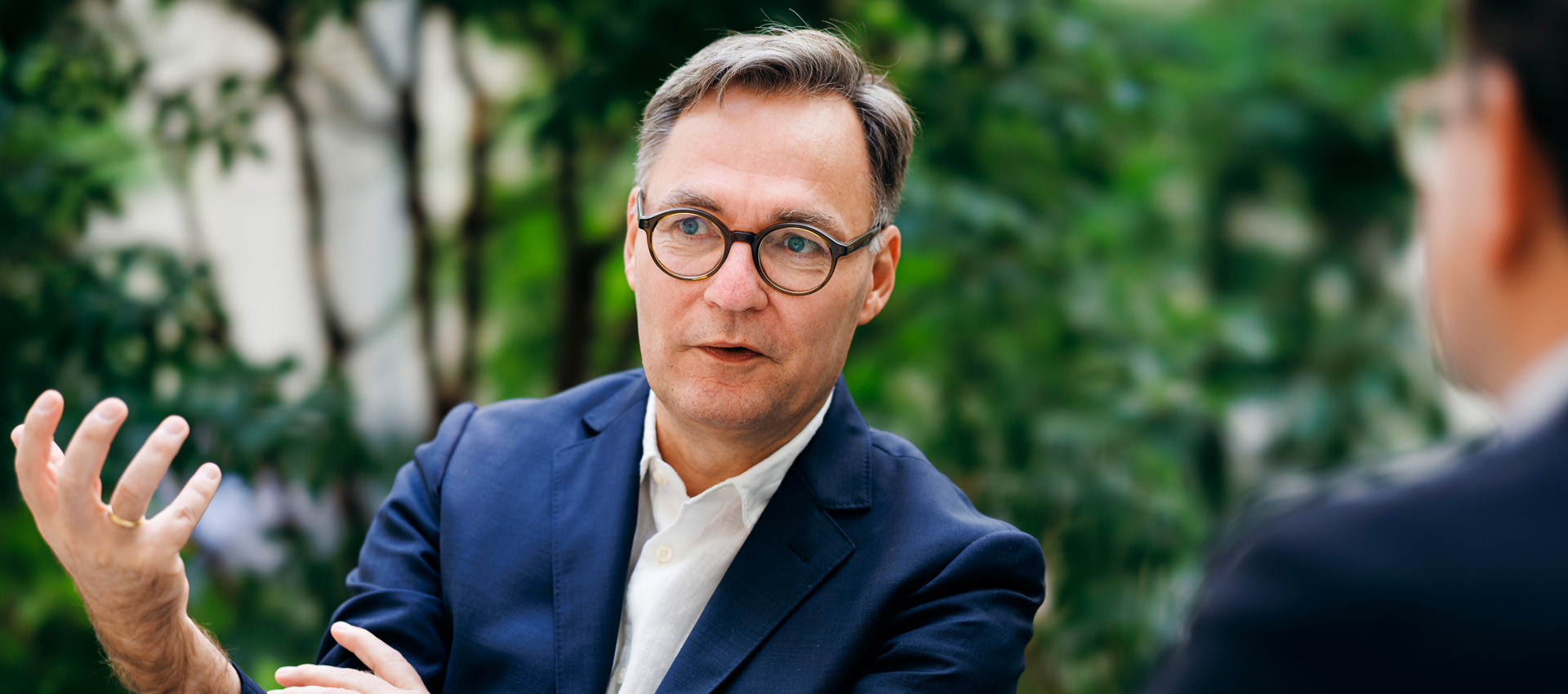
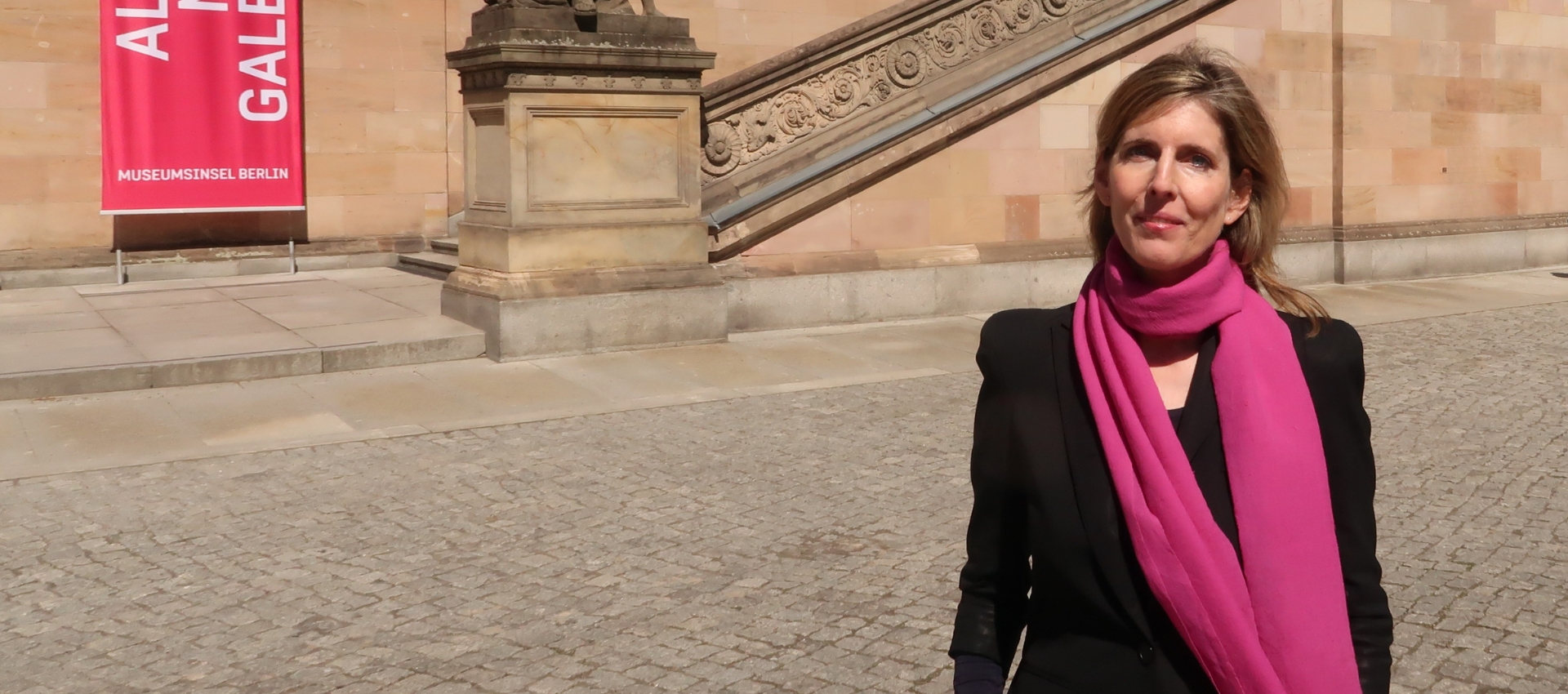
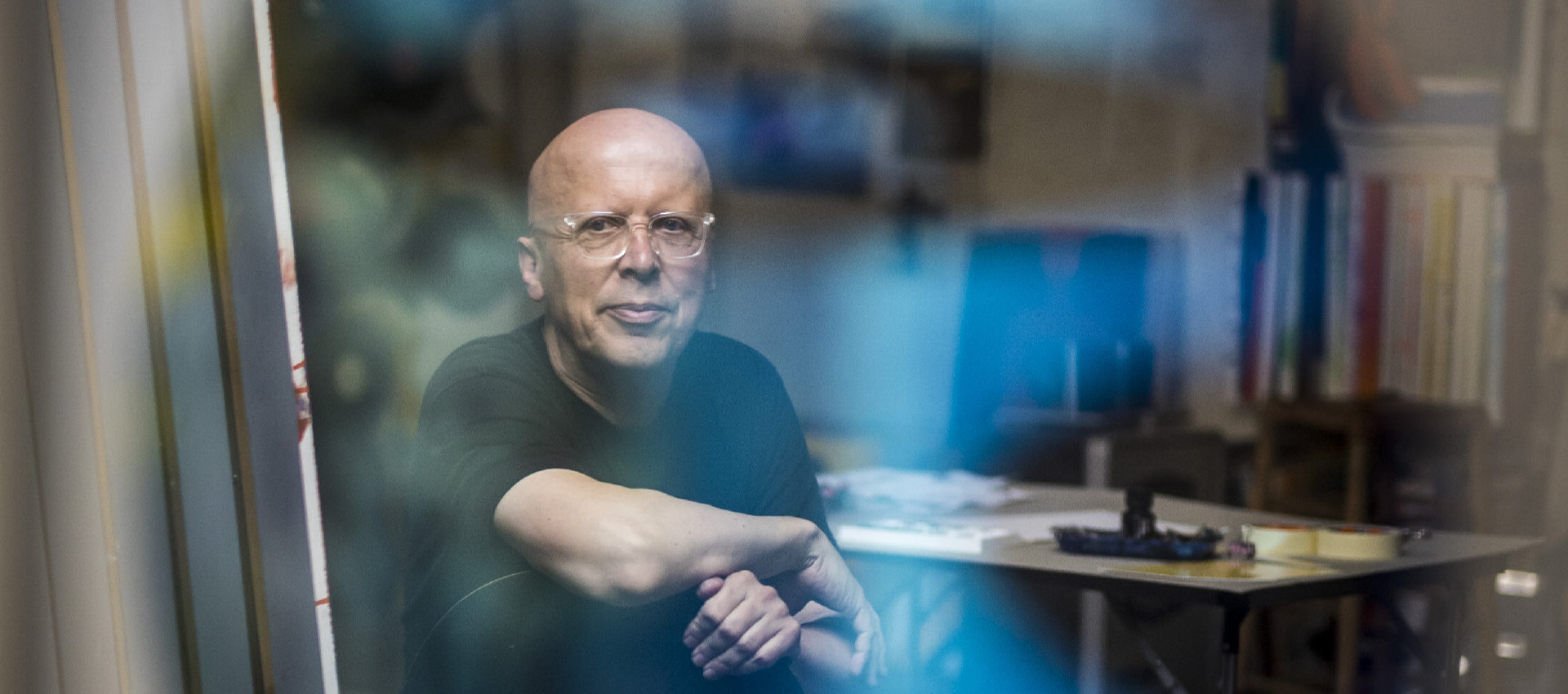
The musicologist, restorer and curator Emanuele Marconi succeeded Conny Restle on 15 July 2024, following her retirement at the end of 2023.
The 44-year-old, who is originally from Italy, was previously director and curator at Le Musée des Instruments à vent (Musée des France) in La Couture-Boussey. Before that, he worked at museums in Vermillion (United States), Geneva, Paris and Milan.
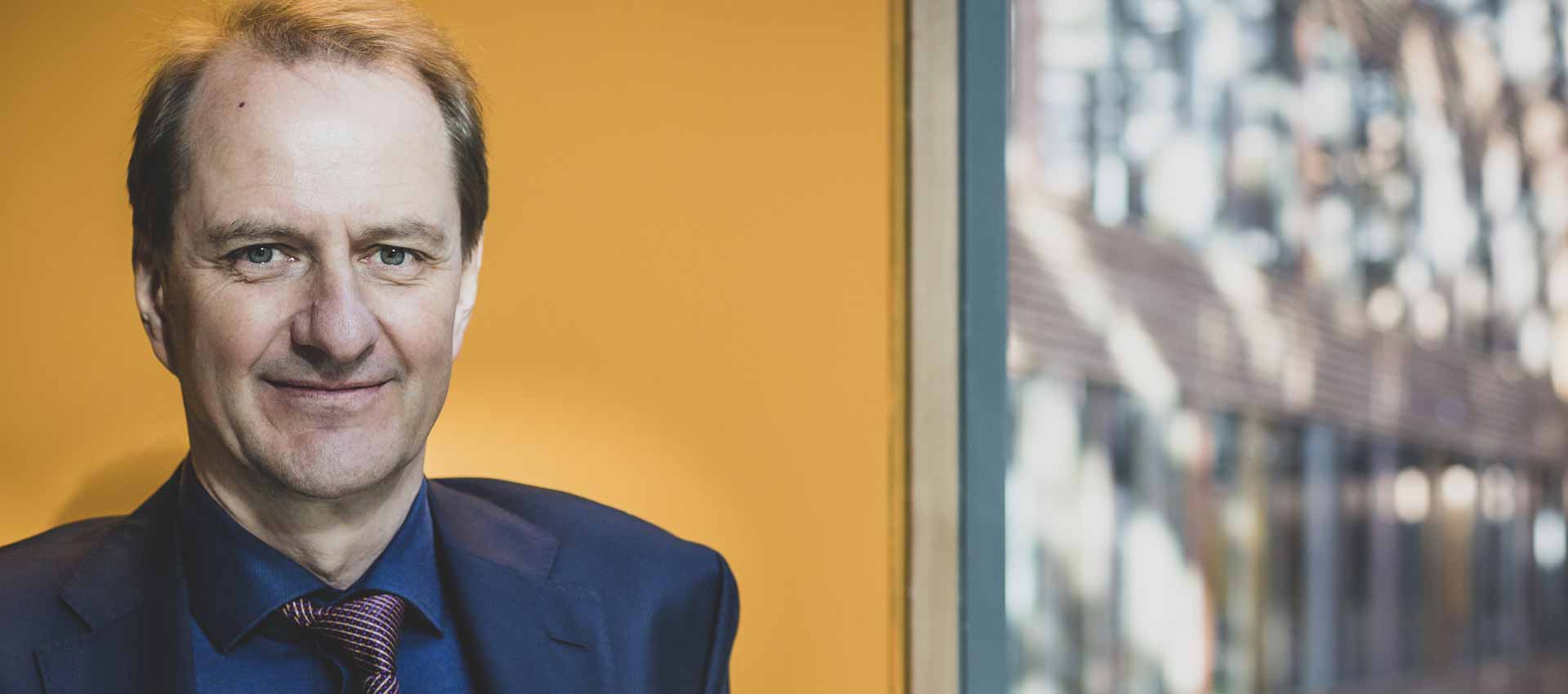
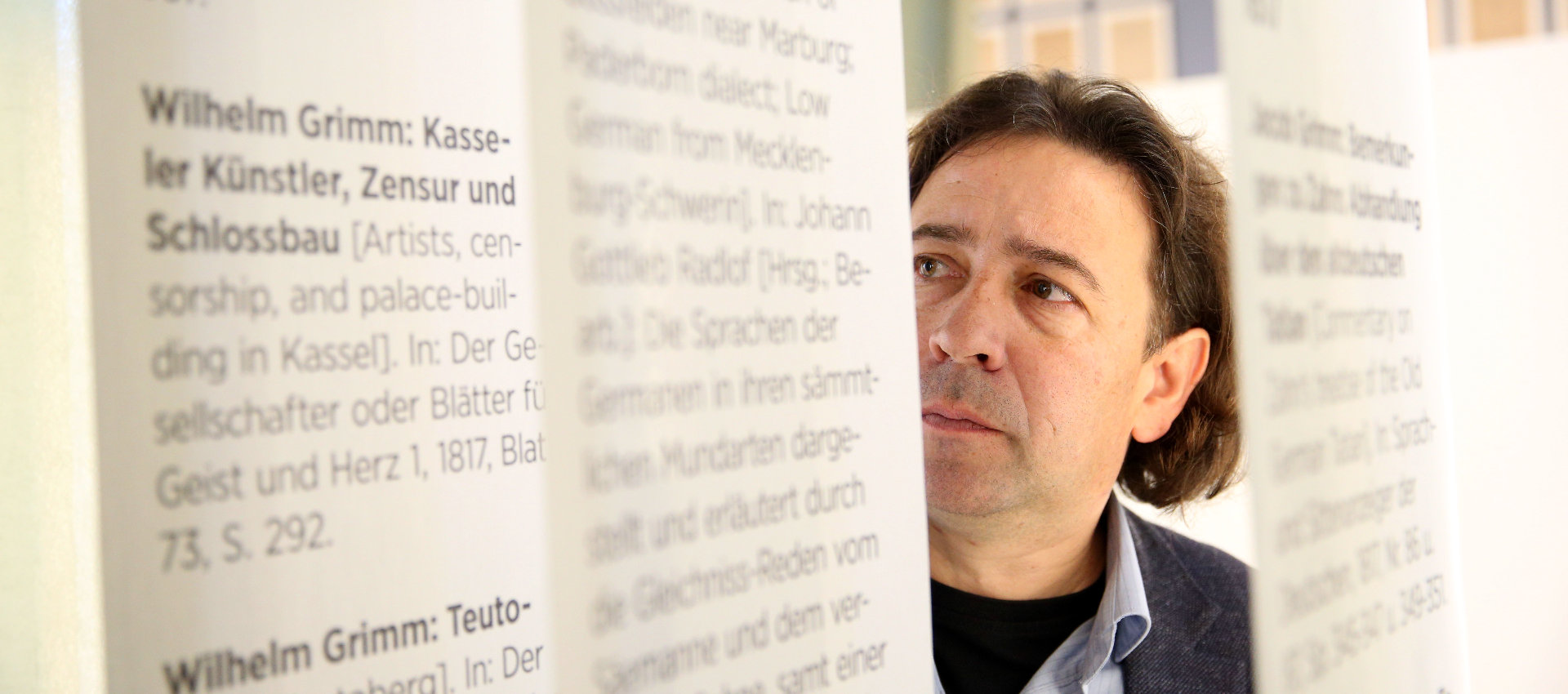
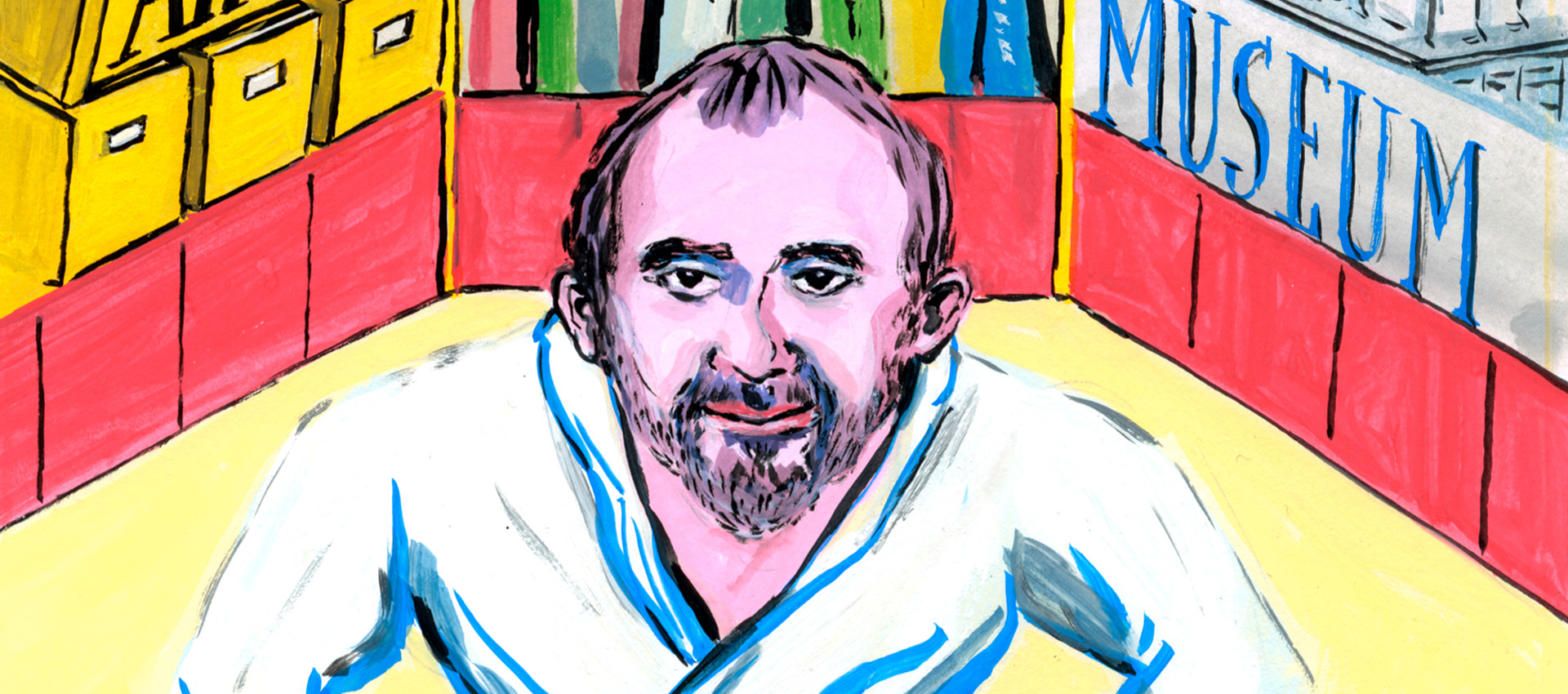
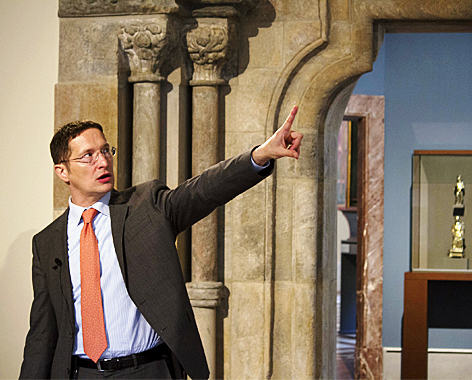
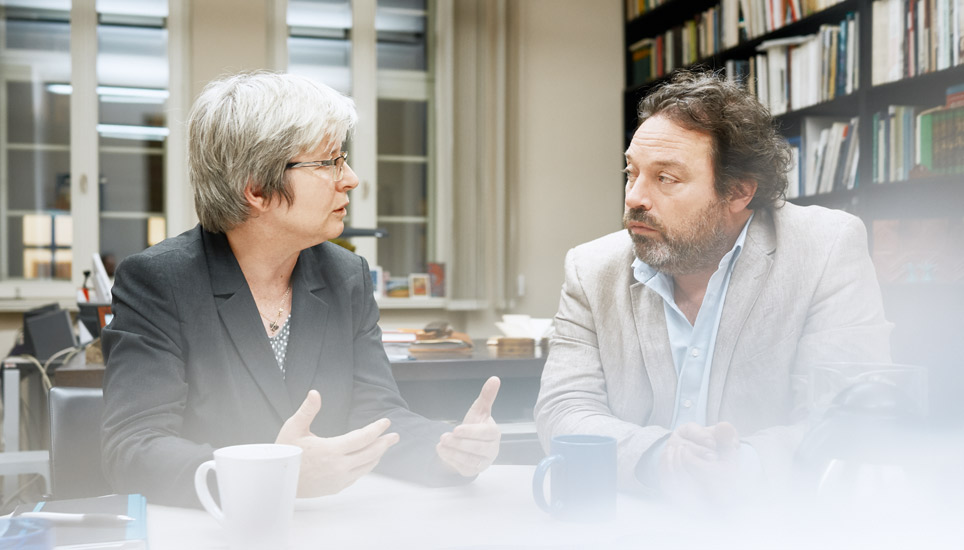
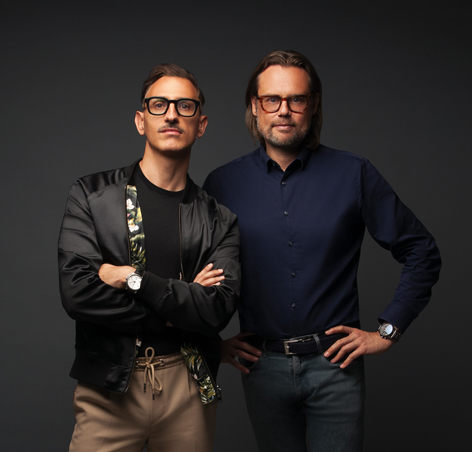
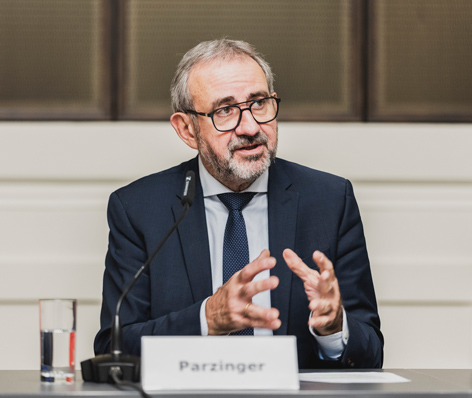
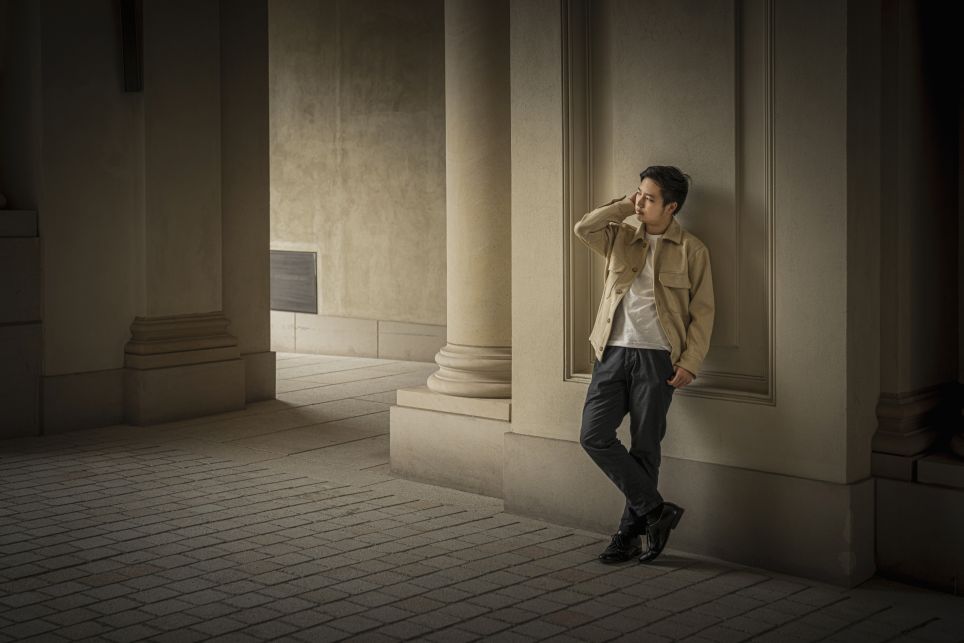
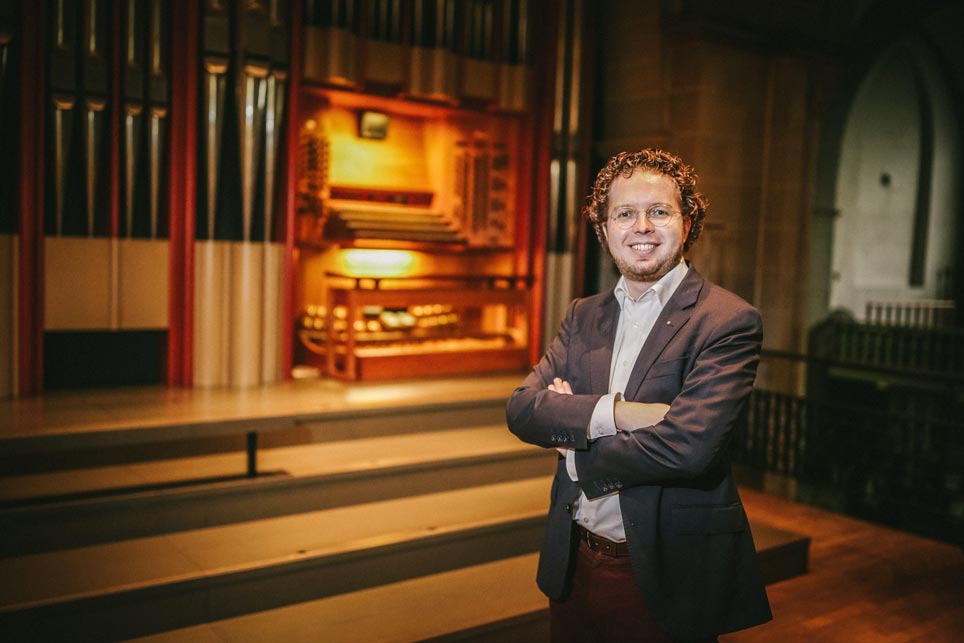
Photo: Emanuele Marconi at the Musical Instrument Museum. © SIMPK/Anne-Katrin Breitenborn
What does that involve?
I have always worked as a freelance restorer as well, so as not to lose touch with the craft and the materials. I also worked as a software developer. I worked as a curator for the Musical Instrument Museum in Milan and spent four years as a researcher on a project for the Italian Ministry of Culture. I was a Research Fellow at the Musée de la Musique in Paris and subsequently a curator at the Musée d’Art et d’Histoire in Geneva. As I wanted to move to the USA, I took over as head of the Conservation Department at the National Music Museum of the University of South Dakota in Vermillion for three years. It was an exciting time during which I was able to try out many things and learn a great deal.
How big was the difference between working in public museums in Europe and moving to an American university?
Enormous. That’s precisely why I wanted to do it. Of course, everyone wants the best for their collections and their public presentation. But in America, you’re primarily dependent on private funding. That means you have to convince people of your vision and persuade them to donate money for it – first and foremost the members of the board. Interestingly, they never actually say ‘no’, but always start with ‘let’s find the money’.
But you were back in France recently, weren’t you?
Yes, as director and curator at the Musée des instruments à vent, which was also the subject of my PhD thesis.
Where is that?
In Normandy, in La Couture-Boussey, because this corner of France has always been the heart of wind instrument making. Like the Musée de Musique in Paris, it belongs to the Musées de France, so it is a state institution.
Is that really all, or are there other professional facets to your career?
Almost – I have also always worked on a freelance basis, for example as a consultant for public and private collections, or designing events on the themes of music and musical instruments. Video documentaries on the violin maker Luca Primon and the composer Niccolò Paganini, and the development of a database for the management of the private ‘Bruno Pinto’ art collection in Bologna were also among my projects. Since 2015, I have also regularly taught organology and conservation science at various universities in America, Italy and France.
So you’ve always had a very international outlook and network…
Yes, exchange and internationality have always been very important to me. That is why I have been a member ofthe International Committee for Museums and Collections of Instruments and Music for many years, and have held the position of vice-chair there since 2022. For several years, I was a member of the commission responsible for new acquisitions at the Musée de la Musique at the Philharmonie de Paris. I have regularly contributed to exhibitions and, during my time at La Couture-Boussey, naturally also conceived and organised various exhibitions.
And now you’re in Germany…
That was exactly what I was missing. And it was, of course, a wonderful coincidence that not only was one of the most fantastic positions you can get in my field advertised at that very moment, but that I was also lucky enough to get it.
So you have a very broad focus. Is that right?
I think so. We all have our preferences. There have been periods in my life when I’ve worked on specific instruments – harpsichords, plucked instruments of course, and in recent years wind instruments. That allowed me to focus. But I’ve always kept an eye on the bigger picture: that’s more fun and more interesting. I look at the collection as a whole.
How do you view the Berlin Musical Instrument Collection?
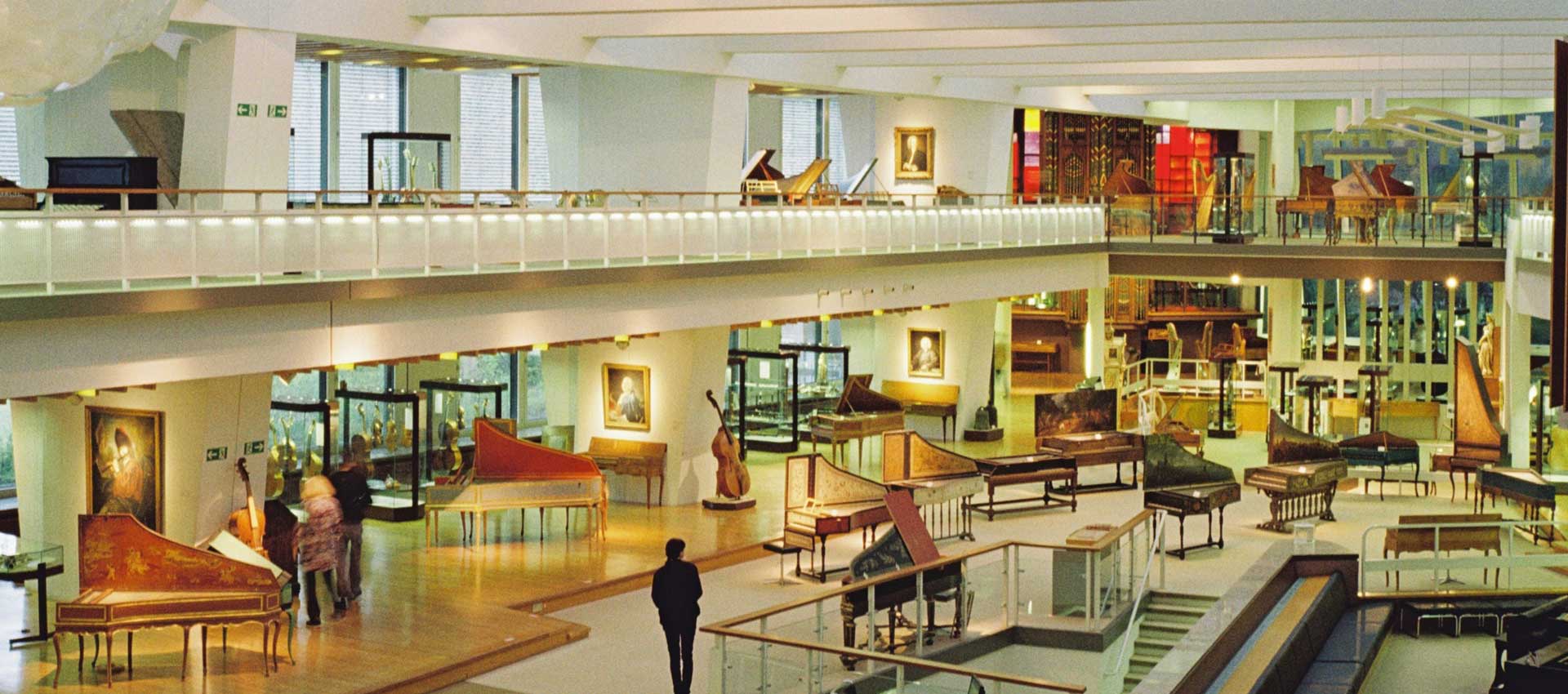
It’s magnificent, with some extraordinary pieces. Of course, you can also see the preferences of its directors reflected in this collection. So we still have opportunities to expand it. For me, it’s also important that we relate this collection to modern instrument-making. We live in the 21st century and mustn’t just look to the past. There’s also a lack of visibility in the international context here. That’s something I’d like to focus on over the next few years. We also need to become more inclusive, diverse and sustainable.
What else would you like to improve?
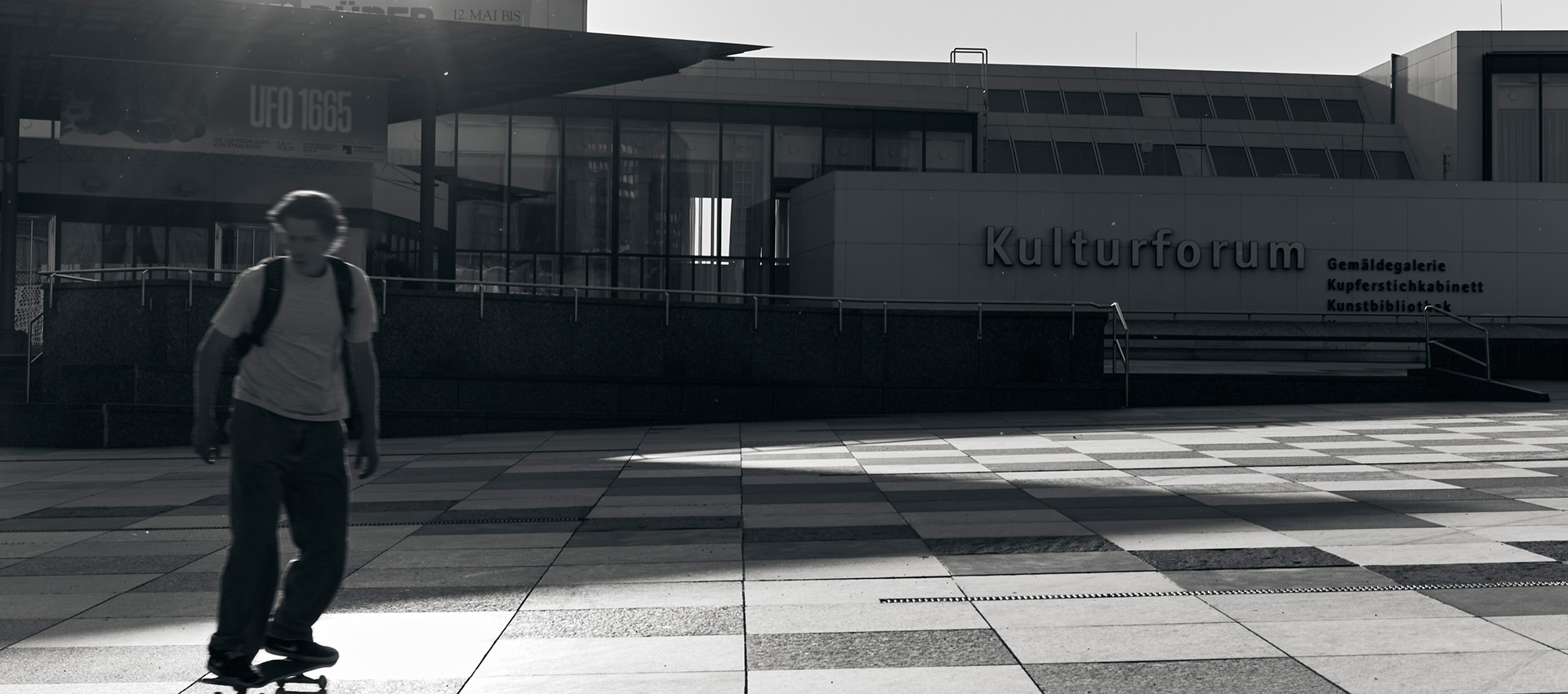
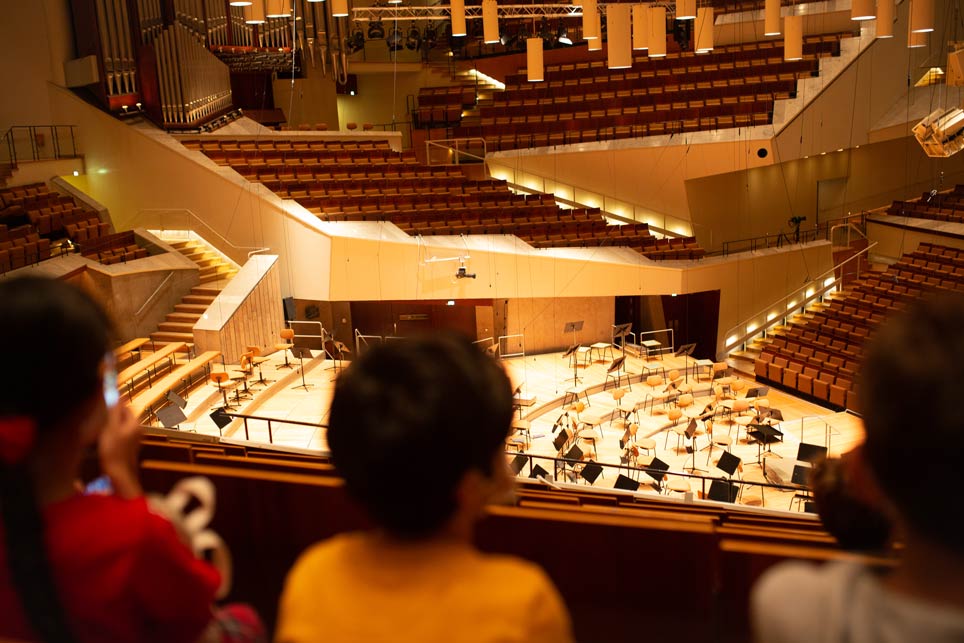
Unfortunately, German is no longer the language of academia, so we must also adapt to English in order to reach a wider audience. Specialists and laypeople worldwide must have easy access, including in terms of language. We must decide which media we use today and how, in order to reach tomorrow’s audience. I want to network more closely with other institutions. We now have the chance to participate in the redesign of the Kulturforum and to make our mark. The opportunities offered by the location next to the Philharmonie are also magnificent. You only find that in Paris. I want to make more of that. A fantastic concert hall, the Digital Concert Hall, musicologists and acousticians. There is so much expertise in one place.
Any other wishes?
I want to focus more strongly on collections from the 20th and 21st centuries and involve contemporary, European and non-European instrument makers, also to showcase these instruments in performance practice.
Do you still have time to play an instrument yourself?
Very little. But I was never particularly good at it. No one will miss it or regret it. Least of all myself.
What do you like about Berlin so far?
The size, the open spaces, the many parks. I think here I can find a balance between professional and private life, between concentration and fun.