At the venerable Bode Museum, visitors can marvel at the sculpture collection and the collection of Byzantine art – but is anyone still interested in that in the 21st century? Absolutely! says Julien Chapuis, who took up the post of director in 2008 and is exploring innovative approaches to exhibition design and public engagement.
What has changed at the Bode Museum over the last ten years?
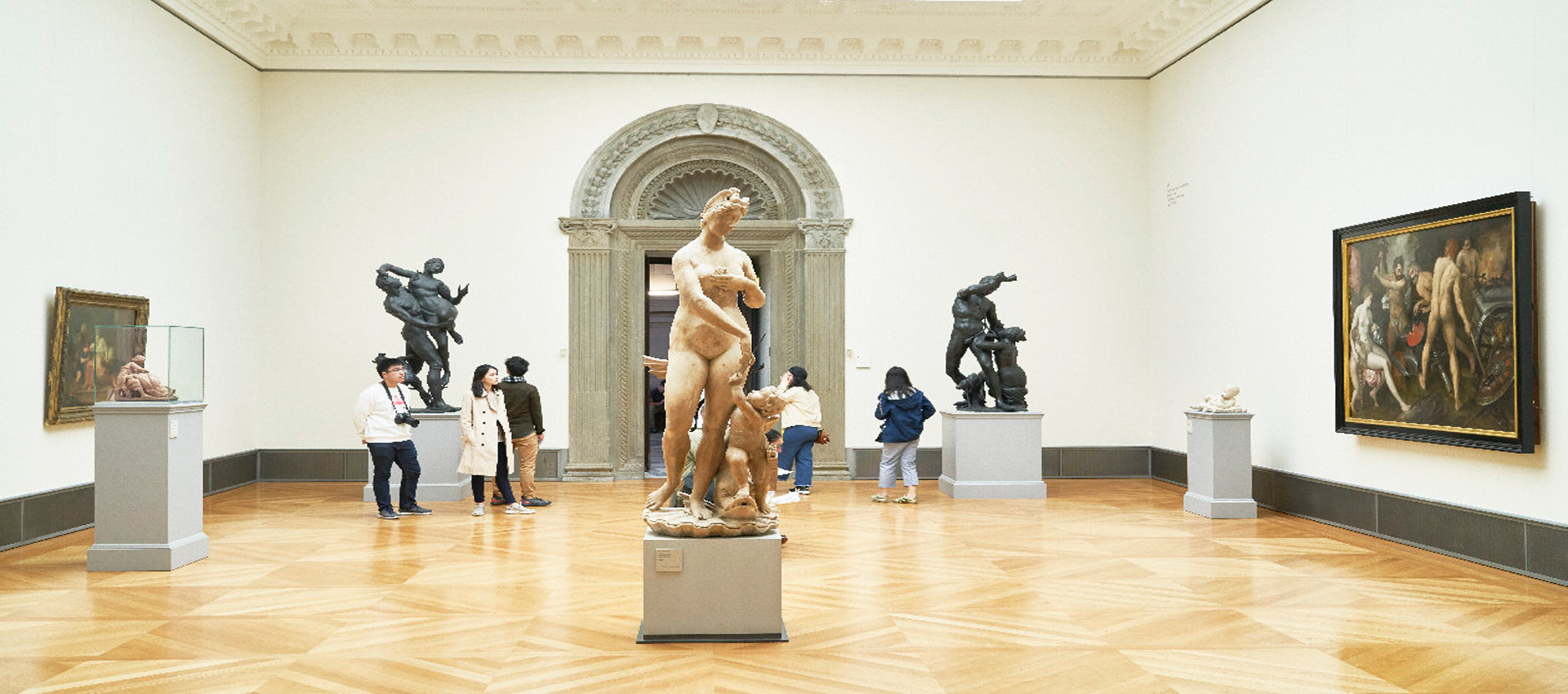
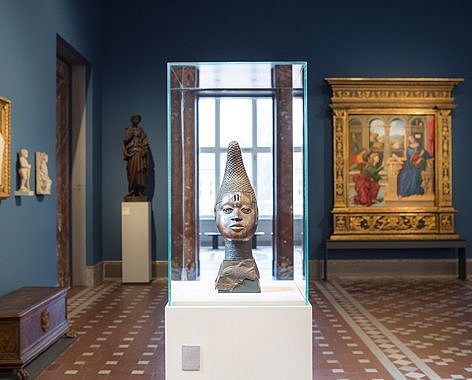
Compared to 2008, the Bode Museum has become much more colourful. During the refurbishment (2005–2006), the decision was made almost exclusively to use white walls. Only the display rooms on the upper floor on the Spree and Kupfergraben sides were decorated in shades of green and red. In the halls with white walls, the light levels were far too high despite the shading. The now colourful exhibition rooms have significantly reduced the lux levels, which contributes to better conservation conditions. Furthermore, the new wall colours create a festive atmosphere that is received extremely positively by visitors.
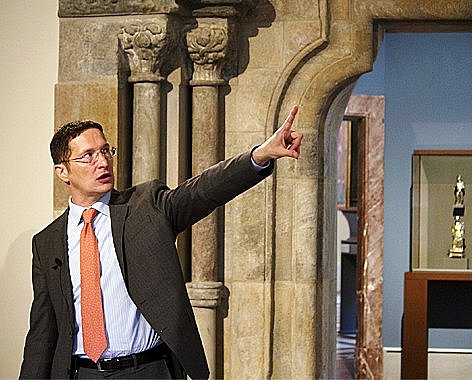
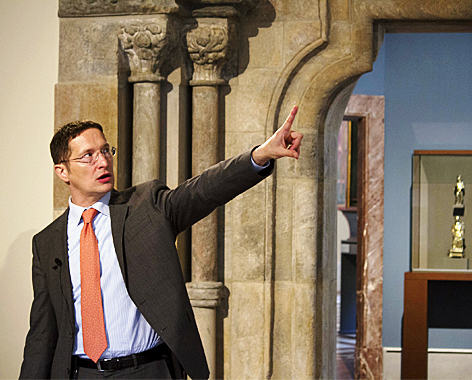
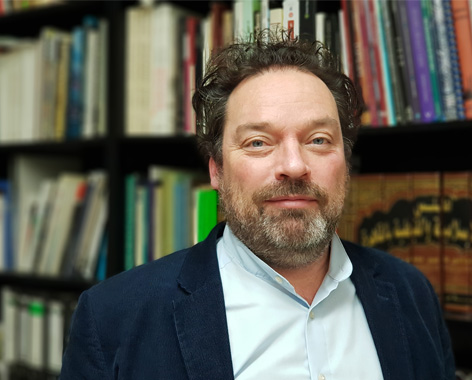
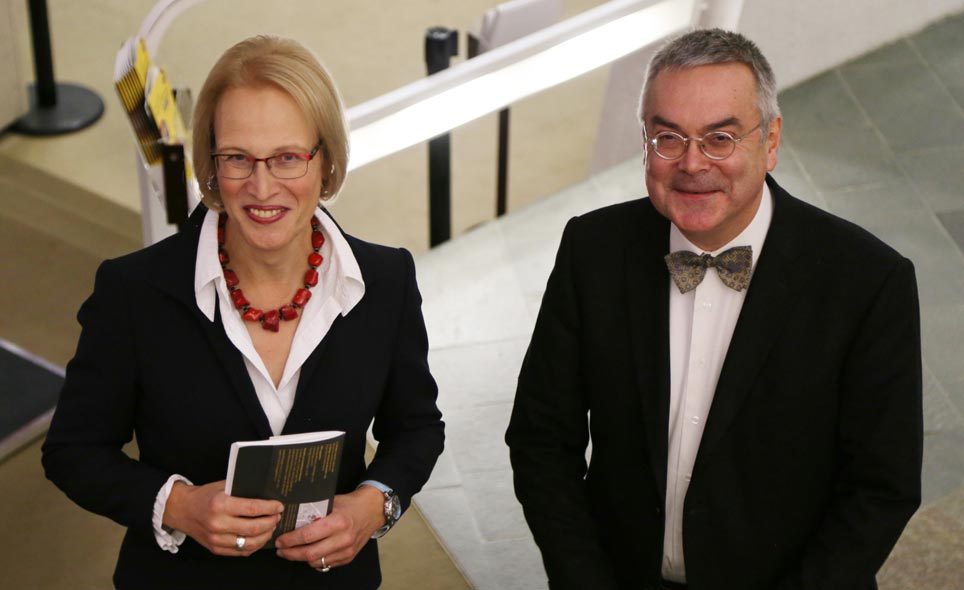
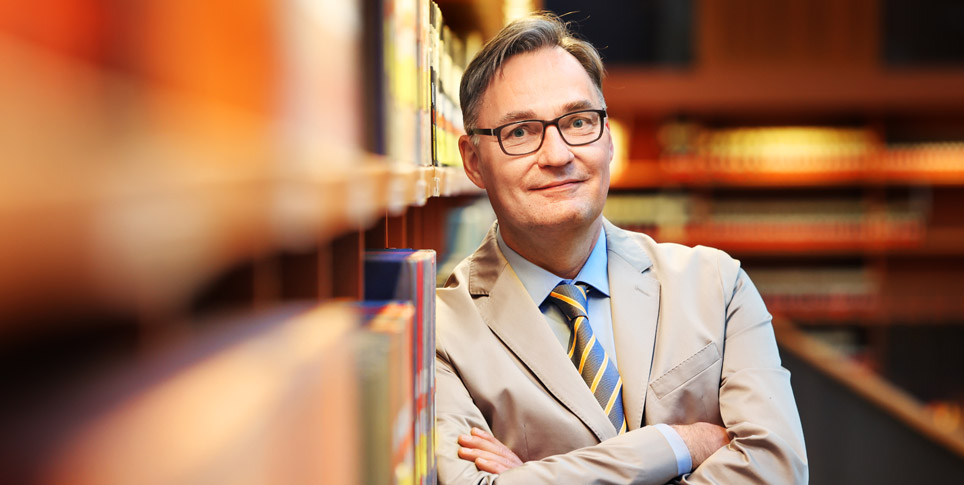
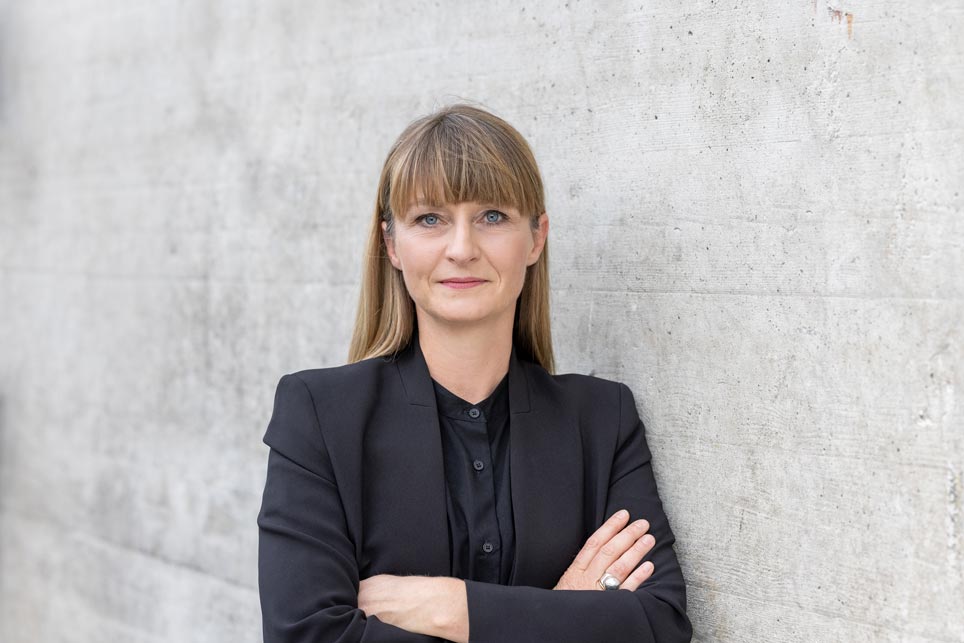
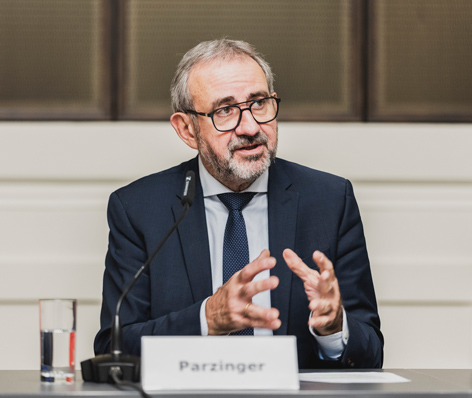
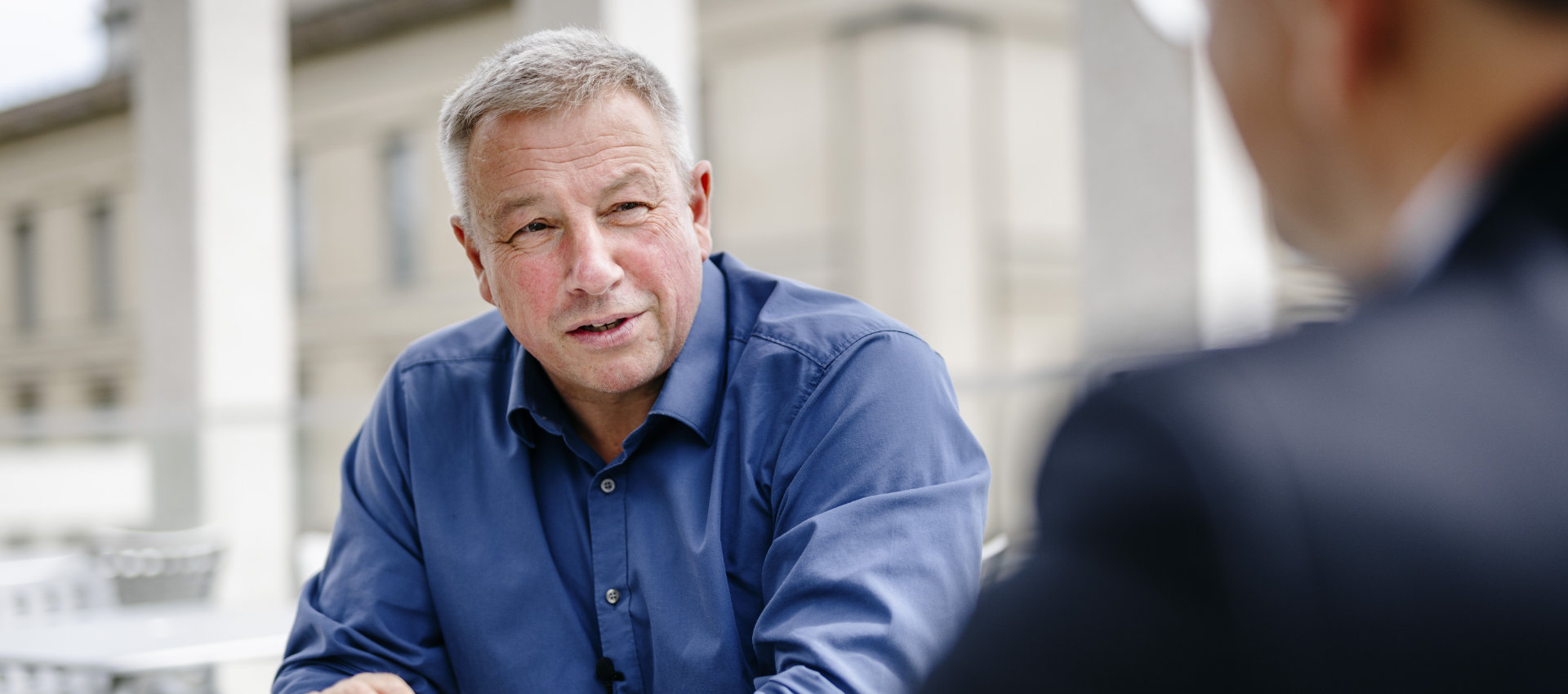
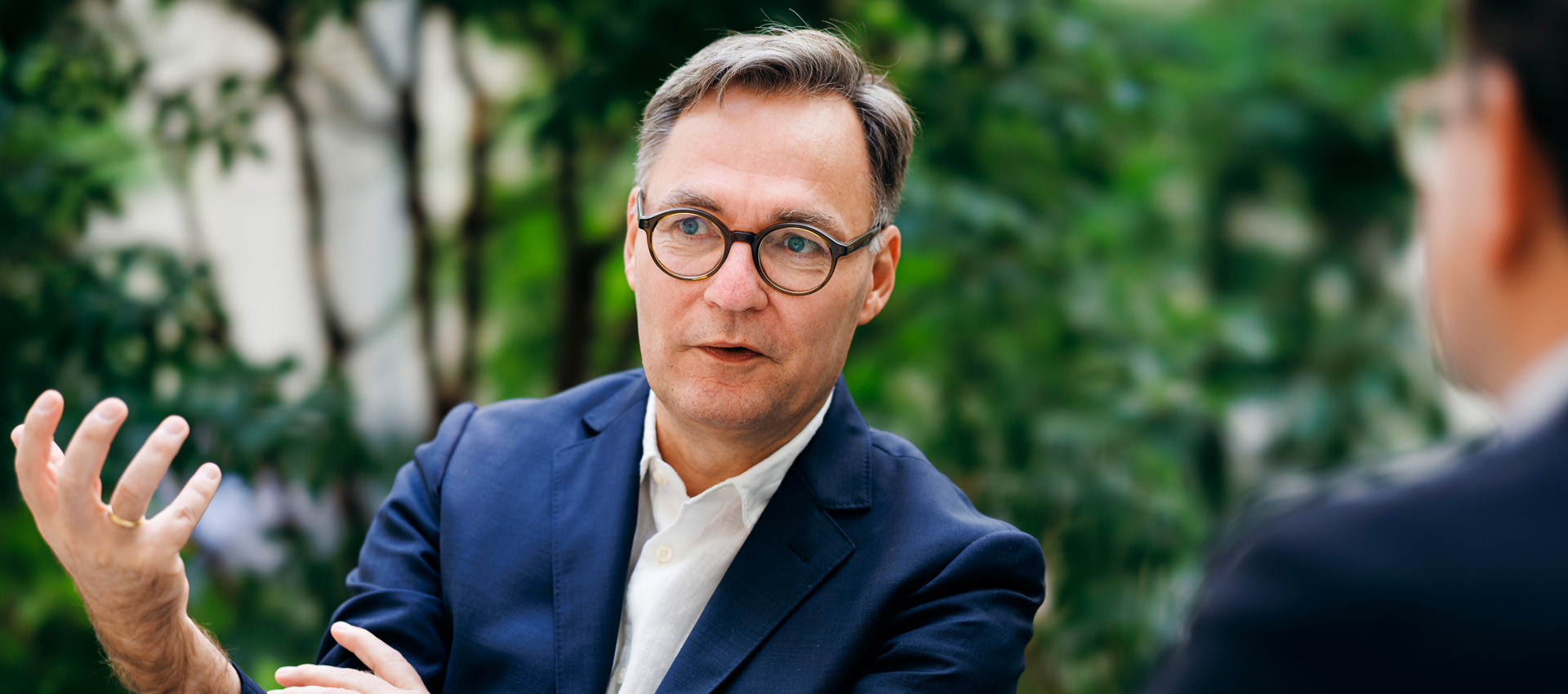
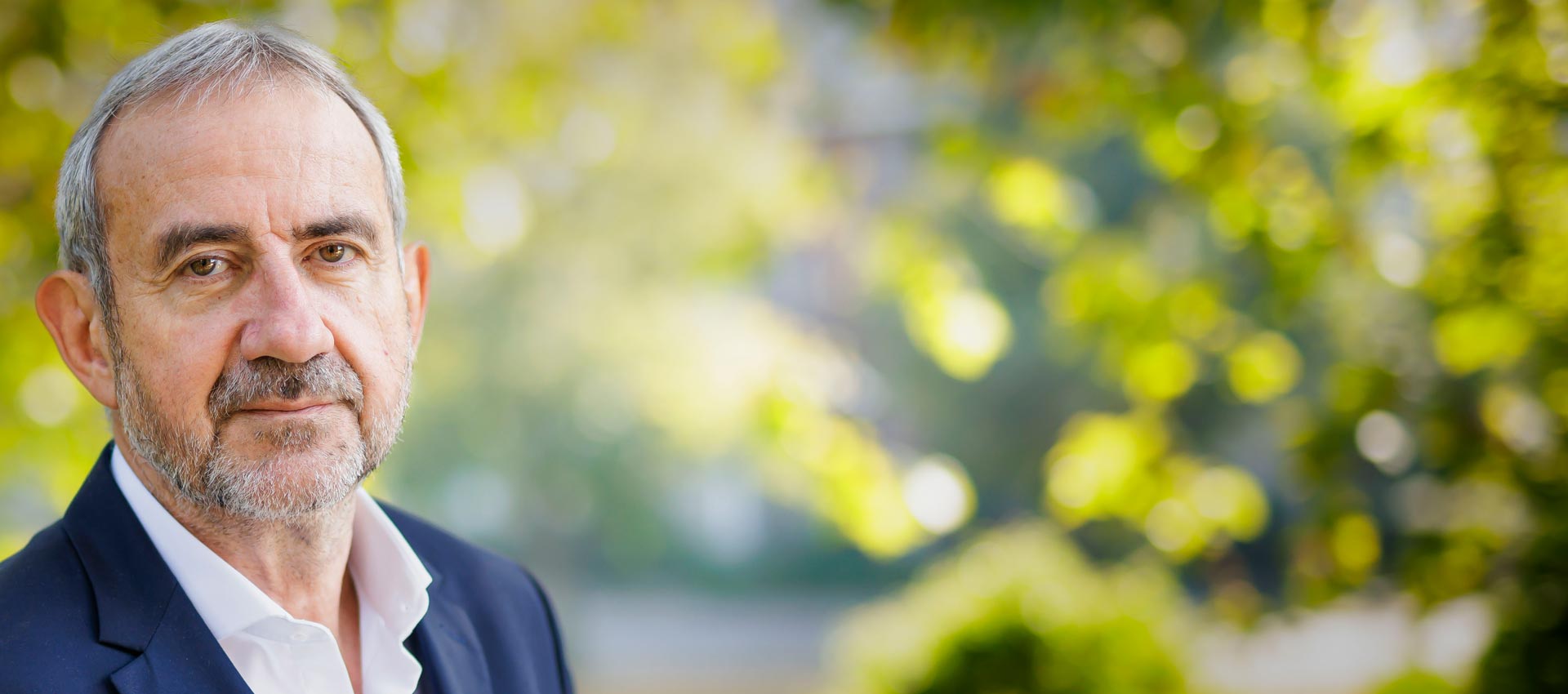
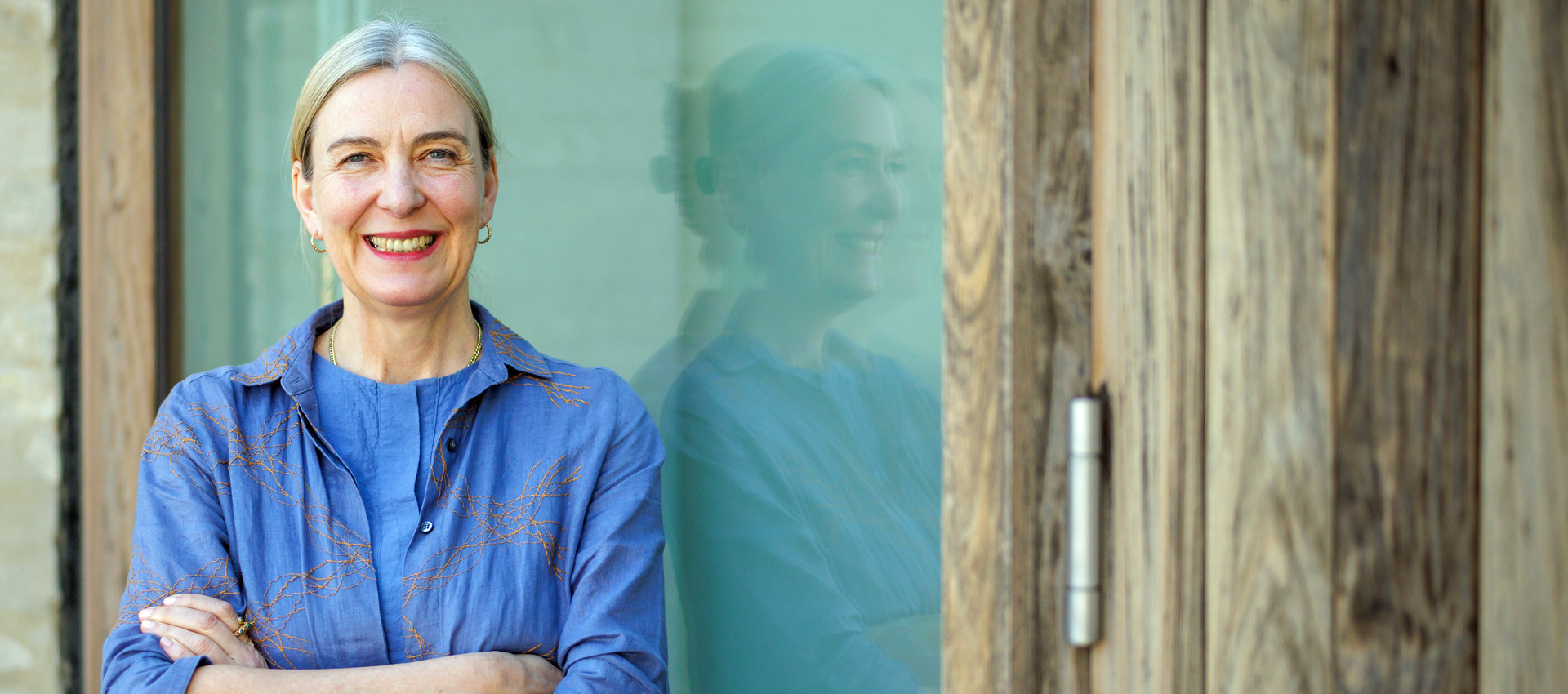
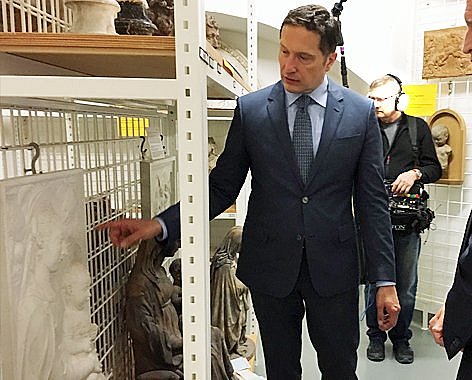
Julien Chapuis, Head of the Sculpture Collection and the Collection of Byzantine Art at the Bode Museum © Staatliche Museen zu Berlin
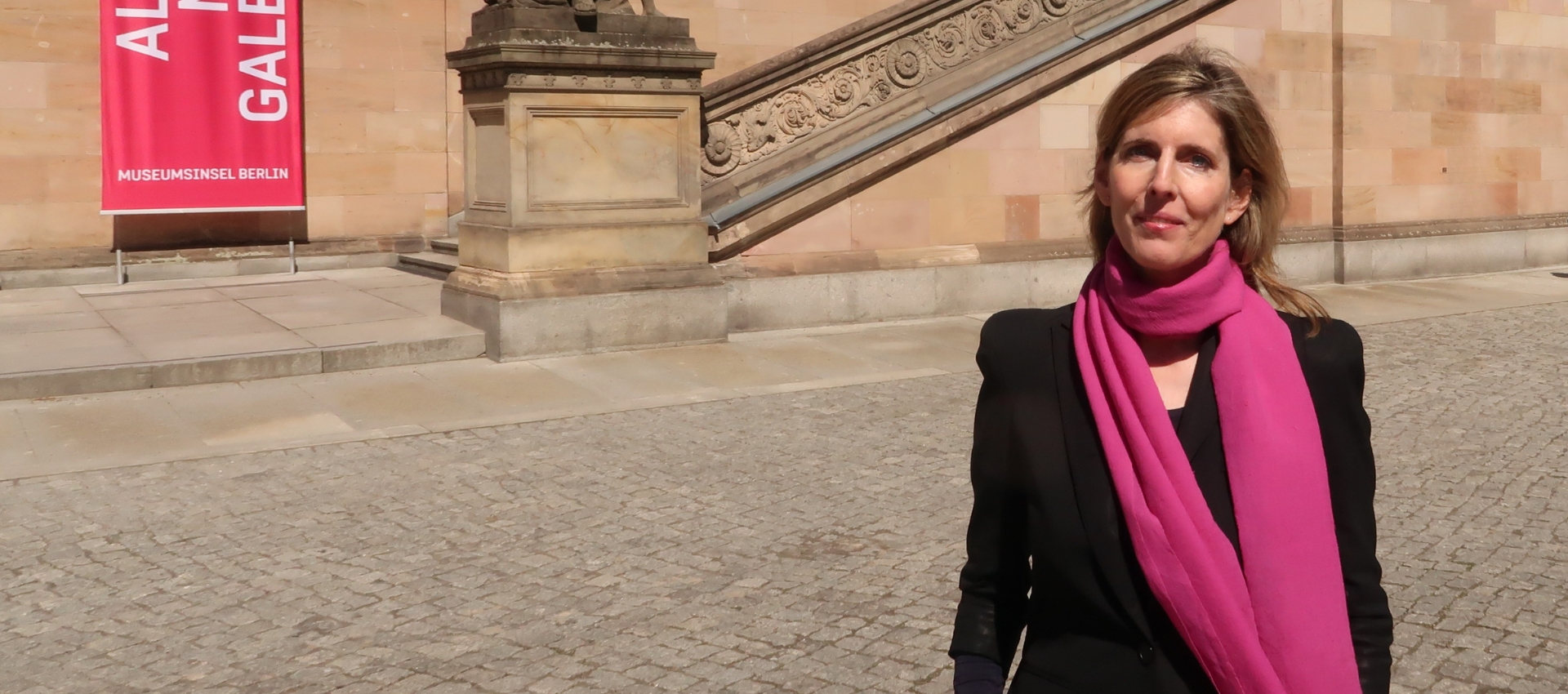
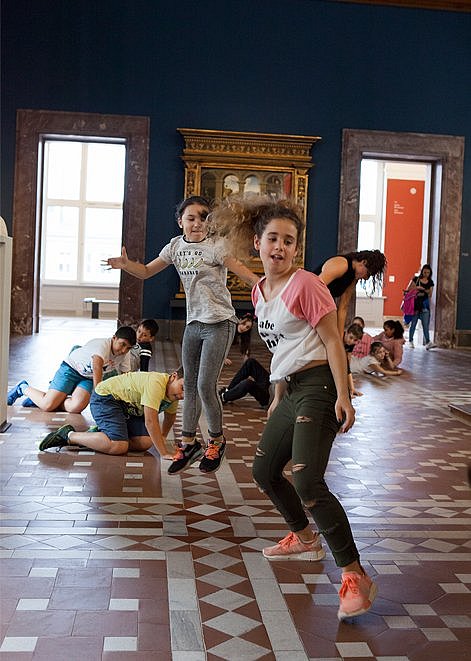
In recent years, the Bode Museum has also become much more open. We now ask ourselves the question “Who are we here for?” much more naturally. For the past year, we have had a new member of staff at the Bode Museum, María López-Fanjul, who is the Outreach Curator. Her role is to ensure that visitors’ needs are integrated into all of the museum’s work processes.
This means, for example, scrutinising exhibition labels to ensure they are understandable to visitors. Museum outreach means trying to attract people to the museum who haven’t been here before. But outreach also means inreach, because it’s about raising awareness among curators and the people who have been here for years of visitors’ needs, and gradually ensuring that the interests of public engagement are truly present in the museum’s day-to-day operations. It’s about a change of mindset within the institution.
Bode Museum
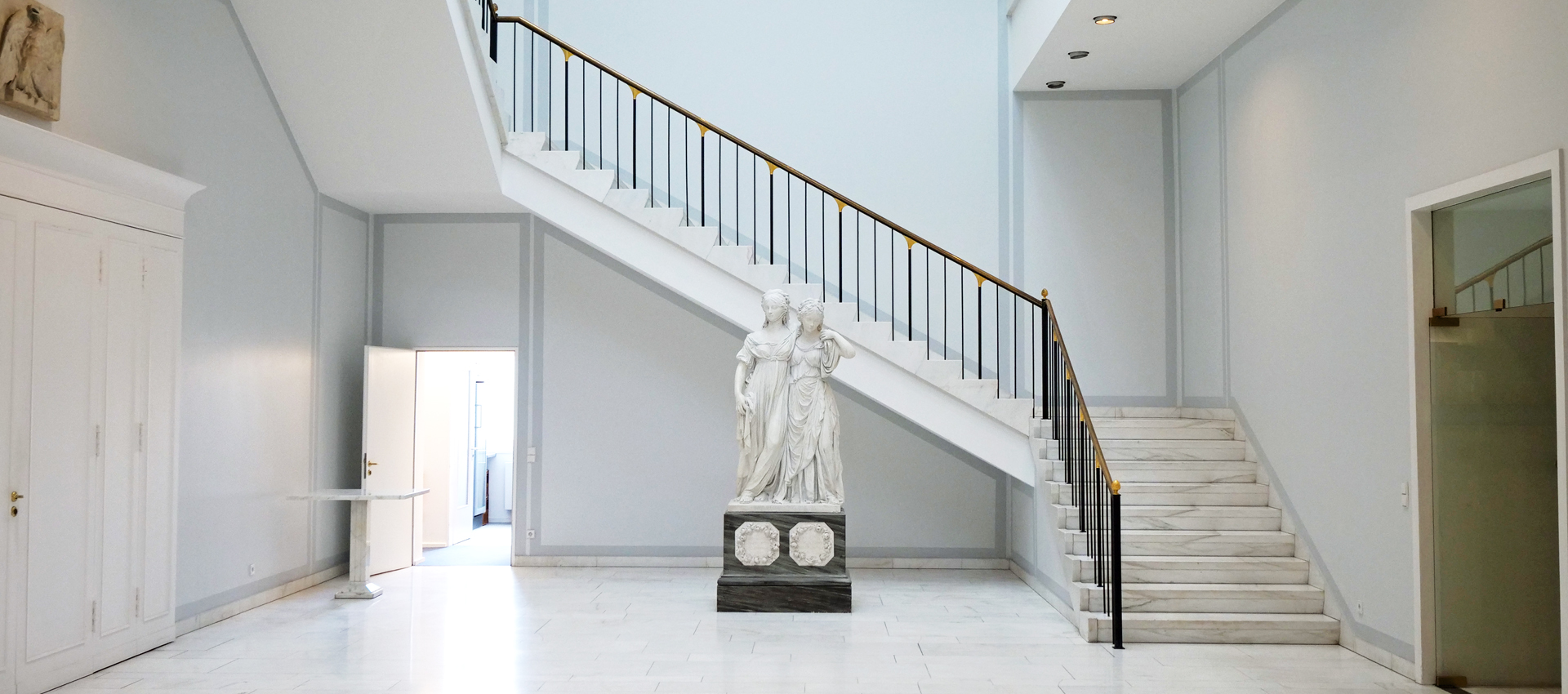
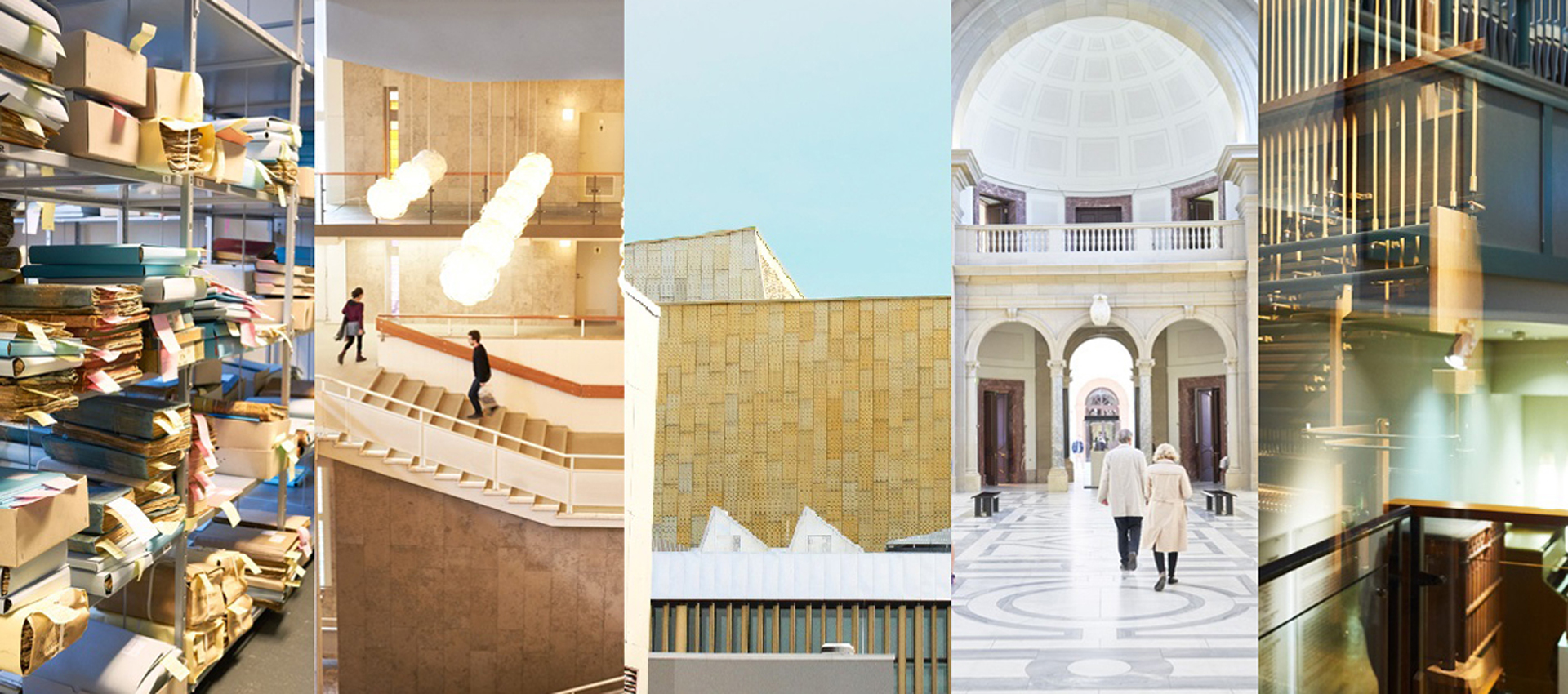
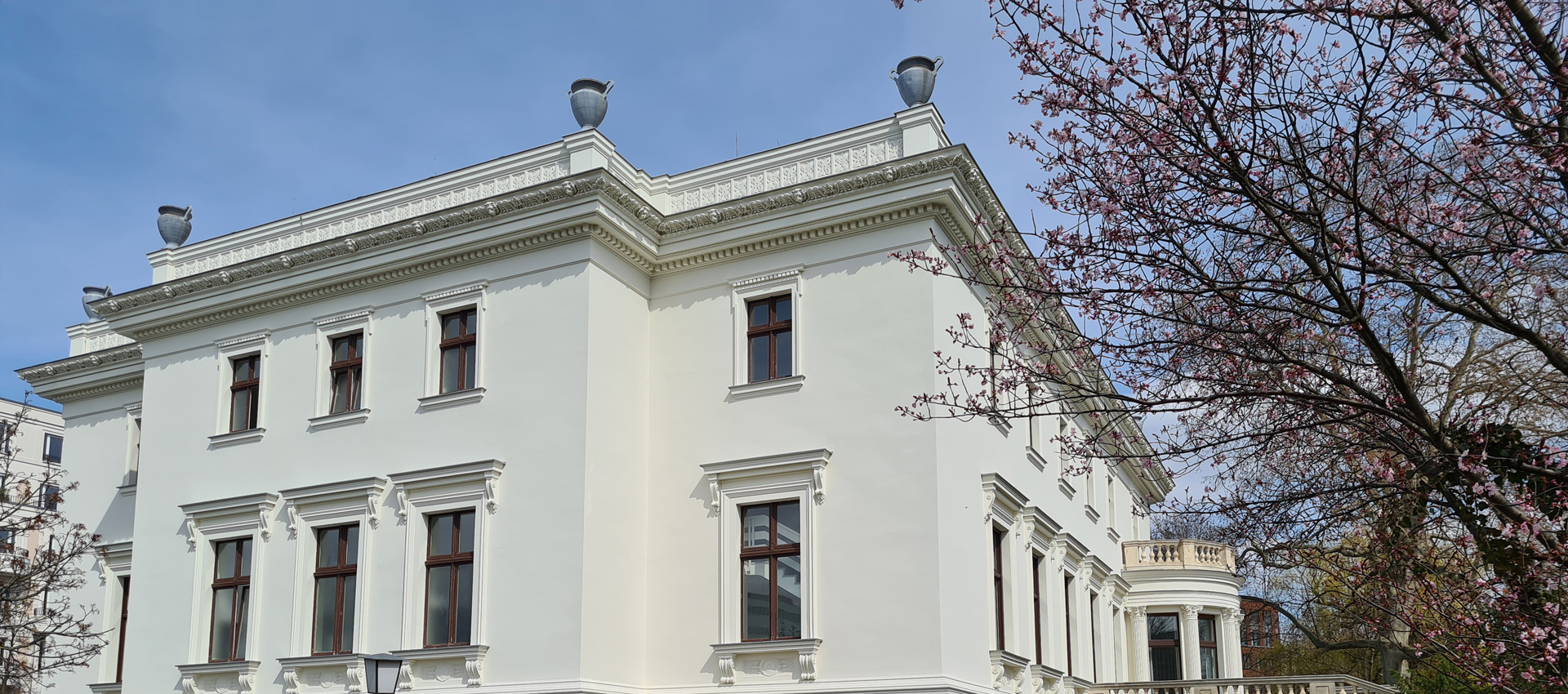
The Bode Museum, part of the Berlin State Museums, crowns the northern tip of Museum Island. Completed in 1904, the building now houses the Sculpture Collection, the Museum of Byzantine Art and the Numismatic Collection. It also displays around 150 paintings from the Picture Gallery.
The design of the building, originally constructed as the Kaiser Friedrich Museum, was based on ideas put forward by Crown Princess Victoria in the early 1880s, which Wilhelm von Bode brought to fruition. In 1956, it was renamed after its spiritual creator, a name it retains to this day: the Bode Museum.
Which exhibition are you particularly proud of, and why?
I am particularly pleased that the exhibition “Incomparable: Art from Africa at the Bode Museum”, which will be on display until the Humboldt Forum opens, has been very well received. One of the exhibition’s key messages is that there is far more that unites cultures than divides them. The fact that this message is being well received is particularly encouraging in an age of rising nationalism and populism.
What is your greatest failure?
In merging the Picture Gallery and the Sculpture Collection.
What surprised you the most?
That the Thomas Mann Gymnasium in Reinickendorf declared the Bode Museum its ‘home museum’ in 2012.
Where do you see the Bode Museum in 2028 – what should happen over the next 10 years?
The “lab.Bode” project, which is generously funded by the German Federal Cultural Foundation, allows us to develop and trial new educational formats by 2020. My greatest wish is that younger generations will embrace this institution steeped in tradition and turn it into a place where today’s relevant issues can be discussed.