Russian and German researchers have, for the first time, jointly investigated the wartime losses suffered by Russian museums during the Second World War – and to mark the conclusion of the project, the publication containing the findings has now been presented. Co-authors Ulrike Schmiegelt-Rietig and Corinna Kuhr-Korolev explain in an interview how the work was carried out and why the book is so important.
You have just presented your book on art looting during the Second World War in Russia. Why should anyone read the book?
Ulrike Schmiegelt-Rietig: To understand the background. Whenever the subject of ‘looted art’ comes up in this country, people instinctively ask about German losses. We hope that our book can convey to a wide readership that the Russian trophy commissions and the removal of collections from German museums and private collectors were the result of a history – and a very brutal one at that. And that in future people will also remember what the cities and castles in the former Soviet Union, for example in Novgorod, looked like after the end of the war – Novgorod was a city in ruins that the returnees initially drove past because they no longer recognised it.
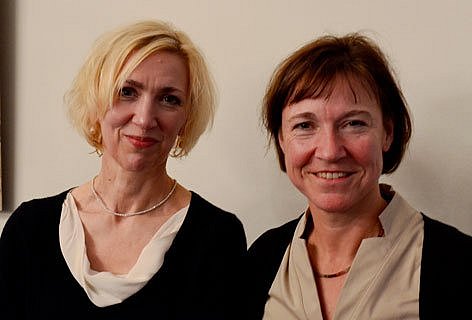
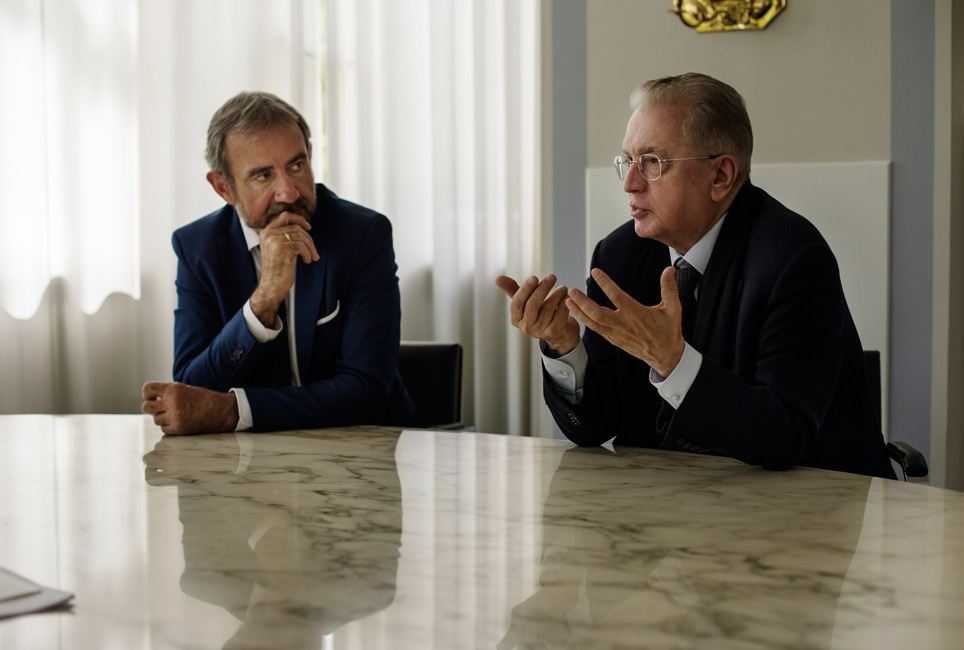
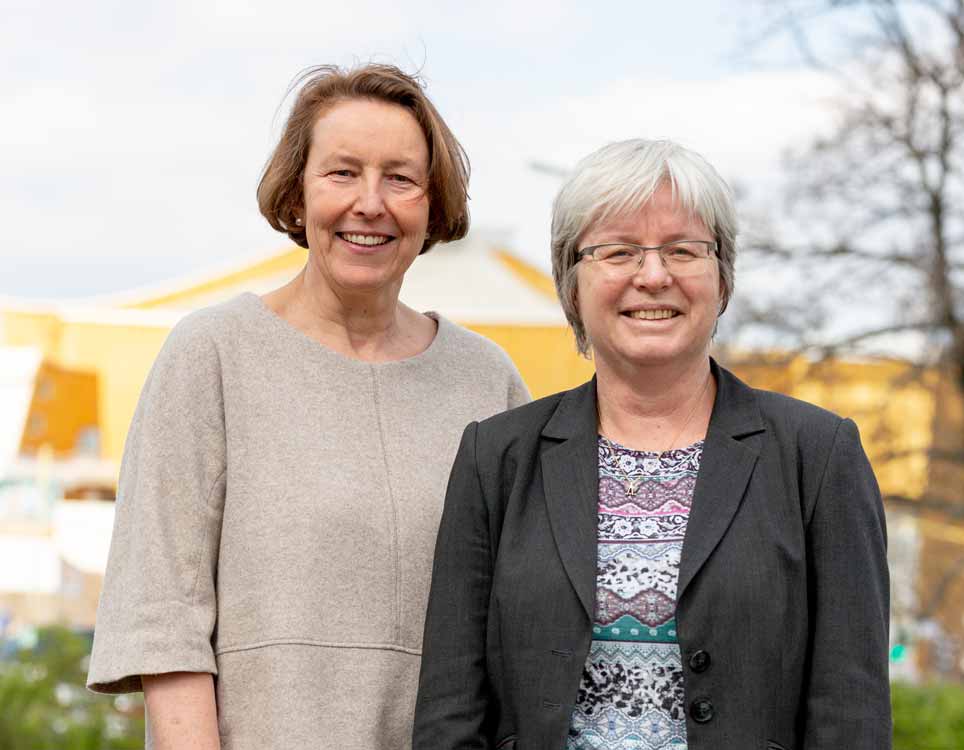
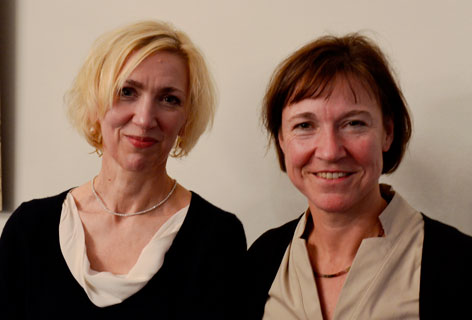
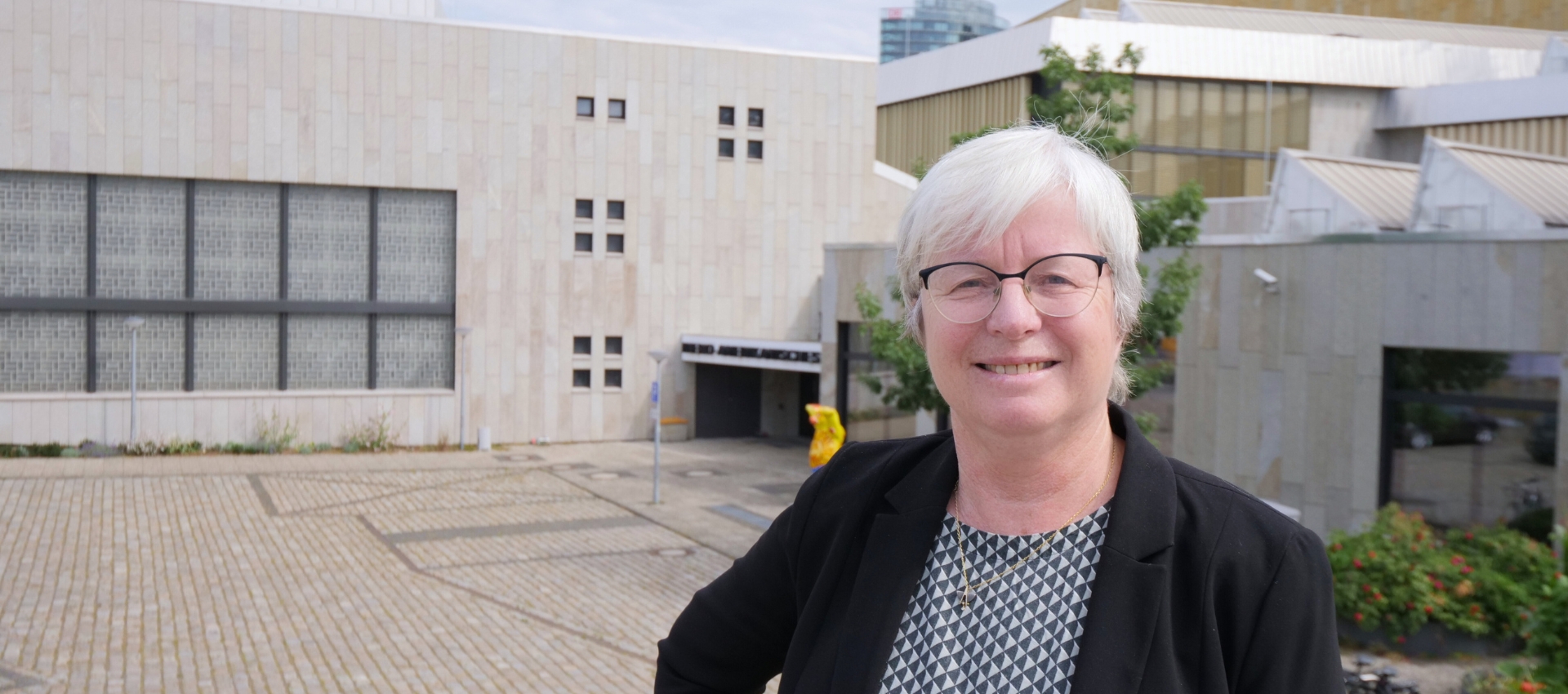
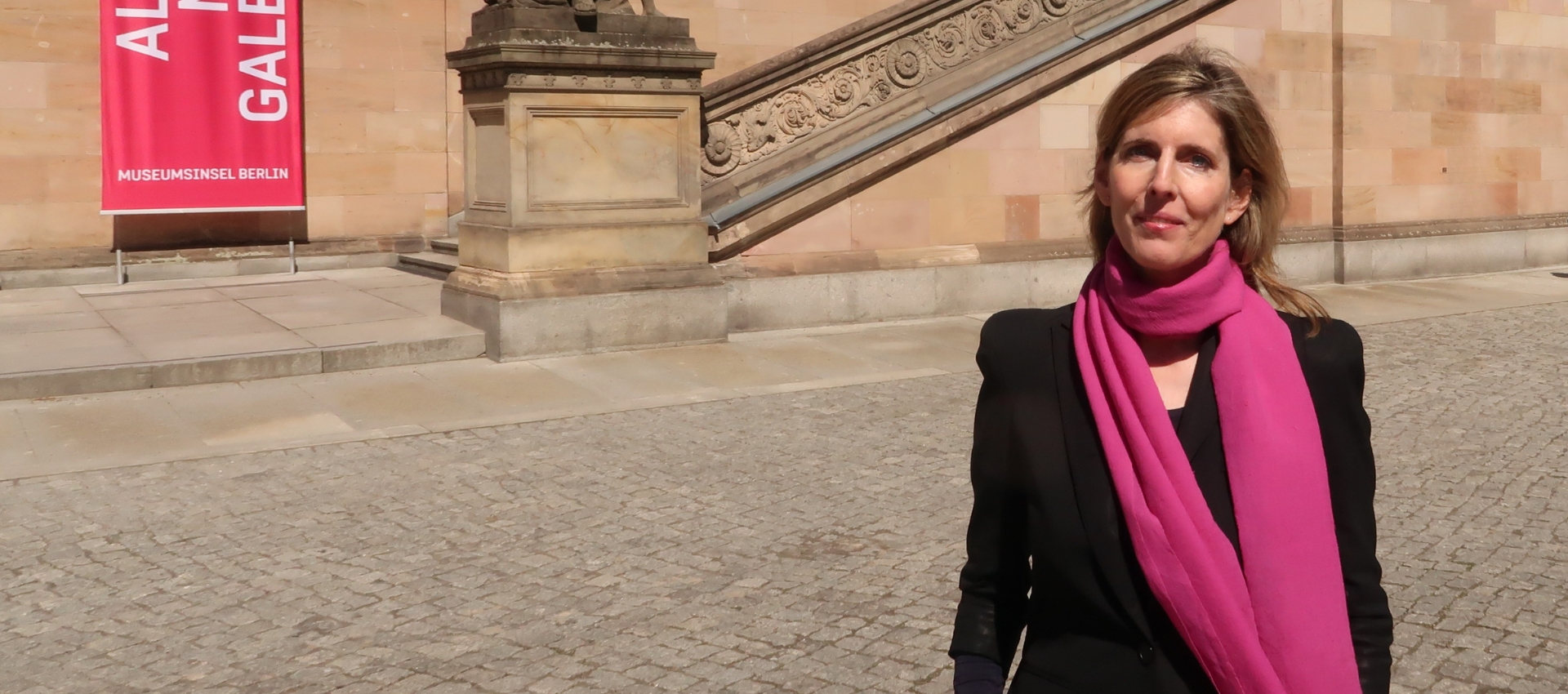
The authors Ulrike Schmiegelt-Rietig and Corinna Kuhr-Korolev © SPK / Sven Stienen
You mentioned detective work – how did the research actually go about?
Corinna Kuhr-Korolev: It was quite standard historical research. We searched for sources wherever they might be found, not just in state archives, but also in university archives and private estates. Photo archives also played a major role: we examined a large collection in the Federal Archives’ image archive – around a million photos by photojournalists from the Second World War – in relation to our research area, looking for clues to destroyed art or art that had been taken away. We also examined military archives and Russian museum archives and tried to access the estates of Russian museum staff in order to gradually understand what happened on the ground. Our work therefore involved reconstructing the events of the war and the fate of art during the war.
The book also deals with human destinies and emotional stories. Are there any specific examples that have particularly stayed with you?
Ulrike Schmiegelt-Rietig: One memorable case is that of Vasily Ponomarev. He looked after the collections in Novgorod from 1941 onwards, even though he was not formally a museum employee. Ponomarev was one of the victims of the repressions of the interwar period in Russia. That did not alter the fact that he felt responsible for the collections. He accompanied them from the moment the Germans took them away and followed them all the way to Germany. His aim was to be with ‘his’ icons and to save them. For example, he meticulously marked their exact provenance in pencil so that they could be re-attributed after the war, should they be returned to Russia. So he went with the Germans and remained in exile for the rest of his life. In Russia, he was regarded as a traitor. Recently, his relatives have attempted to clear his name. Ponomarev’s image today is ambivalent – to some, he is someone who loved these objects and wanted to protect them; to others, he is still a collaborator.
A truly moving story …
Ulrike Schmiegelt-Rietig: This man’s love for the artefacts cost him his homeland. He had no choice; he became a pawn of events. He stayed with his artefacts, but in the end it was clear to him that he could not return without risking his life – I find this story emotionally very moving. Ponomarev’s estate is divided into two parts, and we have examined both. One part is held at the University Library of Marburg, and the other at the Herder Institute, also in Marburg. Among other items, the University Library holds a diary by Ponomarev, which he titled ‘The Fall of Novgorod’. It begins well before the war, and in it he describes how the city falls into ruins piece by piece.
What do you hope to achieve in the medium term as a result of this book’s publication?
Corinna Kuhr-Korolev: We hope to encourage a shift in thinking and reflection. We hope to raise awareness not only of the art that was taken from Russia, but also of the works of art and monuments that were destroyed. And we would also hope that people learn how much was taken out of the country back then, and perhaps realise that they still have something at home that their grandfather brought back. Because a large proportion of the objects taken from Russia ended up in private German ownership – this number of unreported cases is almost impossible to determine, and it is very difficult today to trace the paths these objects took. Last but not least, we would of course be delighted if we could help ensure that this field of research receives greater financial support in future, as that is currently not the case.
Ulrike Schmiegelt-Rietig: I would agree with that. I am a provenance researcher and we have four main areas in which we conduct research. Unfortunately, Russian war losses are not among them, nor are Ukrainian ones – that is, those that were Soviet in the historical sense. However, it is a very important area of research, even if it does not primarily concern objects that appear in large numbers in museum collections. But there are indeed objects to which this applies, and we must not lose sight of this part of history, particularly in Germany.
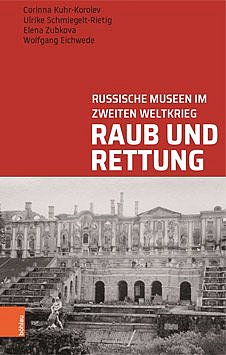
Looting and Rescue: Russian Museums in the Second World War
The book summarises the findings of the project, which examines the looting of art by Nazi Germany through detailed case studies. It is the first volume in the series ‘Studies on Cultural Assets Displaced by War’. It is published by the Cultural Foundation of the German States and the Prussian Cultural Heritage Foundation.