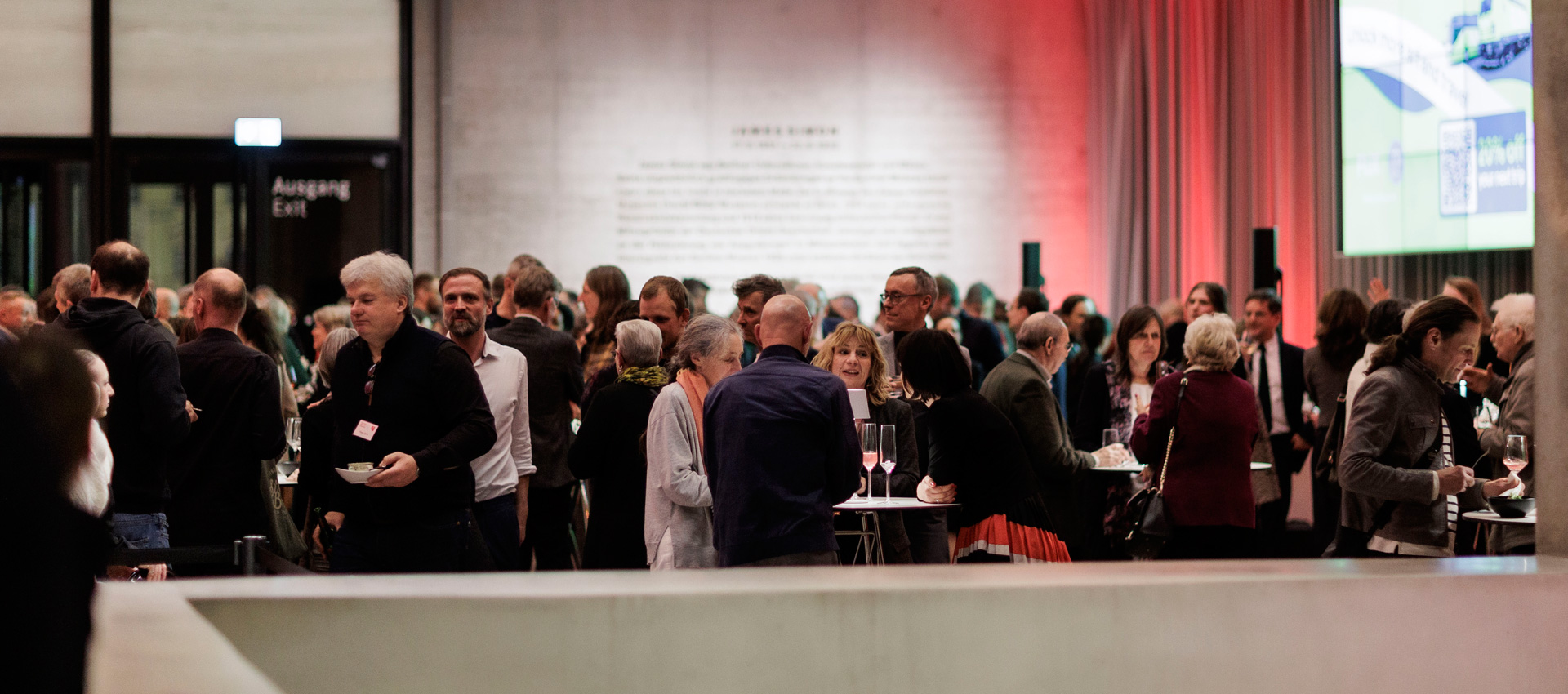
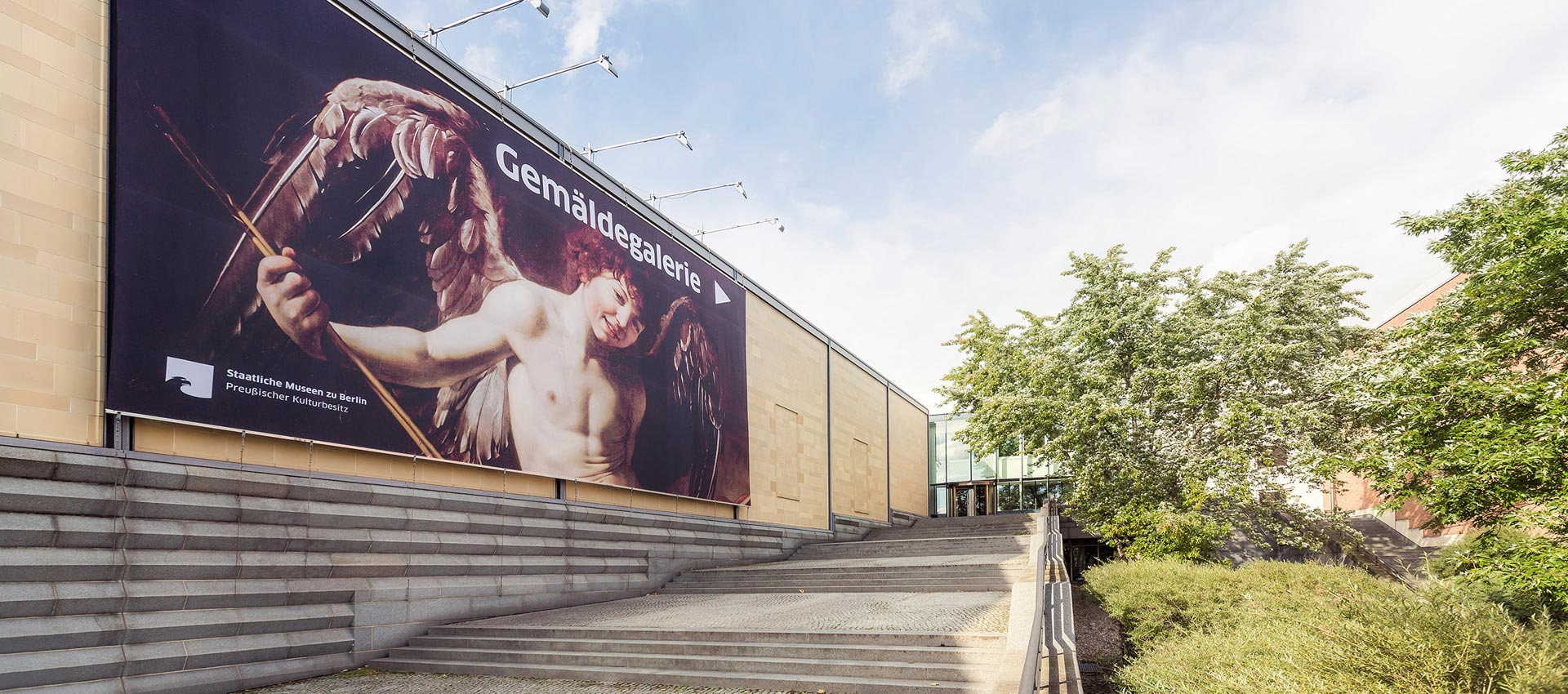
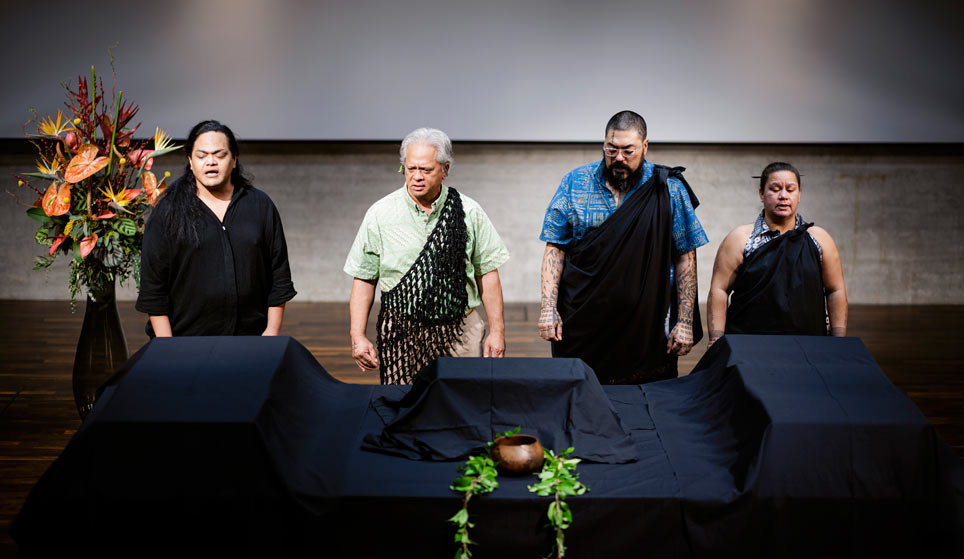
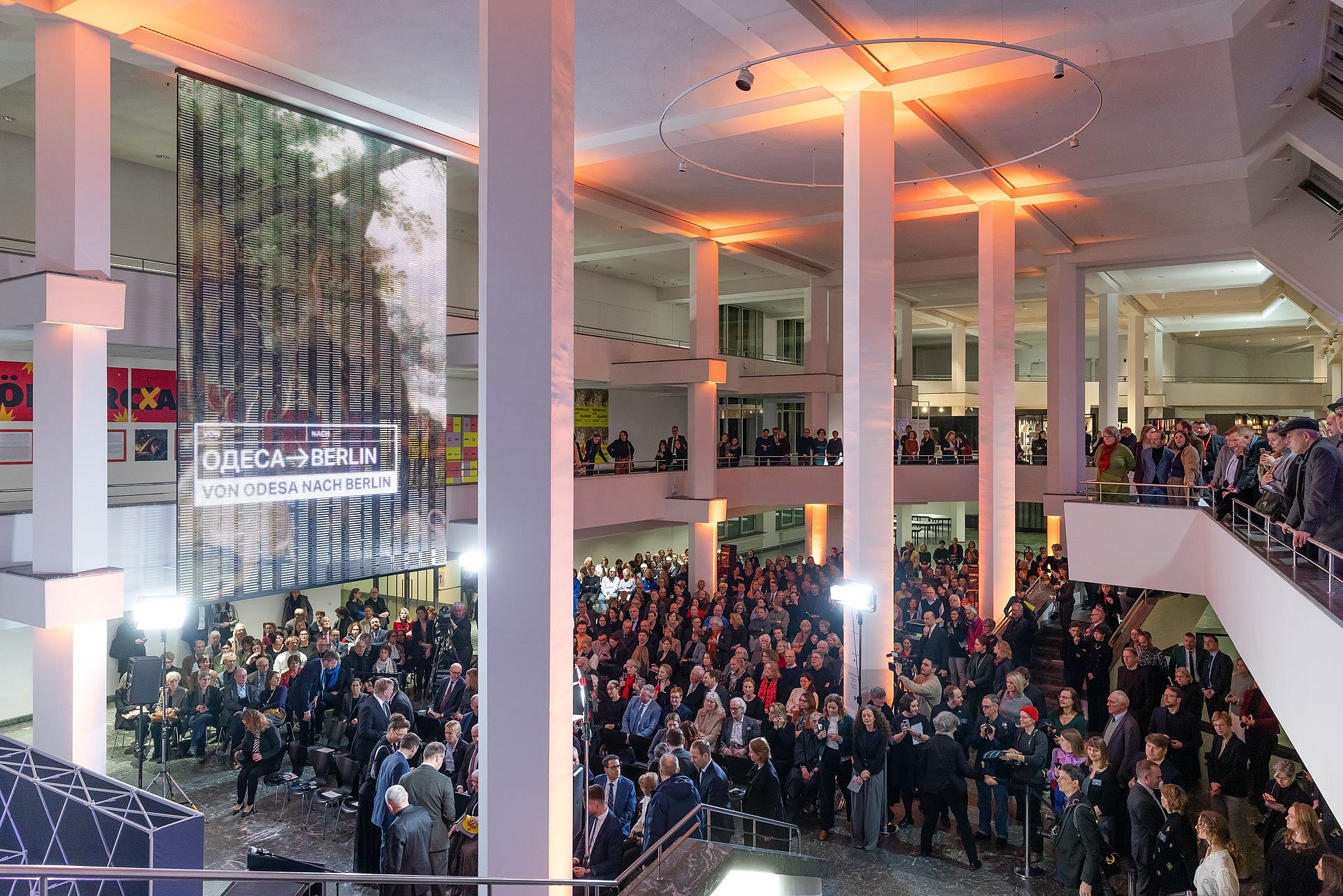
Under the patronage of Federal President Frank-Walter Steinmeier, the exhibition “From Odessa to Berlin: European Painting from the 16th to the 19th Century” opened at the Gemäldegalerie
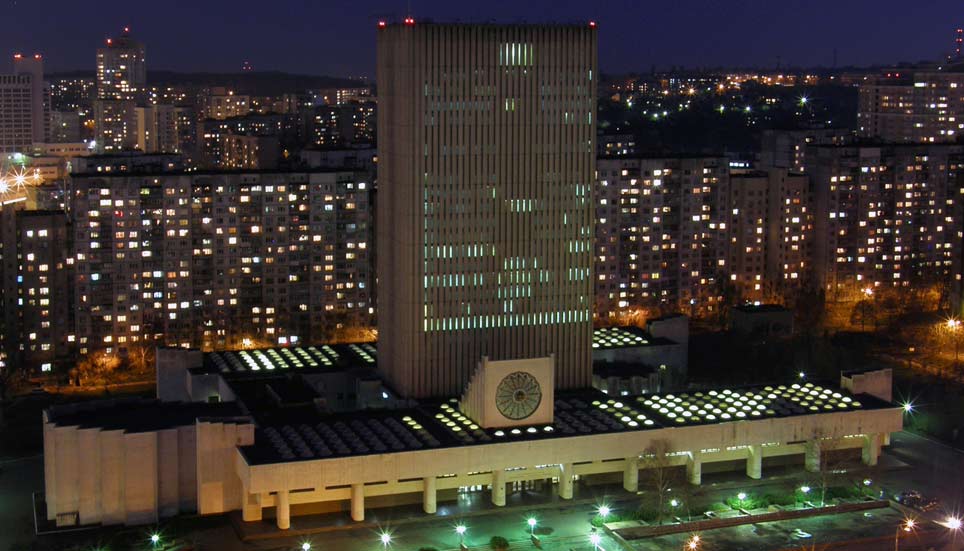
An unusual exhibition is currently on display at the Gemäldegalerie, as the vast majority of the works on show are on loan from a single museum, which, moreover, is located in a country where they would not be safe. “From Odessa to Berlin. European Painting from the 16th to the 19th Century” showcases works from the Museum of Western and Eastern Art in Odessa, the port city on the Black Sea (following the Ukrainian spelling with an “s”).
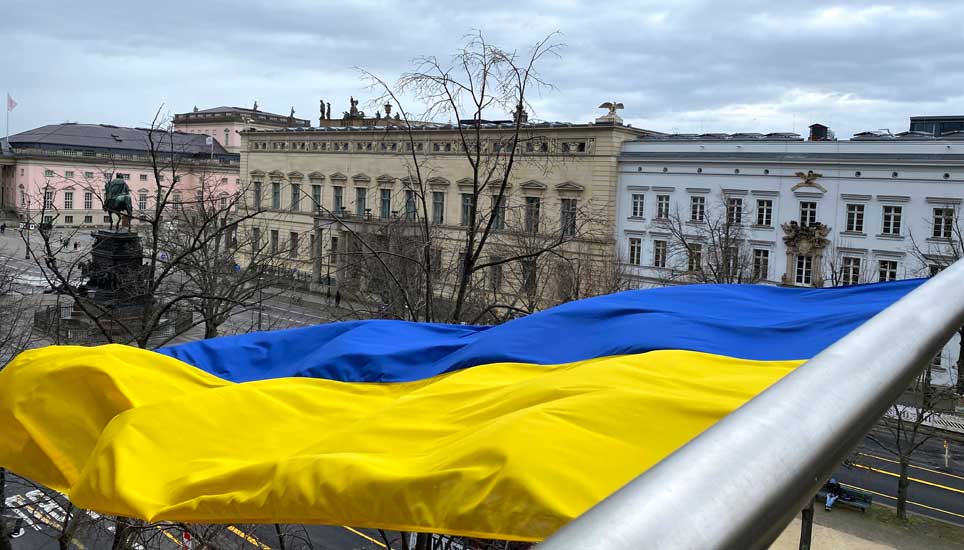
Since the start of Russia’s war of aggression against Ukraine in February 2022, there has been severe damage to infrastructure and to both public and private buildings there. In July 2023, the Orthodox Transfiguration Cathedral in Odessa’s old town was severely damaged in air strikes. As was and remains abundantly clear, this war is being waged not only against a country and its people, but also against their cultural identity. And so the museum was in acute danger, especially as a missile had already struck very close by.
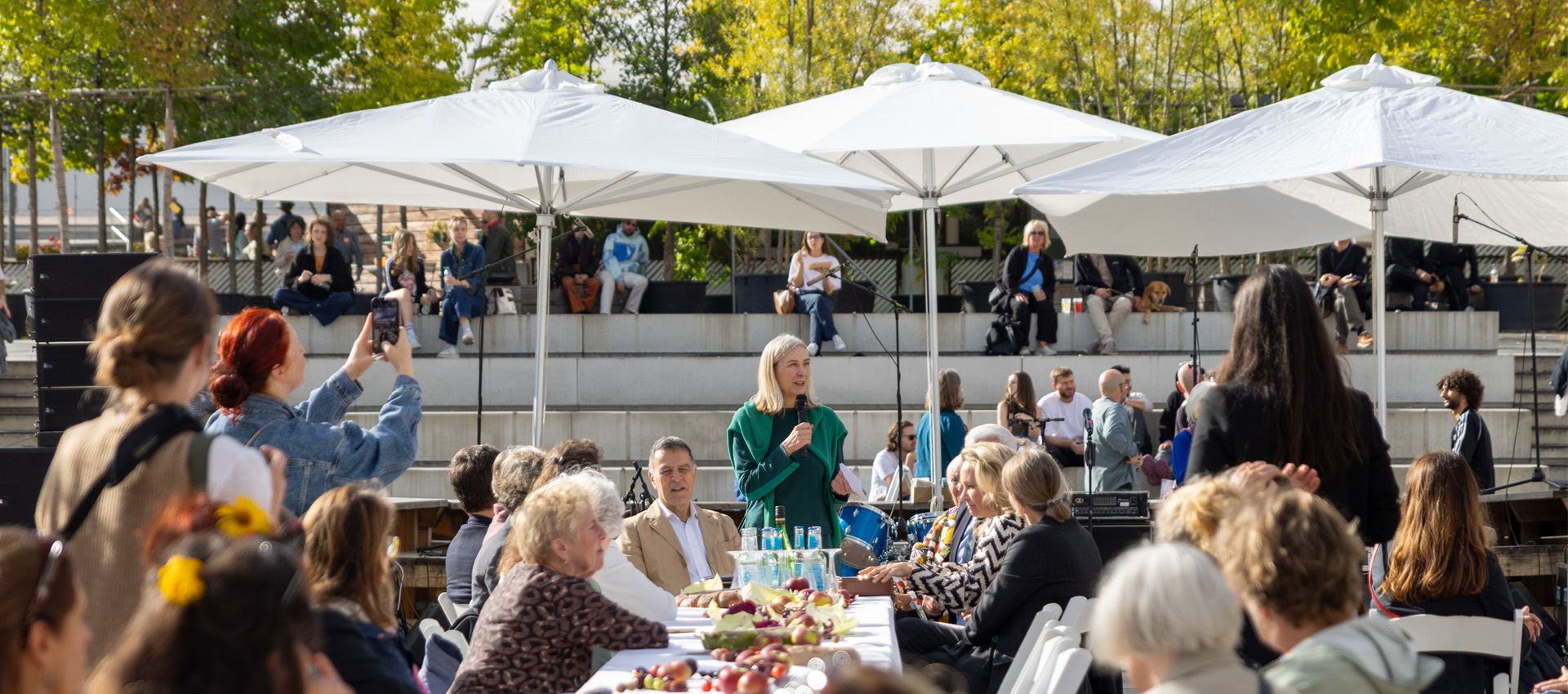
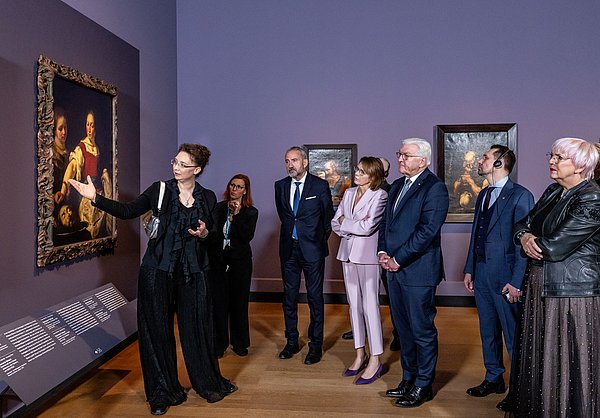
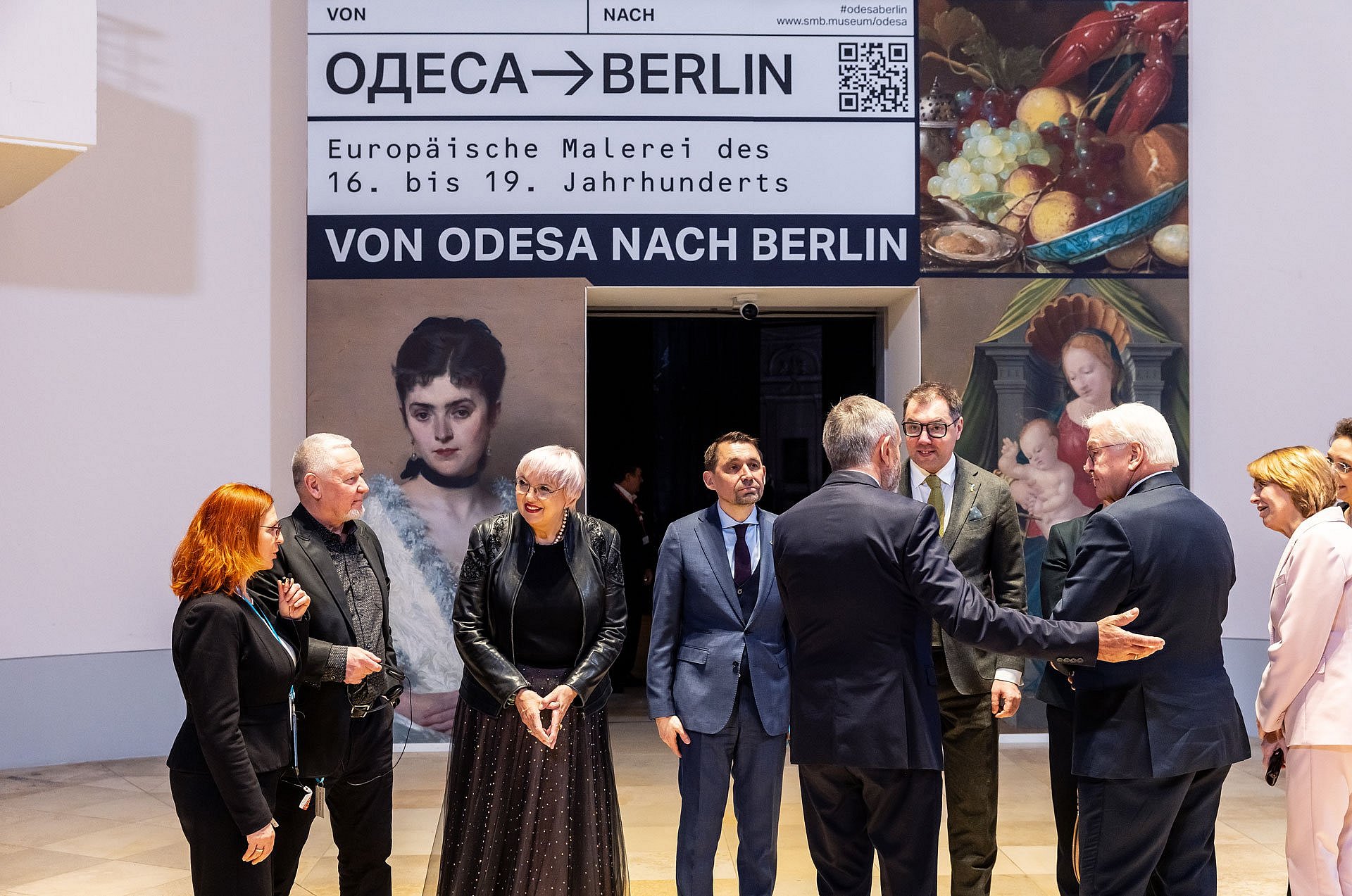
It is good, then, to have neighbours who respond with solidarity and a willingness to help in times of need. These include the Federal Republic of Germany and its Federal President, Frank-Walter Steinmeier, who has agreed to act as patron of this exhibition. At the grand opening ceremony, speaking both as an art lover and a democratic contemporary, he commented on Russia’s war strategy: “In countless Ukrainian cities, architectural monuments have been and continue to be damaged, cultural institutions destroyed and works of art looted in this war. The attacks on museums, theatres, opera houses and libraries are aimed at erasing Ukraine’s cultural memory.” In this respect, the Ukrainians would be defending not only their country but also their culture in the name of their homeland. He expressed the hope that the paintings from Berlin might soon return to where they belong – “to the Museum of Western and Eastern Art in Odessa, in a free and independent Ukraine, where no one need fear bombs and missiles any longer”.
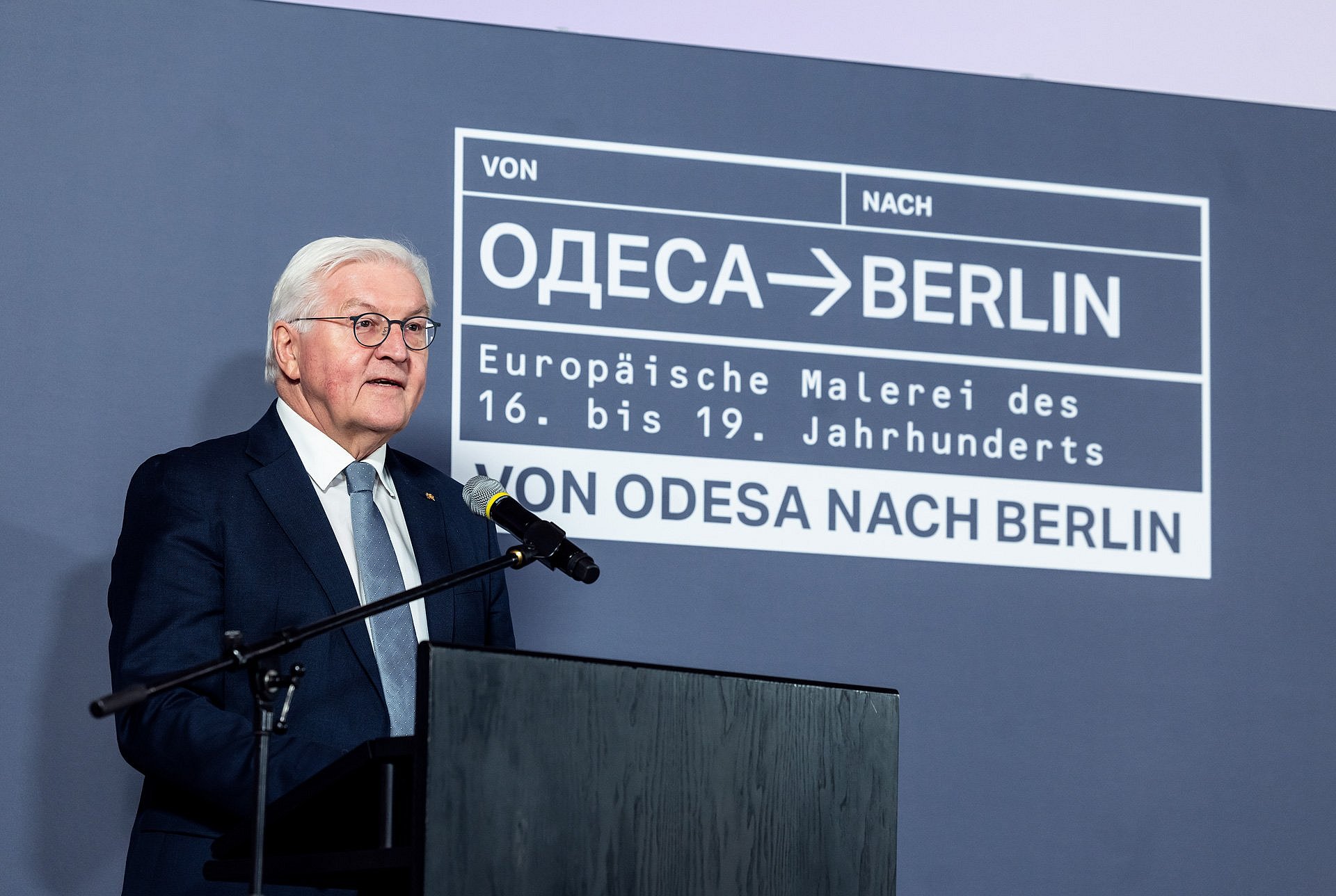
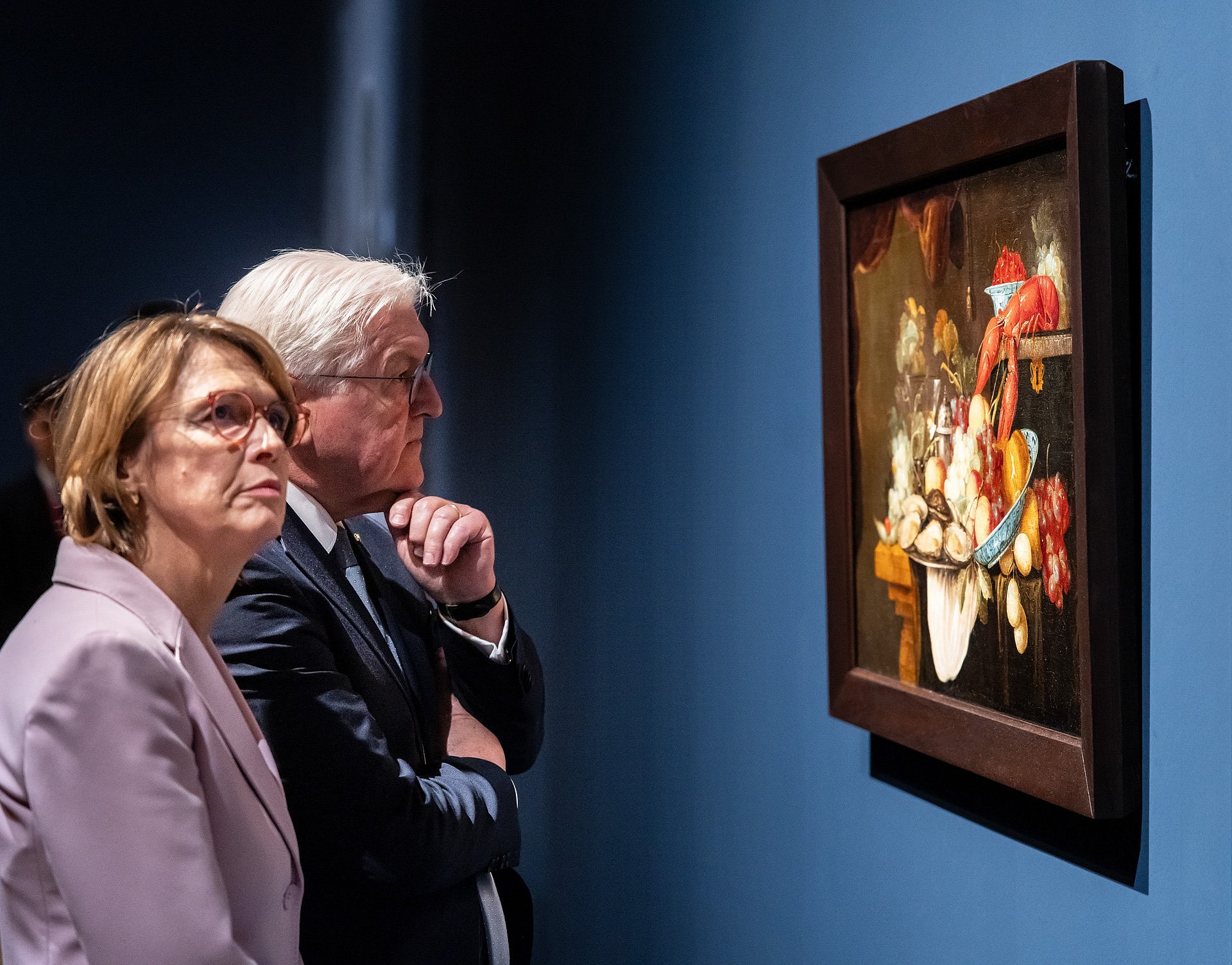
Without their frames, the paintings flee from the missiles
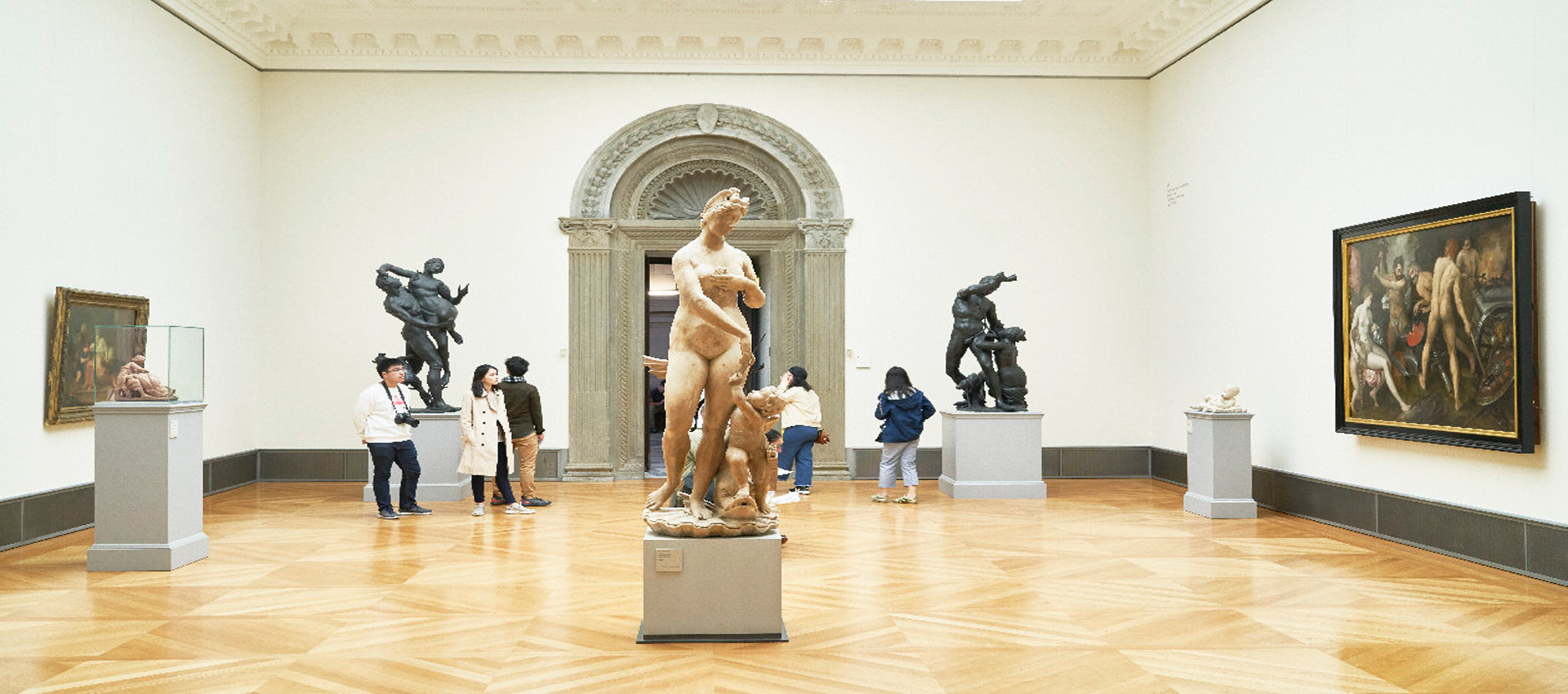
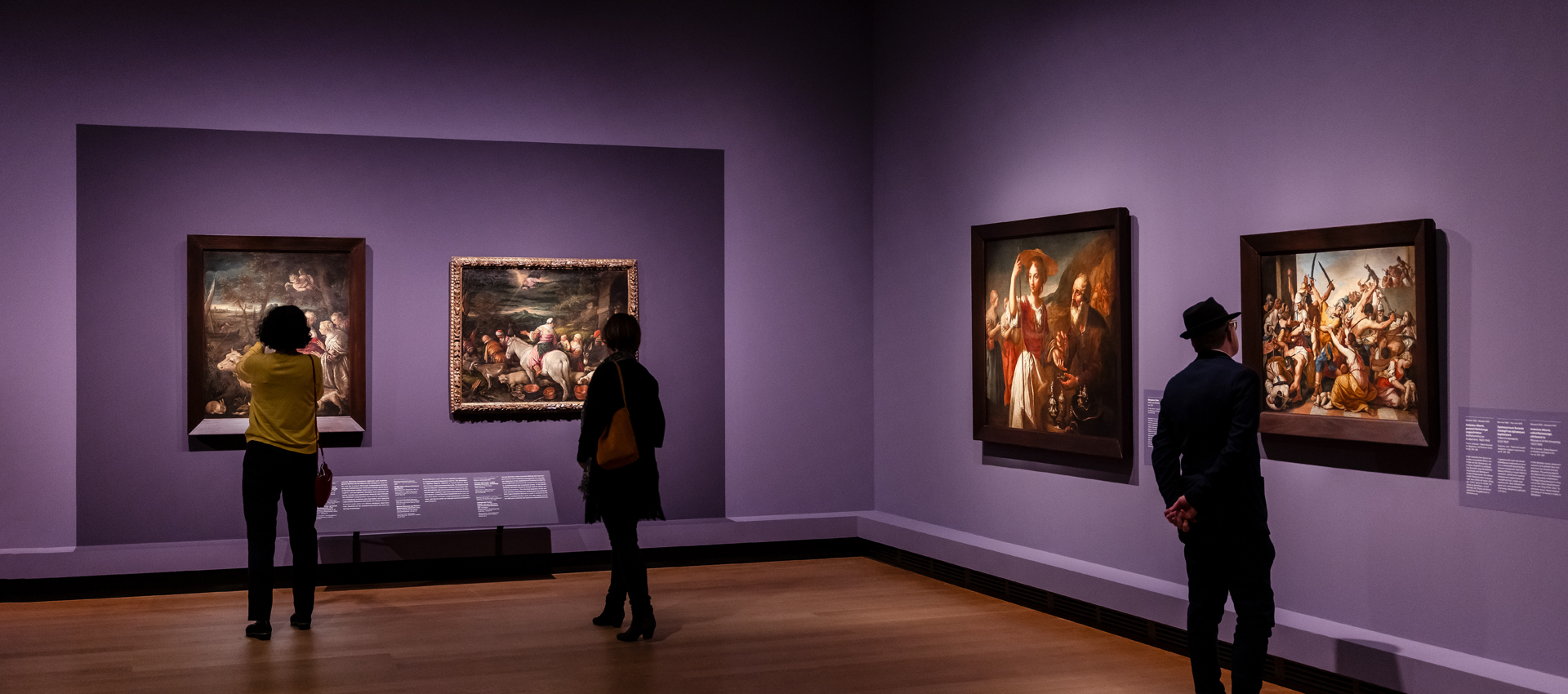
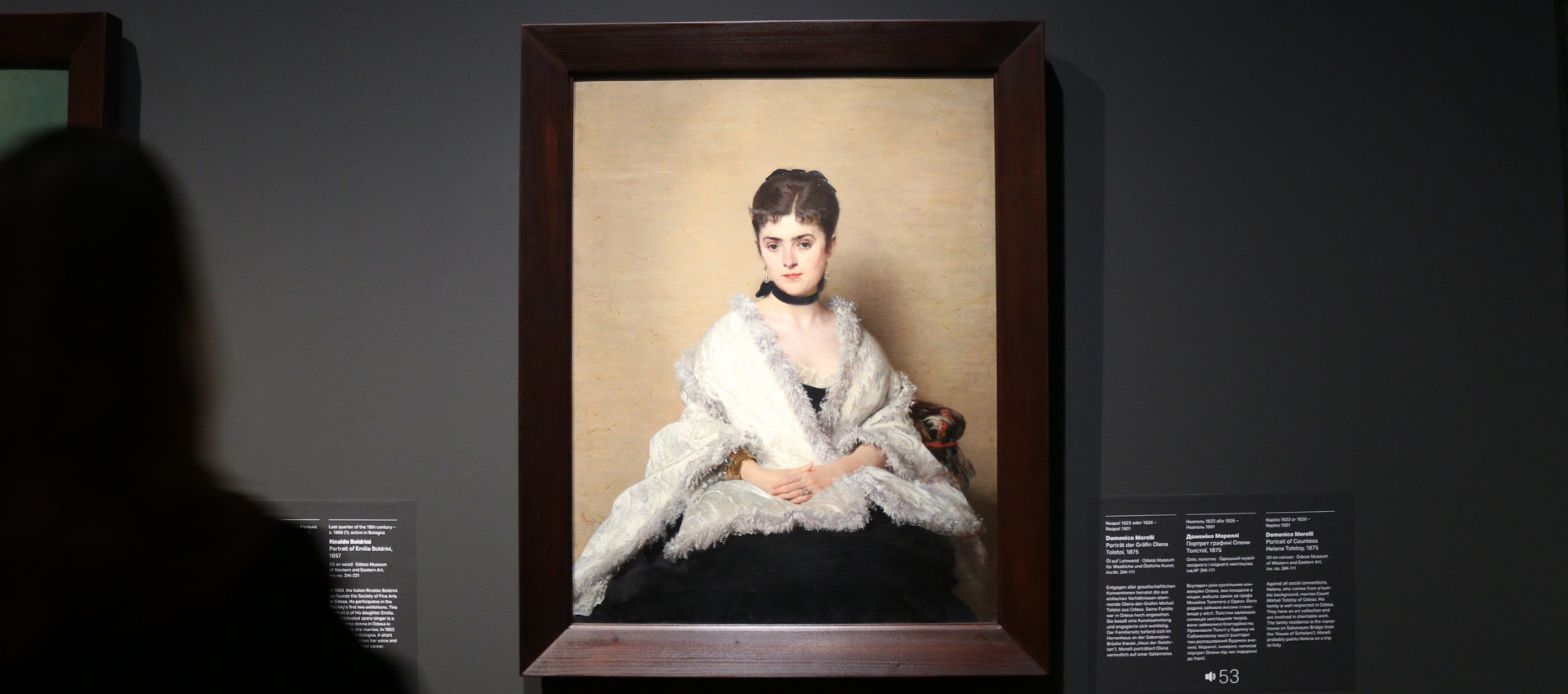
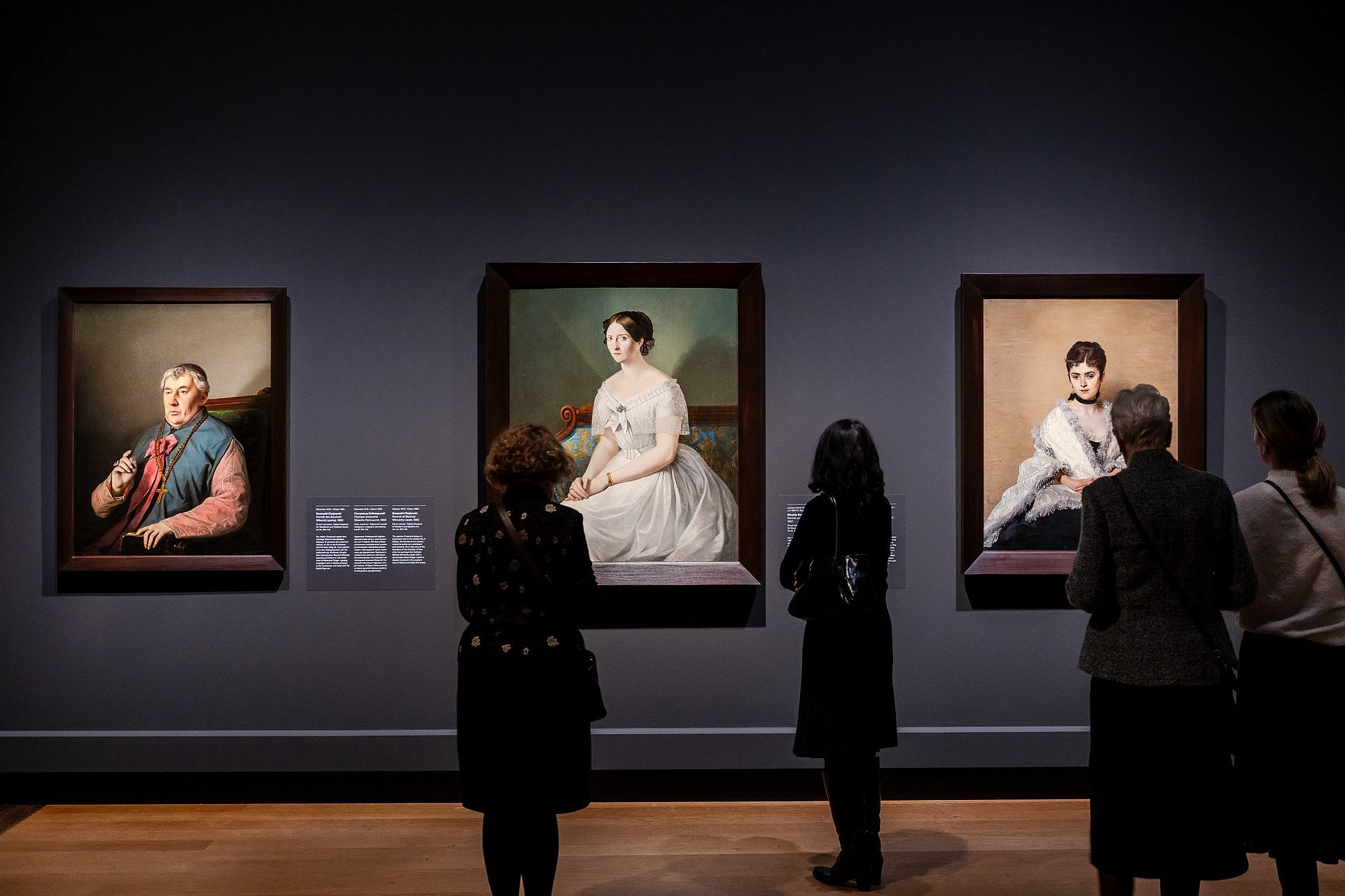
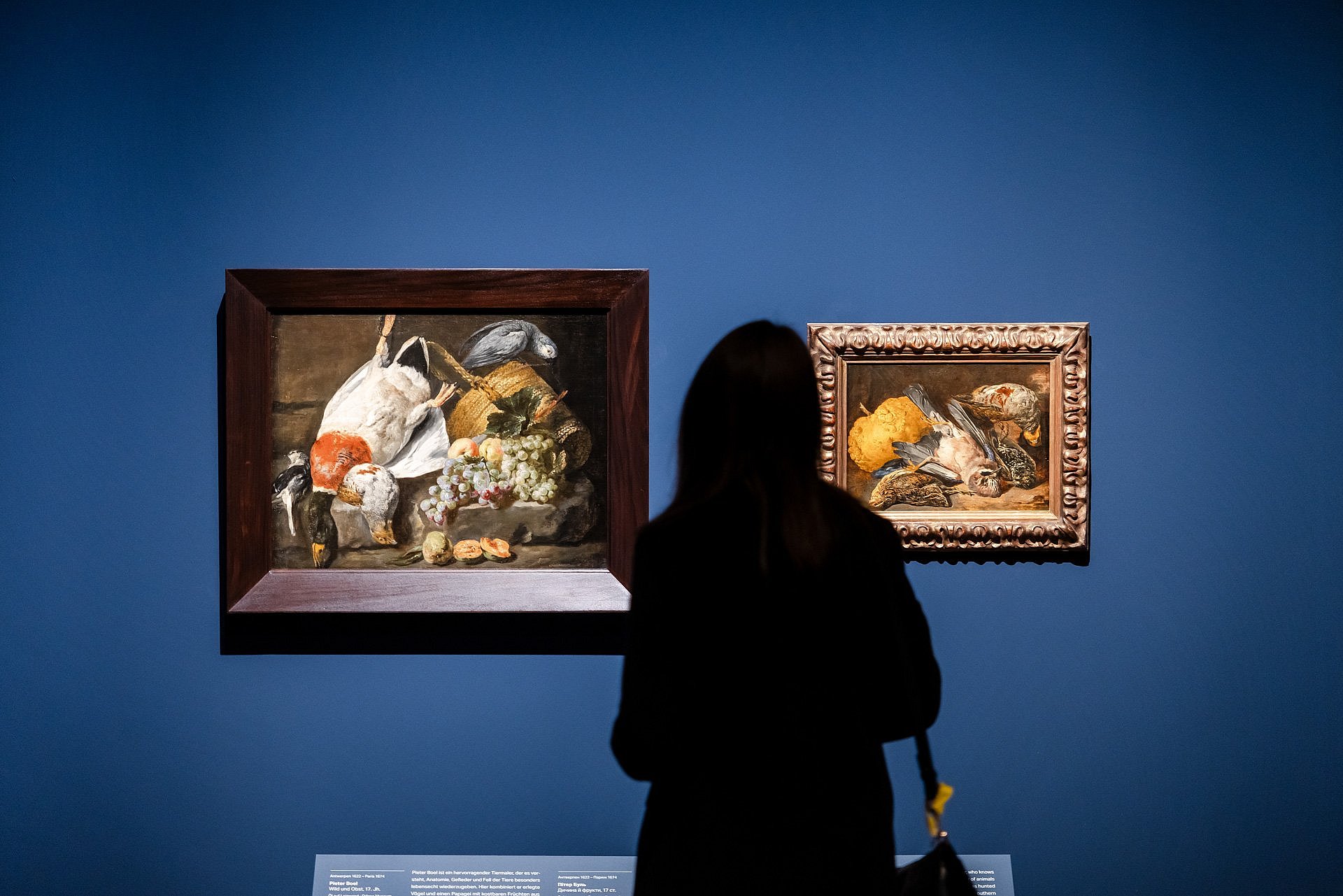
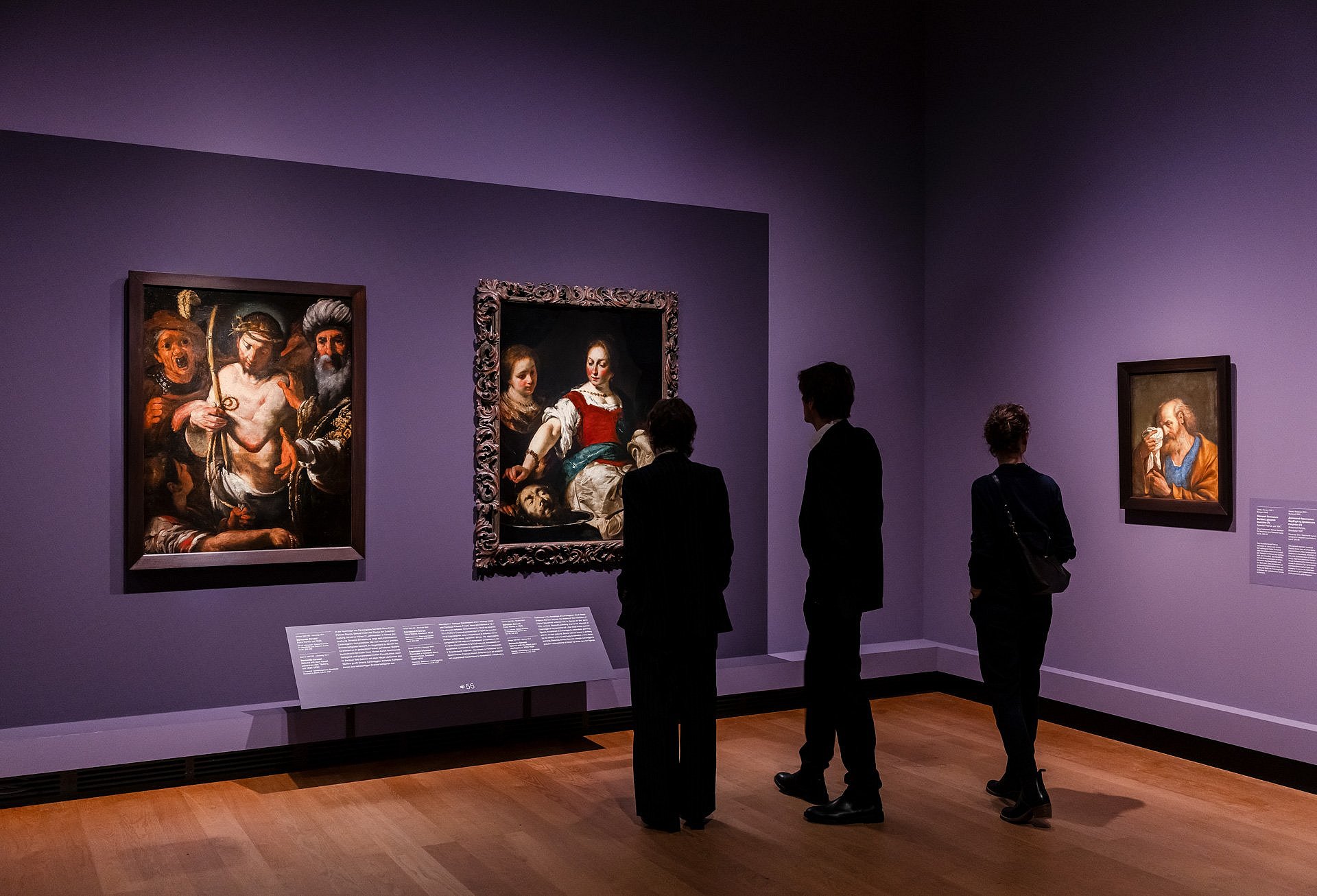
So, on the one hand, it is a real joy to be able to see the paintings here, said Claudia Roth, Minister of State for Culture and Media, and at the same time a cause for sadness, given that war lies behind them. But on the ground, despite the constant attacks, a courageous determination prevails that cannot be praised highly enough: “When the people of Ukraine defend the freedom and diversity of art, they are doing so for us too!” Roth’s ministry has supported the exhibition with 900,000 euros, as the paintings required conservation work, restoration and new framing. The staff in Odessa had removed them from their original frames to save space in the transport crates. The 60 paintings now hanging in the Gemäldegalerie can therefore be easily distinguished from the 25 works originating from the Berlin collections. The “guests” have simple, dark wooden frames, whilst the “hosts” mostly have historically decorative ones.
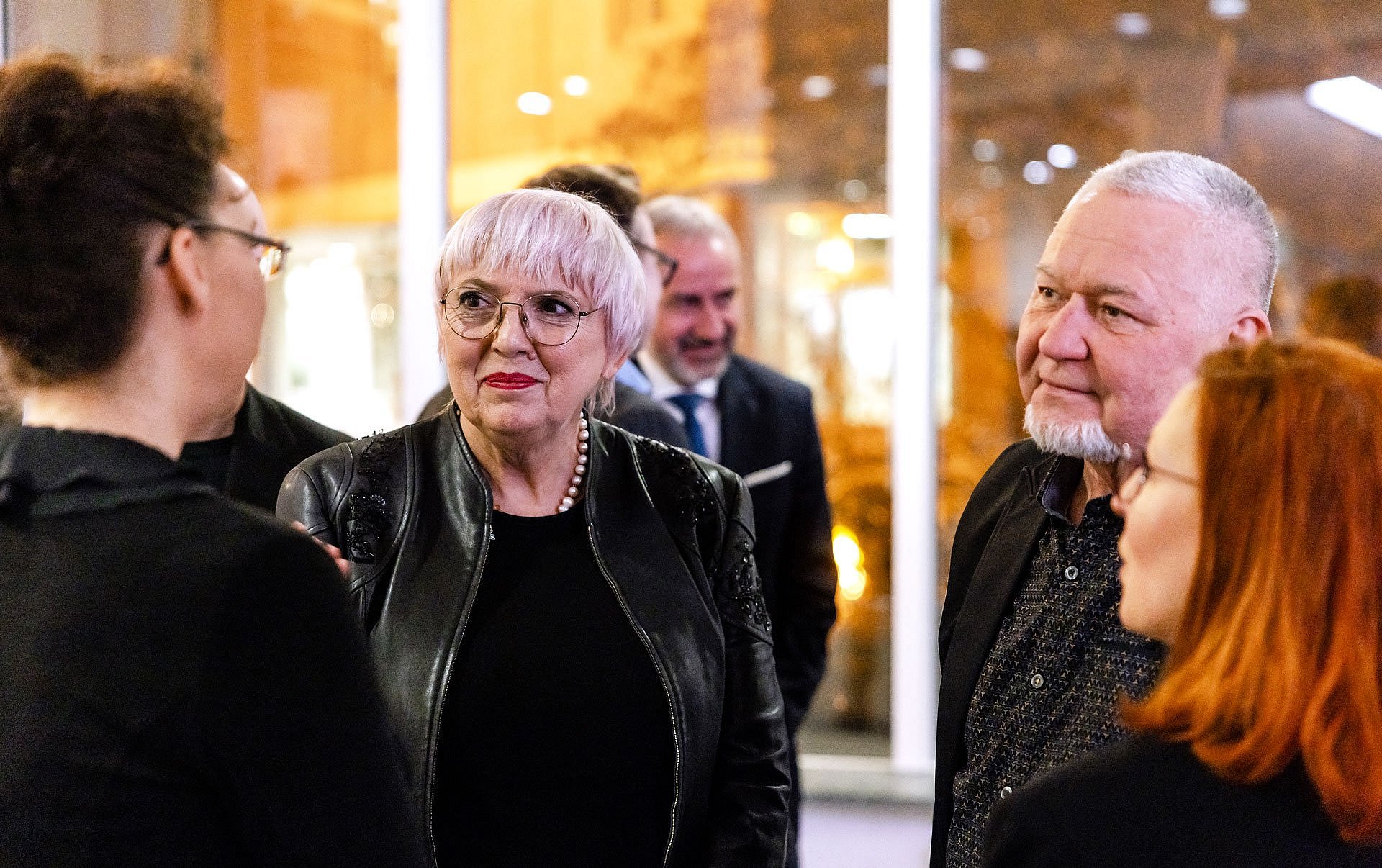
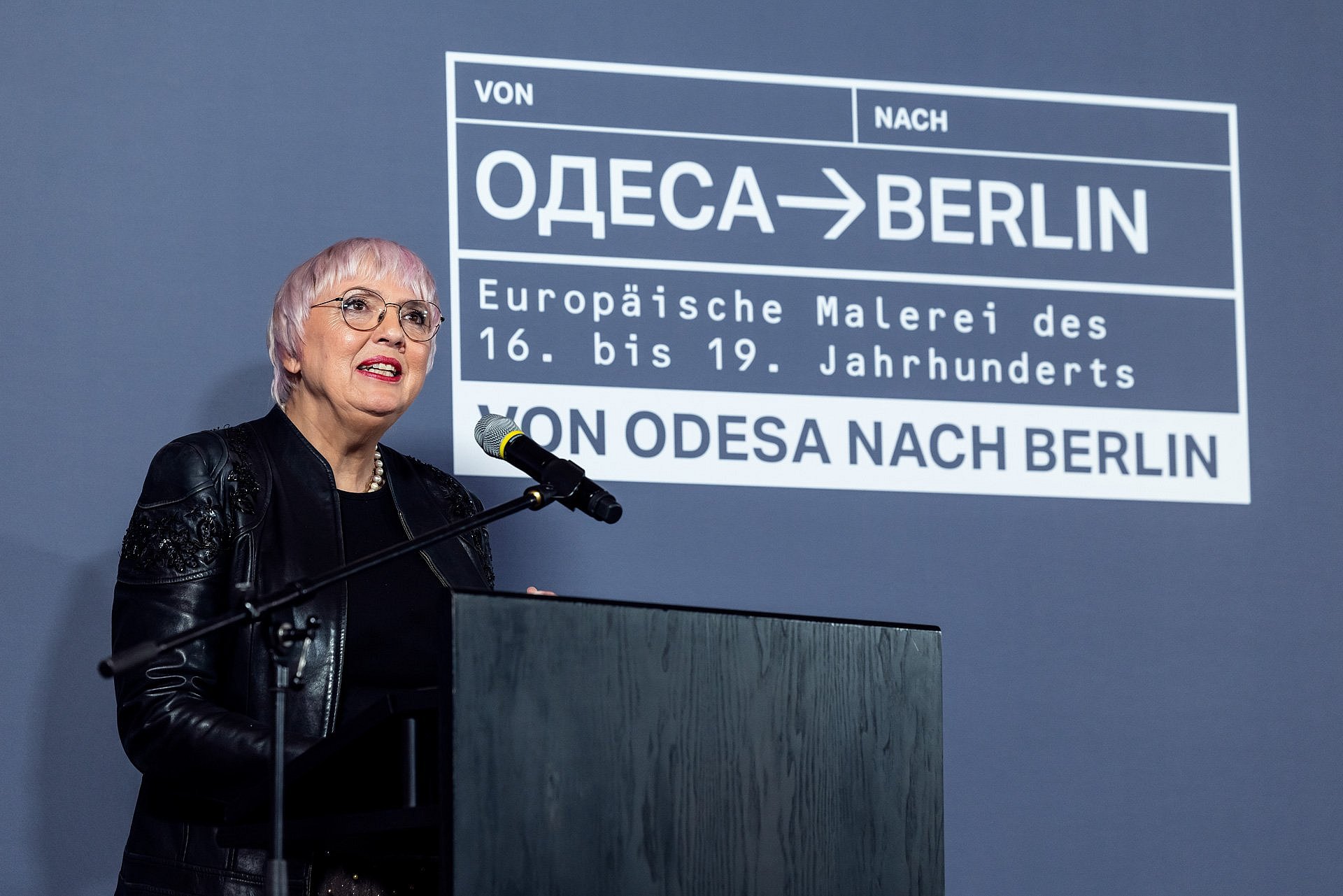
Mykola Tochytskyi, Ukraine’s Minister of Culture and Strategic Communications, who had travelled specifically for the exhibition opening, later praised the fact that the artworks could be presented to the world rather than remaining stowed away in a warehouse: “Although art is not capable of deterring the enemy or preventing attacks, it undoubtedly possesses another, powerful force. Events such as this show that our victory does not lie in the distant future. Victory is not hypothetical. It has already taken place, and is taking place every day.”
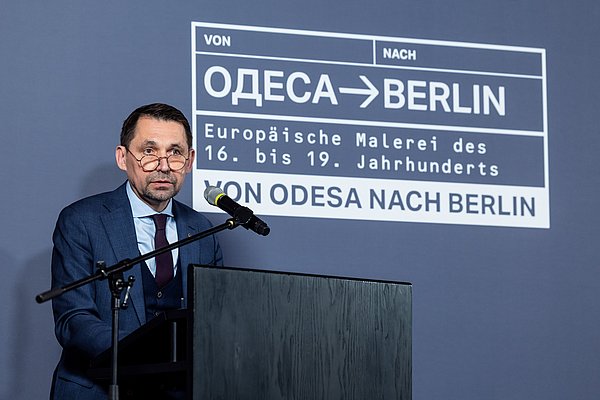
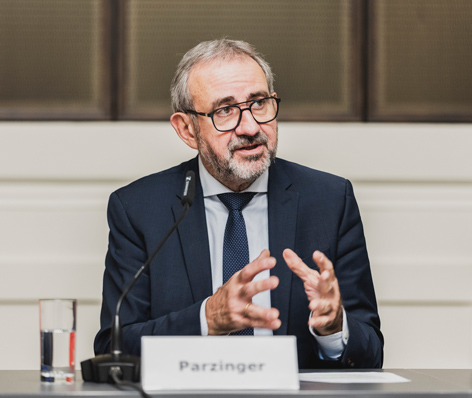
Believe me, when you leave the exhibition, you’ll carry a piece of Ukraine in your heart!
Hermann Parzinger, President of the SPK
The bold rescue of the paintings from Odessa was made possible by the fearless initiative of Ihor Poronyk, director of the Odessa Museum. Immediately after the outbreak of Russia’s war of aggression, he ensured that they were taken down from the walls, packed up and sent to a temporary storage facility in Ukraine. There, however, they were housed in extremely precarious conditions, and damage was a real concern.
Ihor Poronyk therefore turned to the State Museums of Berlin for help, with whom he had good contacts. It was agreed that the artworks in temporary storage would be evacuated to Berlin and exhibited as a German-Ukrainian cooperation project between the Odessa Museum, the Gemäldegalerie and the Alte Nationalgalerie. Consequently, 74 works were transported from Ukraine to Berlin in September 2023. These were works by European painters such as Andreas Achenbach, Francesco Granacci, Frans Hals, Cornelis de Heem, Roelant Savery, Bernardo Strozzi, Alessandro Magnasco and Frits Thaulow. In May 2024, two further depictions of the Evangelists by Frans Hals arrived, which had been on loan to Vilnius.
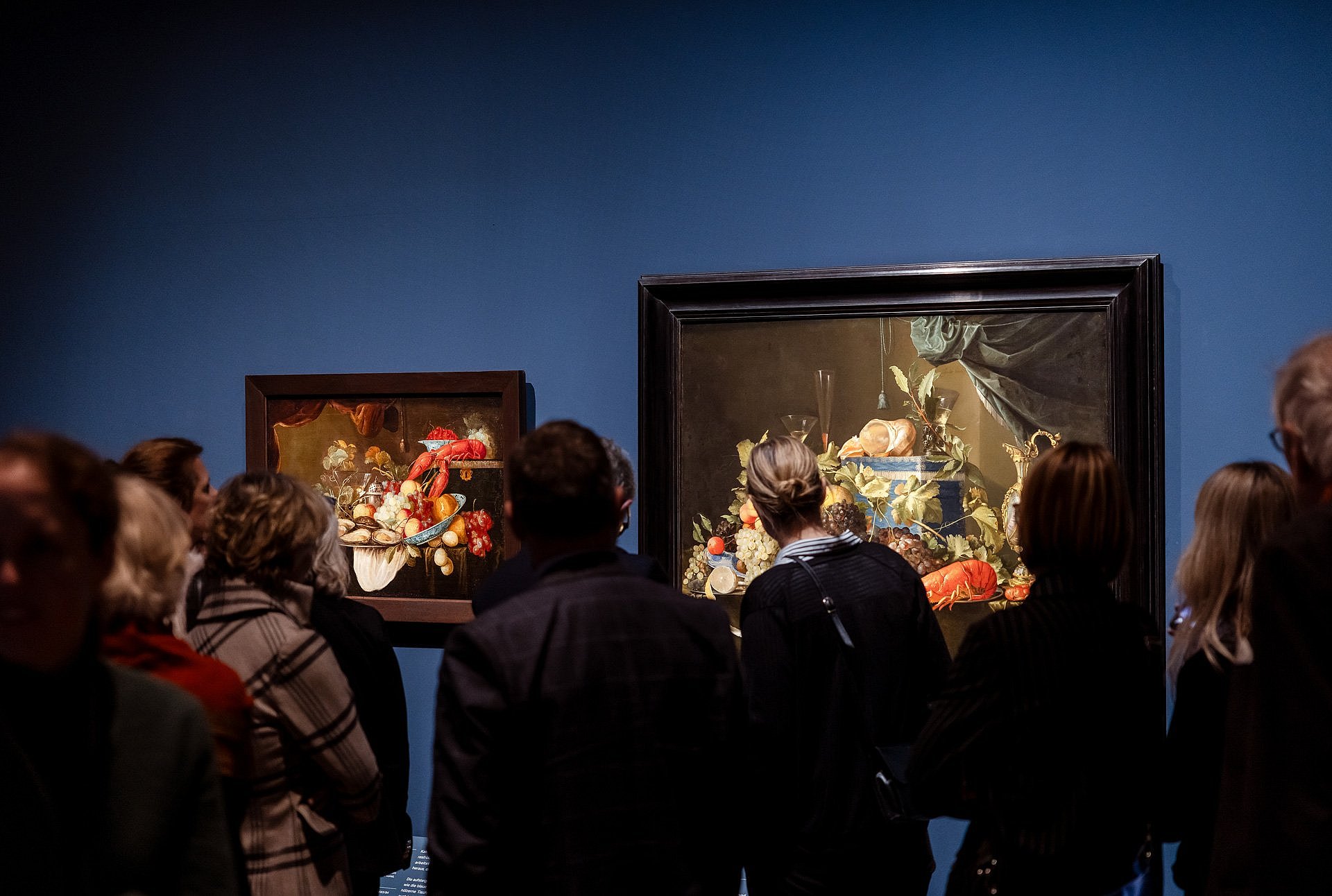
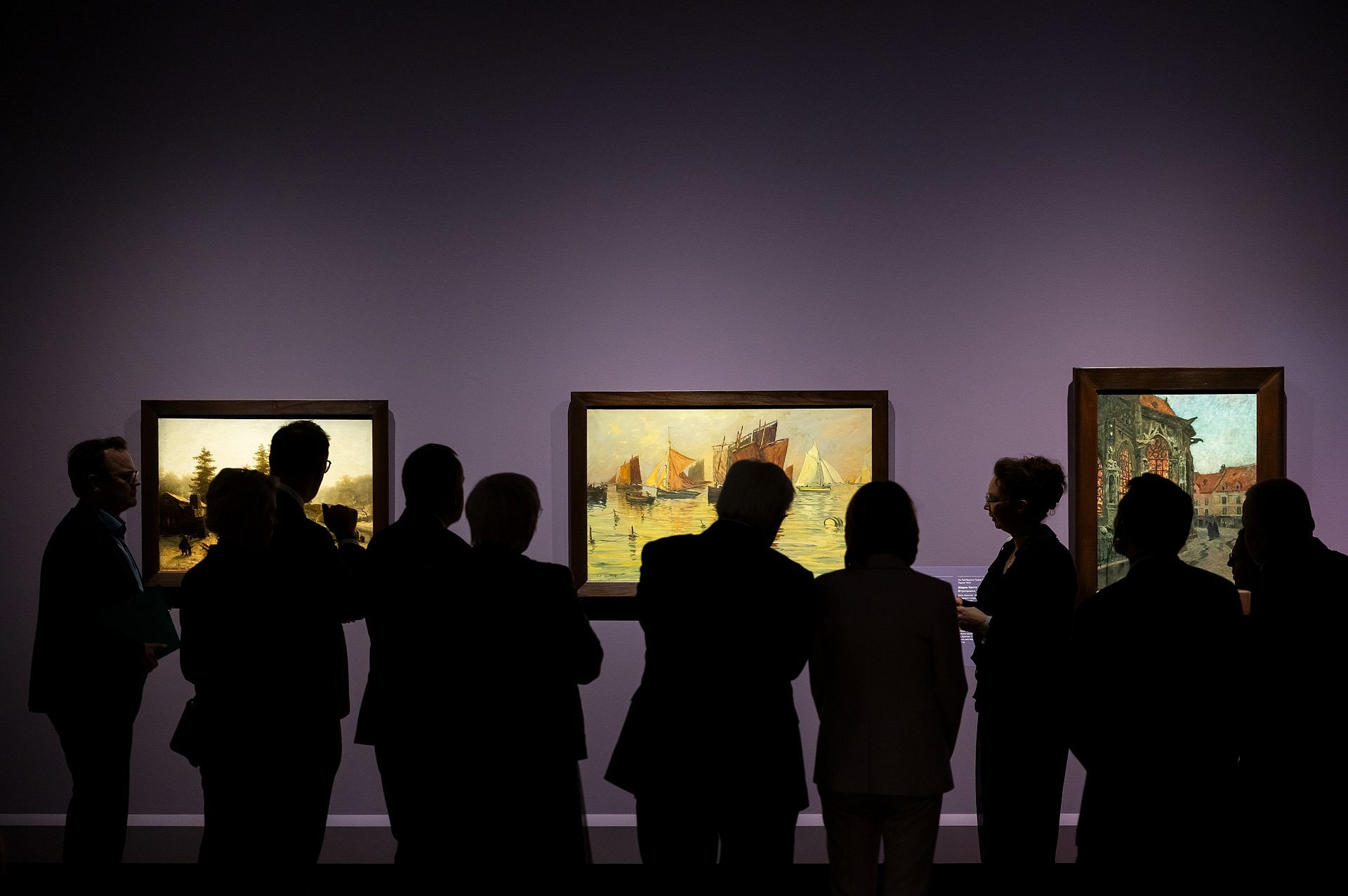
The paintings speak to one another and to us
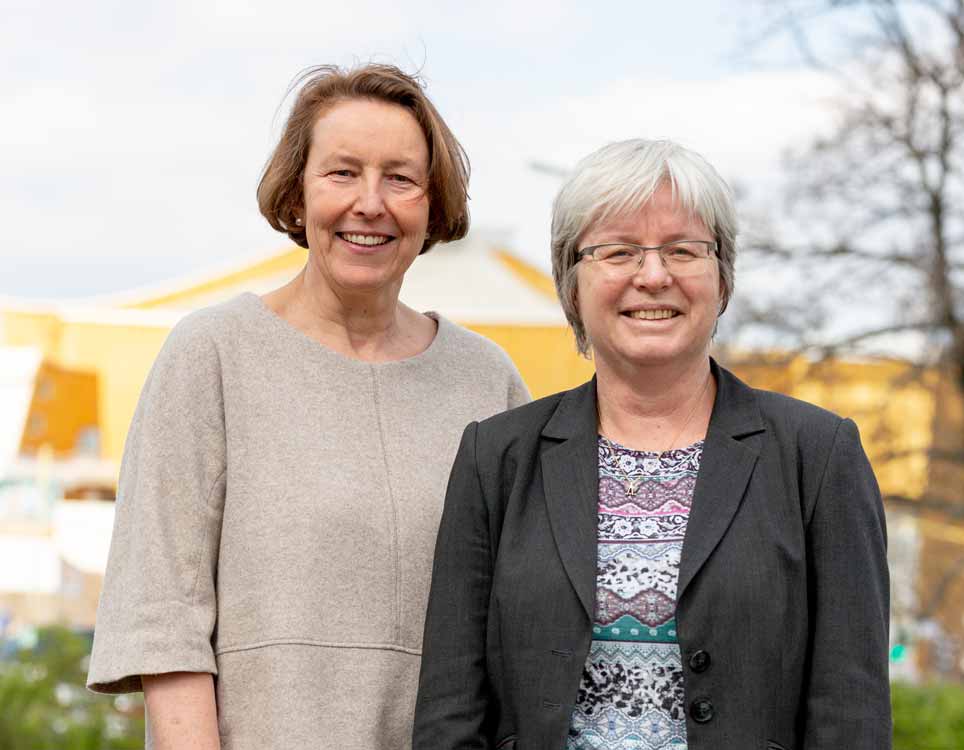
Even Dagmar Hirschfelder was surprised by the many points of contact within the collections. The director of the Gemäldegalerie, who curated the exhibition together with Sabine Lata, posed the question in this context: “Can pictures speak to one another?” If she is to be believed, they can – and they do so in exemplary fashion in this exhibition, which brings 60 major works from the Odessa Museum into a fascinating dialogue with 25 works from the Berlin collections. This dialogue is underpinned by the fact that numerous artists are represented in both collections, and analogies can be identified in terms of motifs and iconography.
Furthermore, Ukrainian collectors often maintained close ties to Western Europe or had their roots there. For example, on display are two Madonna paintings by the Italian Renaissance artist Francesco Granacci, one from Odessa and one from the Gemäldegalerie, both created at different times. They reflect the arc of his artistic development and the diverse influences throughout his life.
There are wonderful discoveries to be made, as Sabine Lata also emphasised; her favourite works kept changing, including “The Evening” (c. 1894/1898) by the late-Impressionist Norwegian painter Frits Thaulow, who is not represented at all in Berlin’s museums.
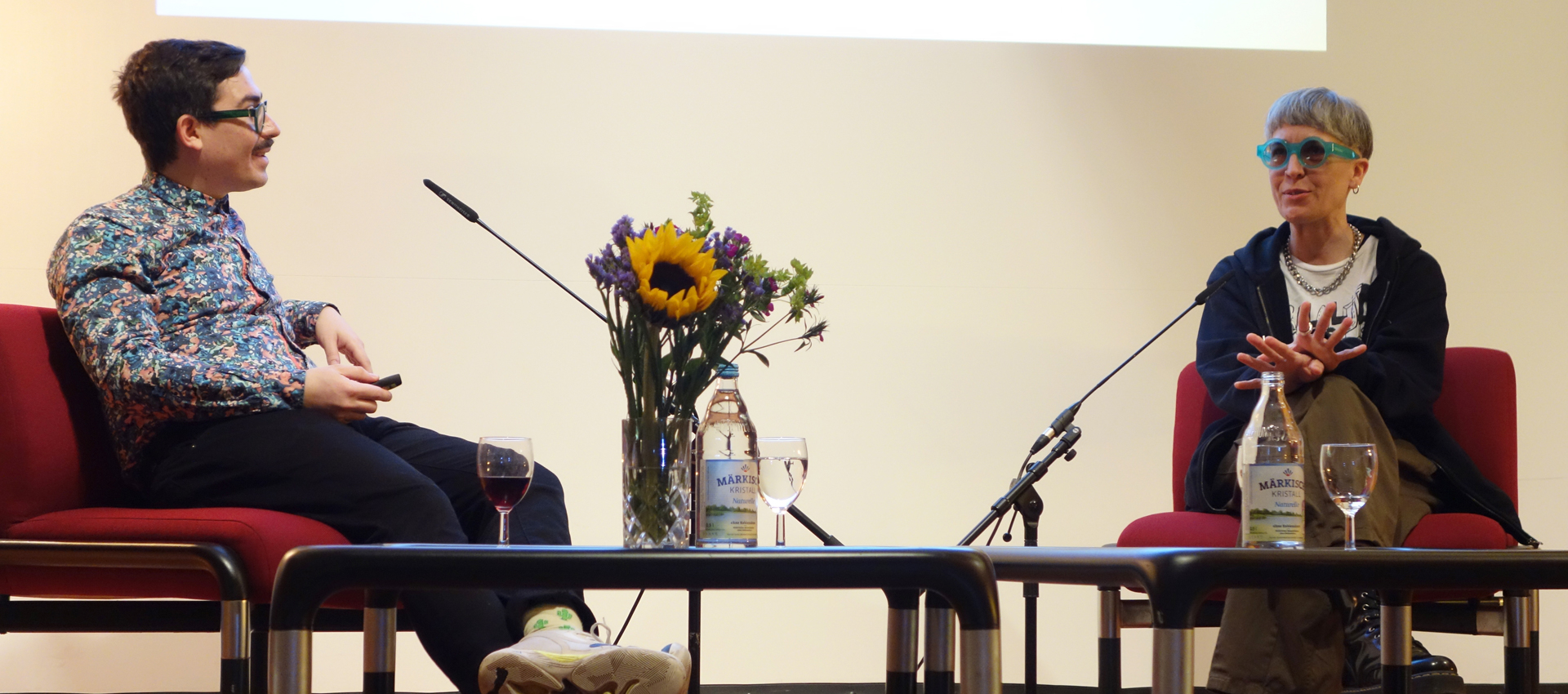
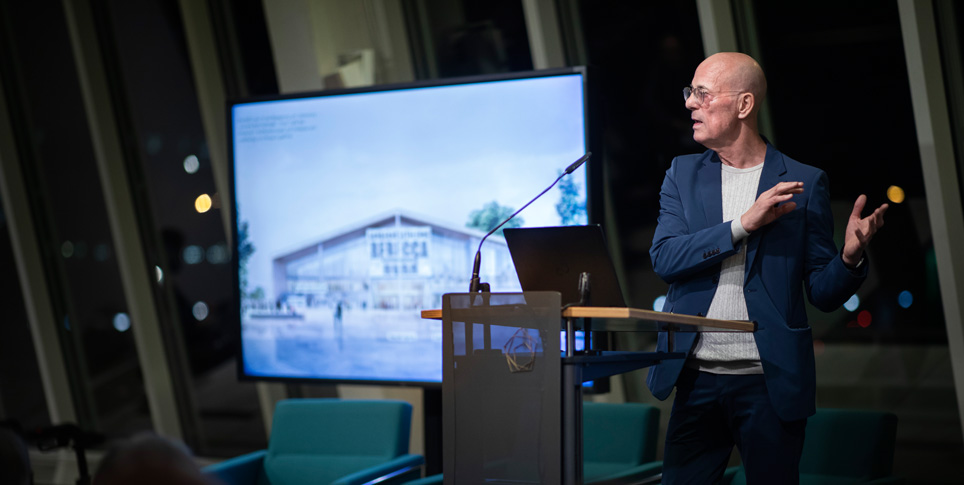
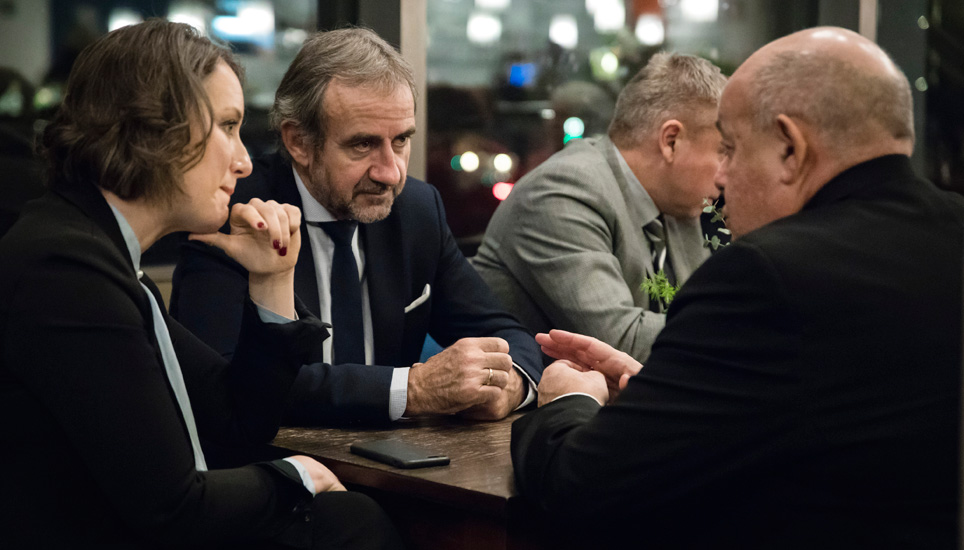
In a panel discussion chaired by Shelly Kupferberg, Hirschfelder, Lata and Poronyk exchanged views on the exhibition and its dramatic genesis. The discussion naturally centred mainly on art – but it was always about politics too. On this evening, the two were inseparable. The lights are still on at the Odesa Museum, Poronyk reported; small projects and events are being held, such as the recent exhibition of old Christmas decorations and toys, many of which originated in Germany. The war is not deterring the staff from their work, “and everyone believes in victory!”
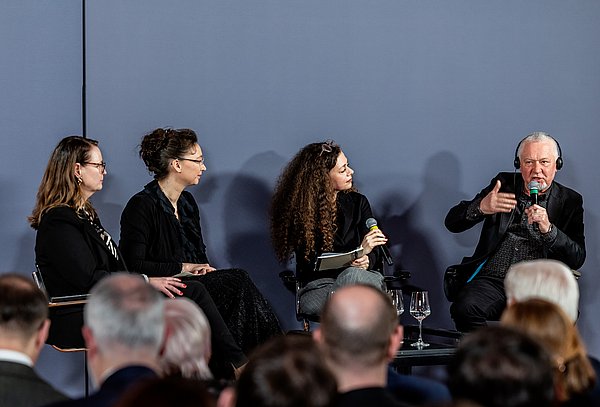
And so came to an end a great European evening at the Gemäldegalerie, which served to sharpen our focus on this cultural sphere and, at the same time, on the importance of culture in good times and bad. Furthermore, attention was once again drawn to our eastern neighbour and its traditional ties with Western countries. The paintings not only speak to one another, they also speak to us. Or, to quote Hermann Parzinger, who, as President of the Prussian Cultural Heritage Foundation, opened the ceremony and addressed the audience with proud joy: “Believe me, when you leave the exhibition, you will carry a piece of Ukraine in your heart!”
From Odessa to Berlin: European painting from the 16th to the 19th century
24 January 2025 to 22 June 2025,
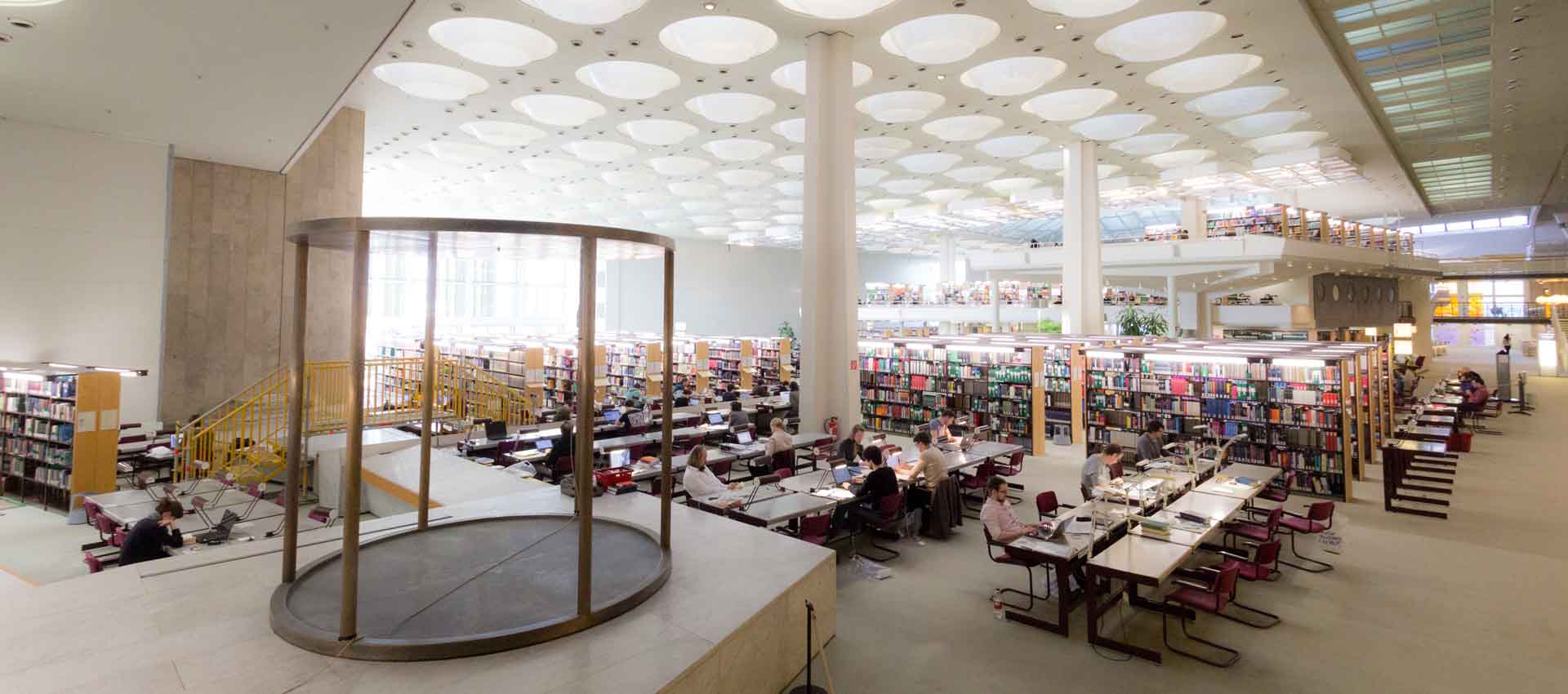
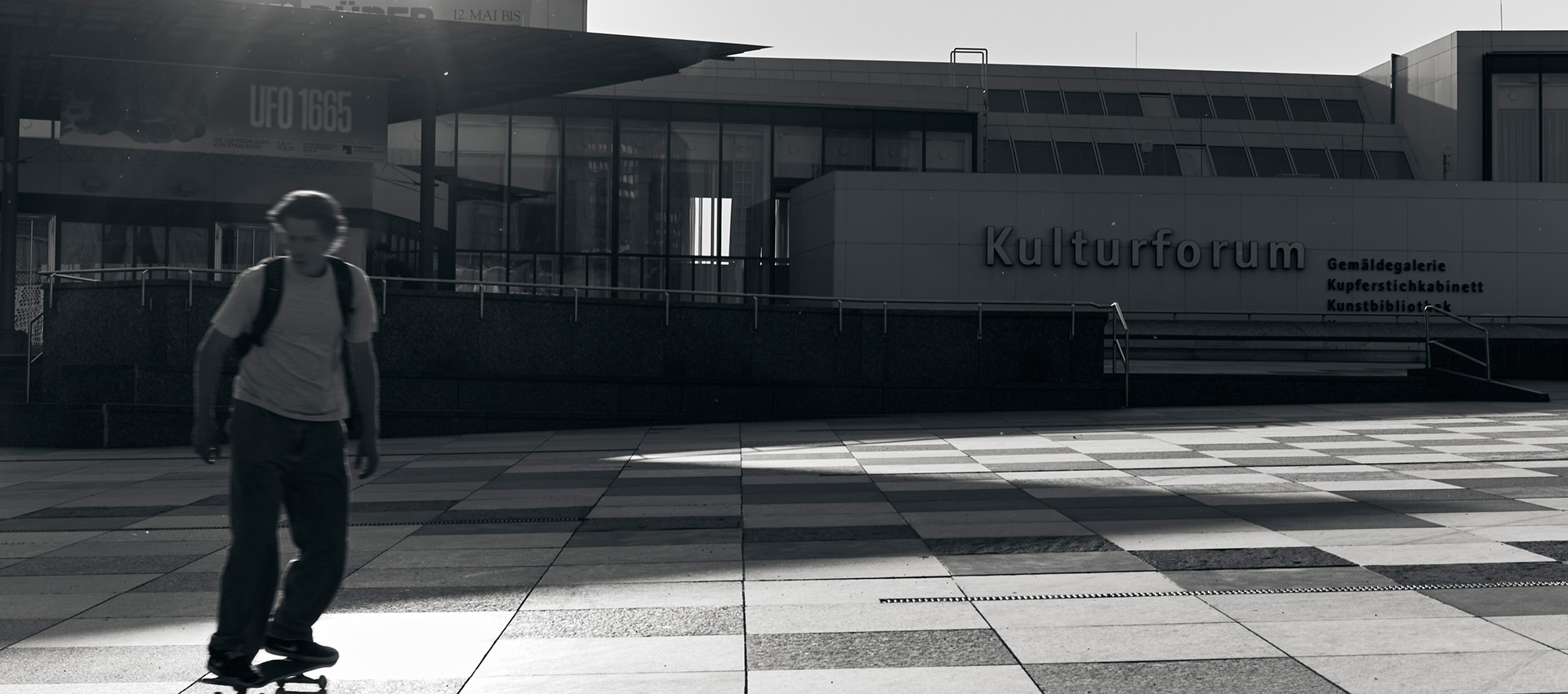
Gemäldegalerie, Kulturforum Berlin
An illustrated exhibition catalogue will be published to accompany the exhibition.
The exhibition is supported by the Federal Government Commissioner for Culture and the Media.
Media partners: ARTE, Klassik Radio, Monopol, Tagesspiegel, The Berliner, tipBerlin, Weltkunst
A special presentation by the Gemäldegalerie of the Staatliche Museen zu Berlin in cooperation with the Odesa Museum of Western and Eastern Art and the Alte Nationalgalerie of the Staatliche Museen zu Berlin.
From October, the exhibition will be on display at the Kurpfälzisches Museum in Heidelberg.