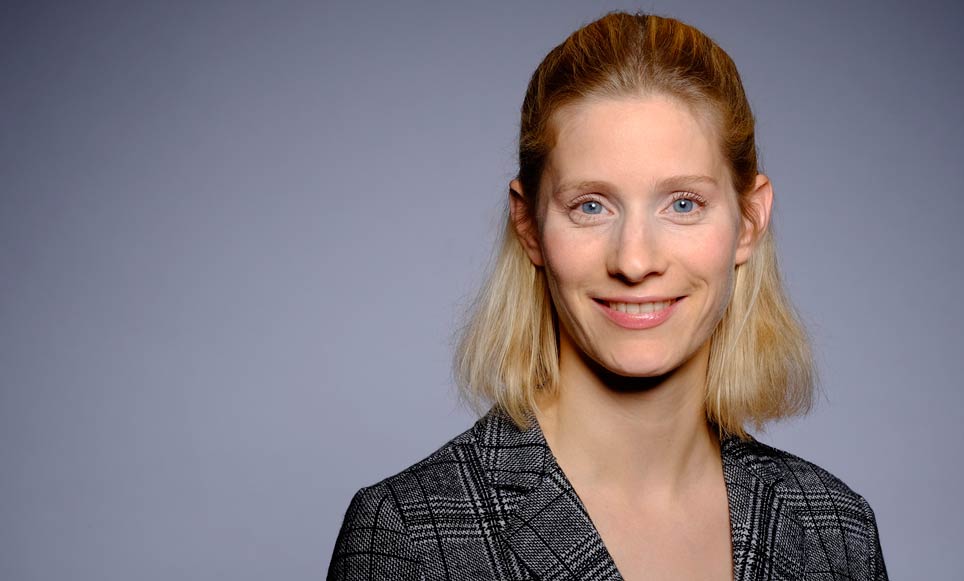
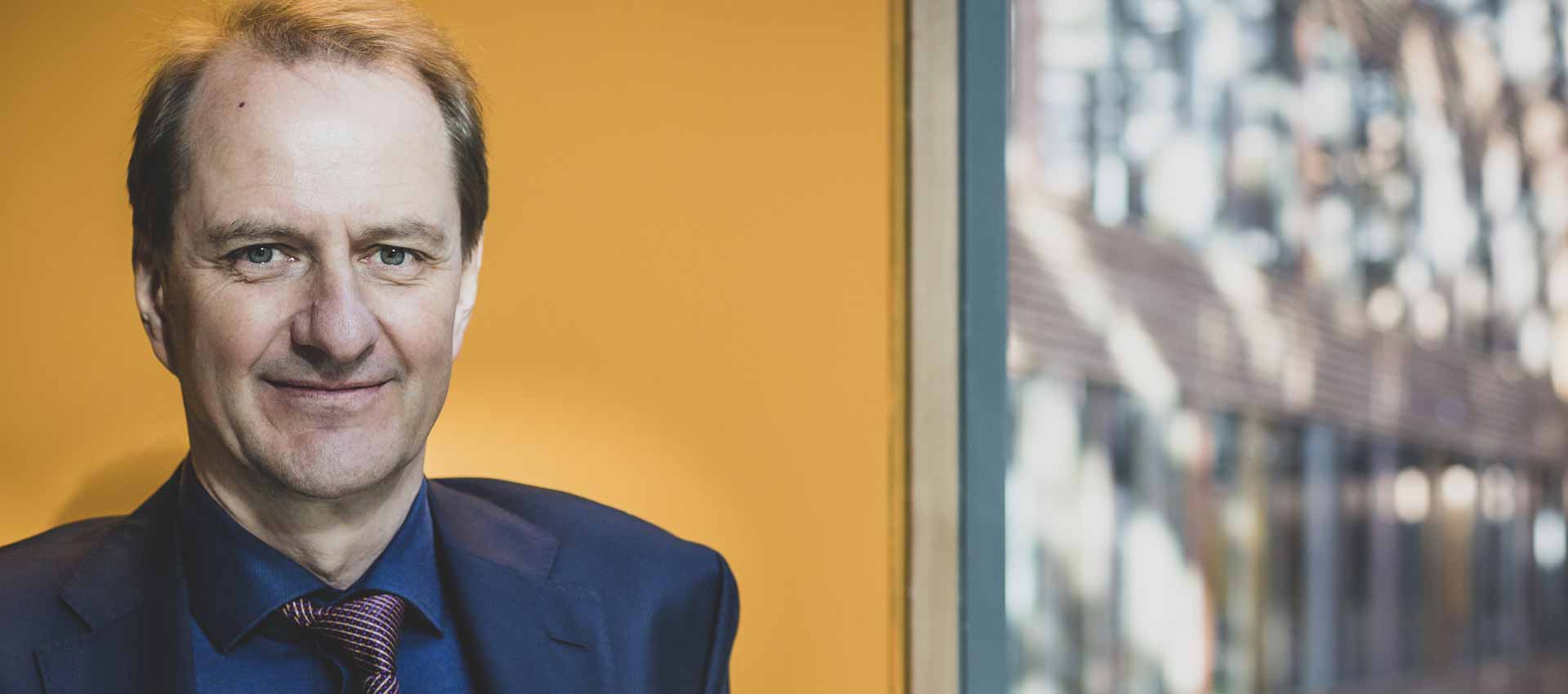
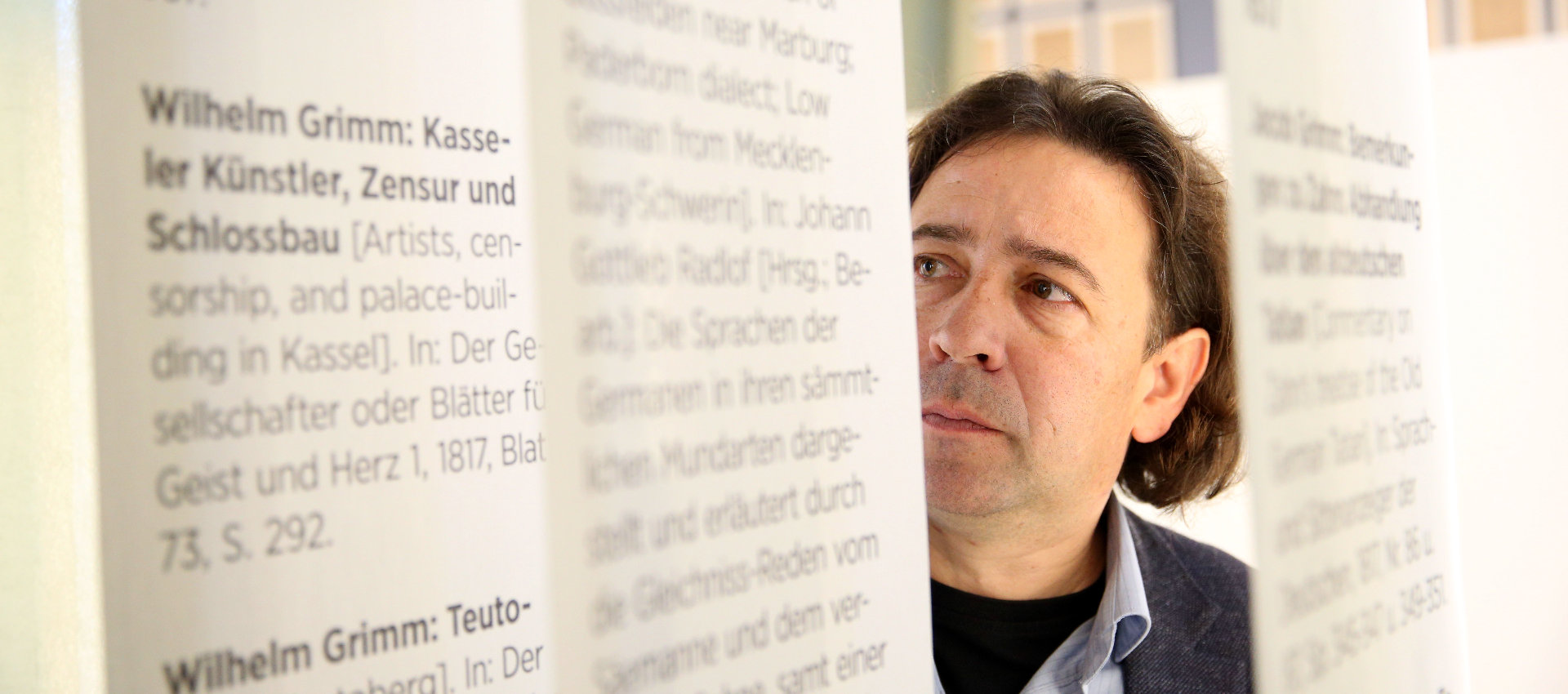
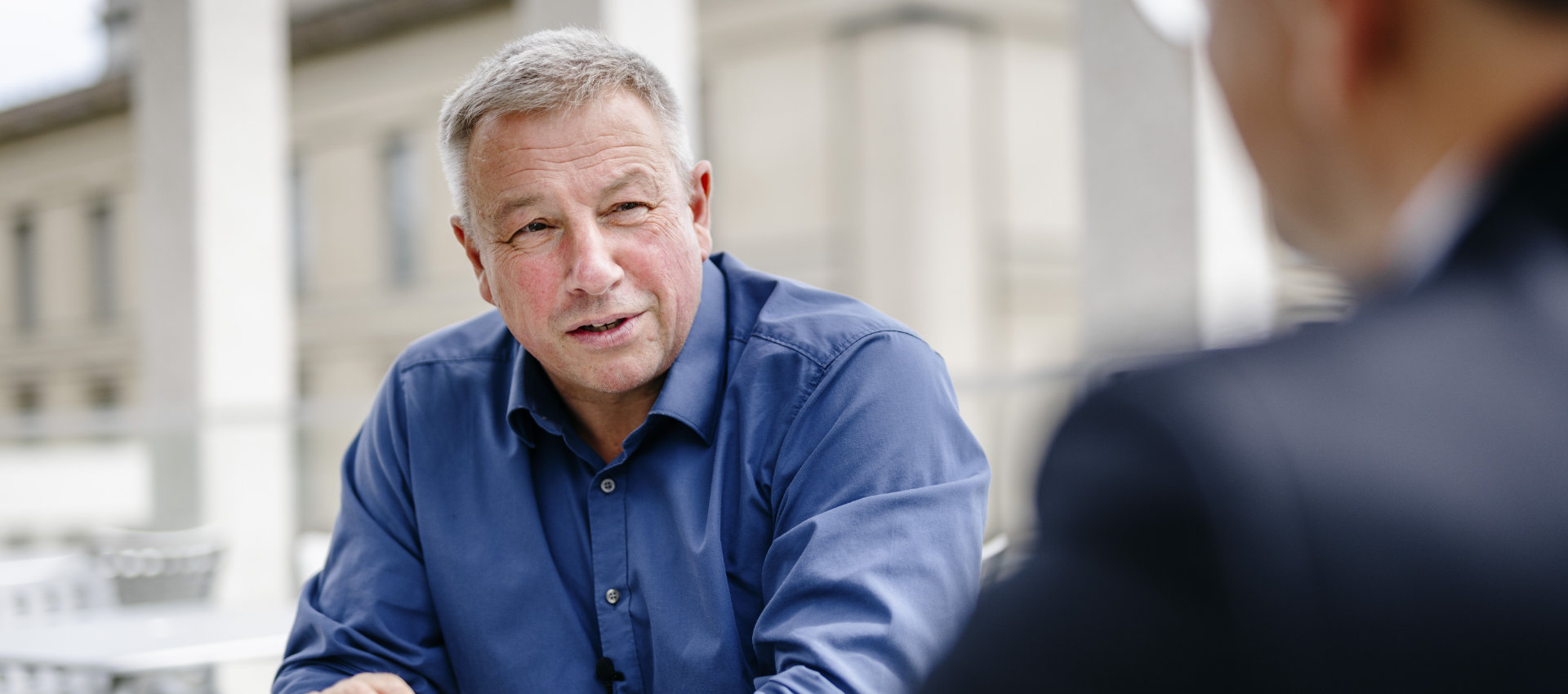
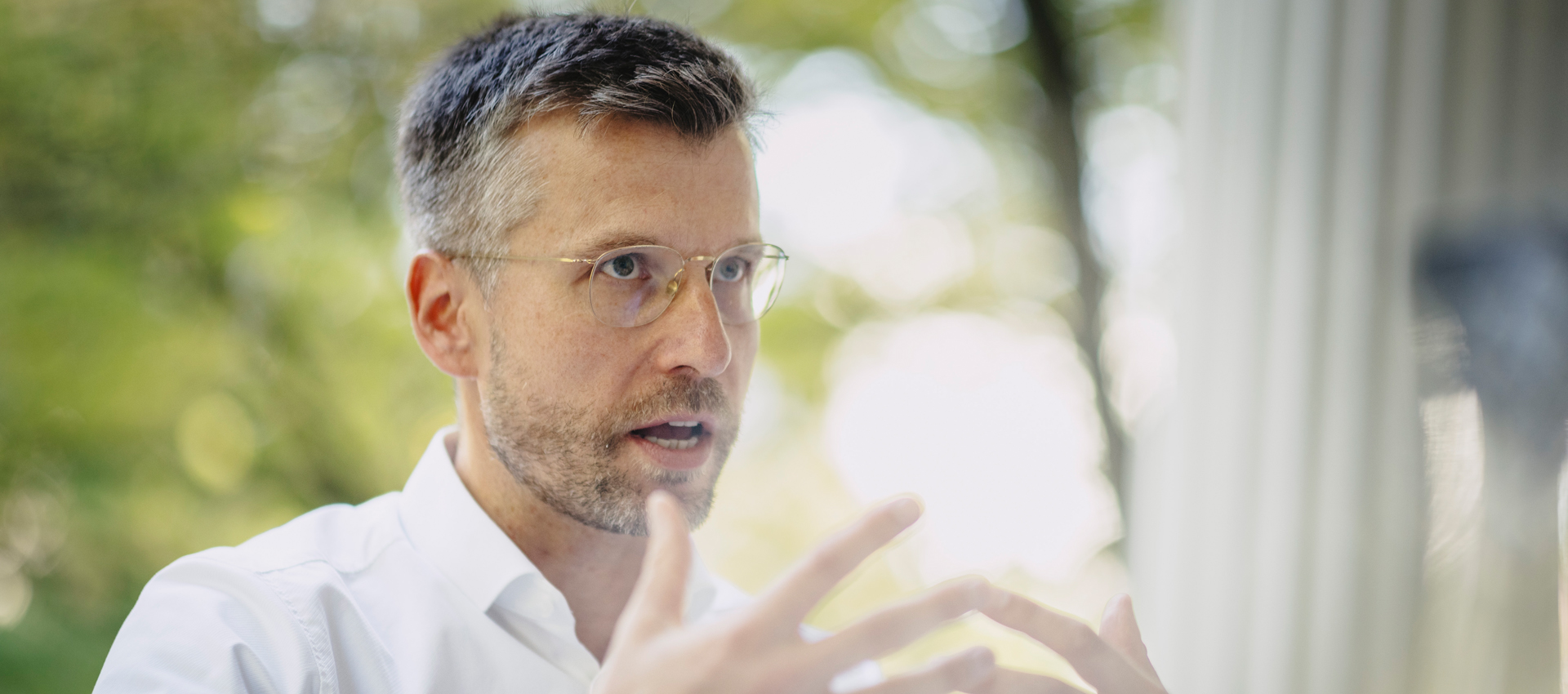
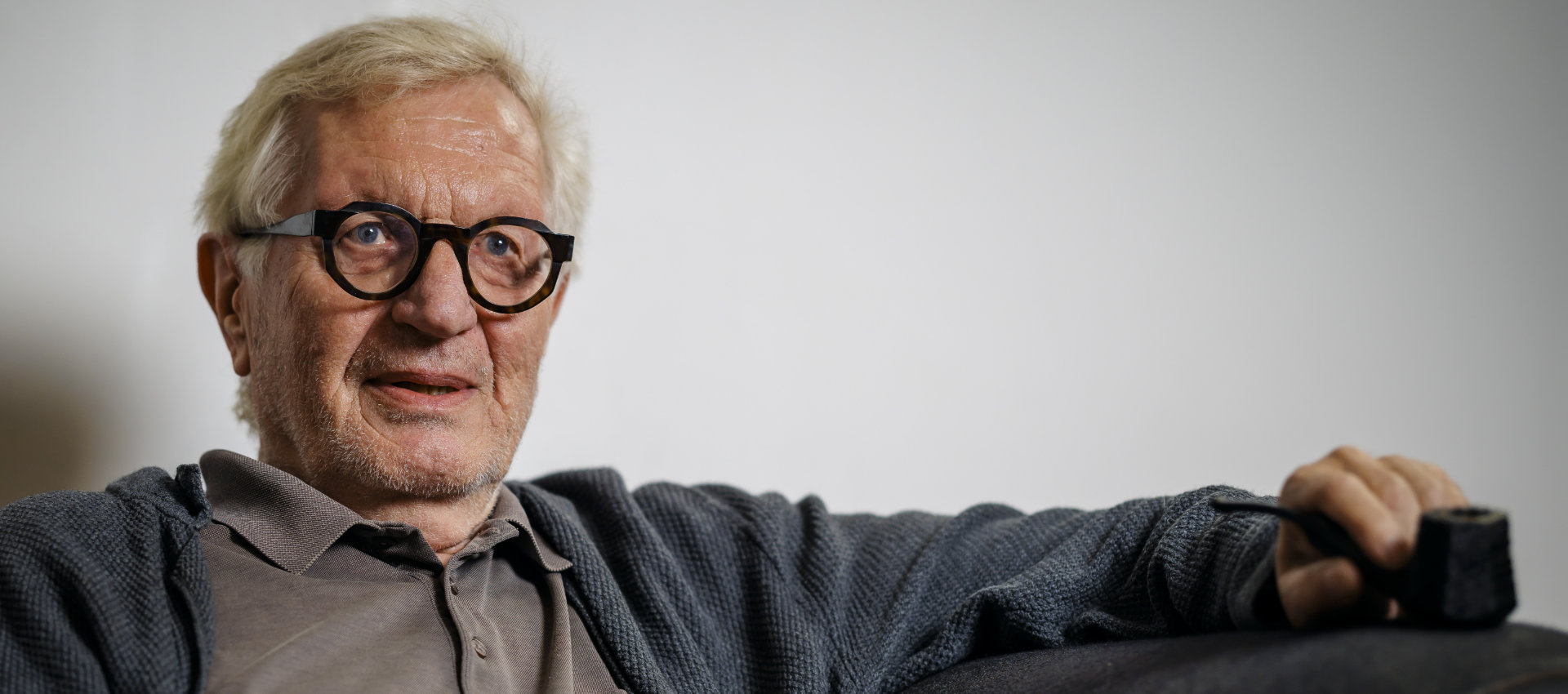
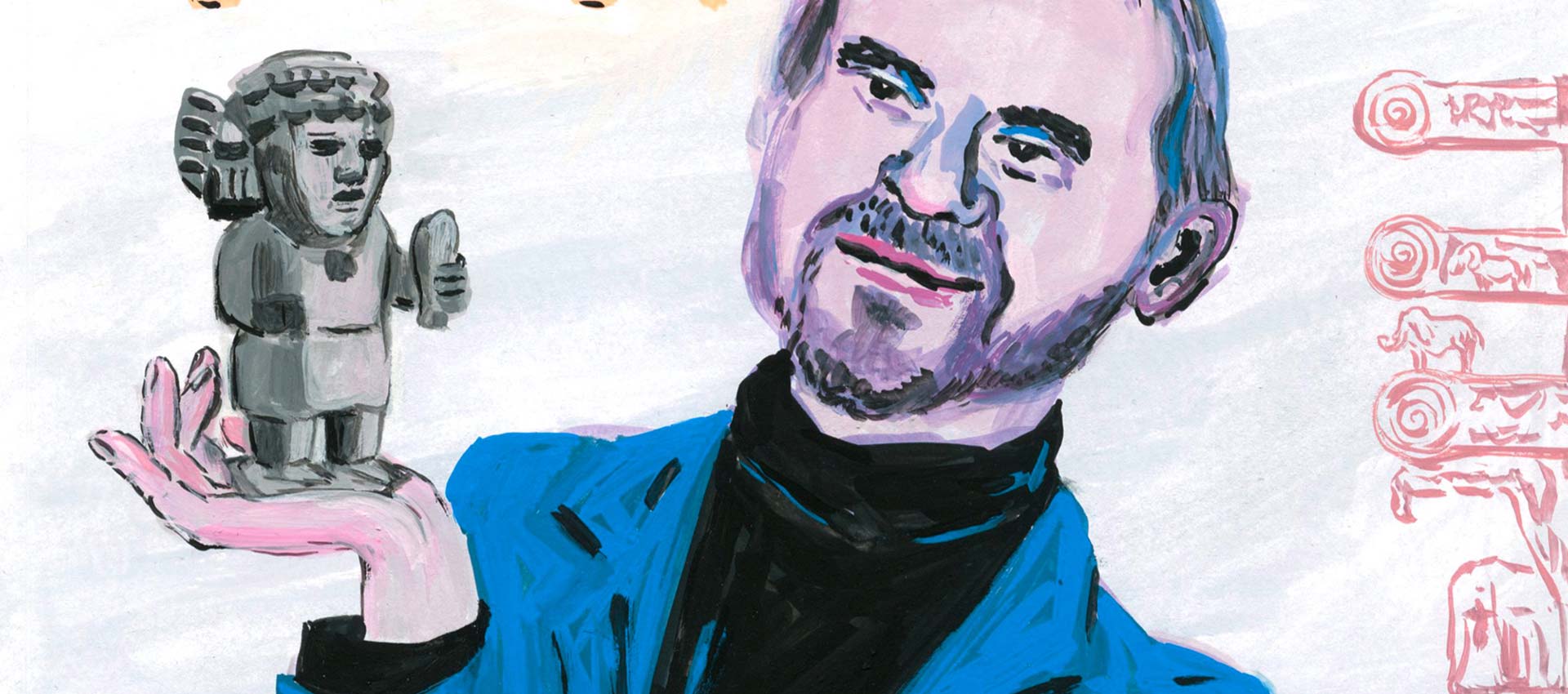
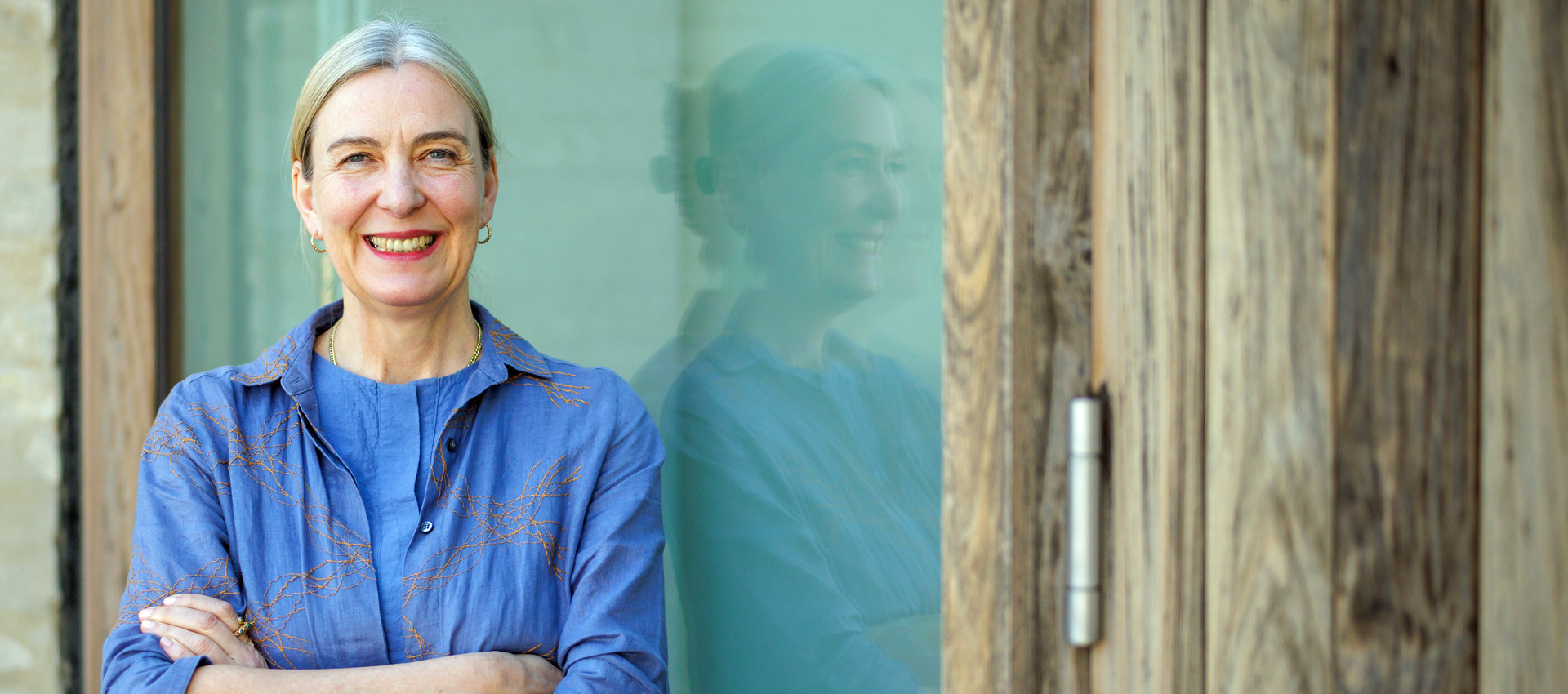
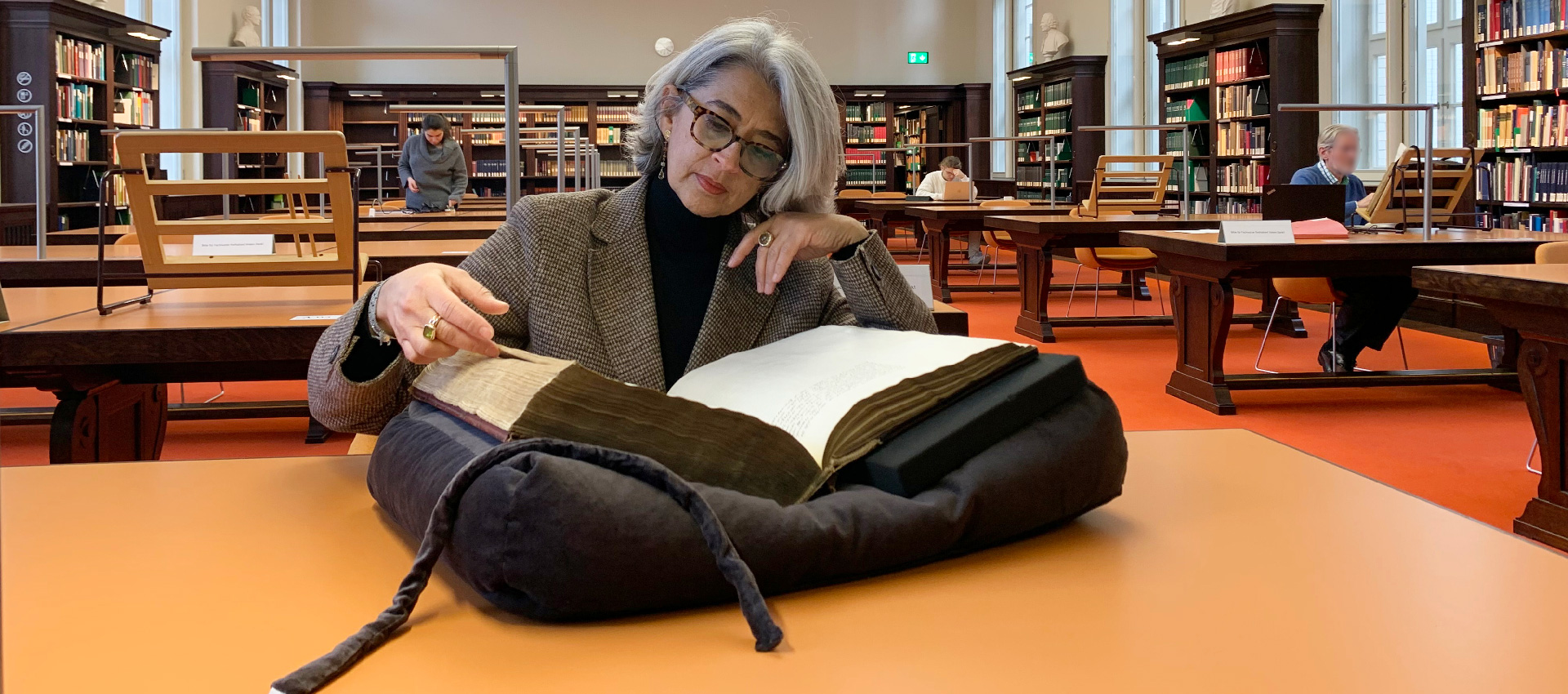
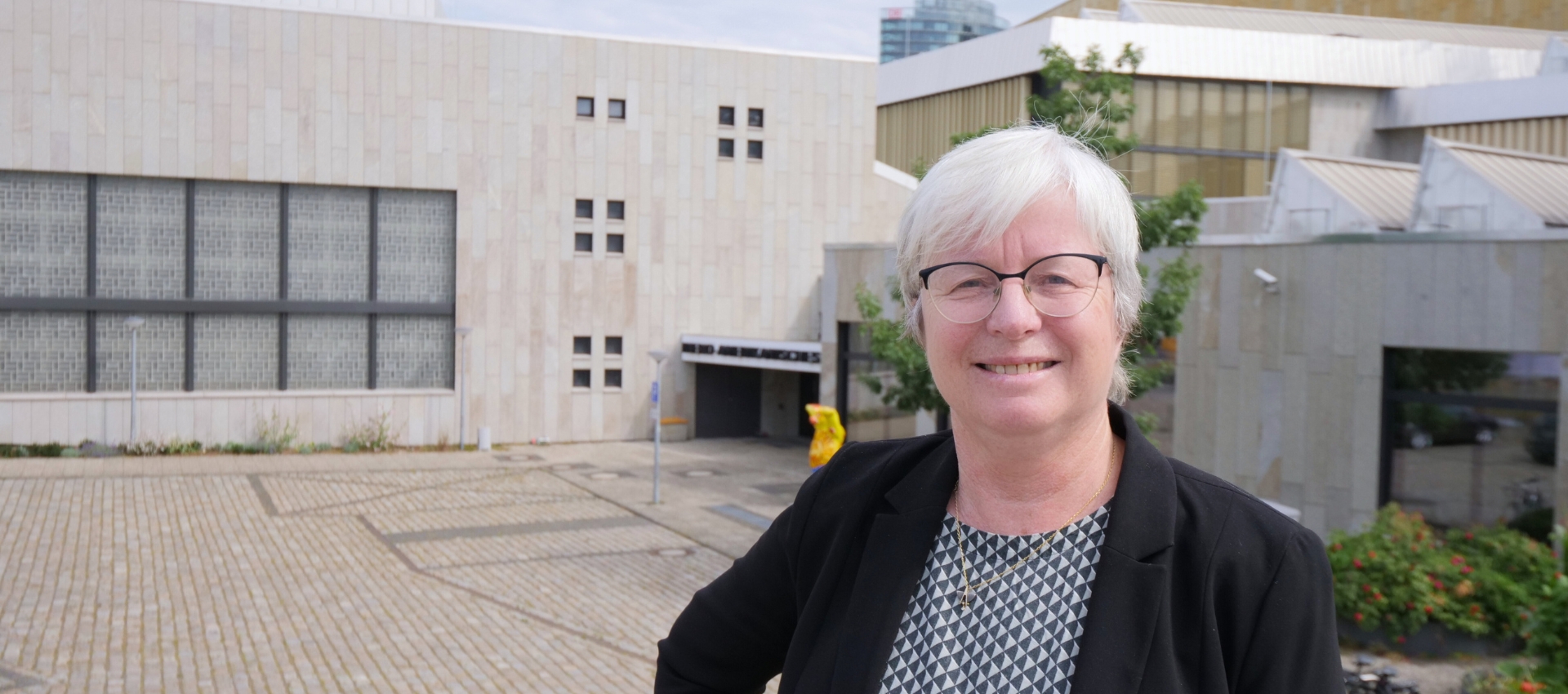
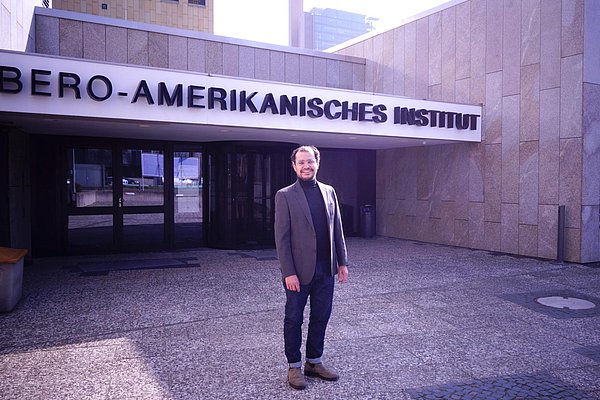
Carlos Nupia has been working in the field of international scientific cooperation and research management for over 20 years. The Colombian communications and political scientist works at the Ibero-American Institute (IAI) as part of the BMBF-funded Mecila collaborative project. In this interview, he offers an initial insight into key findings from the IAI’s study on Latin American and Caribbean research in German-speaking countries, which is due to be published this year.
Mr Nupia, what do you do at the Ibero-American Institute? What are you currently working on?
Carlos Nupia: At the moment, I am working on an IAI study on the current state and future prospects of Latin American and Caribbean studies in German-speaking countries. We are conducting a survey in which we analyse research and teaching at universities and non-university research institutions across 14 disciplines in the social sciences, humanities and cultural studies, and identify the key trends. The aim is to outline the challenges currently facing Latin American and Caribbean studies in a context of multiple global crises and profound changes, in which area studies, transregionality and interdisciplinarity are taking on a new role.
Why is it important to investigate this?
This study is crucial for strengthening Latin American and Caribbean studies in the German-speaking world, as it systematically maps their diverse contributions. In 2011, the IAI conducted a similar study on behalf of the BMBF, which has become an important reference, including for decision-makers in science policy. We now wish to “take a new snapshot of the changing research landscape in this field”, that is, to take a current stock and identify the capacities – in terms of institutions, clusters, positions and types of staff – currently available for Latin American and Caribbean studies within the social sciences, humanities and cultural studies. It is also important to understand how the framework conditions have changed. There are new developments in funding policy, institutional guidelines, new forms of cooperation, new thematic priorities and new organisational structures in research.
Who is involved in the study?
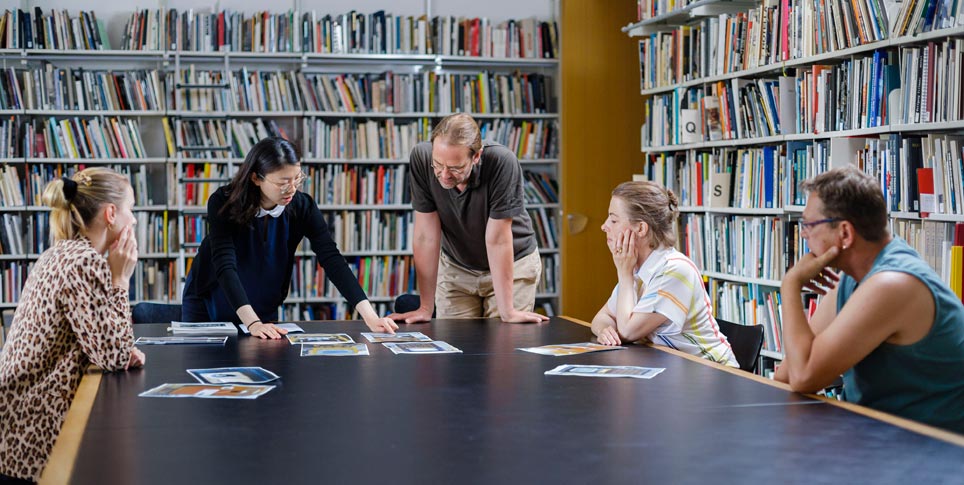
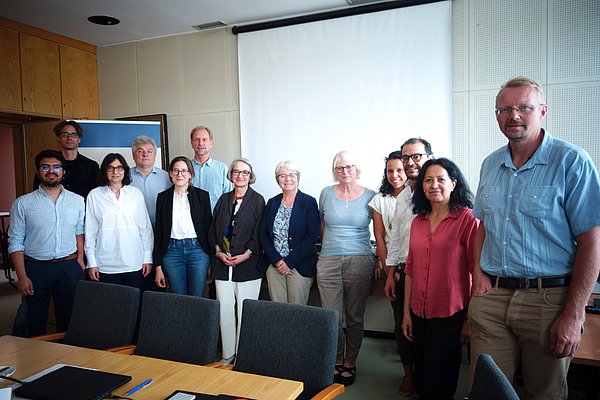
The study is being conducted by the IAI. This is in line with the institute’s role as a bridge. The IAI has a very good understanding of the academic communities working on Latin America and the Caribbean. We have identified approximately 600 researchers in Germany, Austria and German-speaking Switzerland. We are surveying them on the characteristics and significance of their work, the forms of collaboration they use, the key topics they address, and the challenges of a regional focus within the context of their respective disciplines. In addition, we have held four workshops with researchers from universities and non-university research institutions, as well as representatives from funding bodies such as the German Research Foundation (DFG), the German Academic Exchange Service (DAAD) and the Federal Ministry of Education and Research (BMBF), in which we discussed these challenges.
How did you come to join the IAI, and what were you doing before that?
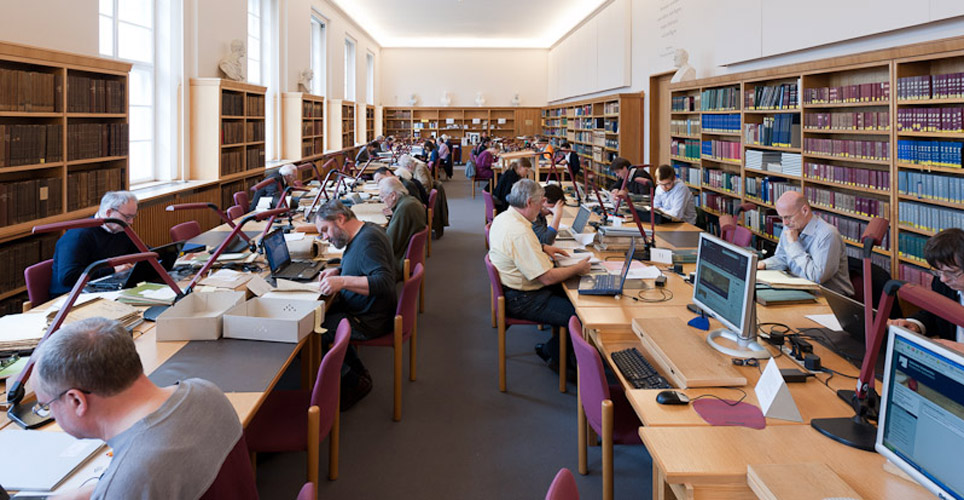
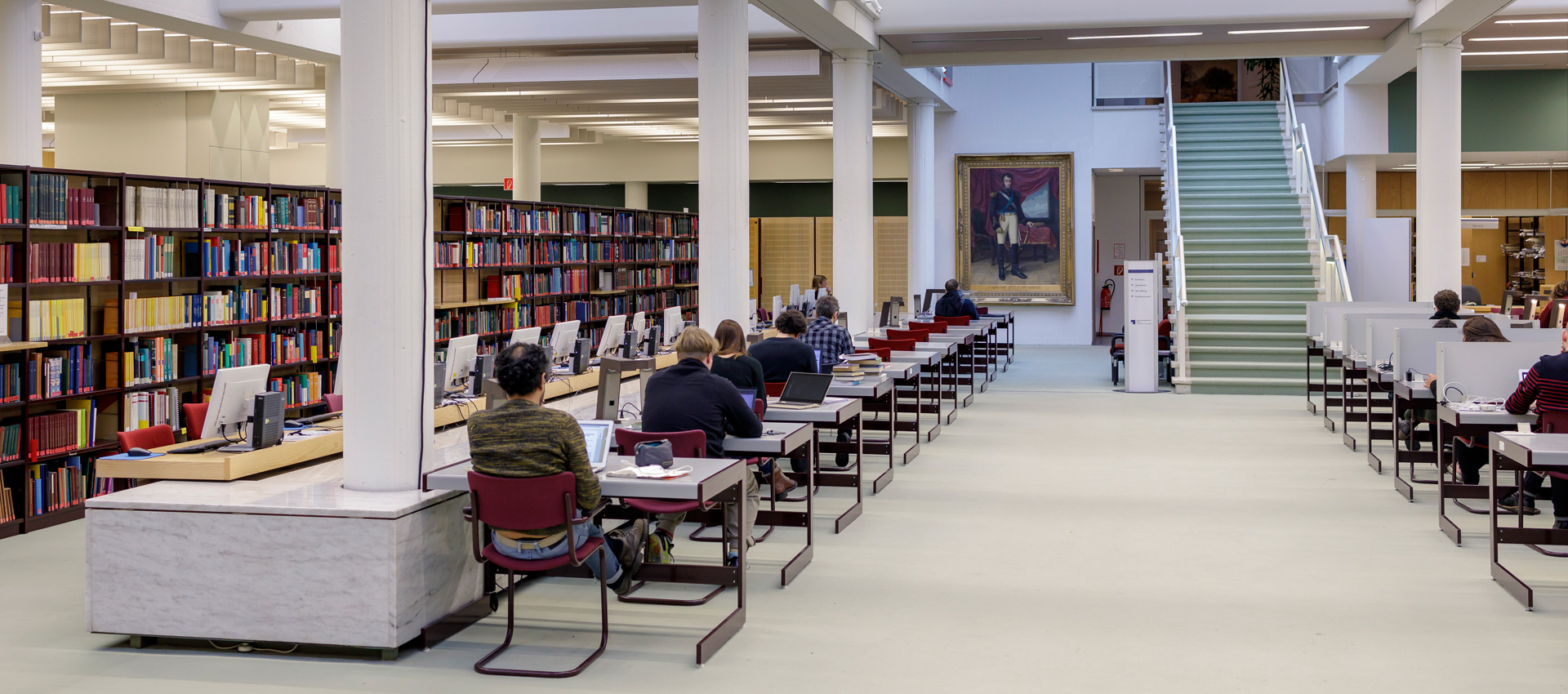
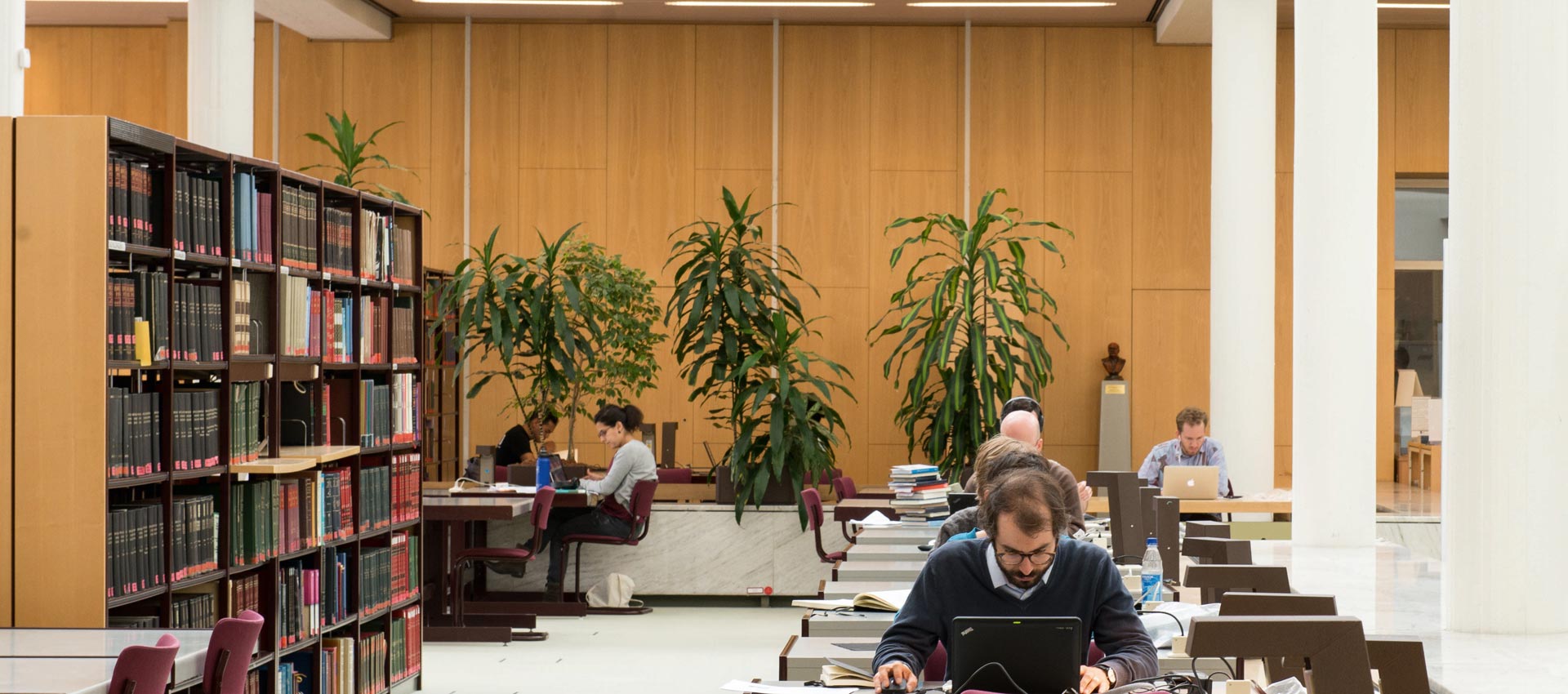
I joined the IAI because I applied for a vacancy as a research fellow. I completed my PhD at Freie Universität Berlin and wrote my doctoral thesis in the IAI reading room. During that time, I always wondered what it would be like to work here. The opportunity then arose with a topic that fascinates me and on which I have been working for more than 20 years: international academic cooperation. I returned to Germany for this role after 11 years away. Before that, I was the Executive Director of CAPAZ, the German-Colombian Peace Institute in Bogotá, Colombia, which is funded by the DAAD.
CAPAZ – what is it all about?
CAPAZ is an international cooperation project coordinated by the University of Giessen and funded by the DAAD on behalf of the Federal Foreign Office. It is a networking platform for academic cooperation that has strengthened peace and conflict research in Colombia. More than 30 German and Colombian universities are collaborating within this network. Topics such as ‘transitional justice’, historical memory, political education and peace education are being explored. It really is something special to have helped shape this project from its very beginnings and to see it established today.
The co-production of knowledge and the internationalisation of research are research topics that you are involved in. Why these topics, and what interests you about them?
The production and circulation of knowledge is a topic that fascinates me. It is a very complex subject, which I have also approached from the perspective of my previous work as director of CAPAZ. When working in international academic cooperation, one realises that knowledge is difficult to manage, yet offers an infinite world of possibilities. There is a very interesting discussion about the ways in which scientific knowledge interacts with other forms of knowledge. Understanding this is crucial to contributing to a more pluralistic, sustainable science that can better address global societal challenges such as migration, climate change and peacebuilding.
Is there such a thing as a typical day in your job? How does it begin?
My day begins with replying to various types of emails. When we launched the survey for the study on social, humanities and cultural research on Latin America and the Caribbean in German-speaking countries, I responded to many enquiries from researchers. I also keep myself regularly updated on news from science policy. I have subscribed to several newsletters and journals from research funding bodies. At the moment, I am systematising the results of the study, which we will present in June at the conference ‘Space matters: Latin America in Science and Politics’ organised by the Working Group on German Latin American Studies (ADLAF) at the IAI. We have established a solid foundation of statistical data and contextual information. I think we will learn a great deal about cooperation between Latin America and the Caribbean and the German-speaking countries.
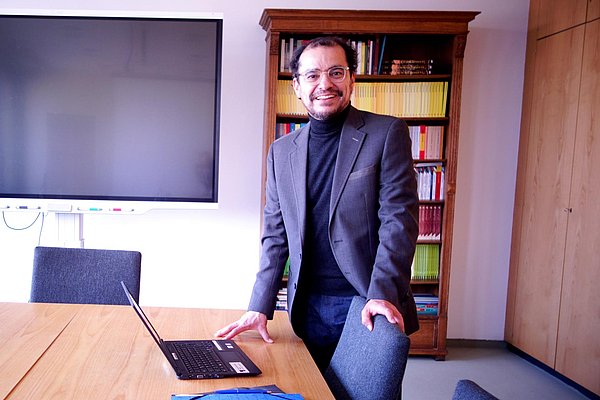
And here’s a completely different question: your work often focuses on different perspectives. Do you have a favourite perspective at the IAI?
In the social sciences, there are always critical viewpoints. When it comes to the production and circulation of knowledge, the IAI is a good place to experience different perspectives and knowledge practices. I think it’s important to also take critical views of international academic cooperation into account; decolonial approaches provide important impetus here. This means that every day you critically engage with what you do and look for the best possible forms of cooperation to carry out academic work that also achieves social impact. I constantly ask myself how research can contribute to reducing poverty or transforming contexts of coexistence marked by violence. I believe this is a social role of research that is being accorded ever greater importance on international agendas.
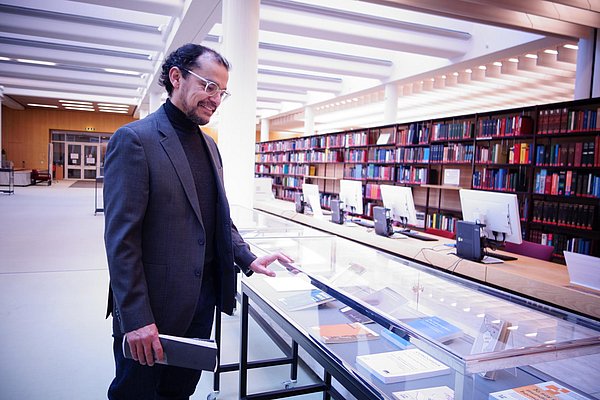
And finally, a quick personal question: do you have a favourite spot at the IAI?
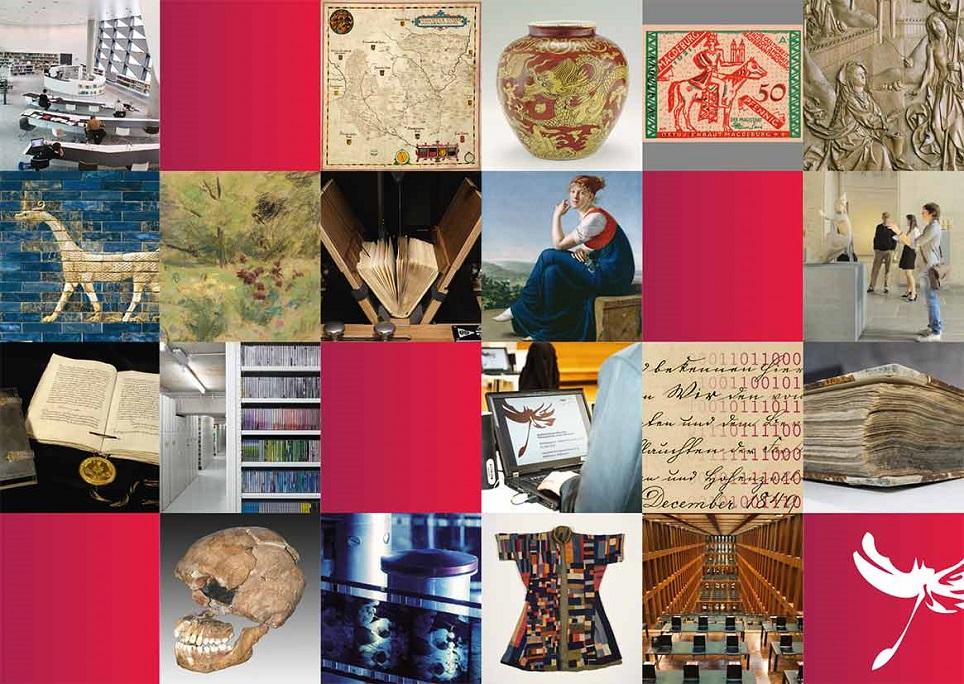
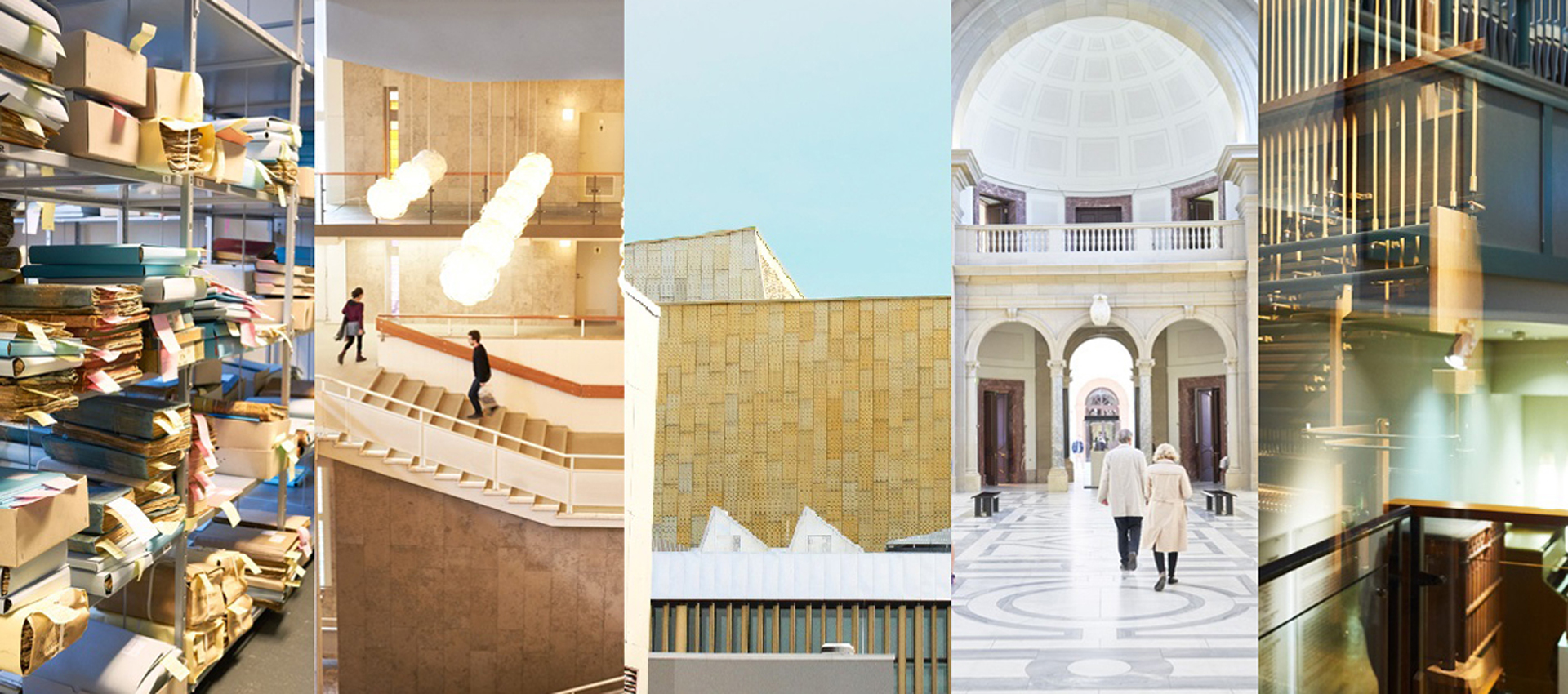
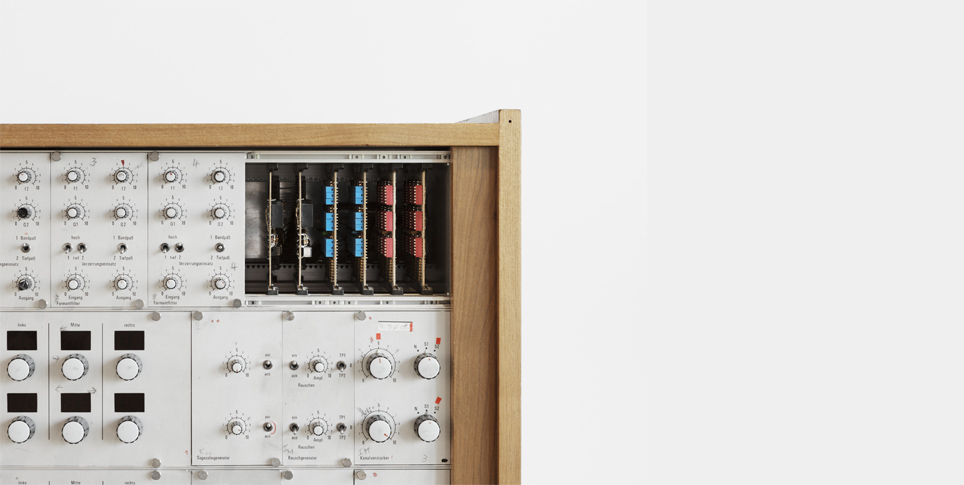
There are many stories hidden within the Institute’s collections. I find the IAI’s sound archive particularly appealing. The vinyl and CD collections give me great aesthetic pleasure. I enjoy telling stories about sounds and noises, and I believe there is still a whole world of discoveries waiting to be made in the sound archive.
Study on the current state and future prospects of research in the humanities, cultural studies and social sciences focusing on Latin America and the Caribbean in German-speaking countries
Since the second half of 2022, the Ibero-American Institute (IAI) has been working on a study examining the current state and future prospects of social sciences, humanities and cultural studies research on Latin America and the Caribbean in German-speaking countries. The study is based on extensive literature and internet research, a survey of academics at universities and non-university research institutions in Germany, Austria and Switzerland, interviews with individual experts, and several workshops at the IAI. Funding bodies are also taken into account. On 6 and 7 June 2024, the IAI will host the conference “Space matters: Latin America in Science and Politics” will take place at the IAI, organised by the Working Group on German Latin American Studies (ADLAF). The conference will address the current situation and future prospects of Latin American studies, and the findings of the study will be presented to a wider public during the event. The multilingual study will be made available online and widely distributed. It forms part of the IAI’s strategic development.
Further links
- Ibero-American Institute
- IAI workshop on the role of funding bodies and research societies in Latin American studies (SPK News, 27 November 2023)
- Precursor to the study (2012, Spanish)
- Precursor to the study (2008, German)
- Brochure “Ibero-American Institute” (2020, German/Spanish/Portuguese/English)
- Working Group on German American Studies (ADLAF)
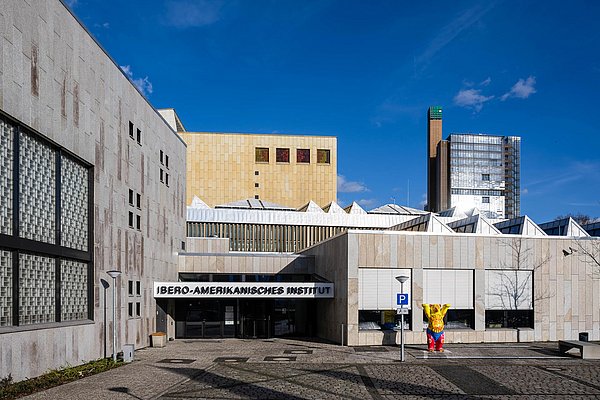
The joint project Mecila (Maria Sibylla Merian International Centre for Advanced Studies in the Humanities and Social Sciences: Conviviality and Inequality in Latin America)
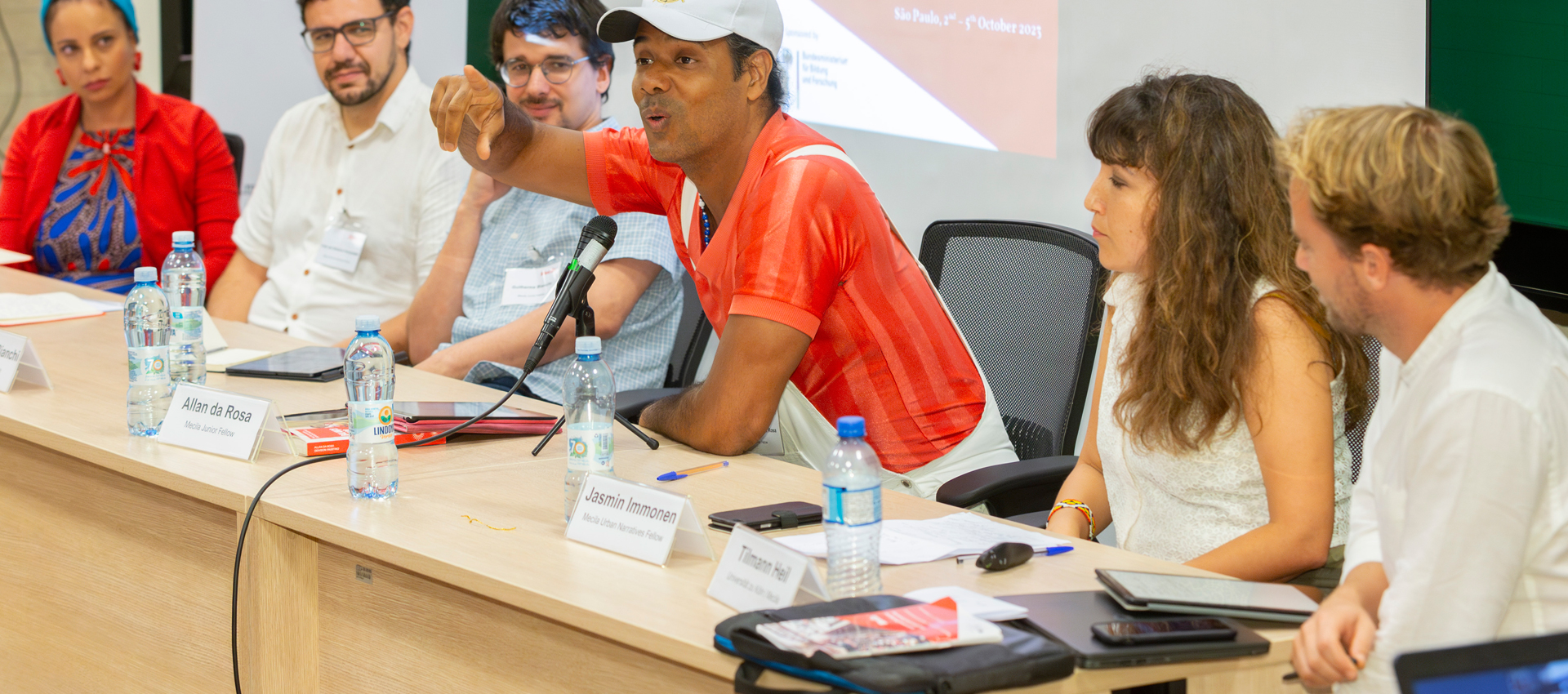
The collaborative project Mecila (Maria Sibylla Merian International Centre for Advanced Studies in the Humanities and Social Sciences: Conviviality-Inequality in Latin America) was established in 2017 and is headquartered in São Paulo (Brazil), with additional hubs in La Plata (Argentina), Mexico City (Mexico), Cologne and Berlin.
The centre researches past and present forms of social, political and cultural coexistence in Latin America and the Caribbean and aims to contribute to a better understanding of conviviality in diverse and unequal societies.
As part of a consortium of German and Latin American institutions, the IAI collaborates with Freie Universität Berlin, the University of Cologne, the University of São Paulo (USP), the Brazilian Centre for Analysis and Planning (Cebrap), the Institute for Research in the Humanities and Social Sciences (IdIHCS/Conicet) at the National University of La Plata, and El Colegio de México. Mecila is funded by the Federal Ministry of Education and Research (BMBF). The aim of the BMBF’s funding programme for the Maria Sybilla Merian International Centre for Advanced Studies in the Humanities and Social Sciences is to integrate knowledge production from the so-called Global South more sustainably with that of the so-called Global North.
Following a three-year preparatory phase and a successful international evaluation of the collaborative project, Mecila’s six-year main phase began in April 2020, funded by the Federal Ministry of Education and Research (BMBF) with a total of around €12 million. The IAI coordinates the sub-project: “Medialities of Conviviality and Information Infrastructure”. From April 2023 to April 2024, the German Directorship of the project will be held by the IAI.
Consortium institutions
- Freie Universität Berlin (Germany)
- University of Cologne (Germany)
- University of São Paulo (Brazil)
- Brazilian Centre for Analysis and Planning (Brazil)
- Institute for Research in the Humanities and Social Sciences (Conicet / National University of La Plata) (Argentina)
- El Colegio de México (Mexico)
Further links
Further news articles on the topic
- The Mecila collaborative project. An interim report after four years – SPKmagazin (22 January 2024)
- MP Michelle Müntefering visits Mecila at the São Paulo Hub (29 November 2023)
- Mecila community meets at the São Paulo Hub (25 October 2023)
- South-North Dialogue on the Democratisation of Knowledge: Strategies and Challenges for Latin America and Europe (20 July 2023)
- Research and practice in knowledge production and archiving. Dialogue with Latin America (19 October 2022)
- How can knowledge infrastructures be decolonised? Epistemic dialogues at the IAI (26 September 2022)
- Global challenges of conviviality from a Latin American perspective (30 November 2021)Modern information infrastructure for international research projects (9 August 2021) Successful launch of the main phase (2020–2026) for the international collaborative project Mecila (3 July 2020)