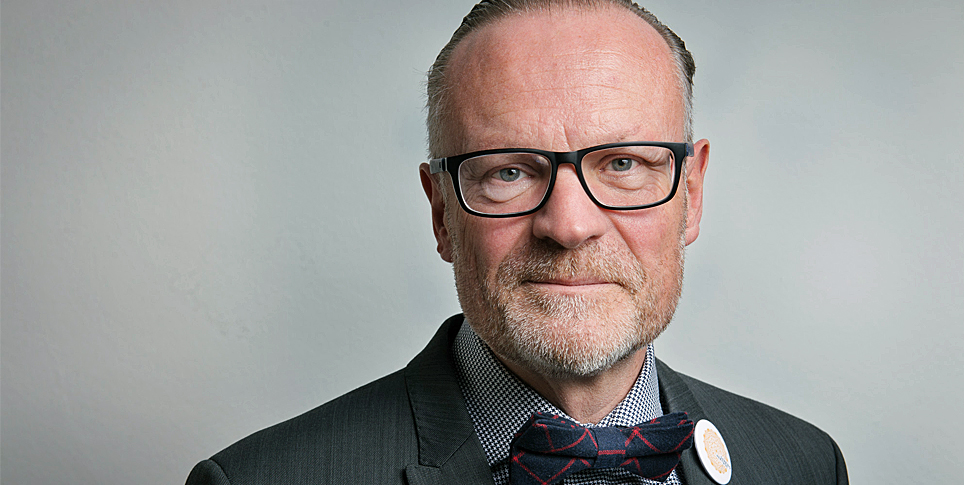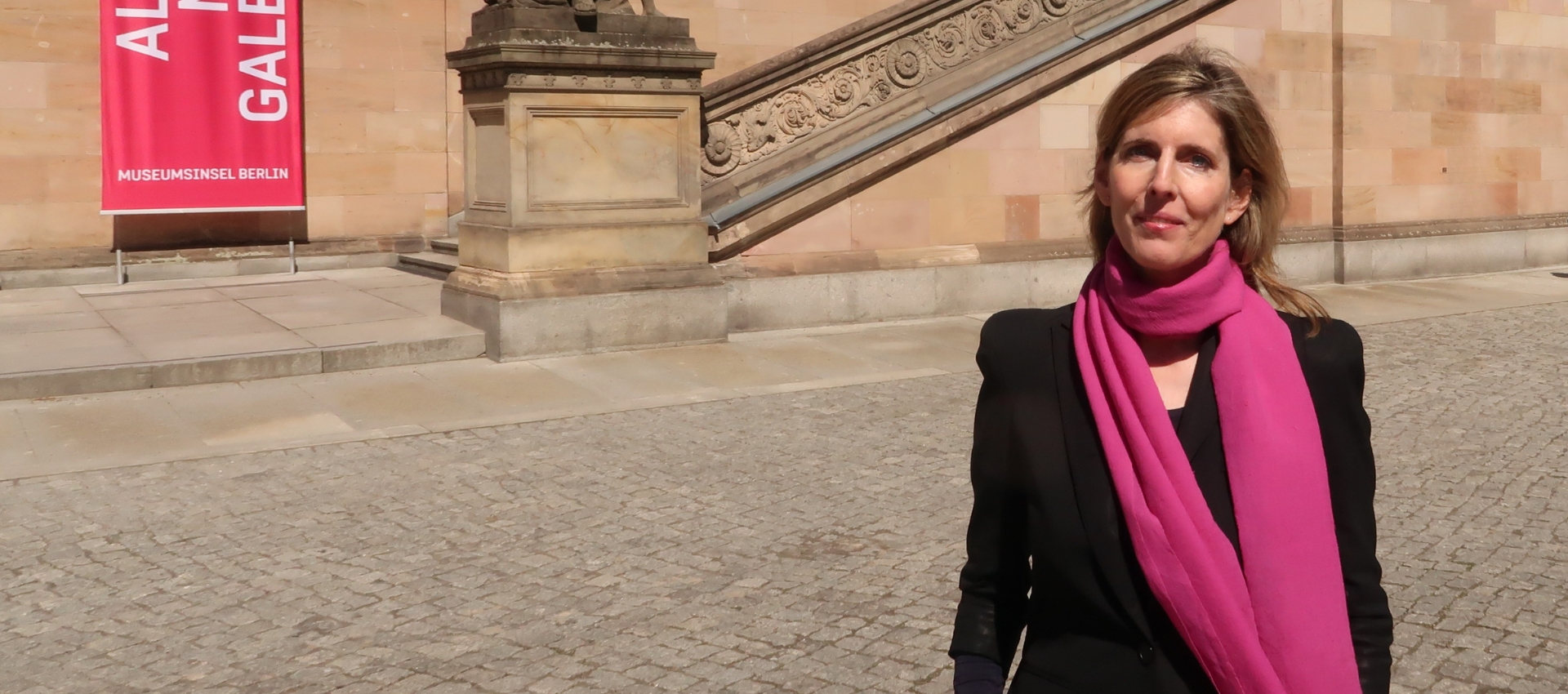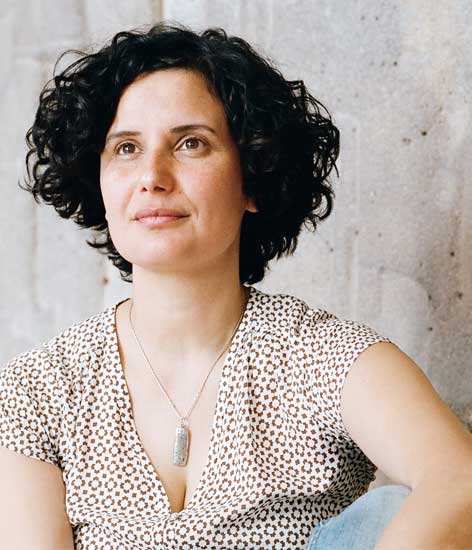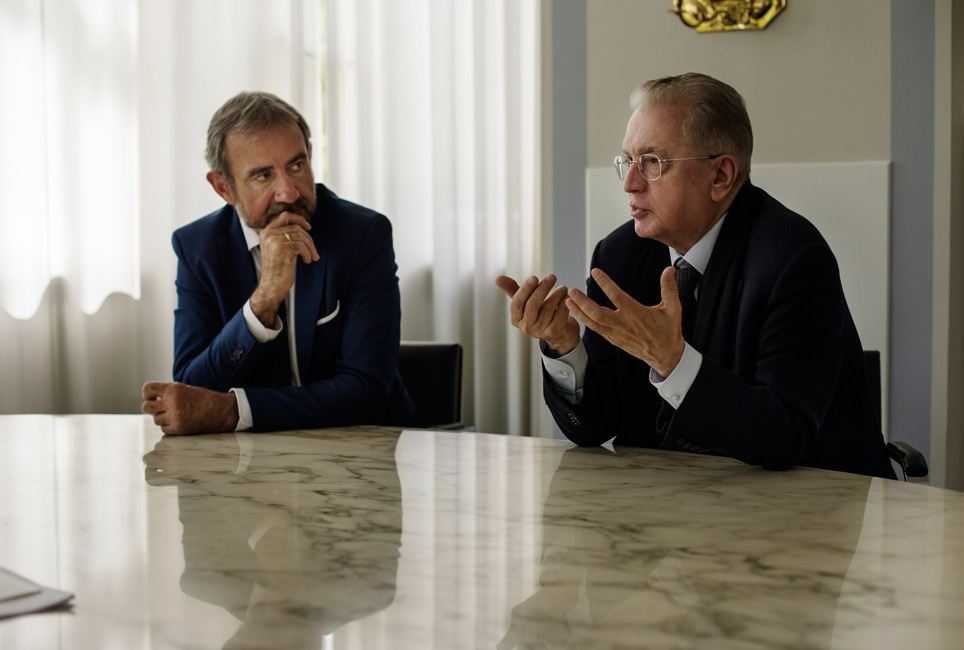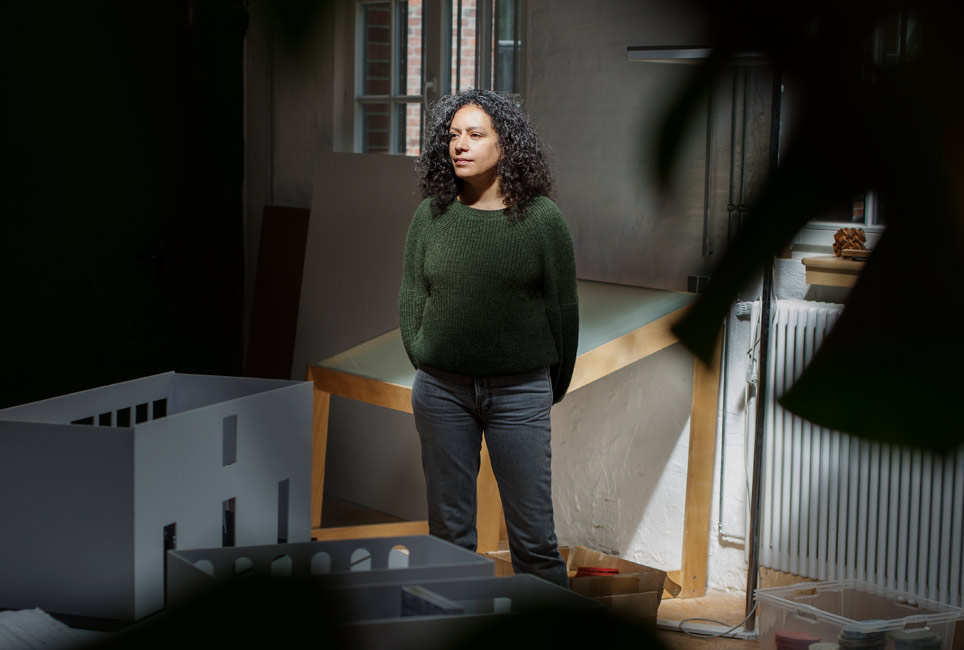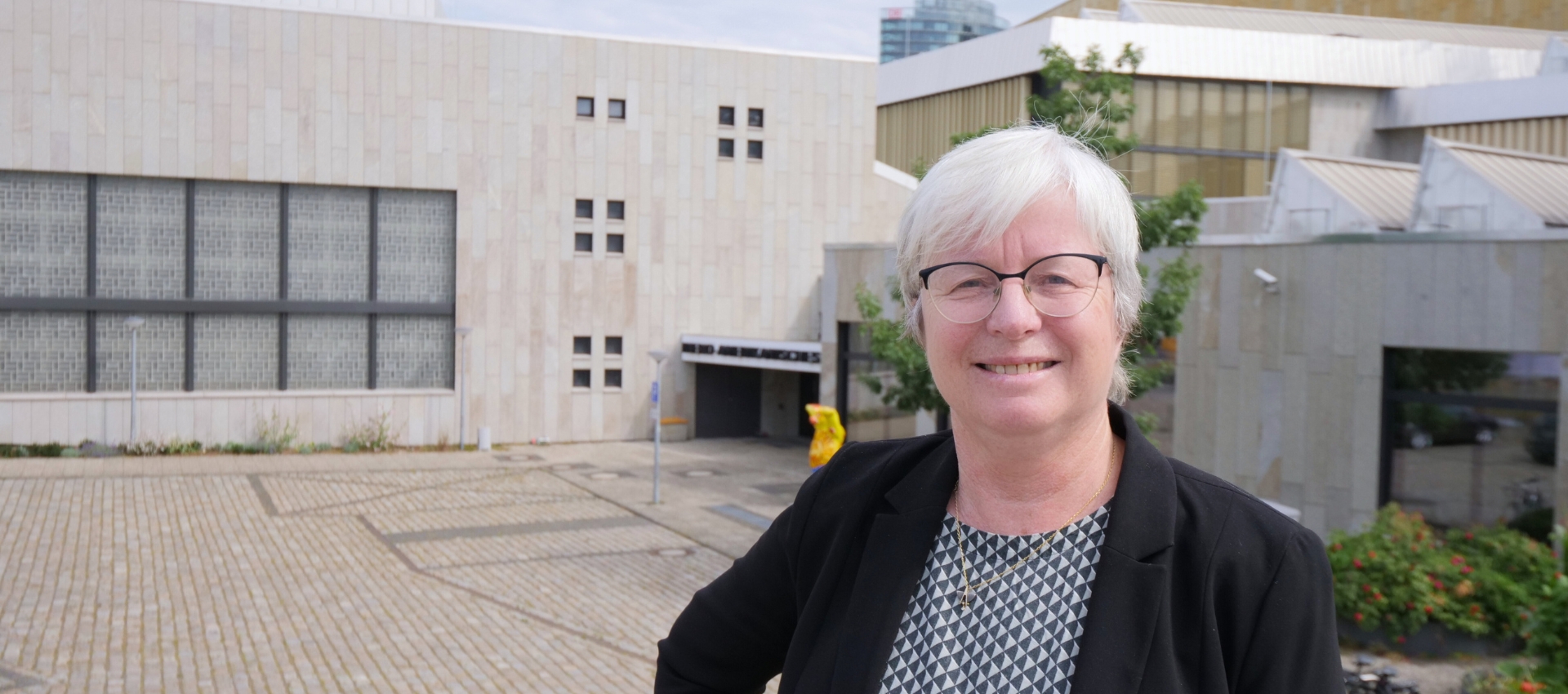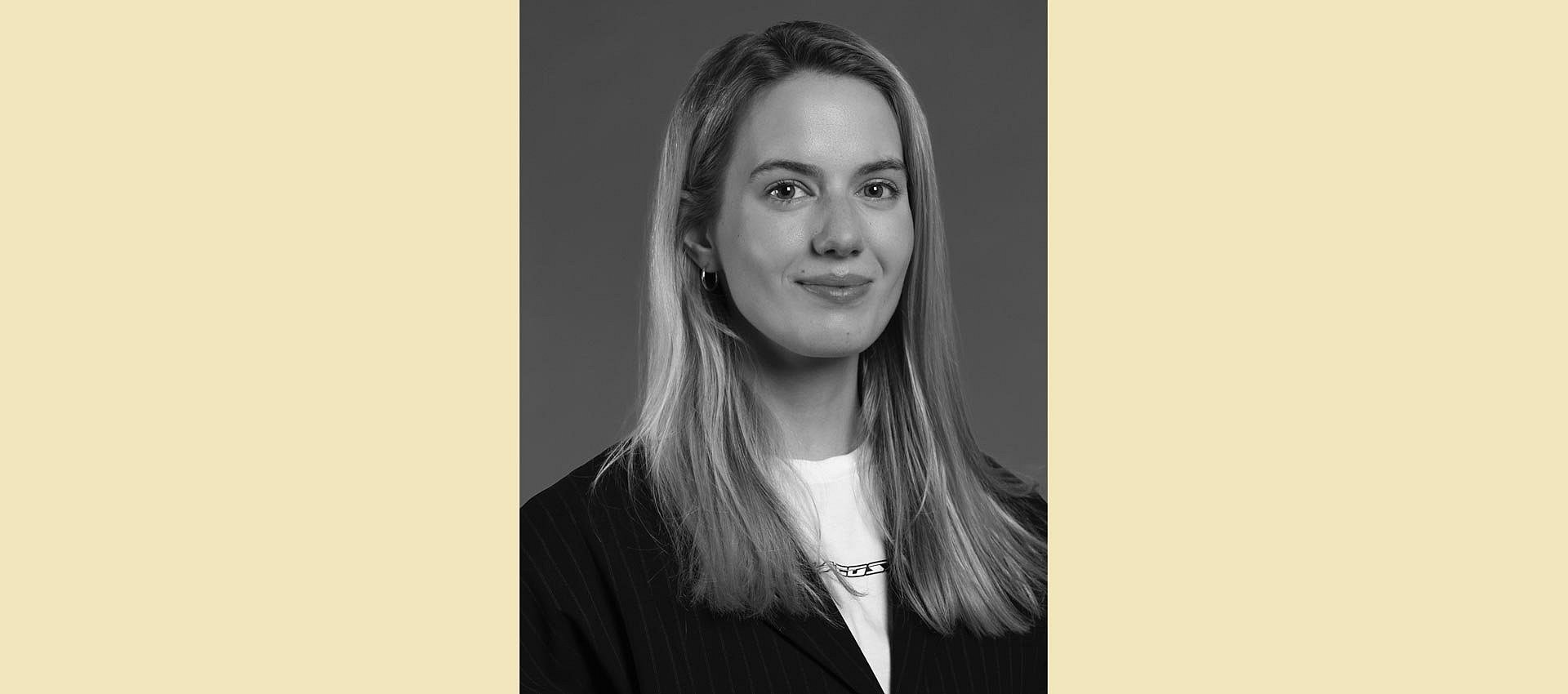
Charlotte Knaup is a curator and coordinator for Ukraine-related matters at the SPK. In this interview, she talks about the “Making Spaces” series on Ukrainian art and culture, collaboration with the Ukrainian community, and the OBMIN conference on the country’s reconstruction, to be held on 28 and 29 May 2024 in Berlin.
© Staatliche Museen zu Berlin / Juliane Eirich
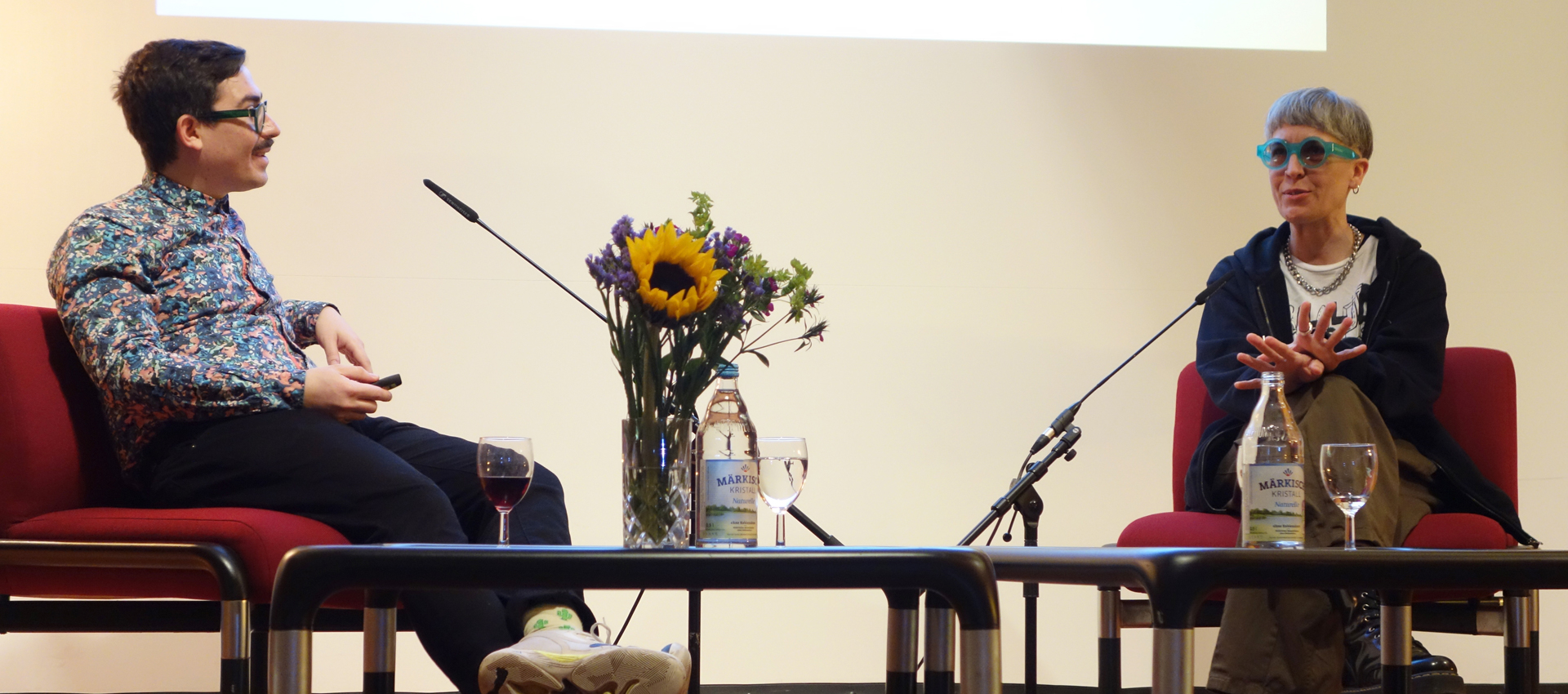
Ms Knaup, since January 2023, the Prussian Cultural Heritage Foundation and the Berlin State Museums have been running a programme series called ‘Making Spaces’, dedicated to the art and culture of Ukraine. What were the guiding principles behind the creation of the series? What are its objectives?
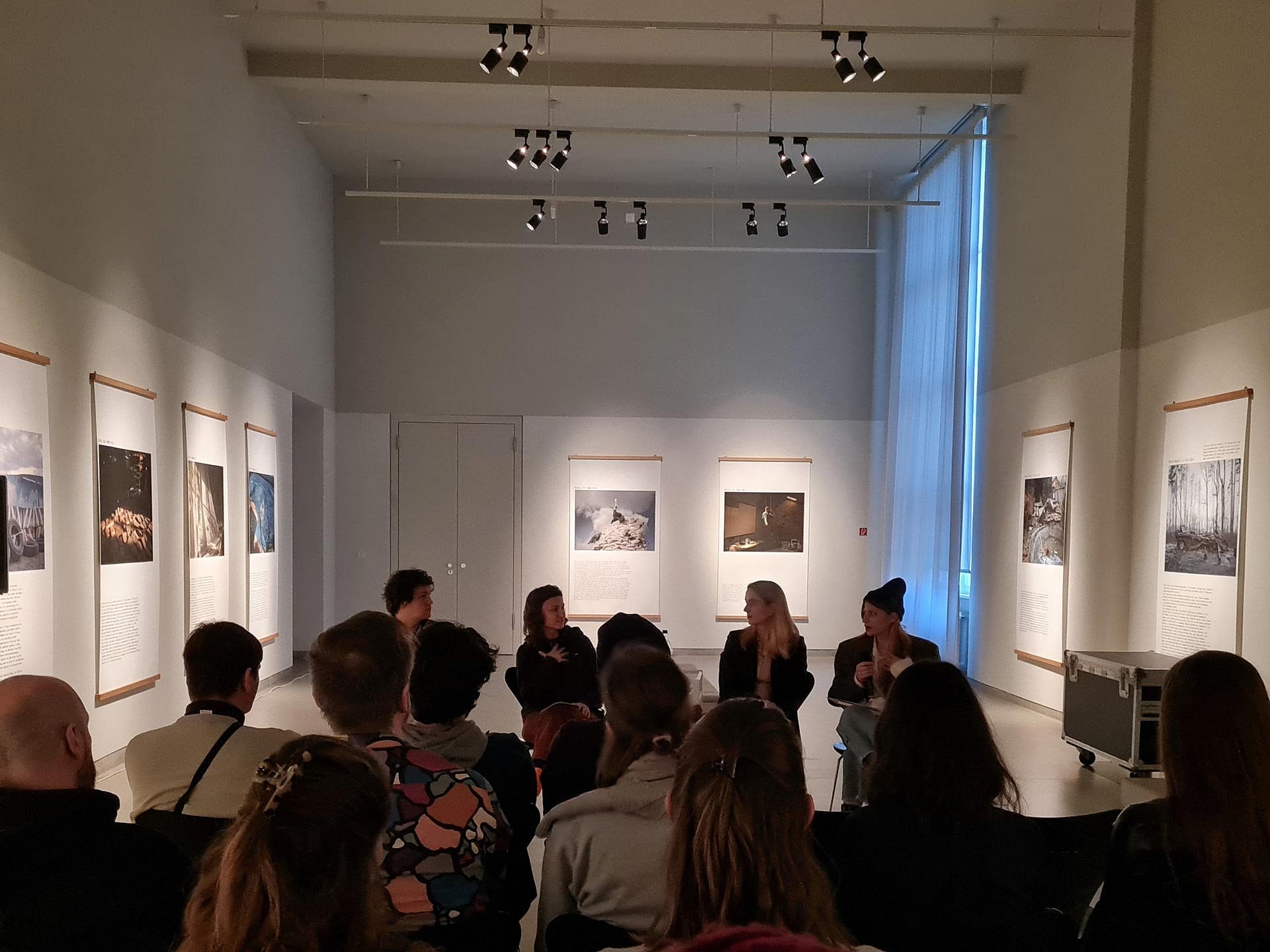
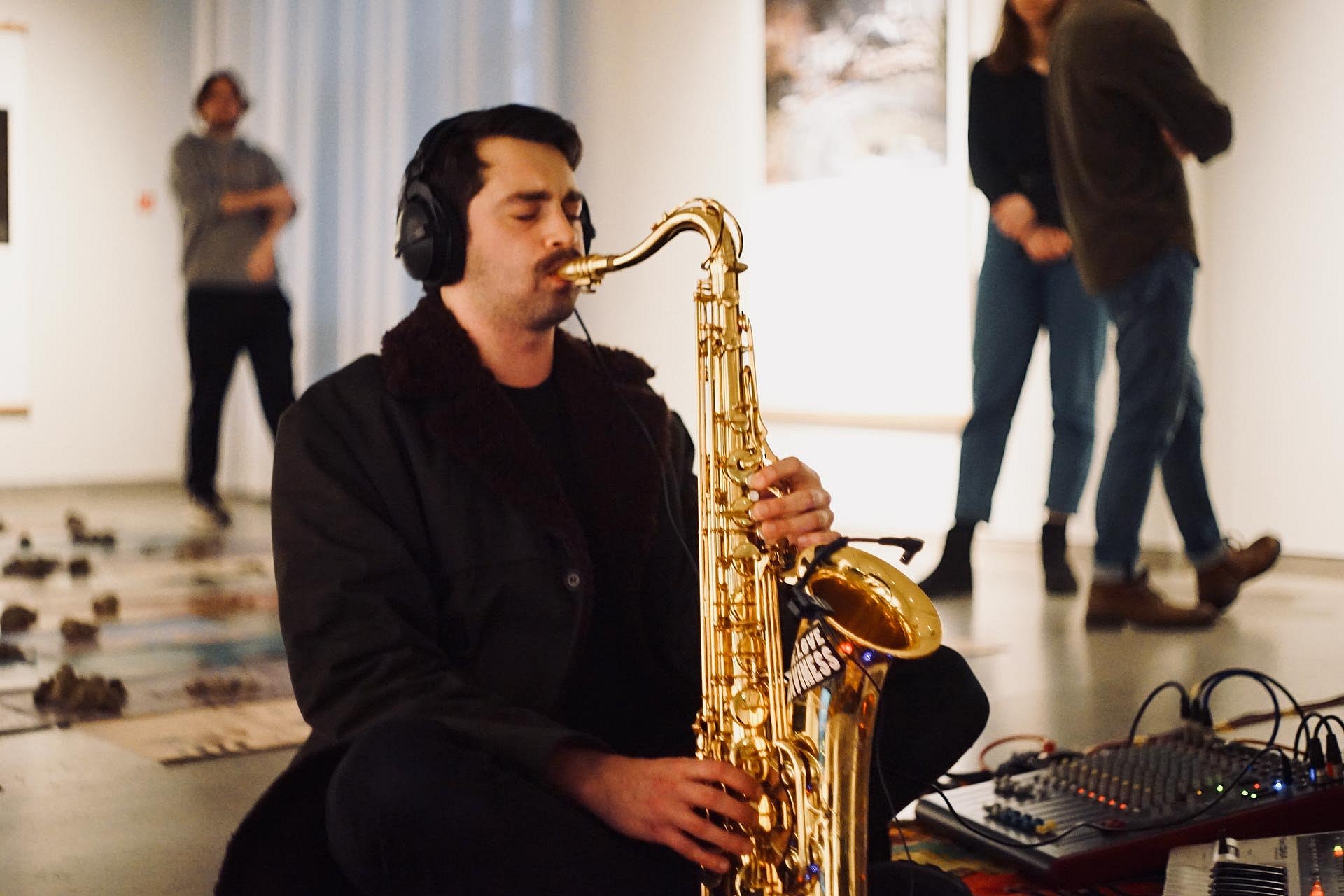
Knaup: First and foremost, the series aims to show solidarity with Ukrainian communities, artists and academics. Many of them have fled to Berlin as a result of Russia’s war of aggression. The title ‘Making Spaces’ refers to the joint creation of spaces where people can come together. At the same time, the series was conceived from the outset as a cross-institutional initiative. On the one hand, this creates opportunities for exchange with colleagues from other institutions; on the other, it also enables the realisation of a broad spectrum of formats, such as talks, performances, film screenings, readings, etc.
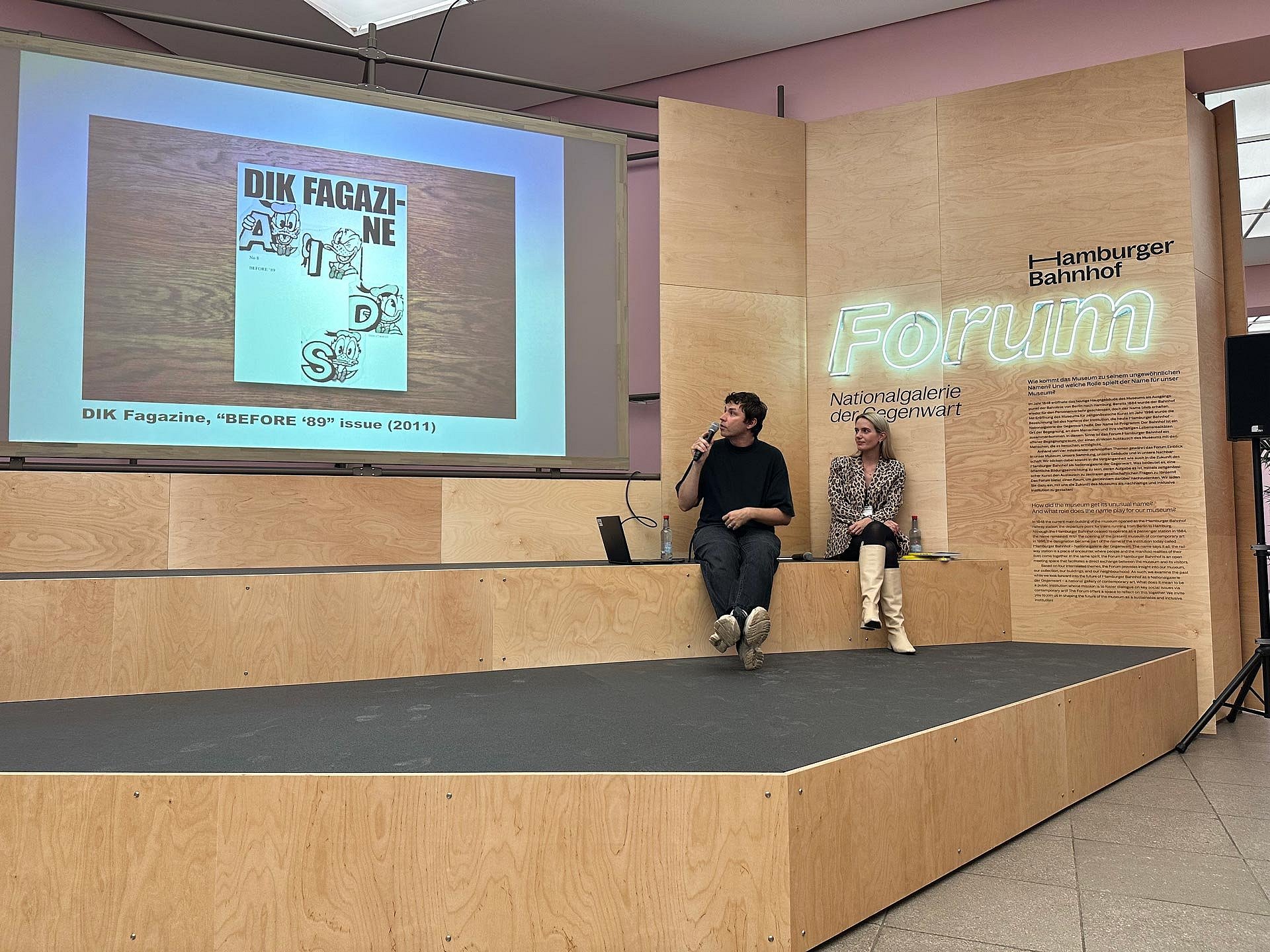
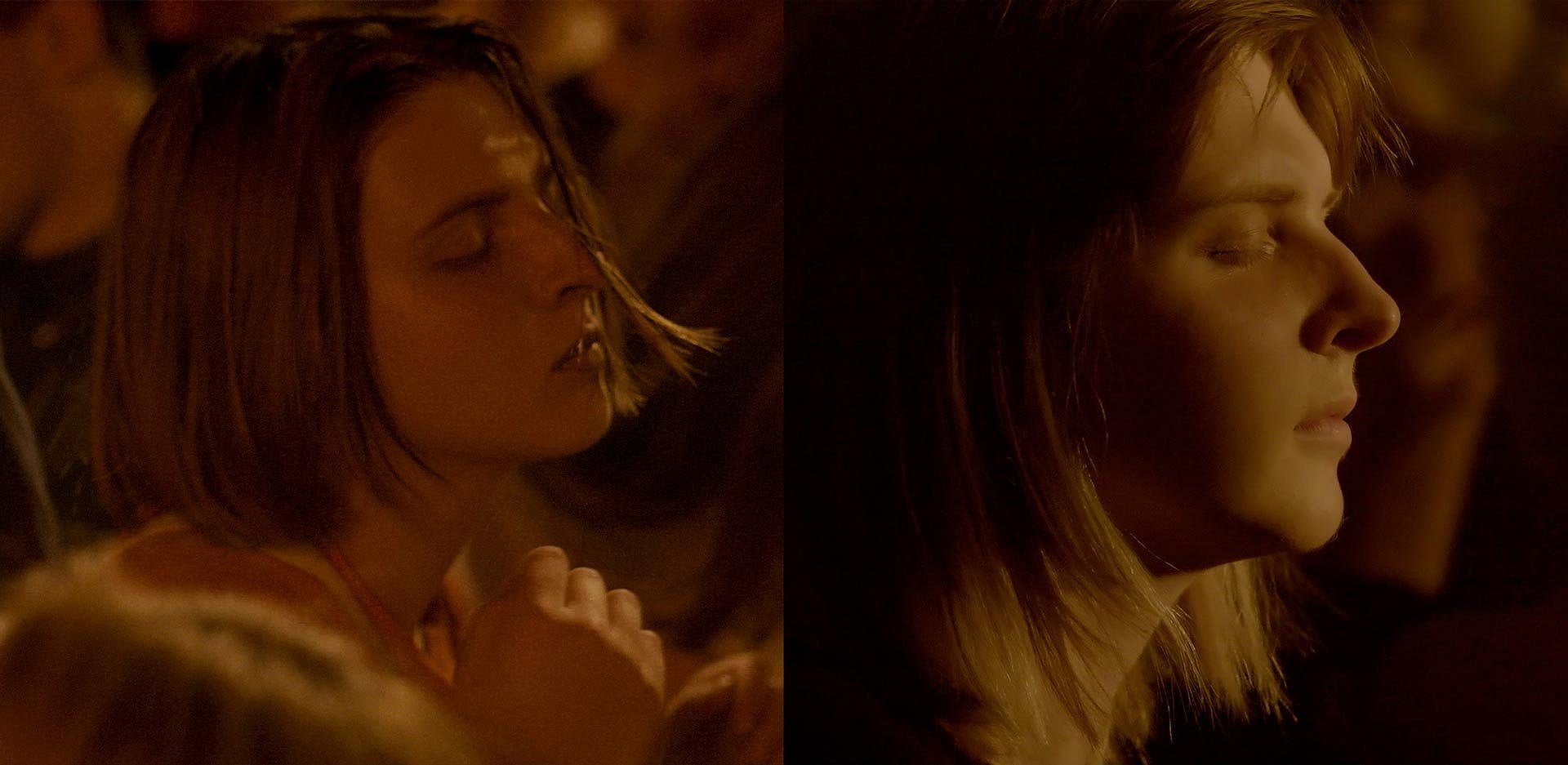
Three major thematic clusters form the central thread: Individual Histories, Memory and Witnessing, and Communal Histories. - Individual stories, memory and witnessing, and shared stories. To explore how artistic practice can continue in the context of war, there was, for example, a screening and discussion in February 2024 at the Hamburger Bahnhof on the video works ‘Dedicated to the Youth of the World II’ (2019) and ‘Dedicated to the Youth of the World III’ (2023) by the Ukrainian artist duo Yarema Malashchuk and Roman Khimei. We discussed youth and club culture in Ukraine and what it means to continue their artistic work at a time when spaces for personal freedom and artistic expression are under threat.
How is international solidarity with Ukraine reflected in the programme series, and what role do Ukrainian artists and experts play in this?
They play the leading role! Every event in the series is developed and realised in collaboration with Ukrainian artists, academics and experts. The research for the series also began by asking the communities: How can we work together? Which topics are relevant? Who would like to speak and how, and for which target groups is the series particularly important?
It is thanks to the openness of the Ukrainian artistic community and colleagues from the museum world that the series was able to take shape. Even before it began, I had the opportunity to meet many artists and academics from Ukraine. Based on numerous excellent discussions, a basic framework was developed which now underpins the various programmes in the series. Solidarity here means that Ukrainian artists and academics, with their themes and expertise, take centre stage.
What prospects do you see for “Making Spaces”?
I am confident that future formats in the series will continue to reach a wide audience. I am particularly looking forward to the upcoming collaborations within the SPK and with Ukrainian artists and academics. “Making Spaces” has, however, also spawned a network that can lead to exciting new projects beyond the series itself. Furthermore, the diversity of formats and the cross-institutional focus provide a flexible framework that lends itself well to other interdisciplinary and epoch-defining discourses or themes requiring long-term engagement.
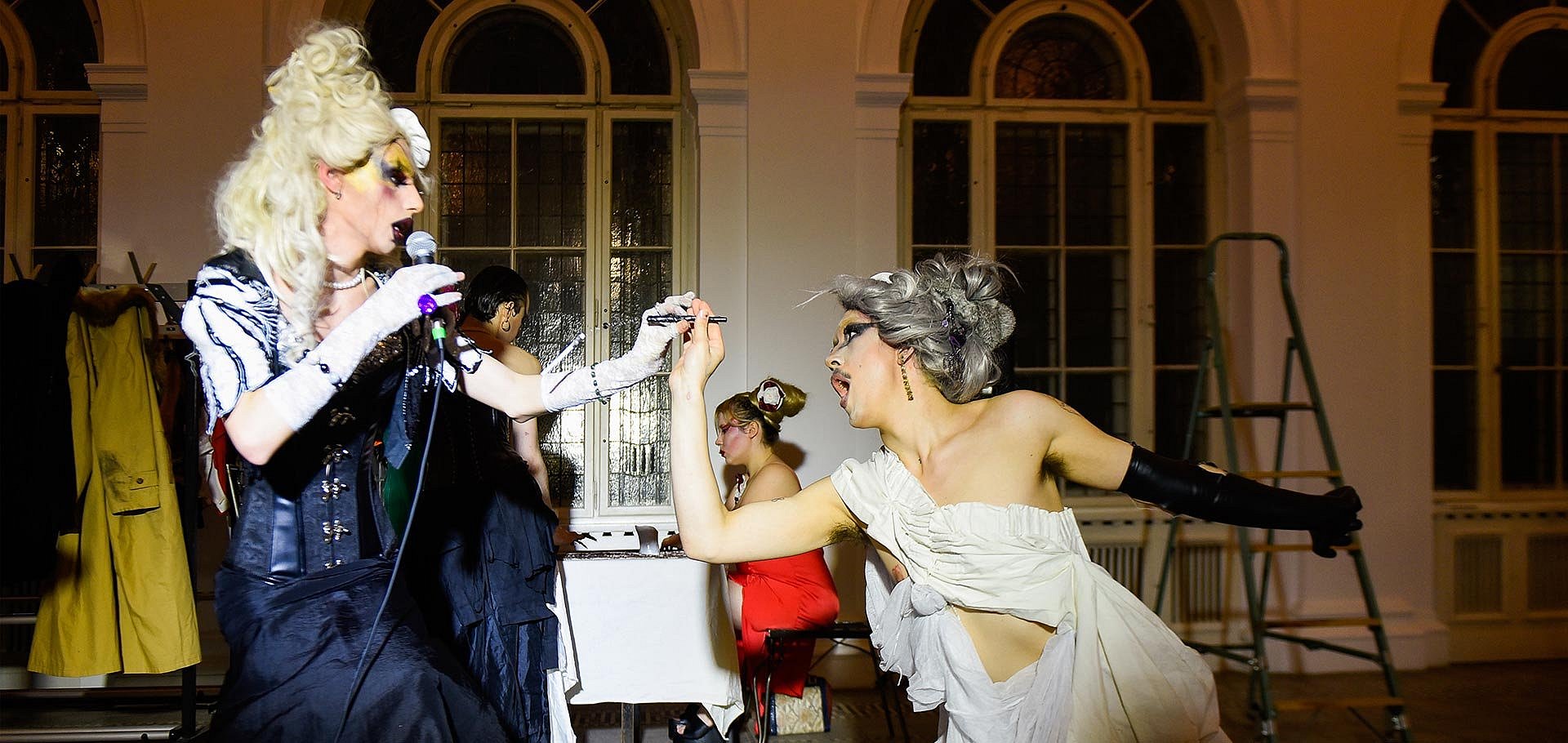
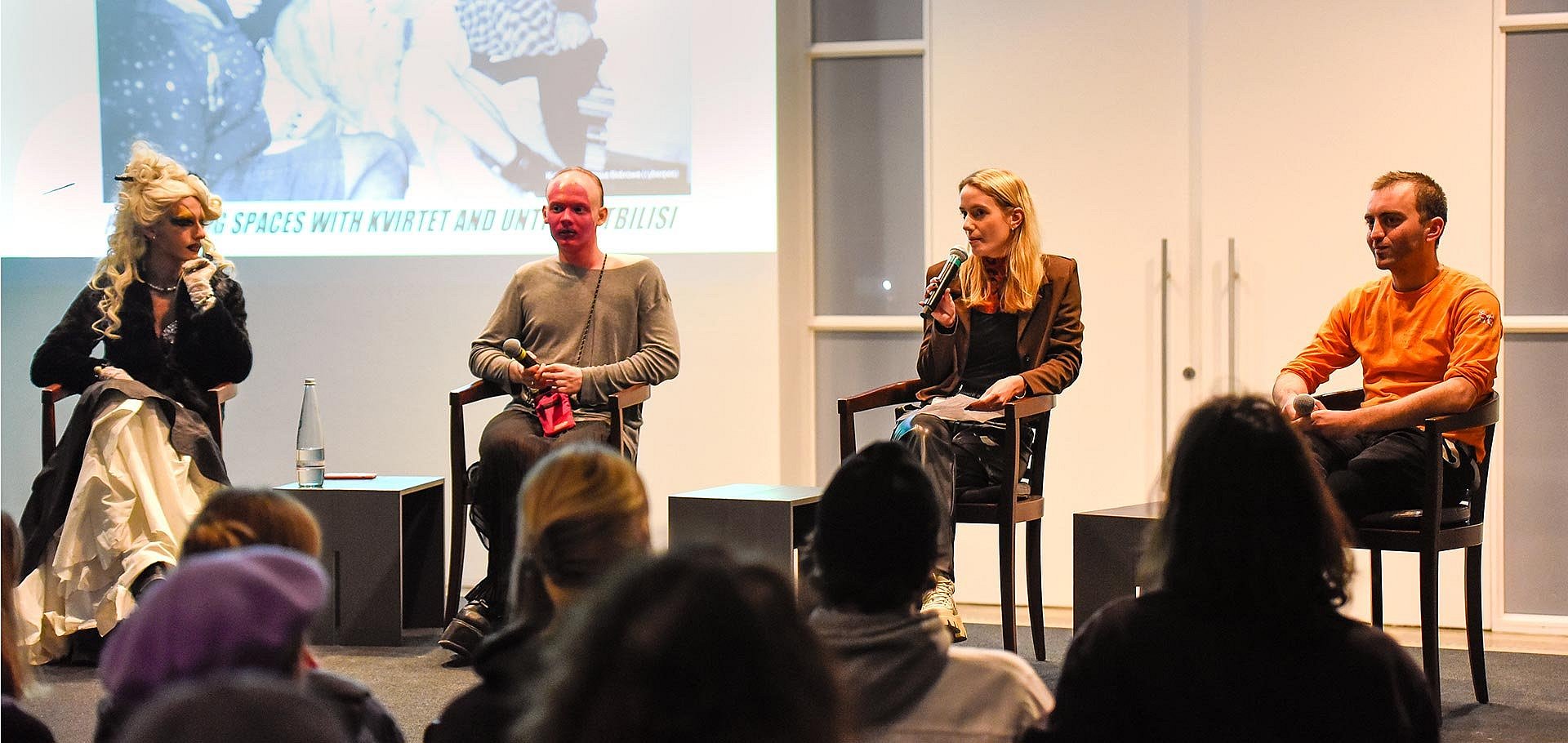
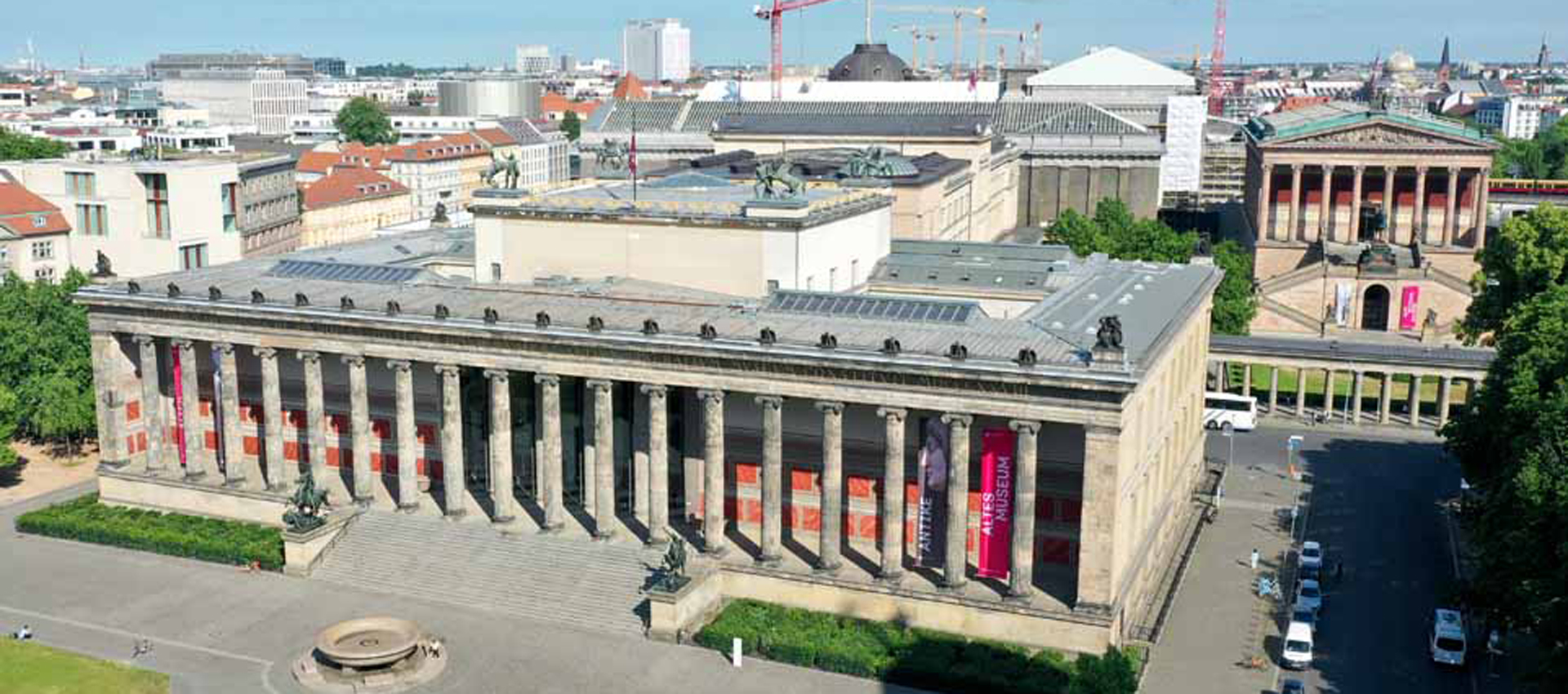
Under the theme “From Crisis to Future: New Responsibilities for Museums in Ukraine”, the OBMIN Foundation and the Ukrainian Institute in Germany, in collaboration with the SPK, have organised a conference to be held in Berlin at the James-Simon-Galerie at the end of May. As curator of “Making Spaces”, you will also be taking part with a presentation. What will the conference focus on, and how did this collaboration come about?
The conference aims to generate joint proposals and topics for the upcoming “Ukraine Recovery Conference” in June 2024 and to promote networking between German, Polish and Ukrainian museums. The SPK is involved in the organisation, but a connection between the foundation and OBMIN has existed for some time: When OBMIN organised a conference in Warsaw in September 2023, involving 40 Ukrainian museums among others, my colleague Claudia Banz from the Museum of Decorative Arts was one of the panellists and spoke there about the exhibition “Retrotopia. Design for Socialist Spaces”. I was also present at the time.
This exchange led to the collaboration for the conference at the end of May, which, incidentally, with around a hundred institutions, will be the largest gathering of Ukrainian museums since the outbreak of the war. I am part of the SPK’s organising team and will also take part in the panel “The mission of museums to strengthen (civil) society”. Together with Yuliia Vaganova, the acting director of the Khanenko Museum, Bohdan Tyholoz, the director of the Ivan Franko National Museum of Literature and Memorial, and Elżbieta Kwiecińska from the University of Warsaw, I will be speaking on the role of museums in society.
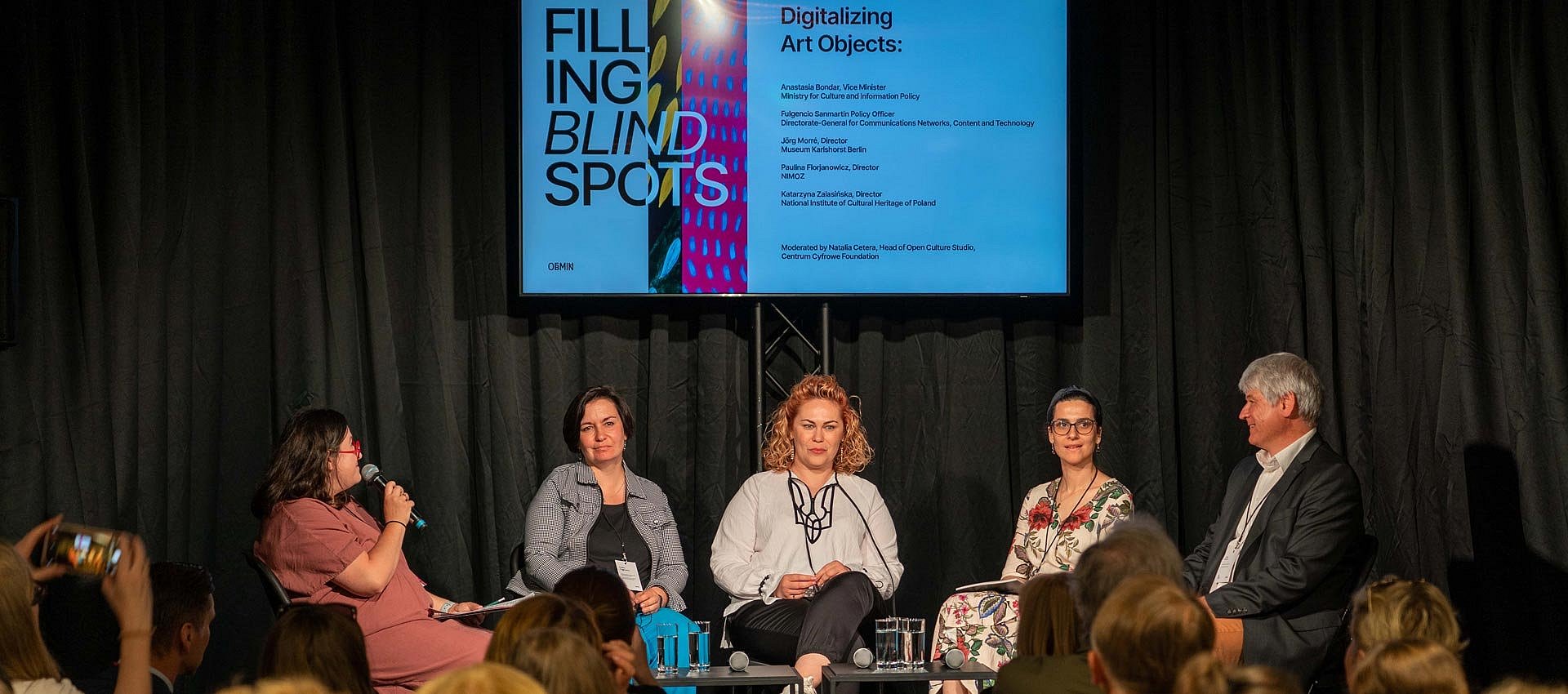
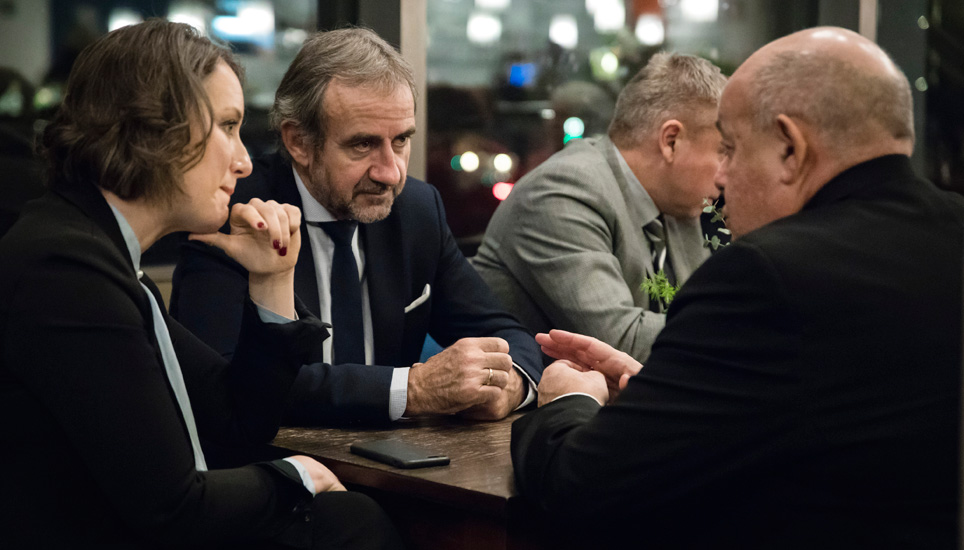
OBMIN Conference: Filling Blind Spots, Warsaw, Poland, June 2023.
Photo: Adam Bury/OBMIN
What significance does the event hold for the country’s reconstruction, particularly in view of the upcoming international donor conference, the ‘Ukraine Recovery Conference’, to be held in Berlin in June?
“From Crisis to Future” focuses in particular on the role of cultural institutions in the reconstruction of Ukraine and forward-looking museum work. In the run-up to the conference, Ukrainian museums have drawn up ten concrete proposals for the country’s reconstruction. These, alongside the outcomes of the two-day conference, will be incorporated into the work of the “Ukraine Recovery Conference” in June 2024.
The URC2024 itself is a continuation of the annual series of political events dedicated to the restoration and long-term reconstruction of Ukraine since the start of the war. It is also the first conference on the reconstruction of Ukraine to be held in an EU Member State, with the main aim of mobilising further international support for the reconstruction, reform and modernisation of Ukraine.