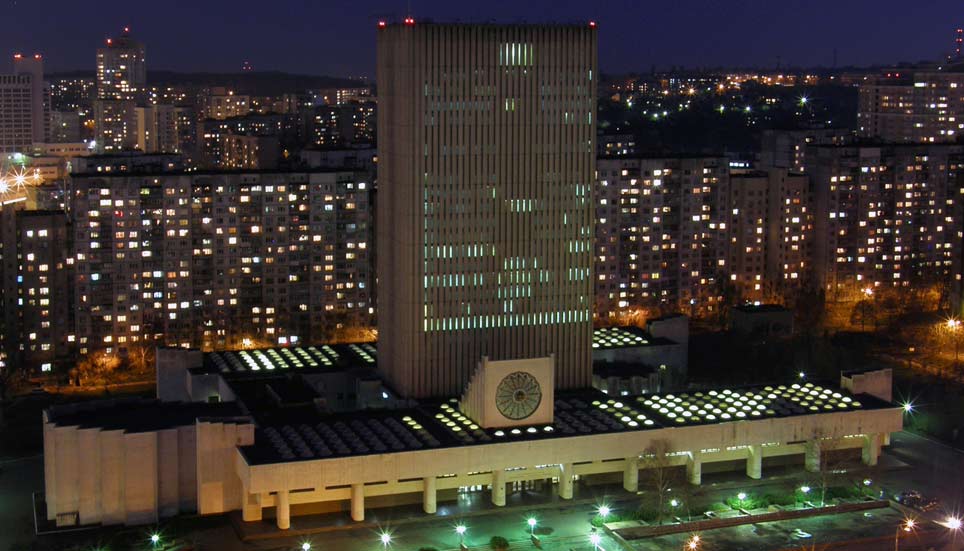
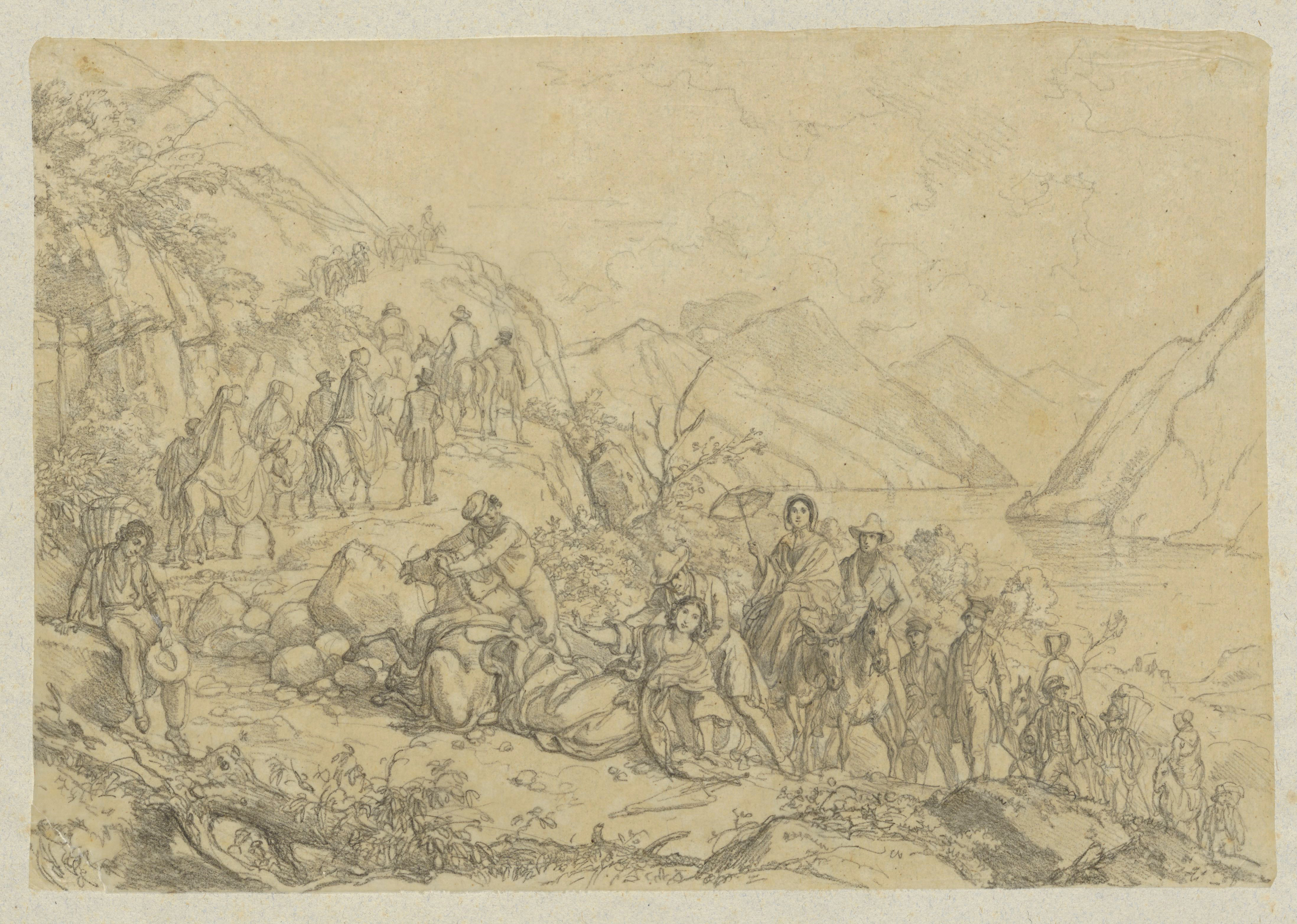
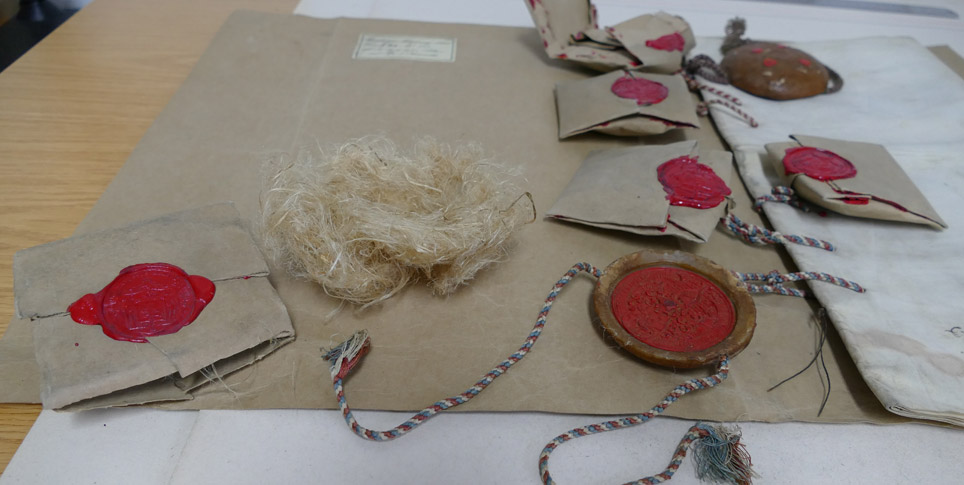
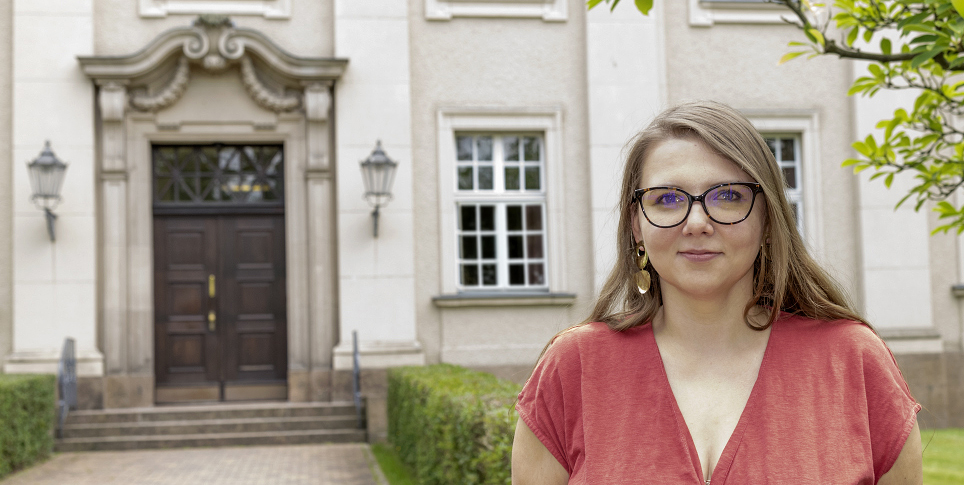
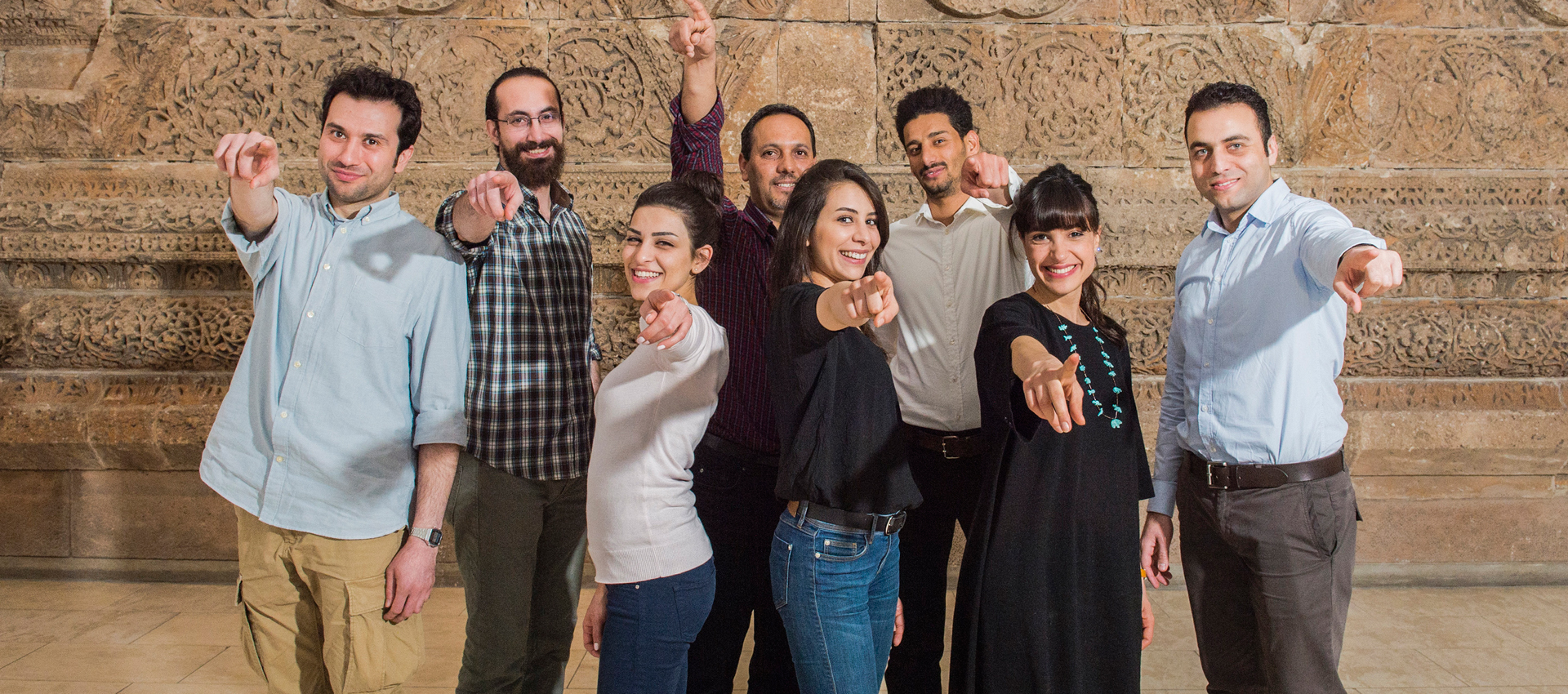
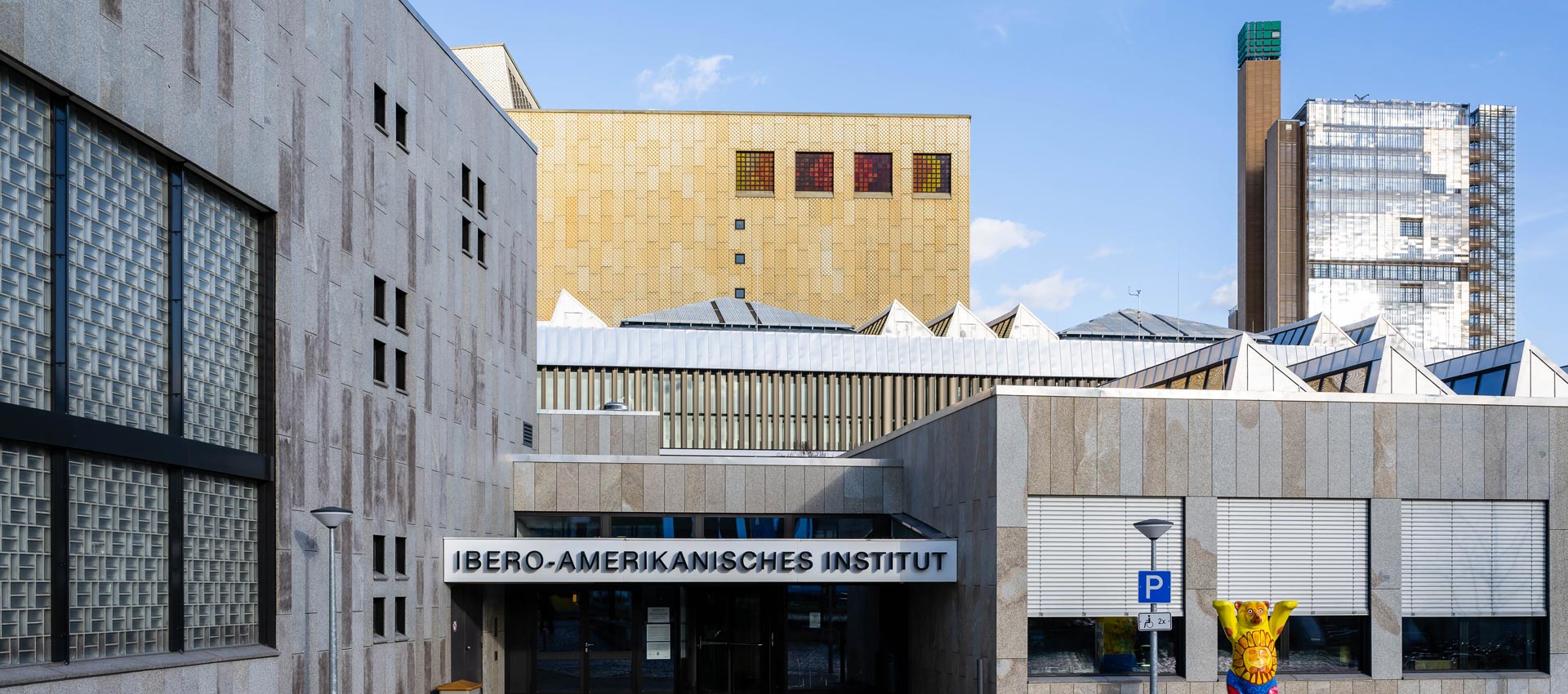
A new network of researchers, in which the Ibero-American Institute (IAI) is involved, has been awarded the 2024 Humboldt Alumni Prize. The IAI also hosts fellows from the renowned Alexander von Humboldt Foundation.
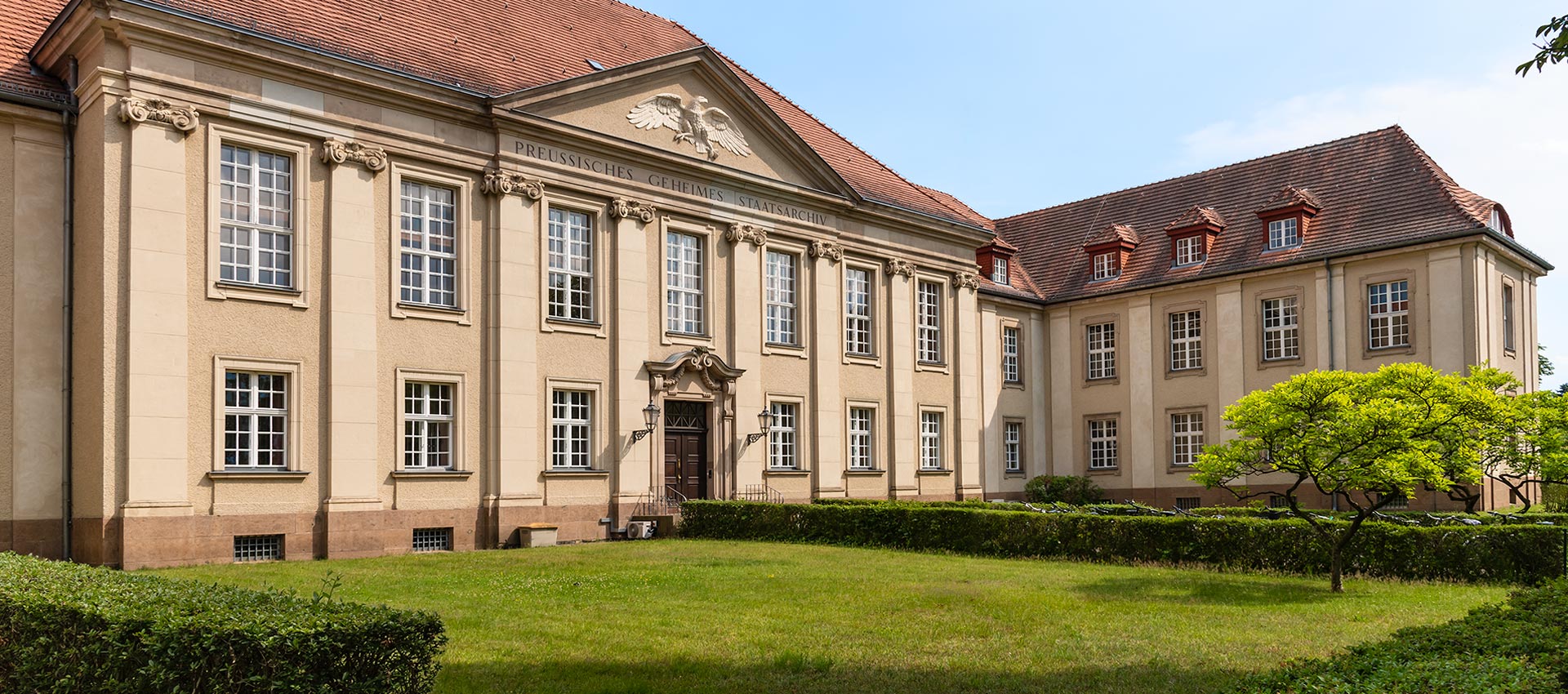
The Ibero-American Institute (IAI) of the Prussian Cultural Heritage Foundation is an internationally recognised bridge-building institution for academic exchange between Germany, Europe and Latin America. The co-production of knowledge, the implementation of joint research projects and the expansion of cross-border networks for multidisciplinary cooperation play a central role in this. Furthermore, the more than 70 visiting scholars who help shape the research profile, the publication programme and the wide range of academic events are of great strategic importance.
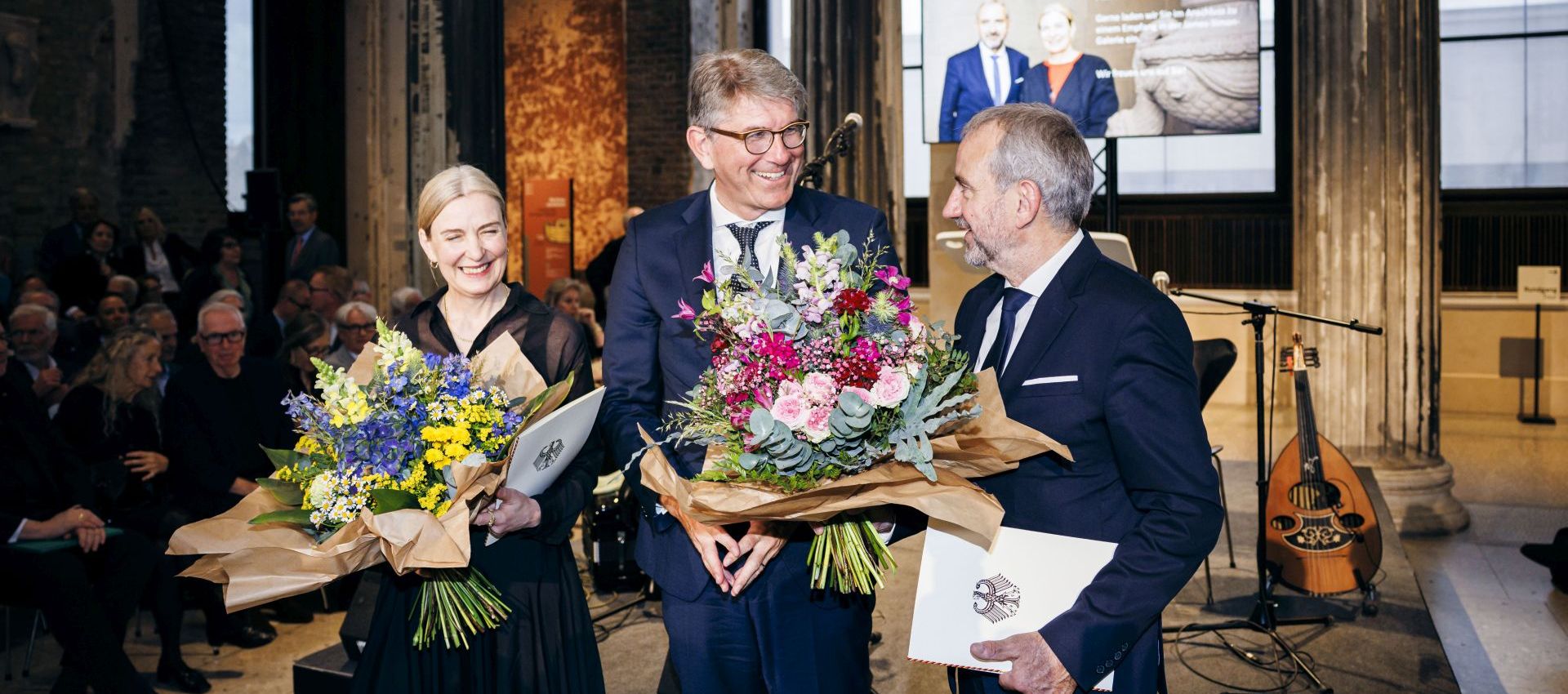
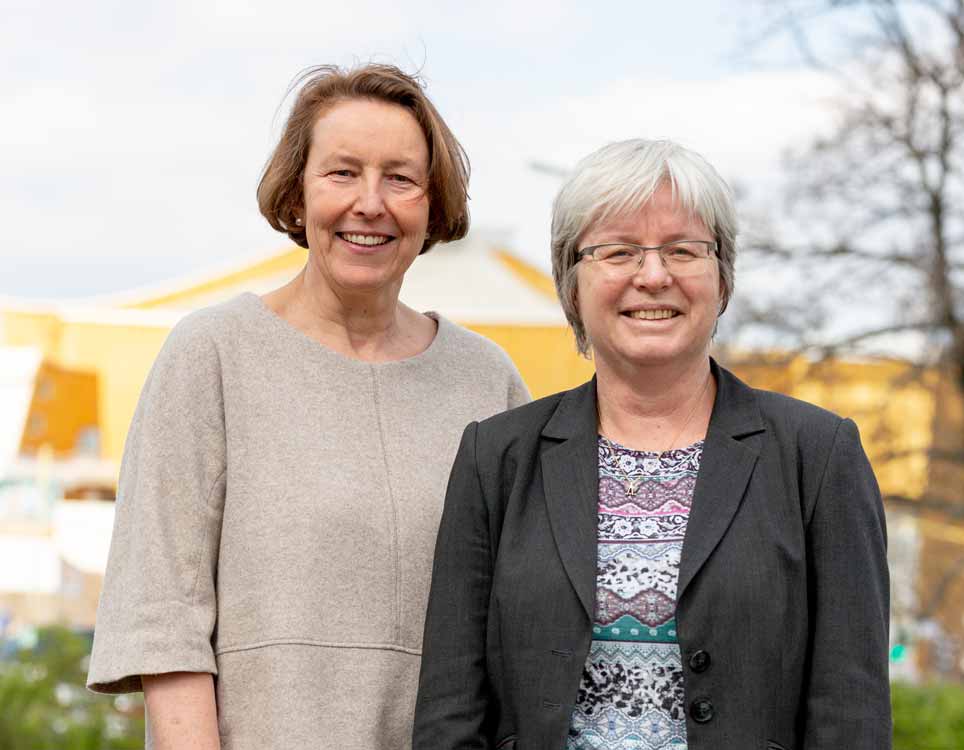
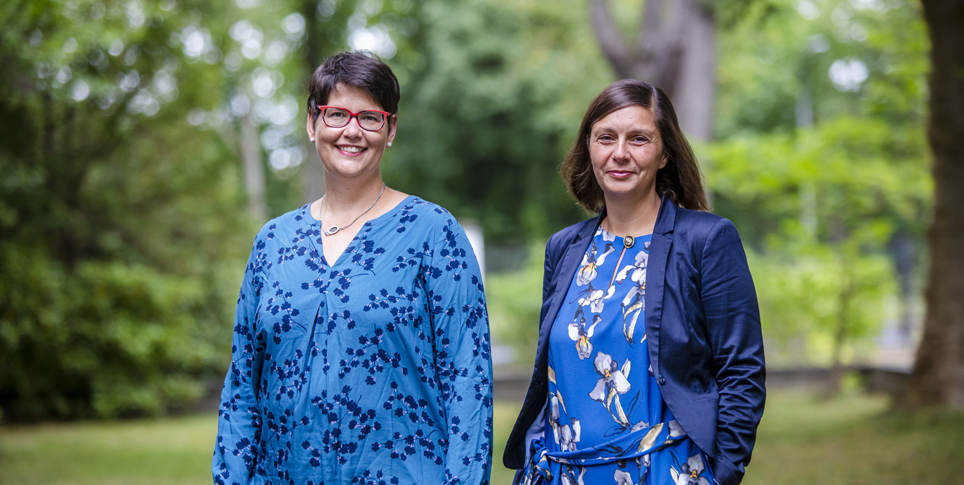
Thanks to this experience in internationalisation, the IAI is an ideal institutional partner for establishing a platform to connect social scientists and humanities scholars from Latin America and Germany. The idea for this initiative came from Margarita Valdovinos (Universidad Nacional Autónoma de México) and Gisela Cánepa (Pontificia Universidad Católica del Perú), both of whom have undertaken several research stays at the IAI with funding from the Alexander von Humboldt Foundation, and Barbara Göbel, Director of the IAI.
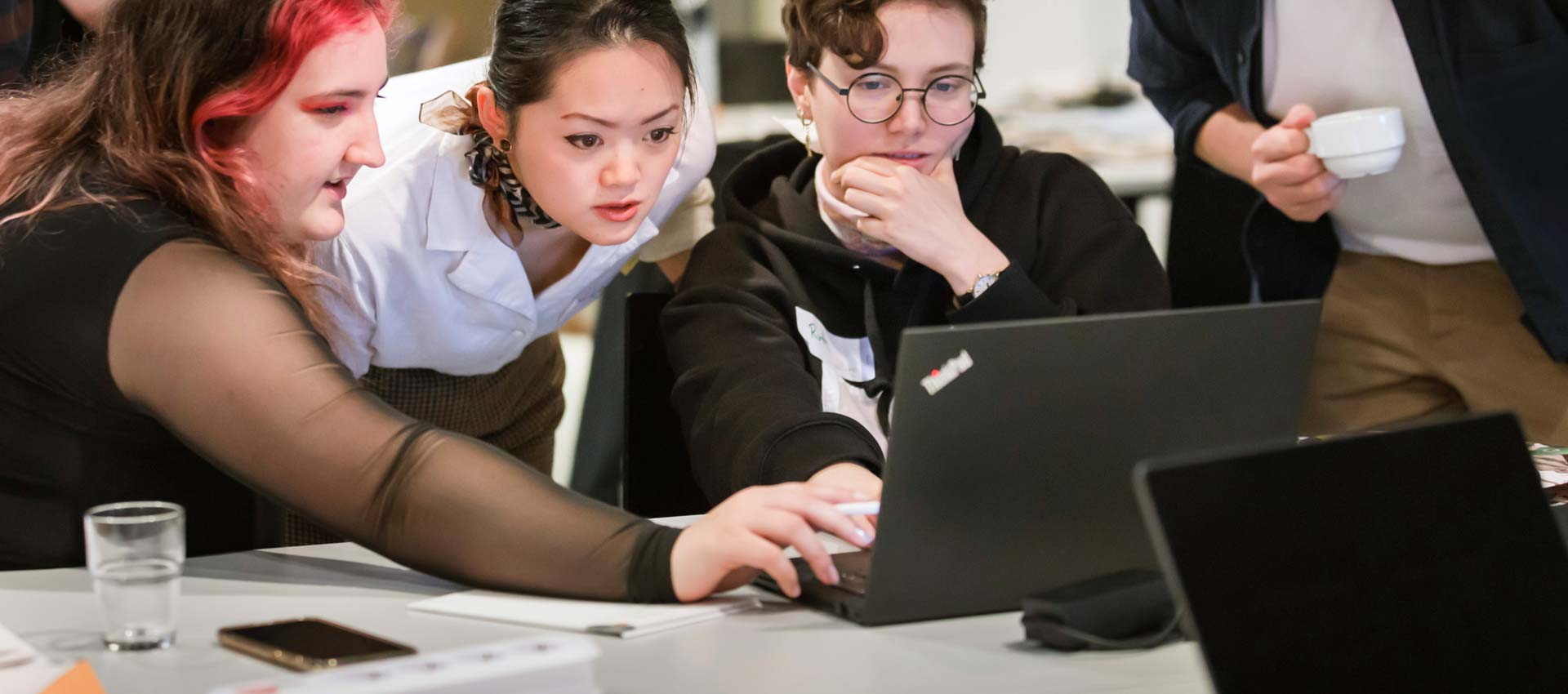
The aim of the Network of Women from Latin America and Germany in the Humanities and Social Sciences is to jointly address the situation of women in academia, exchange perspectives, strategies and experiences, and promote the transregional, cross-generational transfer of expertise. The three-year project was so compelling that, despite fierce competition and limited programme funding, it was awarded the Humboldt Alumni Prize for Innovative Networking Initiatives 2024.
For the IAI, but also for the SPK as a whole, the network represents a fantastic opportunity to learn from other cultural, political and economic contexts, to reflect productively on the challenges of internationalisation, and to strengthen academic collaboration.
The network – just like the research stays of visiting scholars – makes an important contribution to the strategic development of the IAI’s internationalisation, particularly with regard to the so-called ‘Global South’. To establish a systematic data foundation for this, the IAI is currently evaluating internationalisation across all areas of work for the period 2015–2023. This evaluation also takes into account, among other things, the diverse contributions made by visiting scholars to the IAI’s programme of events.
Between 2015 and 2024, approximately 600 researchers from various disciplines within the social sciences, humanities and cultural studies undertook research stays at the IAI, including a total of 31 scholarship holders and award winners from the Alexander von Humboldt Foundation. This very high proportion of funding for excellence – even within the SPK – underscores the IAI’s international reputation as a host institution for outstanding scholars. In addition, research stays are supported by the IAI Scholarship and Fellowship Programme as well as the DAAD, DFG, BMBF and UNESCO, but also by Latin American funding bodies such as CAPES (Brazil), Conacyt (Mexico) and Fondecyt (Chile).
The four Alexander von Humboldt Fellows currently conducting research at the Ibero-American Institute present their research projects here:
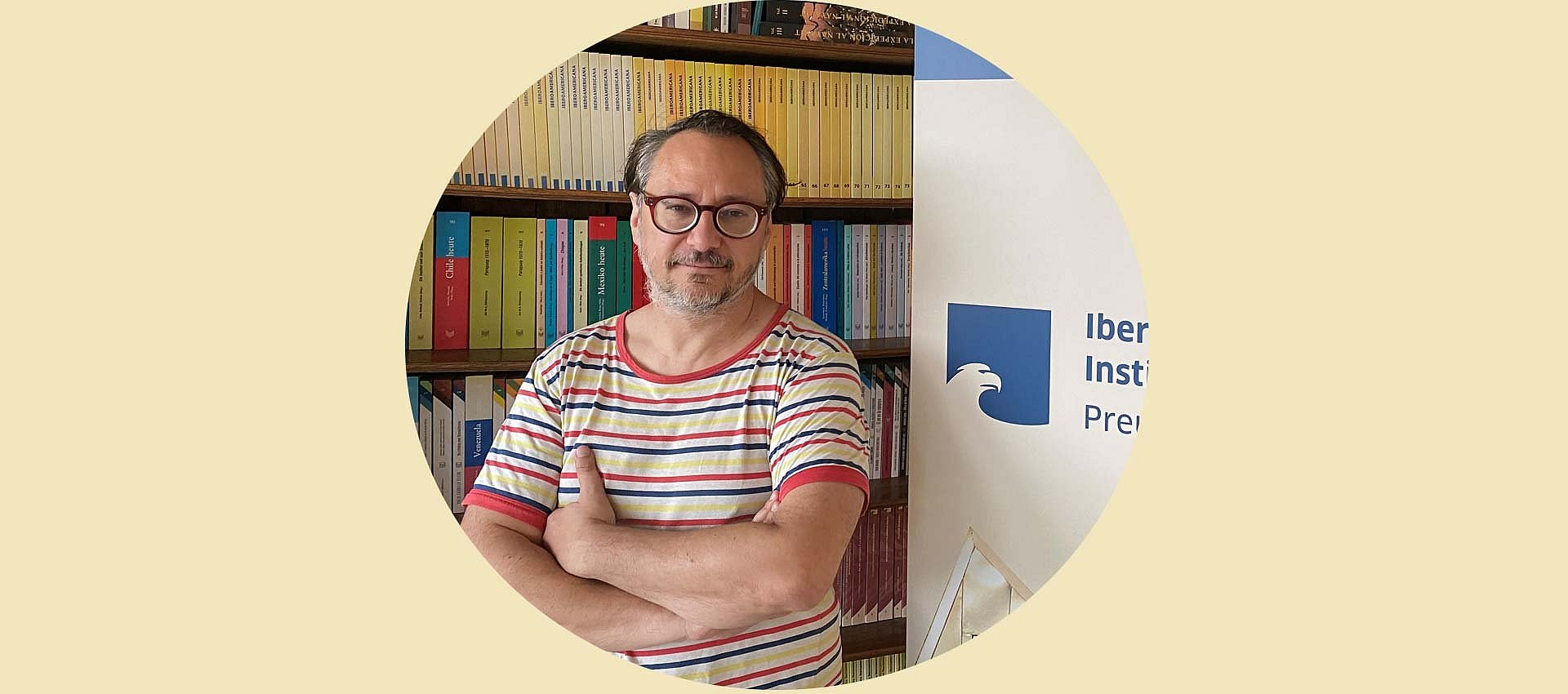
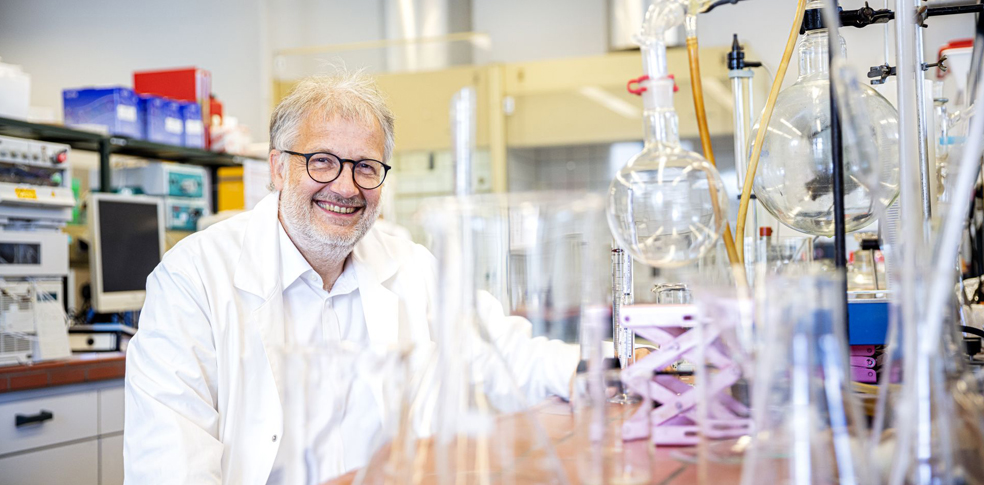
Martín Bergel, National University of San Martín / Conicet, Buenos Aires (Argentina): Modernisation of the Press, Intellectuals and Globalisation: Global Moments in the Public Sphere of South American Capitals (1889–1929)
"My research project focuses on the history of the globalisation of information in the late 19th and early 20th centuries. It centres on the question of how this development was driven by various actors from intellectual, journalistic and cultural circles in the three urban centres of Buenos Aires (Argentina), Lima (Peru) and Rio de Janeiro (Brazil).
To this end, I am examining five ‘world news moments’ that circulated at a previously unseen speed. This was triggered by the age of the telegraph, international news agencies, the industrial reproduction of press photographs, and a culture of news consumption on a scale that permanently altered previous rhythms and formats.
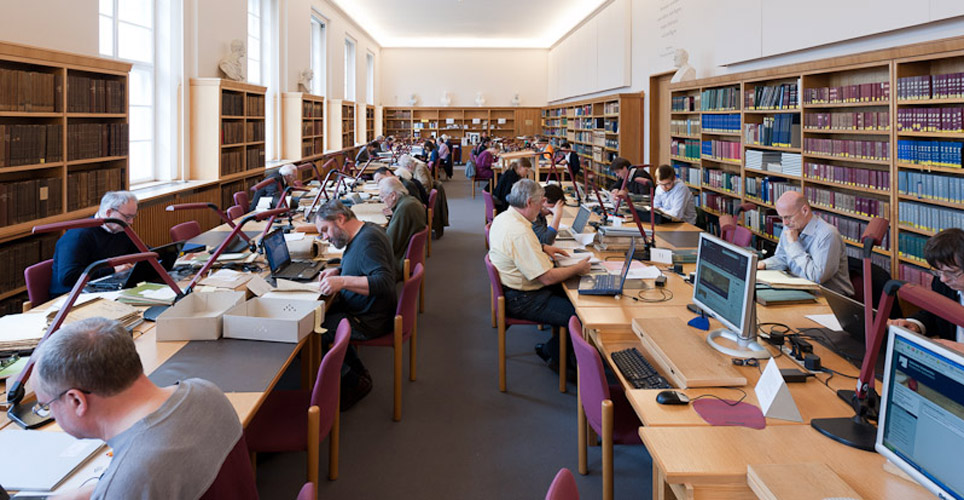
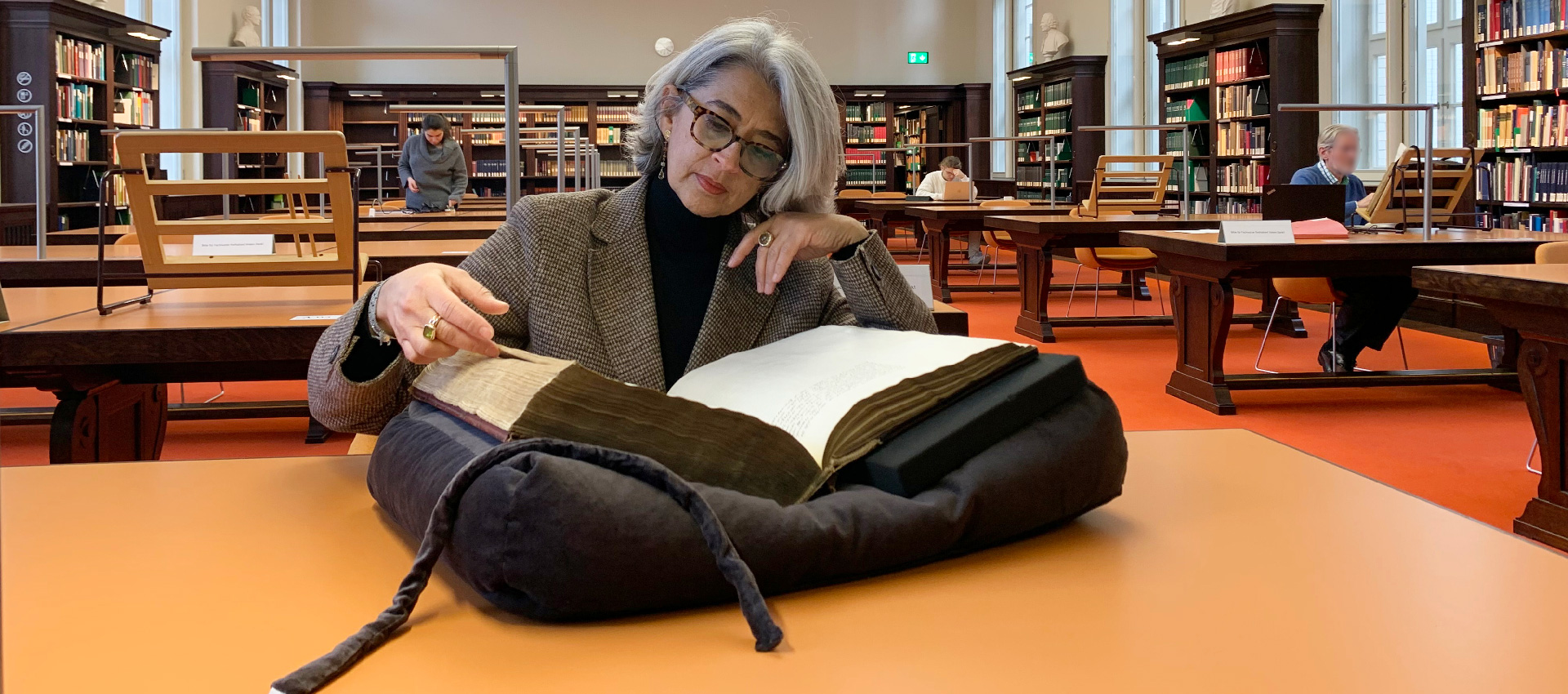
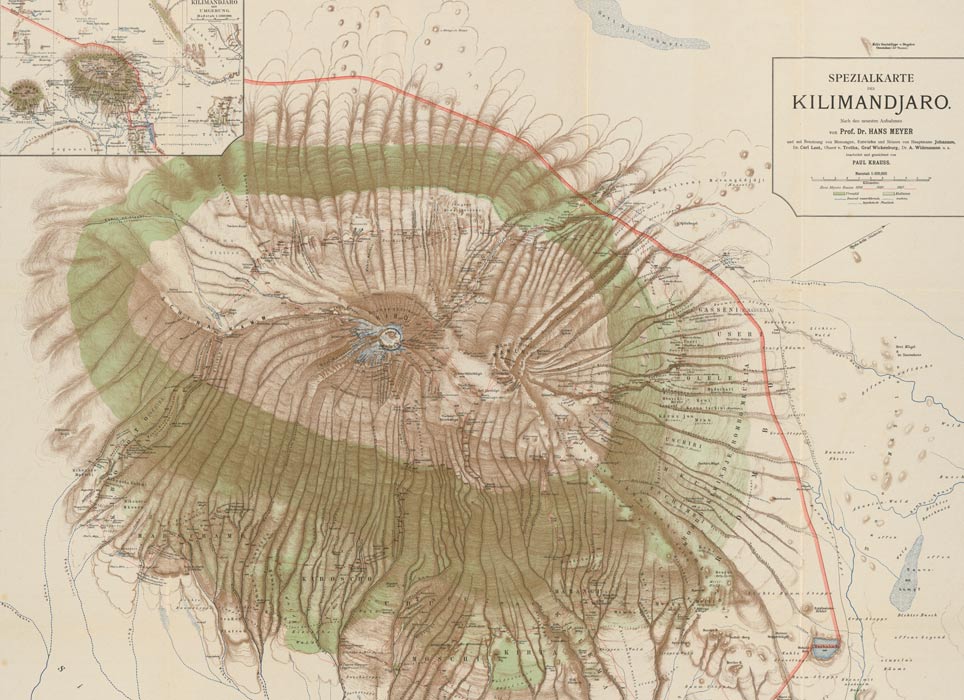
The IAI’s unique collections are indispensable for the comparative study of developments in various Latin American cities; not only the comprehensive bibliographic resources, but also the press collections, which are unavailable anywhere else in such diversity and historical depth."
Photo: © IAI

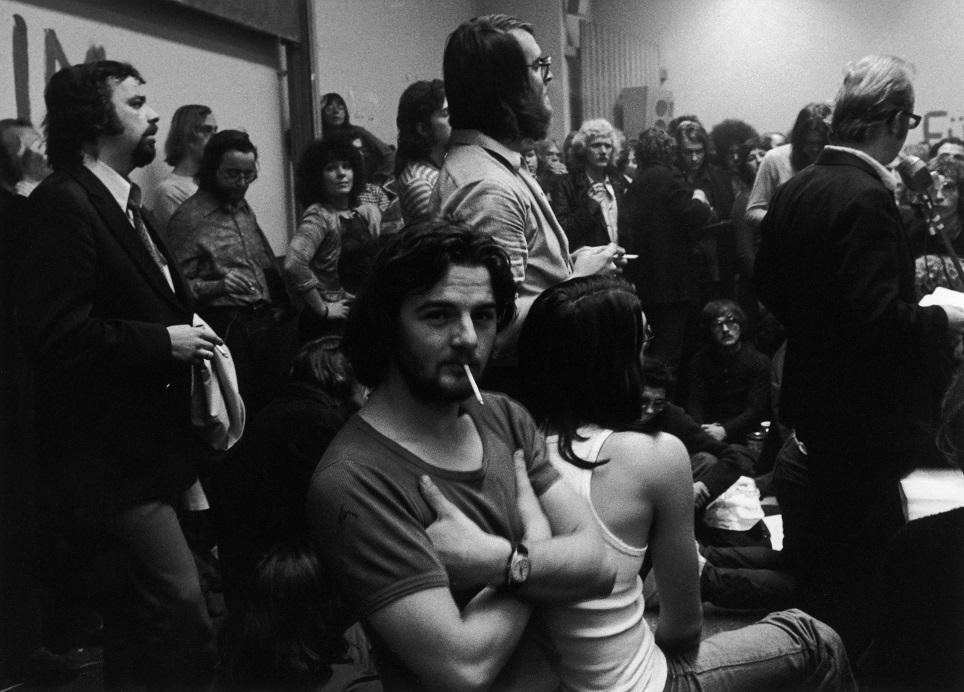
Sophie Esch, Rice University, Houston, Texas (USA): Ecologies of War in Modern Latin American and African Literature
"My research project focuses on animals and armed conflicts in Latin America and Portuguese-speaking Africa (1960s–2010s).
I analyse novels, short stories and testimonial literature from Guatemala, Nicaragua, Cuba, Angola, Mozambique, Colombia, El Salvador and Mexico.
My aim is to explore the ideas and practices they reflect regarding conflict and conviviality between humans and the non-human world.
The unique collections of the IAI Library and Special Collections are indispensable to my work; in particular, the specialist literature in Spanish and Portuguese on the authors I am researching."
Photo: © Rice University

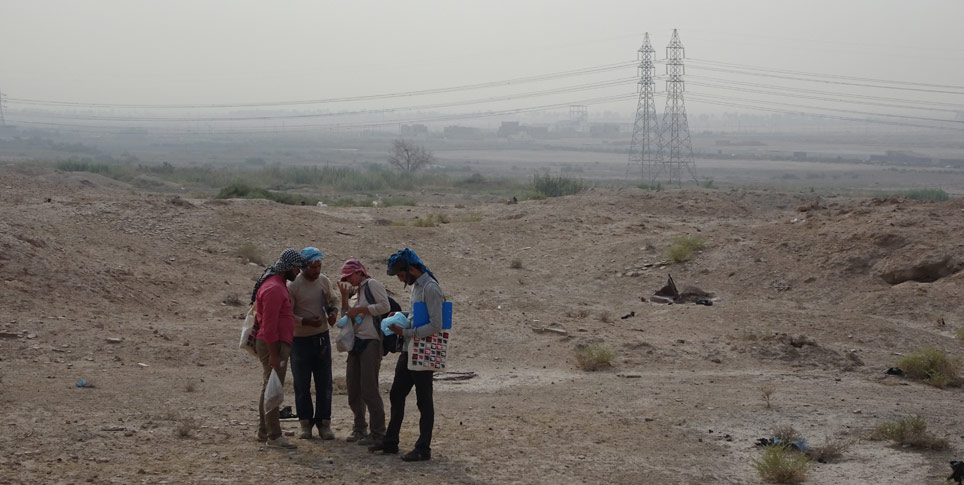
Facundo Damian Martín, National University of Cuyo (Argentina), The Construction of Agroecological Food Systems in City-regions: Territorial and Socio-political Challenges
"This project conducts a comparative study to examine the spatial, political, social and institutional conditions, as well as the constellations of actors, under which food systems in both Argentina and Germany are adopting agroecological approaches and undergoing a sustainable transformation.
With this aim in mind, the project examines two urban regions where the transition to more sustainable food systems has become a major social and political challenge: the Mendoza metropolitan region in Argentina and the Berlin-Brandenburg metropolitan region in Germany.
The project’s innovative contribution lies in its approach of using a cross-location, transdisciplinary South-North comparison to understand how transformations of food systems towards sustainability can lead to processes of stagnation and conventionalisation.
The IAI’s exceptional knowledge infrastructure and the opportunities for exchange and networking that the institute offers are fundamental to my comparative research.”
Photo: © Facundo Martín

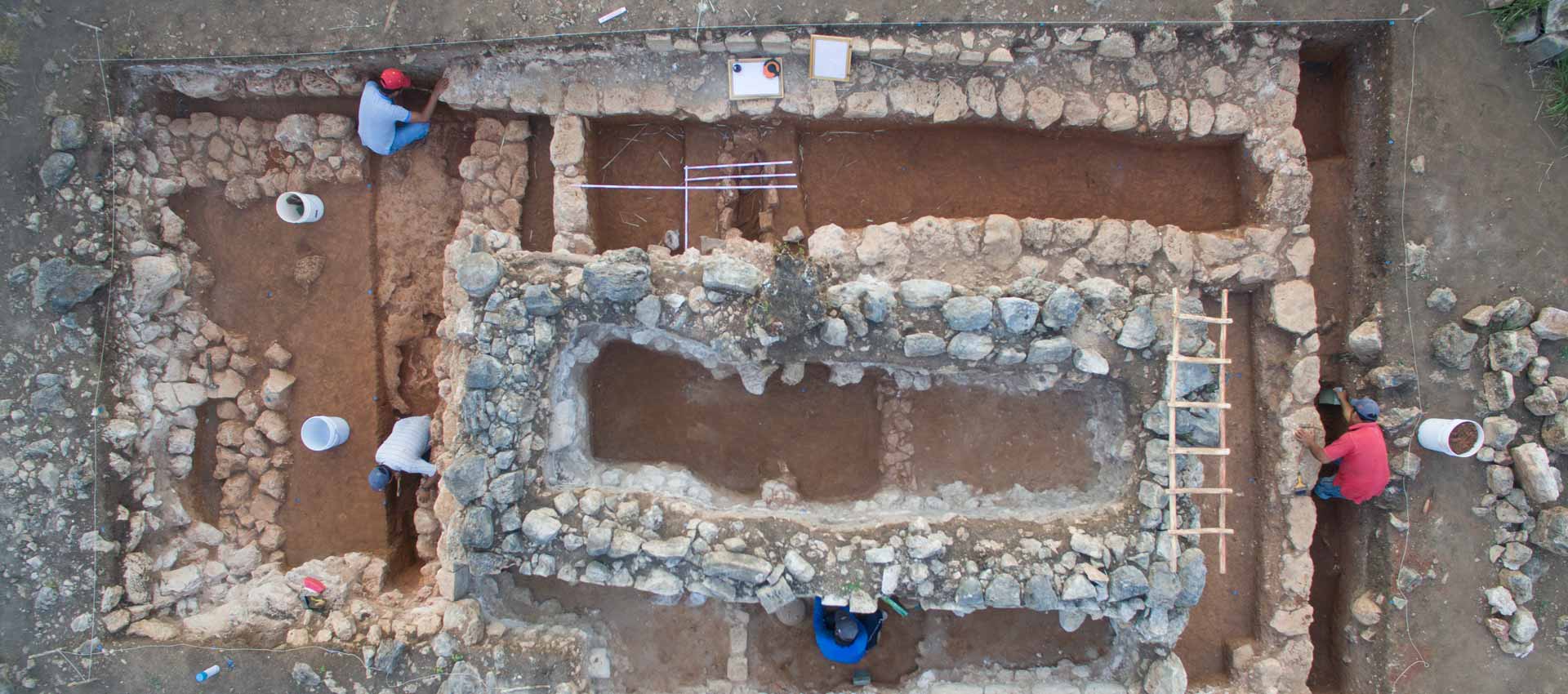
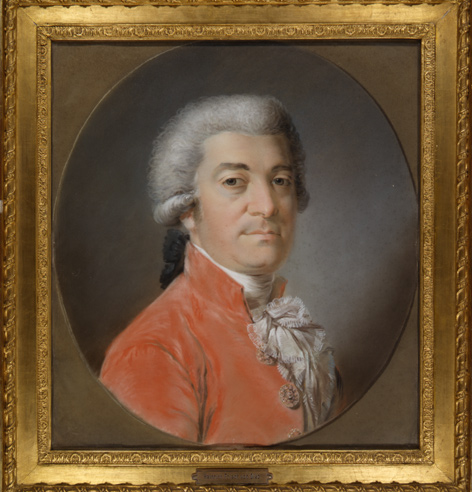
Mallory E. Matsumoto, The University of Texas at Austin (USA): Inscribing Religion: Classic Maya Ritual and the Spread of Hieroglyphic Writing
"During a 12-month stay at the IAI, I worked on a book project exploring the intersection of religion and writing in the transfer of knowledge among the Classic Maya.
Without the extensive holdings of the IAI’s library and special collections, this project would scarcely have been possible.
The visual material from the estate of Teobert Maler proved particularly helpful in the careful analysis of selected hieroglyphic texts.
I also made new contacts amongst the various visiting scholars at the IAI, which greatly enriched my stay in Berlin overall."
Photo: © Diego Luis