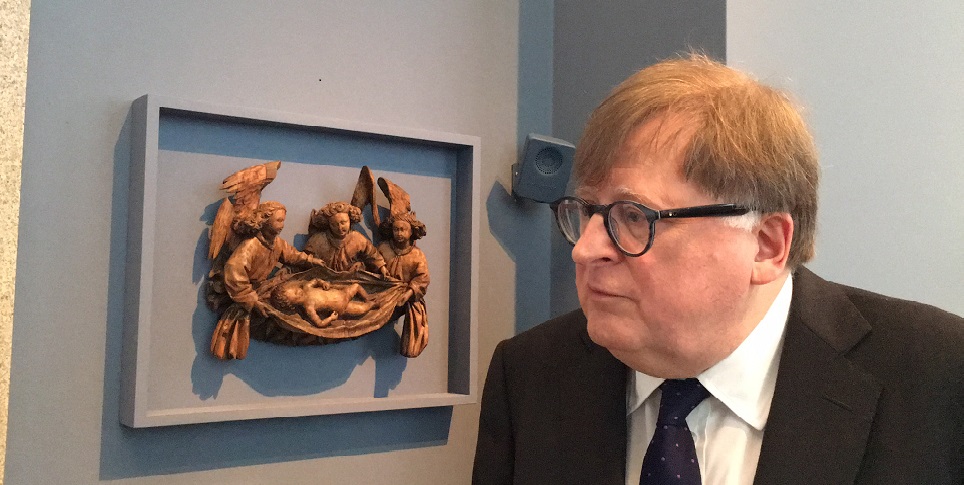
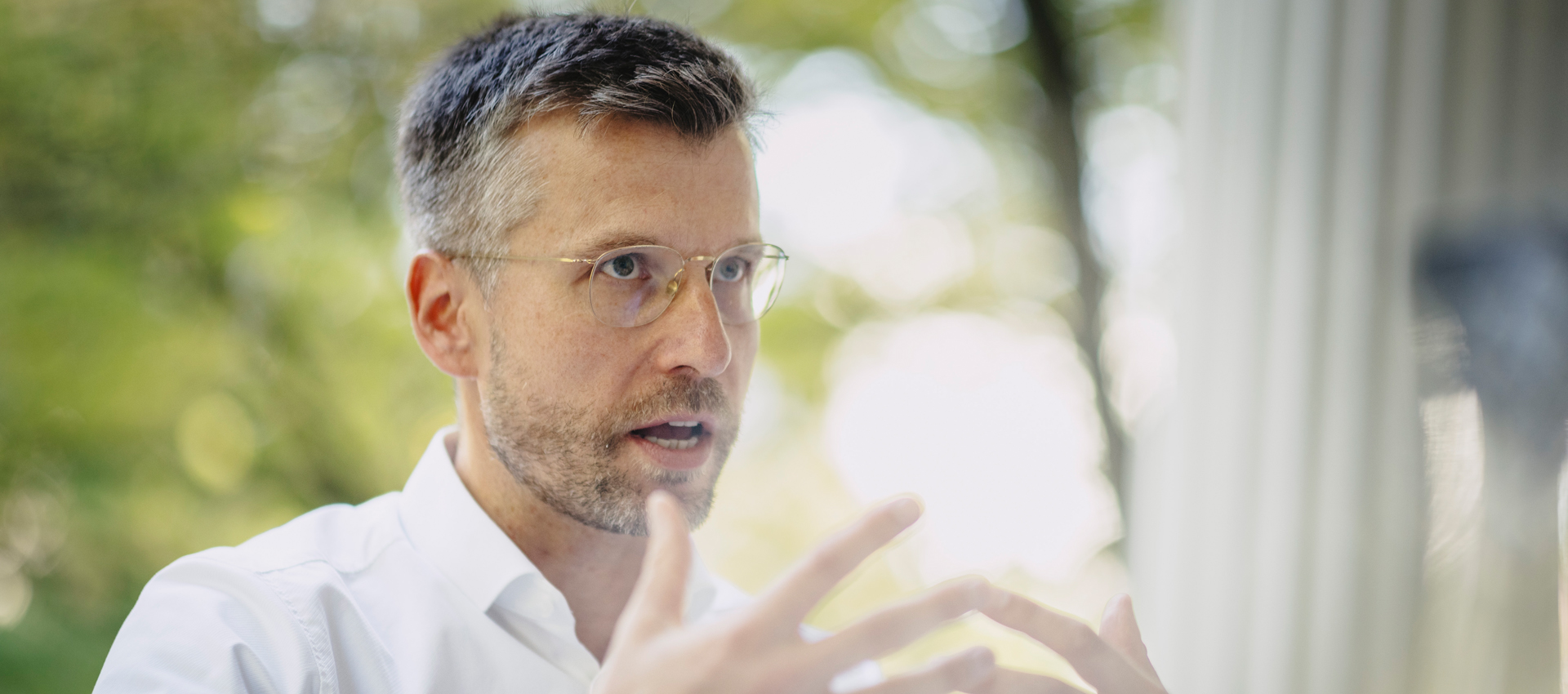
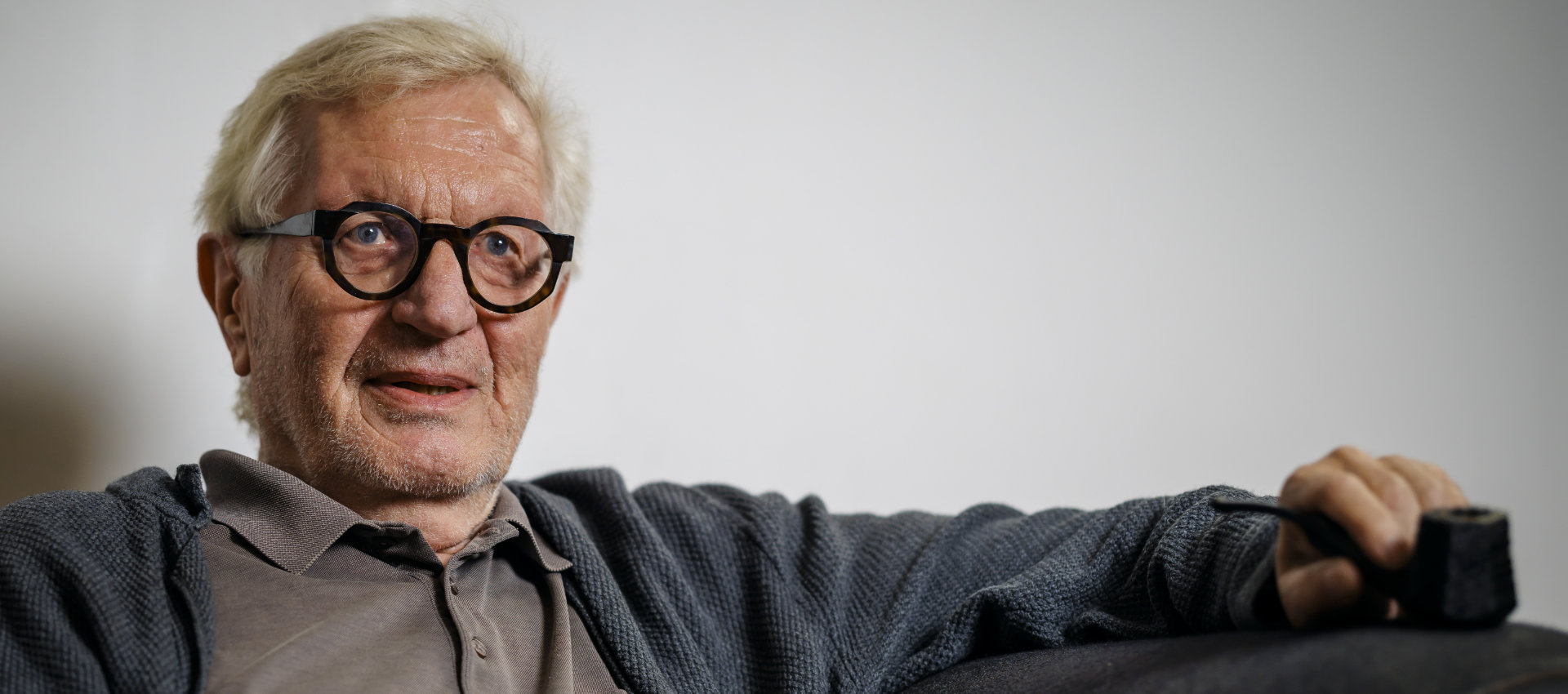
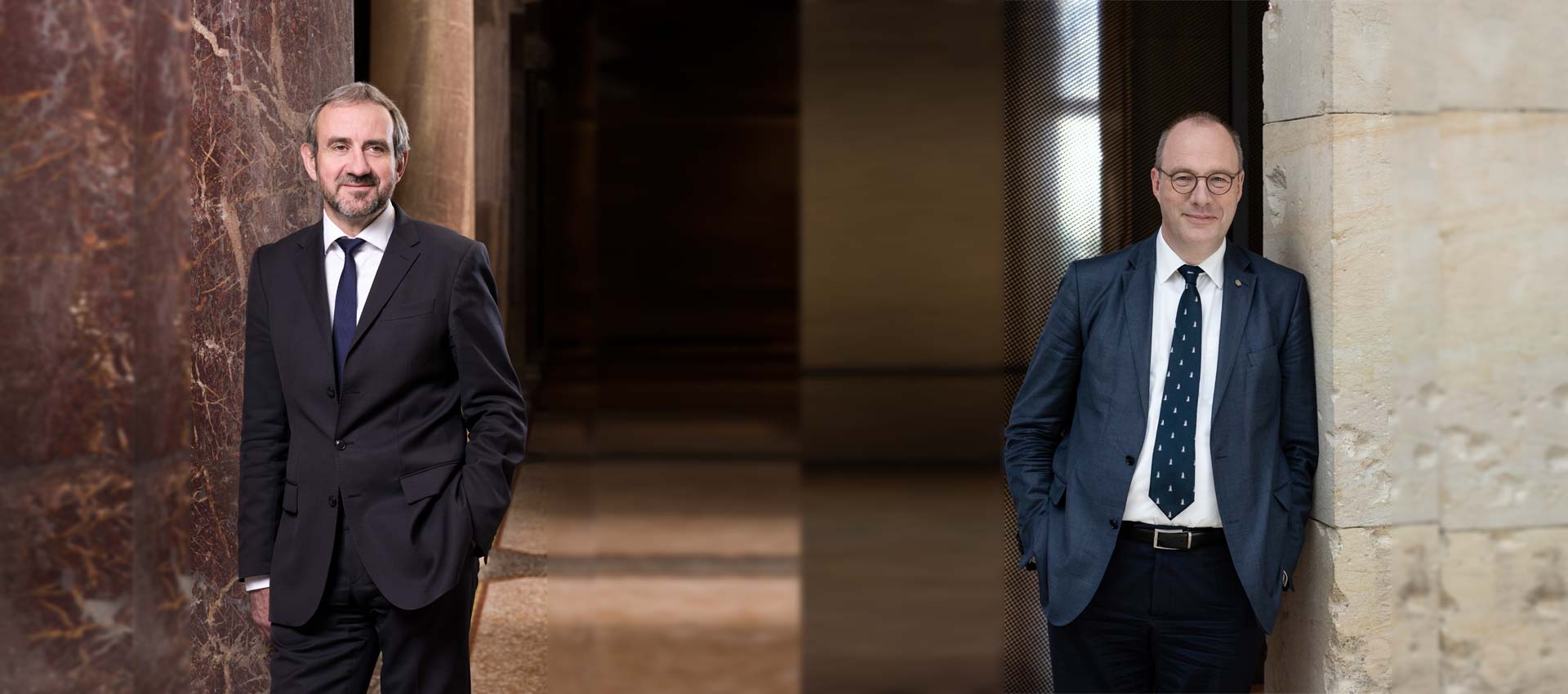
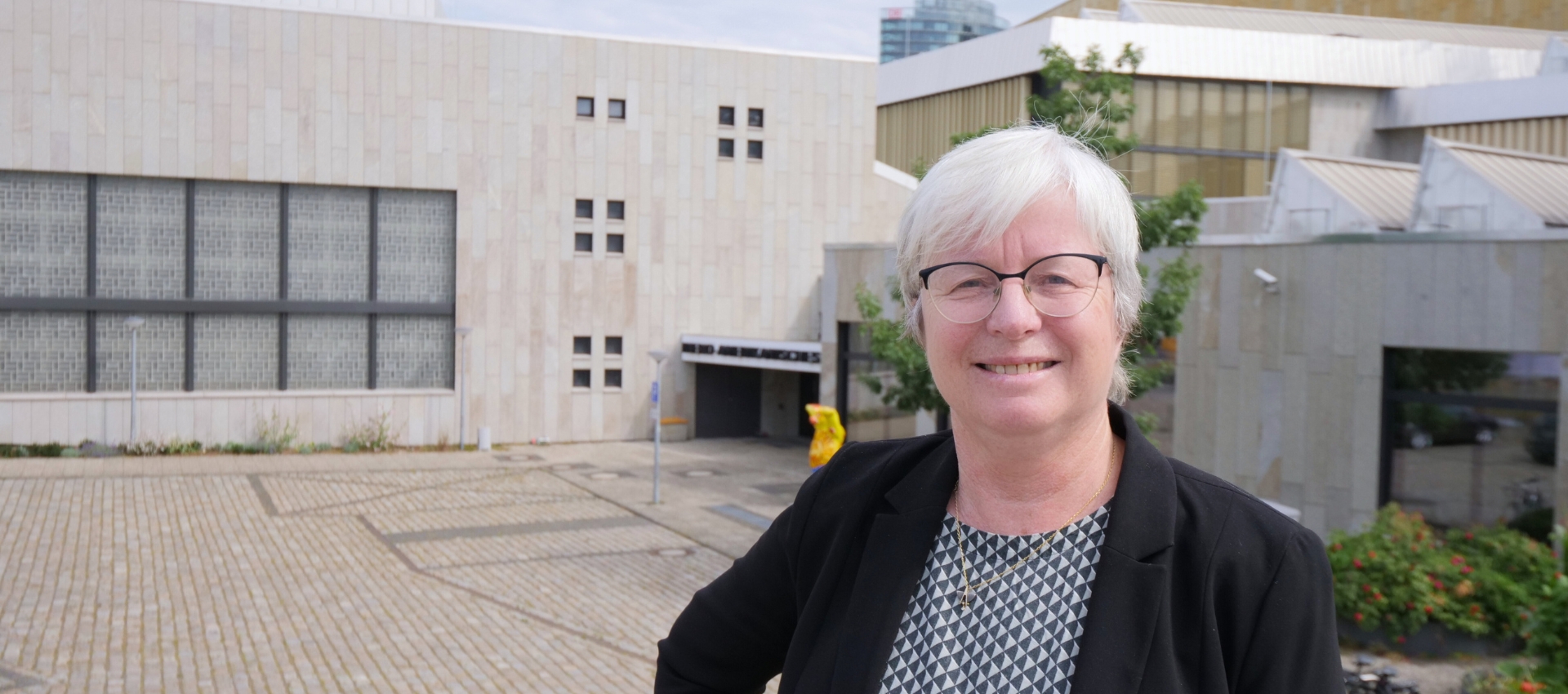
In this interview, Olaf Hamann, Head of the Eastern Europe Department at the Berlin State Library, discusses the hardships faced by Ukrainian libraries during the war, offers of assistance to Ukraine, and the future of relations with Russia.
The Berlin State Library has been working closely with researchers and institutions in Ukraine for many years; among other things, it holds a collection of around 43,000 printed works from the territory of present-day Ukraine and, on behalf of the Sing-Akademie zu Berlin, preserves its archive, parts of which had been relocated to Kyiv until 2001 due to the war. To what extent are current developments affecting your work? How are you coping with the current situation?
Hamann: Russia’s military attack on Ukraine came as a huge shock to us all! Many of our colleagues at the State Library come from Ukraine or have relatives and friends there. It is difficult to concentrate on our daily work. Our solidarity lies with our colleagues in Ukraine. We fear for their lives and also for the cultural memory of the Ukrainian nation, which is preserved in the country’s libraries and archives.
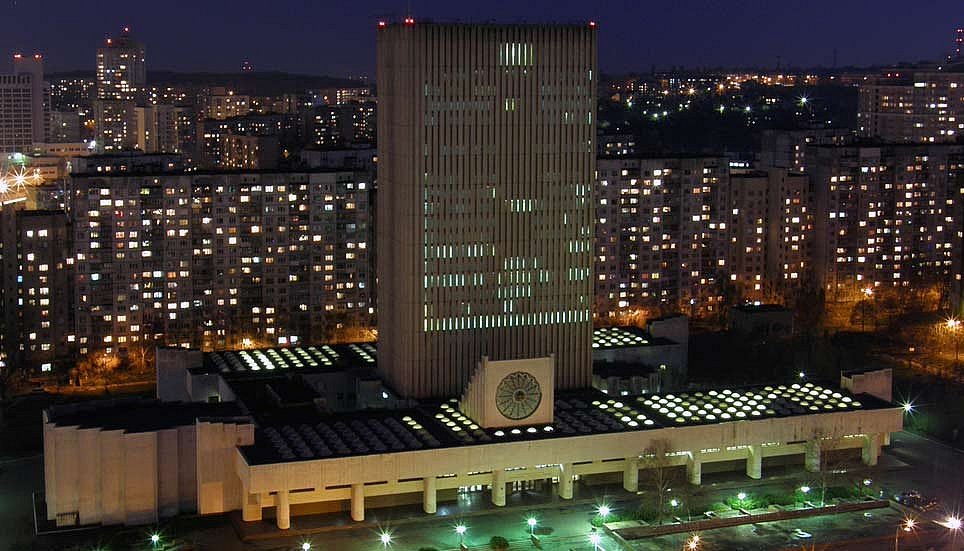
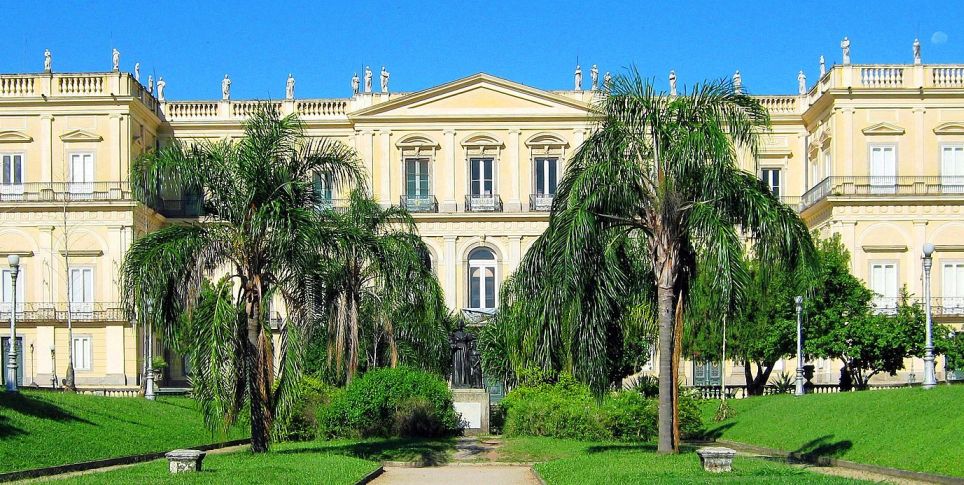
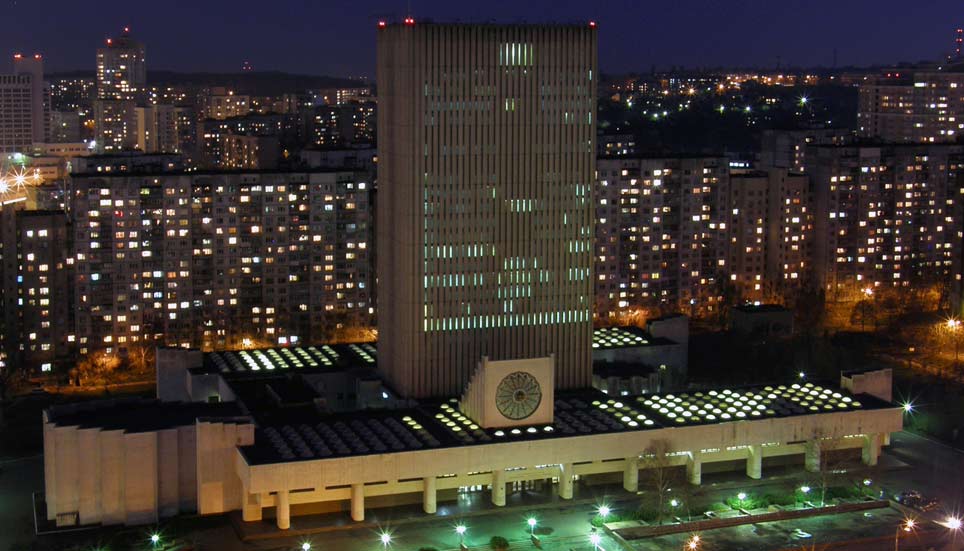
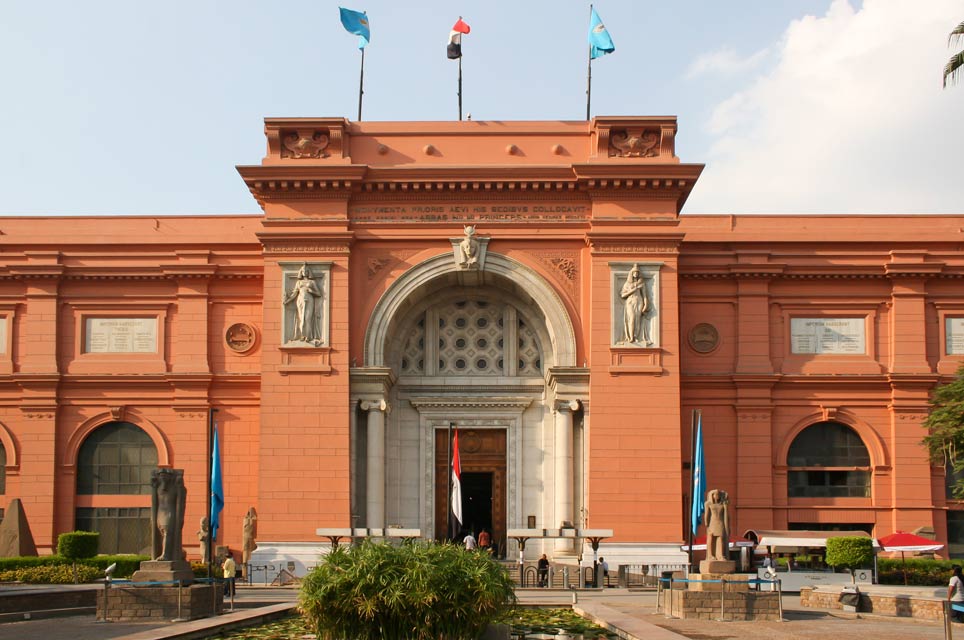
The Vernadsky National Library of Ukraine in 2013. Photo: Artemka, CC BY-SA 4.0
On the evening of 24 February, I sent an email to the Director General of the Vernadsky National Library of Ukraine, Lyubov Dubrovina, expressing our concern: “We condemn the actions of the Russian authorities and the army. Together with you, we hope for a swift end to the military operation against Ukraine and the preservation of Ukrainian statehood.” In her reply, Ms Dubrovina thanked us for this support, which has been expressed by many friends and colleagues from Western Europe, particularly from Germany and Poland. Our colleagues are deeply concerned for their National Library, which, with 17 million items in its collection and numerous special collections, ranks among Ukraine’s most valuable repositories of knowledge. Added to this are extensive electronic resources for science and culture.
I myself have travelled there extensively, both on business and privately. First in the Soviet Union, later in Russia and in Ukraine. The people there suffered immeasurably from the destruction wrought by Germany during the Second World War and had to pay a very high price in blood for the liberation of their country. Our historical responsibility for this is palpable in almost every encounter with colleagues and friends. This is another reason why I find it completely incomprehensible what has prompted the Russian leadership to wage this war. My personal experiences and encounters in Ukraine do not in any way correspond to the current statements from Russian authorities regarding developments there.
In your view, what is currently the greatest danger facing libraries and similar institutions in Ukraine?
Hamann: The greatest danger is to the people exposed to air and artillery strikes on densely populated areas. The destruction of civilian infrastructure also affects cultural institutions. Only recently was there a report of an attack on the theatre in Mariupol. War makes no distinction between military and civilian targets. In such a situation, the comprehensive evacuation of cultural assets and book collections is hardly conceivable. Particularly in the east of the country, the risks involved in transporting them are comparable to the dangers in the current depots and storage facilities.
During the Second World War, the Prussian State Library was able to evacuate almost all of its collections, comprising nearly 3 million volumes, as well as the manuscripts, music and maps. Nevertheless, around 700,000 volumes are today marked as war losses in Stabikat, our online catalogue; probably half of these have been physically destroyed. Cultural institutions in Ukraine, Russia, Belarus and Poland also suffered irreparable losses at that time. To date, no institution has succeeded in fully reconstructing the lost parts of its collections. Even when we consider the bombing of the National Library in Sarajevo during the Bosnian War in 1992, it becomes clear that the destruction of cultural assets is always a risk in times of war.
How can the State Library help? What is currently being done?
Hamann: We have made various offers of assistance to libraries in Ukraine and consulted with our colleagues. Many other libraries from Germany and around the world are also involved in this. The focus is on efforts to support staff at cultural institutions. This includes assistance for those who have fled the country. In particular, grants for at-risk researchers, librarians and cultural workers can be helpful here.
Over the past few days, we have provided packing materials to various libraries and museums, which are to be transported to western Ukraine or at least as far as the Polish-Ukrainian border. Otherwise, it has been agreed that we will respond to further requests for assistance.
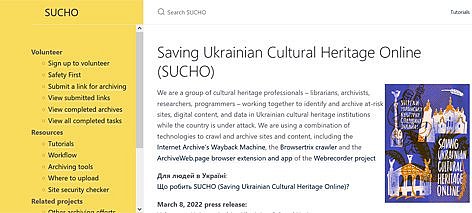
There is also an initiative to archive the websites of Ukrainian cultural institutions and initiatives called SUCHO (Saving Ukrainian Cultural Heritage Online, sucho.org). Our colleagues in Ukraine were able to successfully back up the electronic publications within the first few days of the war.
Of course, we are all supporting the many aid organisations through donations or by getting personally involved in helping refugees.
What damage to cultural heritage in Ukraine are you already aware of?
Hamann: The Ministry of Culture and Information Policy of Ukraine has set up a database to document war crimes against humanity and against cultural heritage sites caused by the Russian army. This includes the destruction of architectural monuments, historical and archaeological sites, memorials, churches, works of art, natural monuments, as well as buildings housing cultural institutions such as theatres, museums, libraries, etc., attacks against civilians using munitions deployed by the occupying forces in their attempts to destroy cultural sites, the seizure of property, and the looting of museums, libraries and other cultural institutions by the occupying forces.
On 19 March 2022, this website reported, among other things, that library buildings in Chernihiv and Kharkiv had been damaged in attacks. A search for ‘theatre’ lists venues in the aforementioned Mariupol, but also in Donetsk, Chernihiv and Dnipro. A search for “museum” yields references to the locations of Kharkiv, Chernihiv, Okhtyrka and Trostyanets (both in the Sumy region), Ivankiv near Kyiv, and Vasylivka in the Zaporizhzhia region. As the fighting continues unabated, further entries are unfortunately to be expected.
You are involved in a joint German-Ukrainian government commission on cultural assets displaced by the war, whose work is currently on hold due to the pandemic. What does the future hold for this project given the current situation?
Hamann: It is, of course, extremely difficult to venture a glimpse into the future in the current situation. For the generation of our colleagues in Ukraine today who have lived through these events, current developments will certainly overshadow many other issues and take centre stage in future work. However, we must not forget our historical responsibility for the destruction of Ukrainian cultural heritage during the Second World War. I believe that we must succeed in strengthening this awareness here in Germany and, from this, draw and mobilise new strength to support Ukrainian institutions in their reconstruction following this war.
Book production in eastern Ukraine has already declined significantly since the annexation of Crimea in 2014. How do you see the future of book purchases from Ukrainian publishers now?
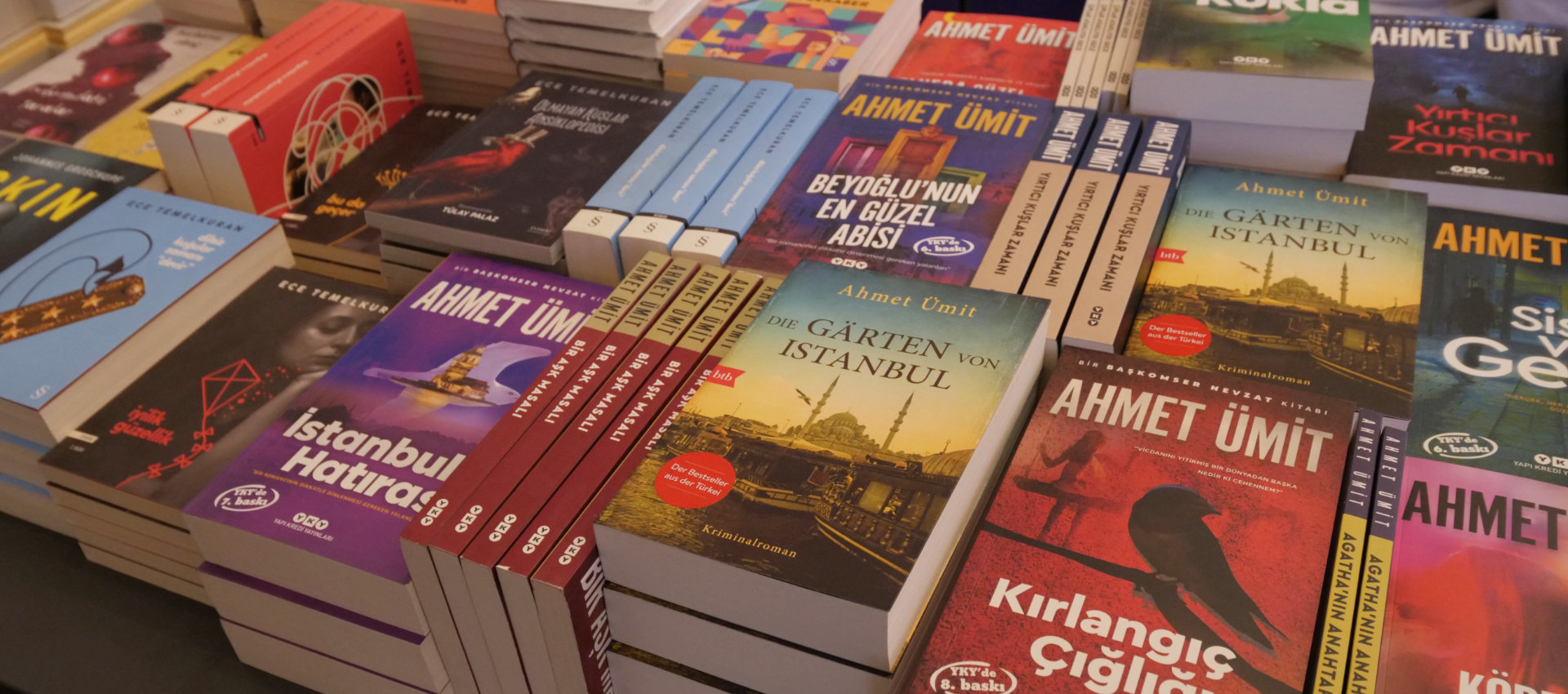
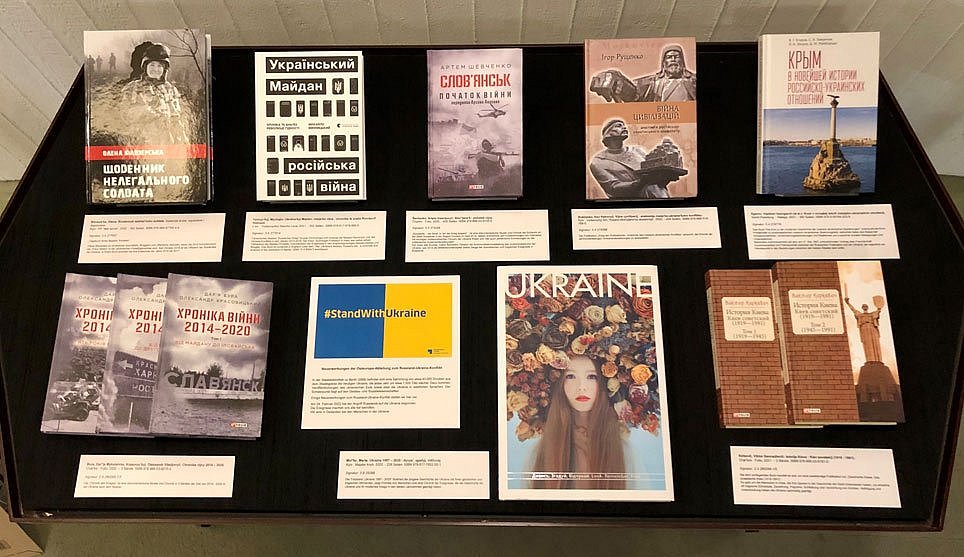
Hamann: The future of book acquisitions from Ukrainian publishers naturally depends above all on publishing opportunities. We assume that, in the current situation, the available resources must be spent primarily on the defence of Ukraine and the protection of human lives. Nevertheless, we will continue to try to collect academic publications from Ukraine as far as possible and make them available to the academic community in Germany. This also includes the parts of the country controlled by Russia. Of the 884 titles listed in the Stabikat with Simferopol, the capital of Crimea, as their place of publication, we have managed to acquire 158 new titles since 2014. These titles provide a very vivid reflection of the changes in life in the region. They also always allow for a comparison with book production prior to the annexation of Crimea. No printed titles have been added since 2014 to the 84 titles with the place of publication Luhansk or, in the Russian-language form, Lugansk. We have a total of 394 titles from Donetsk, of which only eight printed editions bear a publication year from 2014 onwards. The few titles available electronically cannot compensate for the loss of information from these regions. Our suppliers have repeatedly confirmed the difficulties in identifying and procuring new publications from the so-called People’s Republics of Luhansk and Donetsk. Even official publications are scarcely available.
However, in our ongoing efforts to gather information, we will, as always, also draw on publications from the diaspora and abroad, as well as electronic media. The SUCHO initiative mentioned is just one example of this.
Six months ago, we were still talking about the good cooperation with your Russian colleagues. At the time, you said that, despite everything, a shared interest in cultural heritage and its preservation for the future always united us. Has anything changed in that regard? What can be done to foster understanding and hold this unique cultural space together, and to highlight prospects for coexistence beyond the current situation?
Hamann: Following the annexation of Crimea and the outbreak of fighting in eastern Ukraine, directors of Russian cultural and educational institutions signed a petition on 11 March 2014 expressing their support for the annexation and the Russian President’s policy on Ukraine. The signatories included the then directors of the Russian State Library in Moscow (RSB) and the Russian National Library in Saint Petersburg (RNB). The Berlin State Library has several cooperation agreements with federal Russian libraries, including the RSB and RNB. These agreements are currently on hold. The German-Russian Library Dialogue on book collections displaced by the war also faces a major challenge. At present, its future is uncertain.
A resumption of relations at an official level will depend largely on how Russian cultural institutes position themselves regarding this war now and today. War and culture are mutually exclusive.