Everything has changed overnight in Syria: but what will become of this country? Thoughts and hopes from the director of the Museum of Islamic Art
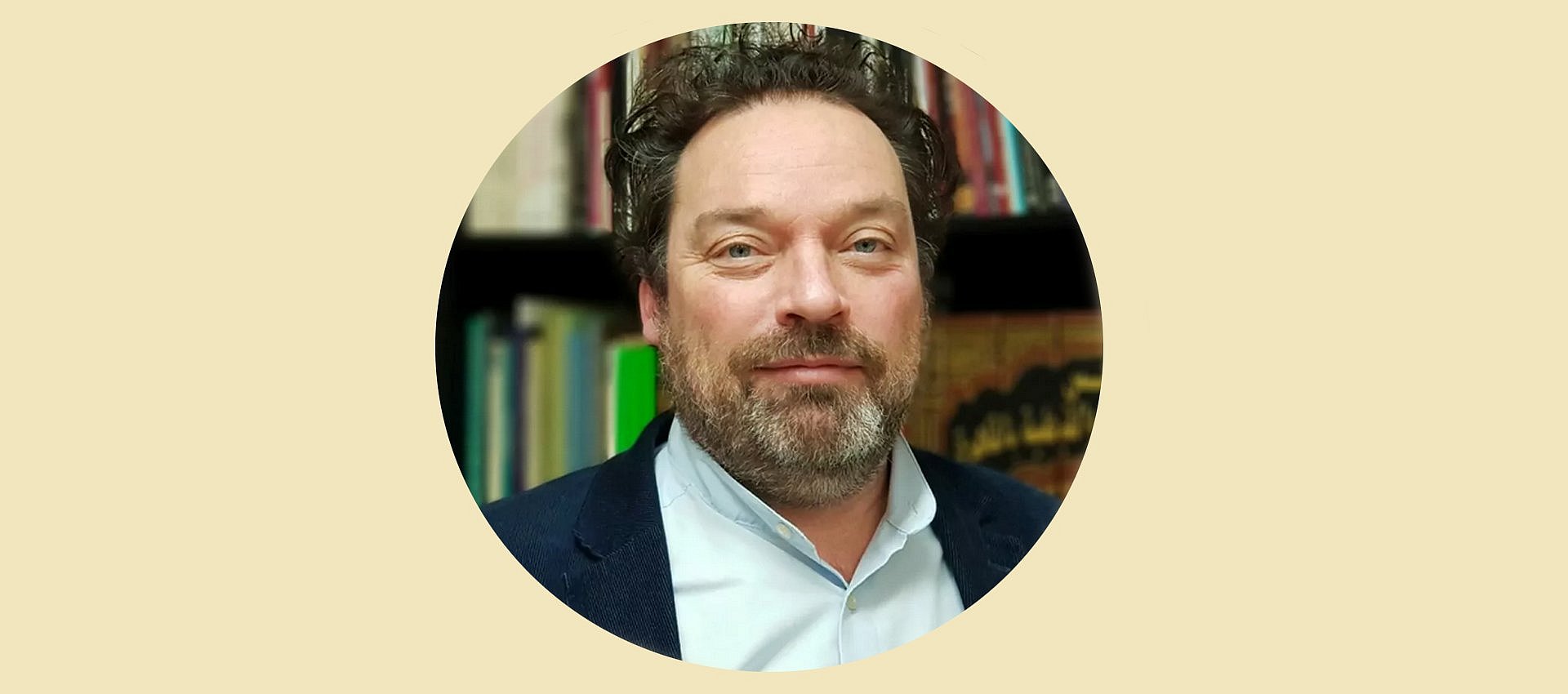
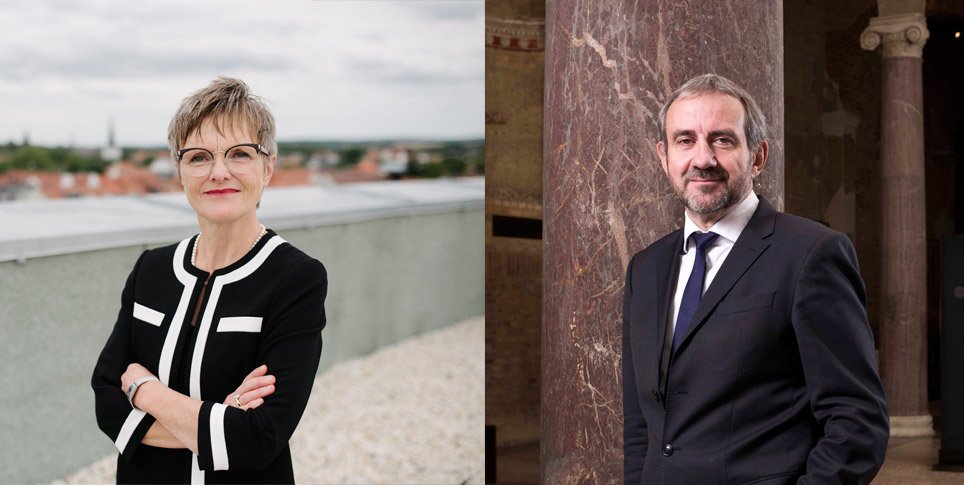
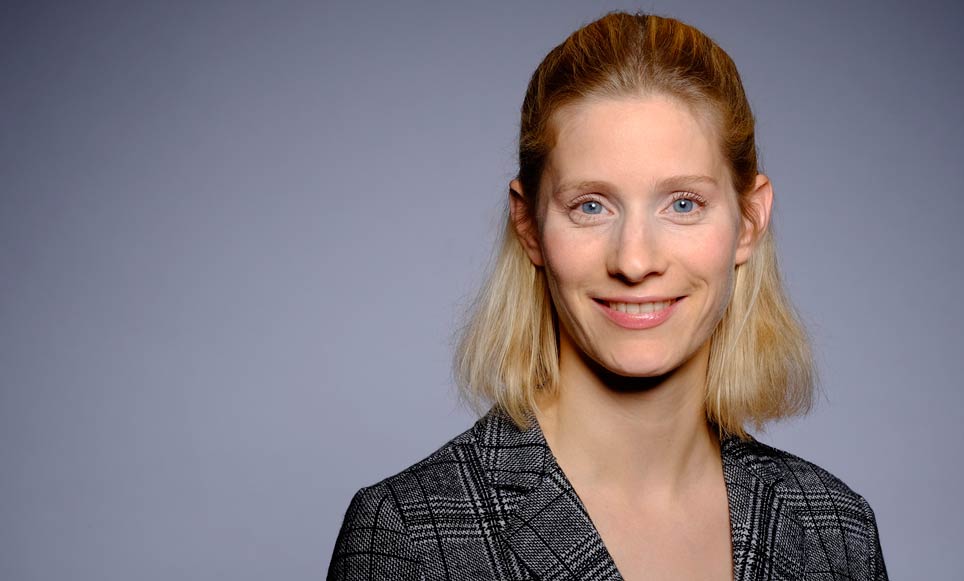
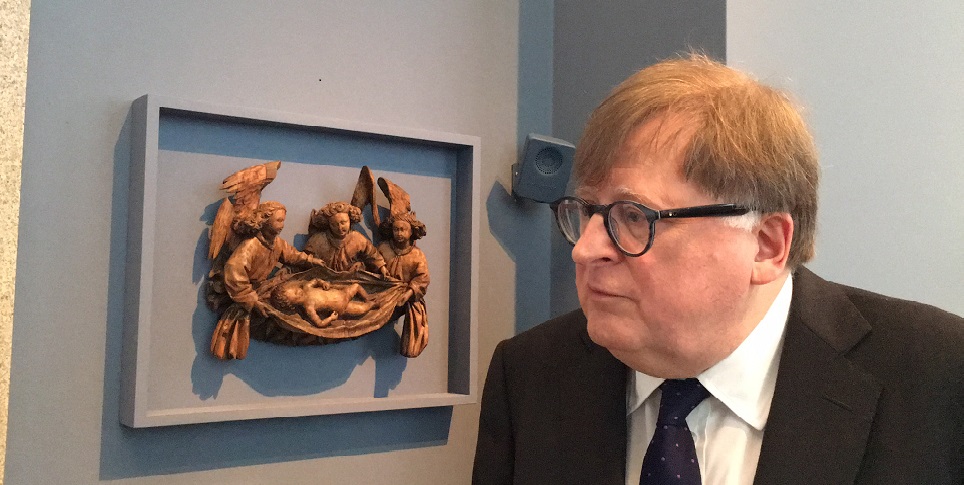
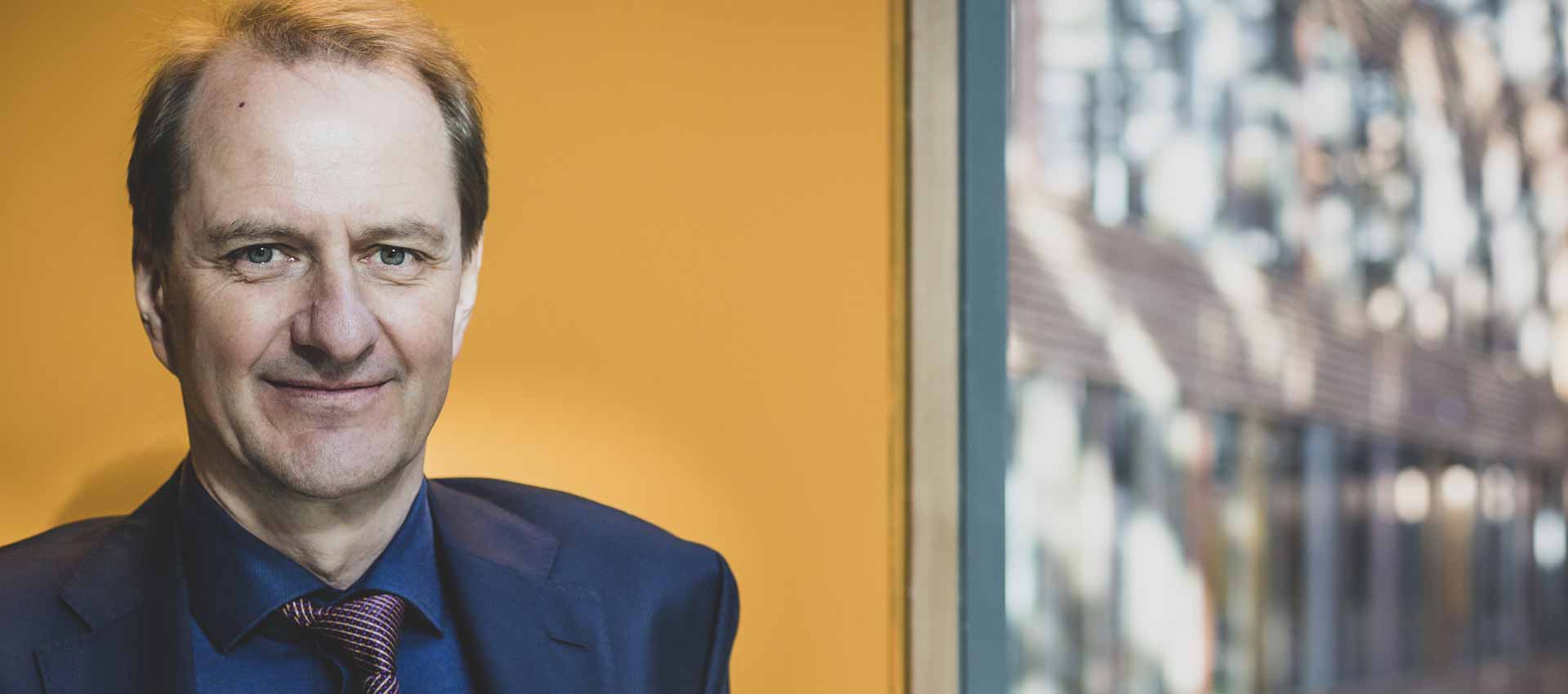
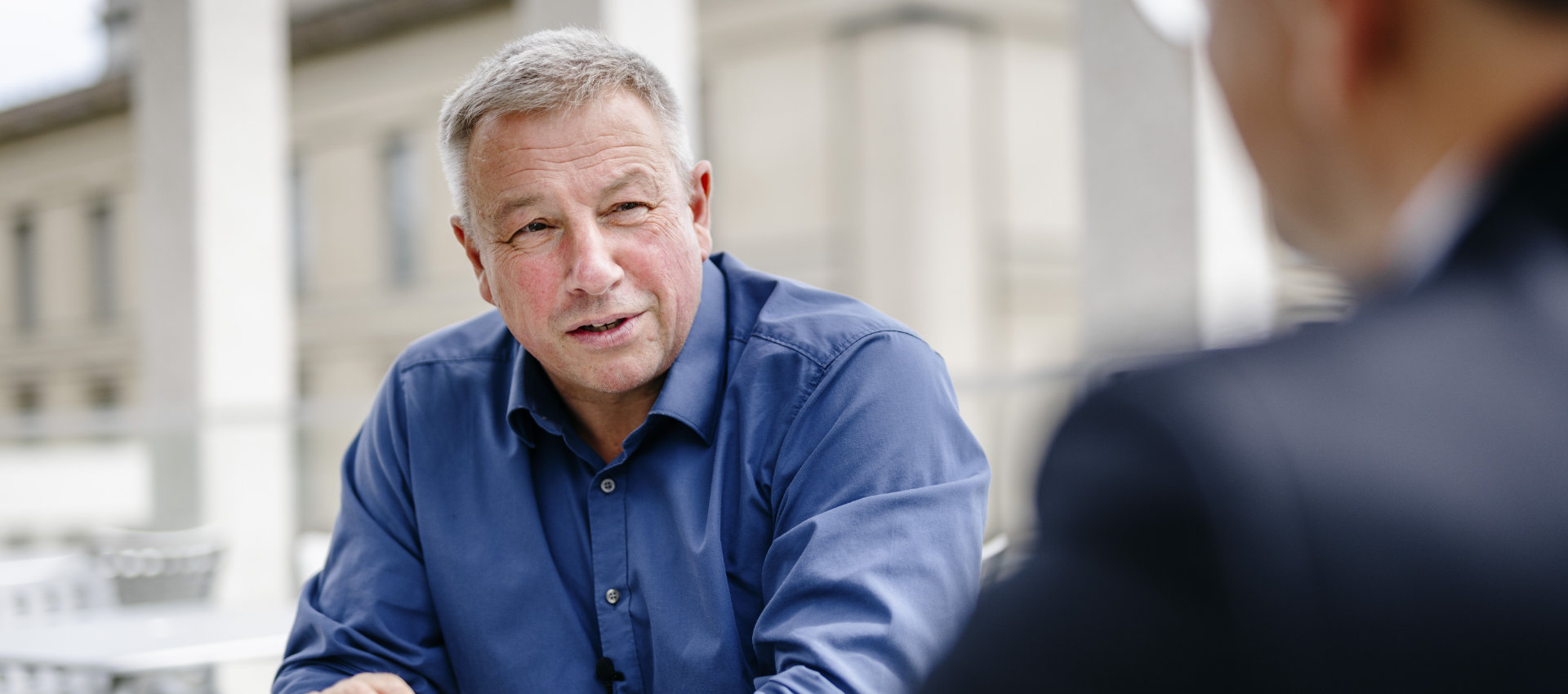
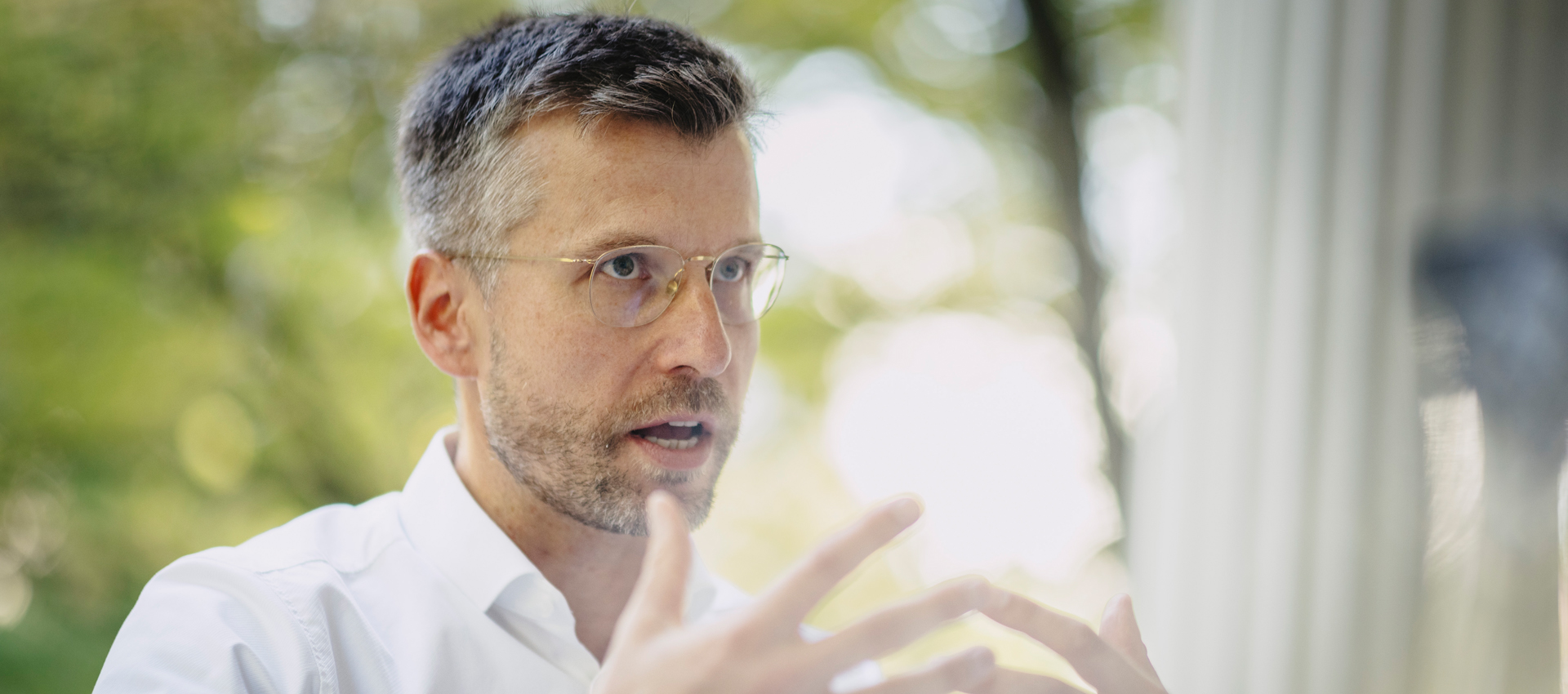
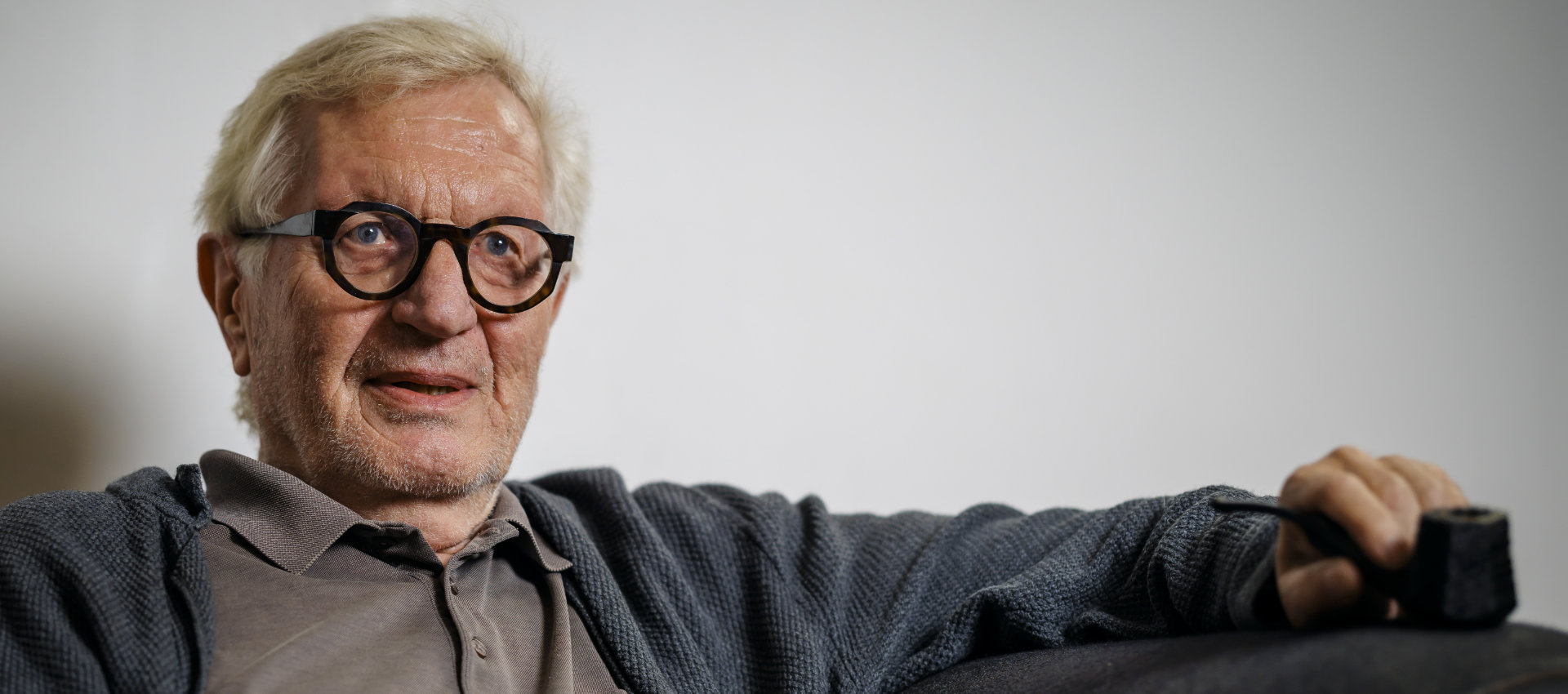
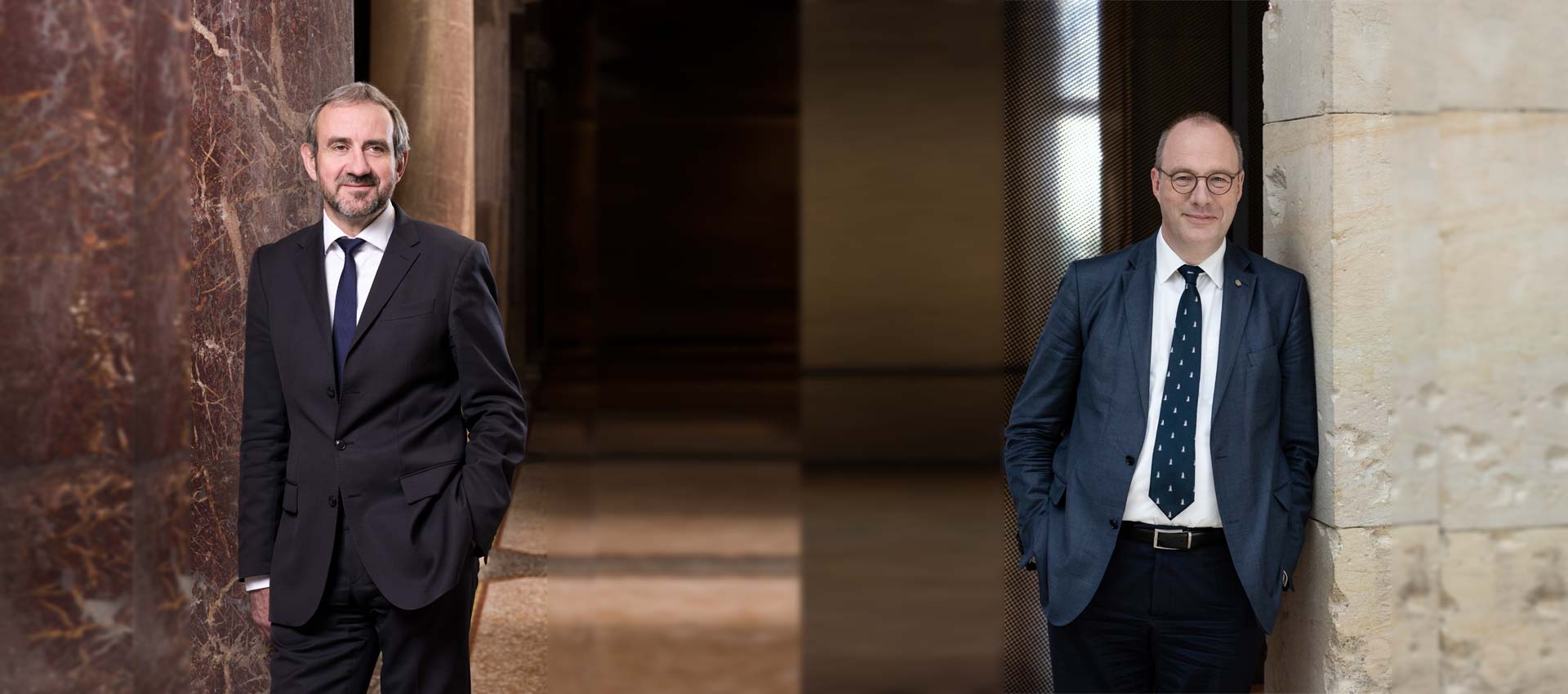
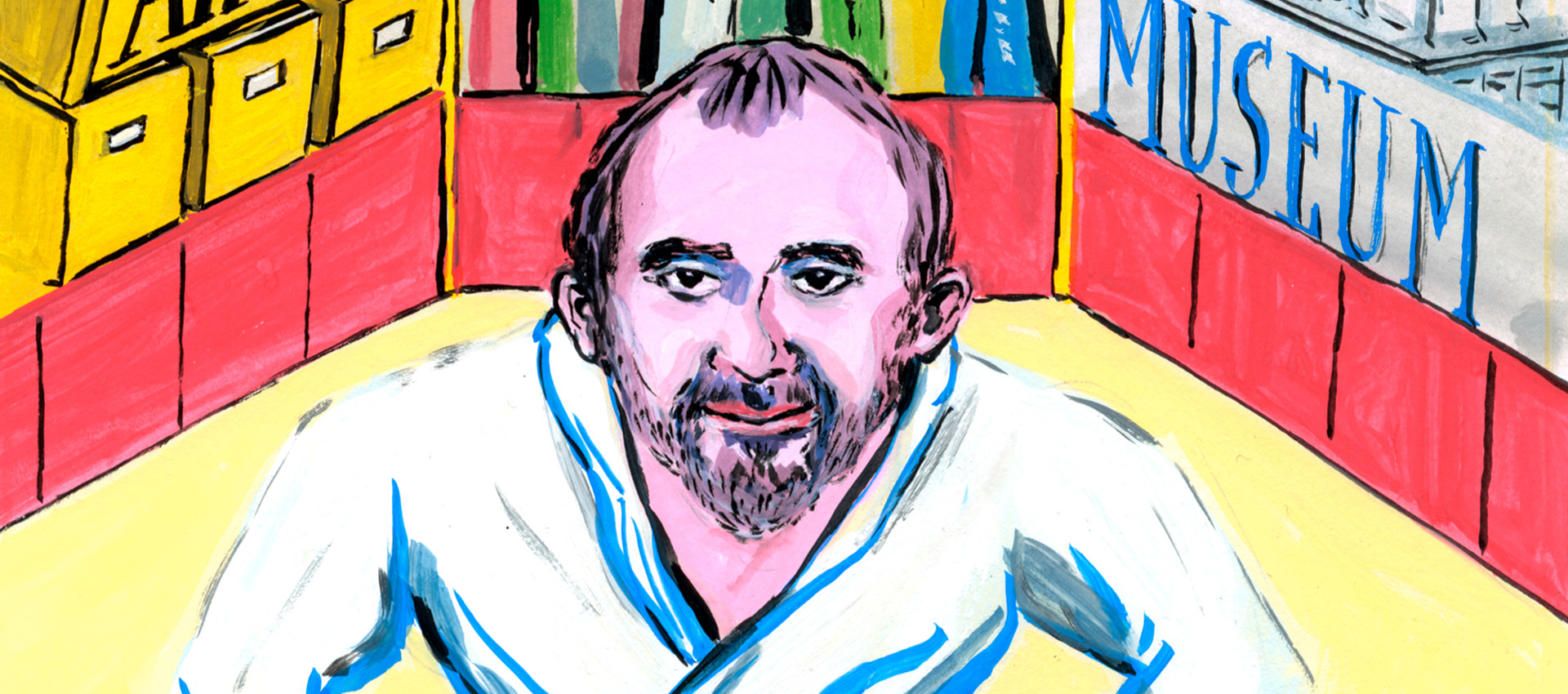
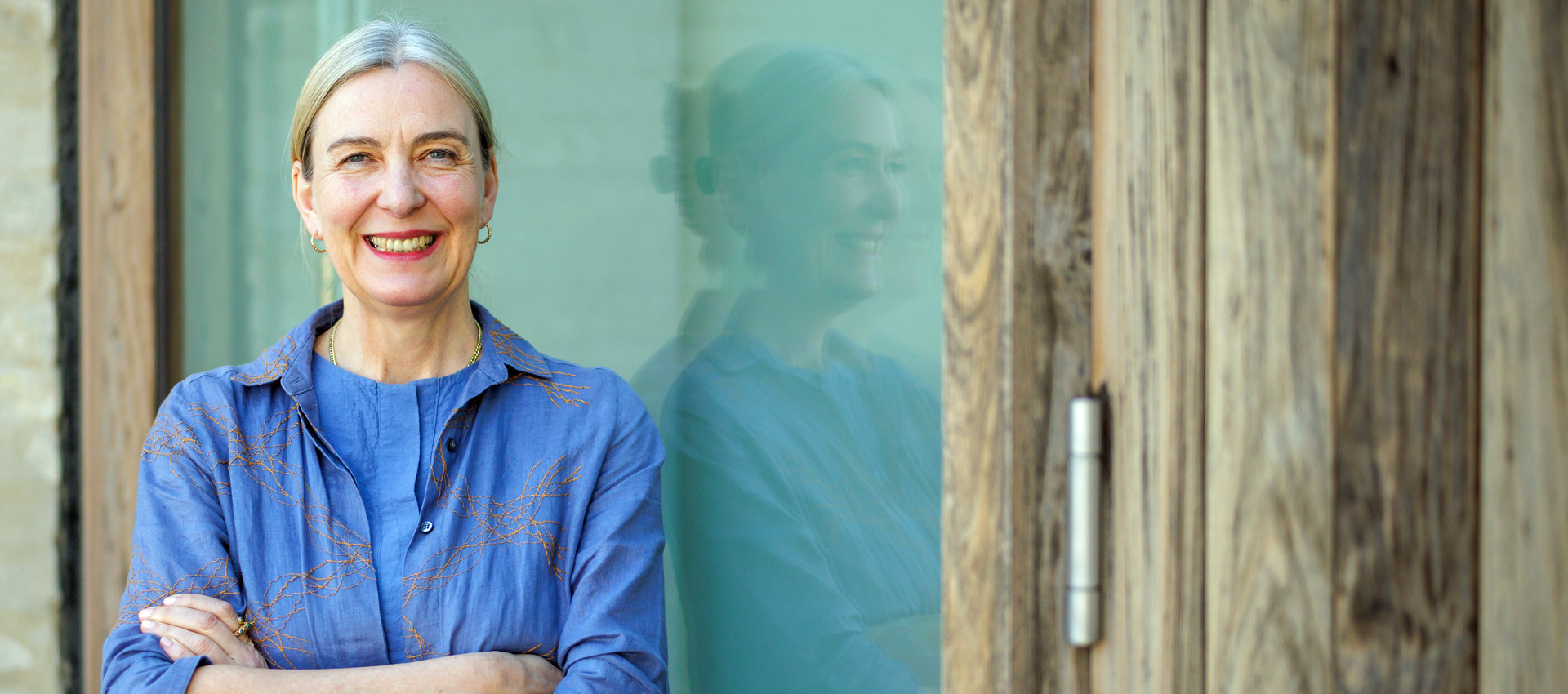
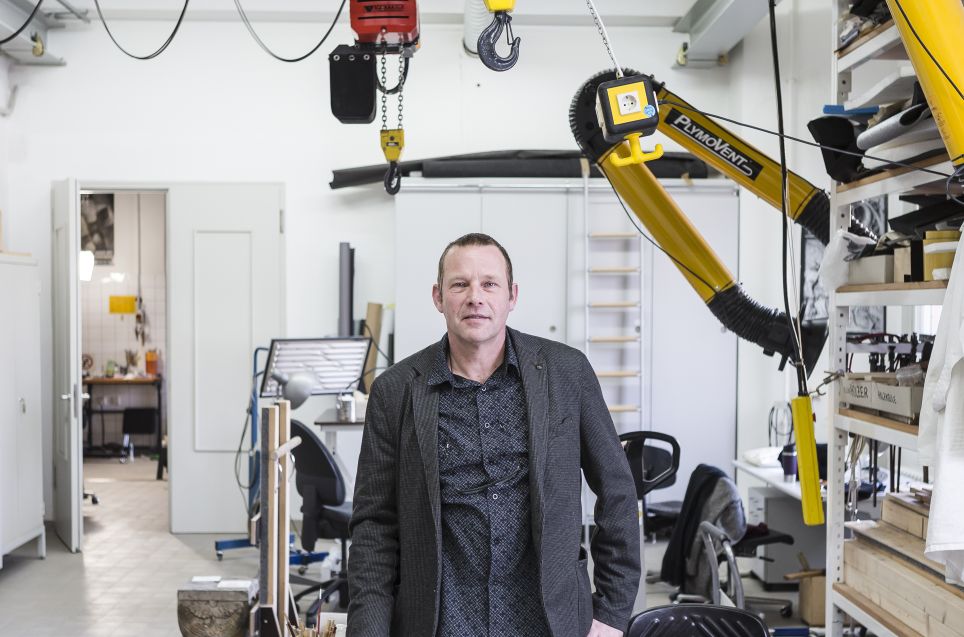
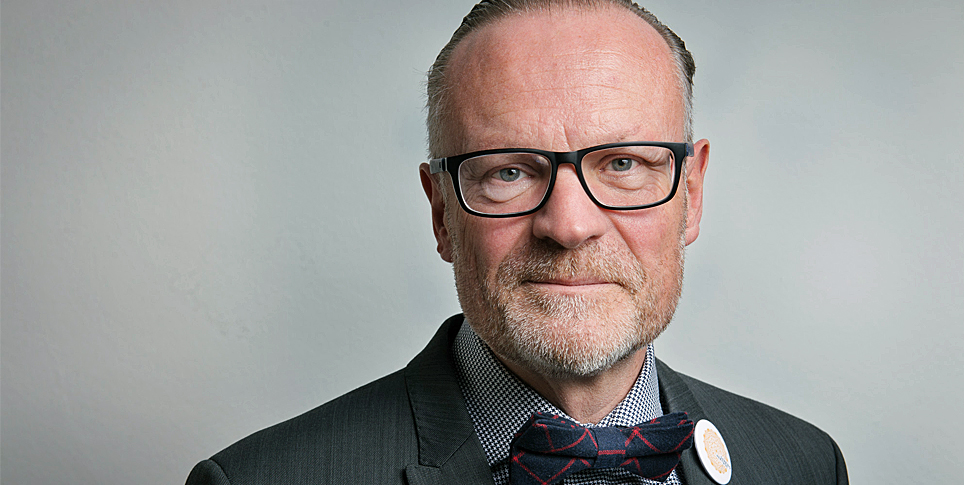
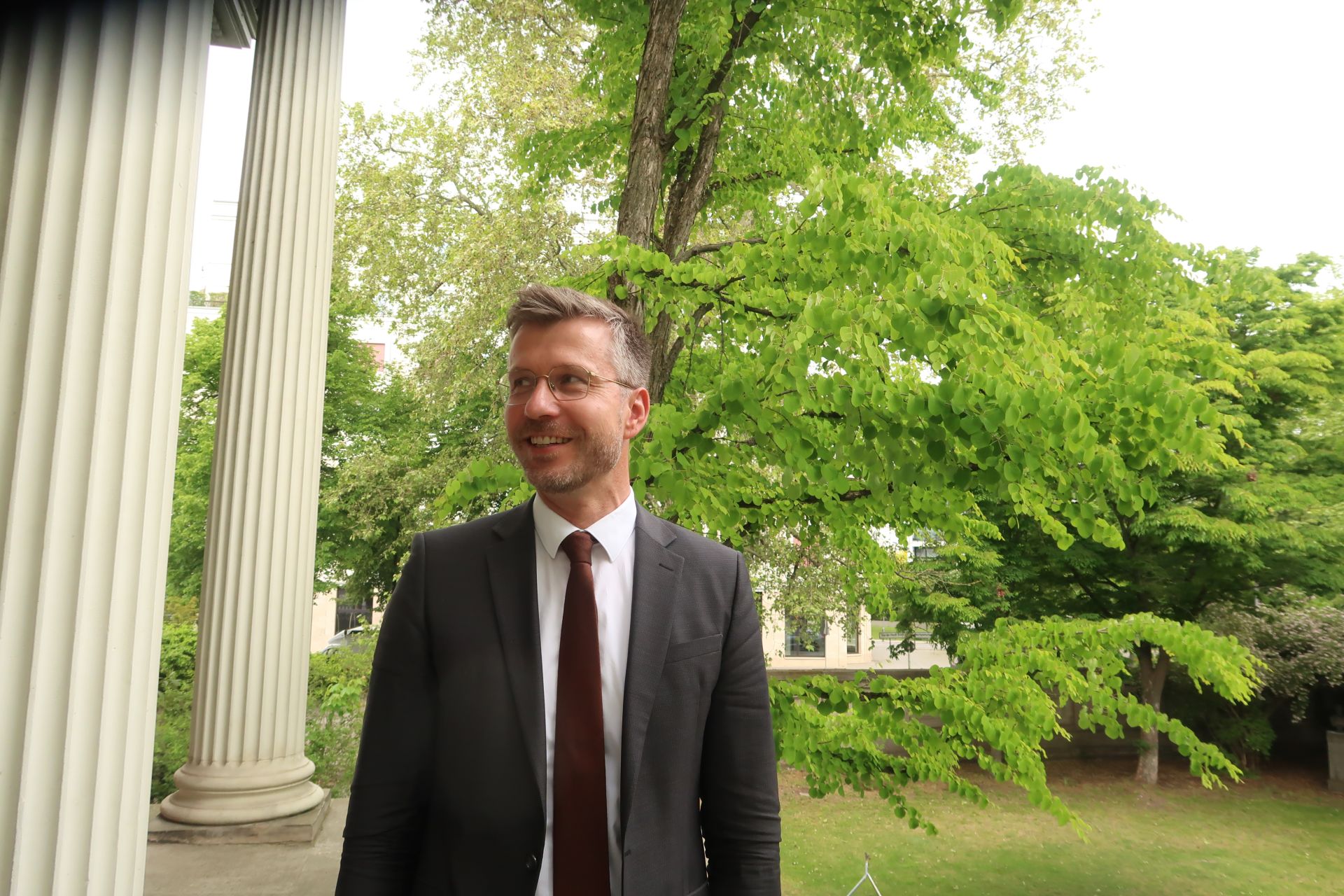
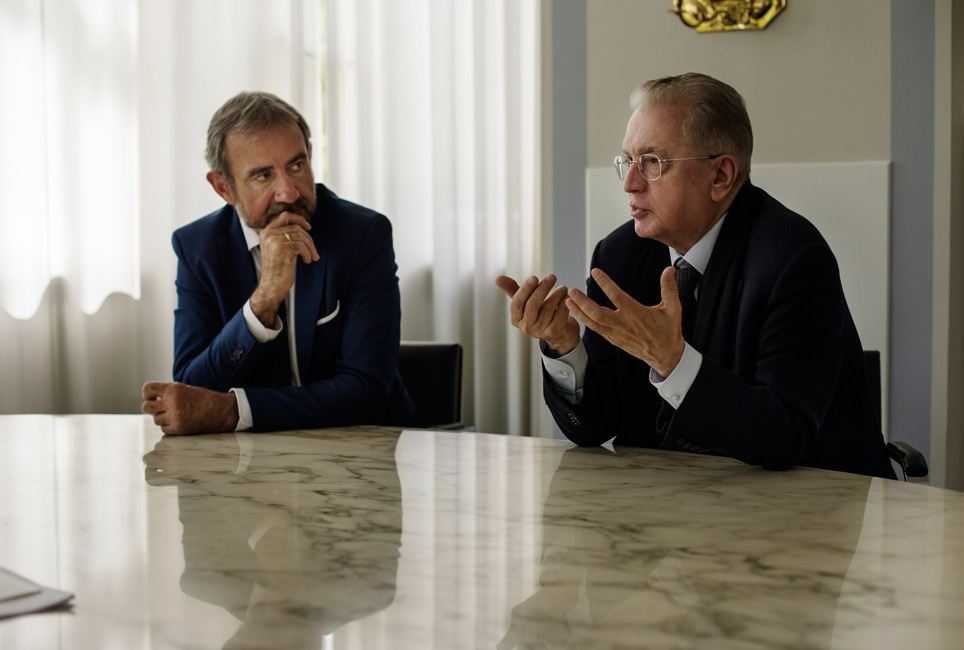
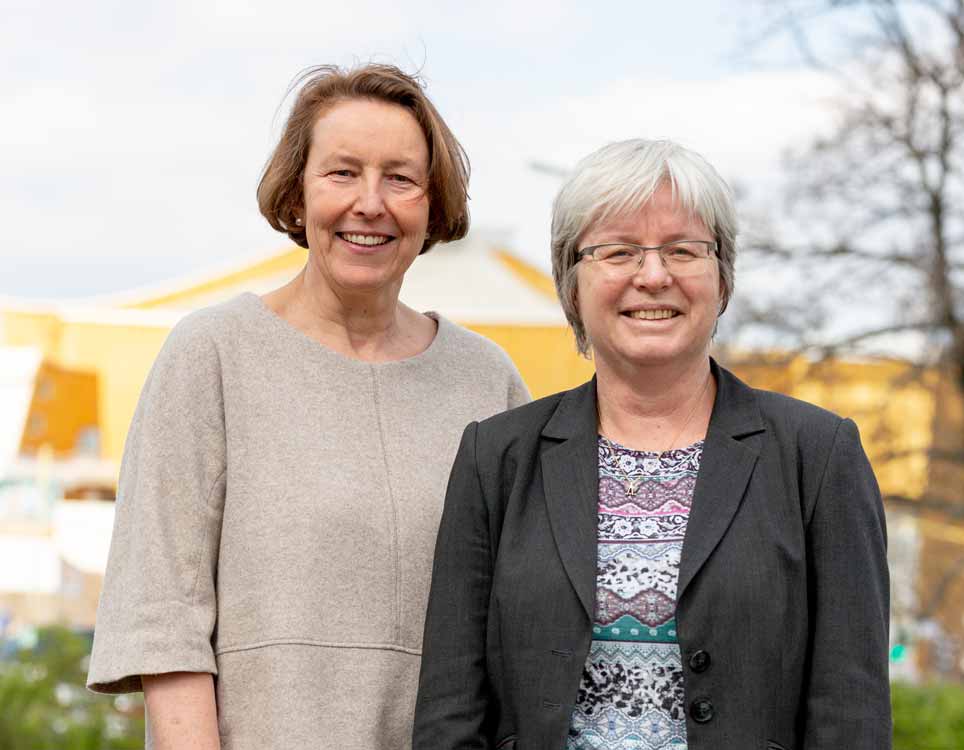
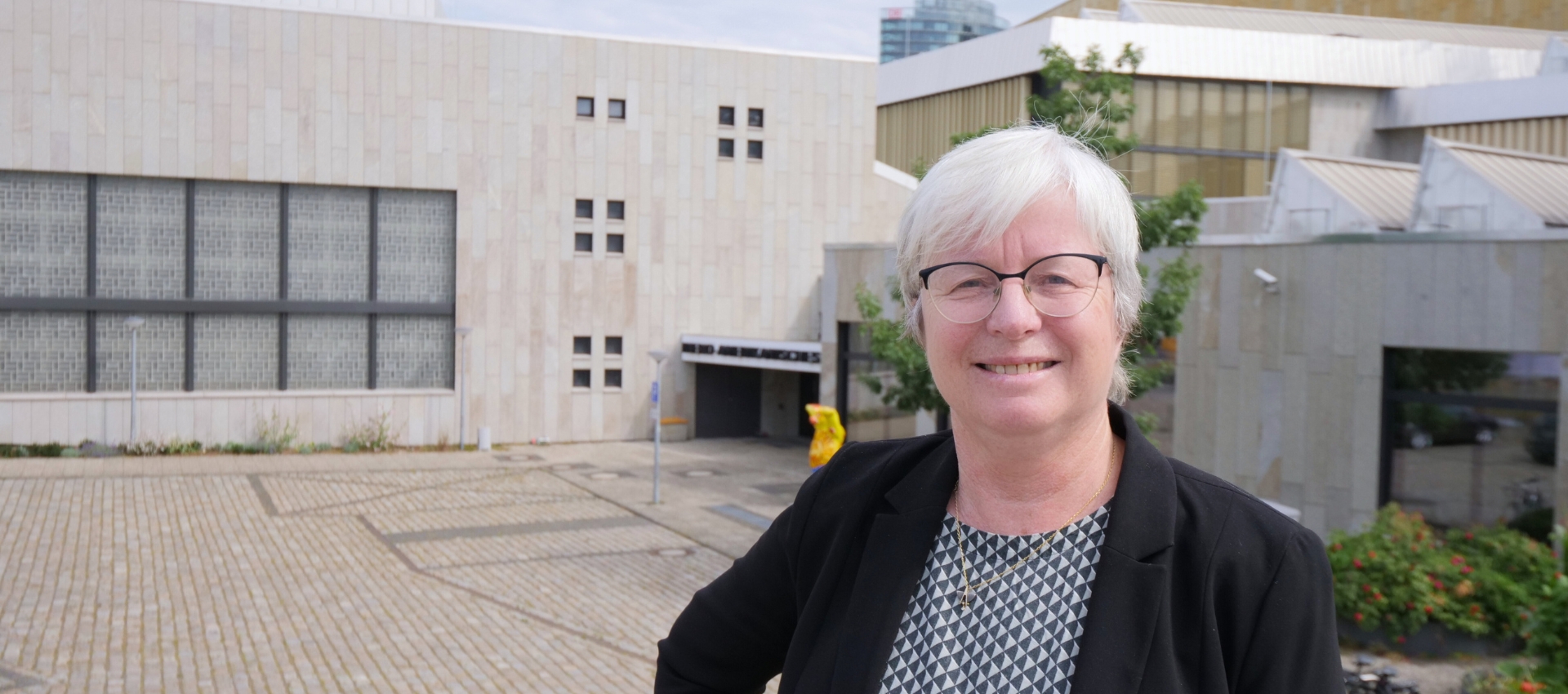
Stefan Weber, Director of the Museum of Islamic Art.
© Issam Hajjar
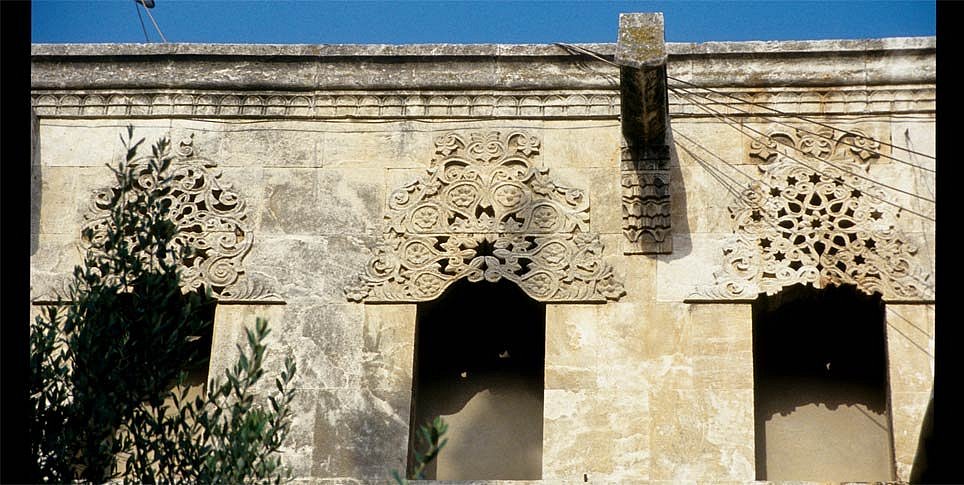
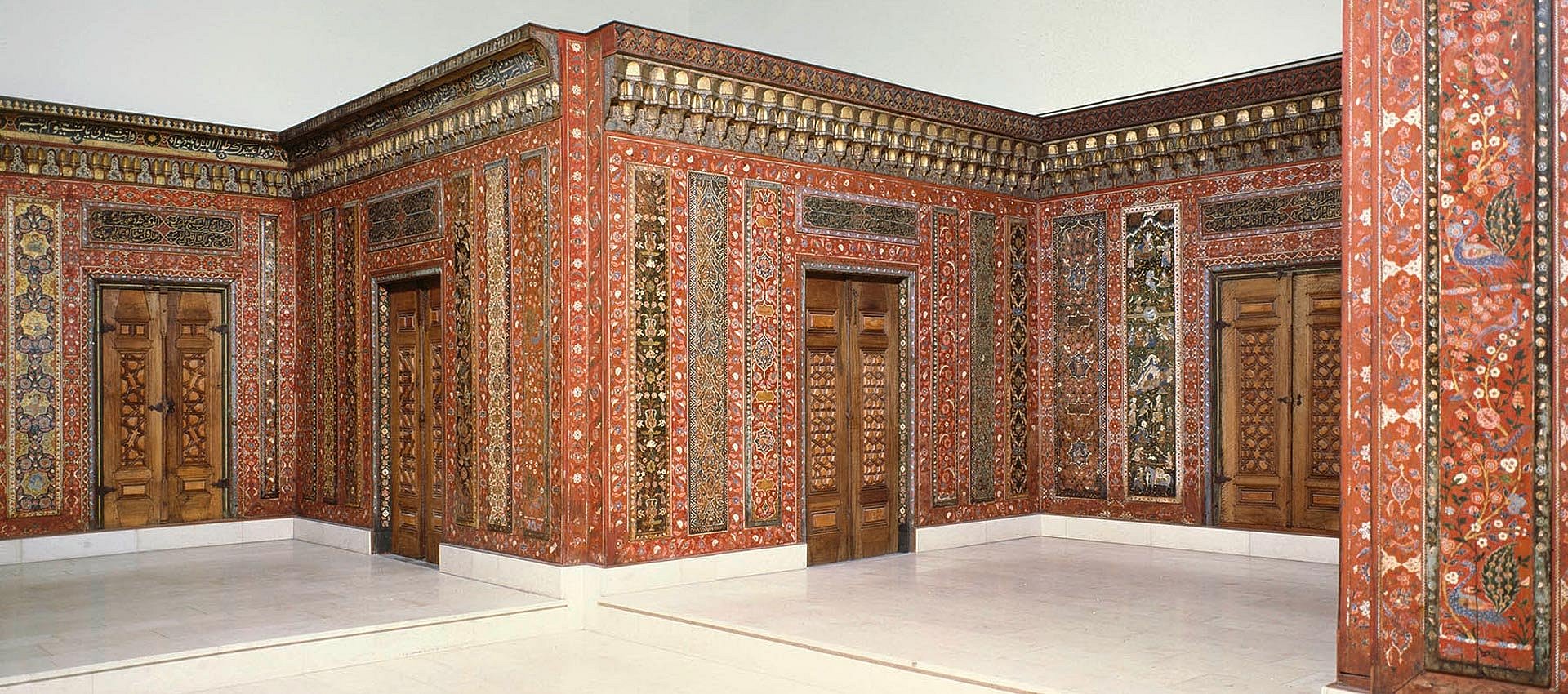
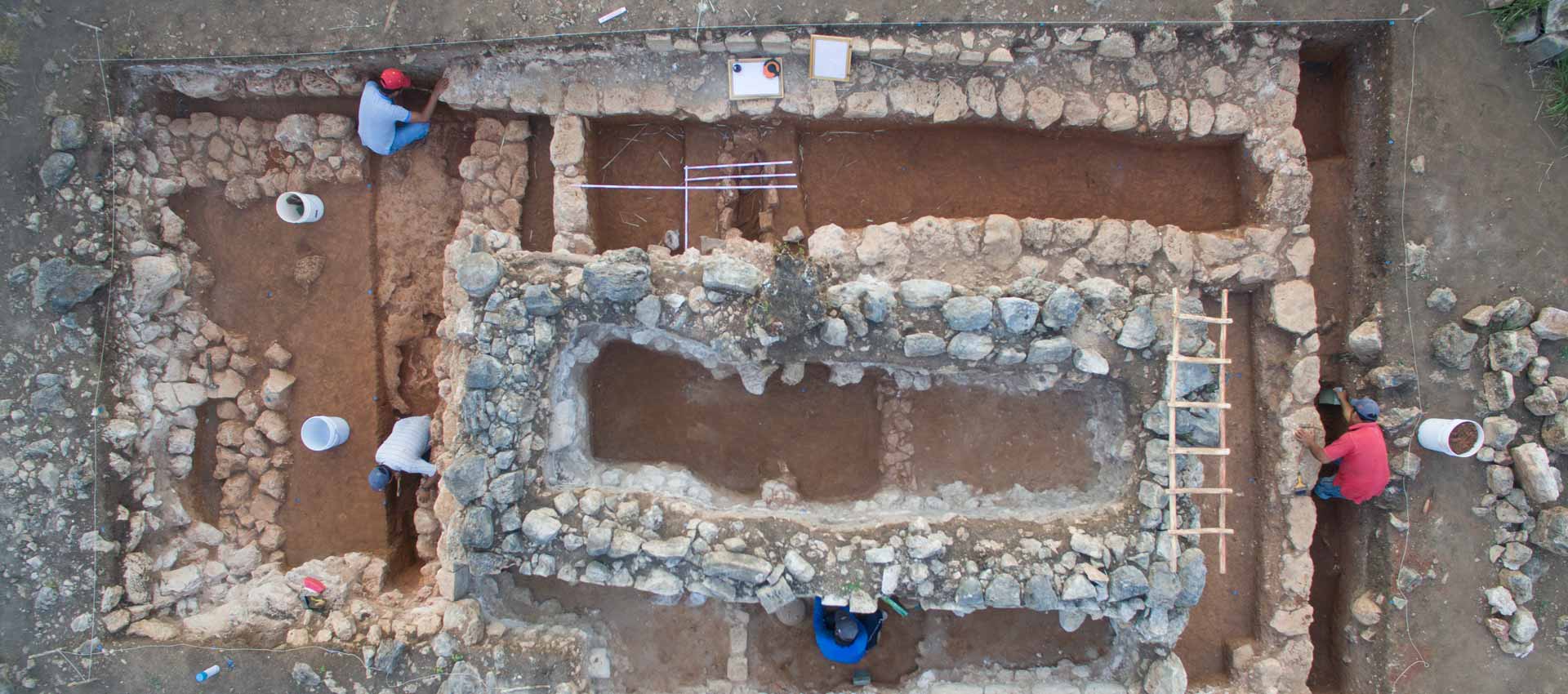
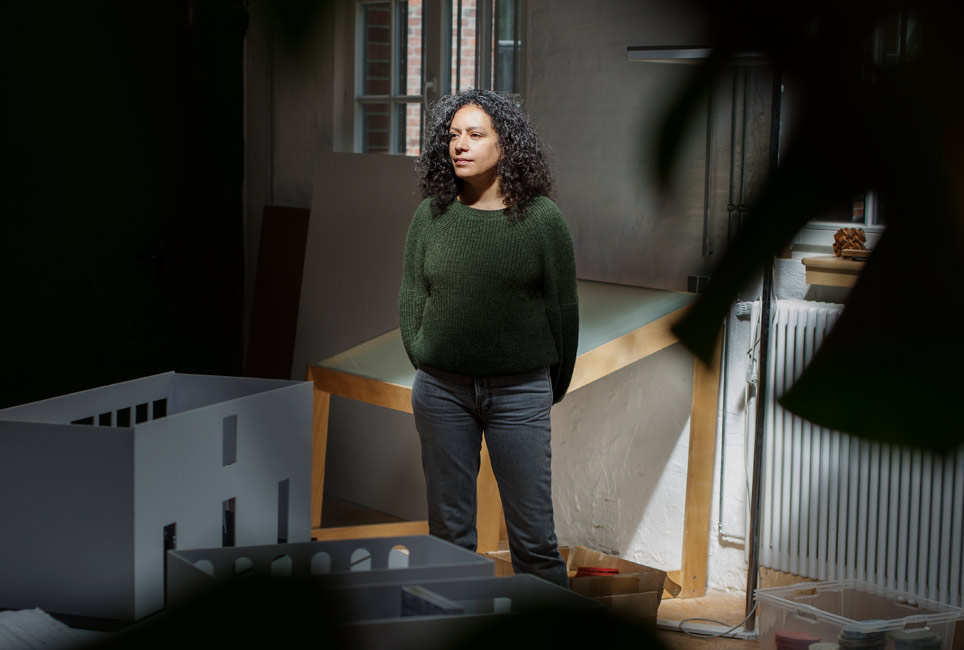
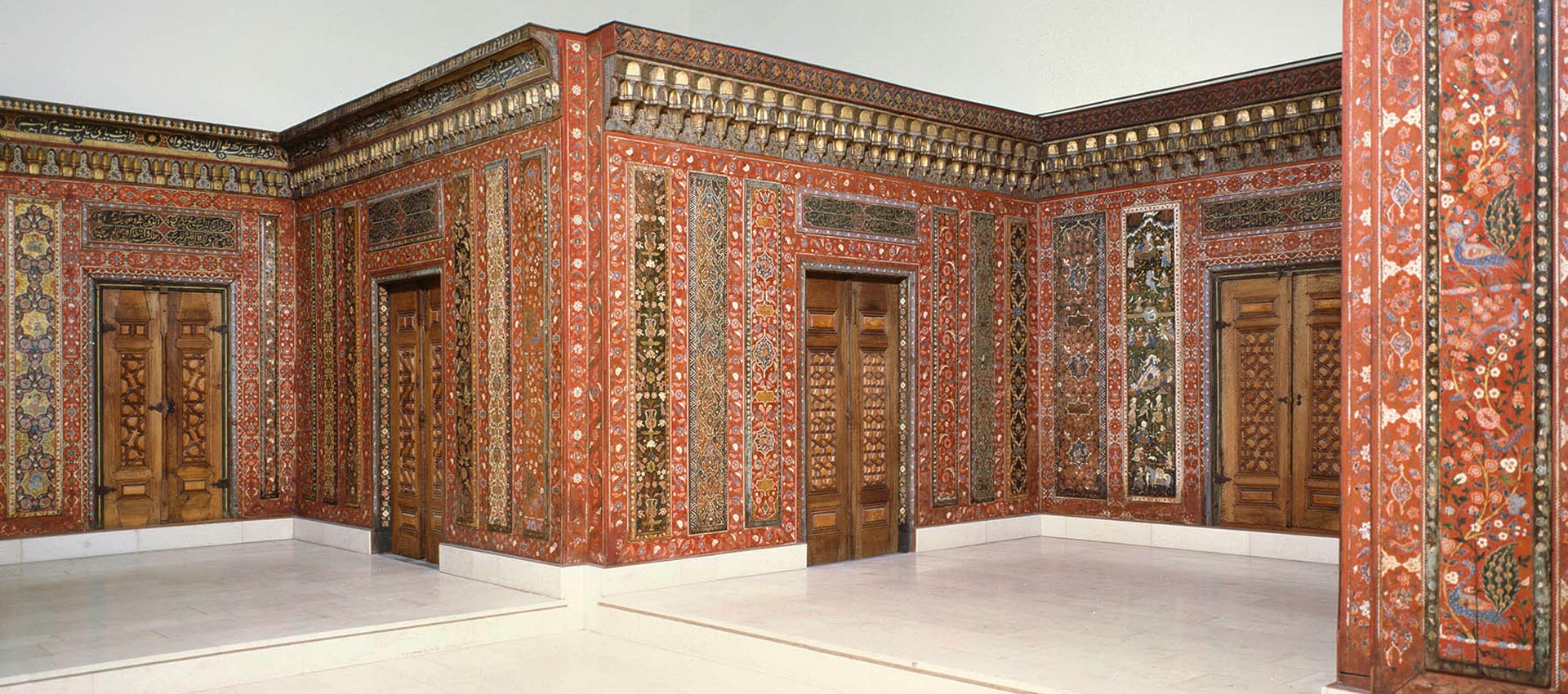
On 1 December, a training course for construction workers was due to begin as part of our restoration project in Aleppo. But it never happened. Dima Dayoub, a conservationist and expert at the Museum of Islamic Art, managed to flee the city with her family just before the rebels entered. The turning point in the Syrian conflict came as a complete surprise and was entirely unexpected. For several months now, Ms Dayoub has been travelling back and forth between Berlin and Aleppo to restore the Wakil House, which was destroyed during the war, in collaboration with the Friends of the Museum (FMIK) and the Gerda Henkel Foundation. This is a matter close to our hearts, as this town house is the origin of the famous Aleppo Room dating from 1601, which we have also recently restored. It will be presented to the public in all its splendour in the new permanent exhibition at the Pergamon Museum from 2027. The restoration in Aleppo is one of several (mostly smaller) projects on which Dima Dayoub has been working since the 2023 earthquake on behalf of the Friends’ Association and supported by private donations. It was only on 15 November that we were able to complete the restoration of the front façade of the important Ottoman caravanserai Khan al-Wazir (1682) and mark its opening with an opera concert in Aleppo.
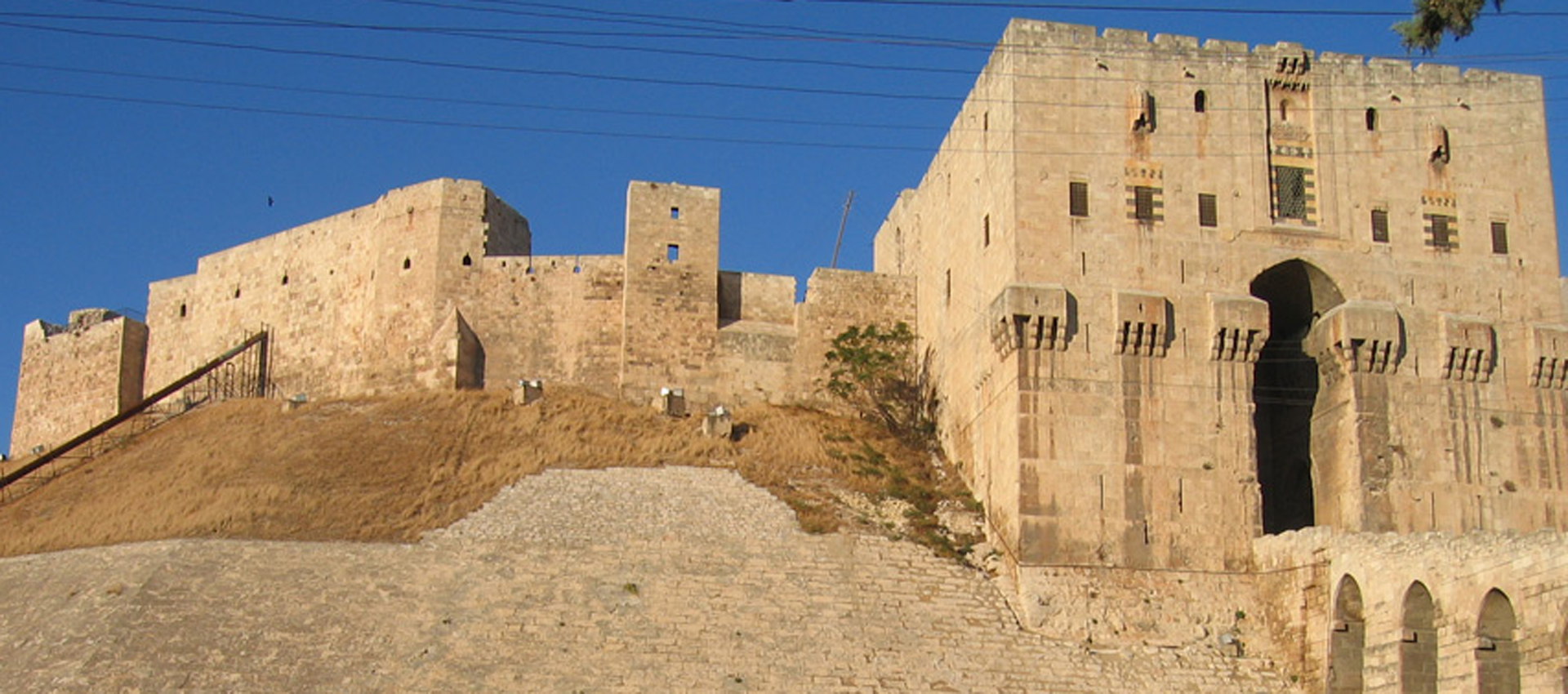
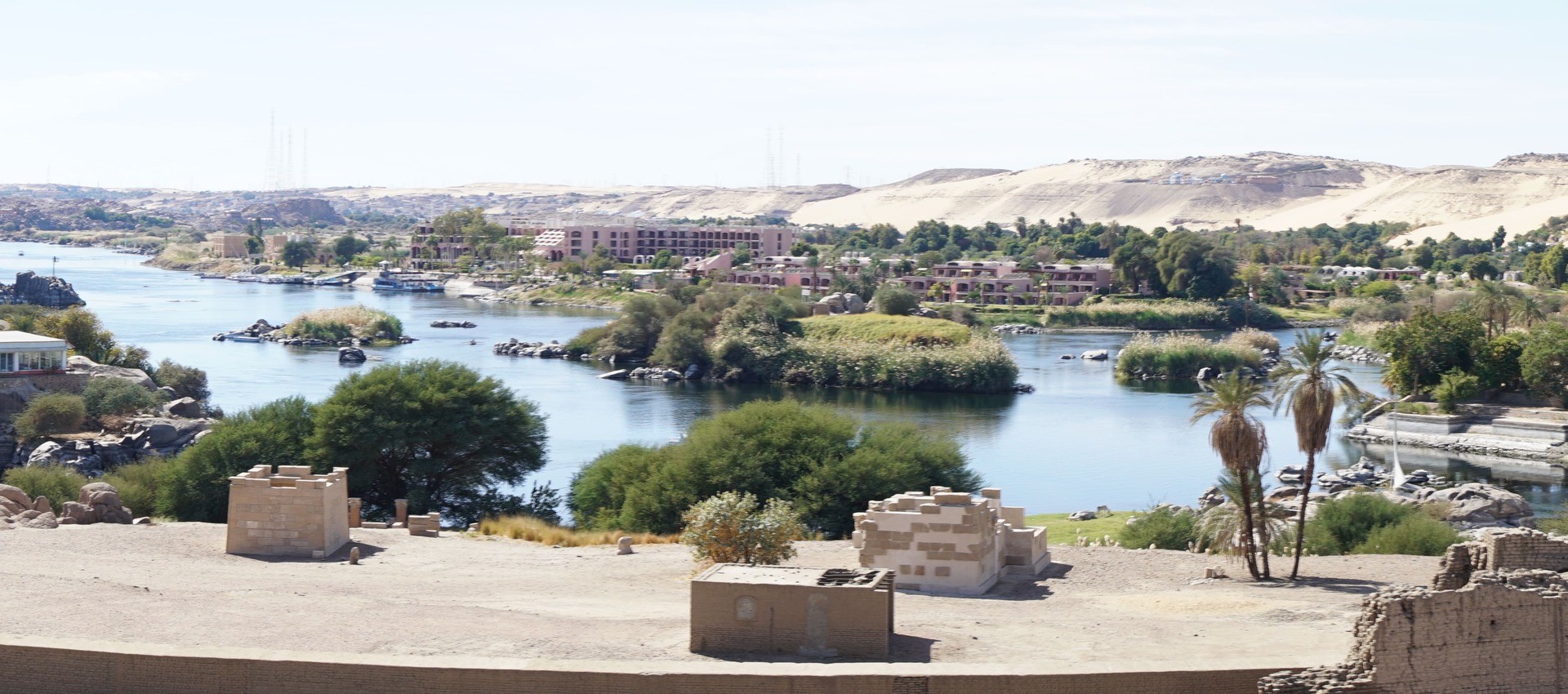
Everything seemed to be on track – albeit a slow and arduous one, as far too little has been done over the years to rebuild the old town. After all, Aleppo is arguably the oldest inhabited city in the world, with a breathtaking old town which, contrary to many media reports, remains largely well preserved. The destruction is mainly concentrated in a wide strip along the former front line running right through the old town, with the total loss of several significant monuments.
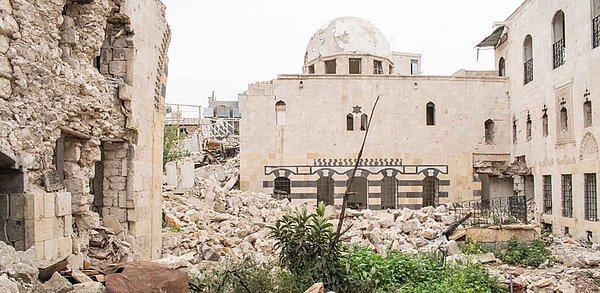
Since 2013, the Museum of Islamic Art – long supported by the Federal Foreign Office and, in its early years, in cooperation with the German Archaeological Institute – has been collecting data on Syria’s architectural heritage, particularly that of Aleppo. Architectural history, instances of destruction and personal memories have been recorded in a publicly accessible digital archive with georeferenced data, and materials for restoration have been developed. We were able to conduct detailed research into a central district and the city’s residential buildings and publish our findings in monographs, including for restoration purposes. Data packages for individual restoration projects are accessed time and again, but far too infrequently. One cannot speak of a coordinated reconstruction effort. An embargo against the Assad regime and the corrupt central administration surrounding the Assad family have slowed down the process of rebuilding.
And now this. Everything has changed virtually overnight. The cry of ‘Freedom!’ echoes through the streets of Aleppo, and the overwhelming majority across the country is rejoicing at the fall of the brutal regime – a liberation in psychological terms too. It seems unlikely that there will be another battle for Aleppo, and the inhumane Russian bombing campaign has also been halted. Is everything alright?
There is a great deal of uncertainty: how will the new Islamist regime govern Syria’s multi-religious and multi-ethnic society? What is their stance on women’s rights? Will the promises of tolerance and religious freedom be kept? Will moderate voices prevail? Will corruption be curbed? We shall wait and see. In any case, Dima Dayoub and her partners are already raring to go and hoping for stable times ahead.